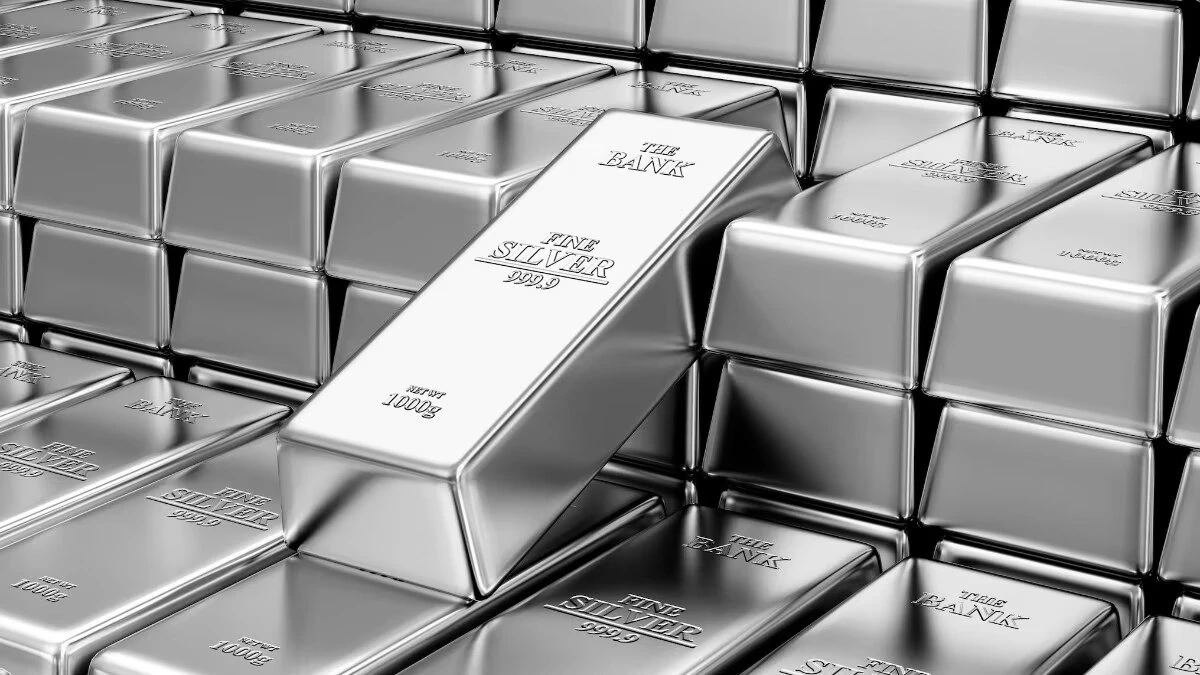
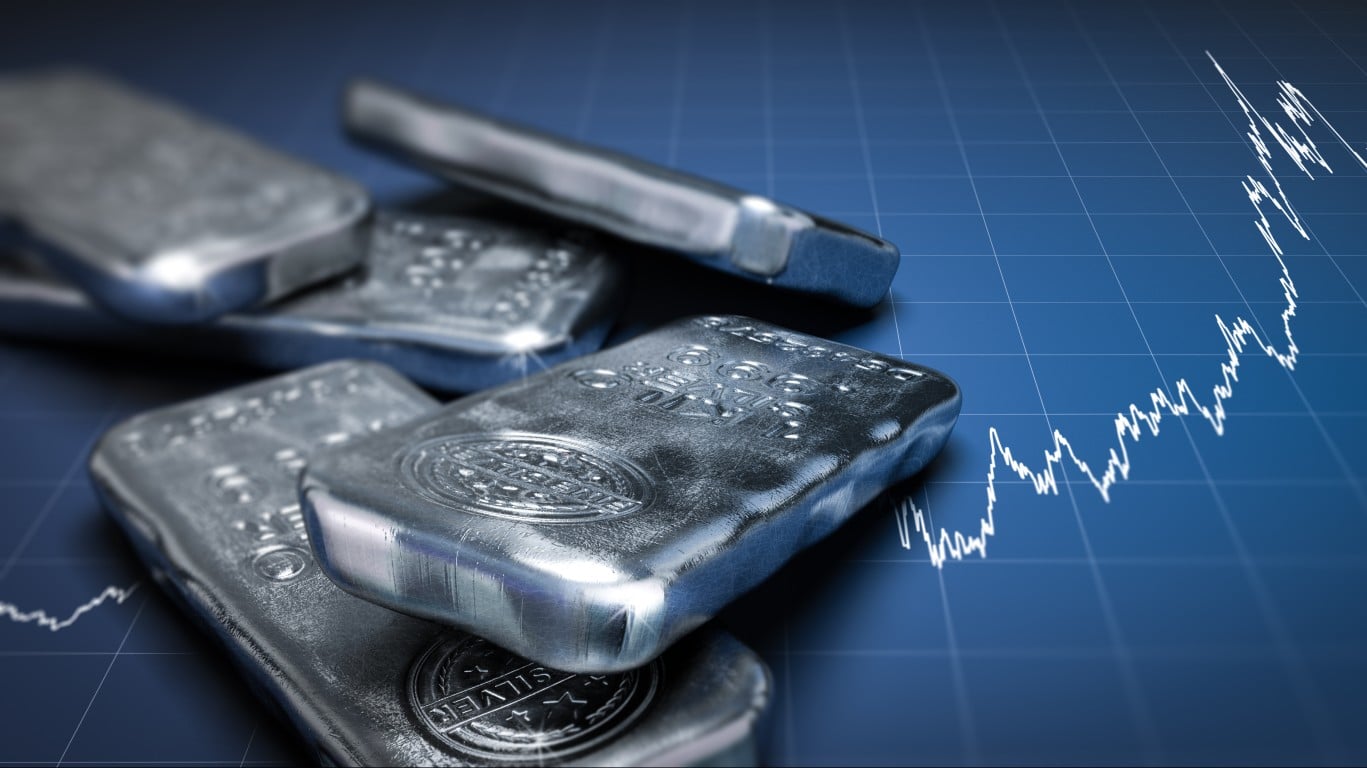
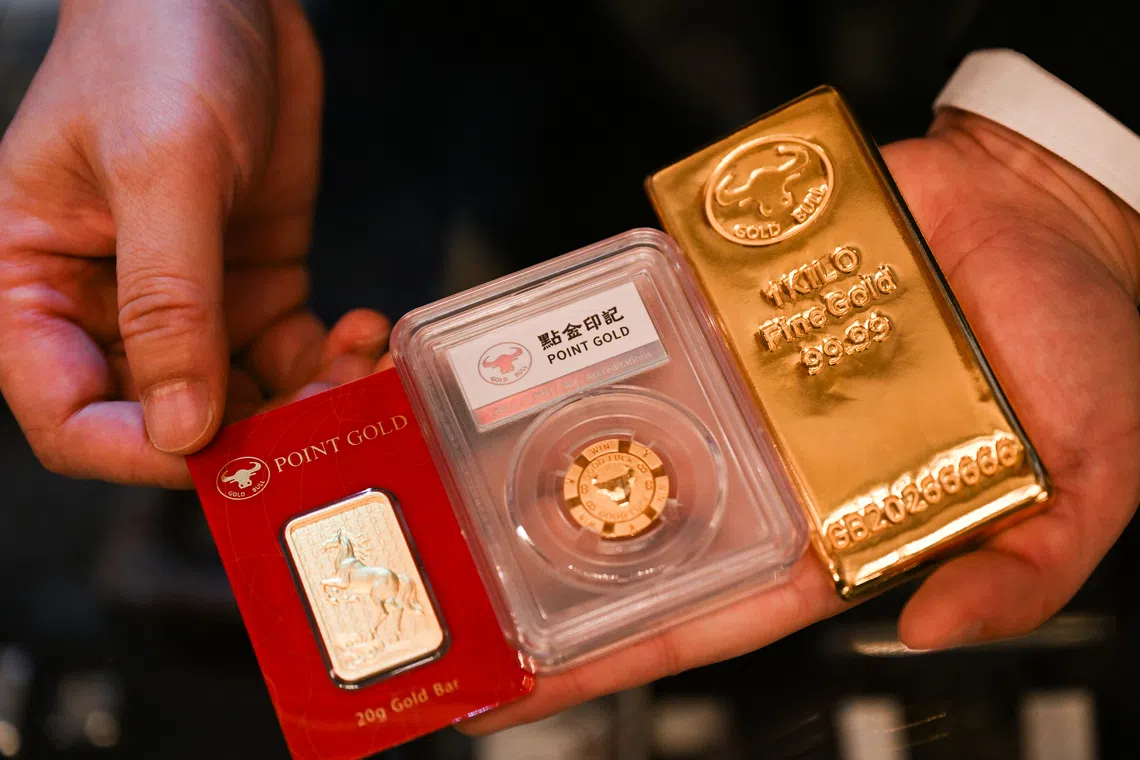
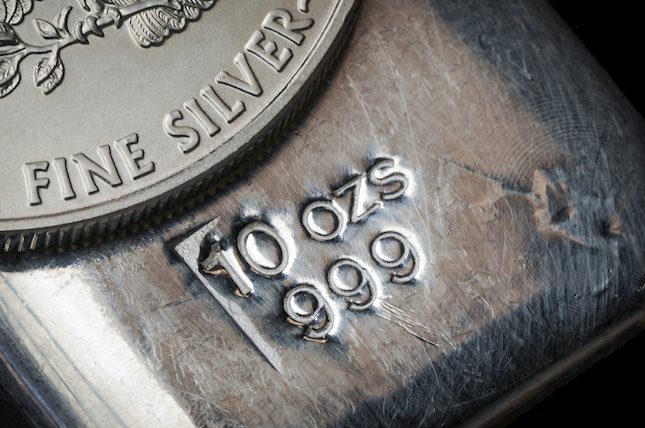
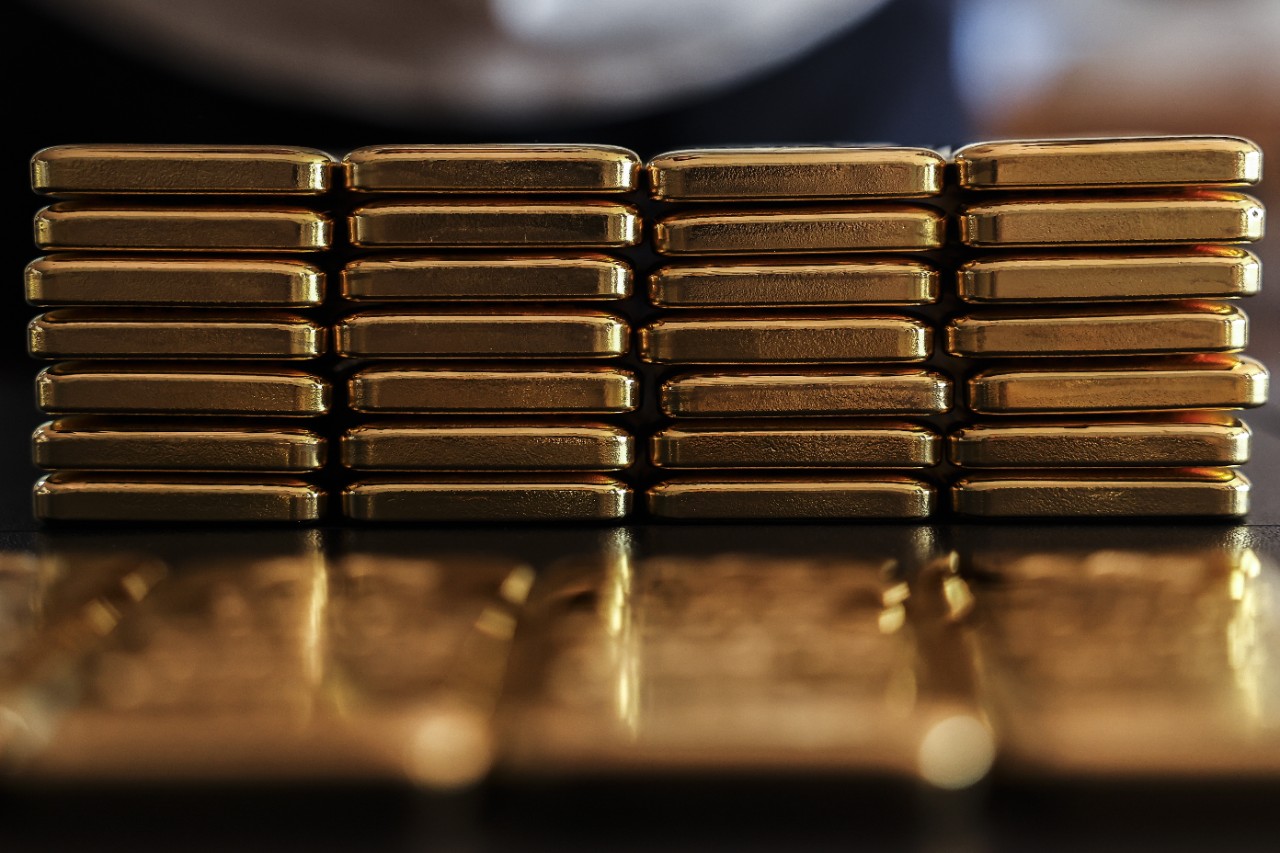
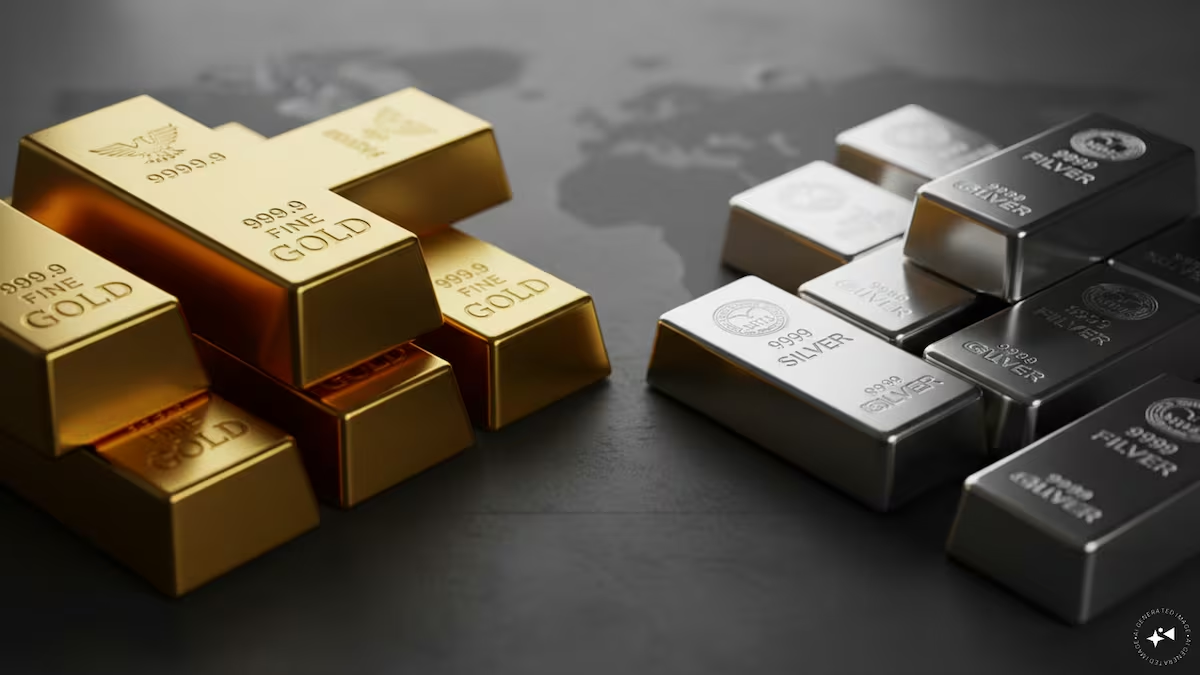
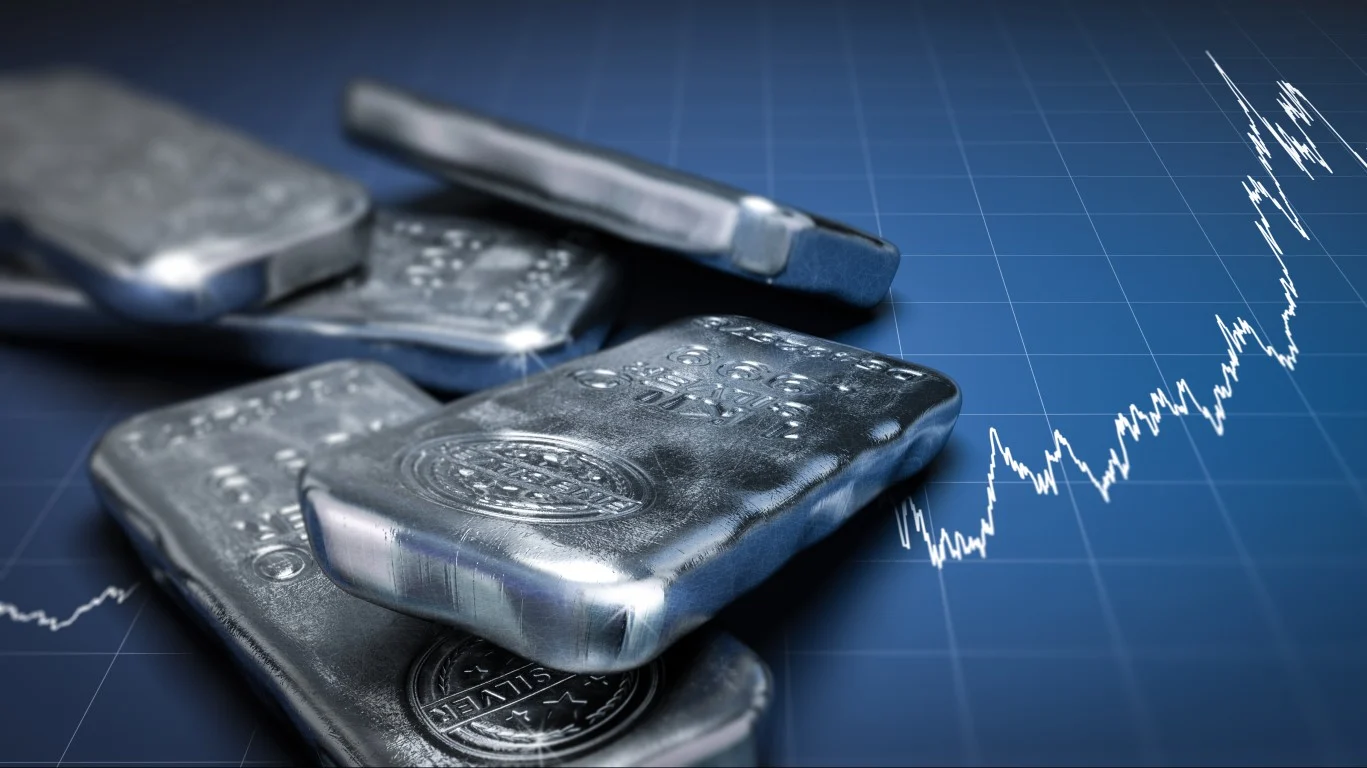
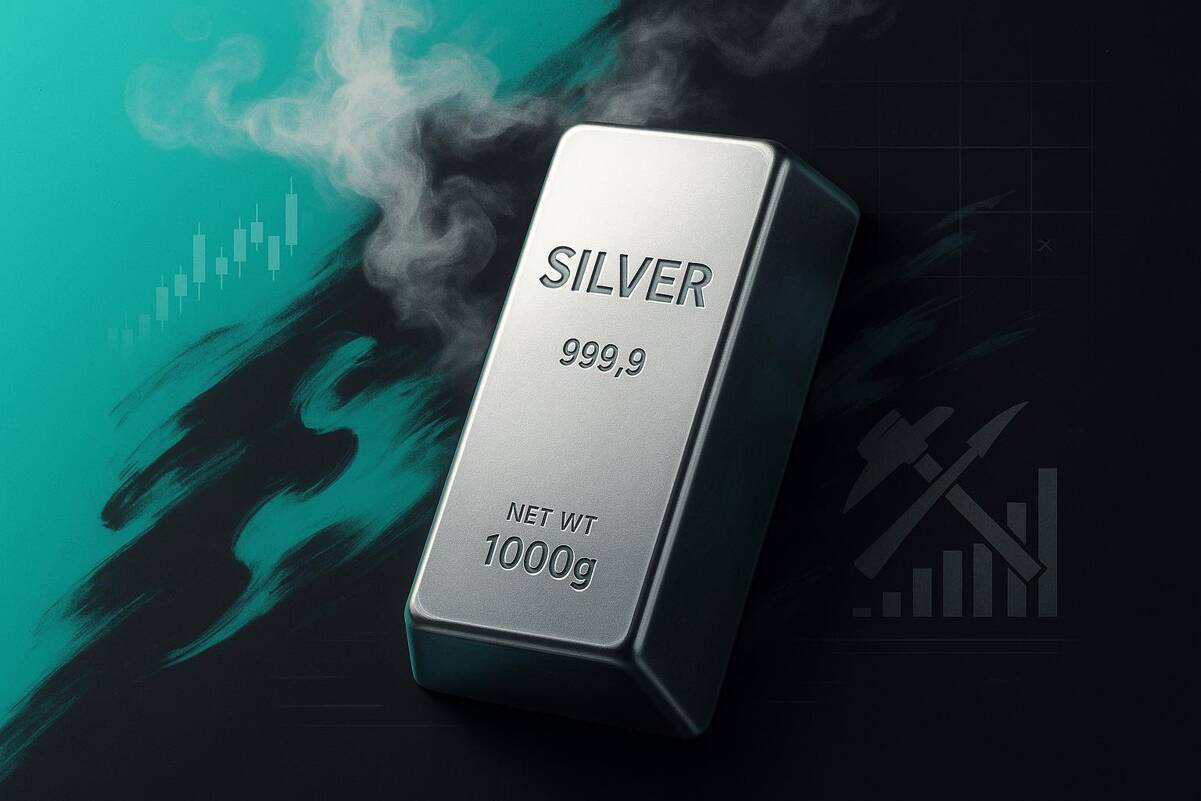
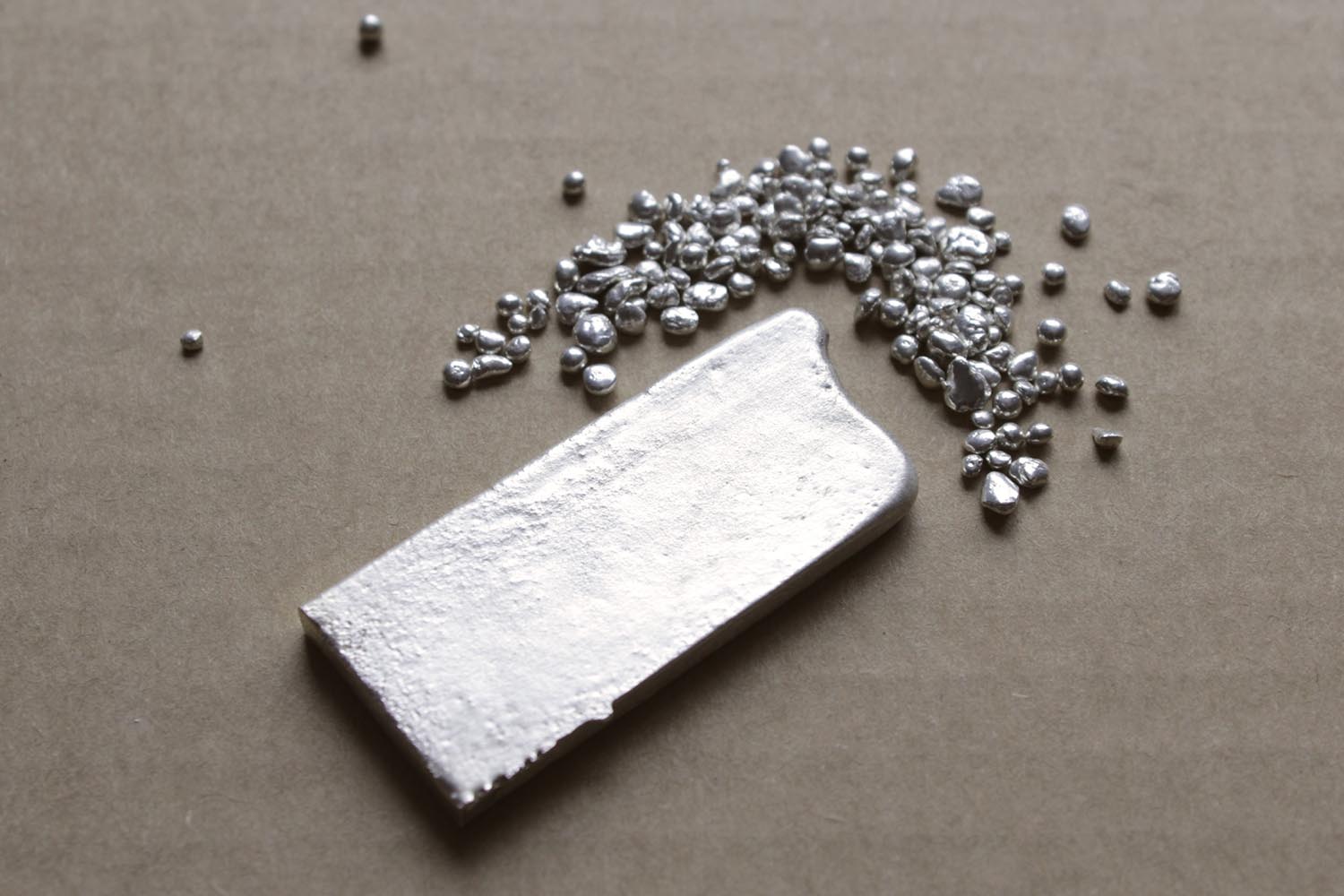
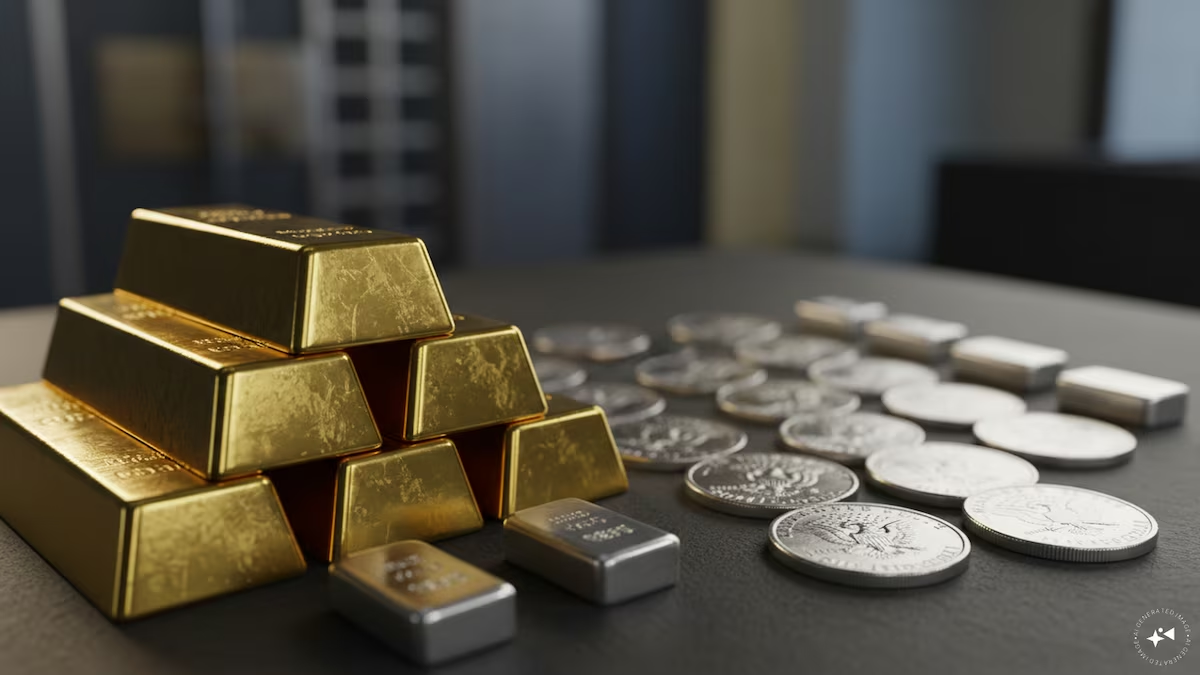
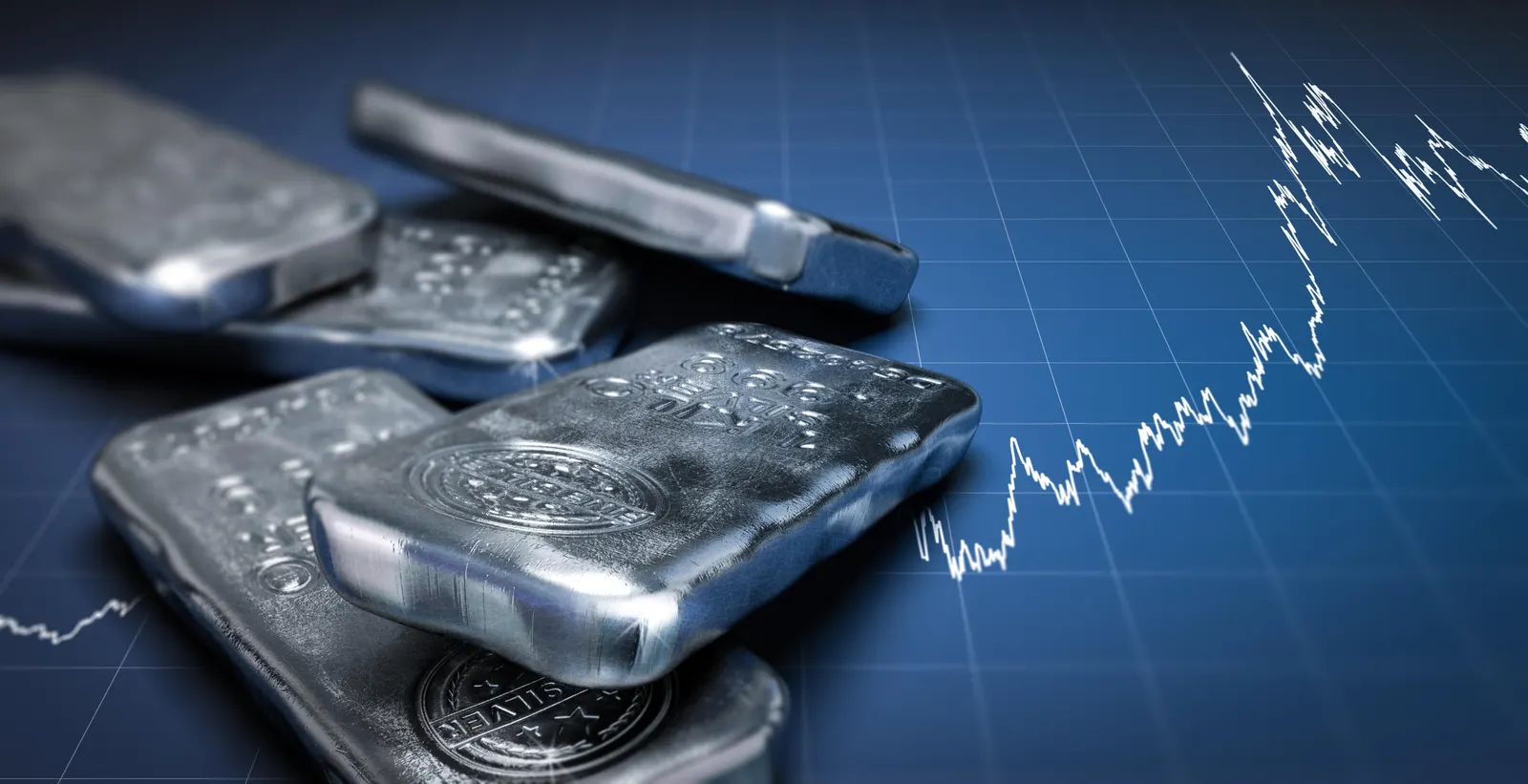
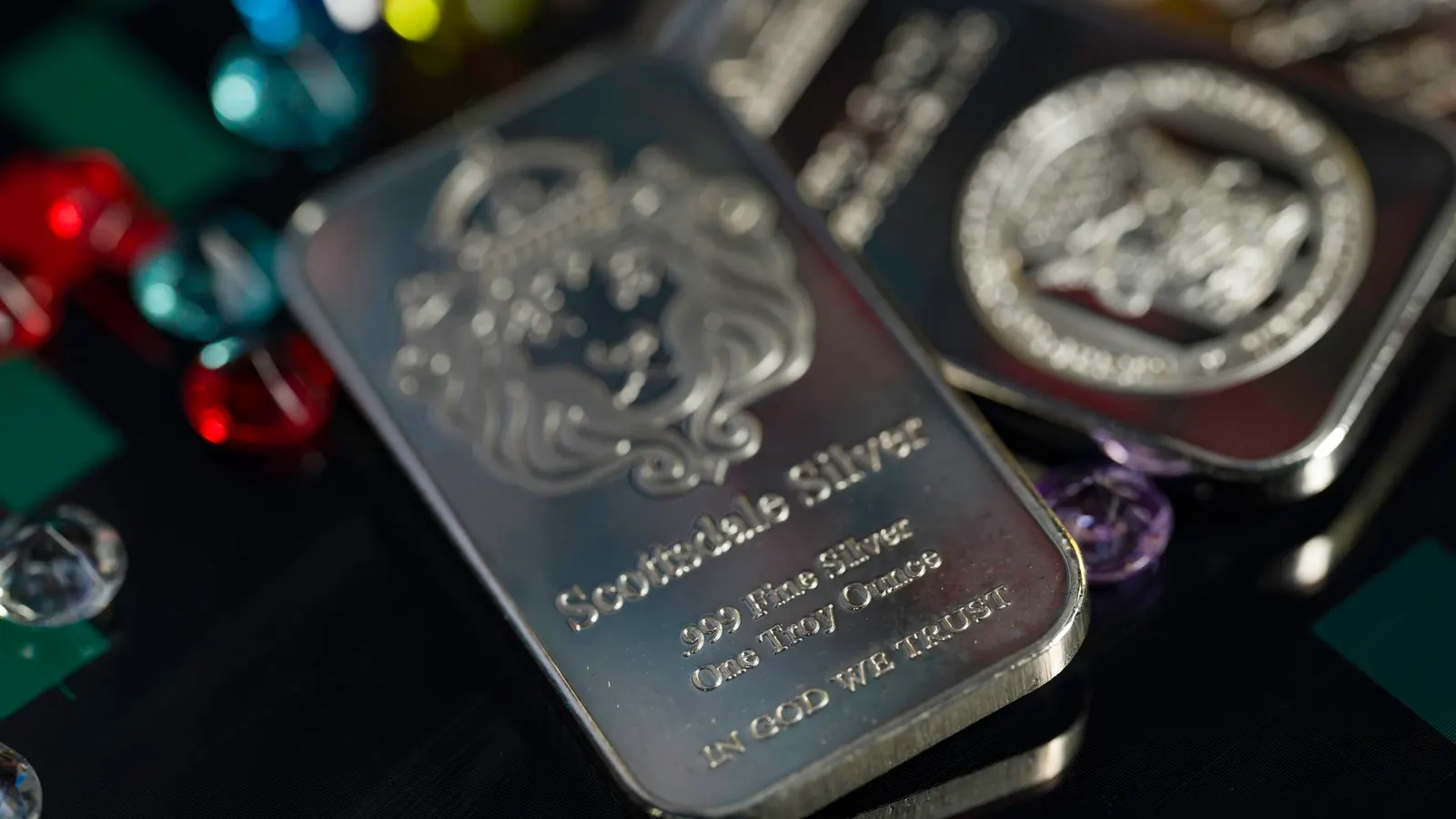
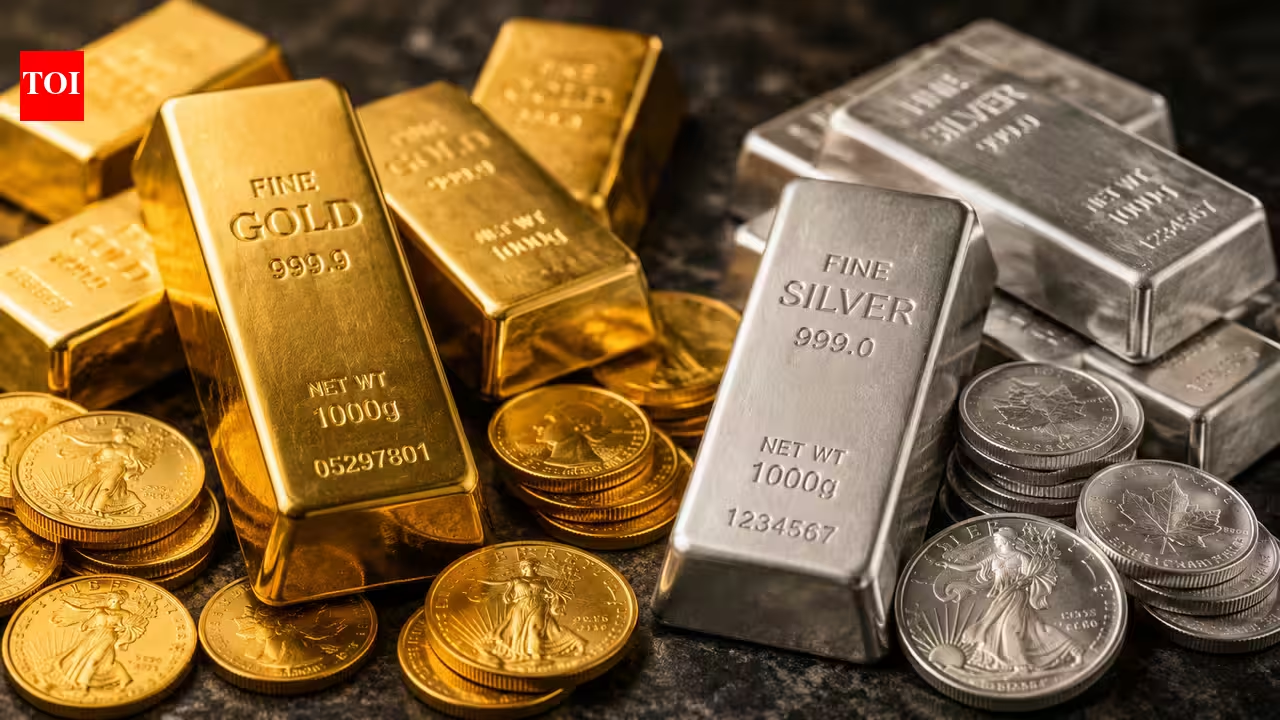
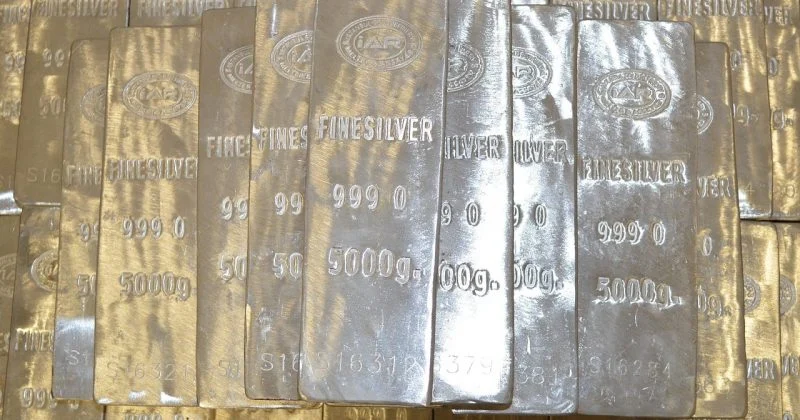
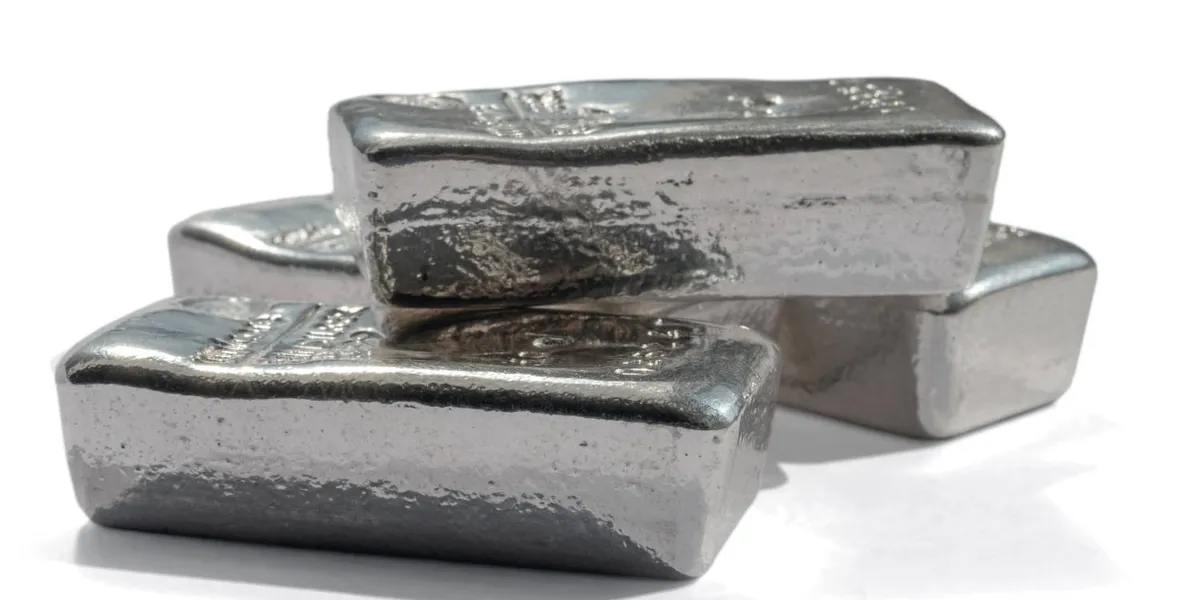
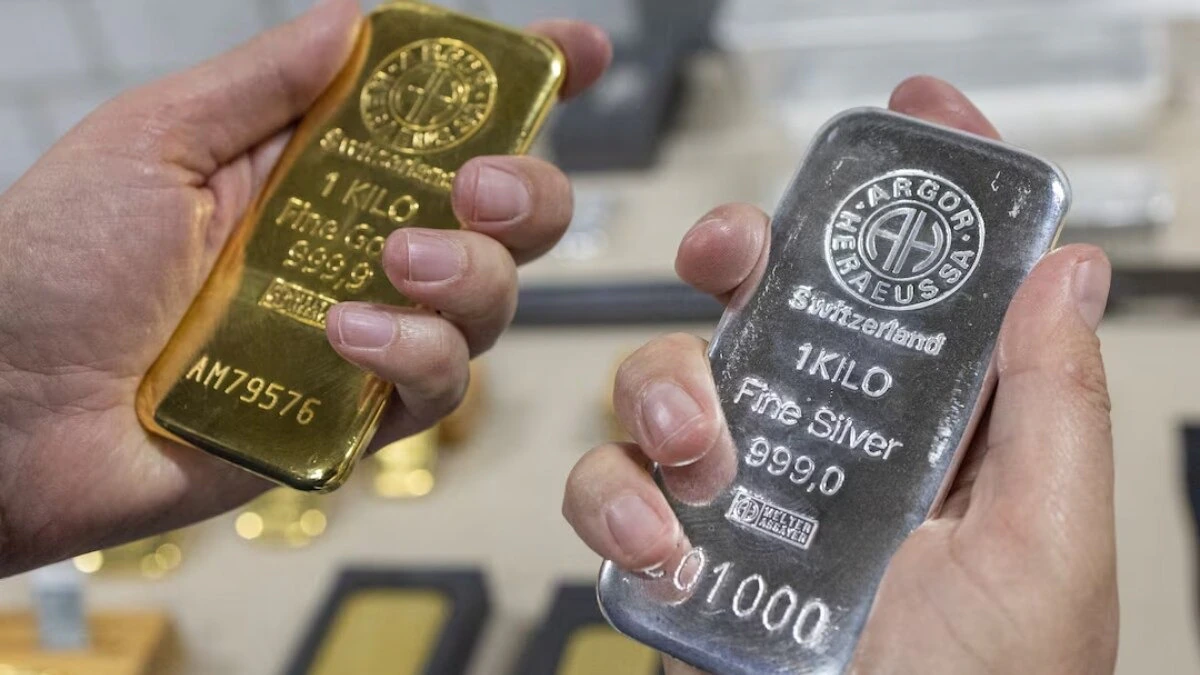
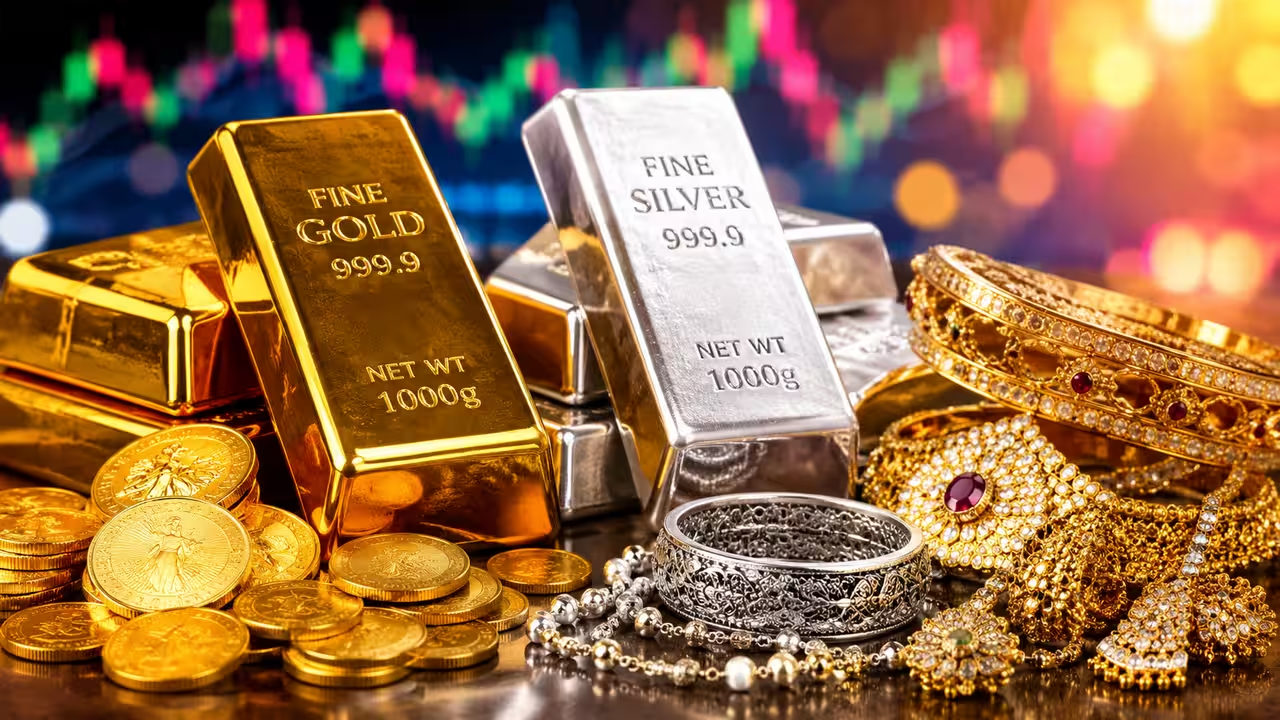
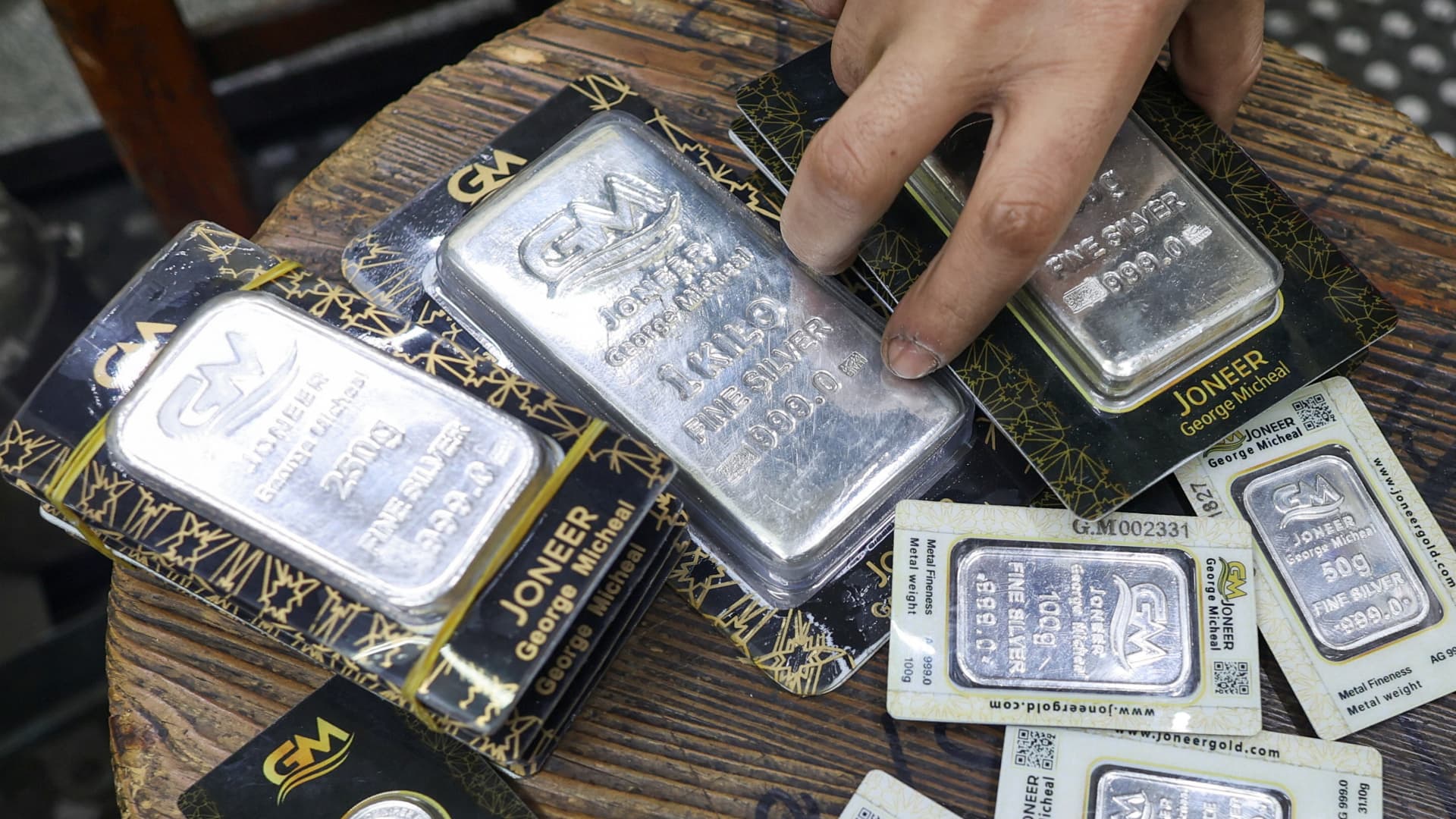
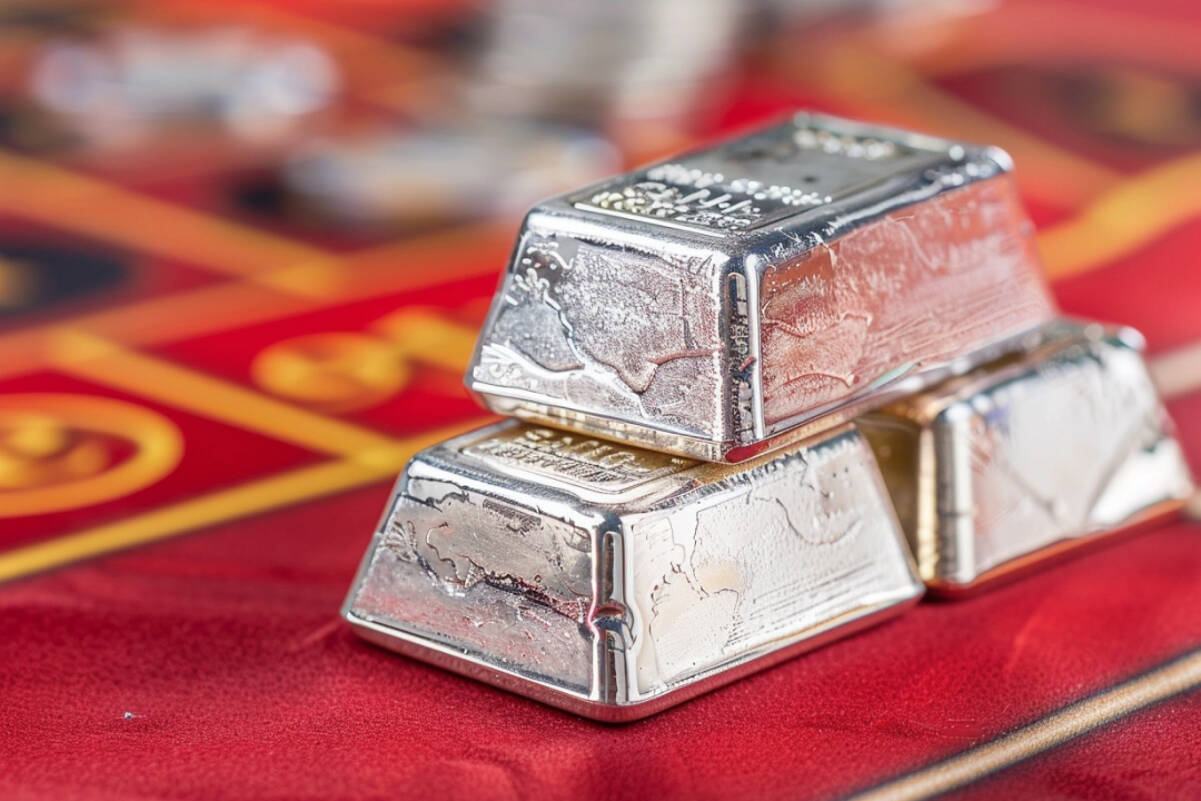
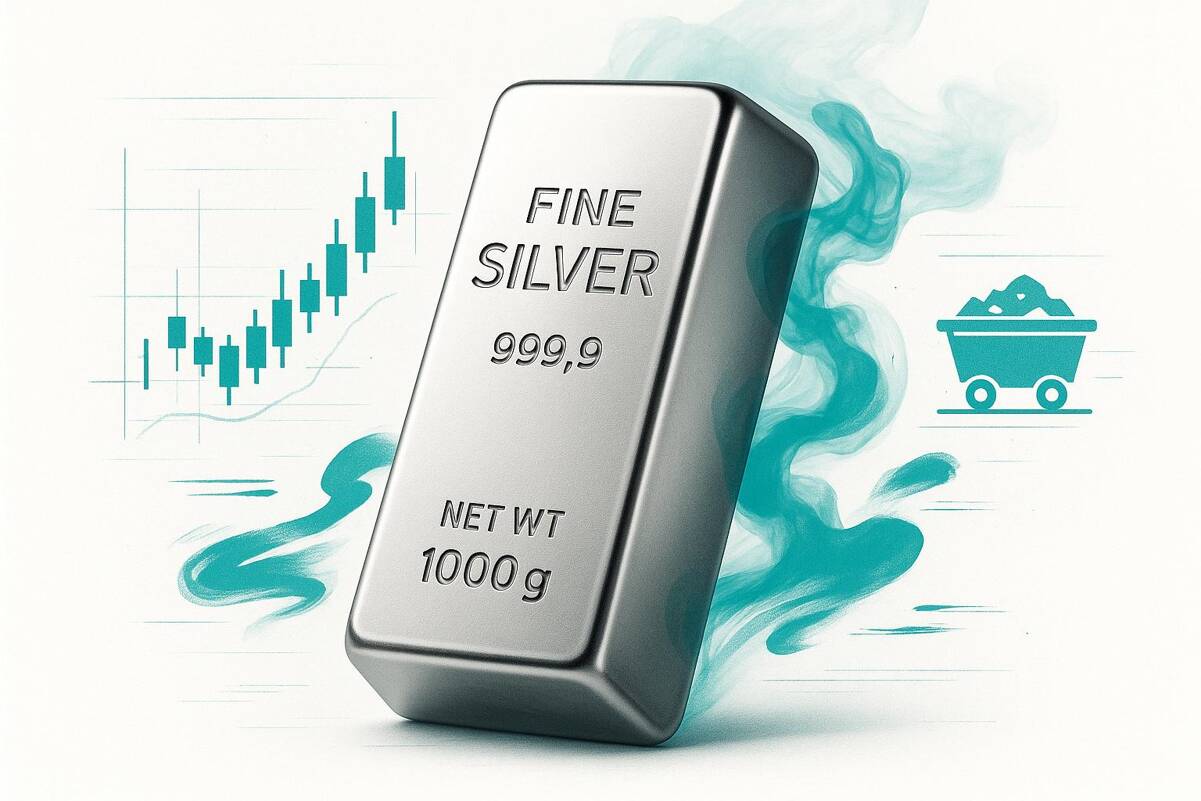
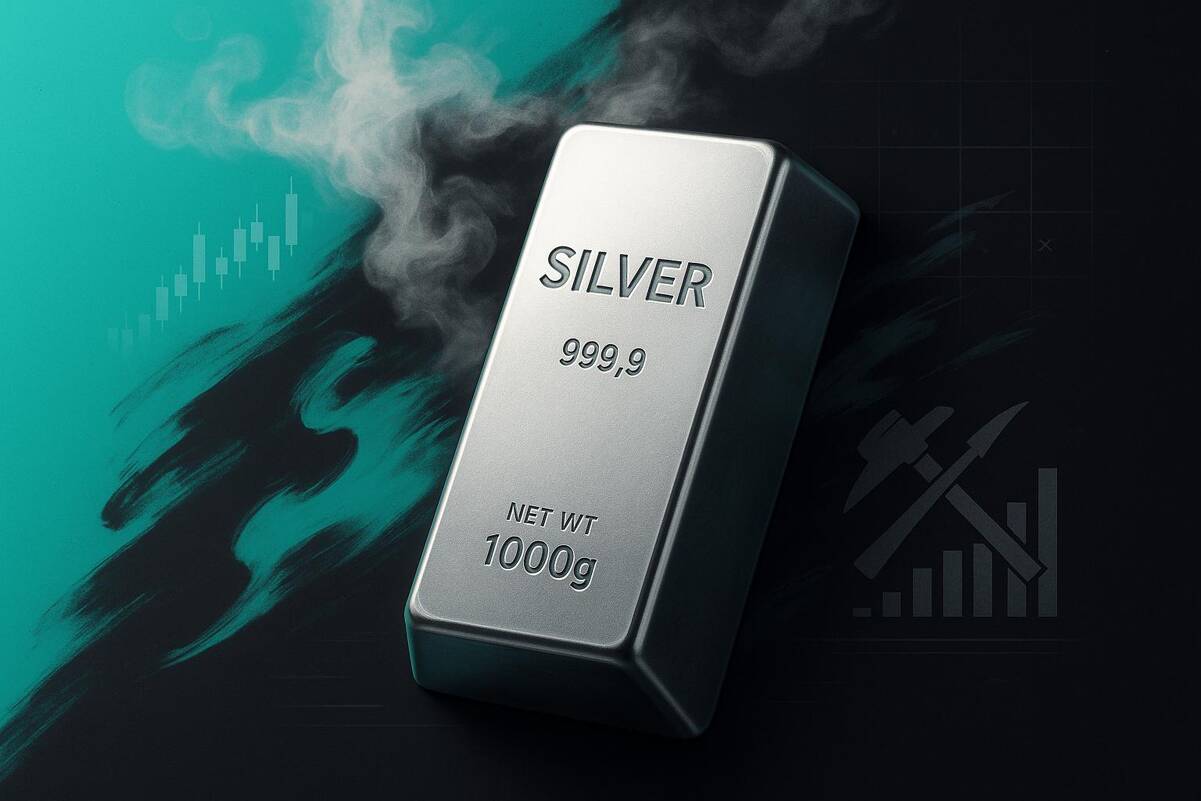
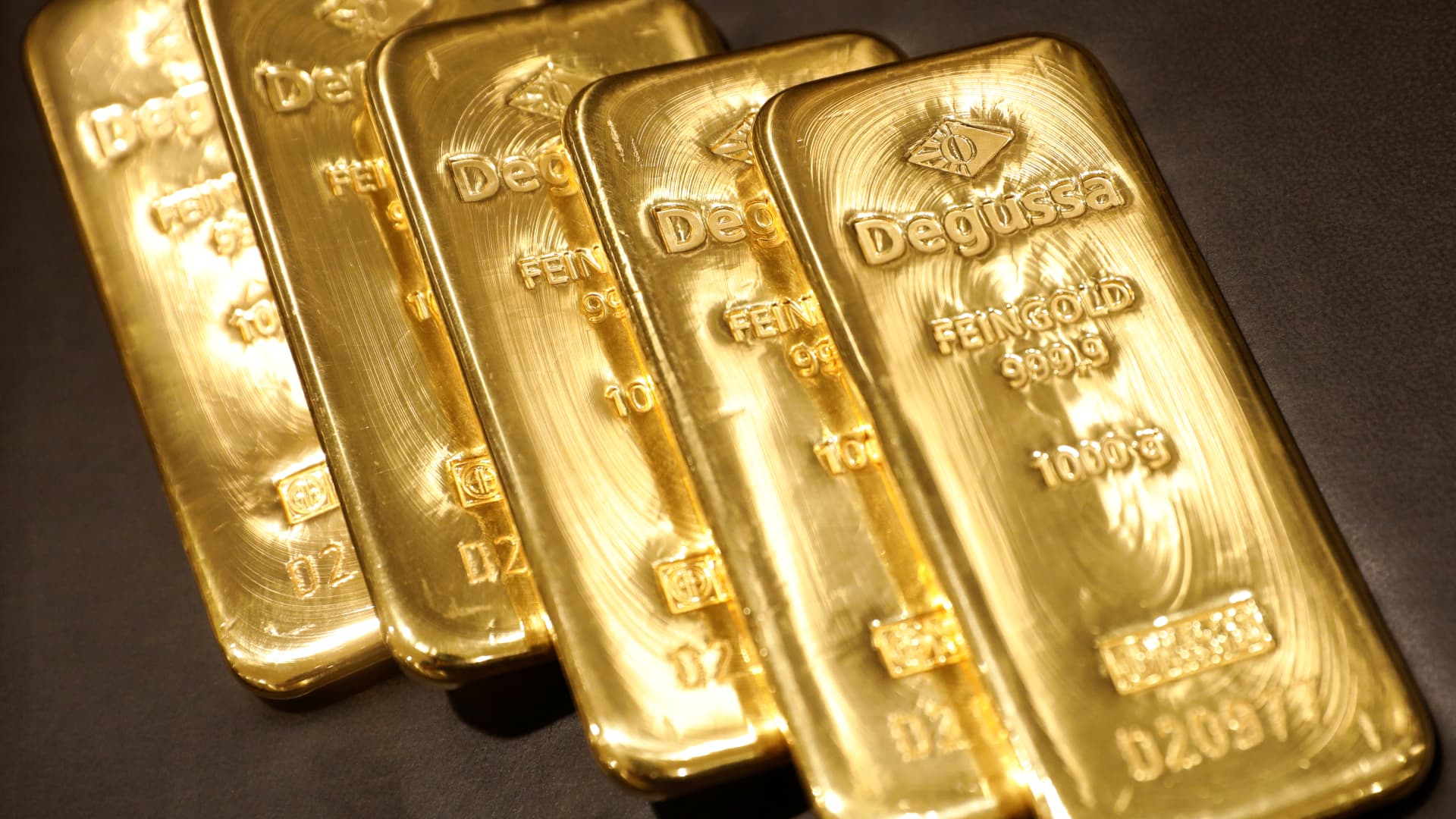
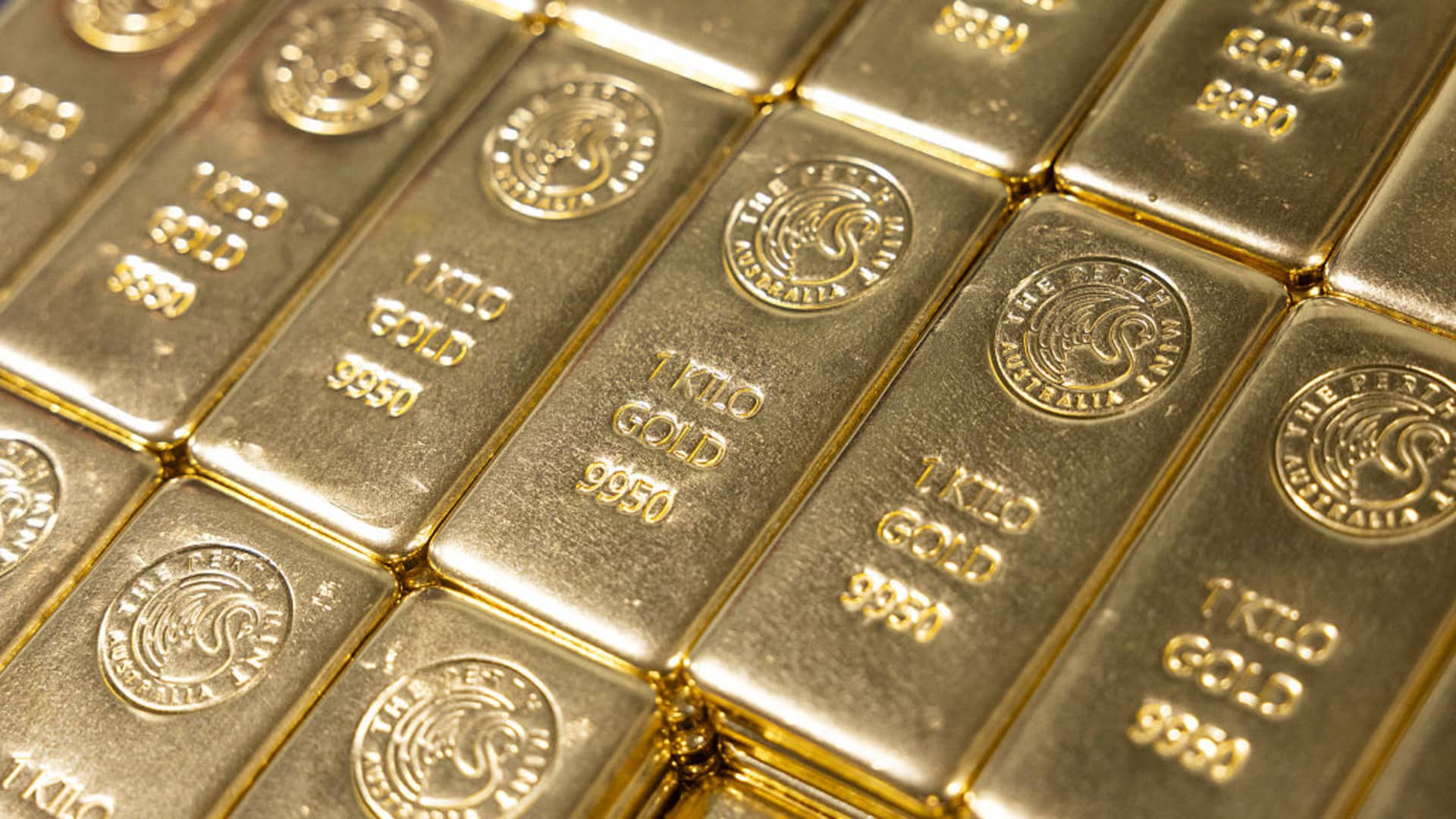
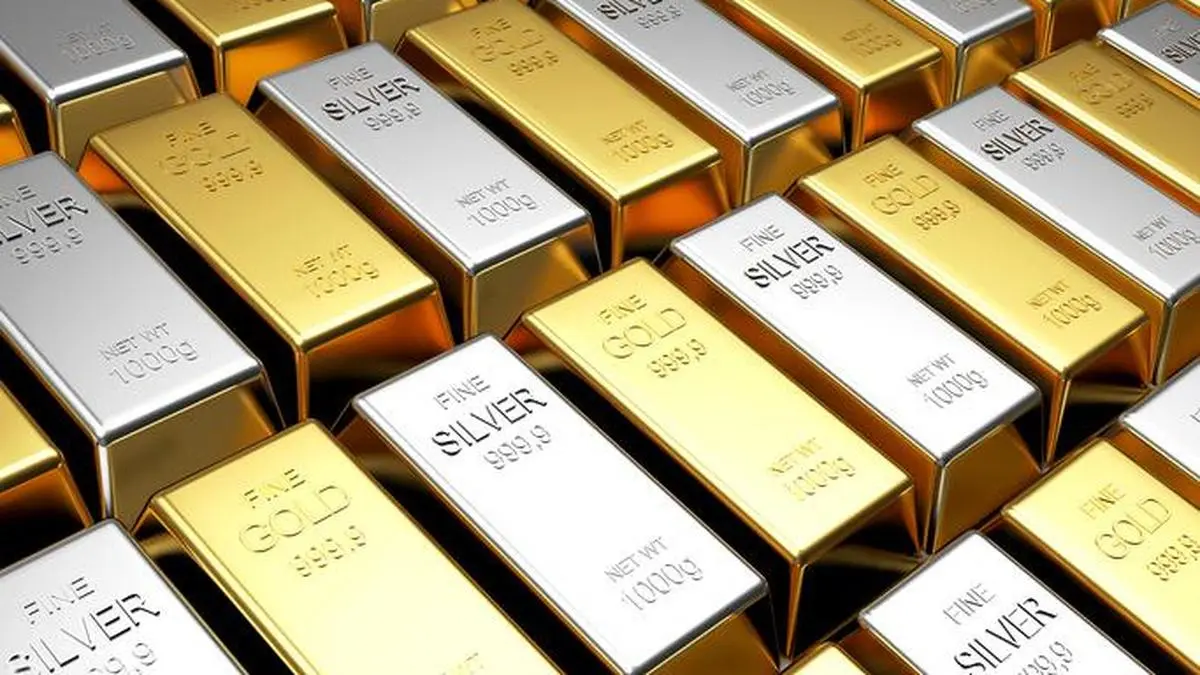
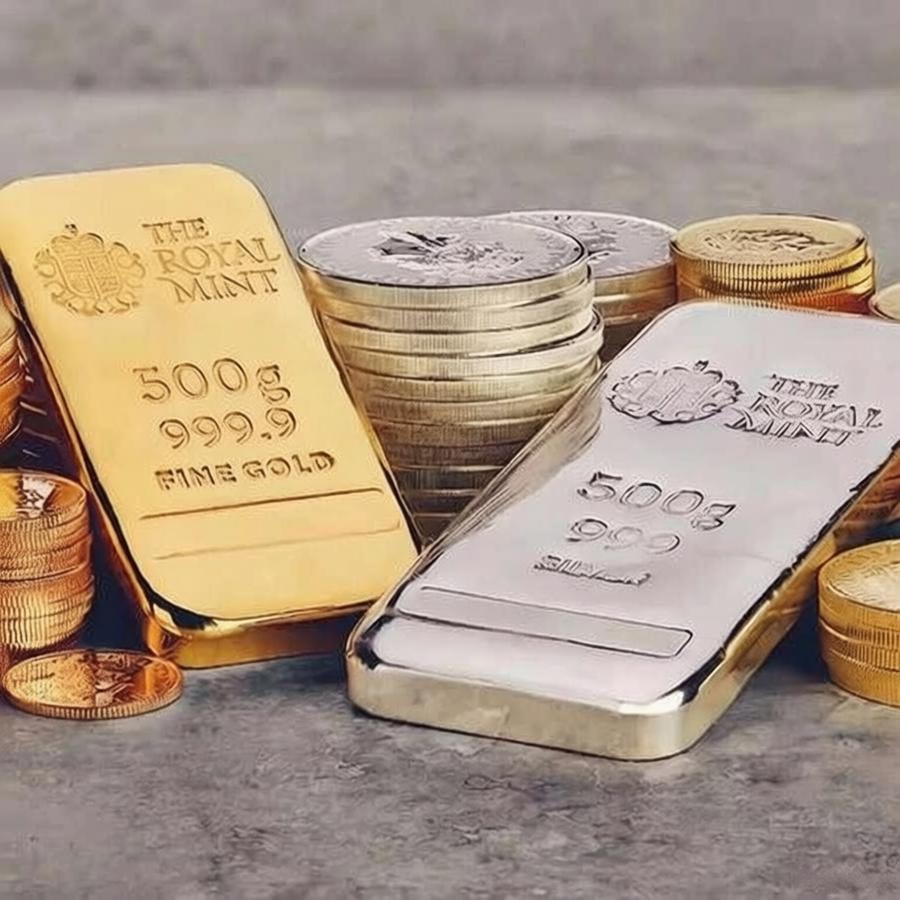
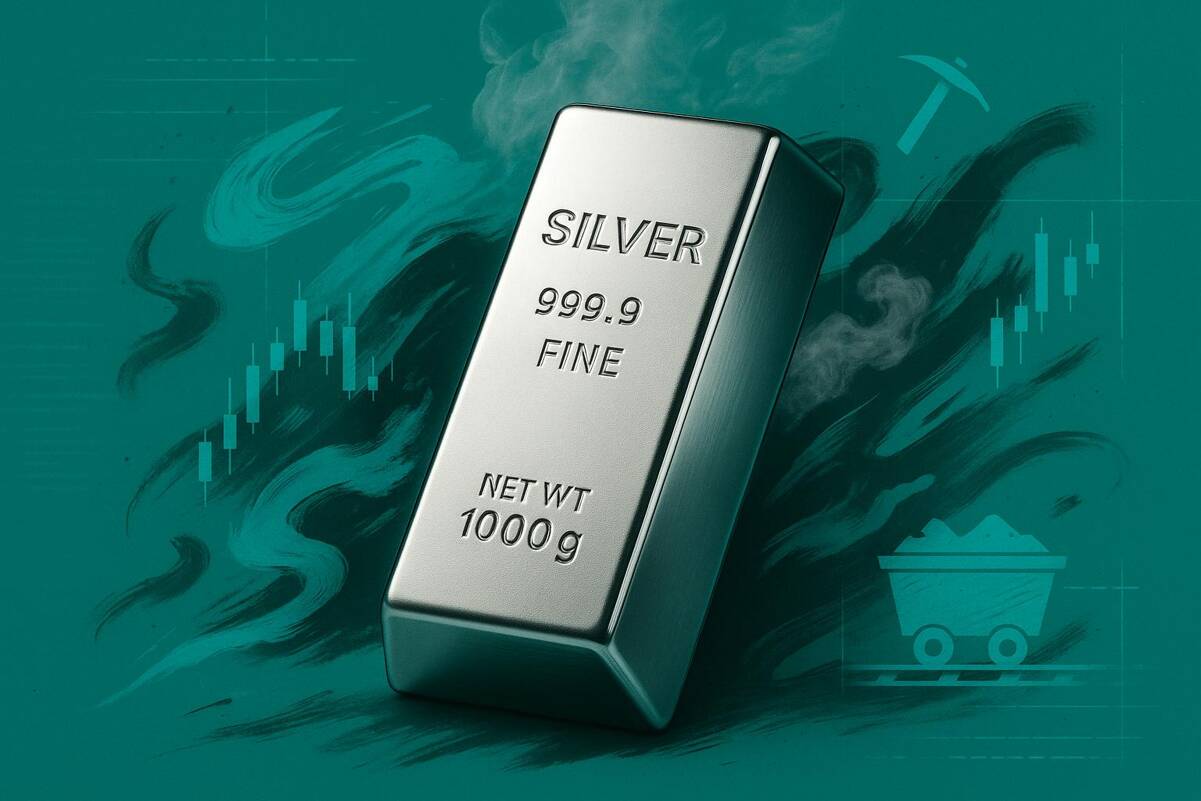
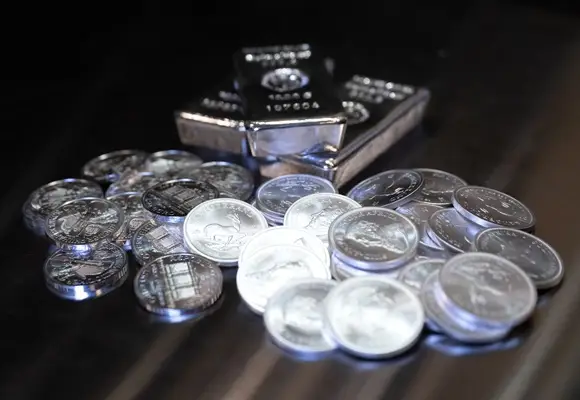
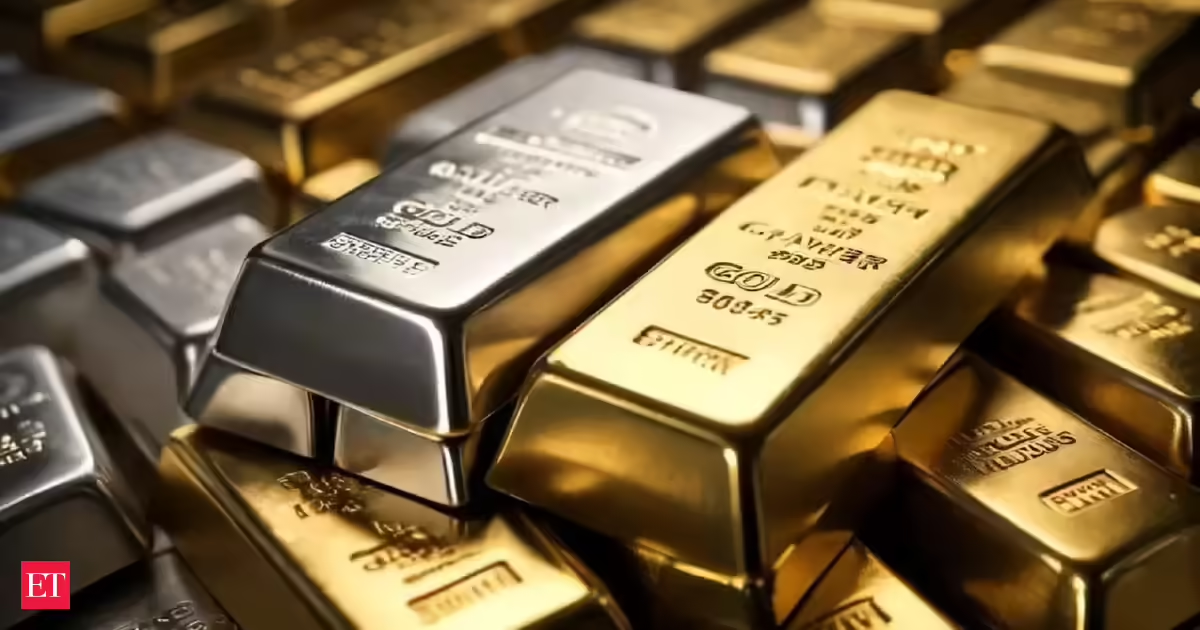
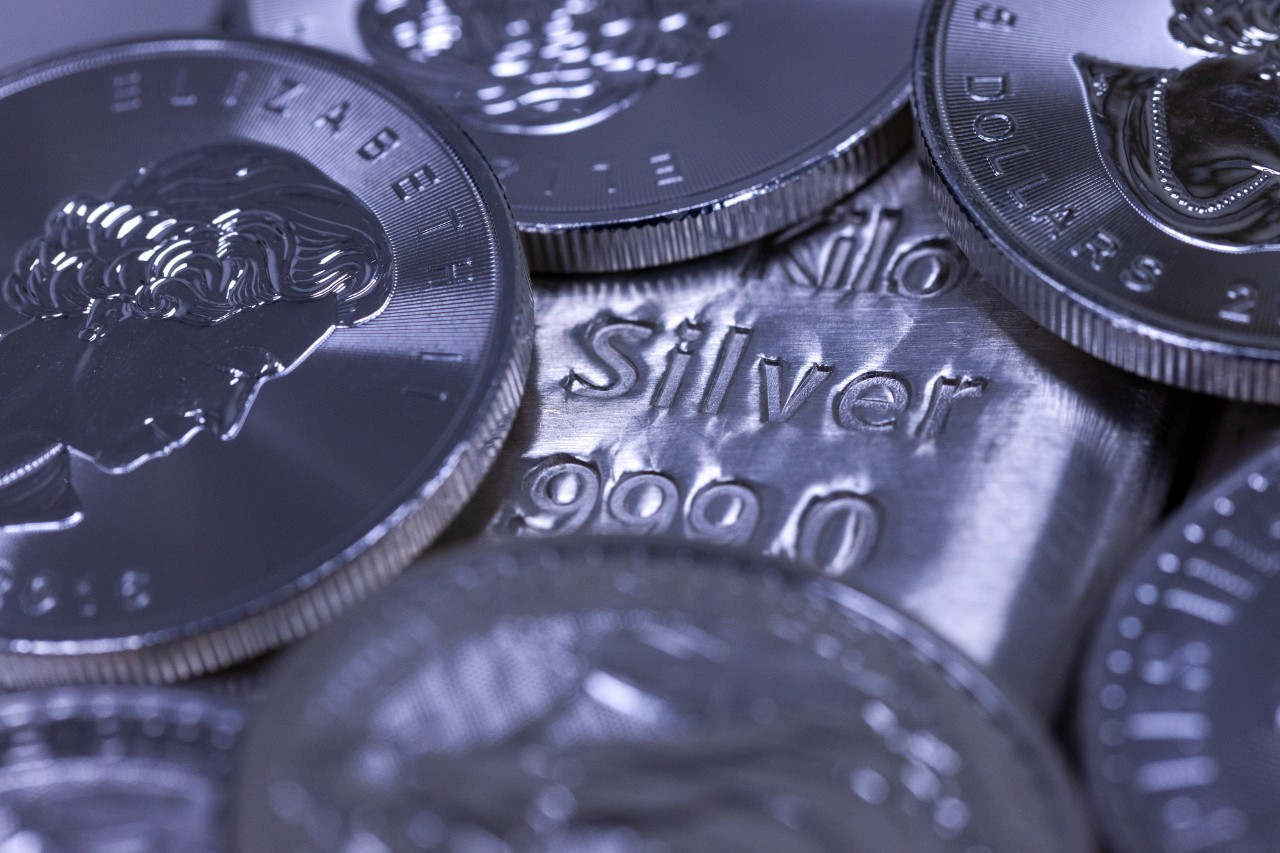
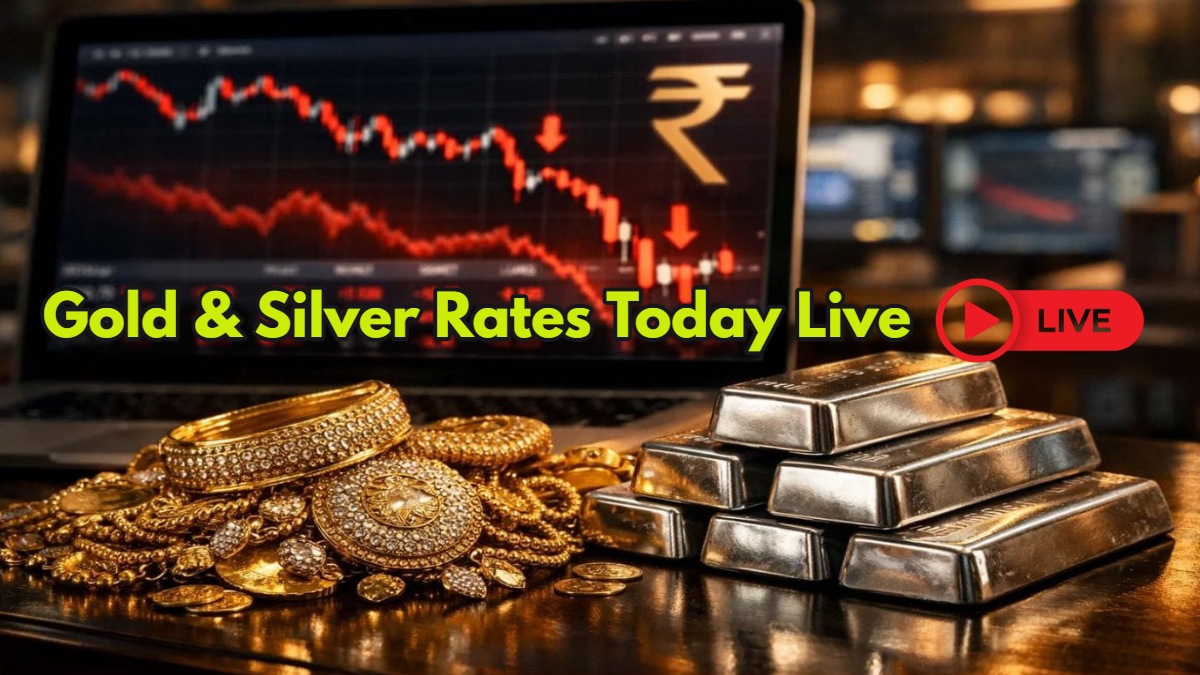
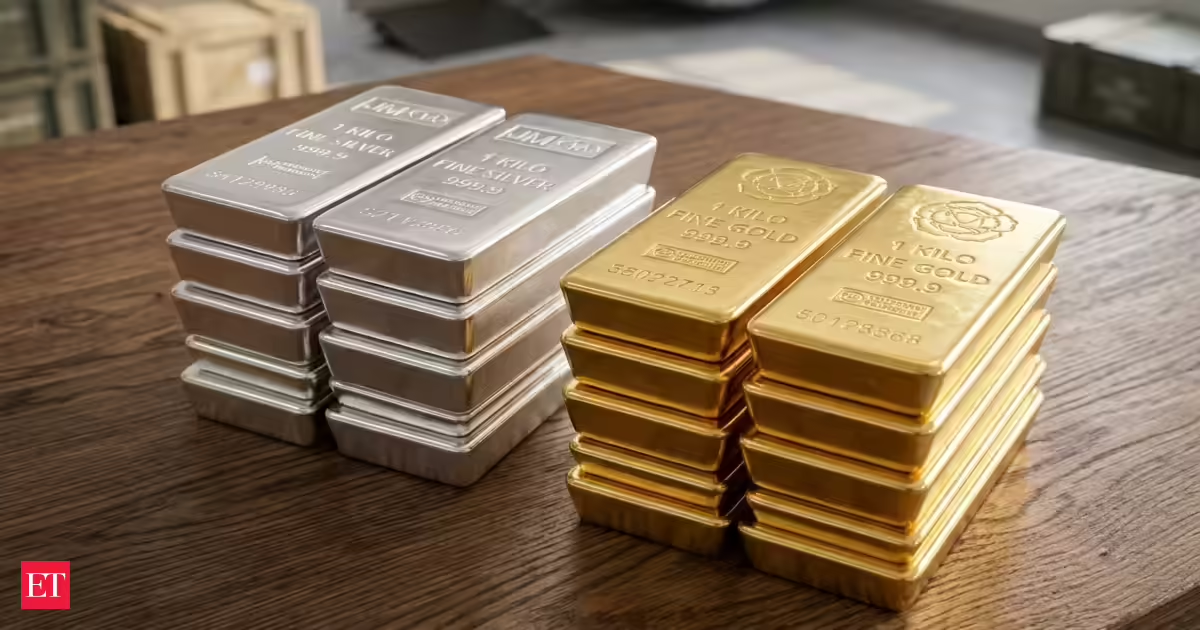
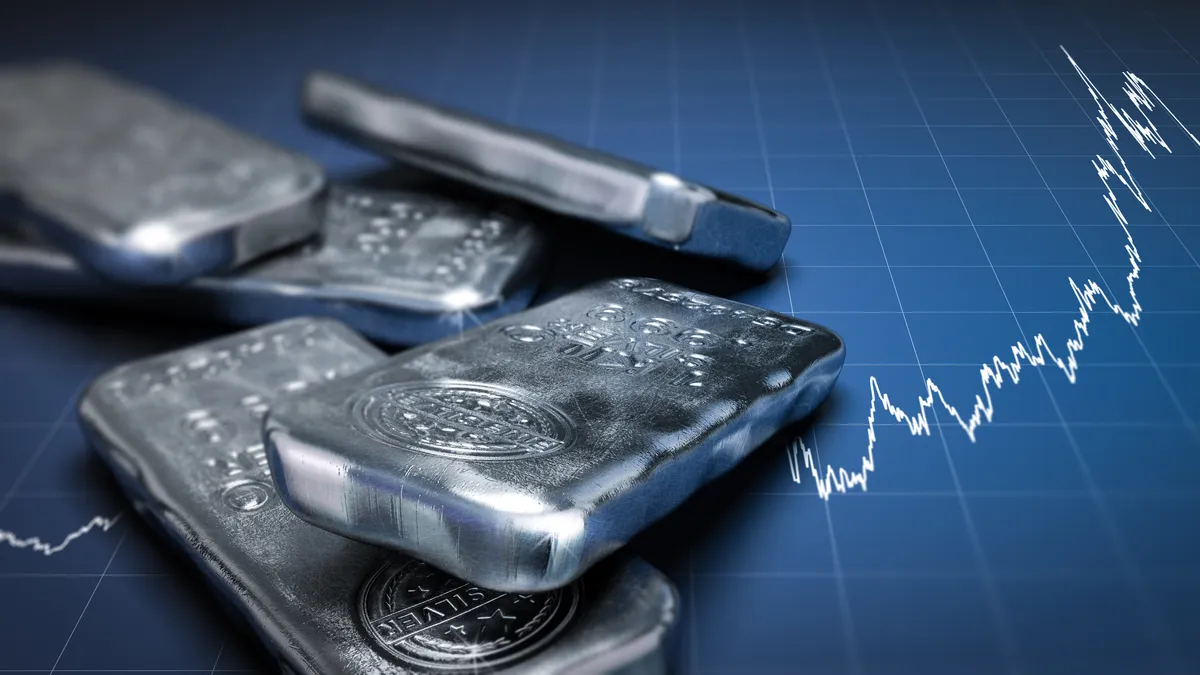
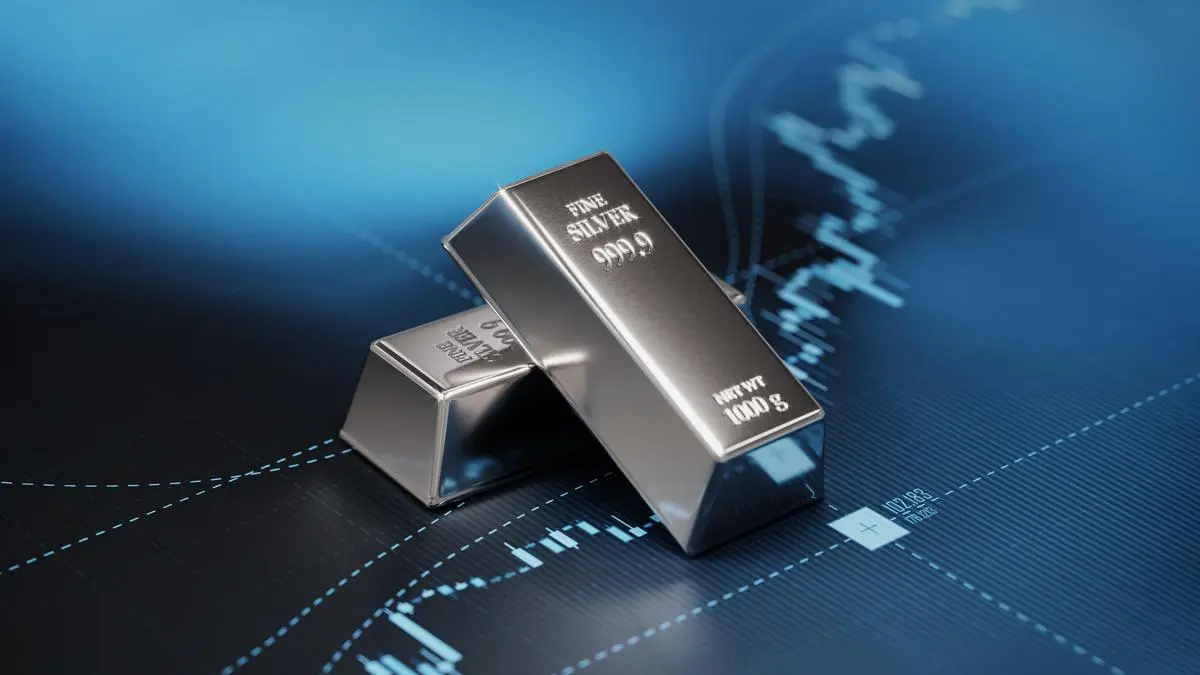
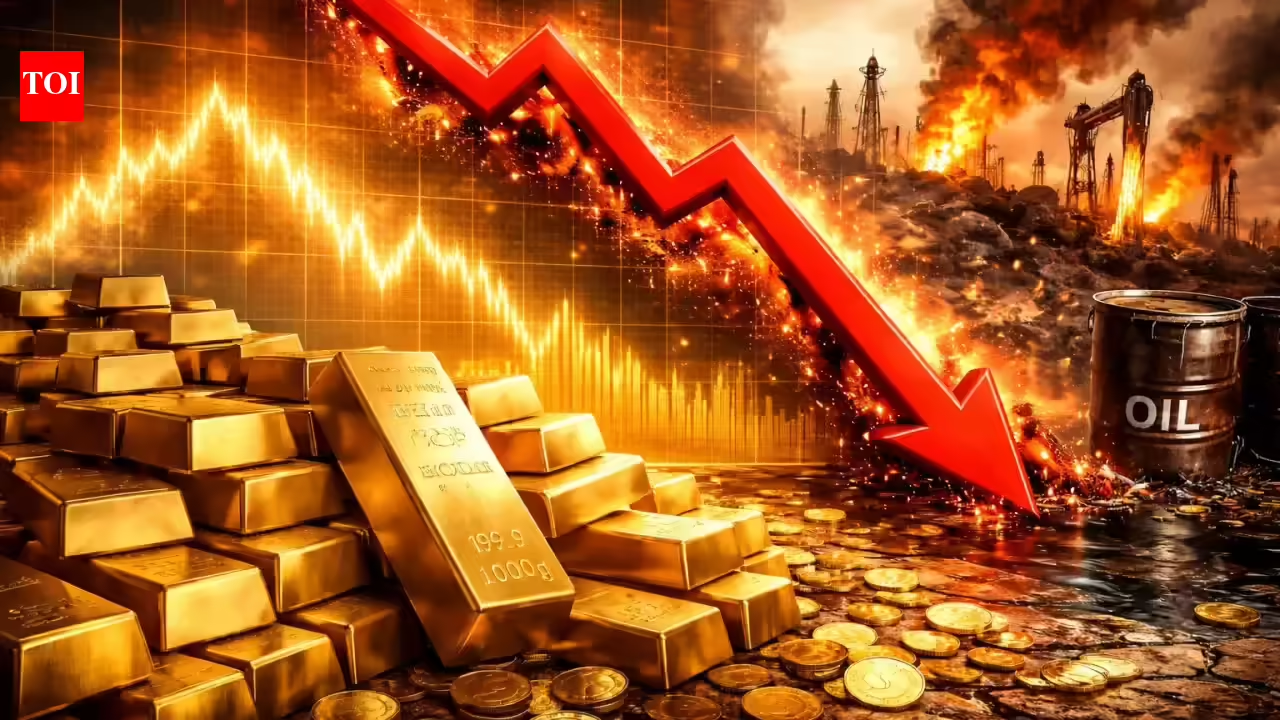
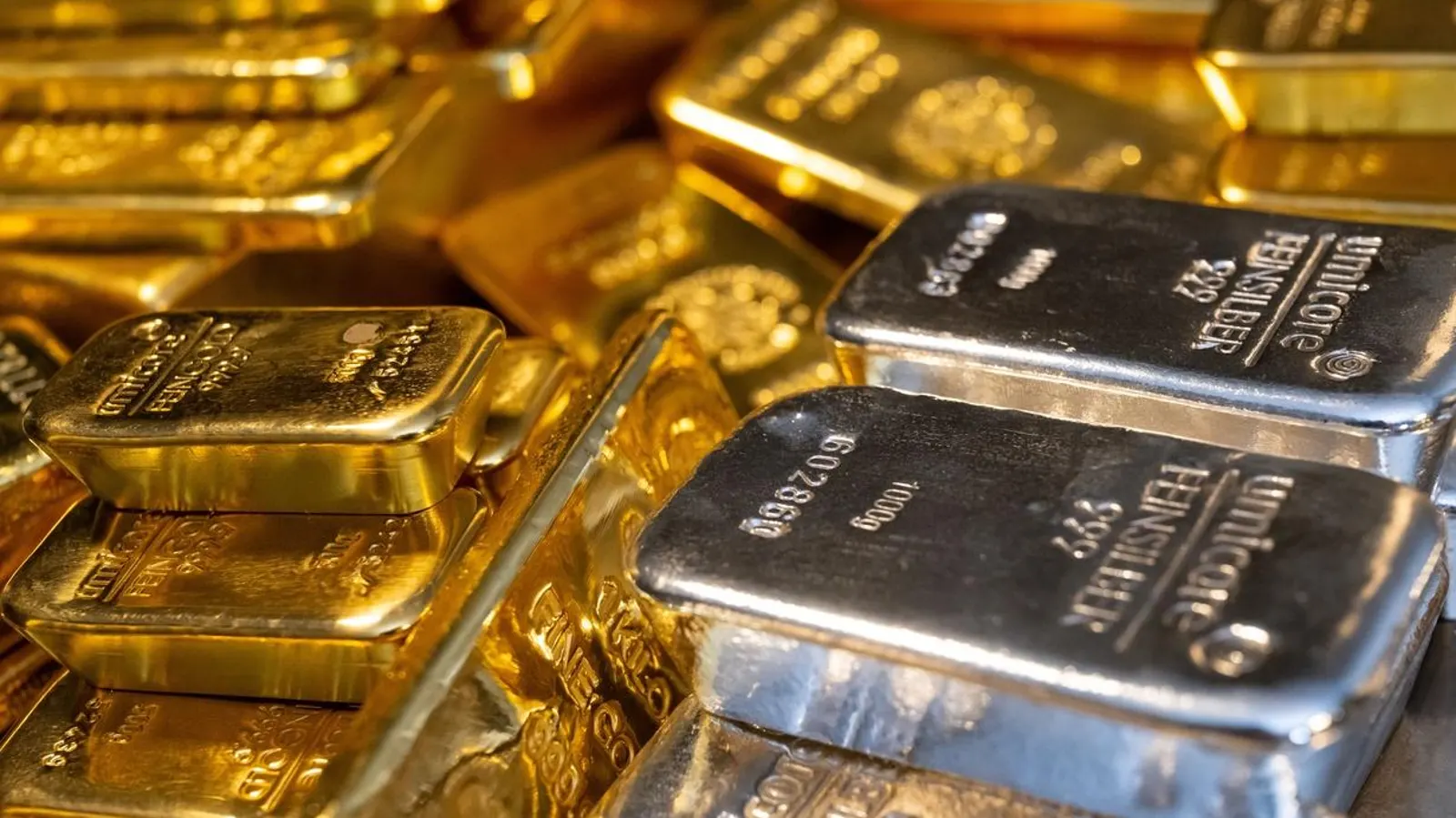
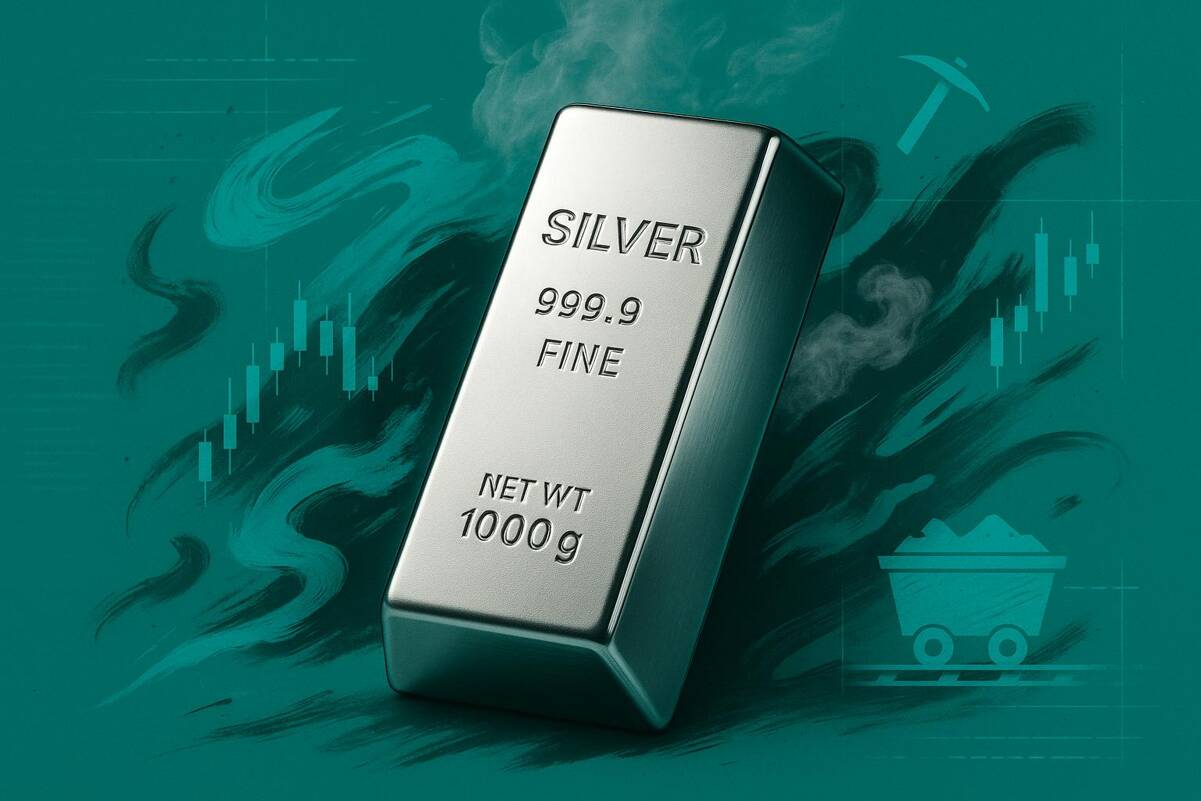
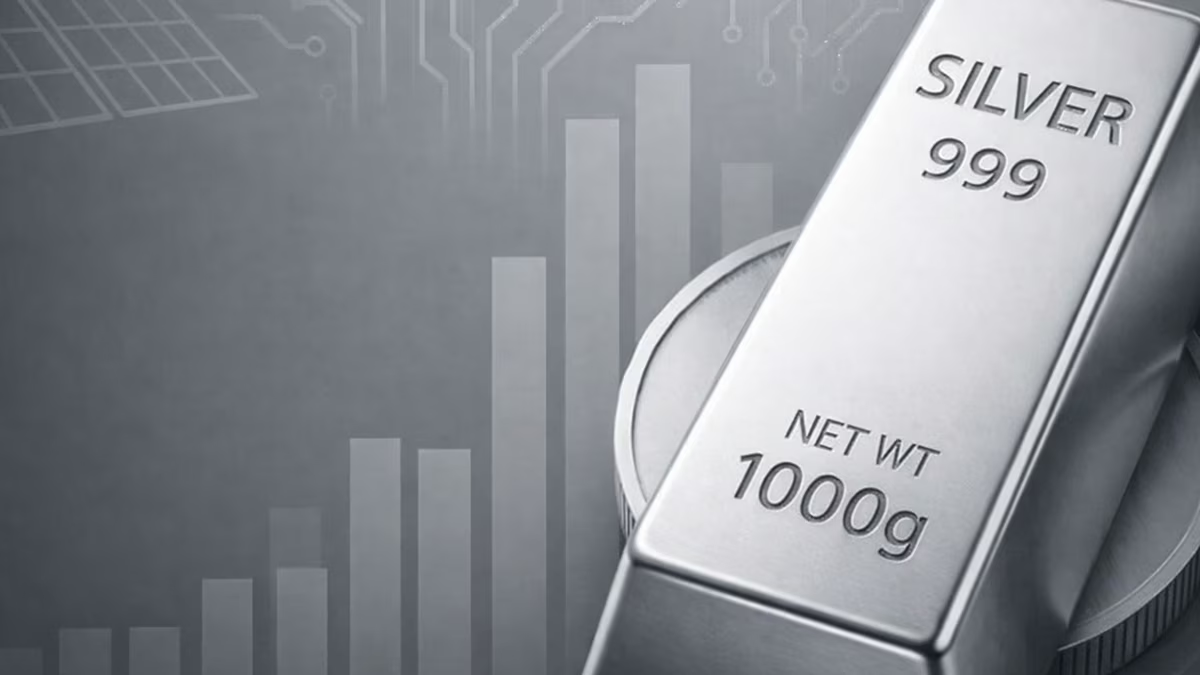
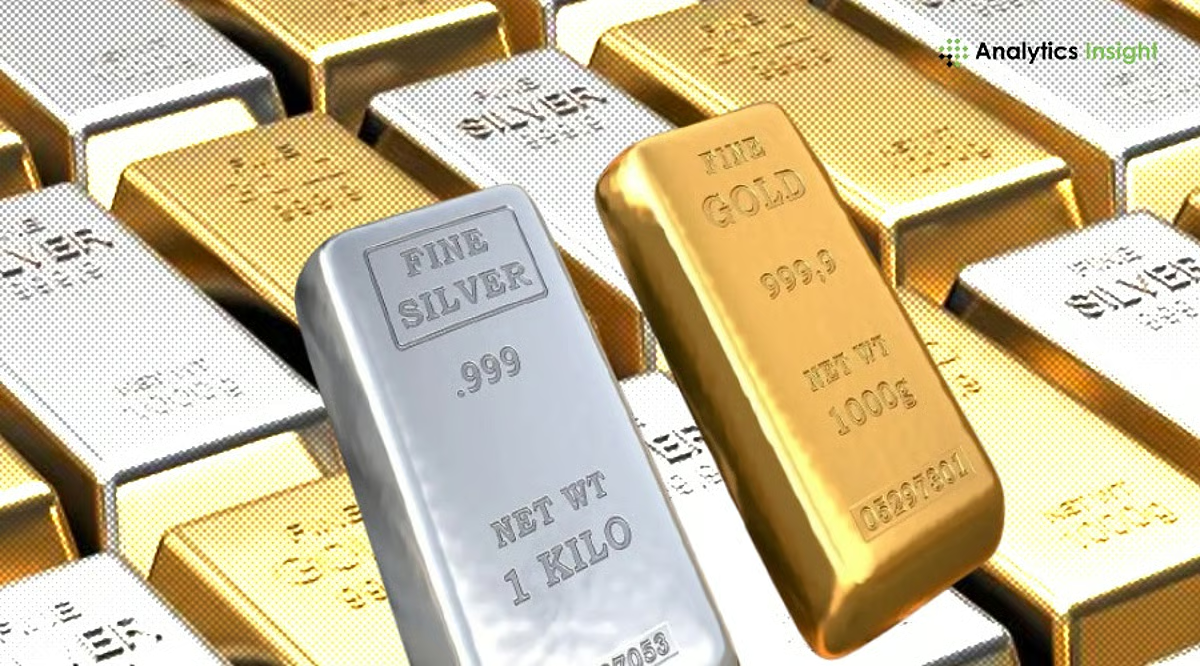
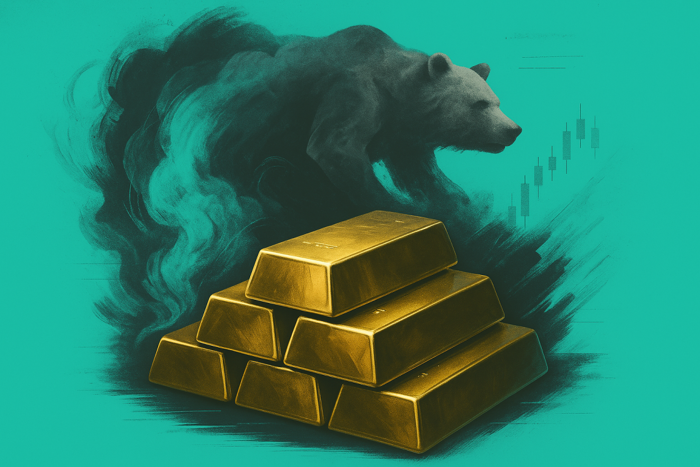
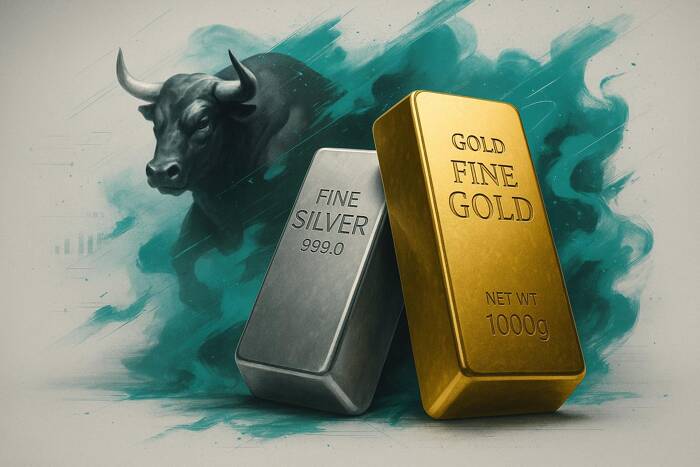
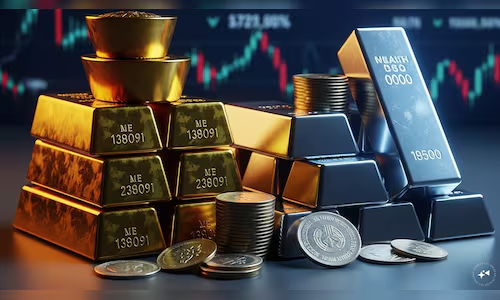
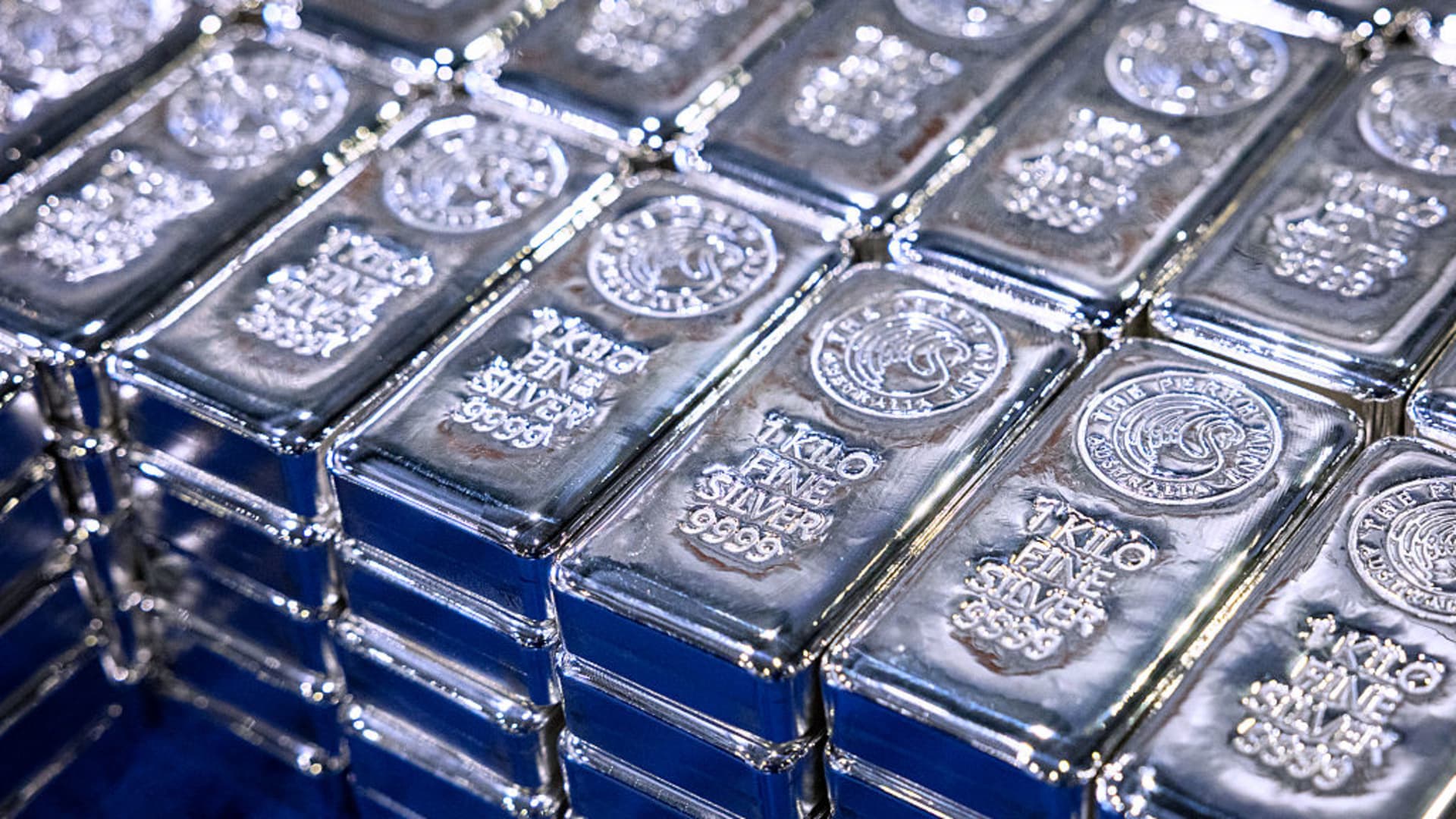
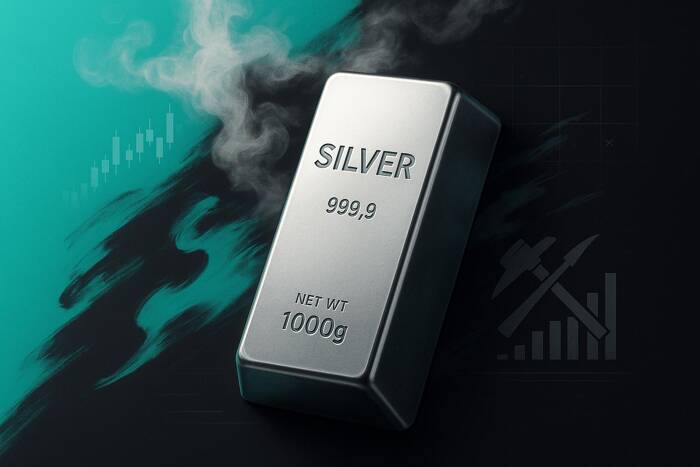
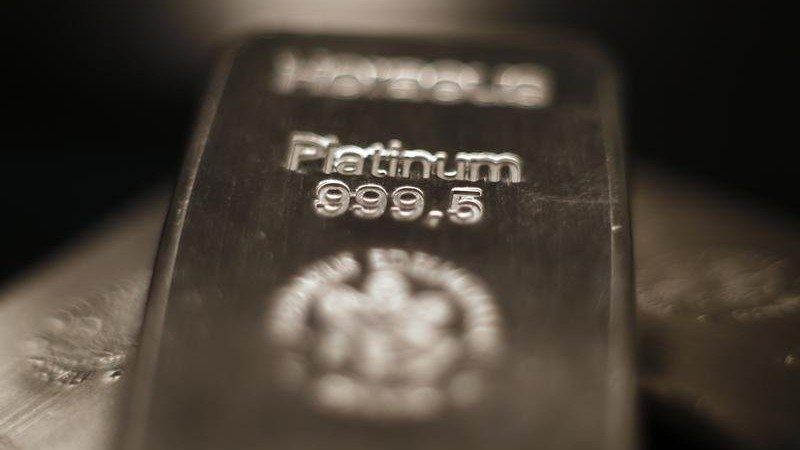
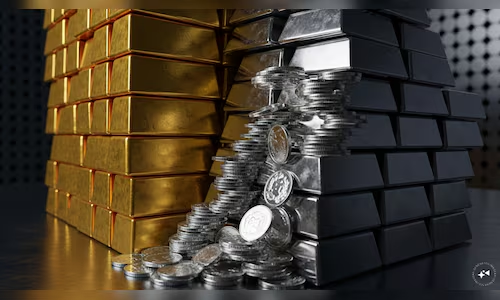
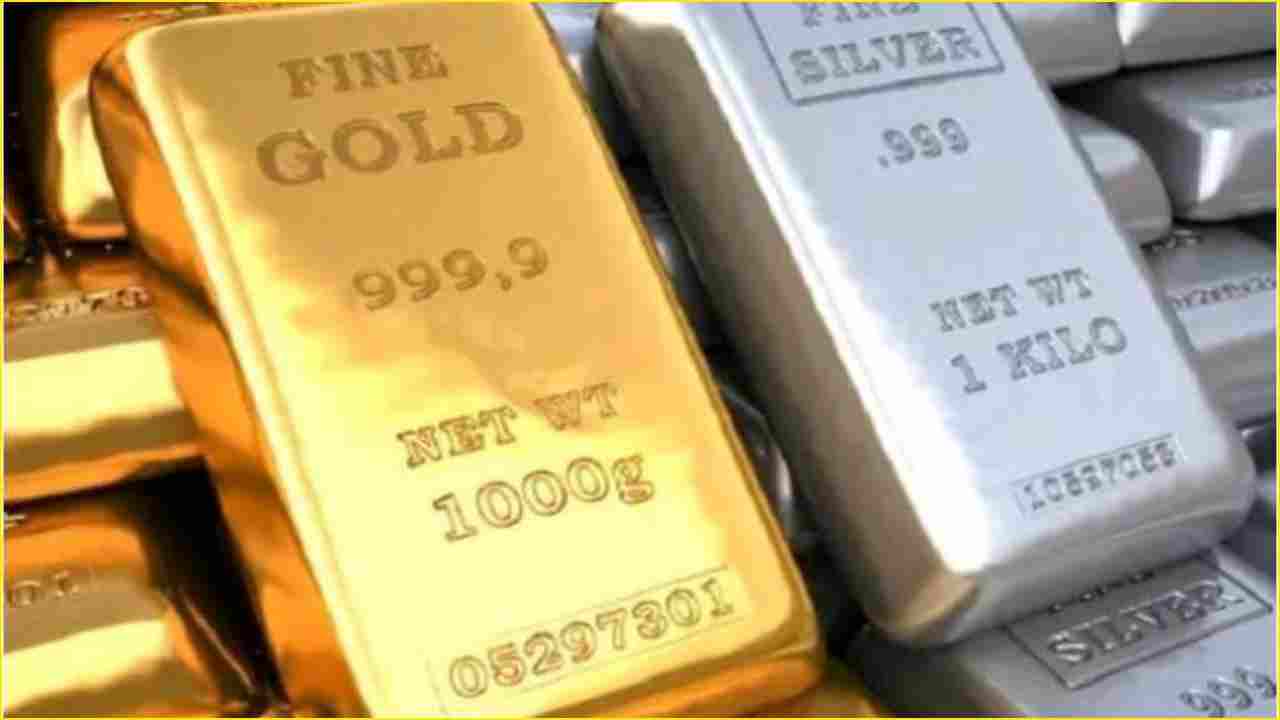
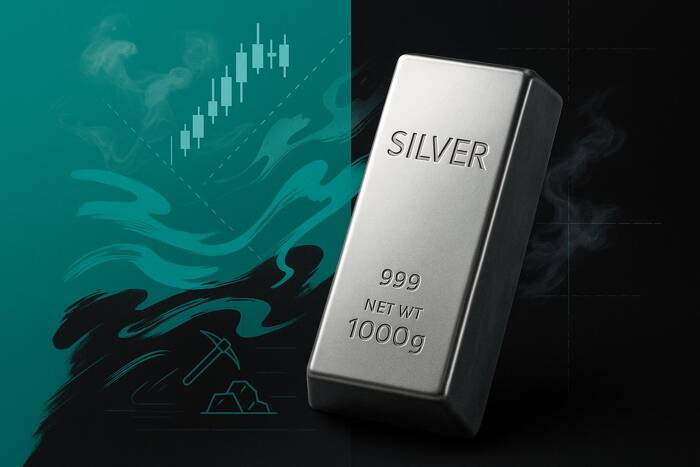
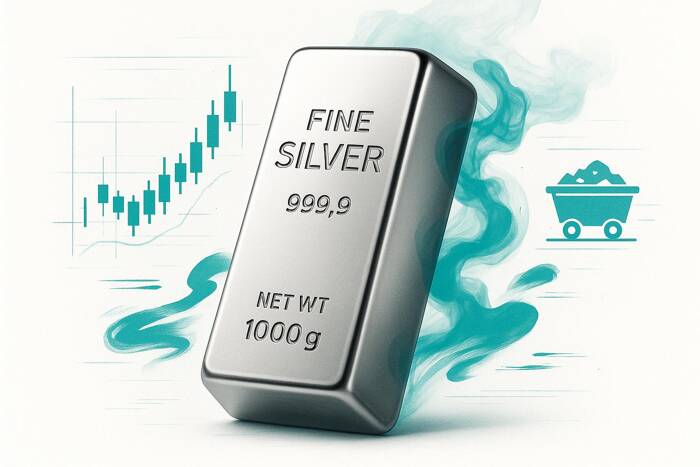
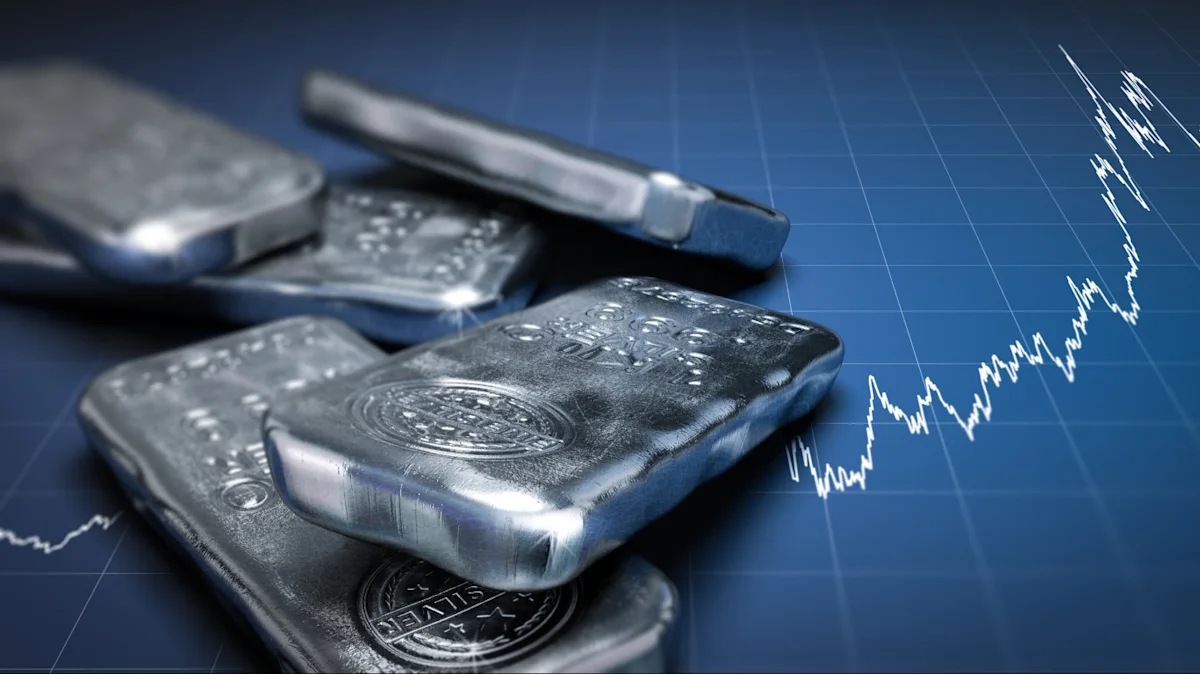
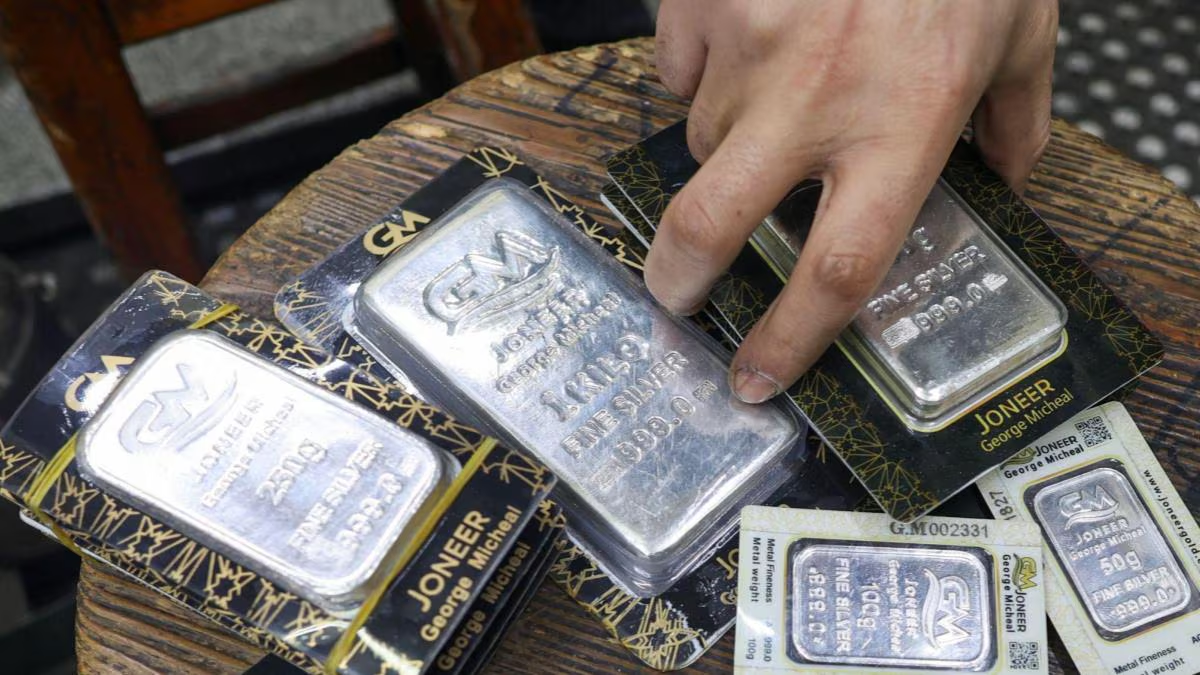
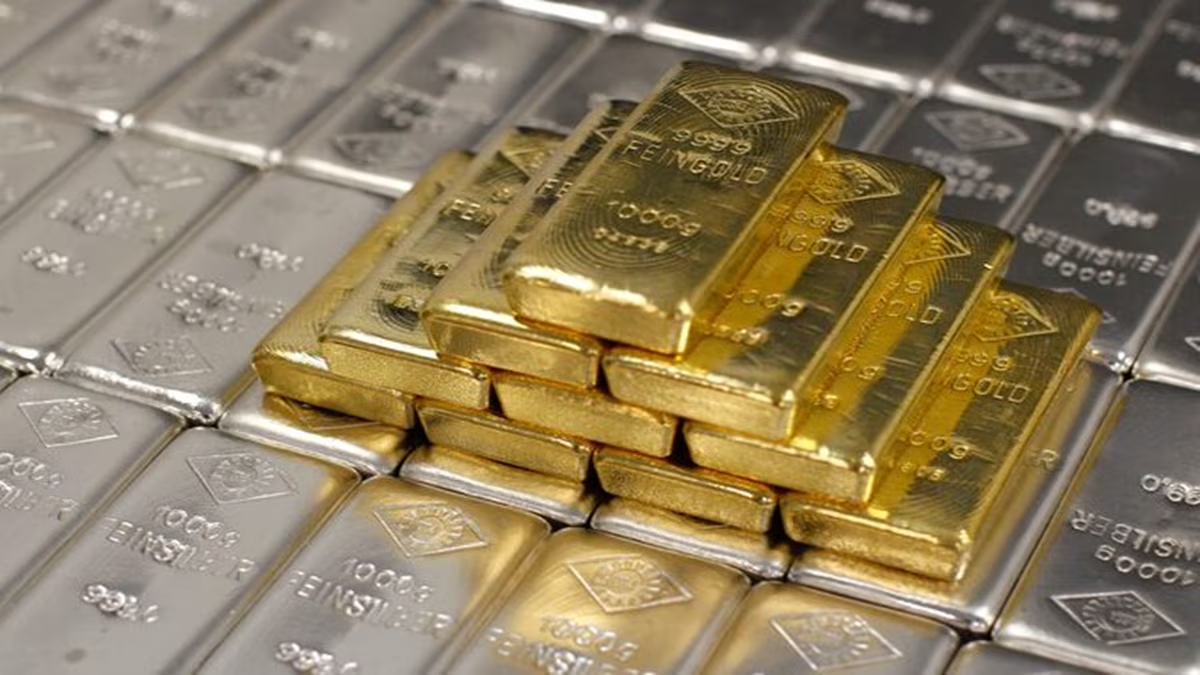
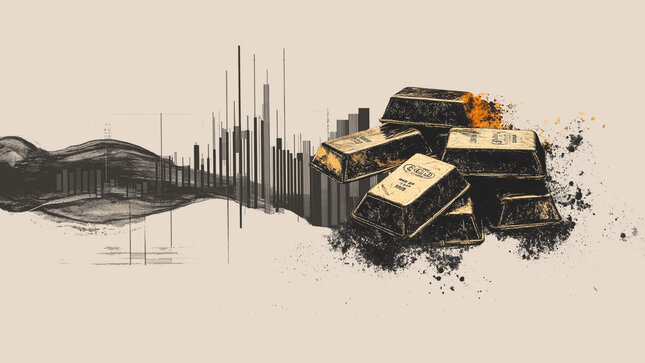
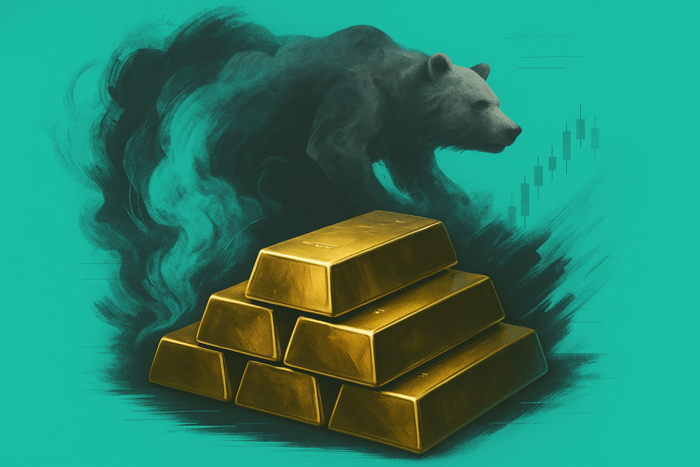
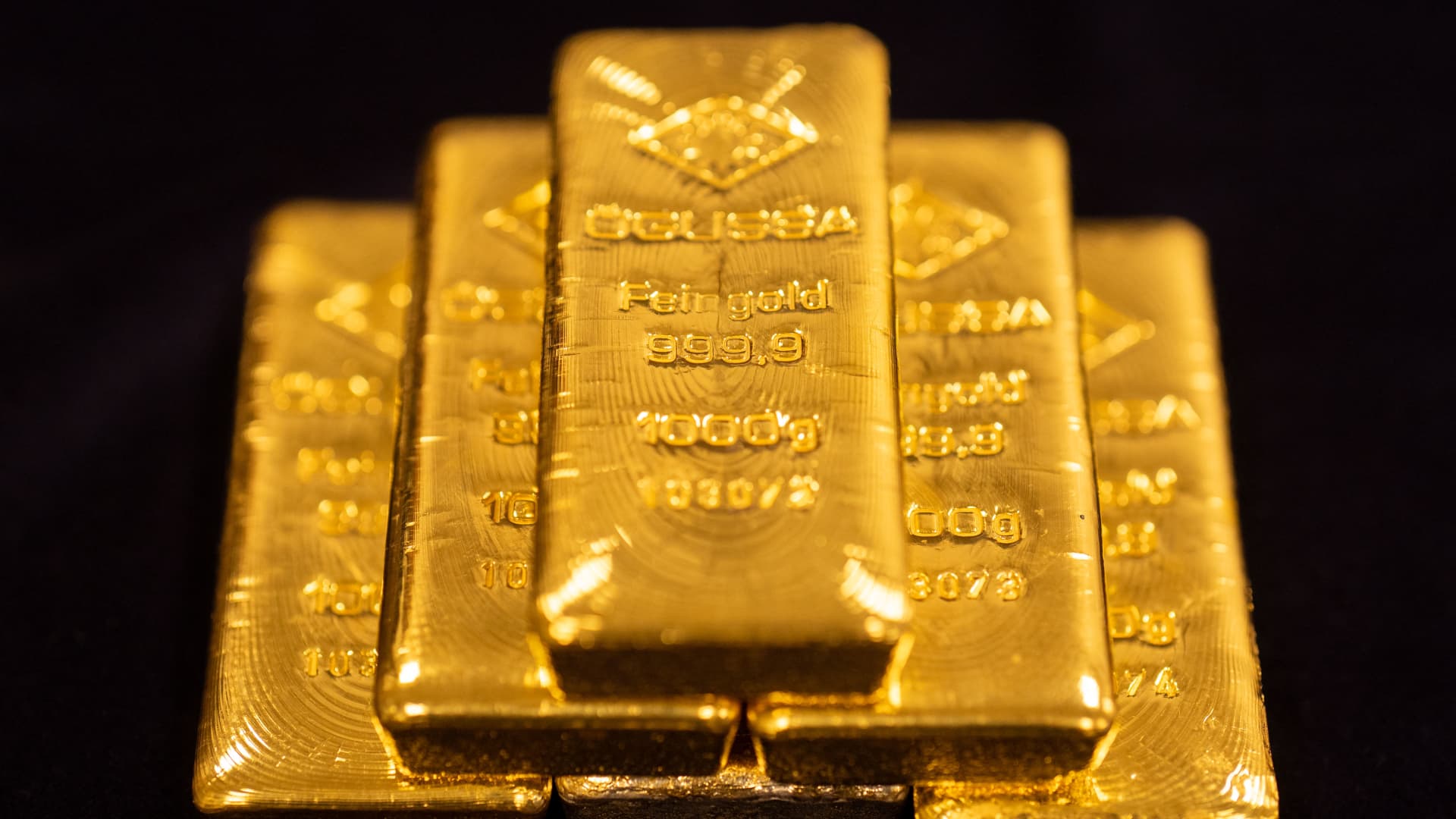
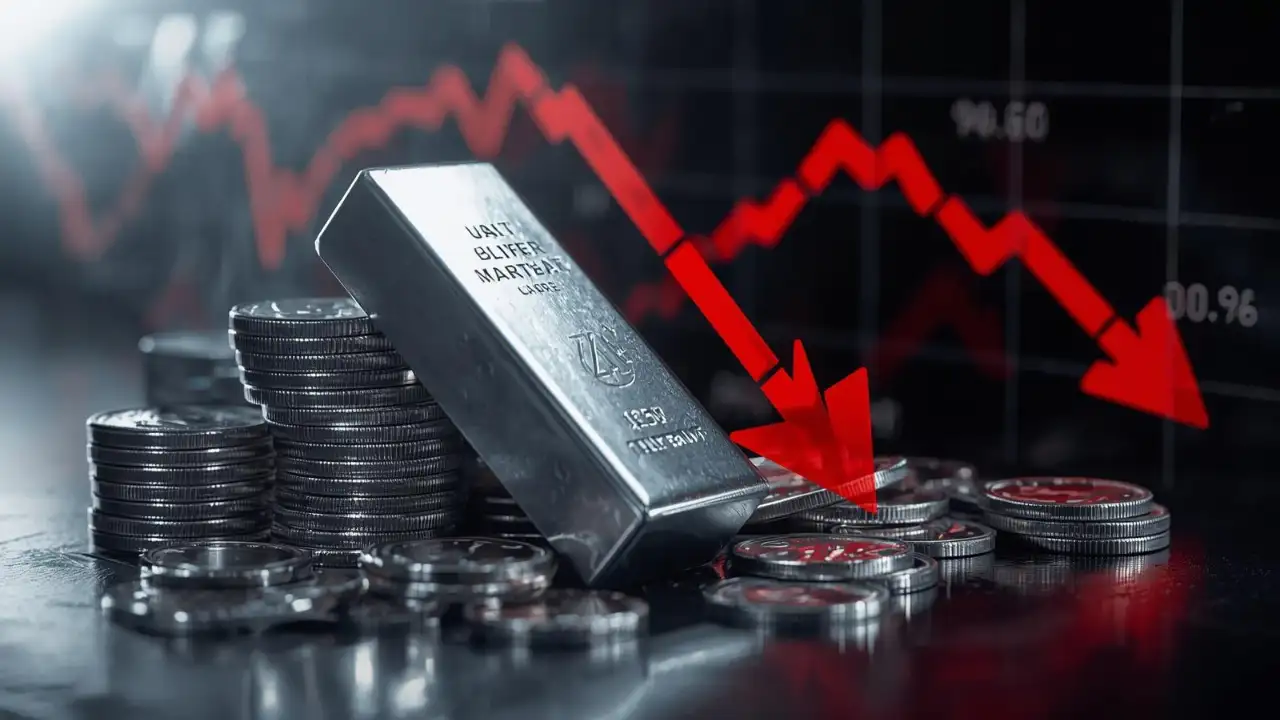
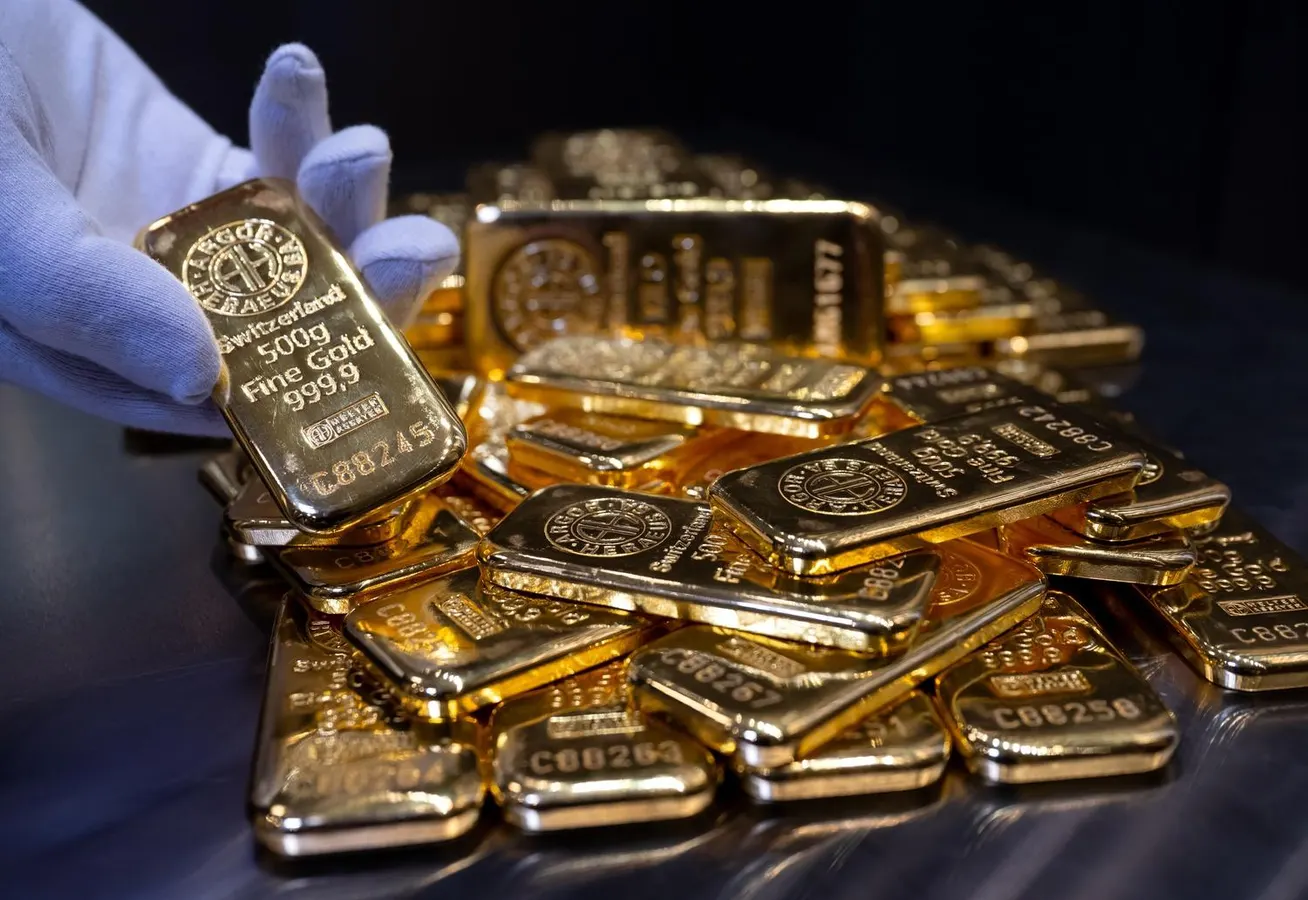
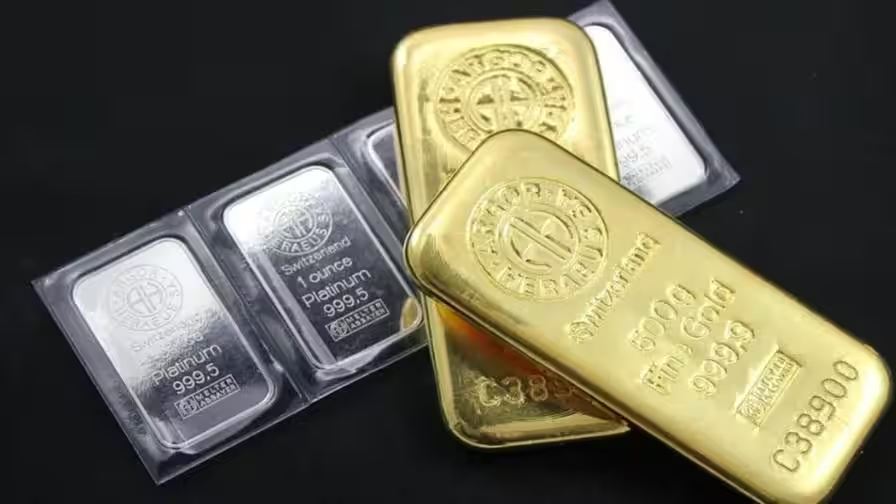
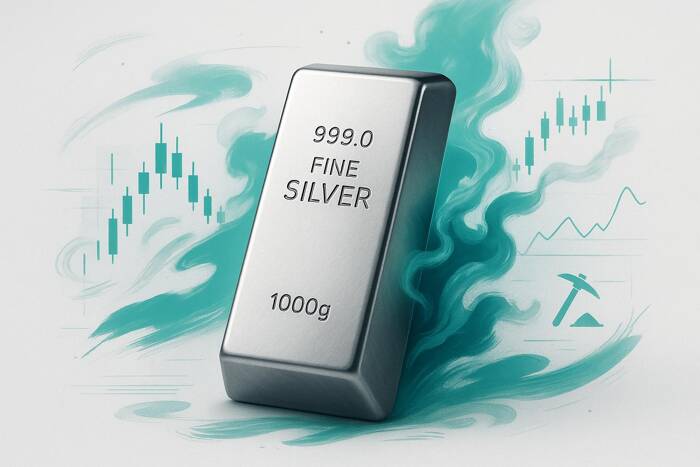
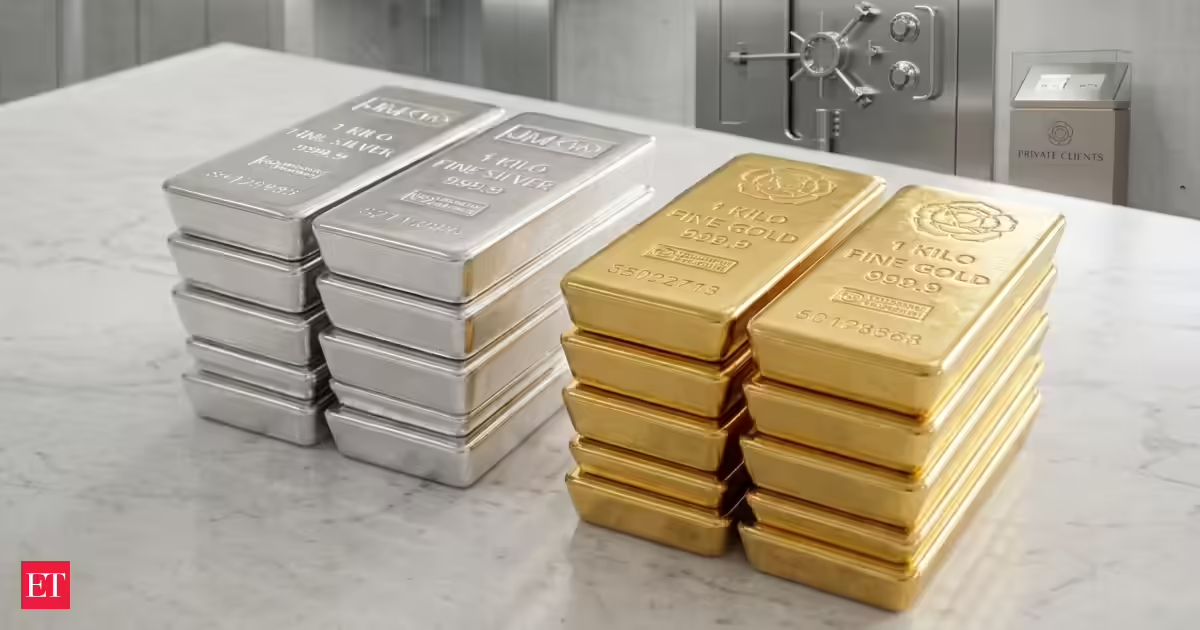
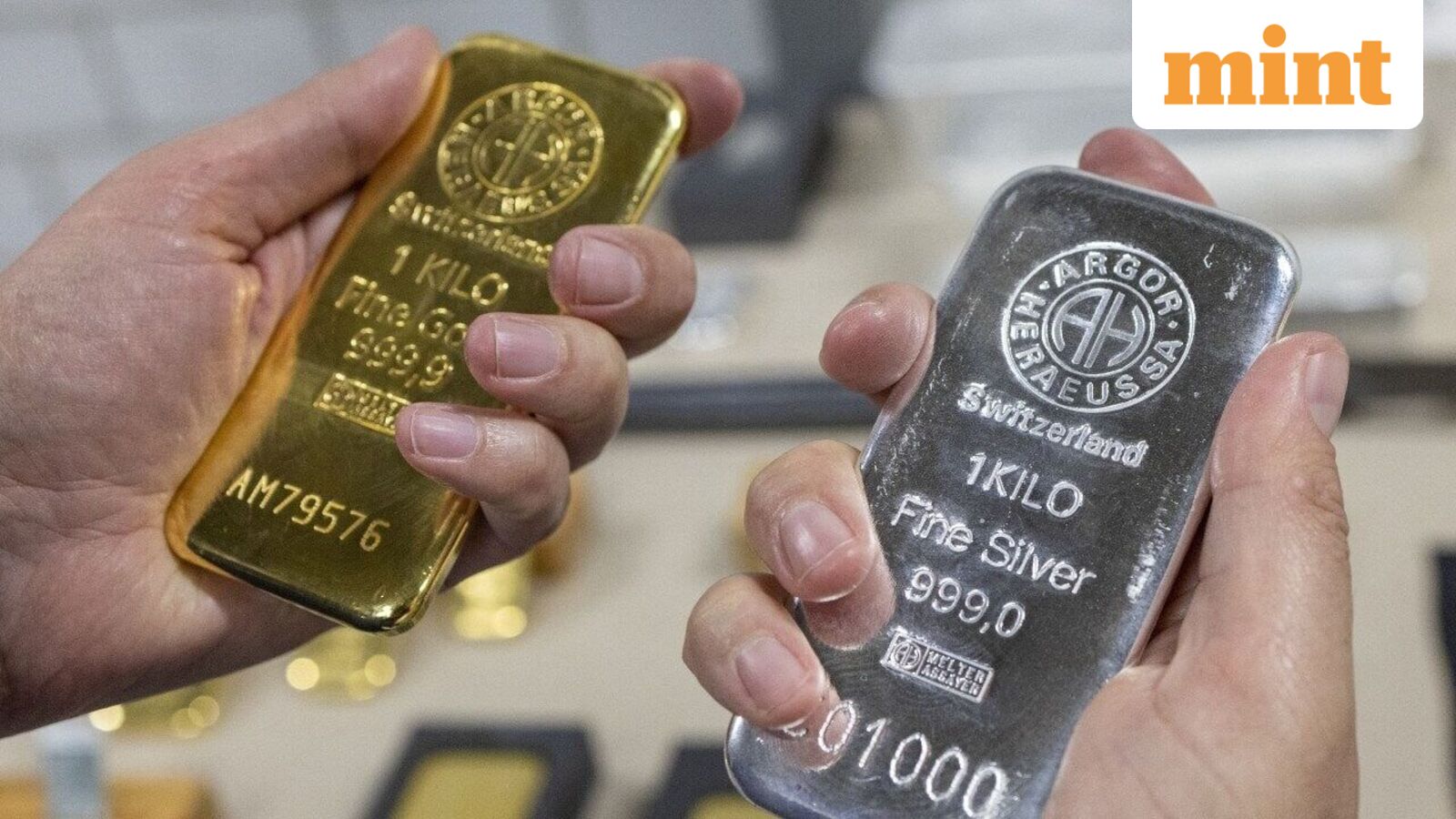
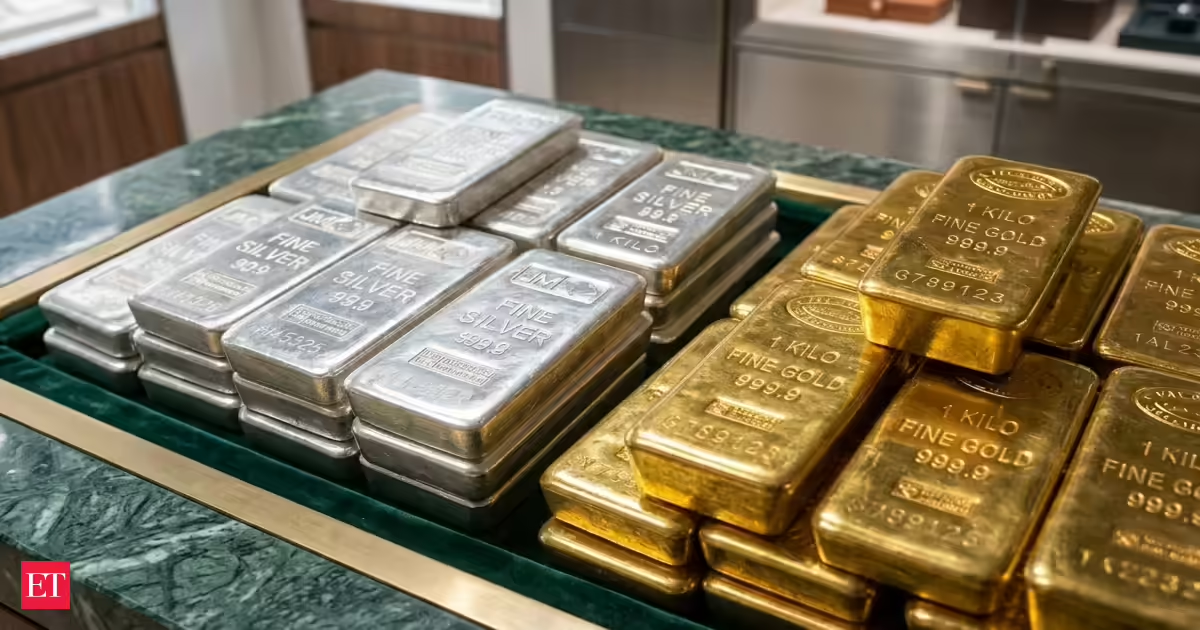
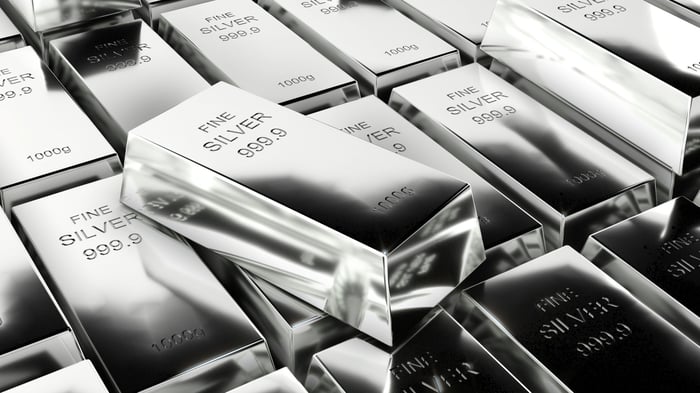
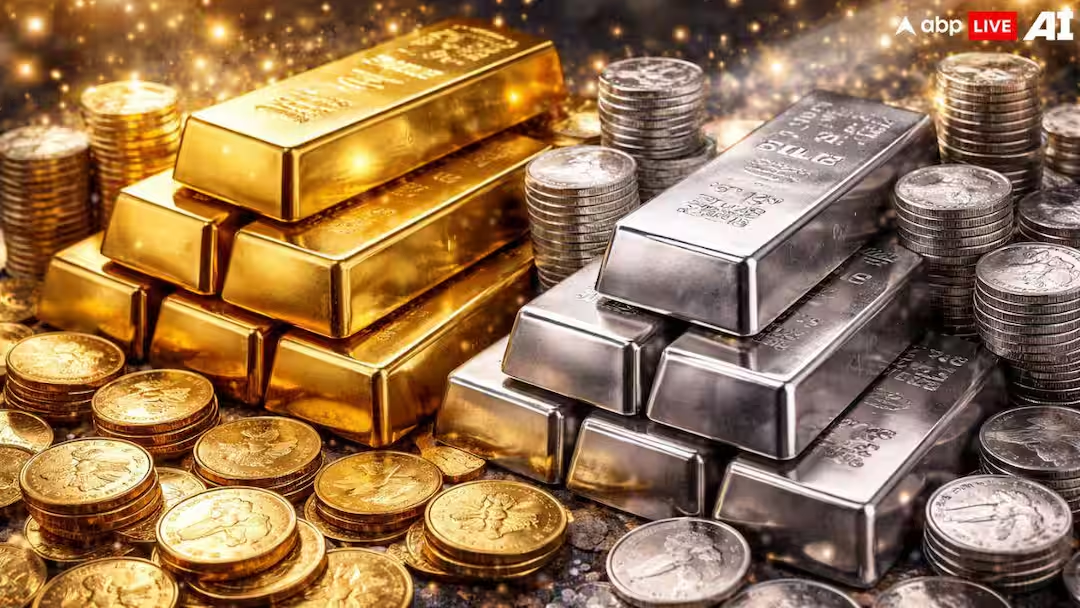
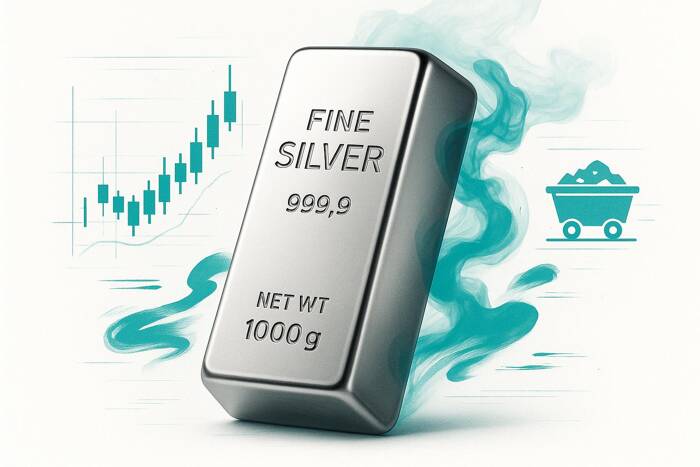
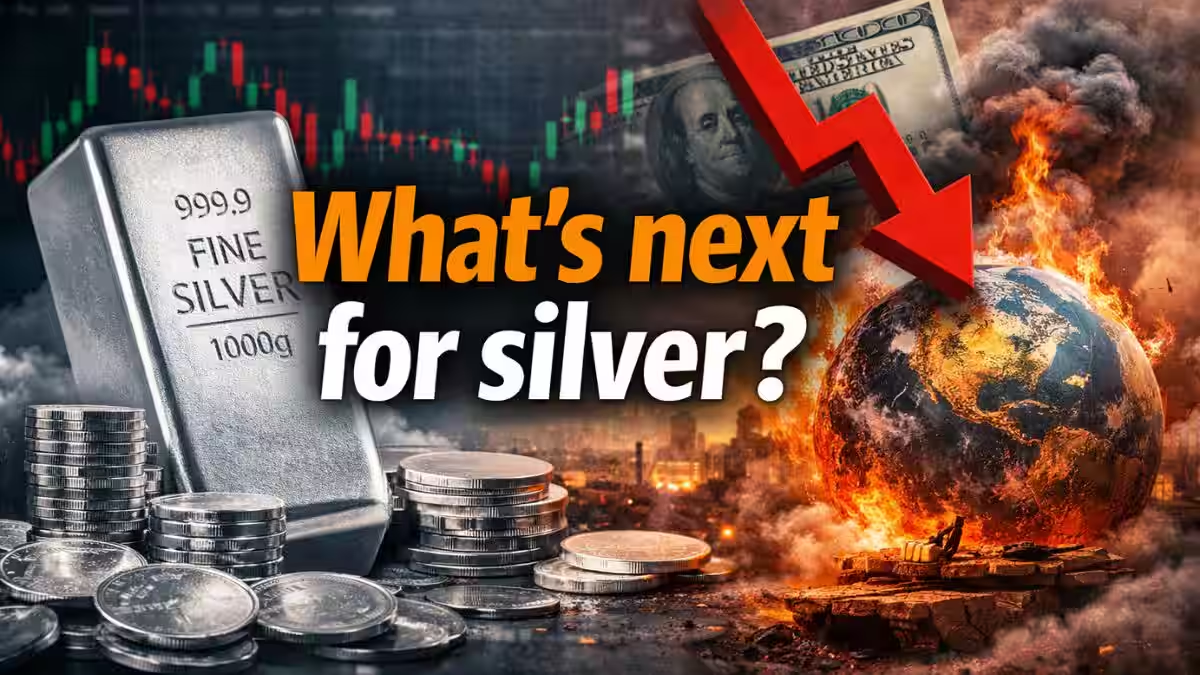
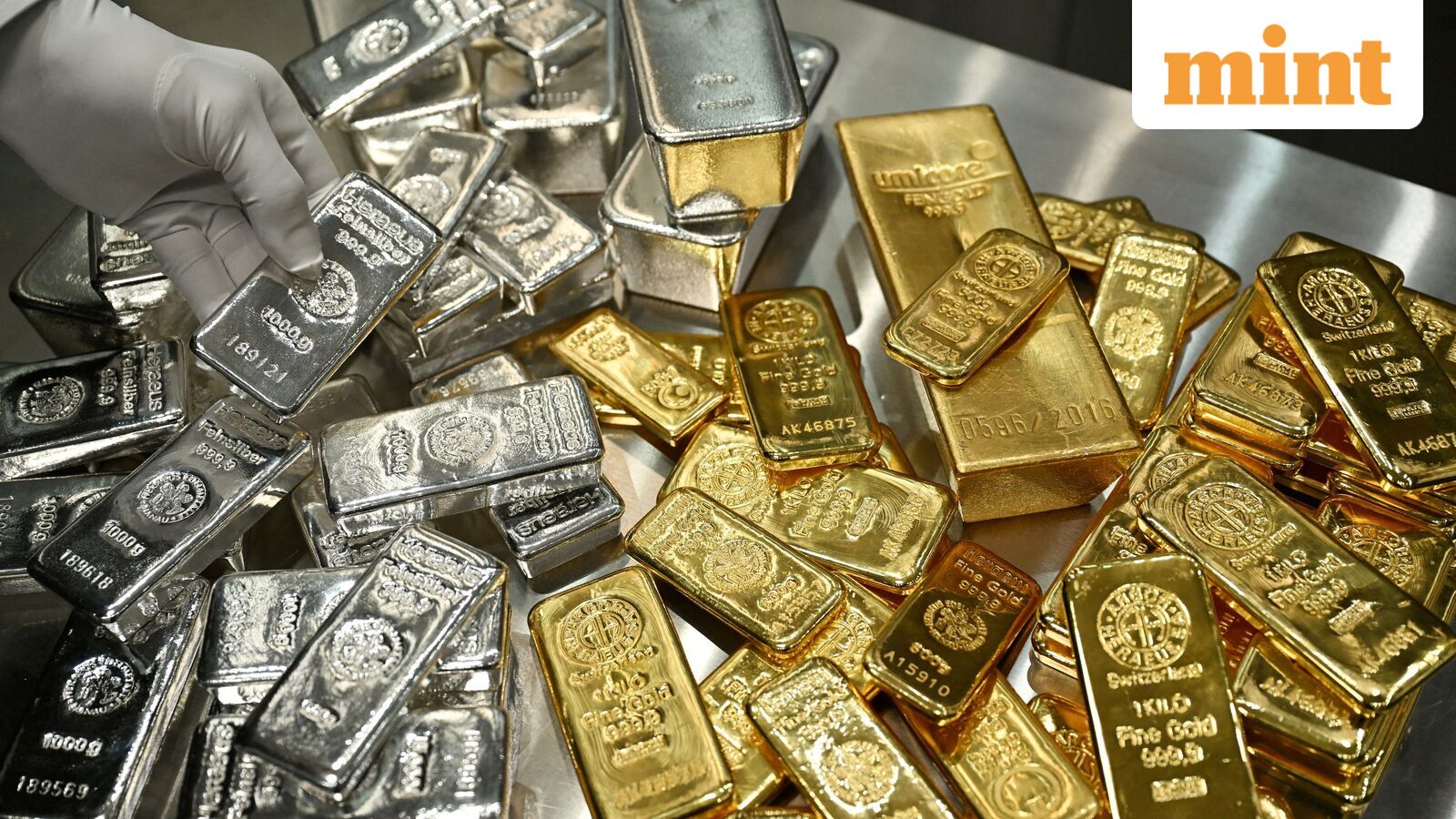
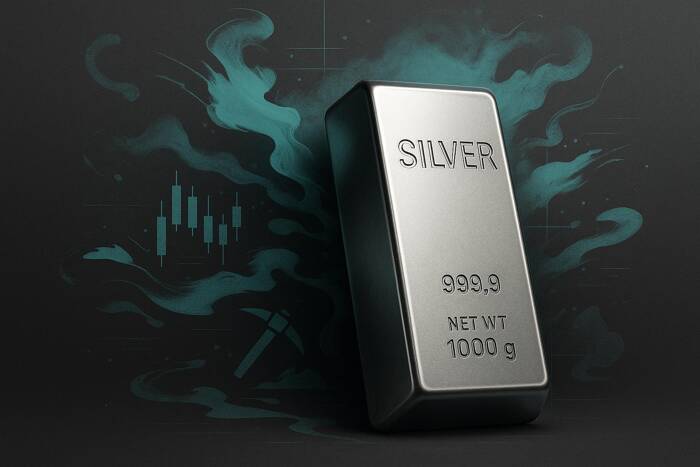
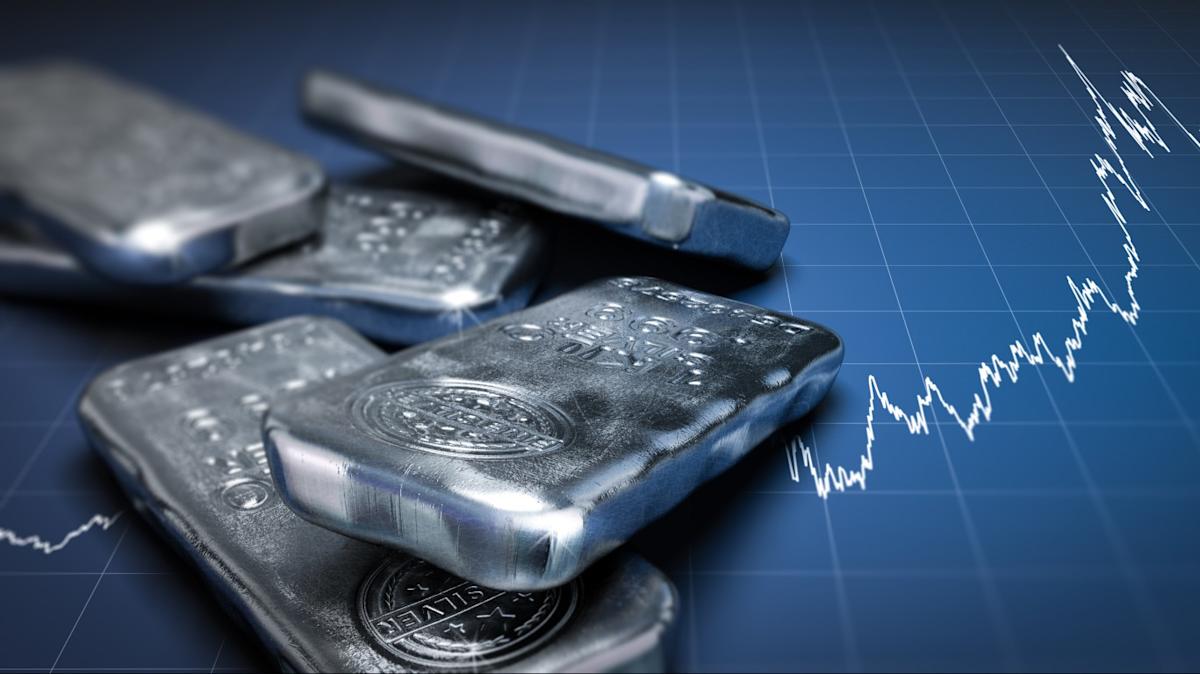
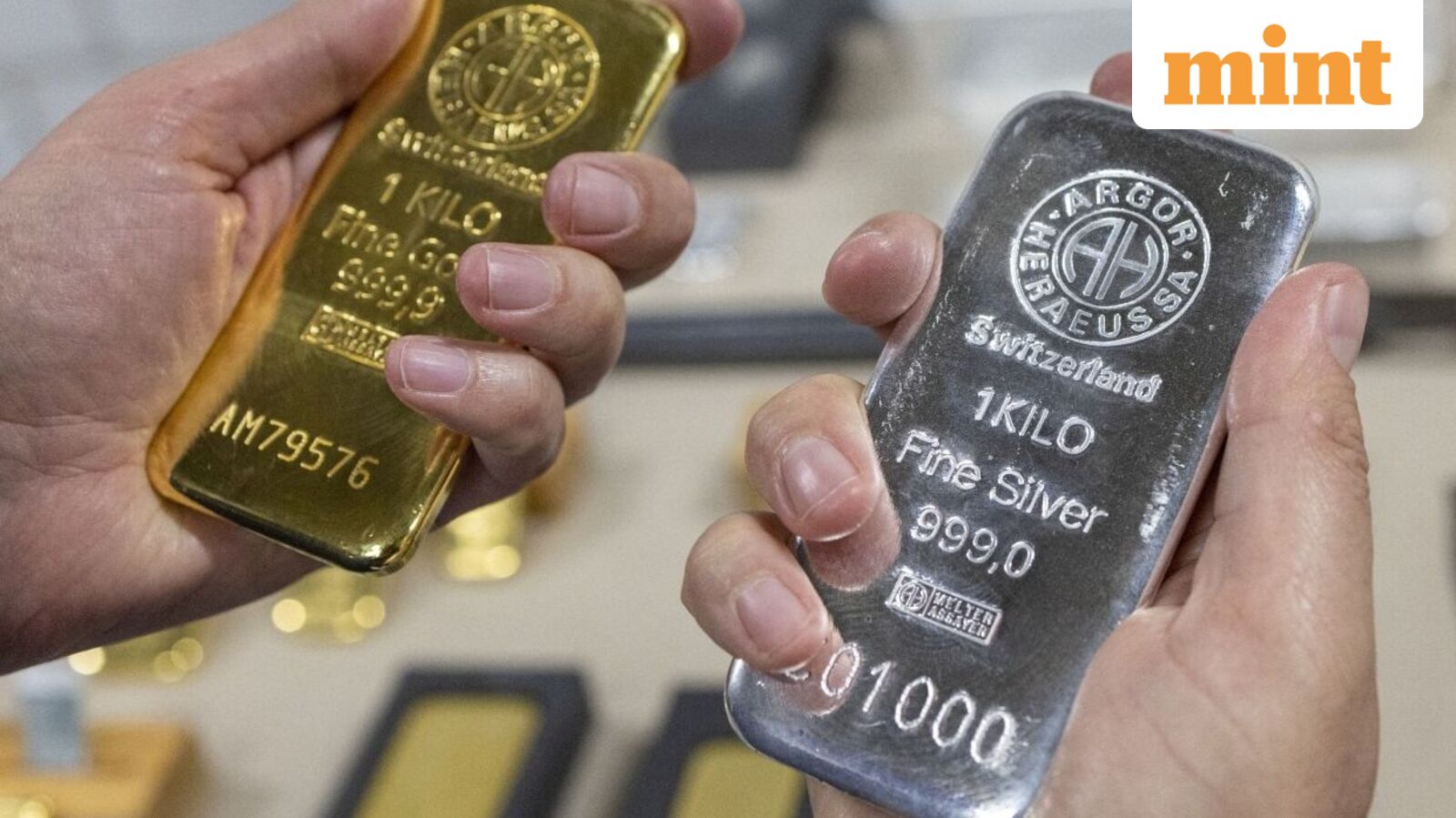
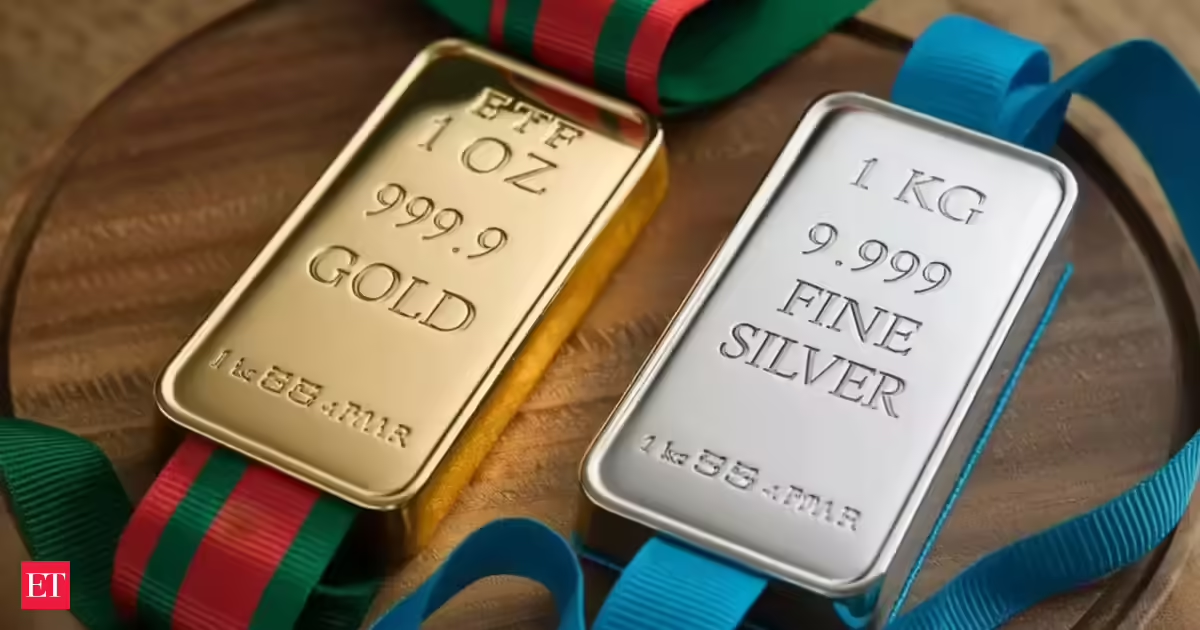
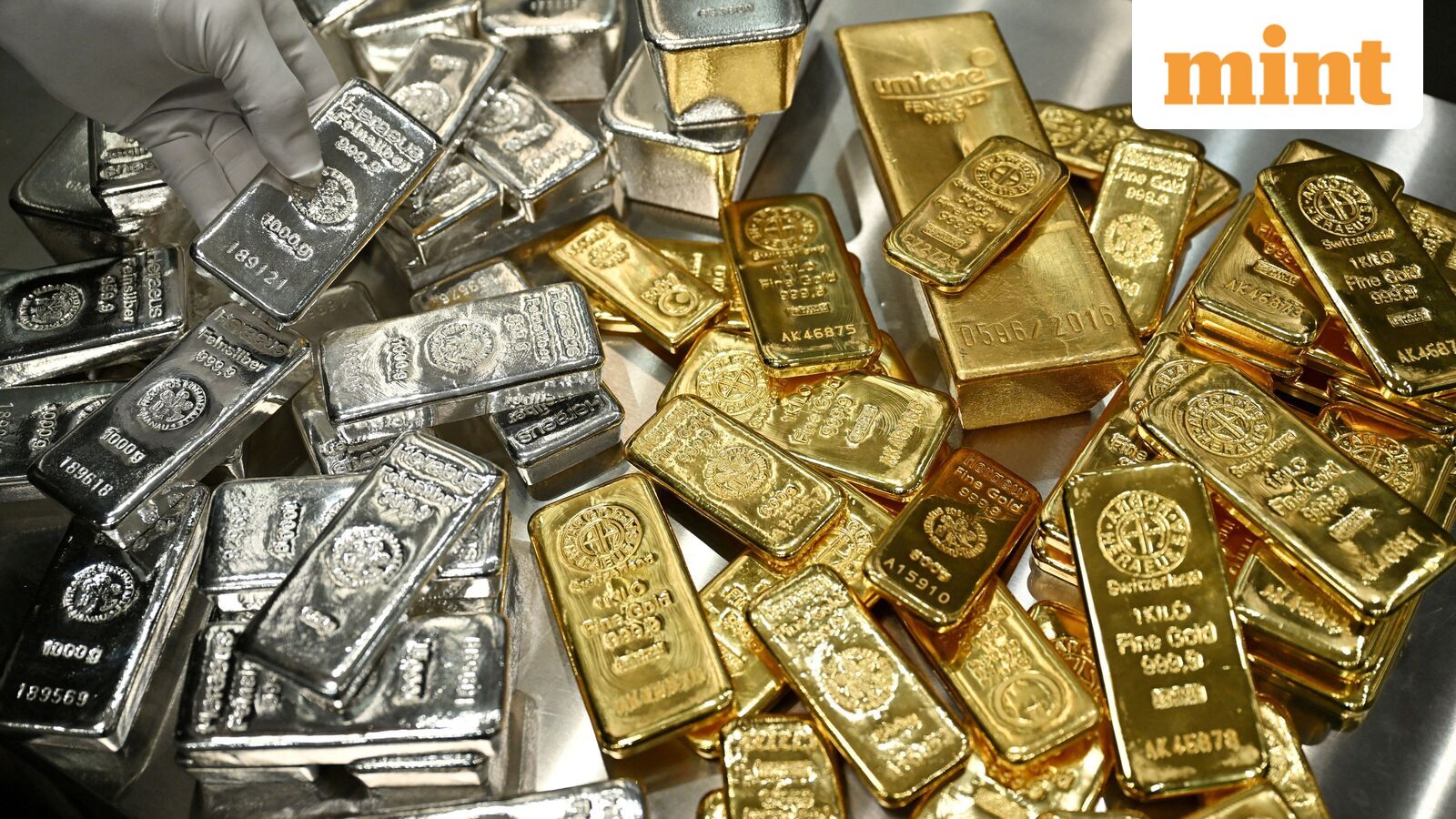
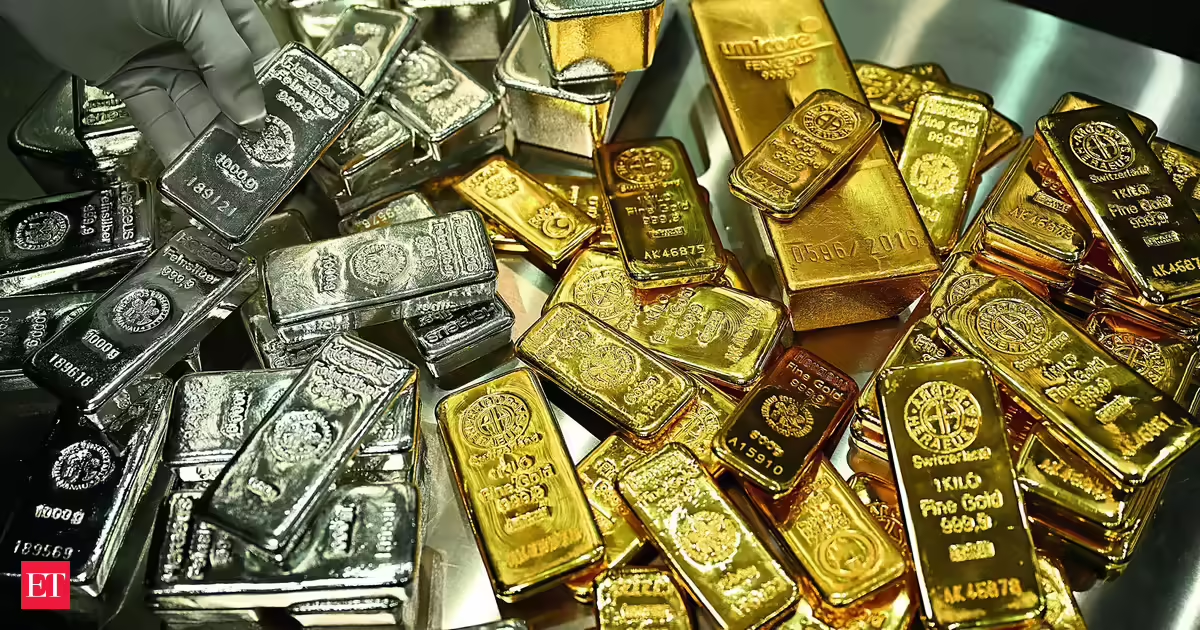
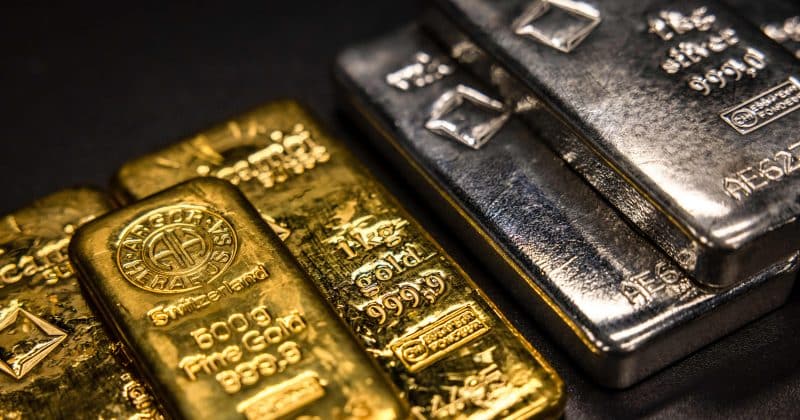
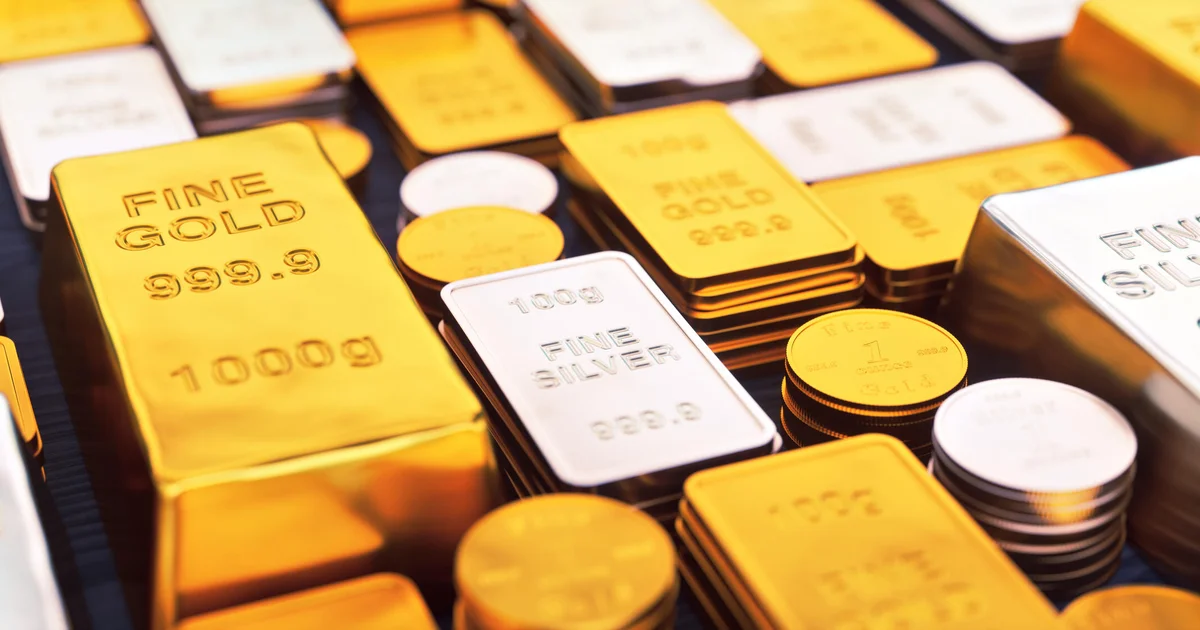
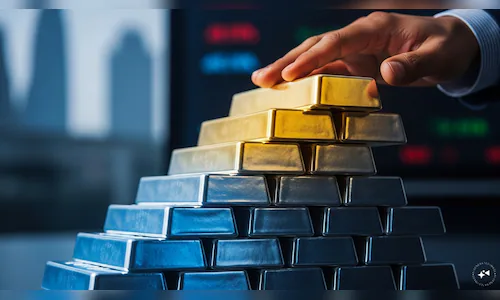
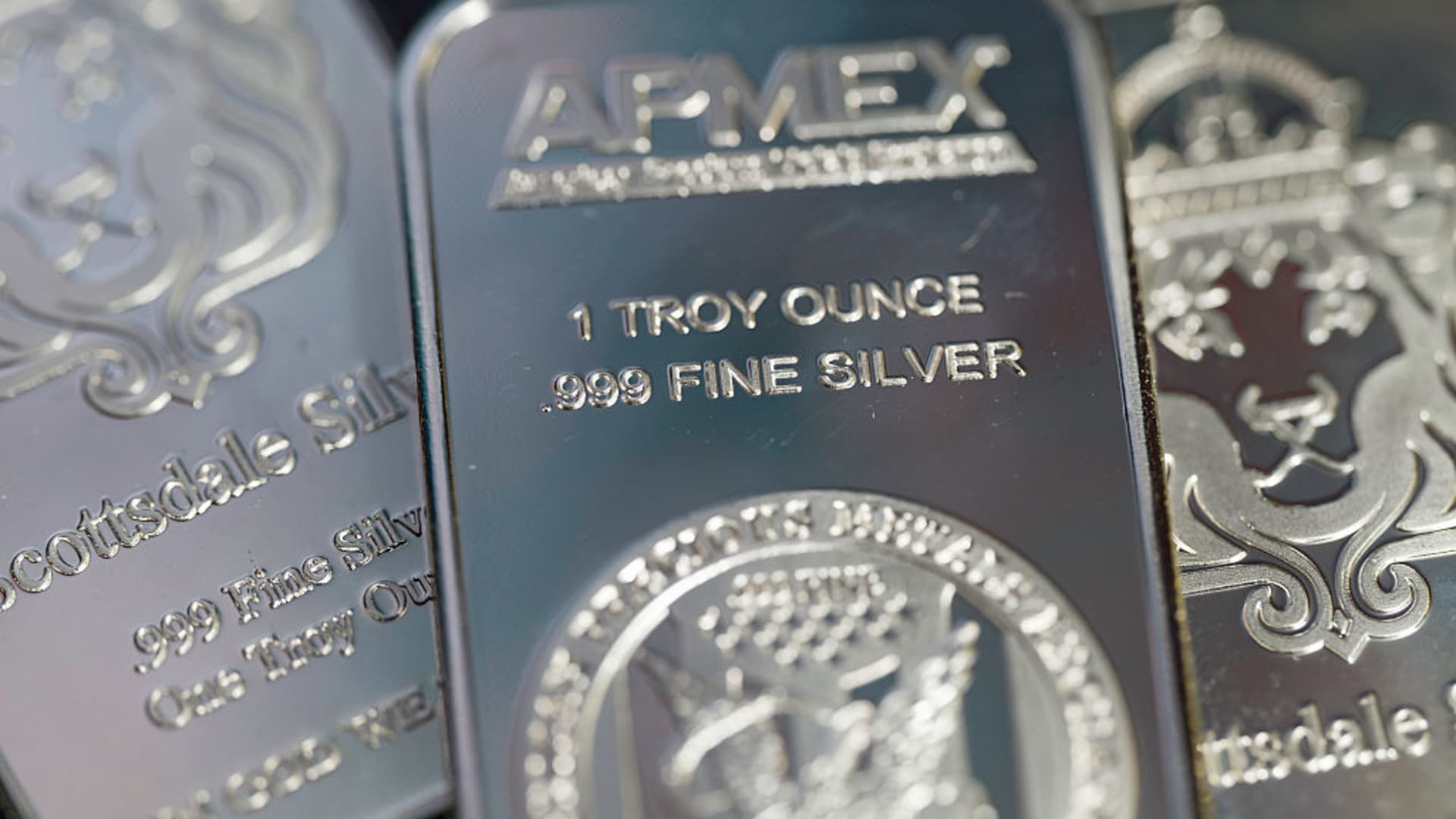
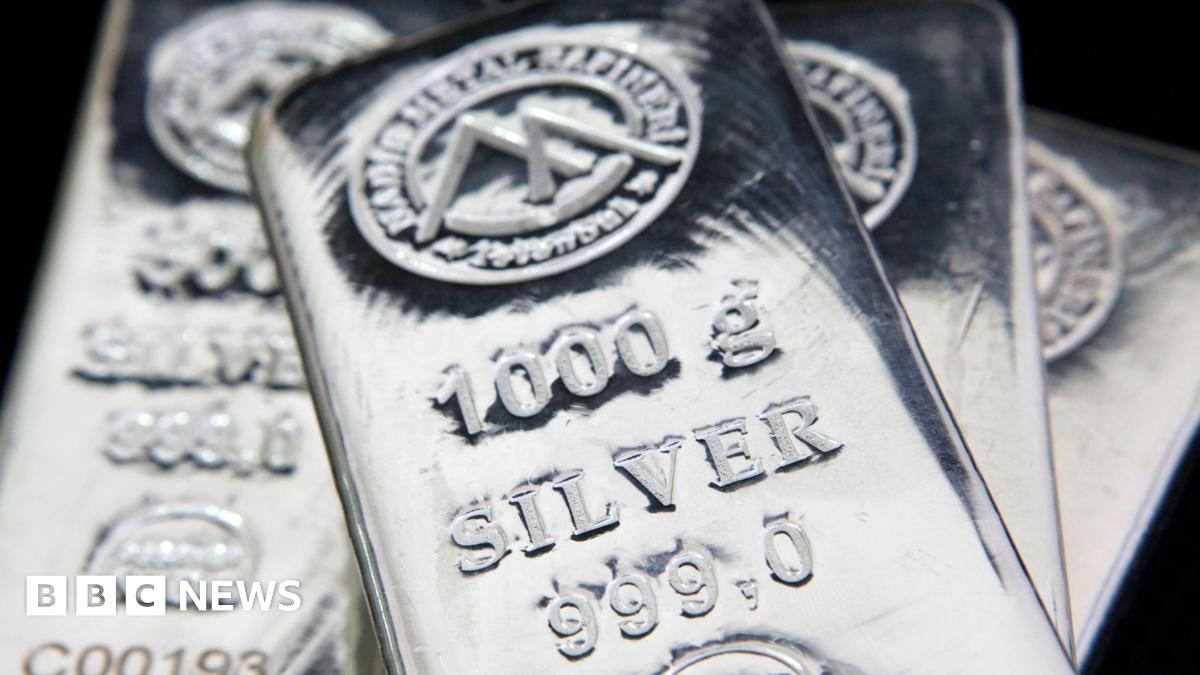
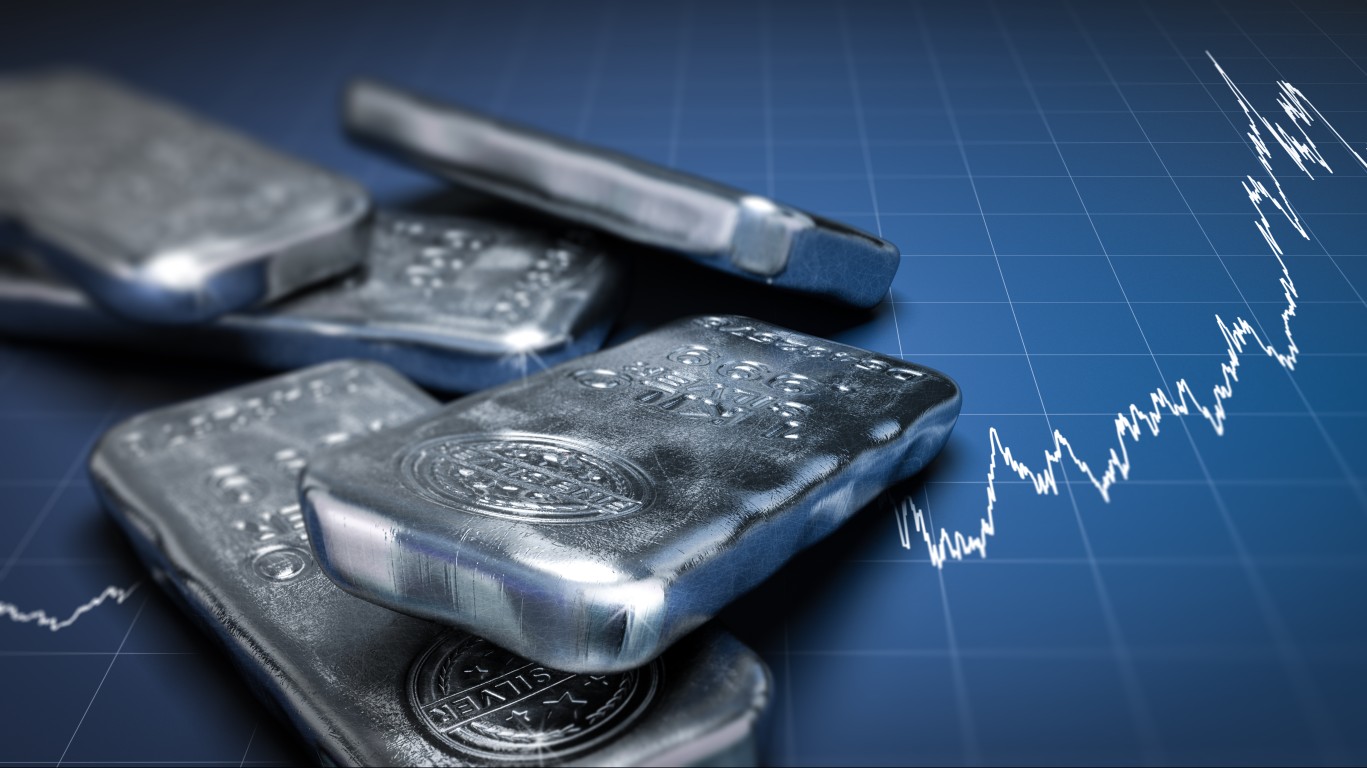
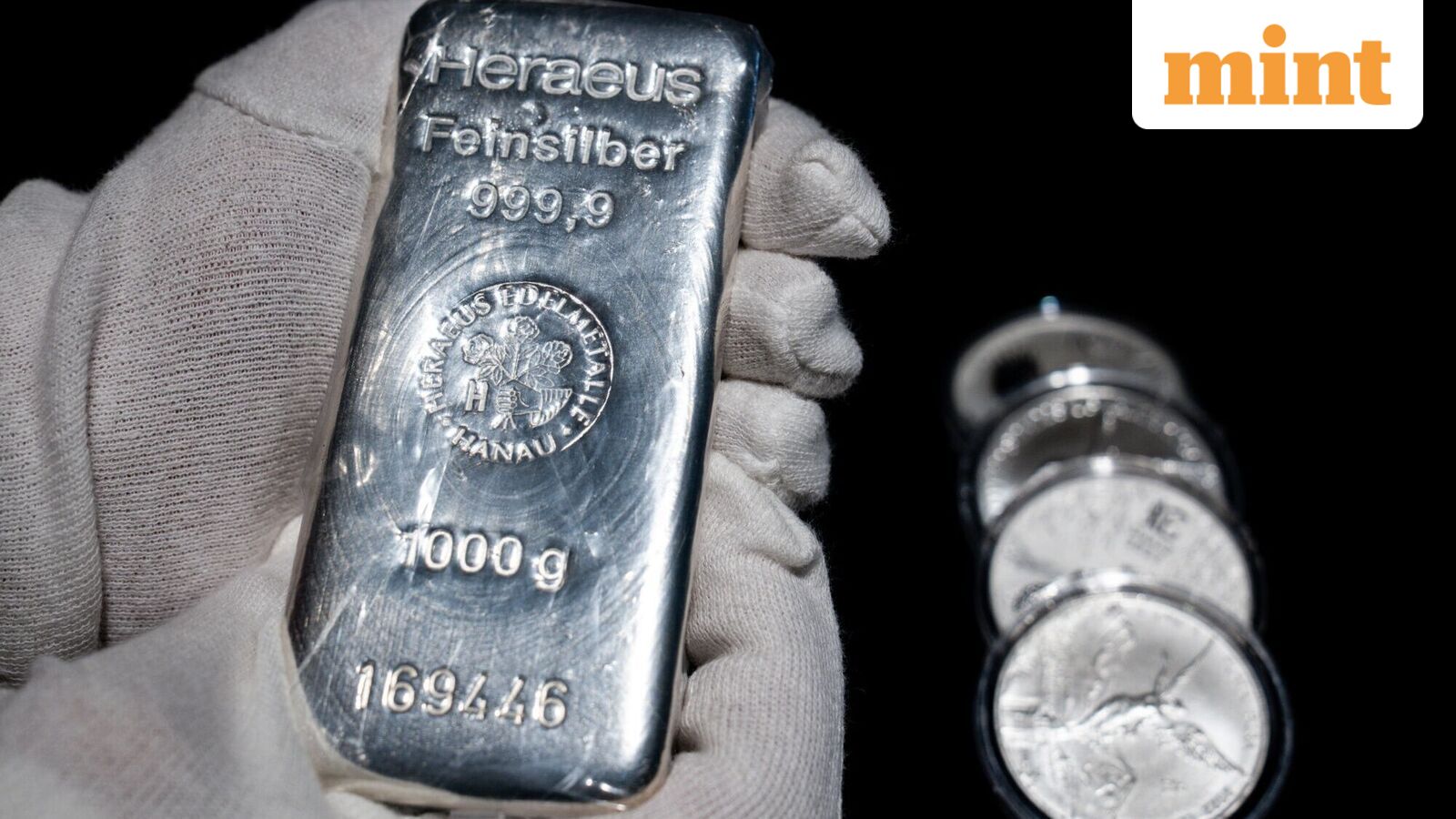
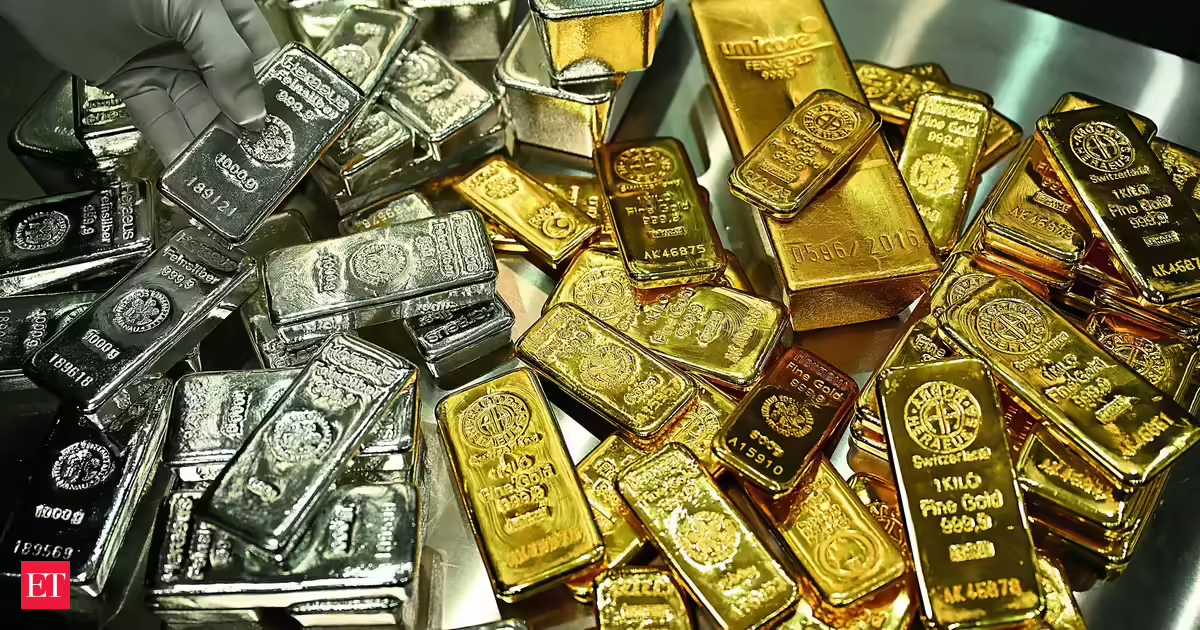
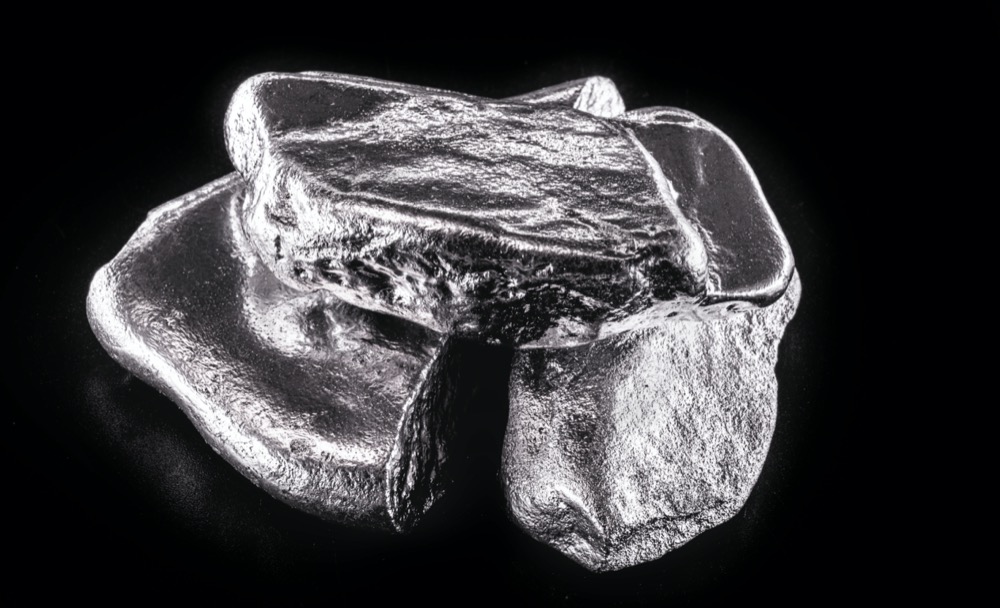
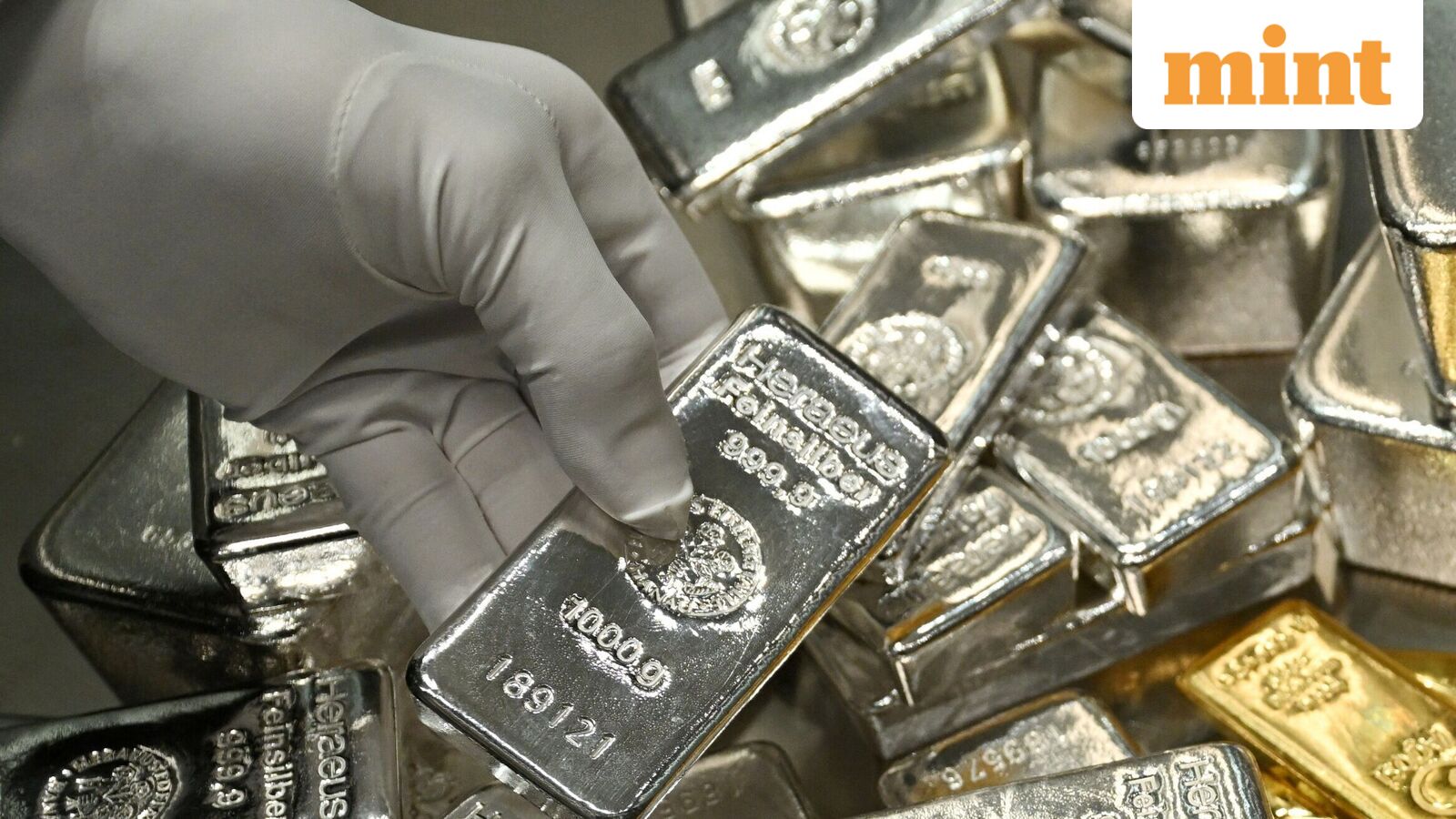
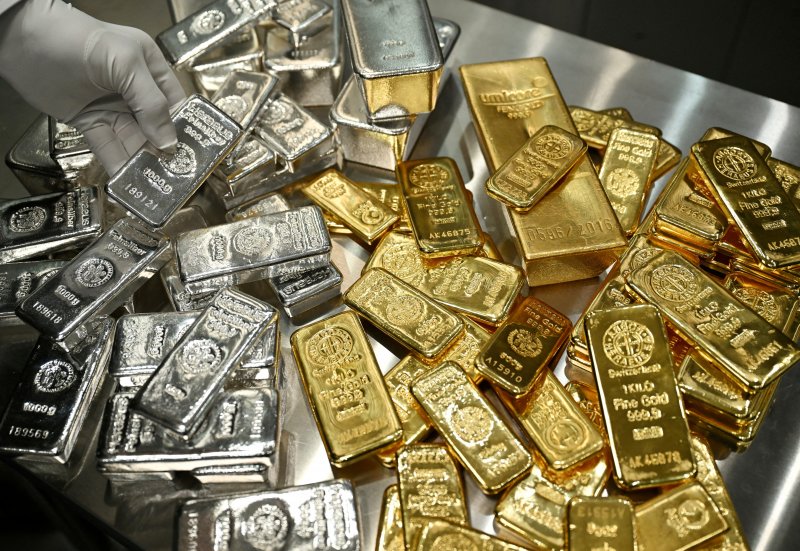
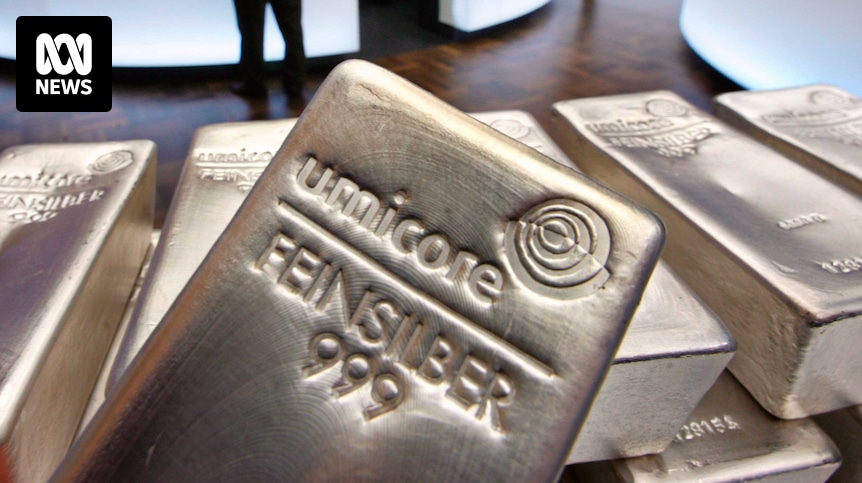
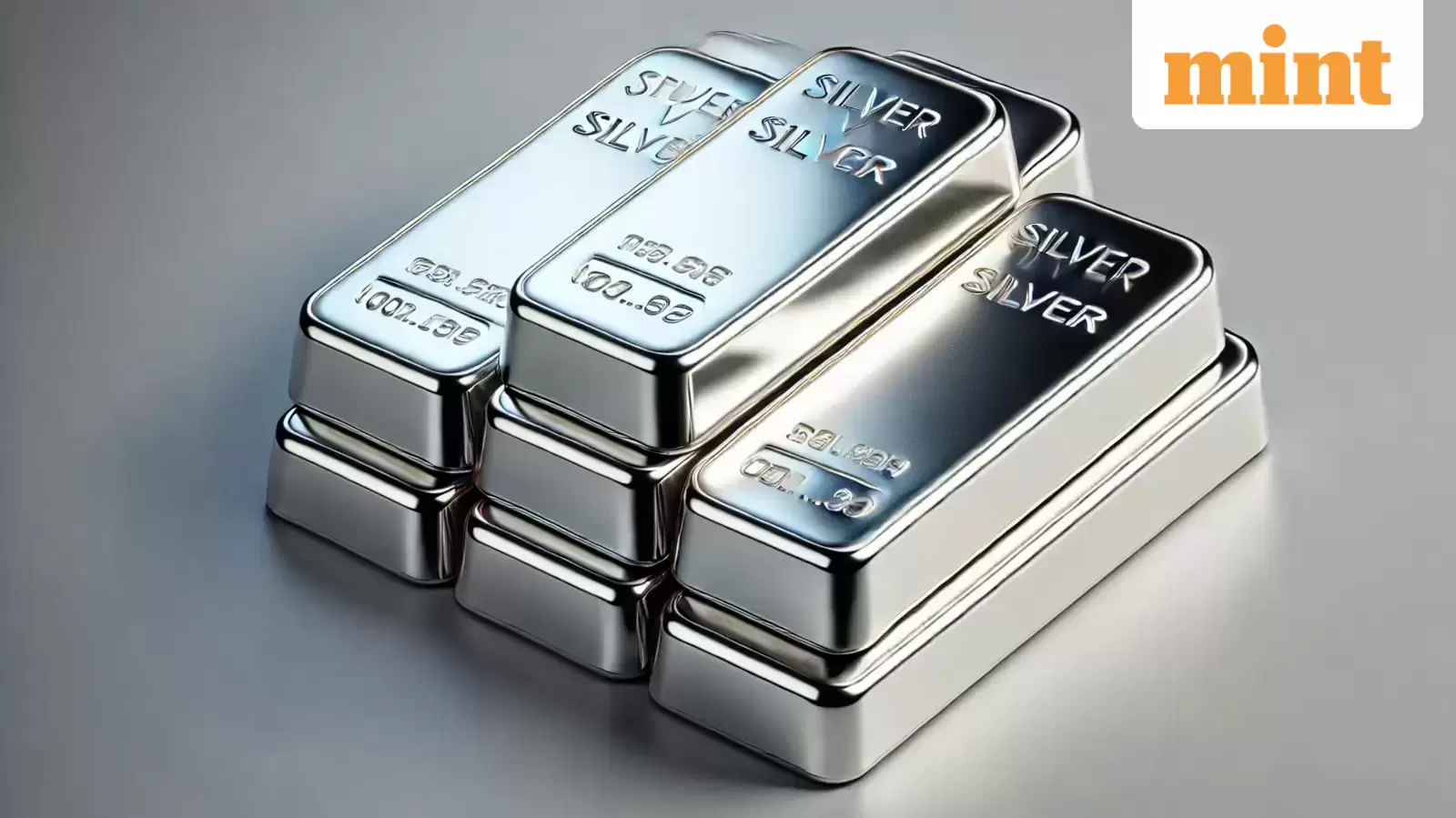
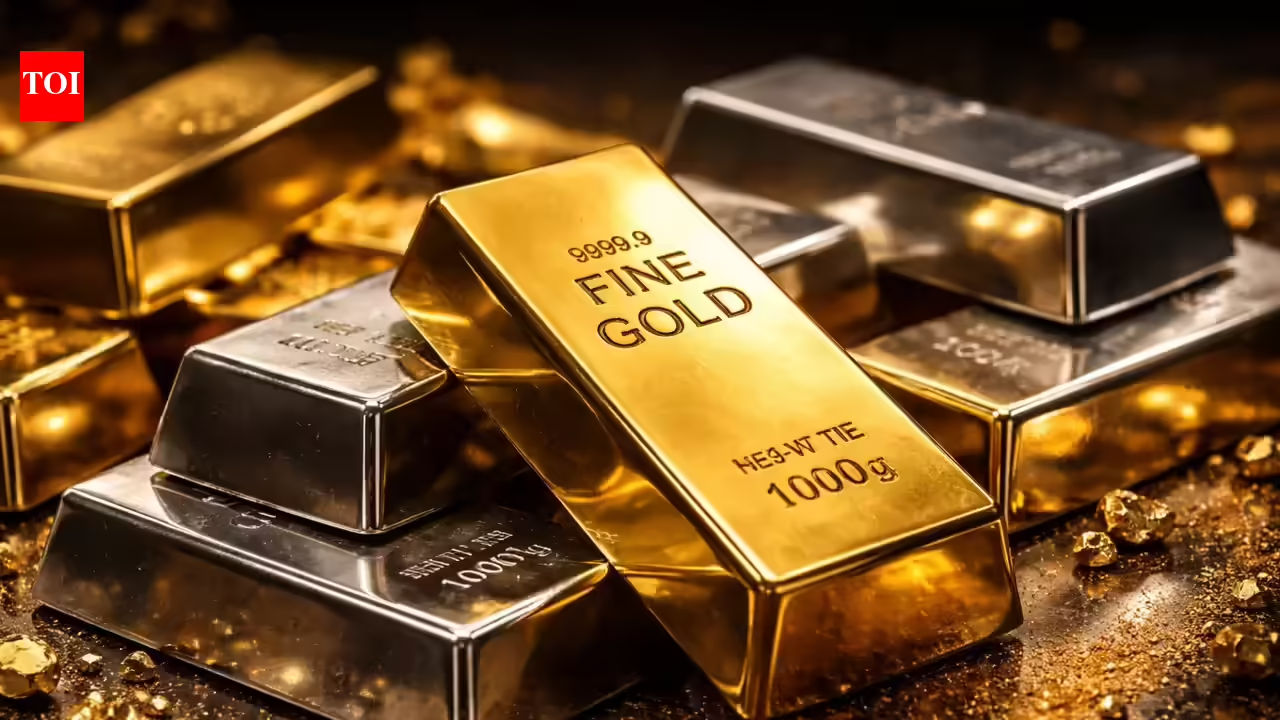
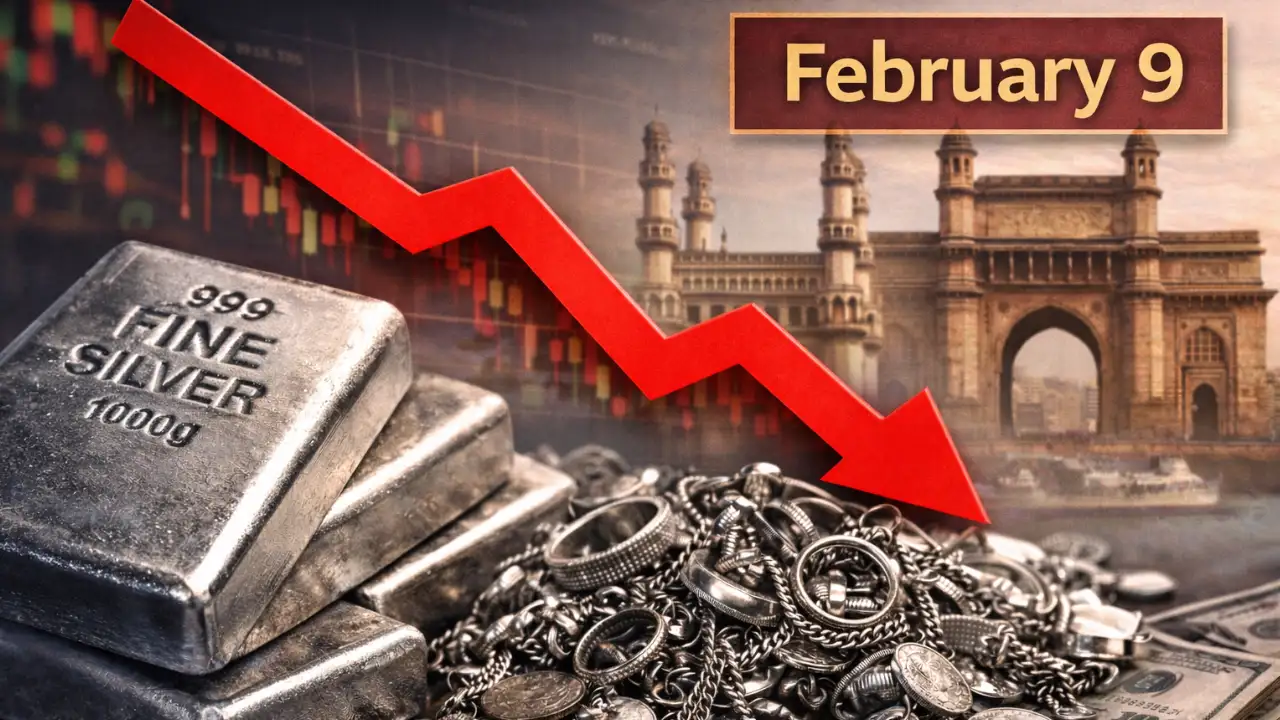
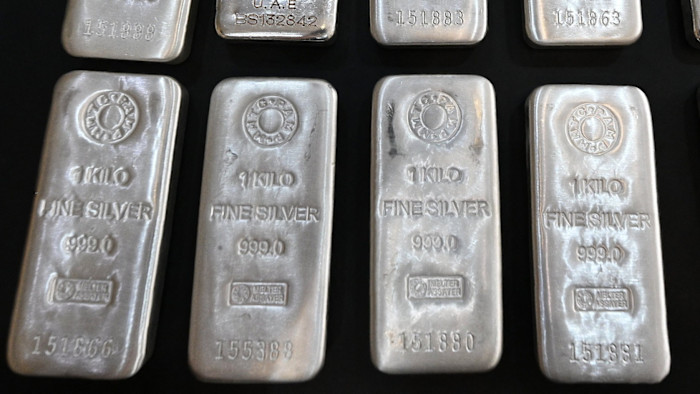
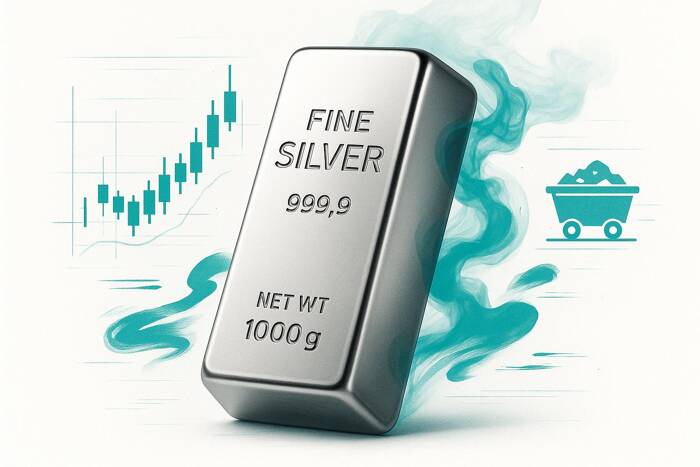
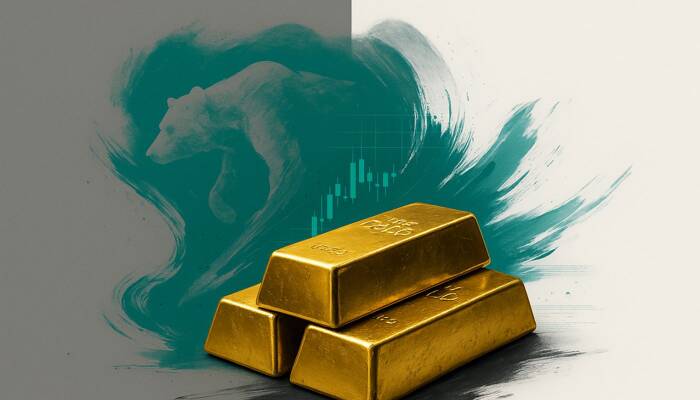
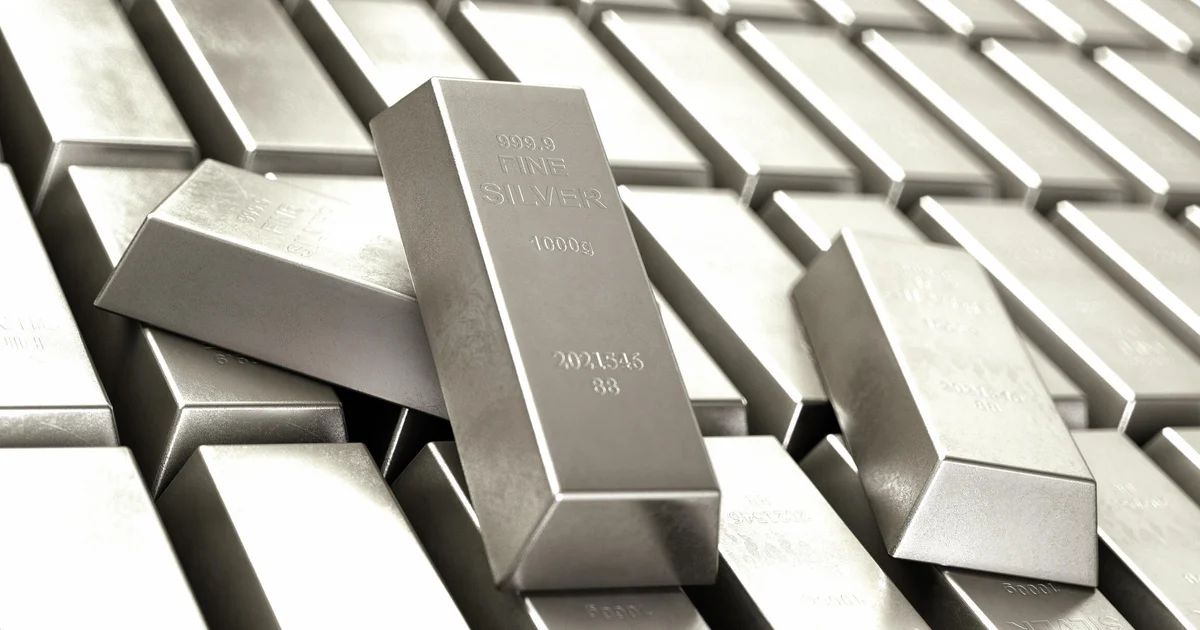
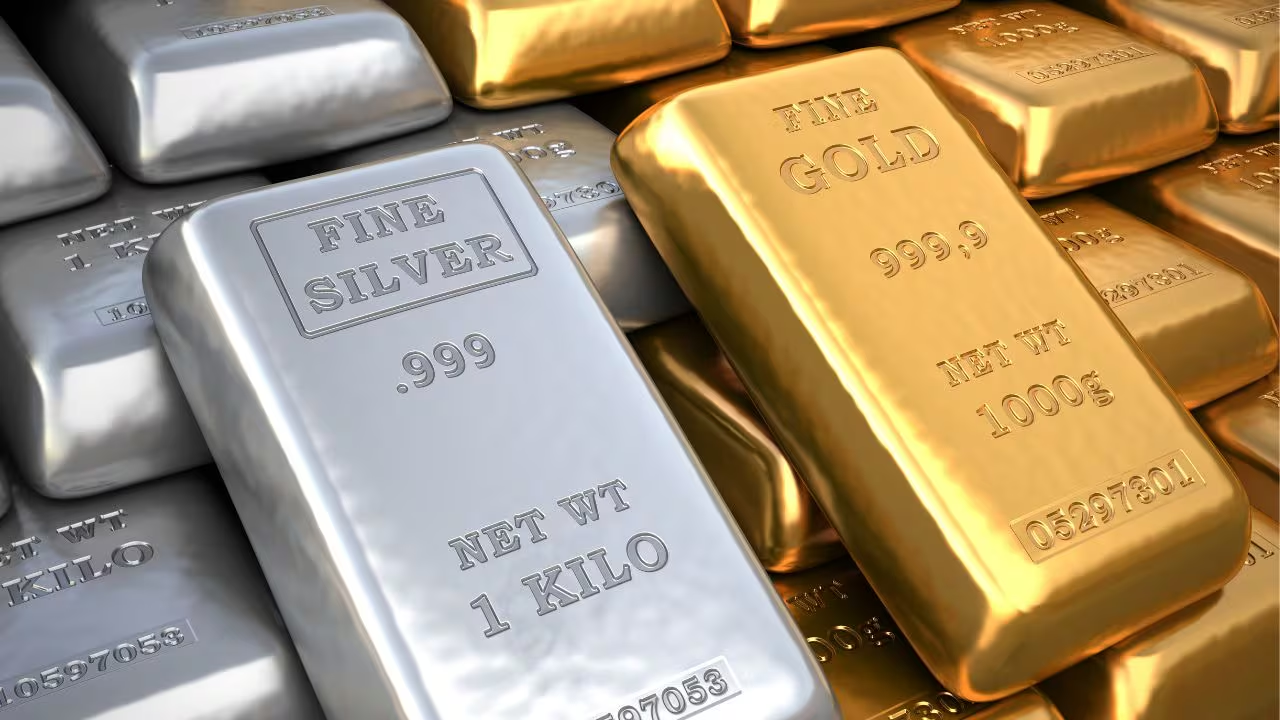
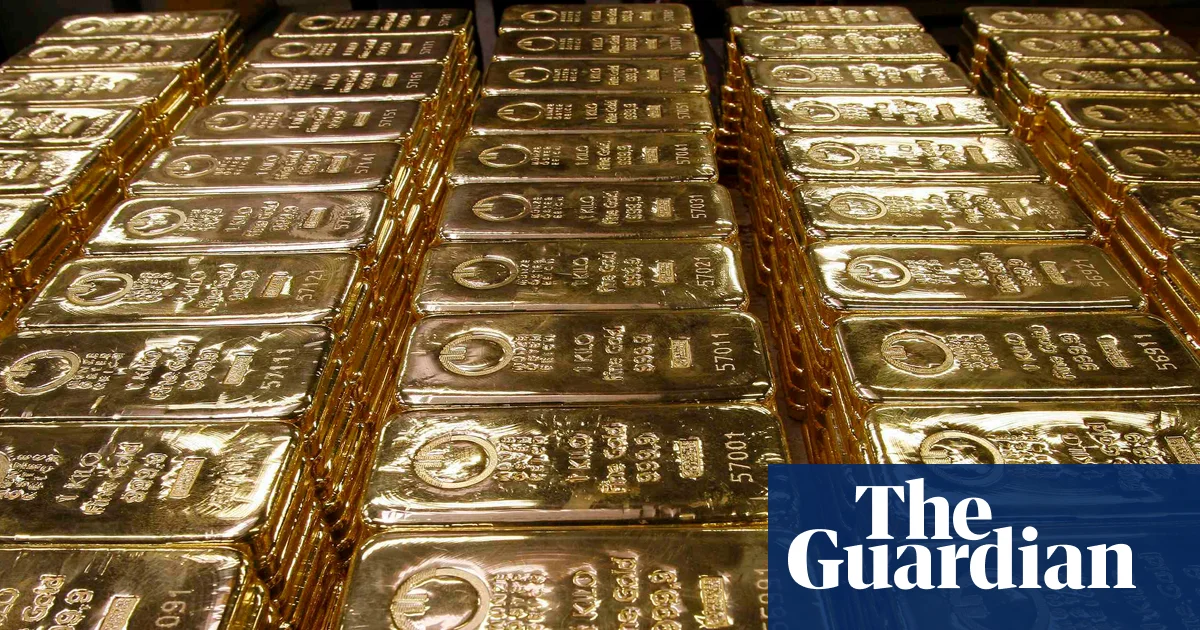
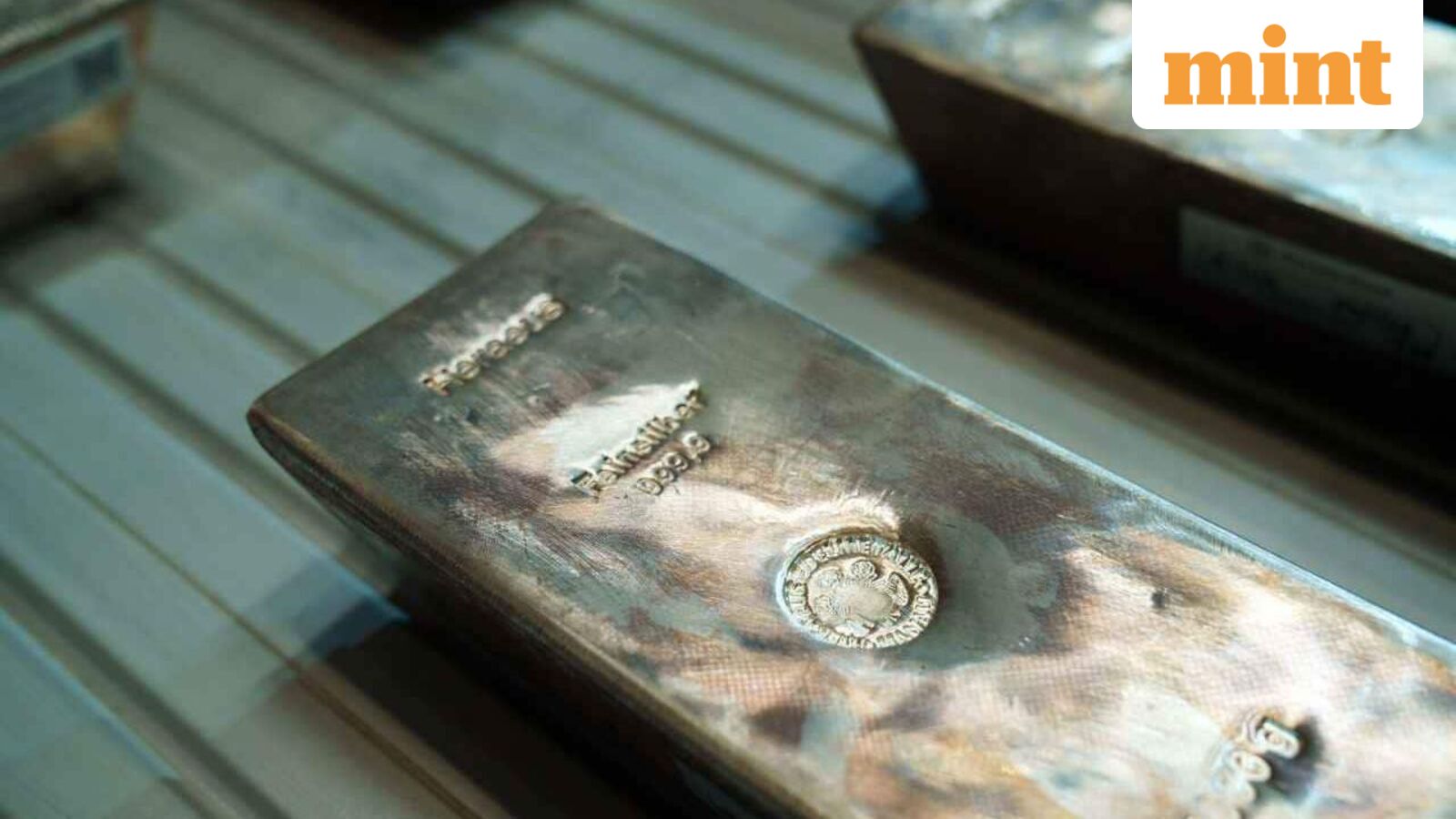
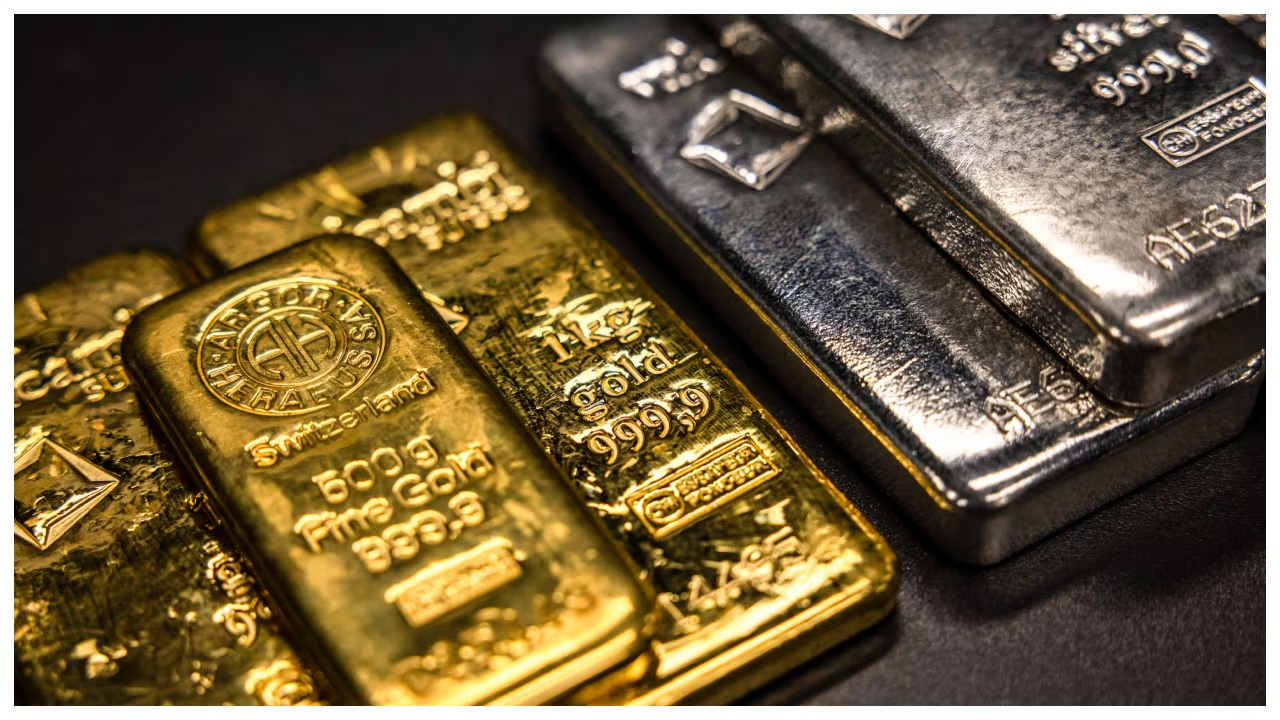
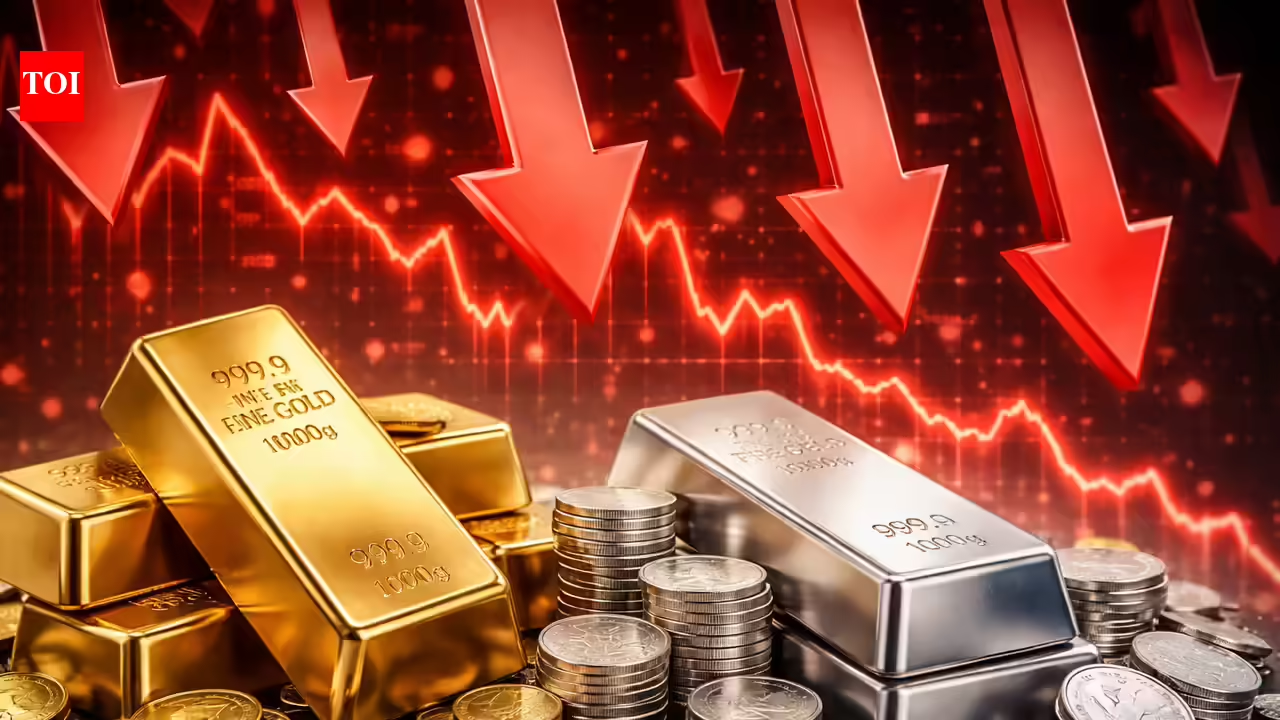
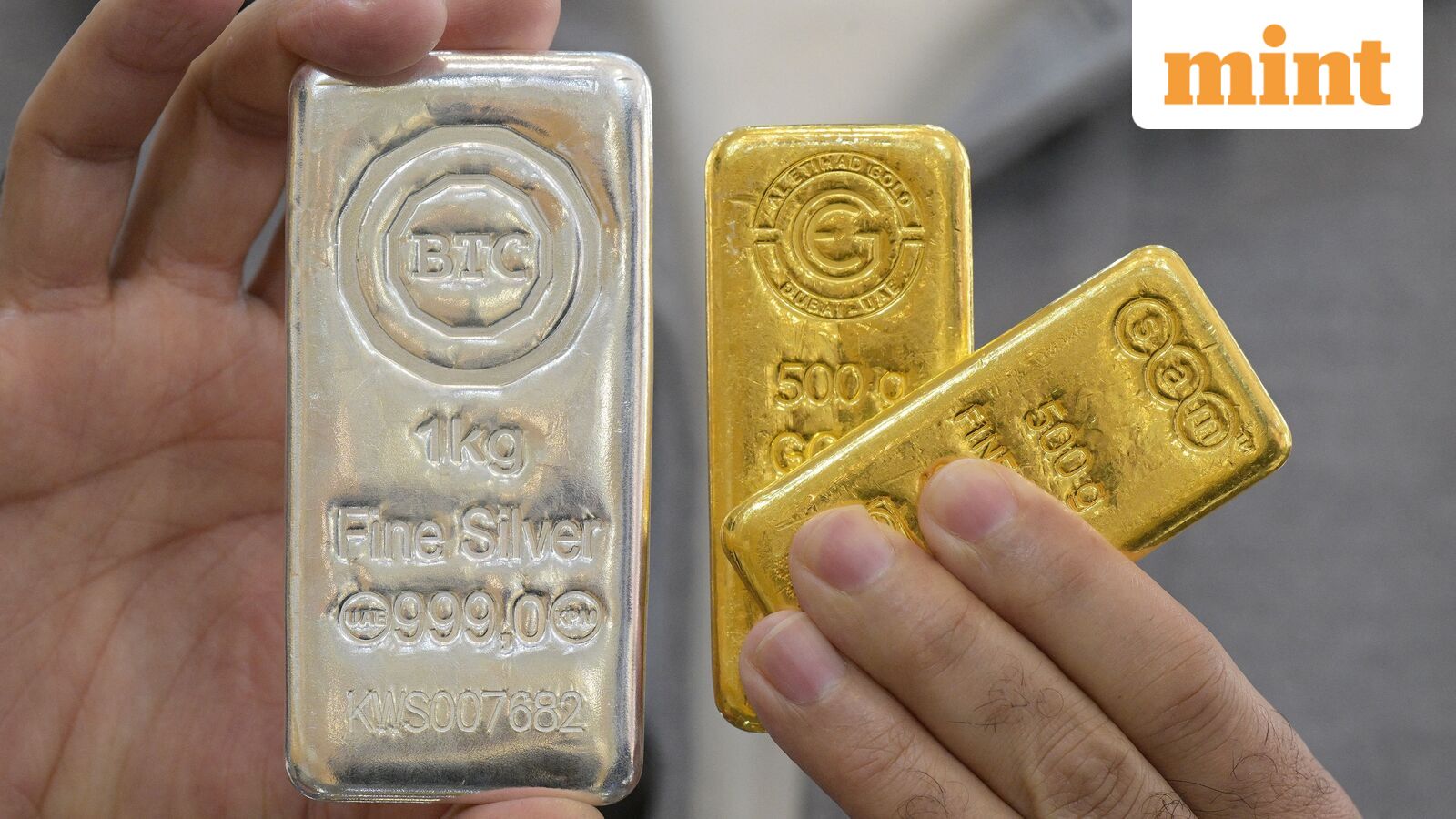
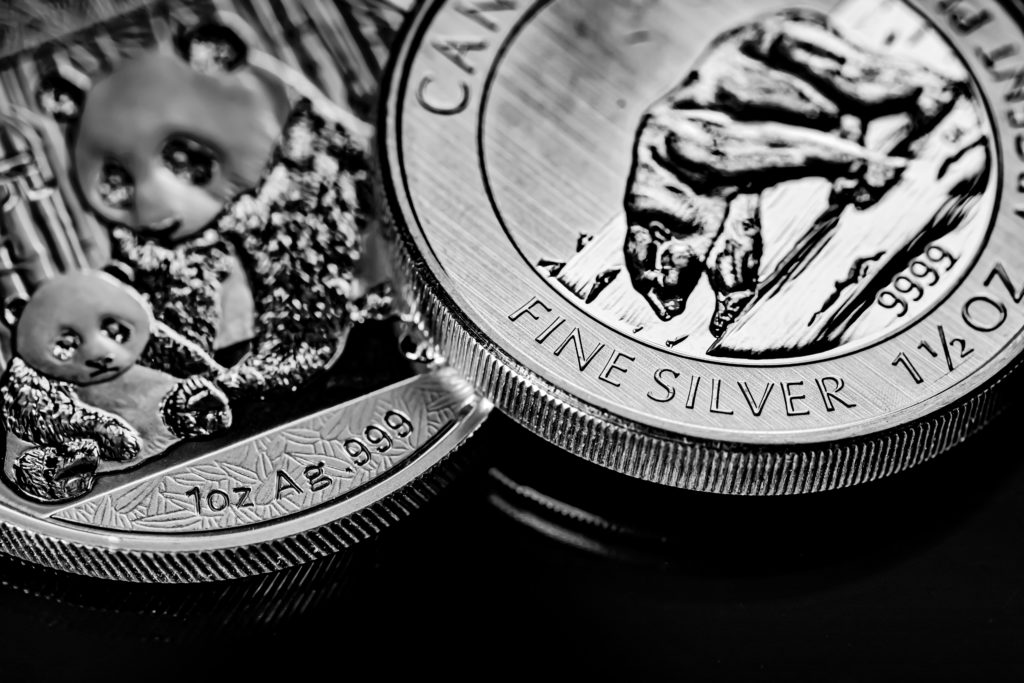
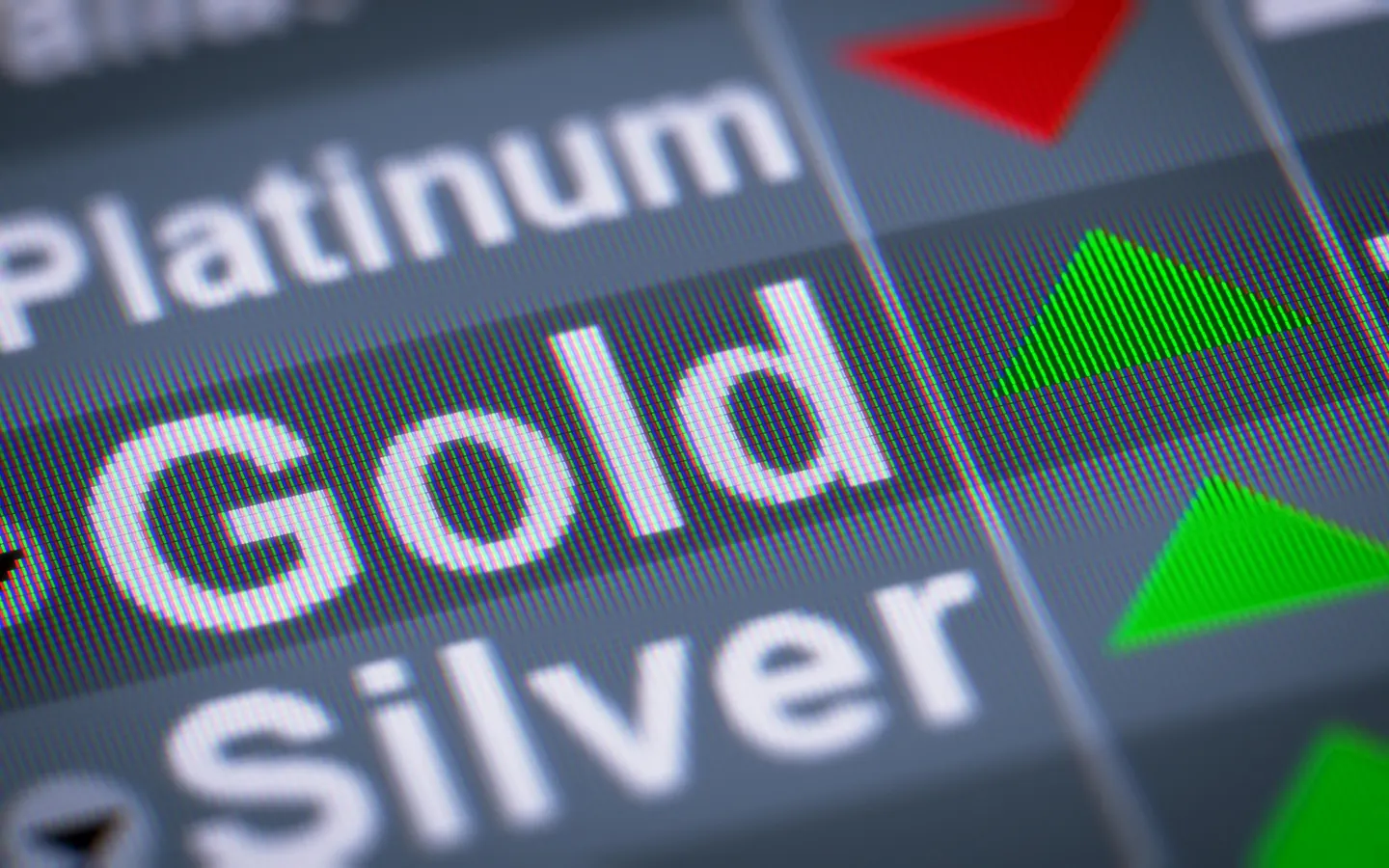
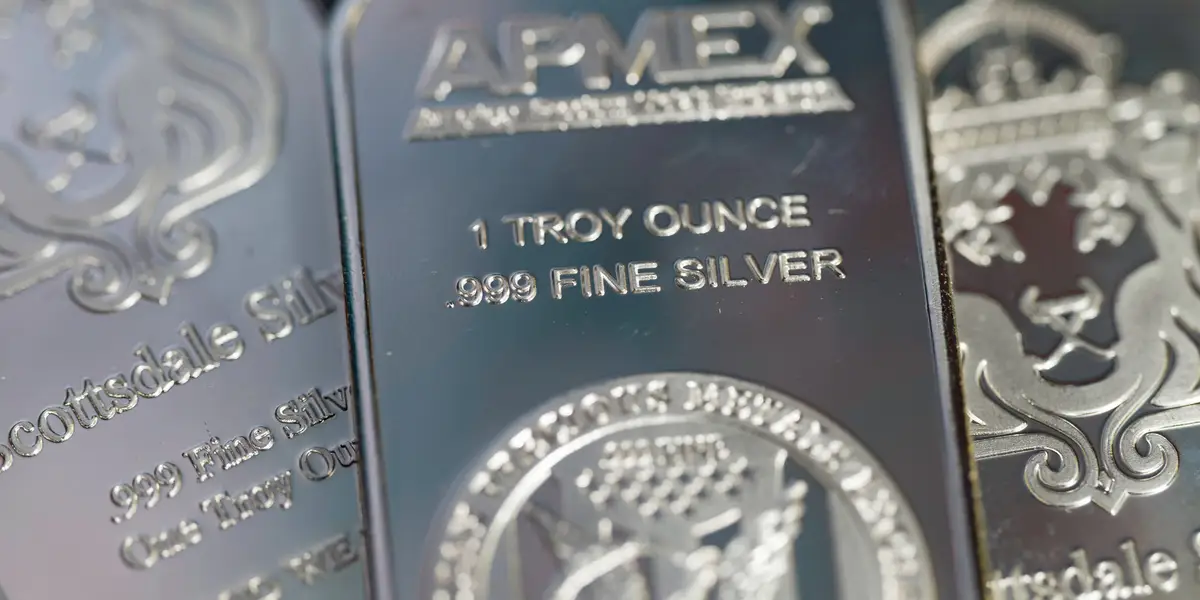
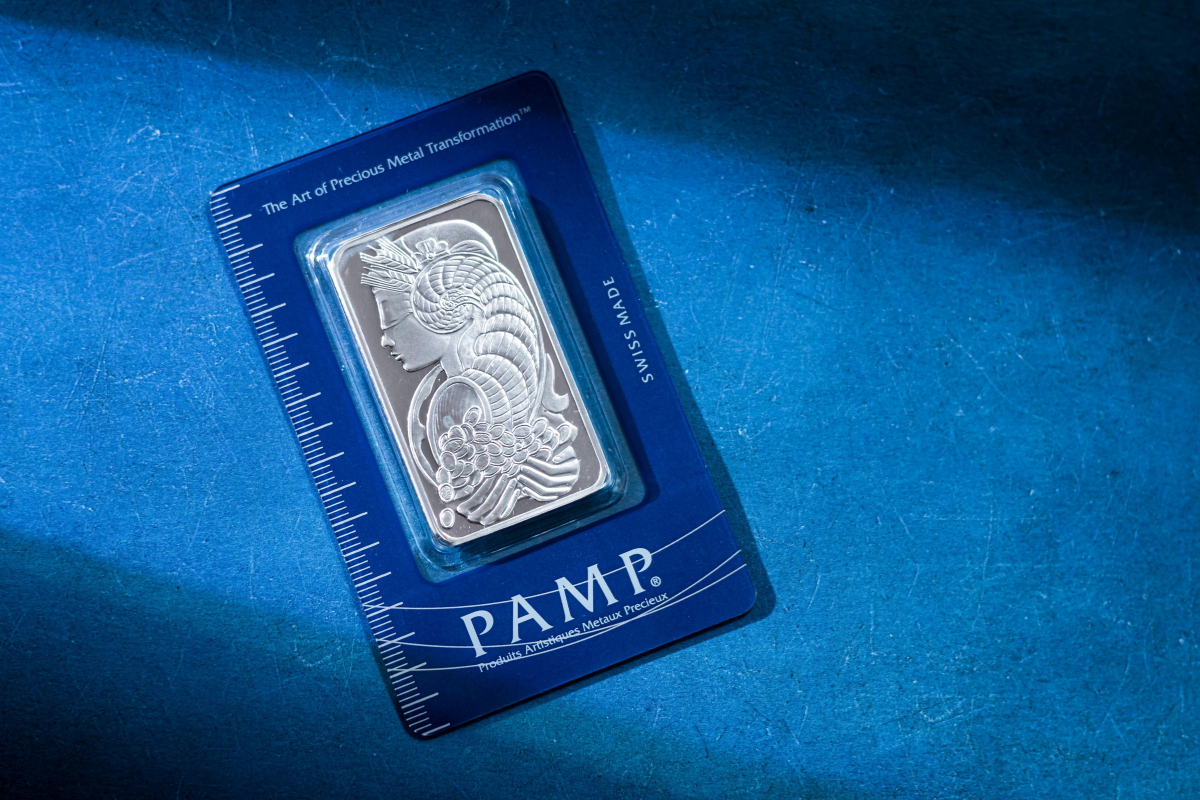
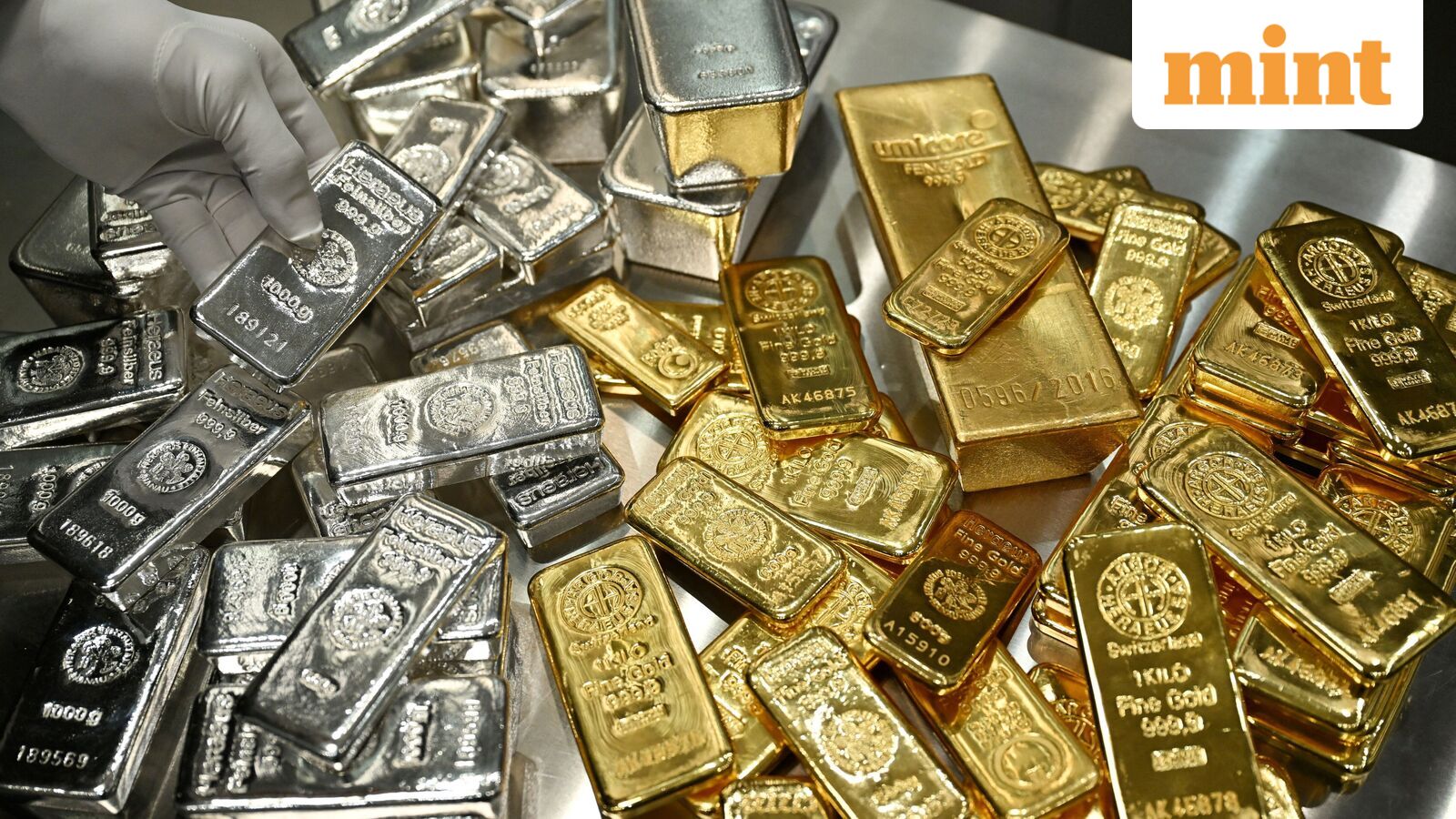
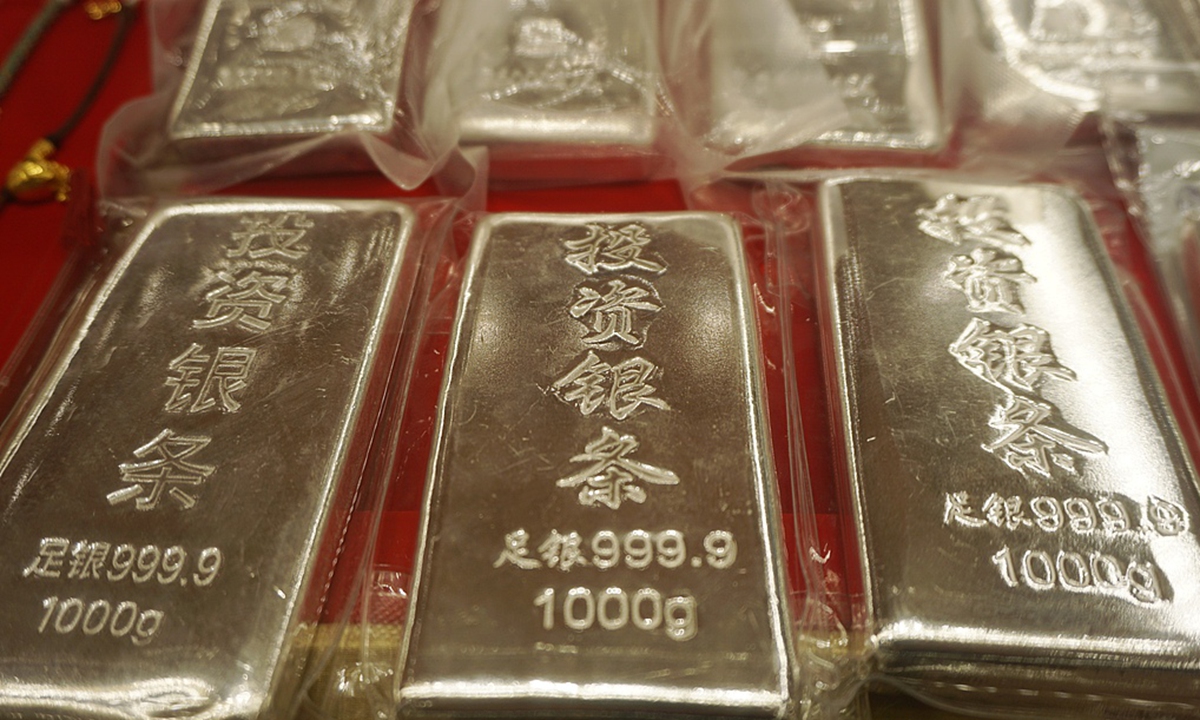
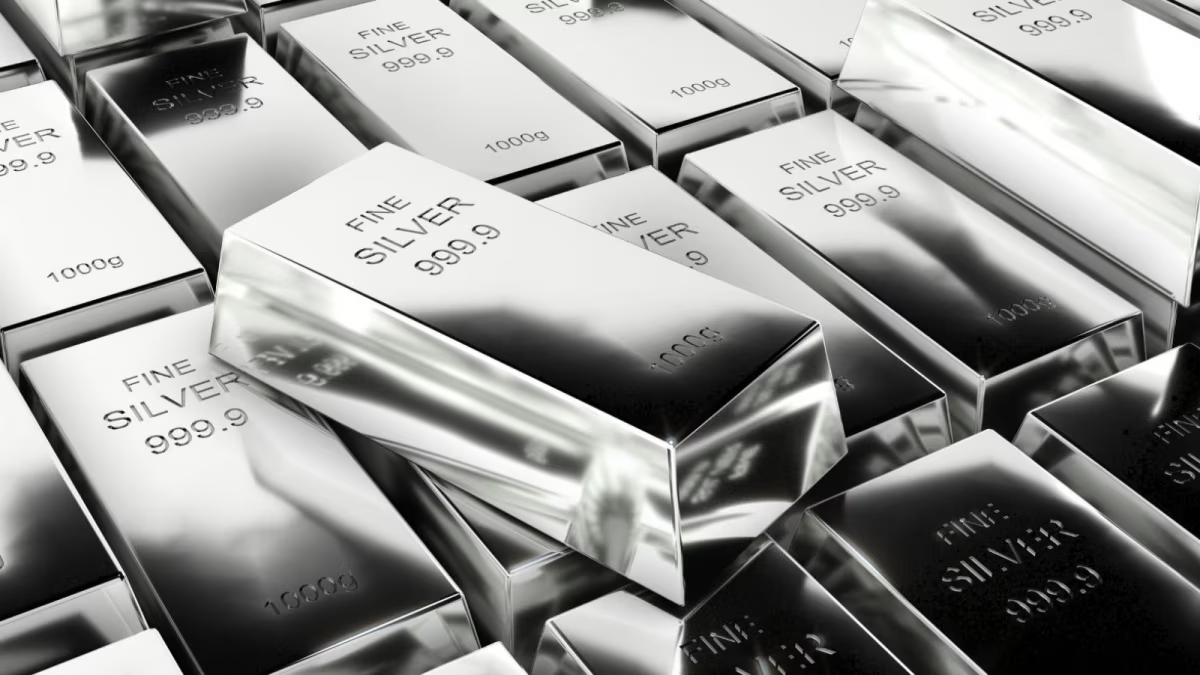
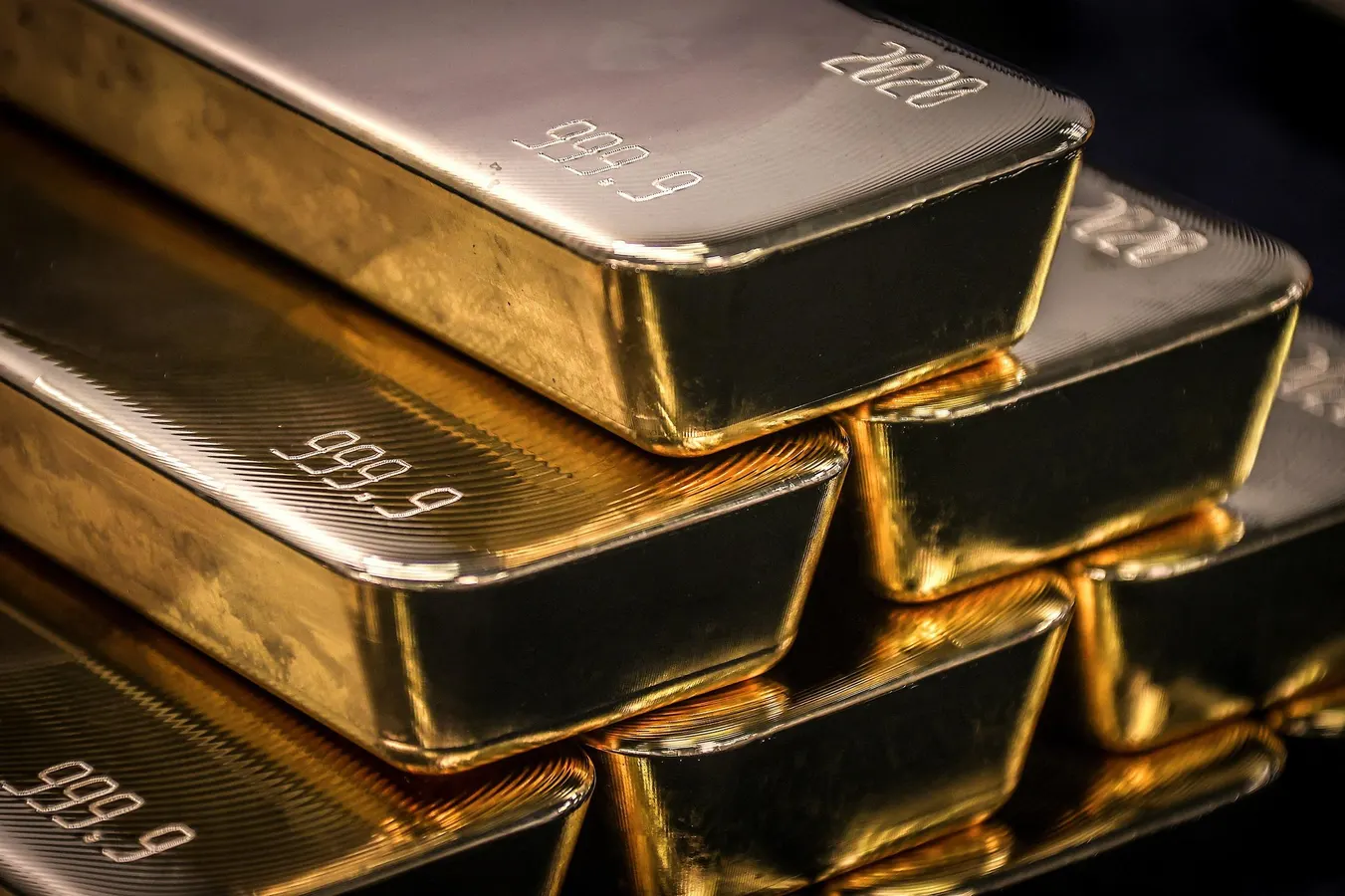
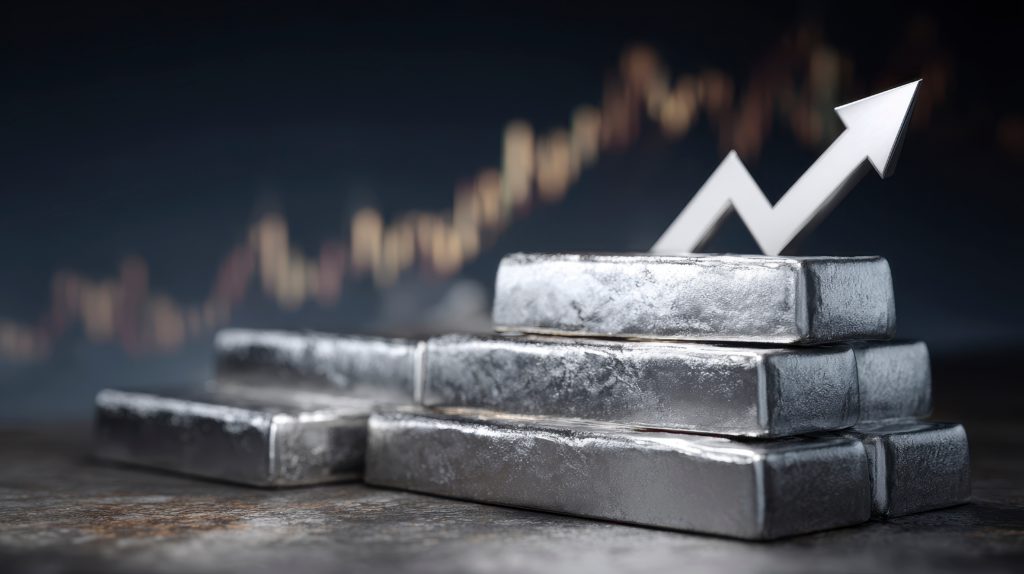
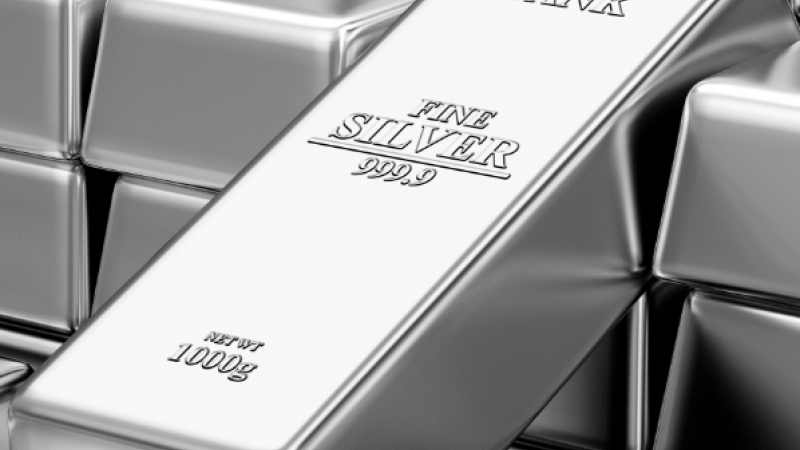
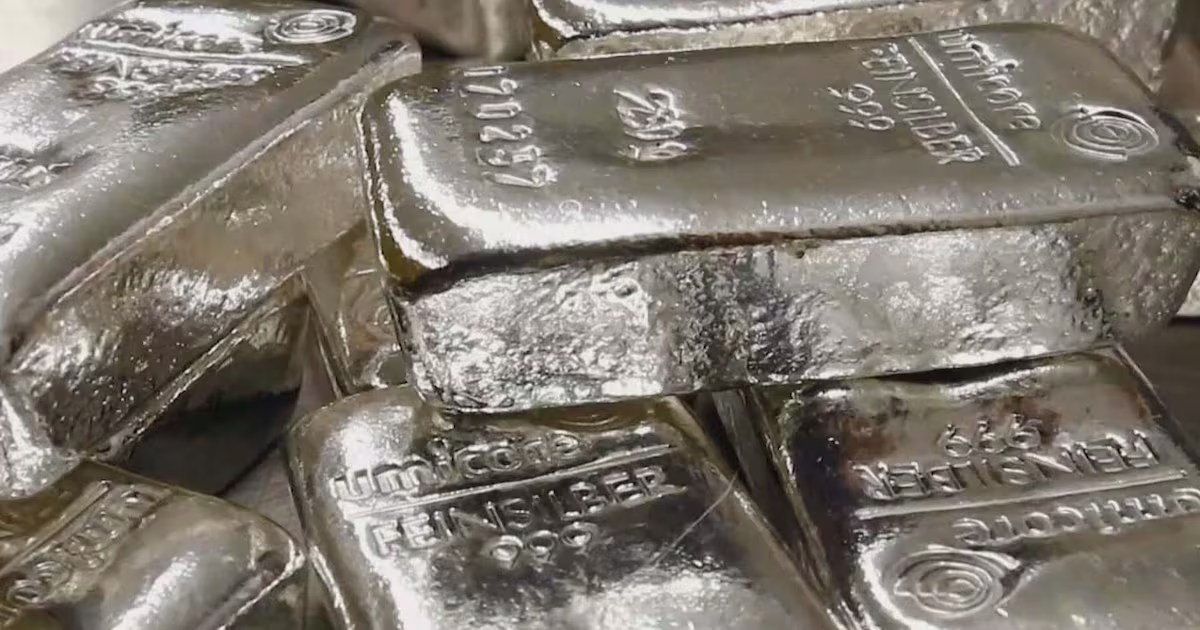
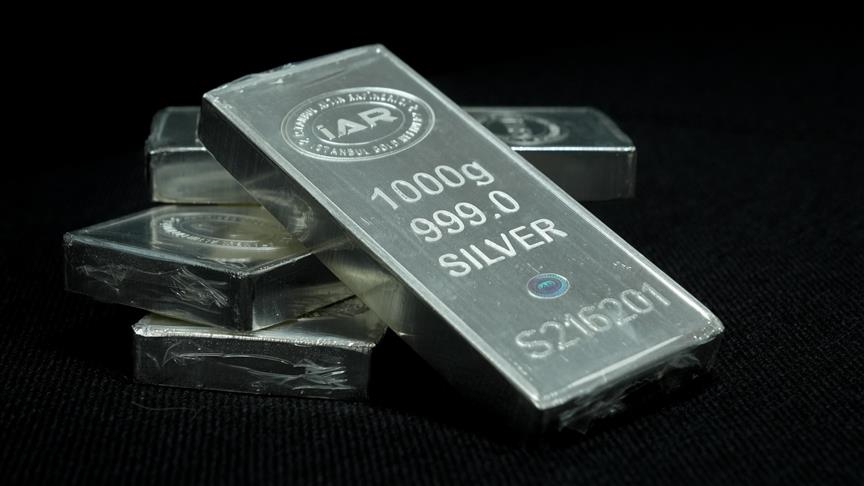
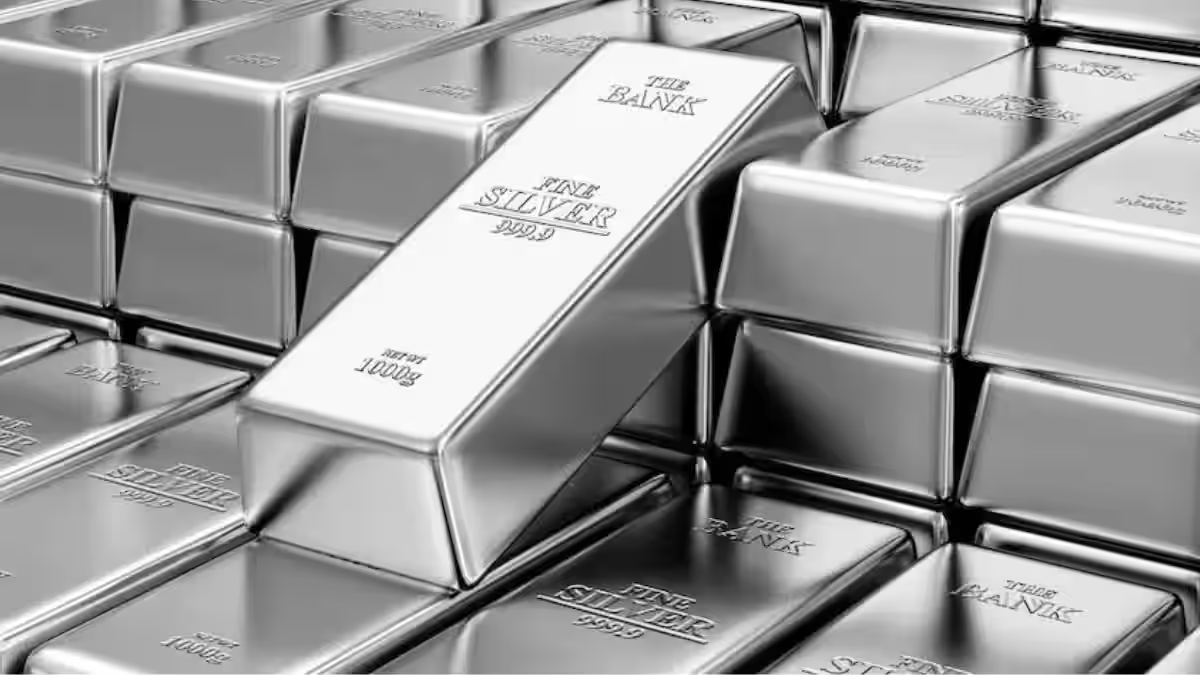
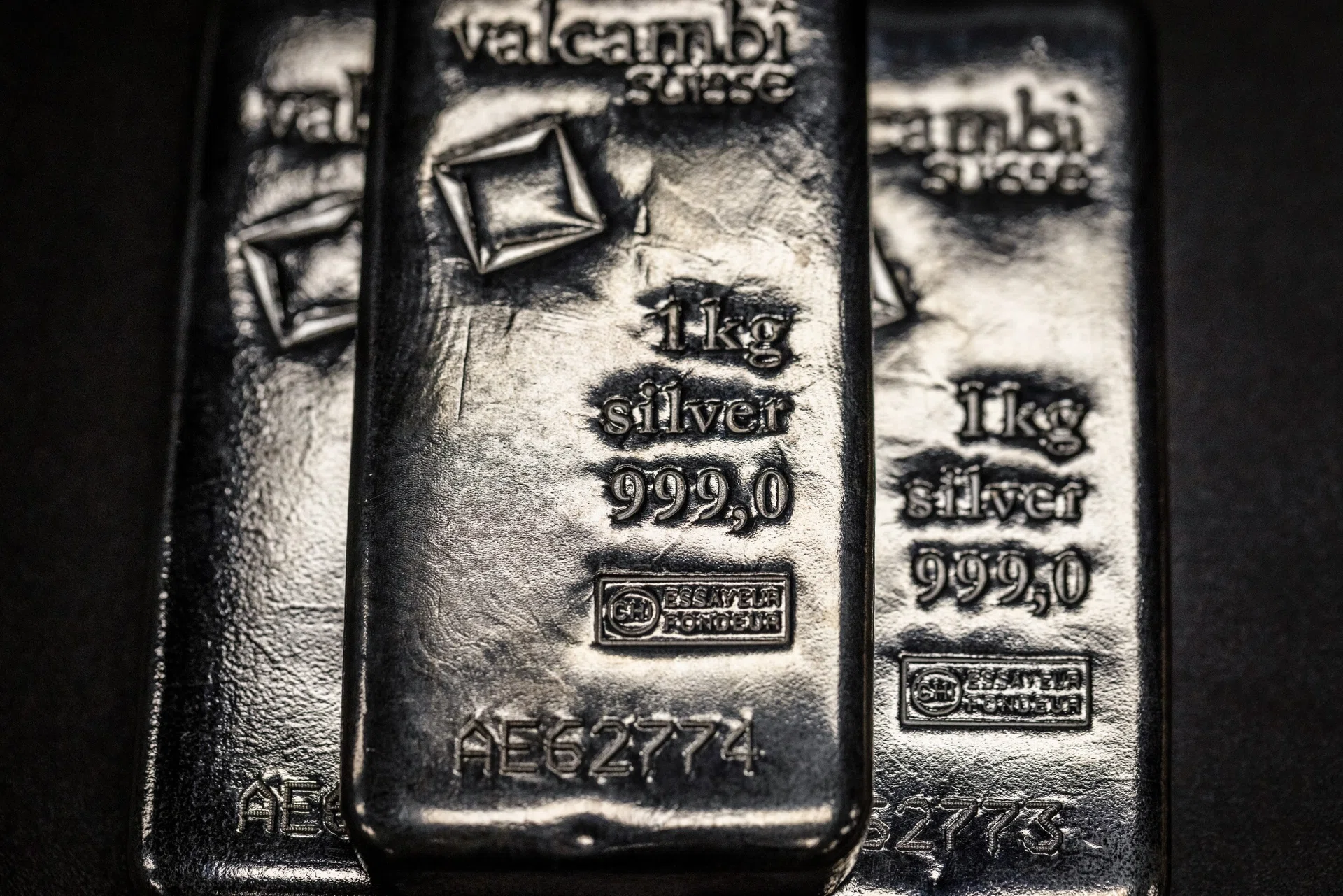
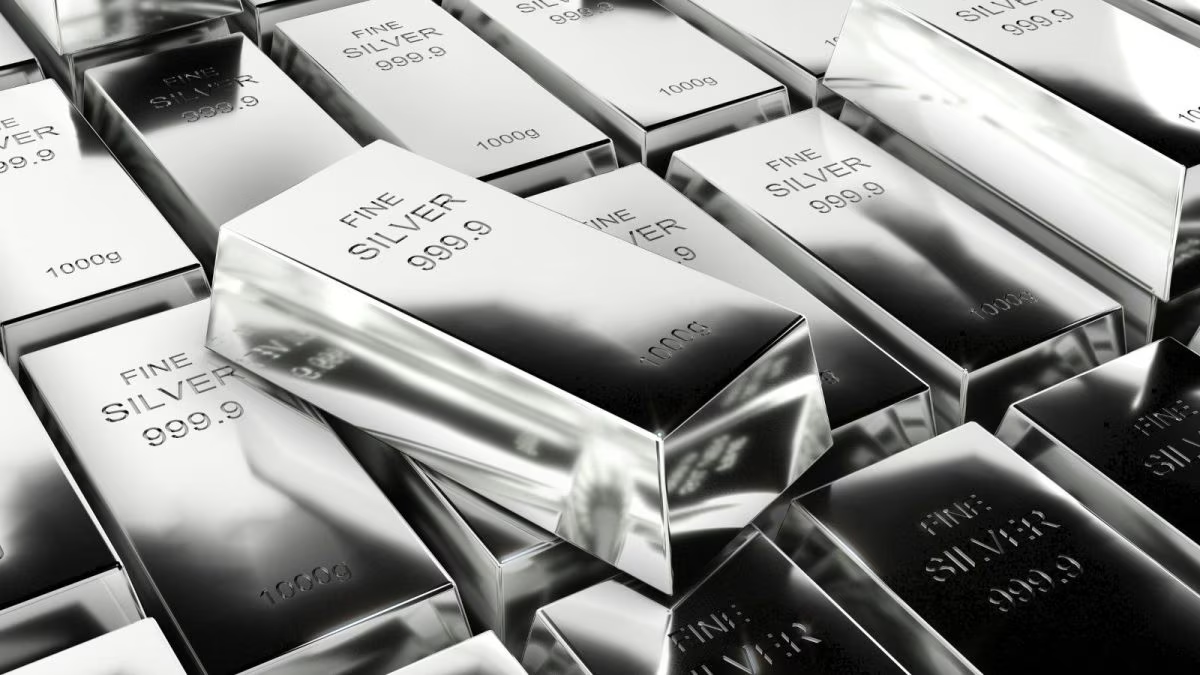
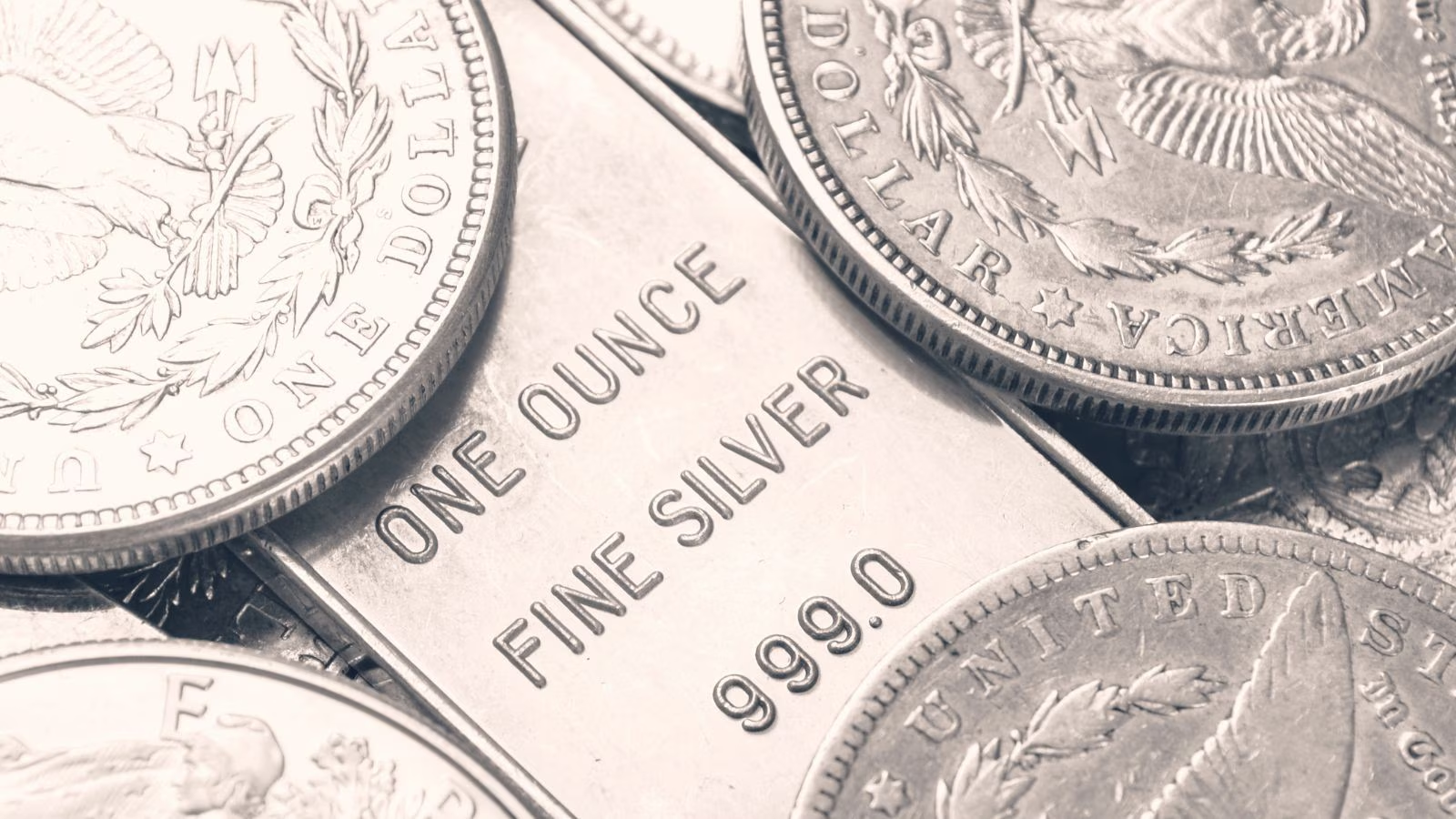
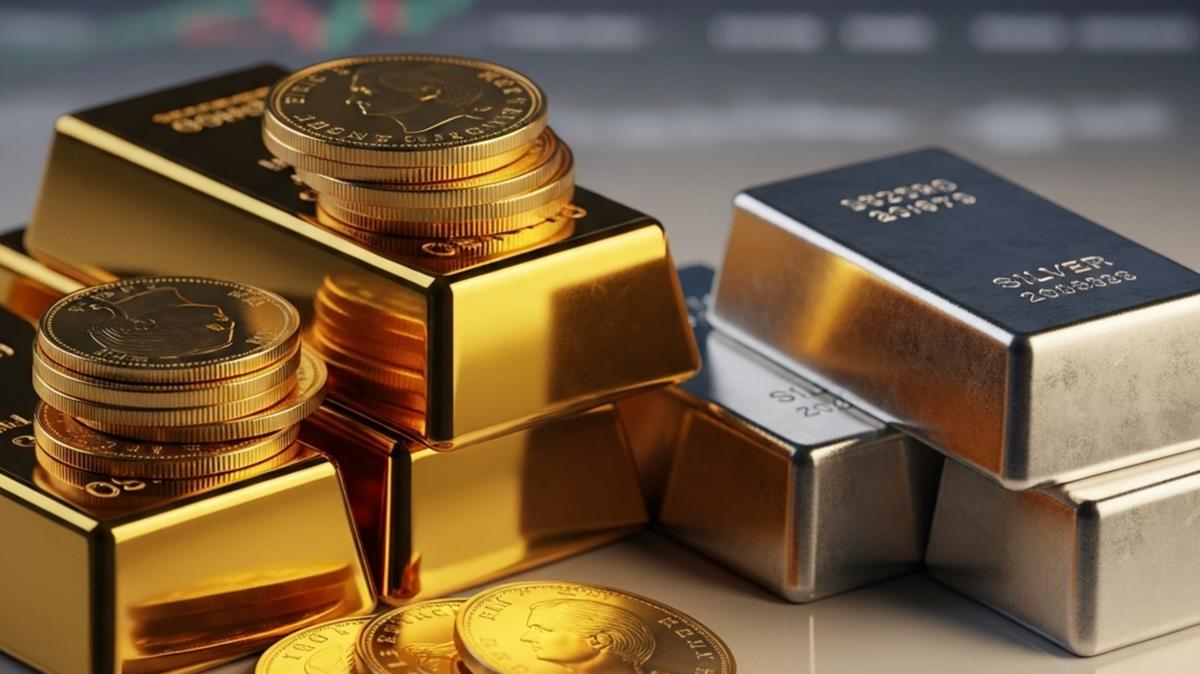
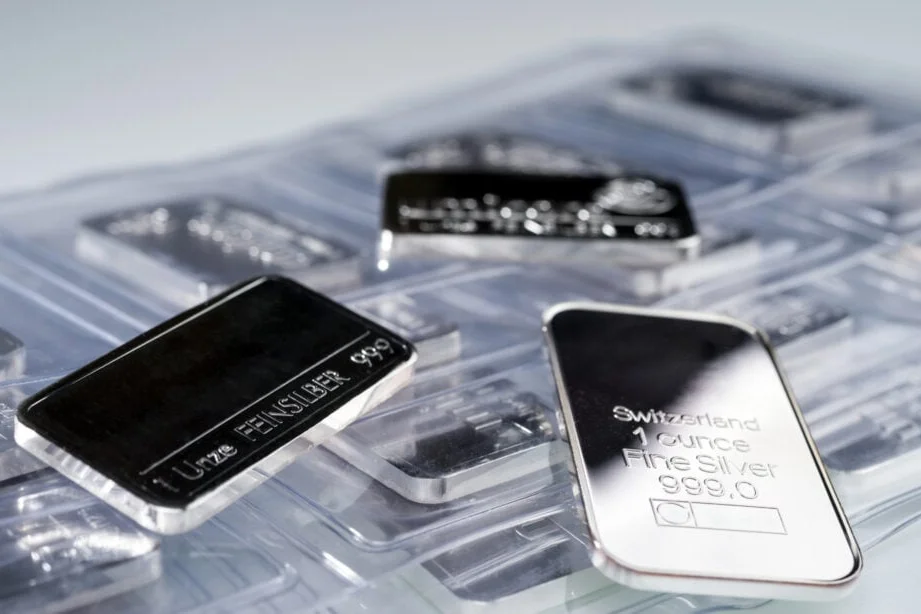
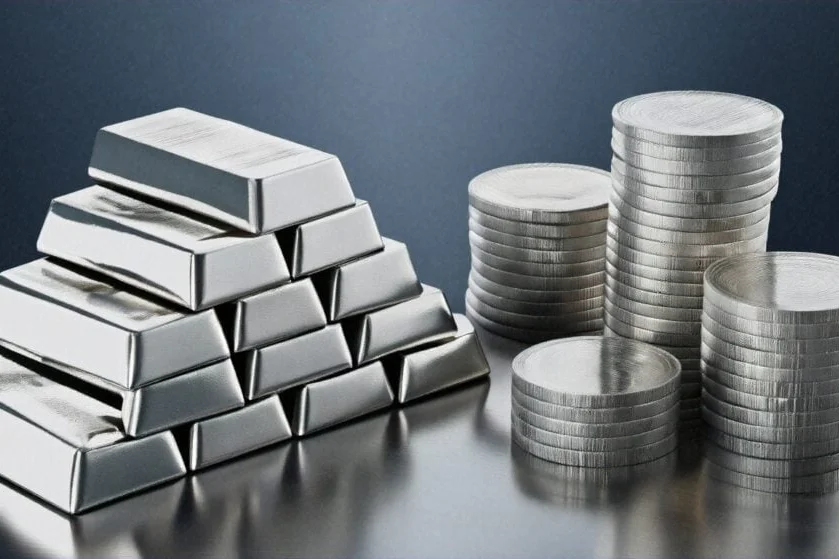
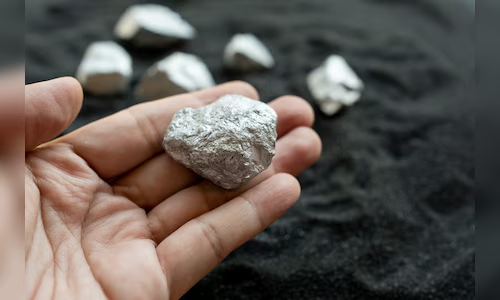
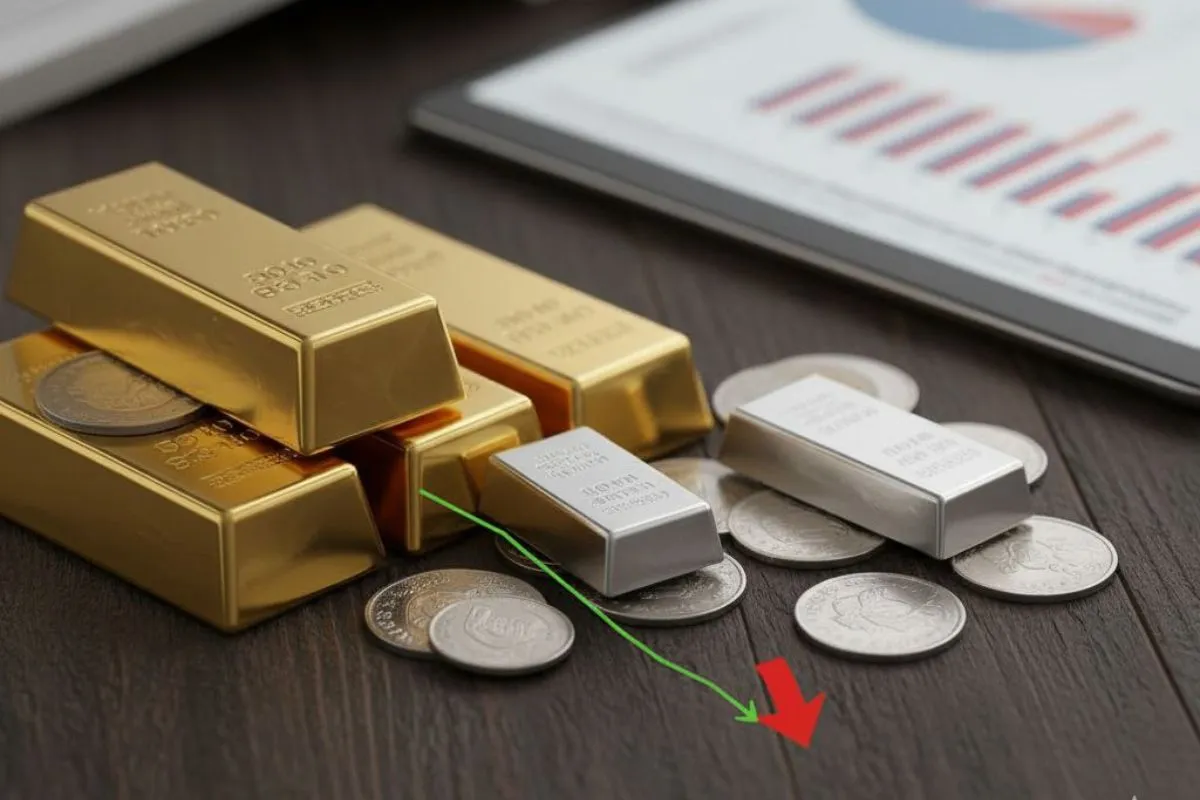
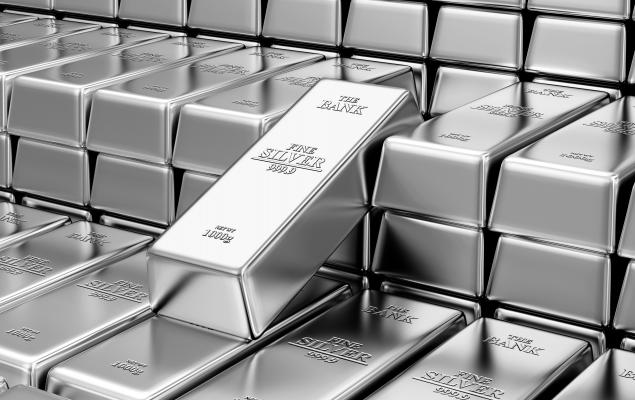
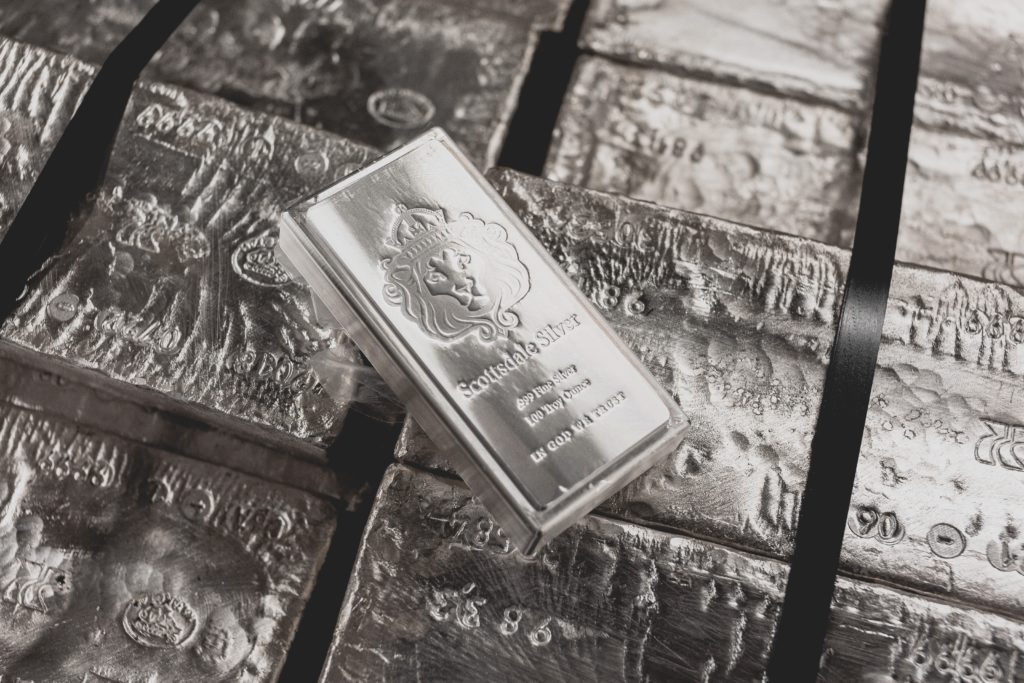
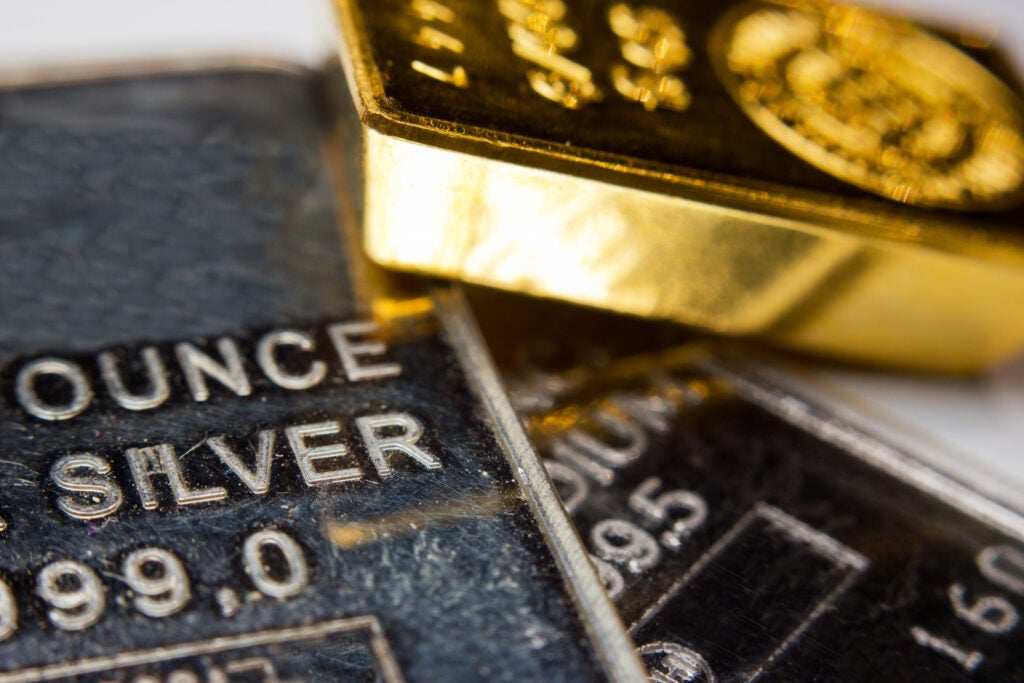
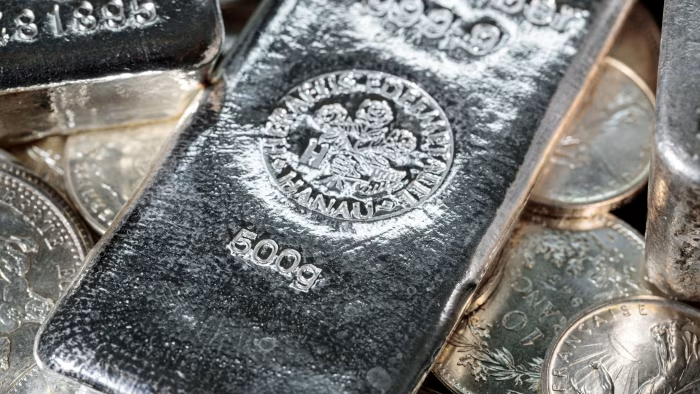
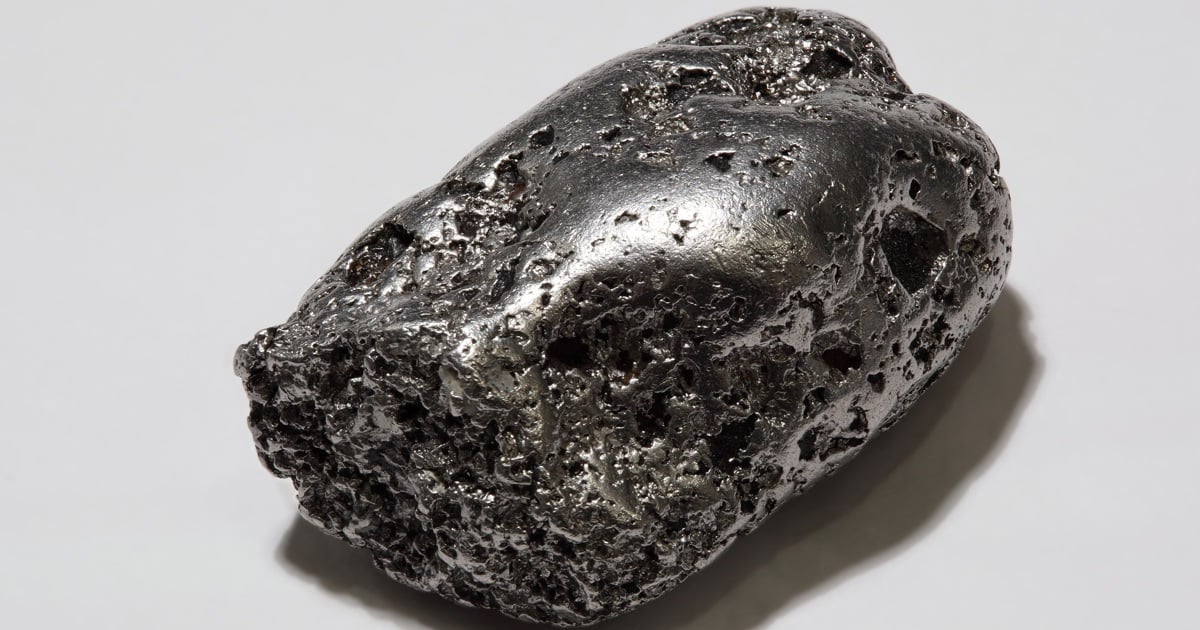
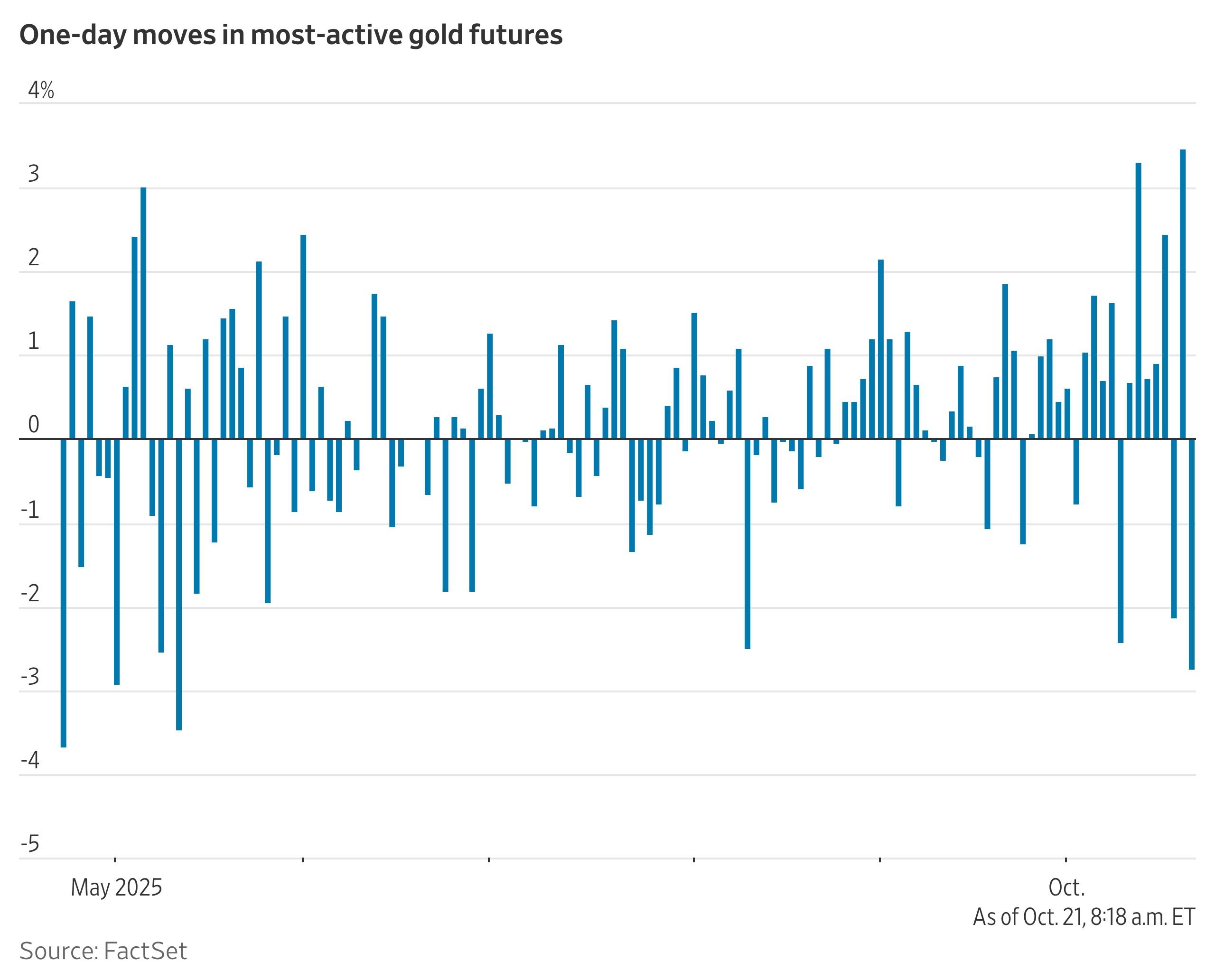
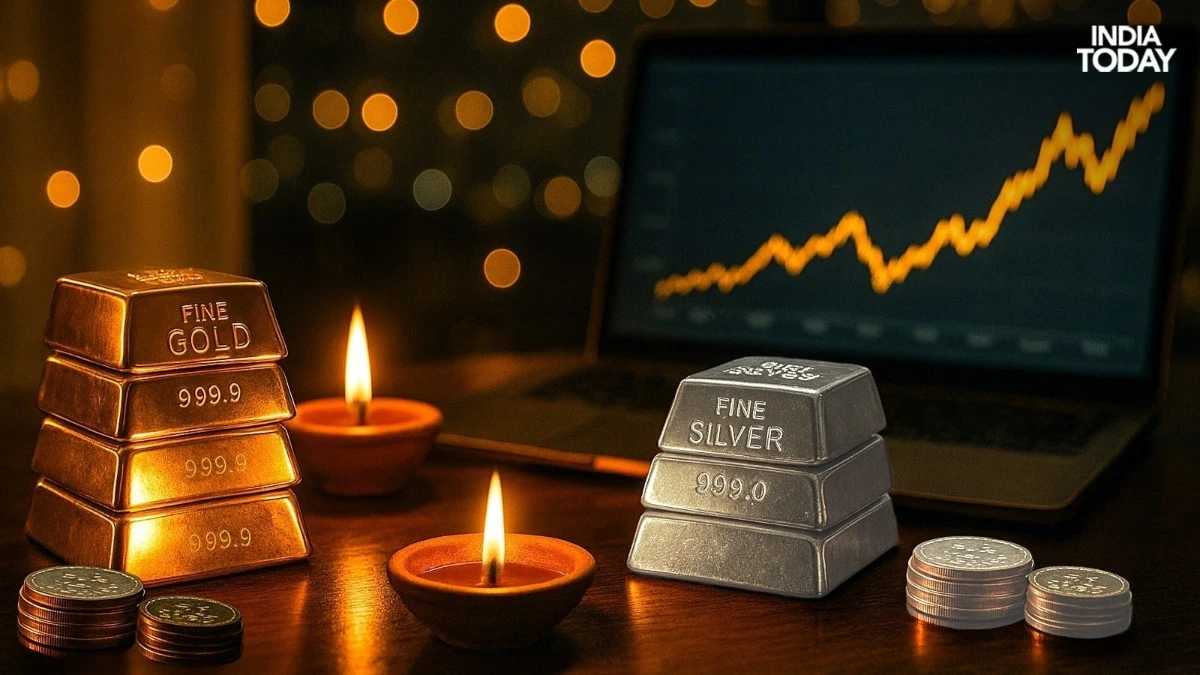
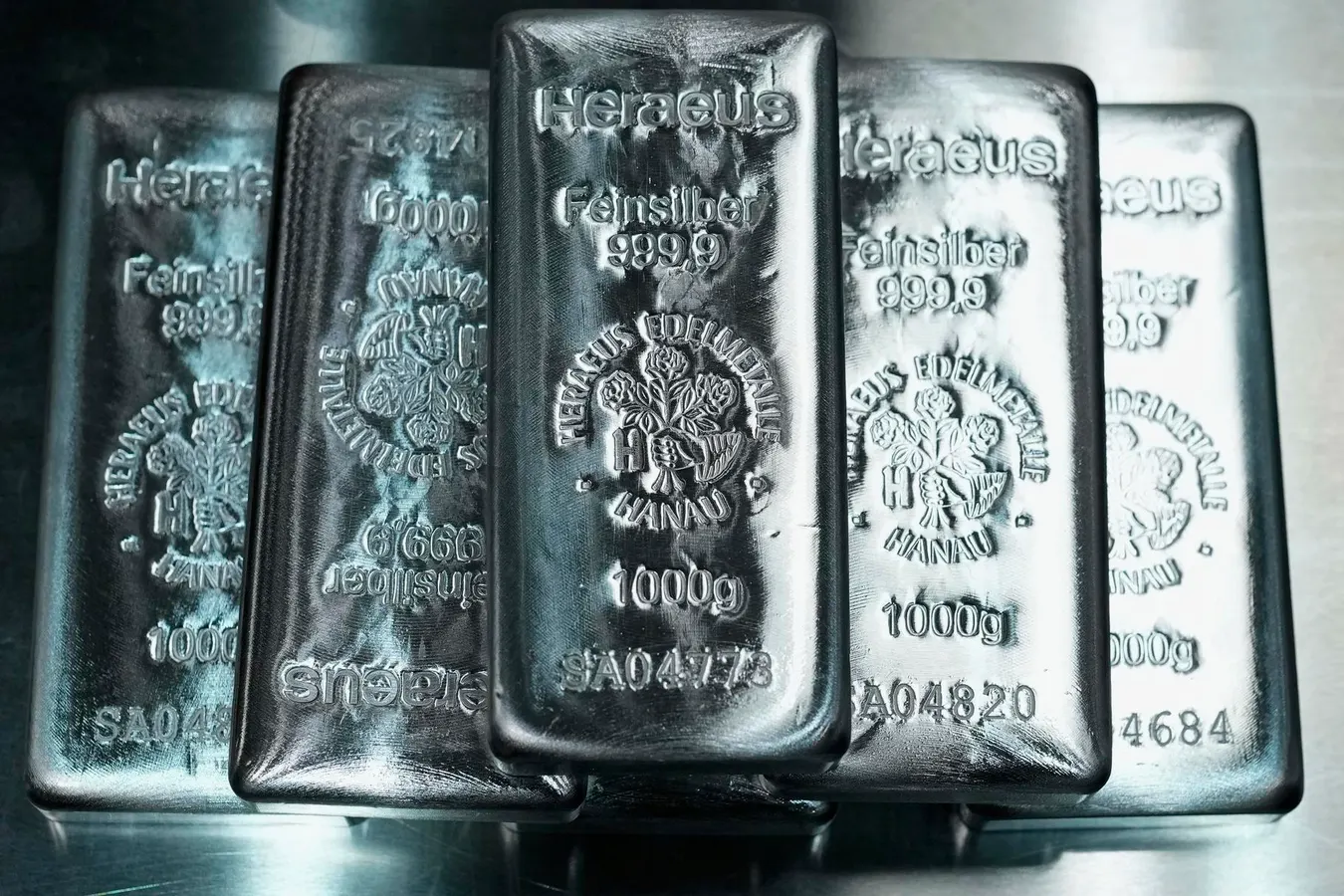
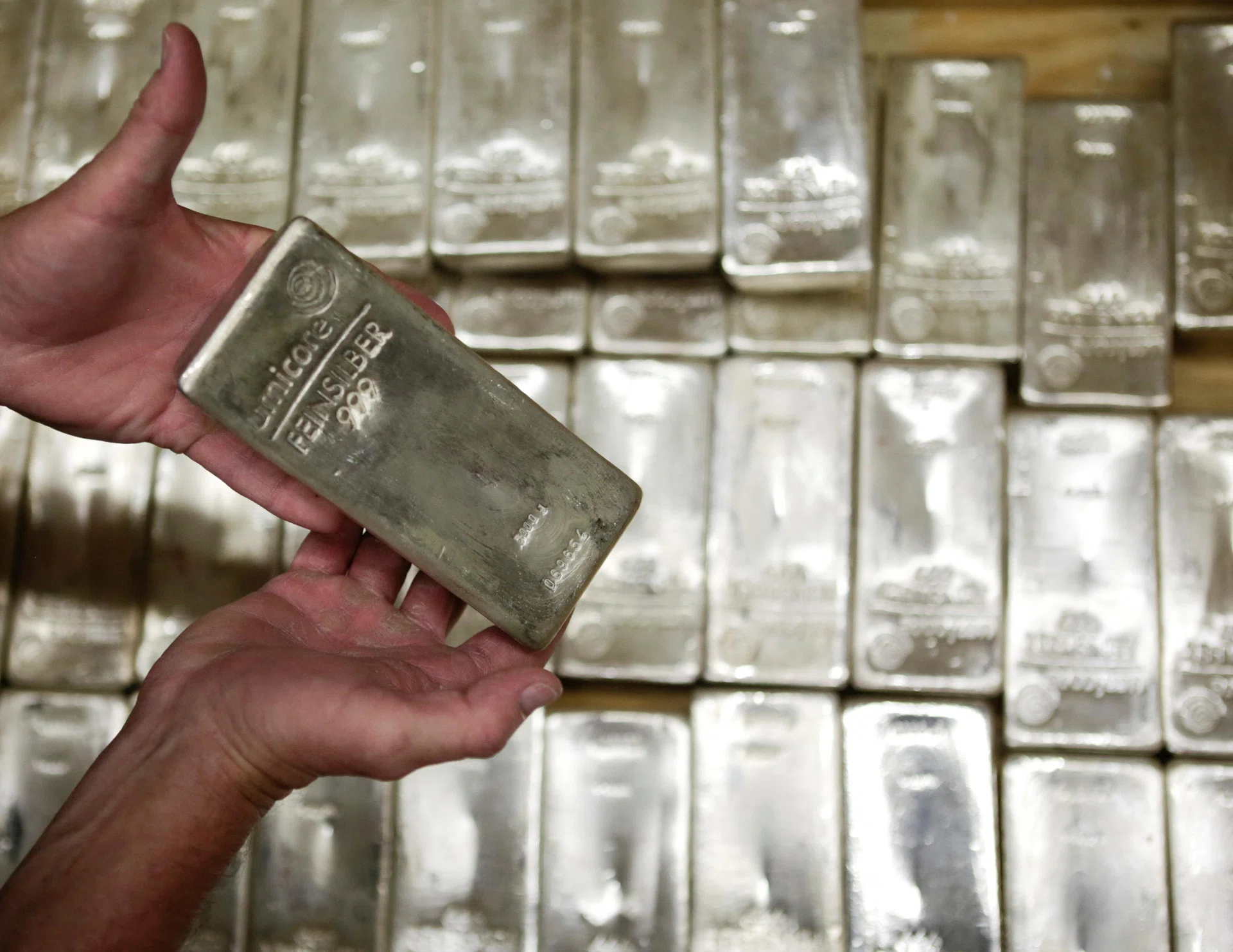
The sell-off across the precious metals space continues. Not only has gold tumbled close to the $4,000/oz levels, Silver prices nosedived below the psychologically important level of $60 per troy ounce levels. It is the metal’s lowest opening level since December 9, 2025.
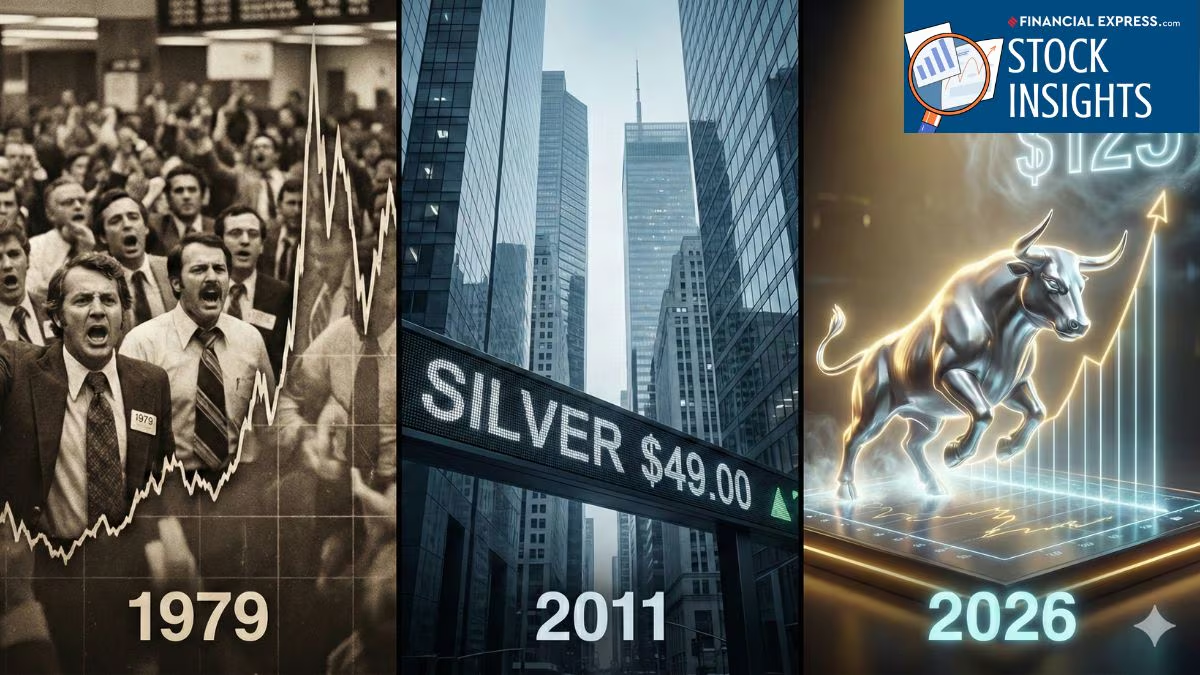
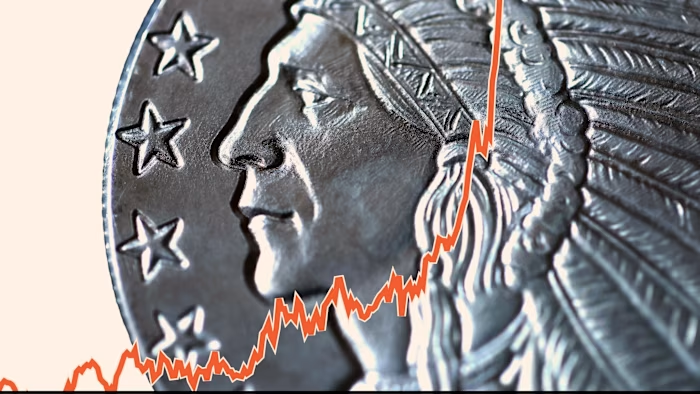
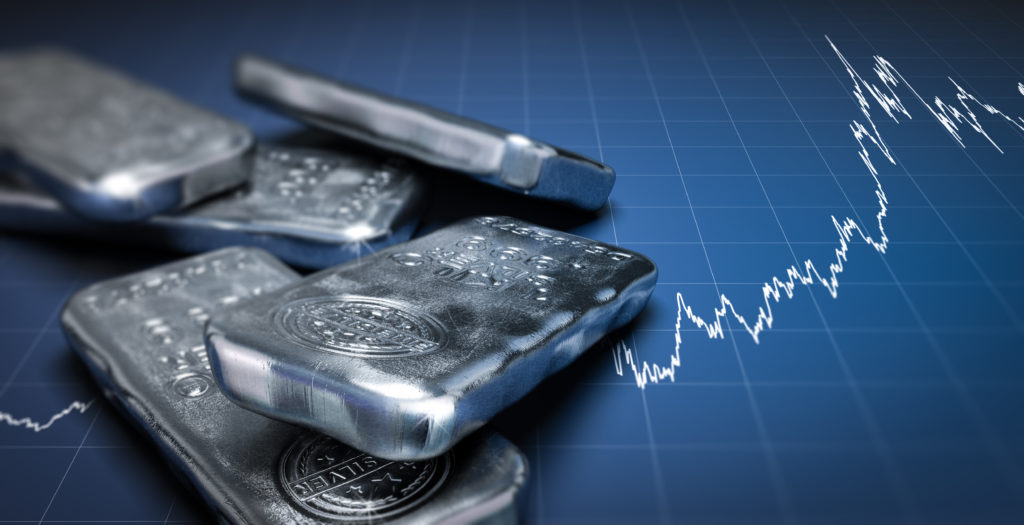
Silver had hit an all-time high of $121.64 in January 2026, capping a 148% rally over the previous year. Since then, the metal has been in a sustained retreat. The key industrial metal as well as an important precious metal is down nearly 12% now since the Fed meeting last week.
Silver under pressure
Precious metals remained under pressure from a stronger US dollar, rising real yields. Investors trimmed bullion positions to offset losses from technology-led in their equity portfolios, adding a fresh wave of selling pressure on silver and other metals.
Market sentiment also weakened following the Federal Reserve’s increasingly hawkish stance under Chair Kevin Warsh, with policymakers signalling a greater willingness to maintain restrictive policy settings if inflation remains elevated.
A strengthening US dollar is making dollar-denominated commodities more expensive for overseas buyers. Expectations of higher interest rates are reducing the appeal of metals that carry no yield.
Wednesday also saw a sharp decline in US technology stocks.
Why does silver bear the brunt of the losses
Among major asset classes, silver is particularly exposed to shifts in monetary policy expectations. Kotak’s commodity analyst Kaynat Chainwala explained to Financialexpress.com the mechanism directly and said, “The metal carries no yield, so when real yield expectations climb and the dollar strengthens, the cost of holding silver rises with every basis point.”
Chainwala noted that “energy-driven inflation, with May CPI printing at 4.2% year-on-year, has kept the case for further tightening alive and the hawkish dots credible”. That combination, a dollar with upward momentum and a Fed unwilling to pivot, leaves silver with few near-term tailwinds.
Gold prices fall
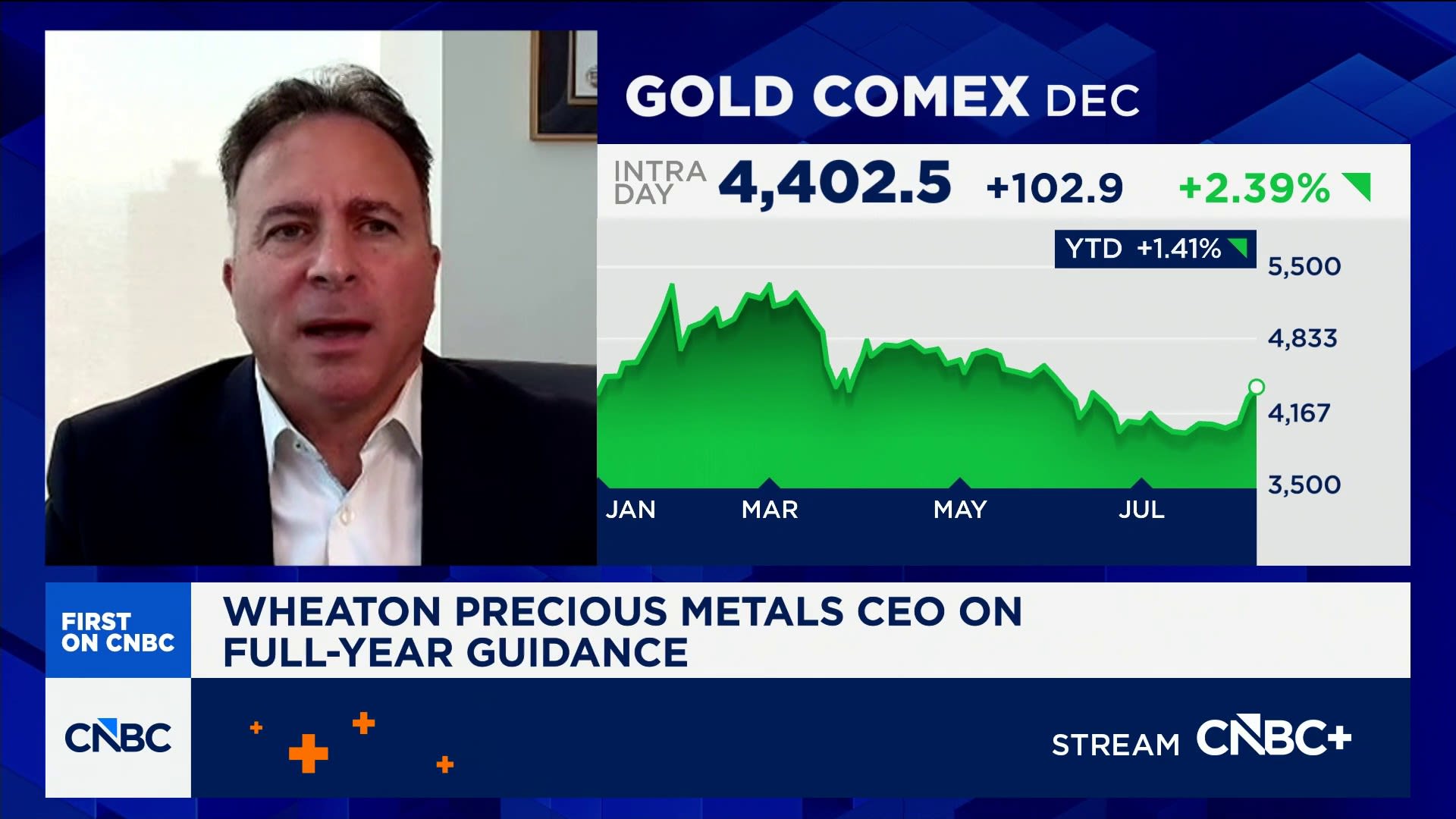
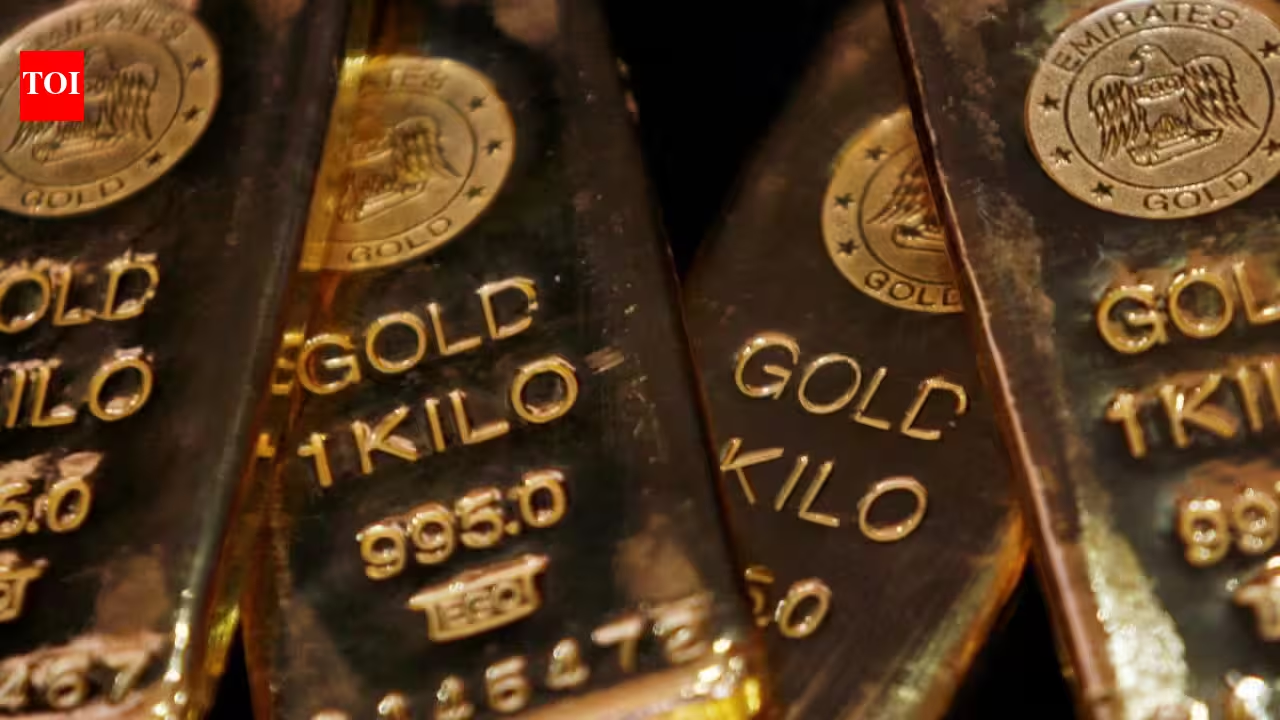
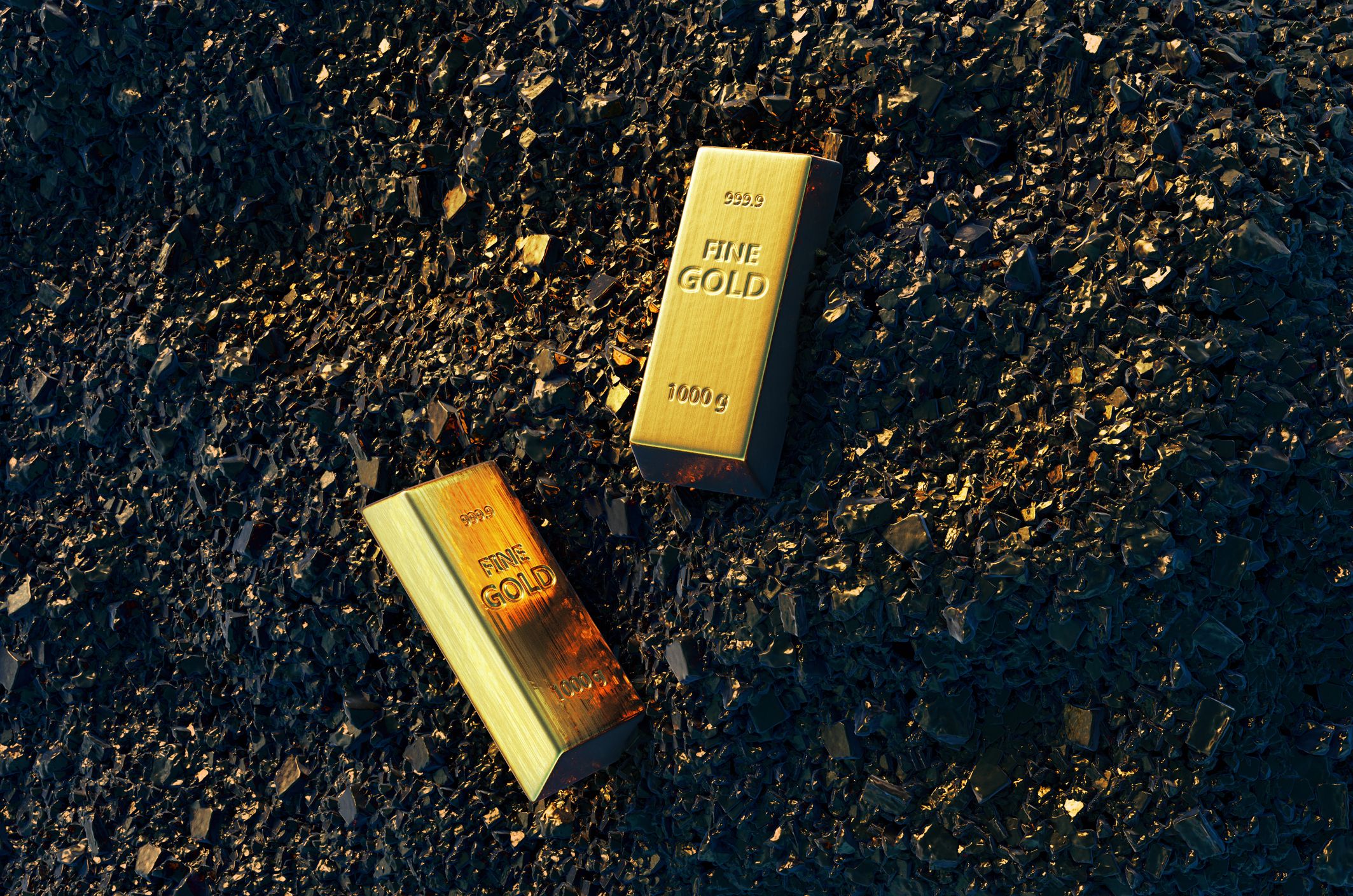
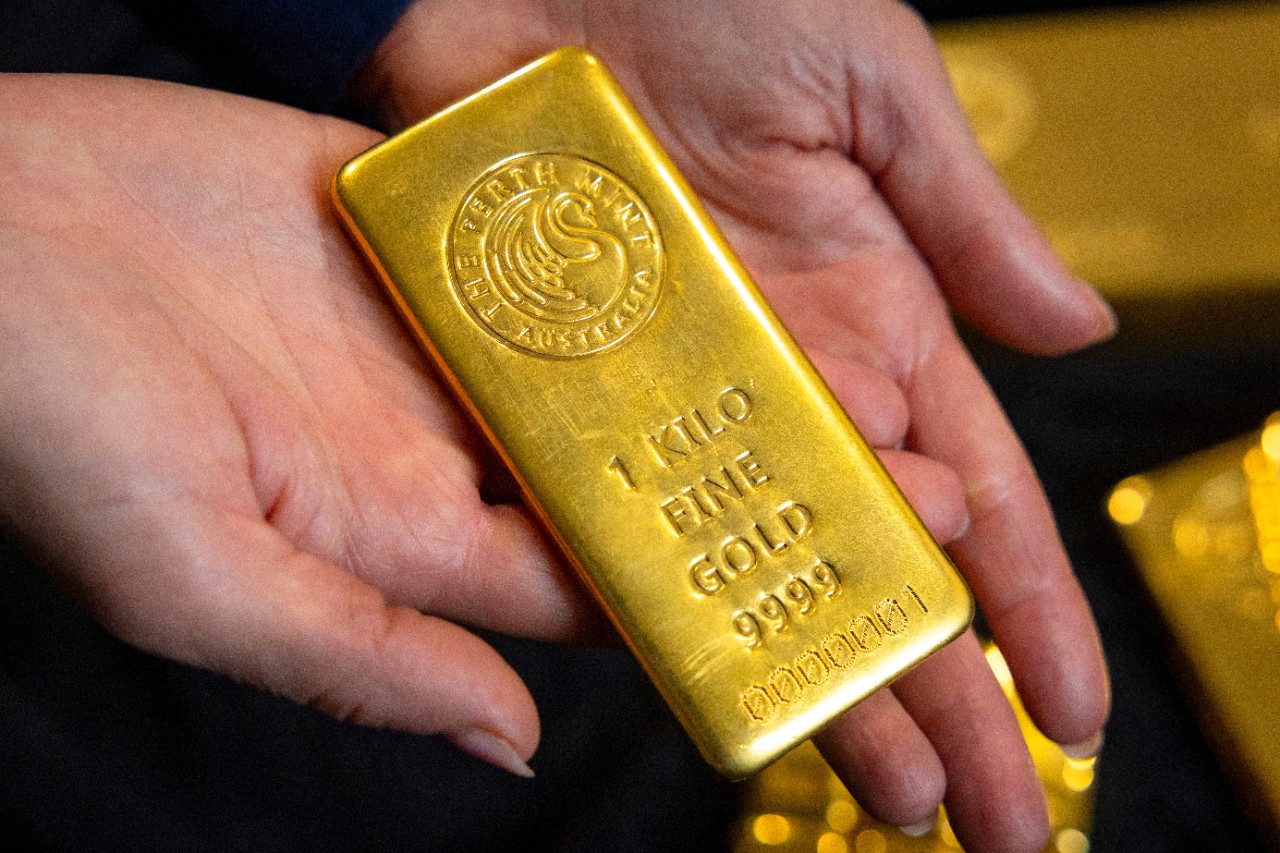
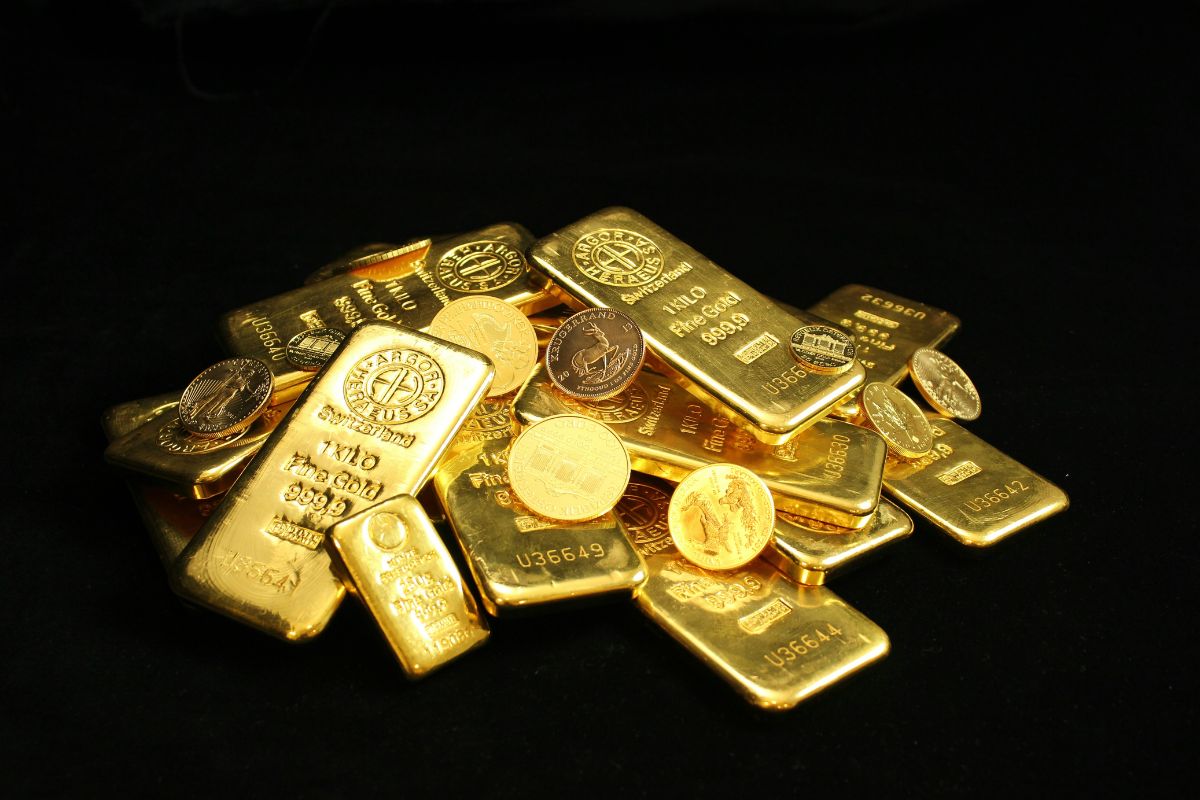
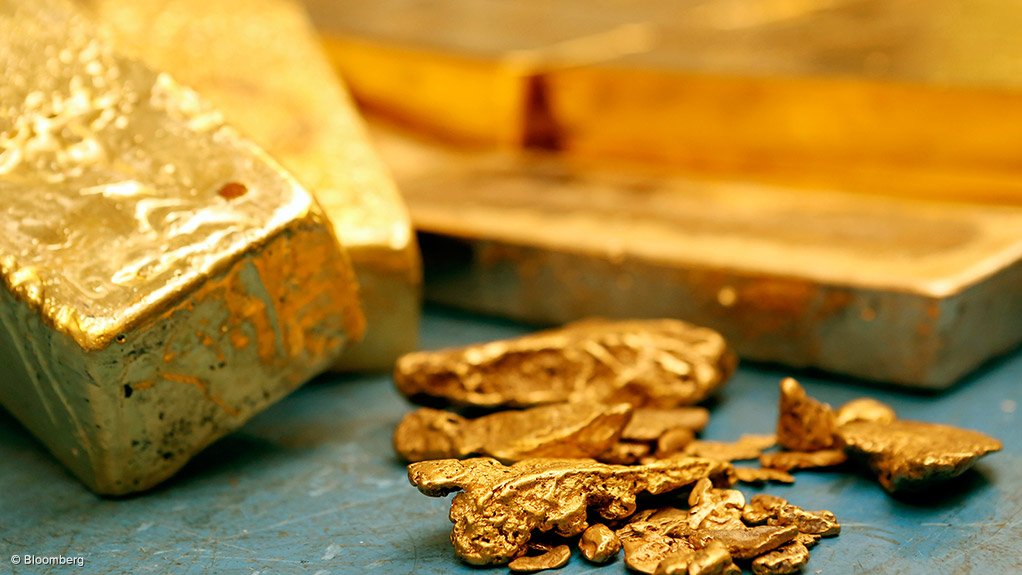
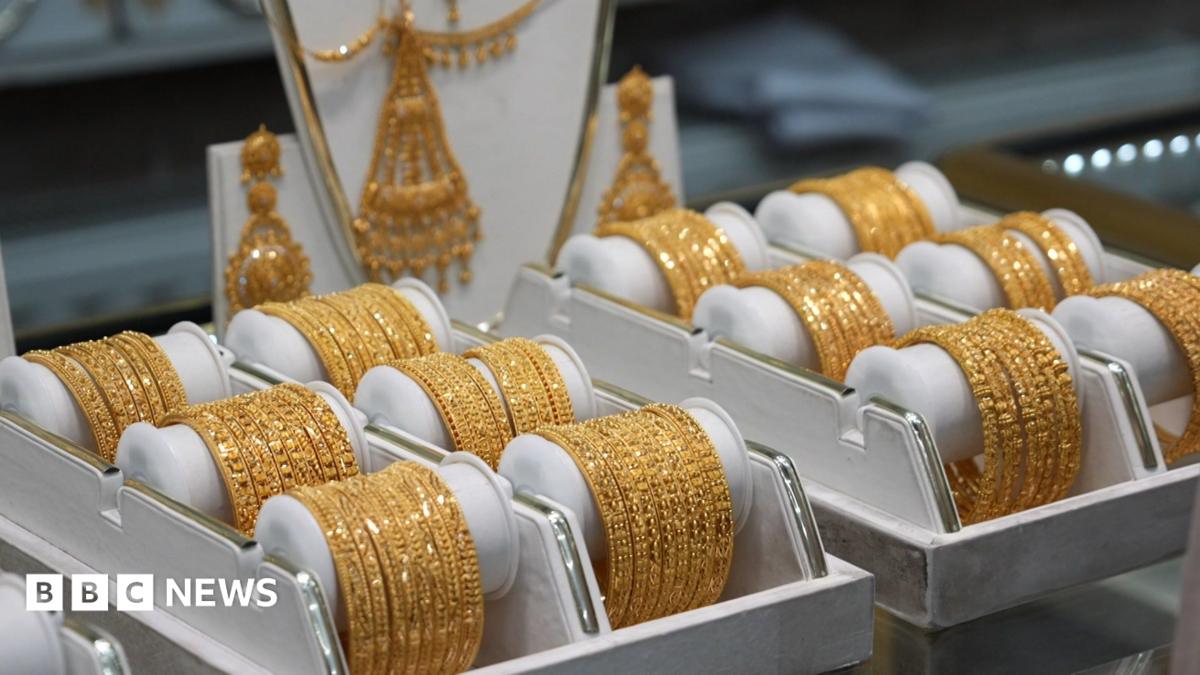
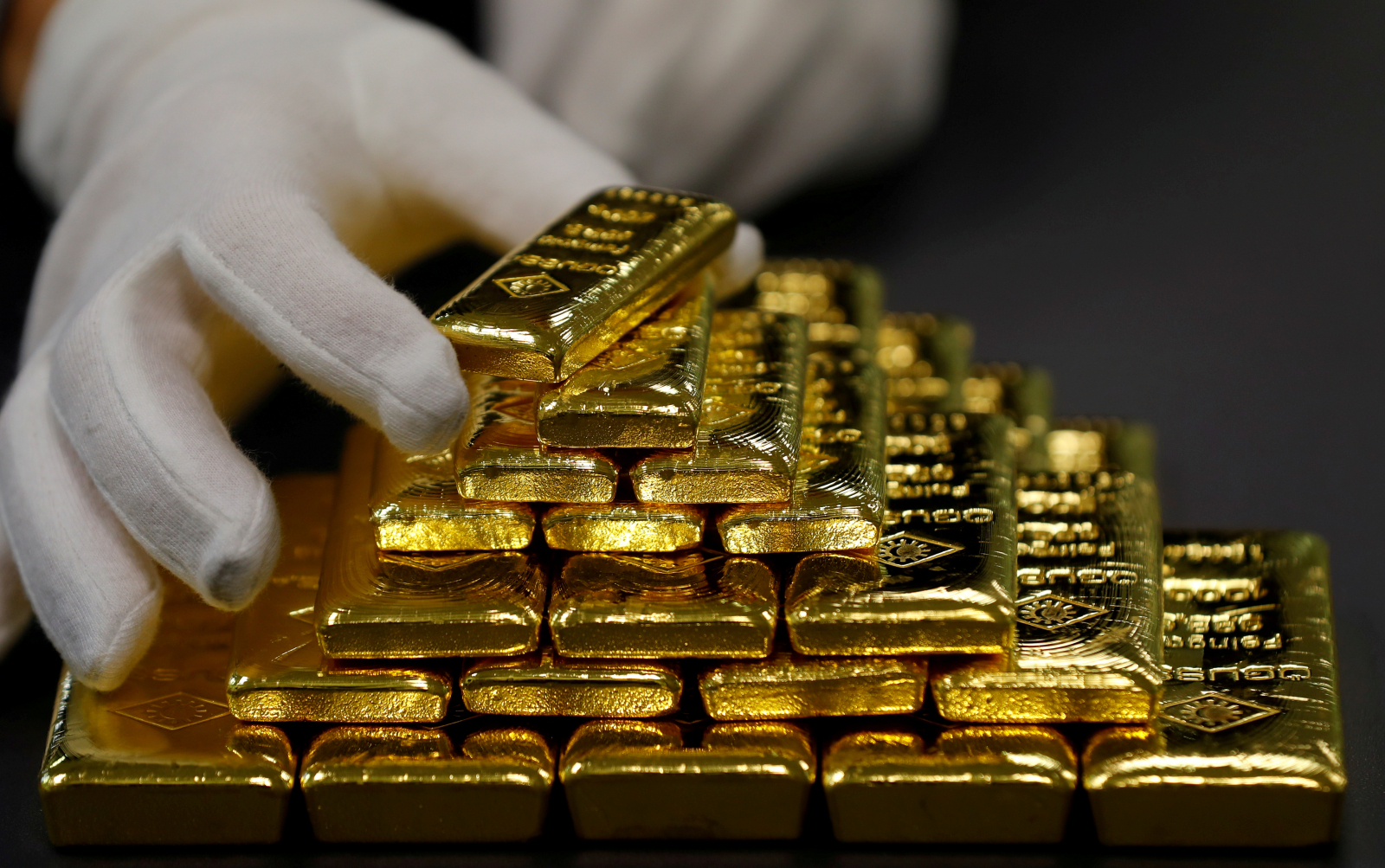
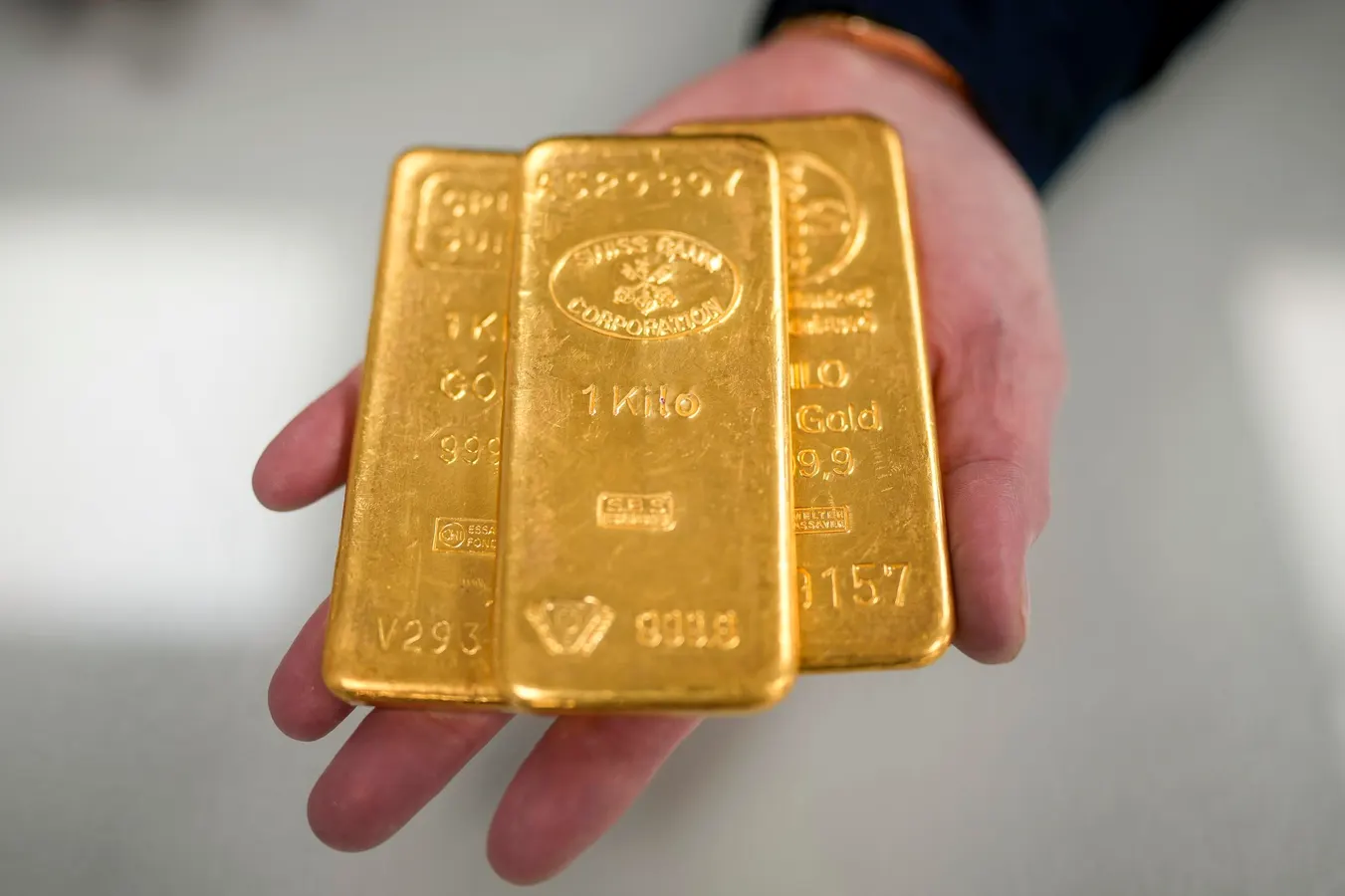
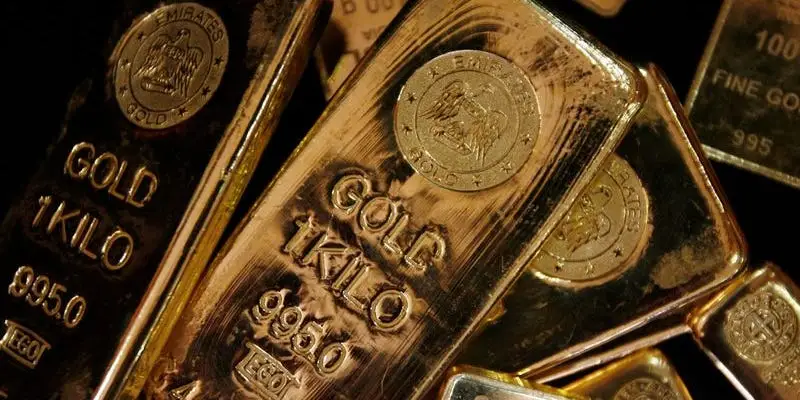
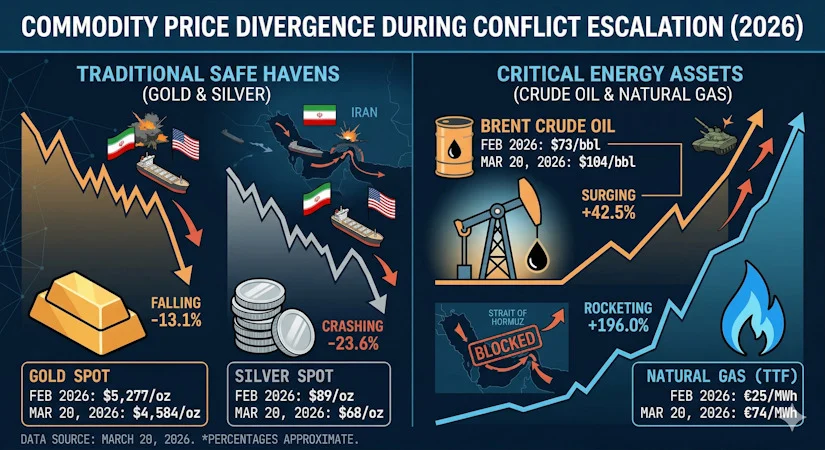
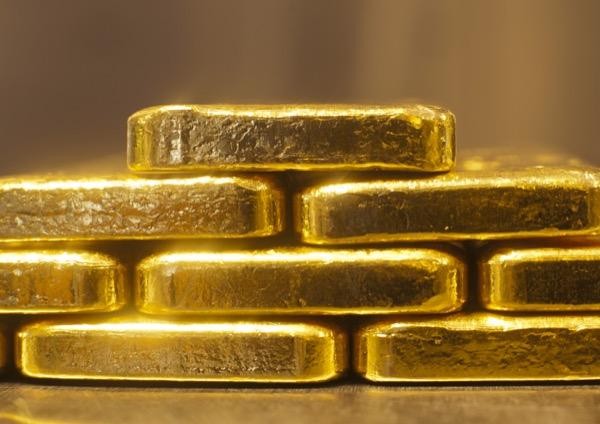
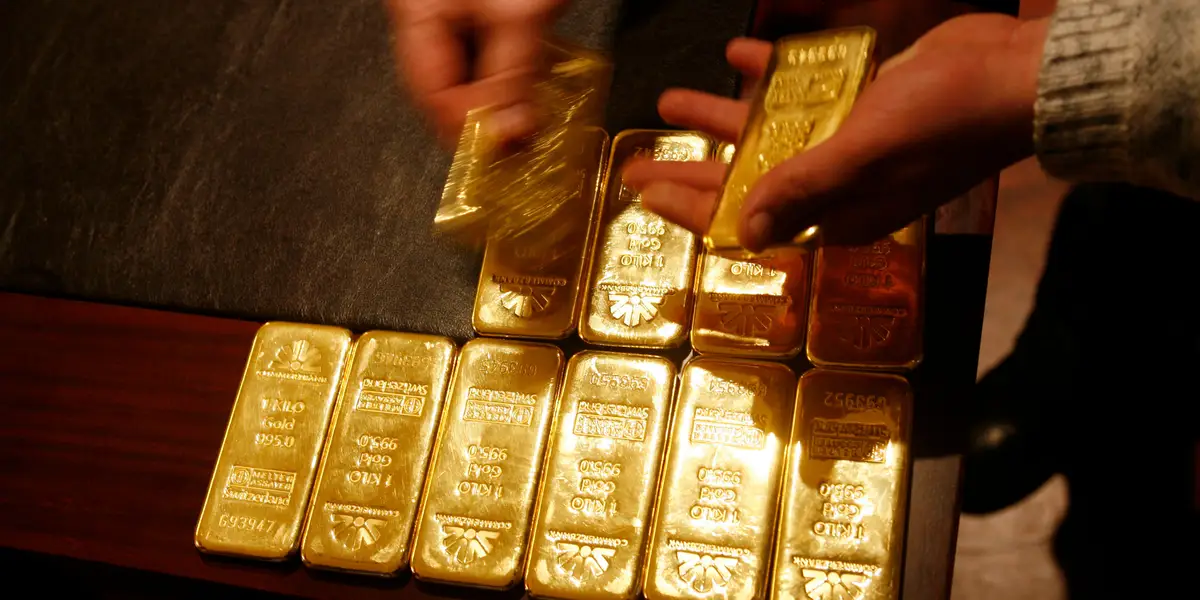
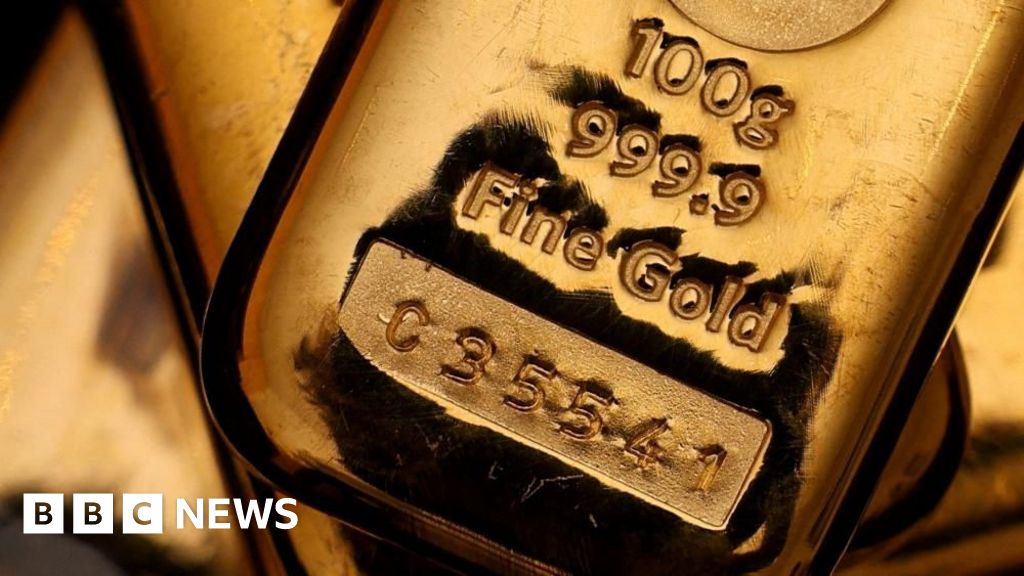
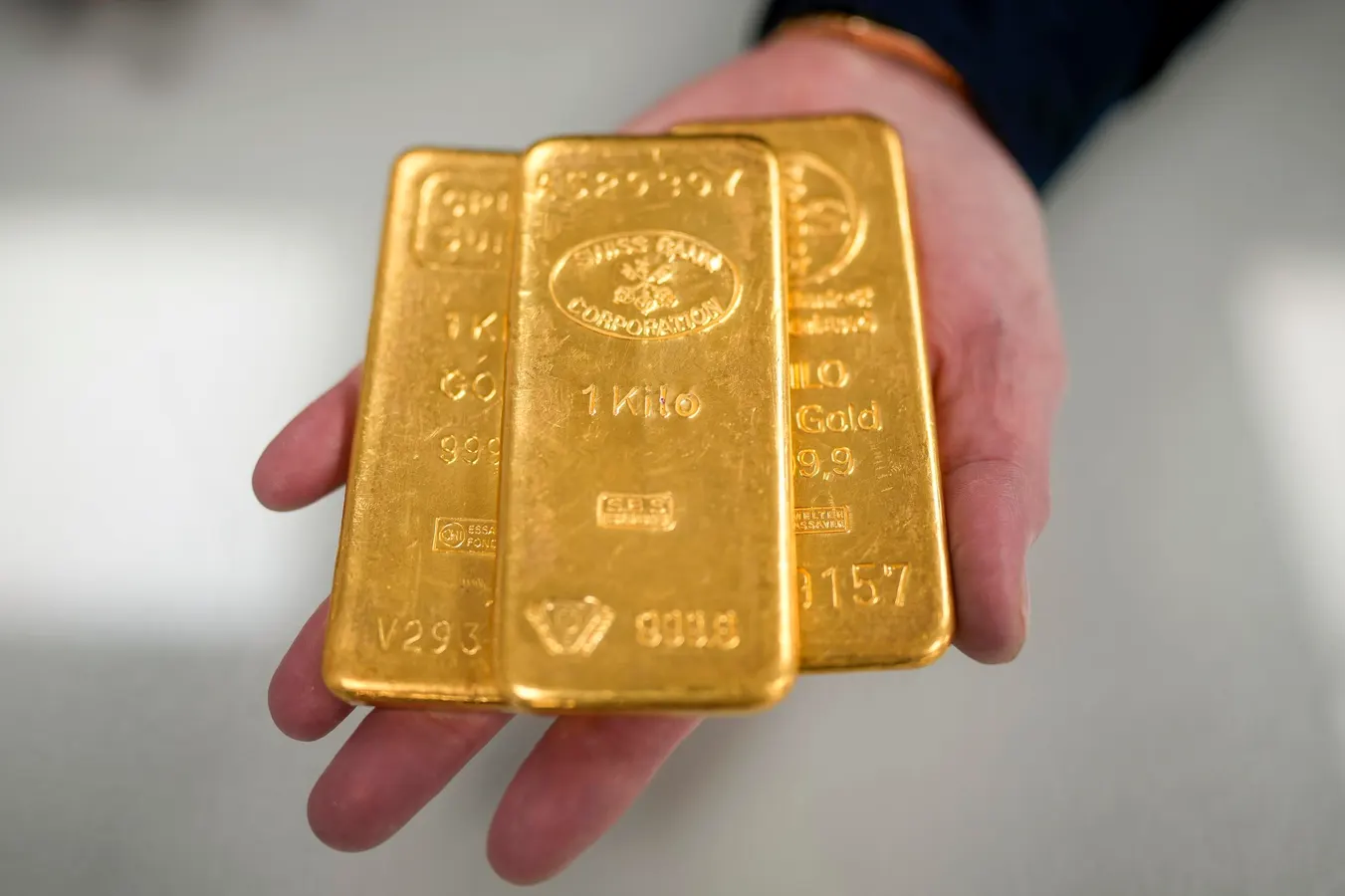
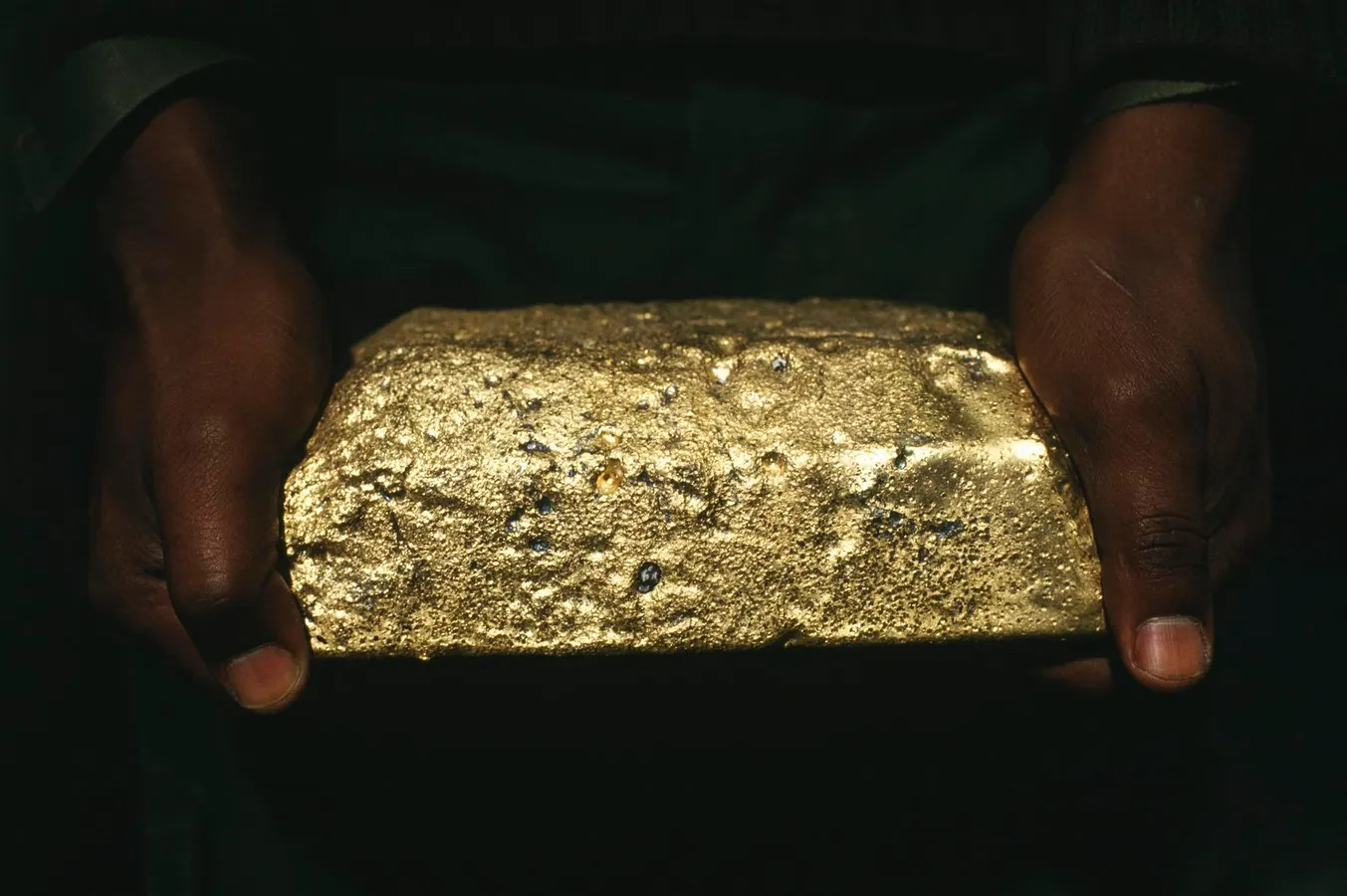
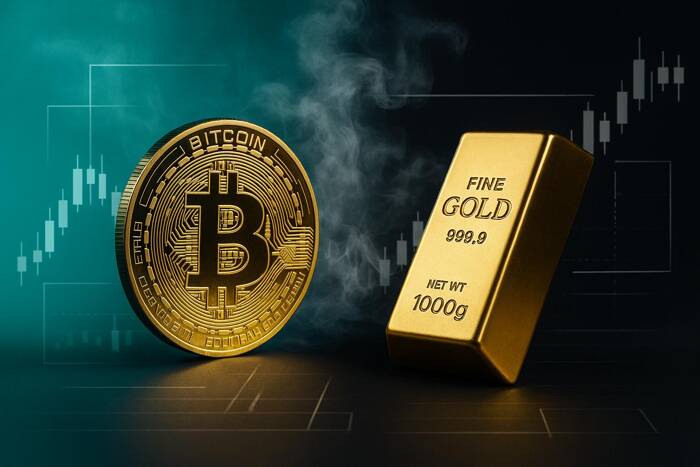
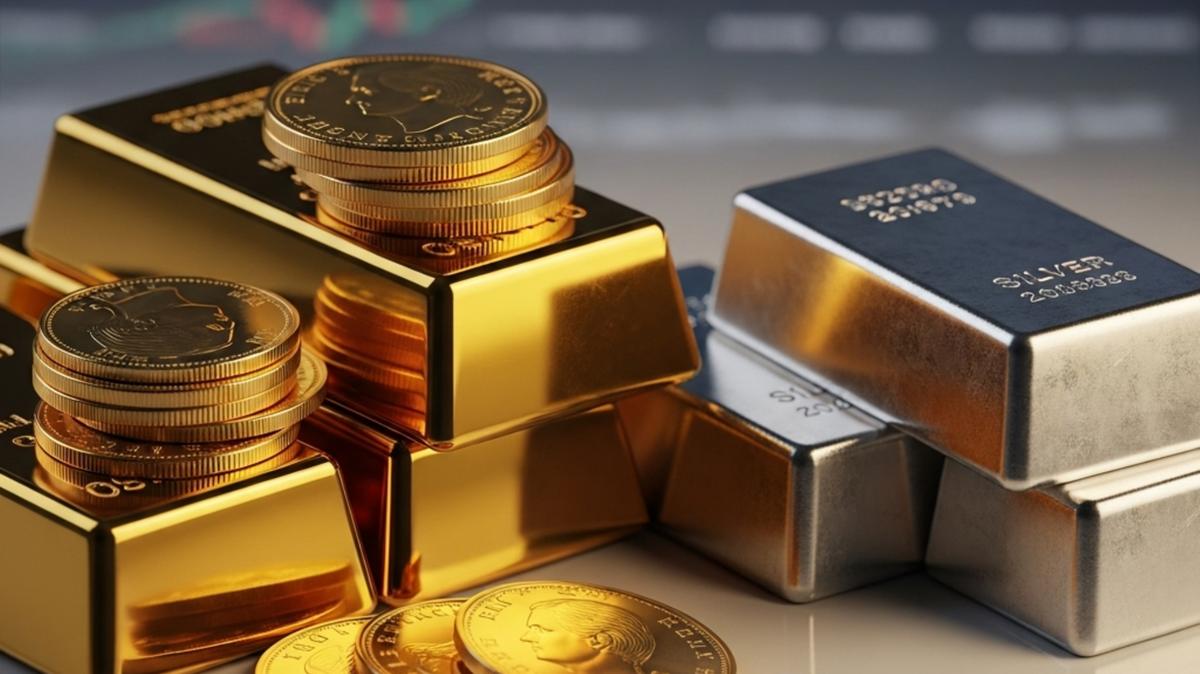
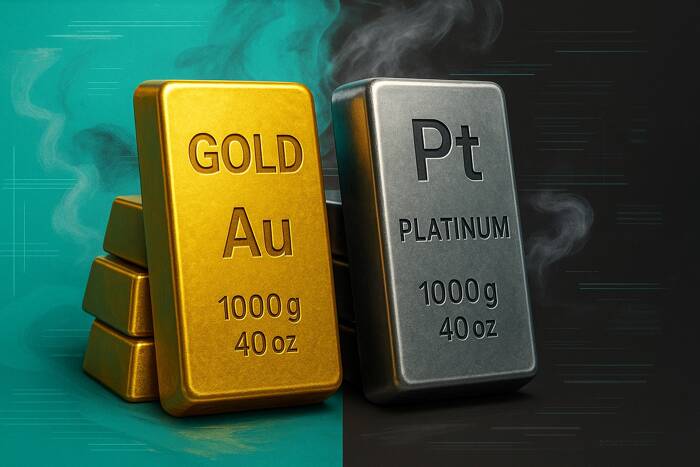
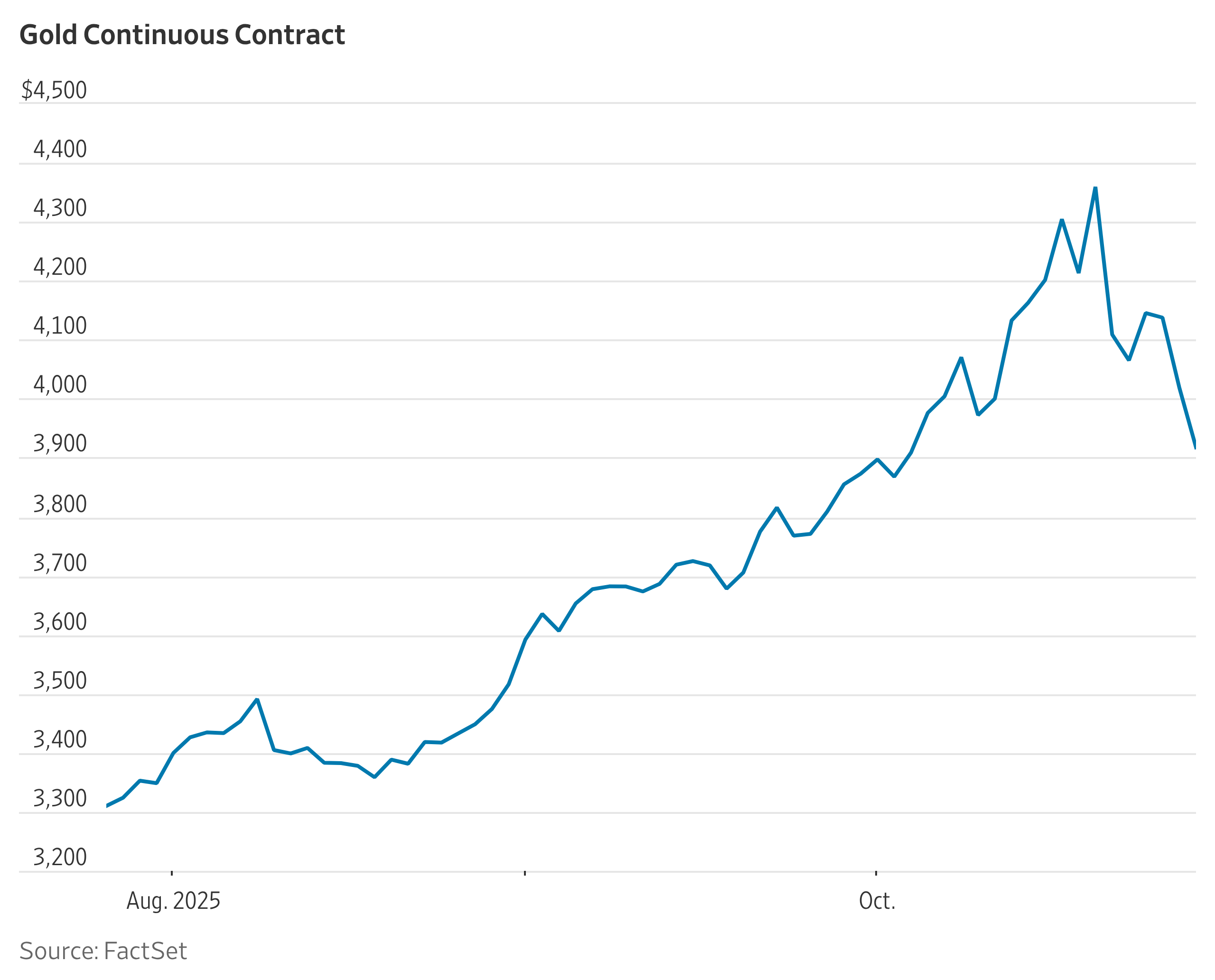
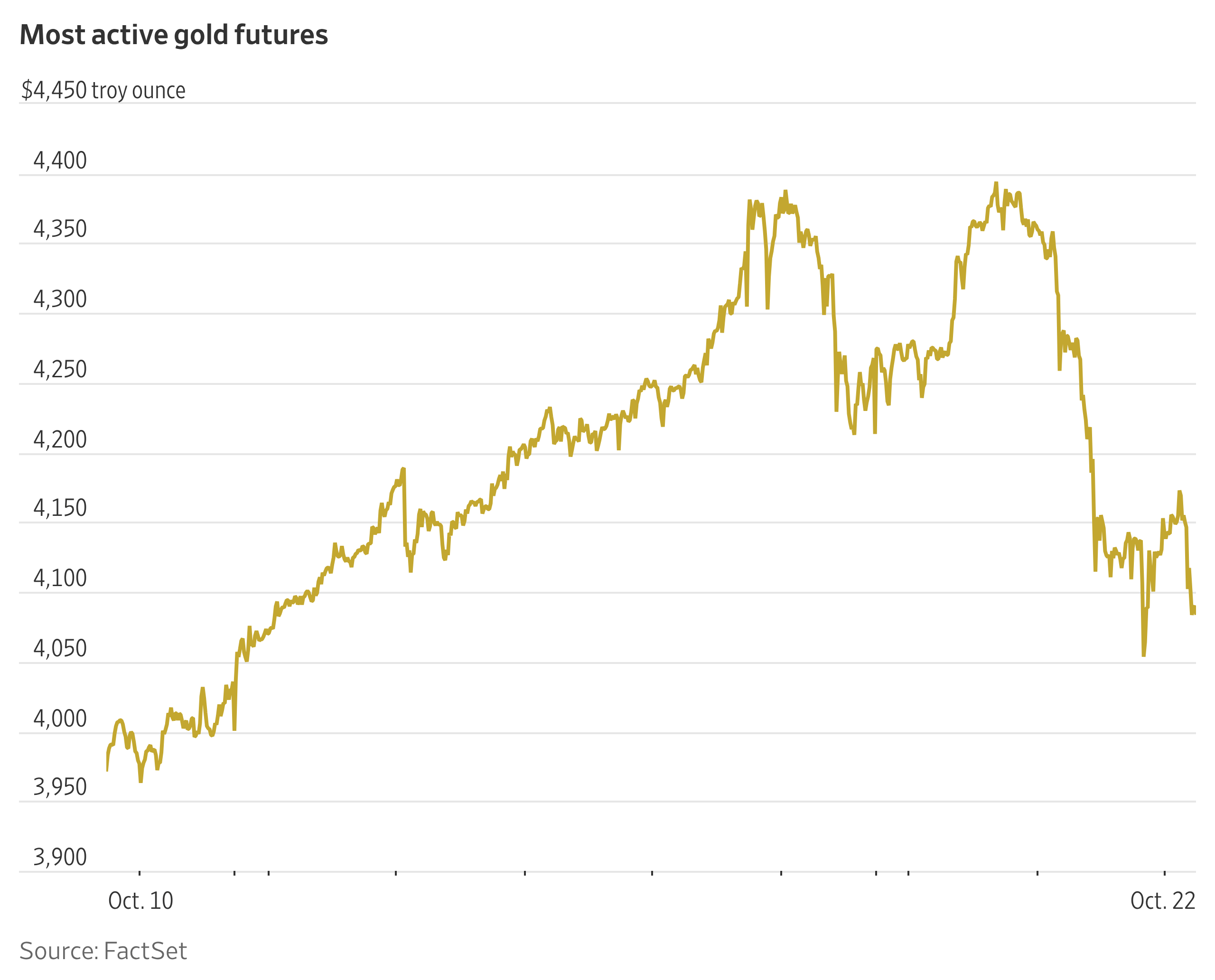
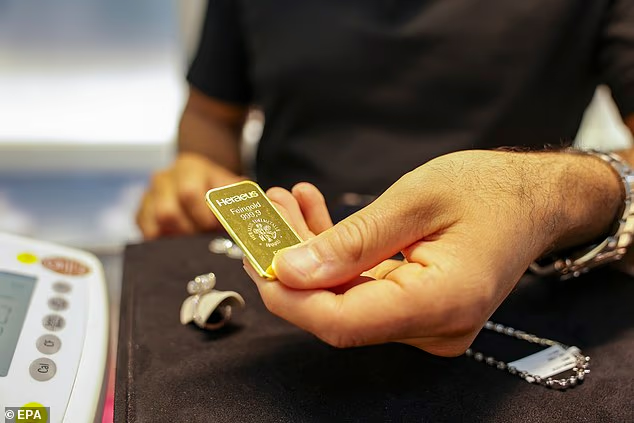
Gold too fell for a second consecutive session on Wednesday, slipping close to $4,000 per ounce levels , nearly a two-week low. A firmer dollar and rate expectations drove the decline. Investors also remained watchful of risks to West Asia stability amid ongoing US-Iran peace talks.
Meanwhile, progress in US-Iran talks has eased pressure on global energy supplies, reducing near-term inflation risks. Any sustained resolution could reshape the macro backdrop for both metals in the months ahead.