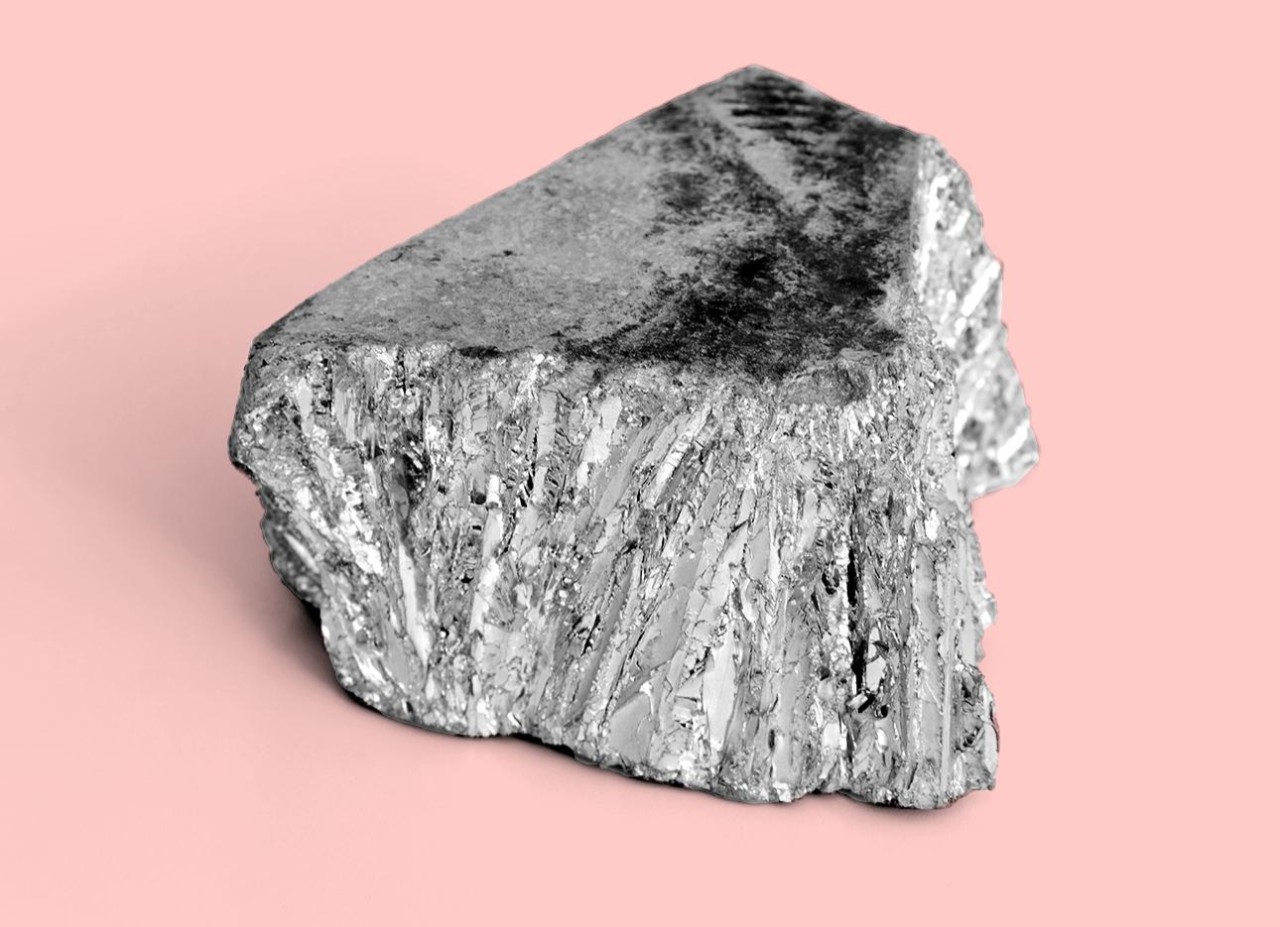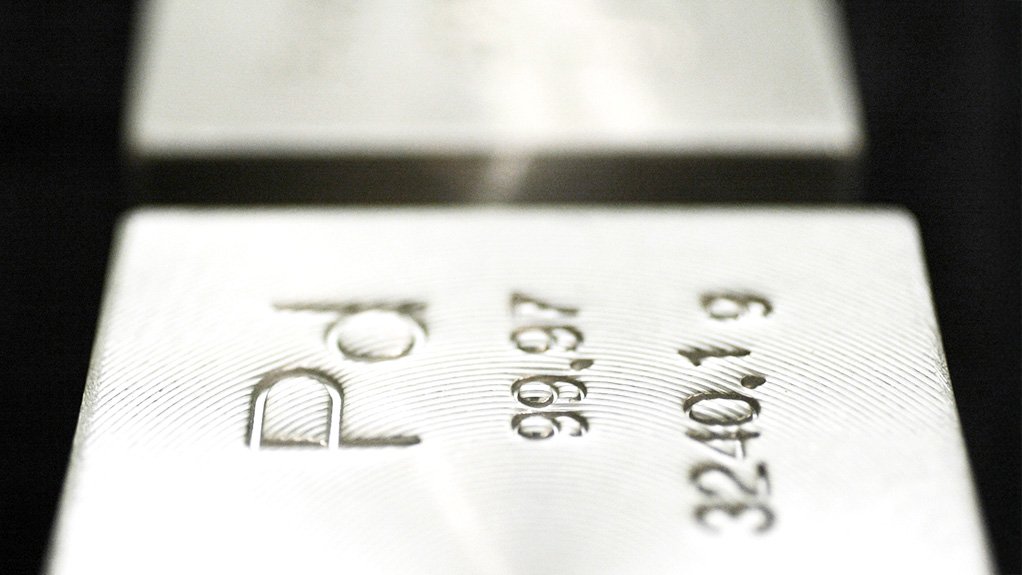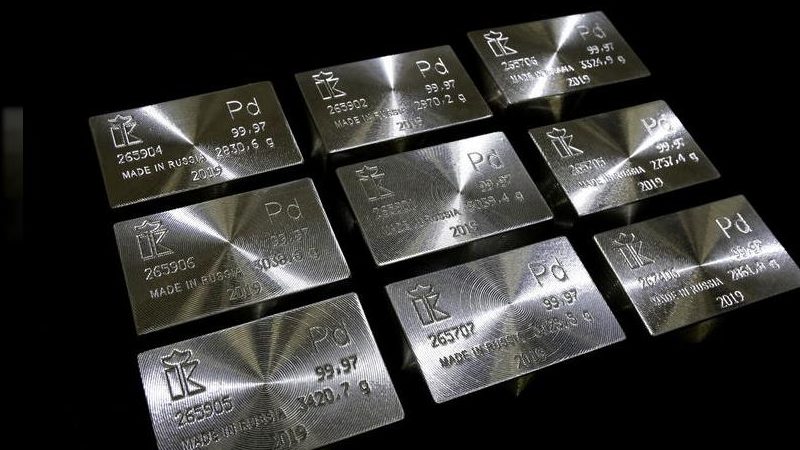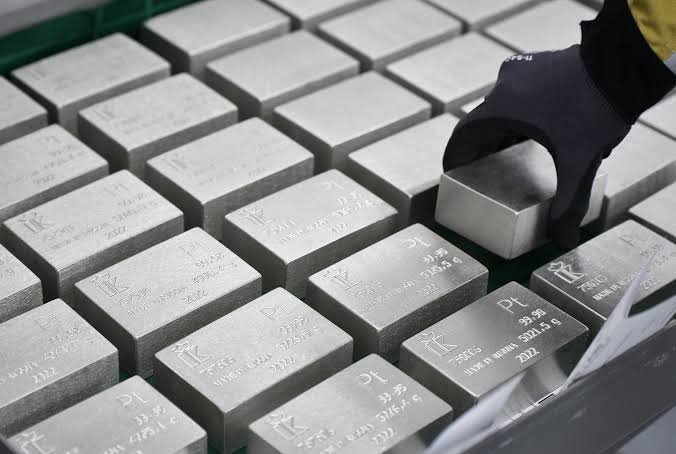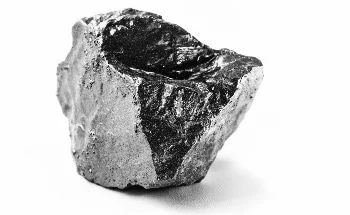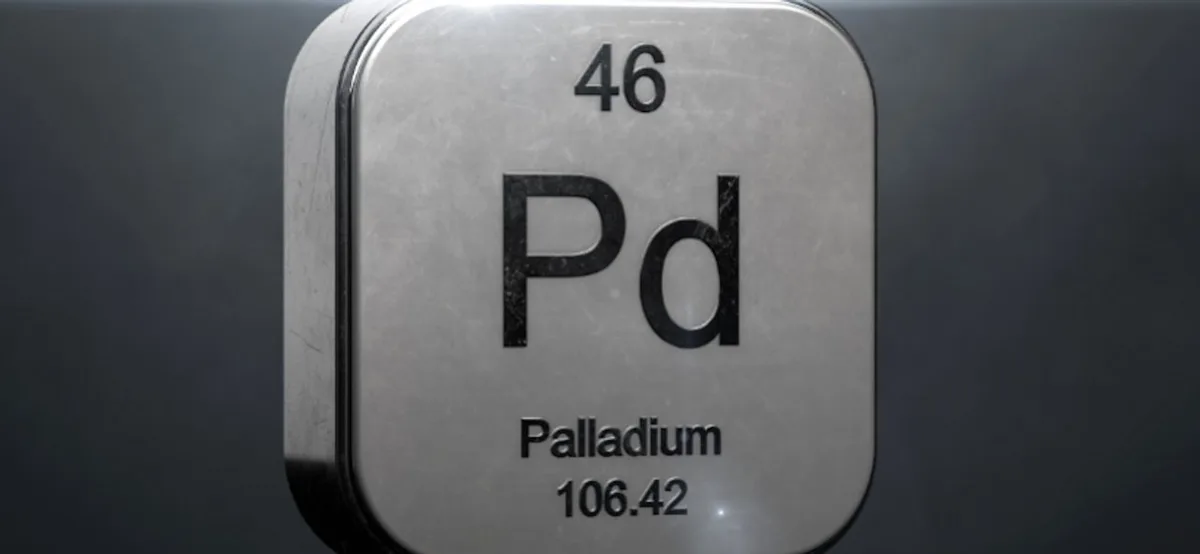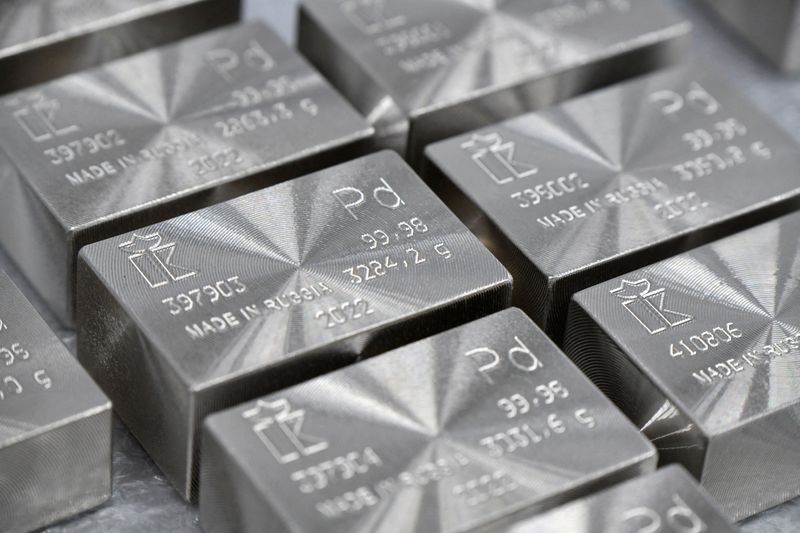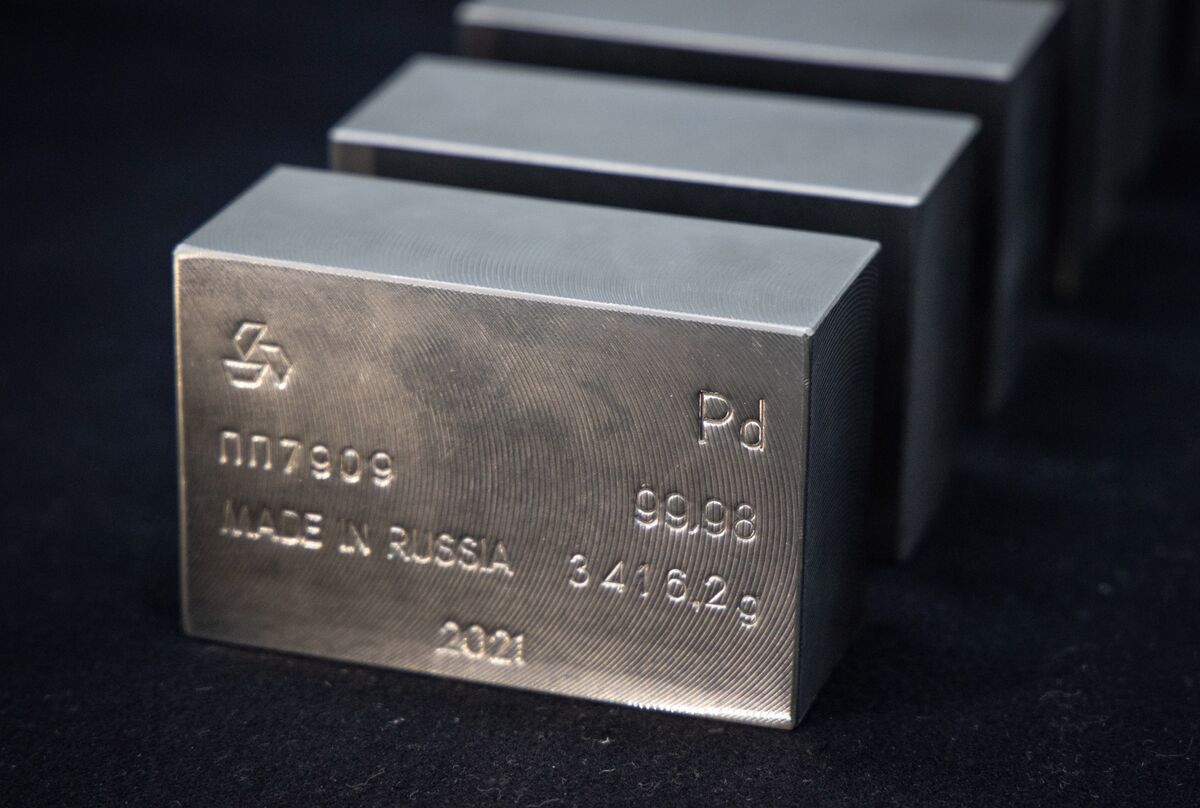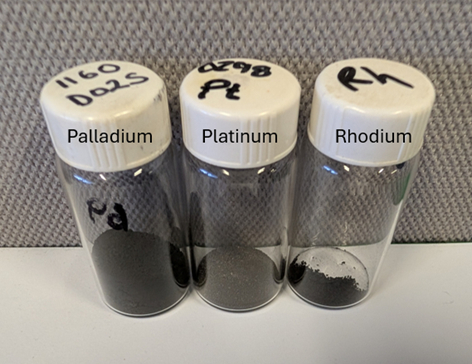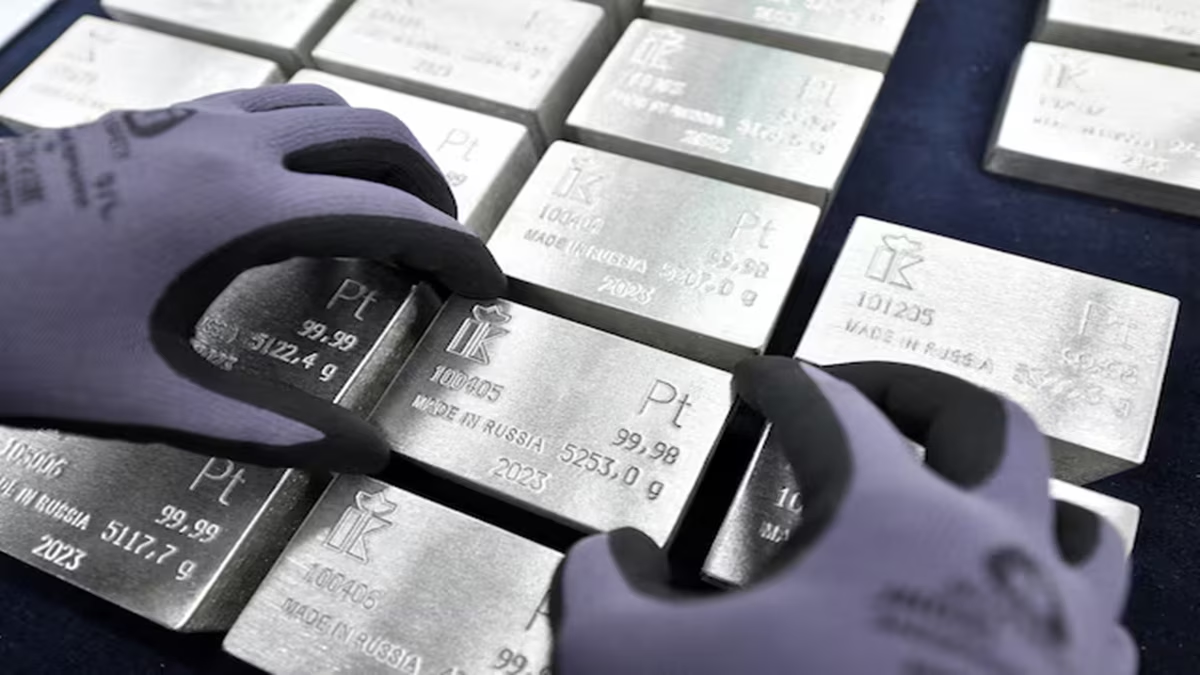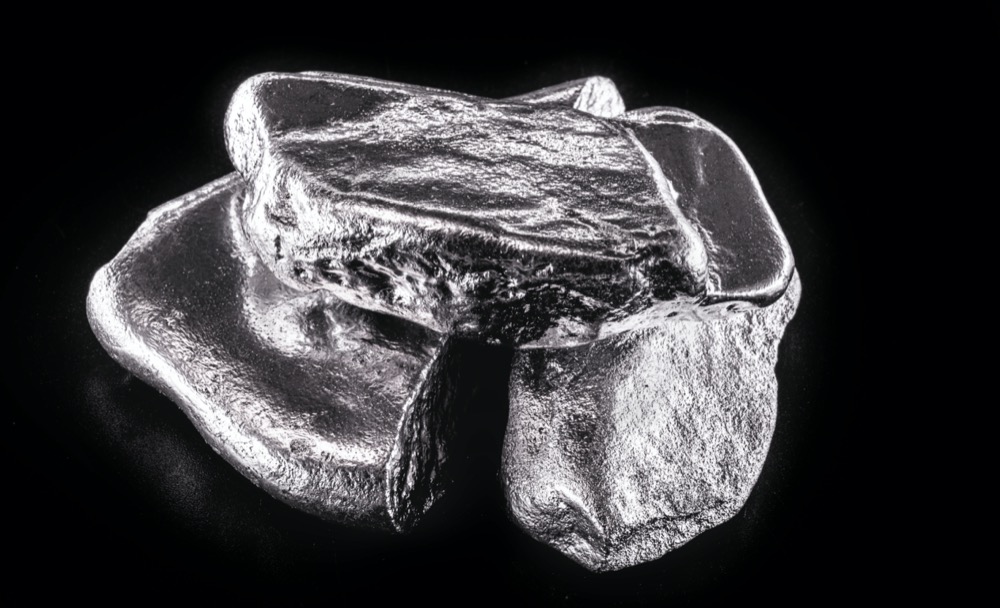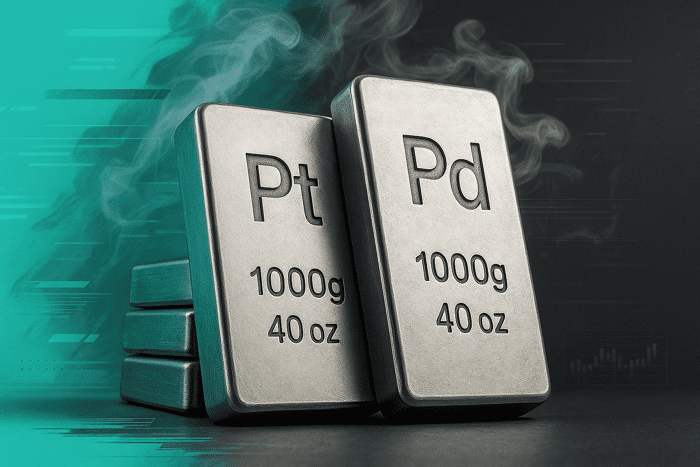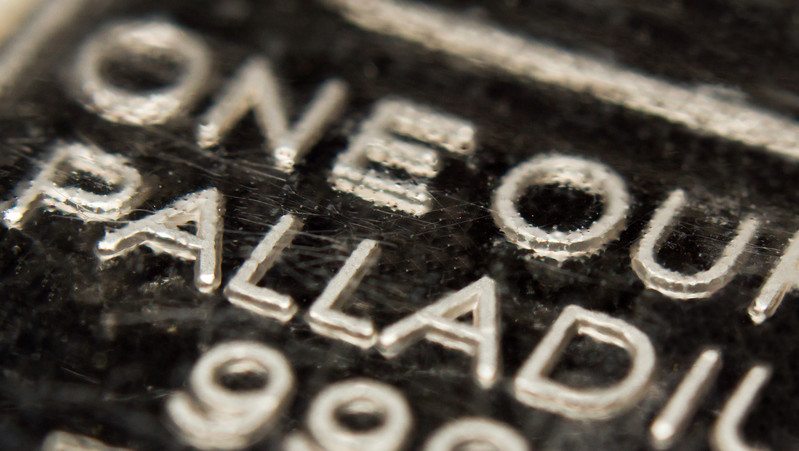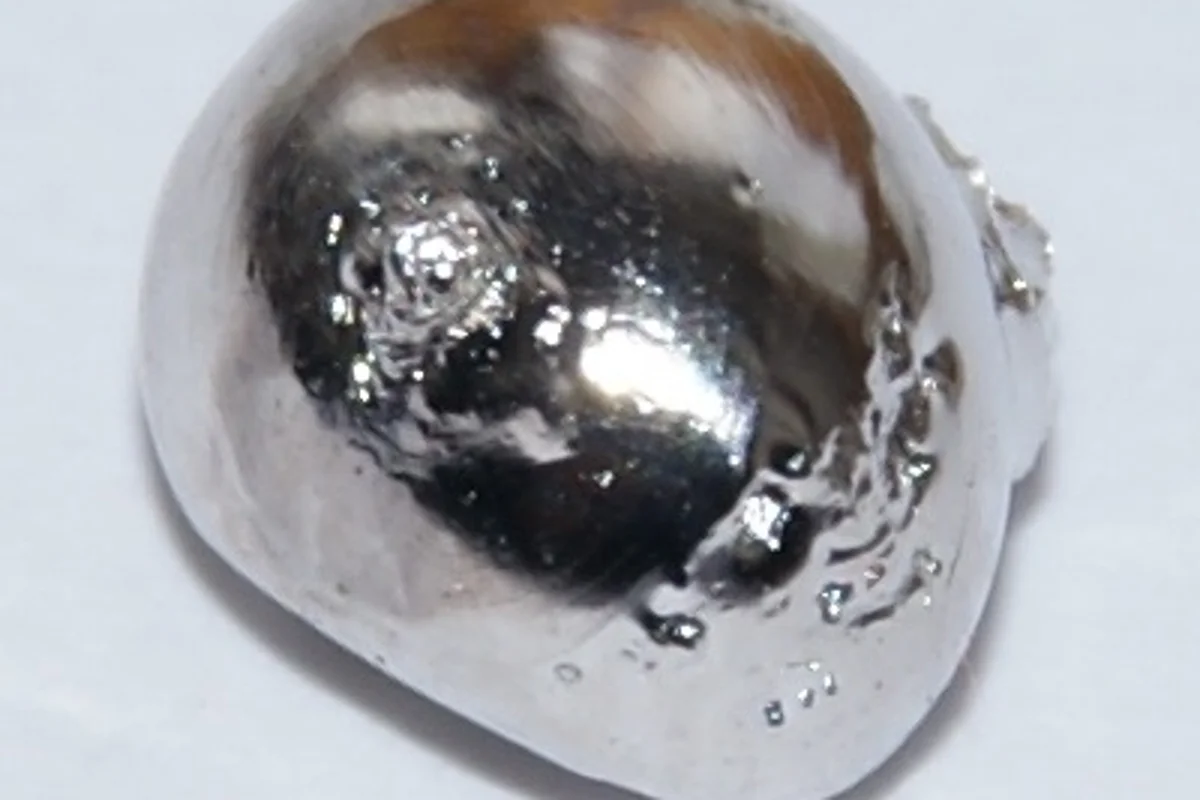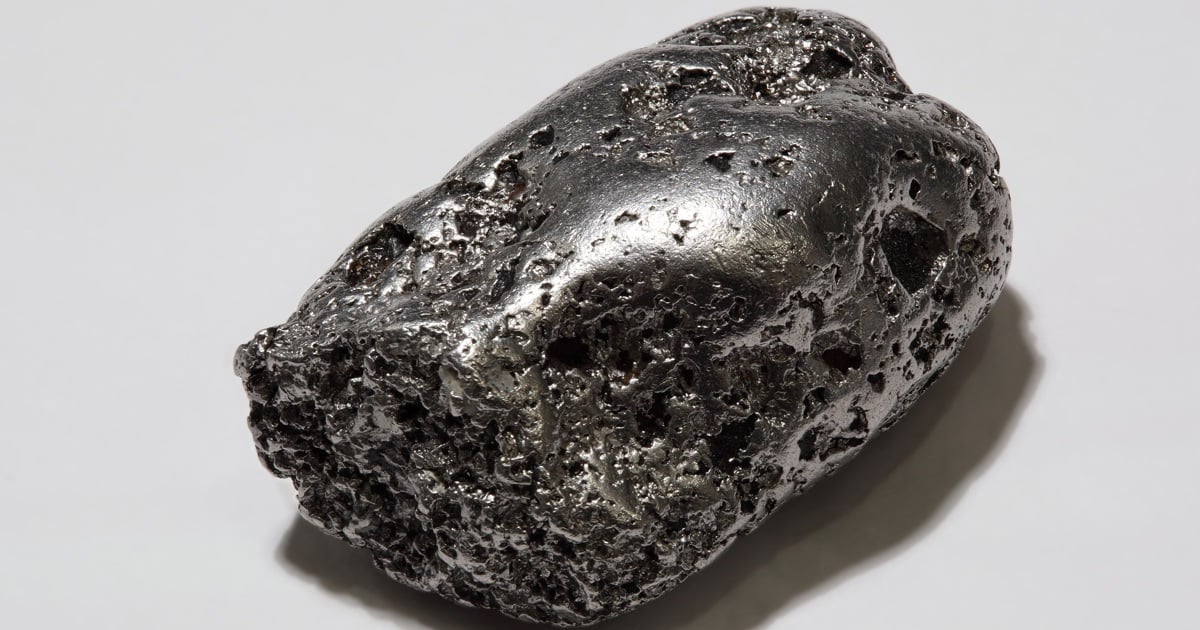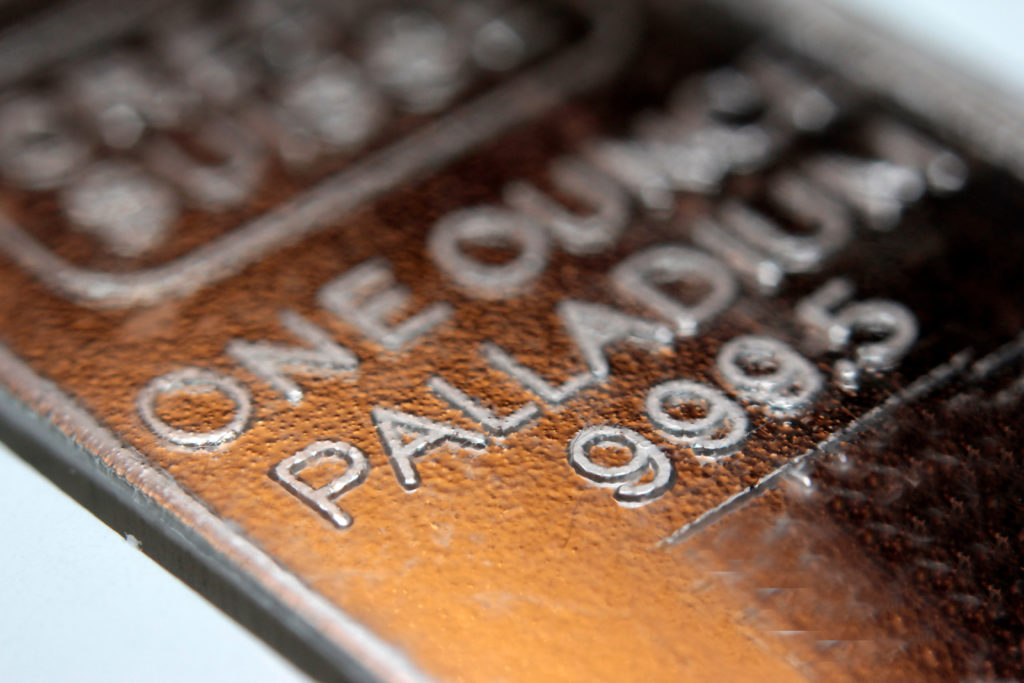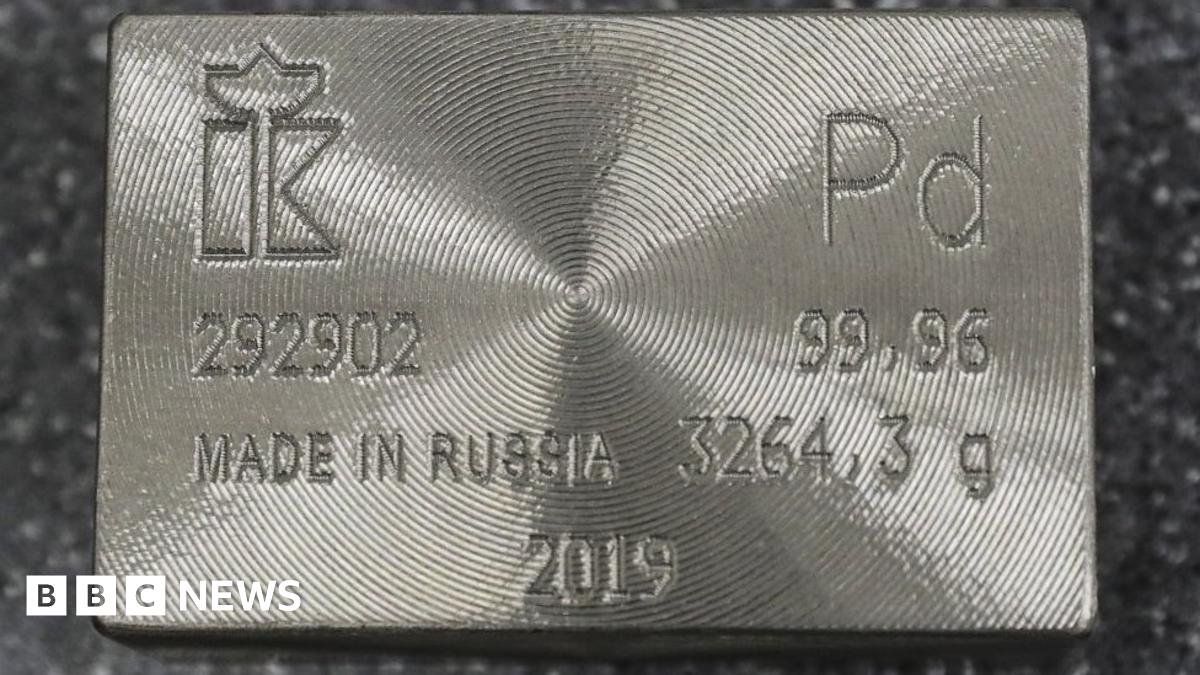
In short, it is because demand for palladium outstrips supply, and it has done for some time.
The amount of the metal produced in 2019 is forecast to be below global demand for the eighth year in a row.
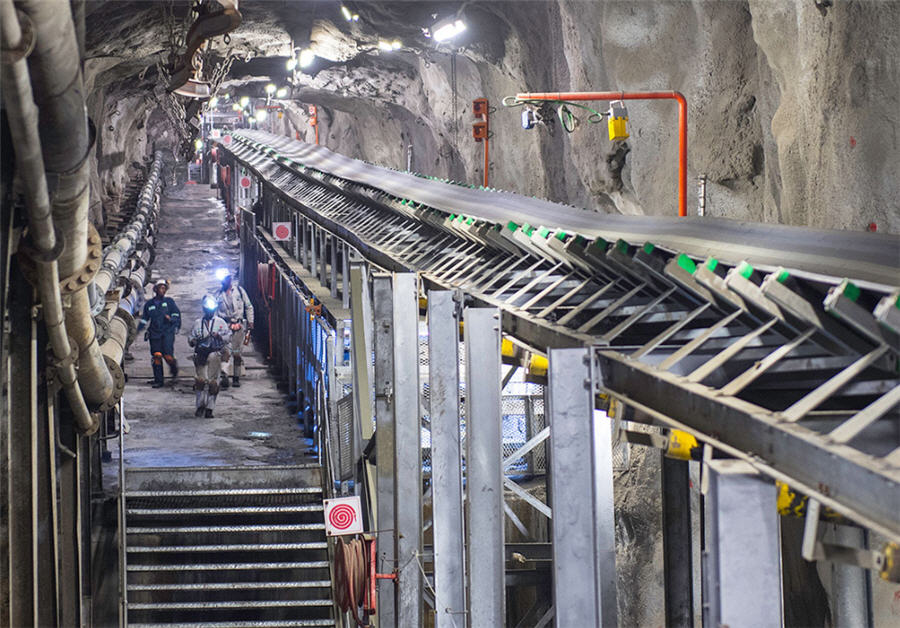
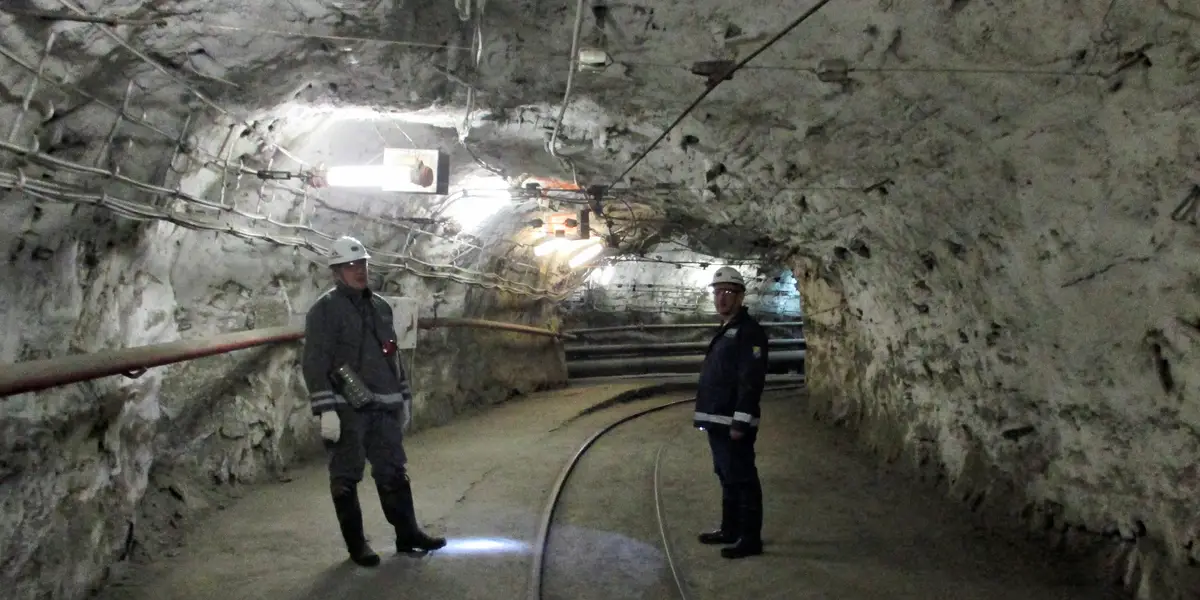
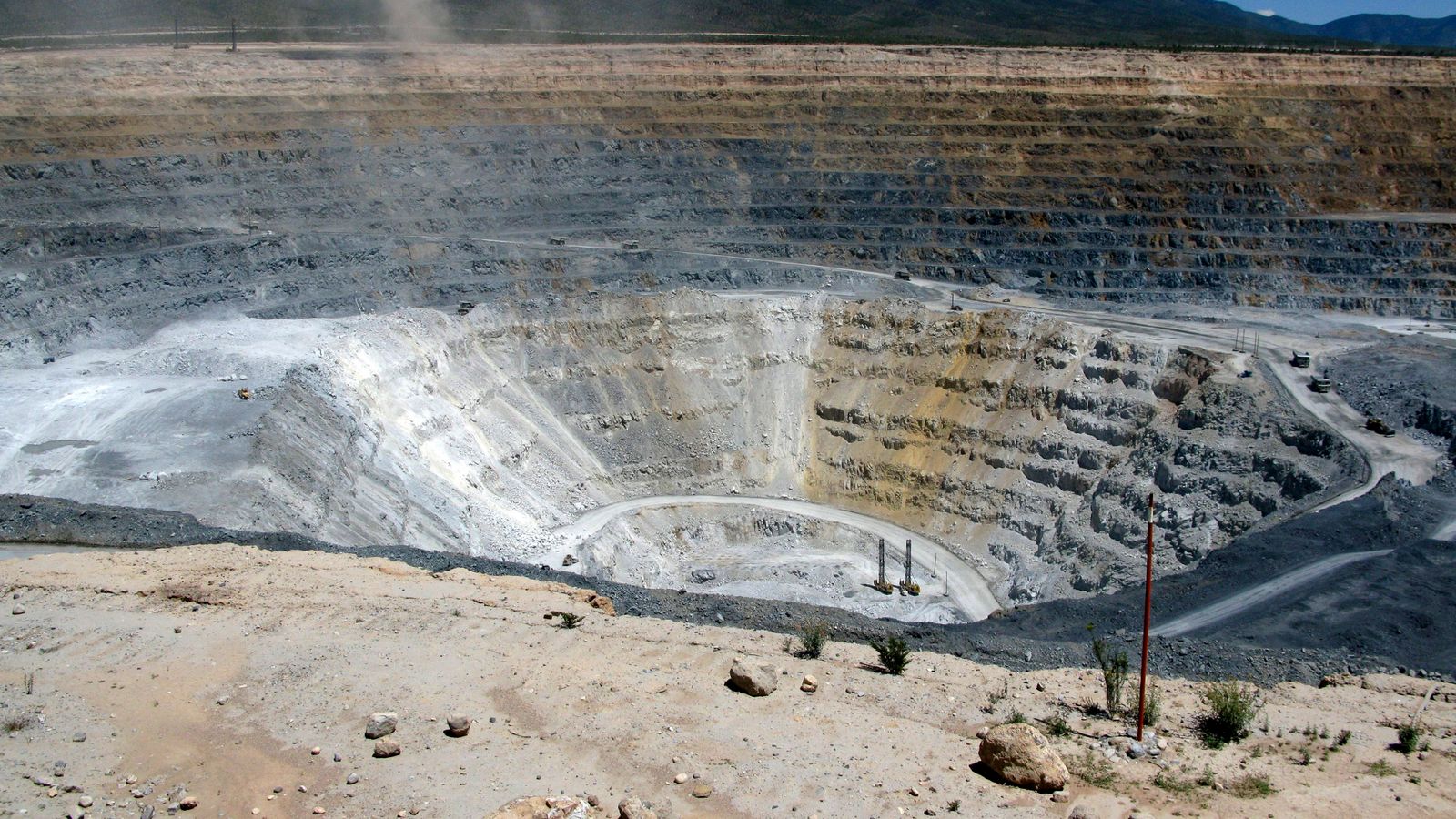
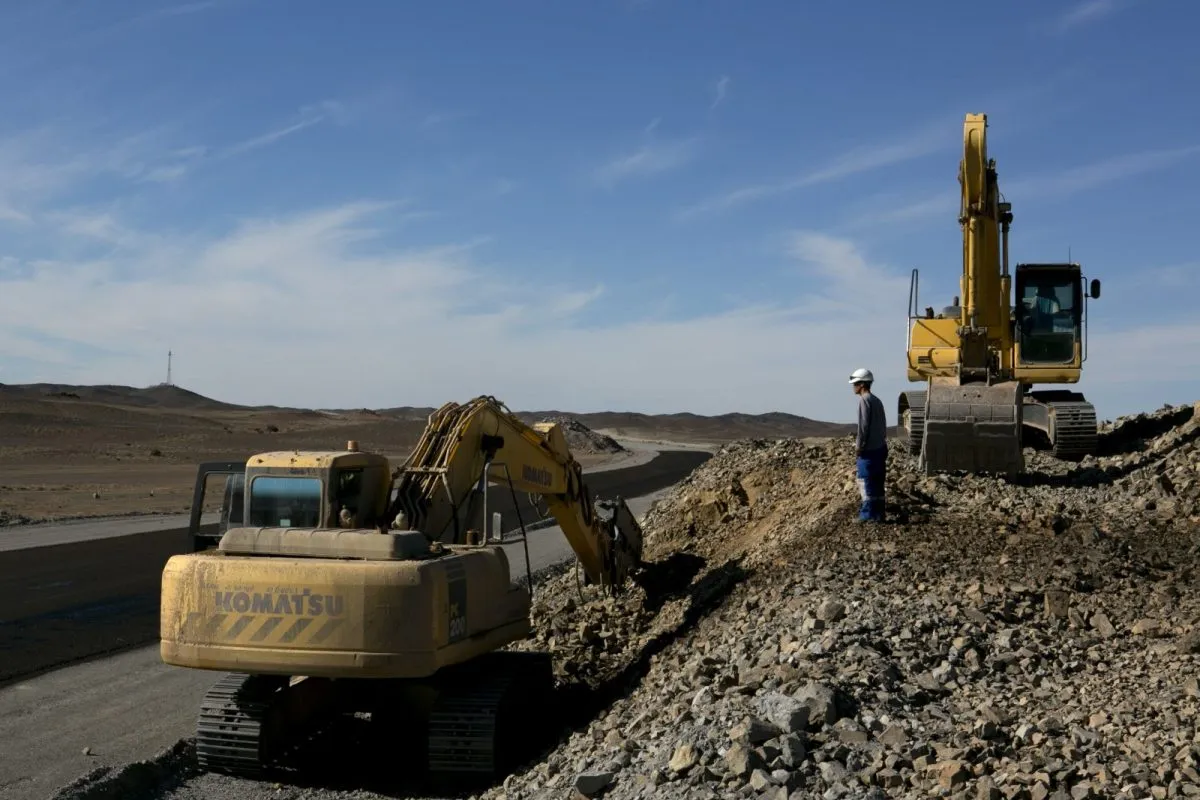
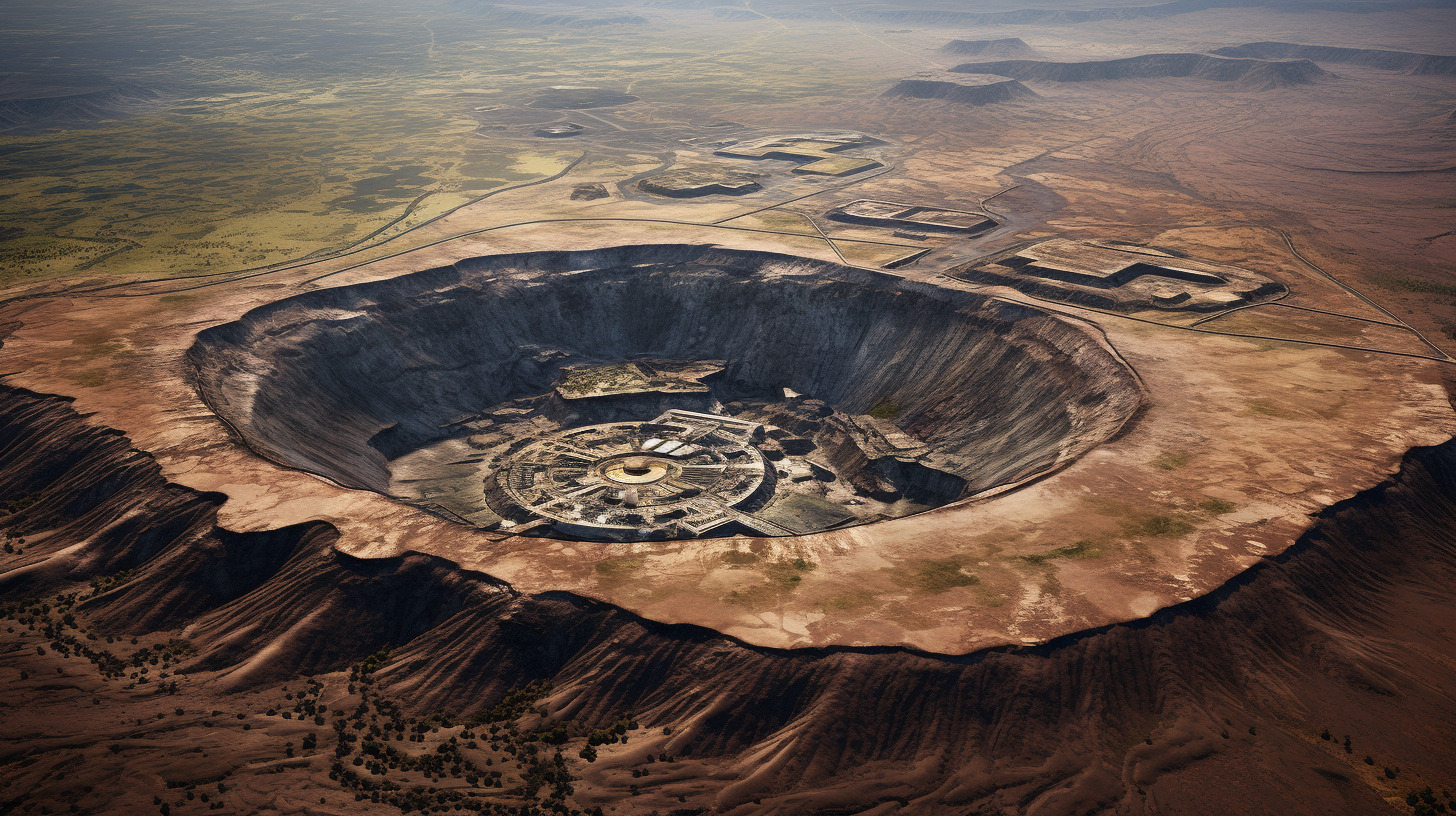
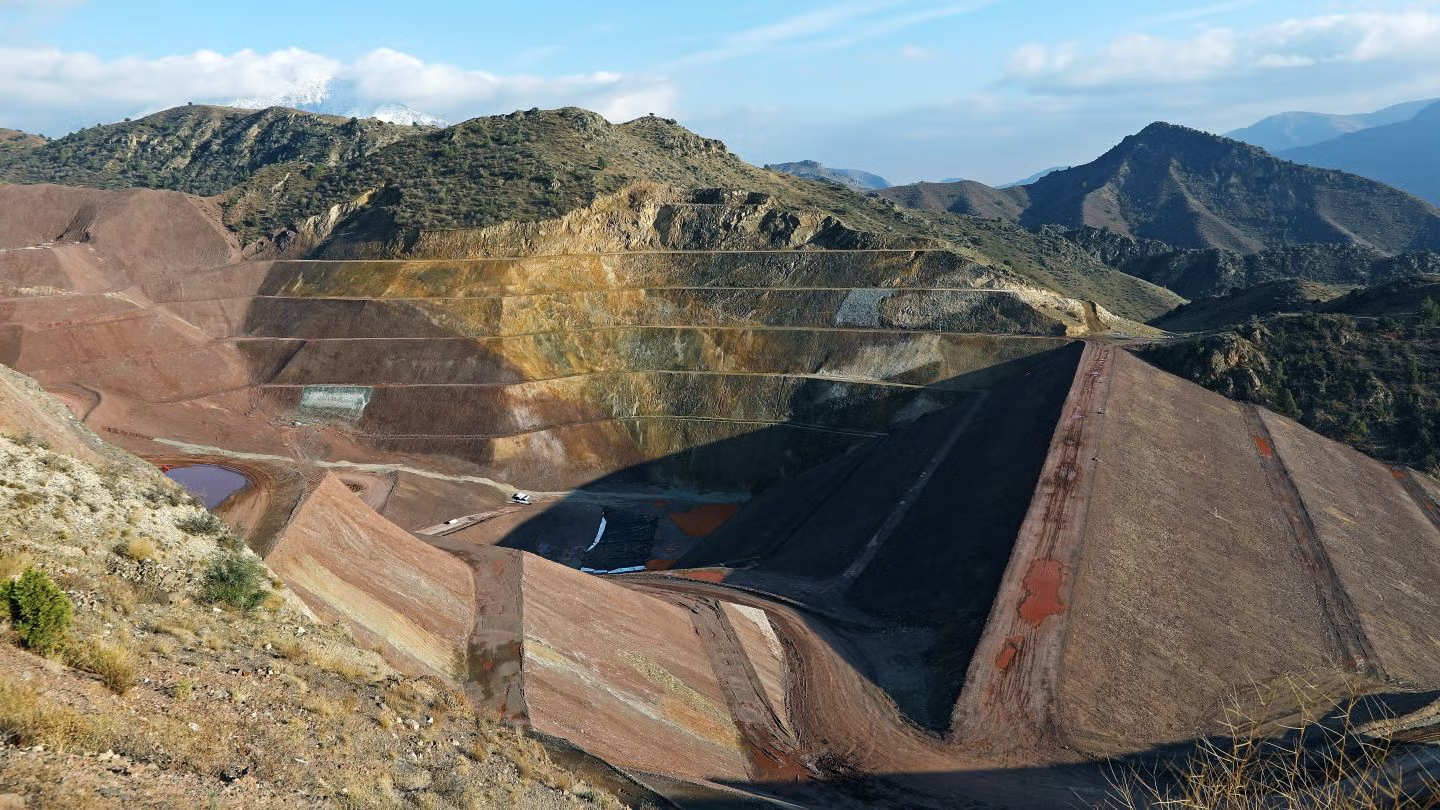
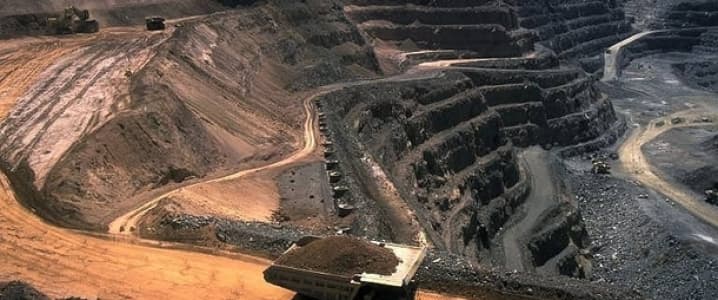
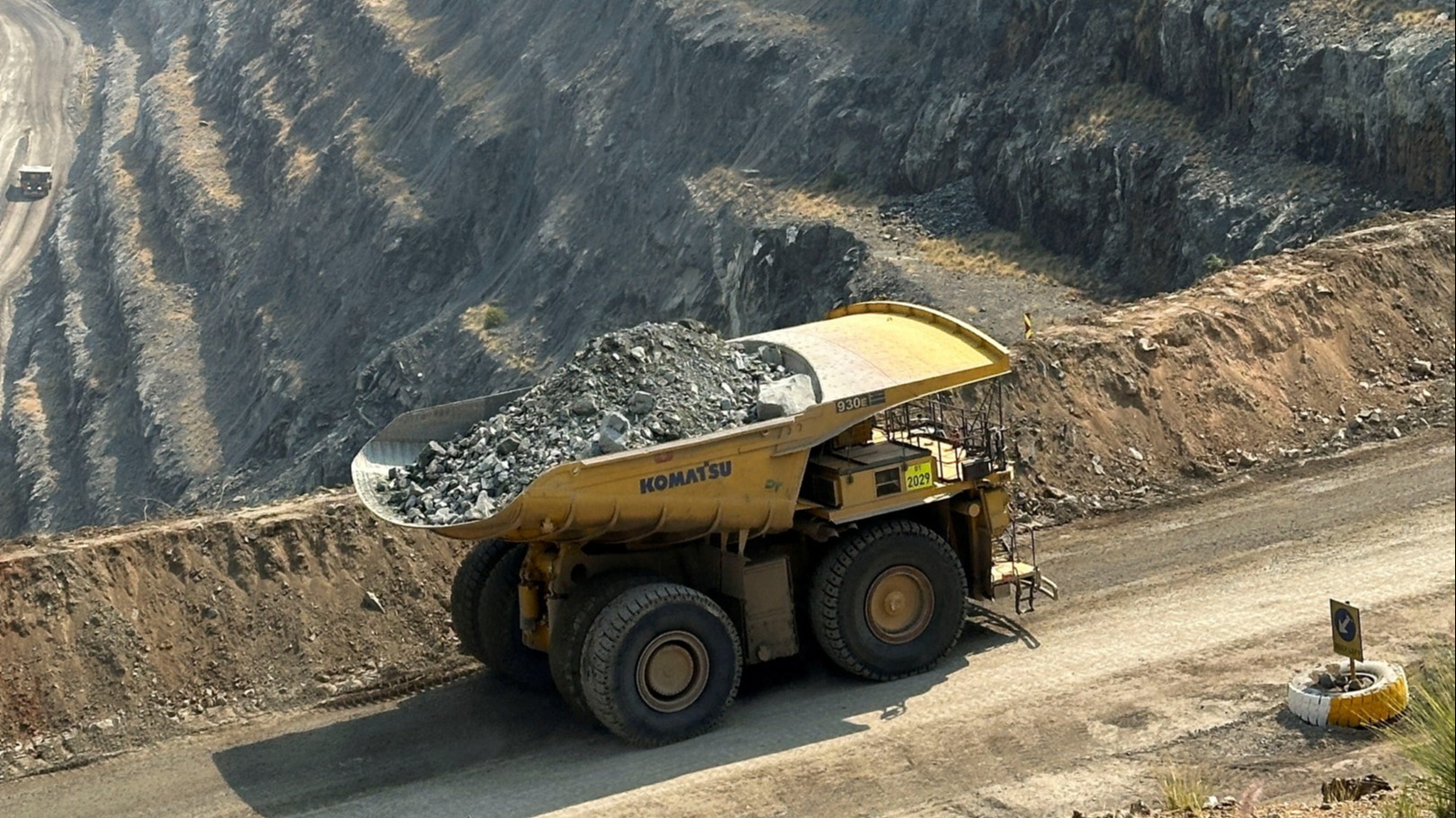
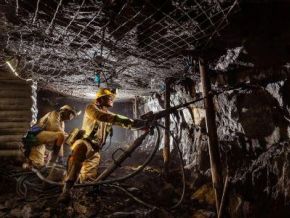
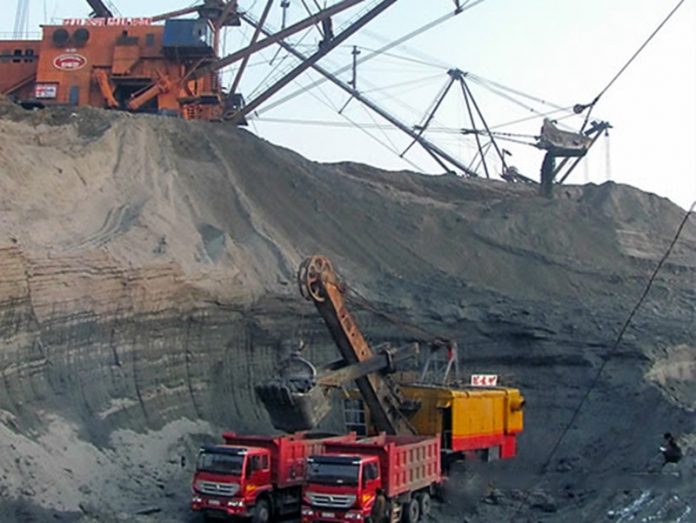
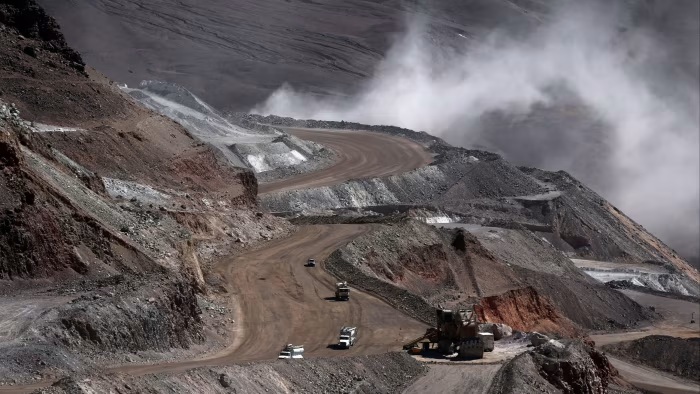
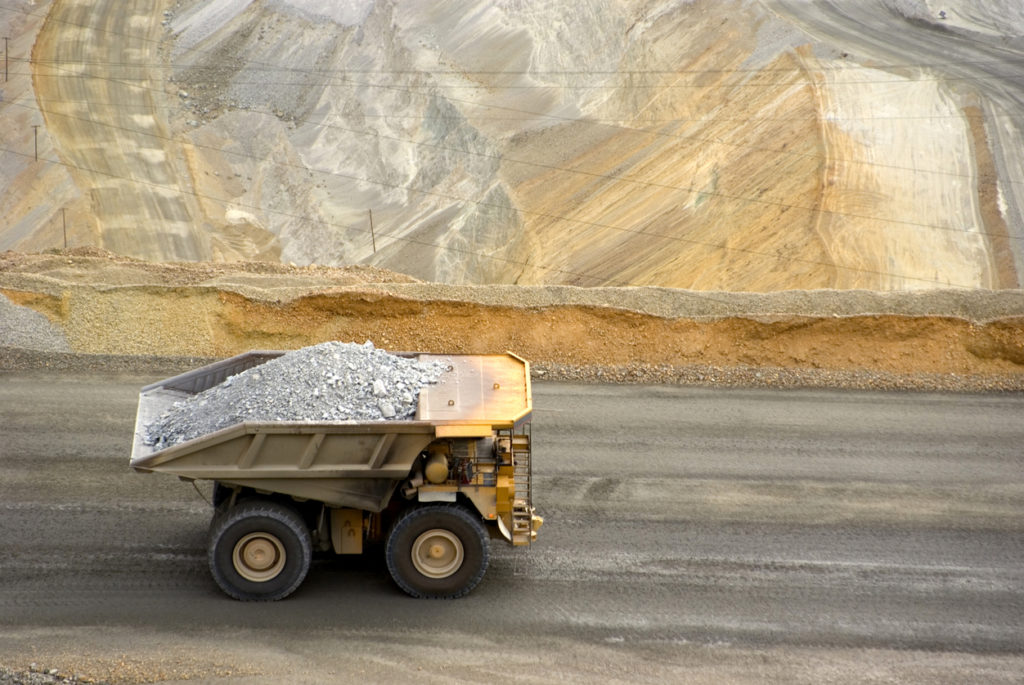
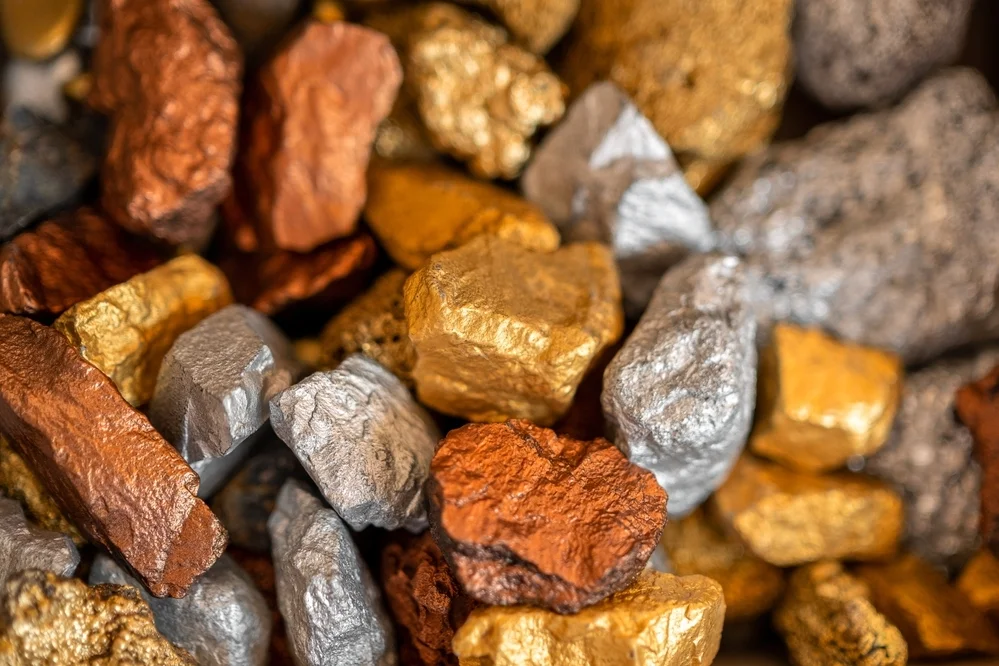
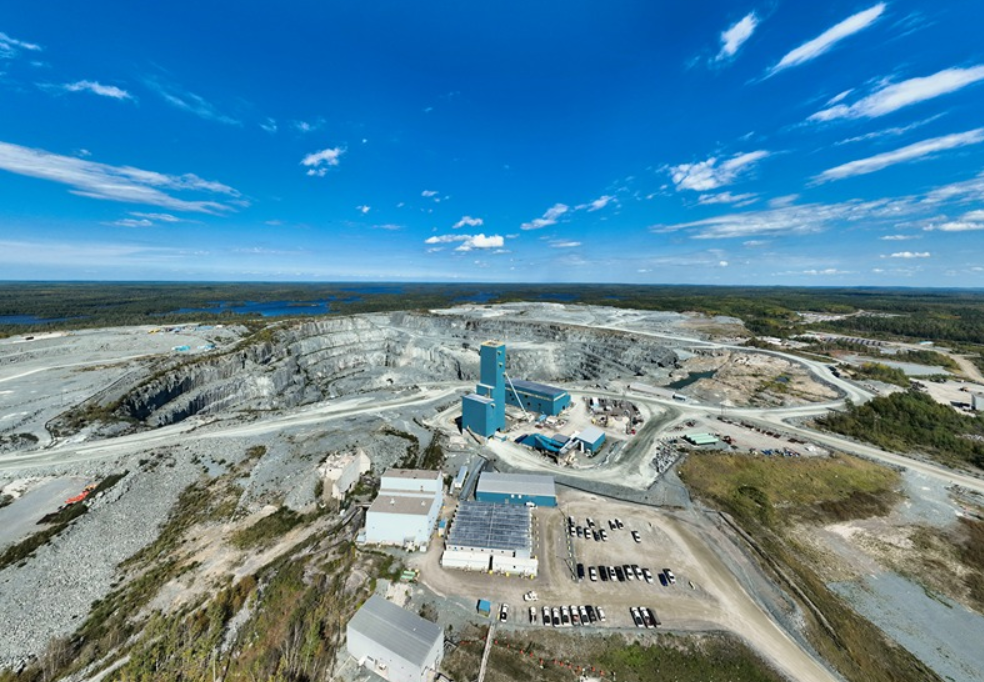
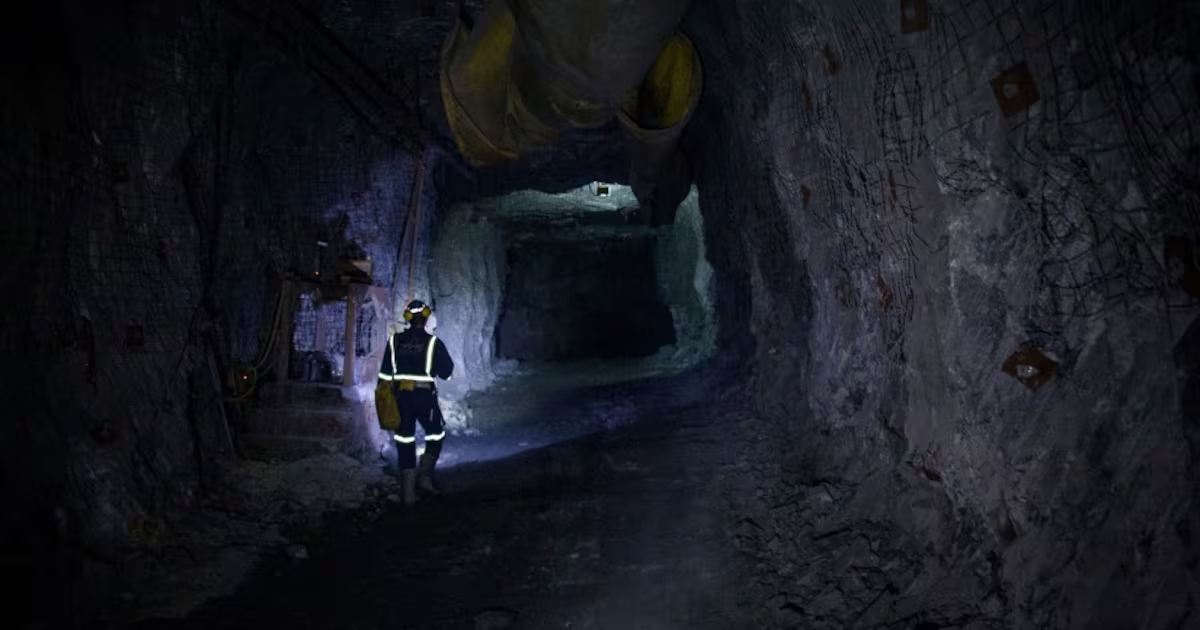
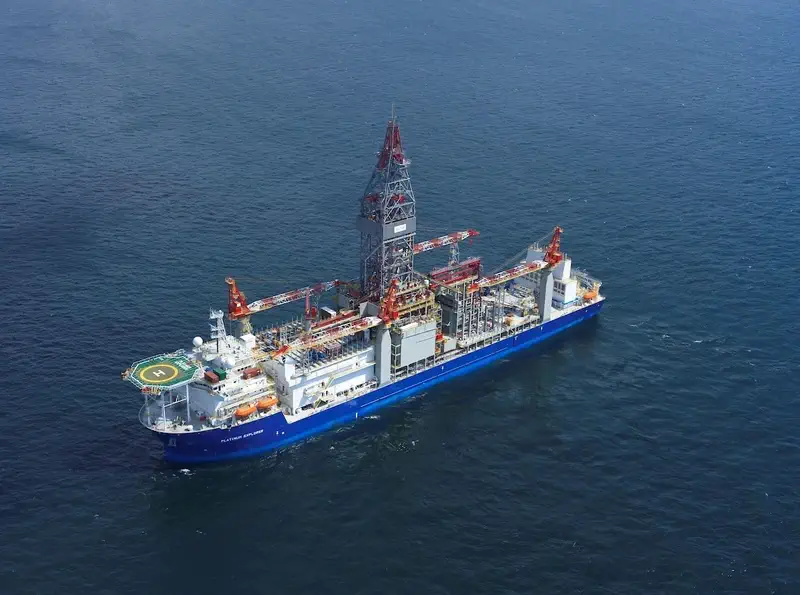
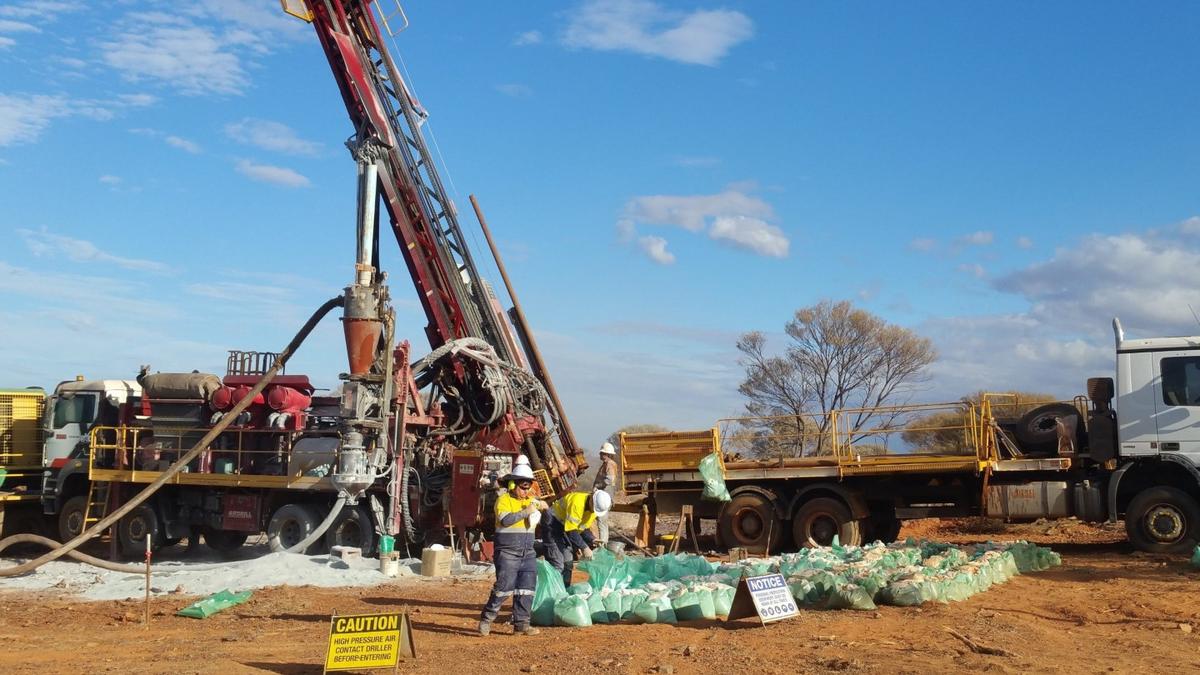
As a secondary product of platinum and nickel extraction, miners have less flexibility to increase palladium output in response to rising prices.
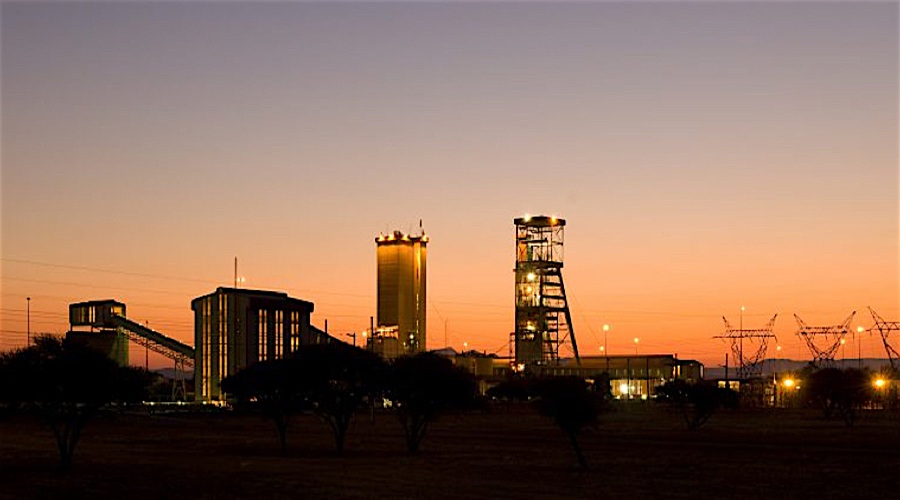
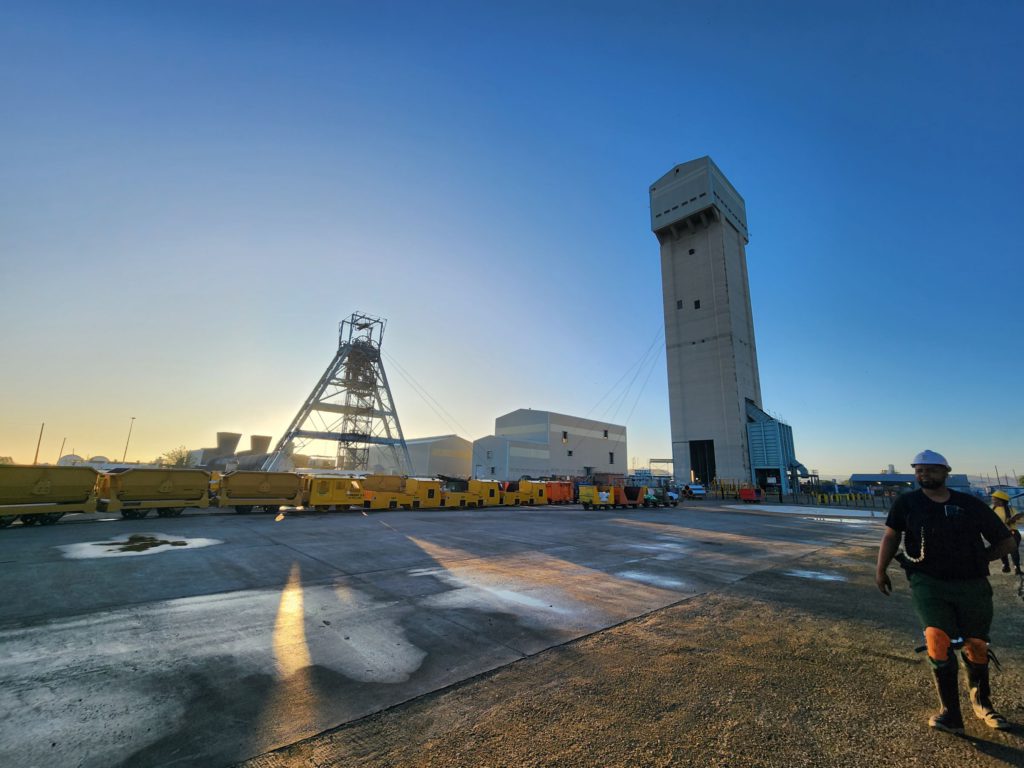
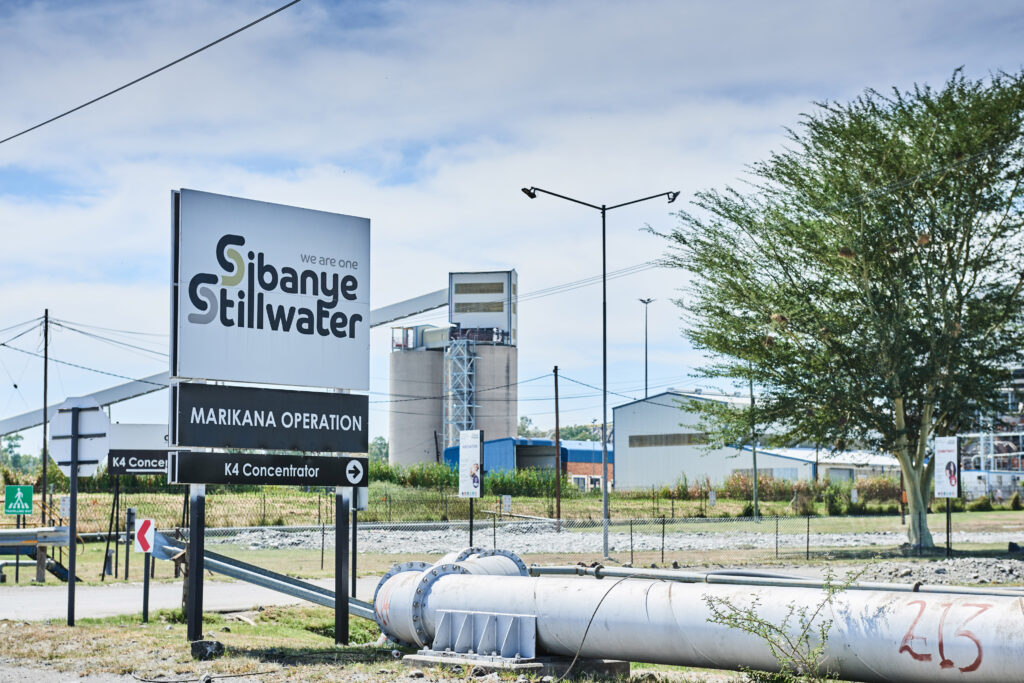
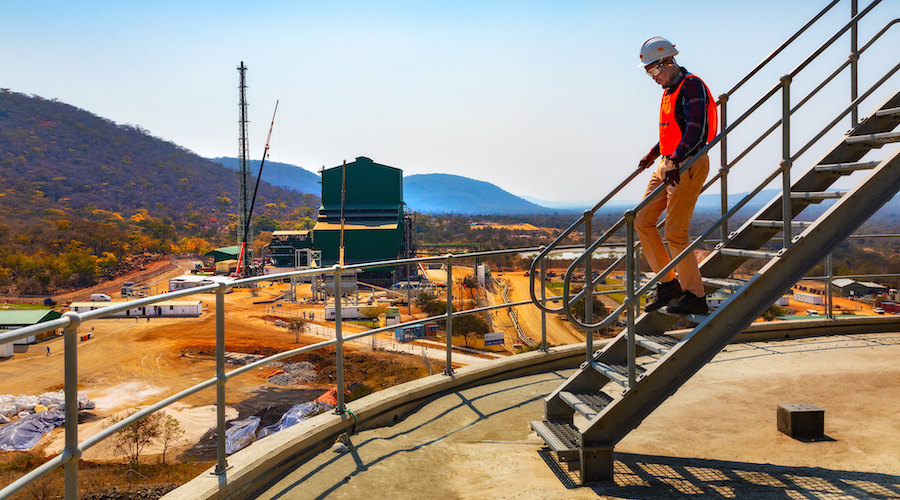
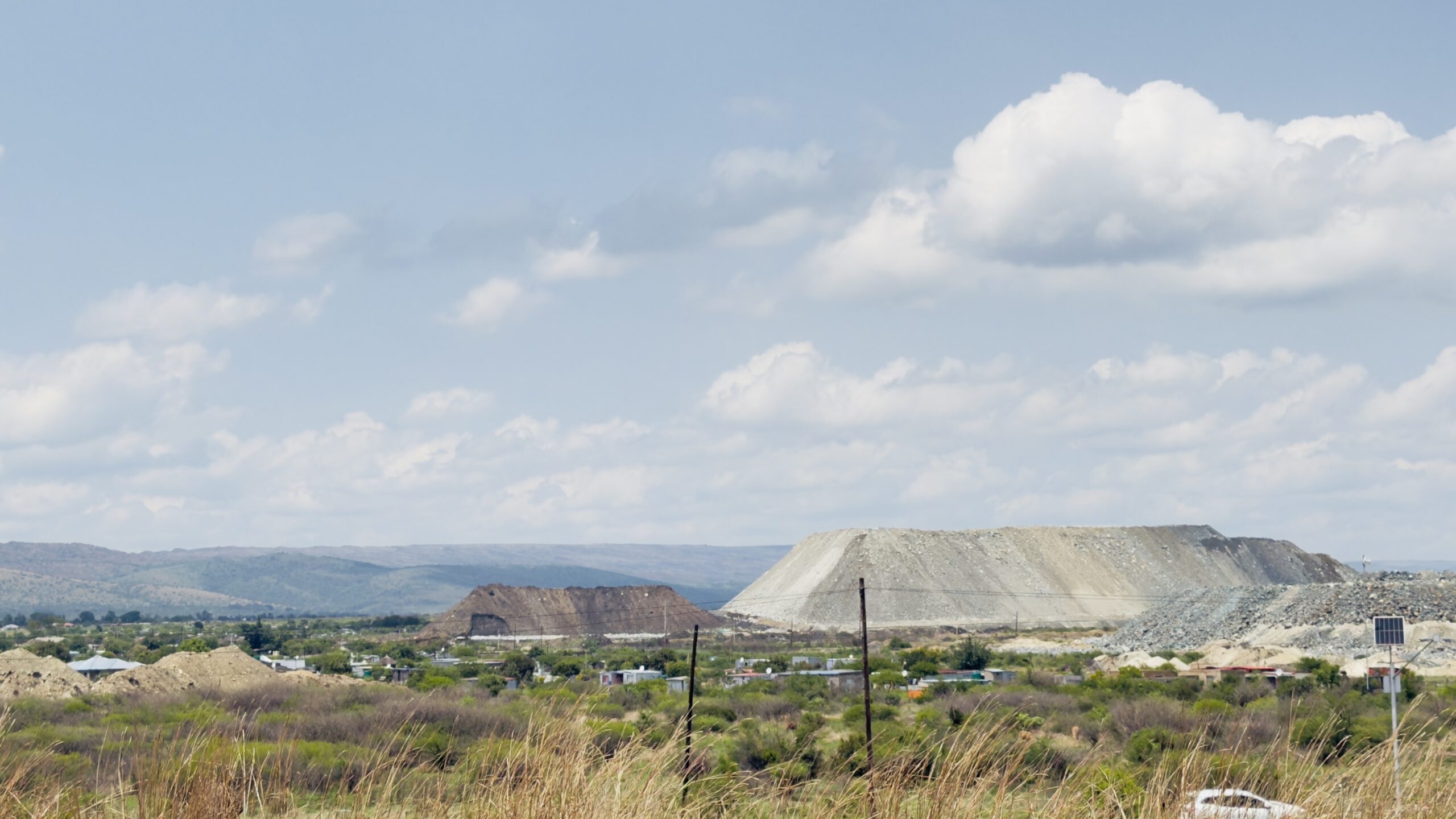
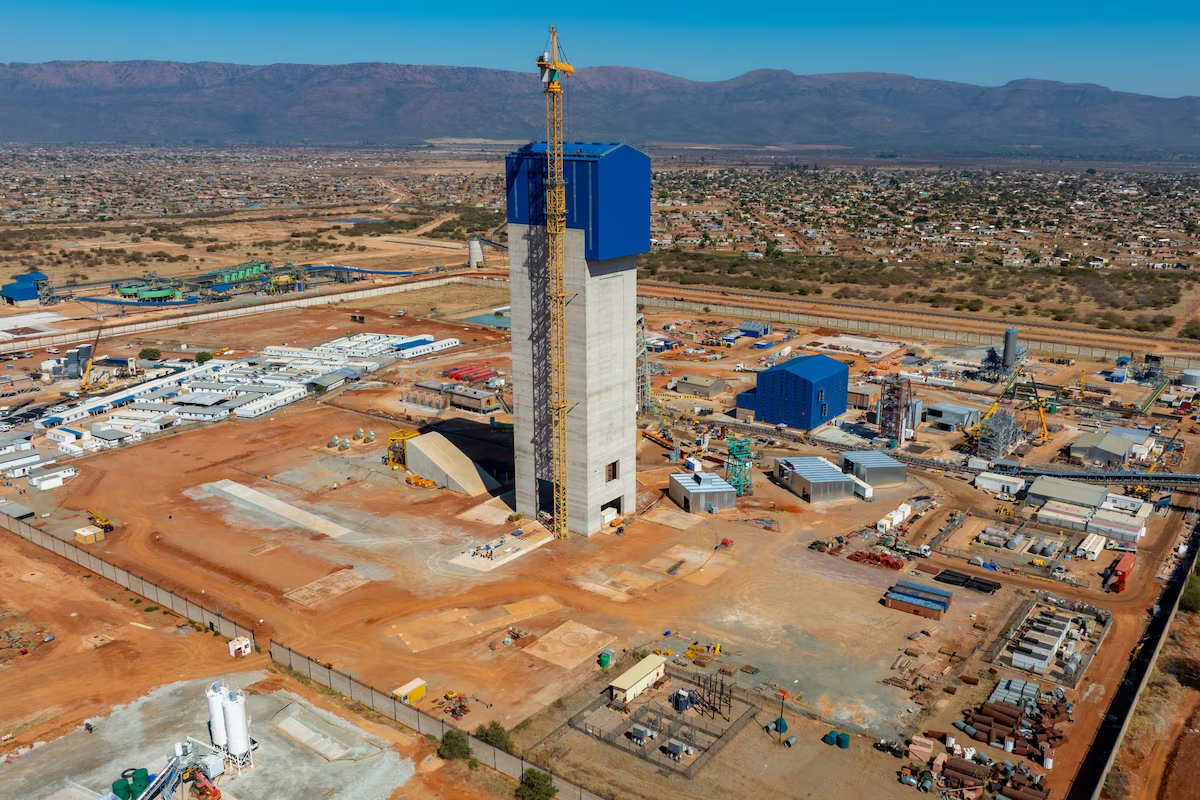
And that shortfall looks set to continue, with South Africa, which produces around 40% of the world’s supply, last week saying its output of platinum group metals, including palladium, fell by 13.5% in November compared to a year earlier.
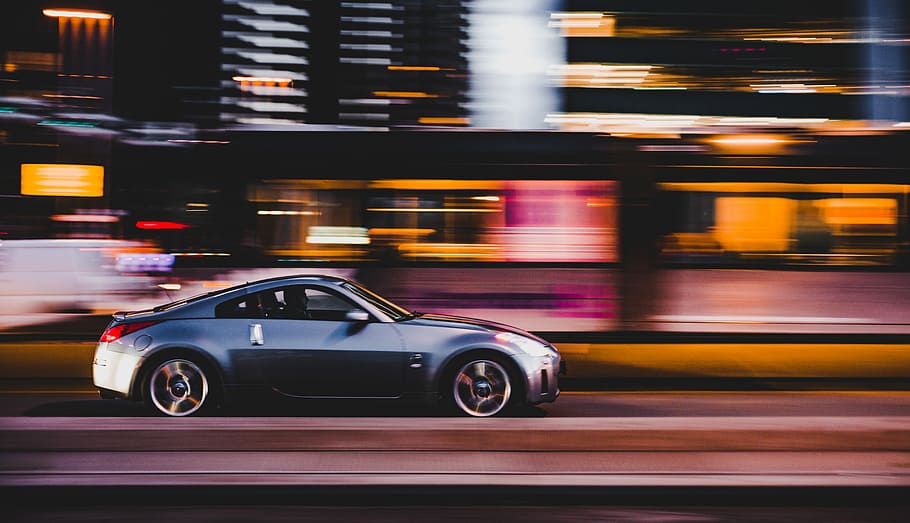
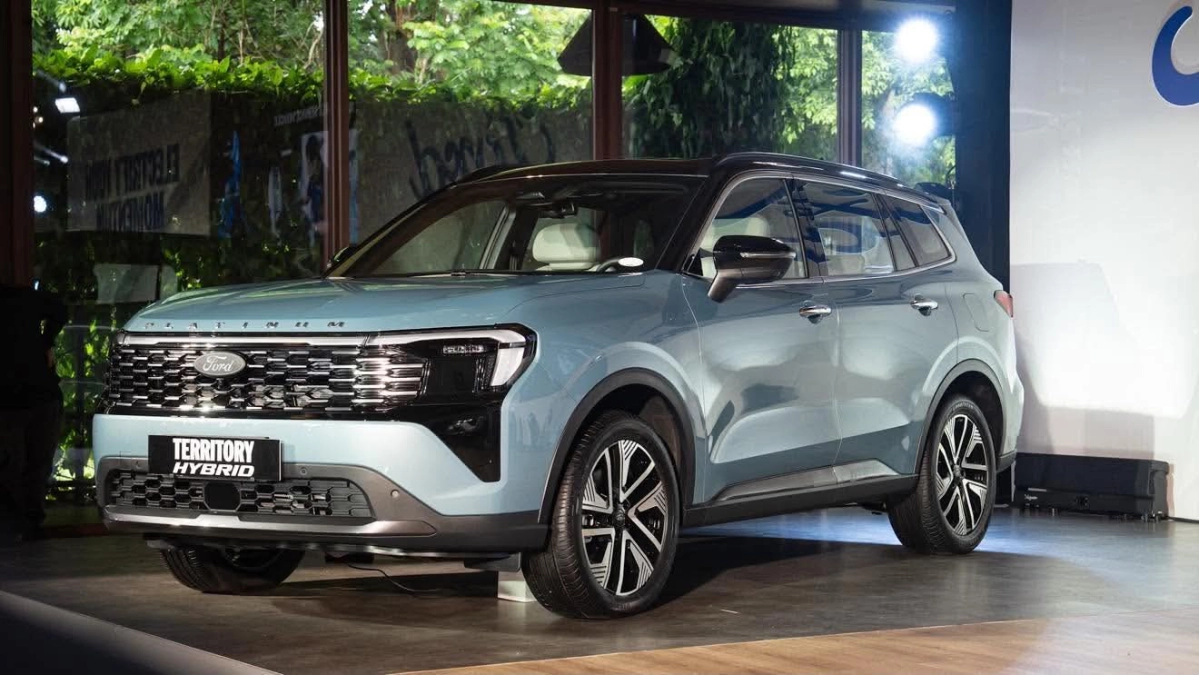
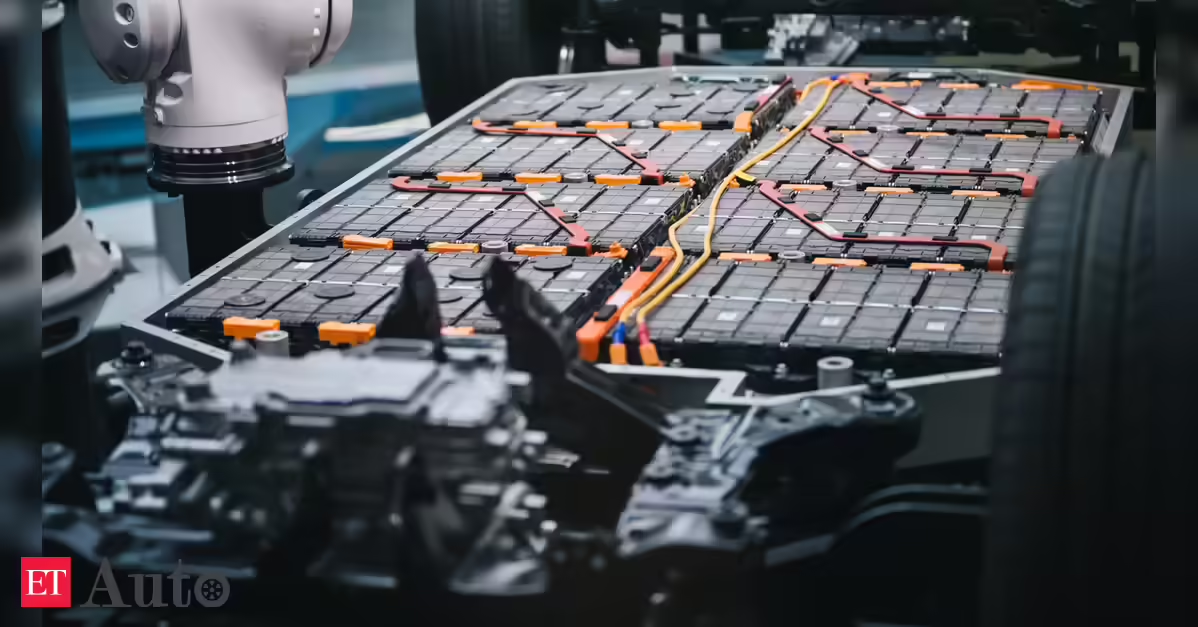
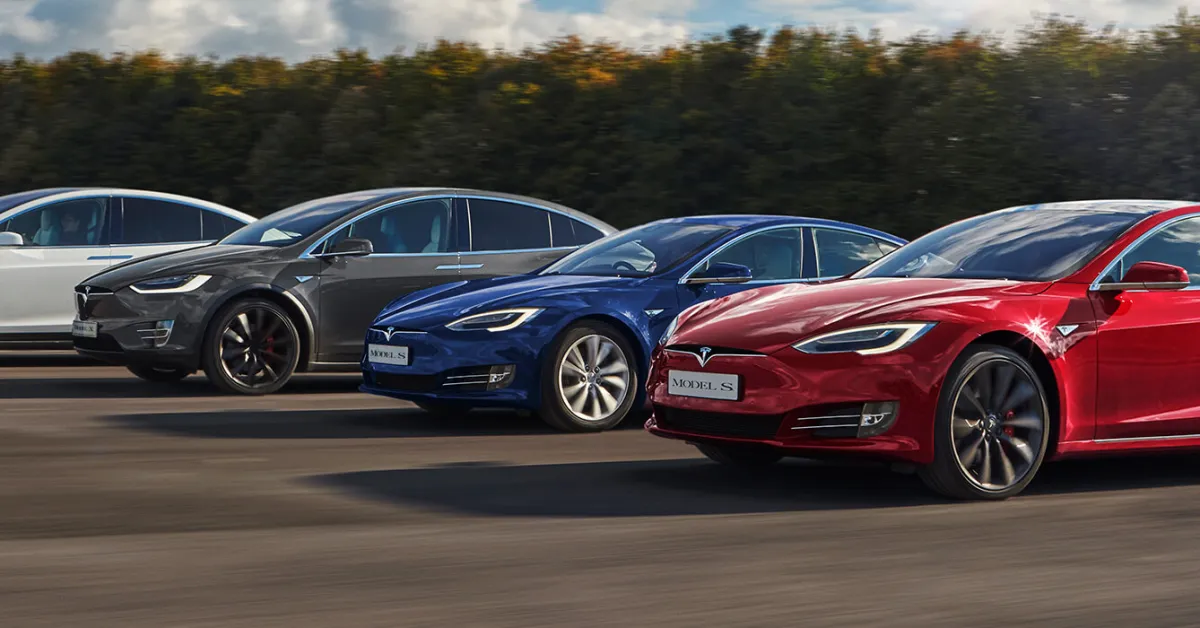
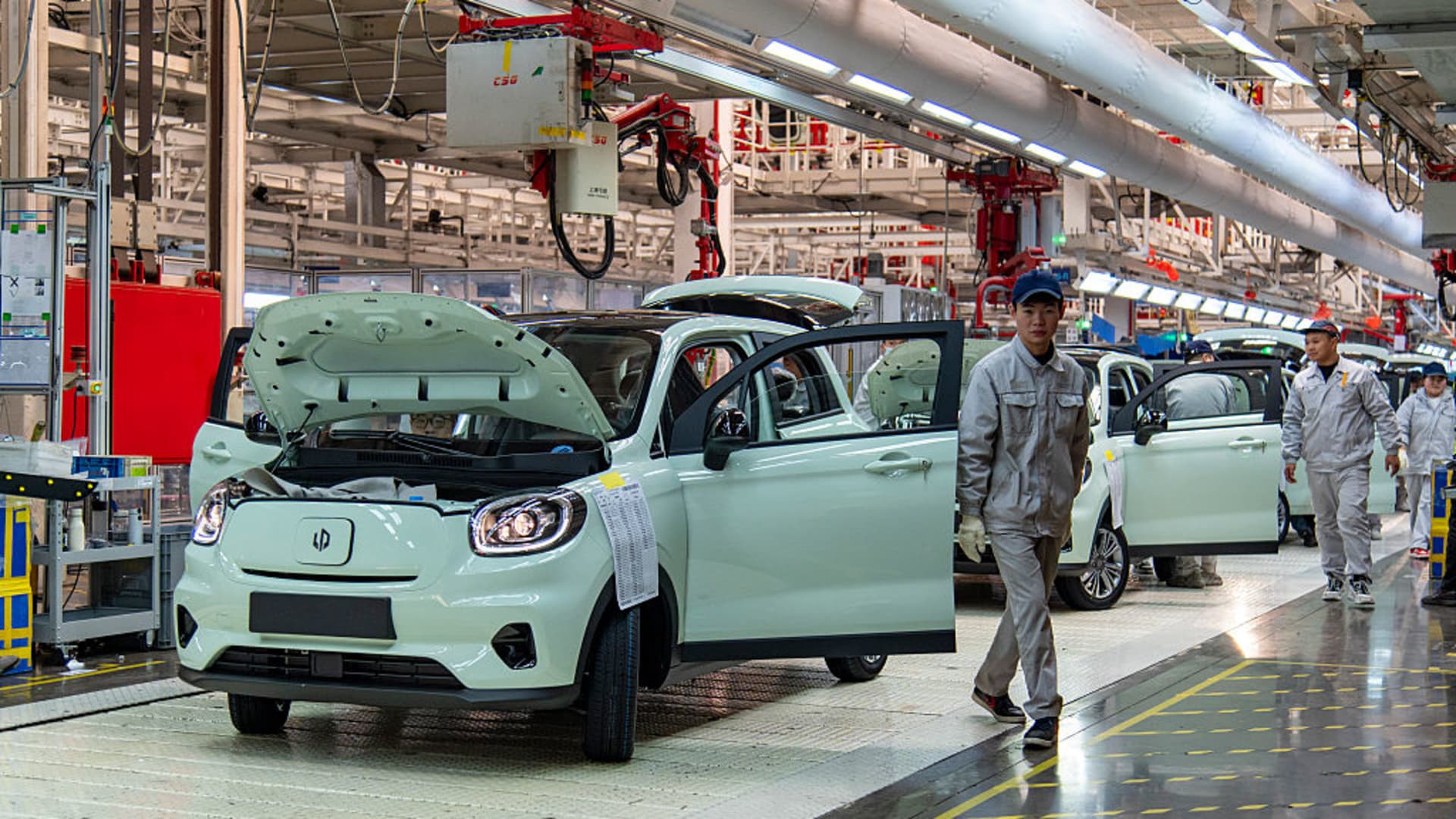
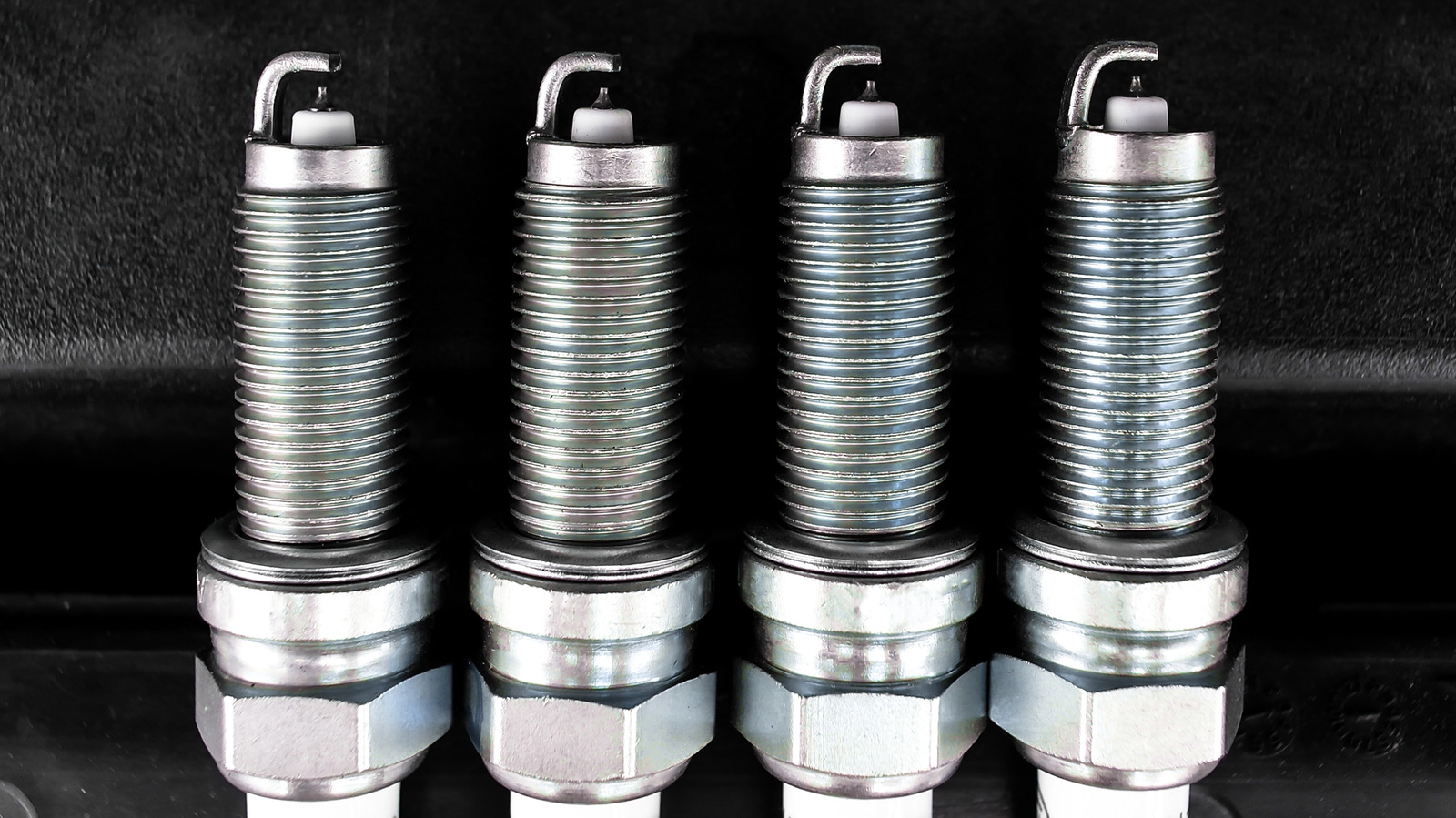
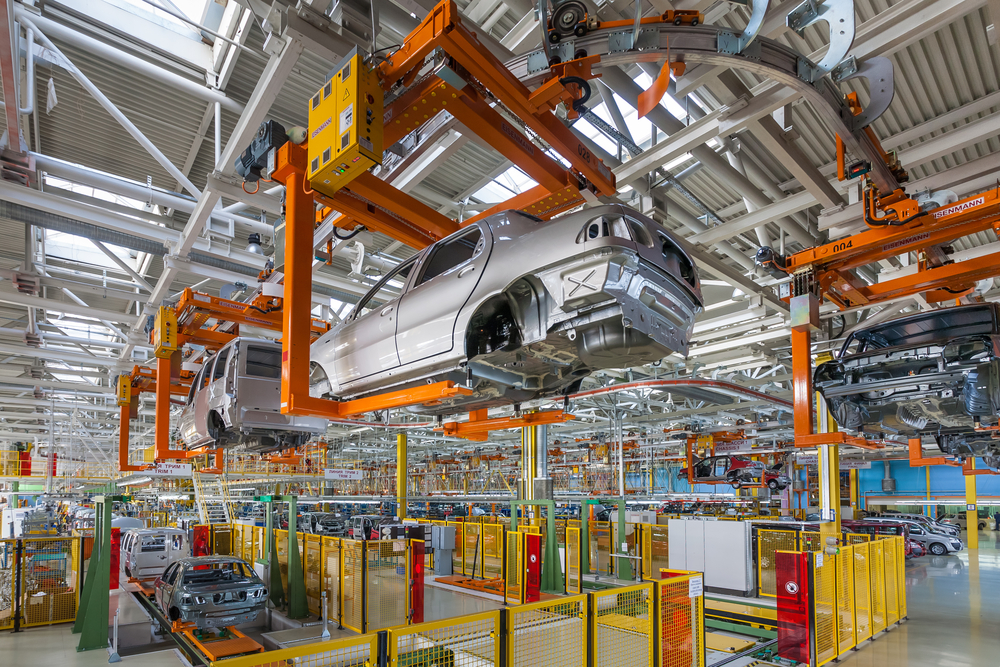
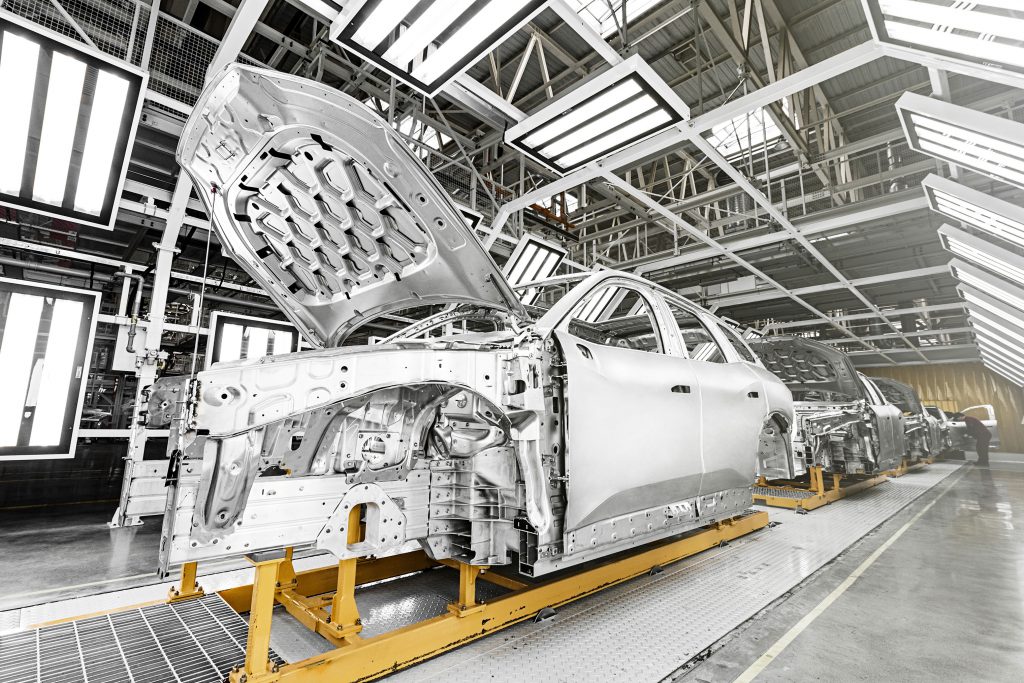
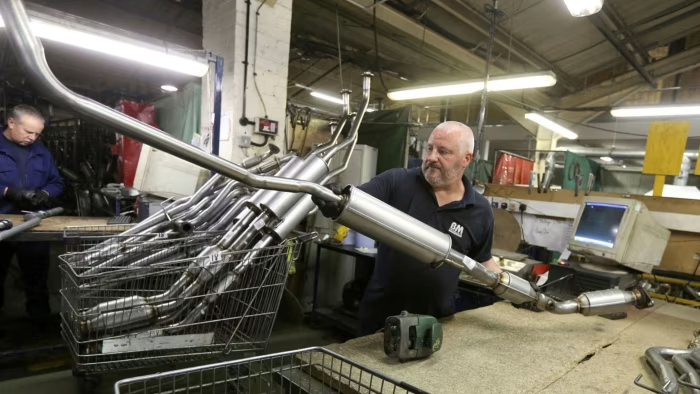
Meanwhile, demand for palladium from car makers has increased sharply for a number of reasons.
Around the world governments, notably China, are tightening regulations as they attempt to tackle air pollution from petrol vehicles.
At the same time the diesel emissions scandal in Europe has also had an impact. Consumers there have been shifting away from diesel cars, which mostly use platinum in their catalytic converters, and are instead buying petrol-driven vehicles, which use palladium.
The US-China trade deal, which was signed earlier this month, has also boosted prices. Traders expect the agreement to help ease downward pressure on global economic growth and slow the decline in Chinese car sales.