Over the past year, high interest rates have reshaped how investors use brokerage accounts—just as a new generation of investors continues to transform the market.
Cash is no longer an afterthought. Stubbornly high interest rates are changing investor behavior, with elevated cash yields pushing brokers to compete more directly on sweep rates, money market offerings, and access to Treasurys, along with the trading tools and pricing structures that have traditionally shaped the industry.
Meanwhile, younger investors are driving growth. Priced out of homebuying and lured by the stock market’s record-breaking performance, people in their 20s and 30s have been climbing the ranks of first-time investors over the past 10 years, and that trend shows little sign of slowing. Gen Z and younger millennials continue to account for a disproportionate share of new brokerage account growth, particularly on mobile-first platforms.
Lower barriers to entry have propelled that trend. Brokers offering expanded access to fractional shares, zero-commission trading, and enhanced mobile trading capabilities are making it easier and cheaper for new investors to start at a younger age.
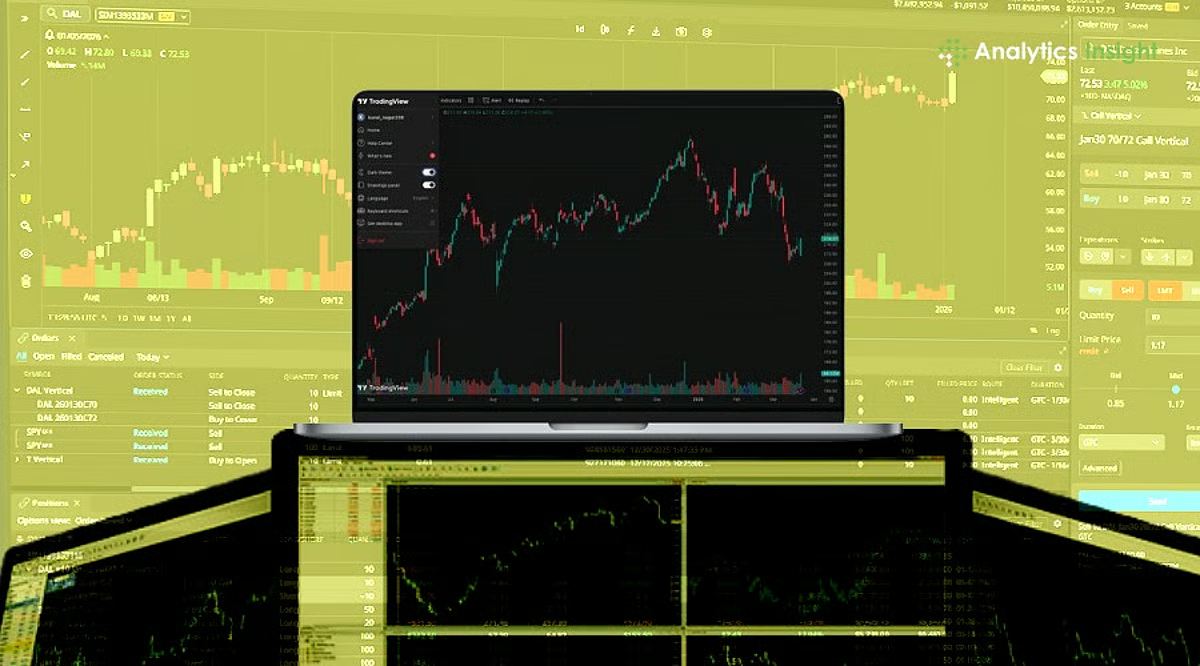
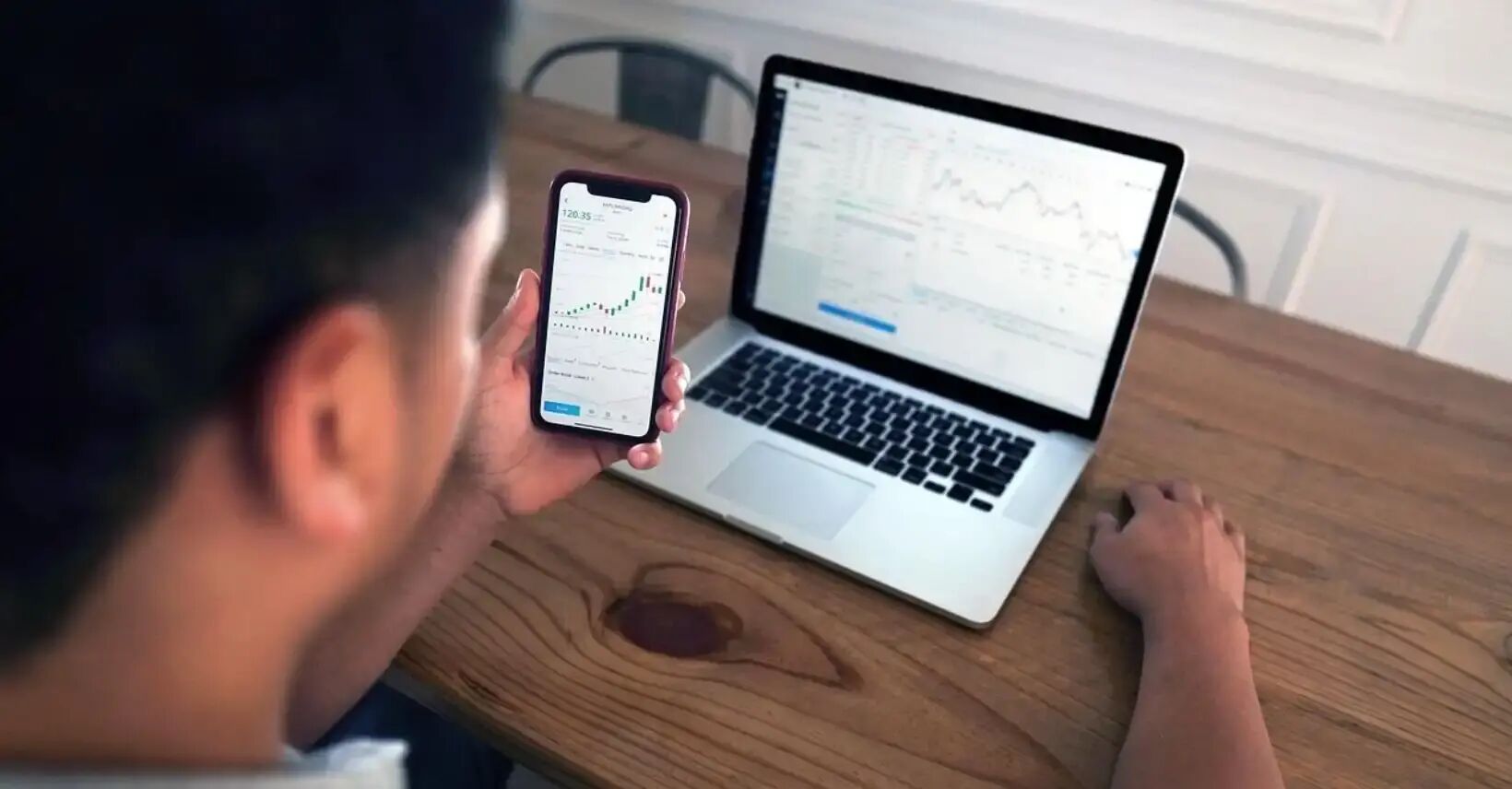
Other market developments are also making it easier than ever to trade actively and more tempting to take on risk. The explosion in popularity of prediction markets and sports betting platforms encourages speculative behavior, which can entice new retail traders to engage in higher-risk, event-driven trading.
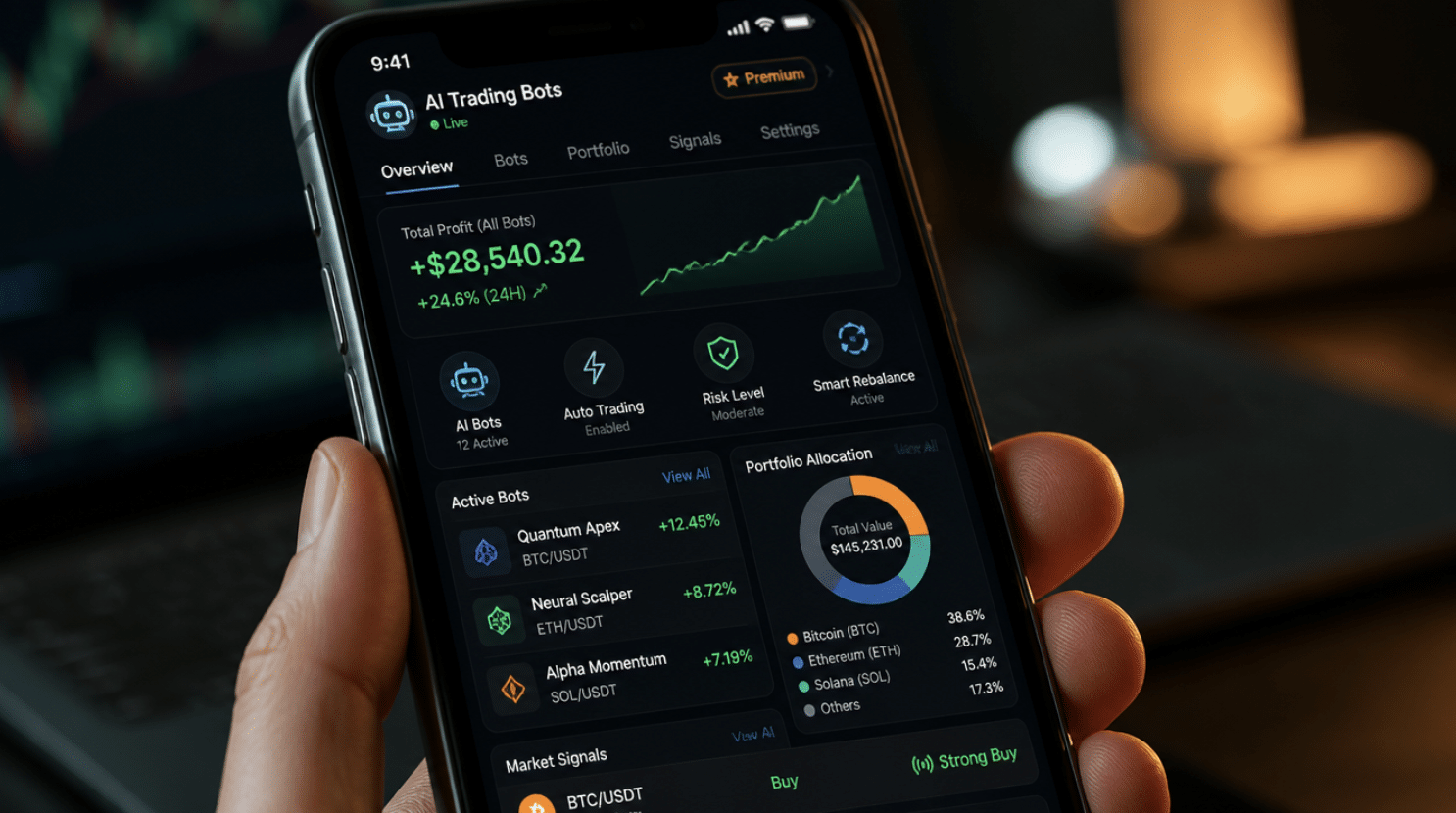
In response, brokers are focusing more on platforms that emphasize ease of use, personalization, and built-in decision support. As investor behavior evolves and competition intensifies, our 2026 Best Online Brokers Awards spotlight the platforms that are rising to the challenge.
Credit: Investopedia / Michela Buttignol
Best Overall, Best for Beginners, Best for Low Costs: Fidelity
Fidelity tops our list of the best online brokerage platforms for a fifth year, thanks to its exceptional full-service experience, including some of the most sophisticated tools and most competitive fees in the industry. Fidelity makes it easy for new retail investors to get started. Long an industry leader in low fees, it has expanded its educational resources and fractional share offerings for investors starting with smaller budgets. Fidelity’s extensive customer support and access to financial advisors further support investors of every type. On top of that, its desktop, web, and mobile platforms provide investors with an intuitive, easy-to-navigate experience.
Credit: Investopedia / Michela Buttignol
Best for International Trading, Best for Risk Management, Best for Advanced Traders: Interactive Brokers
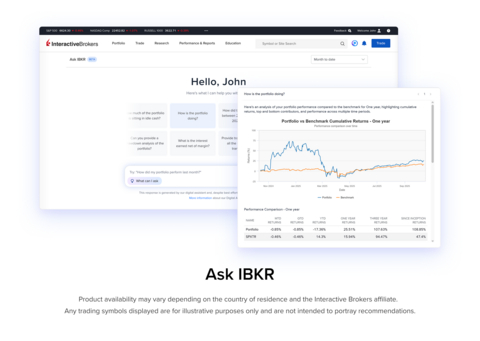
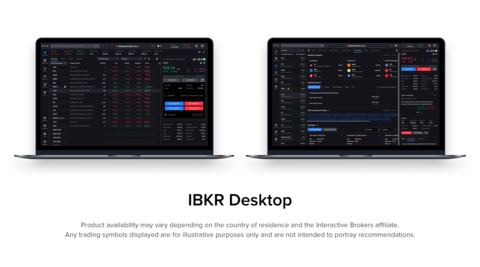
Interactive Brokers (IBKR) continues to set the standard for international trading. As macro volatility drives greater interest in global diversification and cross-border investing, access to international markets has become increasingly important. IBKR has continued to improve its lead through a combination of broad global access, ongoing product expansion, and steady platform improvements. No other broker comes close to matching the depth and reach of its international offerings.
Credit: Investopedia / Michela Buttignol
Best for Mobile Trading & Investing, Best for Investor Education: Charles Schwab
Charles Schwab stands out for its powerful, intuitive mobile experience, offering a full suite of tools, including stock screeners, advanced charting, seamless trade management, and an integrated AI assistant that helps users navigate and answer questions in real time. On desktop and mobile, Schwab supports investors with robust educational resources, from beginner guides and planning tools to coaching videos and premium features, such as charting and paper trading. Together, these capabilities make Schwab a top choice for investors seeking both guidance and flexibility in how they trade.
Credit: Investopedia / Michela Buttignol
Best for Options Trading: tastytrade
For the fifth year in a row, Investopedia chose tastytrade as the best options broker. With a steadfast focus on its core market, the company has continued to improve its already-strong options-first workflows and content. Pricing caps also make it the best deal for high-volume, high-frequency options traders. The tastytrade app is a winner, too, with the same functionality found on desktop: curve analysis tools, one-tap quick-roll features, and live market insights via tastylive.
Credit: Investopedia / Michela Buttignol
Best for Crypto Trading: Robinhood
Robinhood has evolved from a simple, commission-free stock app into an increasingly capable crypto platform vying to compete with crypto-native exchanges. Its combination of $0 commissions, a large selection of tradable coins, and an integrated Web3 wallet that allows users to transfer crypto without fees helped Robinhood win this award for the second year in a row. With a highly intuitive trading experience and seamless access alongside traditional investments, Robinhood offers a straightforward, all-in-one experience for investors looking to trade and manage digital assets.
Credit: Investopedia / Michela Buttignol
Best for Stock Screening: E*TRADE
E*TRADE’s standout stock screening tools are available across the Power E*TRADE web, desktop, and mobile platforms. Investors can choose from predefined screens or build their own, then refine results using a broad mix of technical and fundamental criteria, along with insights from Morningstar and other third-party analysts. With additional screeners for ETFs, mutual funds, and options, E*TRADE makes it easy to uncover opportunities across a wide range of asset classes.
Credit: Investopedia / Michela Buttignol
Best for Social Trading: eToro
A trailblazer in social trading, eToro still outshines competitors in this space today. Its CopyTrader feature allows you to review other traders’ performance histories, risk scores, and portfolio allocations, and then automatically replicate the portfolios and trades of those you choose to copy. eToro’s Smart Portfolios also allow you to automate allocations to themes or groups of stocks held by top traders. Add to that a social feed where users can view, discuss, and react to trades, and you can see why eToro’s social offerings are unmatched.
Credit: Investopedia / Michela Buttignol
Best for Research Amenities: Merrill Edge
Merrill Edge’s research capabilities are the best in the industry for individual traders. Customers can access resources from Merrill and third parties, including news, research, trading ideas, and screeners for most major asset classes. Merrill Edge also offers research from its parent, Bank of America, which provides extensive insights from its data analytics team on topics ranging from global economics to investing strategies and currency data.
Credit: Investopedia / Michela Buttignol
Best for Buy-and-Hold Investors: Vanguard
Vanguard, which pioneered low-cost index funds, has built its business around long-term investors. It still typically emphasizes index funds and ETFs, which keep costs low, and offers competitive interest on uninvested funds, which can help boost overall returns. In recent years, Vanguard has expanded its ETF lineup to include fixed-income and target-maturity offerings. And while it now offers more actively managed funds than in the past, its funds still typically have expense ratios well below the industry average, making it ideal for buy-and-hold investors.
Credit: Investopedia / Michela Buttignol
Best for Low-Cost Options Trading: Webull
Webull charges no per-contract commissions on equity options without skimping on features, making for an exceptional options-focused analysis and trading experience. Platform additions have led to enhanced options chain displays, strategy builders, and probability-based tools that help traders better evaluate potential outcomes before placing trades. The mobile app includes this functionality, too, allowing you to analyze and manage options positions while you’re away from your computer.
Credit: Investopedia / Michela Buttignol
Best App for Saving: Acorns
Acorns makes it effortless to turn excess dollars and cents into wealth-building investments. The Acorns app lets you round up everyday debit and credit card purchases to the nearest dollar and invest the spare change. You can also set up recurring deposits from paychecks or make one-time contributions. Investments are mostly limited to robo-advisor-suggested funds based on your age, financial goals, and risk tolerances. But you can also allocate a small portion of your accounts to individual stocks or crypto.
Read the original article on Investopedia