
The exclusive Hermes Birkin
Luxus
Experiential investing is emerging as one of the most compelling trends in alternative assets, reflecting a fundamental shift in how investors think about wealth creation. While investors have always sought strong returns on investment, a growing number are also seeking returns on experiences, access, and lifestyle. From owning shares in elite racehorses and luxury vacation homes to investing in coveted Hermès handbags, today’s alternative investments increasingly combine financial opportunity with personal passion. Companies such as Luxus, MyRacehorse, and Pacaso are at the forefront of this movement, using technology and innovative ownership structures to transform exclusive assets into investable opportunities while redefining what ownership means in the modern economy.
For decades, many of the world’s most desirable alternative assets were reserved for a select group of wealthy collectors and insiders. Ownership of rare luxury goods, thoroughbred racehorses, and multimillion-dollar second homes typically required significant capital, specialized knowledge, and direct industry connections. Today, however, technology platforms are lowering barriers to entry and creating new pathways for investors to participate in markets that were once largely inaccessible, helping usher in a new era of experiential investing.
These companies sit at the intersection of finance, technology, and lifestyle, creating investment opportunities that blend potential financial returns with experiences and passions that were once unavailable to all but a privileged few.
Luxus: Turning Luxury Handbags Into An Institutional Asset Class
Luxury handbags have long been considered collectibles. Luxus is helping transform them into a recognized investment category.
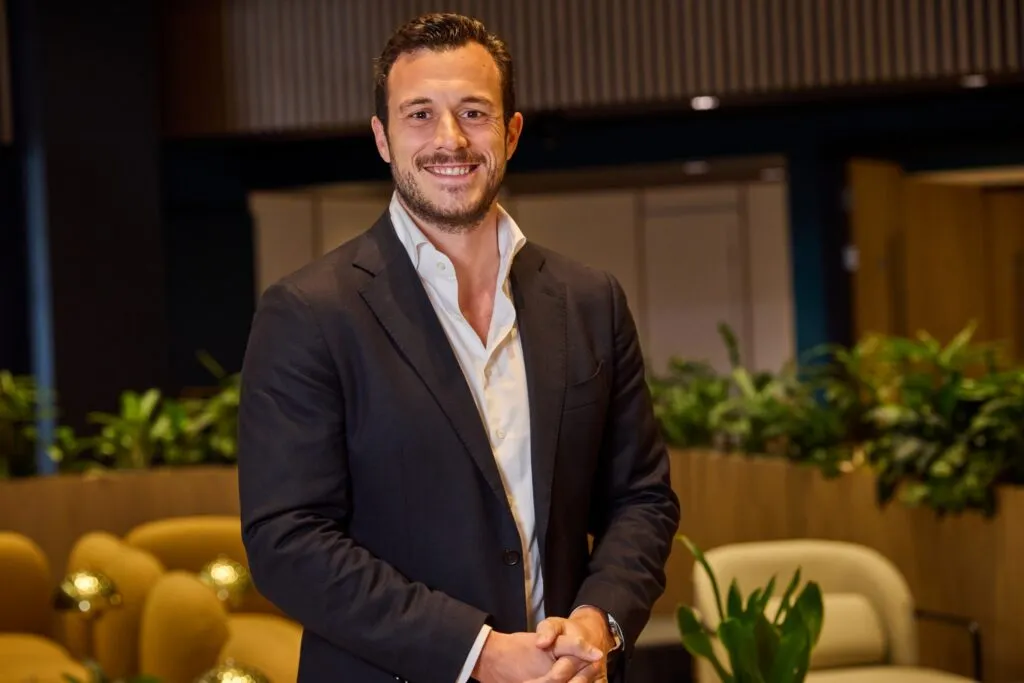
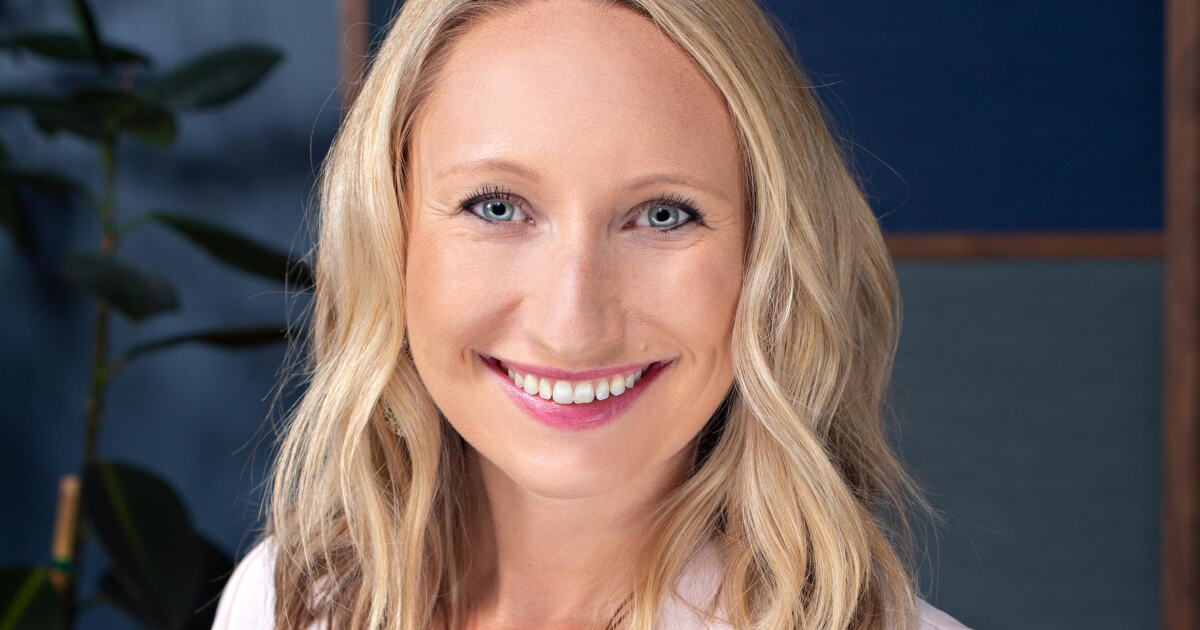
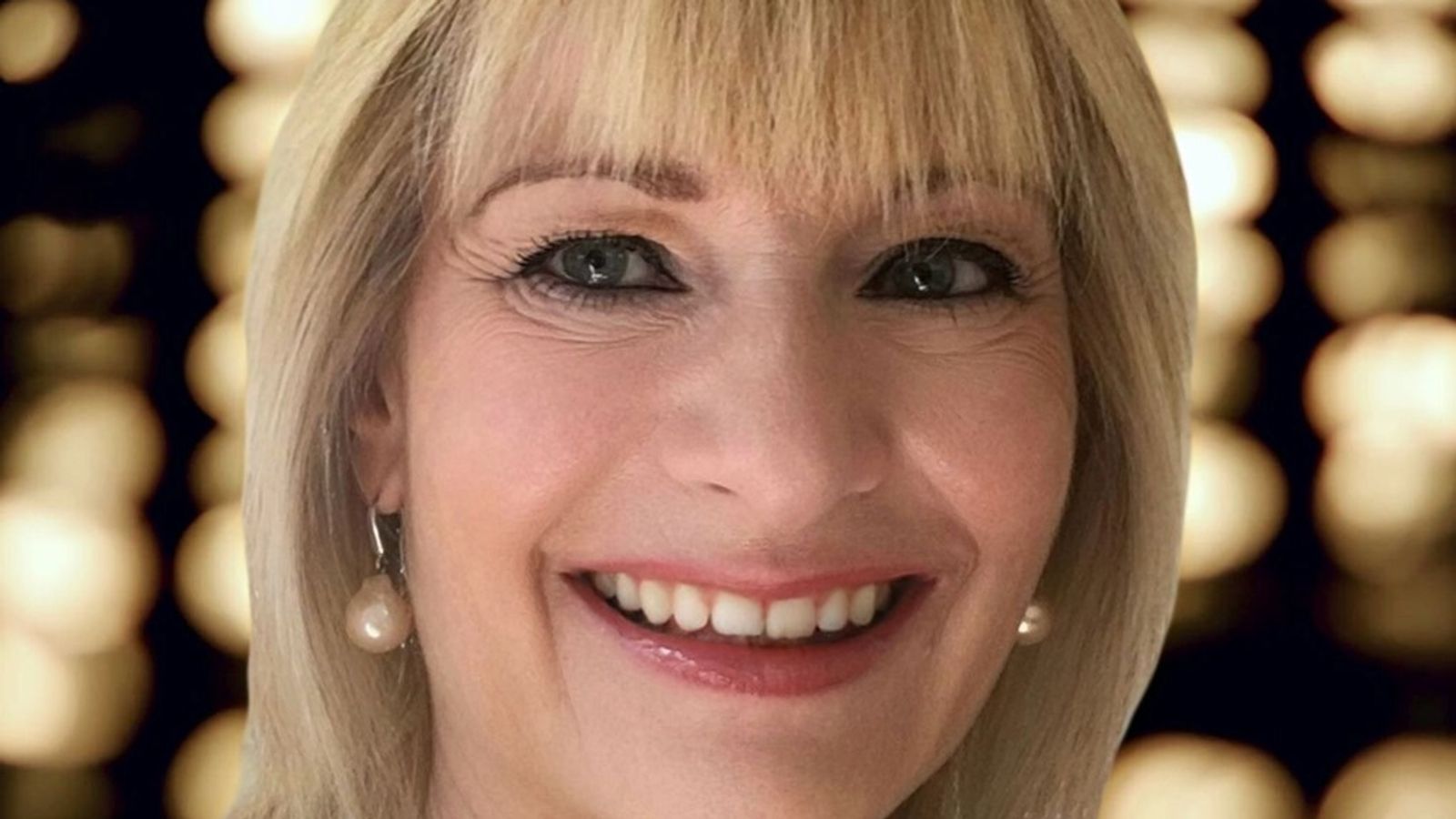
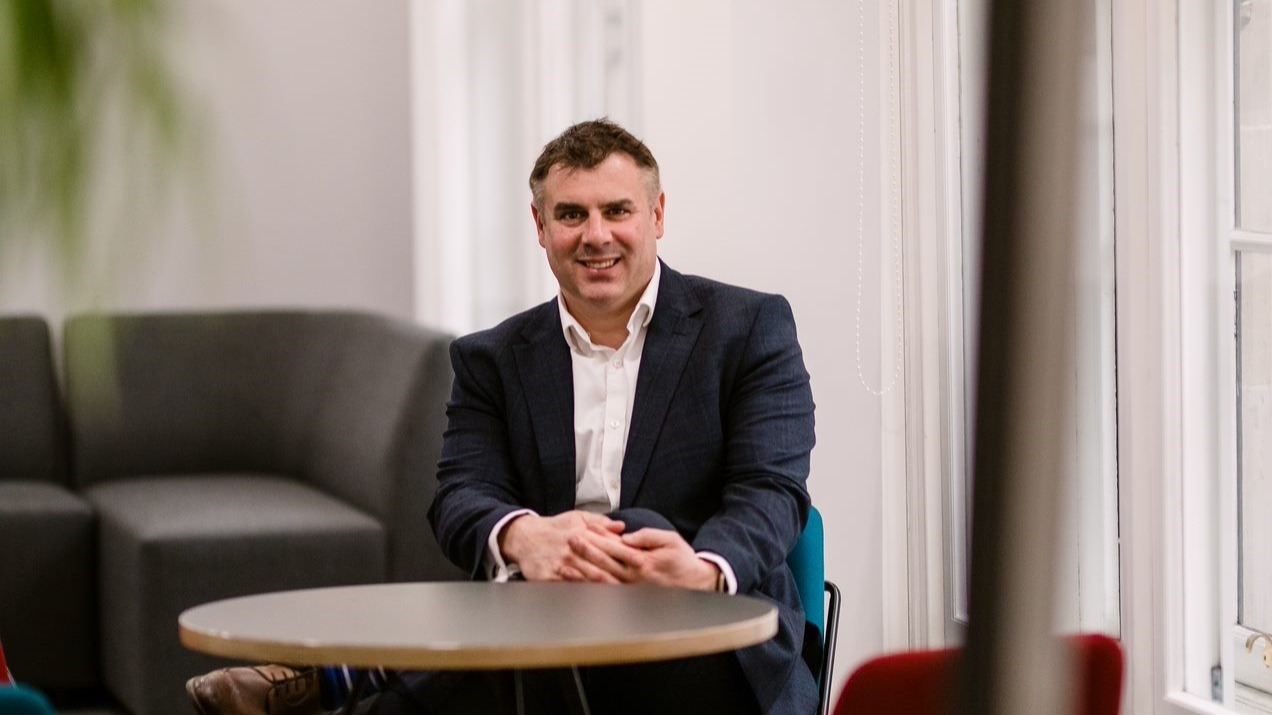
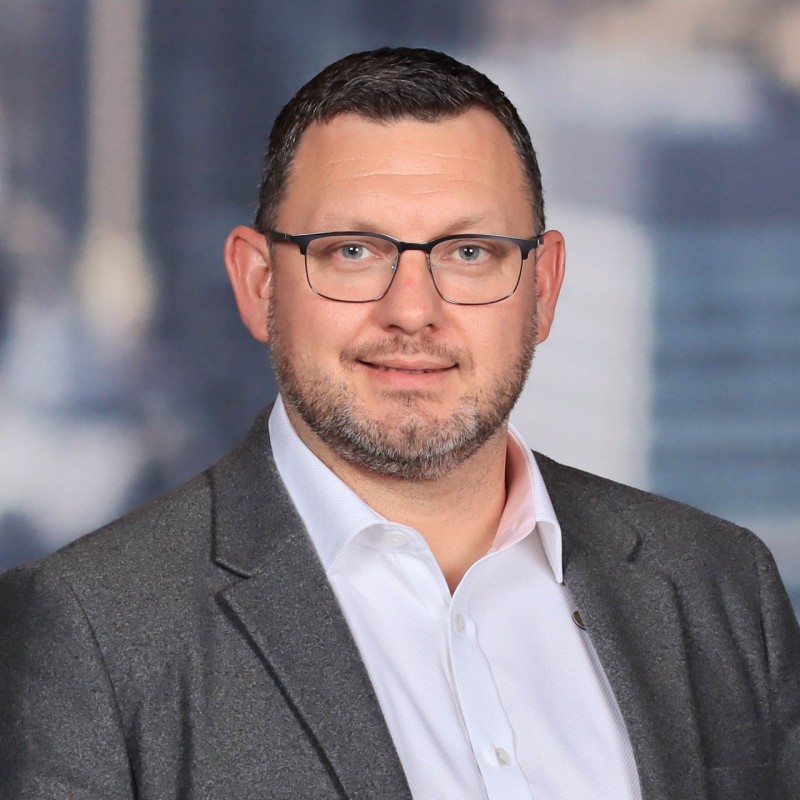
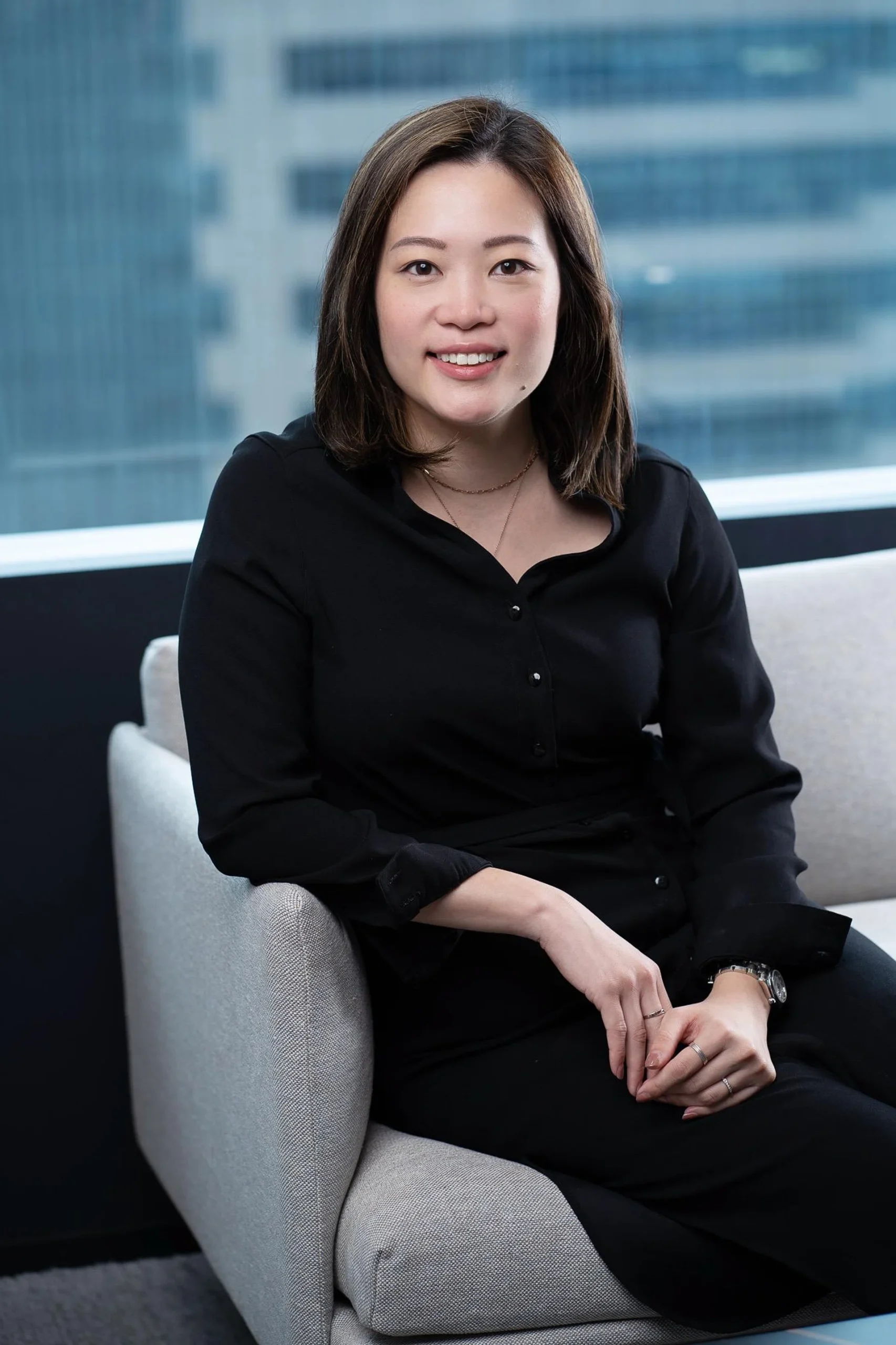
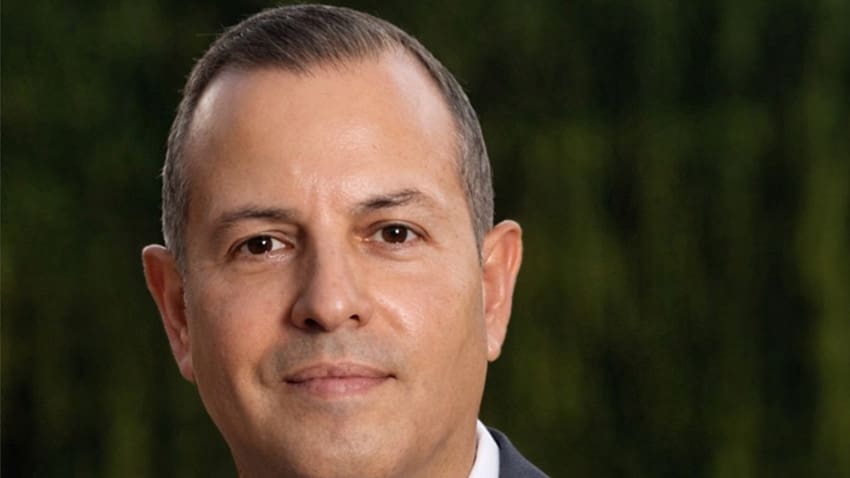
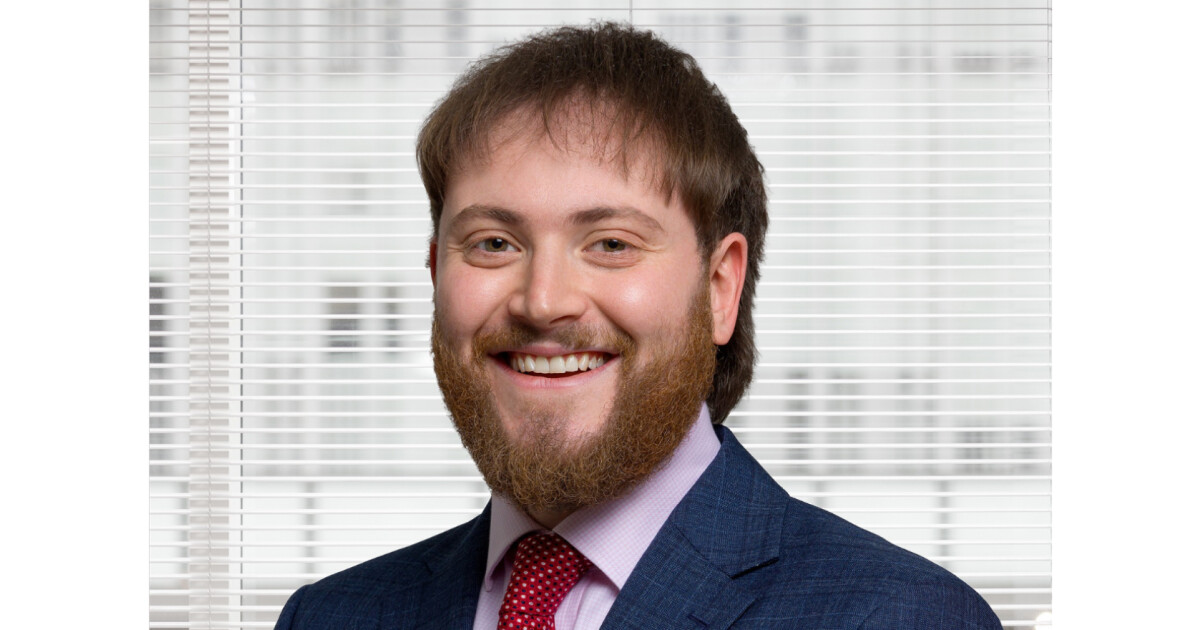
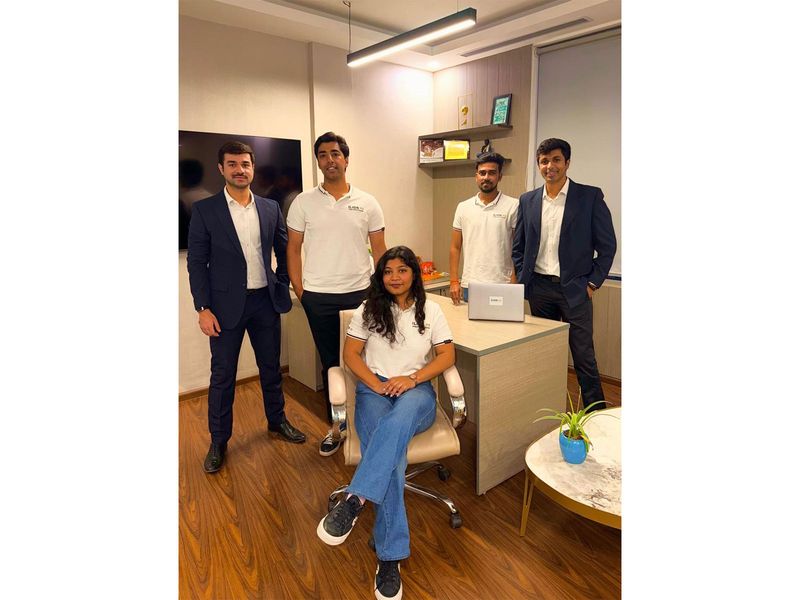
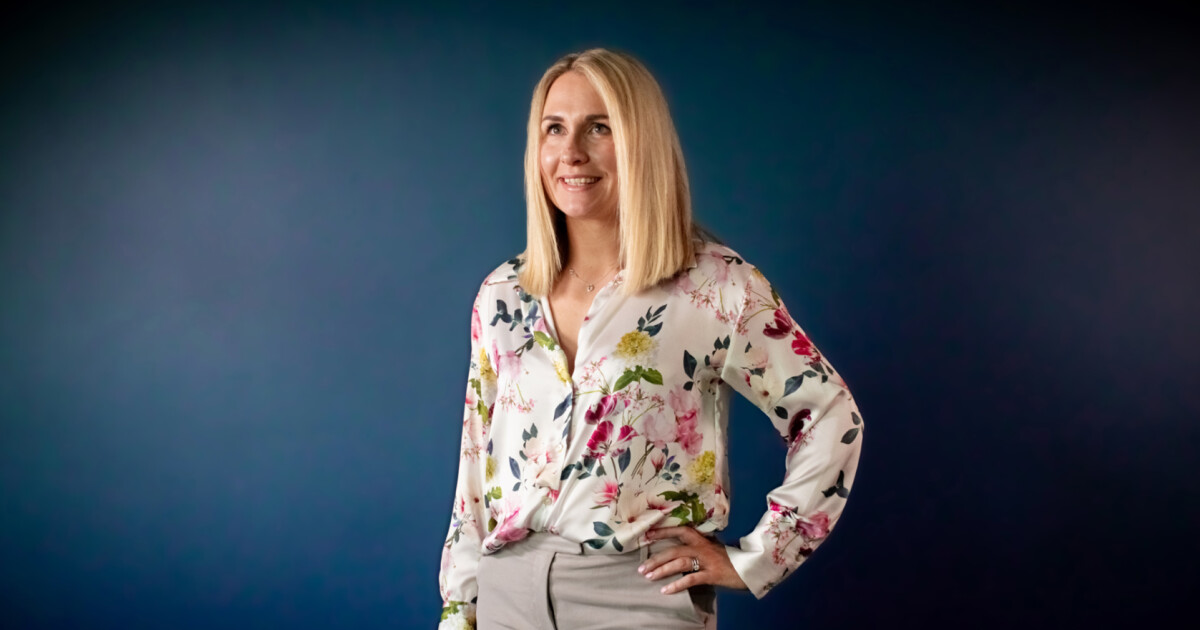
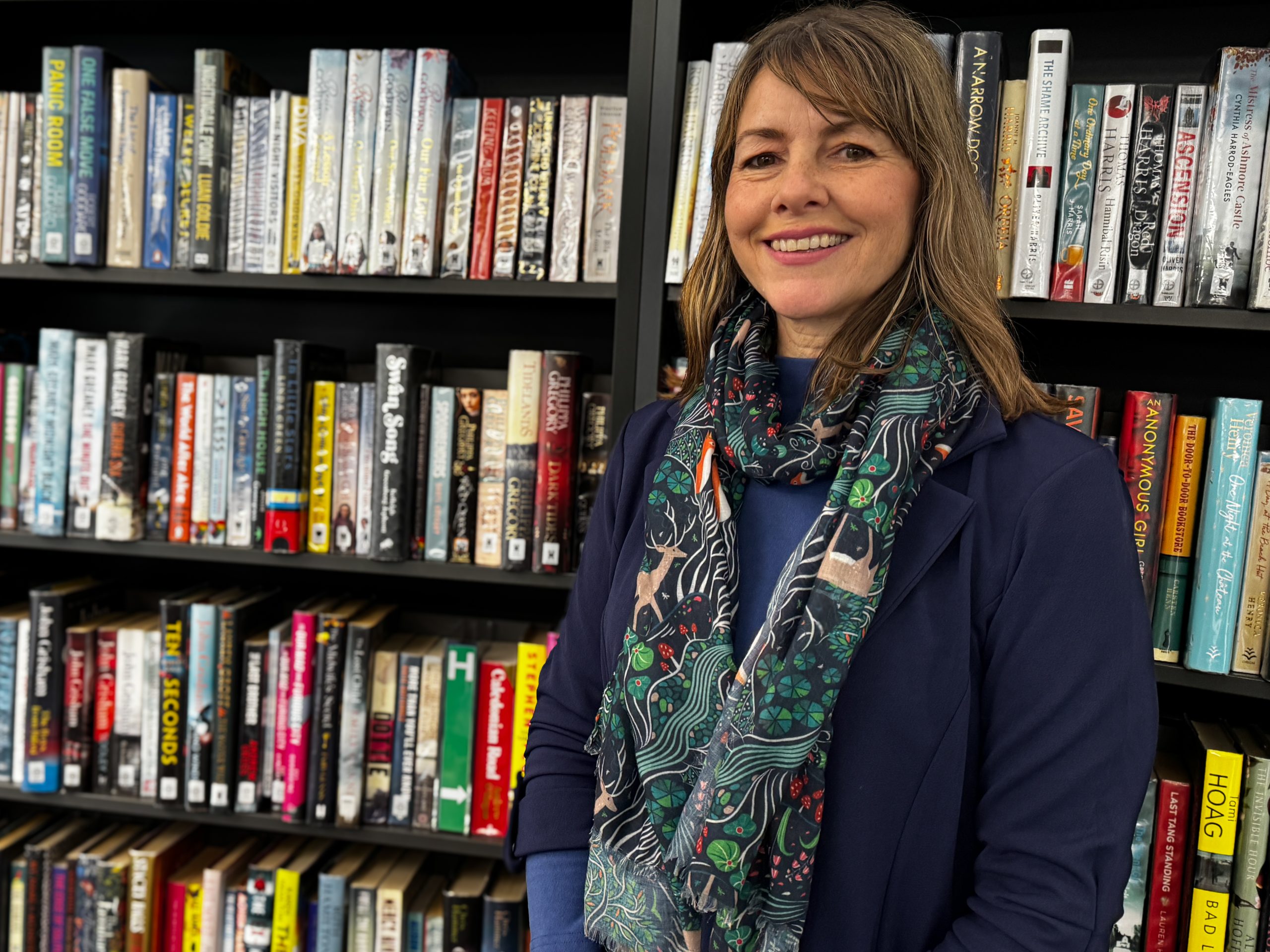
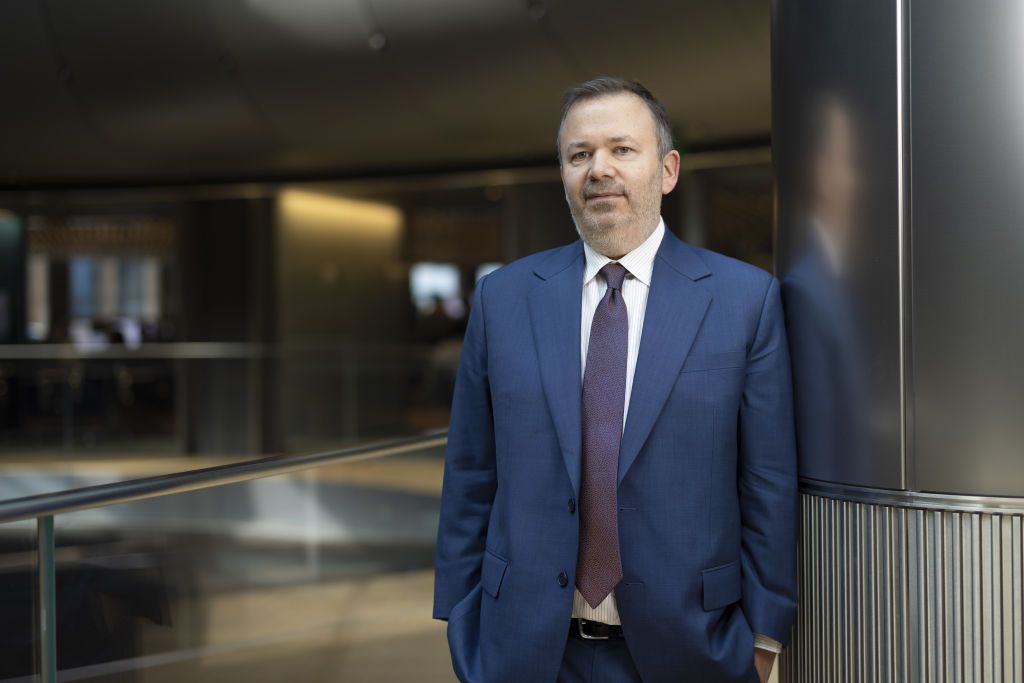
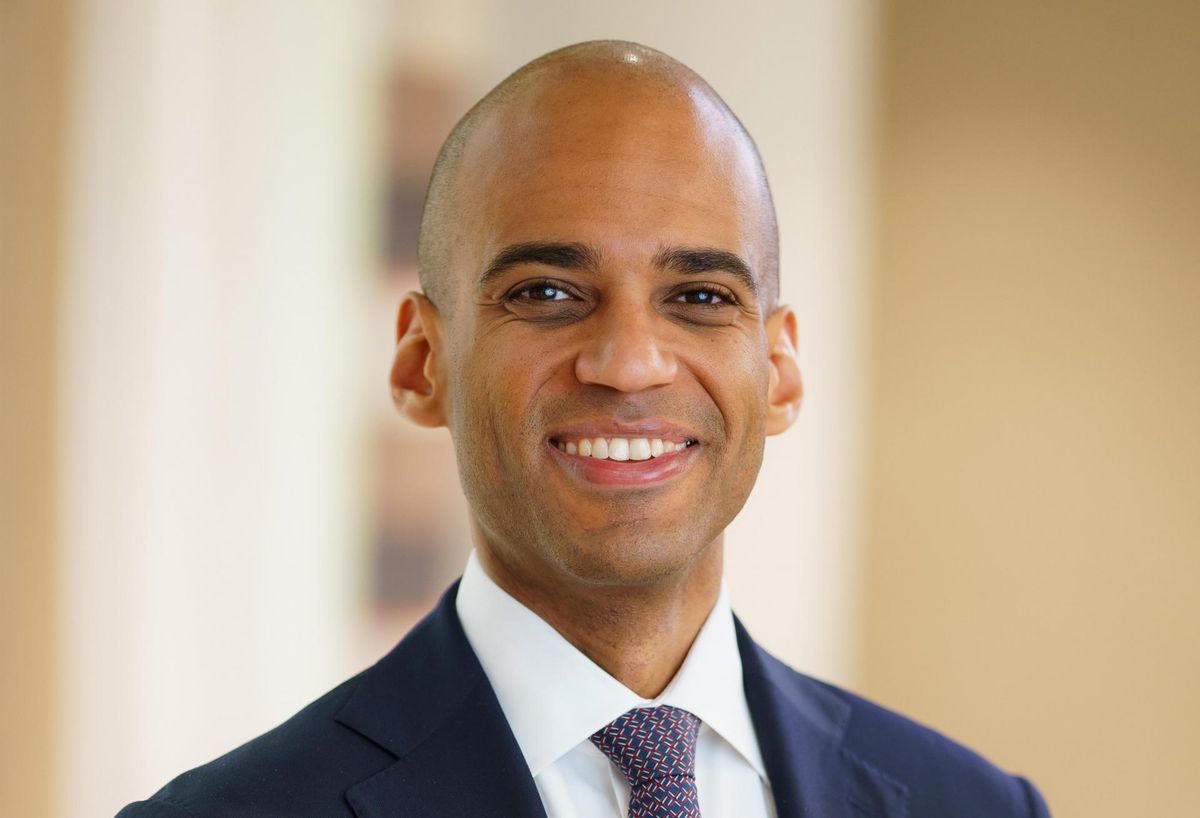
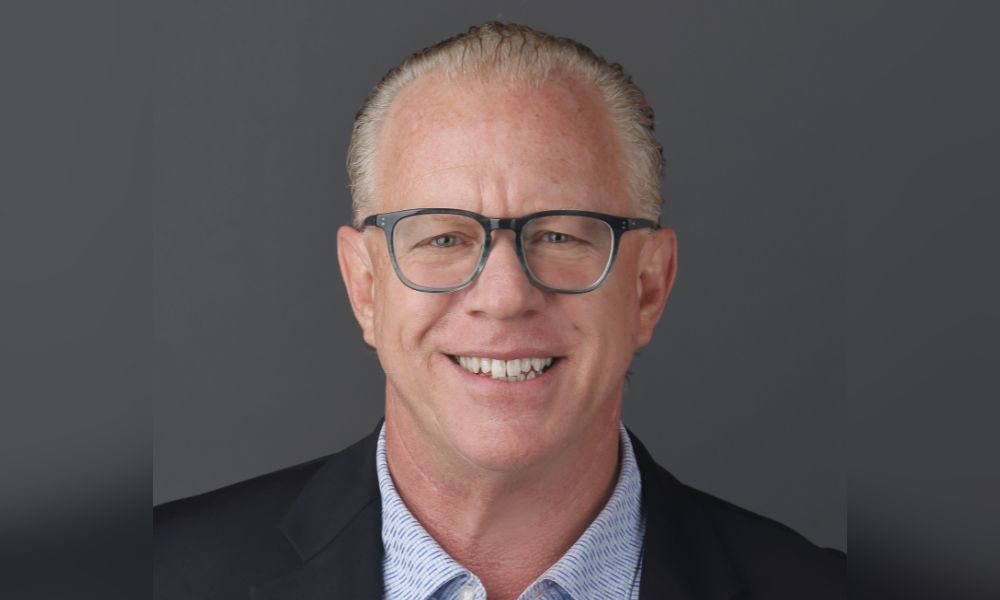
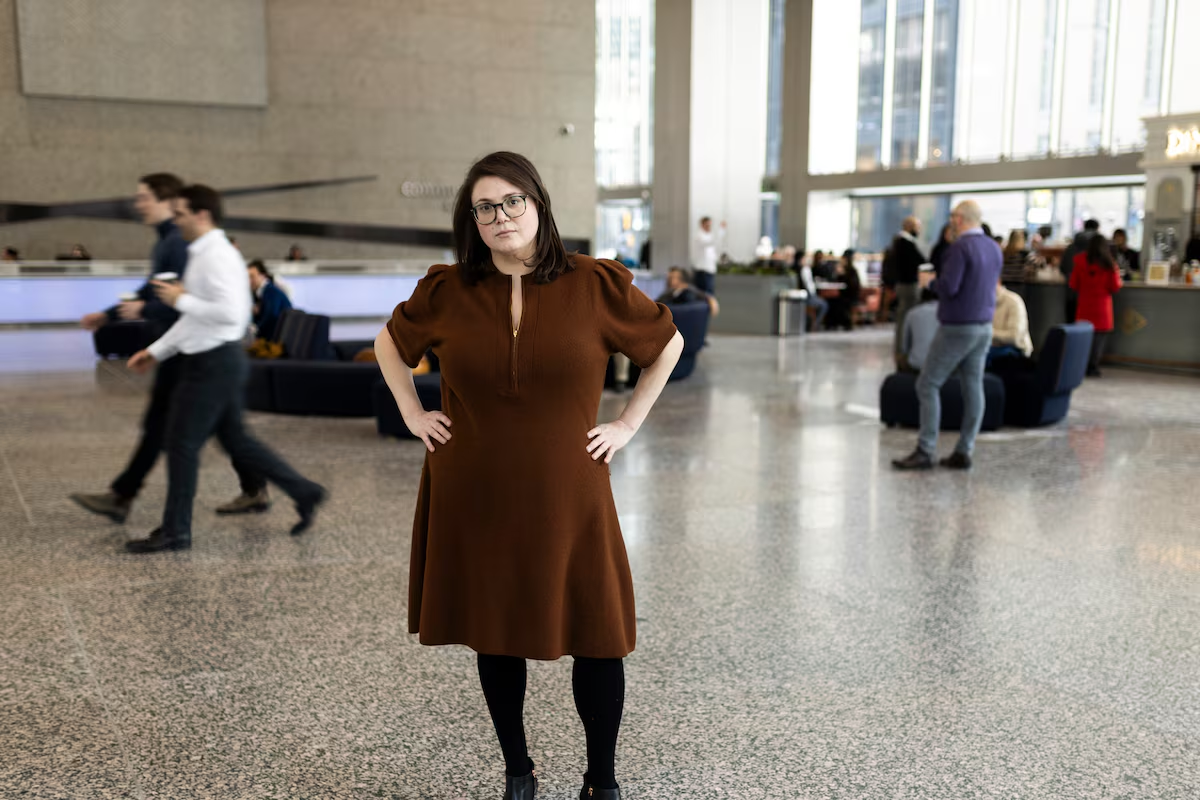
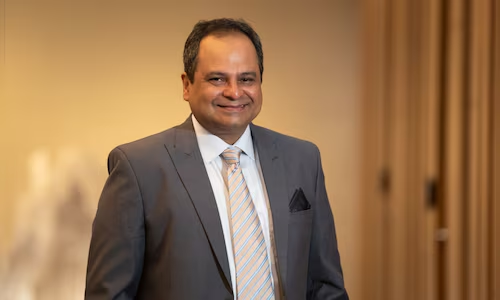
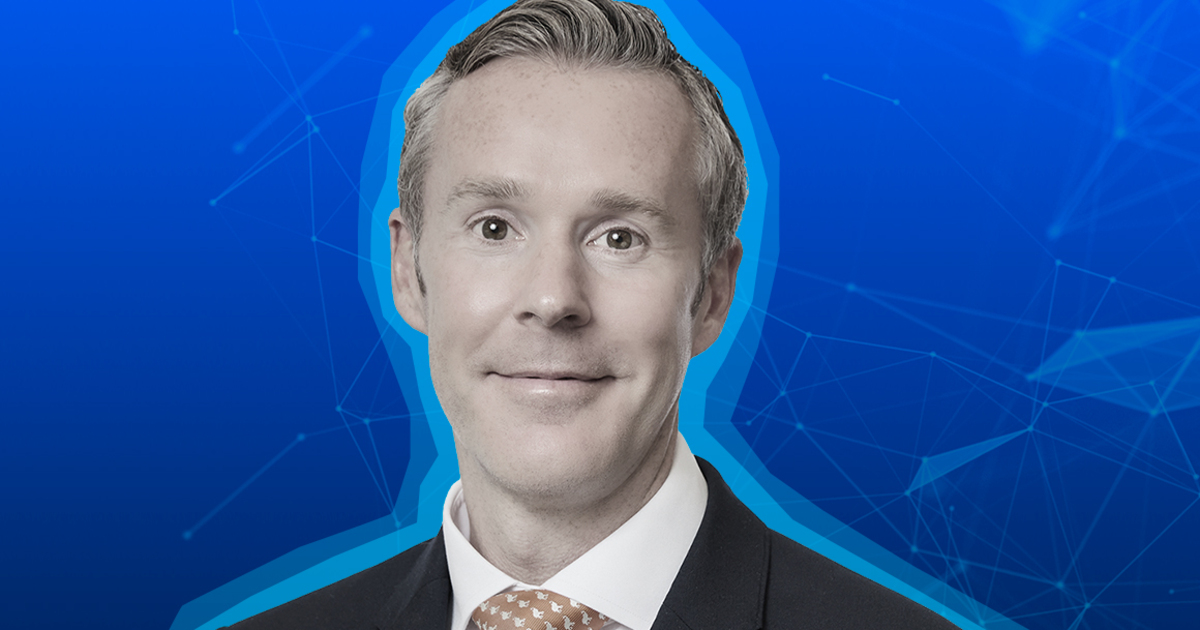
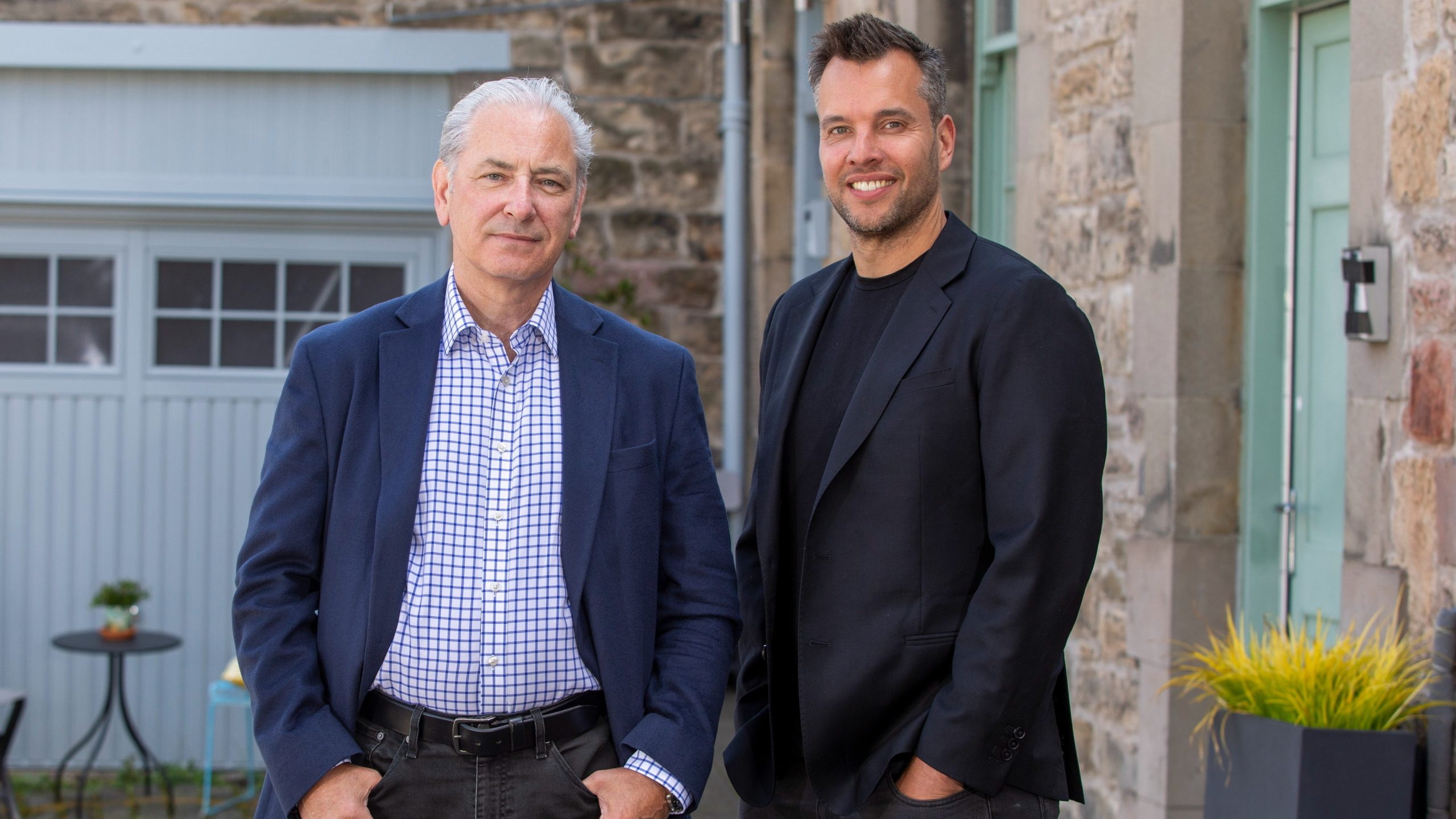
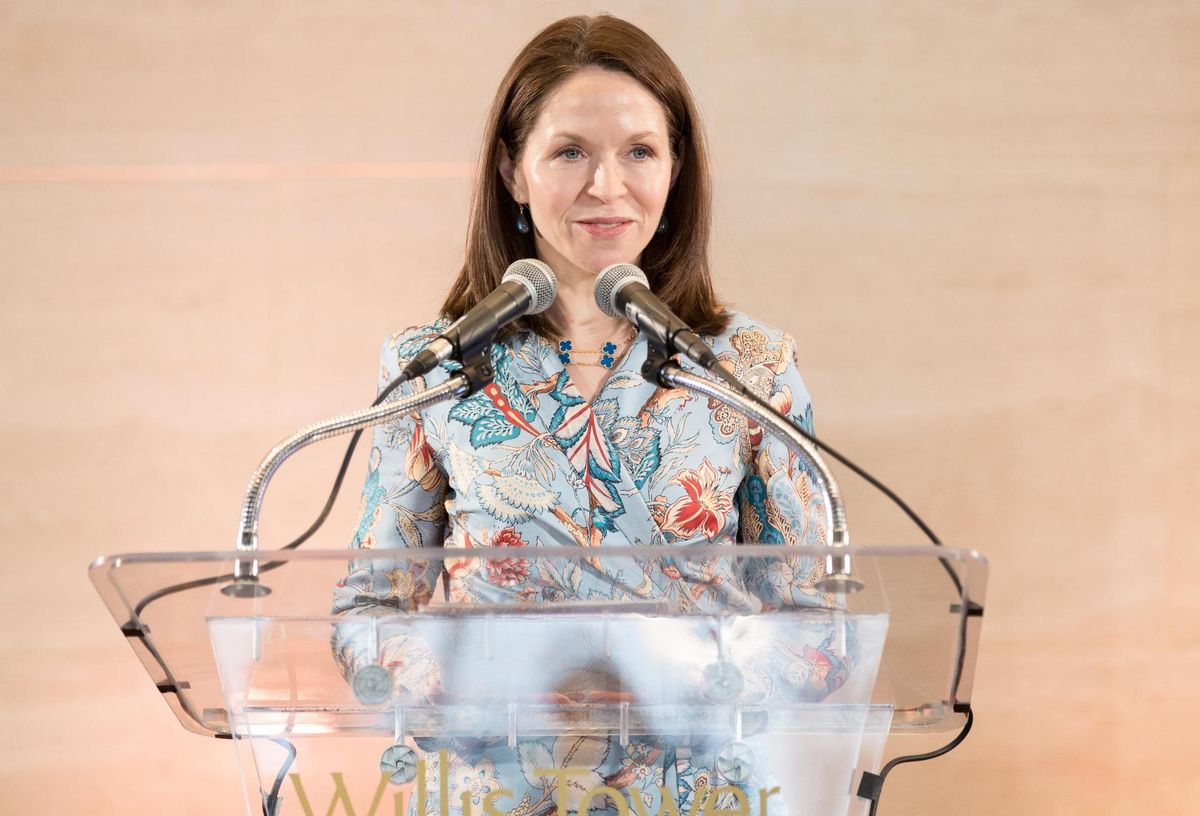
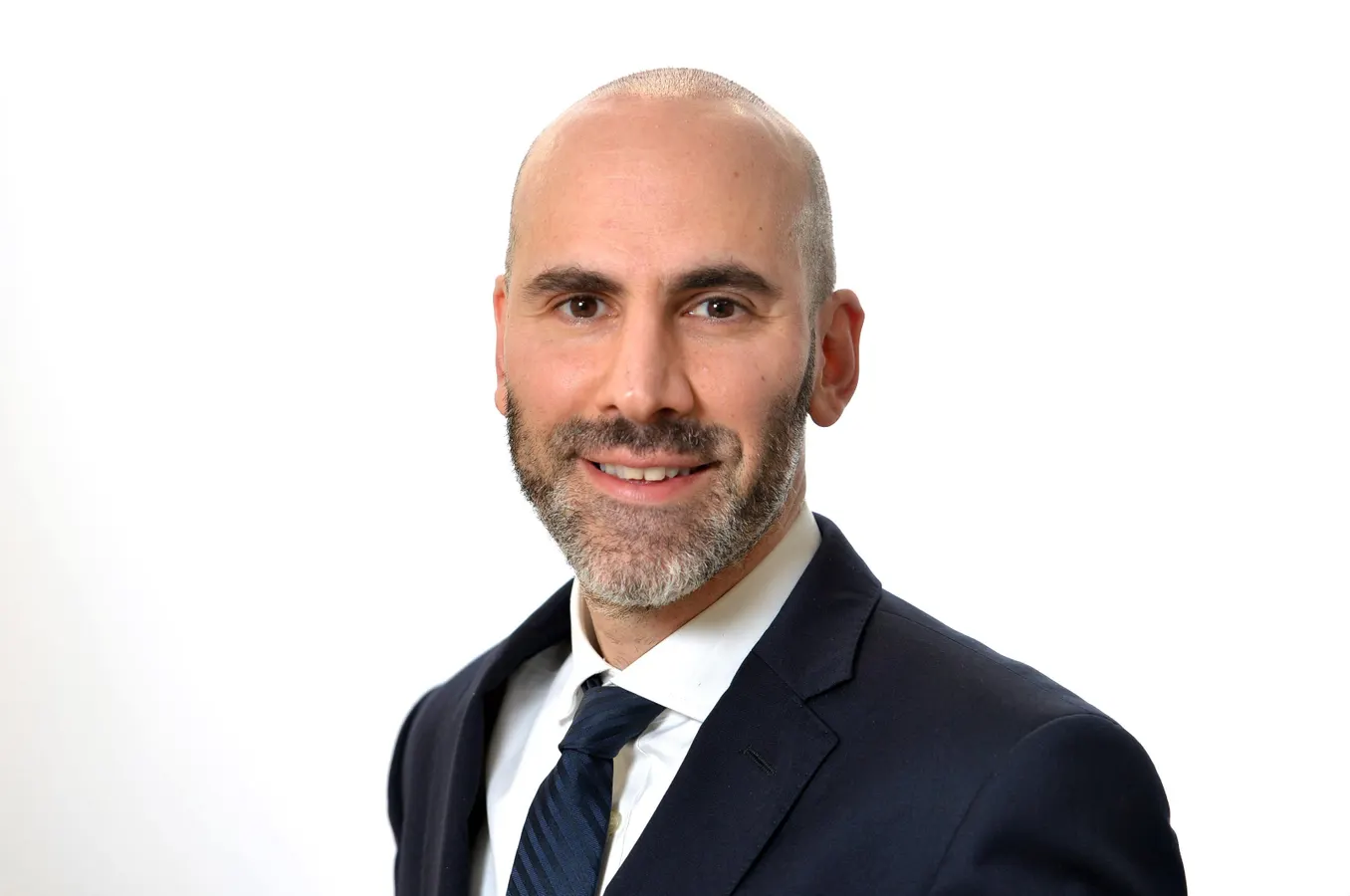
Founded by former Blackstone executive Dana Auslander and backed by auction giant Christie’s, Luxus operates a specialized investment fund focused on highly coveted Hermès Birkin handbags. Rather than purchasing a handbag outright, investors acquire ownership interests in a diversified portfolio managed by the firm.
The model resembles a traditional alternative investment fund. Investor capital is pooled into a structured vehicle that acquires investment-grade handbags meeting strict authentication and quality standards. Luxus focuses on pristine-condition assets with clear provenance, reducing risks associated with counterfeits and quality degradation.
What makes the business particularly innovative is its use of data and market infrastructure. Luxus actively trades inventory across premium resale marketplaces including Sotheby’s, Farfetch, and 1stDibs, seeking to capitalize on pricing inefficiencies and market demand. The company also employs proprietary valuation tools, including a Hermès pricing index, to monitor market movements and identify optimal sale opportunities.
The result is a system that transforms what was traditionally a collector’s passion into a professionally managed financial asset. “Cultural capital used to be described as a passion investment made by niche collectors. We’ve turned these assets starting with Hermès quota bags, into a new alternative asset class,” shared Auslander. “Hermès isn’t a fashion story or a social media trend. It’s the most compelling thesis in esoteric alts right now, and we’ve built our moat around it. Now we will expand to the other luxury verticals.”
Luxury handbags may seem unconventional when compared with stocks and bonds, but they illustrate a growing investor appetite for assets whose performance is not always tied directly to public markets. As investors increasingly seek diversification, platforms like Luxus demonstrate how technology and institutional processes can bring transparency and scalability to previously niche markets.
MyRacehorse: Bringing Thoroughbred Ownership To The Masses
If Luxus turns handbags into investments, MyRacehorse does something even more ambitious: it allows everyday investors to own shares of elite racehorses.
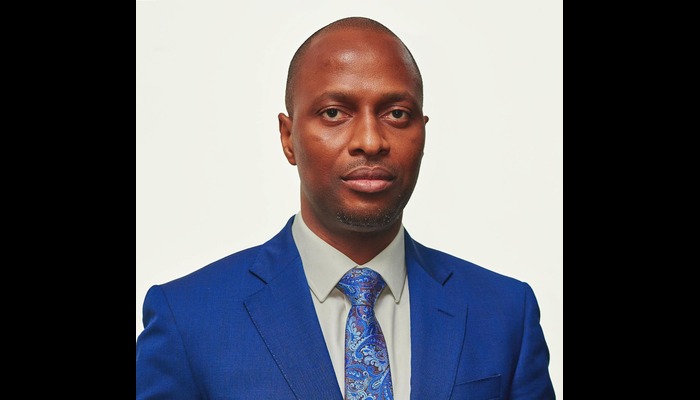
Historically, thoroughbred ownership has been one of the most exclusive activities in sports. Purchasing a racehorse often required hundreds of thousands or even millions of dollars, along with ongoing training, veterinary, and management expenses. Founded by former chief marketing officer of Casper Sleep, Michael Behrens, MyRacehorse reimagined that model through fractional ownership.
The company creates a separate legal entity for each horse and offers ownership interests to investors through SEC-qualified offerings. Individuals can purchase micro-shares, often for less than $100, giving them exposure to some of the sport’s most promising horses.
The innovation extends beyond affordability. MyRacehorse structures offerings so that major costs including acquisition, training, veterinary care, insurance, and management are largely built into the initial investment. Investors know their maximum exposure upfront and are generally protected from ongoing capital calls.
The company has also demonstrated that fractional ownership can compete at the highest levels of the sport. In 2024, MyRacehorse’s Seize the Grey delivered a historic victory in the 149th Preakness Stakes, giving thousands of fractional owners a share in one of horse racing’s most prestigious prizes. The platform has since expanded its global success, with owners recently celebrating a victory at Royal Ascot, one of the most important meetings in international racing. These wins highlight how technology-enabled ownership models are allowing everyday investors to participate in experiences and achievements that were once reserved for a handful of wealthy racing insiders.
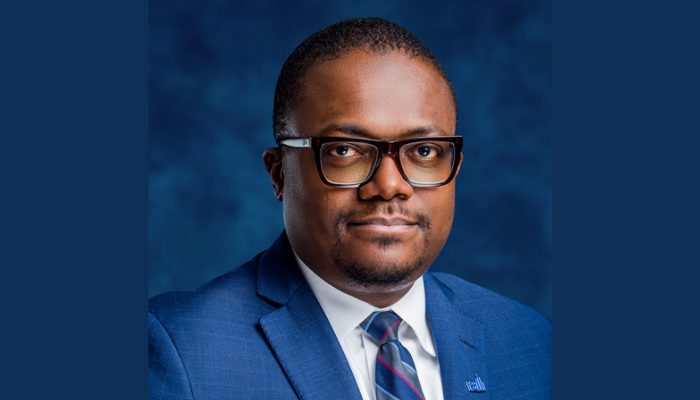
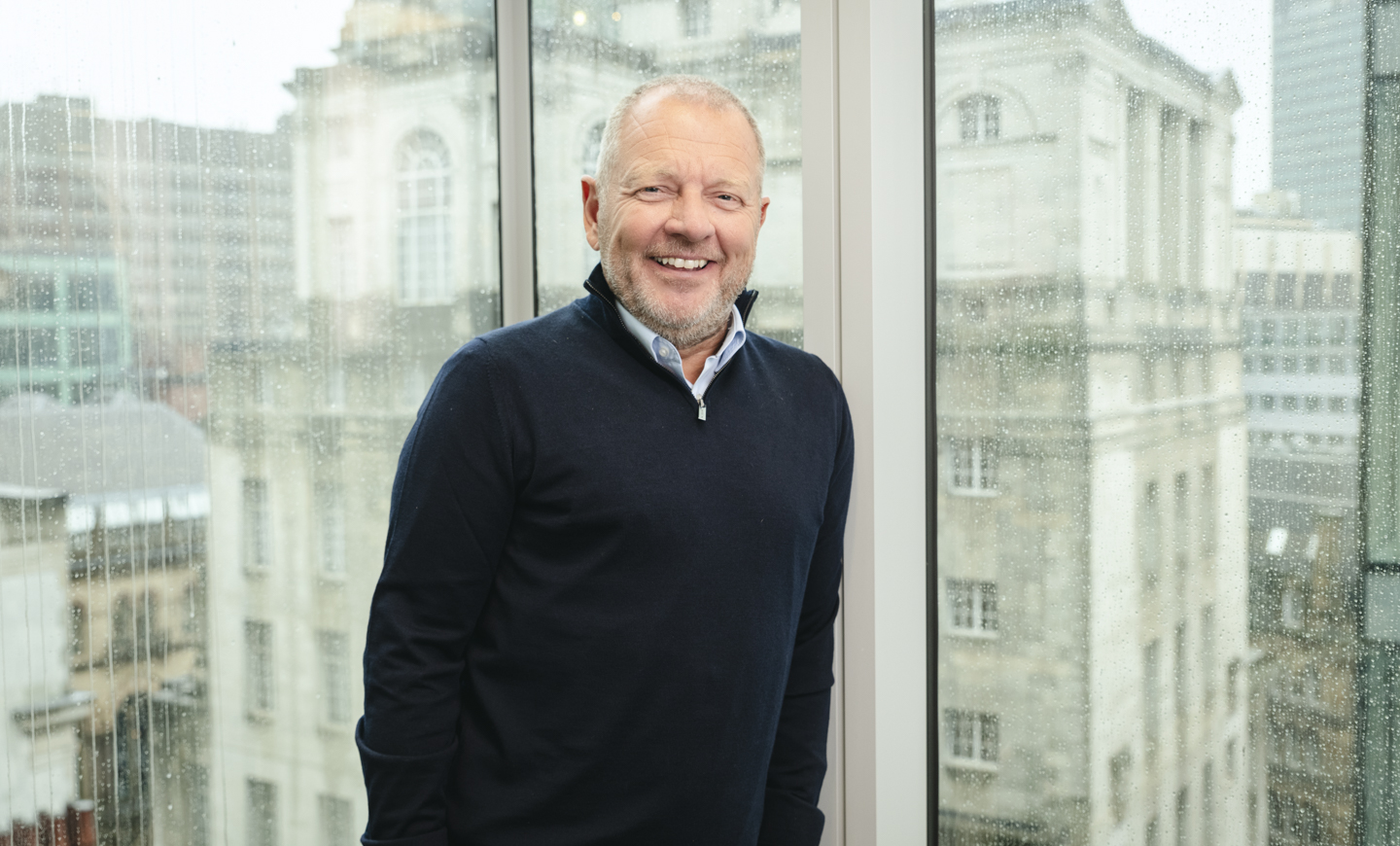
Financial returns are generated through prize earnings, breeding rights, stud fees, and eventual sales. Yet the platform offers something many traditional investments cannot: emotional engagement. “We have had nearly 100,000 people share in the success of owning a racehorse, including having the opportunity to win races at the highest level in the world,” said Behrens.
Owners receive updates, behind-the-scenes access, and opportunities to attend races and participate in exclusive experiences. The result is an investment that combines finance with entertainment, community, and personal passion.
In many ways, MyRacehorse exemplifies how modern investors increasingly seek more than returns alone. They want participation, experiences, and a sense of connection to the assets they own.
BALTIMORE, MARYLAND – MAY 18: Seize the Grey’s ownership team celebrates during the Preakness 149 hosted by 1/ST at Pimlico Race Course on May 18, 2024 in Baltimore, Maryland. (Photo by Paul Morigi/Getty Images for 1/ST)
Getty Images for 1/ST
Pacaso: Reinventing Second-Home Ownership
While Luxus focuses on collectibles and MyRacehorse on sports assets, Pacaso is transforming one of the world’s largest asset classes: real estate.
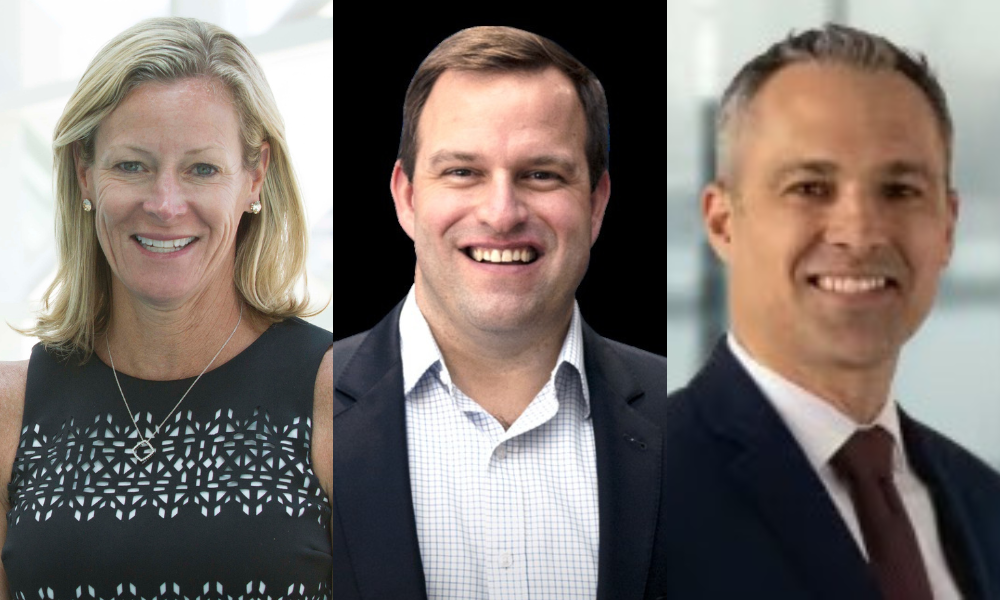
Founded by former Zillow executives, Pacaso addresses a common challenge among affluent buyers. Many people want a luxury vacation home but may only use it for a few weeks each year. Traditional ownership can leave significant capital tied up in underutilized properties.
Pacaso’s solution is fractional ownership with true equity.
The company acquires premium homes in sought-after destinations and places each property into its own legal structure. Buyers purchase ownership interests ranging from one-eighth to one-half of the home, receiving real equity rather than a traditional timeshare-style usage right.
Technology plays a central role in making the model work. Pacaso’s proprietary scheduling platform allocates usage fairly among owners, balancing holiday periods, peak seasons, and personal preferences. Owners can book stays through an app while the company manages furnishing, maintenance, taxes, landscaping, and operations.
Perhaps most importantly, owners retain the ability to participate in potential property appreciation. After a required holding period, shares can be sold through Pacaso’s marketplace, creating liquidity that has historically been difficult to achieve in vacation-home ownership.
The model effectively separates the benefits of ownership from many of its traditional burdens.
Birkin Bag by Hermes
Luxus
The Democratization Of Alternative Assets
What connects Luxus, MyRacehorse, and Pacaso is not simply the assets they offer. It is the broader movement they represent.
Technology is making it possible to fractionalize ownership, simplify legal structures, improve transparency, and reduce friction across asset classes that were once inaccessible to most investors.
These platforms are still primarily utilized by high-net-worth individuals and affluent consumers. Yet they illustrate a larger trend toward democratized access. The same technological infrastructure that allows investors to own a portion of a racehorse, a luxury handbag portfolio, or a vacation property could eventually reshape countless other asset categories.
More importantly, these businesses reflect changing investor preferences. Today’s investors increasingly seek opportunities that align with their interests, passions, and lifestyles. They are looking beyond traditional portfolios and exploring assets that offer unique experiences alongside potential financial returns.
The future of investing may not be defined solely by stocks, bonds, and mutual funds. It may include fractional ownership of collectibles, sports assets, luxury goods, and real estate, all managed through digital platforms that make participation easier than ever before.
As finance continues to evolve, companies like Luxus, MyRacehorse, and Pacaso offer a glimpse into a world where ownership becomes more flexible, investing becomes more experiential, and access to alternative assets becomes increasingly available to a broader audience.
That transformation may ultimately prove to be one of the most significant financial innovations of the decade.