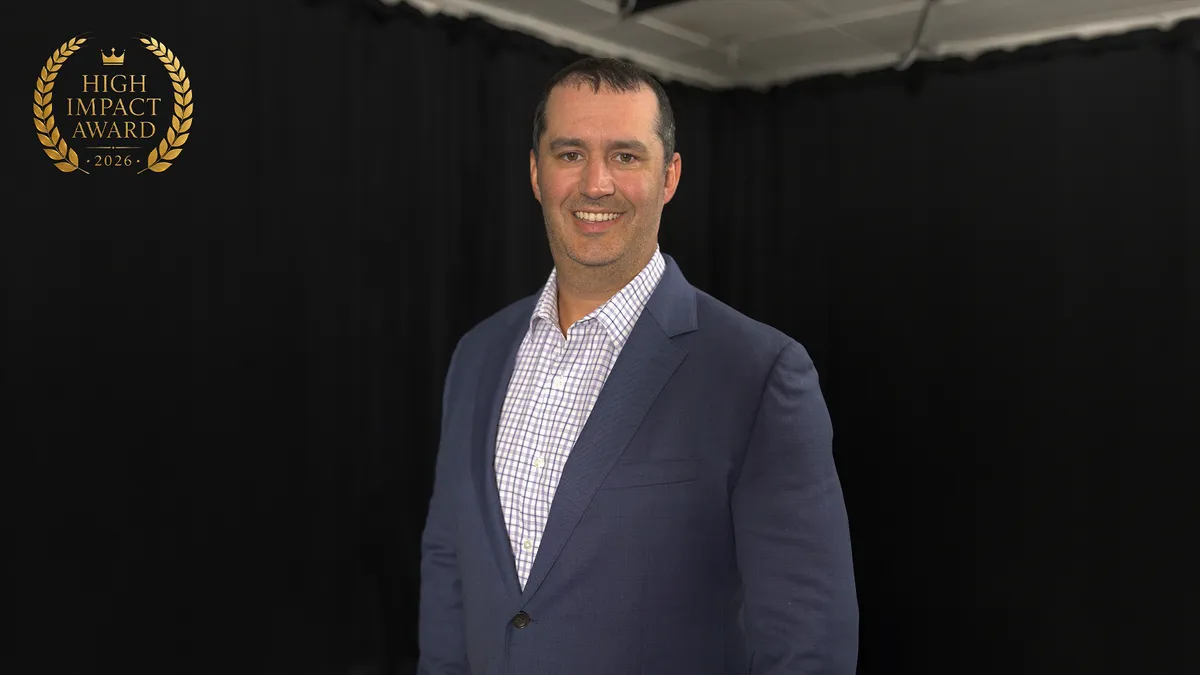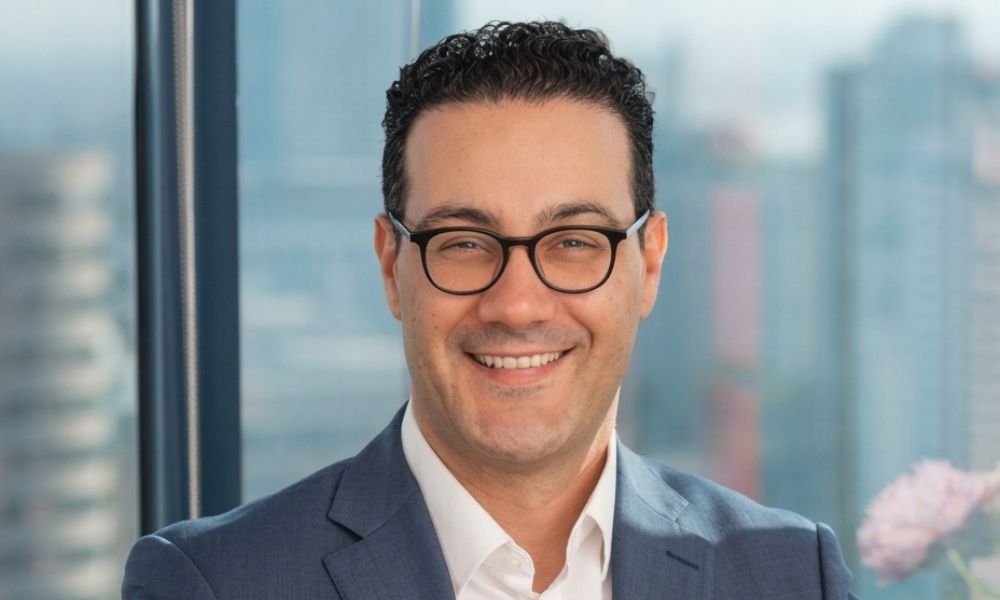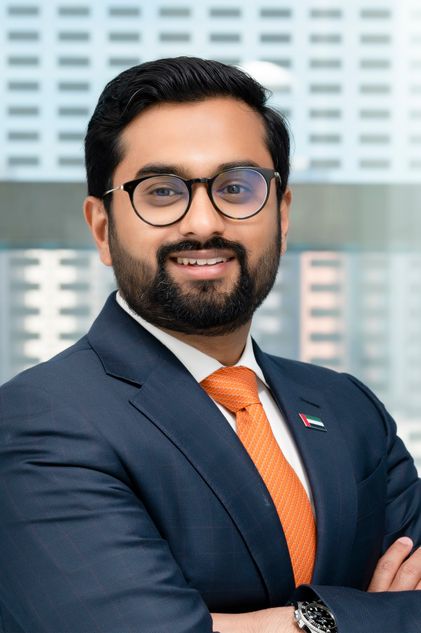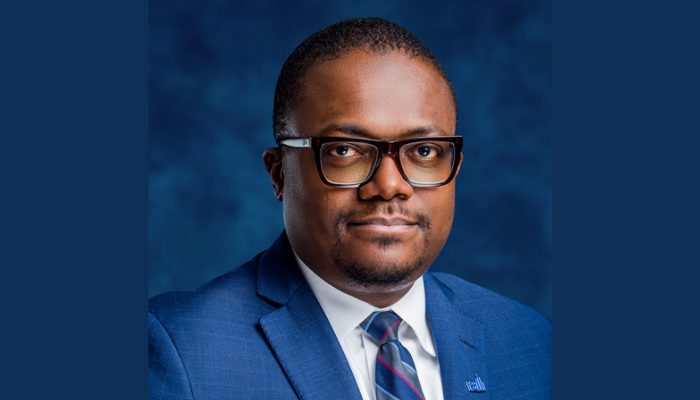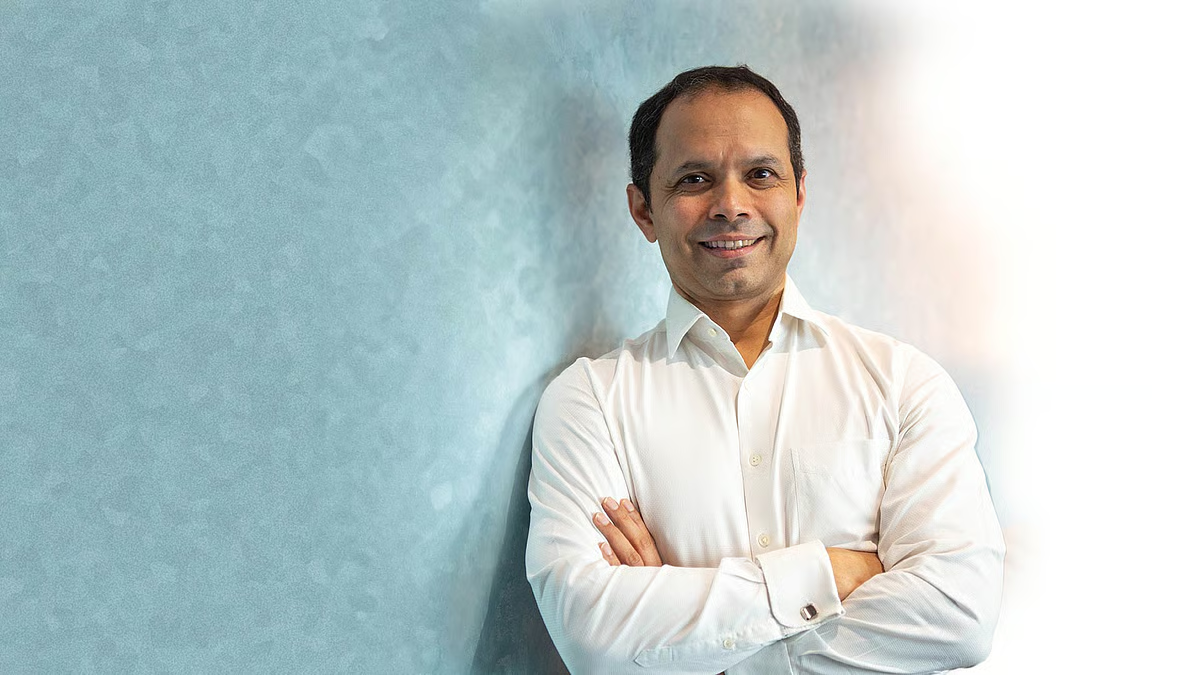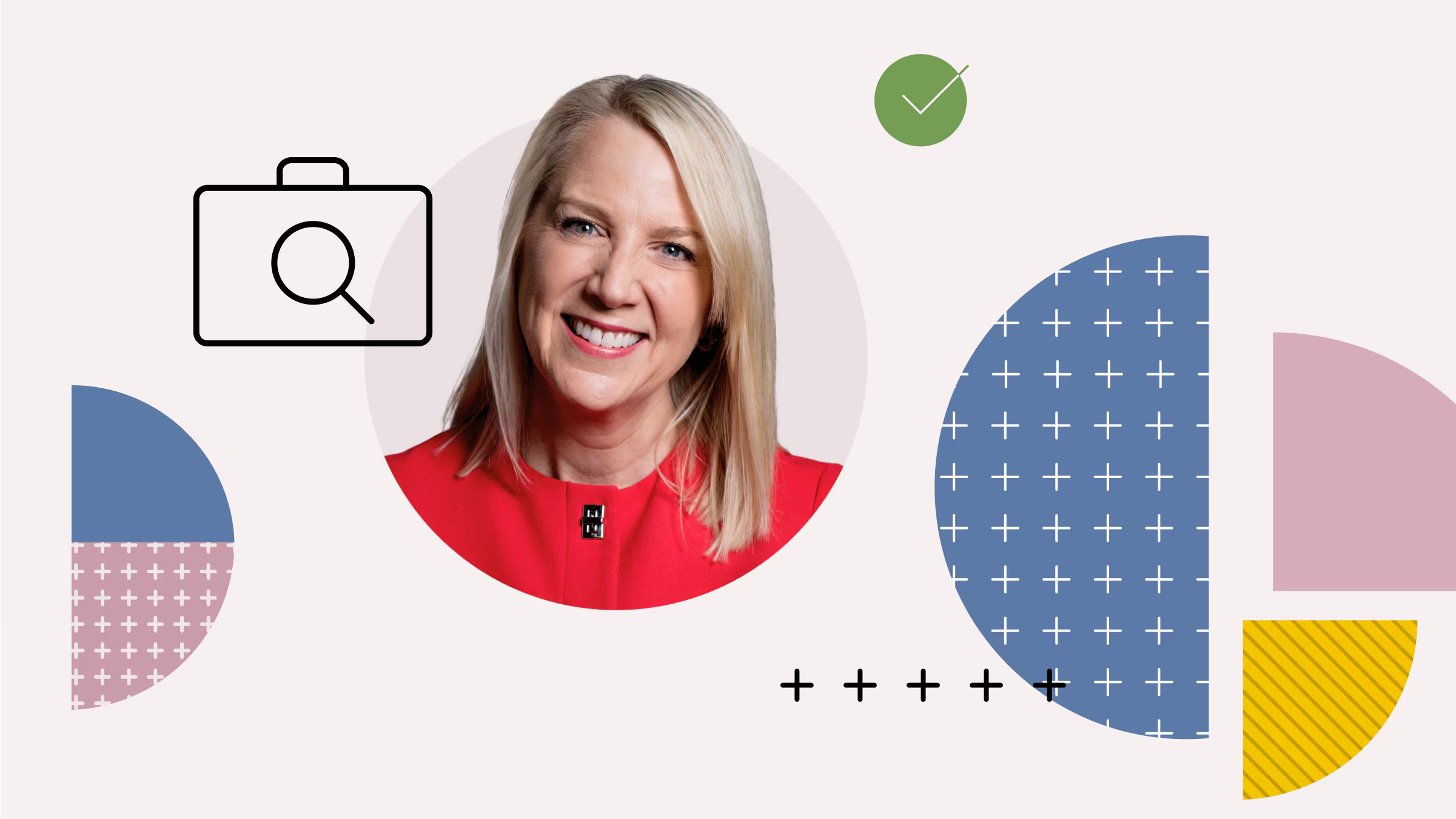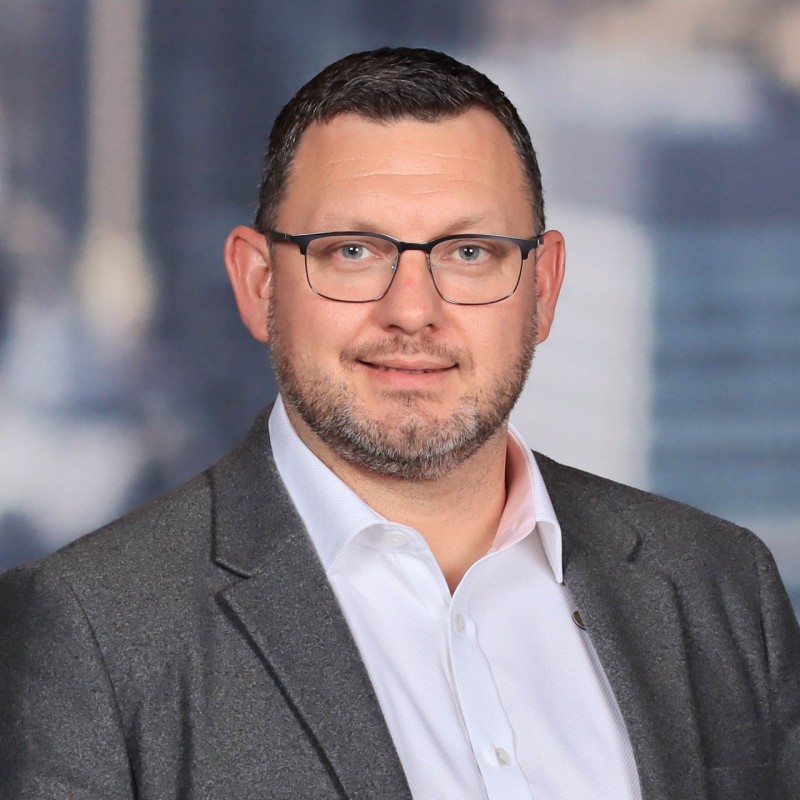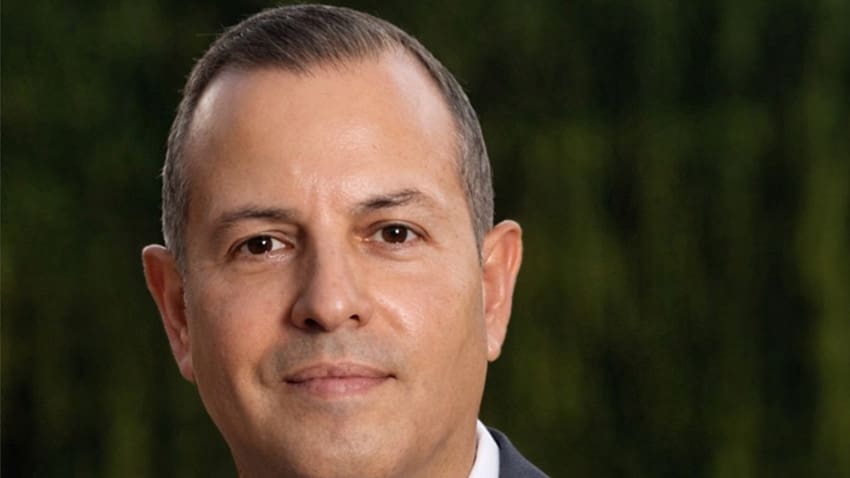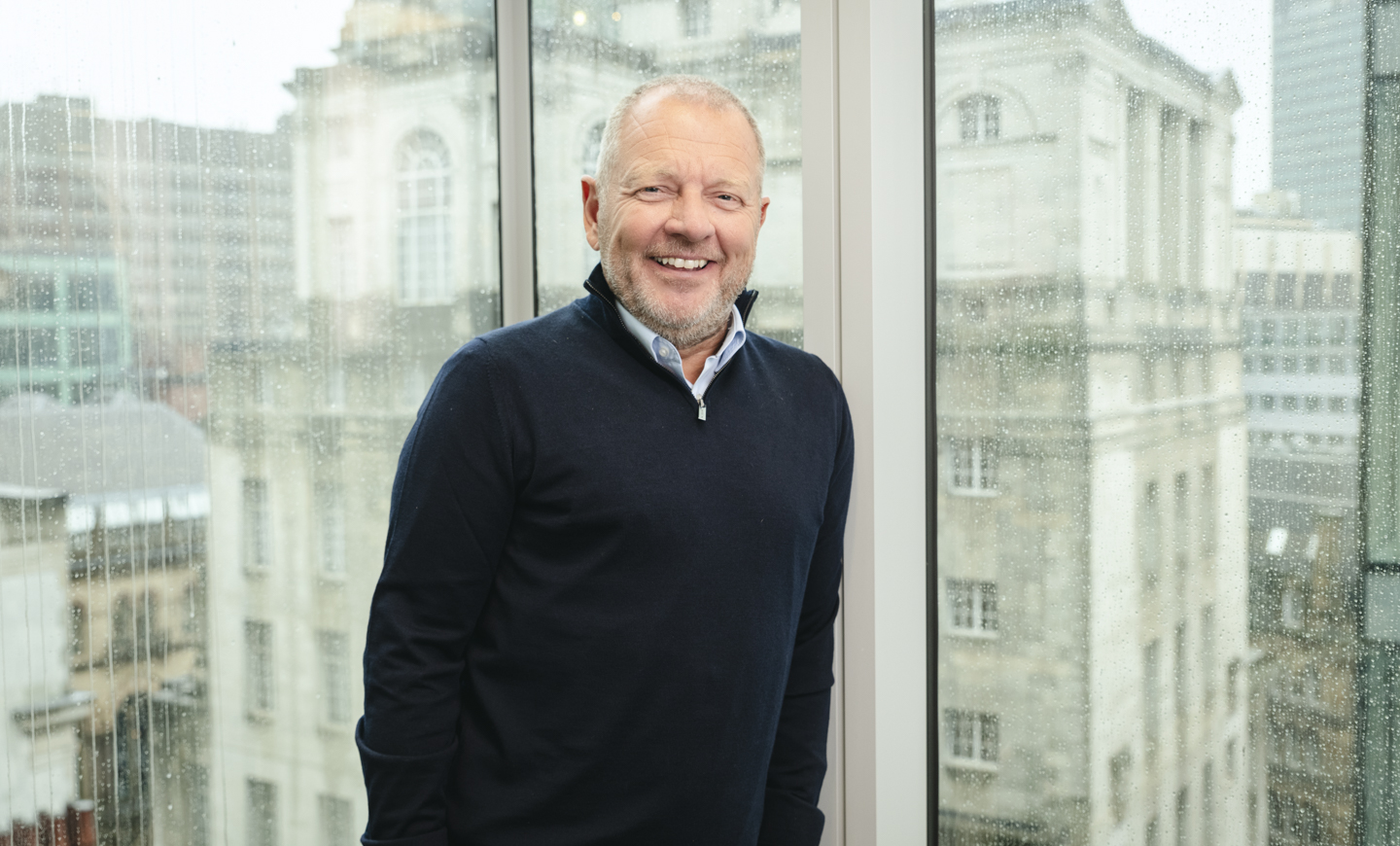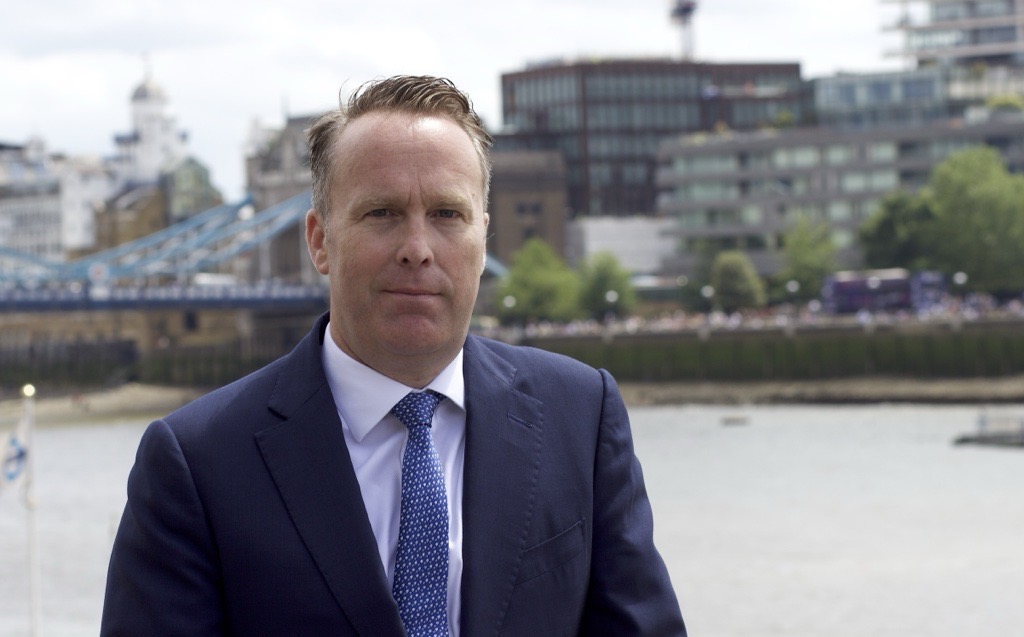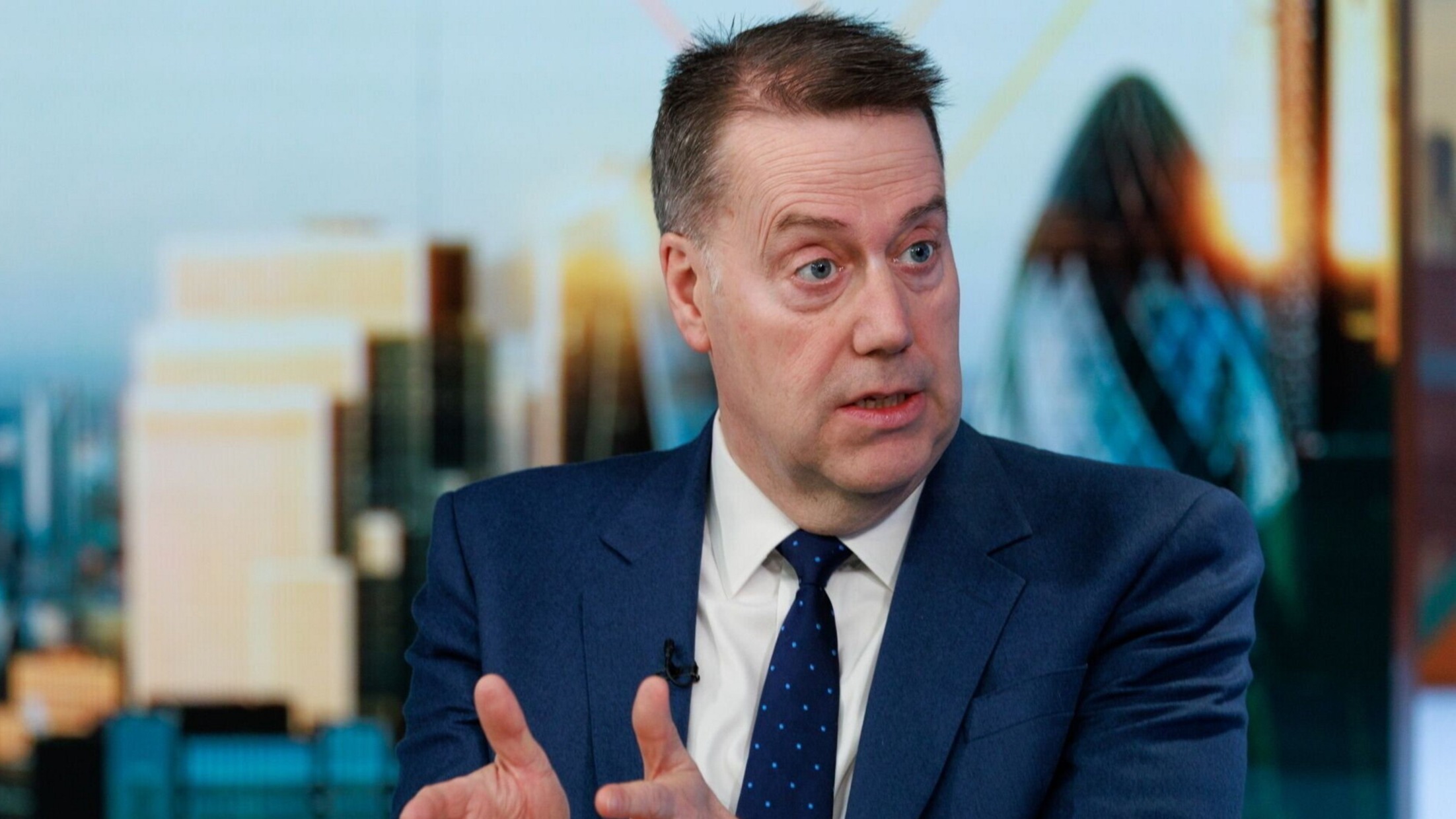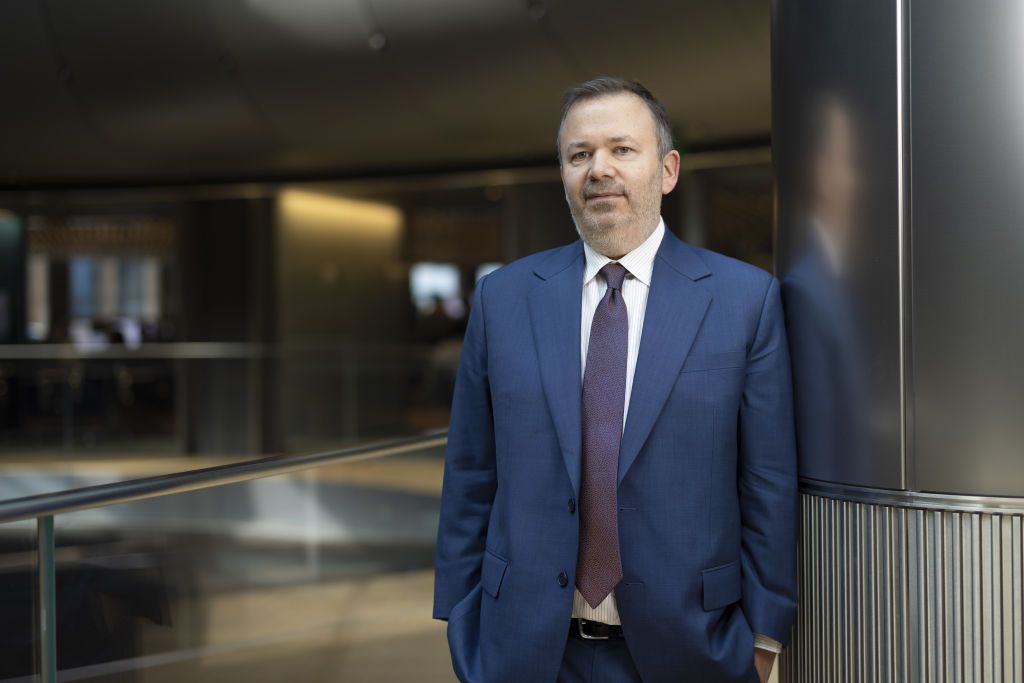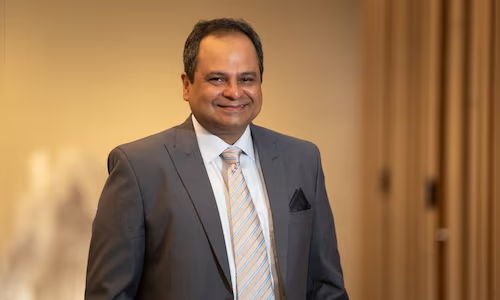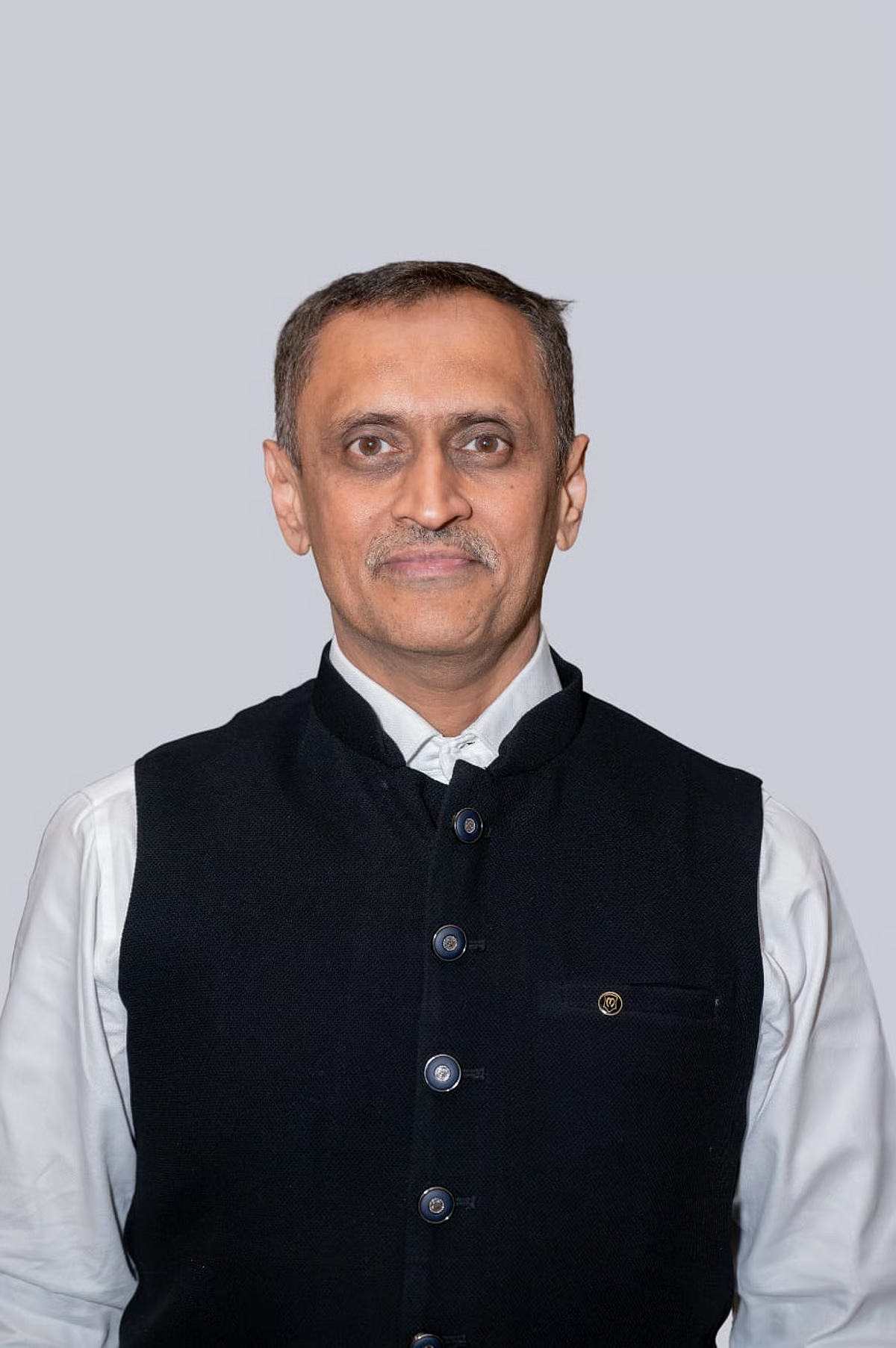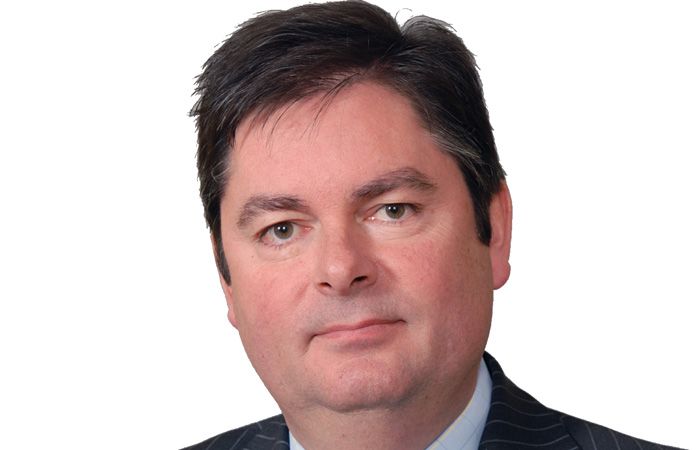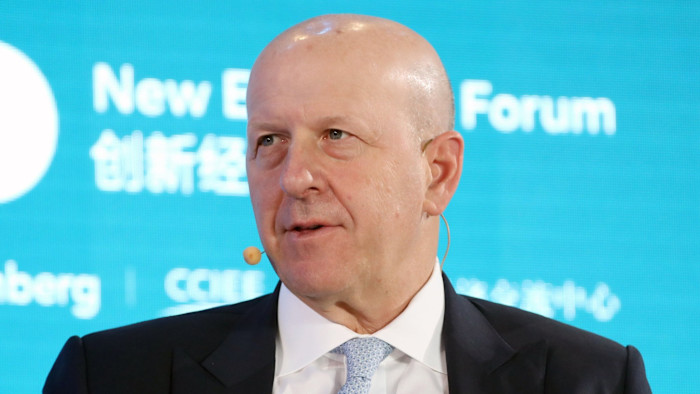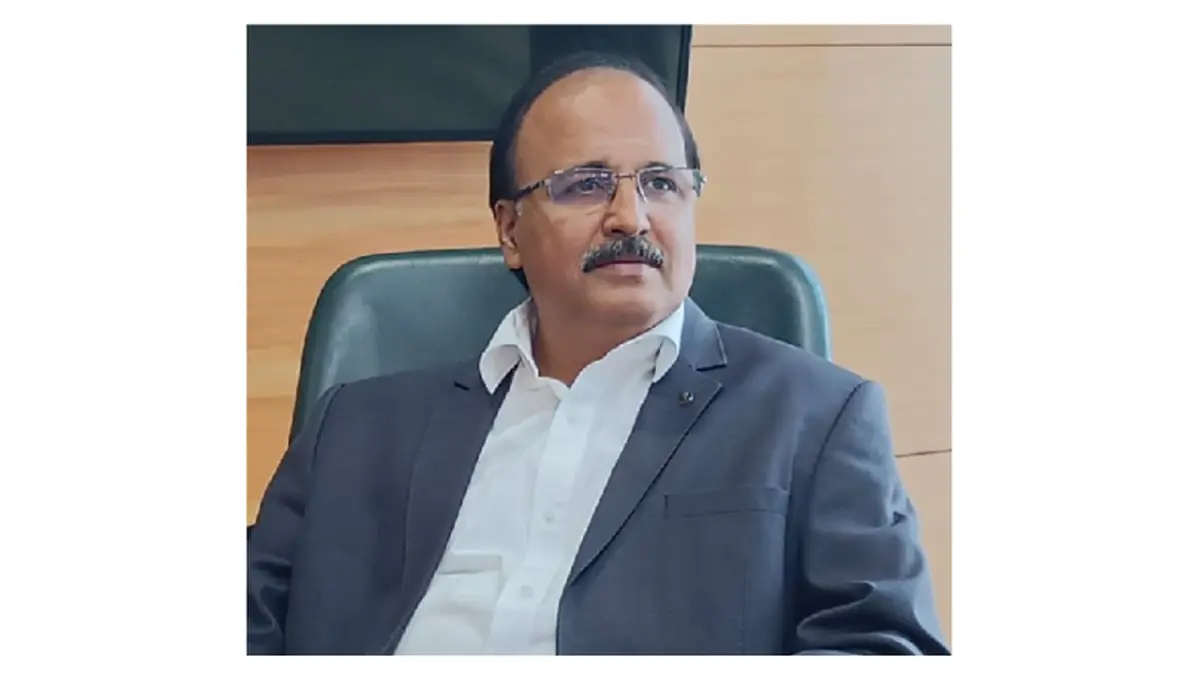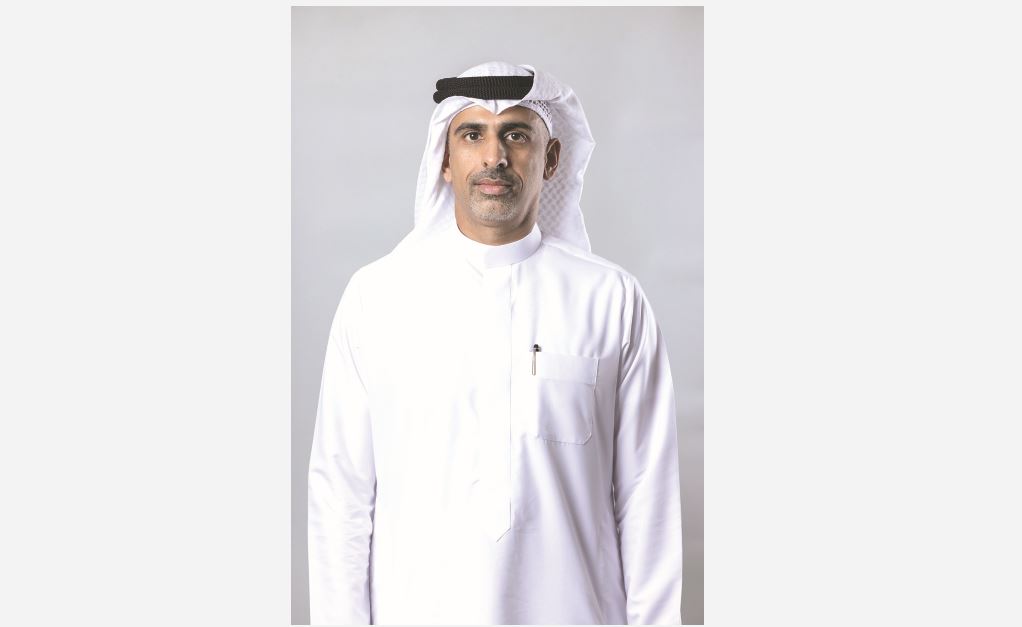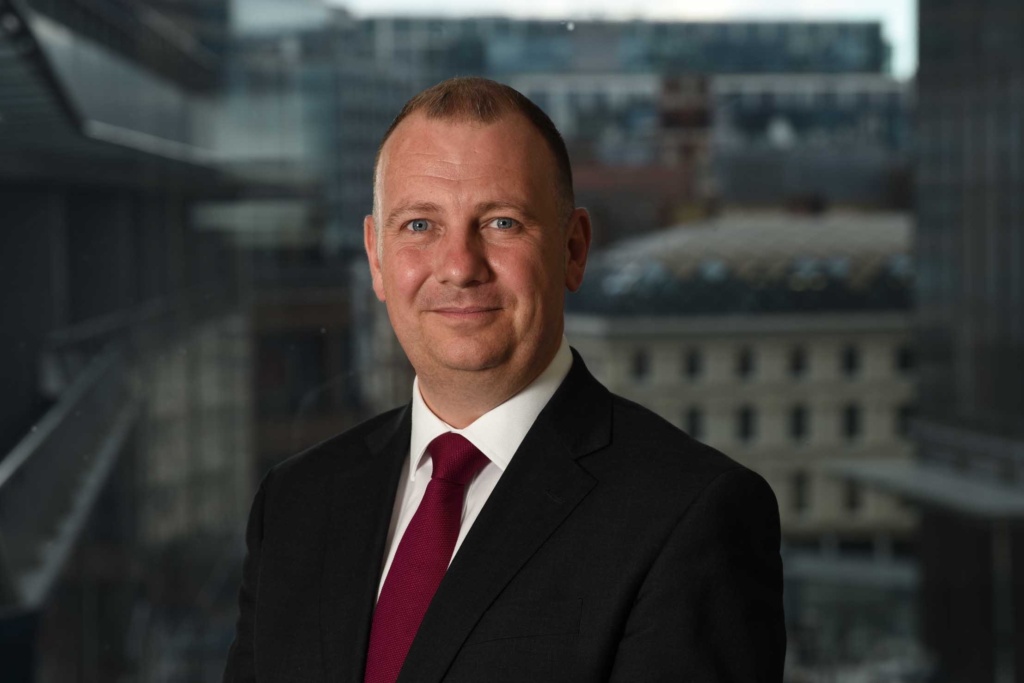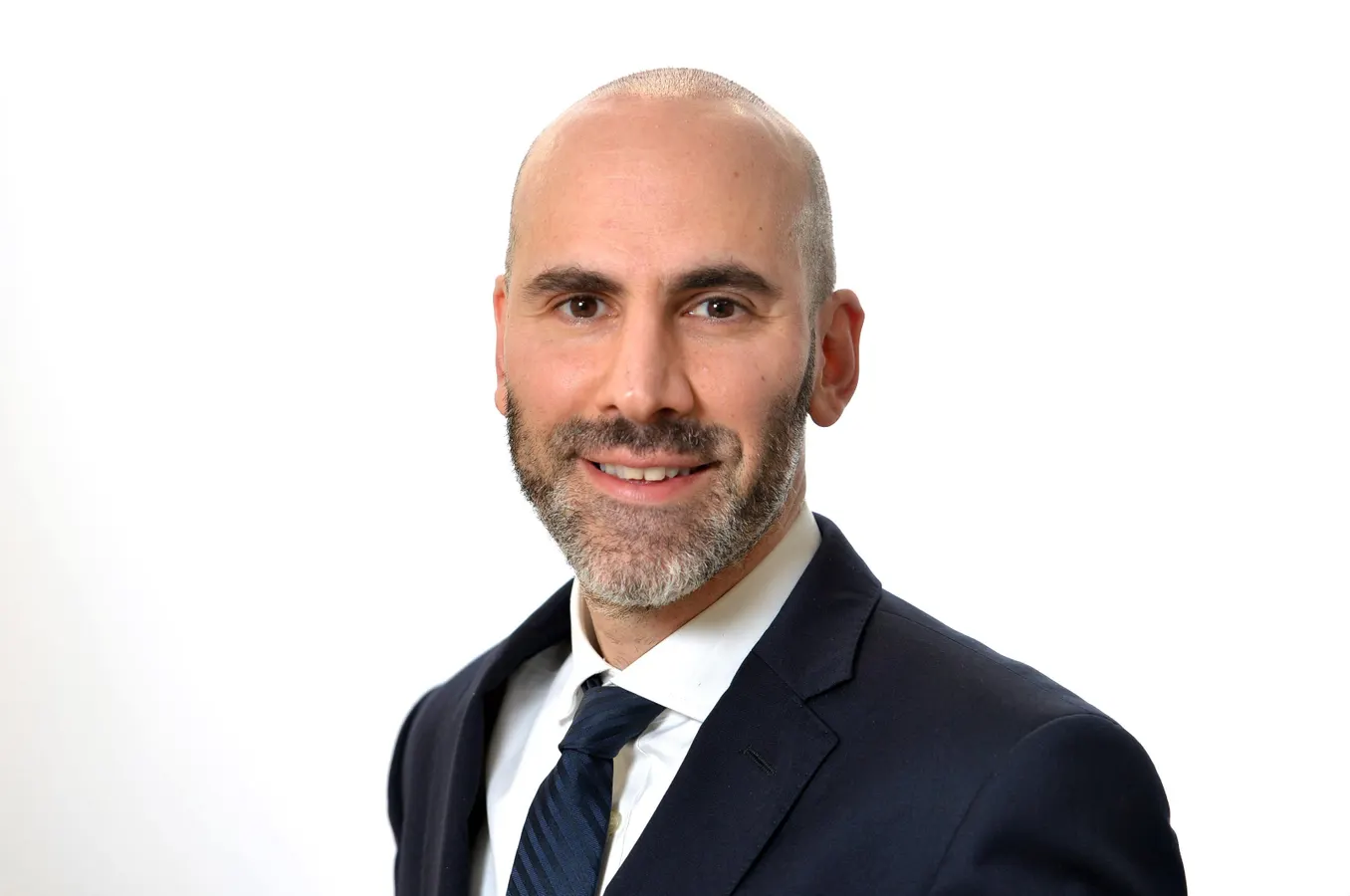
Khalifa Aldhaheri is the Vice Chairman of Vertix Holdings.

Look at any fast-growing city and you will find two kinds of actors behind the skyline. Both close deals. Both deliver projects. But only one is building something that will outlast the current market cycle.
The difference between a project developer and an institutional builder is not measured in deal volume or portfolio size. It is measured in governance, structure and the discipline to invest in foundations that do not produce immediate returns.
This distinction matters more now than at any previous point in the region’s real estate history. As Gulf markets mature and global institutional capital increasingly looks toward the United Arab Emirates and broader Gulf Cooperation Council for long-term deployment, the question of whether a developer can operate at institutional standards is no longer a soft consideration. It is a prerequisite for accessing the most patient and valuable capital available.
The Structural Gap Between Two Mindsets
Project-focused developers optimize for speed. They keep structures lean, outsource management functions and target quick exits that redeploy capital into the next opportunity. In rising markets, this model can generate strong returns. But it carries a fundamental vulnerability: Every new deal requires rebuilding trust, relationships and credibility almost from scratch because there is no platform underneath to carry them forward.
Institutional builders take a different approach. They treat each project as one component of a larger platform, one with its own governance frameworks, standardized reporting, independent oversight and long-term capital relationships. The investment in infrastructure is front-loaded and rarely visible in any single project’s return.
But over time, it produces a compounding advantage that a purely transactional approach cannot replicate: lower cost of capital, faster deal execution and access to counterparties, sovereign funds, pension allocators and international institutions who simply will not engage without it.
The gap between these two mindsets is not about firm size. Discipline at the governance level is a choice, not a function of scale. A small development team can operate with institutional rigor. A large firm can remain fundamentally transactional. What determines which path a firm takes is whether leadership treats structure as a strategic asset or merely as overhead.
Why Governance Is A Capital Strategy
The connection between governance quality and capital access is direct and well-documented. Institutional investors, including pension funds, sovereign wealth funds and insurance companies, evaluate sponsors not only on historical returns but on the reproducibility of the process that generated them.
Audited financials, third-party valuations, documented investment committee protocols and consistent investor reporting are not administrative formalities. They are the evidence base that long-term allocators use to determine whether a sponsor is a viable partner across multiple market cycles.
A developer who cannot demonstrate process consistency will remain invisible to this capital regardless of how impressive individual project performance may be. This is especially true when their valuation methodologies shift between deals, their reporting is ad hoc and their governance exists on paper but not in practice. The infrastructure simply has not been built.
This dynamic is particularly relevant in the GCC, where sovereign wealth funds and regional institutional investors have significantly expanded their real estate allocations over the past decade and now exercise considerably more diligence in sponsor selection. The era in which relationships alone were sufficient to unlock institutional mandates is narrowing. Structure is increasingly the differentiator.
What Institutional Discipline Unlocks Beyond Capital
Access to long-term financing is the most visible benefit of institutional thinking, but it is not the only one. Civic partnerships, large-scale infrastructure agreements and community development mandates all follow the same logic: Counterparties with long time horizons require confidence that the developer they are engaging will still be present and accountable long after a project is delivered.
A developer with a portfolio of separate project entities, each structured for a single transaction, offers limited assurance on that front. An institutional platform with consolidated governance, clear accountability structures and a track record of managing complexity across multiple assets signals staying power in a way that no single project outcome can.
The same principle applies internally. Senior talent, experienced finance professionals and skilled operators are drawn to organizations with career trajectories, not deal-by-deal engagements. Building that kind of organization requires the same investment in structure that attracts institutional capital. The two are not separate objectives; they are expressions of the same underlying discipline.
The Practical Steps That Create Institutional Character
The transition toward institutional thinking begins with decisions that have no immediate financial payoff.
• Standardize permitting, design and handover processes. This creates organizational memory that reduces execution risk across a portfolio.
• Separate investment, development and operations functions, even within a small team. This introduces the accountability structures that external partners look for.
• Adopt systematic cost and performance tracking across projects. This turns accumulated experience into a data asset rather than tribal knowledge.
Independent governance is equally important. Advisory boards should meet regularly, challenge assumptions and review performance against stated objectives. This provides a check on decision-making that internal teams cannot replicate. Additionally, conduct third-party valuations and audited reporting to remove the conflict-of-interest risk that institutional partners flag immediately when it is absent.
None of these steps produce returns on a deal-by-deal basis. They produce returns at the platform level, compounding over time as the cost of capital falls, execution becomes more reliable and the firm’s reputation as a credible long-term counterparty deepens.
The Question That Defines the Trajectory
Real estate will always reward developers who can identify opportunity and move decisively. That capability is valuable and should not be dismissed. The industry’s most durable enterprises attract patient capital, shape policy conversations and build assets that define cities over generations. They are built by leaders who ask a second question alongside the first: Not only what does this project return, but what does it add to the platform being built?
The developers who can answer both questions, and who have the discipline to build accordingly, are the ones who will define the next chapter of institutional real estate in this region and beyond.
The information provided here is not investment, tax or financial advice. You should consult with a licensed professional for advice concerning your specific situation.
Forbes Finance Council is an invitation-only organization for executives in successful accounting, financial planning and wealth management firms. Do I qualify?