Algorithmic trading infrastructure is becoming one of the most important competitive battlegrounds across global brokerage and institutional trading markets as banks and brokers increasingly struggle to keep pace with Wall Street’s largest electronic trading firms.
BestEx Research announced the launch of AMS One, an end-to-end algorithmic execution platform designed to allow banks and brokers to build and operate their own algorithmic execution businesses across global equities and futures markets.
The launch arrives during a period where electronic execution increasingly dominates institutional trading globally.
Algorithmic trading now accounts for a substantial share of equity volume across major markets including the United States and Europe, while brokers face growing pressure to provide:
- lower execution costs
- smarter routing
- customized algorithms
- cross-asset coverage
- institutional-grade analytics
The broader market backdrop also matters.
As trading becomes increasingly automated and AI-driven, execution quality itself increasingly determines whether brokers retain institutional order flow or lose it to larger electronic trading firms with more advanced infrastructure.
BestEx Wants Smaller Brokers To Compete With Tier-One Trading Firms
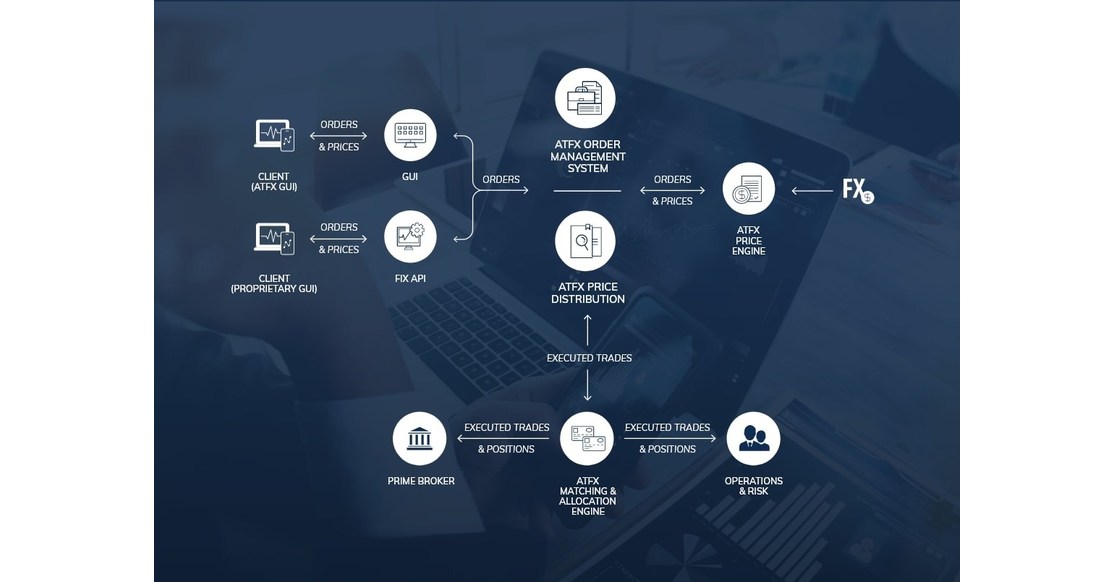
AMS One combines four major components required to operate an institutional algorithmic execution business:
- execution algorithms
- customizable strategy infrastructure
- transaction cost analytics
- cross-market execution coverage
The platform spans:
- US equities
- Canadian equities
- 15 European equity markets
- 4 APAC equity markets
- futures contracts across 21 global exchanges
BestEx said the platform allows banks and brokers to launch branded execution offerings without building expensive in-house infrastructure traditionally associated with major Wall Street firms.
Hitesh Mittal, Founder and CEO of BestEx Research, said, “Our clients aren’t looking to buy software. They’re trying to build a business that wins and attracts more order flow.”
He added, “Most vendors in this space are software companies that focus only on the technology side of electronic trading and leave market structure and product design unattended. The result is execution that doesn’t match what a tier-one institution would deliver, and clients are left to maintain the infrastructure themselves. We built AMS One so banks and brokers get everything they need in one fully managed platform, without the eight-figure build.”
The reference to “eight-figure” infrastructure costs highlights the growing economic divide inside electronic trading.
Large global banks and proprietary trading firms increasingly spend enormous amounts on:
- co-location infrastructure
- low-latency networking
- smart order routing
- execution analytics
- AI optimization systems
That infrastructure arms race increasingly pressures mid-sized brokers attempting to compete for institutional flow without comparable technology budgets.
The broader trend increasingly connects with multiple structural themes already reshaping financial markets, including market connectivity competition, real-time trading infrastructure, platform dependency risks and execution pressure during volatile markets.
Execution Quality Is Becoming A Survival Issue For Brokers
The launch also highlights how execution quality increasingly functions as a core commercial differentiator rather than simply a technology feature.
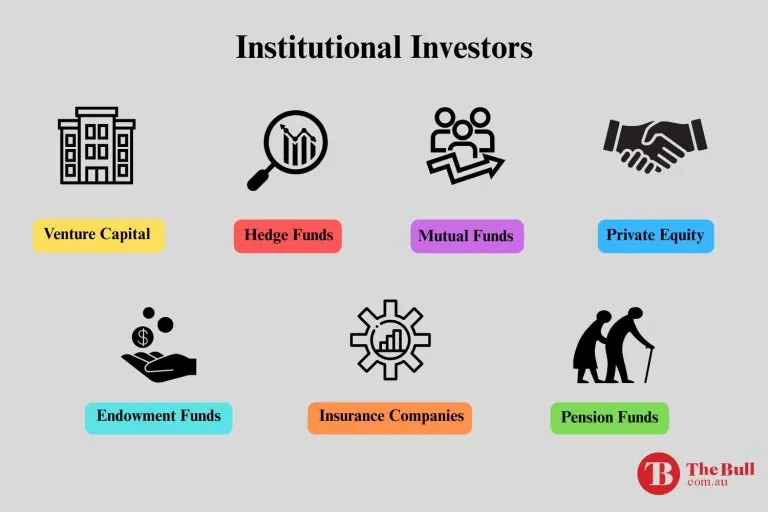
Institutional investors increasingly evaluate brokers based on:
- fill quality
- market impact
- routing intelligence
- execution consistency
- analytics transparency
That pressure intensified as buy-side firms increasingly scrutinize transaction costs across fragmented global markets where liquidity disperses across:
- lit venues
- dark pools
- conditional markets
- alternative trading systems
- futures exchanges
AMS One includes:
- over 150 configurable strategy parameters
- custom smart order routing controls
- A/B testing infrastructure
- Meta Strategies for automated algorithm assignment
- integrated transaction cost analytics
The company said the platform also allows brokers to build proprietary branded algorithms customized for individual institutional clients.
Nigam Saraiya, Chief Product Officer at BestEx Research, said, “Our clients will be judged by the fills they provide, not the platform behind them, so we built AMS One to be the platform our sell-side clients would aspire to build themselves.”
He added, “It is grounded in algorithmic trading expertise, with market structure at its core, and supported by robust technology written in C++ and co-located globally, so our clients don’t have to compromise on performance.”
The larger implication increasingly points toward a market where brokers unable to provide sophisticated execution infrastructure may struggle to maintain institutional relevance.
Algo Infrastructure Is Becoming One Of Finance’s Biggest Technology Battles
The launch also reflects broader structural shifts across global trading markets.
Electronic execution infrastructure increasingly sits at the center of competition among:
- investment banks
- agency brokers
- prop trading firms
- market makers
- multi-asset platforms
At the same time, AI and automation increasingly reshape how execution decisions are made across modern trading systems.
The broader trend increasingly connects with:
BestEx also said its predecessor platform, AMS, has already executed trillions of dollars in notional trading volume since going live in 2019.
The scale reflects how algorithmic execution increasingly dominates institutional trading infrastructure globally.
The larger strategic battle increasingly centers on which firms control the execution layer behind modern electronic markets as automation, fragmentation and AI continue reshaping capital markets infrastructure.
Takeaway
BestEx’s AMS One launch highlights how algorithmic execution infrastructure is increasingly becoming a survival issue for banks and brokers competing against larger electronic trading firms.
The larger trend may not center simply on better execution software, but on who controls the technology layer behind global institutional order flow as trading becomes increasingly automated, data-driven and AI-assisted.