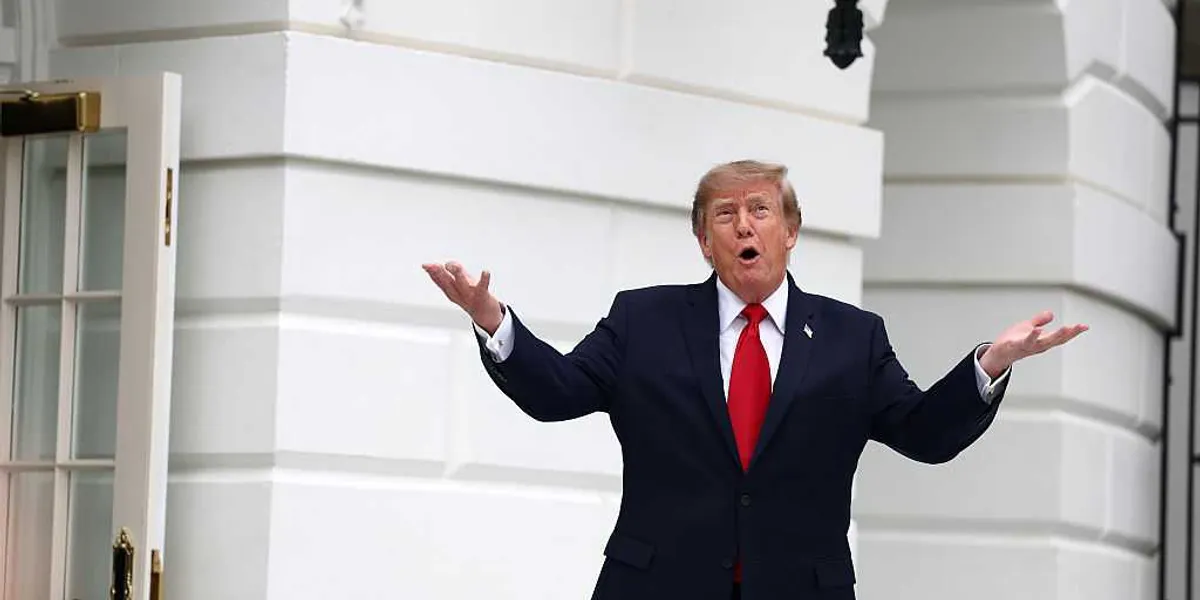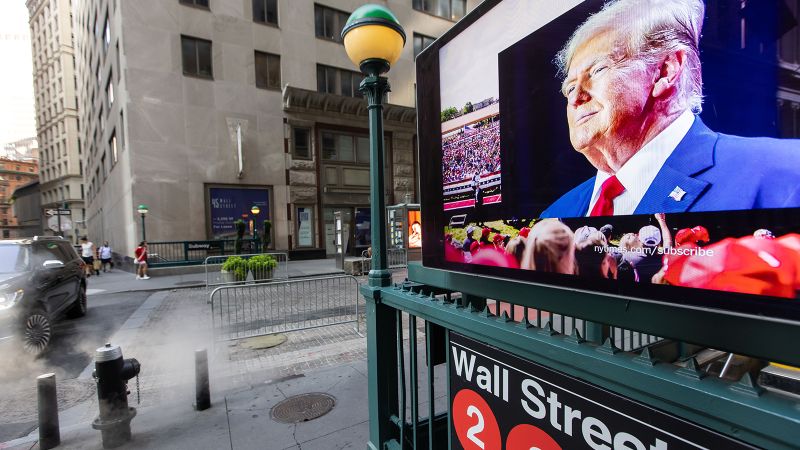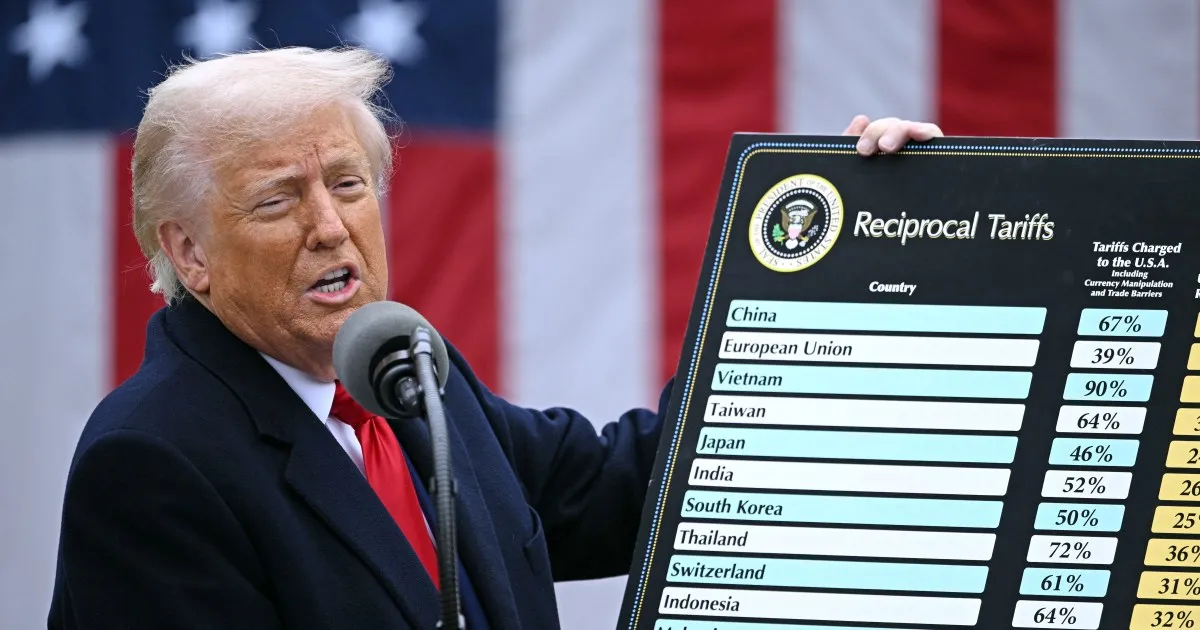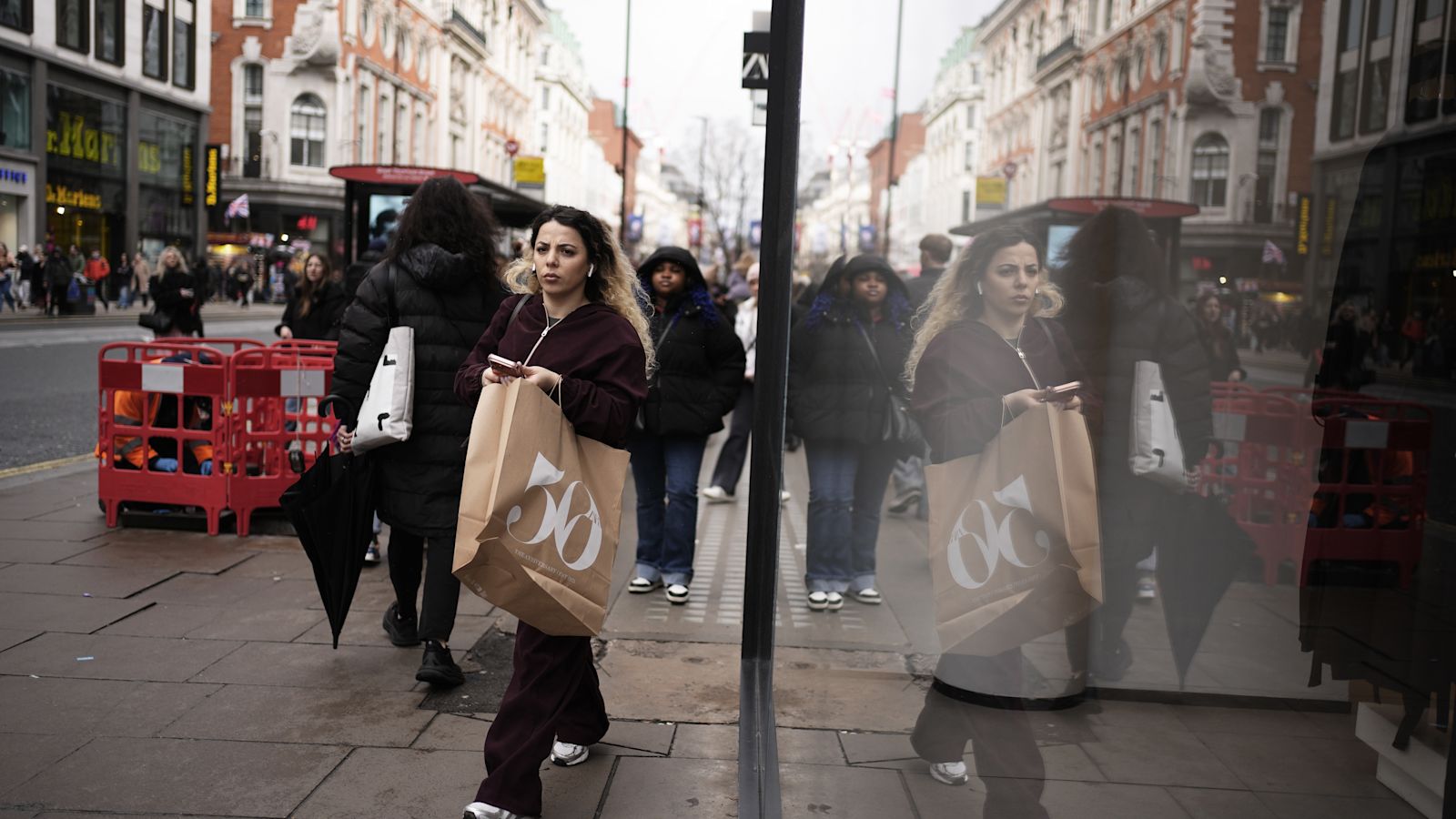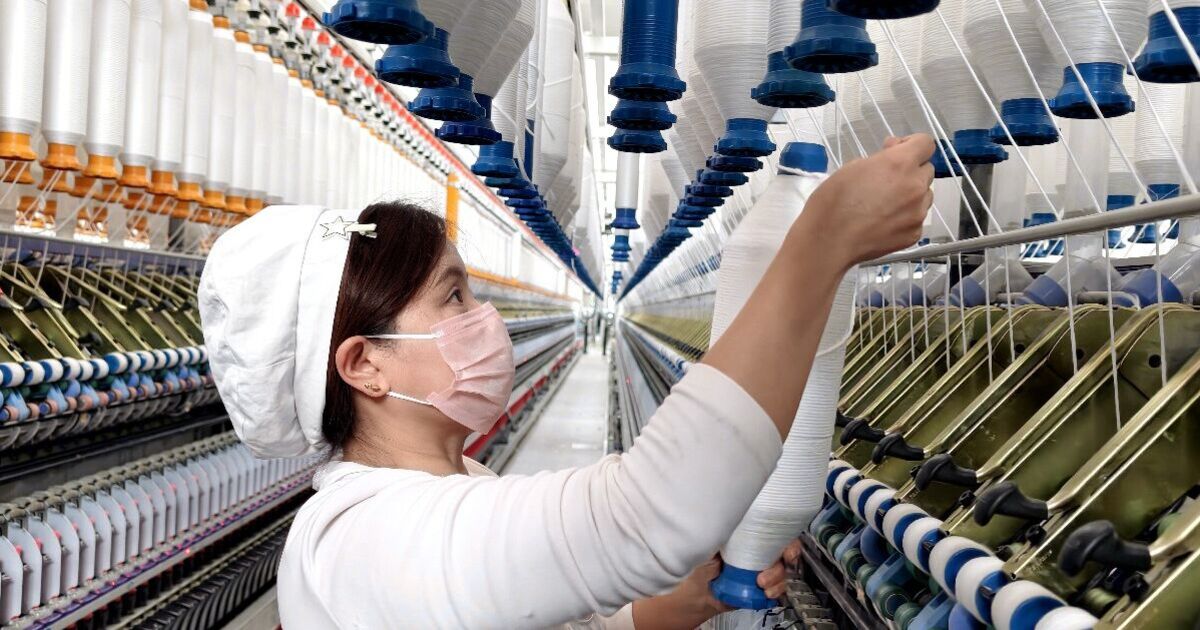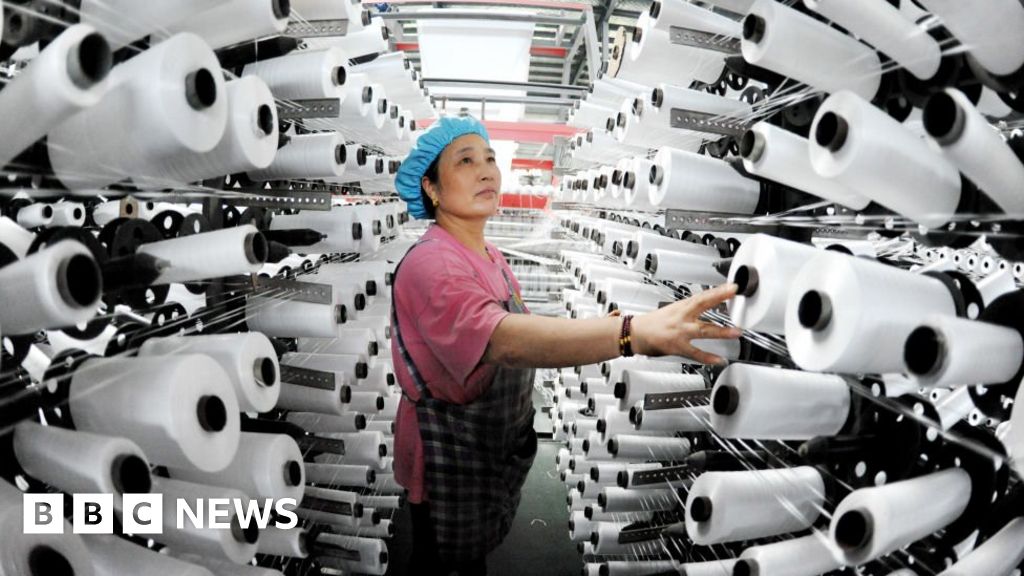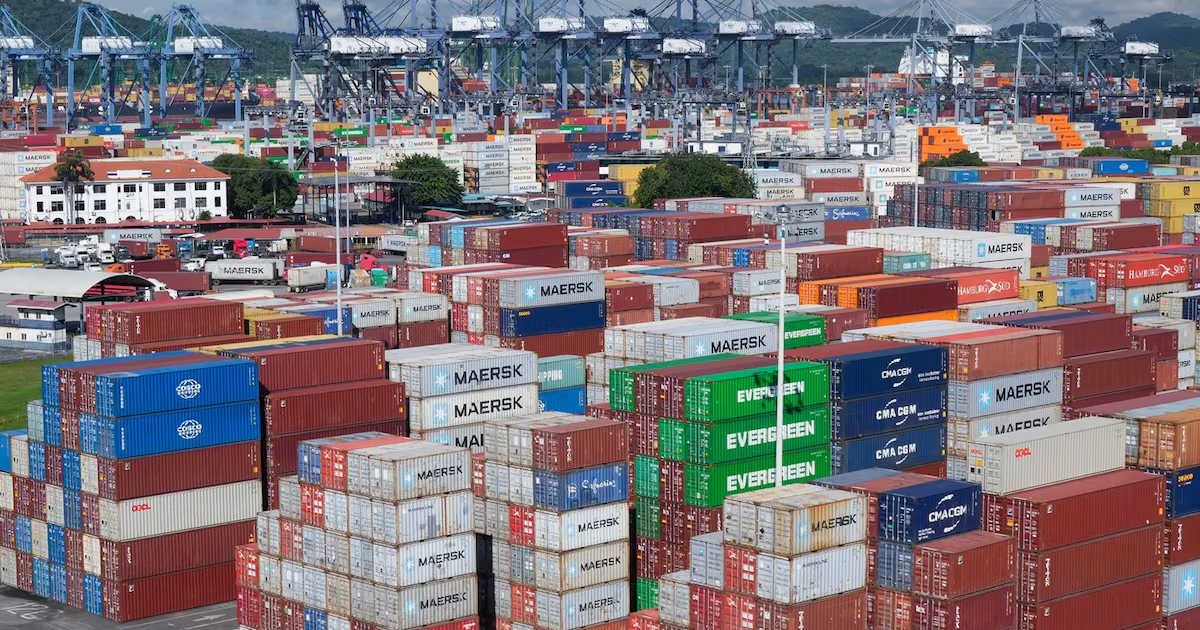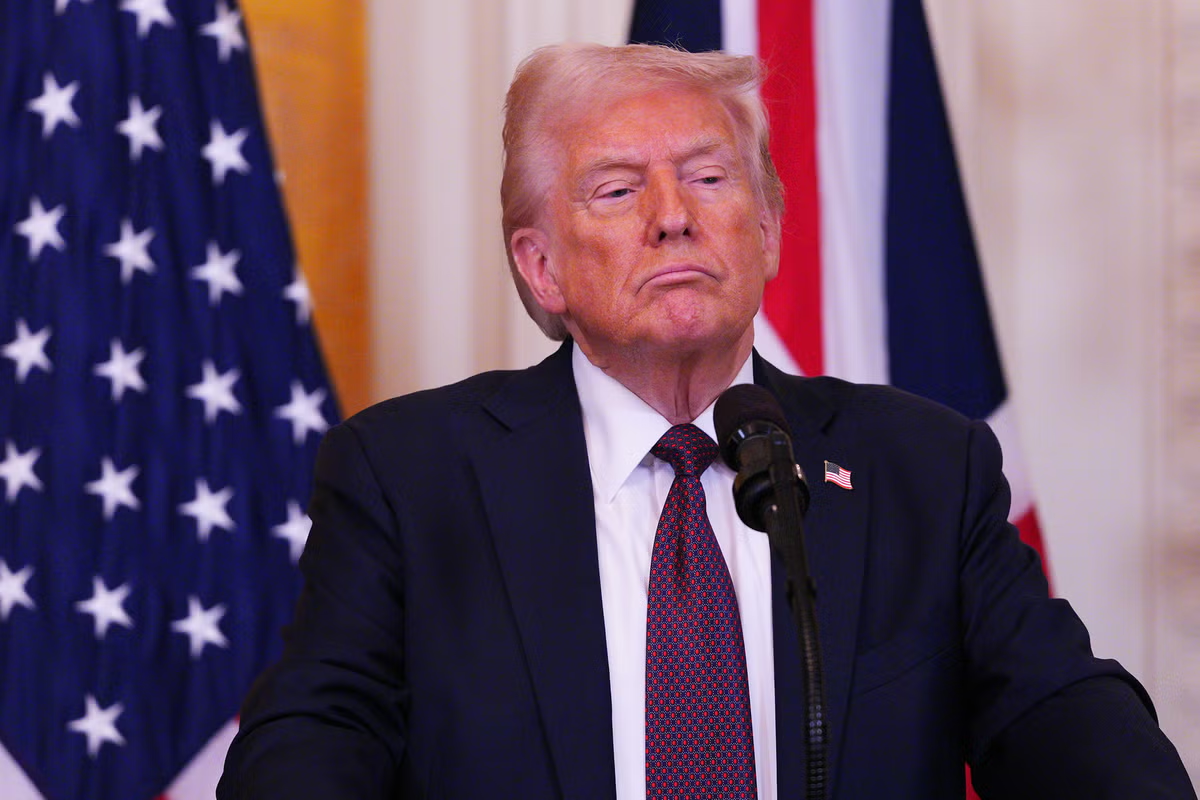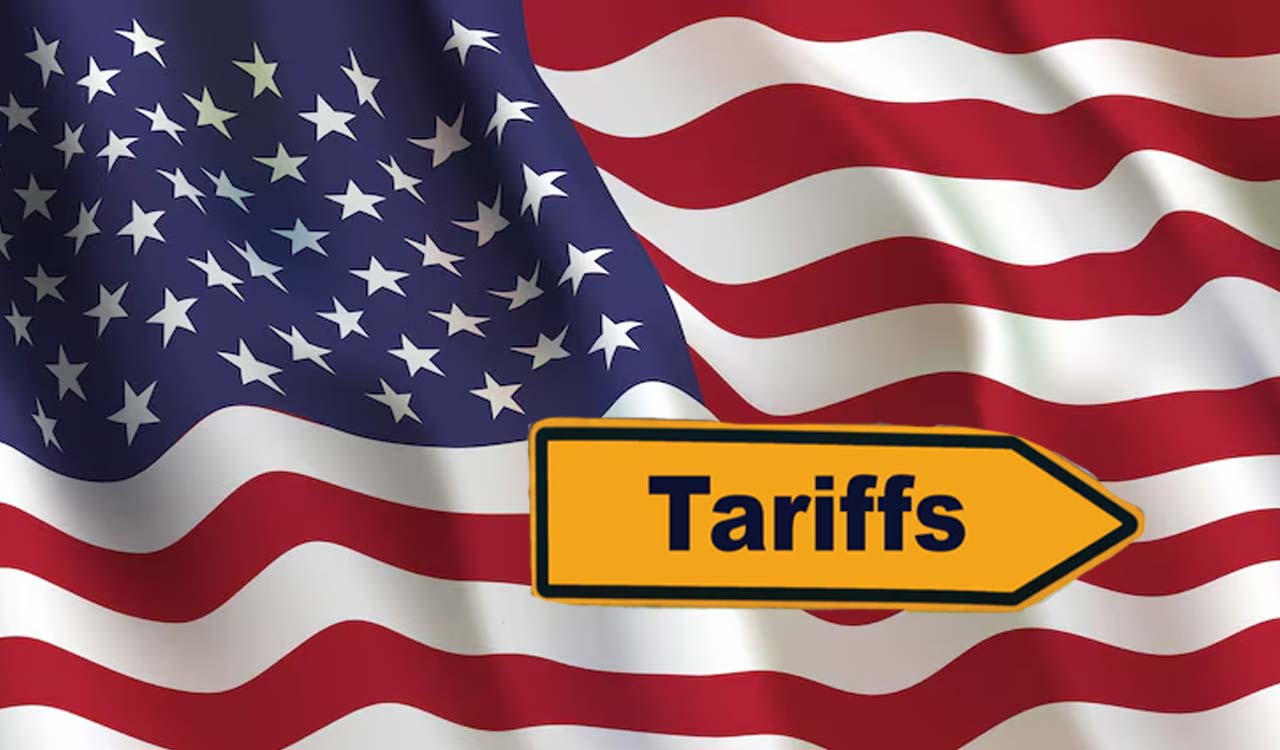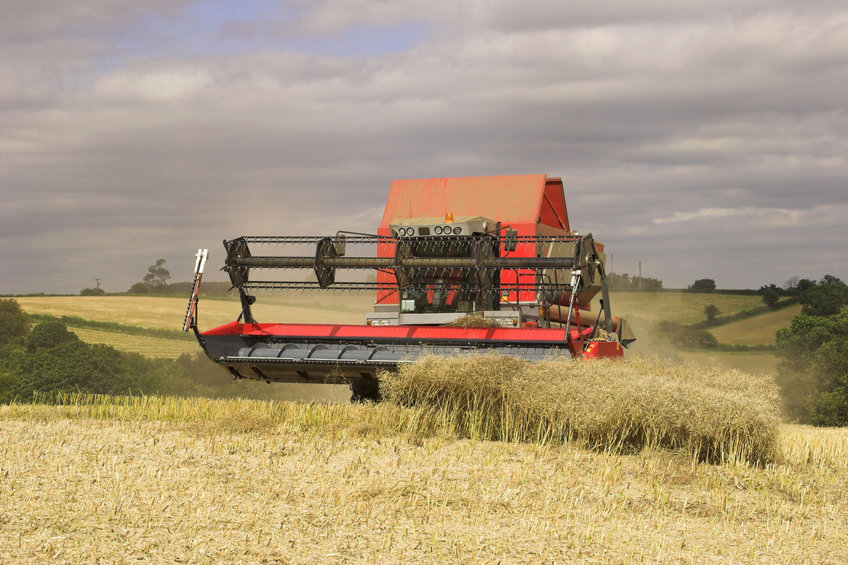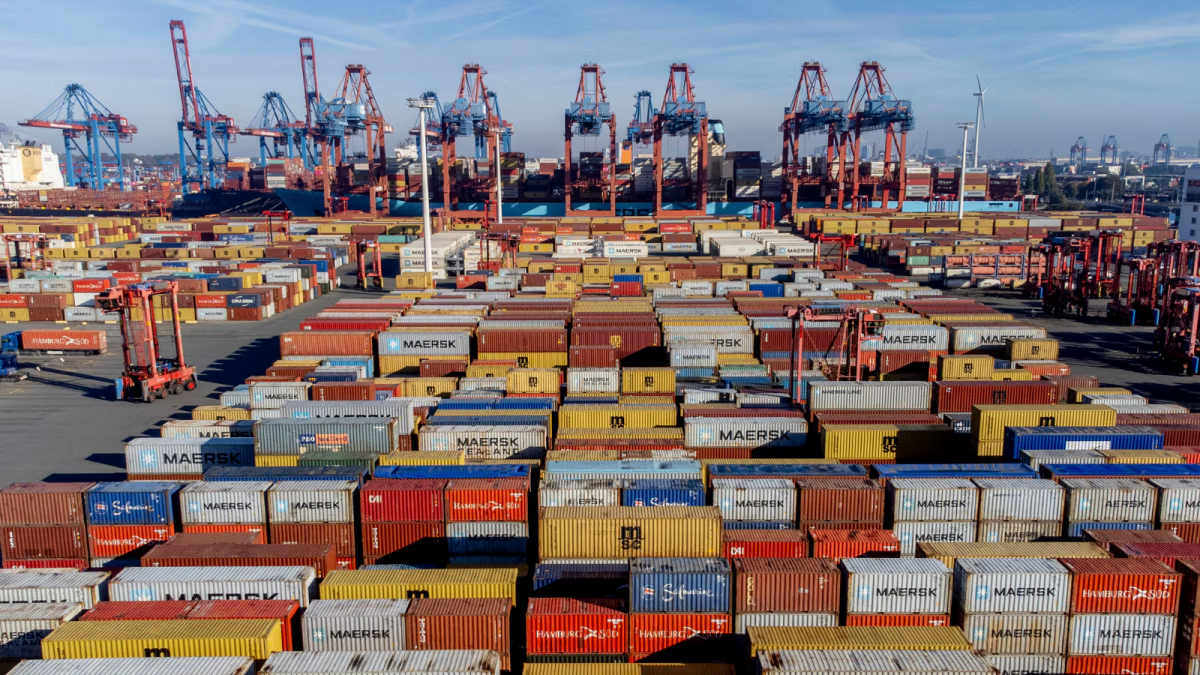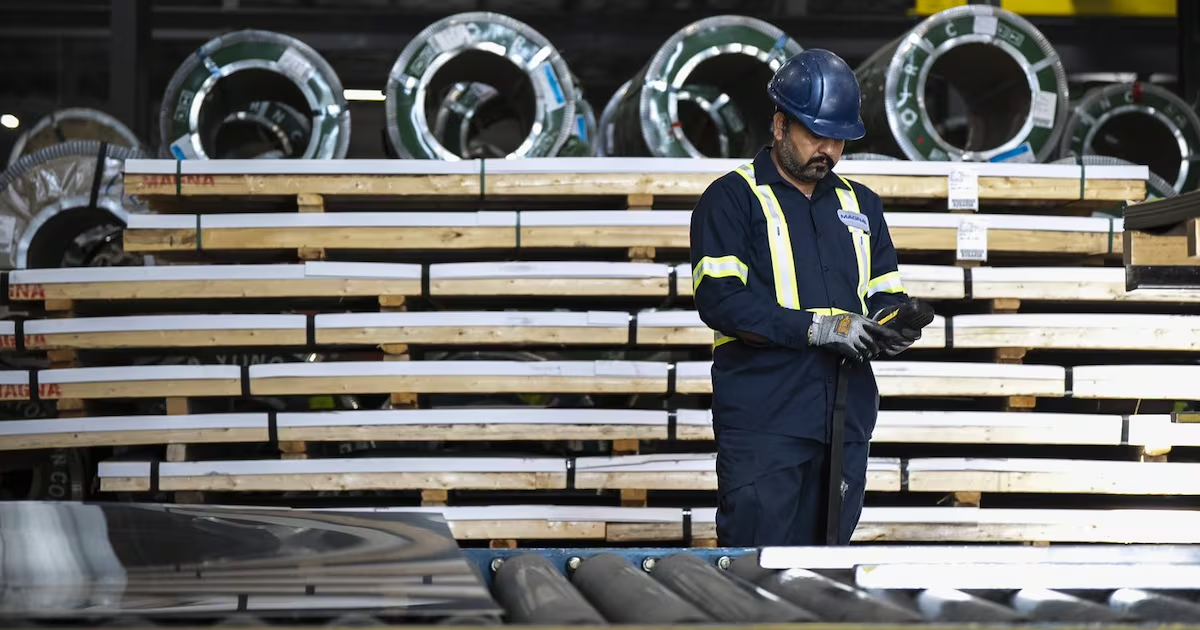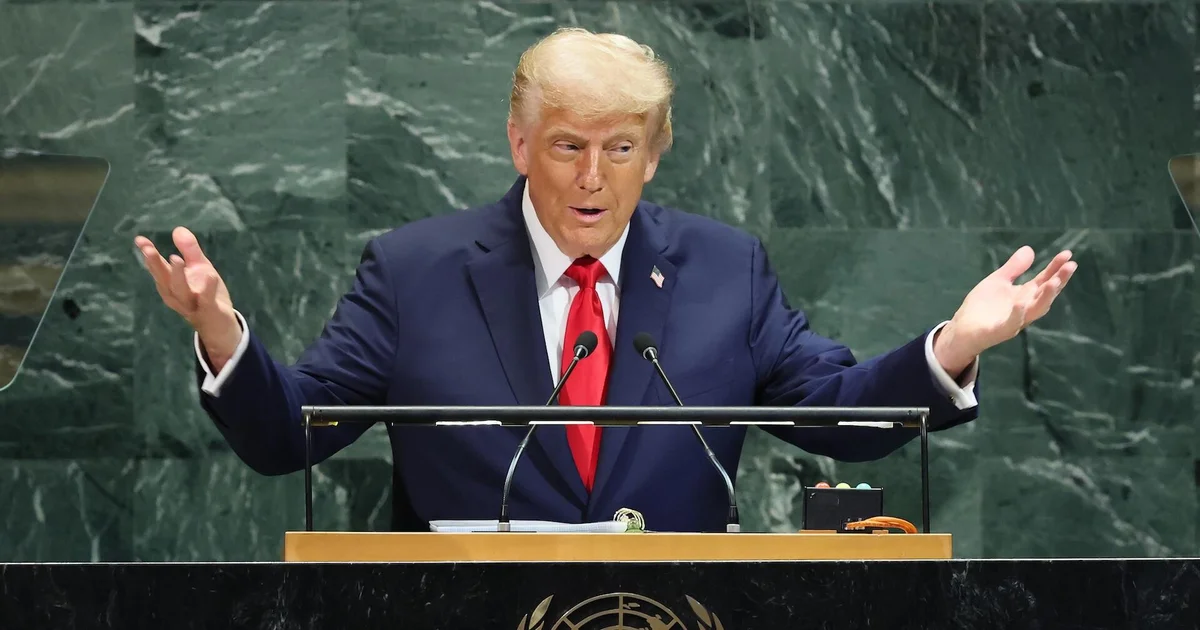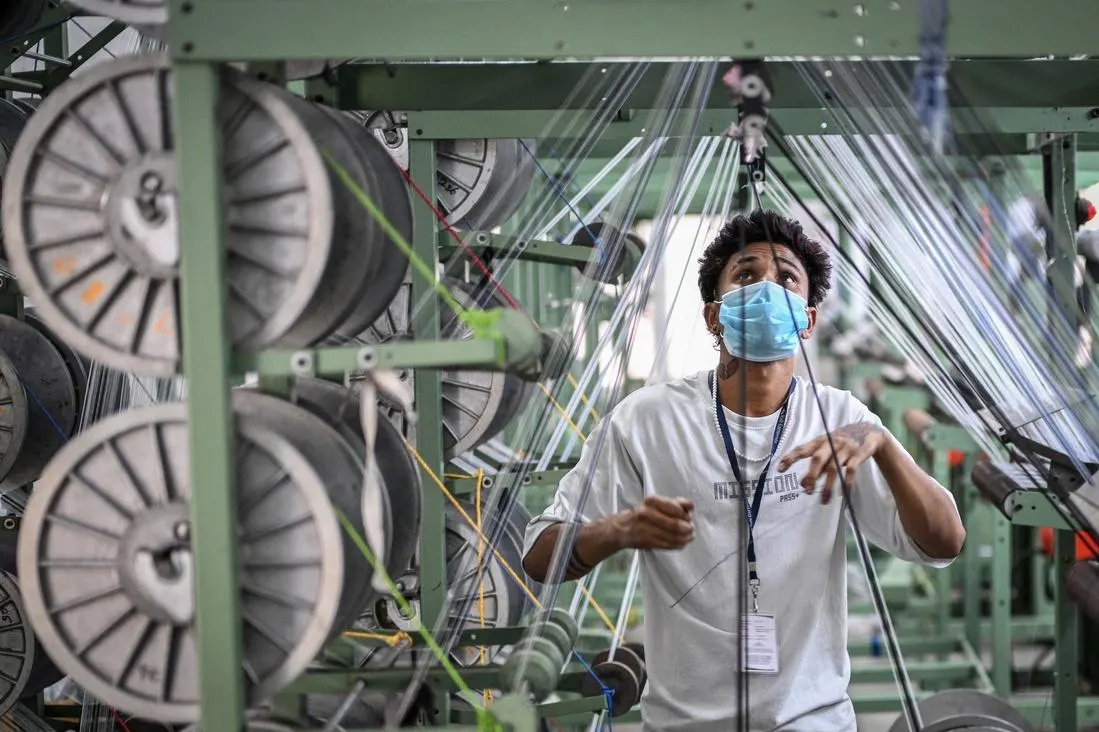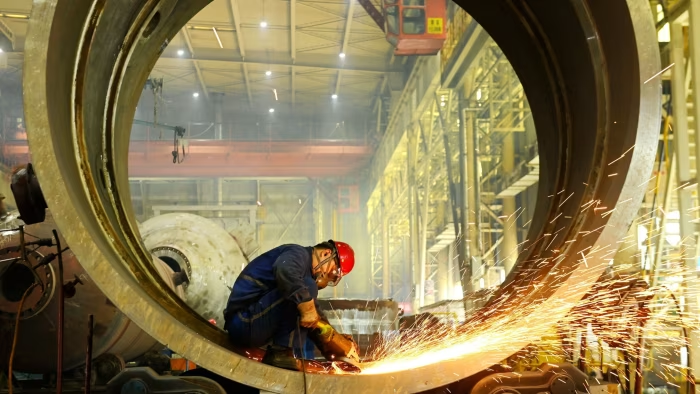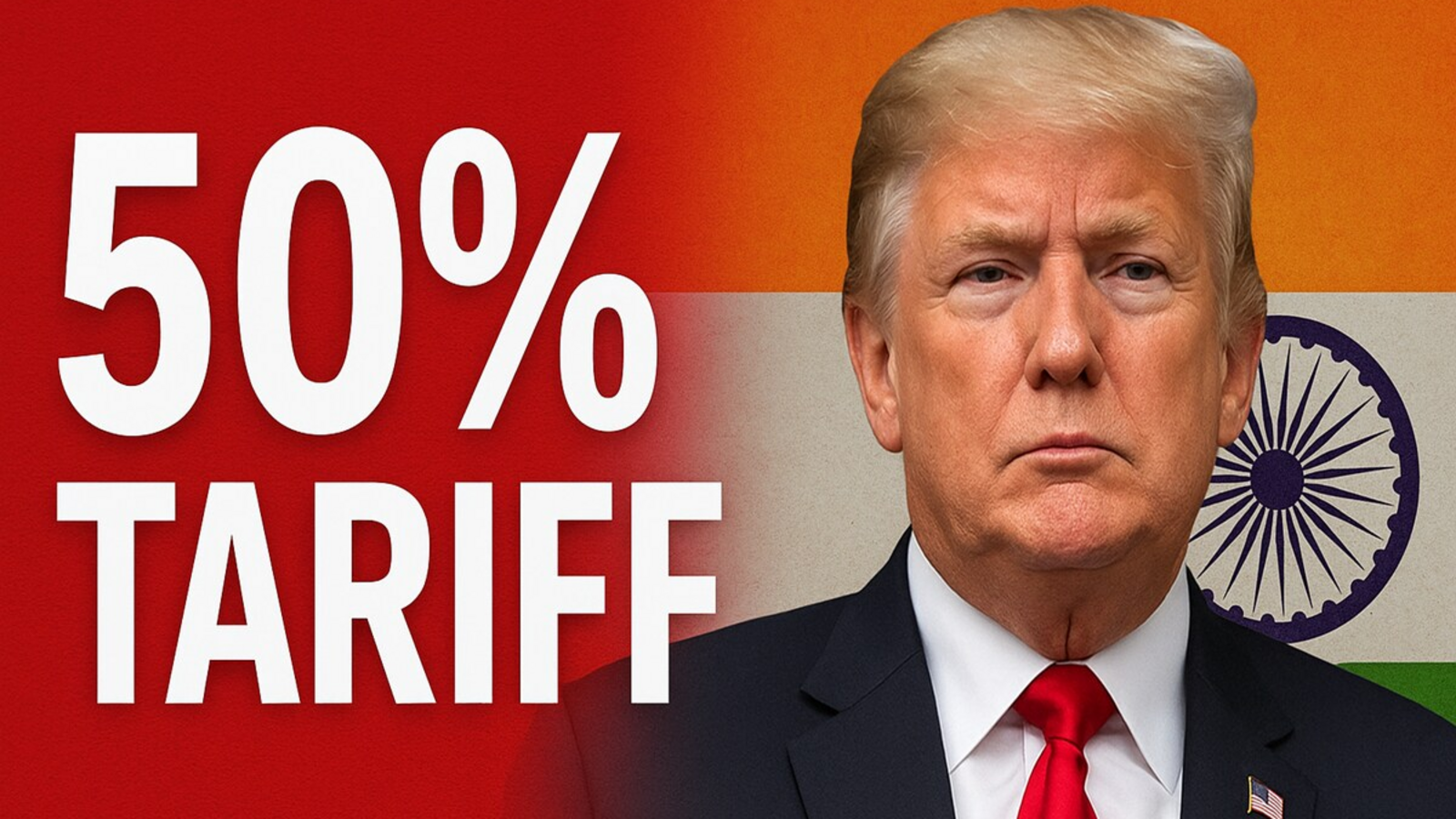
Trump tariffs on India: US tariffs on Indian goods have risen to as much as 50 per cent, raising concerns that the steep tax on Indian exports to the US will hit sectors such as textiles, gems and jewellery, and mechanical appliances, potentially dragging India’s economic growth lower by as much as 1 per cent. Notably, major sectors such as pharma, semiconductors, electronics, and IT are still exempt from these tariffs.
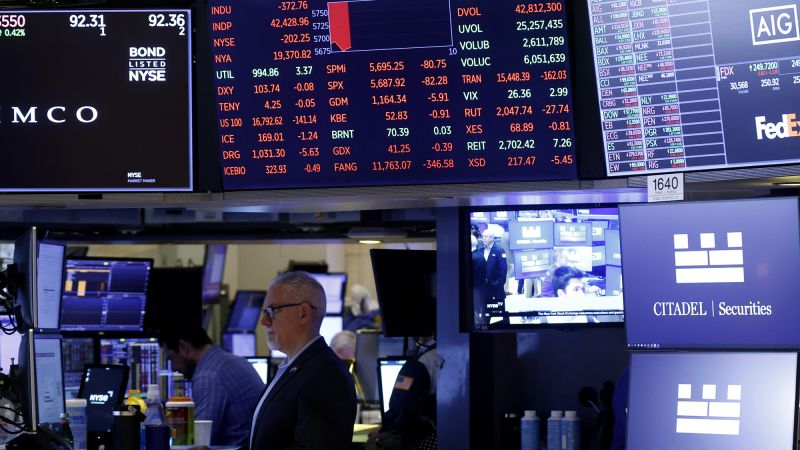
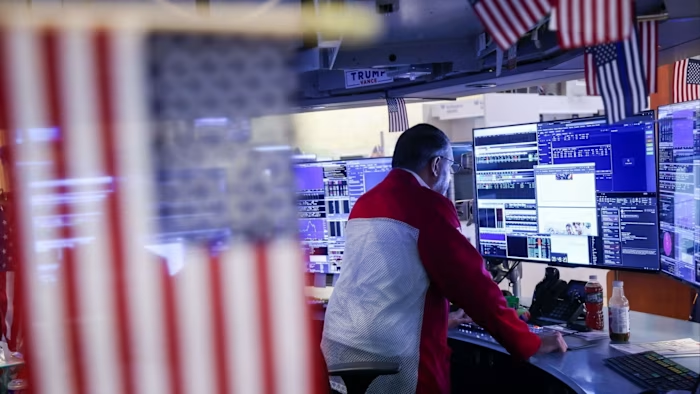
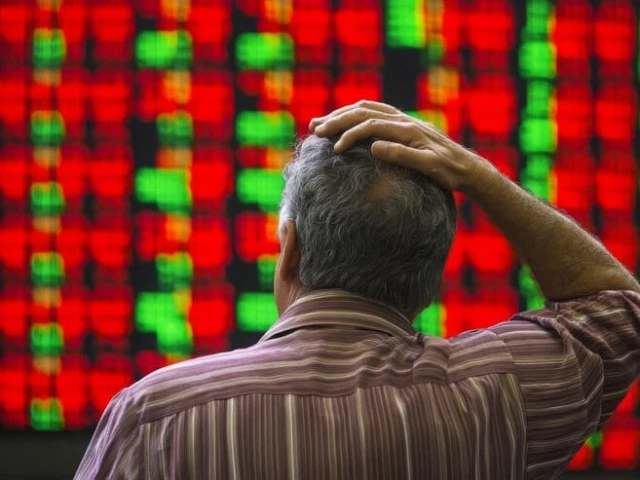
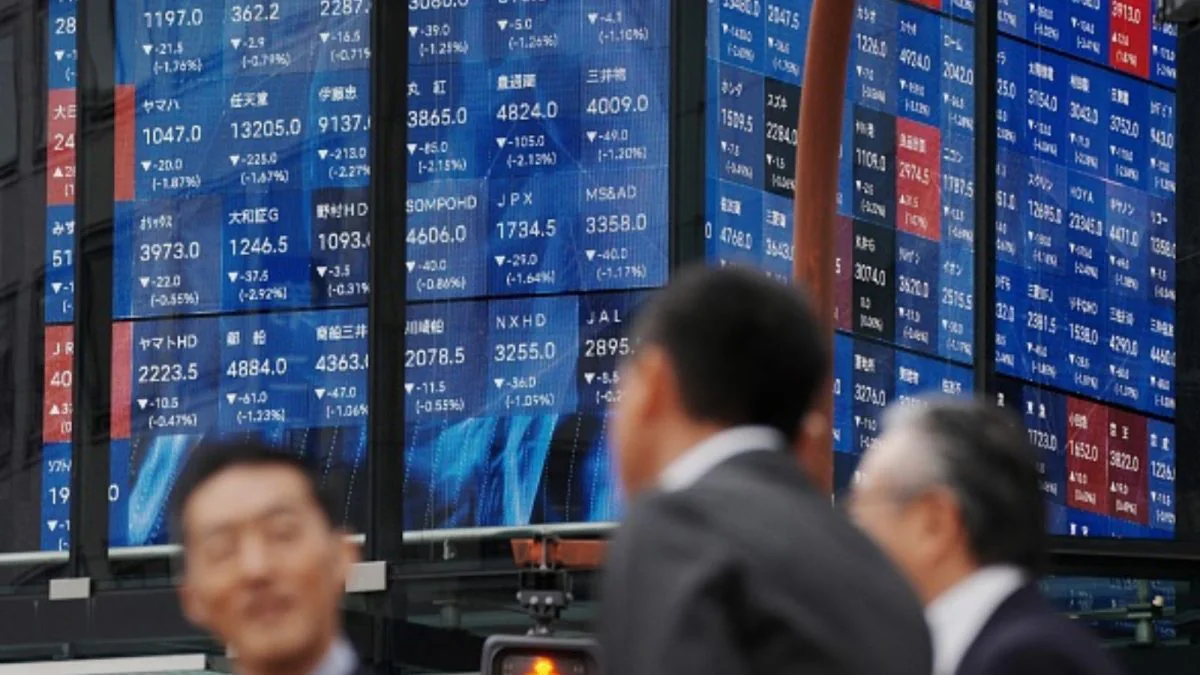
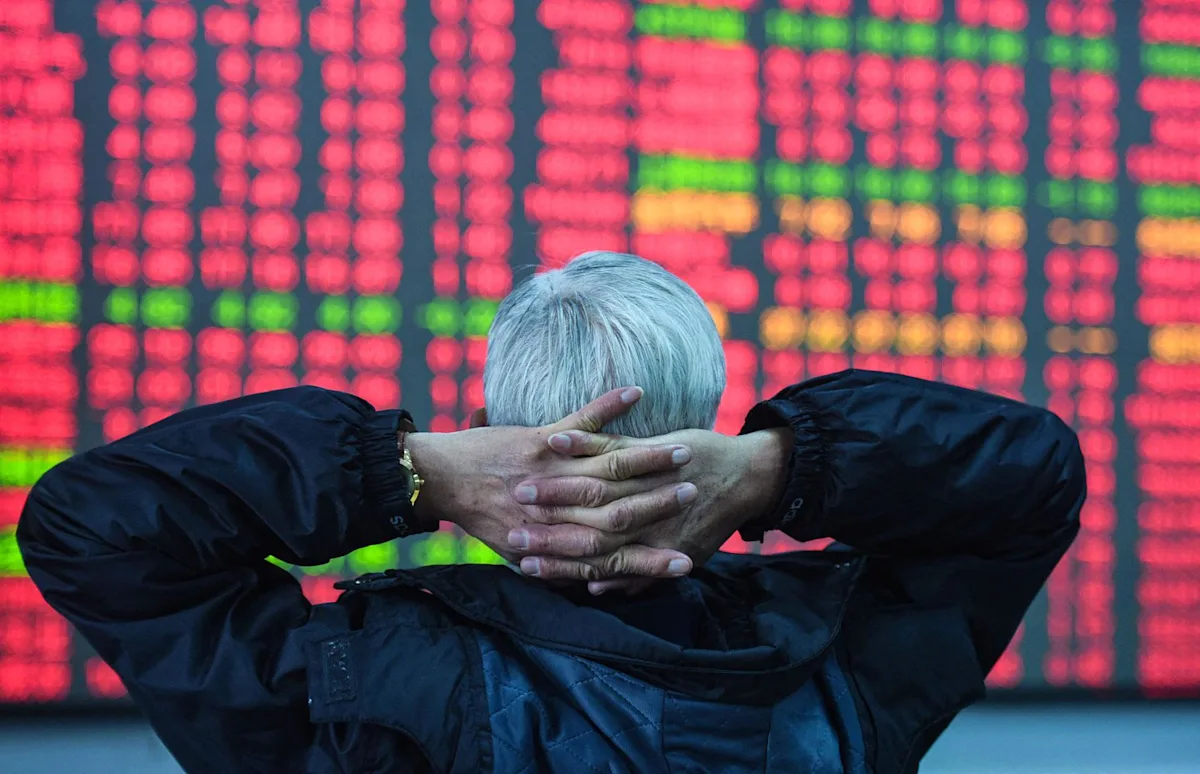
A new round of US tariffs came into effect on Wednesday, August 27, following which the Indian stock market benchmarks—the Sensex and the Nifty 50—fell by almost a per cent in intraday trade on Thursday.
The Indian government is in mission mode to mitigate tariff pains. From measures to stimulate domestic demand by proposing GST rate cuts to looking for ways to diversify export markets, the Government of India has taken several measures to counter Trump’s tariffs.
Nobody knows how tariffs will evolve or how long they will last. A prolonged period of higher tariffs would be significantly negative for the domestic economy and stock market.
Let’s examine how US tariffs can impact the Indian economy and the Indian stock market.
How can US tariffs impact the Indian economy?
Trump’s tariffs could affect certain sectors severely, but will have a ripple effect on the overall economy.
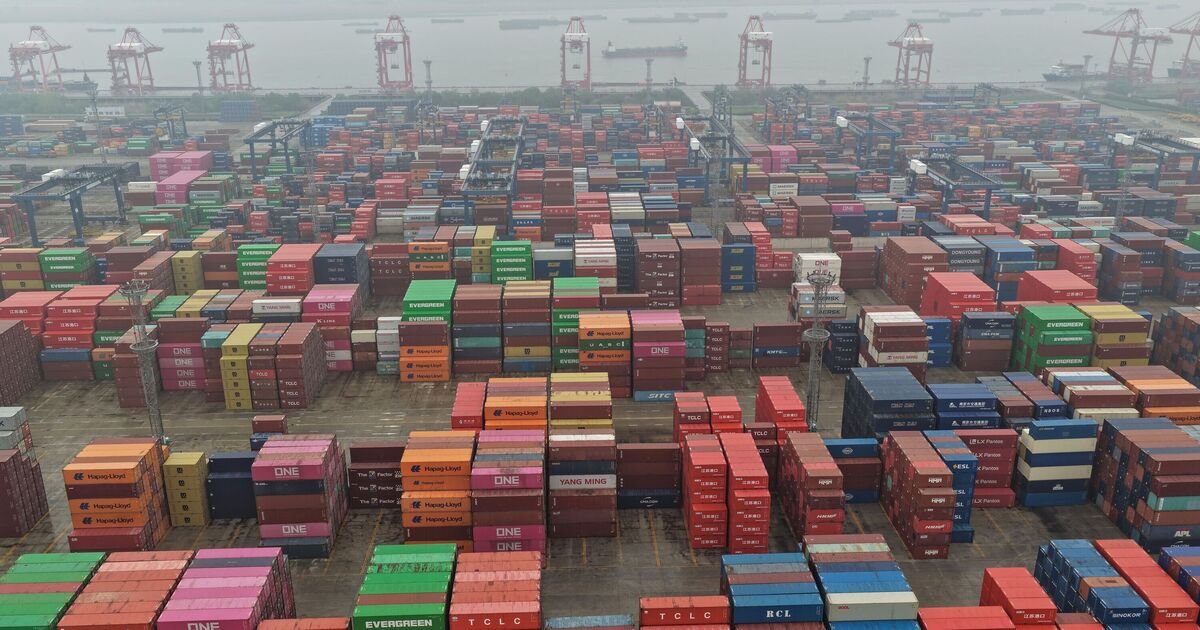
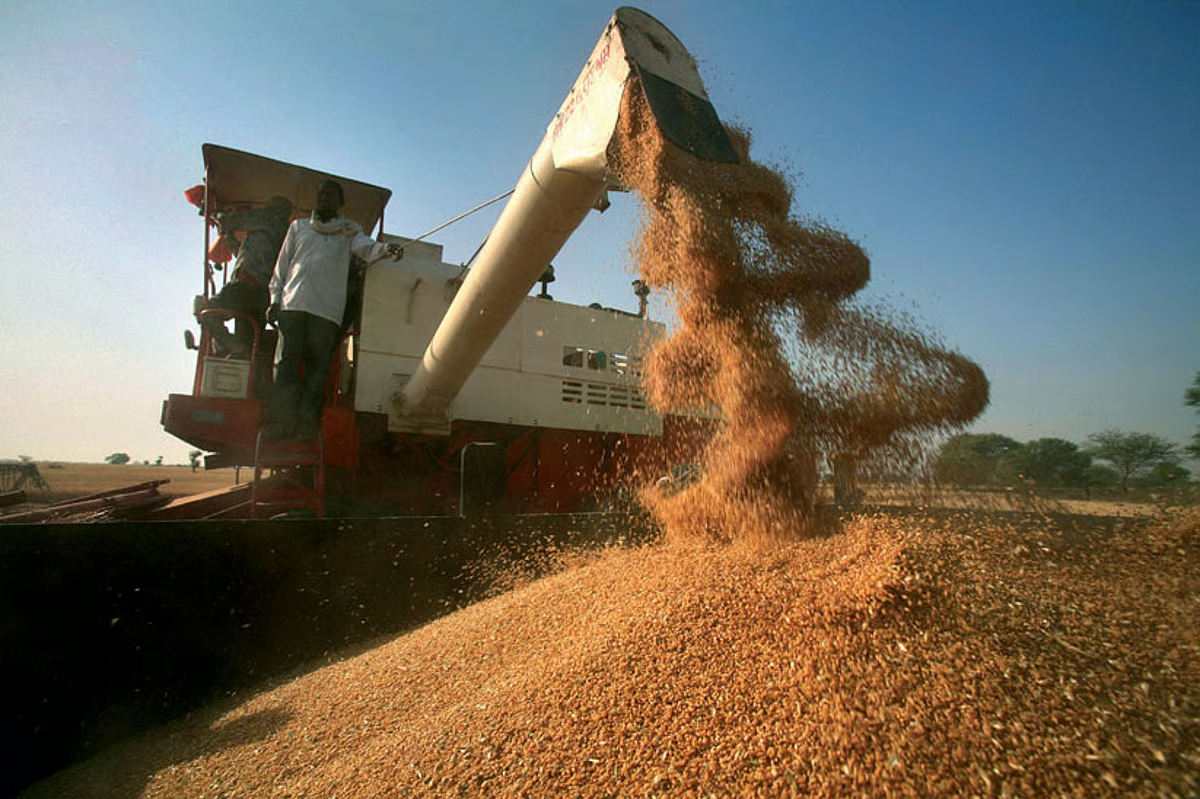
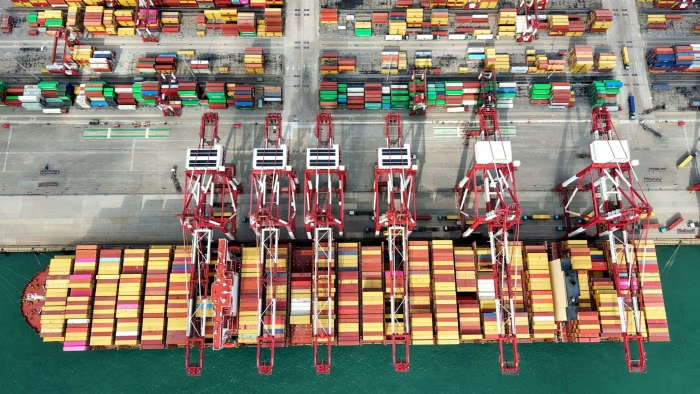
The US is the largest export partner for India, claiming 18 per cent of total exports, which accounts for about 2.3 per cent of India’s GDP. However, the country has a diversified nature of exports and other major economies, such as China, the European Union and the United Arab Emirates are its major trading partners.
News agency PTI reported on Wednesday, quoting government sources as saying that the impact of the US tariffs is unlikely to be as severe as feared, given the country’s diversified exports.
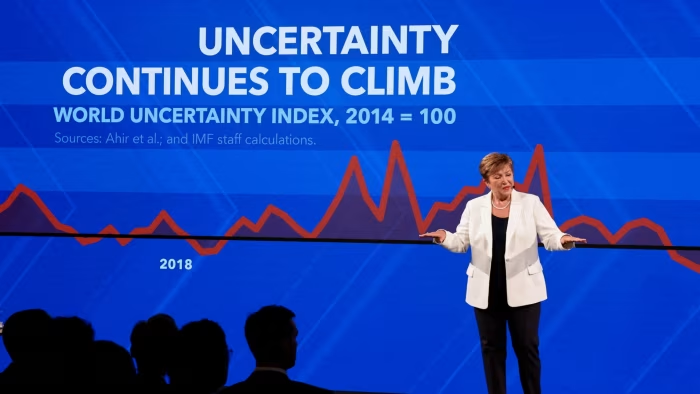
The real challenge for the Indian economy is uncertainty over how these tariffs will evolve. Will the rates come down or stay at the current levels for a longer period? Can the Trump administration impose further penalties due to India’s ties with Russia?
In an August 18, 2025, report, Fitch Ratings pointed out that India-based corporates generally have low direct exposure to US tariffs, but sectors that are currently unaffected, including pharmaceuticals, could be hit by further US tariff announcements.
However, the risk of an aggressive trade war is low as India has not retaliated so far and is instead pursuing reforms and trade treaties to mitigate the tariff pain.
“The Indian authorities have been mindful of the economic fallout of the tariffs on high domestic value-added manufacturing industries. Direct support to the affected sectors, especially labour-intensive industries, is likely to limit any material fallout,” said Radhika Rao, Senior Economist, DBS Bank.
Rao said if 50% tariffs remain in place only until the end of 2025 and come down to 15-20 per cent, the impact on growth will be less, and the Indian economy may grow at a rate of 6.3 per cent year-on-year for FY26.
However, if the current tariff rate stays for FY26 and FY27, the impact will likely be more material, resulting in a 50-60bp reduction in growth forecasts.
A less probable scenario is the high tariffs squeezing out half of India’s export basket to the US. It will cause a nearly 1-1.2 percentage point impact on Indian economic growth, said Rao.
Rajesh Cheruvu, MD and Chief Investment Officer at LGT Wealth India, told Mint that while the broad macro indicators are supportive, these may not fully offset the drag from tariff-related disruptions.
“The potential export impact, estimated at around $45 billion, is significant, particularly for labour-intensive sectors. However, the cushion from lower crude prices provides both the Centre and the States with fiscal space to support affected industries through targeted incentives and policy measures,” said Cheruvu.
“The macro picture provides resilience, but effective policy intervention will be key to ensuring that tariff shocks don’t derail growth momentum,” Cheruvu added.
How can US tariffs impact the Indian stock market?
Trump tariffs are expected to continue weighing on market sentiment in the short term.
Experts expect the market to remain rangebound as the negative effect of tariffs may be compounded by stretched valuations and weak earnings.
However, the long-term impact could be limited due to the healthy growth outlook of the Indian economy.
The forward-looking market will look for cues on earnings growth and note government measures for economic growth. With valuation comfort, FIIs are also expected to return to the Indian stock market.
“US tariffs are painful, but the domestic market has already fairly discounted it because India’s GDP growth could only be impacted by 50-60 bps, which the market seems to have factored in,” said G Chokkalingam, the founder and head of research at Equinomics Research Private Limited.
“With a healthy monsoon, reversal of the interest rate cycle and GST rate rationalisation, India looks better prepared to overcome the tariff blow. Pain will be felt more by the individual sectors and companies,” Chokkalingam said, adding that the Indian economy and stock market will have a bigger problem if Trump decides to impose tariffs on IT exports and the services sector.
Read all market-related news here
Read more stories by Nishant Kumar
Disclaimer: This story is for educational purposes only. The views and recommendations expressed are those of individual analysts or broking firms, not Mint. We advise investors to consult with certified experts before making any investment decisions, as market conditions can change rapidly and circumstances may vary.