Mike Couch is a Managing Partner at Couch & Associates, where he tackles marketing and technology challenges for brands around the world.

As AI and automation make mass personalization better and faster, many people are craving the opposite. This is what Alumni Ventures has referred to as the “bespoke economy“—it’s a cultural backlash where buyers seek high-touch, artisanal and authentically human experiences.
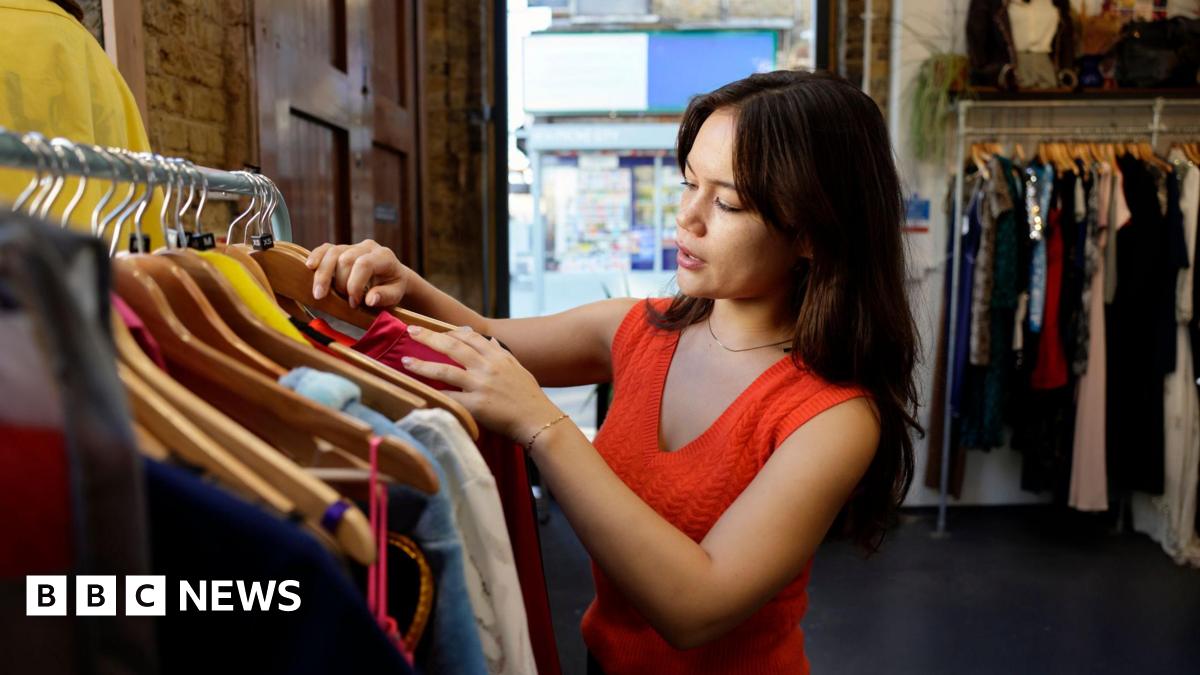
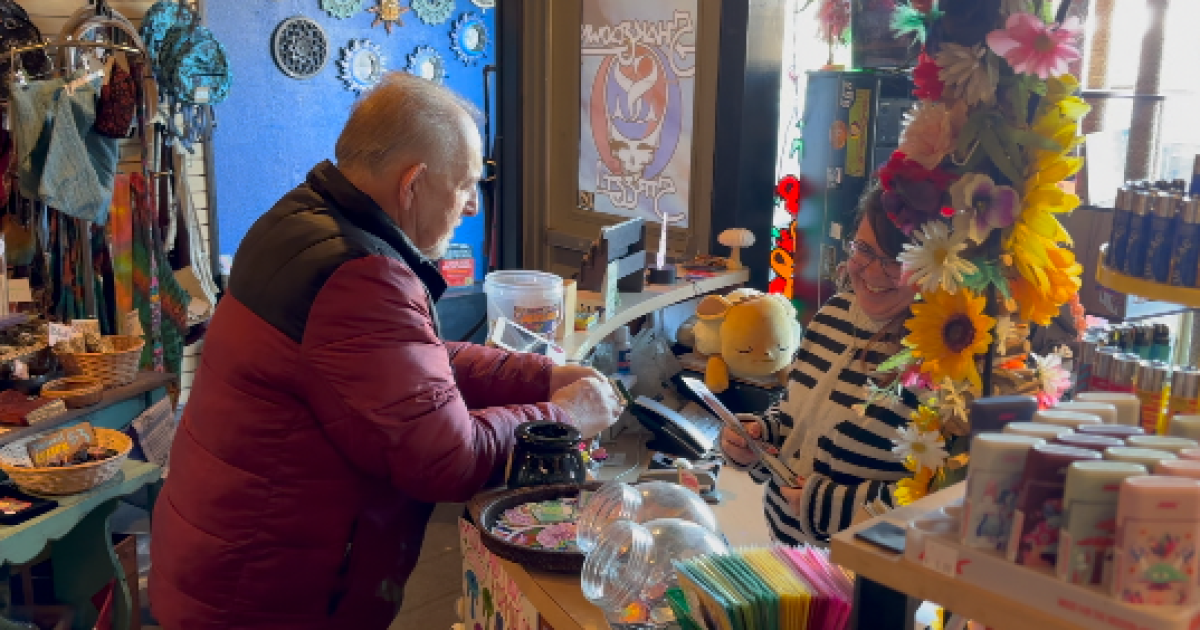
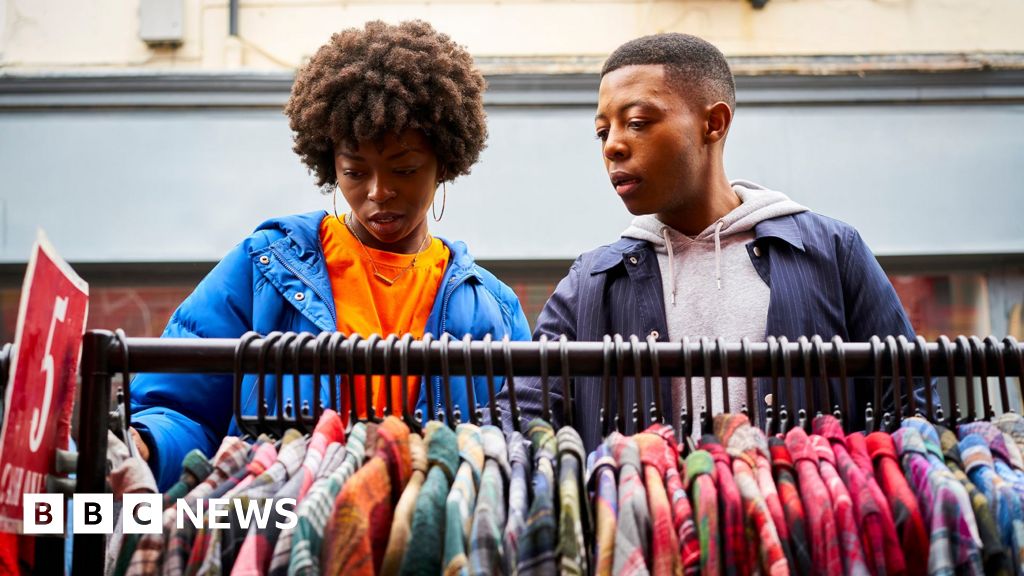
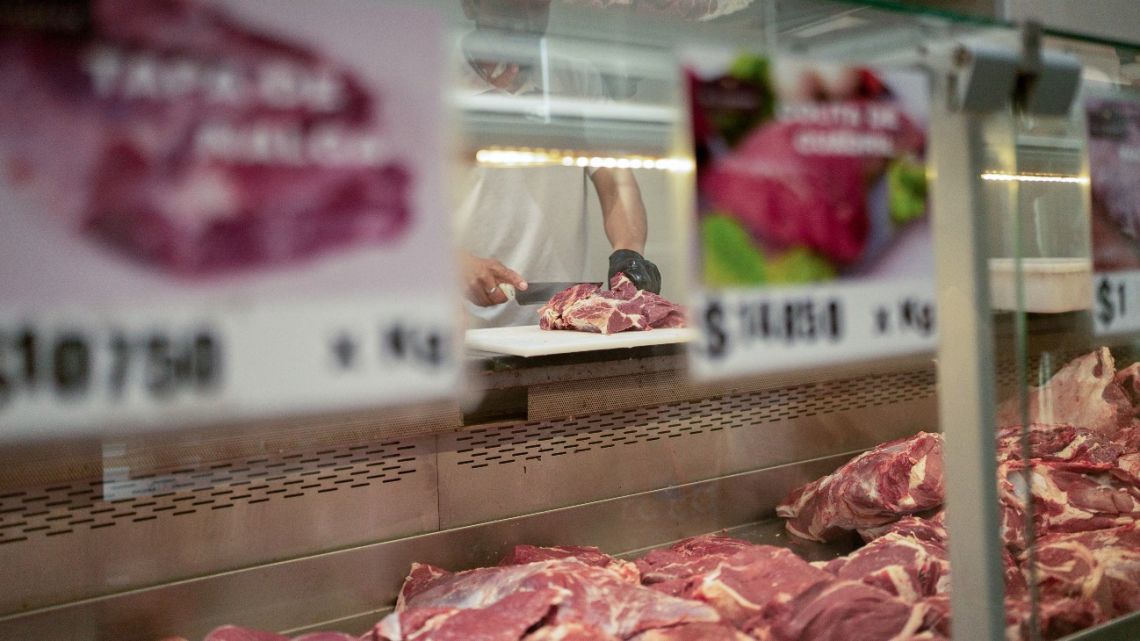
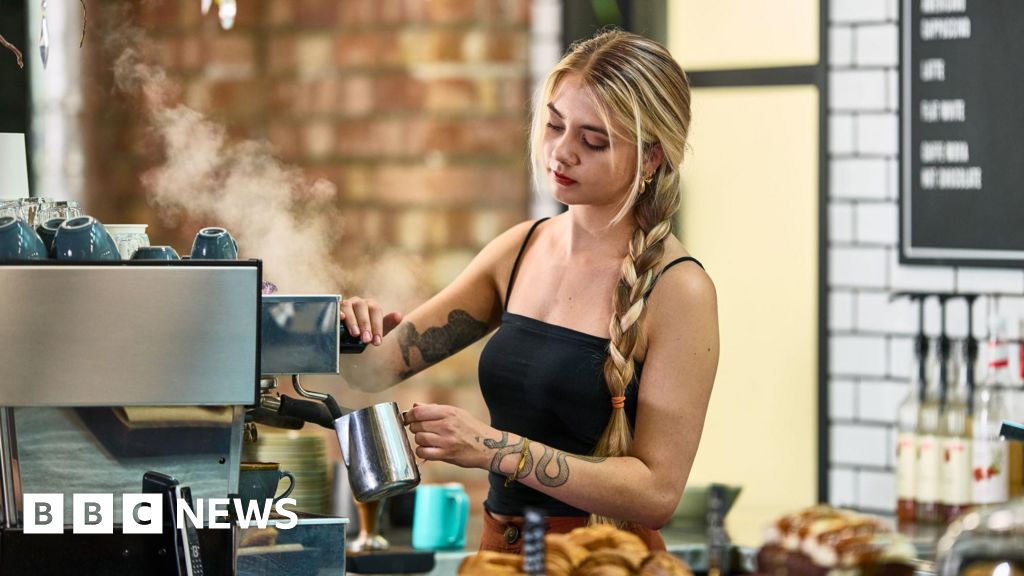
Instead of asking an AI to find the perfect mass-produced shoe, a consumer might pay extra for a cobbler who handcrafts one pair at a time. Instead of ordering algorithmically optimized meal plans, a diner might choose a farm-to-table restaurant where they know the chef personally.
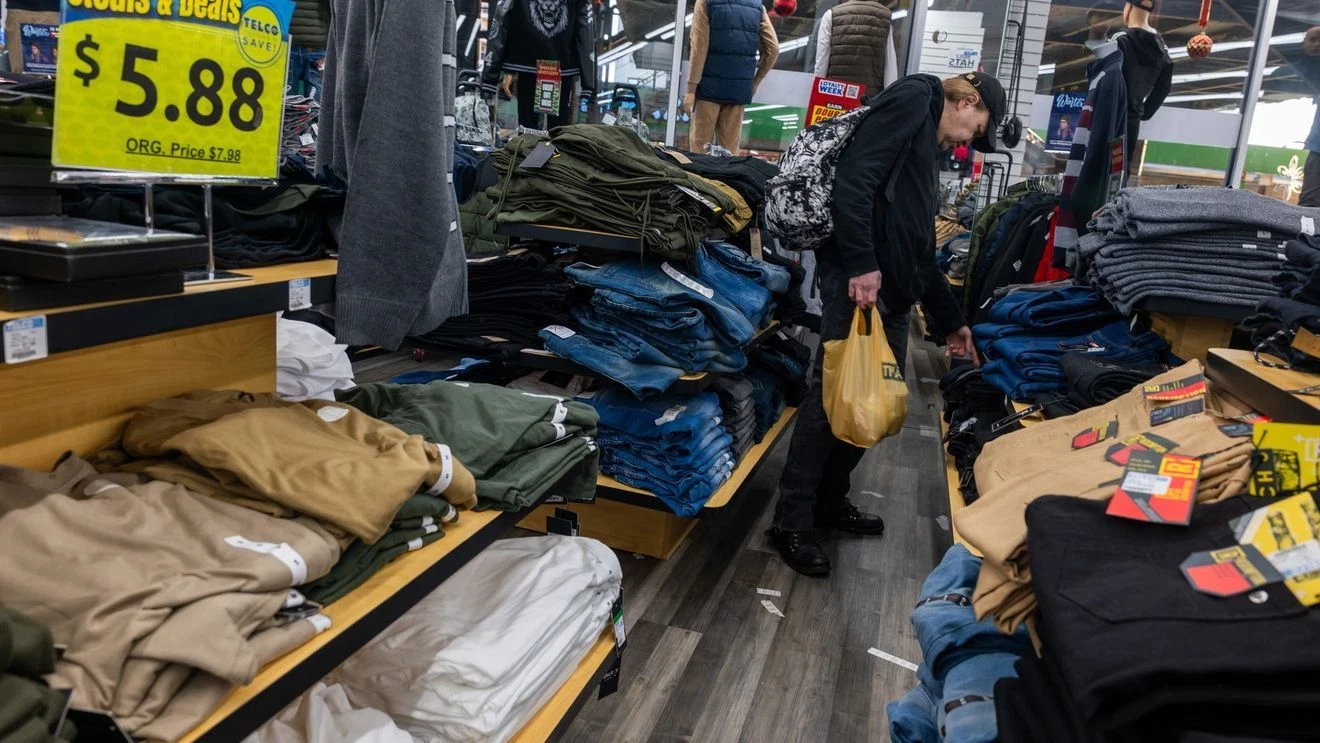
Now, with the acceleration of AI, the possibilities of a bespoke economy are expanding even further. For decades, consumers and businesses alike have made purchasing decisions within a narrow set of predefined options. Clothing comes in small, medium or large. Internet packages are bundled into basic, premium and ultra. Tablets, phone plans and even fast-food meals follow the same logic, using simplified categories designed to make manufacturing and marketing efficient.
This system wasn’t created to serve us as the buyers. It was created to make life easier for sellers. The categories we know as “sizes,” “tiers” or “plans” are shortcuts that help companies streamline production and position their products in the marketplace. Shoppers accept the trade-off because, let’s face it, most of us don’t have the time, patience or expertise to analyze every specification before making a choice. Convenience wins over thorough decision making.
Why The Old Model Is Starting To Fall Short
AI could change the basic equation of how people choose products and services. Soon, consumers may not just browse product pages or compare three simple tiers. Instead, they might delegate the task to AI agents empowered with detailed personal data:
• Our inseam, weight and style preferences when buying clothing
• Daily nutritional needs and health goals for grocery or meal planning
• Commute time, usage patterns and home infrastructure for technology, cars and appliances
• Energy consumption, compatibility requirements or business workflows for enterprise solutions
In this world, small, medium and large won’t cut it. An AI agent tasked with finding the best option will ignore broad categories and demand precision-fit data. Products or services without this level of specificity won’t even make the short list.
The Rise Of The Bespoke Economy
In this new paradigm, products and services will no longer be defined by blunt categories but by “fit profiles”—rich, machine-readable descriptions that map directly to the needs of each buyer.
For consumers, this could mean the end of compromise: No more buying the closest fit and hoping it works out. No more ordering three sizes online and returning two. Your AI agent will ensure the recommendation is exact before the transaction happens.
For businesses, this could mean a profound shift in how offerings are structured and marketed. Success will depend on making products discoverable by AI agents by sharing detailed specifications, attributes and configurations instead of hiding behind generic size buckets or marketing-driven labels.
Beyond Fit: Values And Trust
The bespoke economy likely won’t be just about authentic craftsmanship and matching technical specifications. It could also extend into buyer values and trustworthiness.
AI agents could factor in whether a product or service aligns with a buyer’s ethical, environmental or social priorities. A shirt won’t just be the right size; it will also come from a supply chain that meets the buyer’s standards for sustainability or labor practices. A cloud service won’t just scale properly; it will also meet expectations for data privacy or carbon footprint.
Trust may also be redefined. Instead of scrolling through anonymous star ratings, buyers may rely on AI to validate reviews against their own social graph. Did someone you know, or someone in your neighborhood with the same needs as you, actually use a product and endorse it? AI can cross-check reviews for authenticity and weigh their credibility based on social proximity. This makes it much harder for fake reviews or manipulated ratings to distort decision making.
In short, fit, values and trust may merge into a single evaluation framework.
Preparing For A Customized Future
Mainstream commerce will likely be dominated by the bespoke economy, with AI agents driving exact matches, value alignment and trust-based filtering. Premium and niche markets will thrive in the bespoke economy, too, with human-crafted, artisanal products and services that offer emotional resonance and authenticity.
In both cases, companies must recognize that buyers expect more than just functionality. Whether through AI precision or human craftsmanship, products must align with identity, values and trust.
How should companies prepare? One way is to embrace this new economy. Instead of offering rigid categories, businesses can share a continuous spectrum of product attributes, from technical specifications to ethical sourcing claims, that AI agents can parse and match to buyers’ profiles.
Think of it as replacing the menu of three or four fixed options with an open, data-rich spectrum that enables precise alignment. In the bespoke economy, the winners will be those who give AI the information it needs to make confident, value-aligned and trustworthy recommendations.
The Bottom Line
The age of sizes may be ending for many products. As AI becomes an intermediary between buyers and sellers, the companies that thrive will be those that recognize the new rules of the game. It’s no longer about offering the right categories—it’s about offering the right fit profile, backed by values and trust.
The future likely won’t be built on small, medium and large. It will be built on precision, personalization and authenticity. And for businesses, that means it’s time to rethink how products and services are defined, structured and presented.
Forbes Agency Council is an invitation-only community for executives in successful public relations, media strategy, creative and advertising agencies. Do I qualify?