
Flexi Cap Fund Explained – Investing Across Market Caps Without Picking Sides
Choosing the right mix of large cap, mid cap and small cap stocks is one of the most important decisions in equity investing. Each segment offers distinct advantages, but their relative performance can vary significantly across market cycles. As a result, determining the optimal allocation often requires continuous monitoring, research and timely portfolio adjustments. The challenge is that market leadership rarely remains constant. A segment that outperforms during one phase of the market cycle may underperform in the next, making it difficult for investors to consistently position their portfolios for changing market conditions.
A Flexi Cap Fund offers a solution to this challenge by providing the flexibility to invest across the entire market capitalisation spectrum. Rather than being confined to a specific segment, it can dynamically allocate capital across large cap, mid cap and small cap companies based on prevailing opportunities and the investment outlook.
Key Takeaways
- A Flexi Cap Fund invests across large cap, mid cap and small cap companies without fixed allocation restrictions.
- It eliminates the need for investors to constantly decide which market segment is likely to outperform next.
- The fund manager has the flexibility to allocate capital based on opportunities, valuations and market conditions.
- Unlike a Multi Cap Fund, a Flexi Cap Fund is not required to maintain minimum allocations to specific market cap segments.
- It provides diversified equity exposure through a single portfolio, reducing the complexity of managing multiple funds
Understanding Market Capitalisation
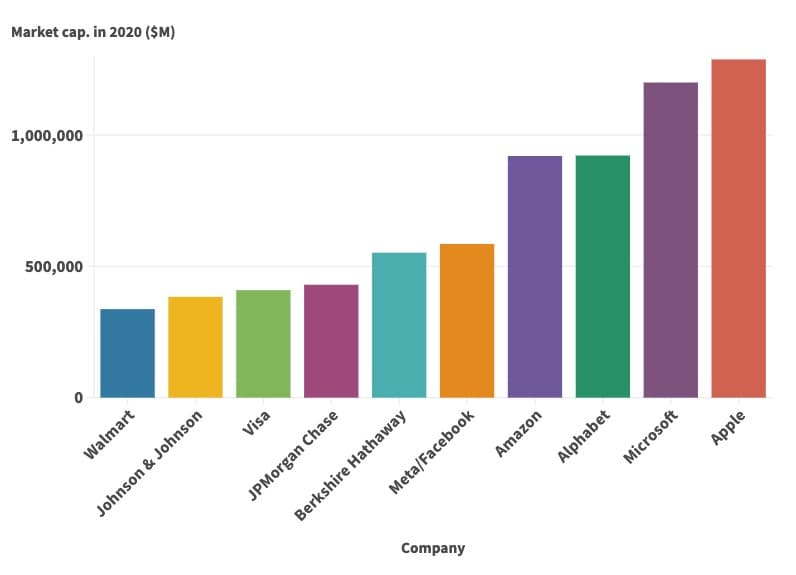
Market capitalisation, or market cap, refers to the total market value of a company’s outstanding shares. It is a commonly used measure to classify companies based on their size.
As per SEBI’s classification framework
- Large Cap Companies are the top 100 companies by full market capitalisation.
- Mid Cap Companies are ranked from 101st to 250th by full market capitalisation.
- Small Cap Companies comprise all companies ranked 251st and below by full market capitalisation.
Each segment offers a distinct risk return profile. Large cap companies are generally more established and resilient, while mid cap and small cap companies may offer higher growth potential, albeit with greater volatility. As a result, determining the right allocation across these segments can be a key investment decision.
The Challenge of Choosing the Right Market Segment
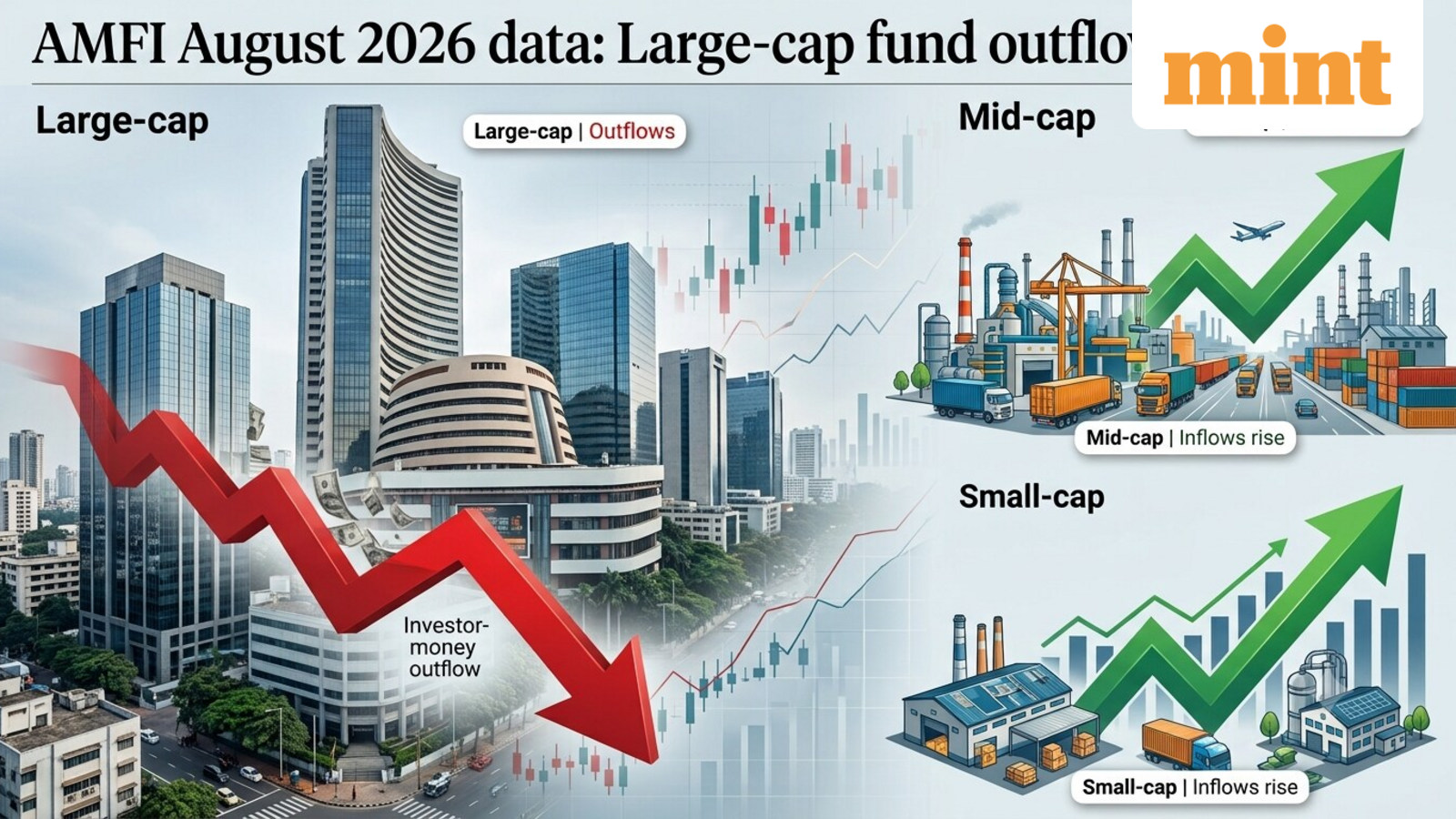
One of the toughest decisions in equity investing is deciding where to allocate capital across large cap, mid cap and small cap stocks. Each segment offers distinct advantages. Large cap companies provide stability, mid cap businesses offer a balance of growth and resilience, while small cap companies can deliver significant long term wealth creation.
The challenge is that market leadership keeps changing. At certain times, large caps outperform as investors seek stability. During other phases, mid caps and small caps take the lead as growth opportunities expand. These shifts are often clear only in hindsight. By the time a particular segment becomes popular, much of the opportunity may already have been captured. Investors can end up increasing exposure to recent winners while overlooking areas that may be poised for the next phase of growth.
This is precisely why many investors prefer an approach that does not depend on predicting which market segment will outperform next, but instead provides the flexibility to invest across the entire market opportunity set.
How Flexi Cap Fund Address This Challenge
A Flexi Cap Fund is designed to remove the need for investors to constantly choose between large cap, mid cap and small cap stocks. Unlike category-specific equity funds, it can invest across the market capitalisation spectrum, allowing the fund manager to allocate capital wherever the most attractive opportunities are identified. This flexibility enables the portfolio to adapt to changing market conditions, valuations and growth prospects without being restricted to a particular segment.
For investors, this means gaining exposure to businesses of different sizes through a single fund while leaving market cap allocation decisions to a professional fund manager. The result is a diversified and adaptable investment approach that can evolve with changing market cycles. For those seeking long-term equity exposure without having to predict which market segment will outperform next, a Flexi Cap Fund can serve as a practical core portfolio holding.
What Makes Flexi Cap Fund Different from Multi Cap Fund
- A Flexi Cap Fund and a Multi Cap Fund are often grouped together because both invest across large cap, mid cap and small cap companies. However, there is an important distinction.
- A Multi Cap Fund is required to maintain minimum allocations across different market capitalisation segments. A Flexi Cap Fund, on the other hand, has the freedom to adjust allocations without such constraints.
This flexibility allows the Flexi Cap Fund manager to respond to changing market conditions and valuation opportunities more effectively. Rather than adhering to a fixed allocation framework, the fund manager can increase or reduce exposure to a particular segment based on the investment outlook and portfolio strategy.
Who Should Consider Flexi Cap Fund?
A Flexi Cap Fund may be particularly suitable for investors seeking a diversified equity allocation without the complexity of managing separate investments across large cap, mid cap and small cap categories. By investing across the market capitalisation spectrum, it offers exposure to a broader opportunity set through a single portfolio. It can be especially relevant for investors who prefer to focus on their long-term financial goals rather than making frequent decisions about which market segment is likely to outperform. Instead of actively adjusting allocations as market cycles evolve, investors can rely on the fund manager to identify opportunities and allocate capital accordingly.
A Flexi Cap Fund may also appeal to those building a core equity portfolio. Its ability to invest across companies of different sizes allows it to participate in multiple drivers of economic and corporate growth while maintaining the flexibility to adapt to changing market conditions. As a result, it is often considered by investors looking for a balanced and versatile approach to long-term equity investing.
Conclusion
Successful investing is not always about identifying the next winning market segment. More often, it is about maintaining disciplined exposure to quality businesses while adapting to changing market conditions. A Flexi Cap Fund offers a practical way to achieve this objective. By investing across the market capitalisation spectrum and allowing the fund manager the flexibility to allocate capital where opportunities emerge, it provides investors with a diversified and adaptable approach to long-term equity investing.


Disclaimers
Investors may consult their Financial Advisors and/or Tax advisors before making any investment decision.
These materials are not intended for distribution to or use by any person in any jurisdiction where such distribution would be contrary to local law or regulation. The distribution of this document in certain jurisdictions may be restricted or totally prohibited and accordingly, persons who come into possession of this document are required to inform themselves about, and to observe, any such restrictions.
MUTUAL FUND INVESTMENTS ARE SUBJECT TO MARKET RISKS, READ ALL SCHEME RELATED DOCUMENTS CAREFULLY.