Searching for legit forex signals can feel like walking into a market where everyone is shouting and nobody shows their receipts. Buy and sell alerts are everywhere Telegram groups, X threads, random websites, and most beginners follow the first one that promises big wins. The problem? Most of them can’t prove a single thing.
The safest way to judge any signal is to paper-trade it on a demo account for 30–60 days before risking real money.
However, this guide shows you exactly what a real forex signal looks like, the red flags behind most services, and a simple 6-point checklist to separate legit forex signals from the noise without risking a single dollar.
What Does a Forex Signal Actually Contain?
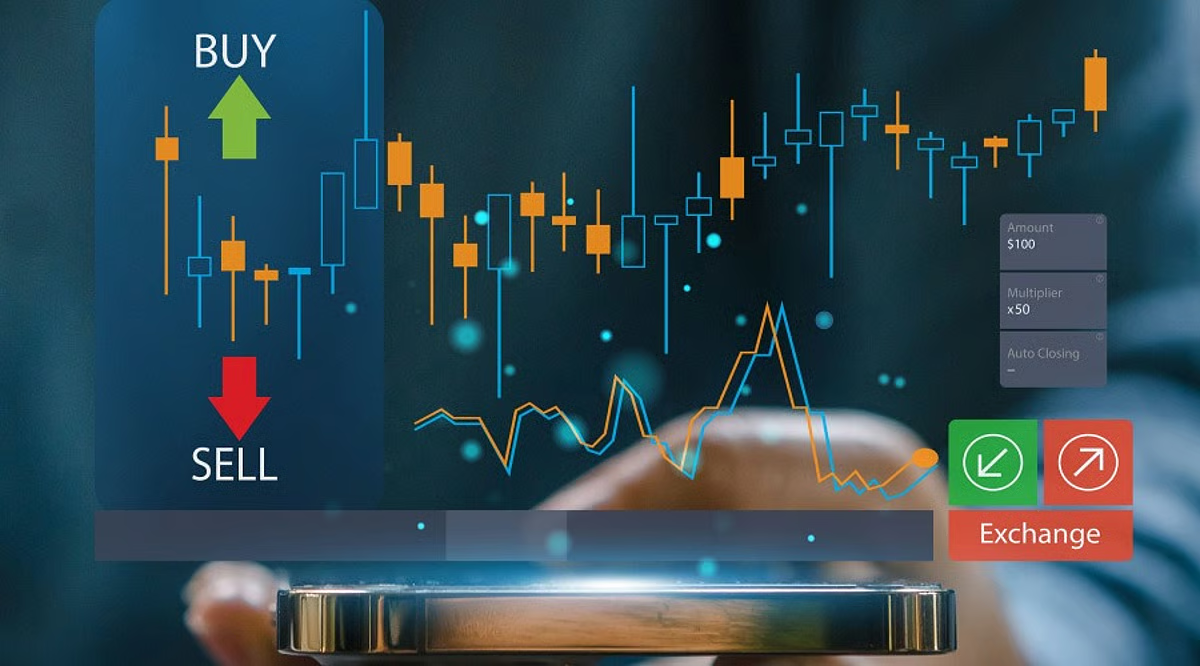
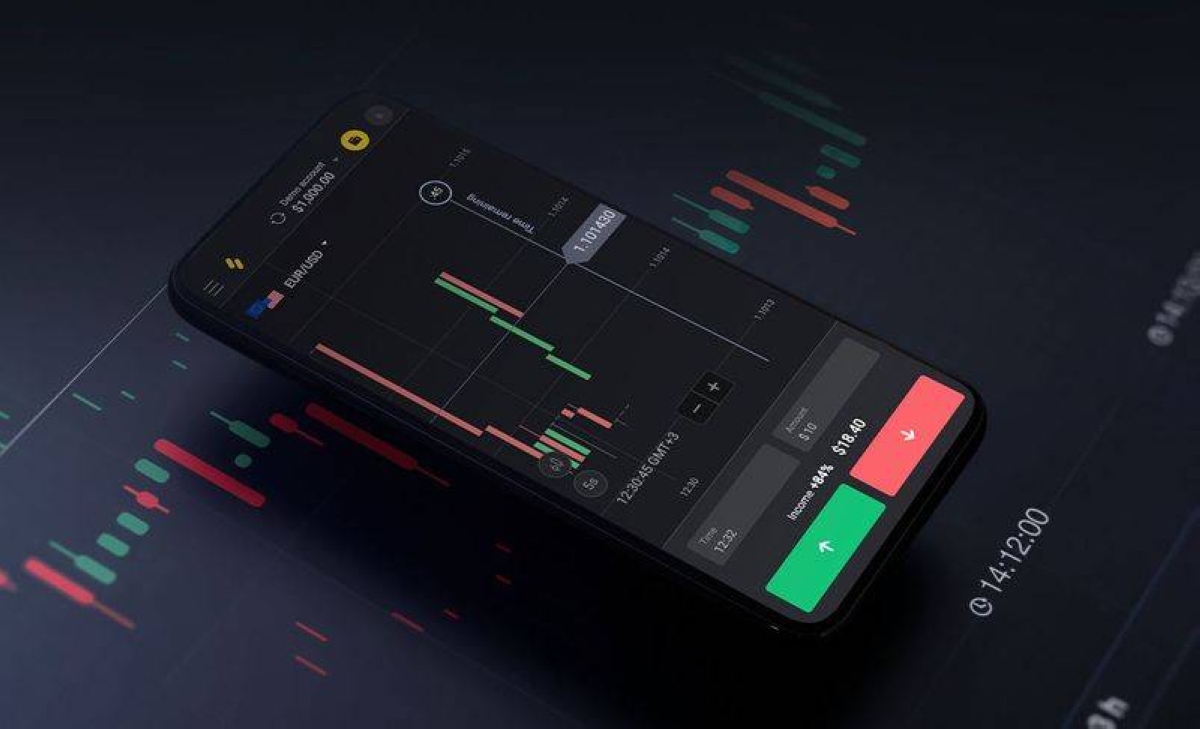
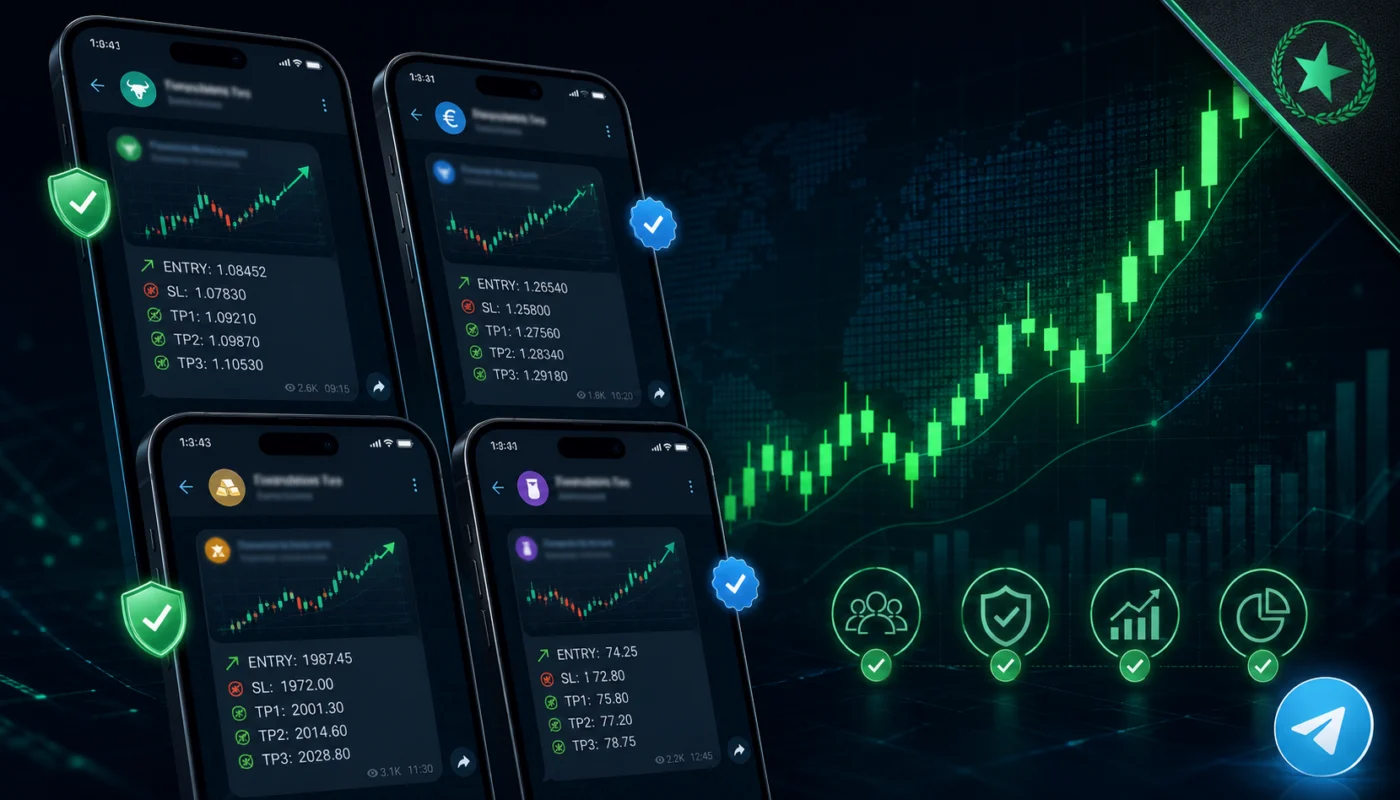
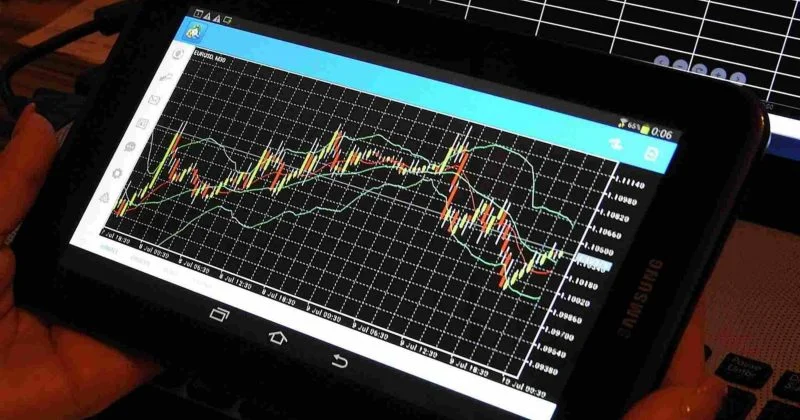
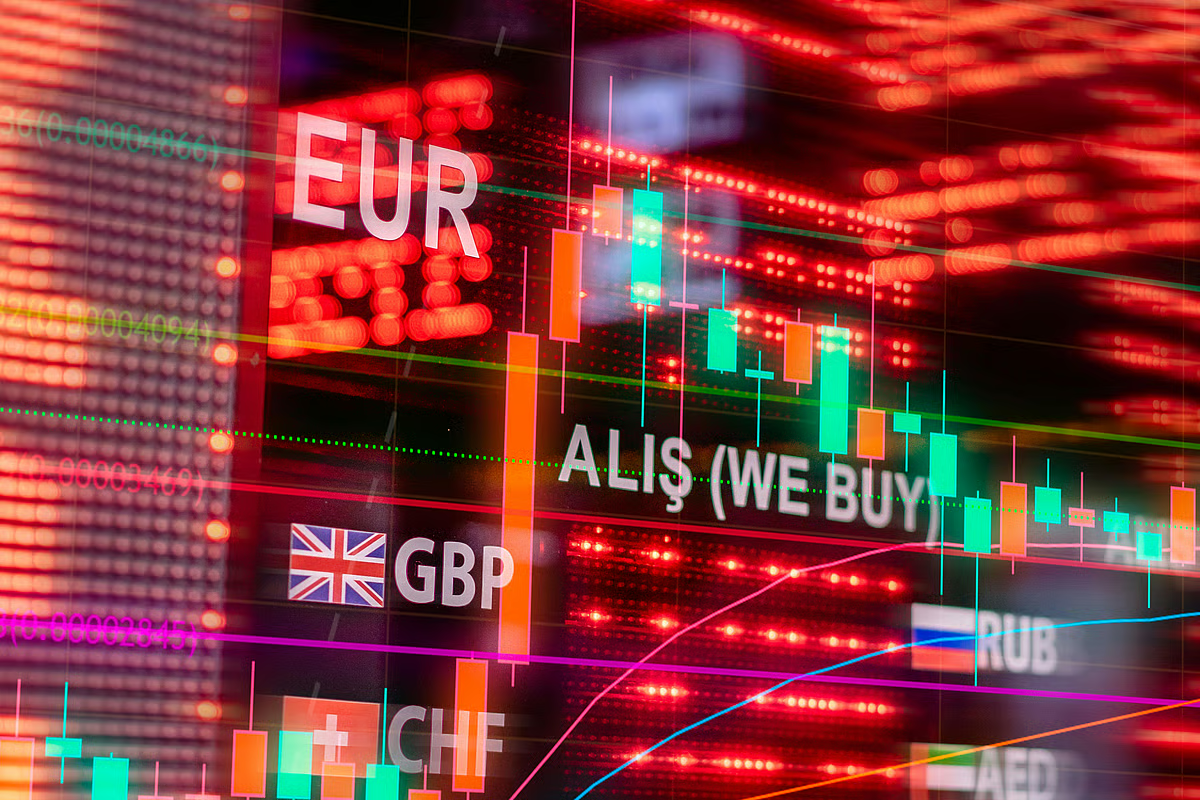
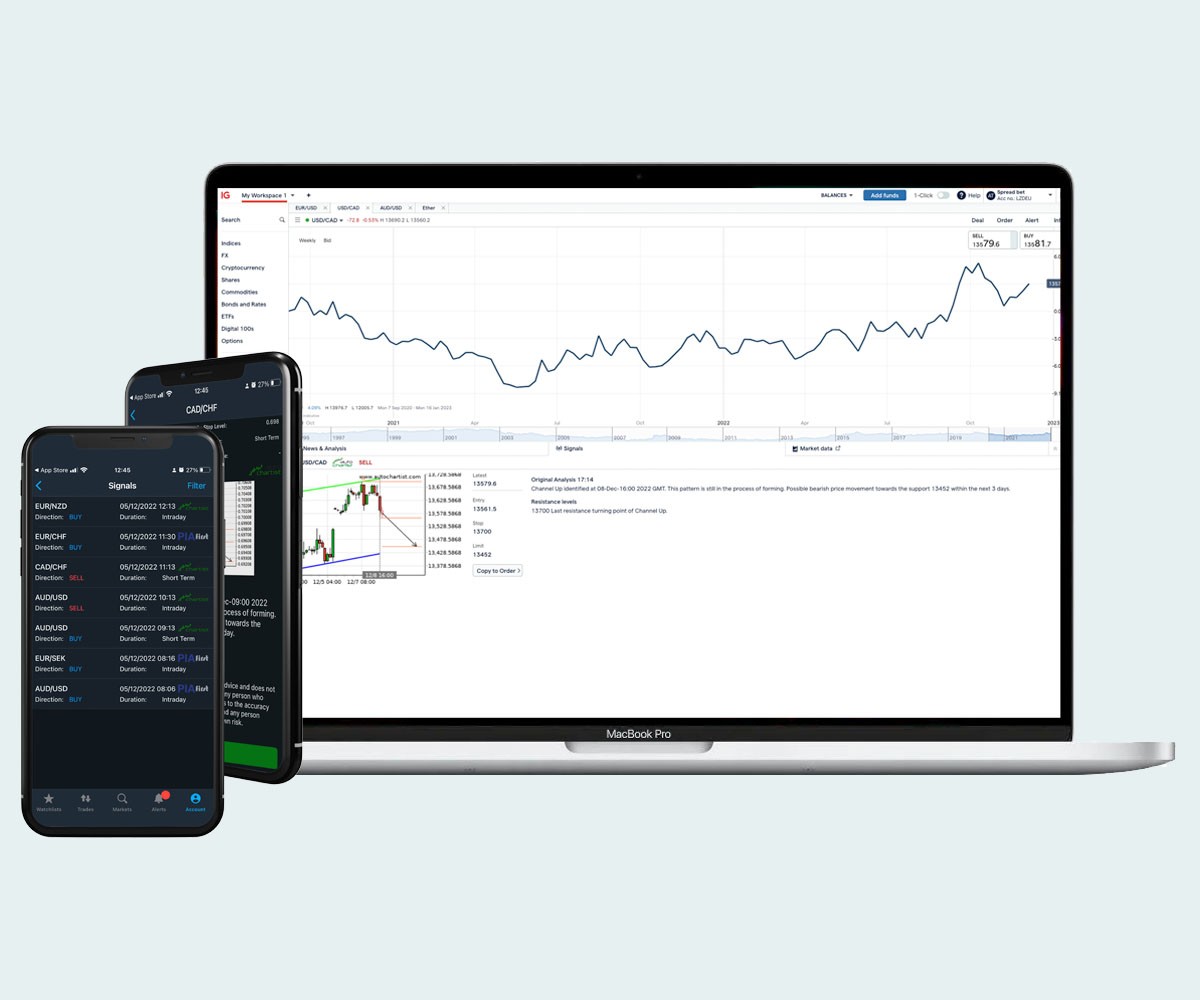
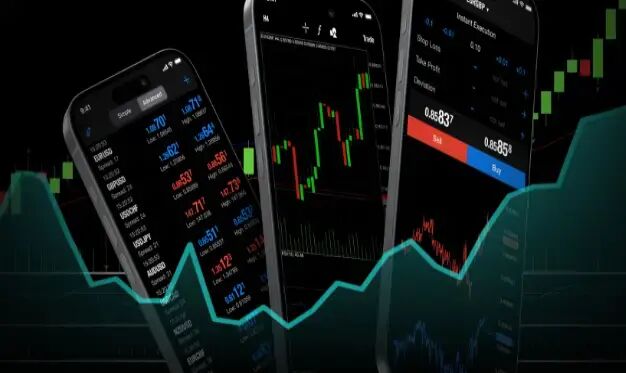
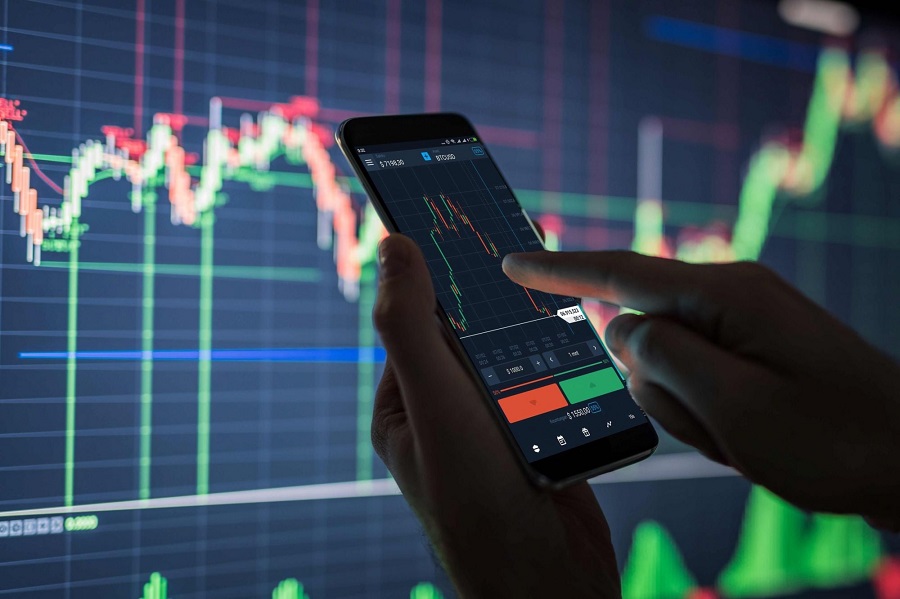
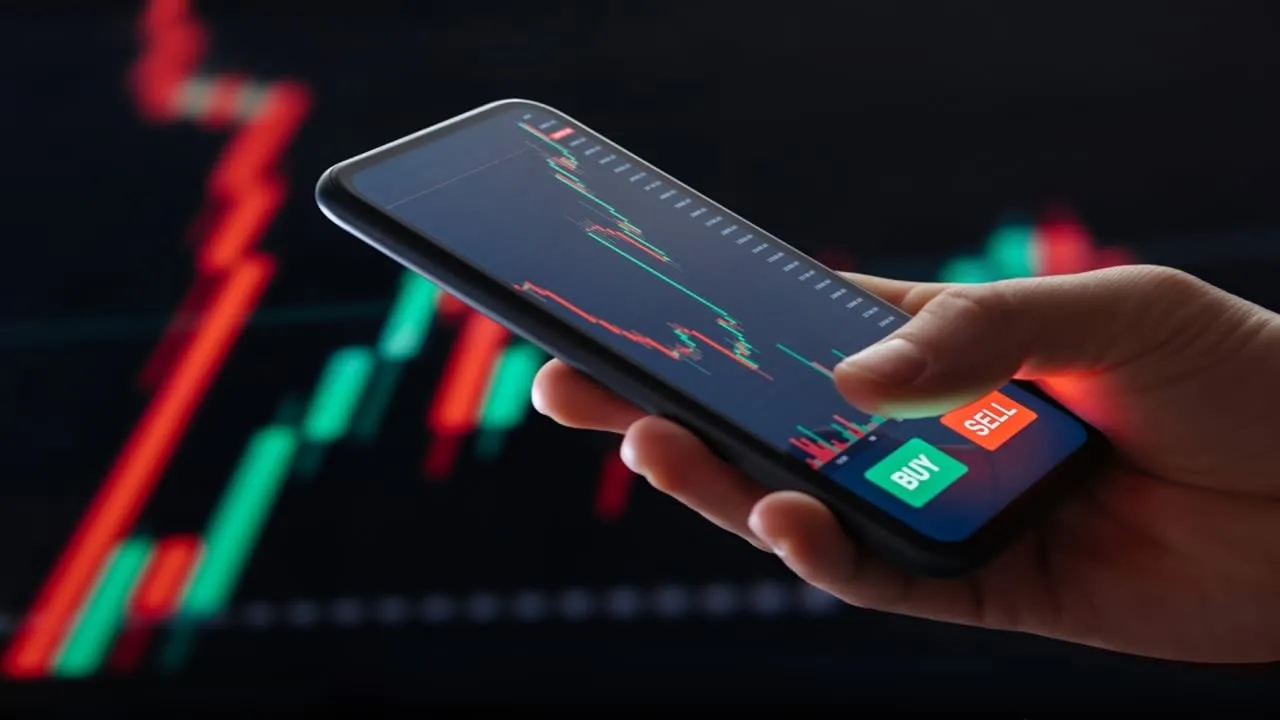
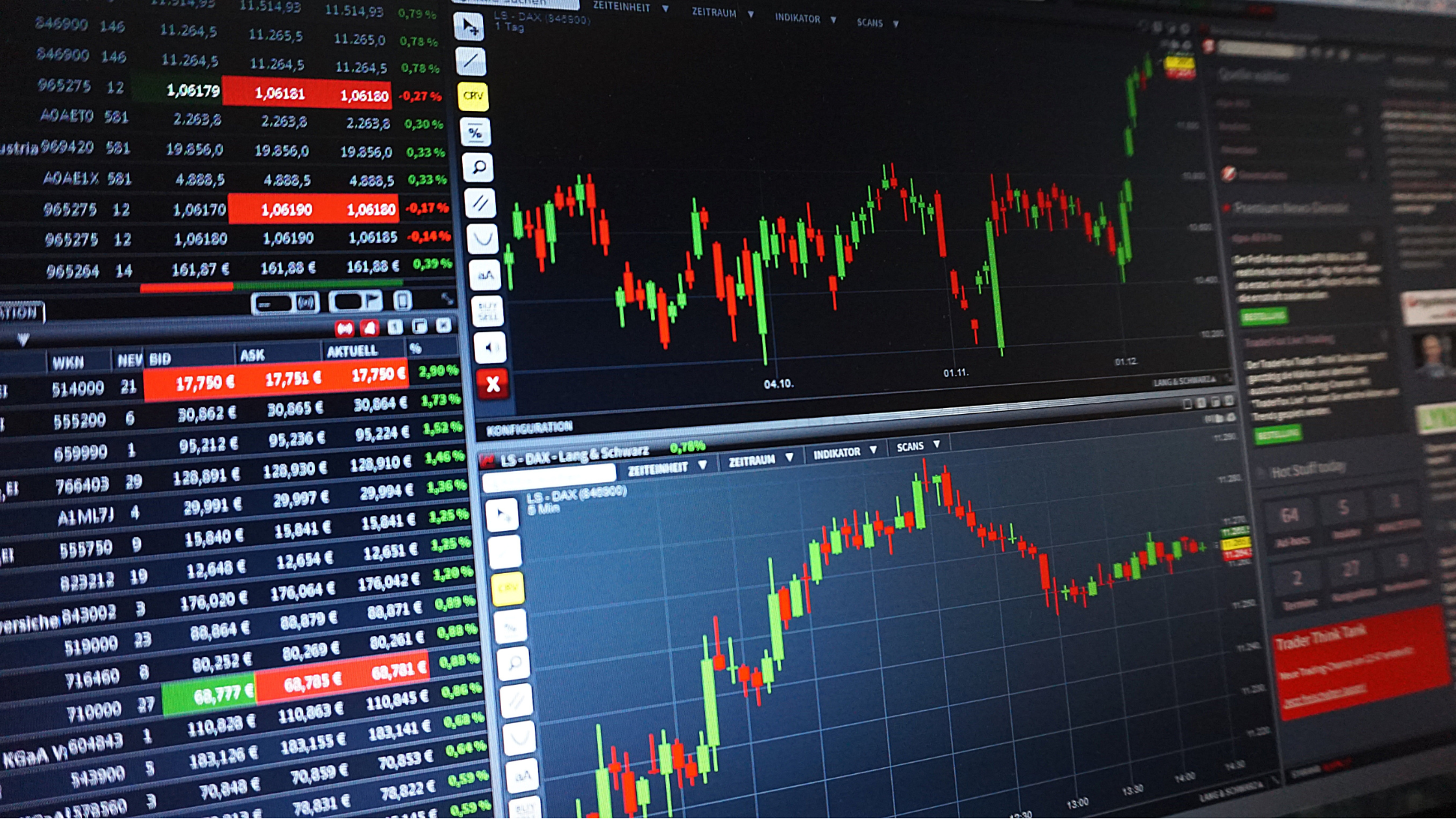
A forex signal is a buy or sell alert that tells you exactly how to place a trade on a currency pair. Think of it like a text from a knowledgeable friend: “Buy EUR/USD now, exit here if it drops, take profit there.”
A complete, legit signal always has these parts:
- Currency pair-which market to trade (e.g., EUR/USD, XAU/USD).
- Direction-buy (long) or sell (short).
- Entry price-the price at which you open the trade.
- Stop loss (SL)-an automatic exit that caps how much you can lose if the market moves against you.
- Take profit (TP)-an automatic exit that locks in your gains when you hit the target.
Here’s the rule to memorise: a signal without a stop loss is not a signal, it’s a gamble.
If a source posts “BUY GOLD NOW ” with no entry, no SL, and no TP, it is not giving you a tradeable plan. It’s giving you hype.
Many legit providers also include a risk/reward ratio (e.g., 1:2, meaning you risk $1 to aim for $2) and a lot size suggestion. These details let you size the trade to your own account instead of blindly copying.
Why Aren’t Most Forex Signals Legit?
Anyone can open a channel and start posting trade calls — no licence, no proof, no accountability. That’s why the market is flooded with services that look convincing but fall apart the moment you ask how they actually operate. Before you trust any signal source, ask what the provider gets out of it. Usually it’s one of these:
- Broker referral kickbacks. The channel pushes you to open an account with a specific broker, then earns a commission on your trades — or worse, on your losses. Some of these brokers are unregulated.
- Unverifiable upsells. The “trial” calls are watered down or cherry-picked, and the supposedly profitable ones sit behind a fee you can’t evaluate until you’ve paid.
- Pump-style coordination. A large group is told to buy the same pair at once. Early members profit; latecomers are left holding the bag.
- No accountability at all. A faceless channel posts hundreds of calls, deletes the losers, and screenshots only the winners. There’s nothing to verify and no one to answer for it.
None of this means every signal service is a scam. Plenty of regulated brokers and established platforms including SureShotFX, one of the best forex signals providers, share signals as a genuine entry point for new traders. The point is simple: always know how the provider makes money before you trade their calls.
6 Checks for a Legit Forex Signal Source
Run any signal source through these six checks. If it fails more than one or two, walk away.
- A verifiable track record — not screenshots.
Legit Forex signal providers mostly share forex signals on Telegram and link to third-party verified results through tools like Myfxbook or FX Blue, where wins and losses are tracked automatically.
- Full trade details on every signal.
Every alert should include entry, stop loss, and take profit. Consistent structure signals a real process. “Buy now” with no levels signals improvisation.
- Transparency about who’s behind it.
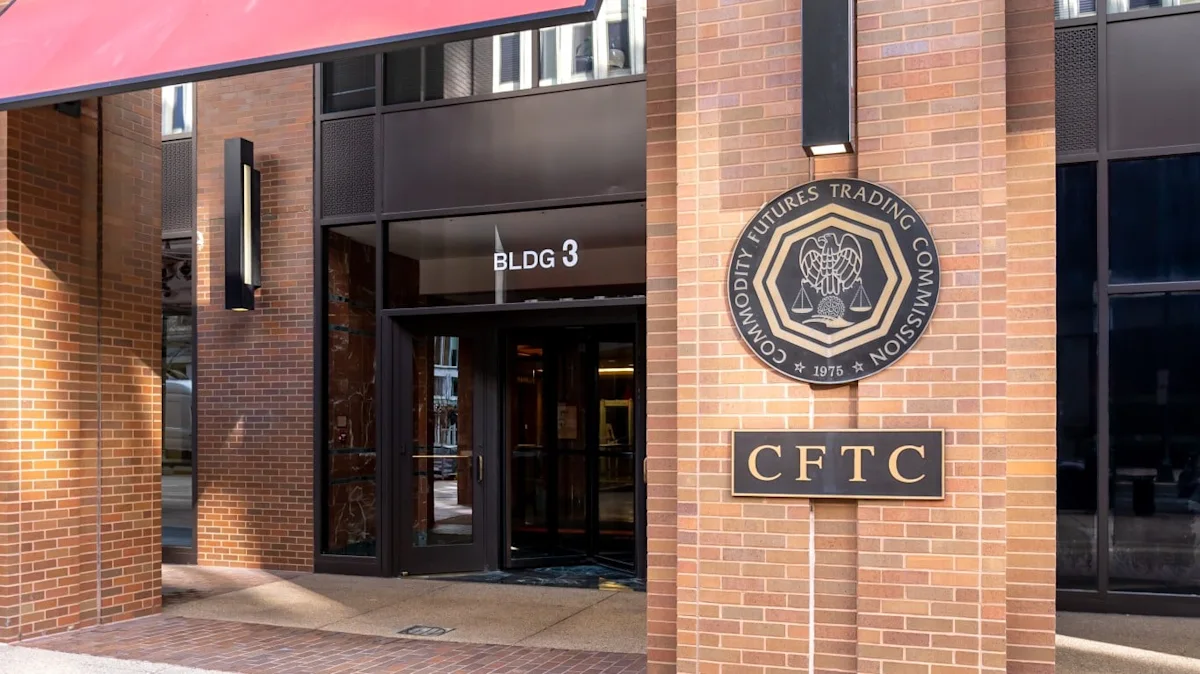
Can you find out who runs the service? Is any linked broker regulated by a real authority — the FCA (UK), ASIC (Australia), CySEC (Cyprus), or CFTC/NFA (US)? Anonymous + unregulated is a red flag.
- Honest risk messaging.
A trustworthy source reminds you that no signal is 100% accurate, that you should always use a stop loss, and that losing trades happen. A source promising “guaranteed profit” or “100% win rate” is lying — that language is banned for regulated firms for a reason.
- No pressure to deposit fast.
Legit education doesn’t come with a countdown timer. Be wary of “deposit $500 in the next hour to unlock VIP signals” or any hard push toward a single broker.
- A real, responsive community.
Consistent posting, answered questions, and visible long-term members suggest a genuine service. Ghost channels that post in bursts and vanish do not.
How to Test Forex Signals Risk-Free on a Demo
Never judge a signal source with real money. A demo account uses virtual funds with live market prices, so you can test exactly how a signal performs without risking a cent. Here’s the simple process:
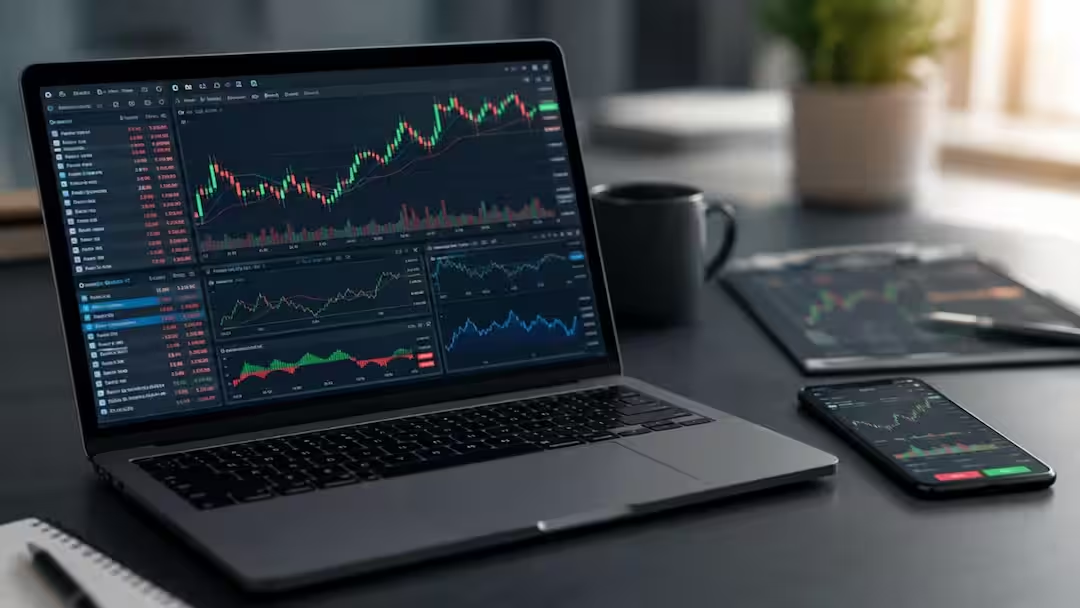
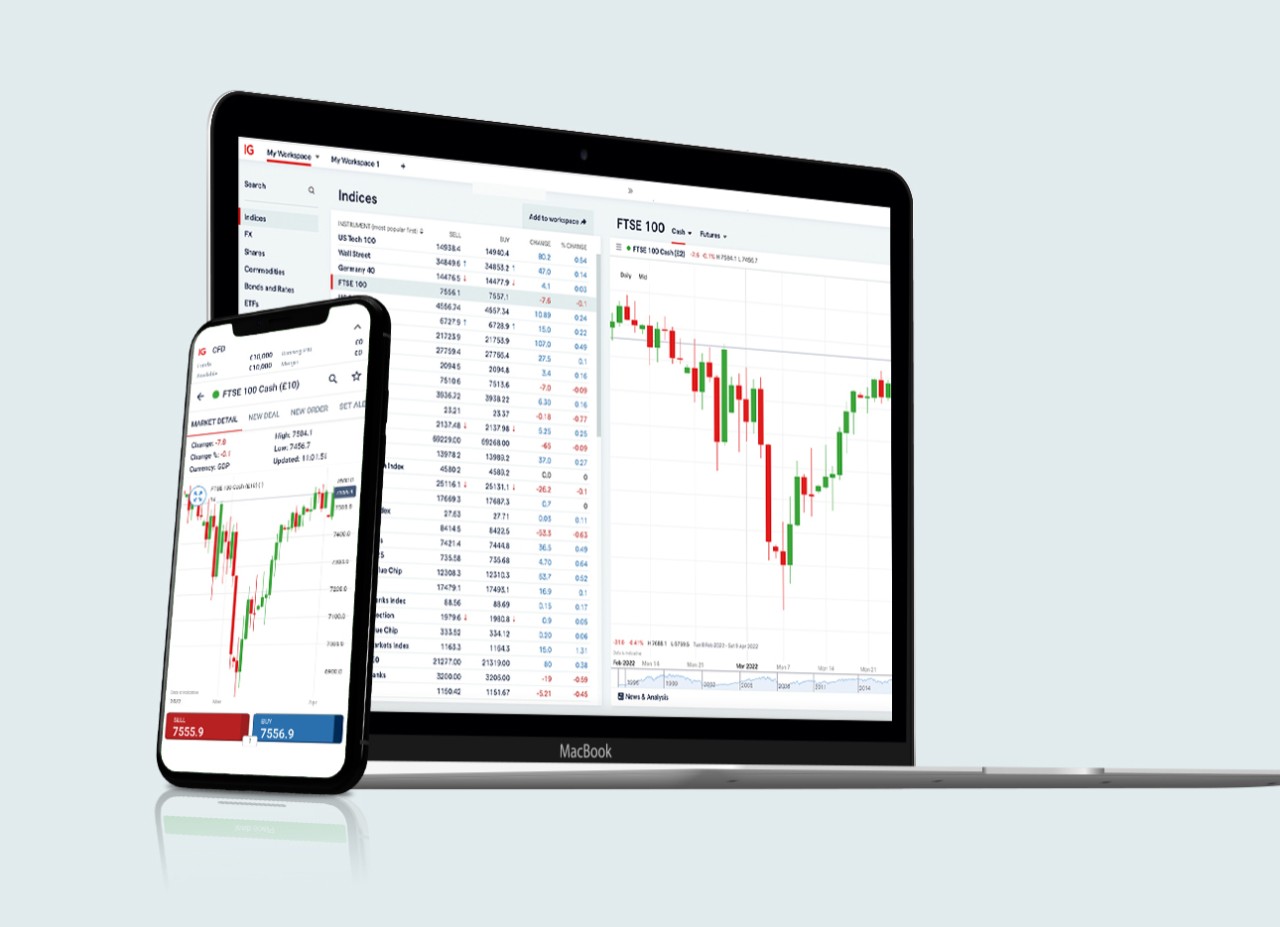
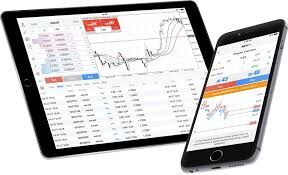
- Open a demo account on MetaTrader 4 (MT4) or MetaTrader 5 (MT5) through any regulated broker.
- Follow the signals as posted — same entry, same stop loss, same take profit — for 30 to 60 days. Don’t skip the losers; that defeats the test.
- Log every trade in a journal: pair, direction, entry, SL, TP, and the result.
- Measure three things: the real win rate, the average risk/reward ratio, and the largest drawdown (how far the account dropped from its peak).
- Only go live if the results hold up and you’re genuinely comfortable with the worst losing streak you saw. Even then, follow that Forex signal but start small.
This single habit filters out almost every bad signal source because the ones that delete their losing screenshots can’t hide from a demo journal.
The Bottom Line
Legit forex signals do exist, but they’re a small slice of a noisy market. The real ones come with complete trade details, verifiable results, an honest stance on risk, and no pressure to deposit. The fake ones come with rocket emojis and a “guaranteed” promise.
Use the six checks, test everything on a demo first, and remember the hard truth from the regulators: most retail traders lose money, and no signal removes that risk. Treat signals as a learning tool, not a shortcut.