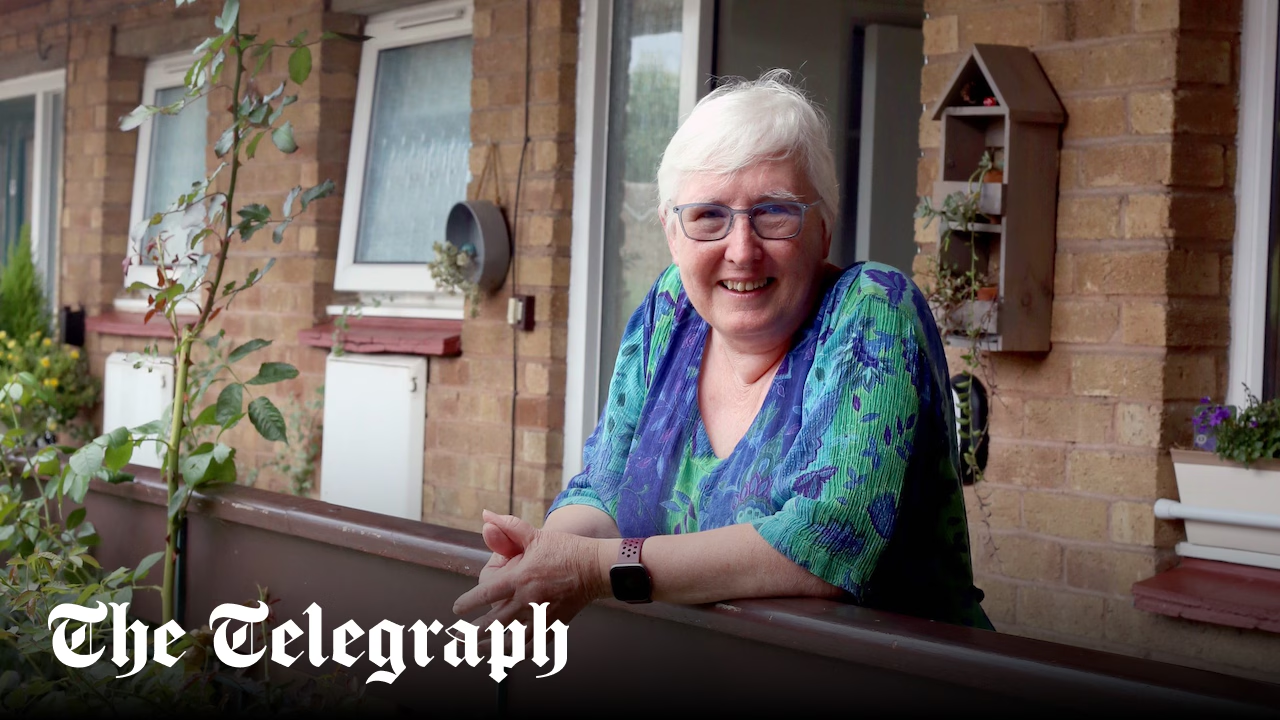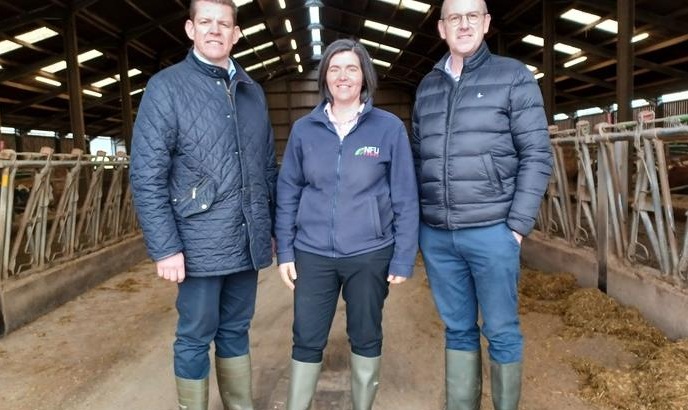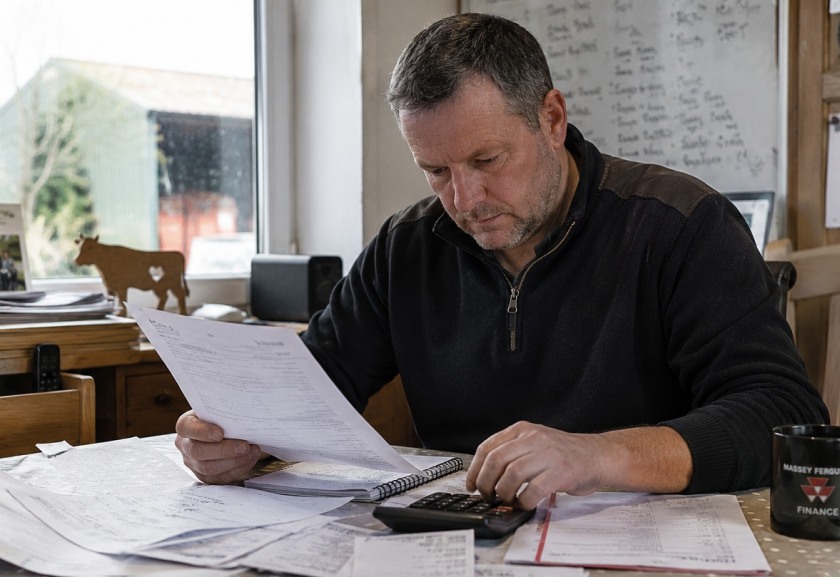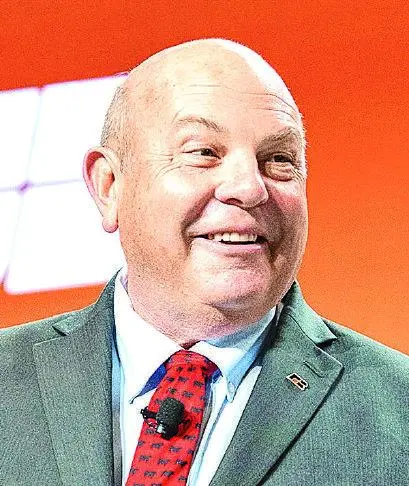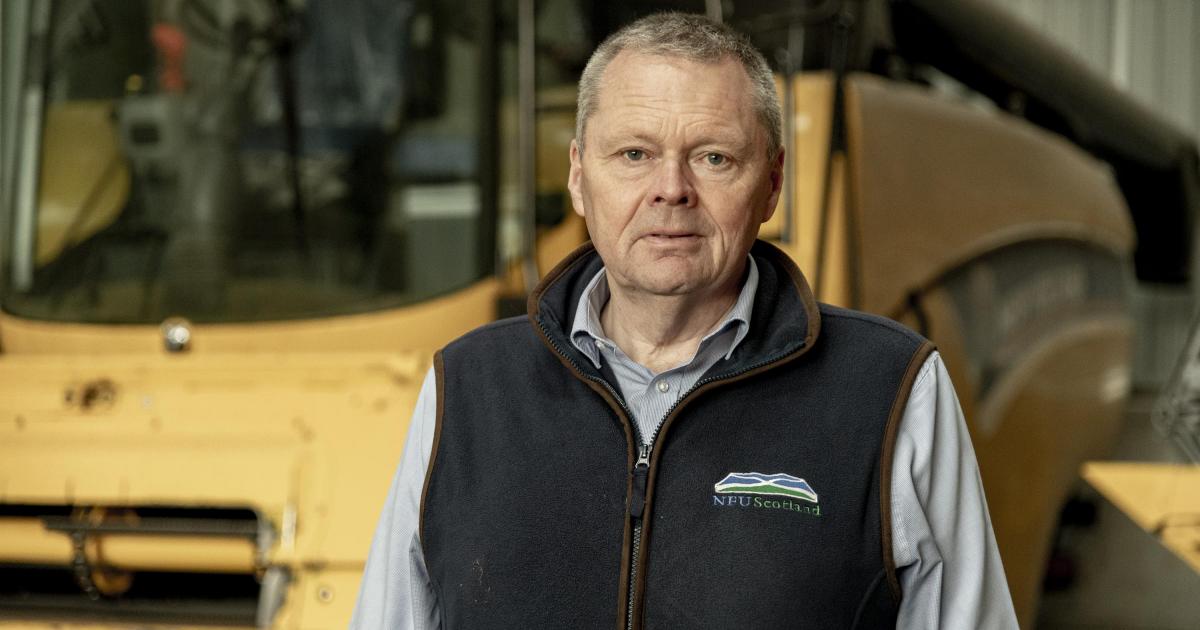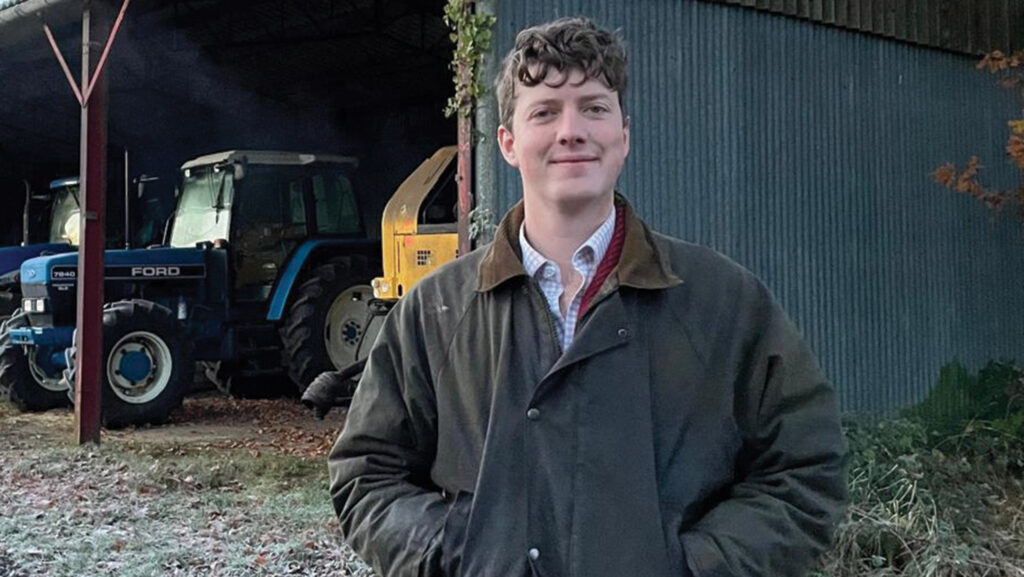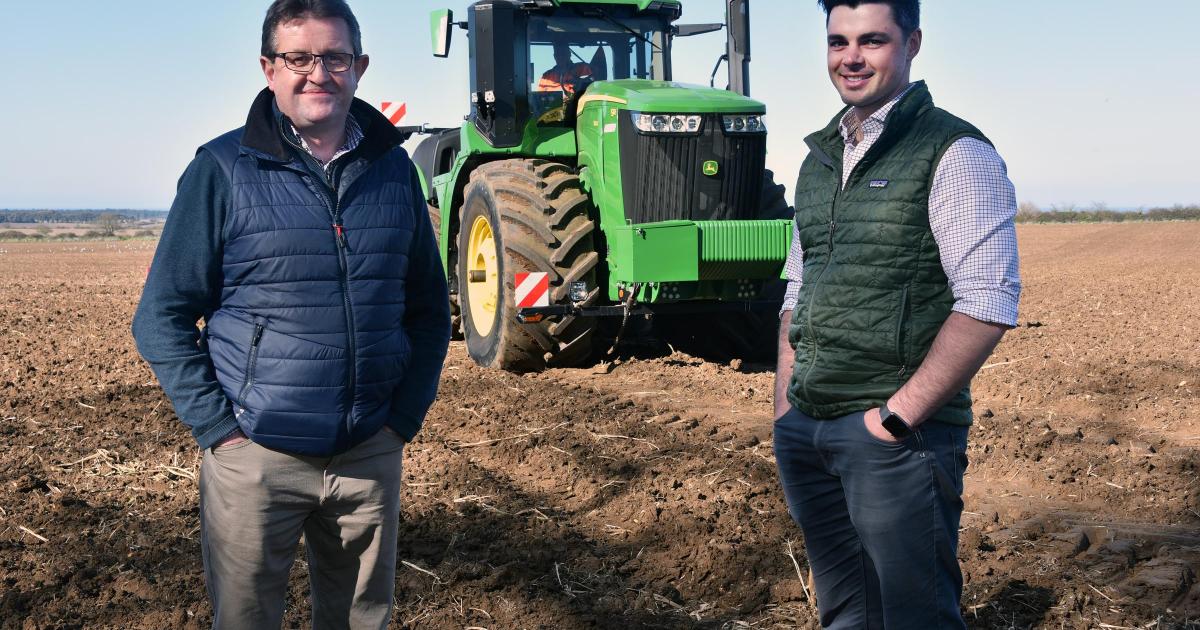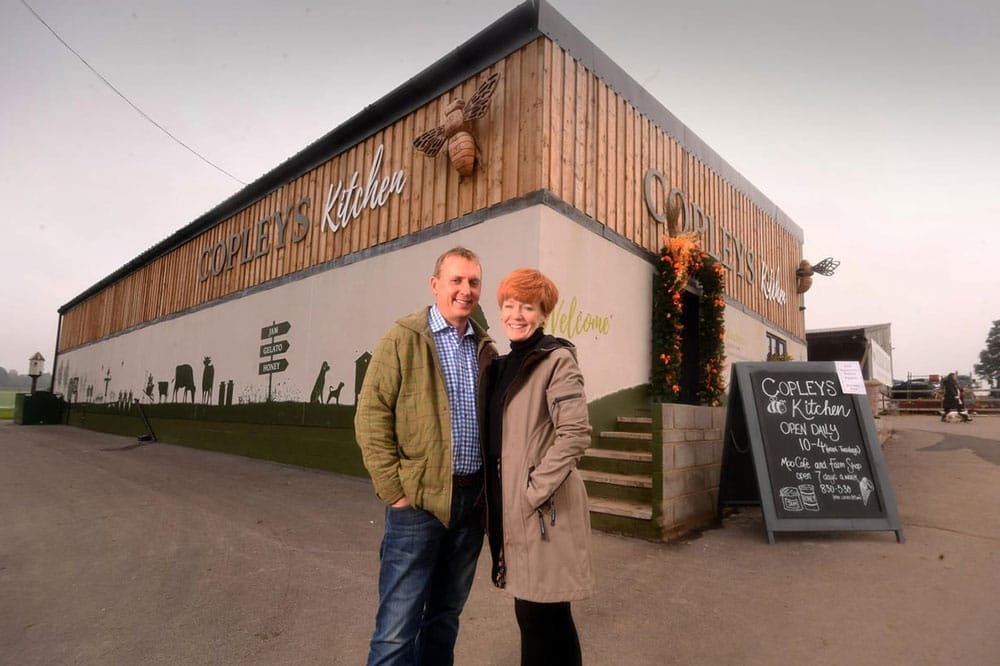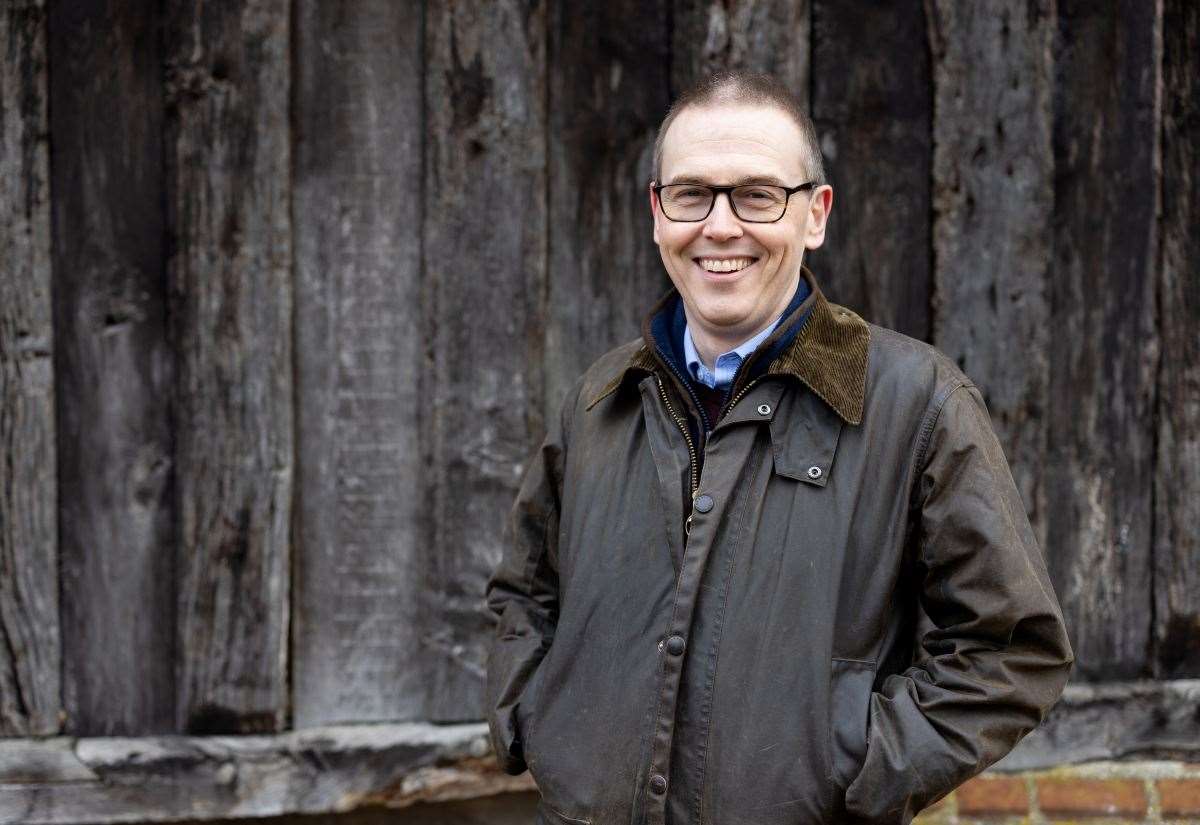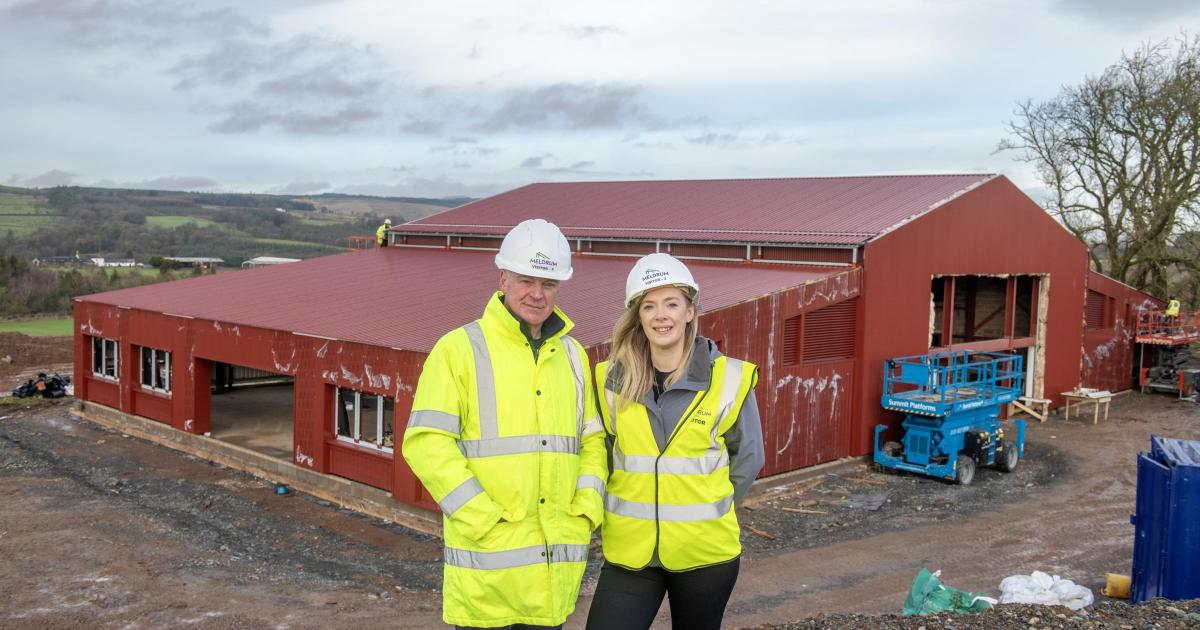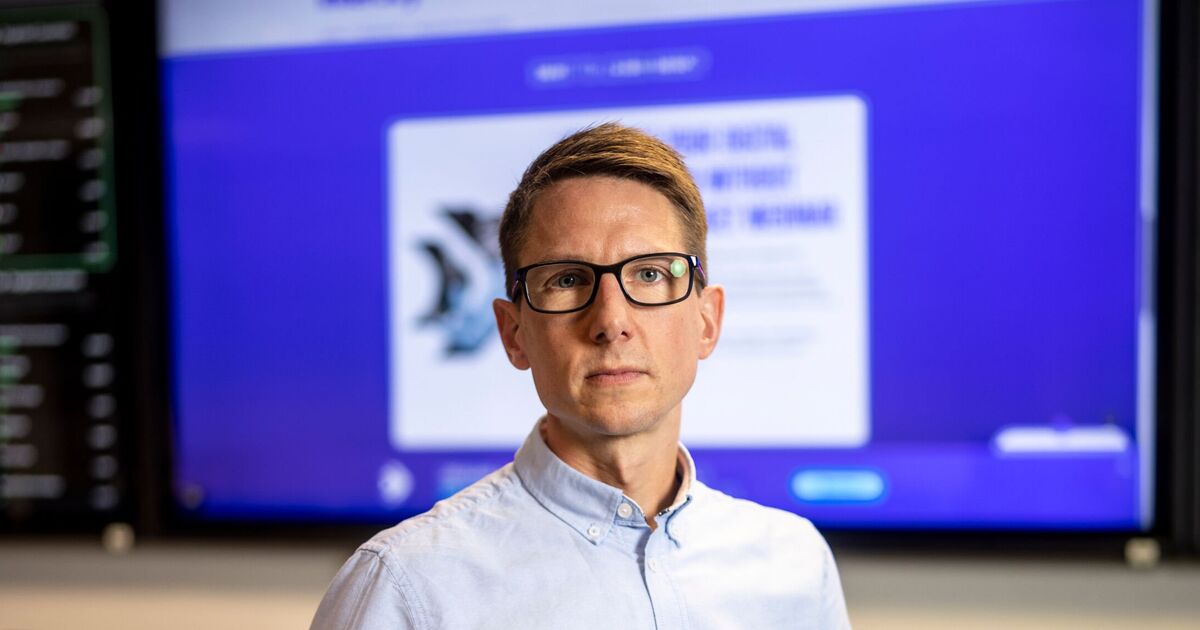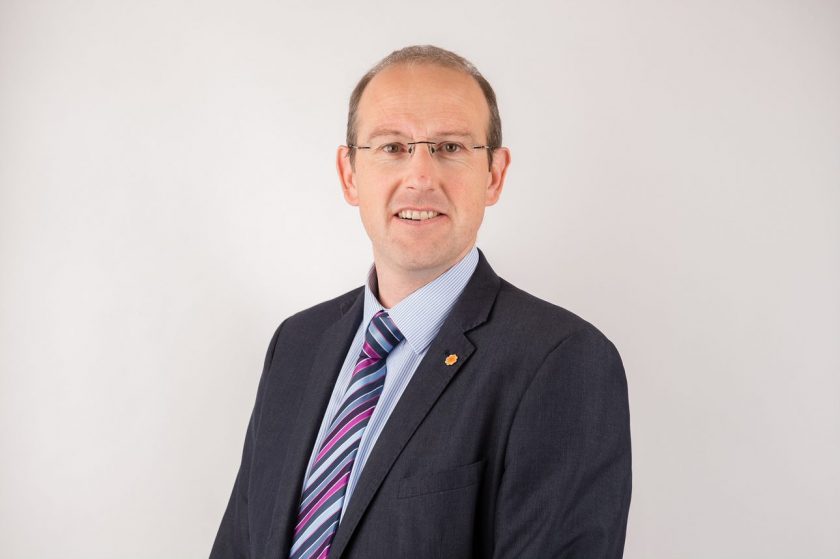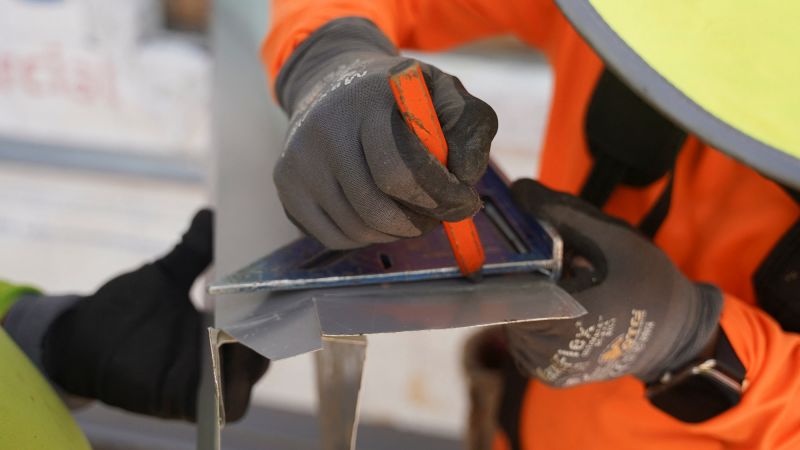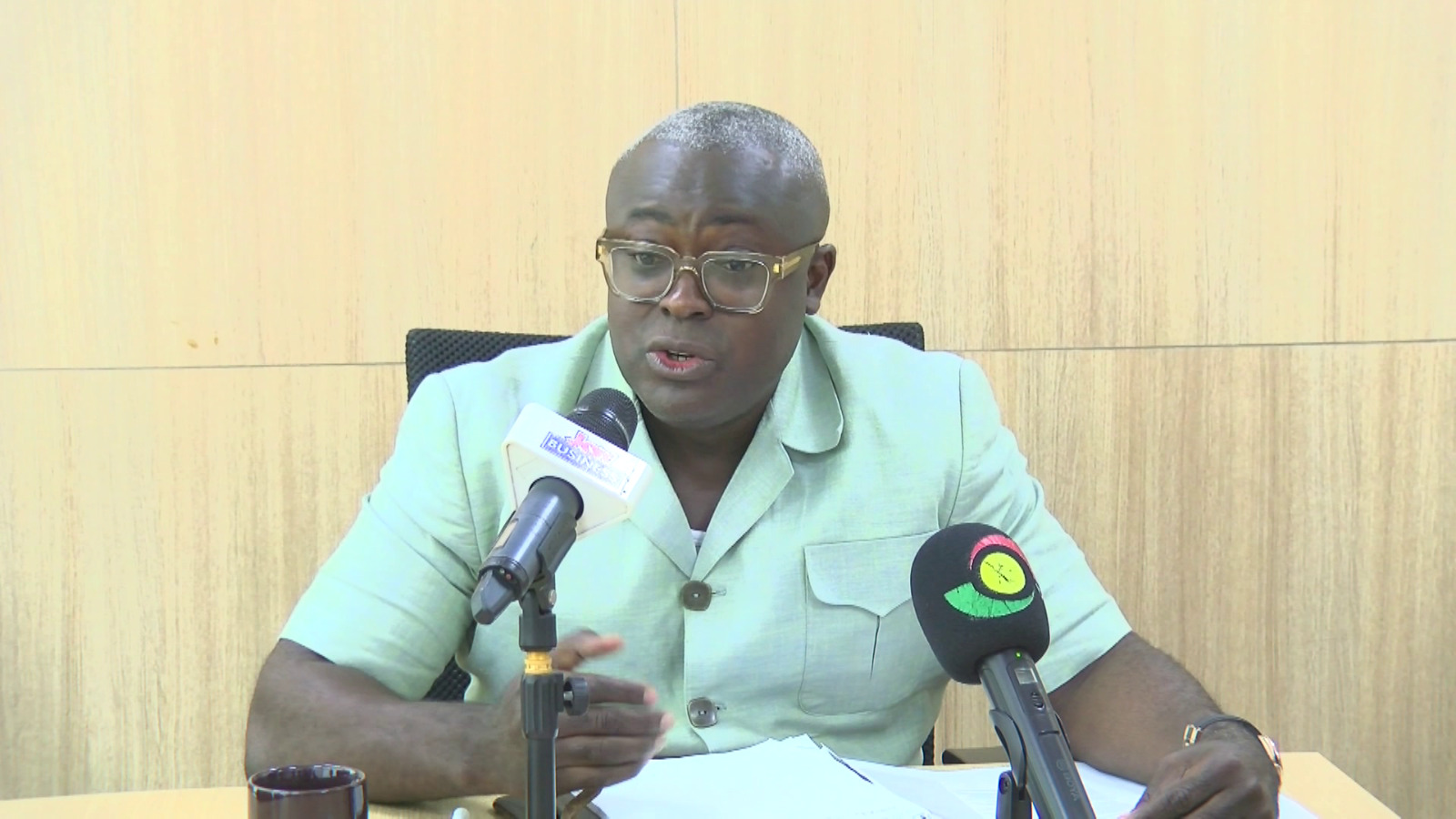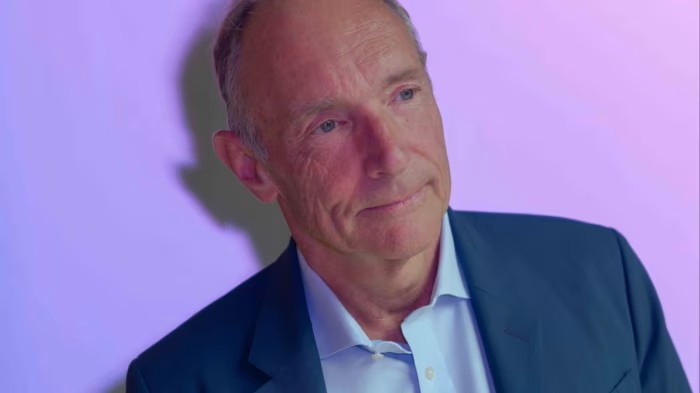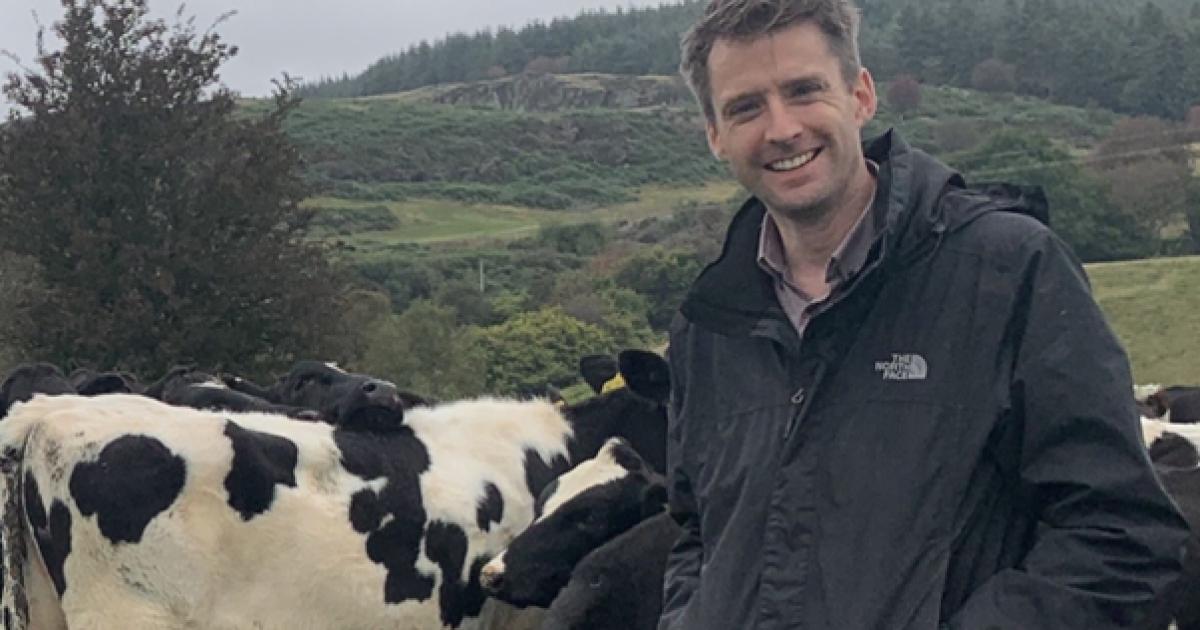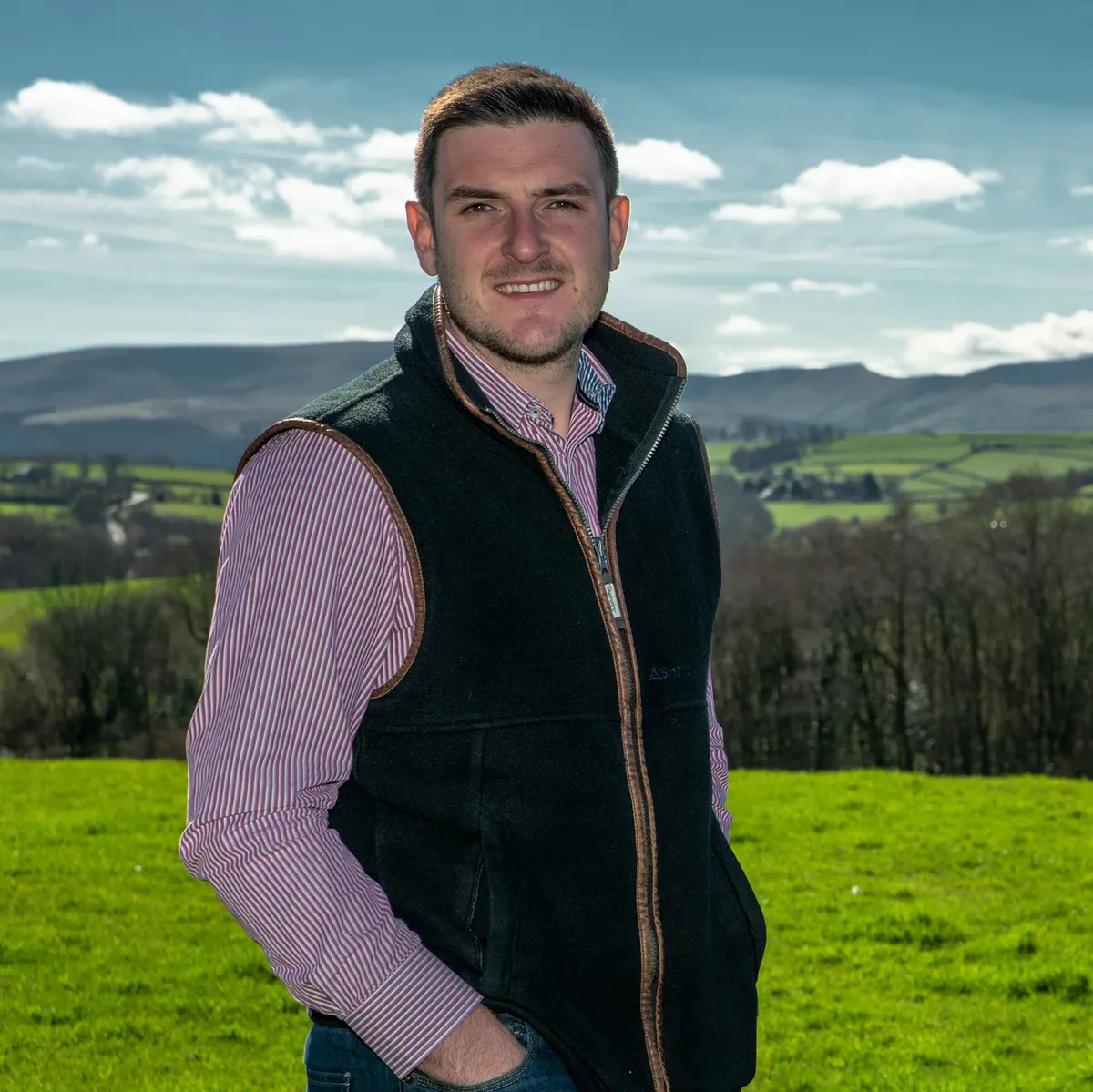
Tony Earnshaw cleans crime scenes for a living. Blood on the walls, the stench of death infused into wallpaper. After running what started as a window cleaning company for more than two decades, Earnshaw says nothing shocks him any more.
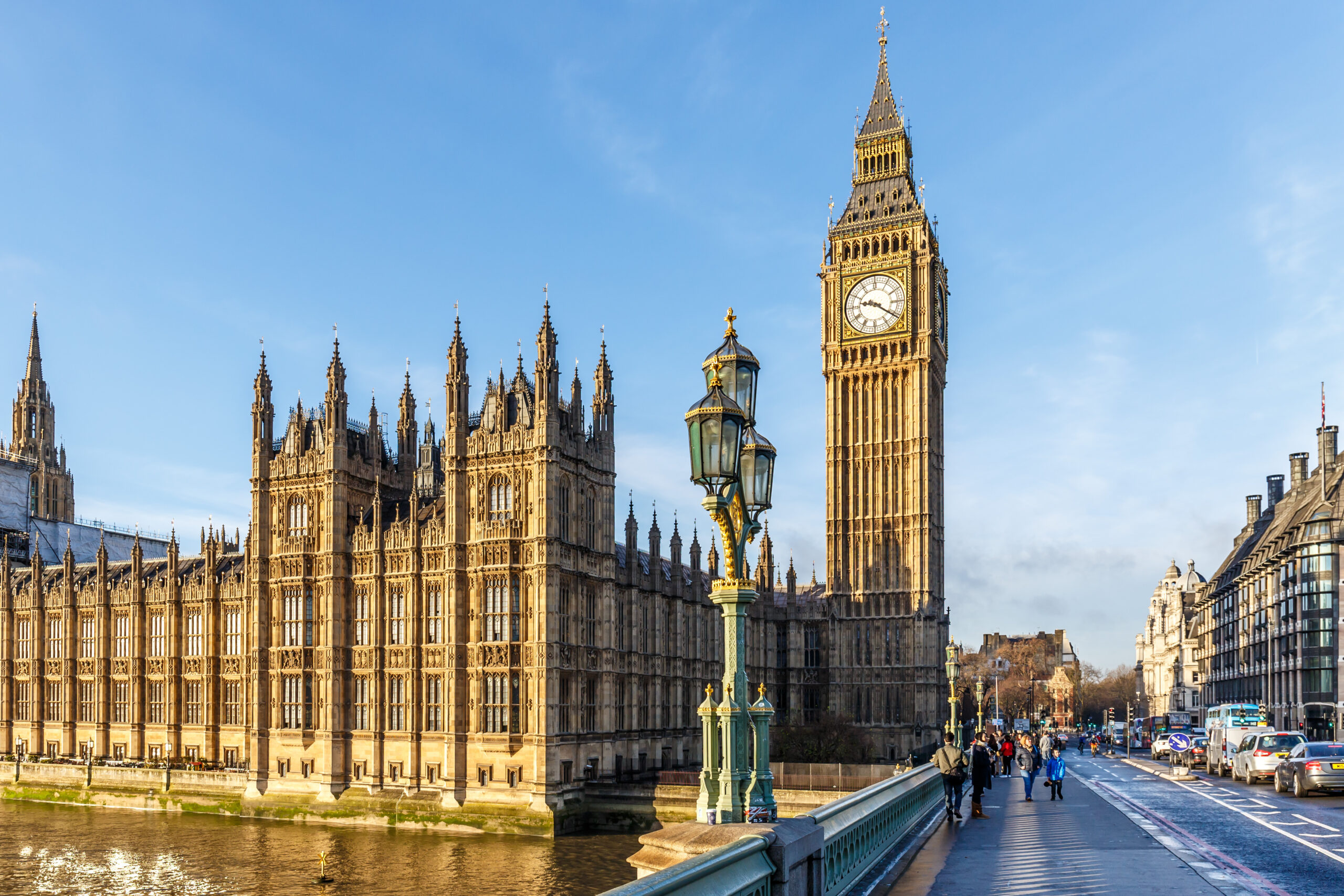
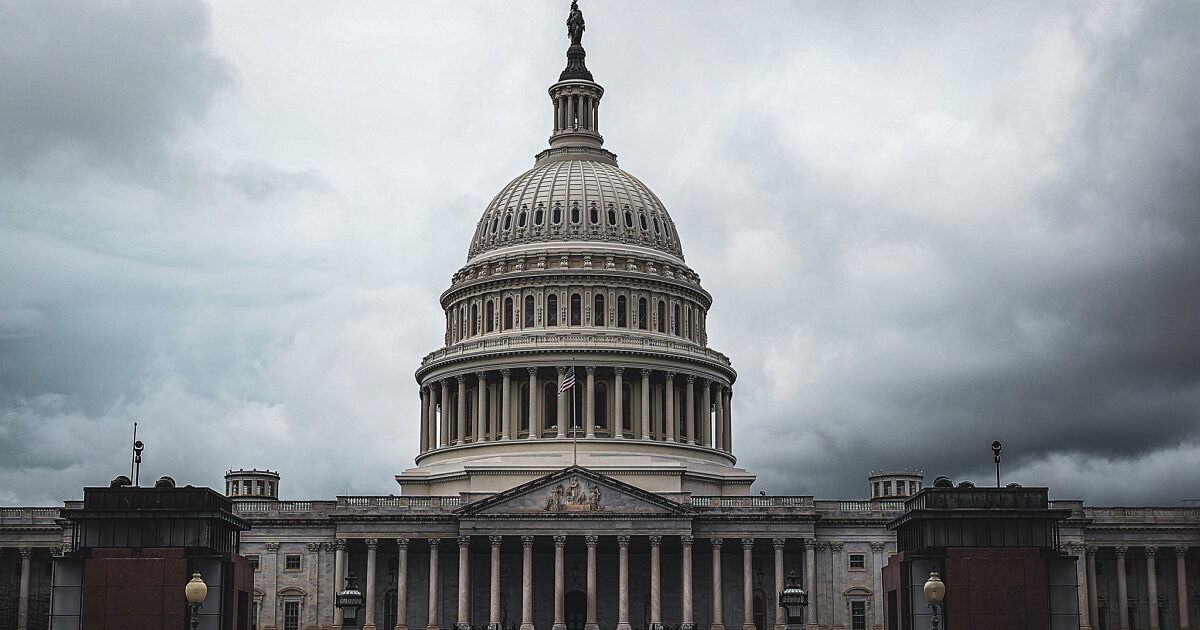
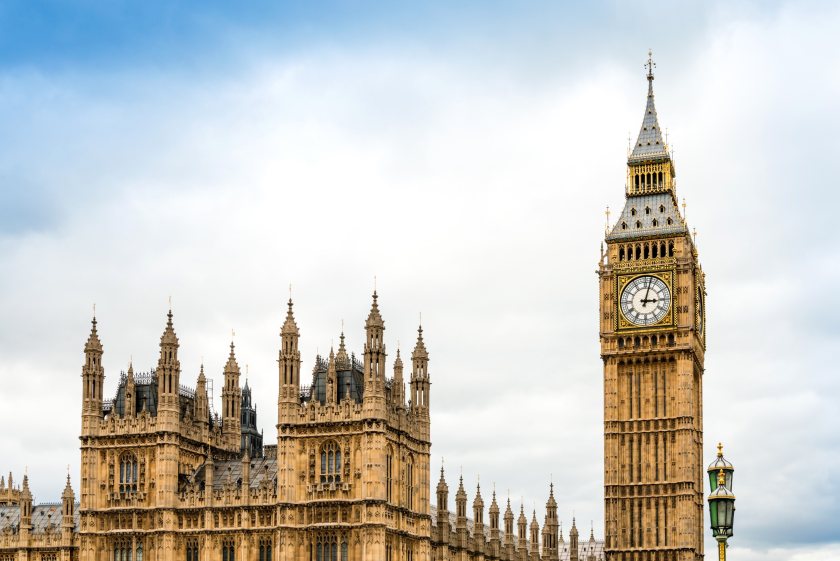
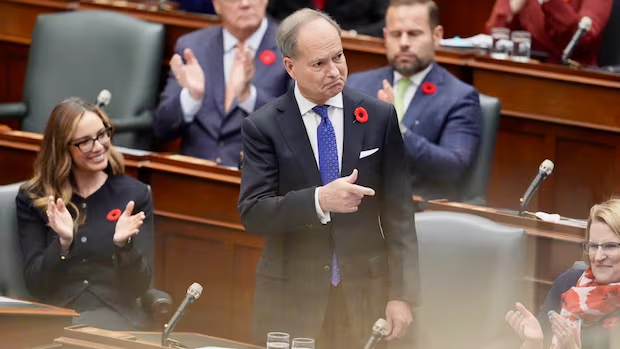
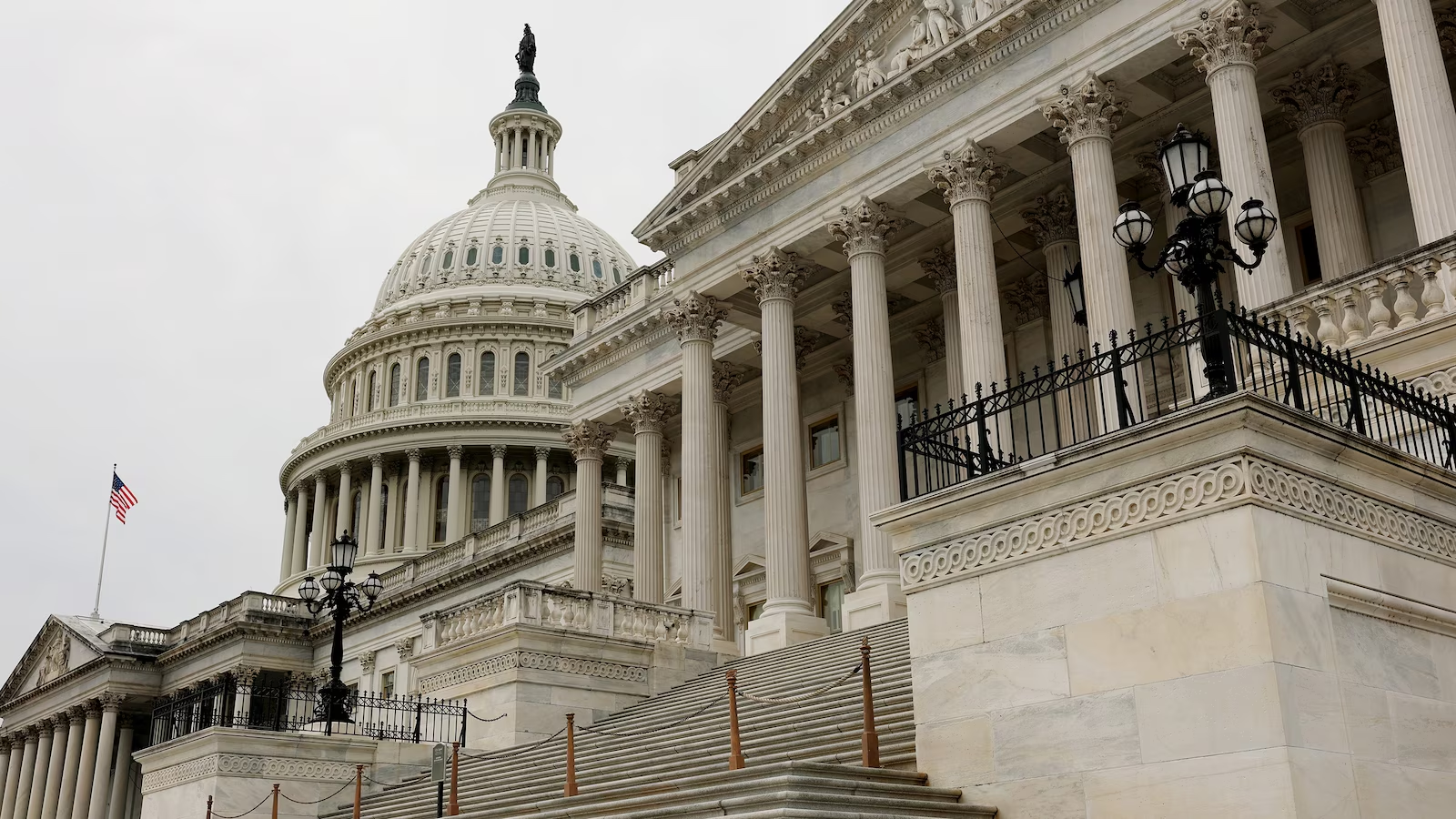
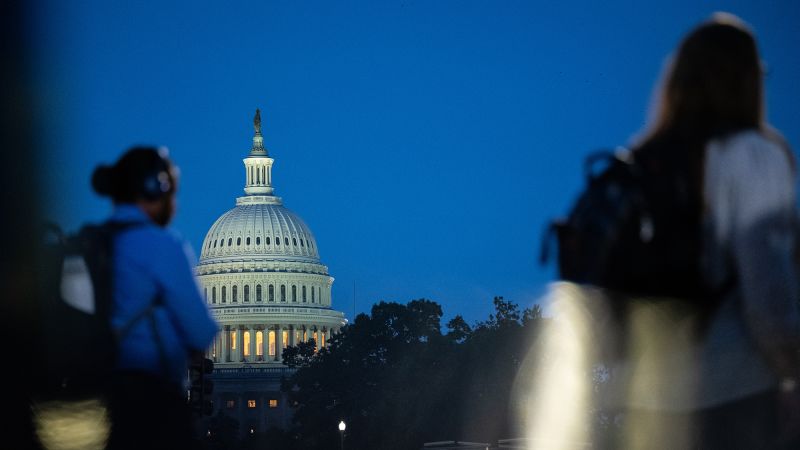
But Westminster, he suggests, may be the most disturbing mess of all.
“That’s definitely too big a job for me,” he quips. “It is a political crime scene. It’s disgraceful. They should all be ashamed of themselves.”
Earnshaw’s facilities management business now employs more than 140 people but he says he is struggling to stomach the political drama engulfing Labour.
That’s because heavy local election losses and wrangling about the Labour leadership now threaten to create a miasma of uncertainty, throwing investment decisions into limbo.
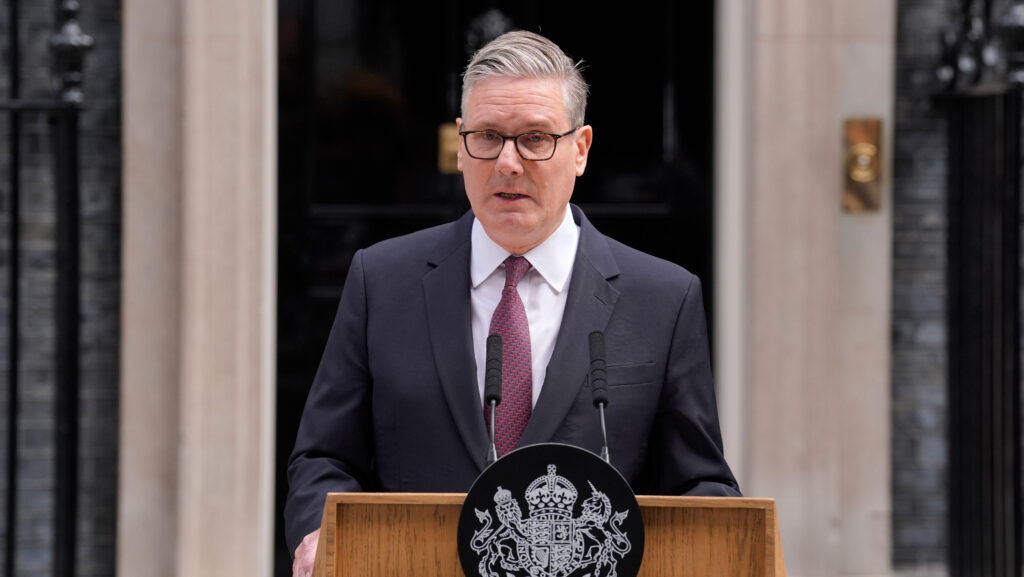
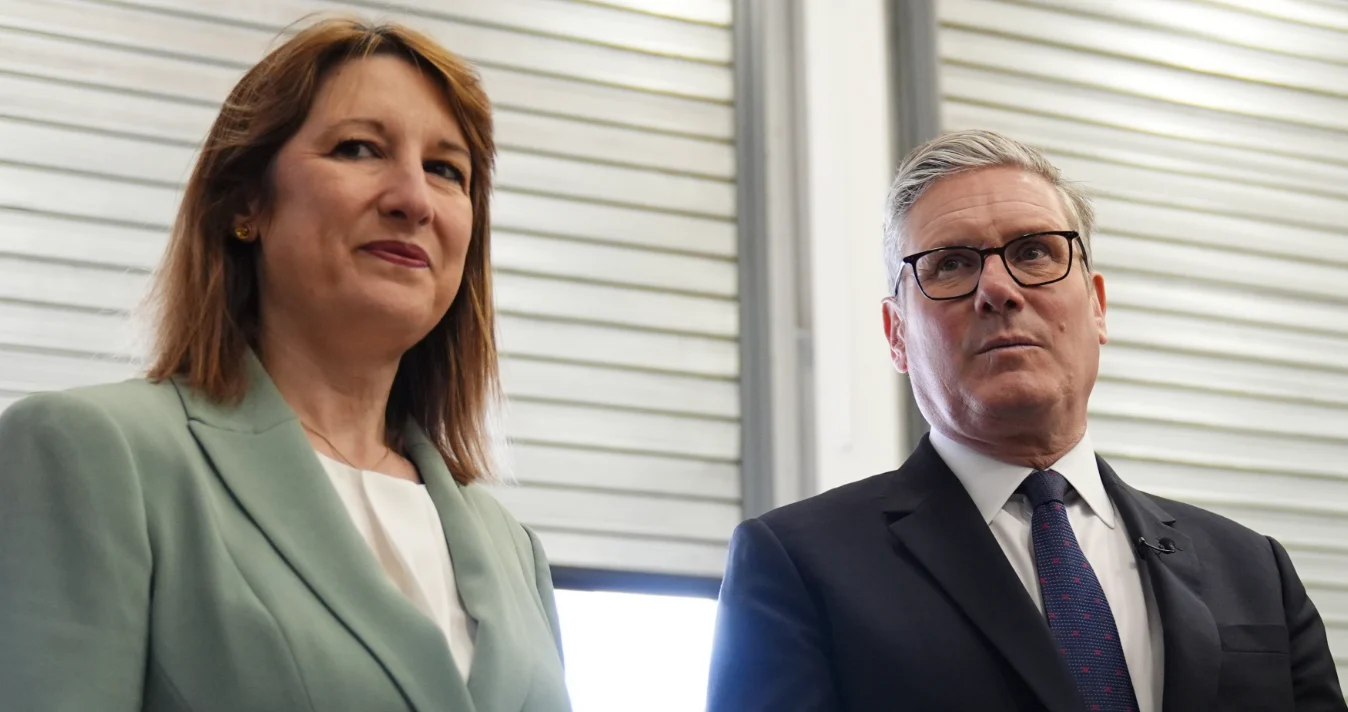
After voting Conservative all his life, Earnshaw decided to trust Labour based on its promise of a pro-business platform and tangible change. However, less than two years into Sir Keir Starmer’s Government, the only feeling he’s been left with is disappointment.
The businessman started UK Commercial Group in 2004 at the age of 19 with just £300. Today, he runs a nationwide facilities management company offering maintenance, industrial and commercial cleaning services.
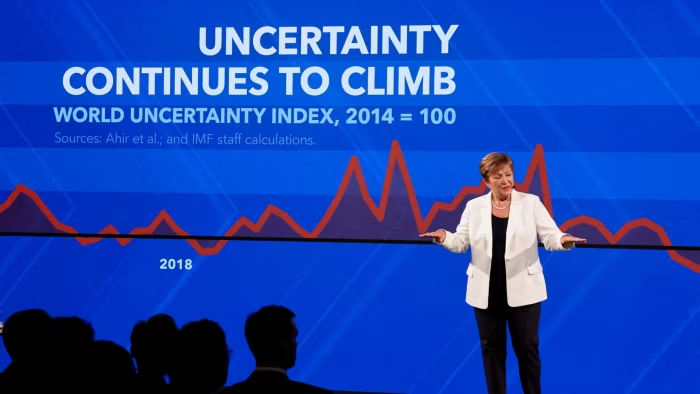
“There’s been significant uncertainty over the last couple of years,” he says. “We are dealing with higher taxes, rising employment costs and increasing regulation, which makes it very difficult for businesses to invest and feel calm at the moment.”
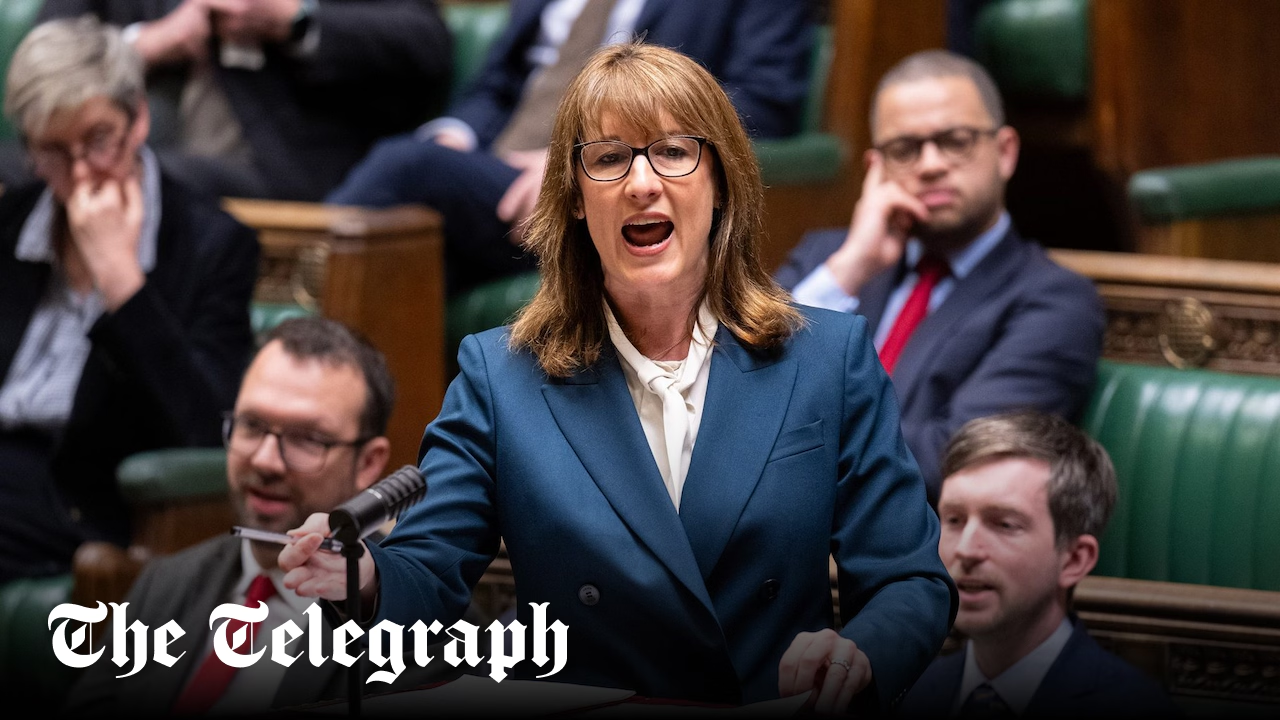
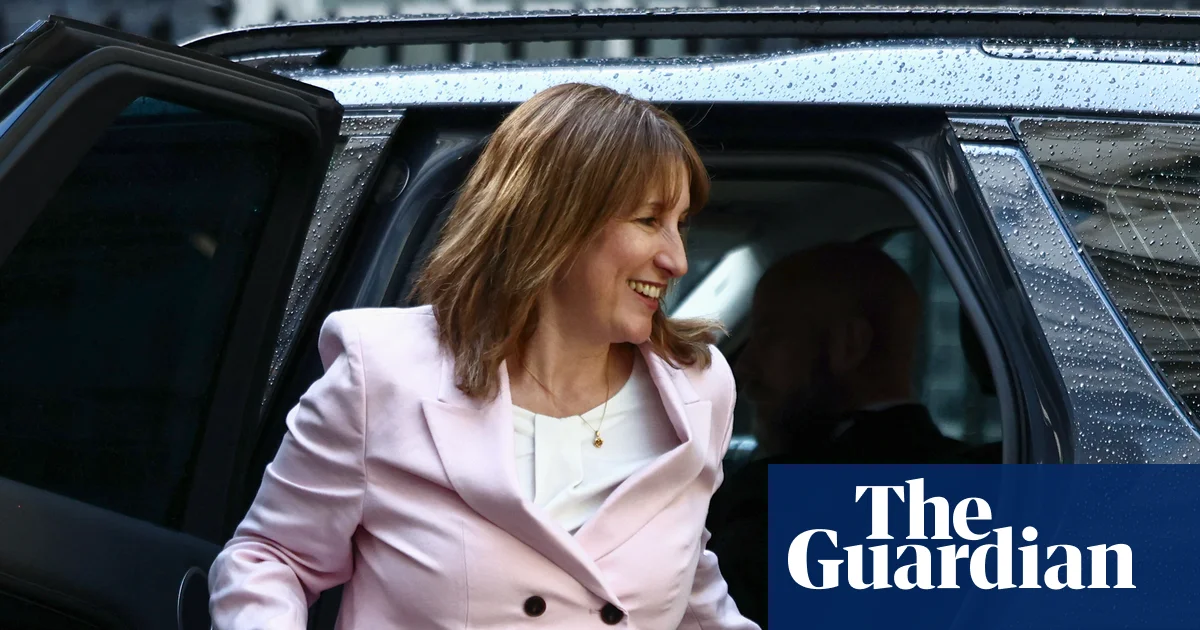
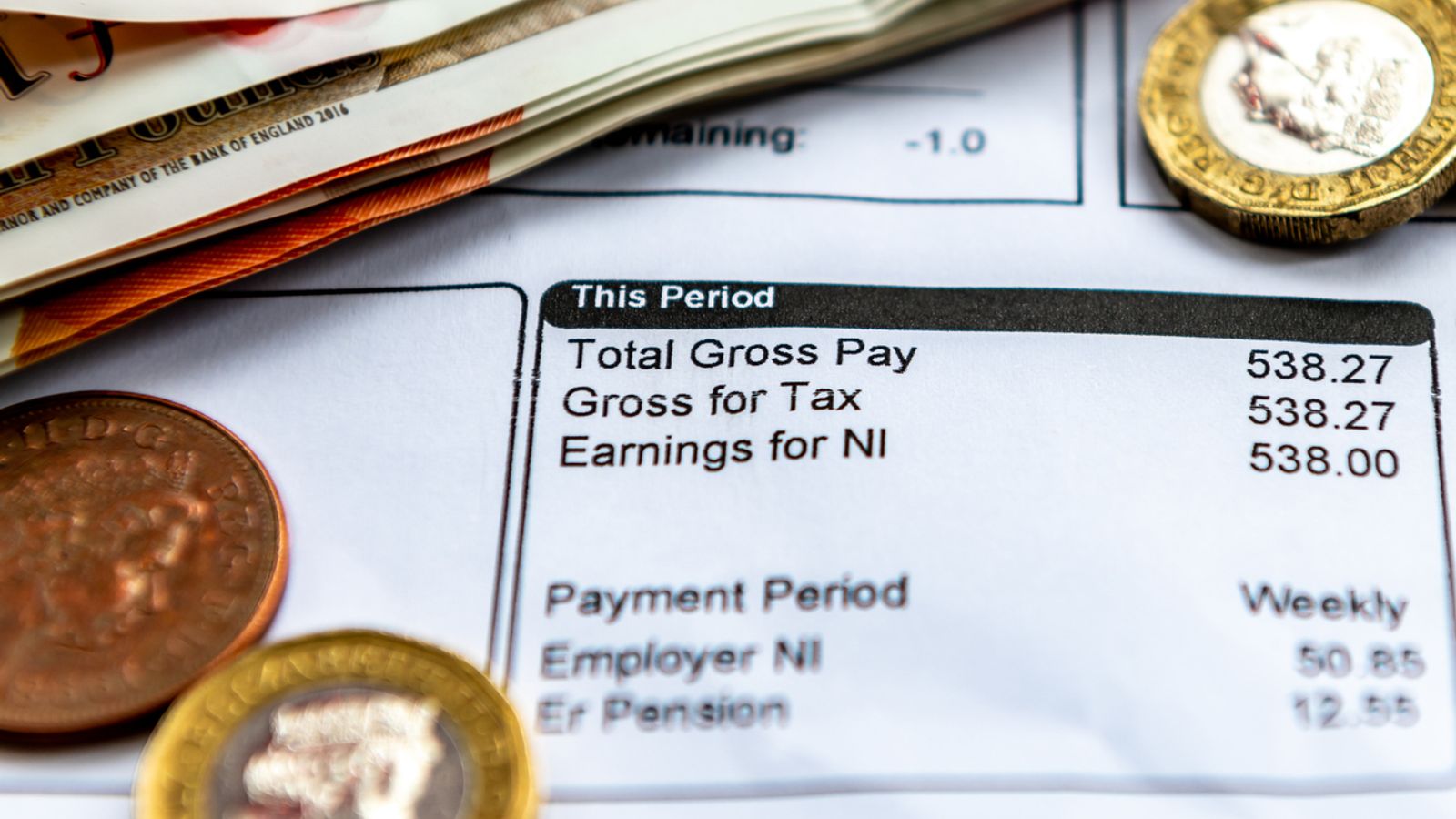
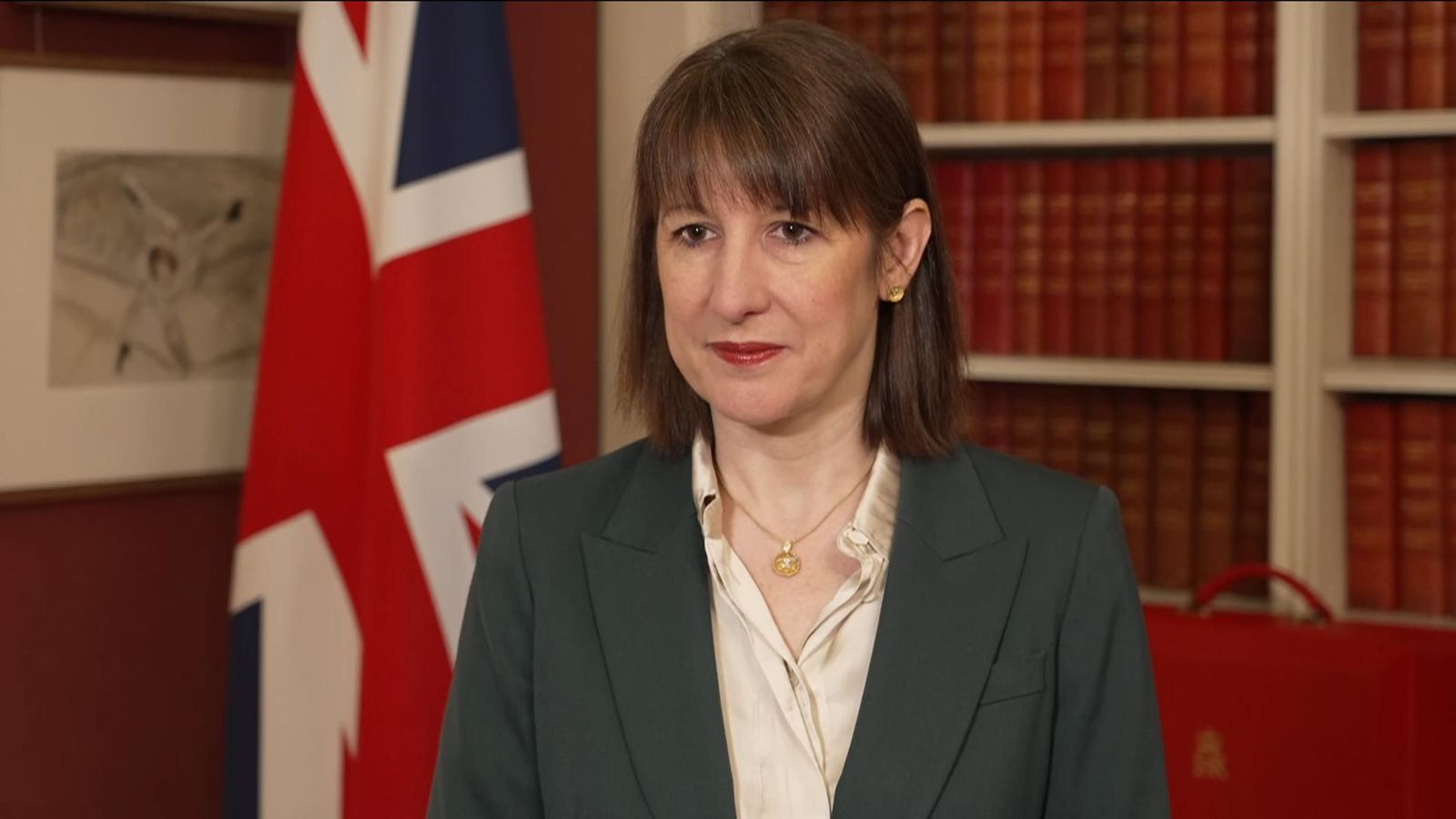
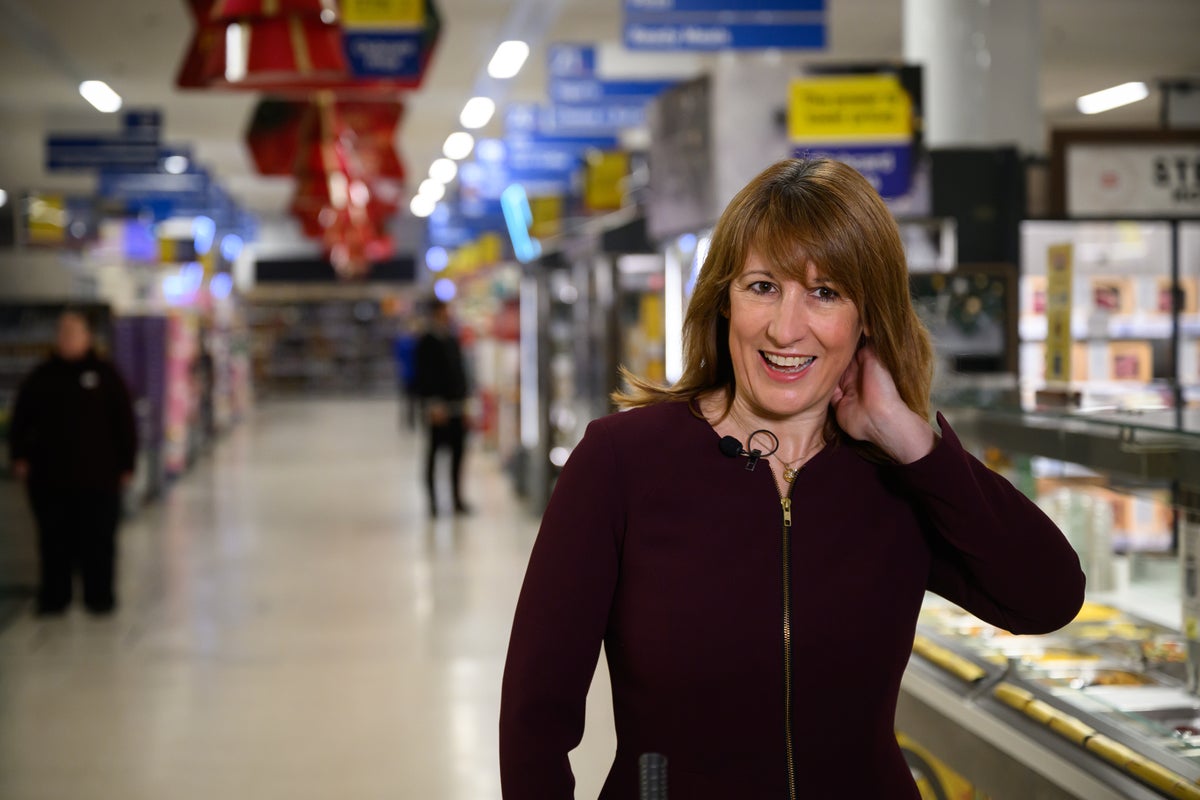
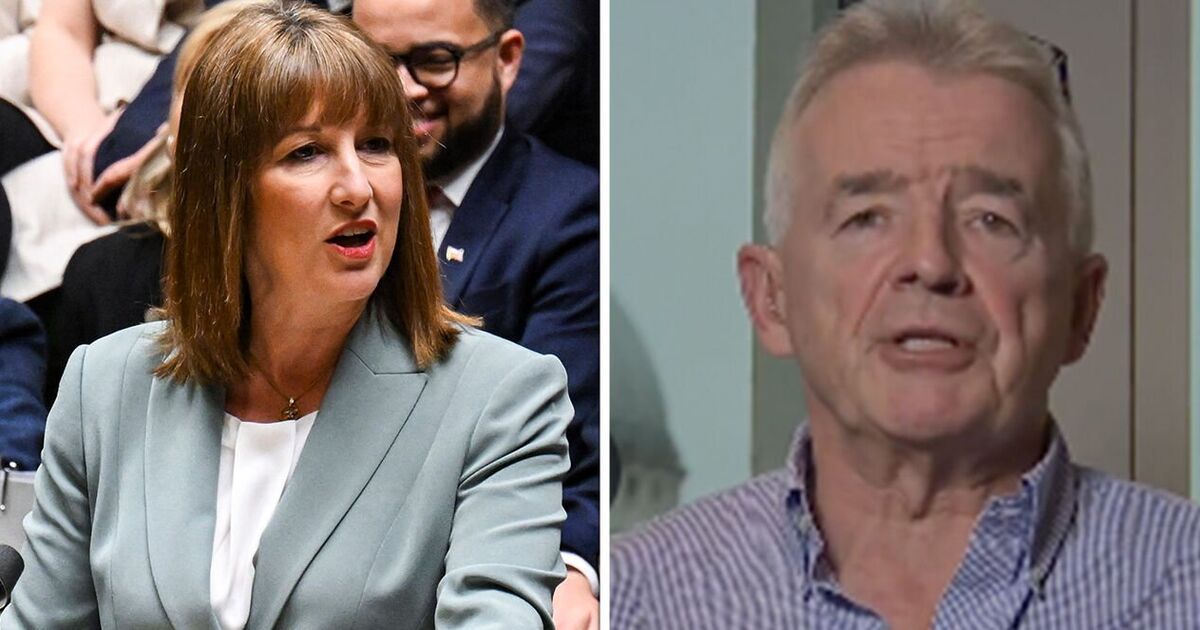
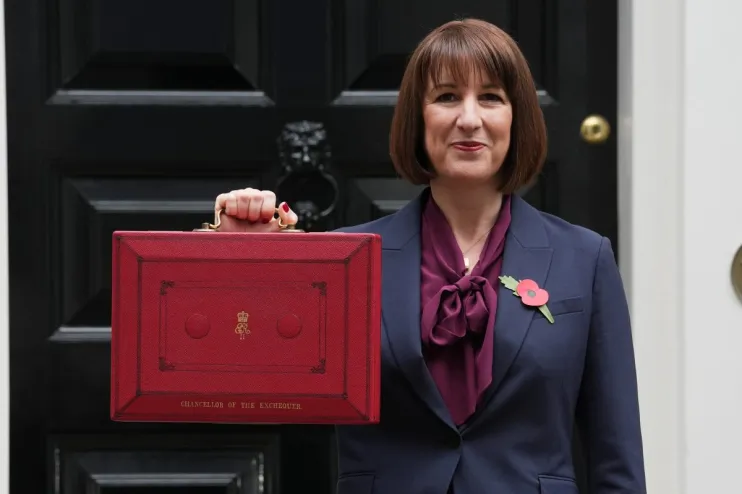
Labour’s slew of new workers’ rights has already forced Earnshaw to rewrite his employment contracts, while Rachel Reeves’s £25bn National Insurance tax raid has also taken its toll.
“My NI costs went up £15,000 a month overnight. When they came in, we got rid of 10 members of staff. Ultimately, it’s the workers who end up paying for it,” he says. “All it’s doing is having a negative effect because business owners will always do what’s best for their business.”
Earnshaw is far from alone. Businesses across the UK have long warned that political instability and rising costs are weighing on confidence.
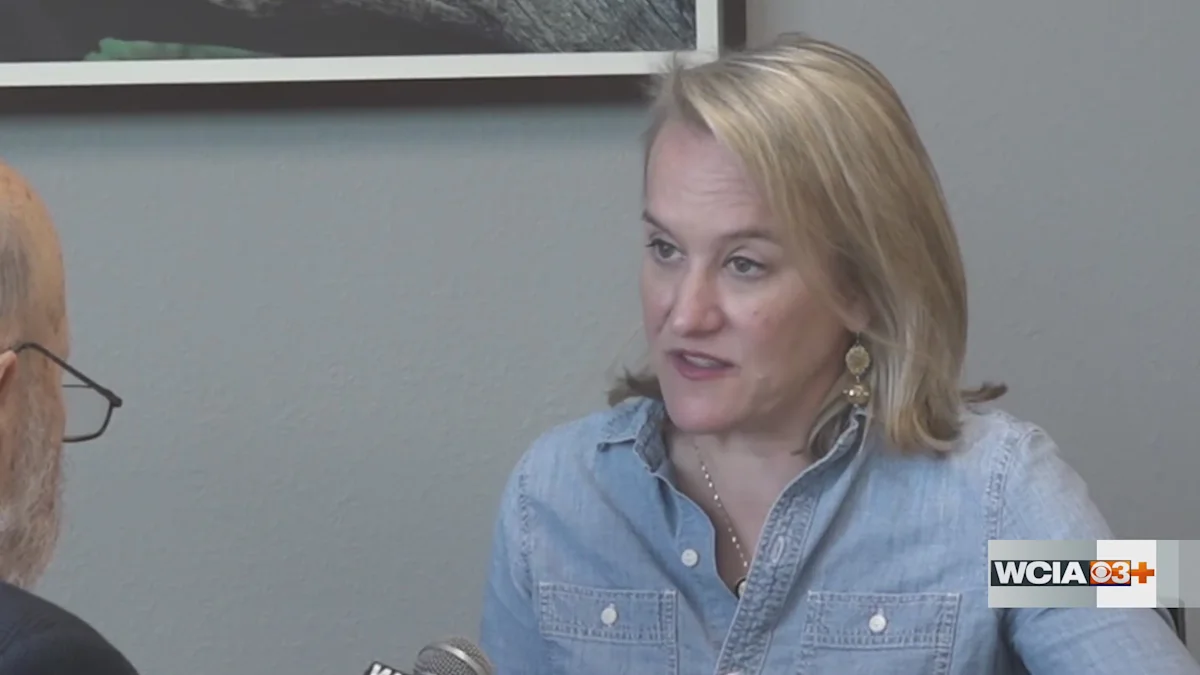
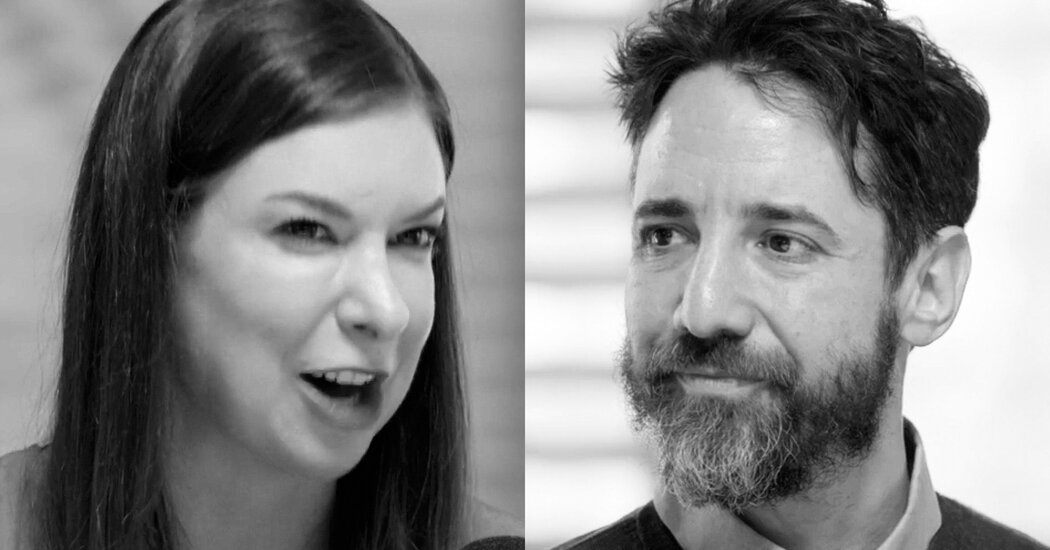
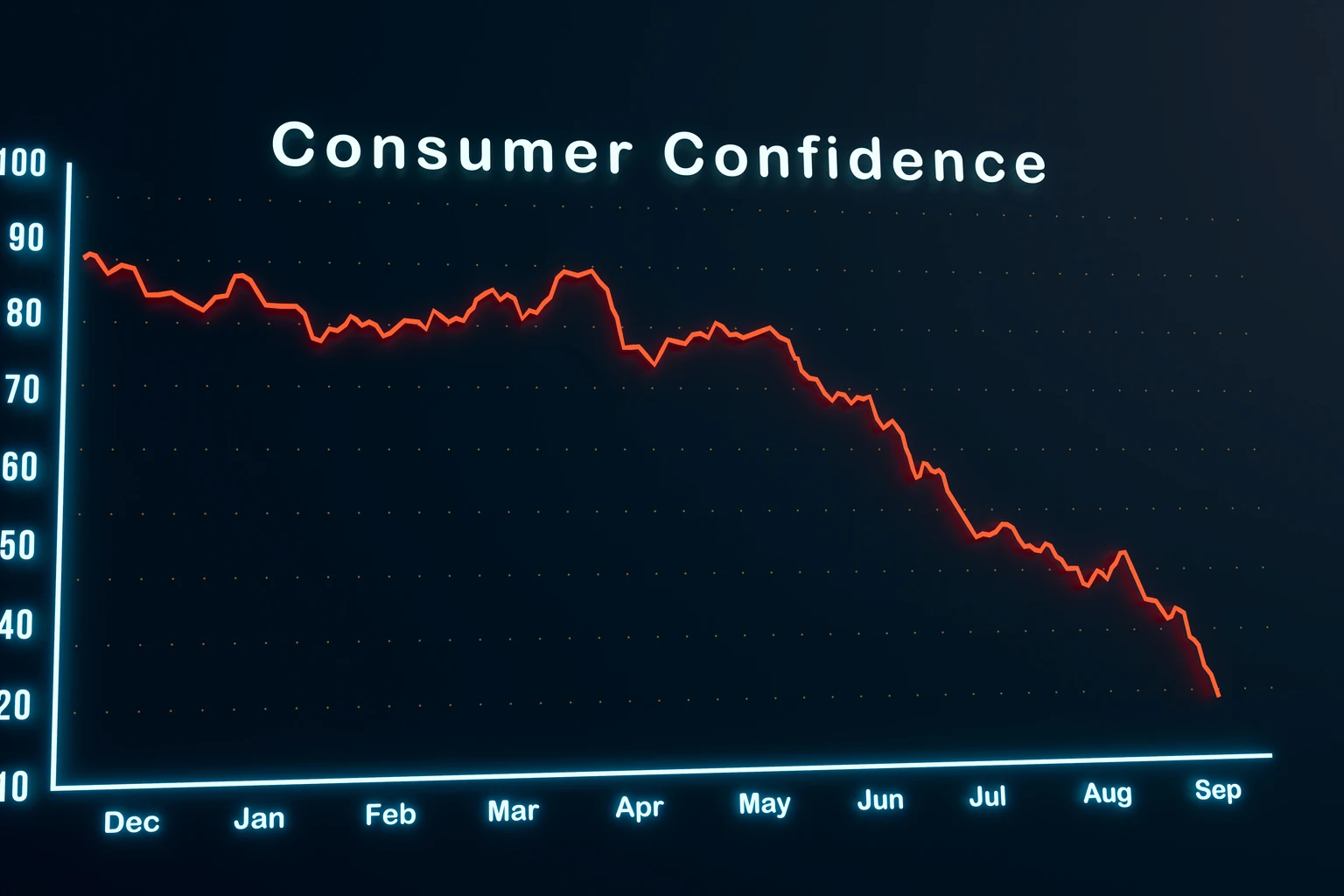
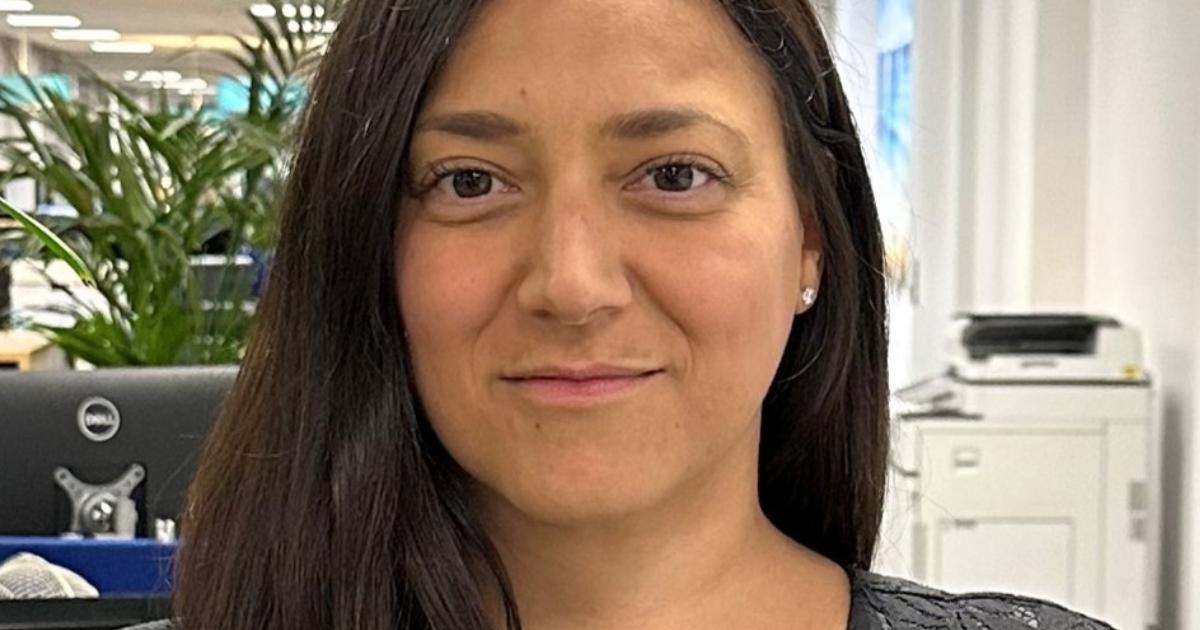
The Institute of Directors has been tracking business confidence for more than a decade. Anna Leach, its chief economist, says confidence measures continue to plumb new depths.
“What we see with our business confidence monitor is it just keeps finding new lows, which is not ideal,” she says.
A closer look shows investment intentions have been negative every month since the summer of 2024, when Labour took power.