Silage costs surge €28 an acre as fuel spikesHauliers already parking trucks due to unsustainable costsGovernment meetings awaited as pressure mounts
It comes as signals emerge that informal, disruptive protests may be organised in the days ahead, though representative bodies are understood not to be involved at this stage.
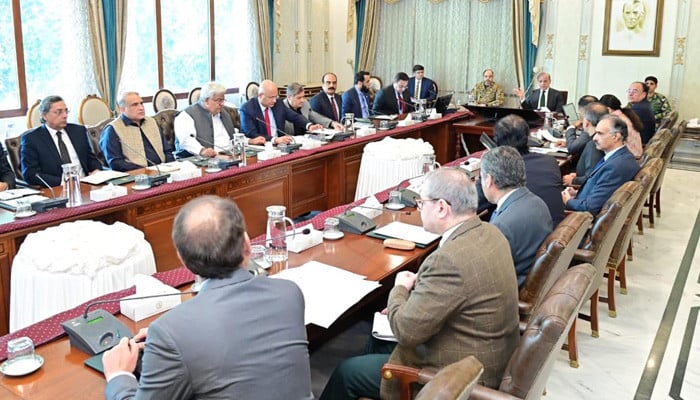
Groups are awaiting the outcome of further Government meetings scheduled for this week, including a high‑level discussion on energy and supplies due to take place on Wednesday April 8. Calls by opposition parties to recall the Dáil have been rejected.
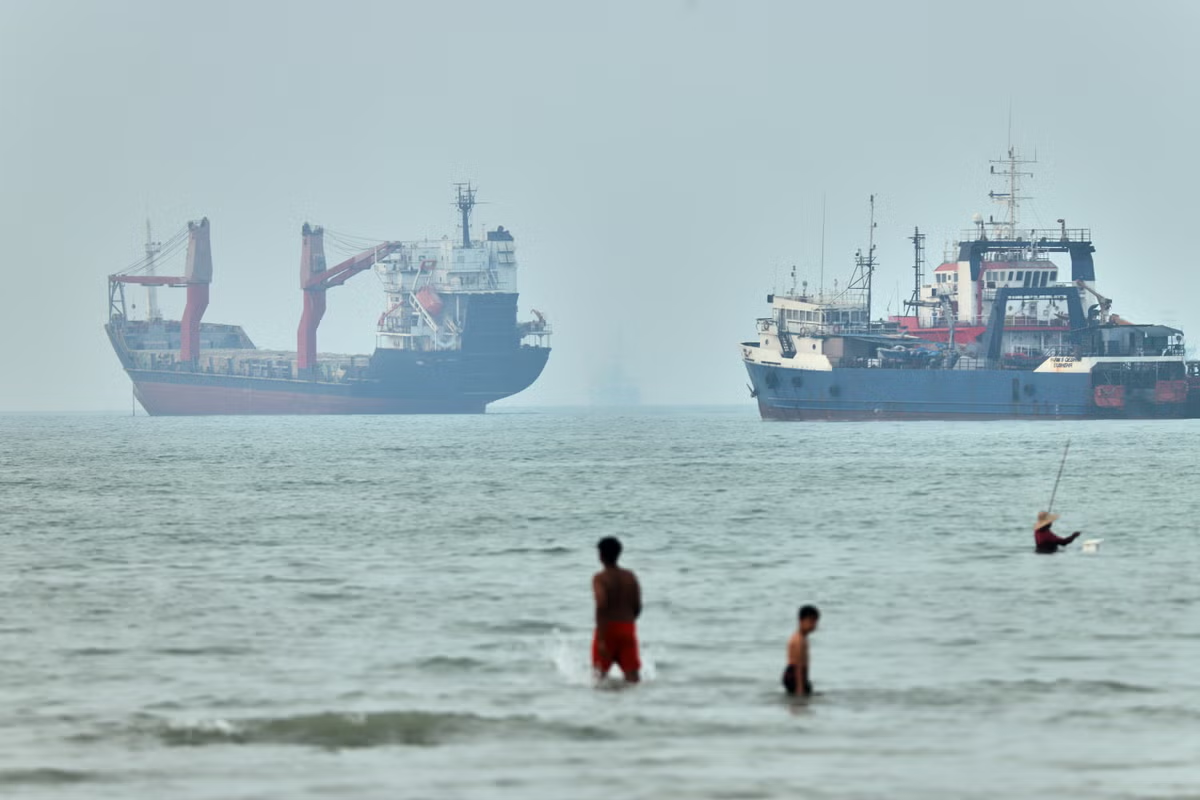
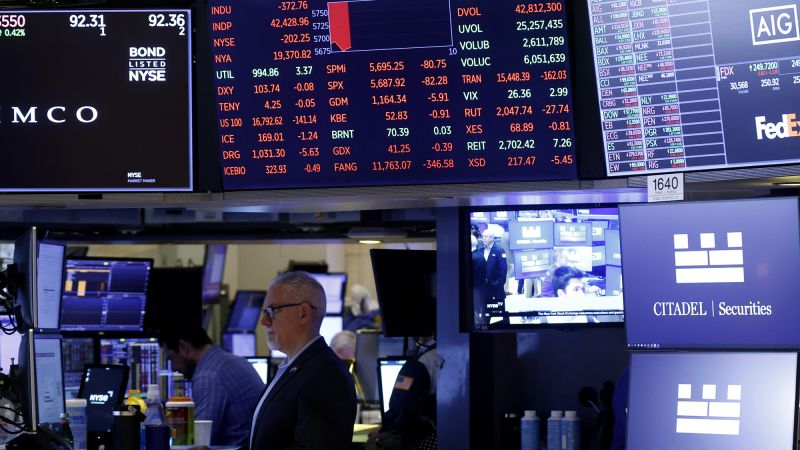
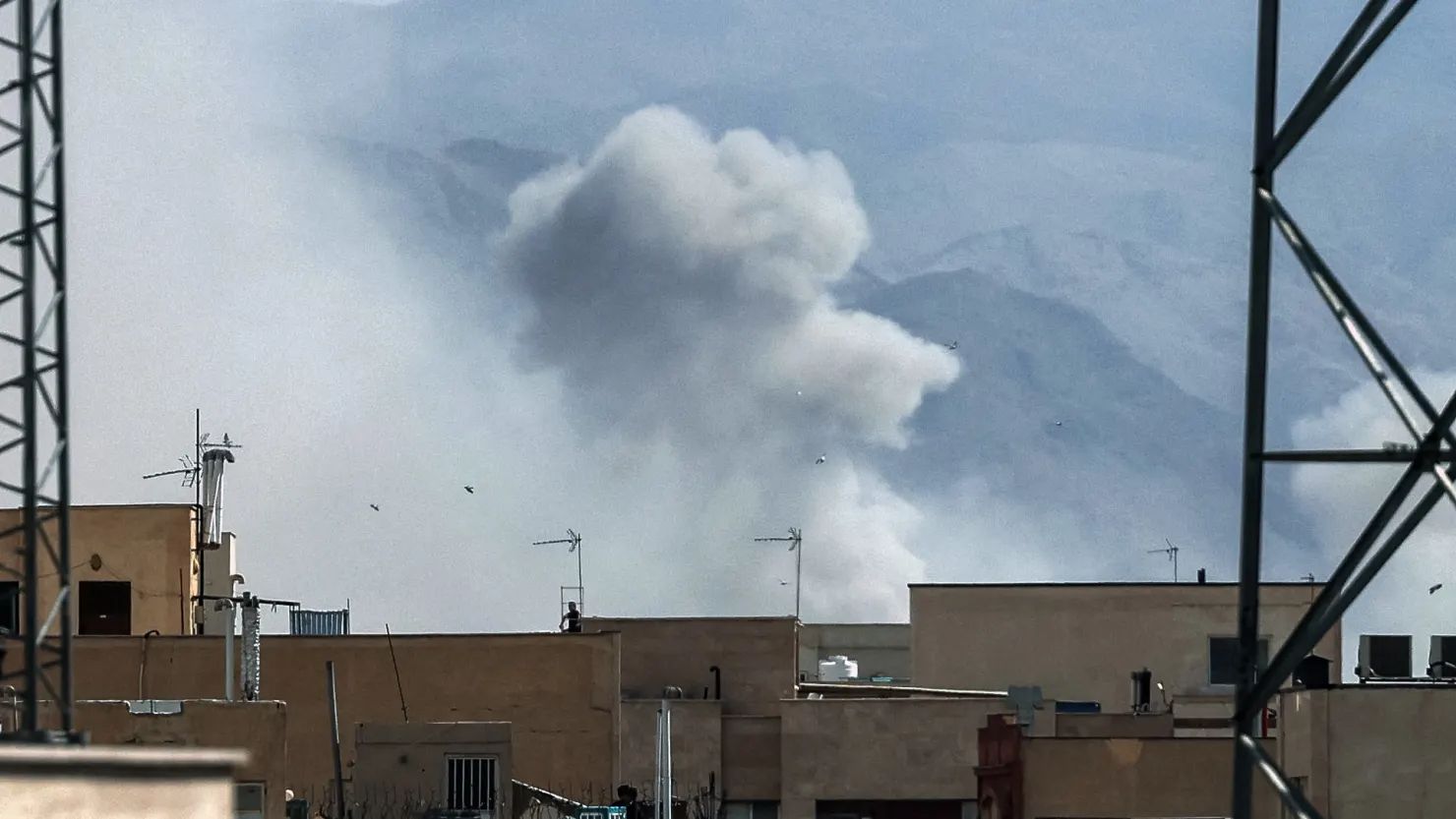
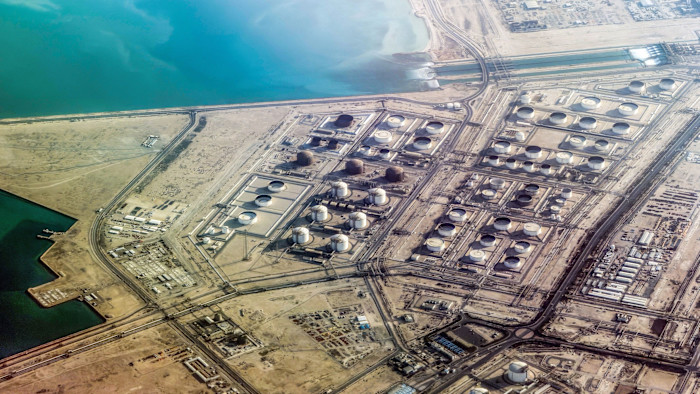
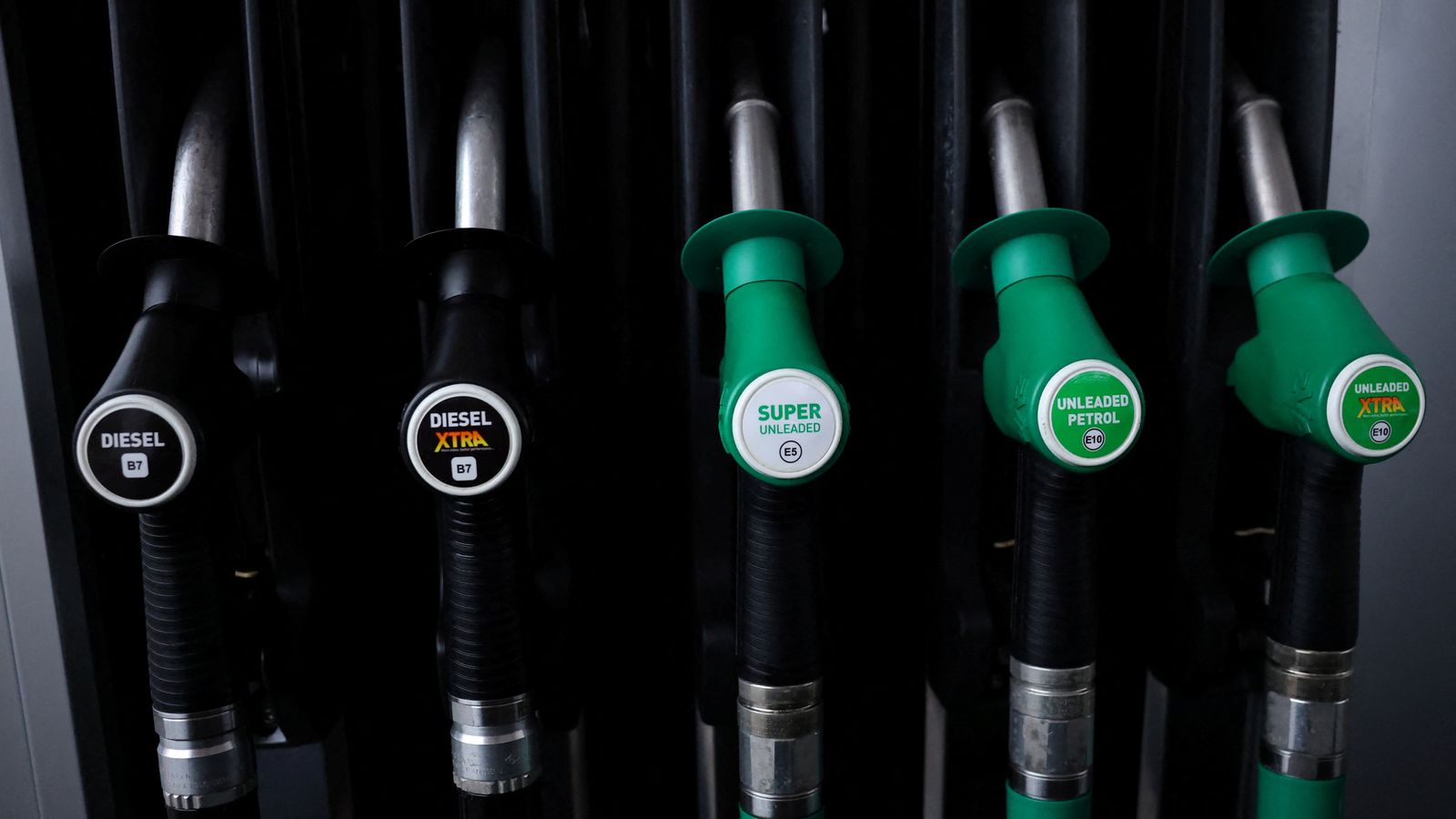
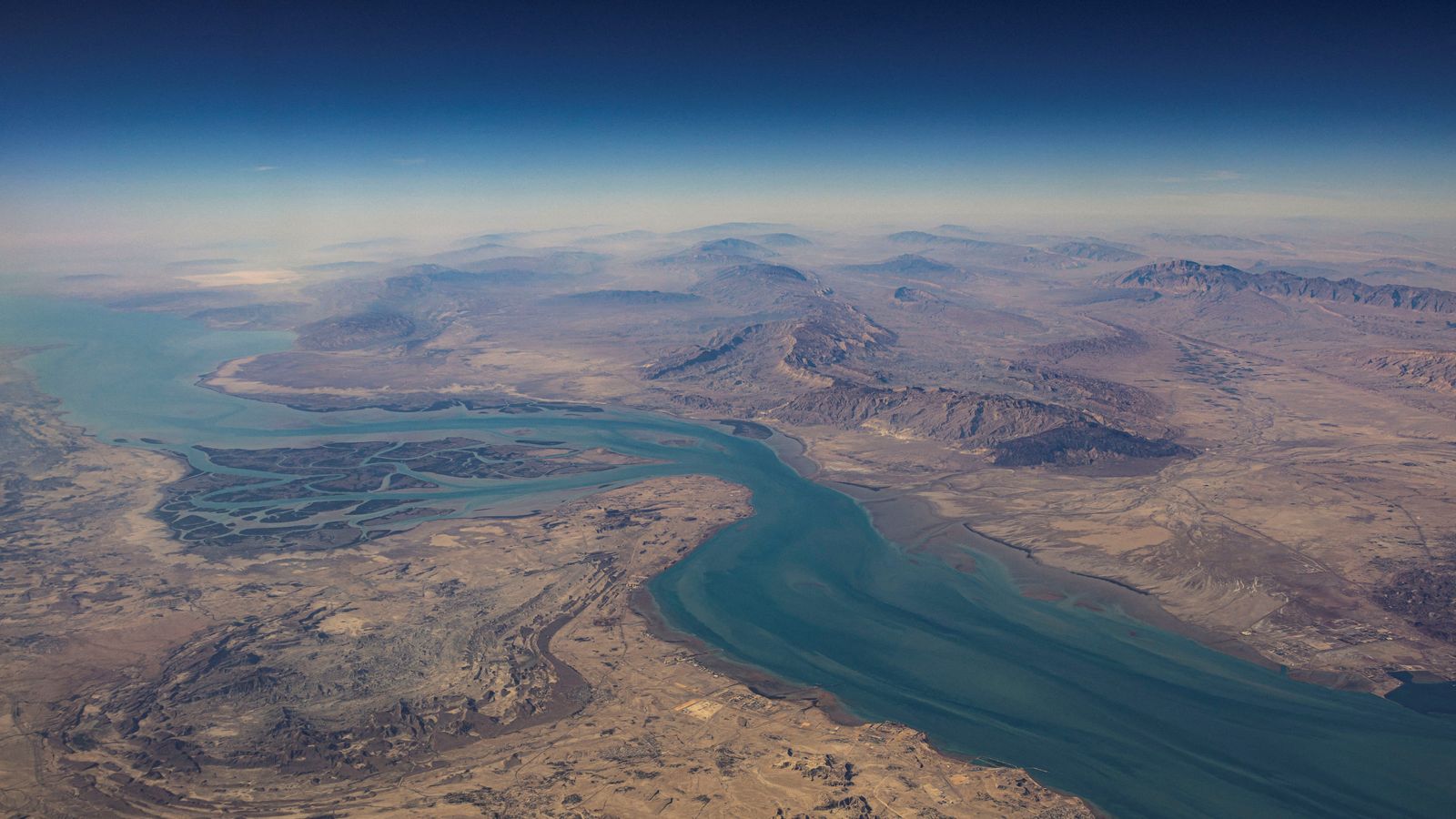
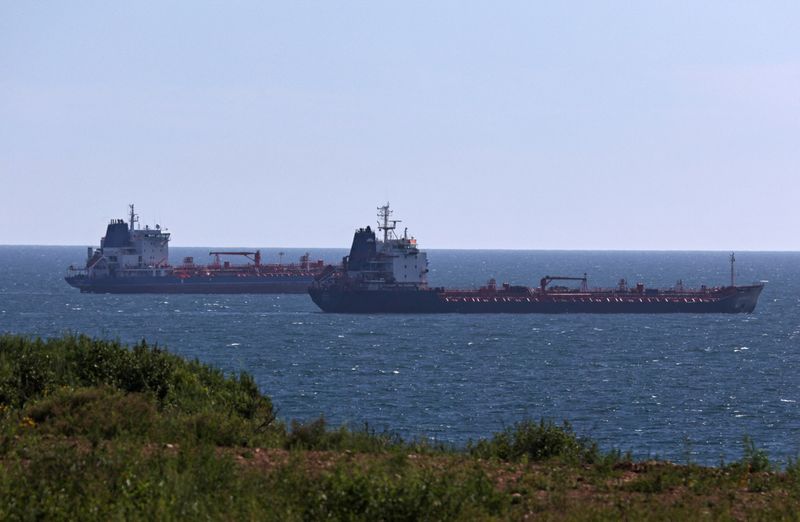
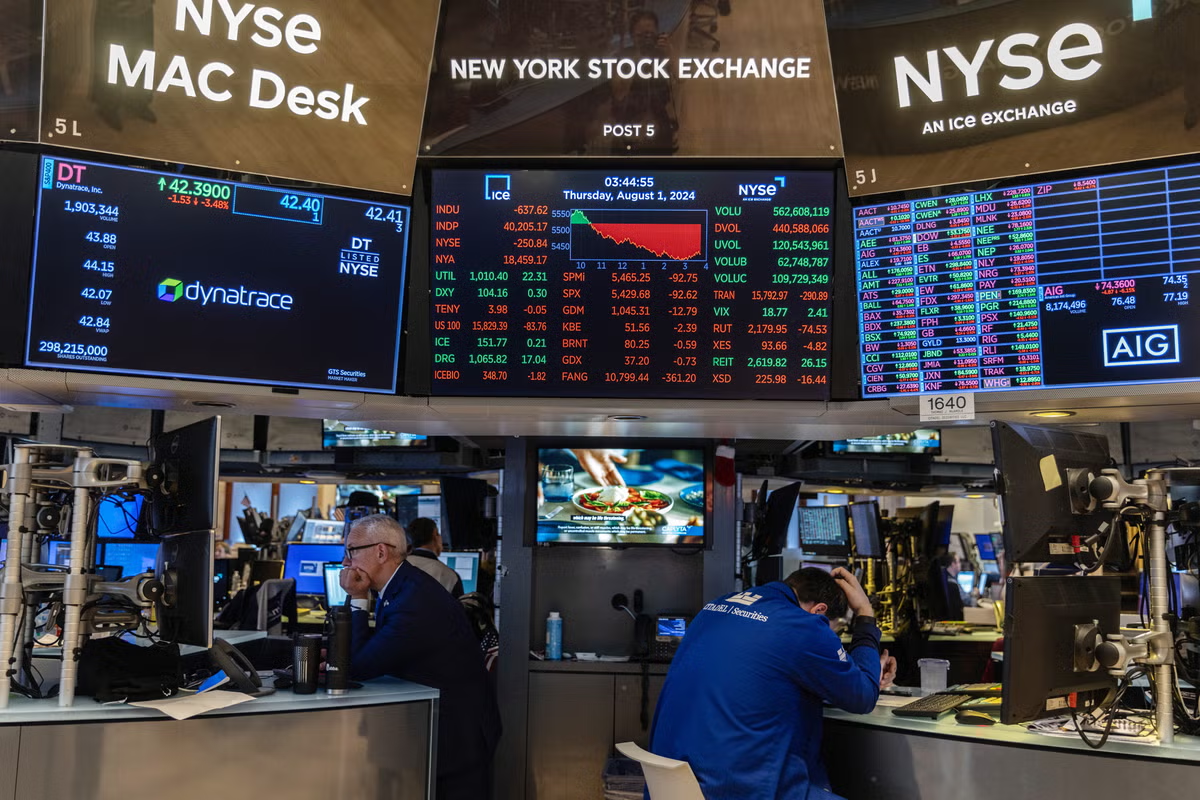
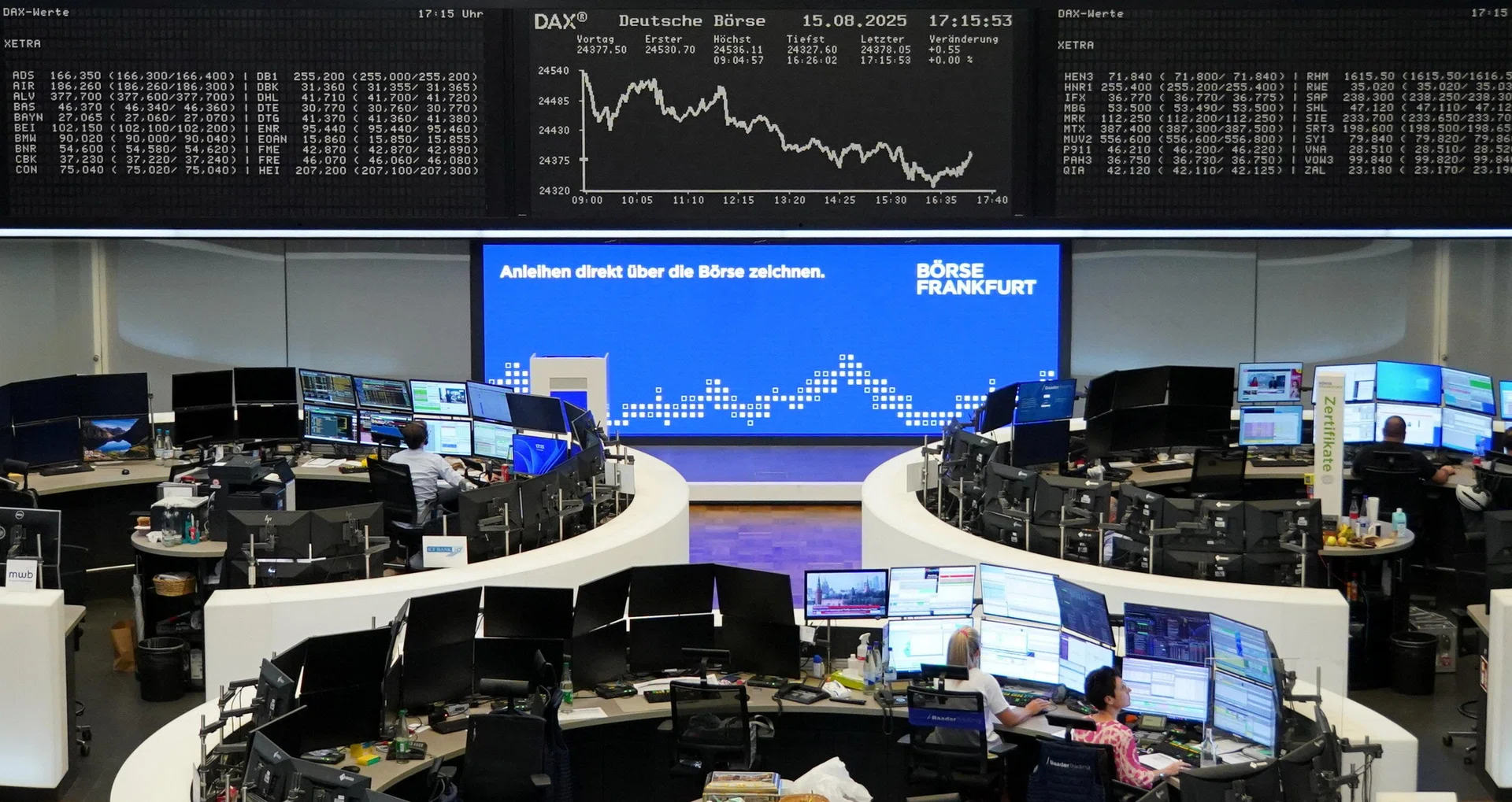
The pressure is driven by a rapid escalation in global diesel markets. European diesel futures have surged above $200 a barrel, almost doubling since the outbreak of conflict involving the US, Israel and Iran, which has resulted in an effective halt to traffic through the Strait of Hormuz.
Millions of barrels of refined fuel, including diesel, are now blocked. Some shipments are being diverted onto 19,000km journeys as refiners scramble for supply. Analysts warn Europe could face shortages within weeks if the strait does not reopen.
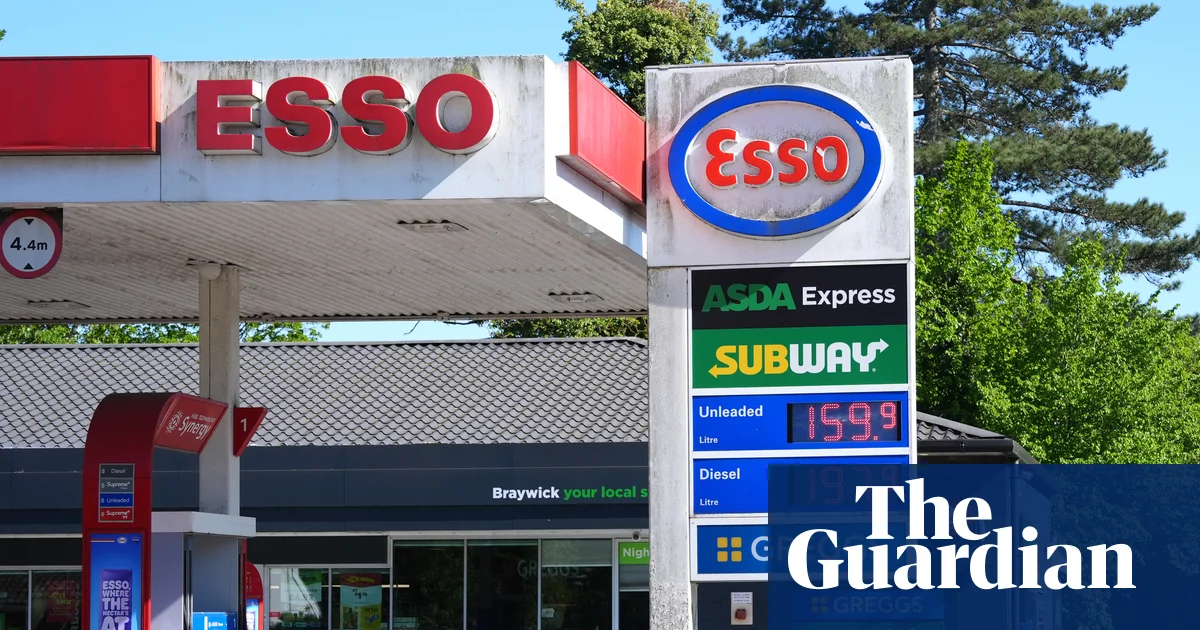
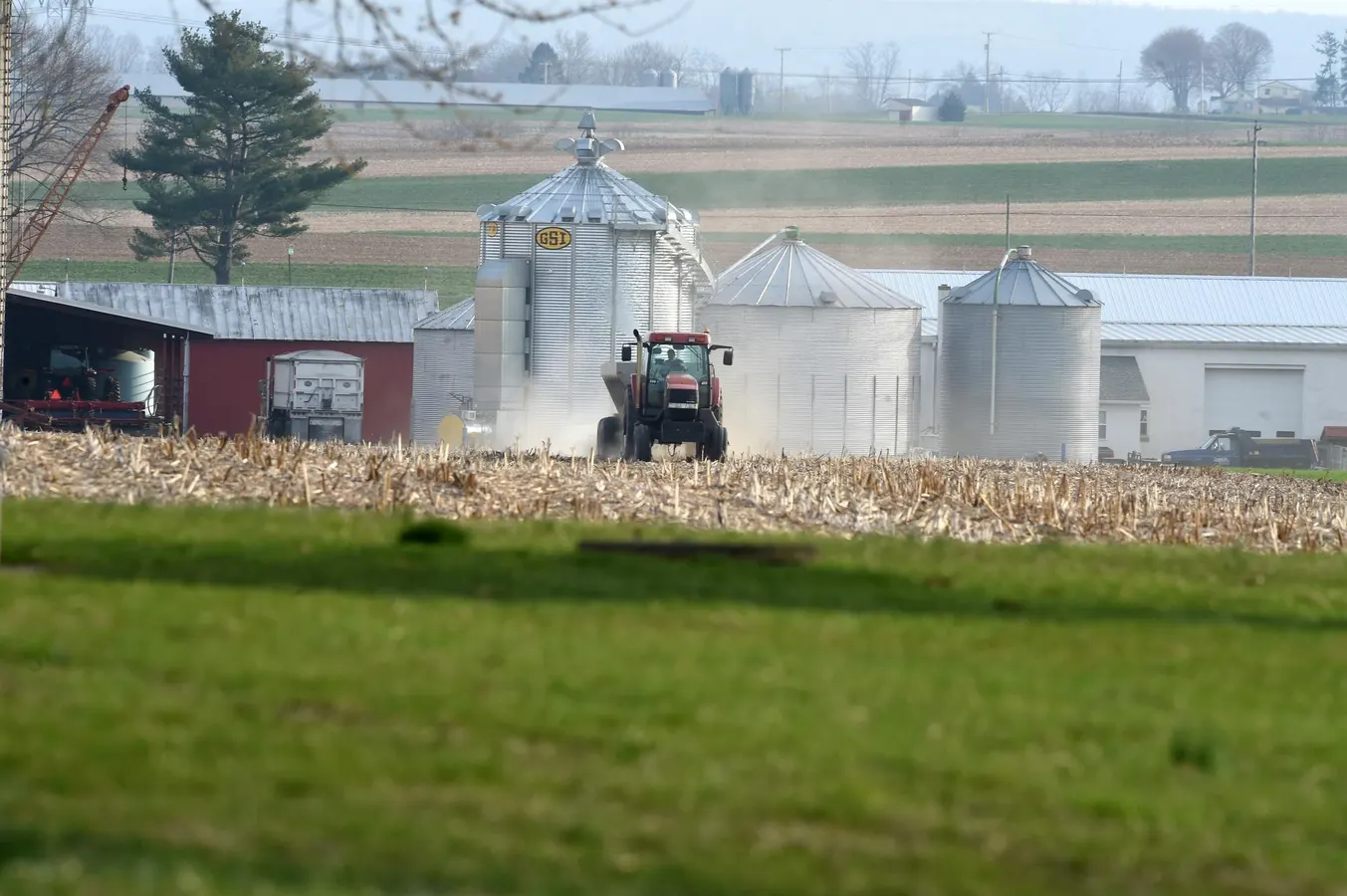
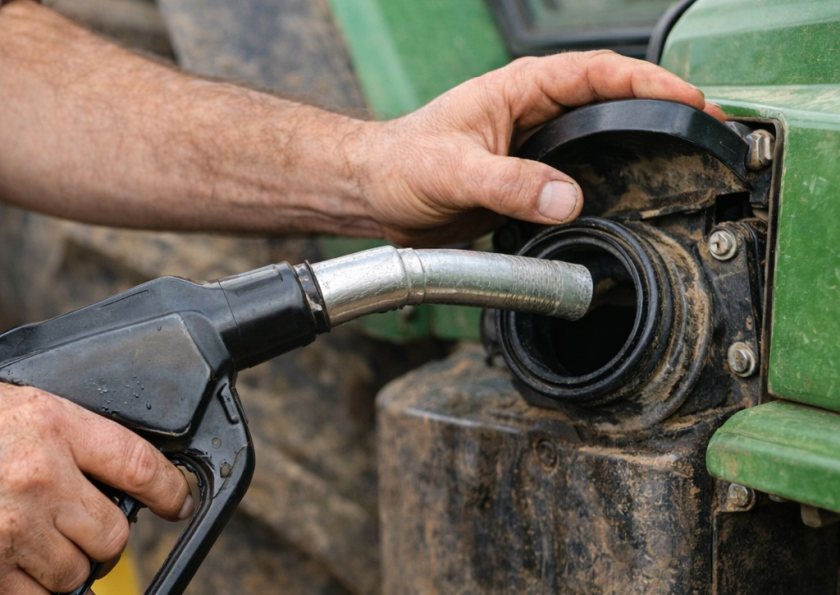
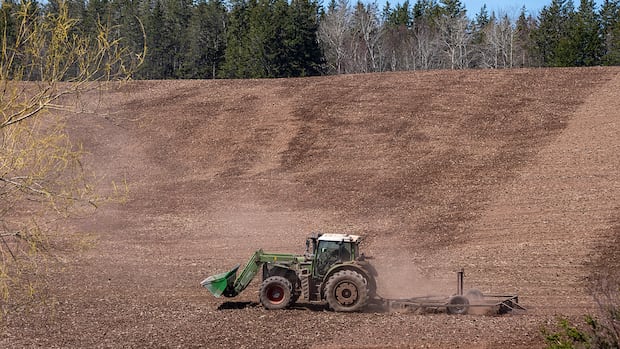
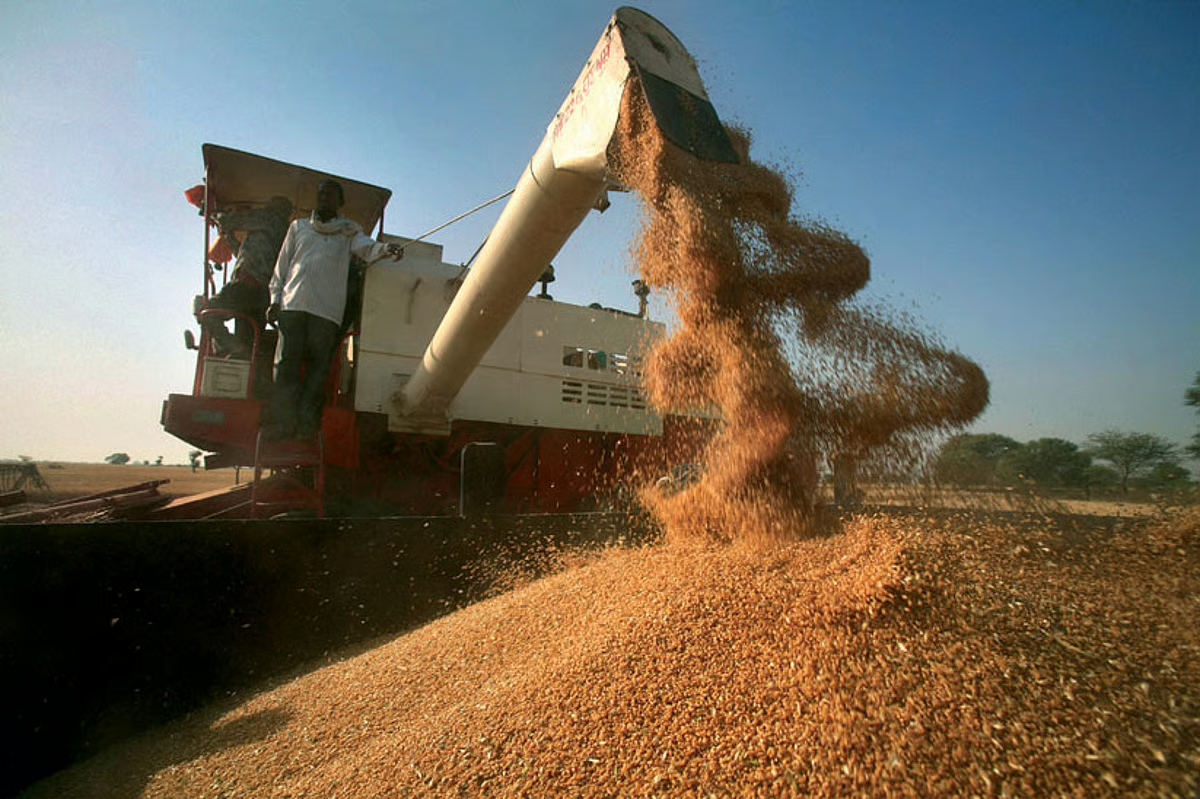
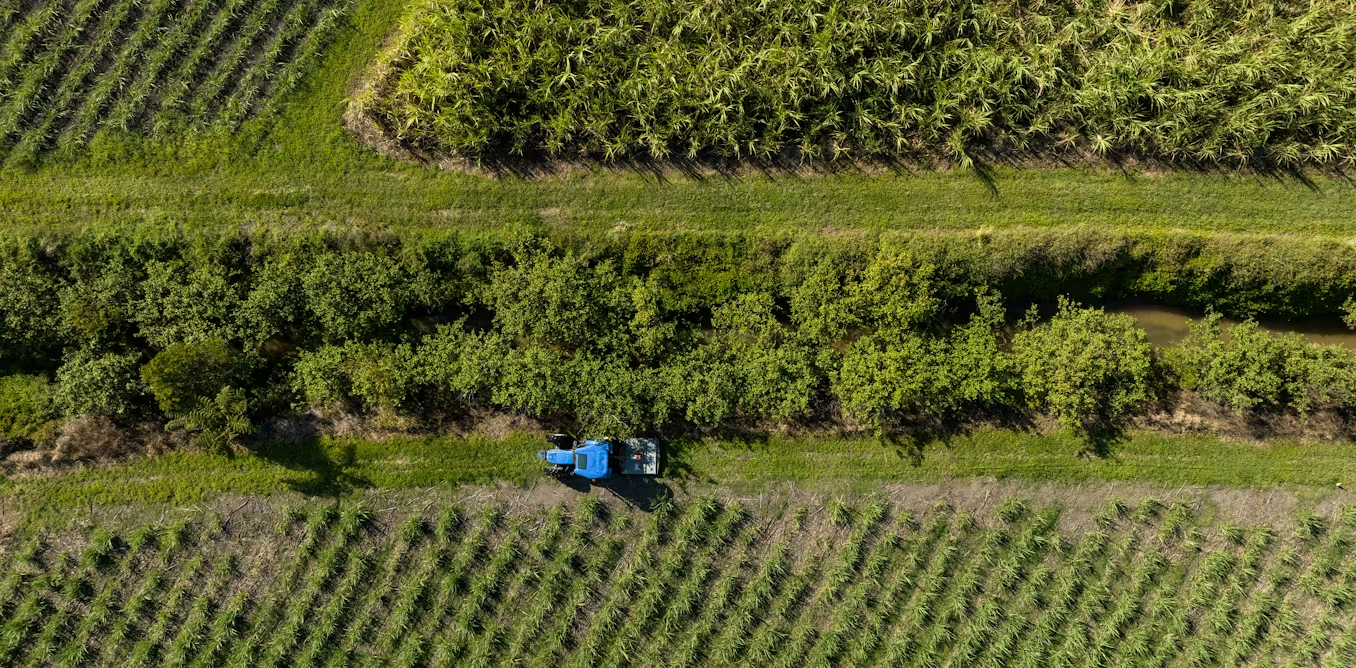
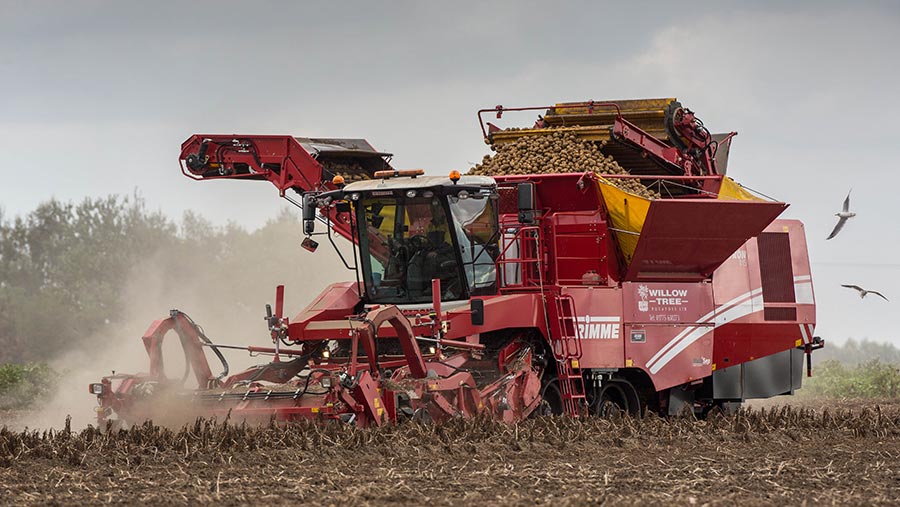
For Irish agriculture, the impact is immediate. FCI figures show the daily diesel cost for a typical contractor’s tractor has risen by more than €200 per day, excluding VAT. Agricultural diesel prices have climbed to almost €1.60/L, pushing up silage costs by €28 per acre.
With 2.5 million acres of pit silage cut annually, rising diesel prices could add €76.3m to contractors’ operating bills this year.
At a meeting with Tánaiste and Finance Minister Simon Harris and Agriculture Minister Martin Heydon last week, sector representatives presented what FCI national chair Norman Egar described as a “range of targeted proposals” aimed at stabilising costs. Further meetings are planned.
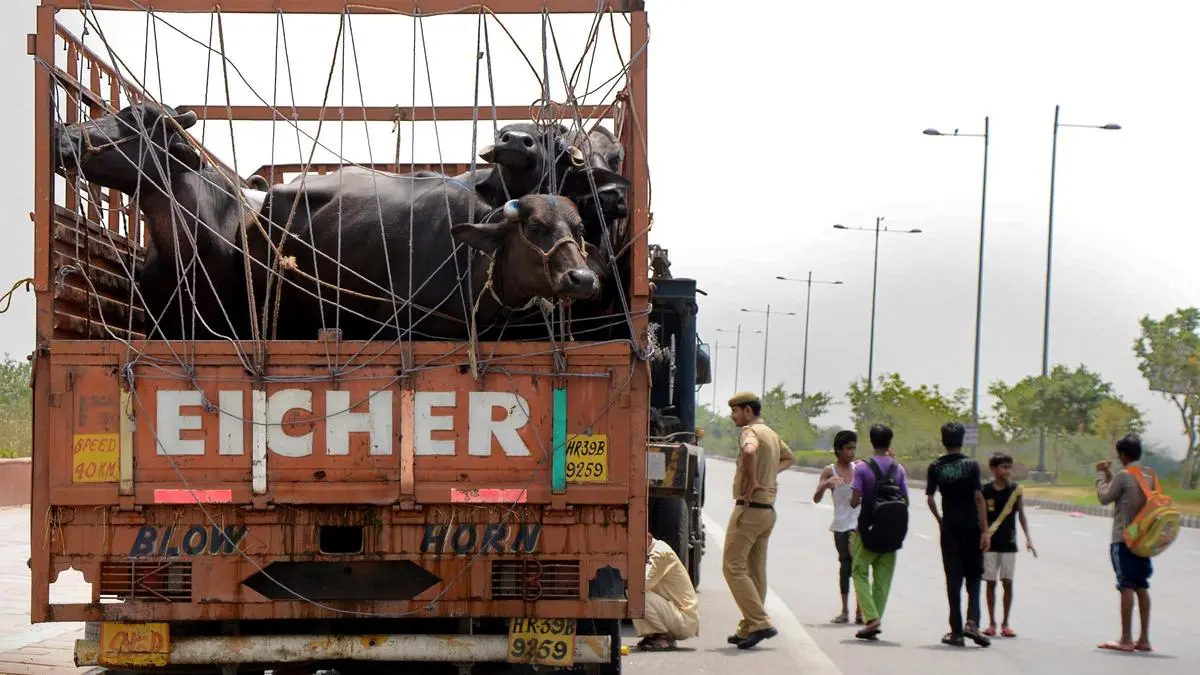
Haulage operators are facing similar pressures. The Irish Road Haulage Association (IRHA) says some members are already parking trucks, unable to absorb the extra €200‑a‑day cost burden.

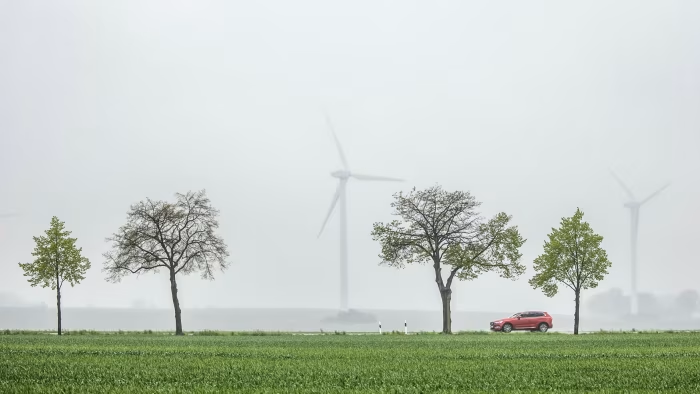
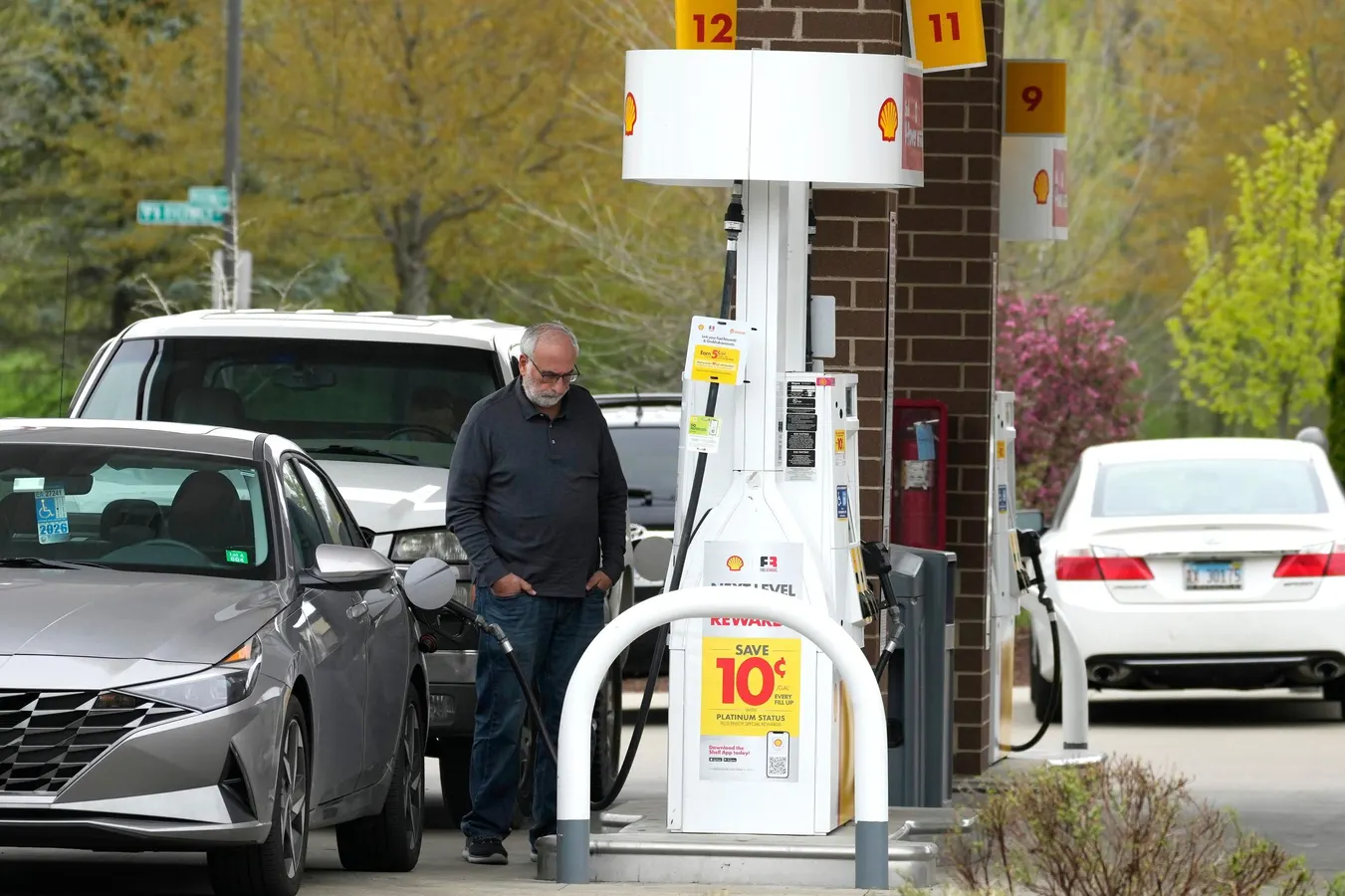
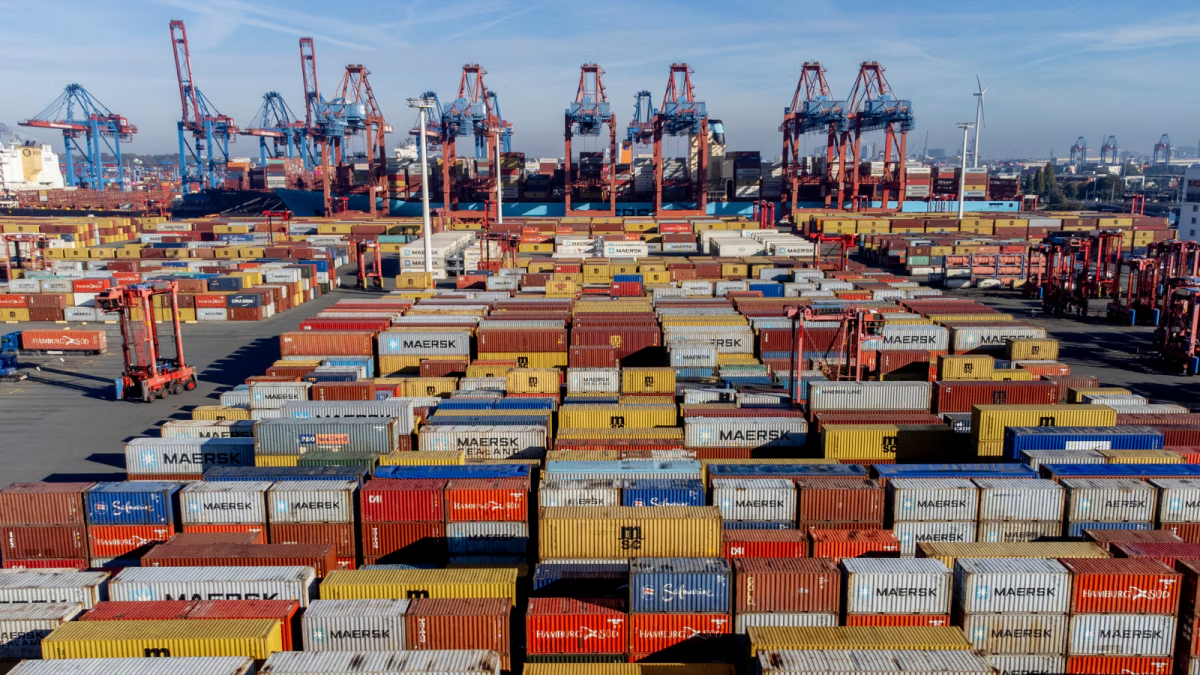
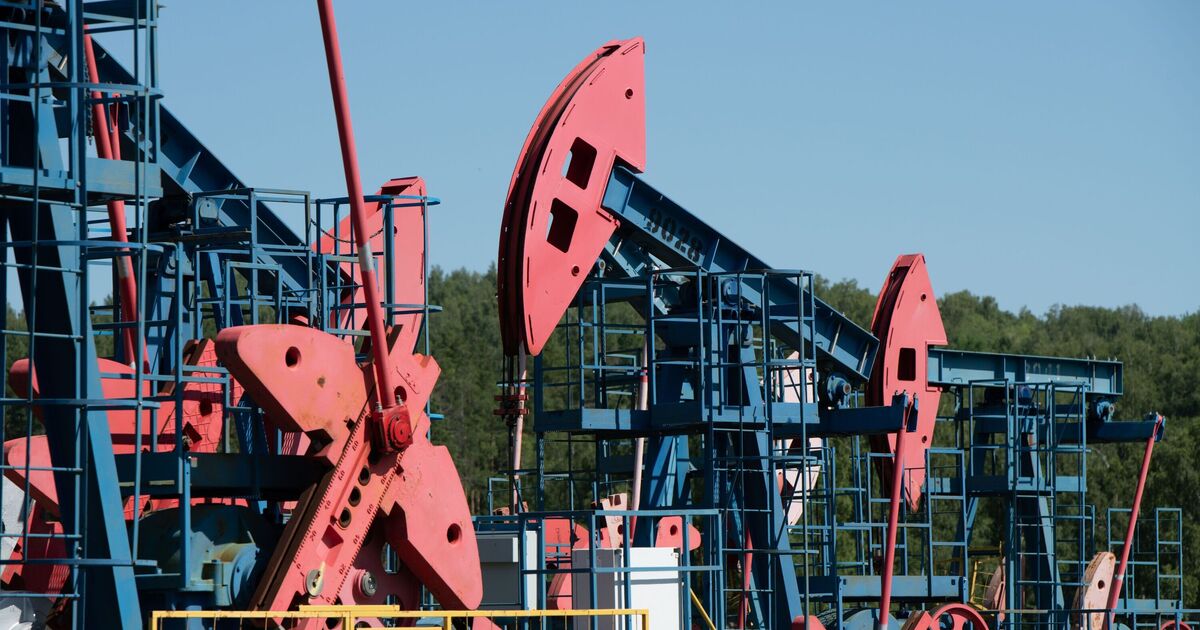
The pressure is driven by a rapid escalation in global diesel markets. European diesel futures have surged above $200 a barrel. Photo: Jens Büttner/Getty
Rising prices for diesel, AdBlue and tolls are contributing to what the IRHA describes as a severe and unsustainable cost environment. While discussions with Government are ongoing, hauliers say the risk of operators being forced off the road is increasing.
Despite the escalating costs, it is understood the Government will not adjust the planned carbon tax increase. Instead, ministers are focusing on targeted supports already in place, including enhanced diesel rebate payments for hauliers.
Further interventions have not been ruled out but are not expected until additional assessments on energy security are completed.
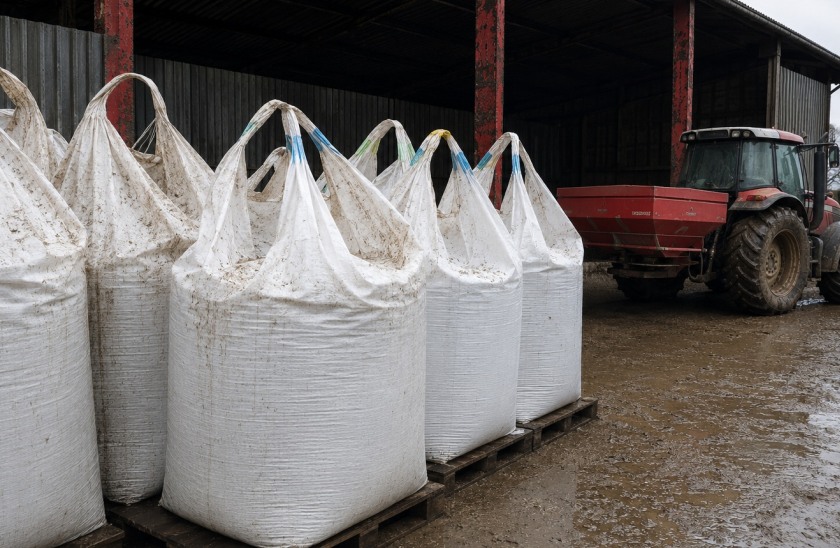
In addition to fuel concerns, fresh warnings have emerged about fertiliser availability over the coming years
Industry experts and fertiliser businesses, speaking at a meeting in Brussels and detailed in notes seen by Euractiv, warn of a potential “perfect storm” by 2027 due to war‑related damage to fertiliser plants, refineries and gas infrastructure supplying global production.
Even if conflict in the Gulf were to end immediately, experts say it would take years to rebuild key facilities. Stocks built before recent regulatory changes are running down and reserves could be depleted by 2027, placing upward pressure on fertiliser prices for several seasons.
The Irish Farm Accounts Co-operative (Ifac) is advising farmers across Ireland to take immediate steps to manage rising fuel and input costs, as global oil prices surge following recent geopolitical developments in the Middle East.
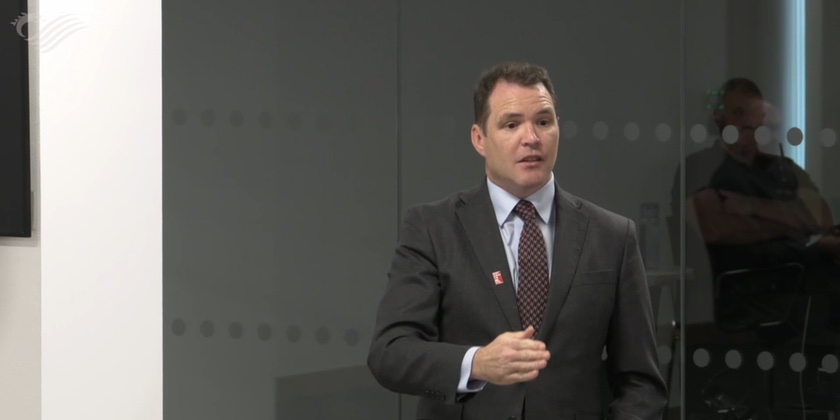
Philip O’Connor, Head of Farm Support at Ifac, said farmers are once again dealing with a sudden and significant cost shock, driven by factors entirely outside their control.
“While the Government’s measures will provide some short-term relief, they will not offset the full extent of the increases we are seeing on the ground.
“What is critical now is that farmers take a proactive approach and understand their exposure, manage consumption where possible and plan ahead for further volatility. We have seen before how quickly energy costs can escalate, and early action will make a real difference to cashflow over the coming months,” he said.