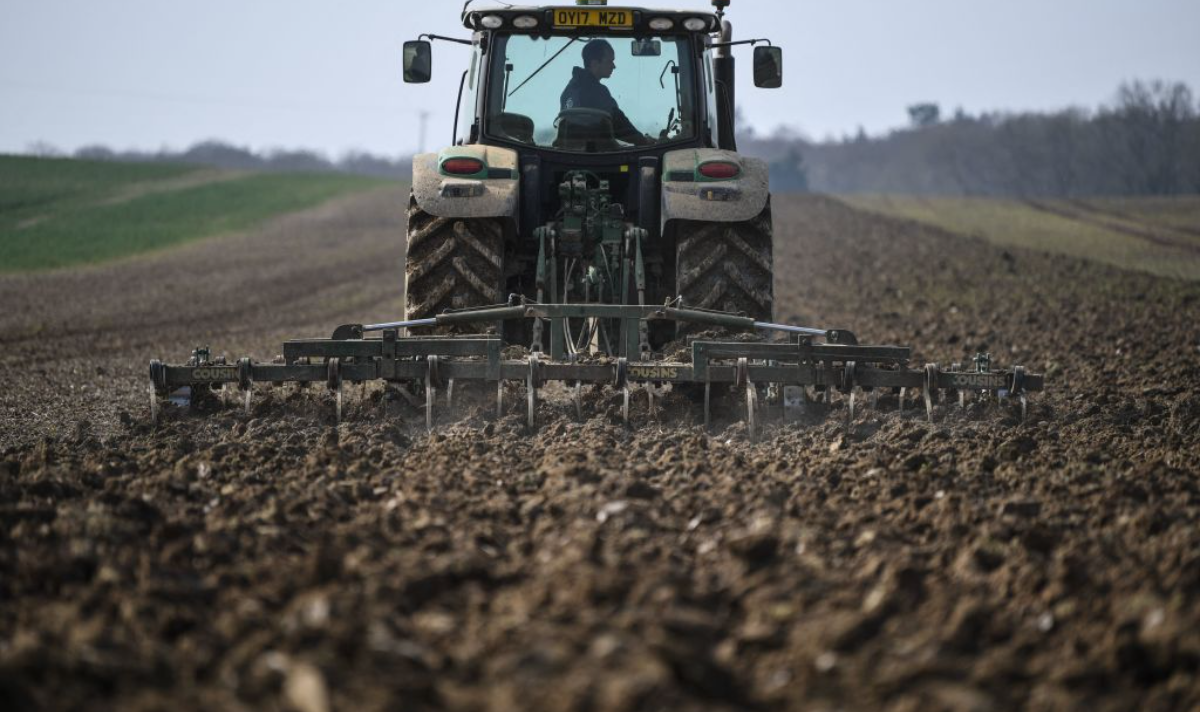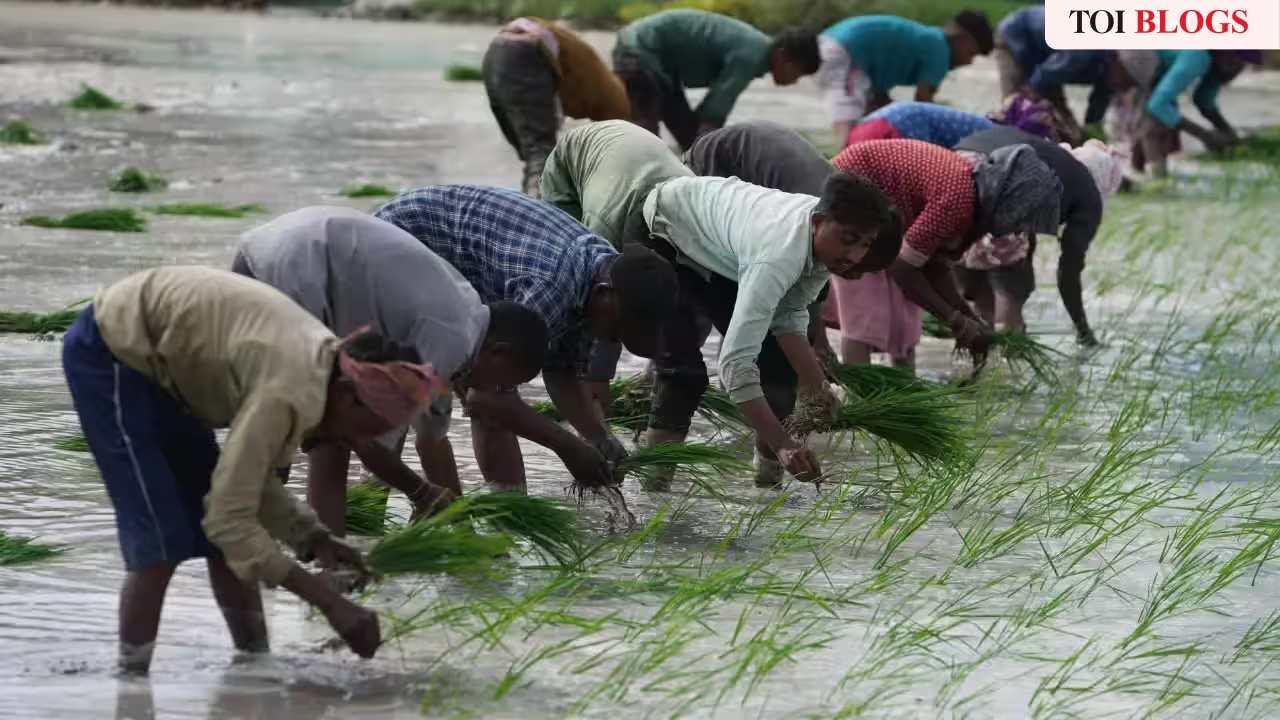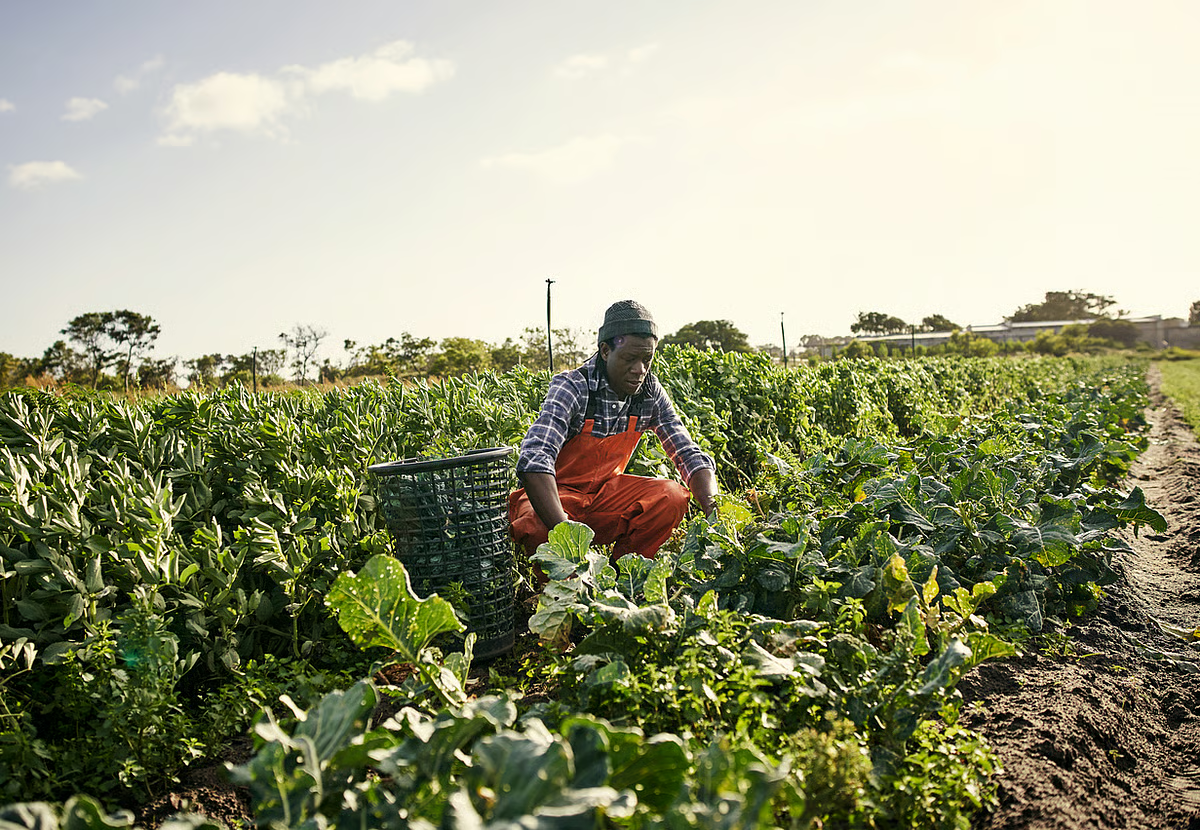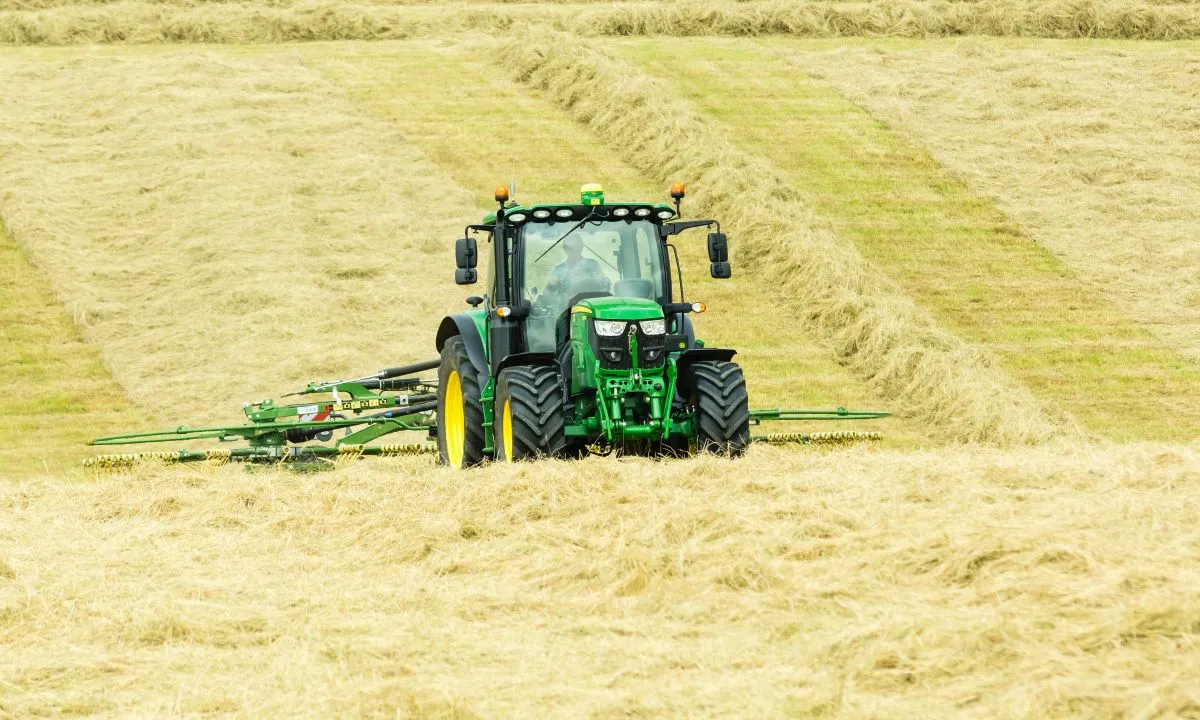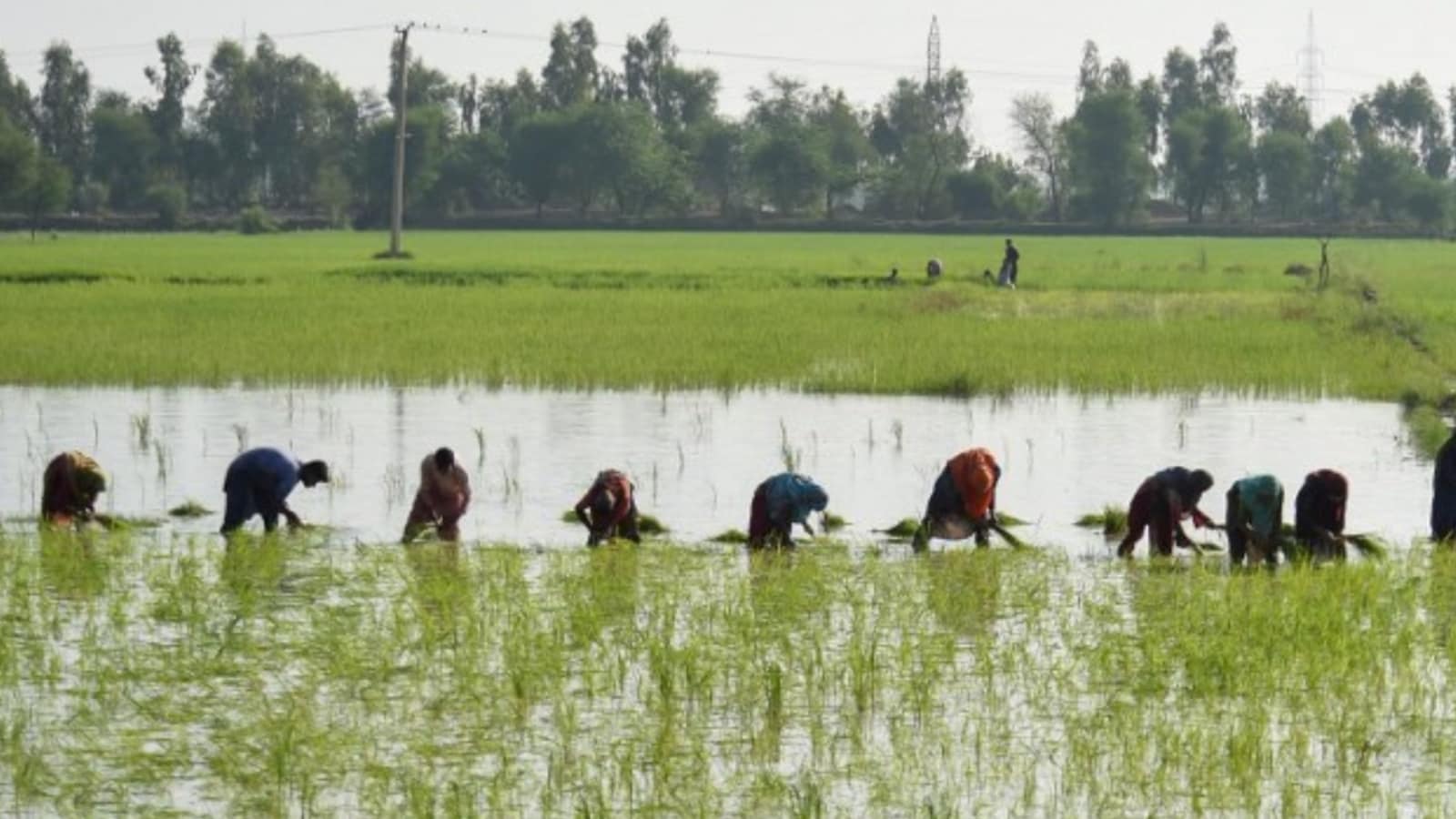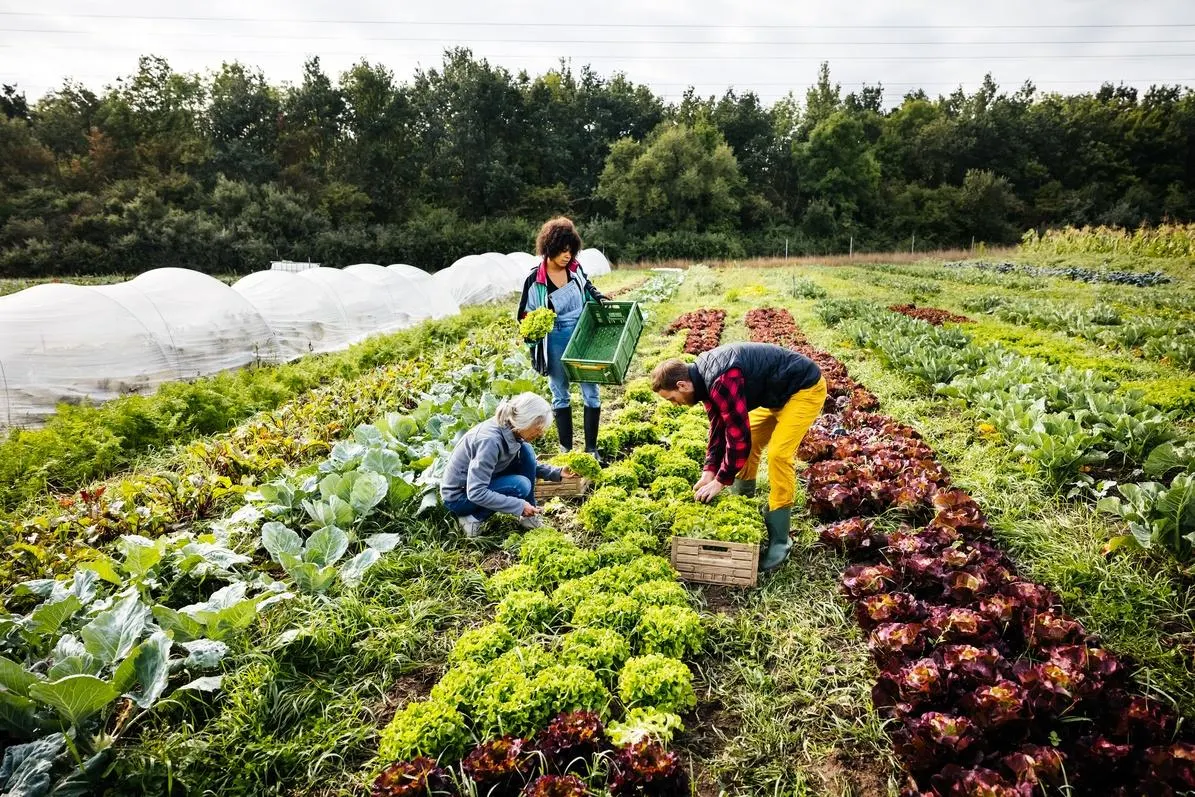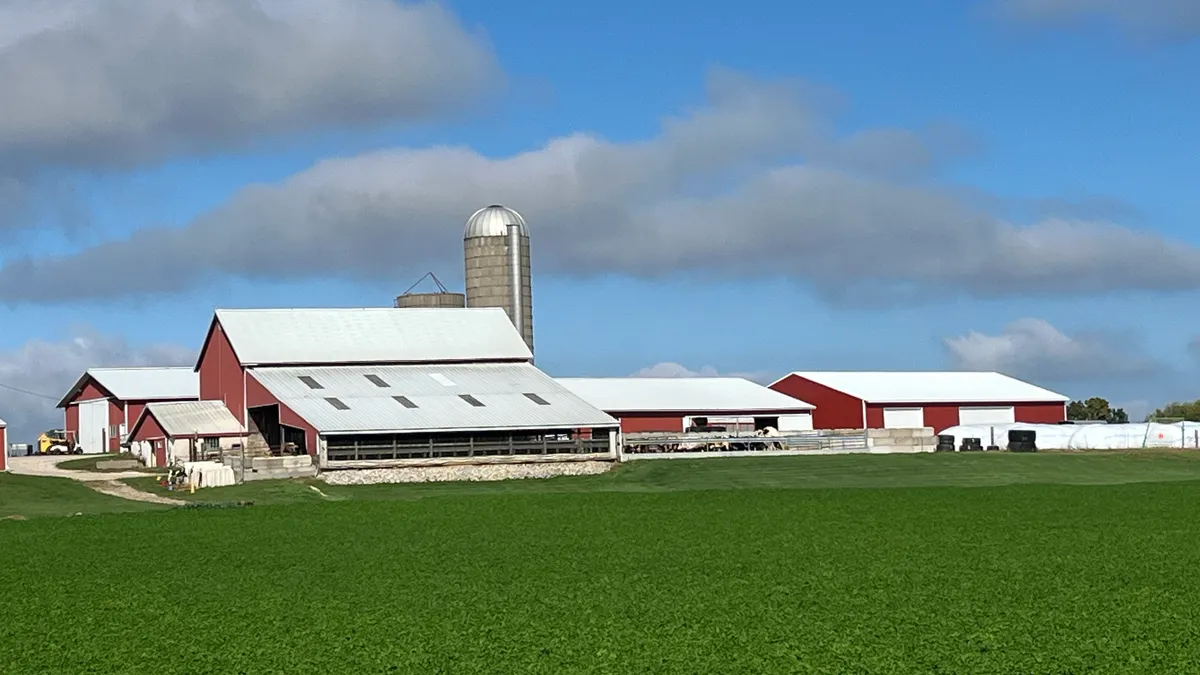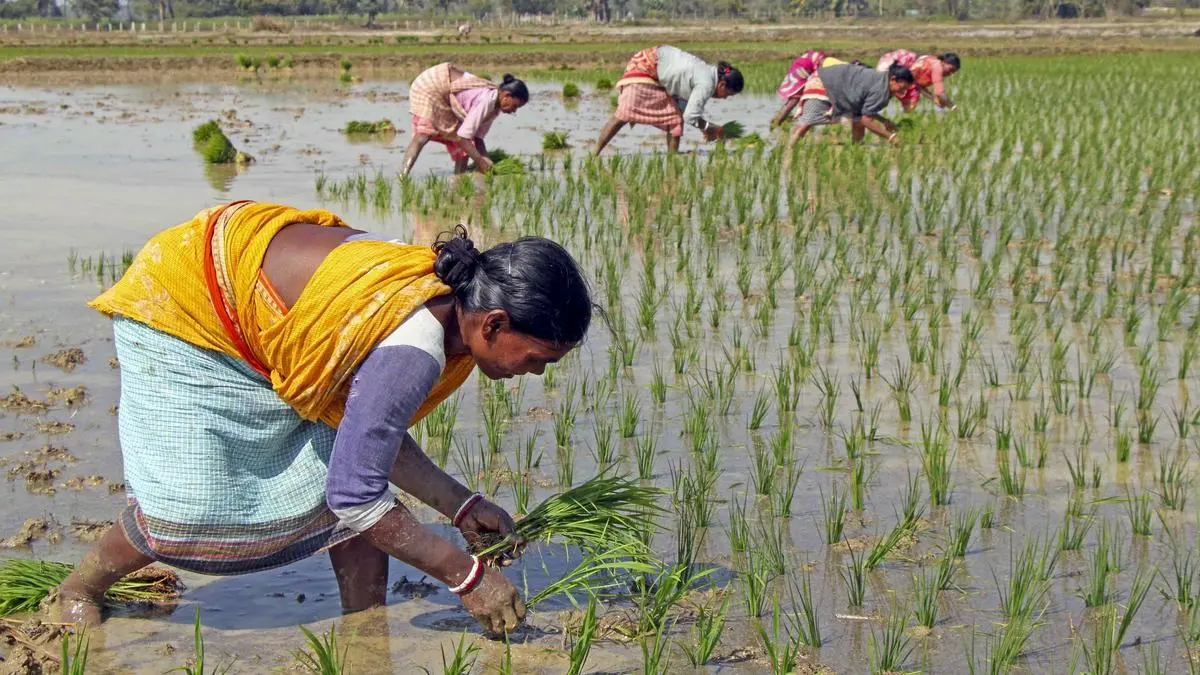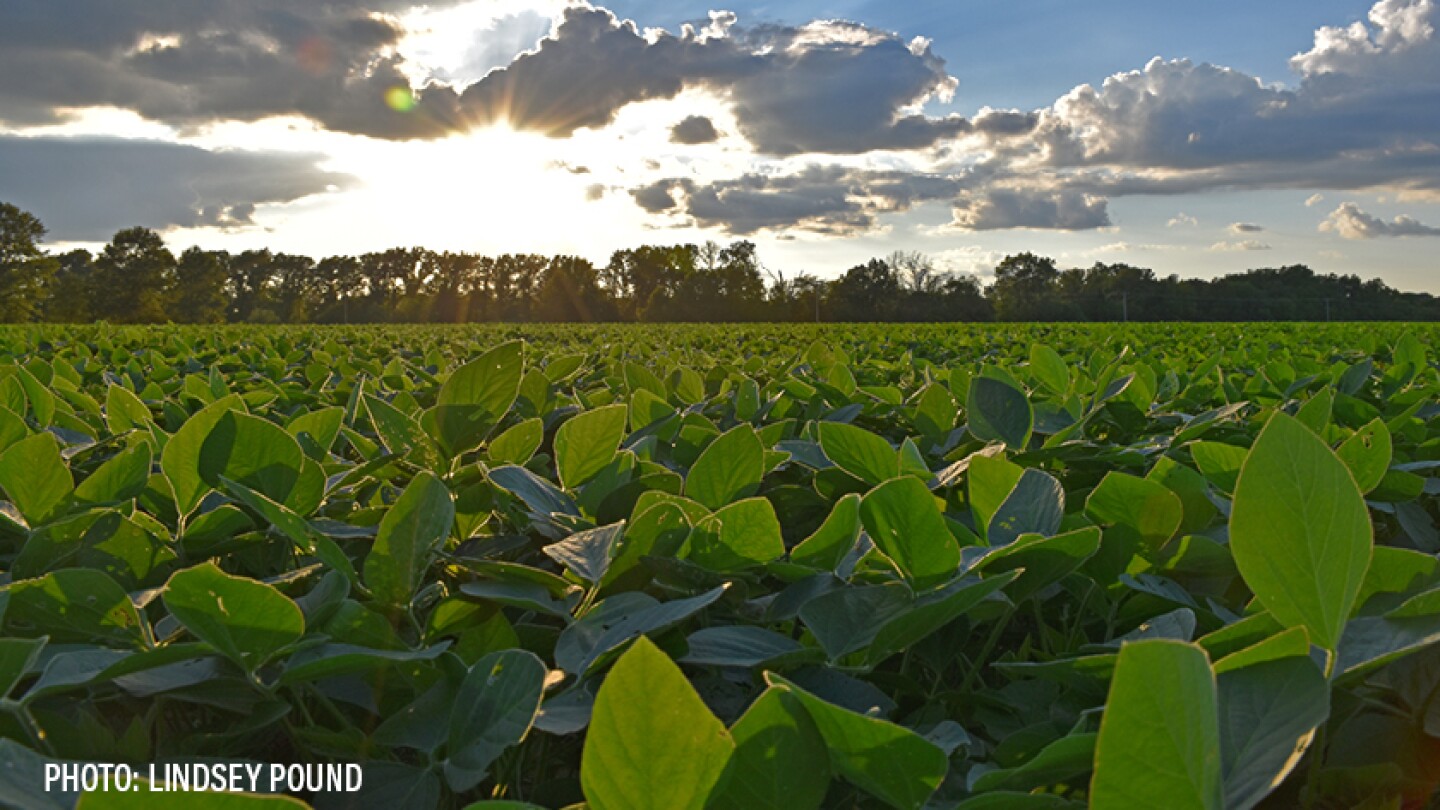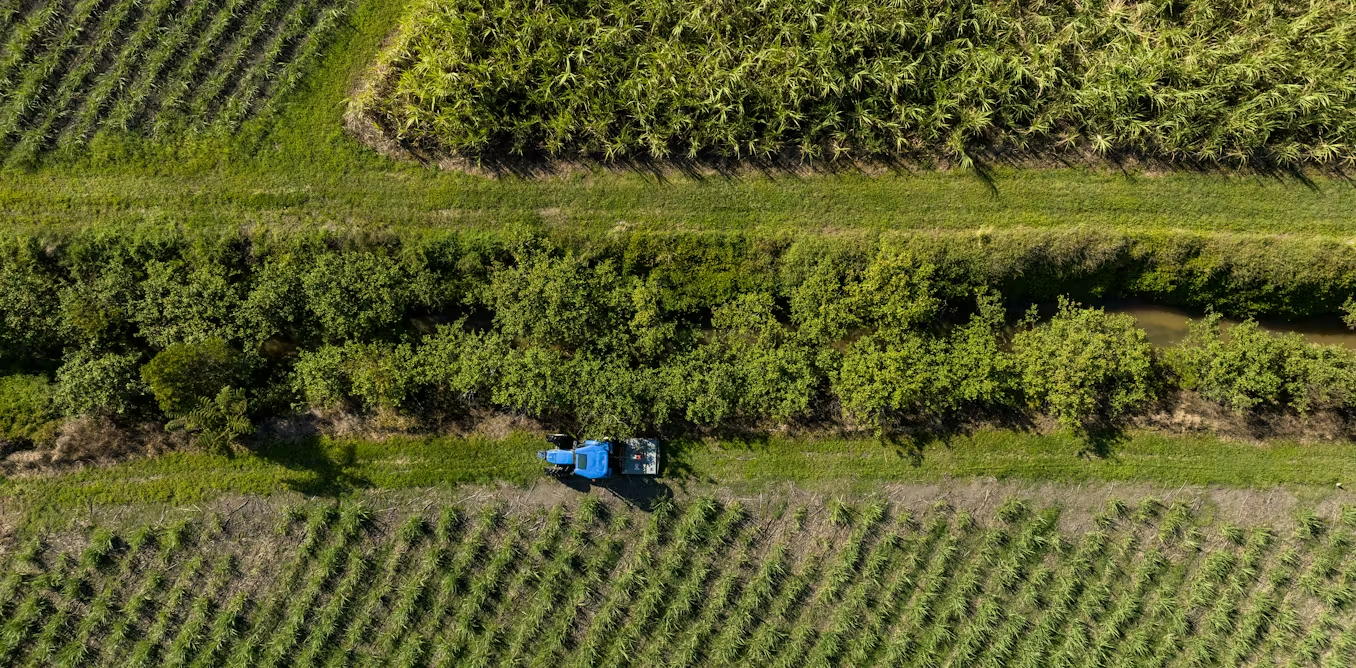
For decades, agri-food supply chains have treated the farm as a critical yet operationally disconnected stakeholder. Whereas the systems for procurement, processing, logistics, and retailing have become more and more structured and digital, the activities on the farm have, to a large extent, operated in a way that is not part of the organised supply chain, either through records or reporting.
The recent disruptions have brought about a need to reconsider this situation. The issues of climate change, raw material availability, quality issues, and recall have pointed to a major flaw in the system: if the farm is not connected, the whole supply chain will be at risk.
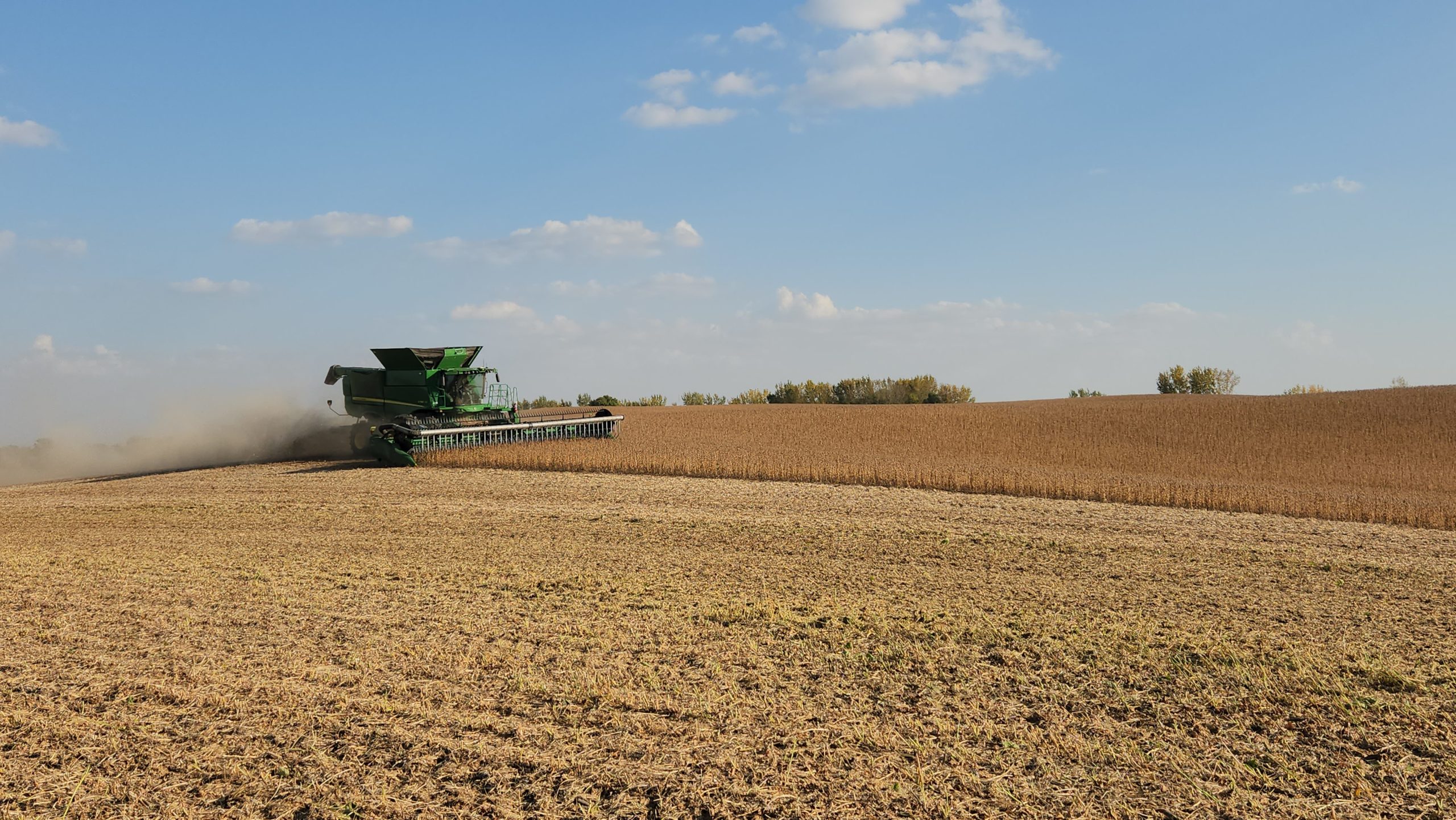
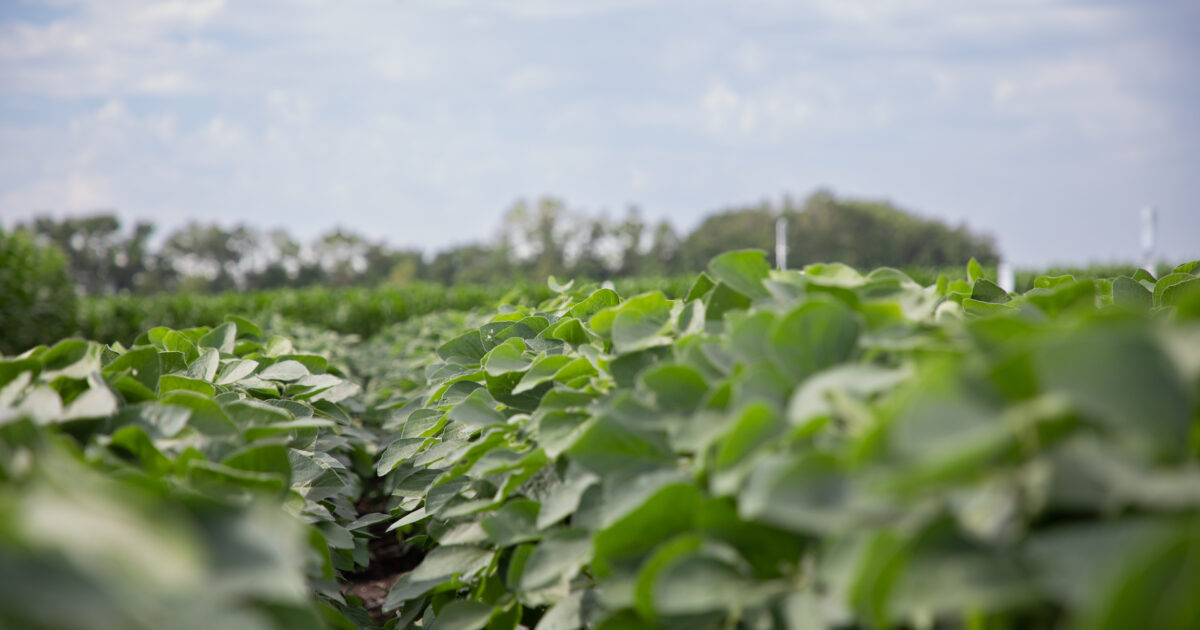
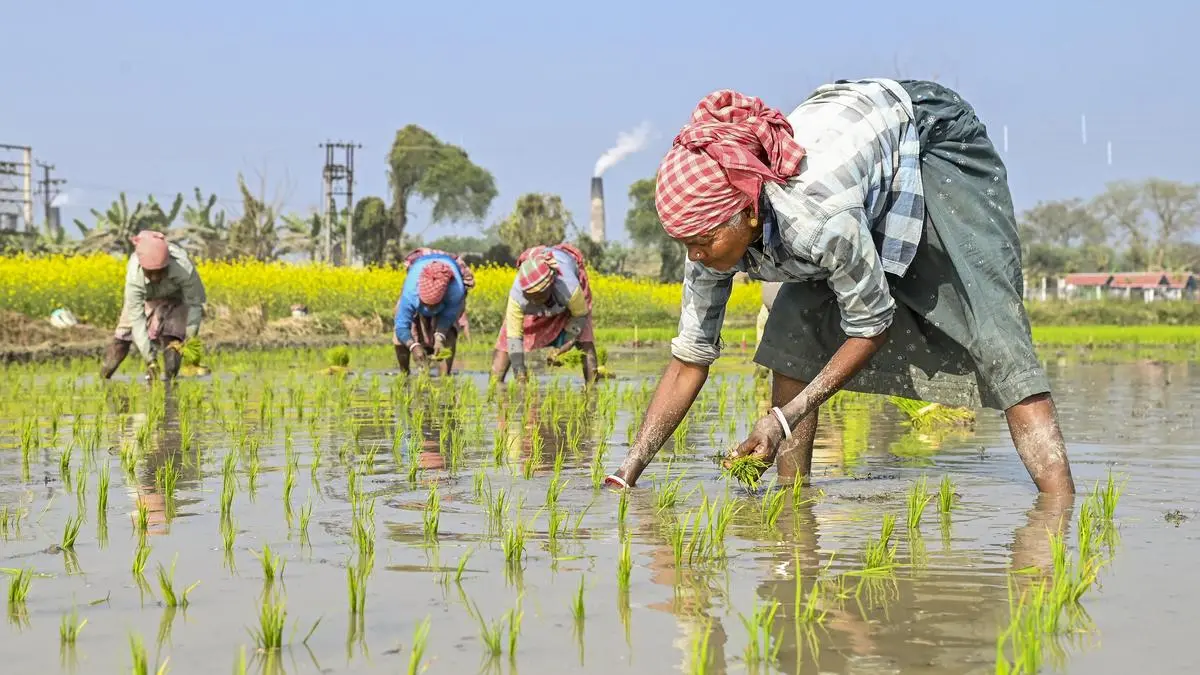
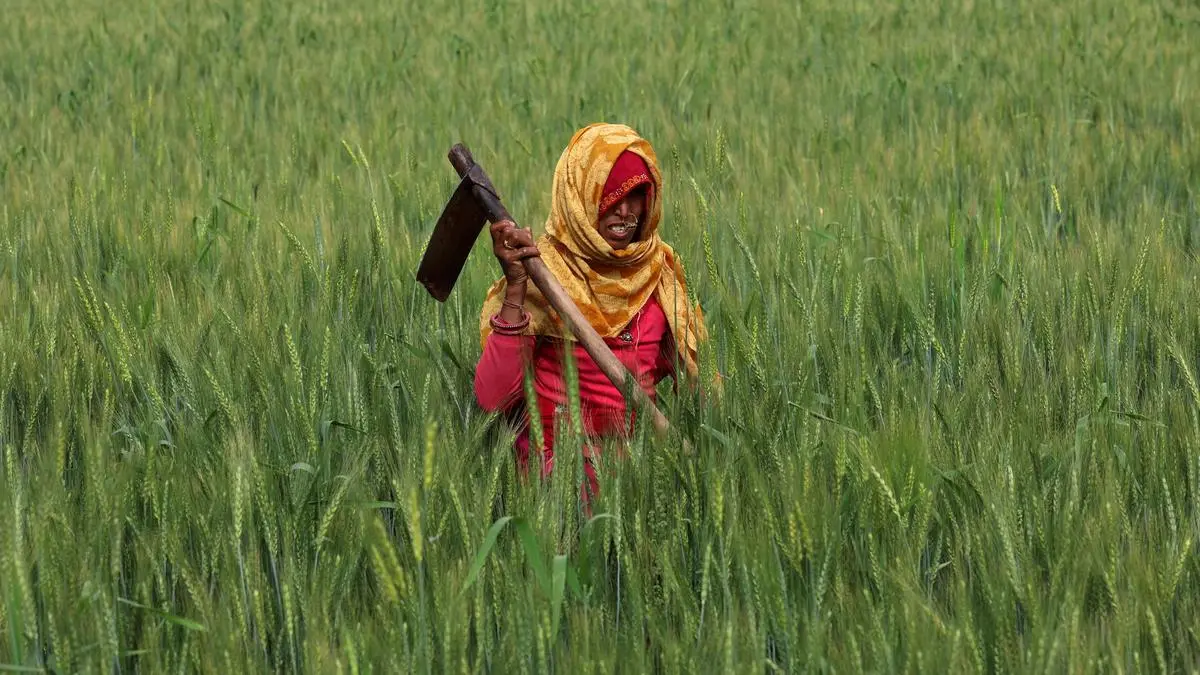
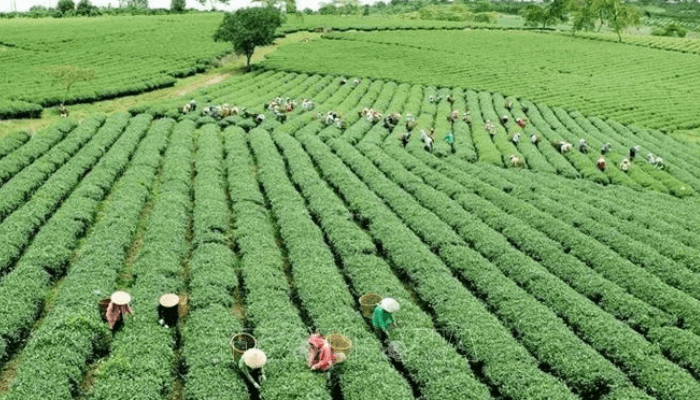
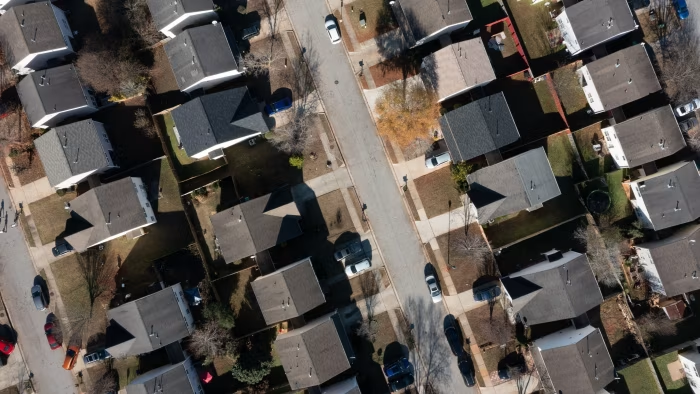
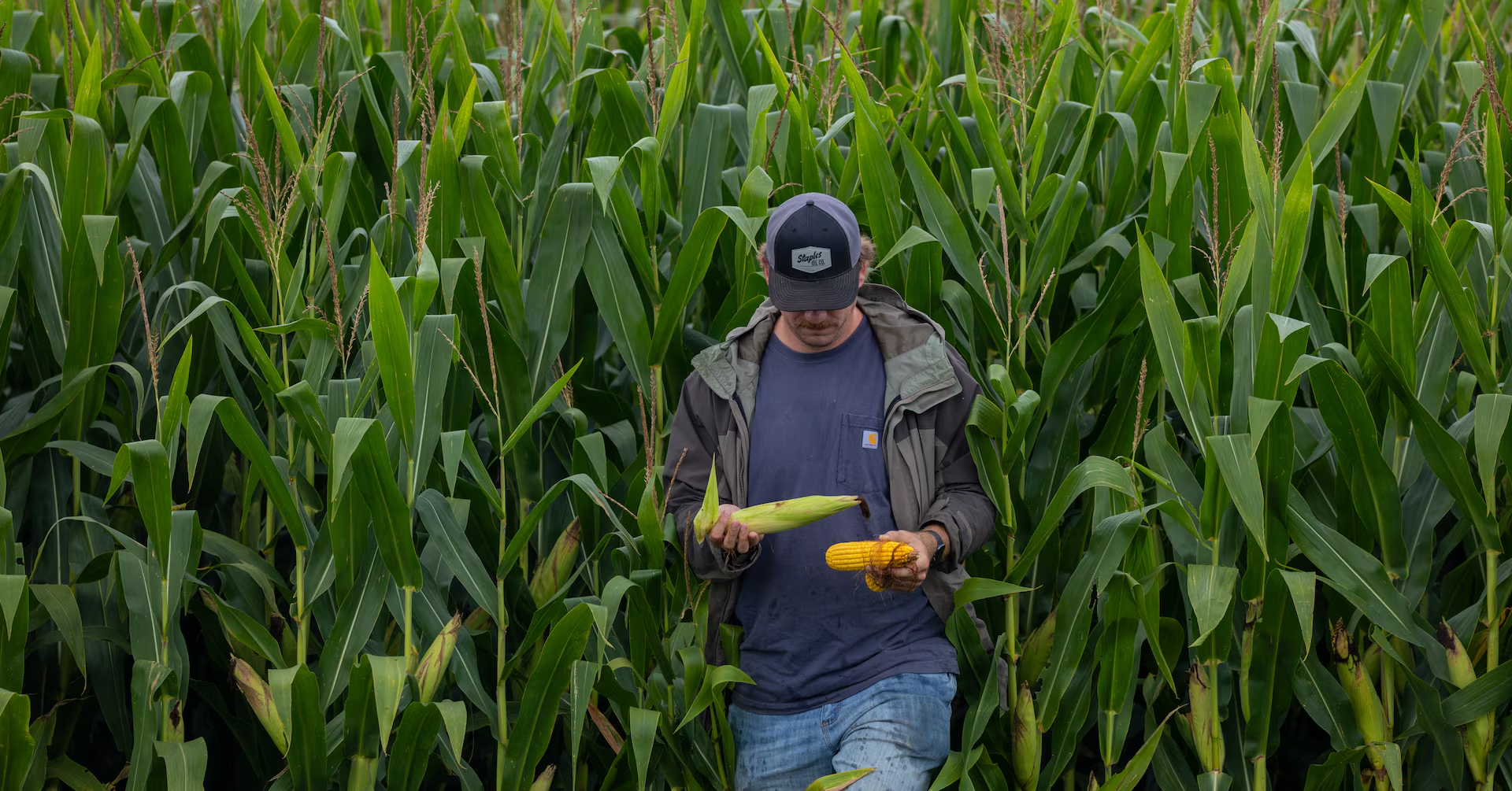
The challenge, however, has never been the importance of the farm—but the difficulty of managing it at scale. Agriculture is defined by diversity: millions of small and mid-sized farms, varying practices, regional conditions, and seasonal cycles. Traditional systems were simply not designed to absorb this complexity into enterprise planning and control processes.
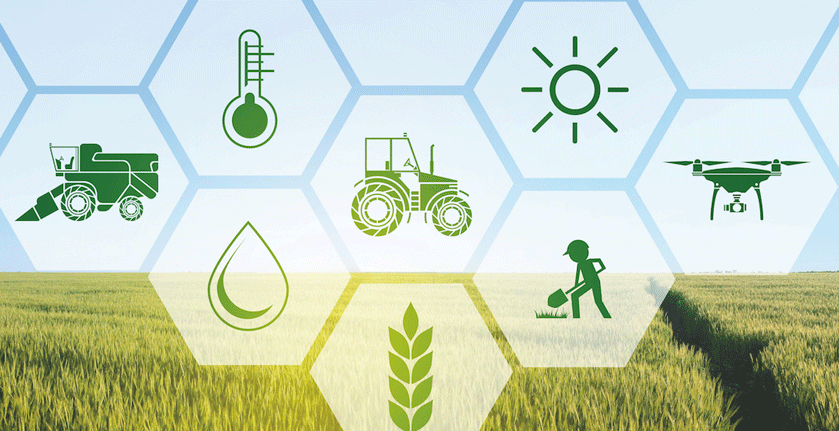
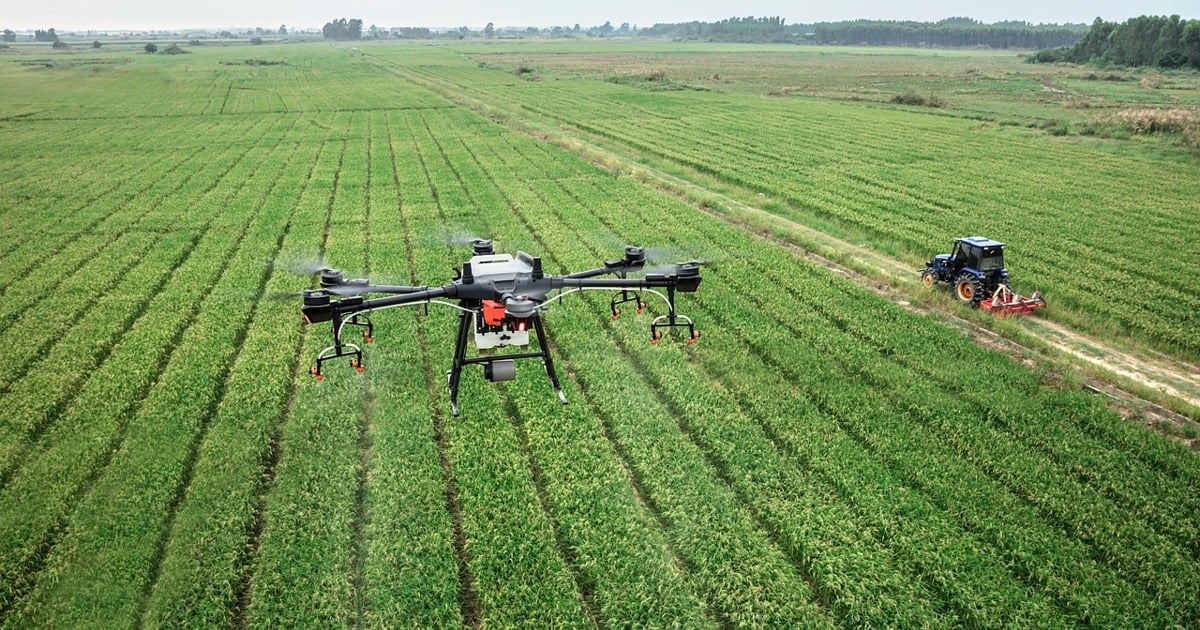
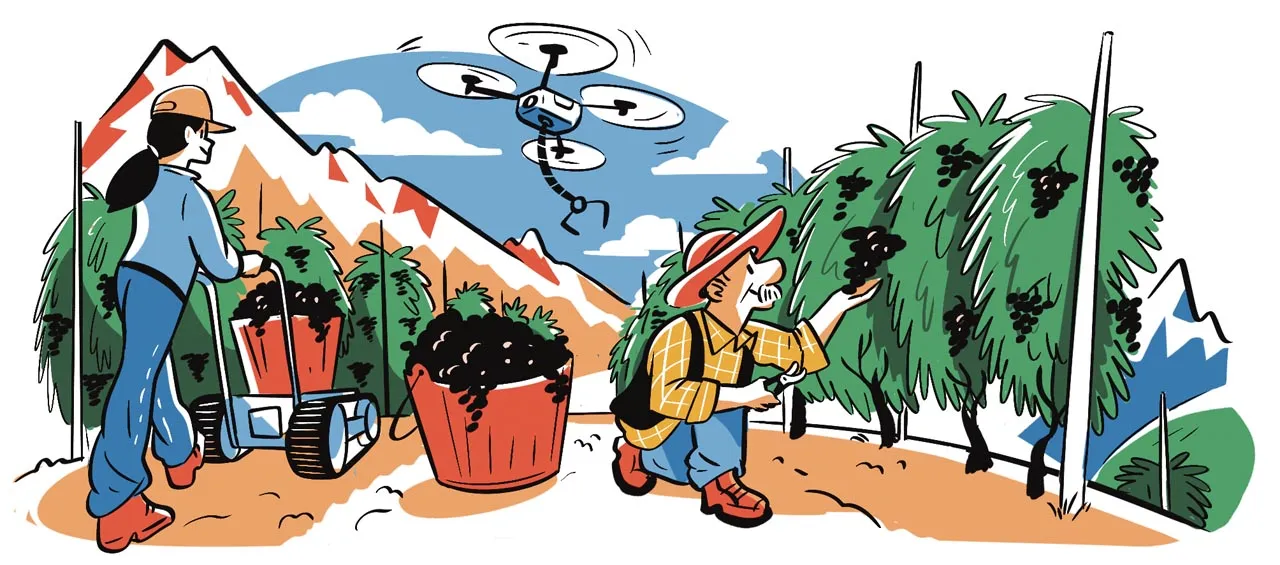
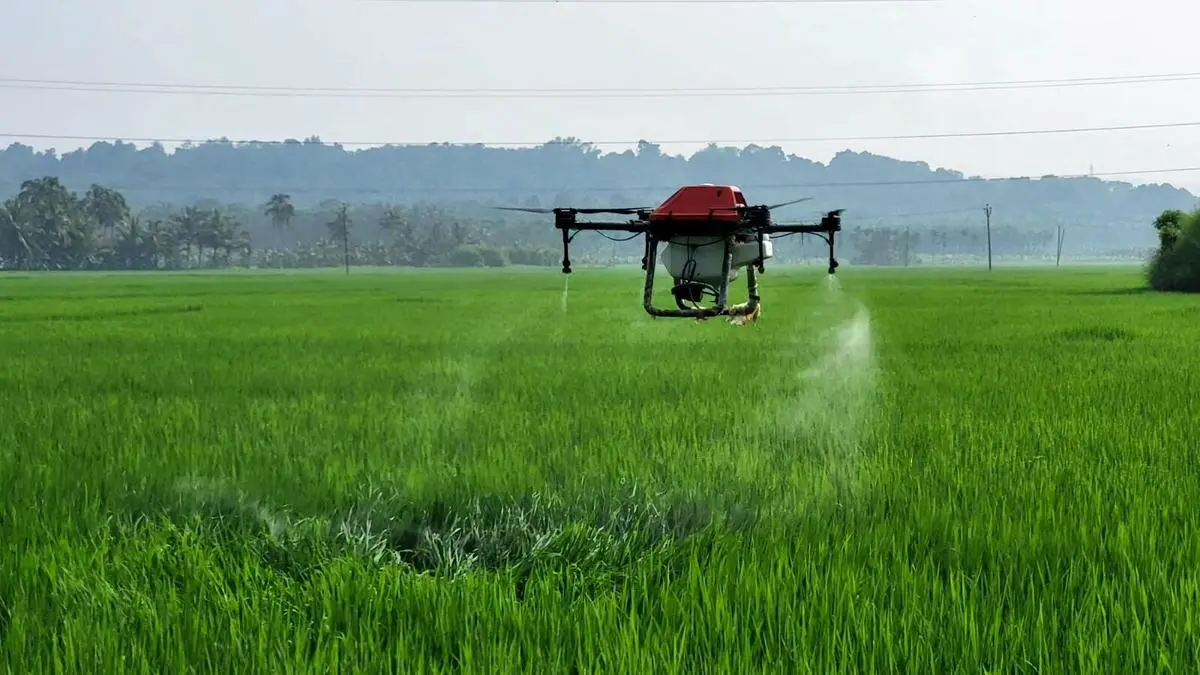
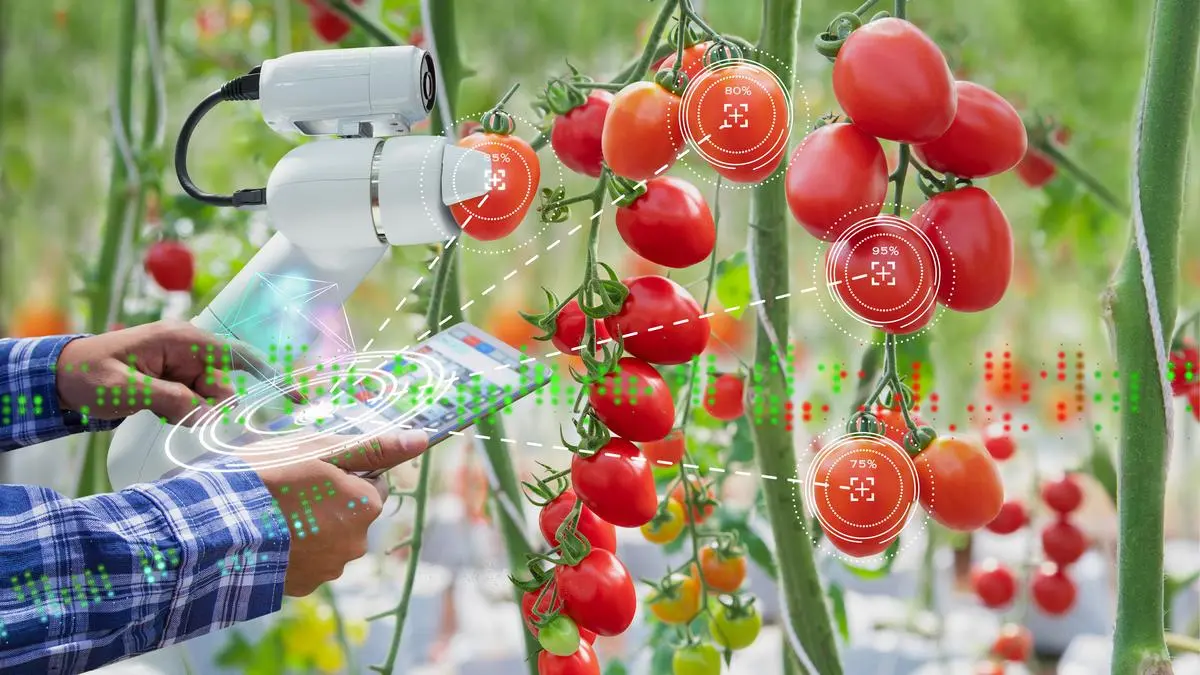
This is where digital systems are quietly reshaping agri-food supply chains—not by “digitising farming” in isolation, but by enabling organisations to scale backward operations and integrate the farm as a core part of the supply chain.
Scaling backward: from procurement to production realities
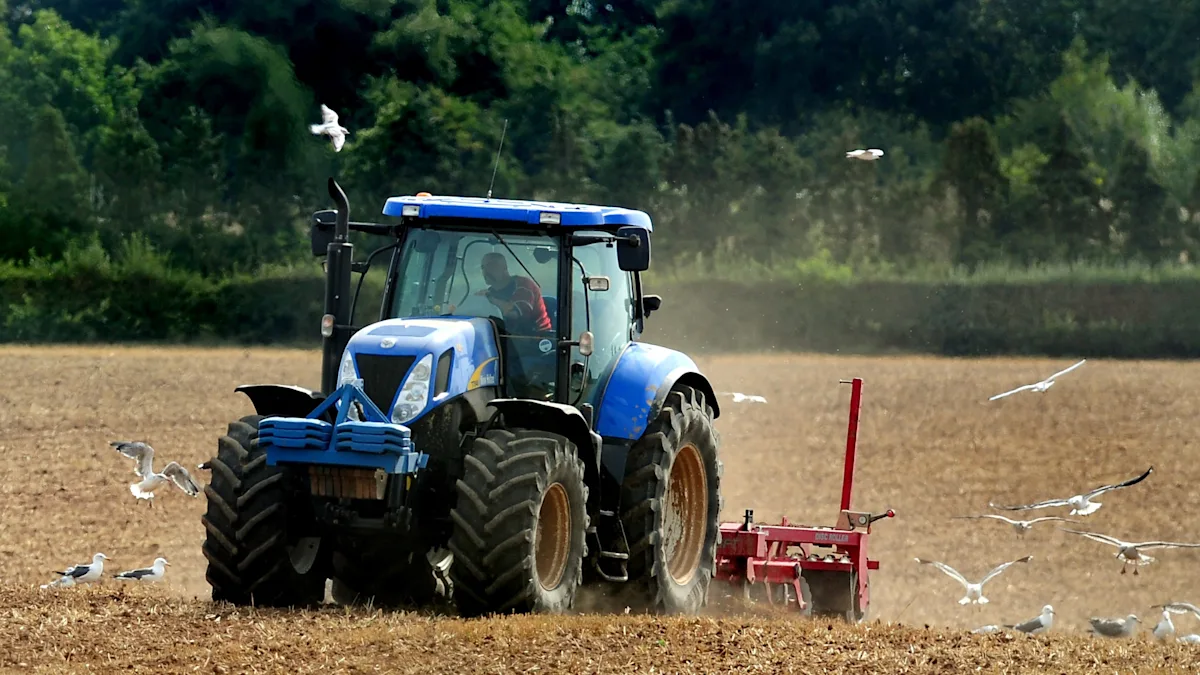
In most agri-food businesses, operational visibility historically began at procurement—quantities contracted, deliveries scheduled, inventory received. What preceded that point remained opaque. Planting timelines, crop conditions, input usage, and field-level risks were largely inferred rather than measured.
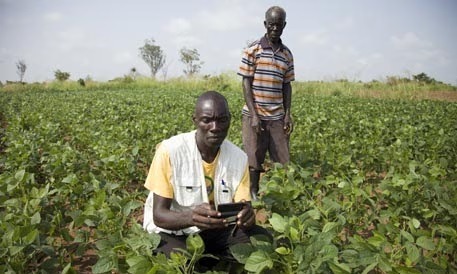
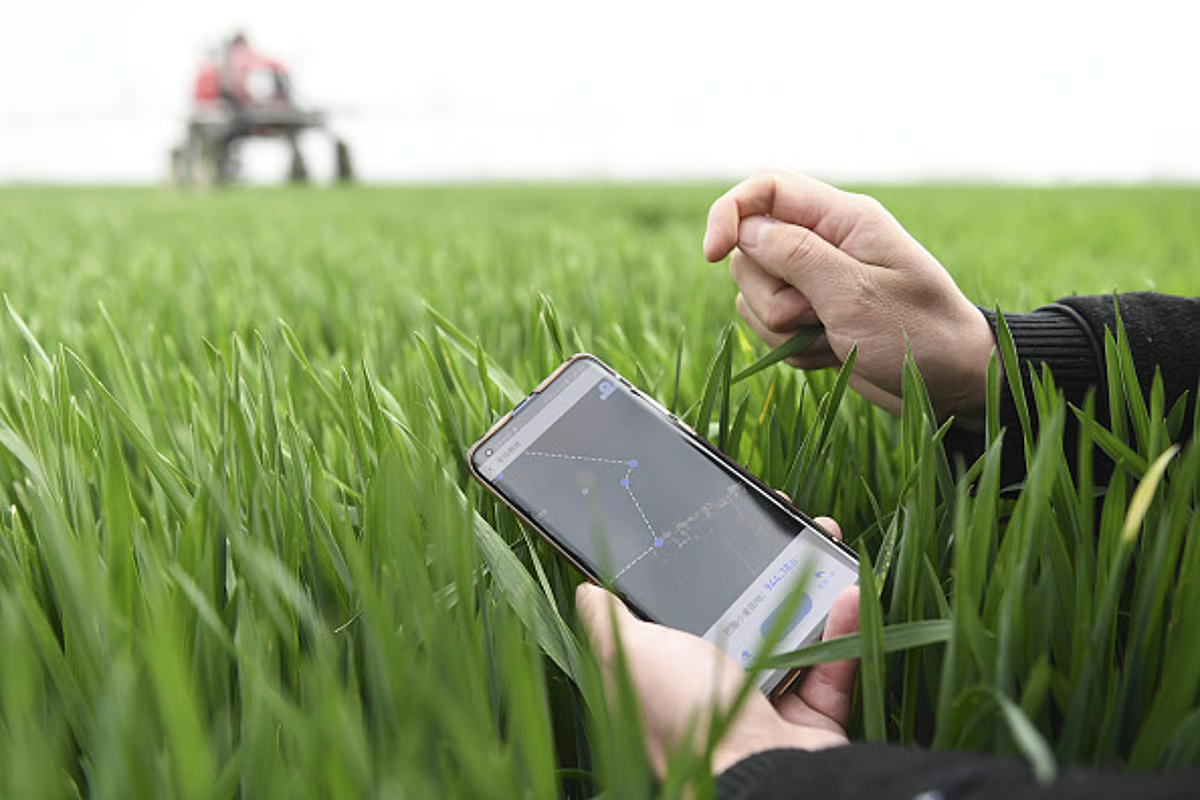
Digitised farm data changes this equation. By creating structured digital records at the farm and plot level—linked to crop plans, activities, and outcomes—organisations can extend operational visibility upstream. This allows supply chains to respond not just to outcomes, but to conditions as they evolve.
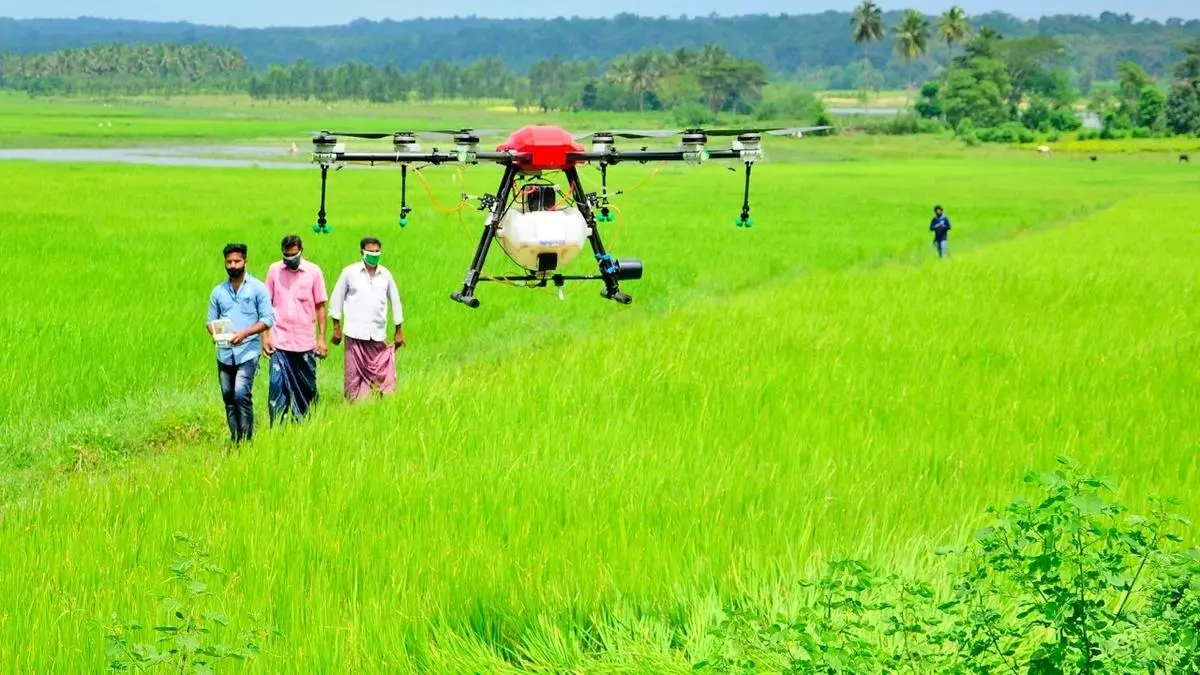
For instance, knowledge of planting opportunities and crop development allows for better supply chain forecasting. Warning signs of crop distress or anomalies enable corrective measures before losses occur. Readiness for harvest helps processors coordinate their capacity with actual field developments as opposed to projections.
In essence, farm data is now a planning variable as opposed to an explanation for what has happened.
Turning variability into usable intelligence
Variability will always be a part of agriculture. It is impossible to have two farms that are the same. The use of digital technology is not to remove this variability but to make it visible and comparable.
When data is collected in a systematic way, certain trends become apparent. It becomes possible to see which methods provide consistent quality, where the dangers lie, and how external factors affect the outcome. This information is crucial for making informed sourcing decisions and managing risk.
It is also important to note that this change makes it less dependent on human intuition. This is a critical skill as supply chains expand globally.
Traceability moves from compliance to control
Traceability is usually talked about in terms of rules and transparency. However, when anchored in digitised farm data, it becomes a broader operational control mechanism.
Linking farm-level practices to batches, lots, and shipments enables faster root-cause analysis when quality issues arise. Instead of broad rejections or blanket recalls, organisations can isolate specific risk pockets. Sustainability reports often become more trustworthy and reliable when the information is directly collected from the farms instead of being guessed later.
As food rules gets stricter and buyers expect more responsibility, traceability backed by real farm data is no longer just an extra work. It eventually became a smart way to protect the business.
A growing opportunity for technology platforms
This structural shift is creating a clear opportunity for tech platforms that are dedicated to agri-data infrastructure. Today enterprises require systems that can capture, connect and contextualise data across the farm-to-fork continuum, rather than point solutions This structural shift is creating a clear opportunity for technology platforms focused on agri-data infrastructure. Rather than point solutions, enterprises increasingly require systems that can capture, connect, and contextualise data across the farm-to-fork continuum.
Platforms like Verdnt are intended to handle farm data in a manner that showcases the progress being made. The platform is integrated with enterprise systems and is geared towards decision-making in operations, quality, and sustainability.
This marks a mature market where the value is in scalable data architecture and enterprise adoption as opposed to digital experimentation.
For investors, this signals a maturing market where value lies in scalable data architecture and long-term enterprise adoption rather than short-term digital experimentation.
The road ahead
As global agri-food supply chains confront increasing uncertainty, the integration of farm-level data is becoming more foundations and less optional for the stakeholders. Organisations that succeed will be those that treat the farm not as an external dependency, but as an integral node in their supply-chain systems.
Digitised farm data enables this shift—bringing visibility, predictability, and control to the most complex part of the value chain. In doing so, it reshapes how food businesses plan, operate, and grow in a world where resilience is as important as efficiency.
From farm to fork, data is no longer just a record of what happened—it is fast becoming the basis of how the agri-food supply chain functions.
(The author is Founder and CEO of KhetiBuddy)
Published on February 8, 2026