
India and the UAE have reviewed the progress under the comprehensive economic partnership agreement (CEPA) that led to an increase in bilateral trade to $100 billion in FY25, but widened Delhi’s trade deficit to $26.77 billion due to spike in gold and silver imports from the Gulf country.
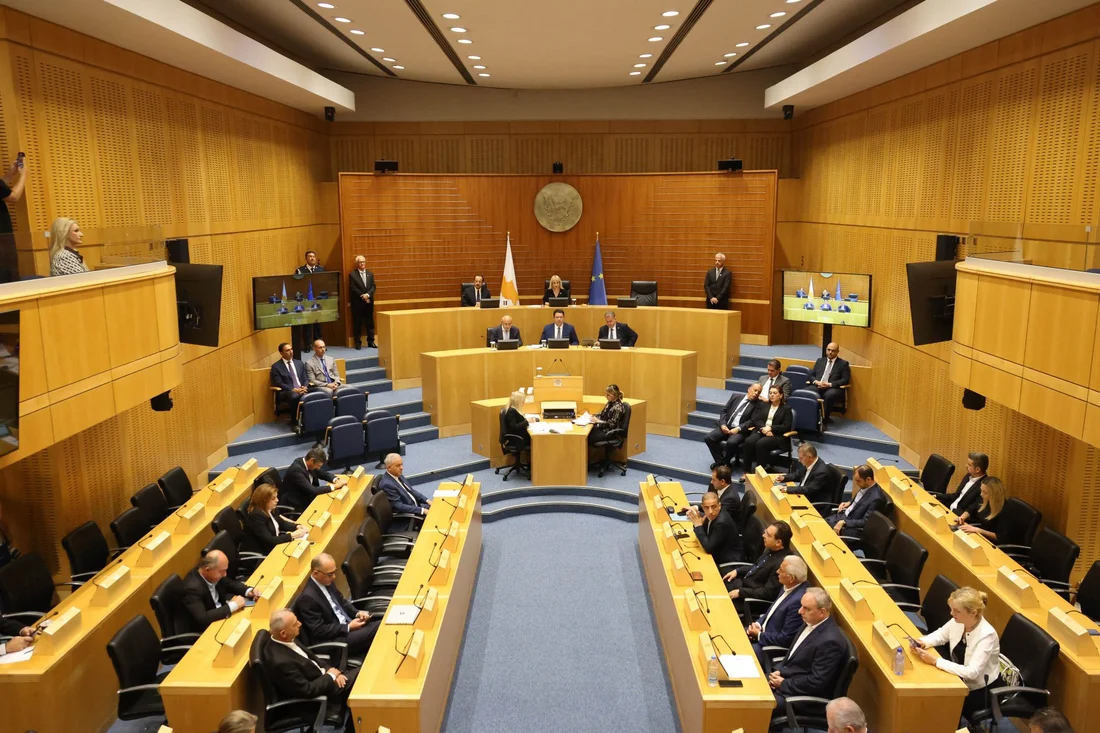
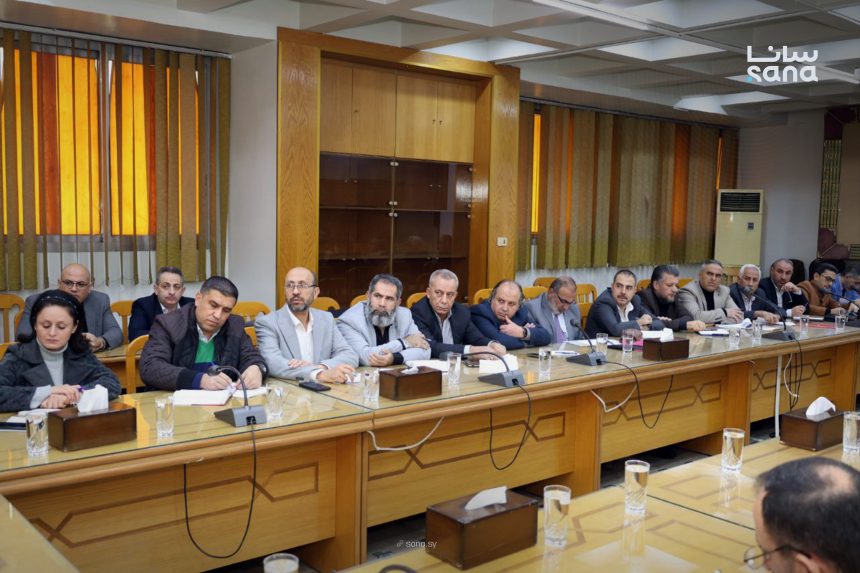
At the third joint commission meeting of the India-UAE CEPA on Thursday, Indian officials briefed the UAE on the various measures that the country put in place related to import of precious metals to check circumvention of CEPA rules by unscrupulous players.
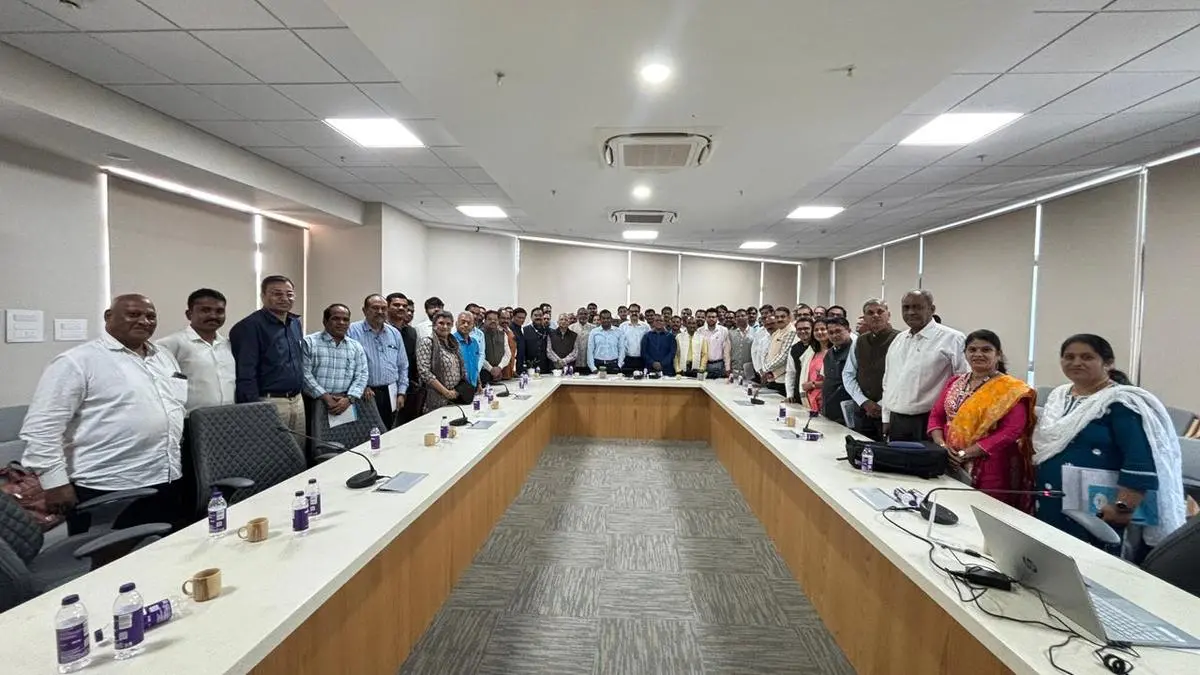
“The two sides conducted a comprehensive review of progress under CEPA and detailed discussions were held on market access issues, data sharing, allocation of gold TRQ (tariff rate quota), anti-dumping matters, services, rules of origin, BIS licensing etc,” a statement issued by the Commerce Department noted.
India also briefed the UAE on its recent decision to allocate gold TRQ through a transparent competitive bidding process, the statement added.
The India-UAE joint commission is the primary institutional mechanism to review progress, address challenges, and implement the CEPA. The CEPA, which came into effect in May 2022, resulted in disproportionate gains for the UAE increasing the deficit.
Exim conditions
India’s exports to the UAE increased 2.84 per cent in FY25, to $36.63 billion, while its imports shot up by 32.02 per cent in FY25, to $63.40 billion, leading to a deficit of $26.77 billion. As this was largely because of a spike in imports of gold and silver using the CEPA route, which started in FY24 and continued in FY25, India took a number of measures to check it. These included bringing imports of several precious metal items to the restricted category, requiring licences for imports, as well as changing the rules for TRQ allocation from a more discretionary one to a competitive online bidding/tender process.
Under CEPA, India allows gold imports from the UAE at a concessional tariff (of about 1 per cent) under a TRQ. Under the new TRQ allocation method, applicants must have BIS registration for hallmarking and a valid GST registration to qualify. The process is to now run through the DGFT’s Import Management System with annual timelines notified via trade notices.
“The meeting concluded with both sides agreeing to strengthen trade facilitation, regulatory collaboration, data sharing and convening of services subcommittee meeting,” the statement said.
The UAE delegation also had a meeting with Commerce Secretary Rajesh Agrawal where issues related to optimum CEPA utilisation by both sides were discussed. “The visit of the UAE delegation underscores the commitment of both countries to deepen the balance of trade, expand market opportunities, and further reinforce the strategic partnership under CEPA,” the statement noted.
Published on November 27, 2025