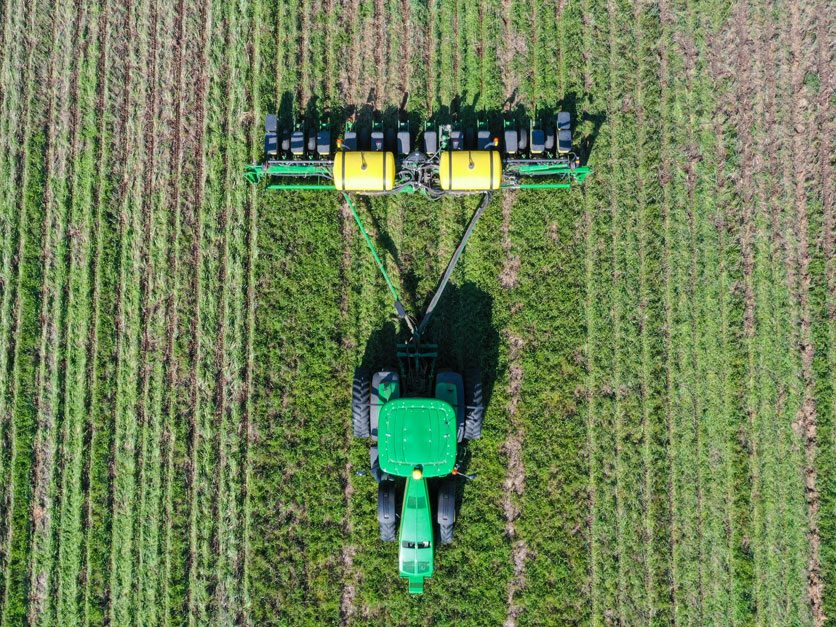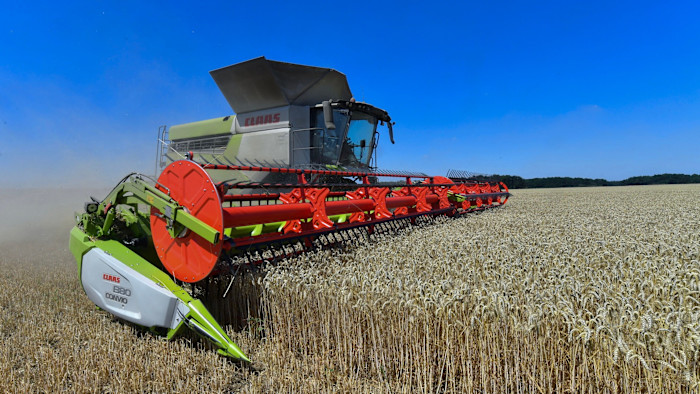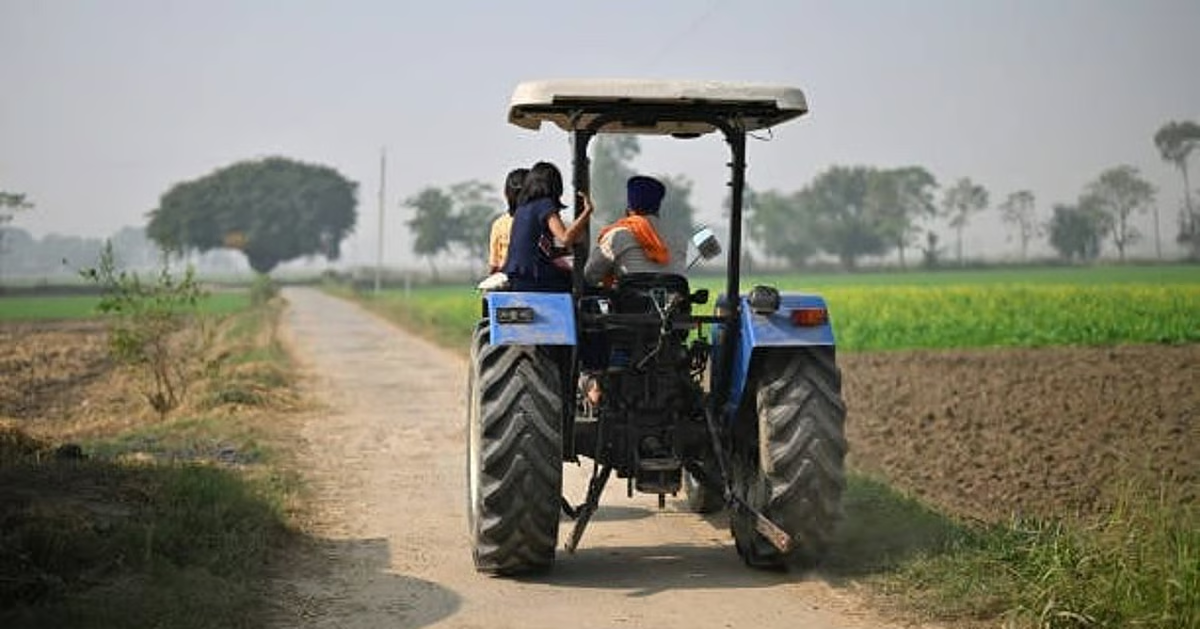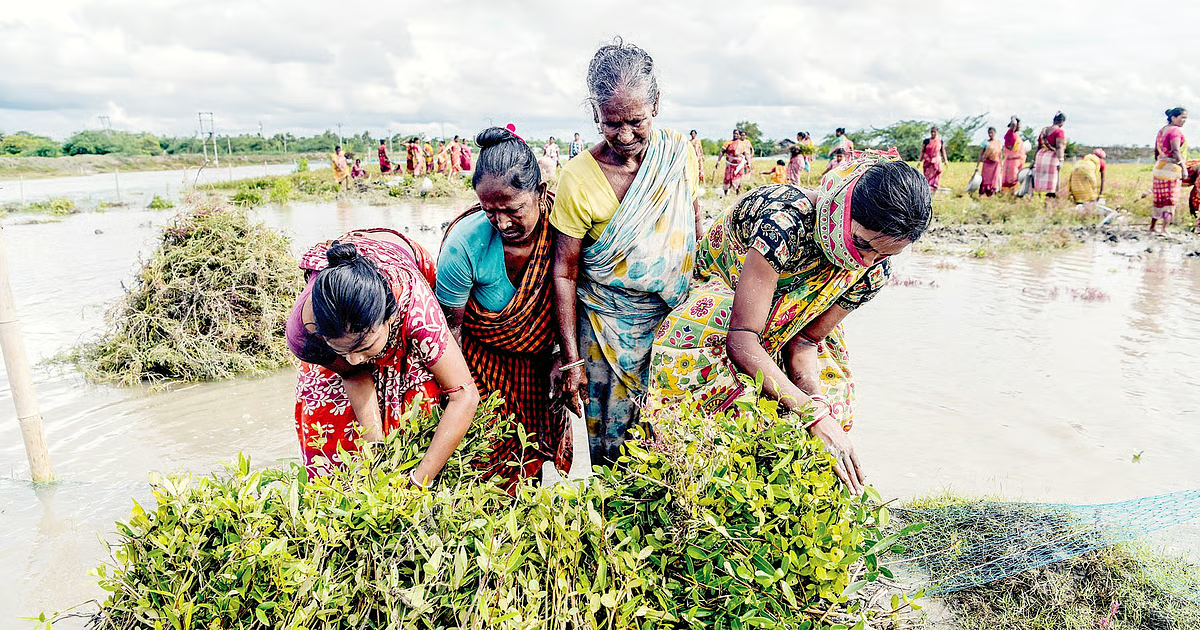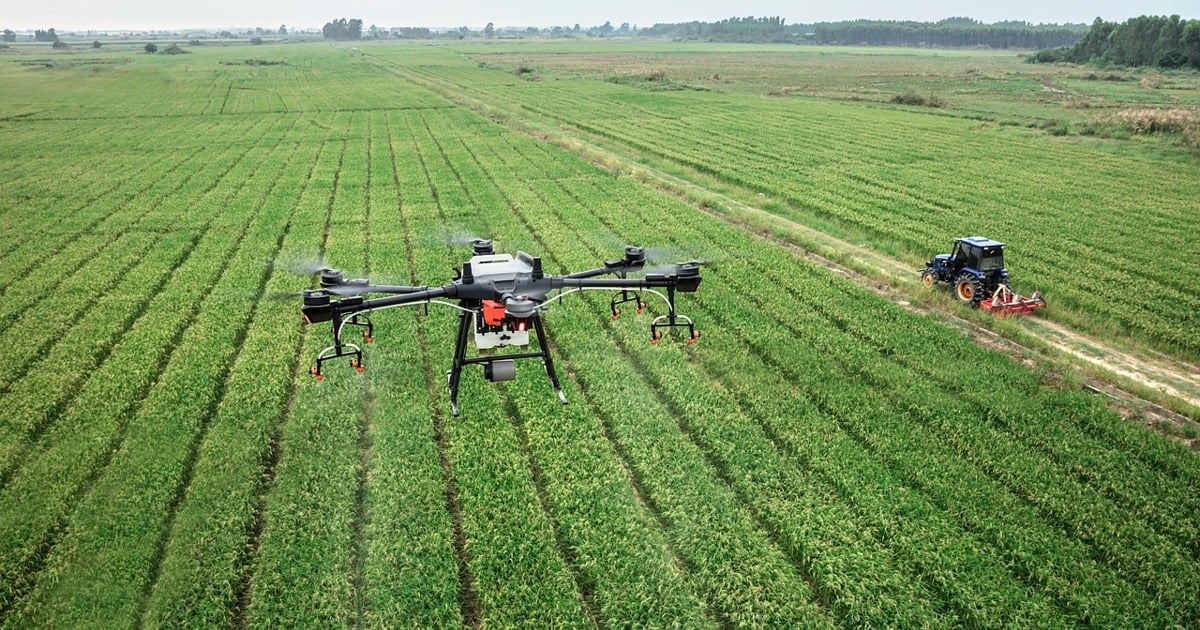
However, programmes like ADOPT and collaborative technology development are making it easier for farmers to realise the benefits of new innovations.
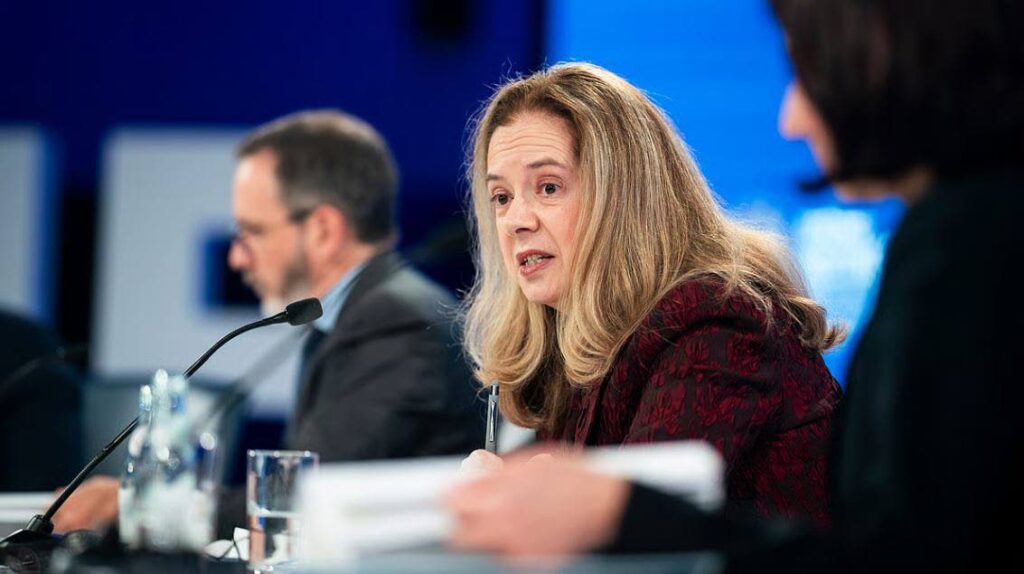
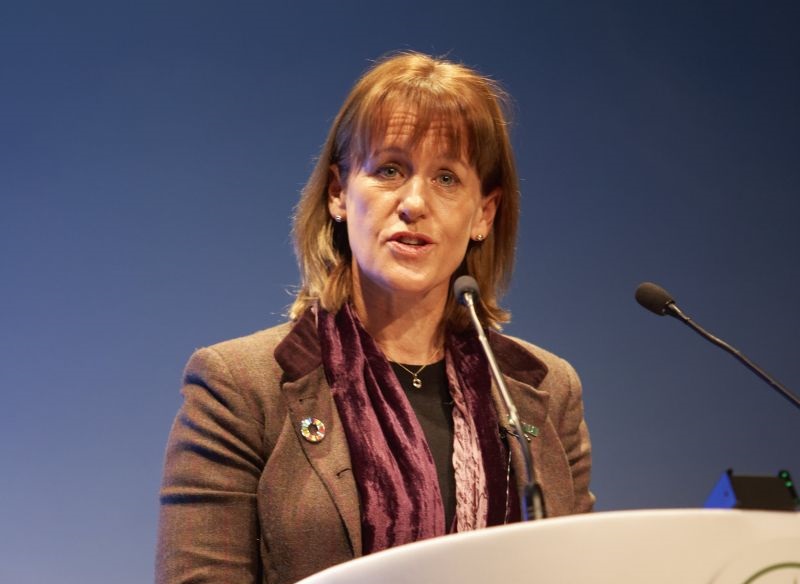
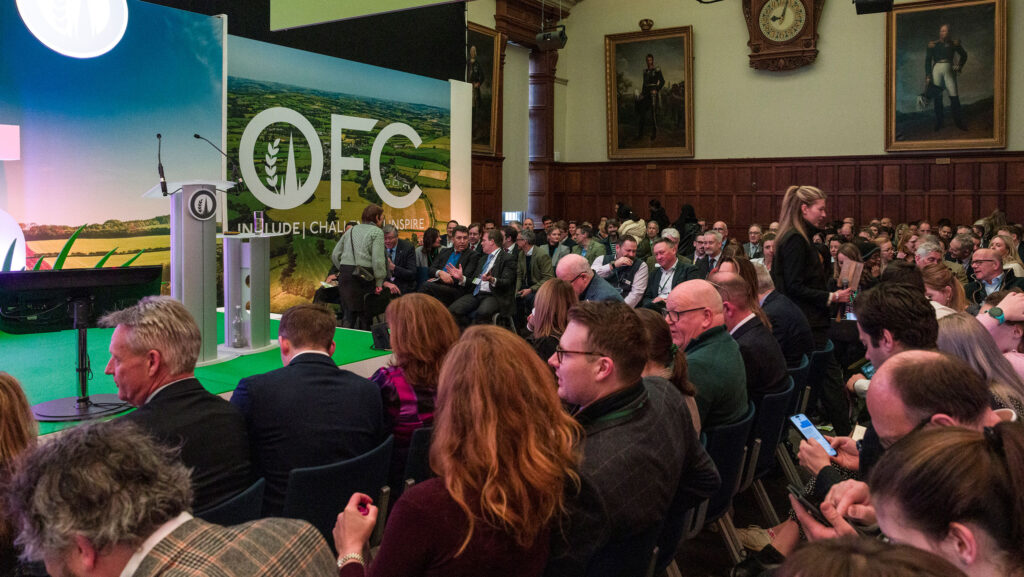
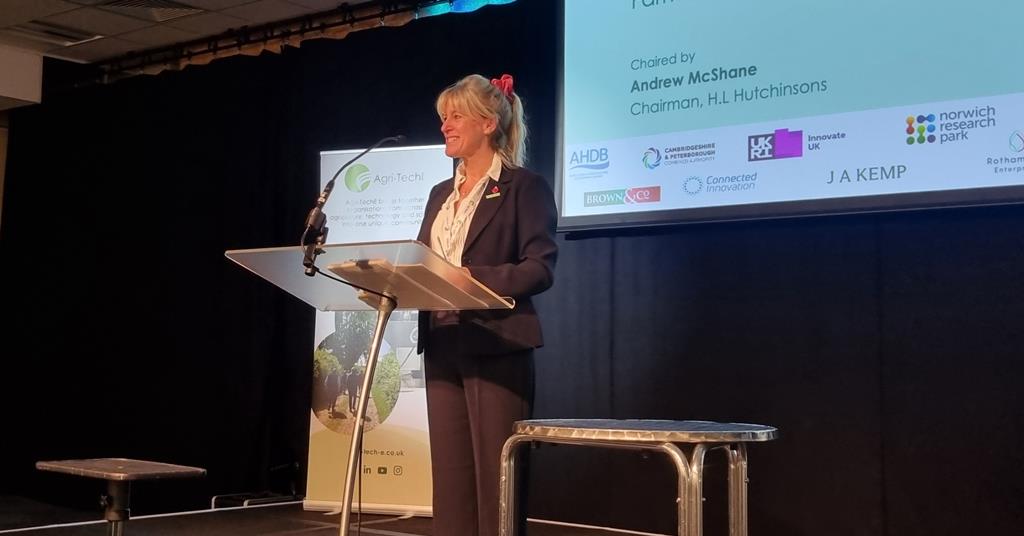
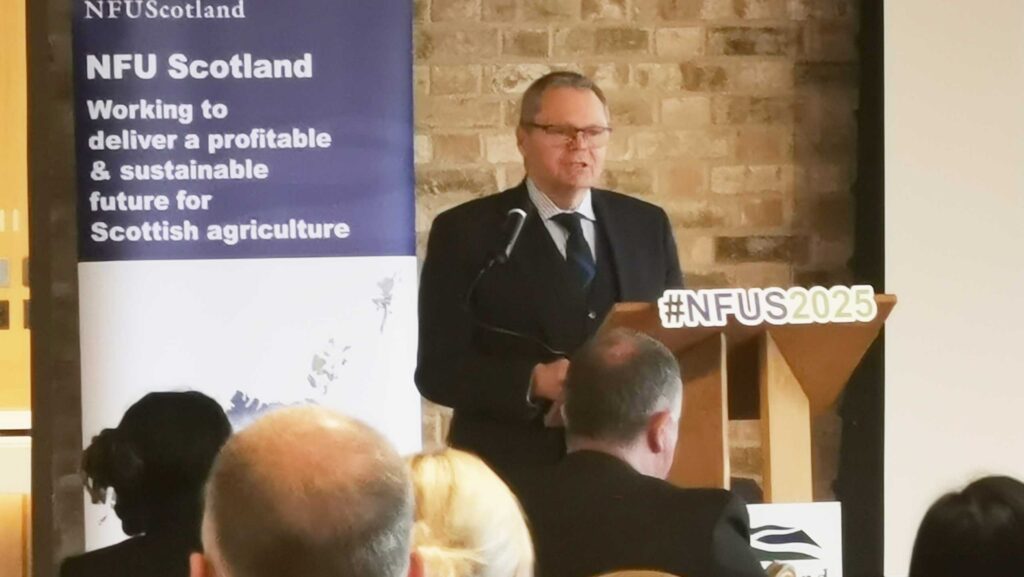
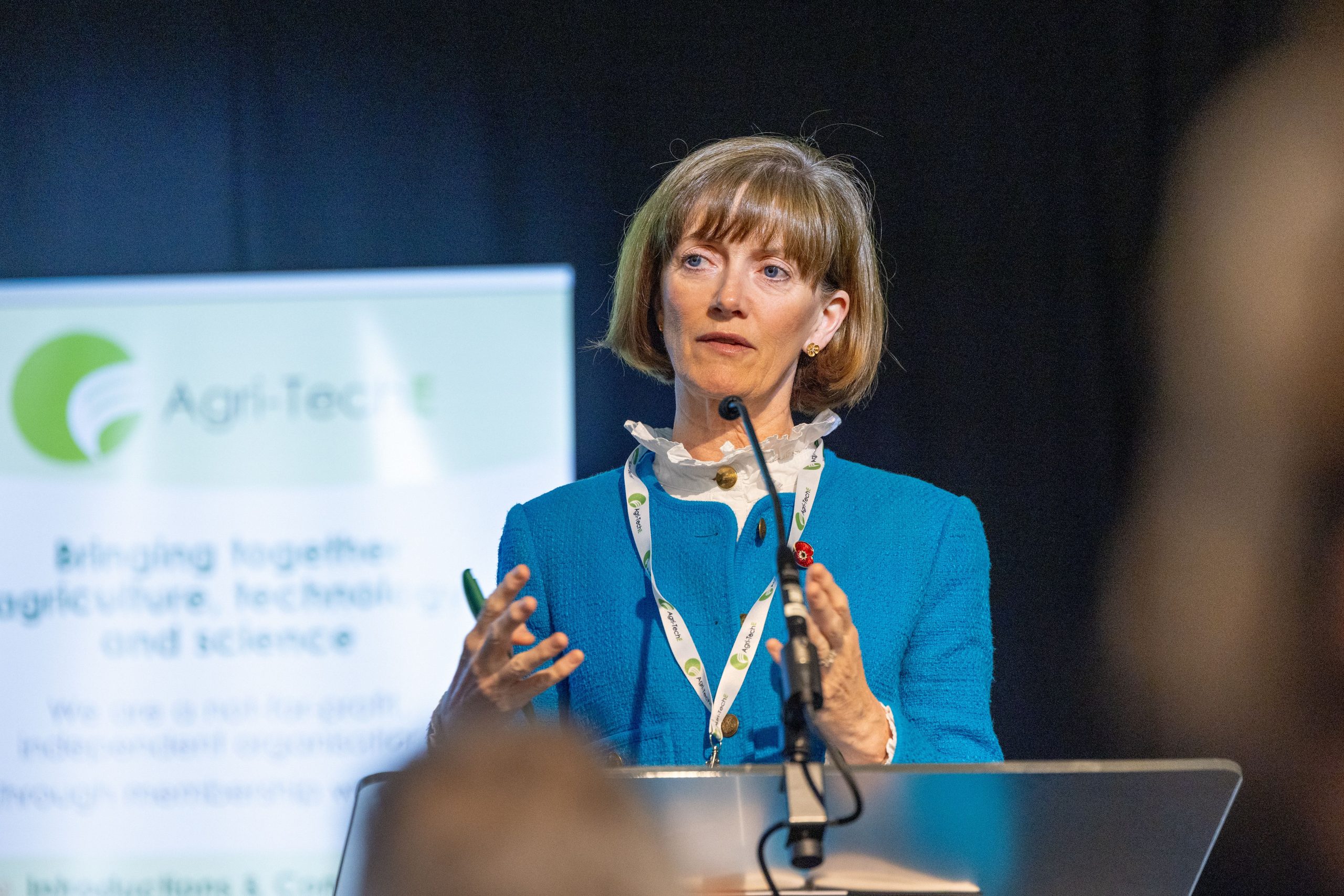
Baroness Minette Batters, presenting her Farm Profitability Review at REAP for the first time since submission to Defra, highlighted the financial pressures farmers face without direct subsidies. She emphasised the importance of technology in unlocking efficiencies and boosting profits.
“On the evidence that I have (in the Farm Profitability Review), agri-tech is front and centre of profitability,” said Baroness Batters.
“We have got to get research and innovation onto every farm and into every field. Two bits of evidence that I have seen for farm profitability are farmers having to have really good control of input costs and farming at scale. To be able to get the latest research hitting the ground on farms is fundamental to improving these.”
Dr Belinda Clarke, Director of Agri-TechE, noted the UK’s advantage in diverse farming systems, soil types, and innovative farmers. She urged for a collaborative approach to position the UK as a global hub for agri-tech trials.
“We are not going to change the world with one start-up or one research project at a time. Let’s pull them together, allowing the farmers to set the challenge,” Clarke said.
Read more on agriculture here.
Collaborative Projects Drive Practical Solutions
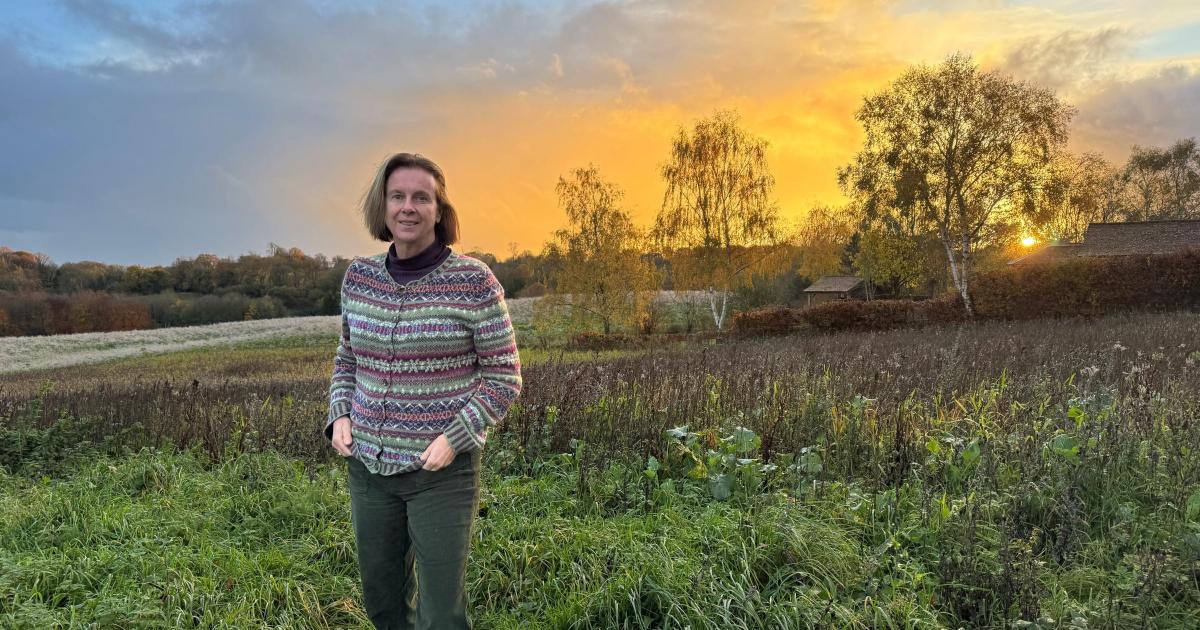
Laura Rous from Dennington Hall Farms, Suffolk, is part of an ADOPT-funded project with NIAB and Limagrain, investigating long-term nitrogen reductions using a legume cover crop mixture.
“We have found it really exciting to be part of the decision-making and problem-solving,” said Rous.
“Because our problem of trying to figure out reductions in nitrogen use is one all farmers face, we hope the results will be meaningful not just to us but the wider industry.”
Similarly, Jake Freestone, farm manager at Overbury Estate, Gloucestershire, highlighted that informal collaboration with researchers can also deliver impactful results.
“Attending events like REAP, making conversations, and having a really open mind help. We have the land, the machinery, the ambition and the desire to make changes happen,” he explained.
Insights from REAP 2025: Technologies to Watch
The annual Research in Practice and Start-up Showcase highlighted innovative technologies likely to shape UK agriculture in the coming years. Here are the top five:
1. Peptides: A New Bioherbicide Approach
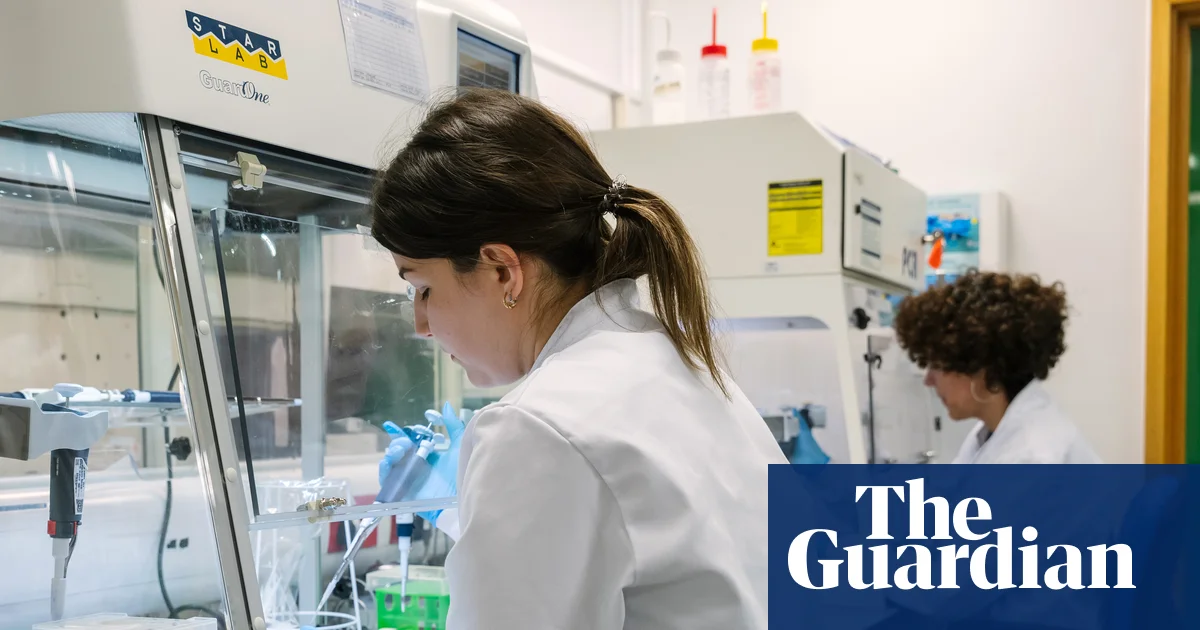
Dr Nadia Radzman, Sainsbury Laboratory, is investigating peptides as bioherbicides. Combined with a protective RNAi spray, this system could deliver a cost-effective, reversible plant stress response, protecting crops while controlling weeds.
2. AI-Powered Funding Navigation
Start-up Oko uses geospatial satellite imagery and conversational AI to help farmers identify grants and subsidies for specific parcels of land. Planned 2026 updates include subscription access, real-time planning tools, and funding optimisation for farm profitability.
3. Rapid Livestock Disease Diagnostics
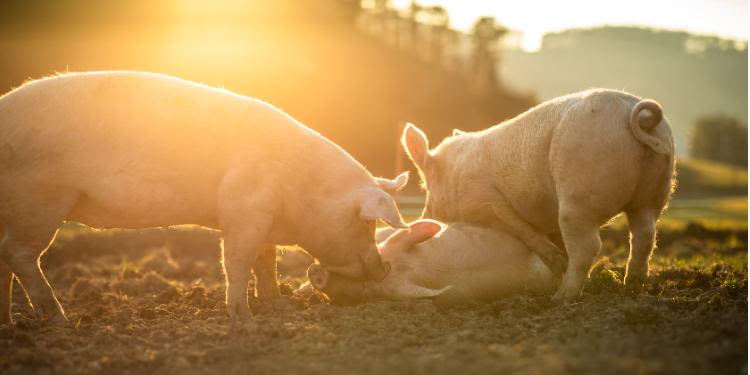
ProtonDx has developed a farm-portable device that produces lab-quality results in 30 minutes, compared to the two-week wait for traditional lab results. Initial focus on PRRS virus in pigs reduces disease spread and economic losses. Expansion into poultry, beef, and dairy is underway.
4. Soil-Powered Batteries
Bactery has created a compact soil battery that generates electricity from soil bacteria, offering a low-maintenance, long-term renewable energy solution for powering farm sensors and equipment.
5. Lupins as a Sustainable Protein Crop
With >40% protein content, high digestibility, and nitrogen-fixing properties, lupins offer a viable alternative to soy and UK pulse crops. Research from the University of Leeds highlights lupins’ potential in the food chain and farm profitability.
Article provided by Agri-TechE.