Last Updated:
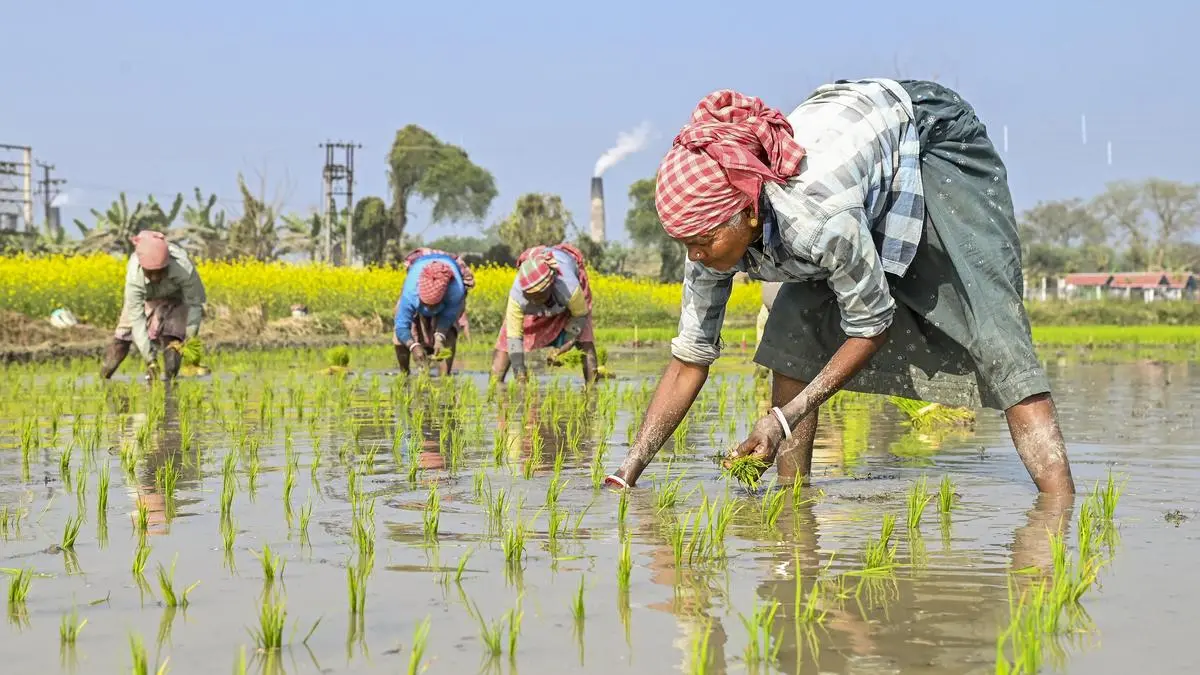
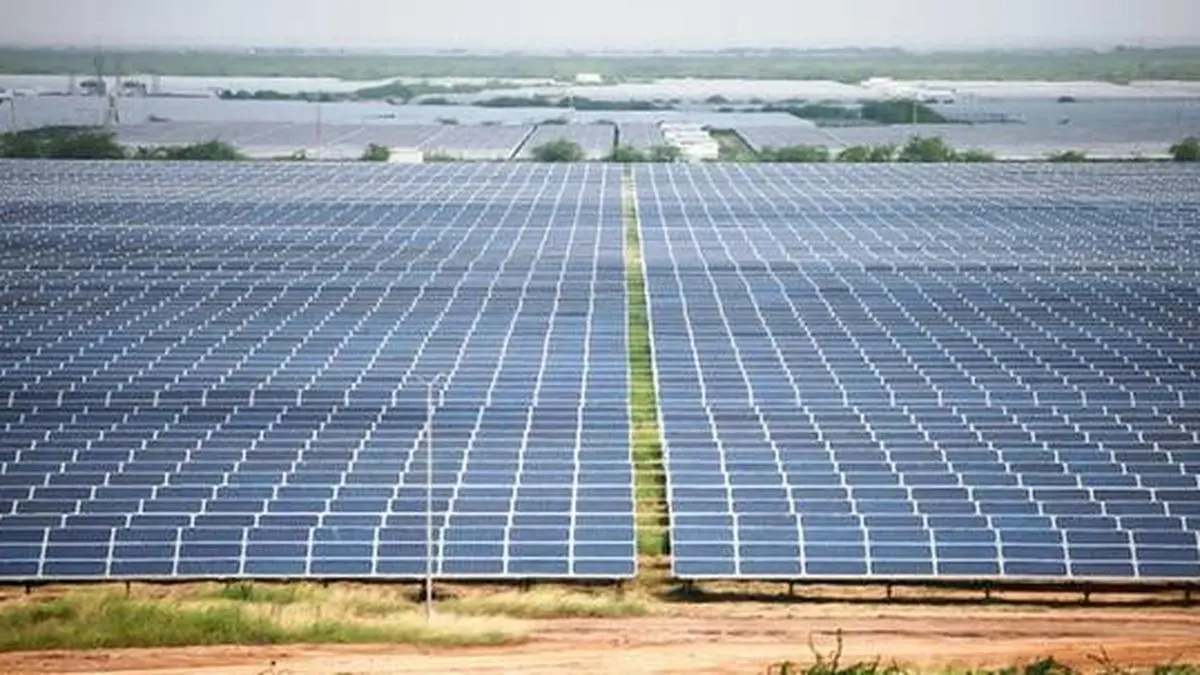
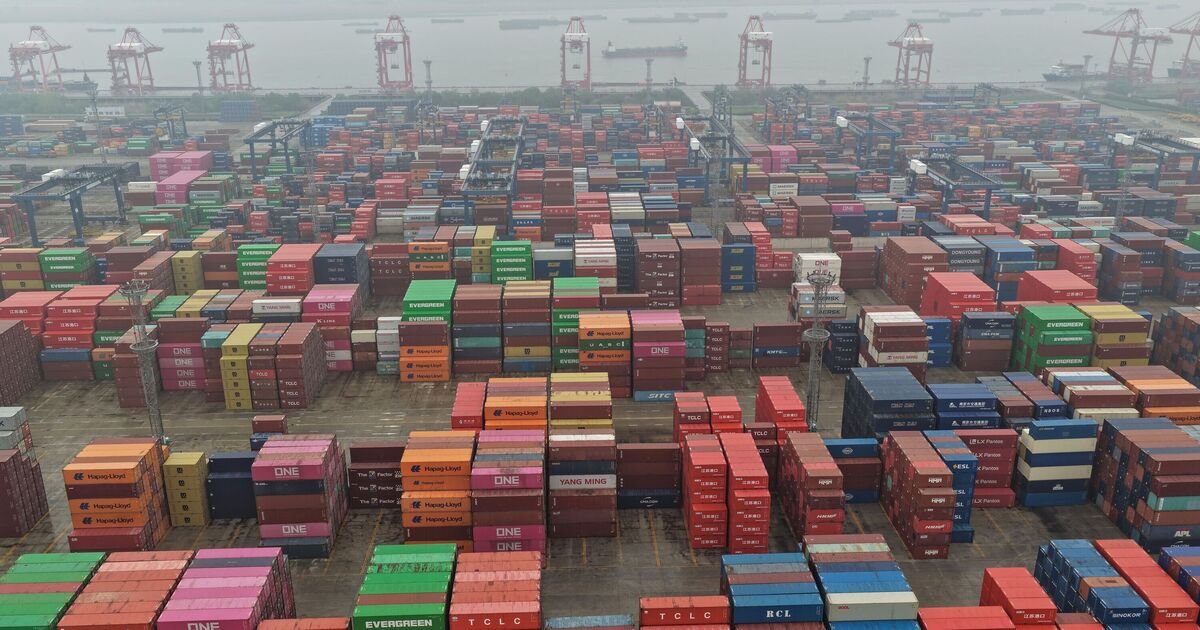
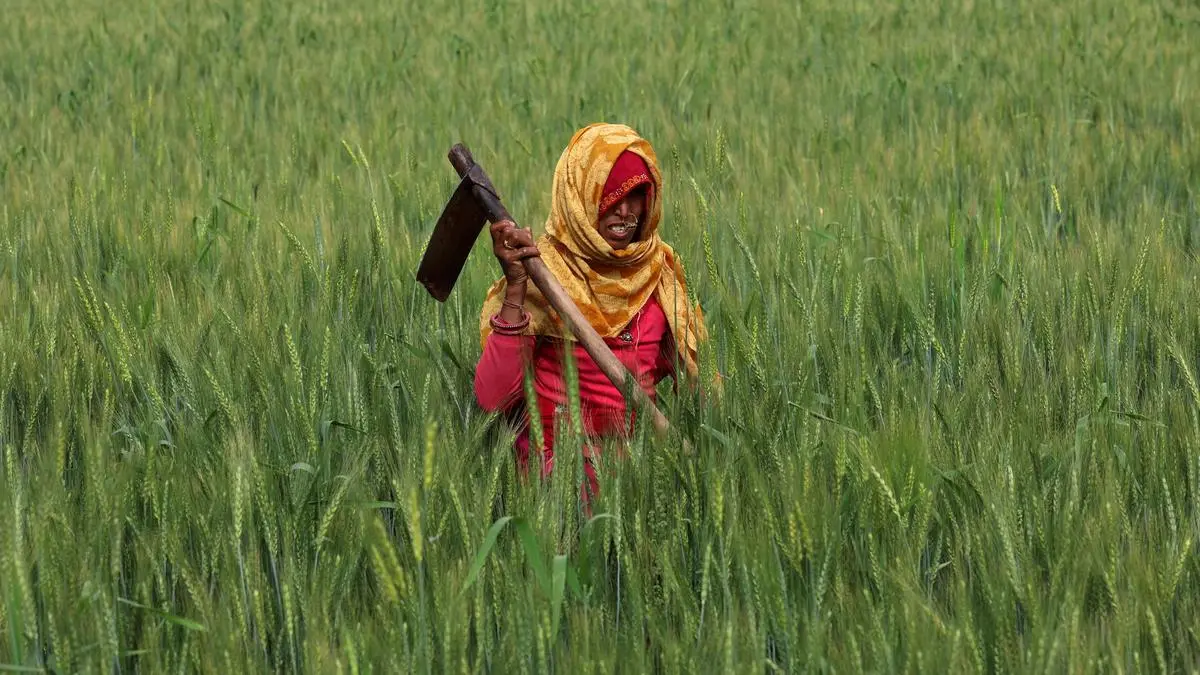
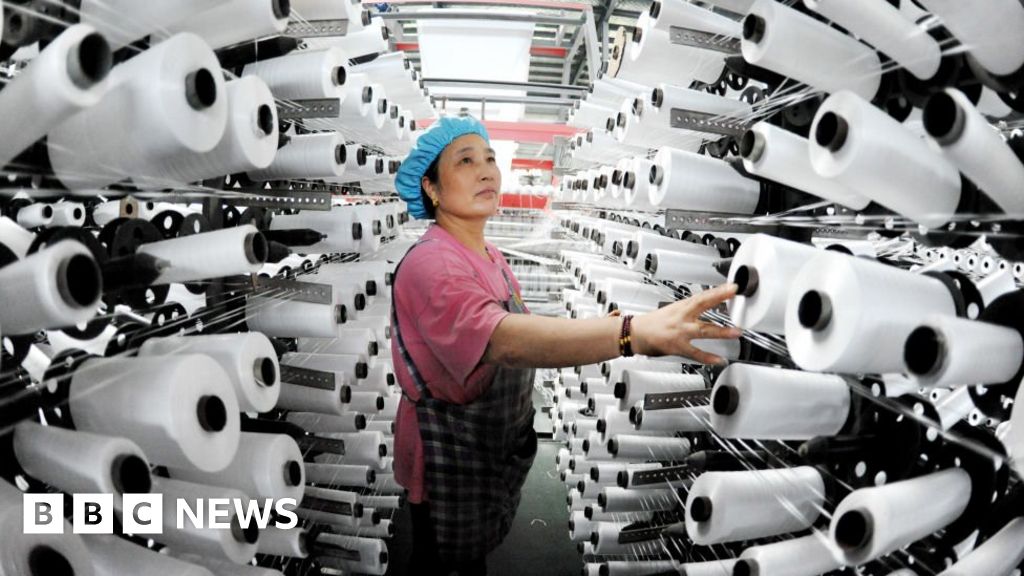
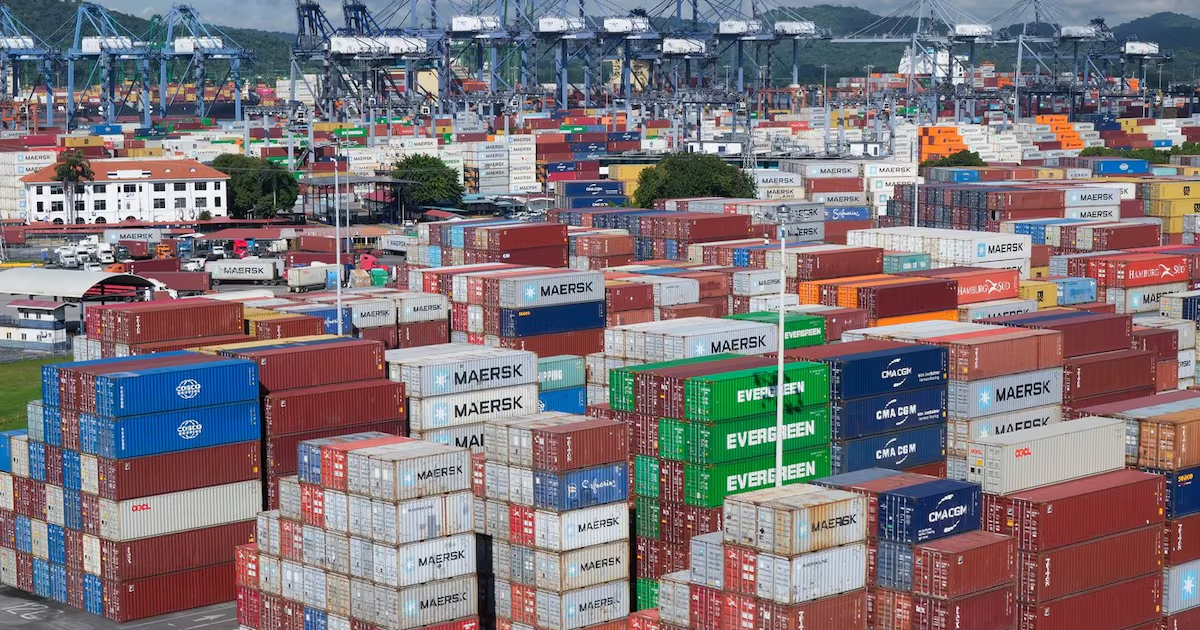
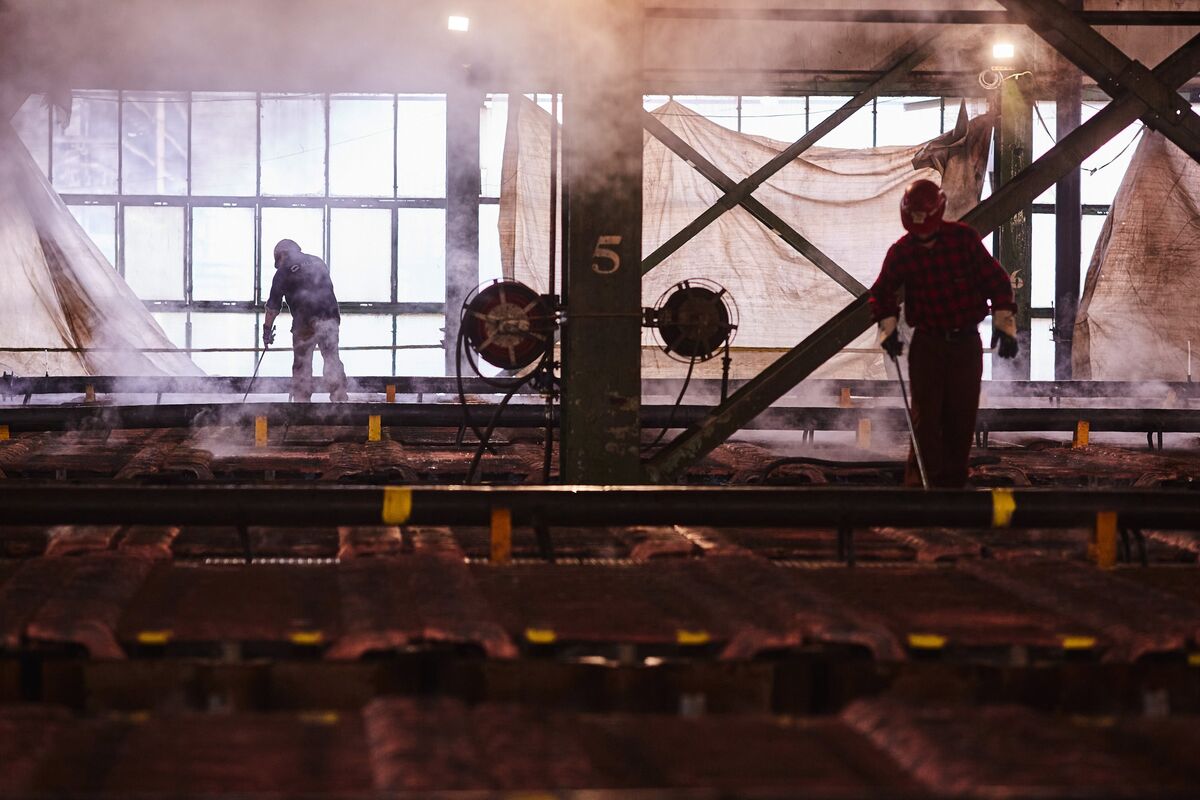
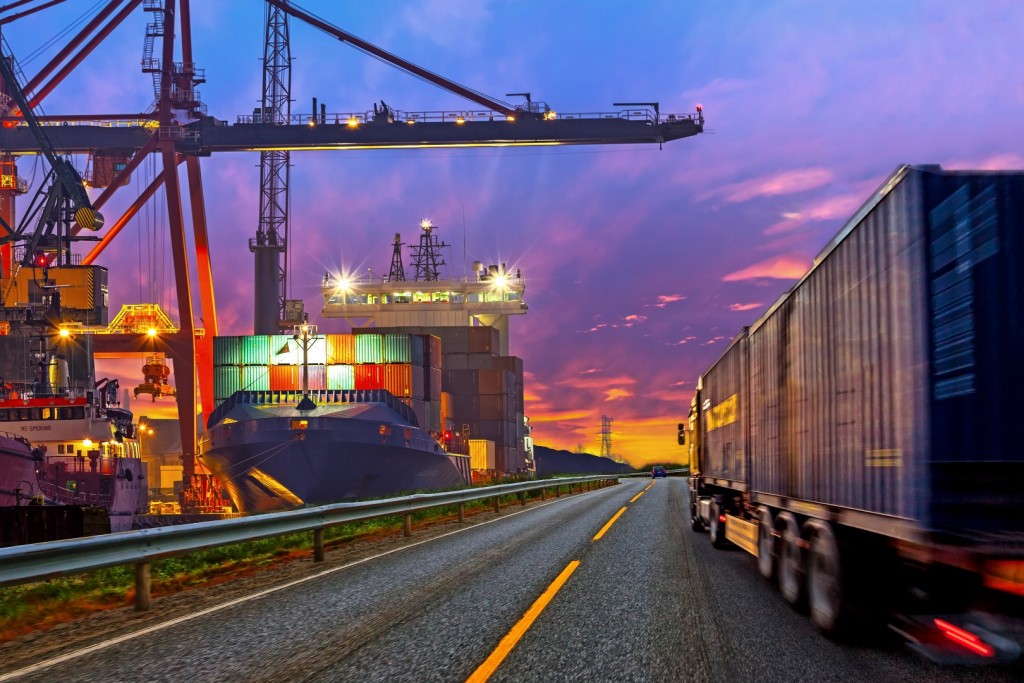
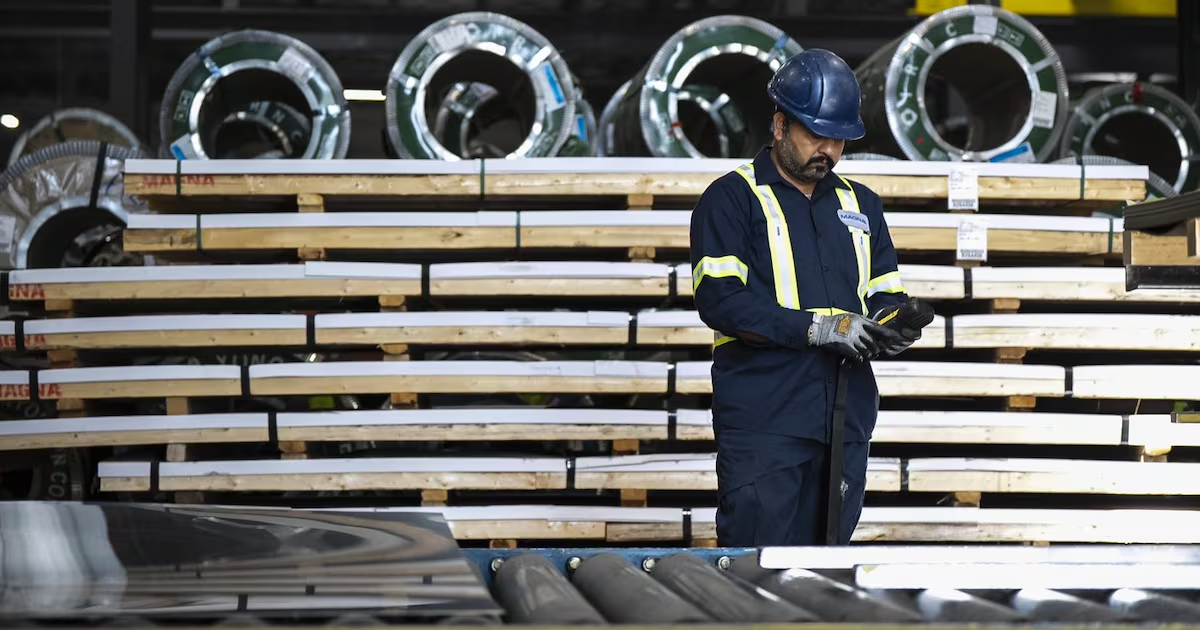
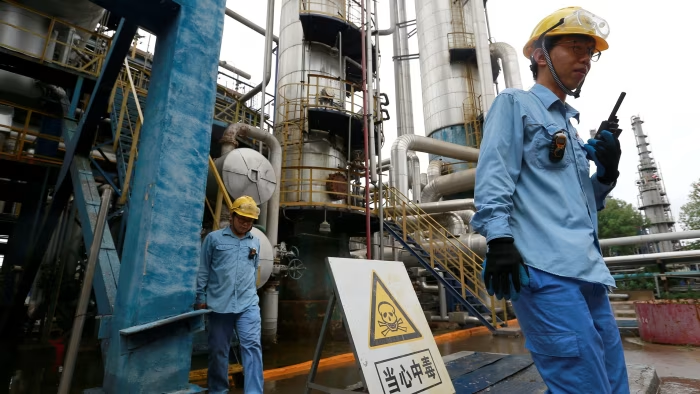
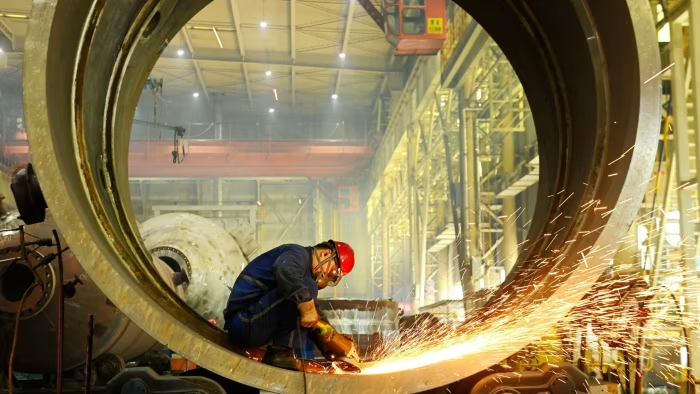
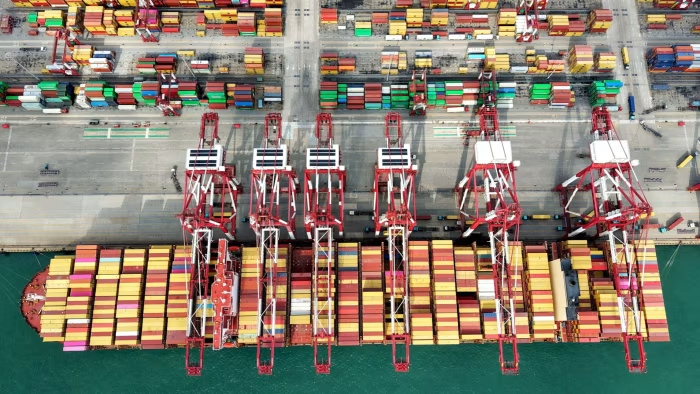
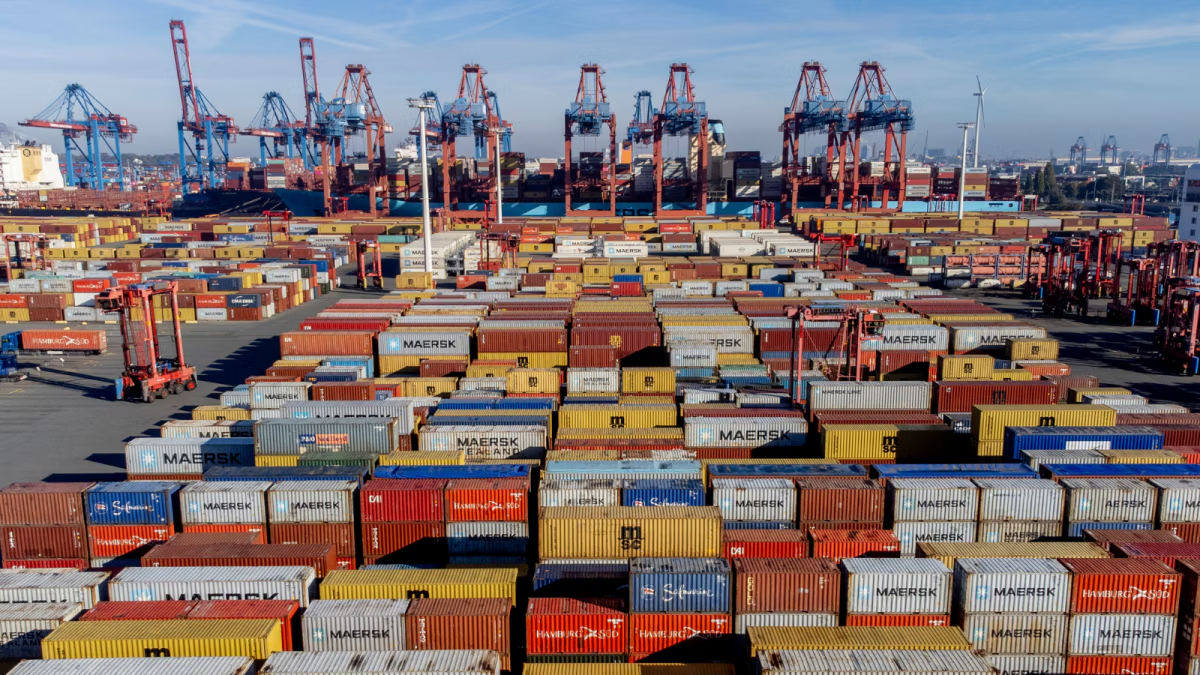
India’s SEZs, designated duty-free zones considered outside the country’s customs territory, account for about 1/5th of total goods exports


Trade
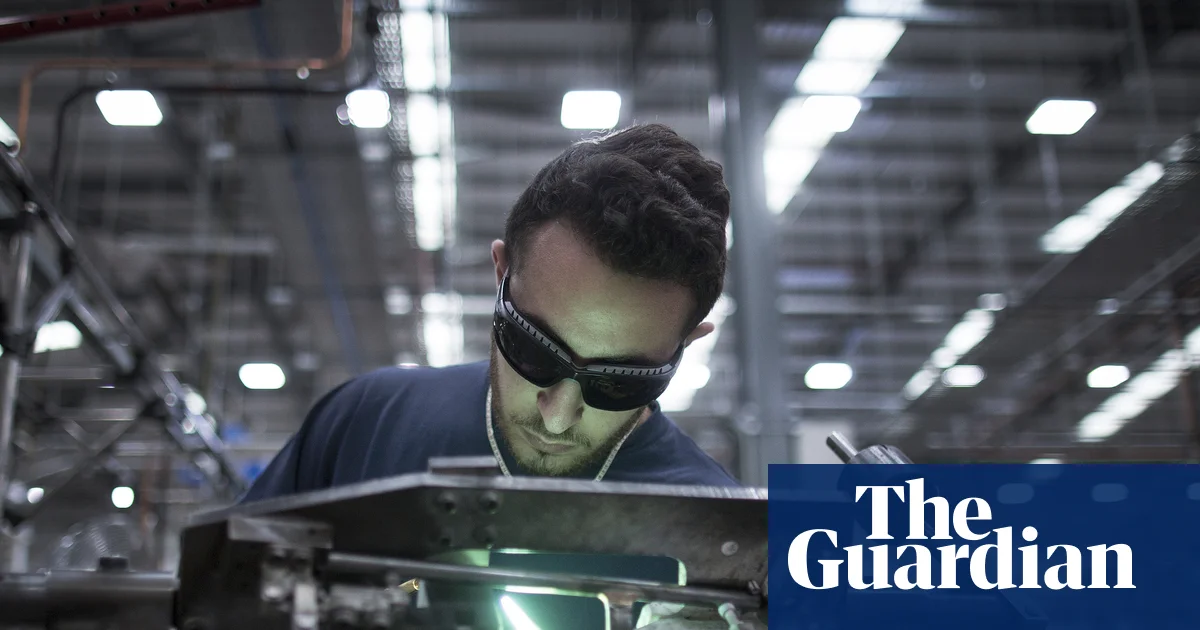
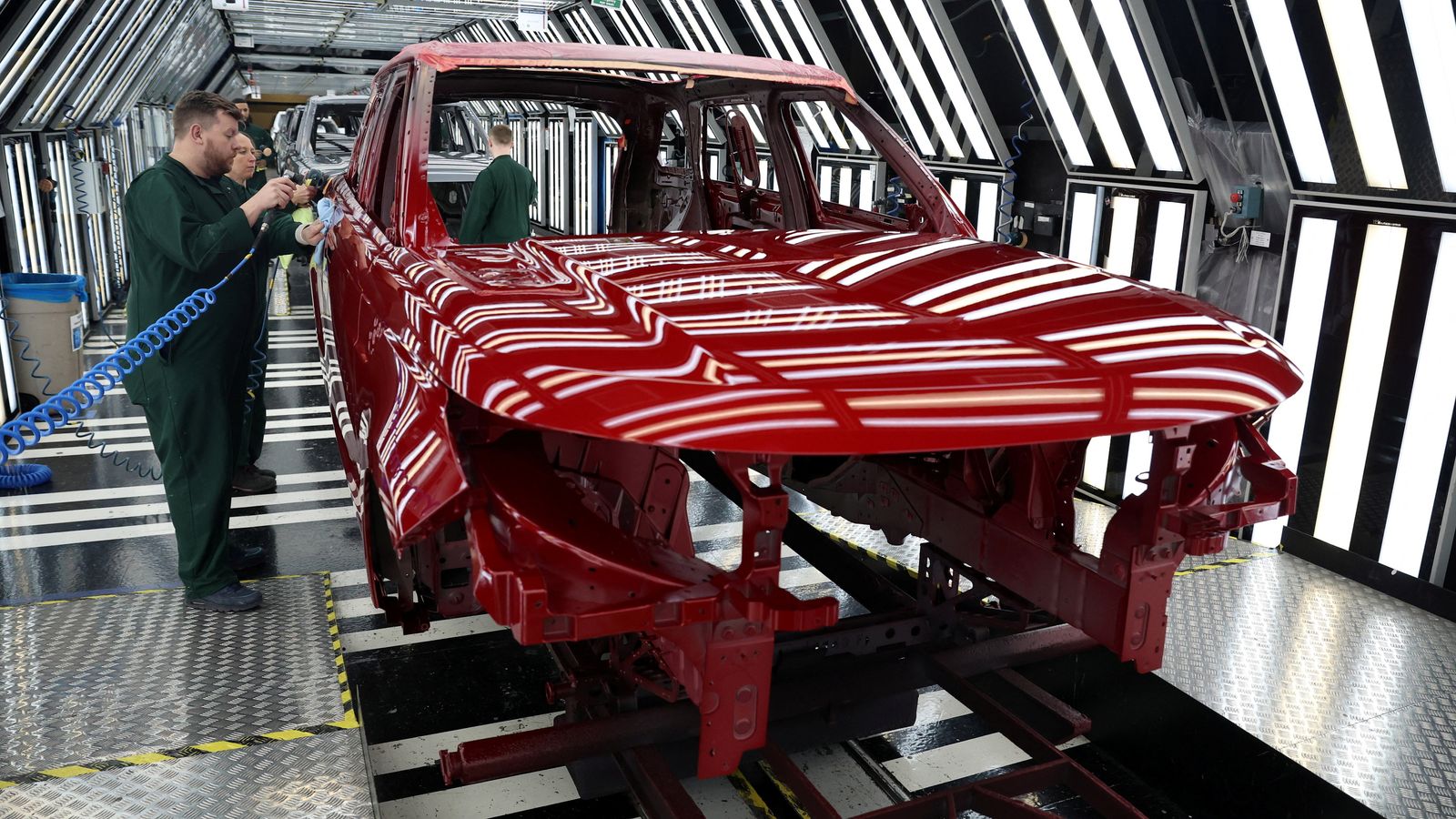
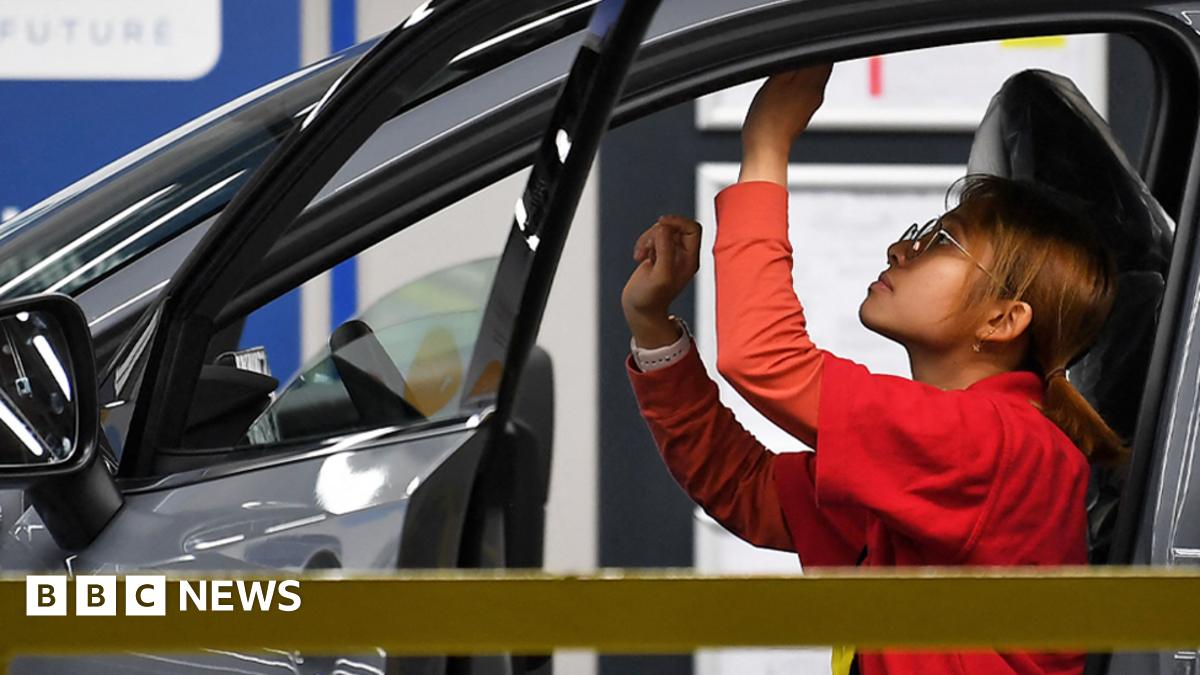
India is considering easing restrictions between its special economic zones (SEZs) and the domestic market to enable a freer flow of goods and services — a move aimed at boosting exports and manufacturing competitiveness, The Economic Times reported.
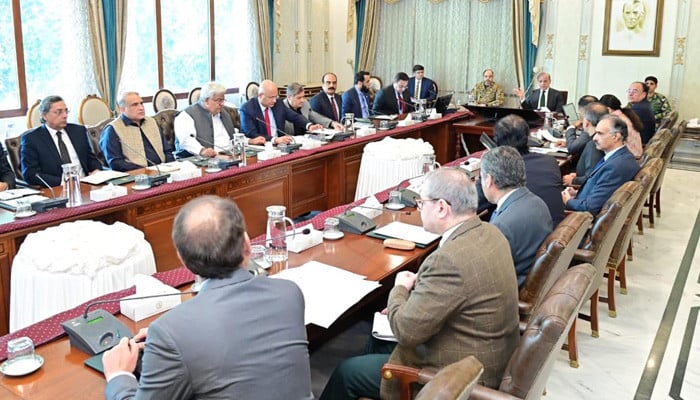
According to the report, discussions are underway between the Prime Minister’s Office (PMO) and the commerce and revenue departments to make SEZs more competitive amid growing global trade uncertainty.
The proposals under consideration include rationalising customs duties on sales from SEZs to the domestic tariff area (DTA), allowing payments in Indian rupees for domestic services, and permitting domestic units to send goods into SEZs for outsourcing, sources told ET.
“There are some issues that the SEZs face… these issues are being examined,” a government official told The Economic Times. Another official added that the government is exploring ways to make the framework “nimble enough to respond to business challenges, especially in an uncertain global environment.”
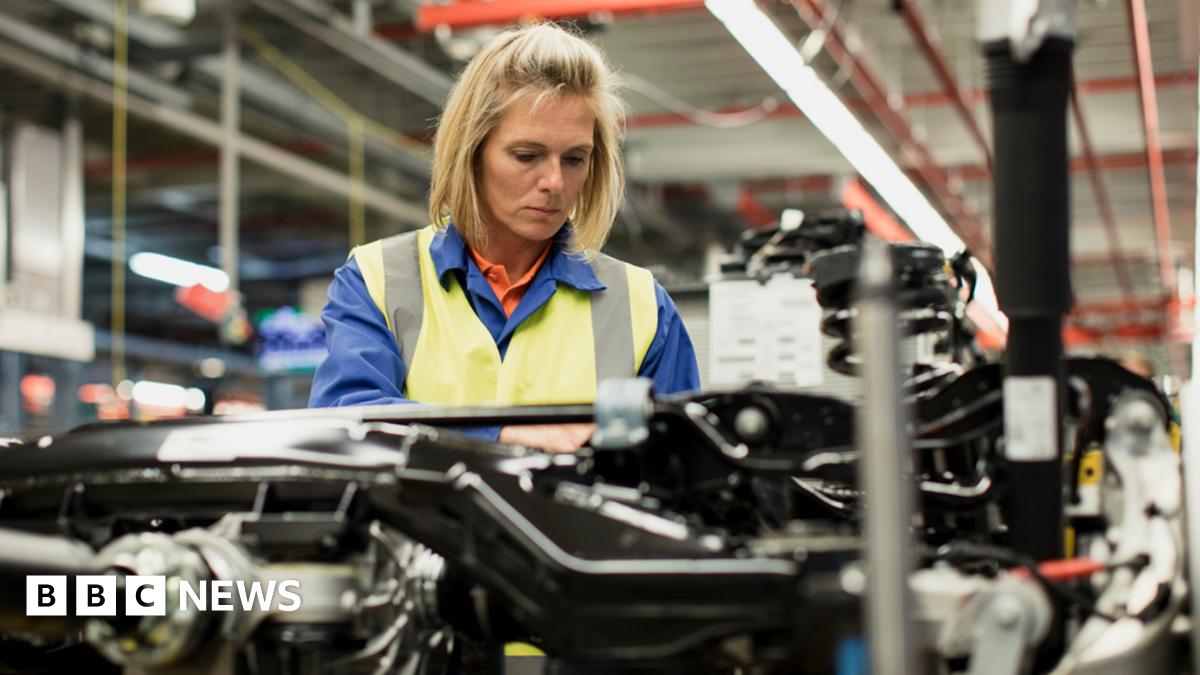
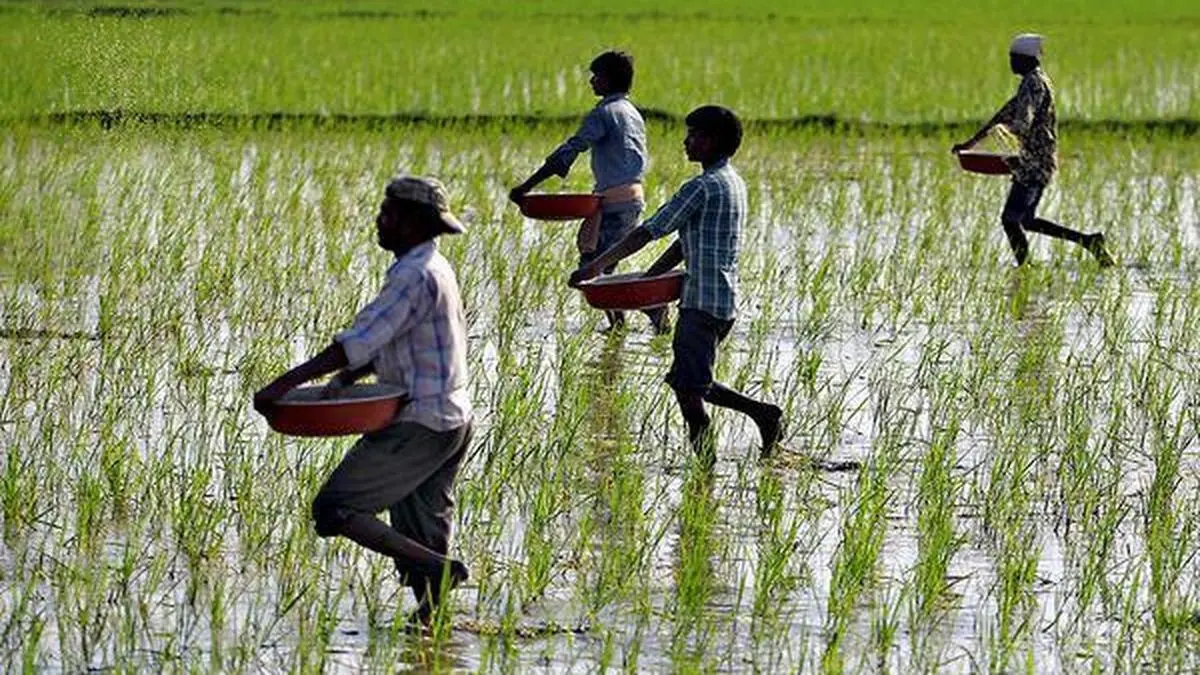
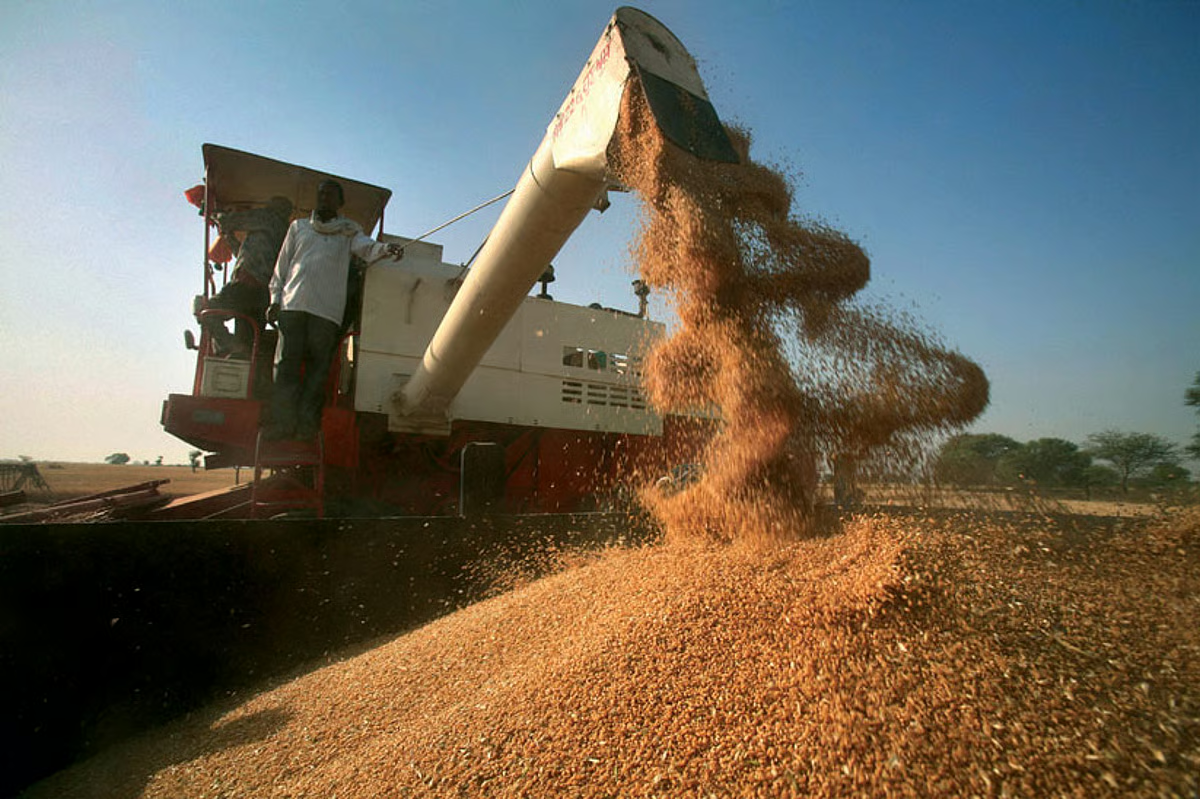
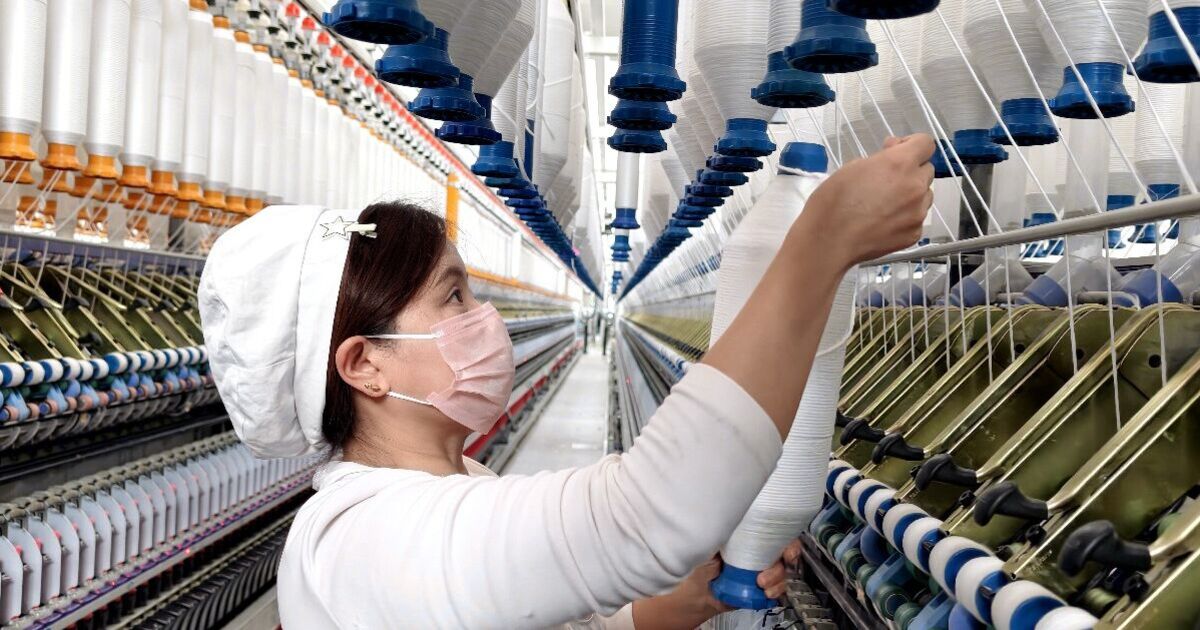
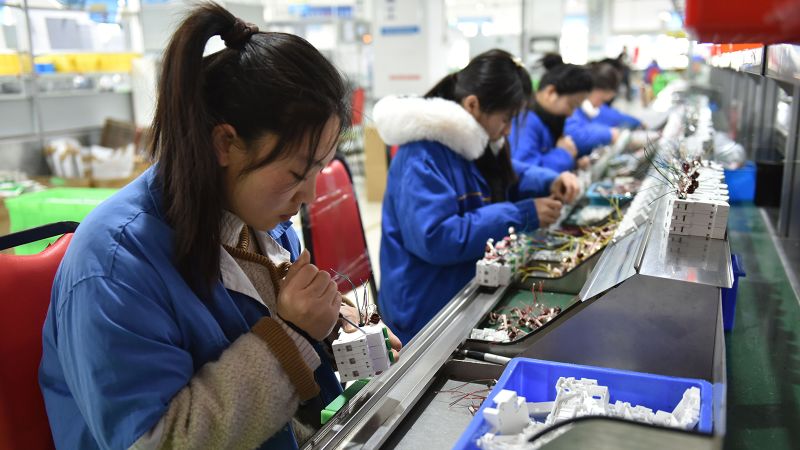
India’s SEZs, designated duty-free zones considered outside the country’s customs territory, currently account for about one-fifth of total goods exports. In FY25, exports from 6,300 units across 276 operational SEZs stood at Rs 14.57 lakh crore, up 7.4% year-on-year.
The government may need to amend the SEZ Act, 2006, to enable the proposed flexibility and encourage manufacturers to scale up operations and achieve economies of scale, ET noted.
Industry experts say the reforms could help transform SEZs into broader “development hubs.”
“It’s about fundamentally shifting the focus from a purely export-centric model to one that promotes integrated development hubs balancing both international and domestic sales,” Pratik Jain, Partner at Price Waterhouse & Co LLP, told ET.
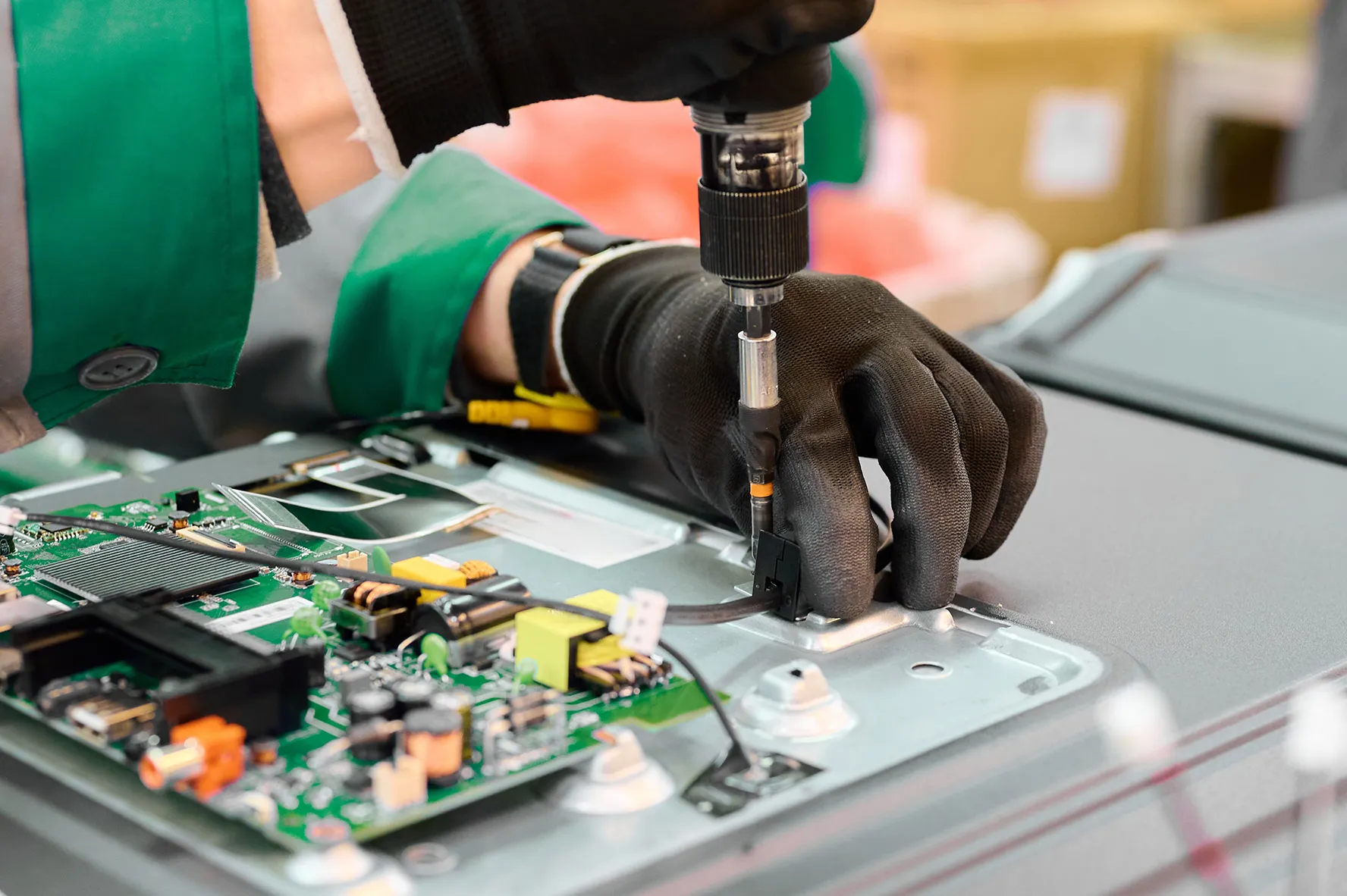
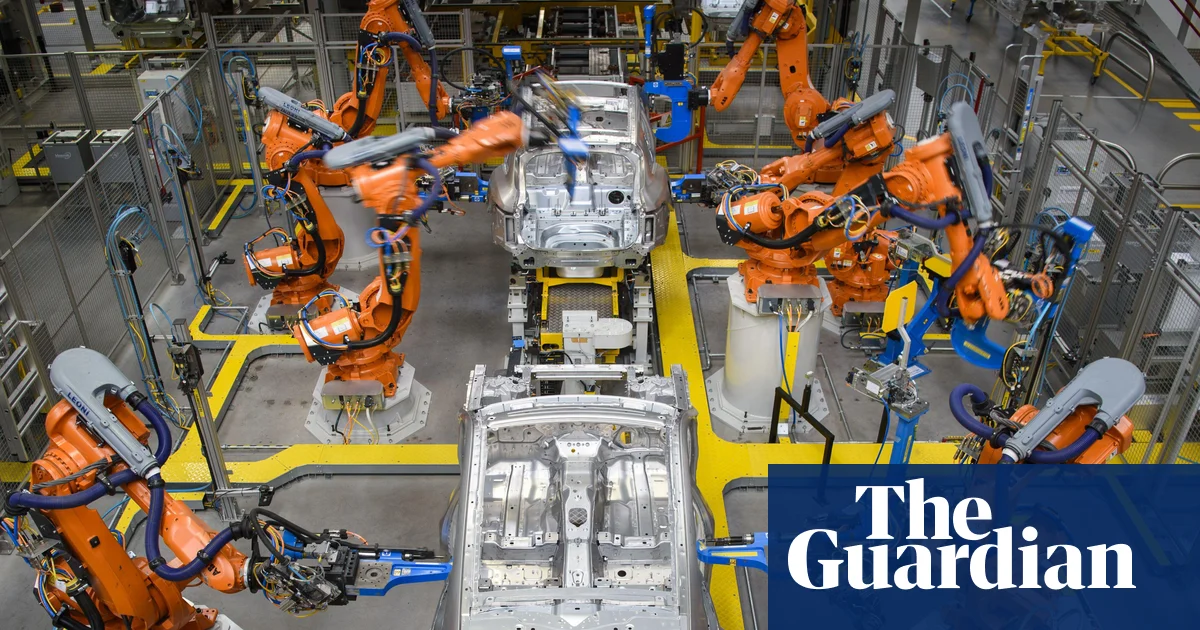
Jain added that easing customs norms and involving states more actively could “revitalise SEZs into engines of job creation and next-generation manufacturing, such as semiconductors and green energy.”
Ajay Sahai, Director General of the Federation of Indian Export Organisations, told The Economic Times that “India’s SEZs need a structural reboot to restore export competitiveness. The government must move swiftly to integrate SEZs with the domestic economy while enabling digital clearances and reducing transaction costs.”

Aparna Deb is a Subeditor and writes for the business vertical of News18.com. She has a nose for news that matters. She is inquisitive and curious about things. Among other things, financial markets, economy, a…Read More
Aparna Deb is a Subeditor and writes for the business vertical of News18.com. She has a nose for news that matters. She is inquisitive and curious about things. Among other things, financial markets, economy, a… Read More
November 10, 2025, 07:34 IST
Read More