Donald Trump’s immigration crackdown has left US economists struggling to interpret just how bad the slowdown in the labour market of the world’s leading economy really is.
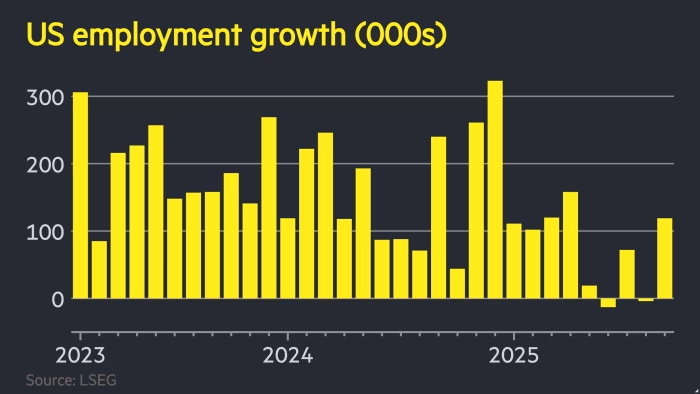
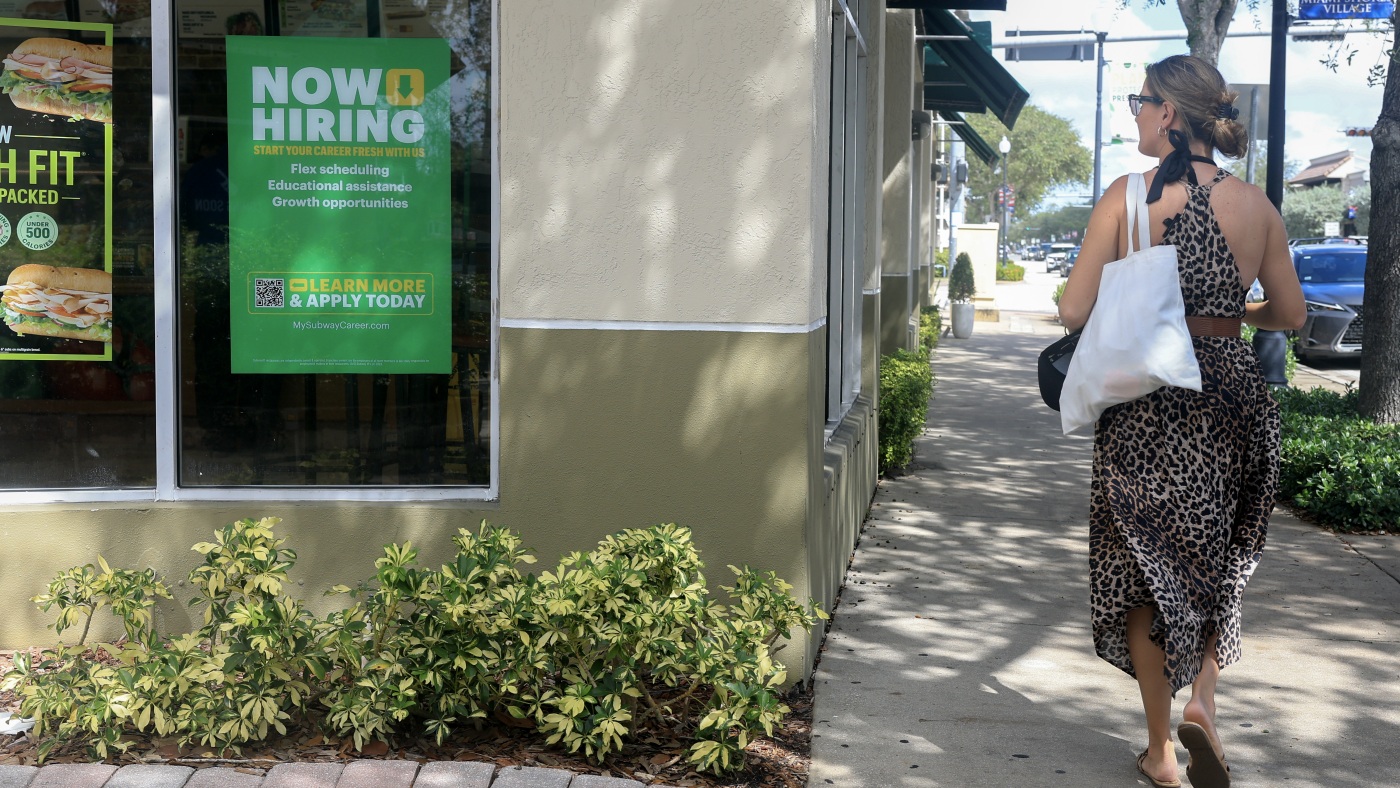
A dramatic drop in the so-called non-farm payrolls figure — the most closely watched measure of US job creation — has sparked fears that the labour market is on the turn, after years of strength.
Since the spring, the number of jobs created has gone from six-figure levels to a few tens of thousands, according to Bureau of Labor Statistics (BLS) data.
The slowdown in job creation has even led the Federal Reserve to shift its focus from tariff-induced inflation to bolstering the labour market, with US central bankers making the first cut in interest rates this year in September.
In normal times, the sort of drop-off in non-farm payrolls witnessed since the spring would be enough to tip the economy into a sharp slowdown, or even a recession.
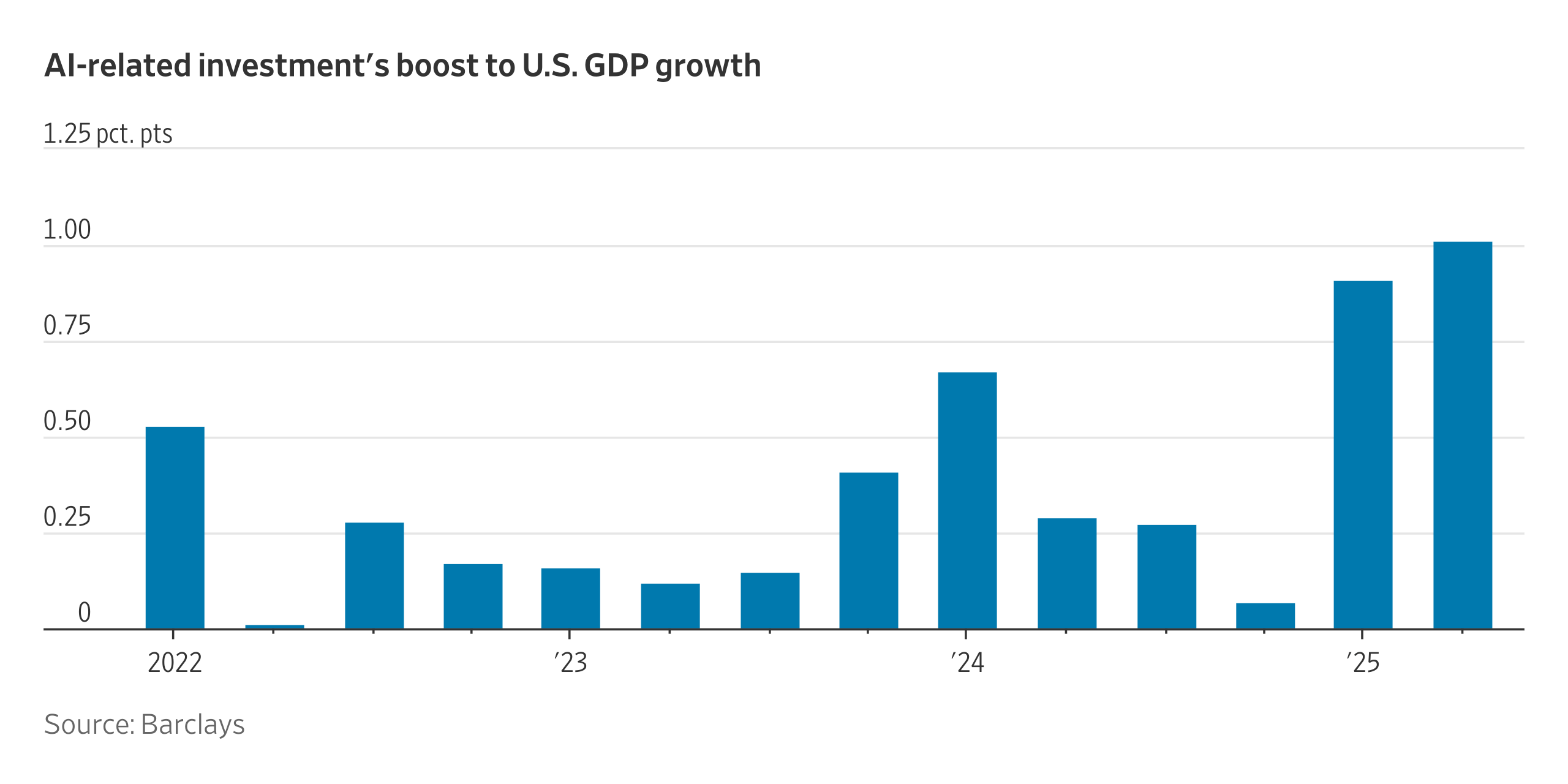
But these are not normal times. Despite the drop in job creation, the US economy is still expected to grow briskly at an annualised rate of 3.8 per cent in the third quarter amid an artificial intelligence boom that is fuelling both investment and spending by richer US households.
While the unemployment rate has edged up to 4.3 per cent, it remains low by historical standards — suggesting the US President’s immigration policy may explain why there are fewer new US jobs.
The divergence between strong growth and weak job creation has left economists at the Fed and elsewhere struggling to work out where the US economy is headed.
“You know something is afoot when you have this slowing of job gains but unemployment isn’t changing all that much,” says Jonathan Millar, an economist at Barclays. “It’s taken a while for people to catch on to this, but markets are basically not saying this isn’t a recession. There’s a broad appreciation that there’s been quite a big supply shock.”
The Fed made another quarter-point reduction in borrowing costs at the end of October. But more dramatic measures look off the cards for now as policymakers try to work out what is going on with the US economy.
US central bankers, like economists, remain unsure about how much of the drop in the non-farm payrolls figure reflects a weakening in demand for workers — which lower interest rates would help correct — and supply side factors, most importantly the fall in immigration, that central banks can do next to nothing to fix.
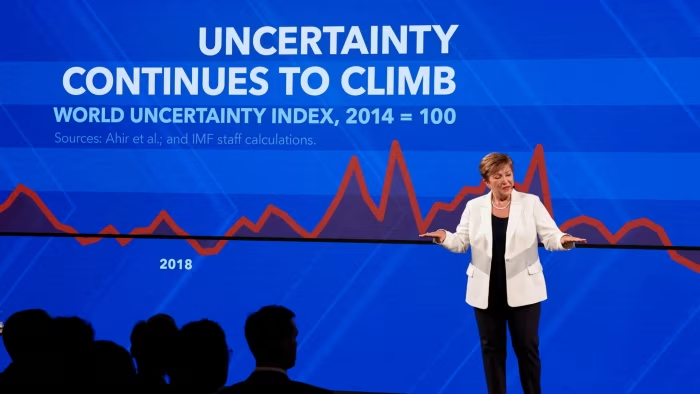
“The labour market is in a kind of precarious balance right now,” says Pierre-Olivier Gourinchas, chief economist at the IMF. “It’s exactly this tension between labour supply versus labour demand that’s really going to shape what is the right course for monetary policy.”
Estimates of the so-called break-even rate for non-farm payrolls — the sweet spot at which the US labour market is adding just the right amount of jobs to keep unemployment unchanged — vary widely.
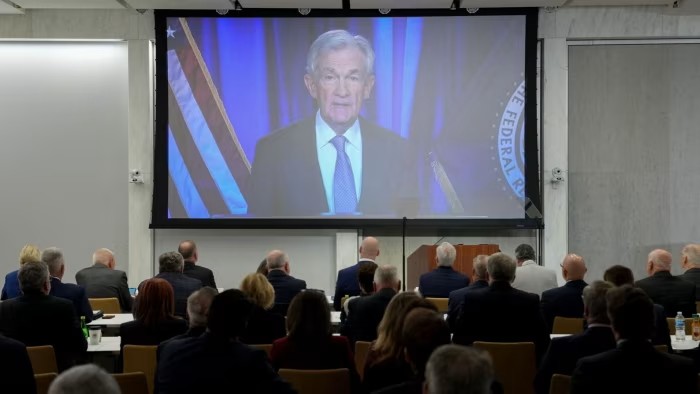
A few months ago, Fed chair Jay Powell said he put it at a range of between zero and 50,000. During the immigration surge seen during the four years that Joe Biden was in office, it was estimated at about 150,000 to 200,000.

“Probably the biggest uncertainty in our understanding of the labour market and how to interpret the headline jobs numbers is that we don’t we don’t know how much the rate of immigration has declined,” says Jed Kolko, a labour market expert at the Peterson Institute for International Economics.
At the same time economists are even less well equipped to grapple with understanding the health of the labour market than usual.
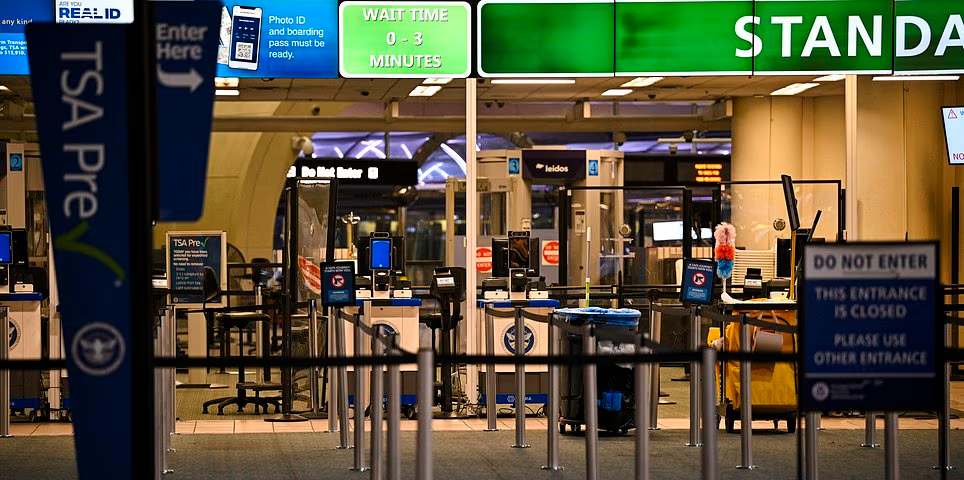
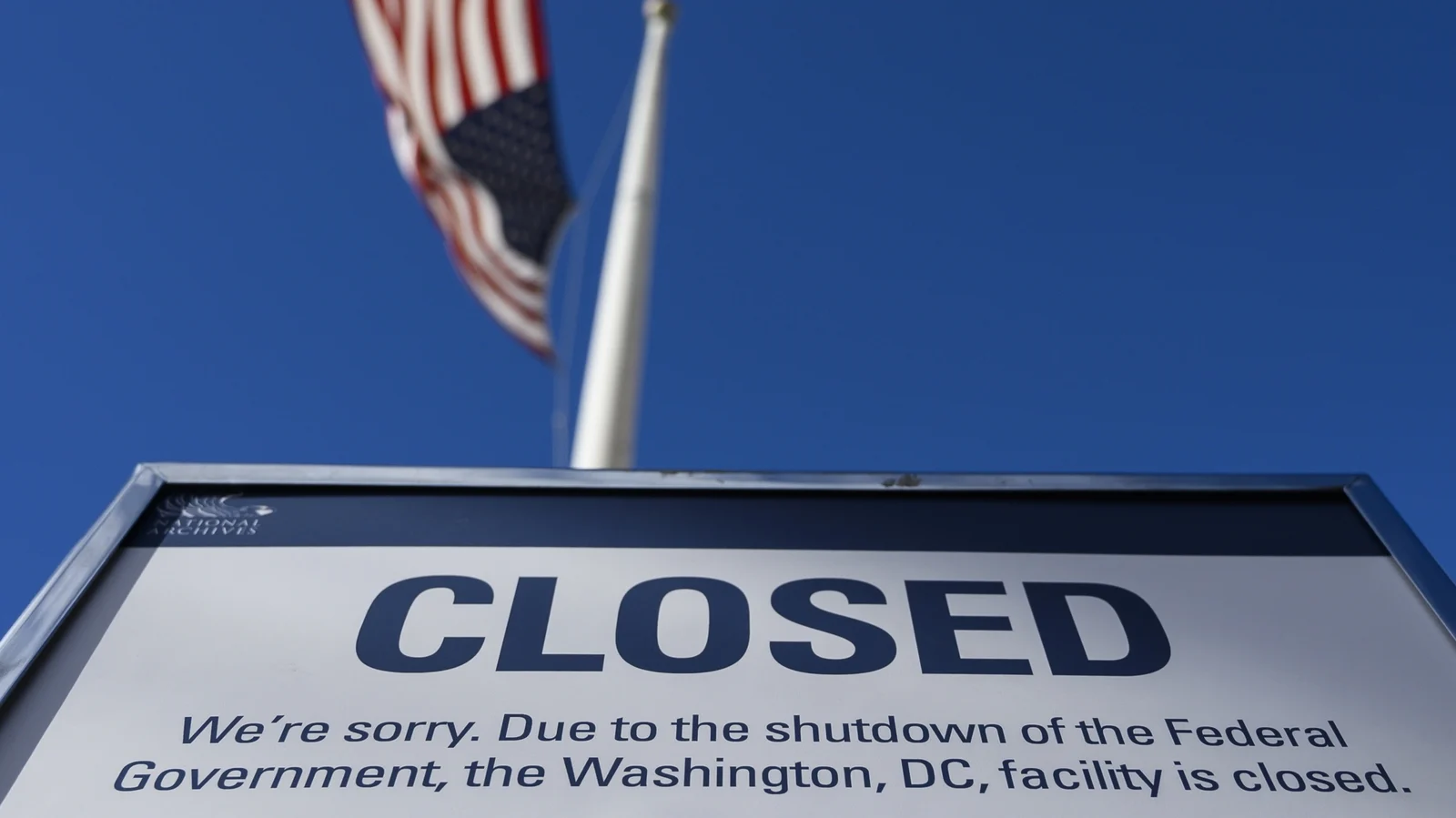
The BLS is yet to report the September non-farm payrolls number or the unemployment rate, amid a government shutdown that began on October 1.
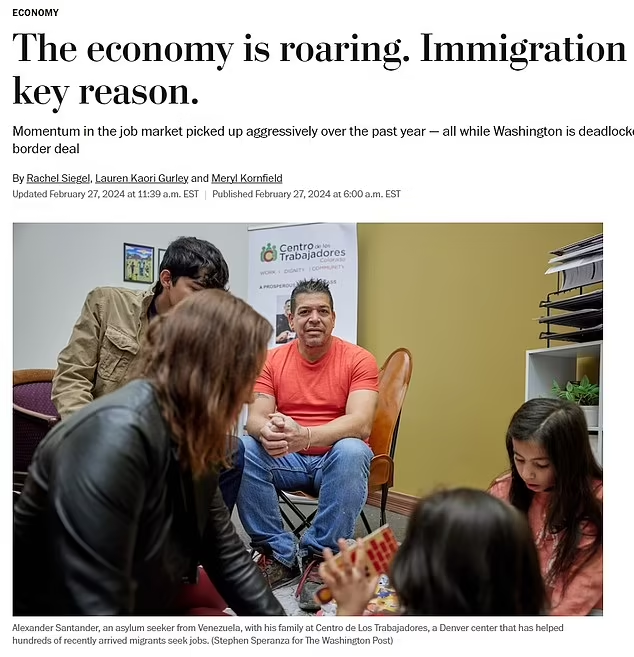
Another factor that has affected the supply of labour is the retirement of the baby boomers. However, this has had a far less dramatic effect than the White House’s attempts to rid the US of an undocumented immigrant population estimated by the Pew Research Center at 14mn.
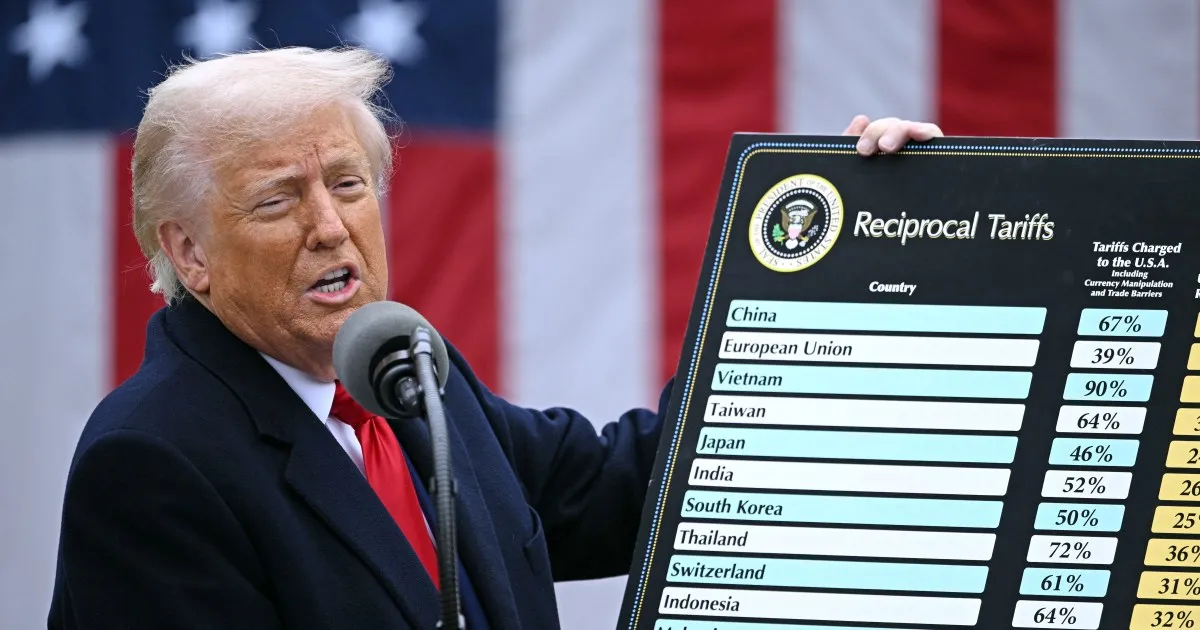
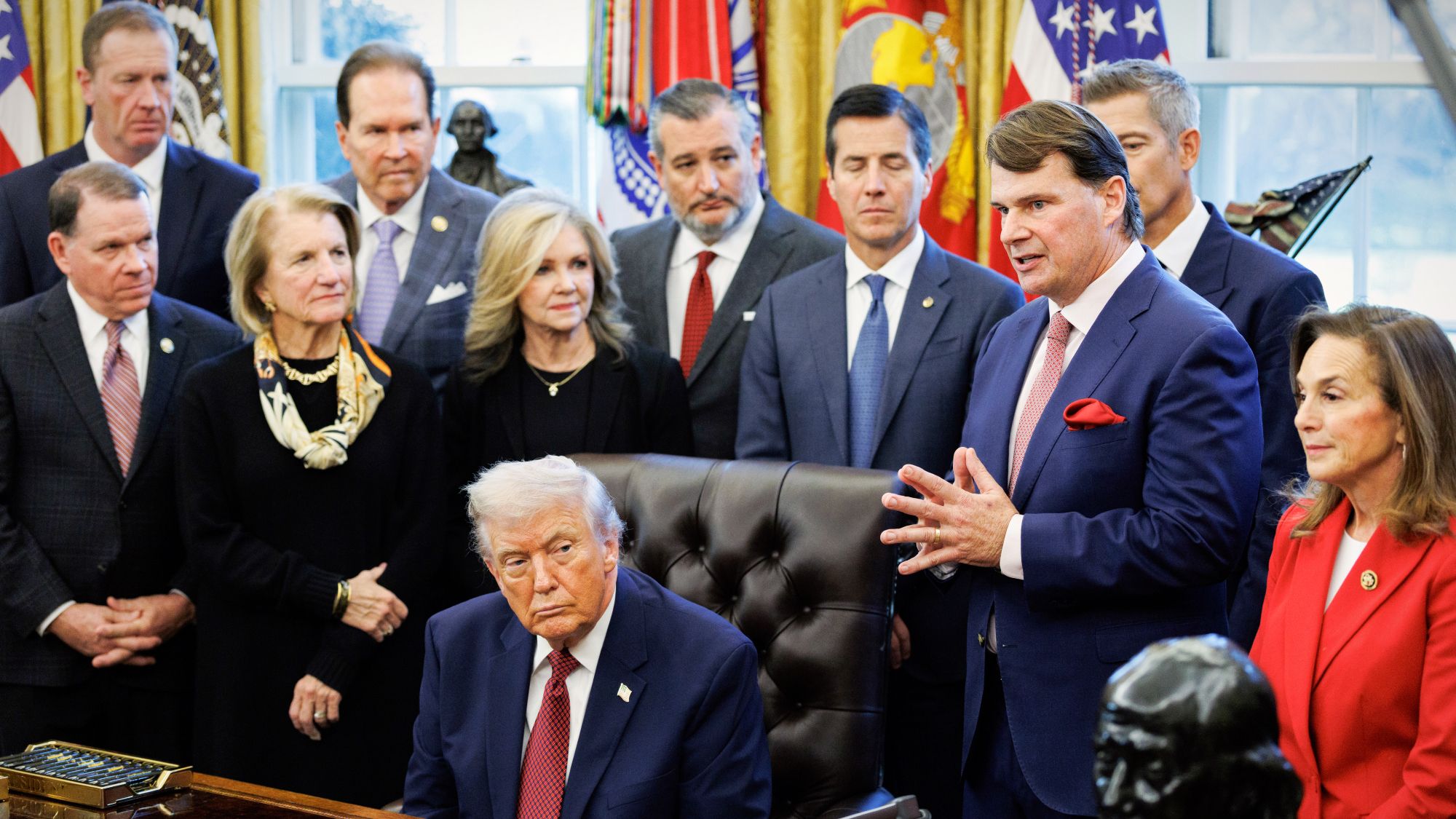
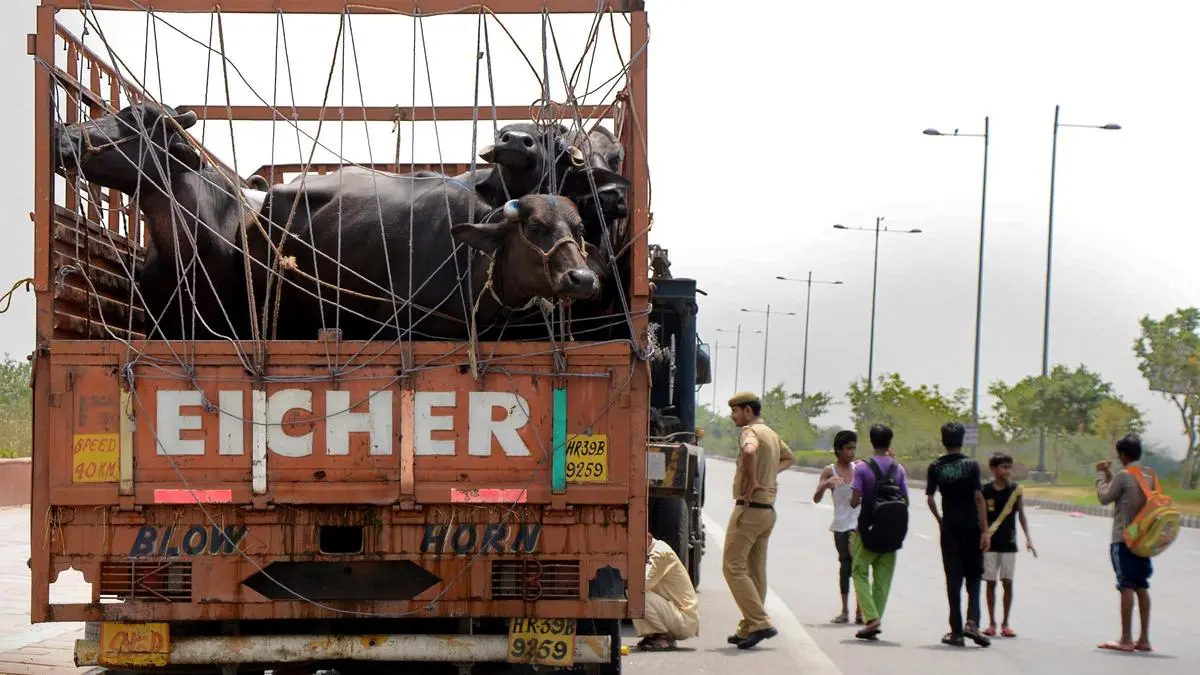
In his efforts to reverse immigrant flows, the US President has enforced stricter border and visa controls, alongside allocating more funds to the Immigration and Customs Enforcement agency (ICE) to round up undocumented foreign workers.
The White House crackdown led the Congressional Budget Office, the lawmakers’ fiscal watchdog, to cut its estimate of immigration numbers for 2025 from 2mn at the start of the year to 400,000 in September.
An influential paper by economists at the American Enterprise Institute and Brookings Institution estimates that somewhere between 525,000 immigrants left, or 115,000 joined, the US labour force this year. Their estimates would give a range for the break-even rate of between 10,000 and 40,000 a month.
The bleakest estimates of all are from the BLS itself.
The same report that contains the non-farm payrolls figure claims there are now 2mn fewer immigrants this year — an estimate that most economists think says more about foreign workers’ unwillingness to respond to government polls under the Trump administration than actual flows.
“That’s an implausibly big decline,” says Kolko. “It would imply a break-even rate of negative 180,000 a month. That would suggest the labour market has been tightening, which is inconsistent with the unemployment rate rising slightly.”