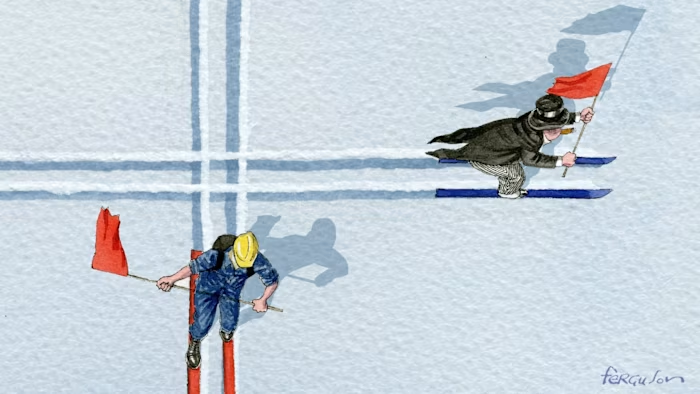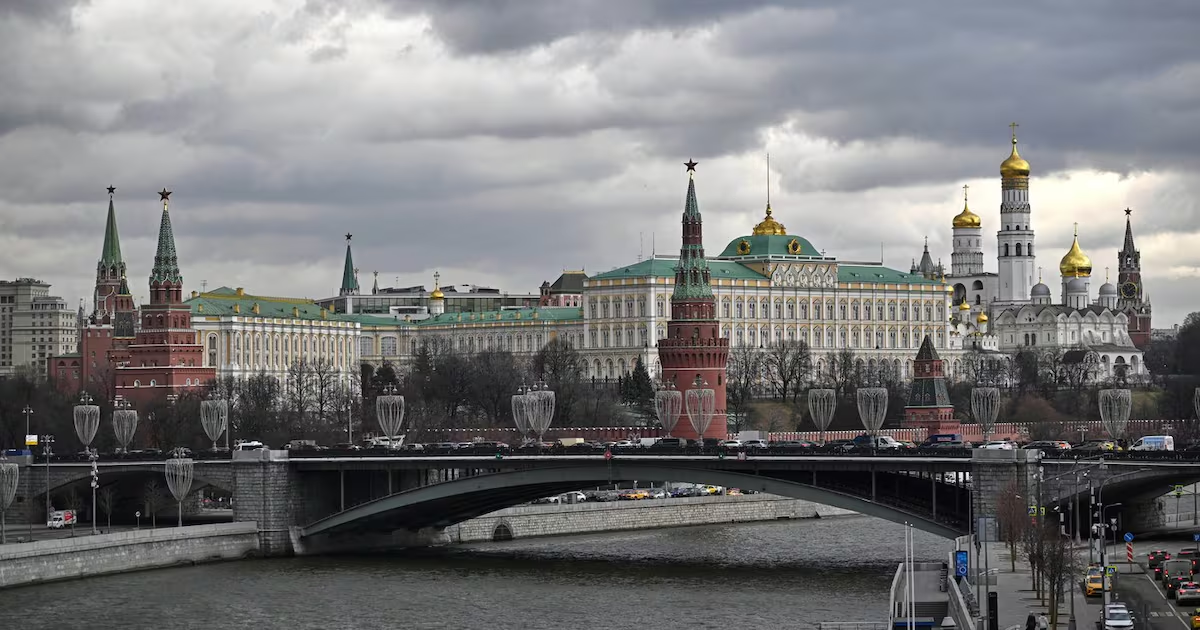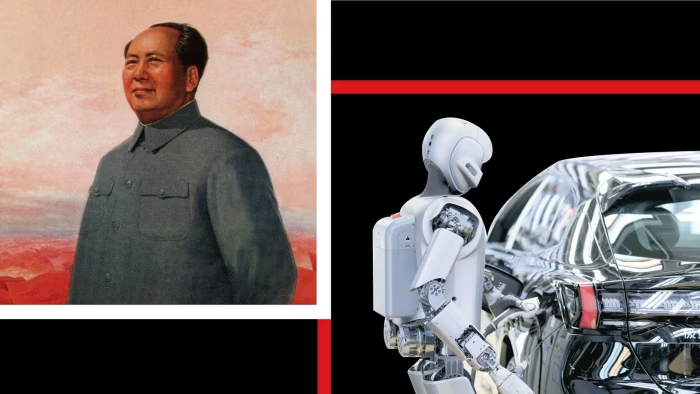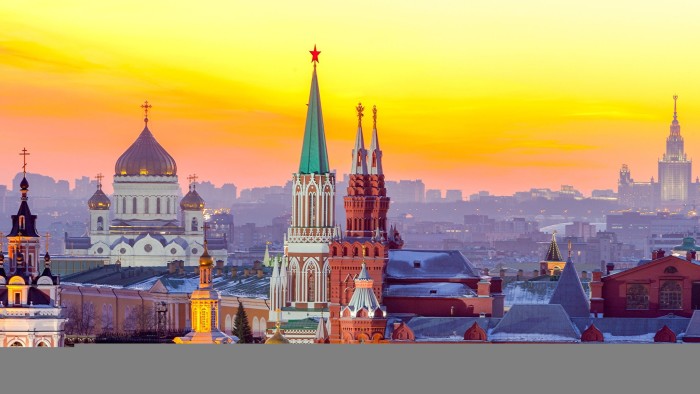

It remains one of the greatest experiments in economic and political history. A bloody civil war, the abolition of private property, the creation of a command economy with near full state ownership, price regulation and the elimination of markets.
One hundred years on from the Russian Revolution, three main lessons emerge from the 75-year Great Soviet Experiment. They are not rocket science but worth re-stating. First, industrialisation through terror is inefficient. Second, without terror the command economy eventually flags and goes bankrupt. Third, lack of political competition creates a rigid governance system unable to make necessary reforms.
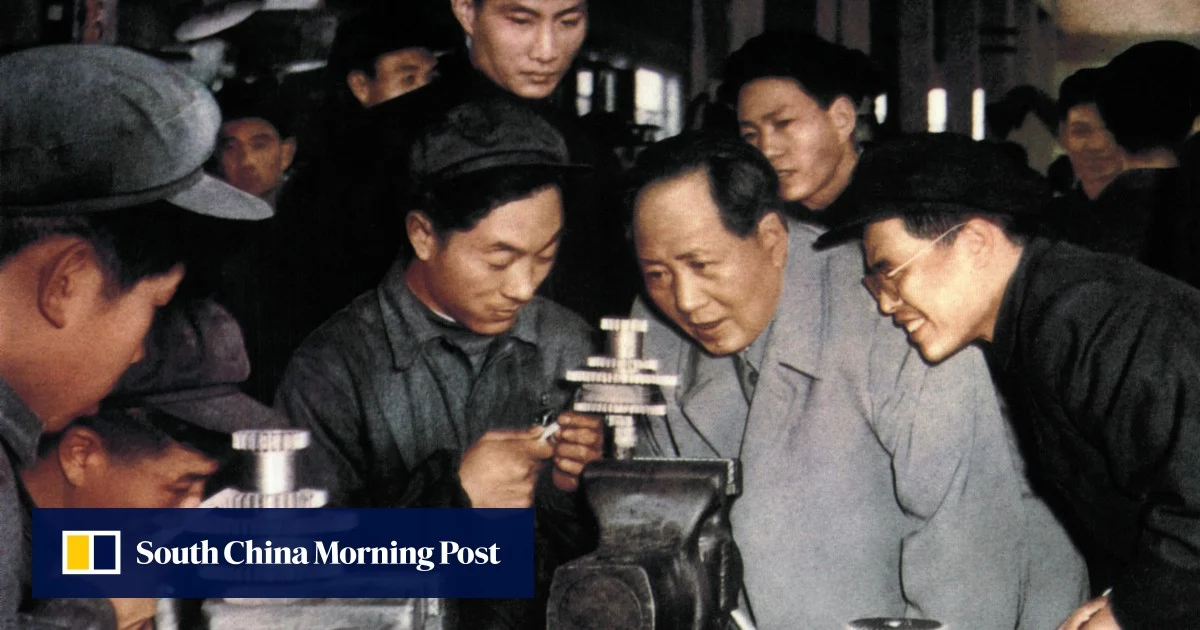
The first is probably the least obvious. Stalin accomplished industrialisation and eventually led the Soviet Union to victory in the second world war. His method was top-down and, in the words of the writers Daron Acemoglu and James Robinson, “brutal but effective”.
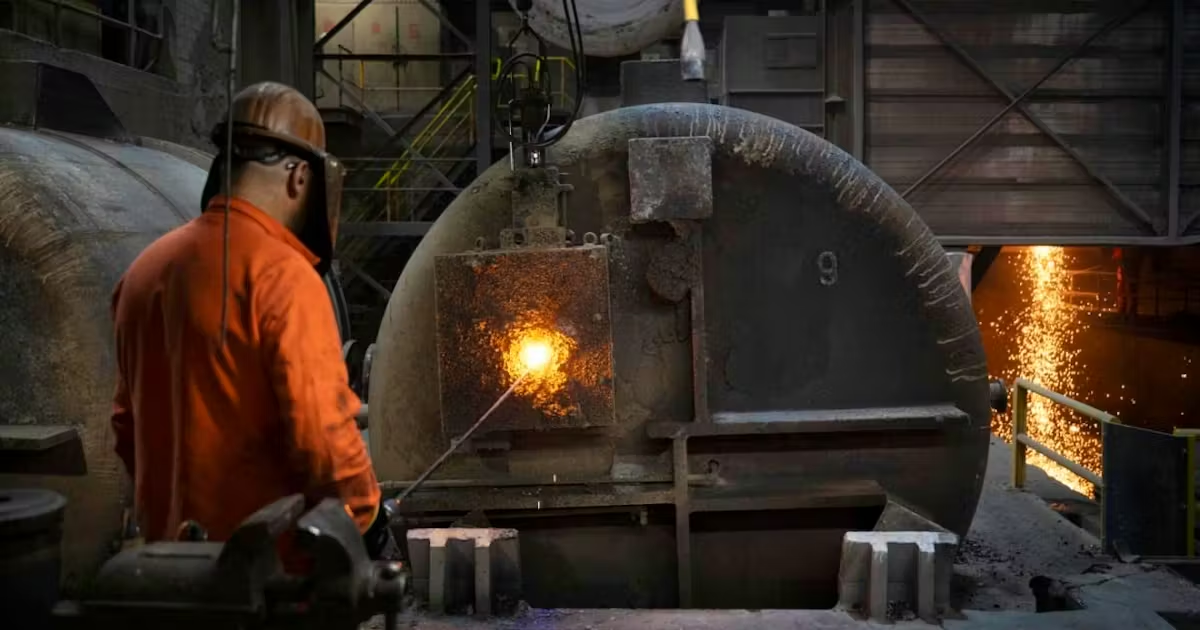
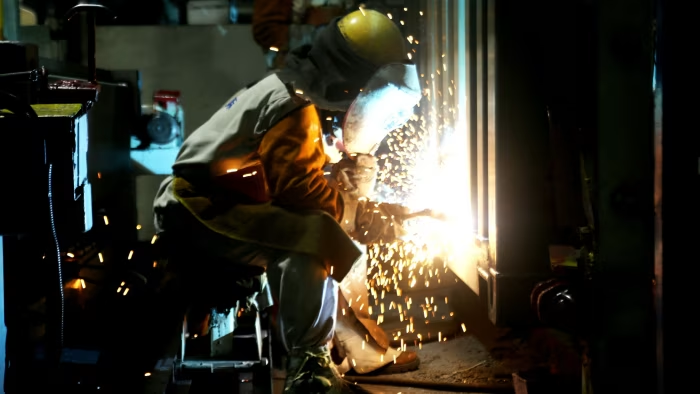
The benefit of centralised economic control is that it allows you to move 25-30 per cent of the labour force from farm to factory within just one decade. However, a recent study I co-authored found this did not work as planned: the gains from moving resources to industry did not make up for destroying productivity within both agriculture and industry. Terror is brutal and effective in moving resources, but it is not productive in organising them efficiently.
The net economic benefits of Stalin’s policies were trivial — and this is not to mention millions who perished due to repression and famine. Also, the Soviet Union could not win the war alone — resources and equipment provided by the US were essential in beating Hitler.
After the war, the Soviet economy recovered, Sputnik was launched and nuclear parity with the US maintained. Yet, it failed to deliver growth and innovation — proving that competitive markets are needed for efficient incentives. Also, as shown by the economist János Kornai, a collectivised system is inherently vulnerable to “soft budget constraints”. In a socialist economy, all inefficient enterprises are bailed out by the state — hence managers have no incentives to avoid bankruptcy.
Soft budget constraints also feature in market economies — as the massive bailouts since the financial crisis show. But there is a major difference: if a capitalist firm goes bankrupt, private shareholders lose their equity. If a socialist one cannot pay its debts they are taken over by the state — and eventually the whole state goes bankrupt. When Mr Kornai was writing in the late 1970s it was unthinkable that a superpower like the Soviet Union could go bankrupt. In fact its bankruptcy was not just plausible — it turned out to be inevitable.
With the end of Stalinist terror the government could no longer resist pressures to raise living standards. To pay for this, Moscow resorted to petrodollars and later loans. By the late 1980s the Soviet budget deficit went into double-digit percentages of gross domestic product. In its last year it was 30 per cent of GDP. Creditors stopped lending and the Soviet Union was no more.
As bankruptcy loomed, why were Soviet leaders unable to recognise the problem and launch radical reforms? The answer points to the third, most painful lesson. In the absence of political competition and free debate, the USSR ended up with a leadership that was neither competent nor decisive. This was not a coincidence — it was how that system selected and promoted its leaders.
The Great Soviet Experiment demonstrated the deficiencies and unsustainability of the non-market model. Yet still every now and then proposals emerge for a new version of socialism — from “Bolivarian” to market varieties, from state capitalism to a new “digital Gosplan” matching algorithms to economic planning. In decades of socialist experimenting, communists tried many alternatives to the market. None of them worked. That is what we should remember 100 years later.
The writer is chief economist, European Bank for Reconstruction and Development
Letters in response to this article:
Socialist revolution failed to reap benefits of trade / From Martin Dangerfield, University of Wolverhampton, UK
Was Attlee’s Britain such a nightmare? / From Thomas Meaney, Potsdam, Germany