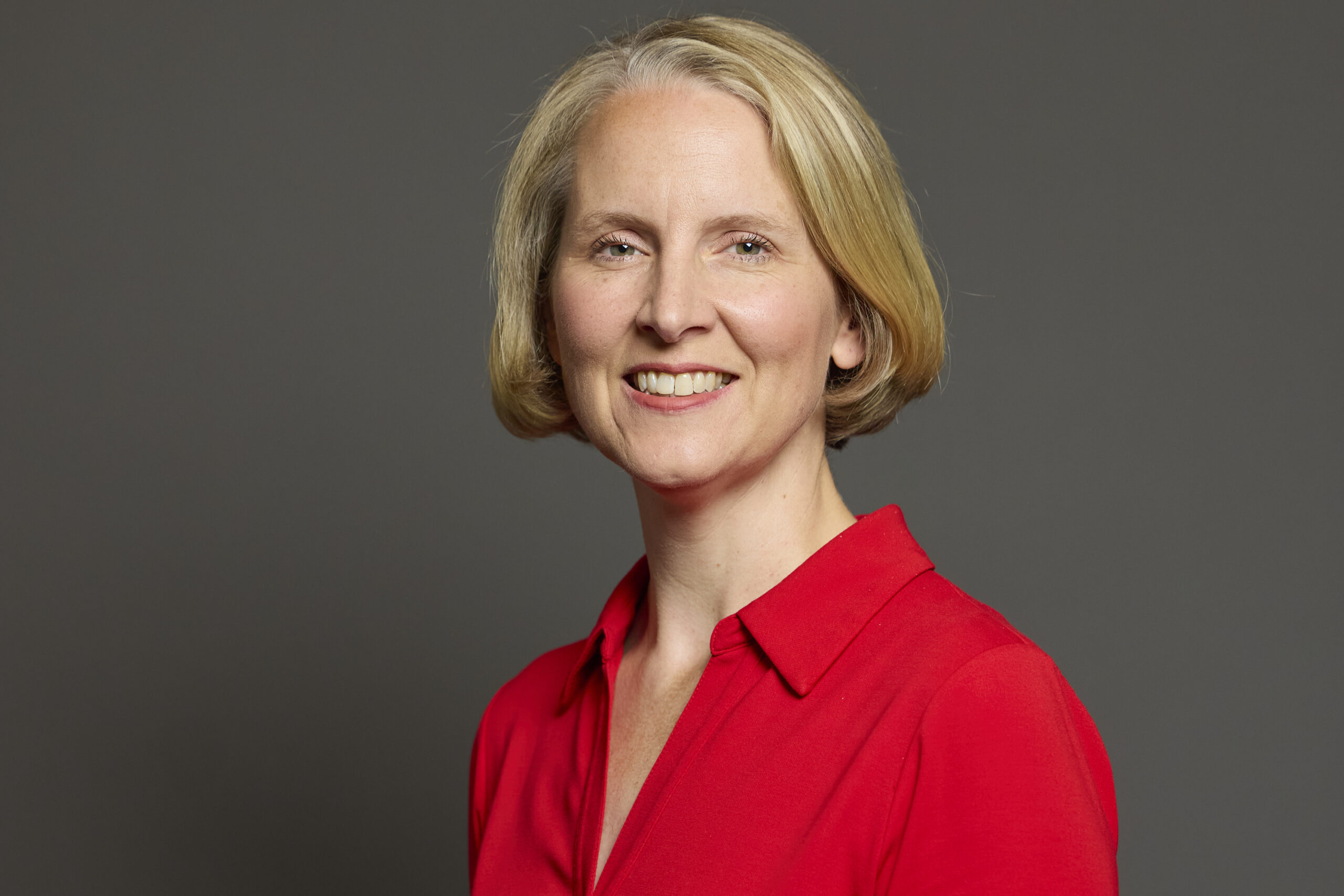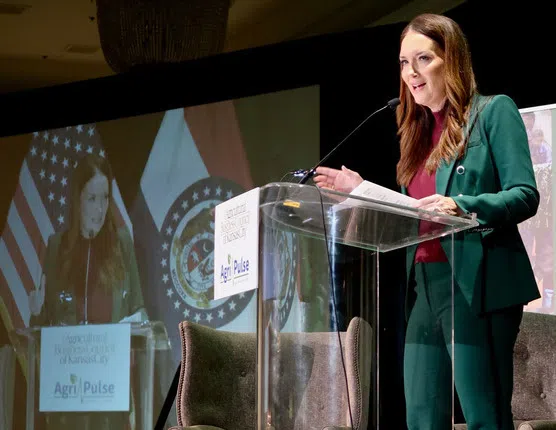
Albert Kim is the founder and CEO of Sota Cloud, pioneering through compassionate innovation.

Let’s begin with a timely question: Is technology a bridge for deeper connection or a catalyst for division? It’s the kind of query that makes even the most seasoned innovation insiders squirm.
But that type of response is actually quite reasonable when it comes to discussing the internet and AI. You see, both technologies are double-edged swords, capable of producing tremendous good and harm. But if we want both the internet of today and the AI-driven economy of tomorrow (registration required) to actually improve human relations, we must first change how we measure success.
We can think of this as the “empathy economy,” which has the potential to empower companies with material rewards while bringing people back together.
Understanding The Empathy Economy
To understand why, consider the web’s original promise to foster greater unity. This mission is still possible if we consult Simon Mainwaring, a Forbes contributor and author of the book We First, which explores how brands and individuals can mindfully use social media to improve our world. As he explains, “For some time now I’ve been asserting that technology is teaching us to be human again. When I say this, I mean that the ability to witness and experience the lives of others anywhere around the world, often in real-time, awakens in us our innate empathy for each other.”
Mainwaring points to compelling evidence of technology’s positive effects. From deeply emotional tales of long-lost siblings reuniting on Facebook to disparate people around the world rallying to help victims of Hurricane Helene in North Carolina, moving expressions of empathy occur on social media daily.
Thankfully, such online displays of kindness are gaining traction. Case in point: when YouTuber Jimmy “Mr. Beast” Donaldson isn’t running wacky competitions starring influencers, he’s performing charity (registration required) acts like building wells for clean water in Africa and funding eye surgeries. In other words, when the biggest name online is using his platform for good, something is going right in the zeitgeist.
And yet, tough questions remain. These include: Is the internet really a tool for good or does it drive us apart? Similarly, is empathy the rule on social media or the exception? For far too many people, it’s sadly the latter.
Too often, technology ends up drawing battle lines between groups with opposing views. The nonprofit group Democratic Erosion Consortium (DEC) calls this the “digital divide.” One correspondent describes a dire situation common to so many households nowadays: “My mom’s social media algorithm had her in a paranoid panic and my household was fractured politically in a way I had never experienced before.”
But problems go deeper than disagreements over politics. Nextdoor, a platform meant for local communities to share information and build connections, is often plagued by squabbles. It’s gotten so bad that many such posts are chronicled by the “Best of Next Door” account on X. The company dislikes the account because it uncovers just how cruel people can be to others in their own backyard—posting under their own name, no less!
Much of this division stems from the business model many companies follow. As Tulane professor Daniel Mochon explains, “Platforms benefit from keeping users active, regardless of whether the interaction is positive or negative.” The problem? Polarizing content and the arguing it produces keep people engaged longer. As a result, AI-based algorithms put it in the feed of users, whether they happen to be vulnerable teens or isolated adults.
Rethinking How Success Is Defined
When engagement defines success, and arguing, fighting and toxicity drive that engagement, our current predicament becomes easier to understand.
But this is not a problem to be solved by companies applying the same key performance indicators (KPIs) to new technology in the hopes of building a more empathetic world. Rather, it’s an opportunity for the Empathy Economy. That’s because the next frontier of business growth can pivot to achieving community, fostering trust and building resilience. And success in this realm needn’t be measured by how addicted users become. (Goodbye and good riddance to doomscrolling!) Instead, it can be determined by more positive concepts like meaningful learning, restoration of relationships and genuine human flourishing.
Just imagine executives in the hallways of Silicon Valley actually high-fiving because the number of Americans volunteering in their communities rose that month, or the divorce rate declined, rather than measuring success by ad impressions or time spent on a platform.
As CEO of SOTA Cloud, a web-based dental imaging software company, this type of compassion guides every aspect of our operations, from product design to customer service. We’ve found success in helping dental practices provide empathetic treatment to patients facing anxiety about the health of their teeth.
Leading With Compassion
Moving forward, embracing the empathy economy will be a welcome breath of fresh air to some. For others, it will require a bit of getting used to. Indeed, this change is audacious and may produce pushback from venture capitalists and other investors until proven successful. Still, the type of change I’m describing is well within the power of tech companies, large and small.
To embrace the empathy economy, you don’t have to do anything major. Instead, begin small. Meet with your team to brainstorm how your current tools impact user well-being and even happiness. Make it a priority to plan a design review that considers emotional health. Establish metrics that assess social impact. In this way, you are contributing to an ecosystem that places a value on cooperation over competition, prizing wellness over profit and producing positive-sum scenarios.
Business leaders, most of all, have the opportunity to drive change toward empathy in technology. Our present moment is opportune to positively address so many of the challenges plaguing society.
Recognizing this reality brings us back to the question I originally posed. Here’s a follow-up: Wouldn’t it be better if tech brought us together instead of driving us apart? The answer, of course, is a resounding yes.
One final question remains: What’s stopping us from bringing the empathy economy to life?
Forbes Technology Council is an invitation-only community for world-class CIOs, CTOs and technology executives. Do I qualify?