This is an audio transcript of The Economics Show podcast episode: ‘How to kick-start the UK economy. With Tim Leunig’
[THE AI SHIFT NEWSLETTER AD]
[MUSIC PLAYING]
Sam Fleming
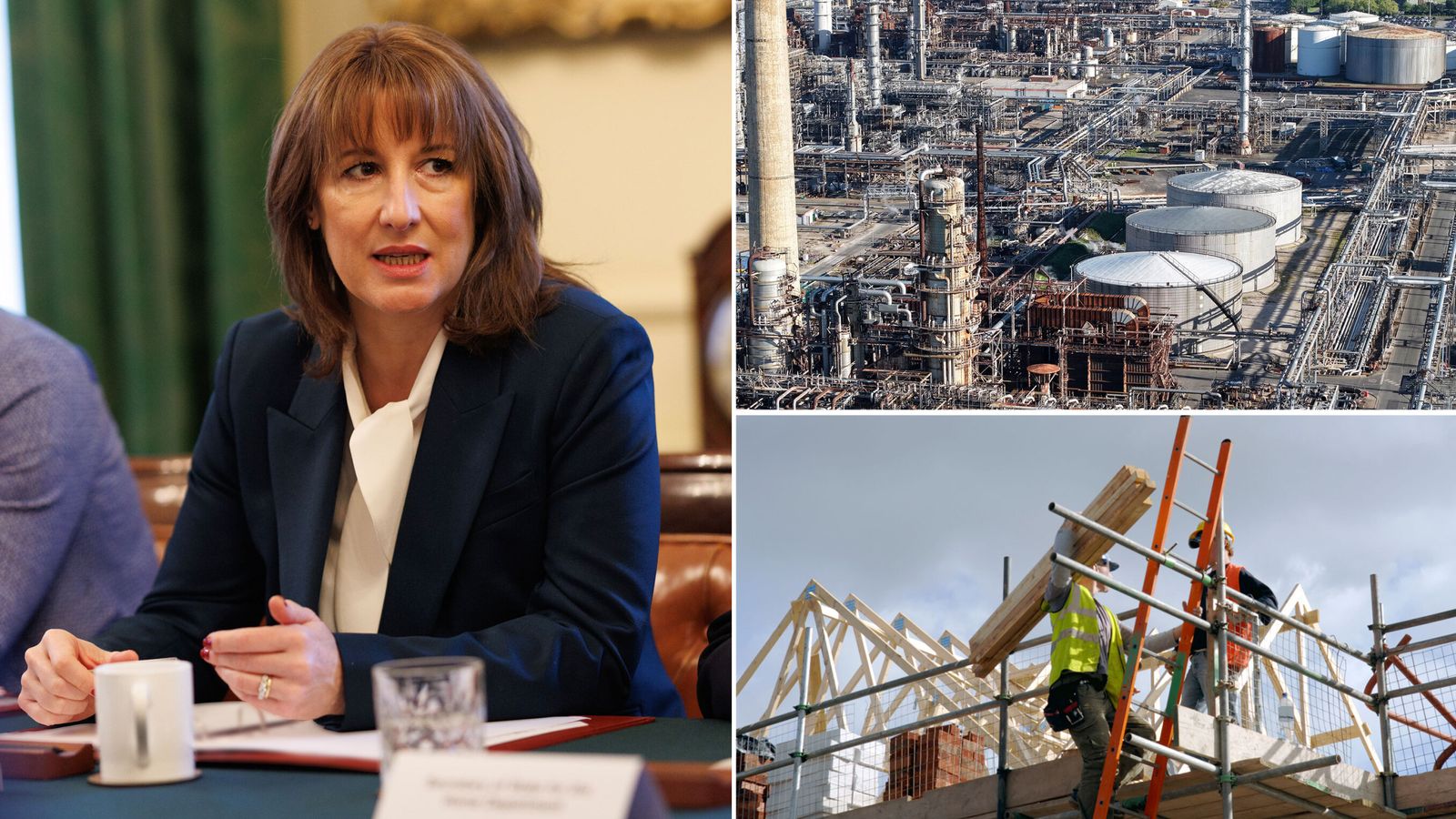
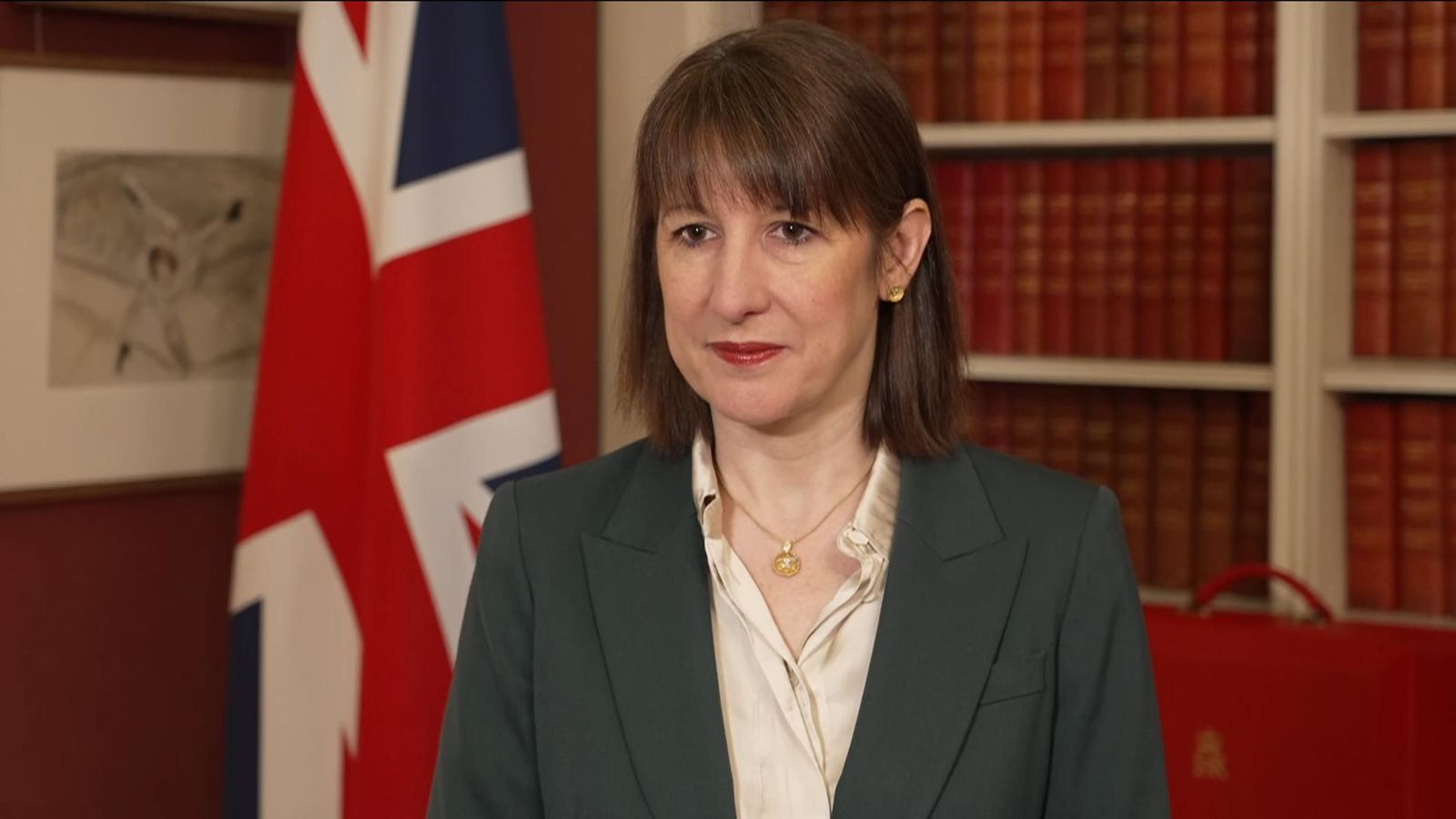
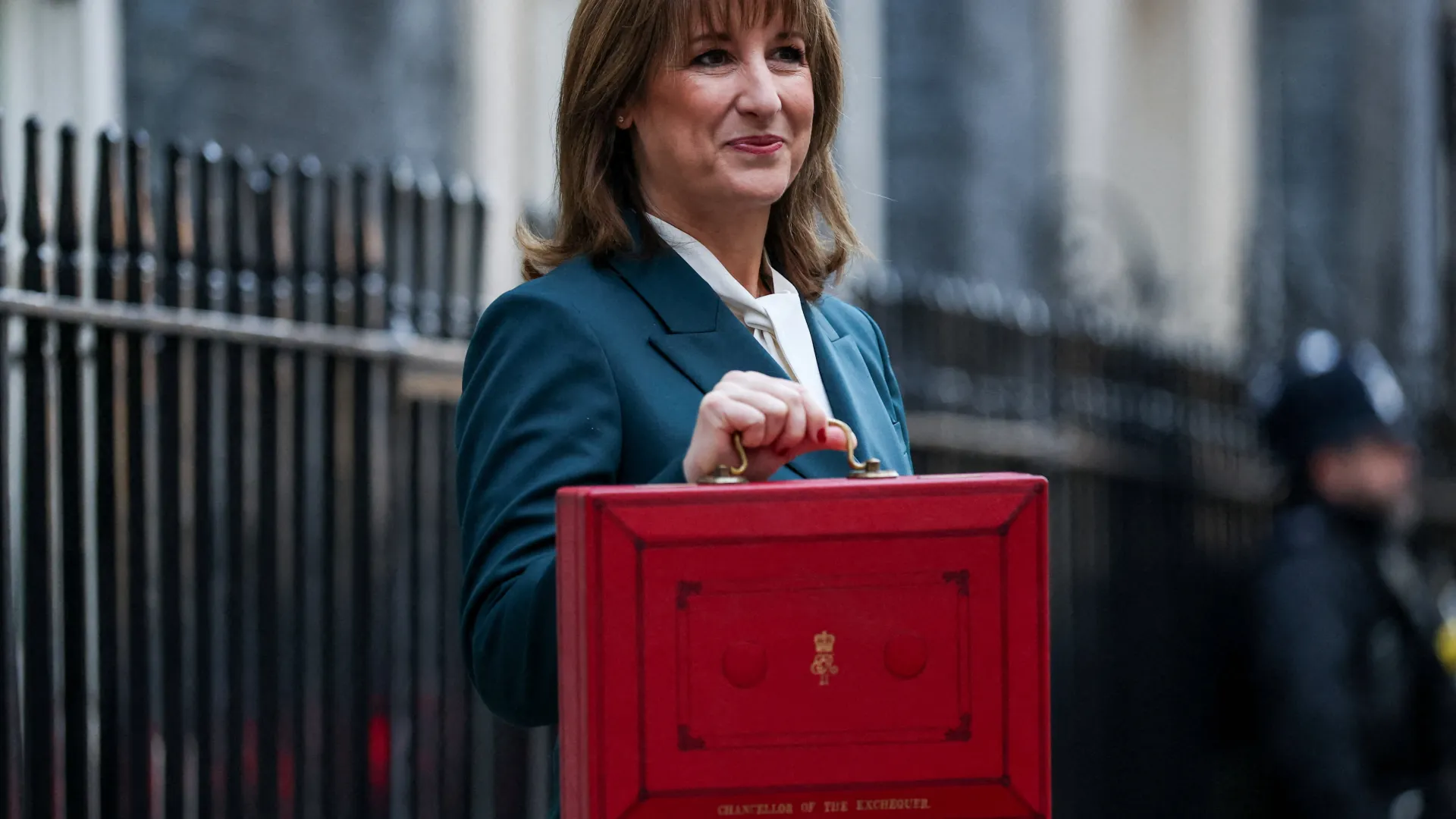
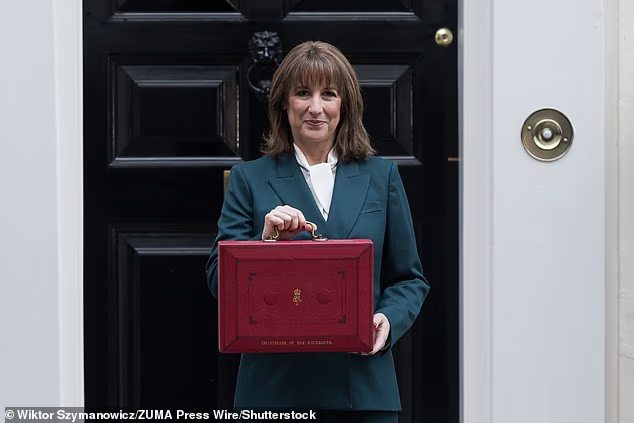
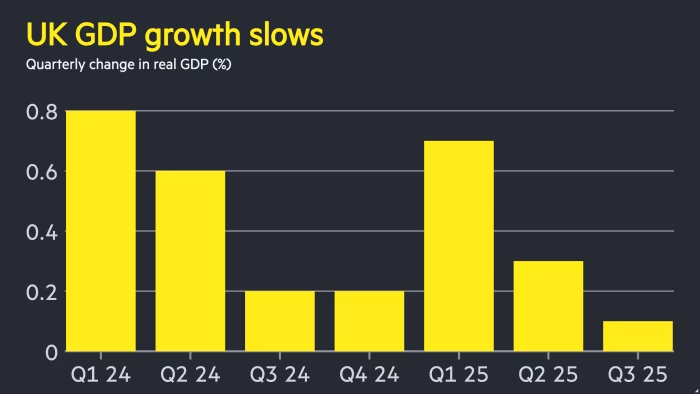
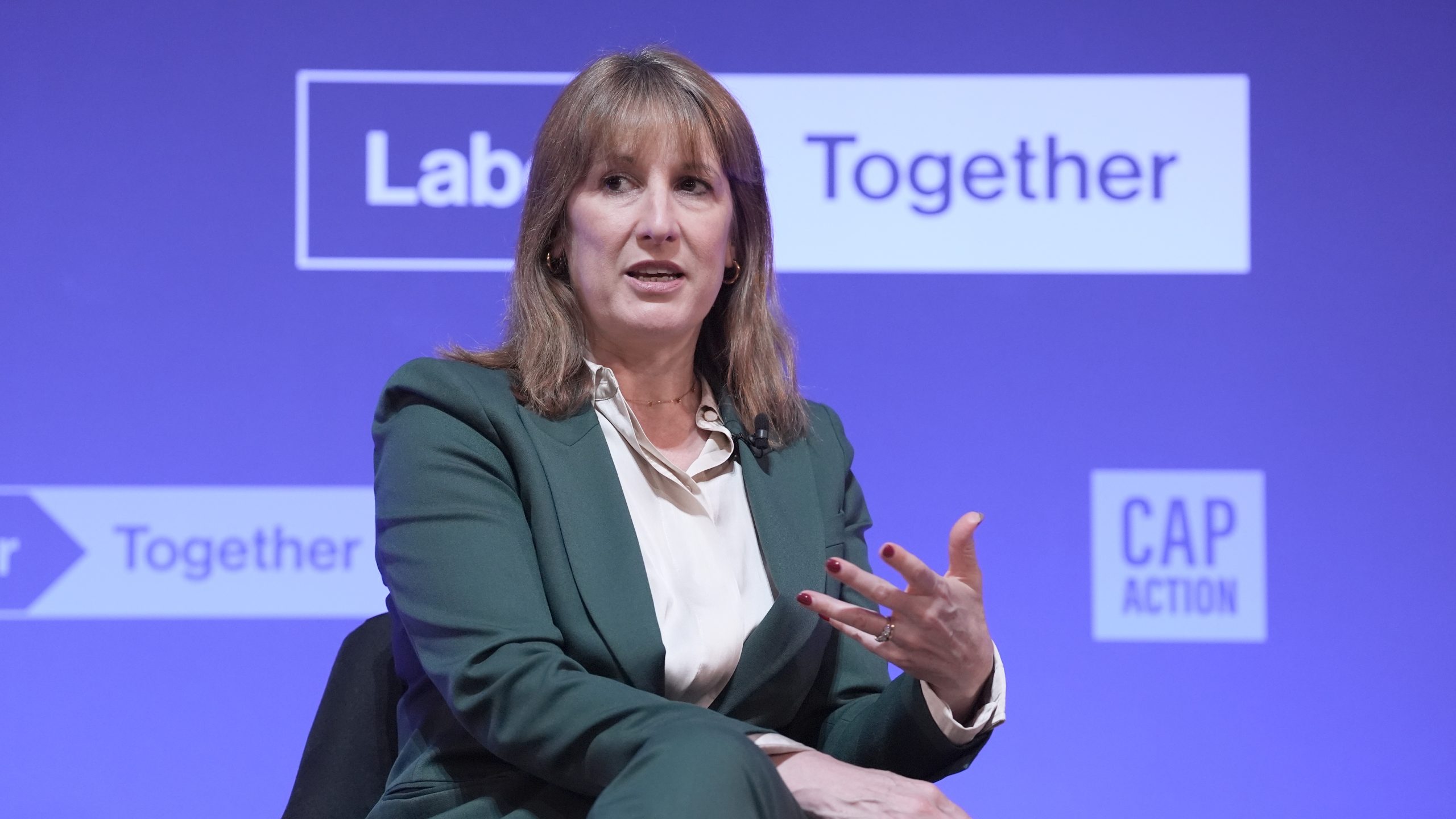
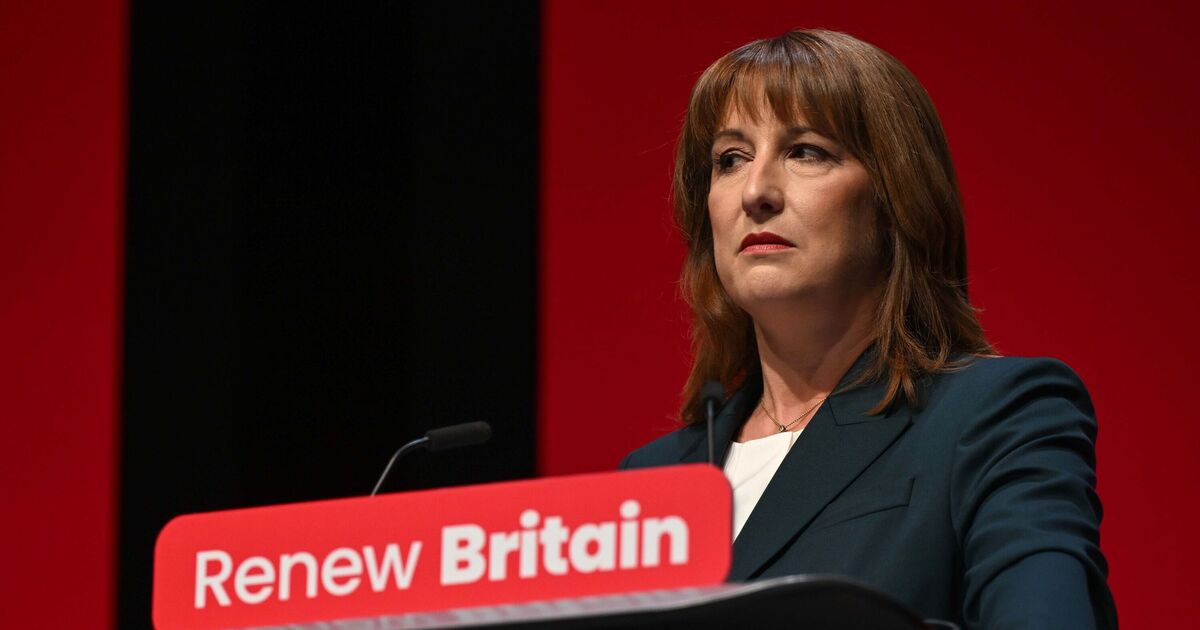
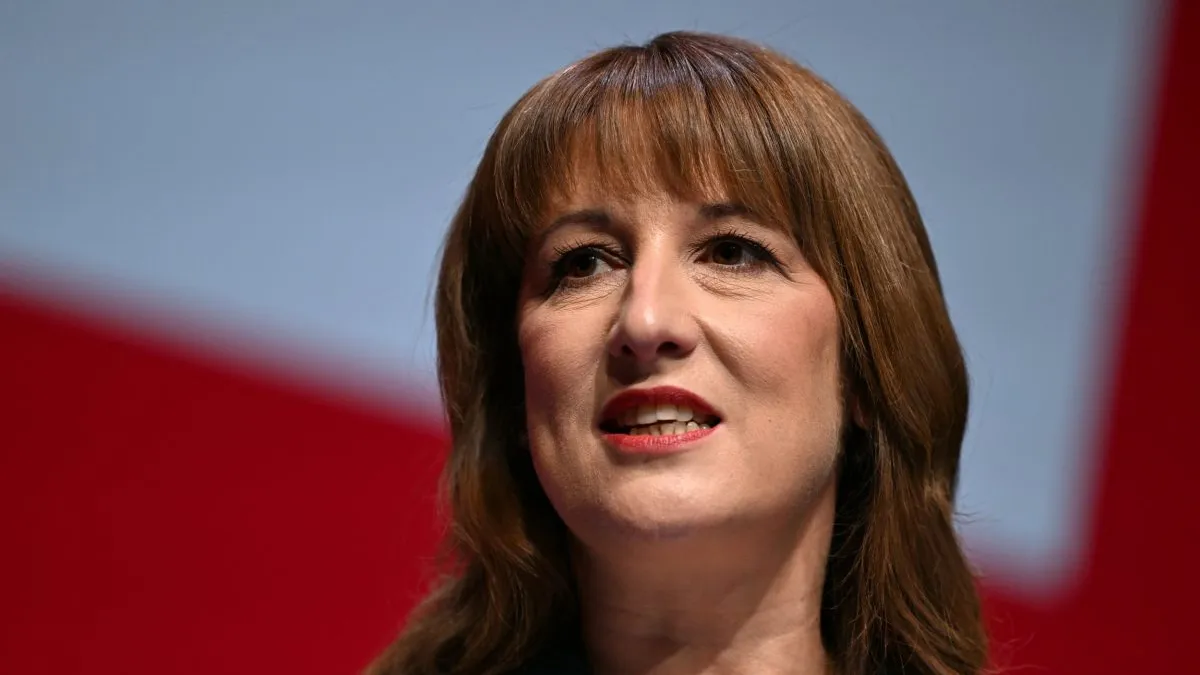
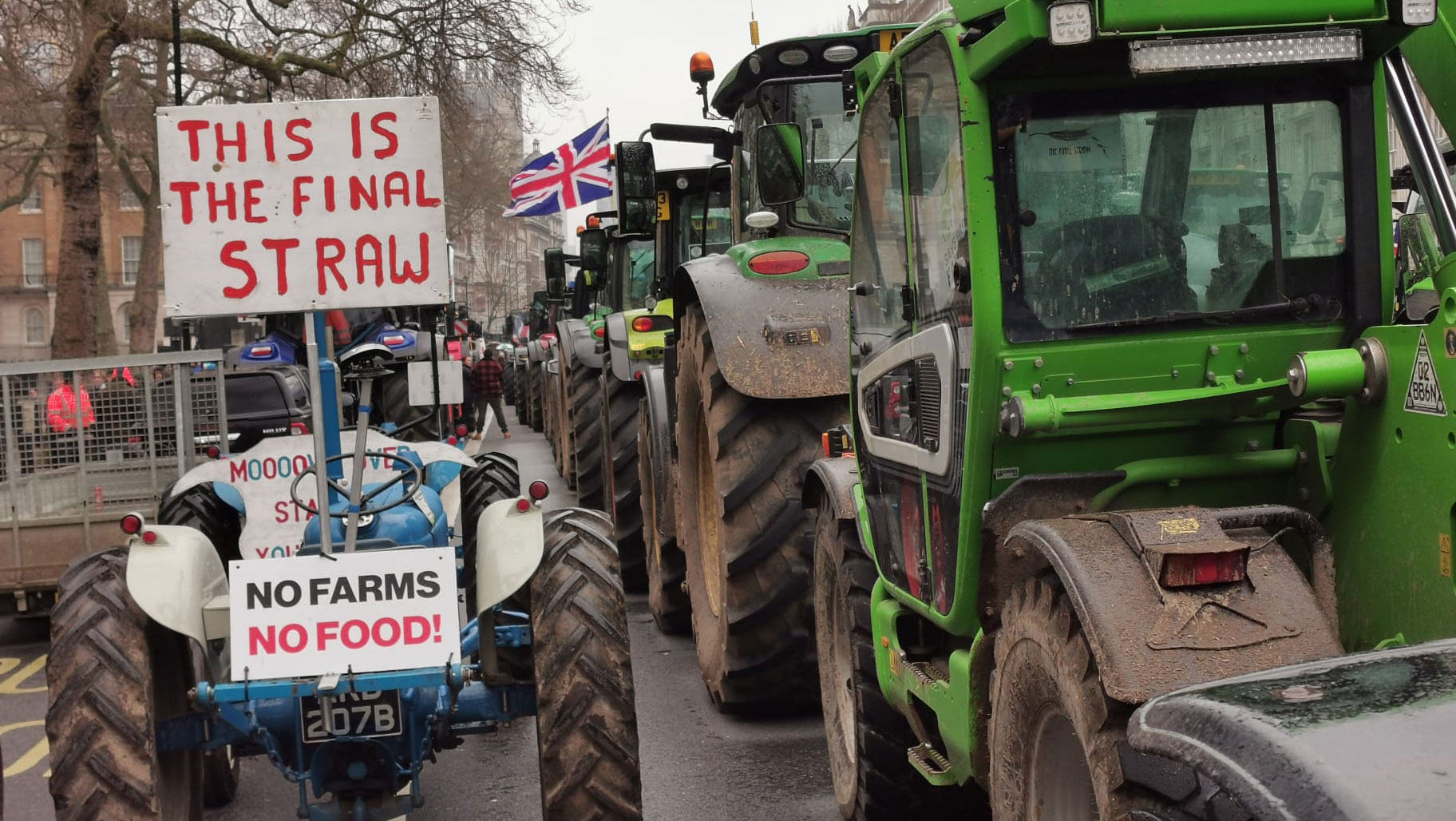
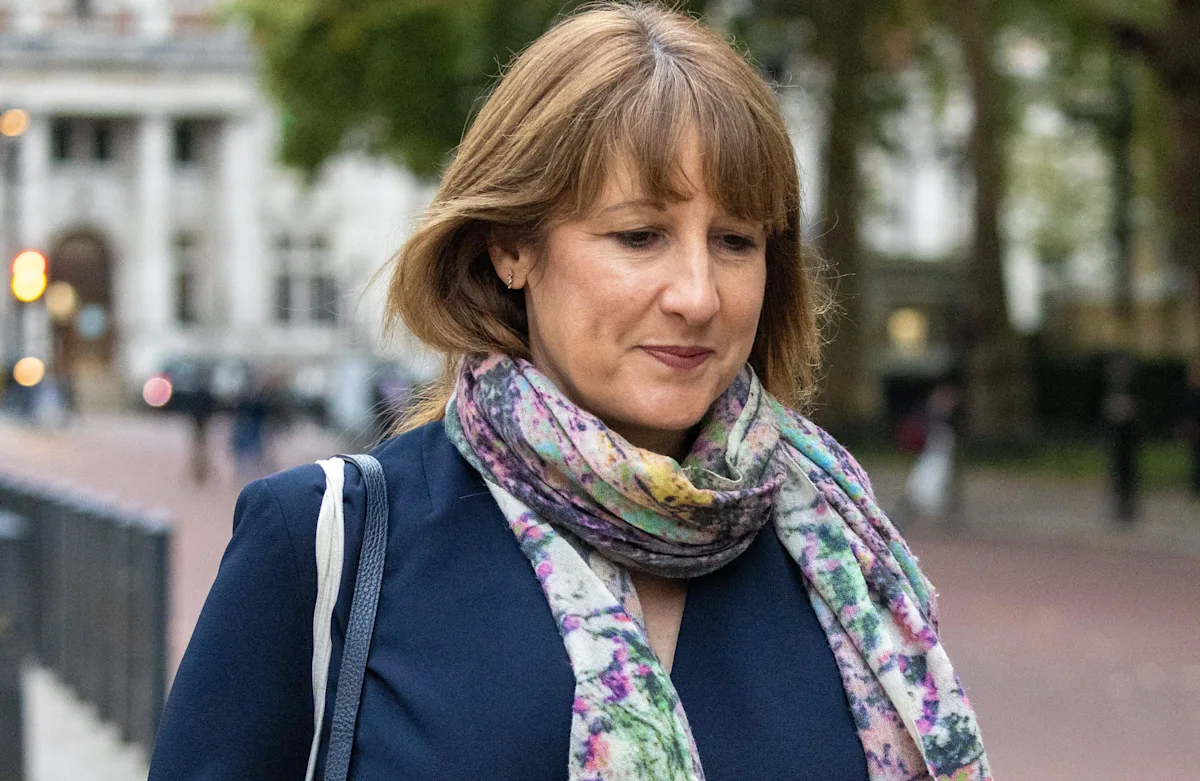
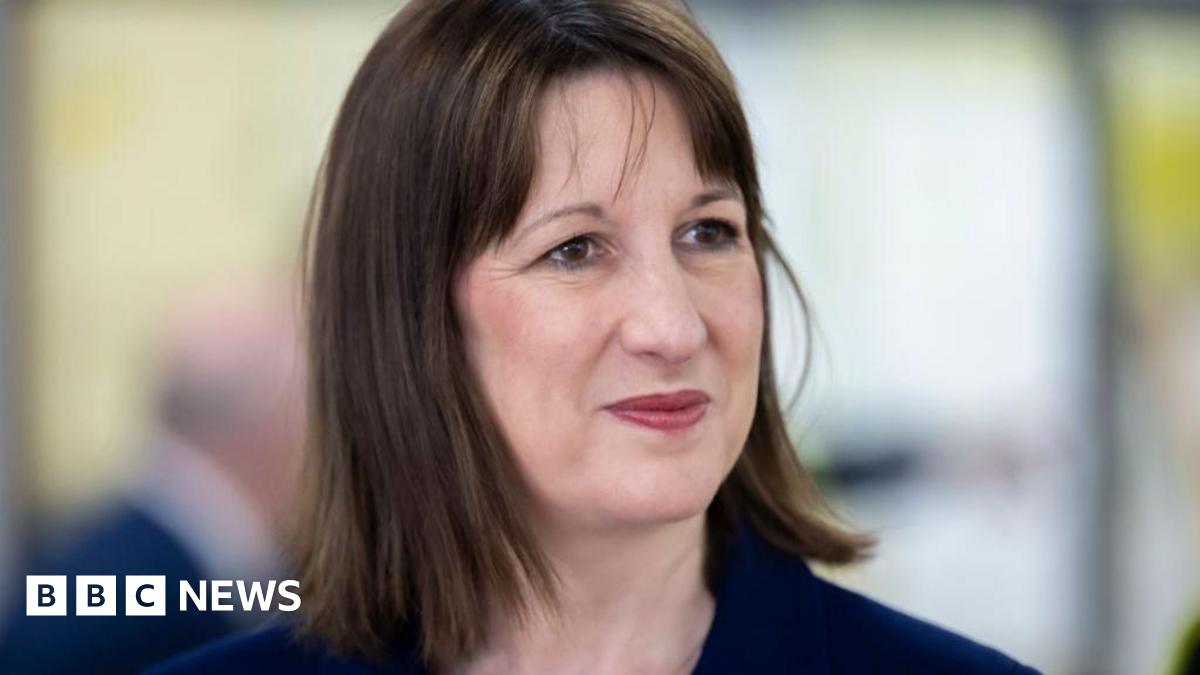
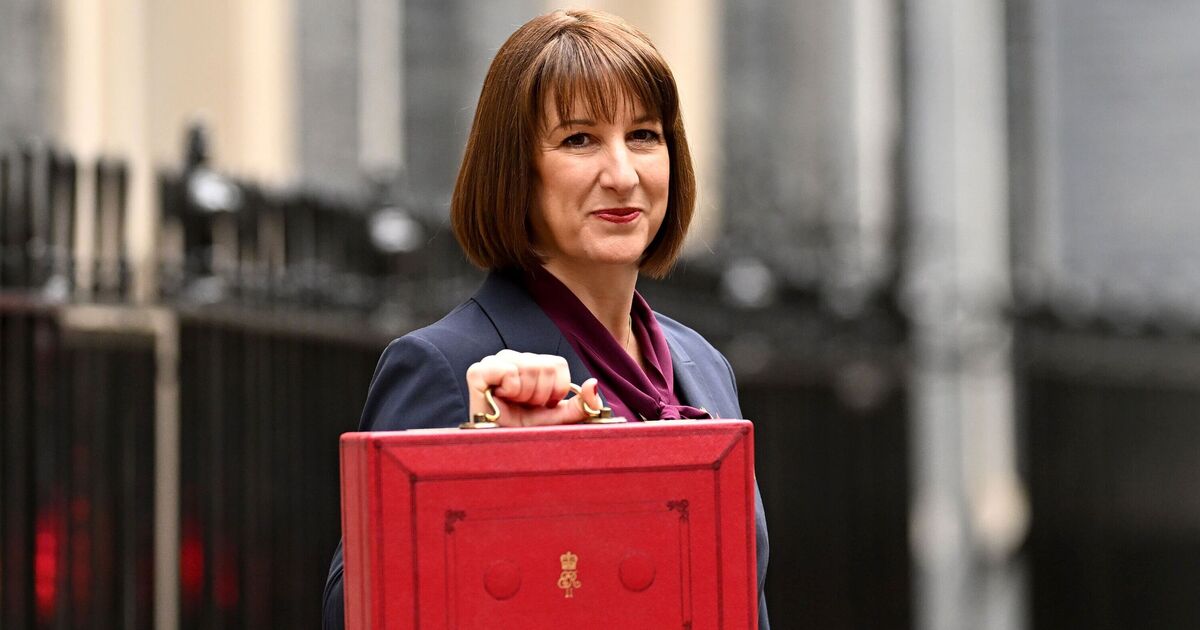
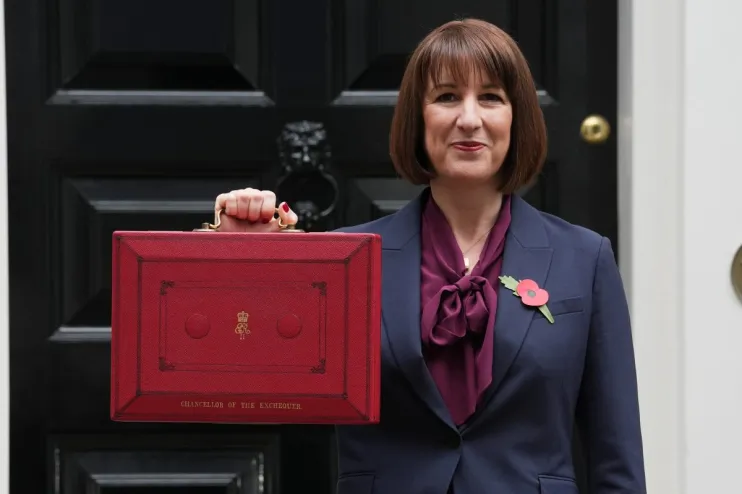
How do you kick-start an economy? It’s a question many governments in western Europe are grappling with amid sluggish economic growth, and the UK is no exception. From rising unemployment to weak public finances, the British economy is in the doldrums, and there’s pressure on the chancellor, Rachel Reeves to fix it.
[MUSIC PLAYING]
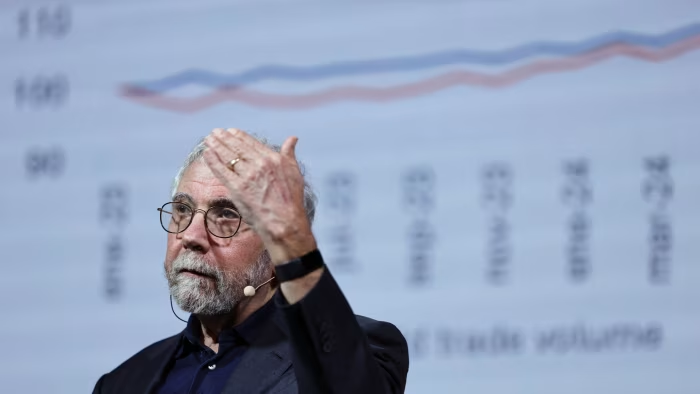
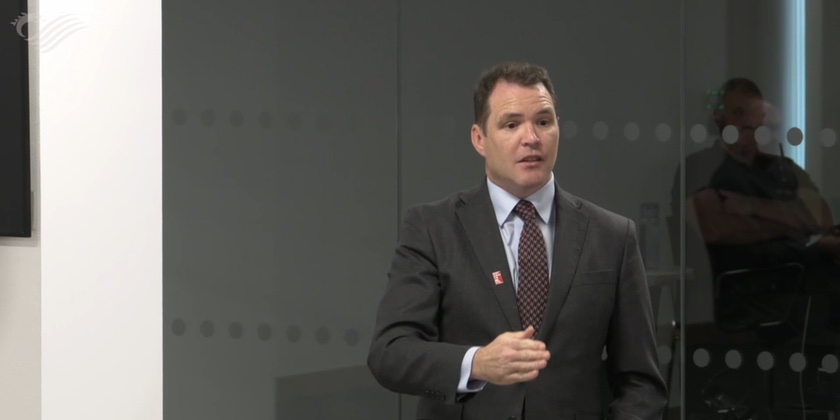
Hello and welcome to The Economics Show from the Financial Times. I’m Sam Fleming, the FT’s economics editor, and today I’m joined by Tim Leunig. Tim is a professor at the London School of Economics, where he’s taught for 25 years, and he’s chief economist at innovation think-tank Nesta. He’s been an adviser to two chancellors and writes a popular policy Substack. If anyone has ideas for how to fix the economy, Tim is your man. Thanks for joining us, Tim.
Tim Leunig
It’s a pleasure to be here.
Sam Fleming
Now, we often do this thing on The Economics Show where we ask our guests to rate something on a scale of one to 10. So as a starter question, how much of a mess is the British economy in from a scale of one to 10, where 10 is an inescapable morass?
Tim Leunig
So I’m an economic historian, and by historical standards, we’re not really in a mess at all. We are richer than pretty much we’ve ever been at any date in the past. So I don’t want to sound Panglossian here, but the number definitely isn’t higher than four. It’s probably only a three or even a two and a half, which isn’t saying I’m optimistic about growth. I’m not, but I’m someone who really knows how bad life was in the past.
Sam Fleming
So if comparing with the past doesn’t provide a particularly useful reference point, what about comparing us with our neighbours in western Europe, and indeed with the US? How does our situation compare with them?
Tim Leunig
Well, that’s much worse. We’re below average on that. I mean, we’ve seen over the last 10, 15 years that yet again, the United States is the dominant economy in the world. You shouldn’t be able to be the biggest, richest country in the world and have the fastest rate of growth. But in the medium term, that has now been true for the US for 150 years. So we’re pretty average by European standards — a bit below average — but compared to the US, Europe is really struggling.
Sam Fleming
We don’t have time to go into deep detail as to why that is, but if you were to summarise it briefly, what is Europe doing wrong and the US doing right?
Tim Leunig
So Europe still doesn’t have a proper integrated market. There are still all sorts of boundaries about trading between France and Germany. There are still things that are fragmented. There are still different standards, particularly on tourism and other services, but the US above all is lucky. I mean, it does just have amazing energy potential, no matter which energy revolution you’re thinking about. Coal, oil, gas, now solar and wind — the US just keeps winning the jackpot. I’ve never seen a country throw so many sixes in a row as the United States.
Sam Fleming
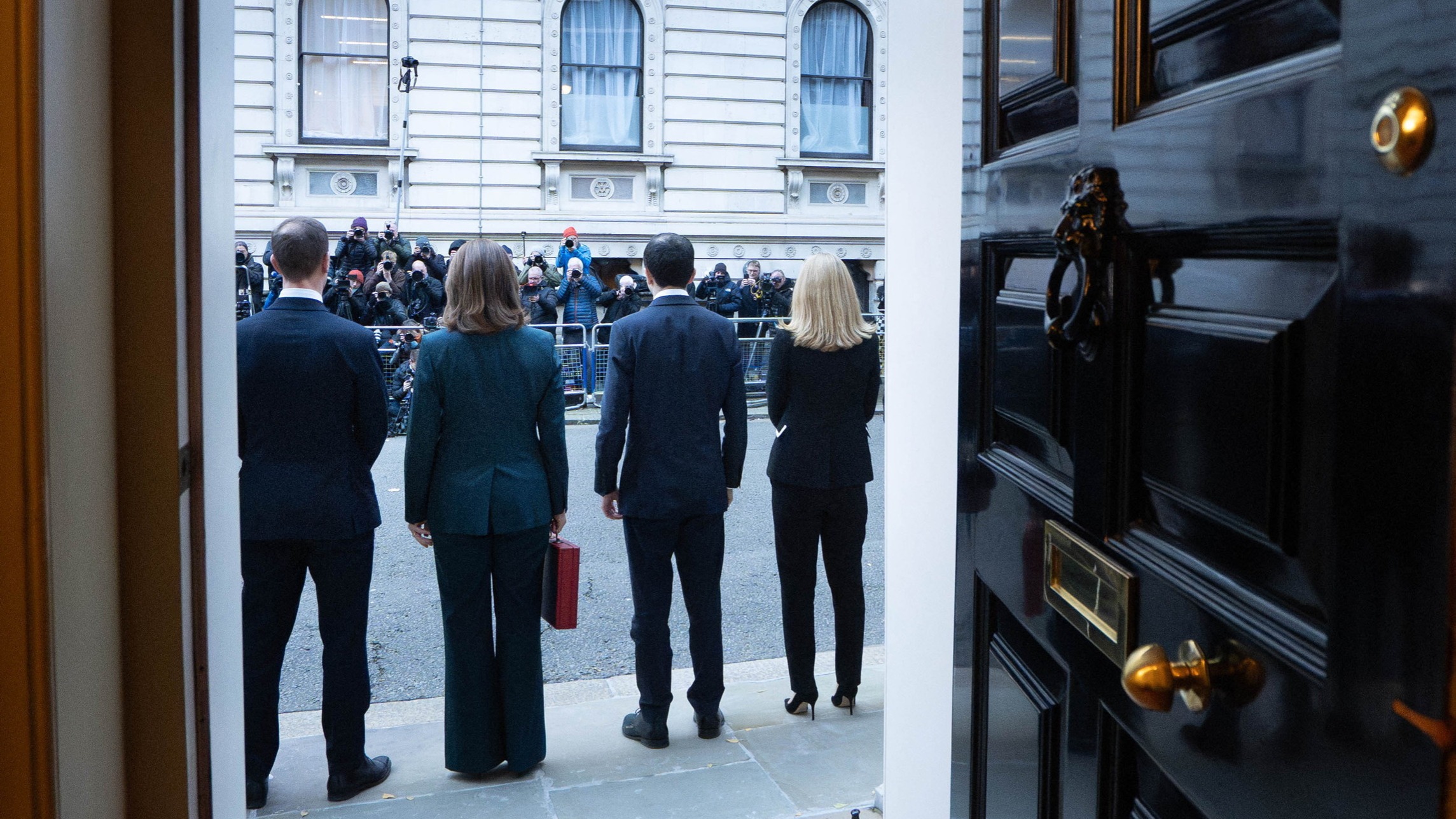
So we’re looking at specifically the UK economy here with its slow growth and productivity growth, and this is bad news for the public finances. We’re expecting the Office for Budget Responsibility, which is the UK’s official watchdog, to downgrade its projection for trend productivity in the upcoming Budget on November 26. That is bad news for the public finances, bad news for tax revenue. Some people are talking about a fiscal hole of up to £30bn, which will need to be filled with tax increases. So what are you expecting in the Budget?
Tim Leunig
What I’m hoping for is she’ll go much further than people expect. Jeremy Hunt, the former chancellor, has said that the UK government should run a surplus of £30bn or £35bn, and he’s right. I wish he thought of that before he was chancellor, of course. But those of us who are fiscal purists should be grateful for every sinner who repents, no matter how badly they sinned when they were in office. And I hope Rachel Reeves does that. I hope she doesn’t just close the existing gap that the OBR will put forward, but create a really big surplus that would reassure the markets that this is a government that is serious about the fiscal position, that can be trusted, ’cause that’s how you get interest rates down. And the UK economy needs lower interest rates.
Sam Fleming
And actually, even some signals we heard earlier this month from the chancellor in Washington, DC, when she was visiting there for the IMF/ world banks meetings, suggested that she does want to increase her fiscal buffer. And we started to see some improvements in borrowing costs in the market. So you can already see even a signal in this direction seems to be well received by investors.
Tim Leunig
Absolutely, but what we have to hope is she doesn’t improve her headroom from £10bn to £12bn or something like that. I think that would really disappoint the markets. I think they’d be very upset.
Sam Fleming
OK. Well, let’s talk about another way of impressing the markets, which is getting higher economic growth, which has not frankly been a theme of the UK’s. Recently the IMF put out its forecasts: second-highest growth rate in the G7 this year according to the IMF, but still pretty low growth by any standard, and per capita growth was looking particularly poor in the IMF forecast for the UK.
So let’s talk a little bit about what the government might do to get growth going. And we’ve heard a lot recently from Rachel Reeves, the chancellor, about planning reform, because she wants to make it easier to build new houses and new infrastructure. Is she right in focusing in this area?
Tim Leunig
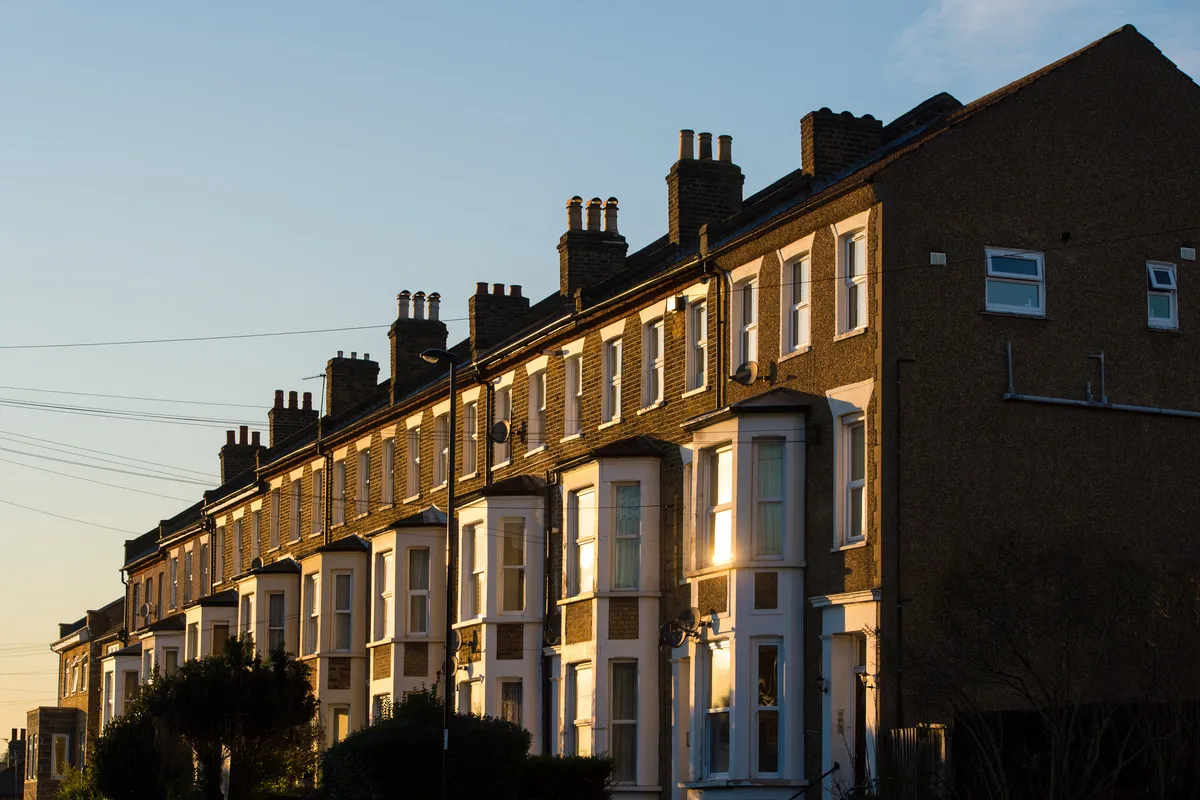
Oh, completely right. As an economist, you can usually work out when something’s going wrong by looking at the price. So the price of cocoa is very high at the moment because the cocoa crop collapsed last year. That tells us there’s something wrong. And we can see in Britain there’s something very wrong when really ordinary one-bedroom flats on the outskirts of London are selling for a third of £1mn. I mean, that’s just absurd. These are the sorts of flats that should be bought by young people, not even necessarily young people with a degree, and they’re completely out of range.
So yes, we need to build a lot more houses in the South East. We don’t need to build a lot more houses in the North East or in Liverpool. Those are perfectly affordable cities, and that’s great for residents who live there. But in the south, and particularly the South East, we should be building as never before. And not just housing either — infrastructure, but also places for business.
Sam Fleming
Well, let’s just briefly touch on housing, because the government has quite high housebuilding targets. What are the main reasons why those houses aren’t being built in the South East?
Tim Leunig
So the only reason is the planning system. If we reform the planning system so that lots more permissions were given, so that builders were then in competition with each other and knew that if they didn’t build on their site, the other rival company would build on theirs, or better still, the other rival companies on theirs and they would end up just owning a plot of land that no one wanted to build on because there was no demand left, then they would build out. So what we need is proper competition between builders, and the only way you can have that is to have a lot of sites. We should also get rid of some of the obstacles we put in the way. The most absurd one we had recently was the jumping spider in Ebbsfleet.
Sam Fleming
The jumping spider?
Tim Leunig
The jumping spider. That isn’t even in Ebbsfleet. Ebbsfleet, for those of you who don’t know, is literally a hole in the ground. It’s a former quarry in north Kent that used to be the basis for cement works, and there’s a very fast railway line. It’s the London–Paris railway line that runs through it, and it has a station, and you can run domestic services from Ebbsfleet to St Pancras. It’s a perfect place to build loads and loads of houses. So the government bought the site — £35mn. And then the next year English Nature said, 10 years ago, we found a jumping spider over a mile away.
Sam Fleming
Sorry to interrupt. What is a jumping spider?
Tim Leunig
It’s literally a spider that jumps (laughs). It jumps a couple of inches. And they’re very rare in Britain because we don’t have the sort of place they live. They like living in very disturbed post-industrial sites, so they only live in two places in Britain. And the area north of Ebbsfleet is one of them.
Tim Leunig
But then Natural England, part of the government, said to the other part of the government, Homes England, well, you can’t build any houses there. Even though we last saw one of these spiders over a mile away in 2012. And even though to get from place to the other, the jumping spider would have to jump over an industrial estate and then up a 25-metre tall chalk cliff, which no jumping spider of this type has ever been capable of doing. But despite all that, they listed the area as a site of special scientific interest. But frankly, Natural England got it wrong. No pressure group, no bird group, no wildlife group said, please take the Ebbsfleet site and protect it. Not one, but they did so anyway. And that’s just killing economic growth.
Sam Fleming
So we’re talking about reform to the planning system. I mean, how difficult would it be to get those planning reforms through? Would there be enormous opposition? Because maybe there isn’t a real problem with jumping spider protection, but there could be other species which genuinely would be damaged if the rules were watered down.
Tim Leunig
So there could be, and that’s why you’d have to water them down sensibly. And here’s another good example. You can’t build anywhere where there is a wild nesting bird. There are no exceptions to that rule. So if, as happened to a friend of mine who runs a social housing company, you’re demolishing a building to put up much-needed social housing for 29 families in need, and you find a breeding pigeon, you have to stop work. It’s going to cost them tens of thousands of pounds in additional fees for scaffolding, delaying all the works, etc. And there’s 29 families whose much-needed homes will be delayed, all because of one breeding pigeon.
Now, we have a list of endangered birds in Britain. From memory, it’s a list of 35 birds. It would be straightforward for the government to change the 1981 Margaret Thatcher, Michael Heseltine Wildlife and Countryside Act to say only these 35 birds. Any other birds, frankly, if you find a pigeon and you are going about your lawful activity and you have planning permission, you would be allowed just to move the pigeons out of the way. And if they live, they live, and bluntly, if they die, they die. But we then, as a country, would be saying those 29 families in desperate need of housing are more important than one family of pigeons. I think that’s an obvious thing to do, but it’s been the case since 1981, and we haven’t changed it since. So I’m not holding my breath.
Sam Fleming
So does the UK’s fondness for jumping spiders and pigeons mark us out somehow? Is the country unusual in European terms, at least when it comes to the protections it affords animals, and the extent to which these can block development?
Tim Leunig
The UK is completely unique in this way. But then the UK is completely unique in many ways because we were the first industrial nation. So Britain is as industrialised in 1845 as France and Germany are in 1945. So they create their whole infrastructure, their whole planning system, etc, in an era where they know they still need to build left, right and centre to become a modern economy.
Whereas in the postwar era, we’ve got most of the things we need. We already have a tube system in London. We already have most of the houses we still live in today, and therefore we were able to be much more protective about green space, about animals and so on than other countries. And we didn’t pay much of a price for many years, but it is now catching up with us. It’s not an animal that literally bites us on the backside, but in economic growth these restrictions really are biting us on the backside.
Sam Fleming
What would the results be if some of these constraints were removed? I mean, what kind of infrastructure and economic growth will be unlocked? And we are in the middle of a planning bill going through under the current government, although it’s having a pretty tough time in the House of Lords at the moment. Does that planning reform go far enough? Should there be big amendments to . . .
Tim Leunig
Yes, there should be amendments, and the government should accept the amendments. One member of the House of Lords has put down an amendment to change the pigeon law, and the government, I understand, has rejected that amendment, which is terrible. So the government’s made a conscious choice to continue to prefer pigeons to homeless people in terms of who most needs support. I think this is just bizarre. It would lead to more houses. It would lead to us building pylons faster. At the moment, we’re . . . What are we throwing away? A billion a year in wind energy because we don’t have enough pylons to get it to the people who need it. So we’re literally paying a billion a year for people to turn off their wind turbines. We need to get more pylons built. It’s literally a no-brainer in my view. But then I’m not a wildlife campaigner.
Sam Fleming
We are probably gonna get a second planning bill later in this parliament as well, which might . . .
Tim Leunig
I hope so.
Sam Fleming
Focus a bit on infrastructure. So going beyond the kind of amendments you are talking about, what other measures are needed in this country to unlock more infrastructure? What are the other barriers that are in the way?
Tim Leunig
When we were building pylons back in the postwar period, we basically didn’t consult people. Some engineers worked out the best way for the pylons to run. And if you were more than, I don’t know . . . The distance between you and the pylons was more than 10 times the height of the pylon, you had no right to object. You could see the pylon for sure. It changed your view, but you didn’t own the view. Whereas we’ve now decided that anyone can put in an objection. I can put in an objection about a pylon somewhere hundreds of miles from where I live on the grounds that I might one day want to go on holiday there. Well, that’s not a very sensible way of generating economic growth.
We’re not going to get people to love pylons in their backyard, but we do need pylons in some people’s backyards if the country’s to have any economic growth. We also need more traffic. We need more industry. Buckinghamshire Council rejected a film studio on the grounds they didn’t think the promoters had proven the need for it. Well, the promoters were willing to spend £800mn building it. Now, I don’t know about you, Sam, but I’ve never spent £800mn without having some thought as to what I was going to achieve. And if someone comes to me and says, I’ve literally raised £800mn, I’m confident that they think they can make money. Now, they might be wrong after the event, but for a council to be allowed to say, oh, I’m not sure you’ve got a business case, is absurd.
Sam Fleming
Well, this points, in a sense, to one of the interesting things about the UK planning system, which is the amount of local discretion that is embedded in the system. If you had a sort of godlike ability to rewrite the planning system in the UK to allow more of this development to go through, how would you change the more structural nature of the planning system?
Tim Leunig
So I like local authorities having some discretion. I would love local authorities to be able to say what can and cannot happen in their area, subject to hitting the right amount. So they should simply be told that, you know . . . It’s like Lego, you are told how many houses you’ve gotta build in your area, and you can decide if you’d like a few tower blocks, a larger number of mansion blocks, or whether you want to concrete over the countryside, as people always say, by building more houses. But you’ve got to hit your total target. And if you don’t, anything will go.
Sam Fleming
We’ve talked a bit about pylons, we’ve talked about development in Ebbsfleet, other areas, housing, we’ve spoken about apartment blocks. What about transport infrastructure? What would you like to see when it comes to unlocking more transport infrastructure? Do we need more airports in this country? Do we need more motorways? Do we need more railways?
Tim Leunig
So we certainly don’t need more airports, but what we do need is more runways and in some cases more terminal space. But you don’t want lots and lots of separate airports because then you have problems of sorting out the airspace above them. London already has more airports, I think, than any other major city in the world, but we’re also one of the very few large cities that doesn’t have a proper four-runway hub airport.
And even now we only talk about adding one runway at Heathrow, which is the busiest two-runway in the world, and one which will only be used part-time at Gatwick, which is the second busiest single-runway airport in the world. So it would make sense to move Heathrow to four, Gatwick to two, Stansted to two for sure.
And that’s particularly important for long-haul flights, because long-haul planes are now getting smaller. The Boeing 747 is no longer flying. The Airbus 380 is out of production, and we’re seeing what most of us think of are short-haul planes now flying transatlantic. If you fly with JetBlue to the United States, for example, the plane is the same size as you might otherwise go to Spain, and some of those planes are only going to have 100 and 120 seats on them. So we’re going to need a lot more runways when the planes get smaller. So the need for runways has gone from being important to very urgent.
Sam Fleming
And roads? Do we need more motorways?
Tim Leunig
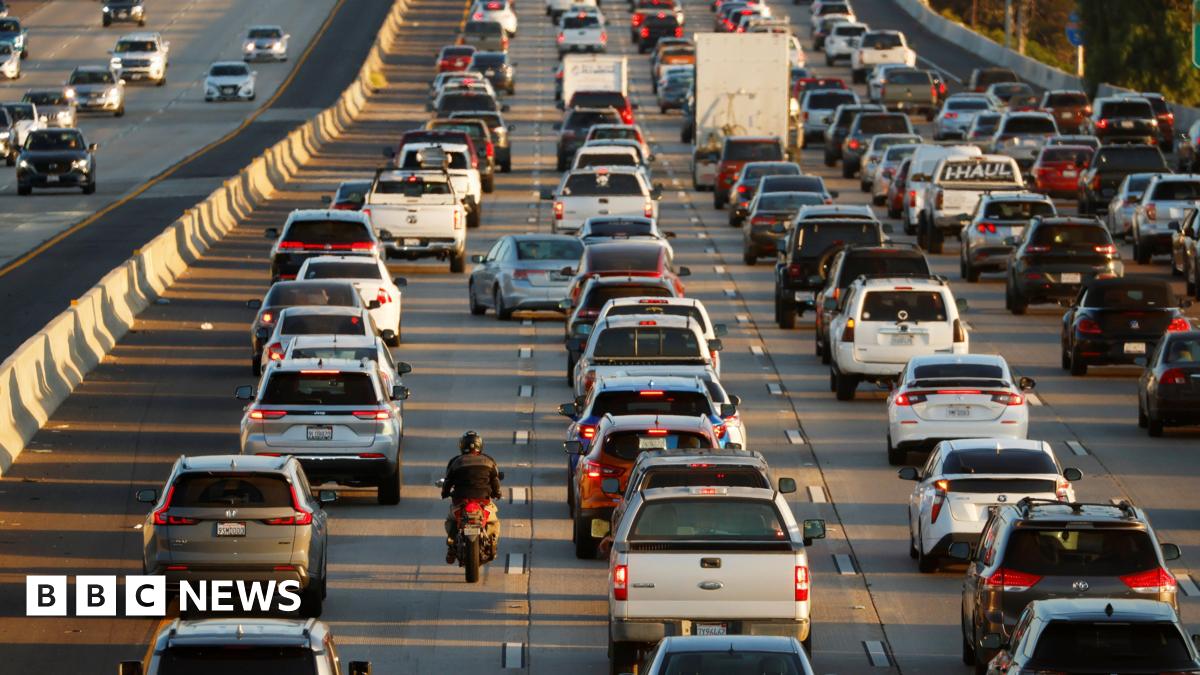
We absolutely need more motorways. In my adult lifetime, Britain has built about 400 miles of motorway. That’s absolutely tiny. In that period we’ve been overtaken by many countries in eastern Europe. If you look at the amount of motorways per square mile and relative to population, you’ll discover Britain is now bottom of the league table of western Europe. Actually, I exaggerate. We’re above Iceland, which has no motorways, but we are behind the Netherlands, Spain, France, Germany, and also behind the United States, etc. France has twice as many motorways as we do; so does Italy. Germany has two-and-a-half times as many. The US has three times as many. The Netherlands has four times as many.
So when I say we need more motorways, I’m not just talking about a mile here and a mile there. Plausibly, we should be doubling the amount of motorways we have in the UK. It’s utterly bizarre that Felixstowe, our main port, is nowhere near a motorway. That’s just madness. I mean, no wonder the Czech Republic is catching up with us. They’ve literally overtaken us in the last 20 years in how many motorways they have, because we have made a decision to just pretend that economic growth doesn’t have infrastructure requirements. And it does. And as a country, if we want to grow, we’ve gotta make a choice.
Sam Fleming
Yeah. I mean, the country seems to put a greater policy priority on railway infrastructure than road infrastructure. Doesn’t that make sense in many ways in terms of the environmental benefits, for example?
Tim Leunig
Railways are almost irrelevant to most people. I mean, you and I are sitting here in central London, and we are in the railway and tube capital of the country by a long way. Indeed, the Underground is used by more people a year than the entire British rail network, because railways just aren’t used by the rest of the country. And this is true around the world. Railways aren’t irrelevant, but railways between places, they’re not that important, particularly in a country like Britain where our cities are not in a line. In Japan, all the cities are in a line, so you can build a railway from one to another, and that’s perfect. But in Britain, no. Railways, we don’t need any more.
Sam Fleming
Well, after the break, we’ll be talking about how to get rid of the cash economy, how nice the chancellor should be to small firms, and whether Rachel Reeves is right to be putting the price of Brexit back on the public agenda.
[MUSIC PLAYING]
And we’re back. Tim, we’ve spoken about the physical world and how planning rules are slowing us down. Let’s talk about the world of tax. The tax system in this country has been widely decried as a barrier for growth. I think that’s something that many politicians also would agree with. The classic one, I suppose, will be stamp duty, which is the tax the country imposes on the purchase of a property, which disincentivises people from moving house, which is bad for economic growth and just bad economic policy in general, but what about value added tax, VAT? This is the tax on things you buy. You’ve spoken in the past about reforms to the VAT system to boost productivity. First of all, tell us what these reforms would be and why would this be a big help to the economy?
Tim Leunig
VAT is a very weird tax. You only pay it if you are a company with a turnover of more than 90,000, and if you are in a relevant sector. And anyone who’s read the VAT manual will know that relevant sector is a very complicated issue. But it’s very odd to say that only large companies pay VAT and small companies don’t, because as McKinsey have said, small business productivity is only half that of large companies. So why on earth would you want a tax system that encourages small business that is less productive, pays less taxes and is less useful? It’s just perverse. But it’s also very popular.
I was at one of the party conferences recently and one of the speakers told me that they needed a subsidy because they were so unproductive they could only pay themselves £4,000 a year for full-time work, to which I said I thought the economy would be better off if they didn’t get a subsidy, they went bankrupt and got a regular job, which didn’t go down very well with the questioner, as you can imagine. But it’s true. We want a lot of these small businesses to look themselves in the eye and think, do I have what it takes to become a big successful business, or should I actually pack up and go home?
And in other countries, you wouldn’t be allowed to be a business of 50,000, 60,000 and not pay VAT. In Germany, for example, and in the Netherlands, you can be a £20,000 business, and then you have to pay VAT. In Sweden and Denmark, once you are earning £7,000 a year, a turnover of £7,000 a year, you have to pay VAT. And in those countries, pretty much all firms are on a level playing field, and they’re not subsidising, in effect, small, inefficient firms, which are not the backbone of the economy. They’re the soft underbelly.
Sam Fleming
I suppose it would encourage companies to scale up as well if they didn’t have this big hurdle they had to leap . . .
Tim Leunig
Absolutely. If you’re a Danish company, you are always going to be over £7,000 a year, because basically it’s just hobby firms, side hustles that are below that, so you can always take on extra business. Whereas in Britain, there’s a huge drop in the number of firms. Once you get to the threshold, people take a month off ’cause they don’t want to go over the threshold. I mean, that’s hopeless. You don’t want people stopping work for a month just because of a VAT threshold. That’s not a way to get economic growth, quite the reverse.
Sam Fleming:
But how big a barrier do you think this is? I mean, how distortive do you think it is when it comes to the economic performance of the country? Would reform here be a marginal change or do you think it actually could be something that you’d even notice in the aggregate numbers?
Tim Leunig
I think you’d notice it in the aggregate numbers within five years or so, but let’s be honest, in a complicated £2.7tn economy, nothing is going to add 1 per cent, 2 per cent. There’s no tax reform. That is a whole percentage point. The best you could look at is 0.1 of a per cent from pretty much any single tax change. And that’s why reform is hard, because that lady who was very unhappy with me at the party conference, she will kick up a fuss and the government thinks, oh, it’s only however much a benefit it is. You have to take on pressure groups for all of these. But if you don’t take them on, you’re stuck where we are today: one of the poorer countries in Europe.
Sam Fleming
I mean, when you talk about pressure groups and the difficulties of tax reform, VAT is actually a great example, isn’t it? Because it’s so . . . the system is so full of exemptions and zero ratings. It’s incredibly complex. Would you, again, if you had a sort of godlike ability to reform the VAT system in this country, what would you do?
Tim Leunig
I would follow New Zealand and put VAT on absolutely everything, including food, including children’s clothes, including mobility scooters, and so on and so forth. And the world wouldn’t end. New Zealand is not a place with thousands of people who are literally starving because food is so expensive. What we know is that most products, there are cheap products for poor people, expensive products for rich people. The cheapest babygrow I could find at the moment was £1 a babygrow in Asda. I could equally find a babygrow for £560 from Dolce & Gabbana, and I found one in Chanel that was made to measure and told me to ring them if I wanted to inquire about the price. But saving a relatively poor person 20p on a babygrow while exempting someone who’s rich by more than £100 in VAT doesn’t seem to me a good way of ensuring poor people can live decent lives.
Sam Fleming
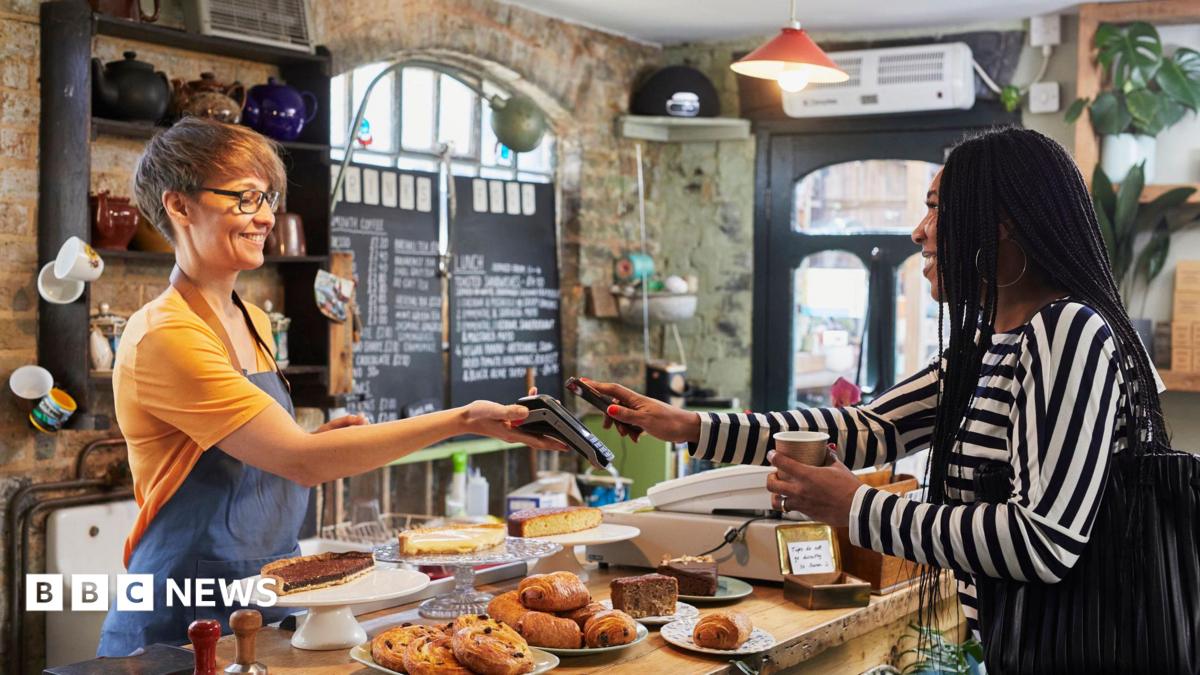
You’ve also spoken in the past about eliminating the cash economy, so getting everyone to pay with cards. I suppose it would be a good way of cracking down on fraud and tax evasion for one, but with a mind to getting growth boosting reforms through in the Budget. What would that achieve?
Tim Leunig
Well, let’s not knock the growth benefits of cutting down on tax fraud. The government currently loses £46bn a year in tax fraud, and a large amount of that is in the cash economy. So let’s say we literally got rid of the cash economy. We made it illegal, as it is in Norway, to be paid in cash. We made it illegal to ever spend more than £1,000 in cash on any one item, as it is in Italy. Or let’s say we went the whole hog and said you could never spend more than £20 in cash. Let’s say we got rid of notes and just had coins, which would make the cash economy utterly impossible to live in.
The government would then have £46bn. It wouldn’t have to raise other taxes. It could abolish stamp duty four times over and other taxes that get in the way of the economy. It would, of course, have a direct growth effect as well, because then good, honest firms wouldn’t be competing with cowboys who aren’t paying their taxes. So there would be a direct growth effect. But we shouldn’t mock the growth effect from Rachel Reeves suddenly finding another £40bn-odd that she can use in growth-enhancing ways. So yes, reducing the role of cash in the economy would be quite a high priority for me, were I to be the chancellor.
Sam Fleming
That would be quite a fearful price, wouldn’t there, for people in the economy who do rely on cash. I mean, cash is very important for some people.
Tim Leunig
Cash is important for some people, but when you’ve got £46bn, you could do a lot to sort out some of the underlying conditions. So, for example, HSBC has done great work trying to get bank accounts for people who are homeless. But with £46bn, I’d much rather get people who are homeless into a house where they can have a regular bank account like you and me than to have a scheme to help them get a bank account, however valuable that is. So I’d want to use a lot of that, or a chunk of that £46bn, to sort out some of the underlying problems that mean people rely on cash.
Sam Fleming
Brexit is back on the agenda as well. One of the reasons that the Office for Budget Responsibility is likely to forecast very low productivity growth in the budget on the 26th of November is the legacy of Brexit. The OBR has previously said that it believes that Brexit has reduced productivity by 4 per cent compared with what it would be. And we’ve actually also heard quite a lot from Rachel Reeves recently. Increasingly, the Labour party is talking about the price of Brexit, no doubt in part to implicate Nigel Farage of Reform, who was part of the leading lights in the Brexit movement. Do you think they’re right to be talking again about the legacy of Brexit?
Tim Leunig
So I didn’t think anything has changed in the last year or two in terms of the legacy of Brexit. I mean, everything that Rachel Reeves knows now about Brexit, she bluntly knew before the last election. But if we take the OBR’s number of 4 per cent of face value, and I don’t know any economist who thinks it’s wildly out, certainly not any serious economist, then that’s £109bn a year off of UK growth. That’s a lot.
I said earlier, nothing can move the dial by more than 0.1. The one thing that could is reversing Brexit, and if you work it out weekly, that comes out at £850mn a week. I think that’s the sort of number you could put on a bus. And indeed, it’s rather bigger than the £350mn that the Brexit campaign has used. Indeed, if we take their number at face value, I’d say it was great value — pay £350mn, get £850mn. That’s the bargain of the century, and that’s what membership of the European Union was: economically exceptional value. And the sooner we can rejoin, the better.
But realistically, that’s not gonna happen. Even if Keir Starmer rang up his buddies in Europe and said, hey, can we come back? They’re never going to say yes. They can see Nigel Farage is strong in the polls. They know that rejoining would revitalise him tremendously. So sadly, this £109bn a year that we have thrown away, we are going to keep throwing away every single year for the foreseeable future. And oh, that hurts. Those of us who are economically competent, it hurts. Hurts deeply.
Sam Fleming
Can we think about what you might do in terms of the art of the possible then if you do want to at least try and make some sort of re-engagement with the European Union? We’ve heard from the government they’re trying to agree a youth mobility deal with Brussels. There’s also going to be eventually some sort of deal which makes it easier to trade in food and agriculture with Brussels. These are, I think, most economists think fairly marginal in terms of the economic benefits. So presumably you go beyond that. What would you be prioritising, given as you’re saying, a full reversal is unlikely in the foreseeable future?
Tim Leunig
So the best thing to do would be to rejoin the single market. I think that’s very unlikely because it comes with free movement of people, which I don’t think the government is going to sign up to. Failing that, we need a Turkey-style customs union where we get as many things inside a quasi single market as possible. That will make us literally rule-takers. We would have to follow the EU rules and we would get no say. We would’ve given away sovereignty by leaving the EU, but that is the price you have to pay for a very bad initial decision. None of that is as good as rejoining, but it would be better than nothing and it would be worth having.
Sam Fleming
So finally I thought we’d endear ourselves to FT listeners by giving them a bonus-for-growth policy, although I’m not sure how popular this particular idea would be. And this one is one that you’ve spoken about before, about abolishing bank holidays. Now, why would, apart from infuriating the public, abolishing bank holidays be something worth doing?
Tim Leunig
There are two ways to abolish bank holidays. The first is simply to require everyone to work about eight extra days a year, which I think would be a pretty harsh approach, but it would also be better to get rid of those eight days, or at least some of them. I mean, realistically, we’re going to keep Christmas Day and the like. And giving people the choice of when to have it as a holiday.
And people say, but we all need to take time off together. And I say, what do you do? And they say, oh, we go swimming. And I’m like, well, what about the people in the swimming pool? Why don’t they get a bank holiday? Because bank holidays are a bit of a farce these days. They’re really white-collar bank holidays where most blue-collar staff have to go into work.
But seriously, bank holidays disrupt a lot of routines. We should all be trusted to decide when we want to take our own holidays. So yes to Christmas, yes to Boxing Day. Pretty much the rest of them, no. Let people choose when they want to take their holidays. Businesses will run more smoothly, growth will be slightly higher. We can all decide when we want to spend our time with the people we love.
Sam Fleming
So we’ve gone through quite a few ideas now. What do you think are the most likely of your menu of pro-growth reforms to actually ever see the light of day?
Tim Leunig
Oh, I’m sorry, on that one, I’m afraid. I’m sorry, I haven’t a clue. But what I will say is I’m sure some of them will happen, because in this I’m a Keynesian. In the long run, it is ideas, not vested interests, that are powerful, and every single one of the ideas I’ve put forward today has vested interests opposing them. But sooner or later, the government will say, or a government will say, you know what? We need to stand up to these vested interests because growth is more important.
Ted Heath tried that in the ’70s and failed. Before that, Clement Attlee tried it after the second world war and was successful. Margaret Thatcher was also successful. Once in a while, you get a leader who is willing to take people on, stand their ground, and make a difference. I hope we’ll get one of those sooner or later who’s in favour of a cleaner, simpler tax system, who’s in favour of pro-growth policies on infrastructure and land use. And then Britain will grow meaningfully faster, as the countries of eastern Europe have shown is possible.
[MUSIC PLAYING]
Sam Fleming
Tim, thanks for coming on The Economic Show.
Tim Leunig
It’s been a pleasure.
[MUSIC PLAYING]
Sam Fleming
That’s all for this week. You’ve been listening to The Economics Show from the Financial Times. If you enjoyed the show, please do rate and review us wherever you listen. This episode was produced by Lulu Smyth and Persis Love, with original music and sound design from Breen Turner and Sam Giovinco. Our executive producer is Manuela Saragosa. Andrew Georgiades is our broadcast engineer. I’m Sam Fleming. Thanks for listening.
[MUSIC PLAYING]