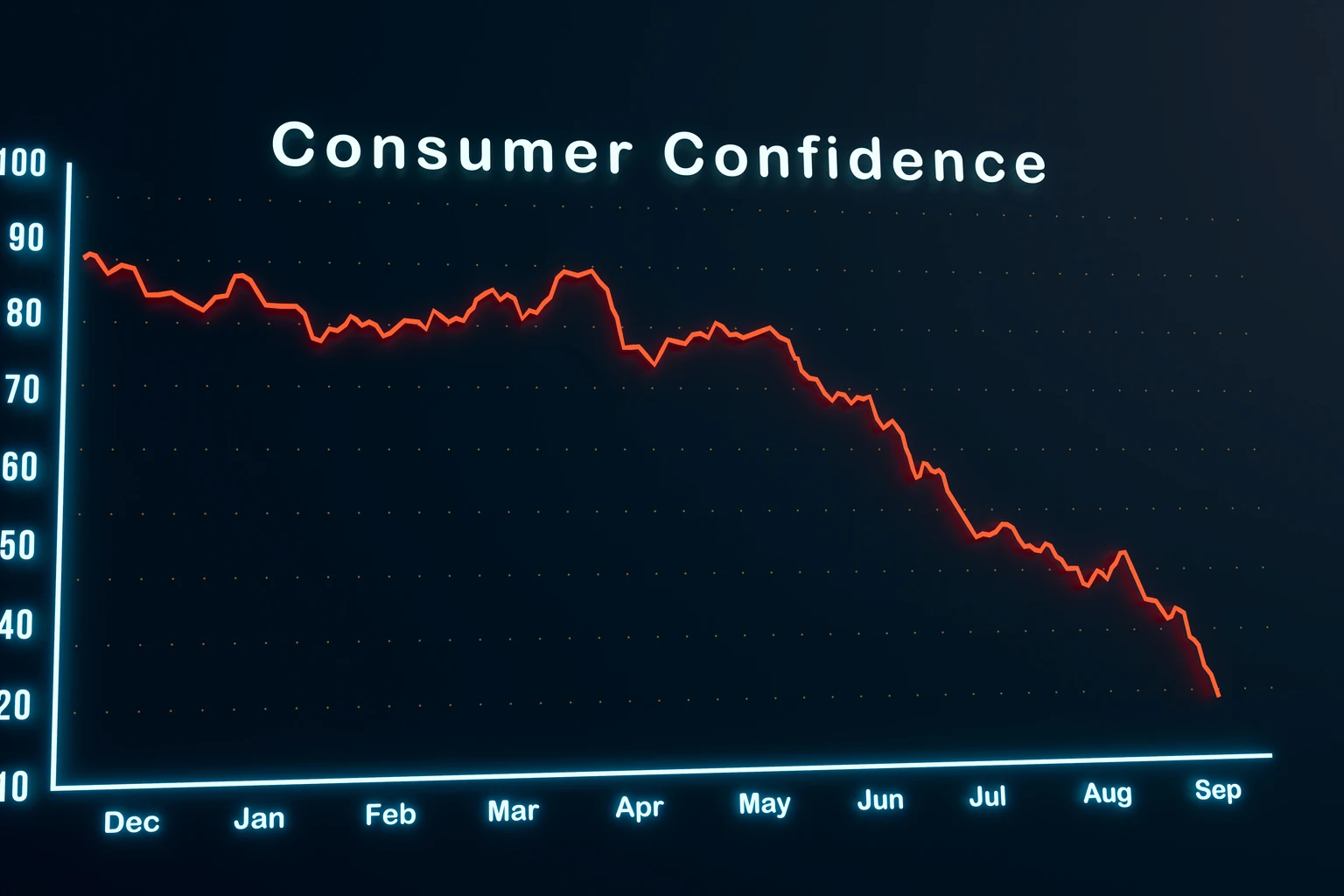
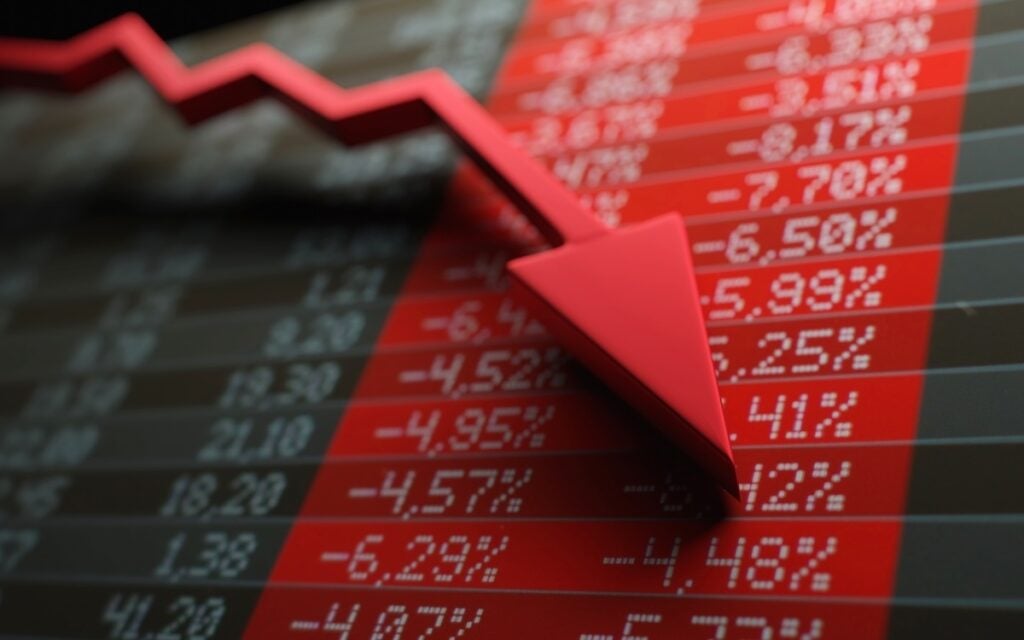
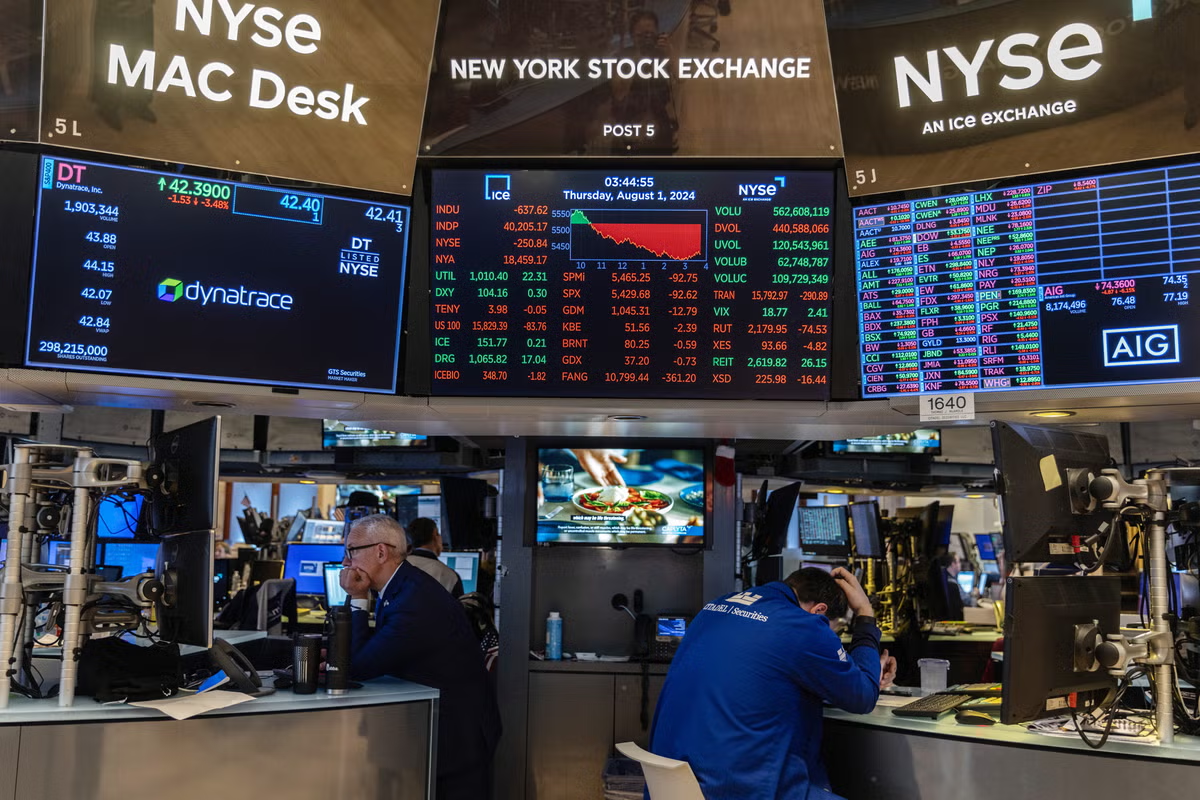
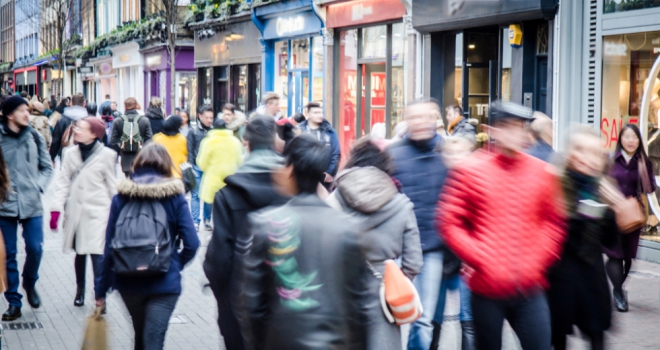
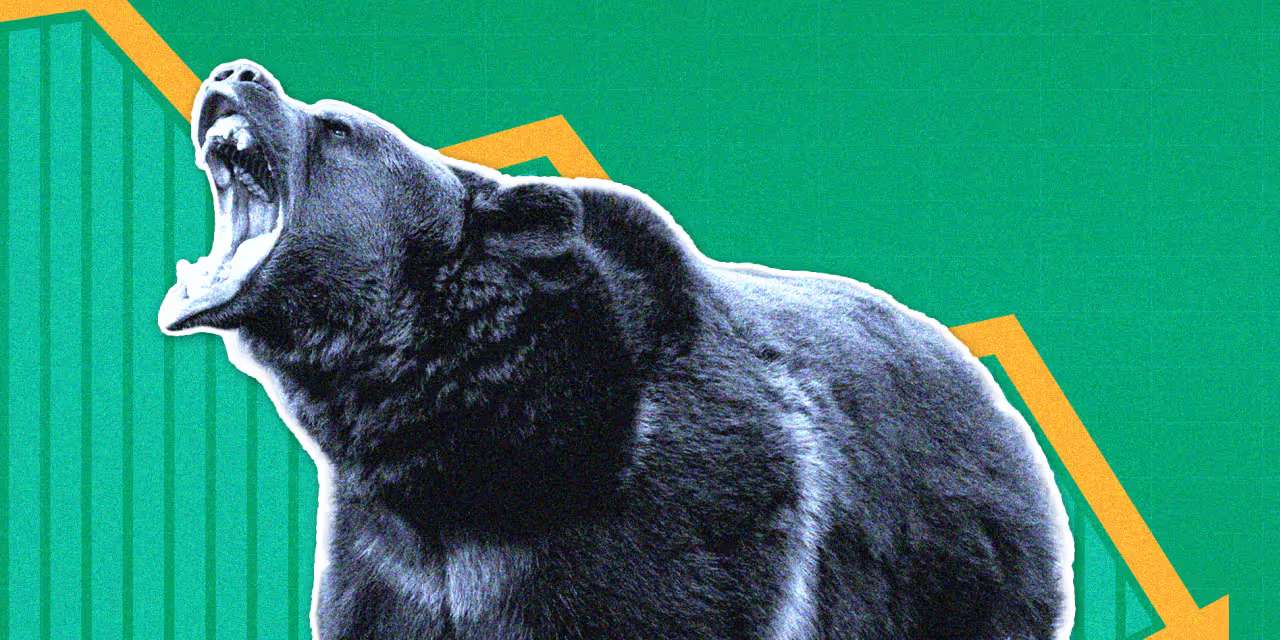
Consumer confidence has sunk to its lowest level in a year, and long-term optimism is at a 15-year low. Are we bearing witness to economic conditions that precede a major downturn?
It does seem like that is where the global and domestic economies are heading.
These latest data points are a flashing warning light for a government that keeps talking up a recovery few Australians can actually feel.
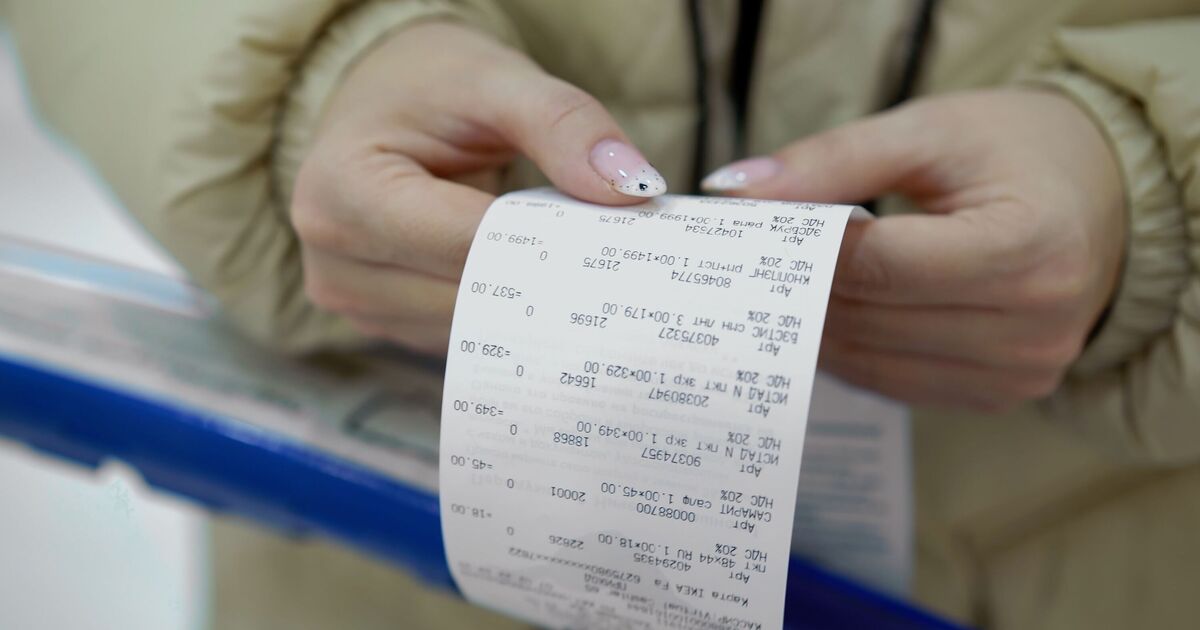
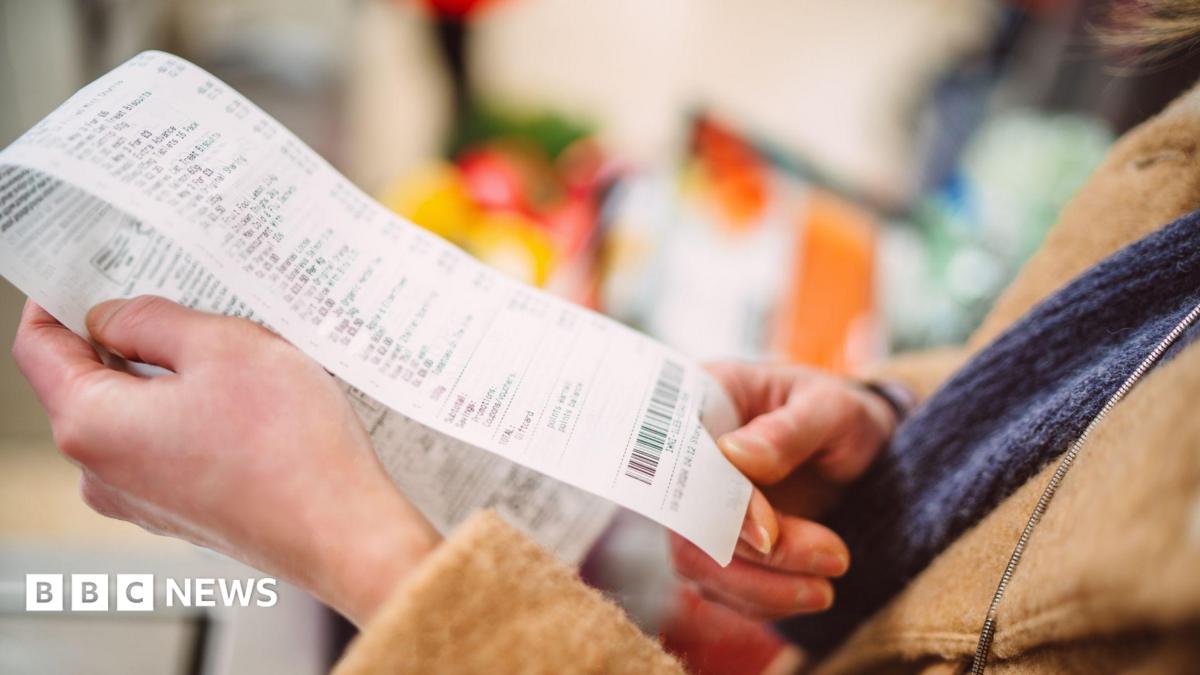
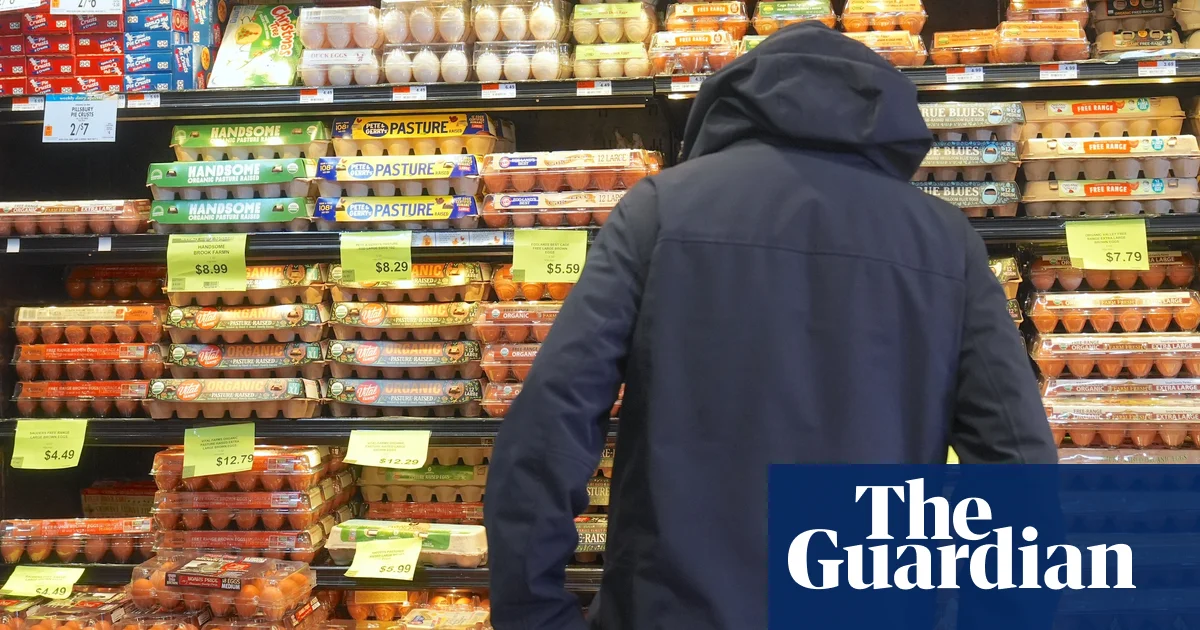
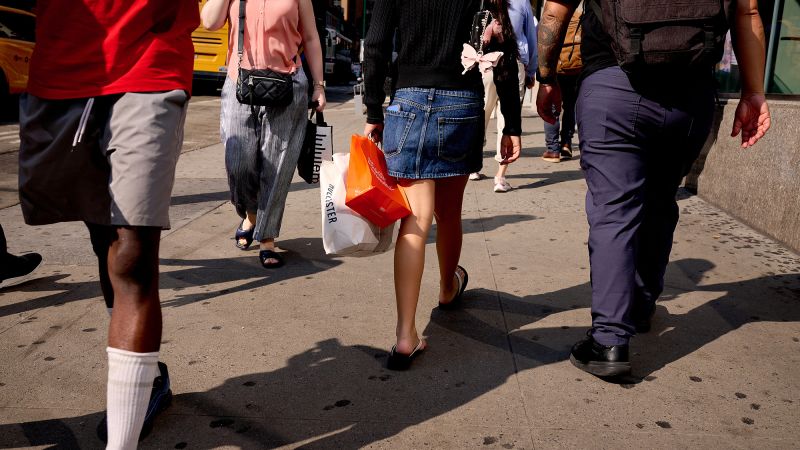
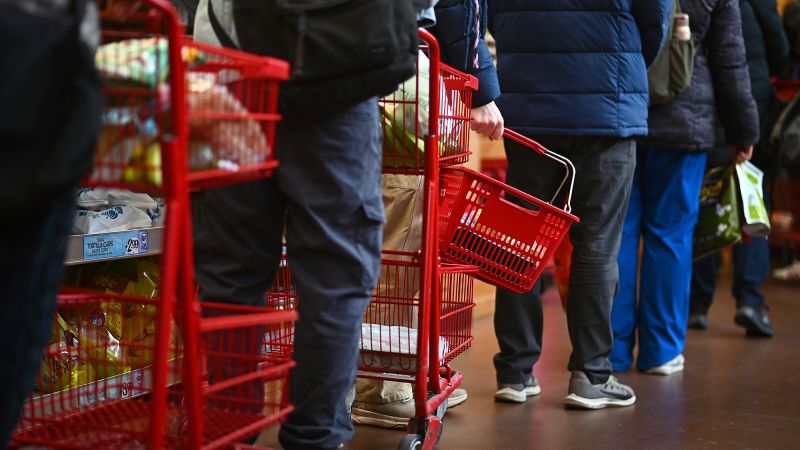
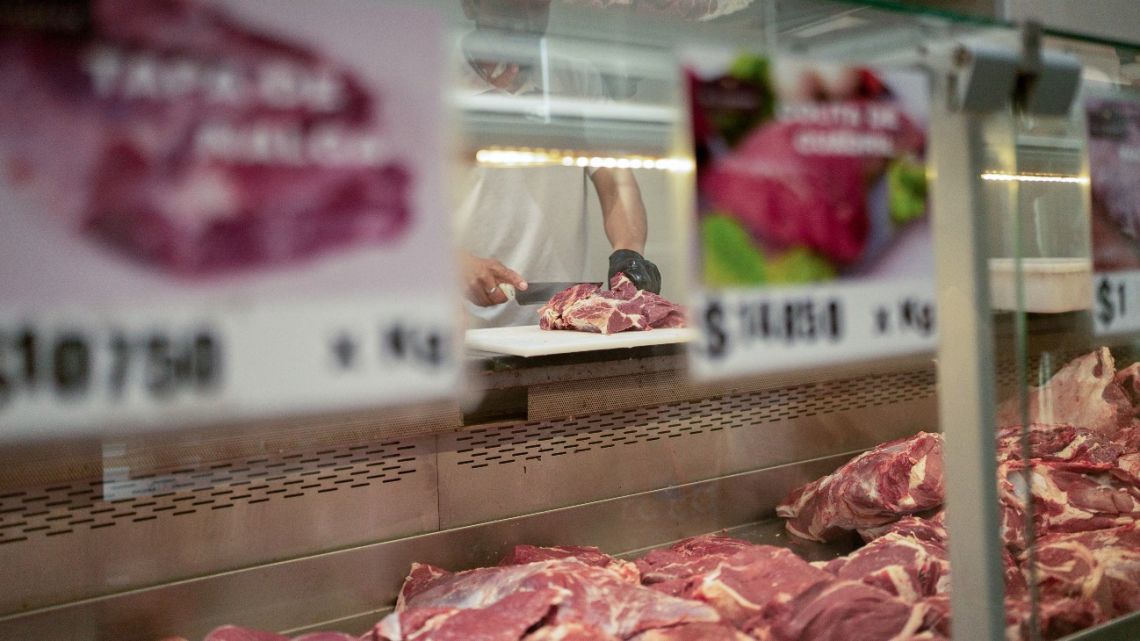
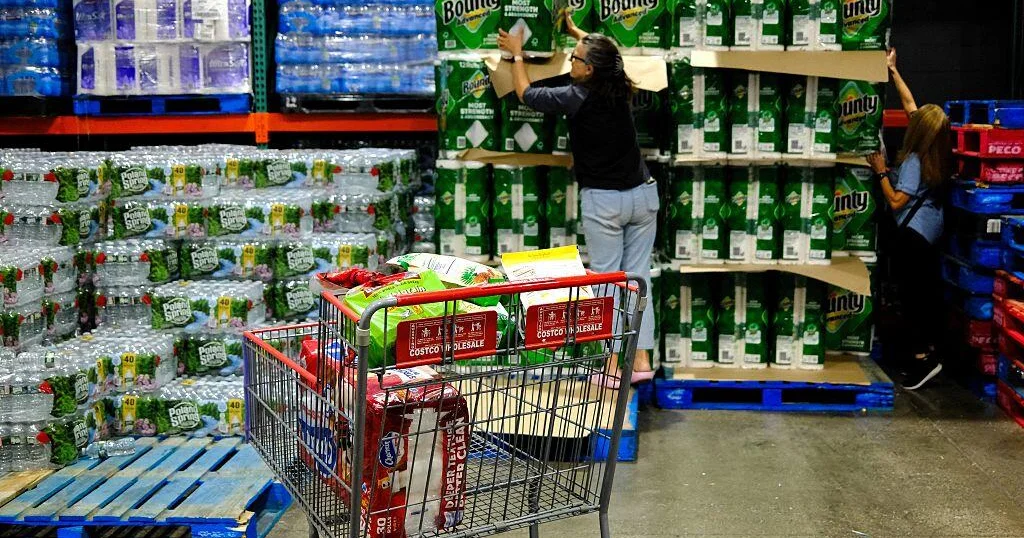
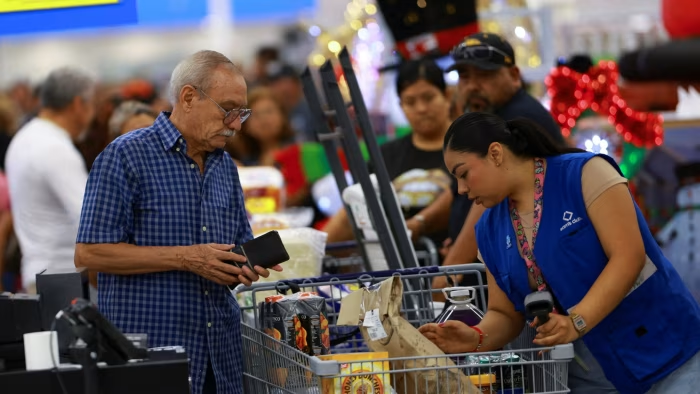
The latest ANZ Roy Morgan survey confirms what every supermarket receipt and power bill already tells us: households are worried. Not just about what’s happening right now, but also about the coming five years and the economic uncertainty that abounds.
When people stop believing things will get better, policy levers stop working. Consumer and business confidence is important, but both are on the wane.
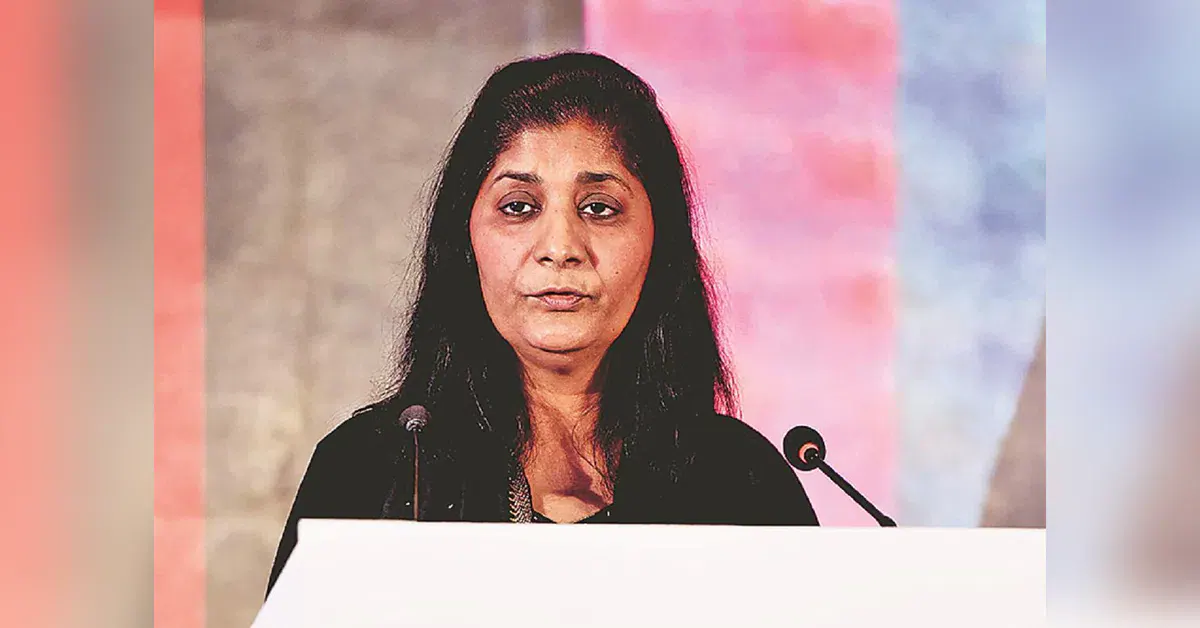
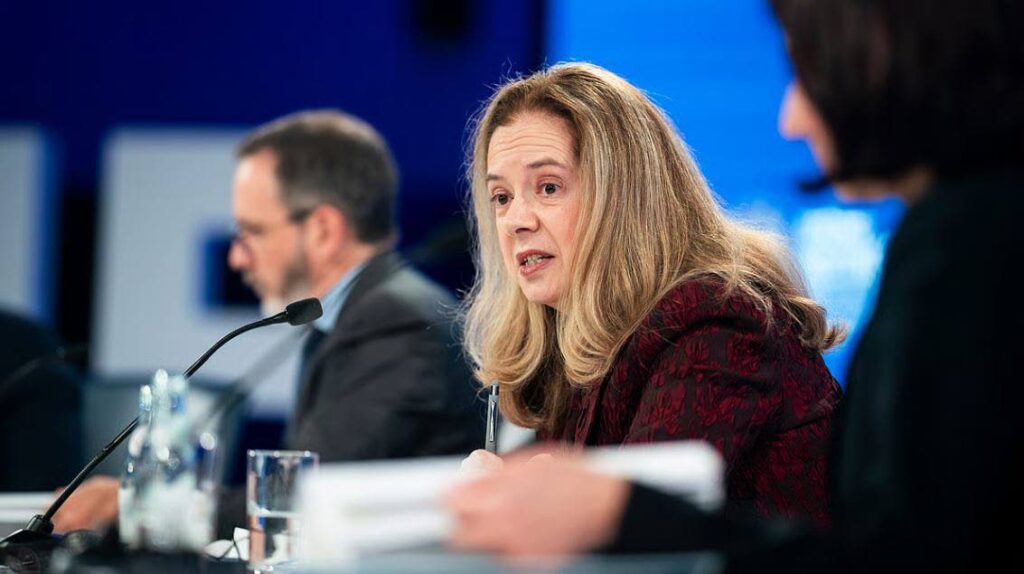
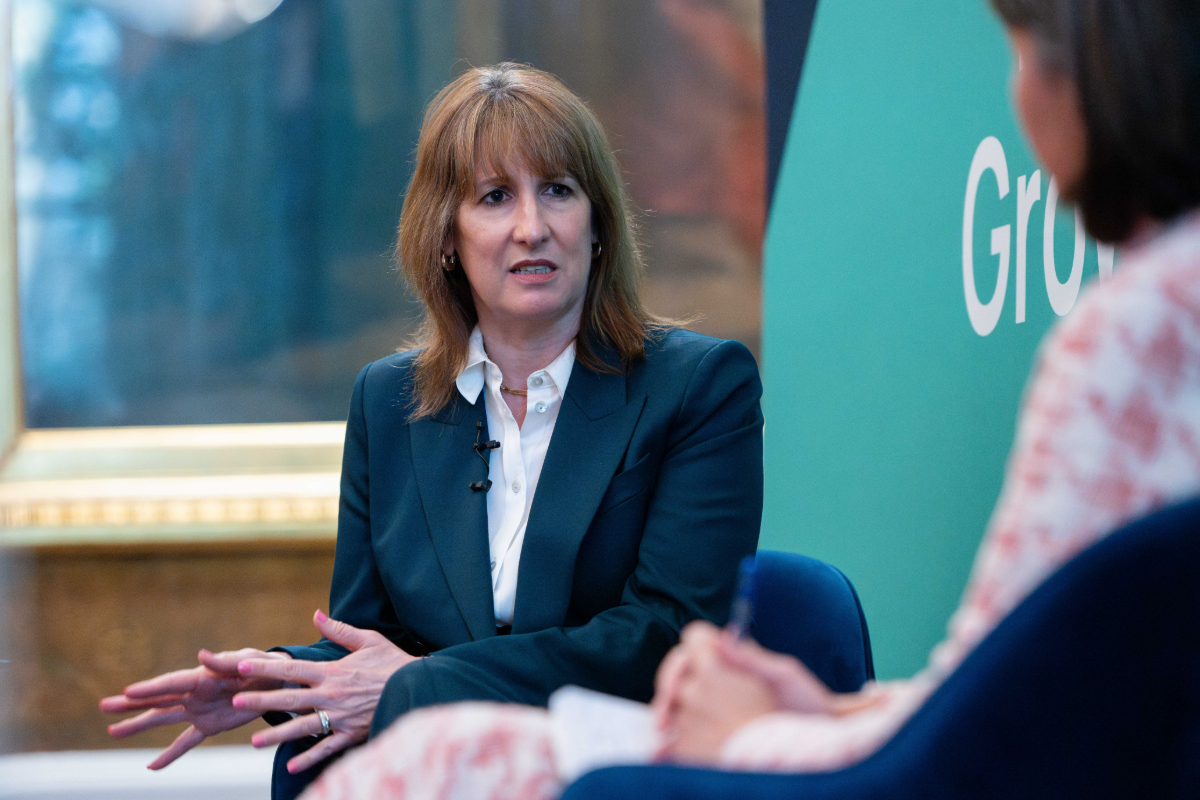
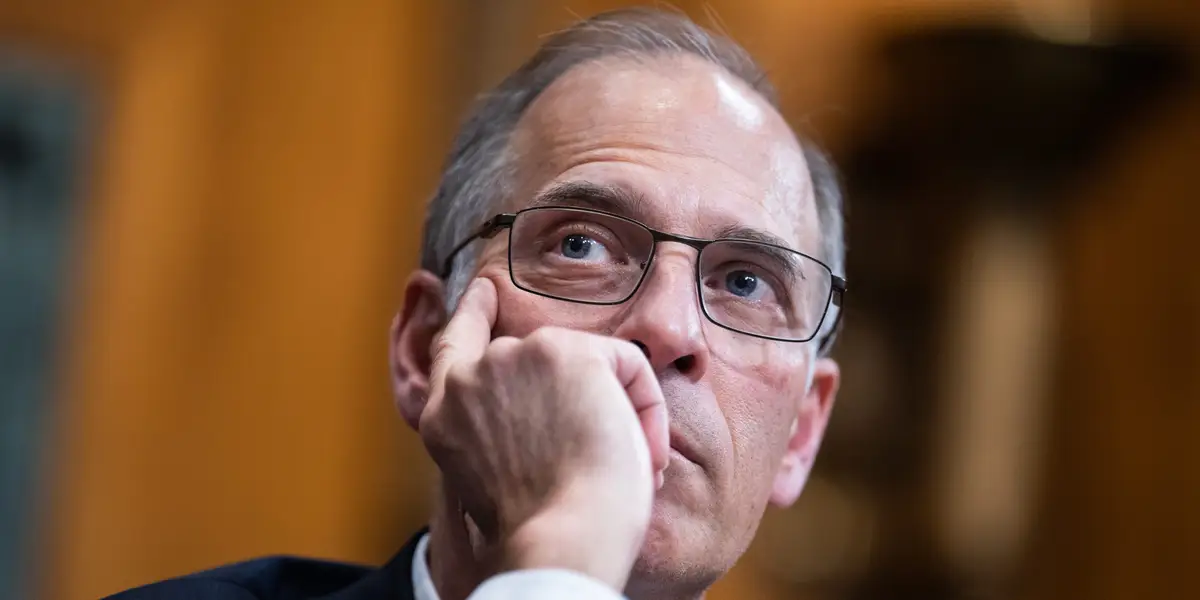
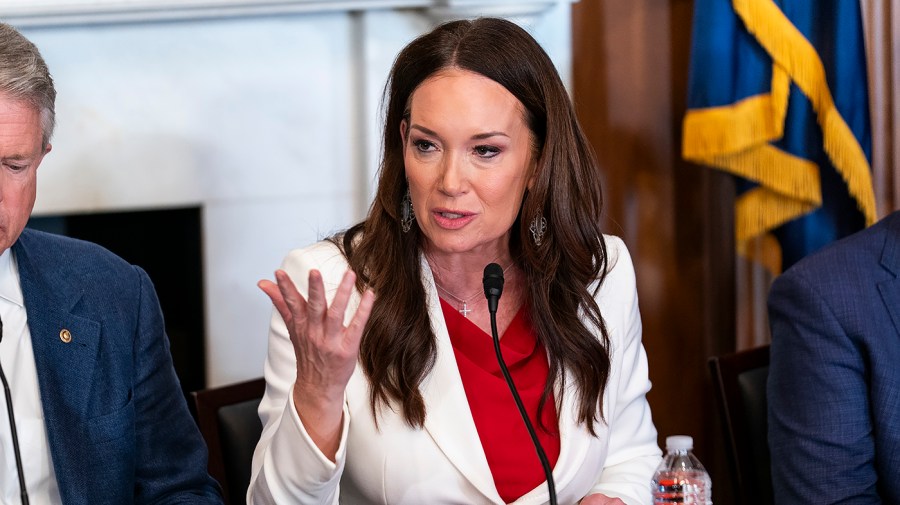
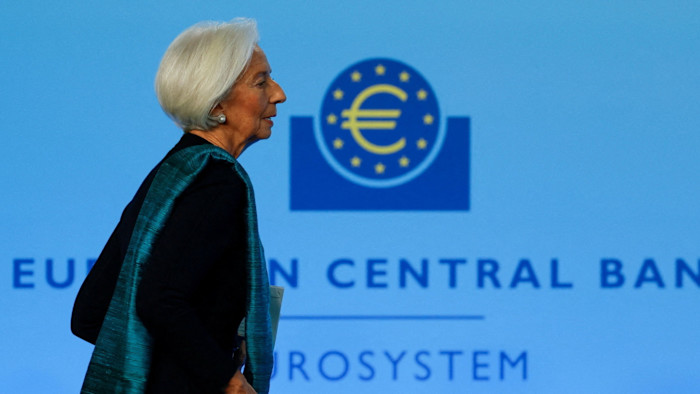
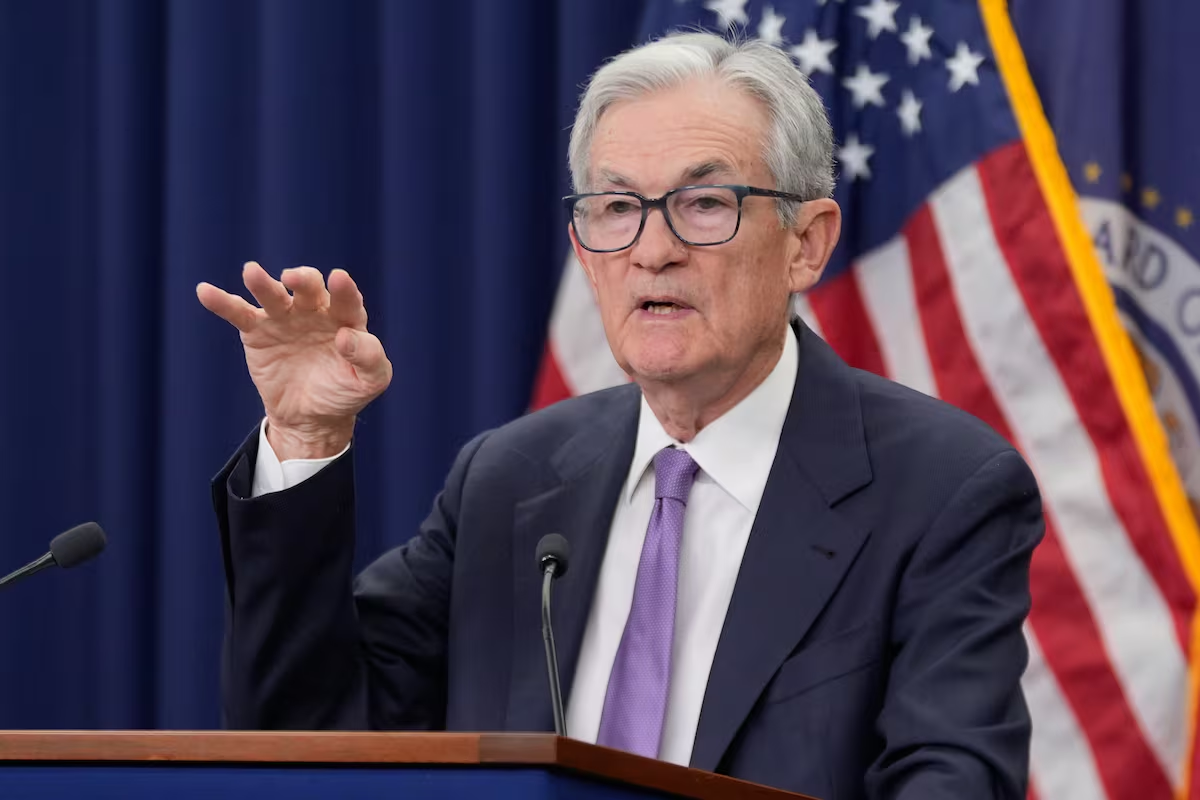
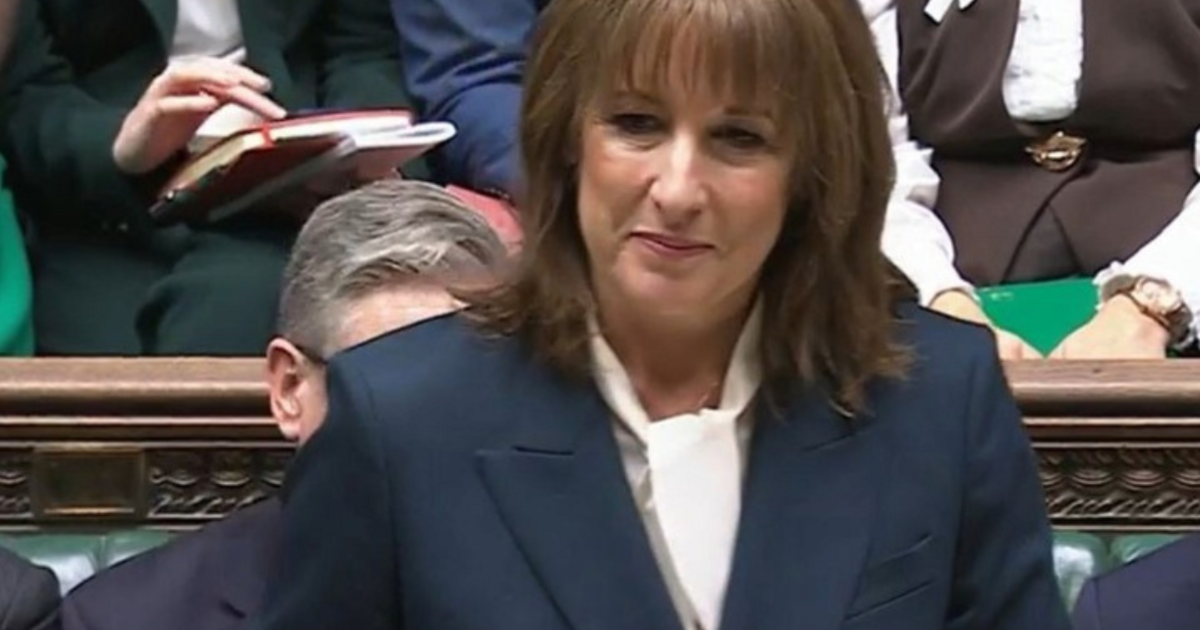
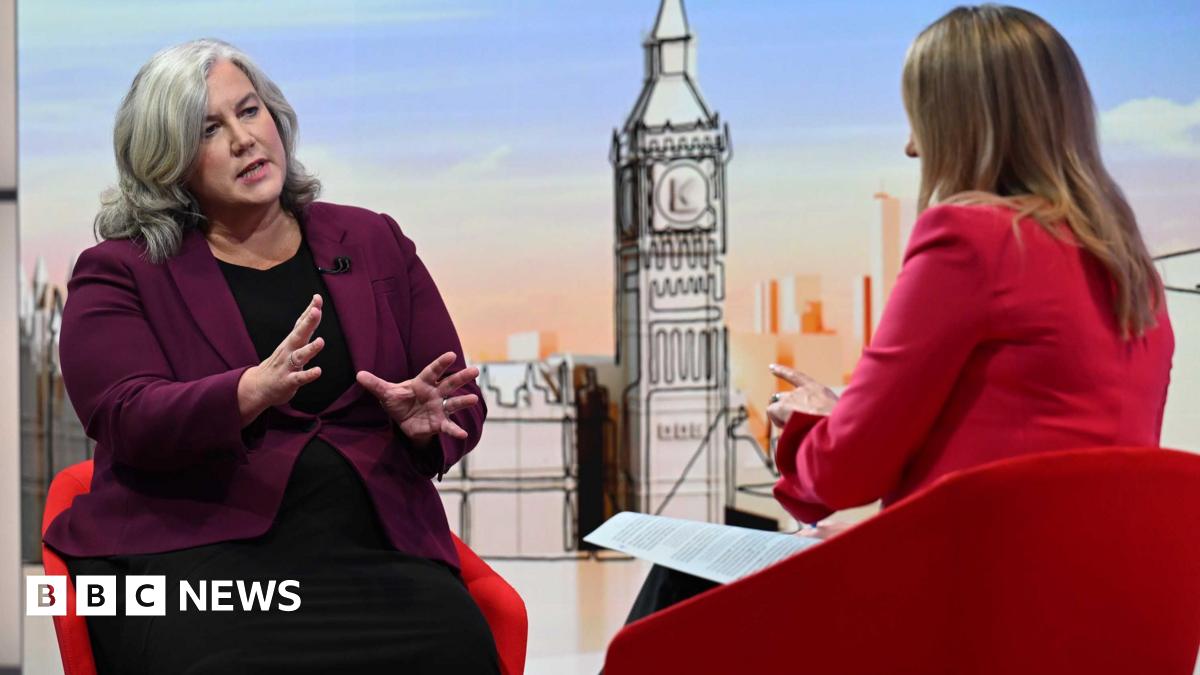
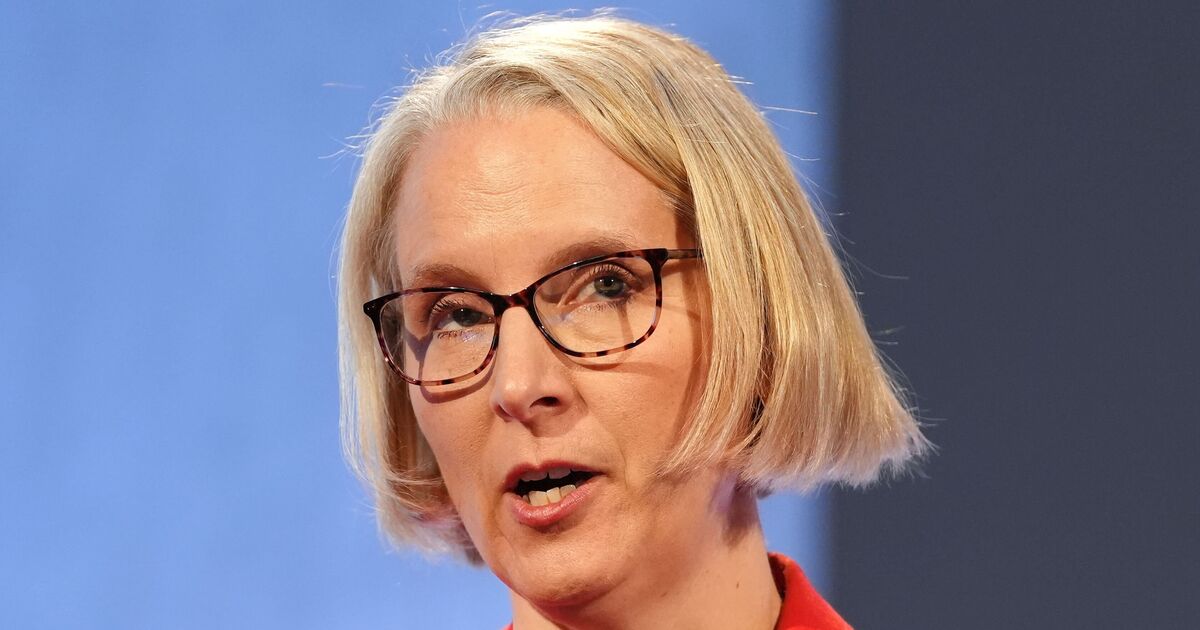
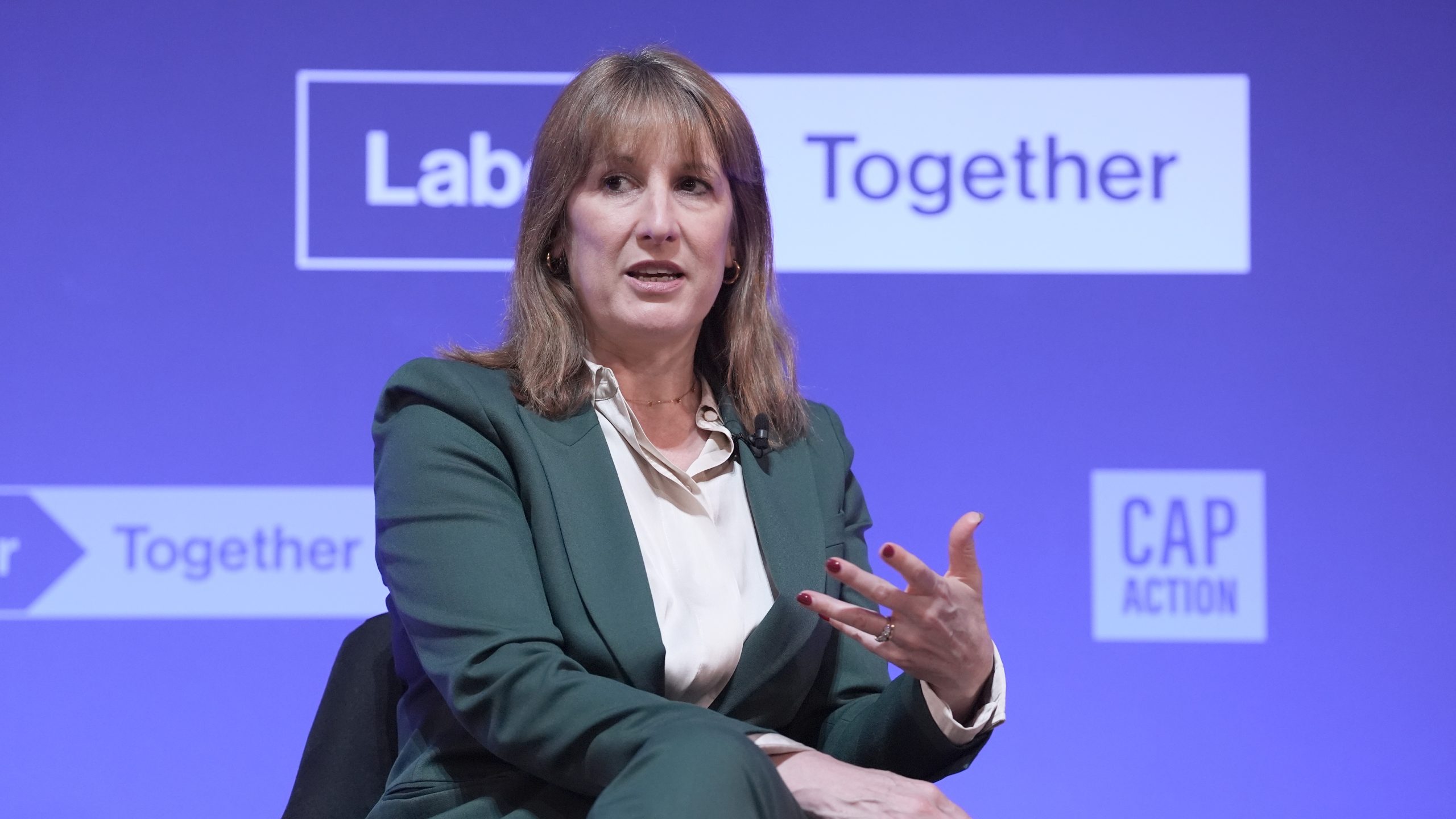
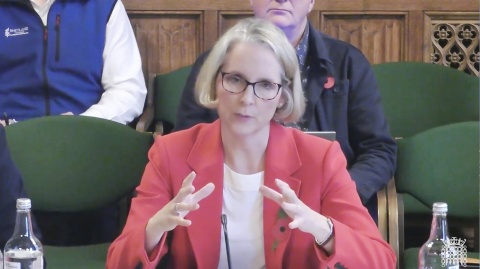
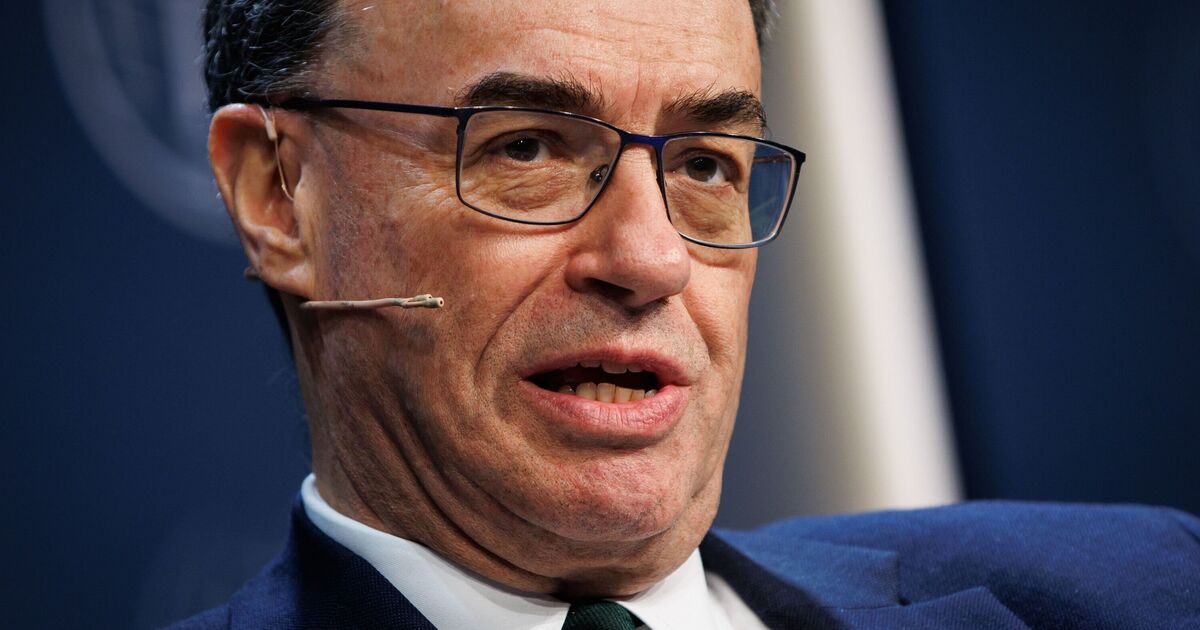
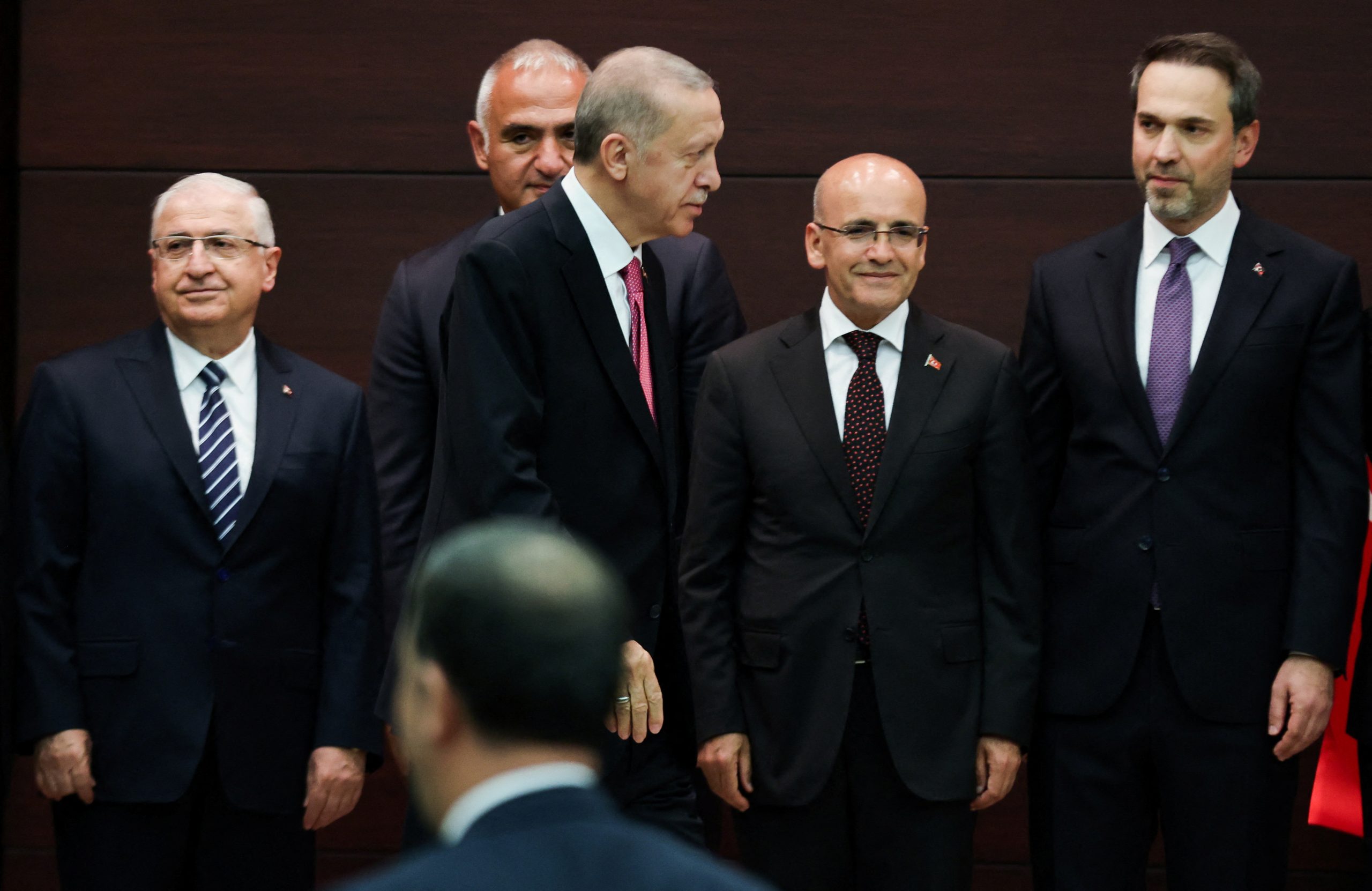
RBA governor Michele Bullock told Senate estimates that the collapse in sentiment happening right now is a ‘bit of a puzzle’.
She pointed to easing inflation and recent rate cuts as reasons Australians should be feeling more upbeat.
But that misses the point. You can’t rate-cut your way out of a trust problem.
People aren’t pessimistic because they don’t understand economics, they’re pessimistic because they do.

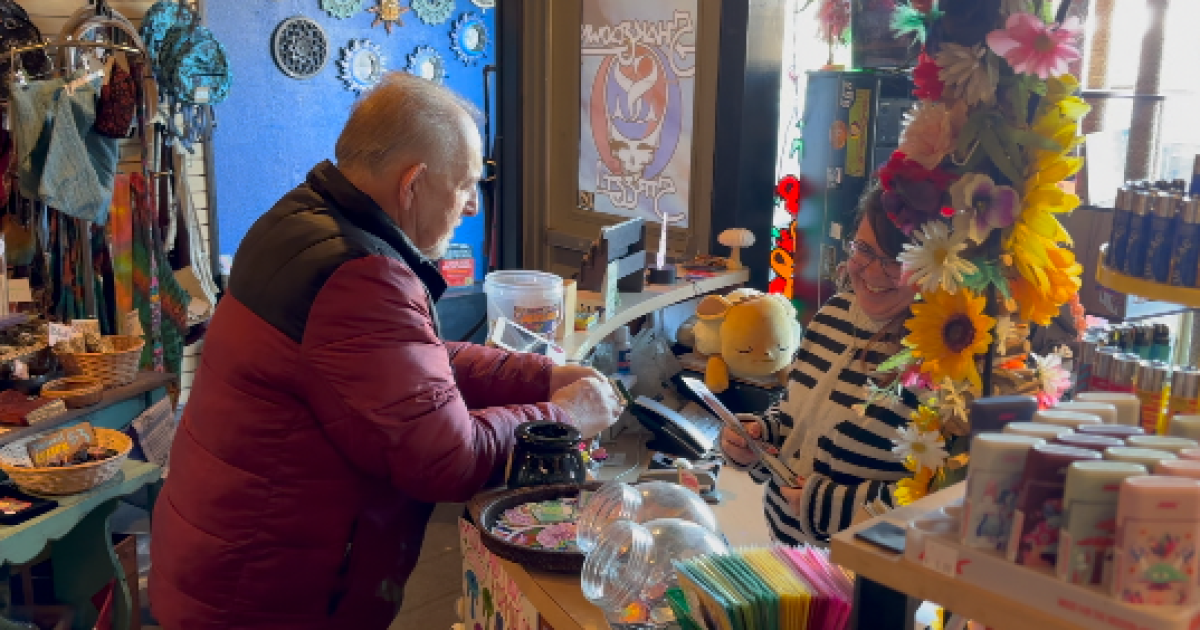
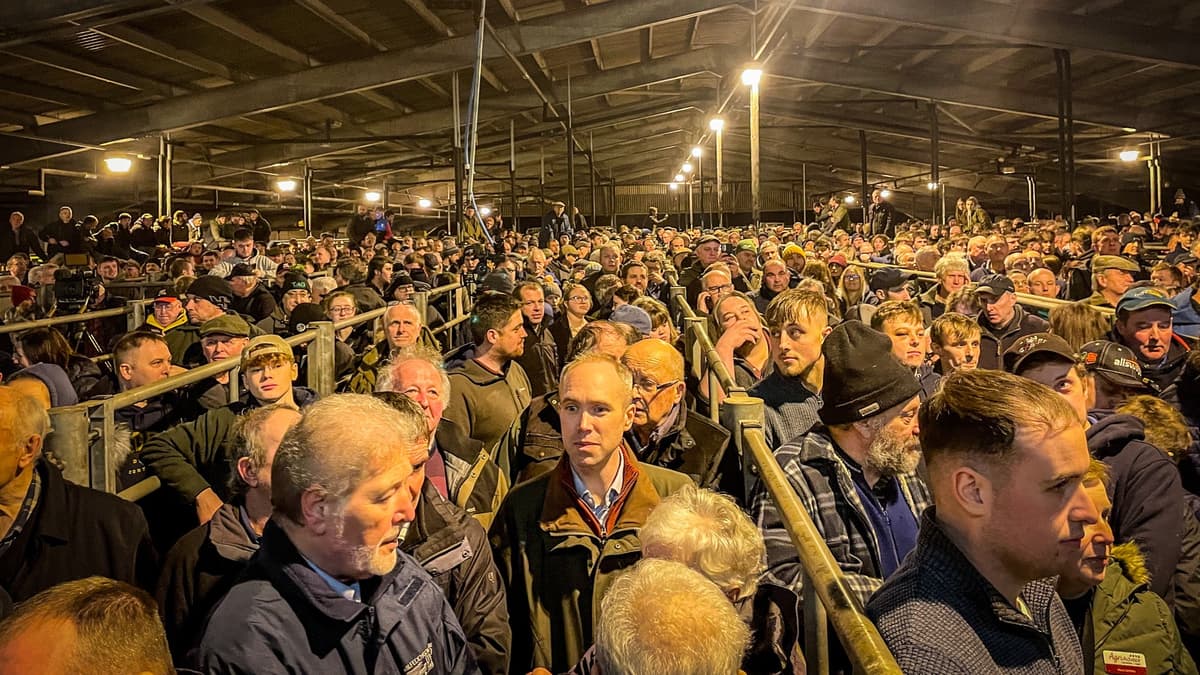
A line has been out the door for most of the week at ABC Bullion in Sydney’s Martin Place as Aussies look to buy up gold
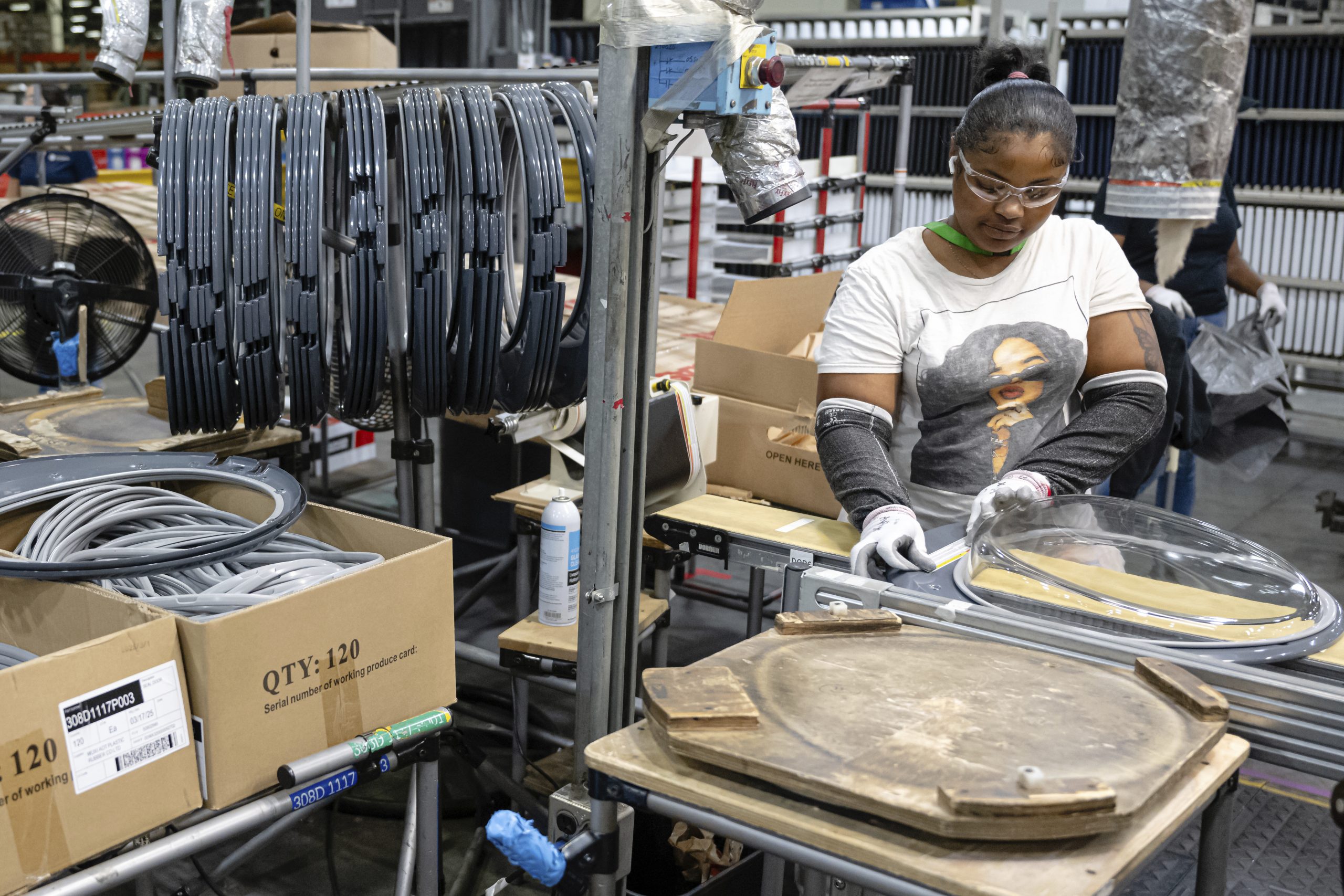
Wages aren’t keeping pace with rising costs. Power and grocery bills keep getting higher.
And we’ve watched politicians spin every small uptick as a triumph – yet living standards keep quietly eroding.
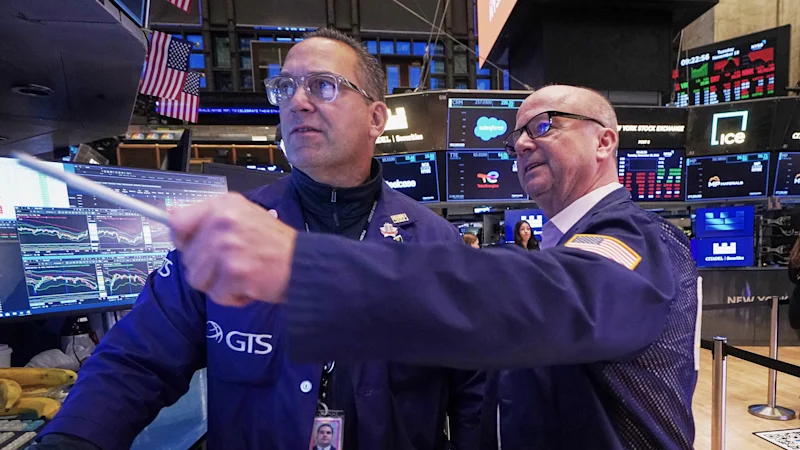
Here’s the real tell that economic conditions are becoming more volatile: the gold price.
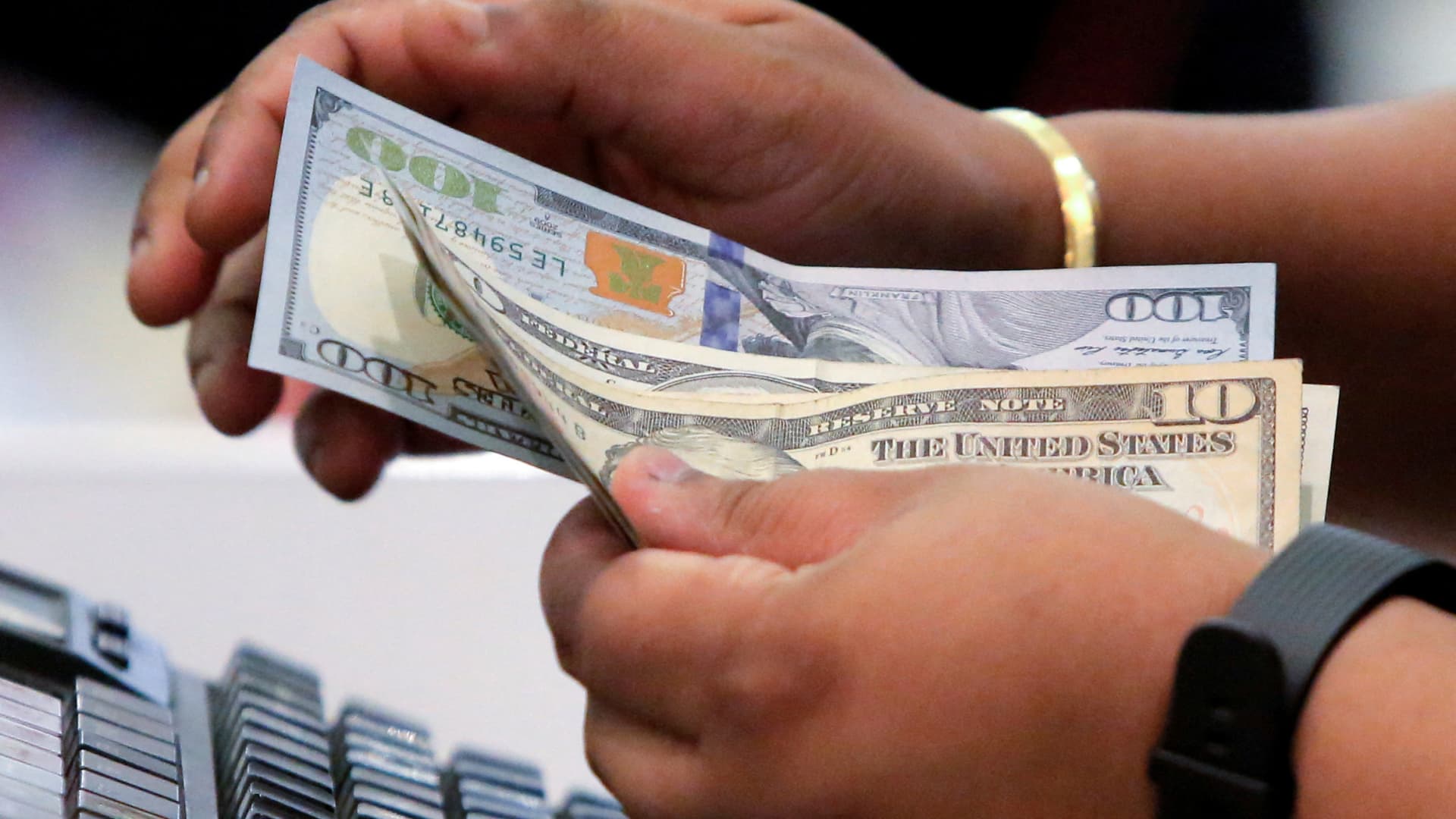
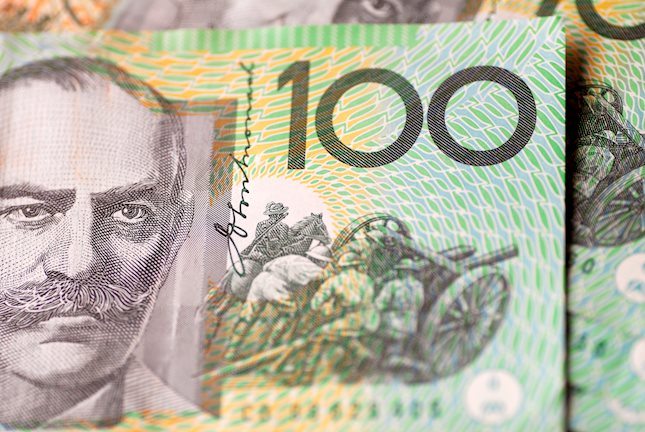
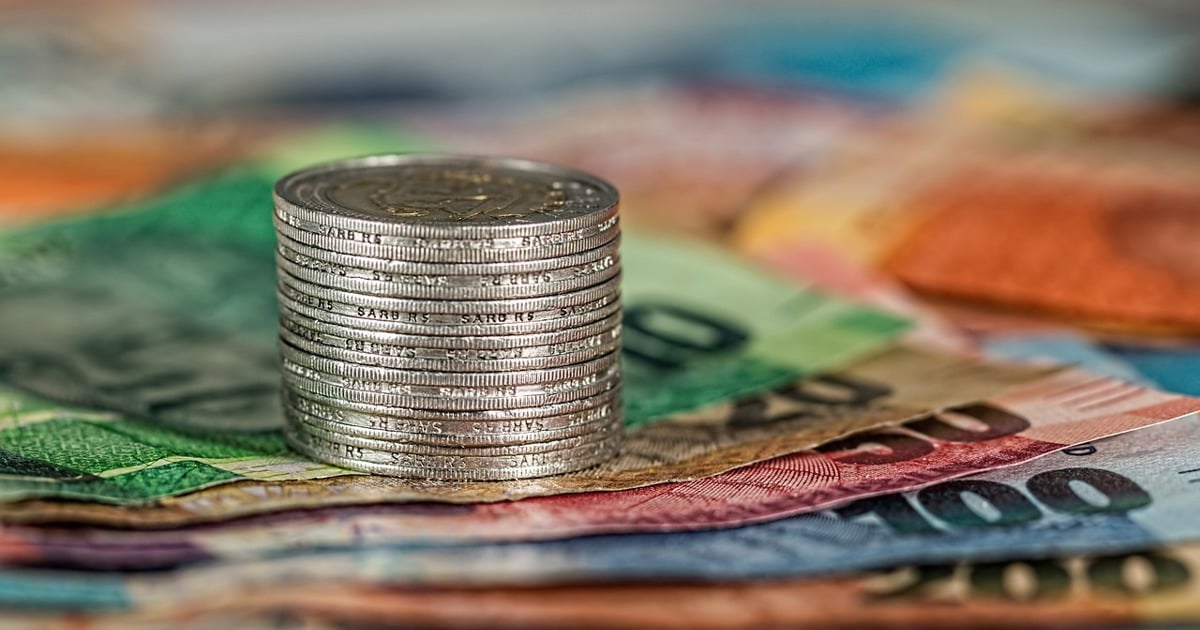
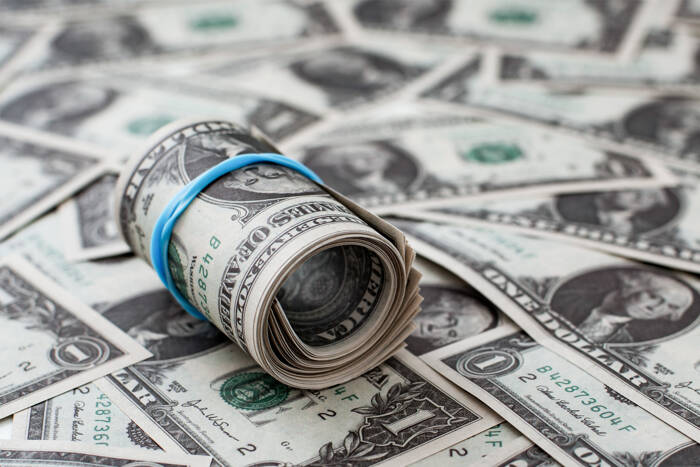
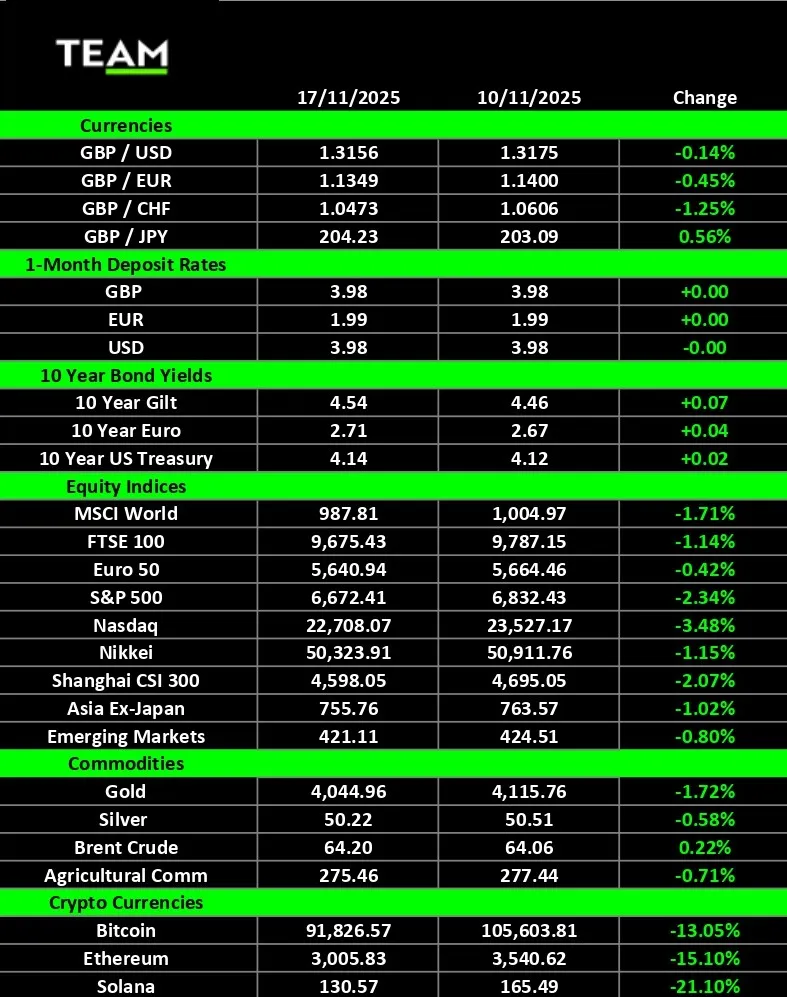
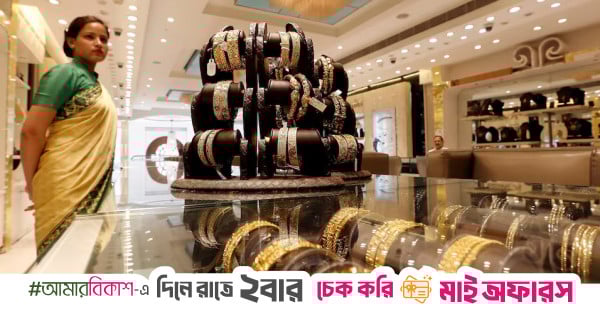
The price of gold has surged past $6,000 an ounce in Aussie dollars. That’s up by more than 50 per cent in just the past year.
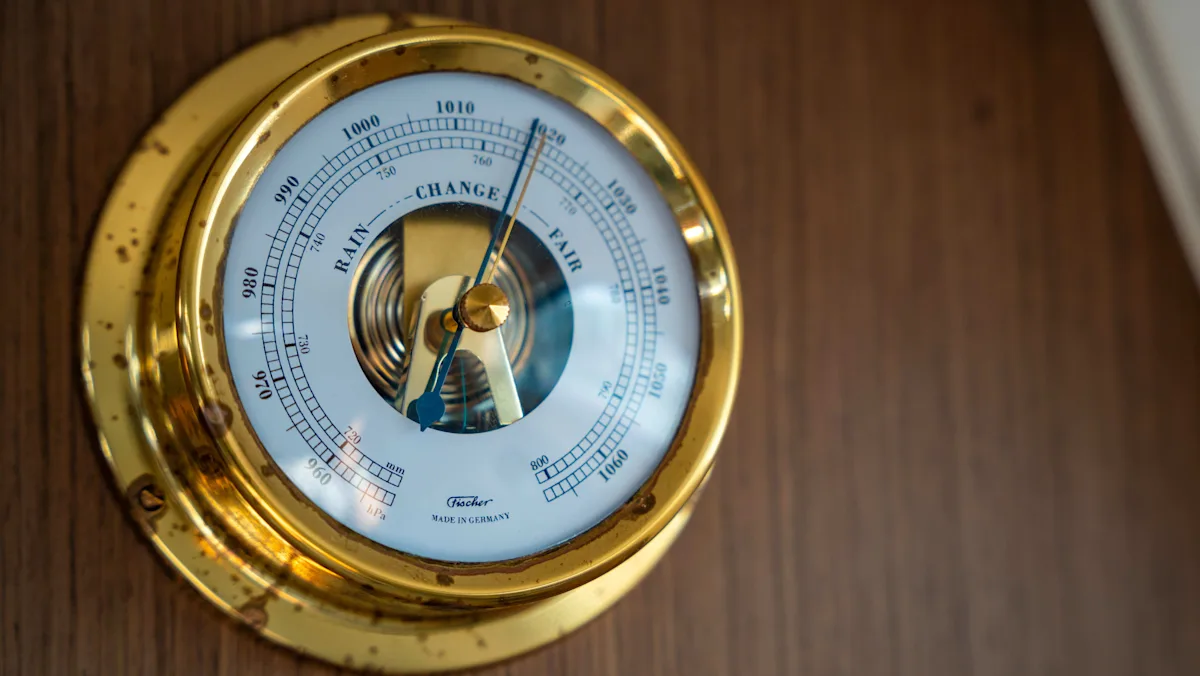
That’s a barometer of fear. When people lose faith in currencies, equities and government competence, they buy gold.
The Bank of America now expects gold to hit US$5,000 an ounce next year, which is around $7,500 Aussie dollars. ANZ has lifted its forecasts too.
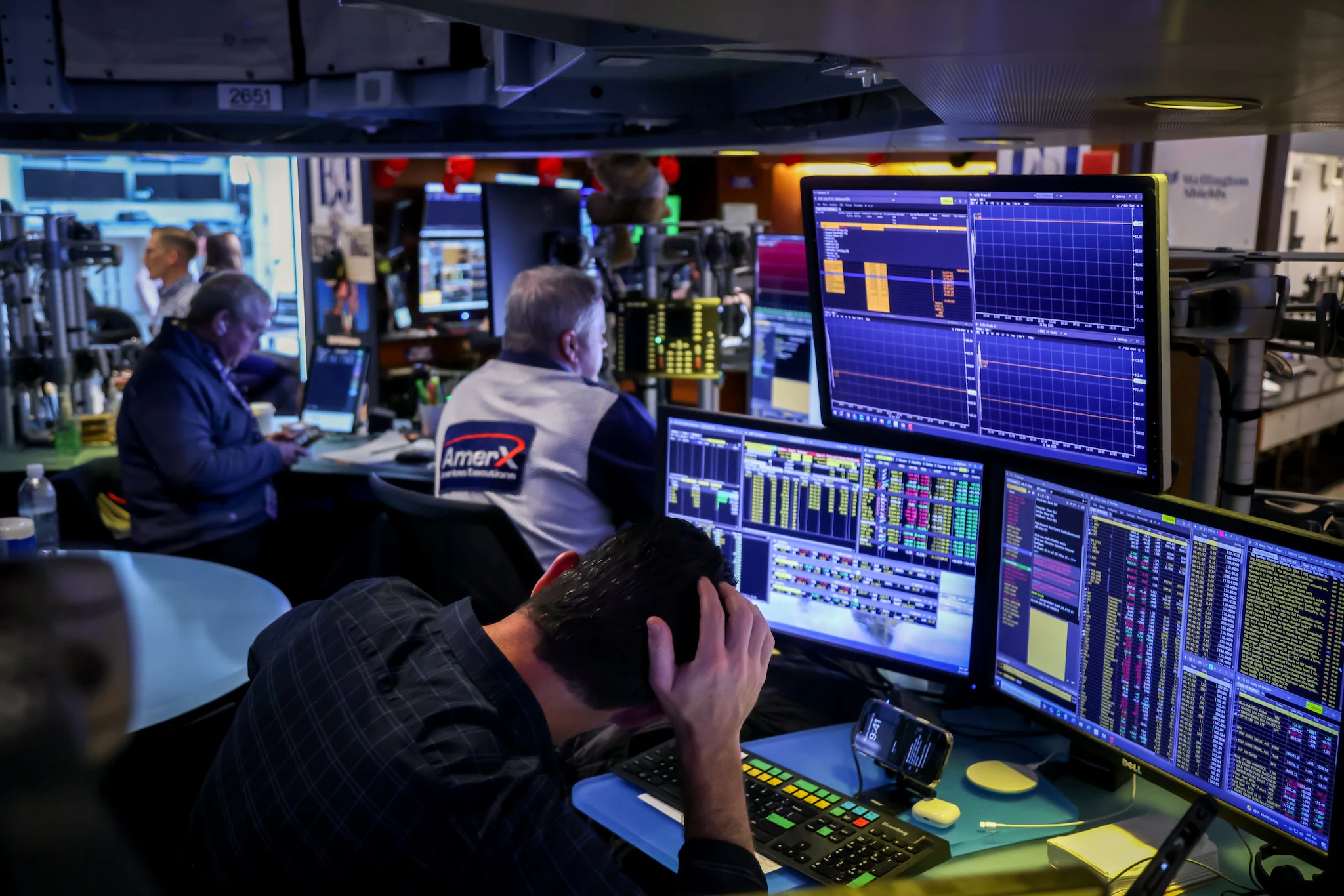
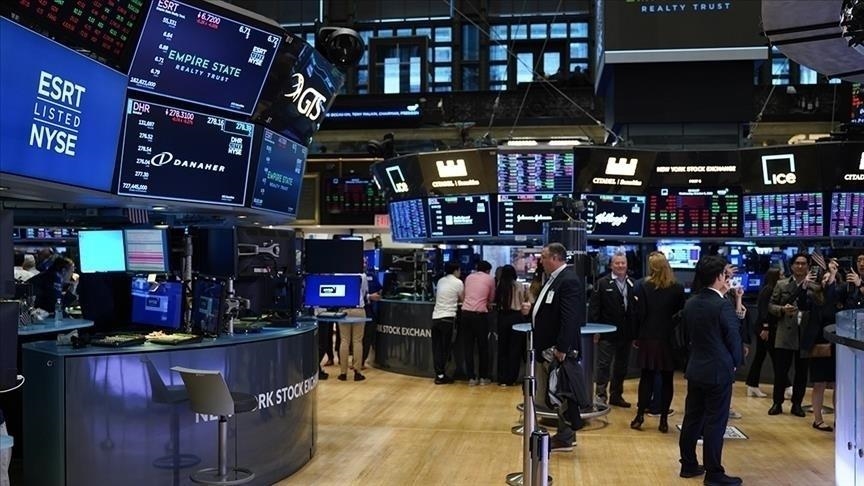
Investors aren’t buying gold because they think the global economy’s about to boom, they’re buying it because they worry it will go to hell in a handbasket.
In normal times, a rising gold price would raise eyebrows. In today’s volatile climate, it’s the soundtrack to a silent panic.

The going rate for New York spot gold rose this week to $3,960.60 (AU$6,033.80) per troy ounce
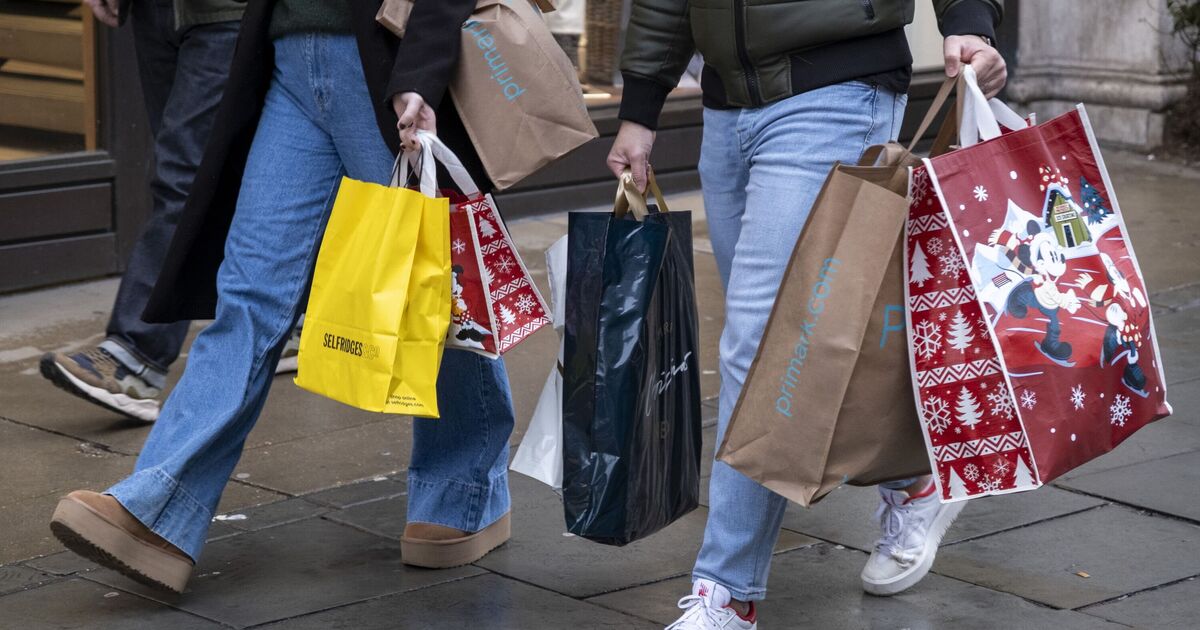
Australians are now trying to protect savings rather than spend. That’s a key reason why consumer sentiment is plumbing new depths, even as the RBA insists the data looks okay.
Inflation may have eased on paper, but try telling that to anyone renting, paying off a mortgage or buying groceries from the supermarket, for that matter.
Real wages are stagnant. The cost of living relief measures the government used to buy votes before the last election have barely dented household budgets, and they are now being wound back or cancelled completely.
Even with multiple interest rate cuts already in place, the average mortgage repayment is still much higher than two years ago. And now we’re told not to expect further rate cuts anytime soon.
If rates do get cut next year, or the one after that, it will likely be in response to the looming downturn.
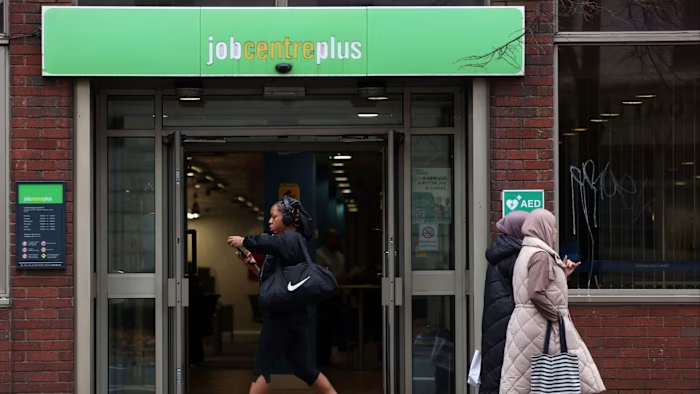
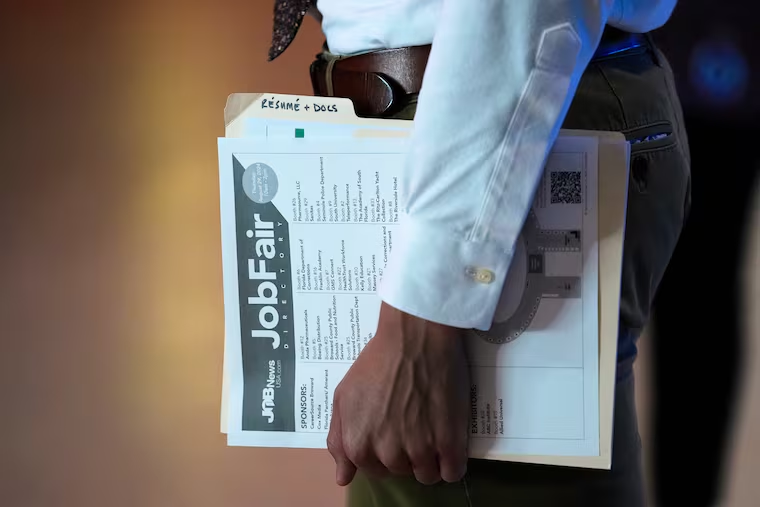
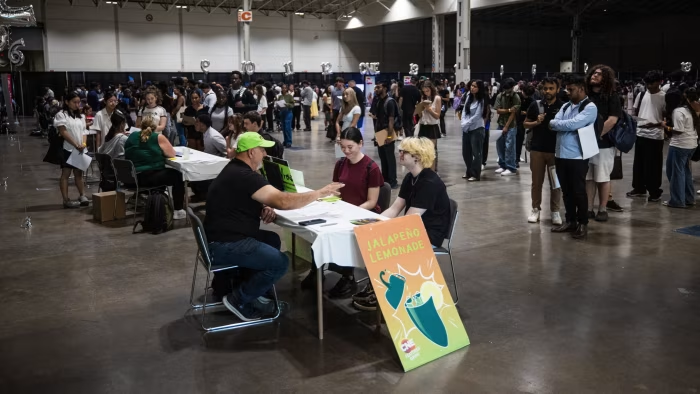
Meanwhile, unemployment has crept back towards 4.5 per cent, job vacancies are shrinking and underemployment is on the rise.
The promised soft landing feels more like a slow grind for many Australians.
And the broader story suggests our economy is addicted to short-term fixes. Rate cuts and budget band-aids can’t rebuild confidence when people see no plan beyond the next news cycle.
Short term political thinking can have multiple costs, and a loss of consumer confidence we are witnessing now is just one of them.
Australians have lost faith that policymakers in Canberra know what they’re doing. Every promise of stability has been followed by more volatility. Every turning point has stalled.
Ask yourself: are you doing better now, than you were five years ago? Most Australians can’t say that they are.
Until Canberra can show a path to real, sustainable growth which includes rising wages, affordable homes and reliable energy supplies, confidence will remain low.
Australians have lowered their expectations when it comes to our politicians, but lower expectations doesn’t preserve confidence.
It tends to have the opposite effect when those low expectations are repeatedly met.