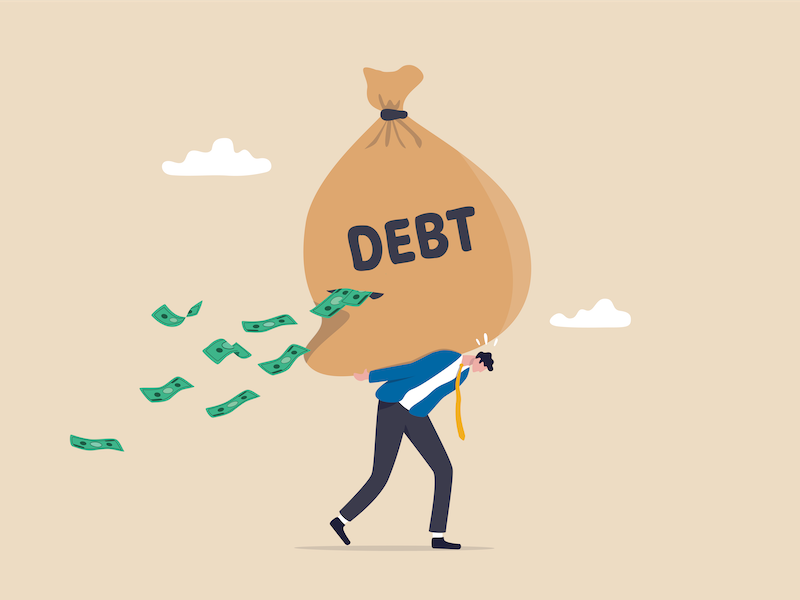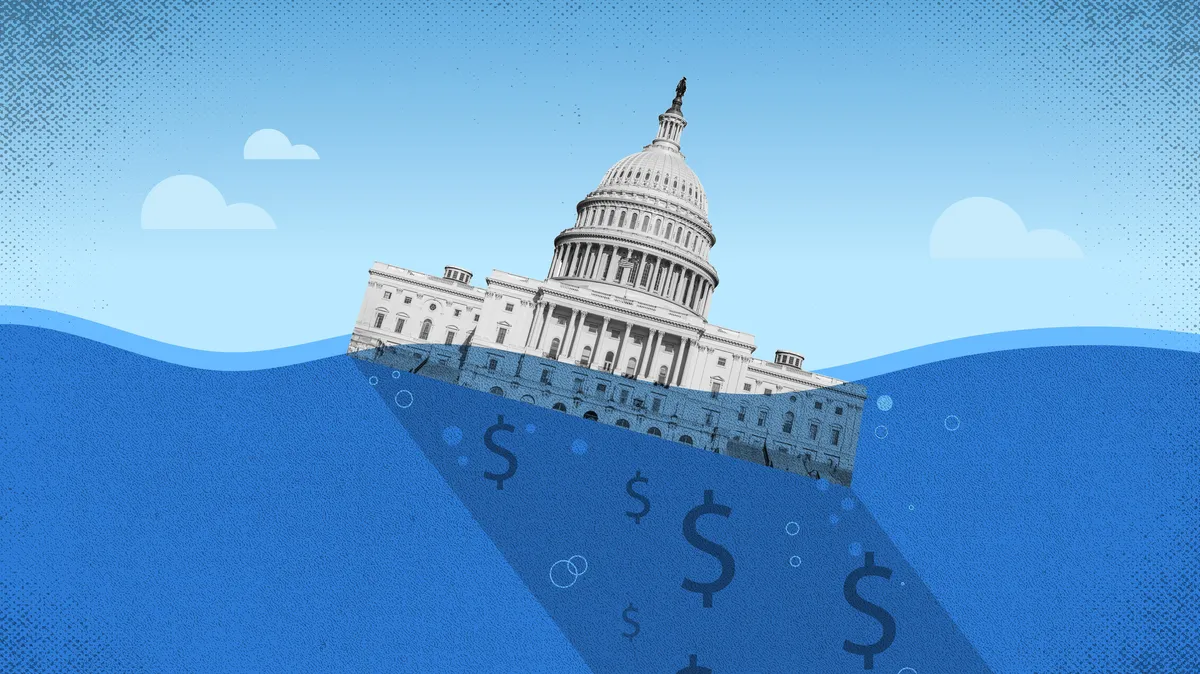

Corporate debt has increased to previously unheard-of heights as a result of ten years of historically low interest rates that encouraged excessive borrowing across industries. Often at great cost to long-term financial health, companies used cheap loans to drive stock buybacks, acquisitions, and expansions. Now fractures in the corporate debt scene are starting to show as interest rates climb in reaction to inflationary pressures and economic uncertainties.
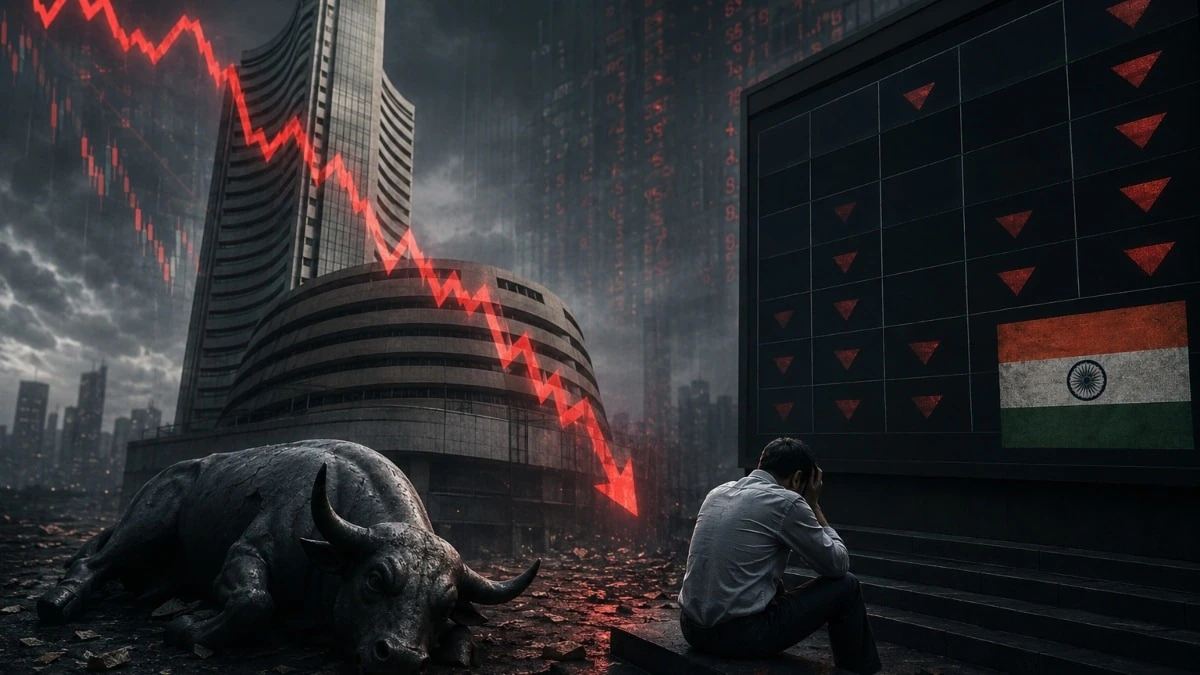
Mounting corporate debt seriously threatens the world economy. Unchecked, it might be the impetus for a major downturn, therefore seriously impeding any possible comeback initiatives. Companies like AT&T and American Airlines, which are struggling with enormous debt loads threatening profitability as refinancing expenses rise, are among the current instances. Ongoing inflationary pressures and geopolitical uncertainty capable of causing a more severe economic catastrophe aggravate the matter even more.
The Explosion Of Corporate Debt
Companies have profited from historically low interest rates over the past ten years by borrowing excessively at shockingly low rates. Near-zero interest rates that pushed companies to take on debt at unheard-of levels drove this borrowing explosion. With U.S. corporate debt exceeding $11 trillion by 2023, it is clear how dependent businesses have grown on cheap financing to support their operations and growth.
Because of their high degrees of debt, several industries have been particularly vulnerable. Already taxed by erratic oil prices, the energy sector has accumulated debt to weather market declines. With billions in debt, companies like Occidental Petroleum are under great pressure to meet their liabilities as rates climb. Retail is also very vulnerable; large companies like Bed Bath & Beyond have suffered from heavy debt loads that have worsened as a result of declining sales. High-growth companies like Netflix in the internet sector have depended on borrowing to drive their growth, therefore exposing them to increasing interest rates.
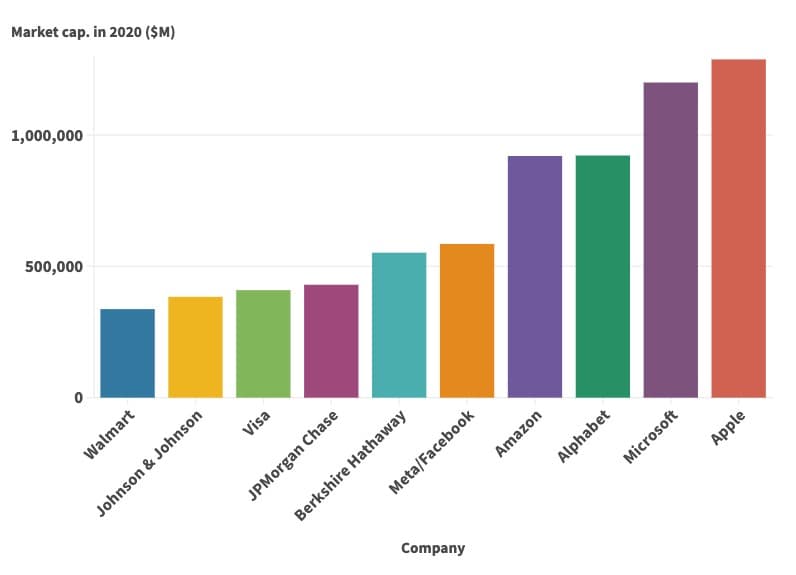
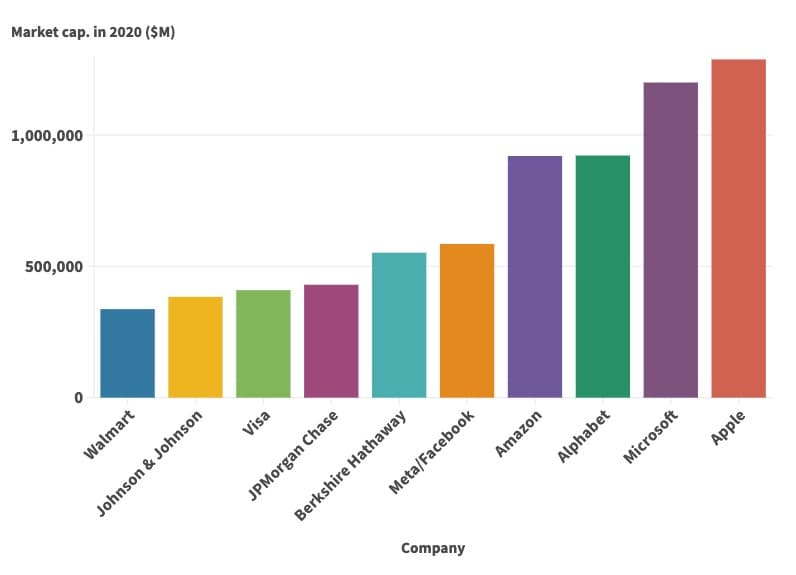
Most of this borrowed money has been used for mergers, acquisitions, and stock buybacks rather than genuine expansion investments. To satisfy investors, companies like Apple and Microsoft have spent hundreds of billions repurchasing their own stock, boosting share values. To pay for purchases like Time Warner, which did not show the anticipated returns, AT&T also acquired debt. These short-term plans have left companies vulnerable to economic headwinds and the possibility of higher refinancing costs while also restricting their capacity to invest in their main company for long-term development. Although this practice yields temporary benefits, many businesses have become debt-ridden as interest rates climb.
MORE FROM FORBES ADVISOR


Outstanding corporate debt securities in the United States have been trending upwards since the first quarter of 2018, with this growth accelerating with the onset of the global coronavirus (COVID-19) pandemic. From a total of almost 19.6 trillion U.S. dollars in the first quarter 2018, by the second quarter of 2022 this value had climbed to approximately 25.6 trillion U.S. dollars. Of this latter total, 17.4 trillion U.S. dollars was debt issued by financial corporations.
Statista
Debt Refinancing Woes
Companies are being driven to refinance their current debt at far higher rates as interest rates climb. Once inexpensive borrowing becomes a financial burden, it greatly reduces profitability. This affects corporate growth in turn since companies must devote more money to debt service rather than hiring, development, or research & development.
There can be significant effects on development. Rising refinancing rates squeeze company budgets, which results in employment freezes, cuts to innovation, and postponed expansions. Companies already running on slim margins are now under much more strain. For example, being heavily dependent on borrowed money, the energy sector has seen businesses such as Chesapeake Energy file for bankruptcy as debt refinancing proved unsustainable given rising interest rates. The retail sector has also suffered; businesses like JCPenney were driven into bankruptcy as their debt load proved unmanageable.
These illustrations show the broad hazards that growing interest rates bring. As debt gets more difficult to control, corporate defaults may rise, profitability will suffer, and businesses in many different fields could be compelled to downsize or perhaps close operations. This tendency can cause more general economic uncertainty and delay recovery initiatives.
As of July 1, 2023, outstanding corporate debt in the United States was mostly composed of investment grade securities, rather than speculative grade ones. Of the 11.8 trillion U.S. dollars of outstanding U.S. corporate debt that has been rated, just under three trillions was rated as speculative grade. Approximately 75 percent of the total rated debt was issued by non-financial corporations.
STATISTA
The Domino Effect
One of the best illustrations of how corporate defaults may set off a domino effect across the economy is the 2008 financial crisis. Companies defaulting on their loans caused a more general financial system collapse that caused great economic unrest. Likewise, over-leveraged tech companies set off a tsunami of defaults that swept over the economy during the dot-com meltdown.
Rising loan defaults especially affect sectors including real estate, retail, and energy. For operations and expansion in these industries, borrowed money is sometimes rather important. Defaults in these sectors could aggravate economic turbulence, hence causing job losses, stopped projects, and lower consumer confidence.
Widespread corporate defaults might have dire effects, including bank collapses, stock market collapses, and a major decline in consumer expenditure. Corporate breakdowns would not only throw off the financial system but also cause a protracted recession since consumers and investors lose faith in the capacity of the market to recover.