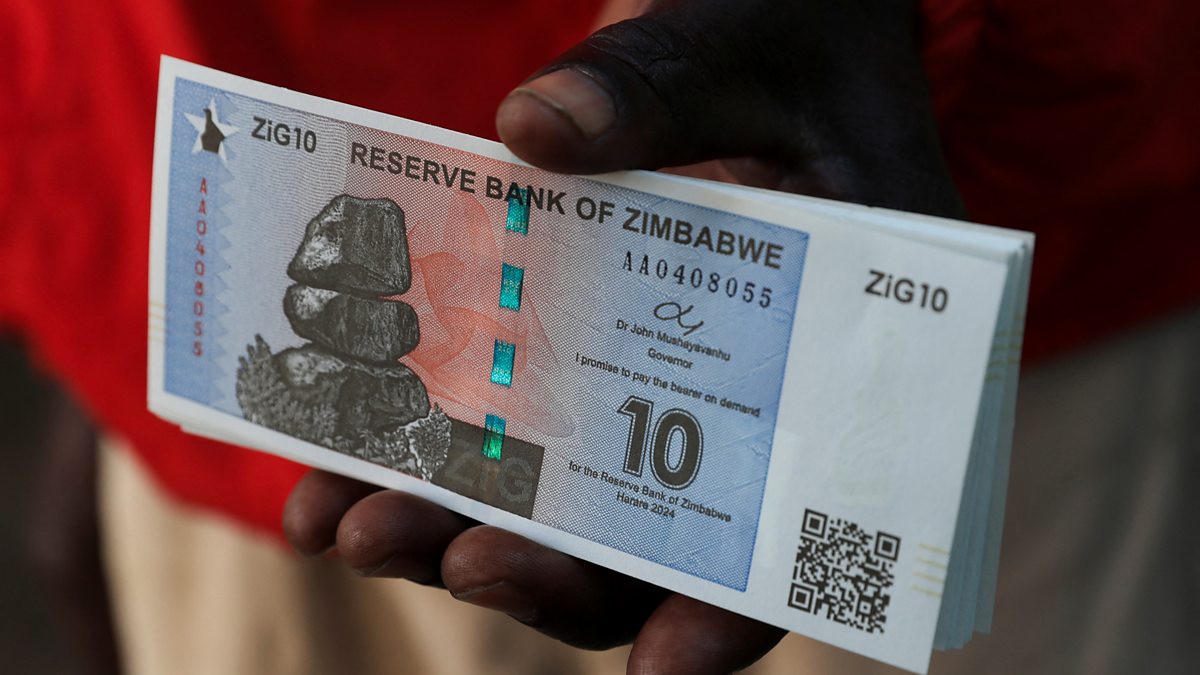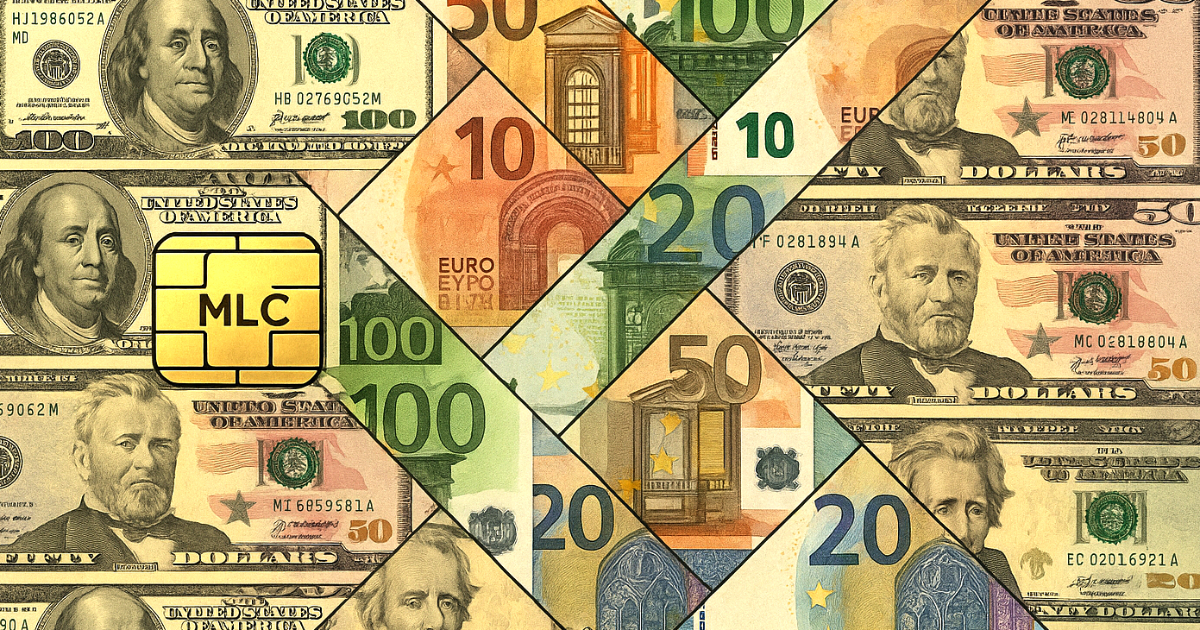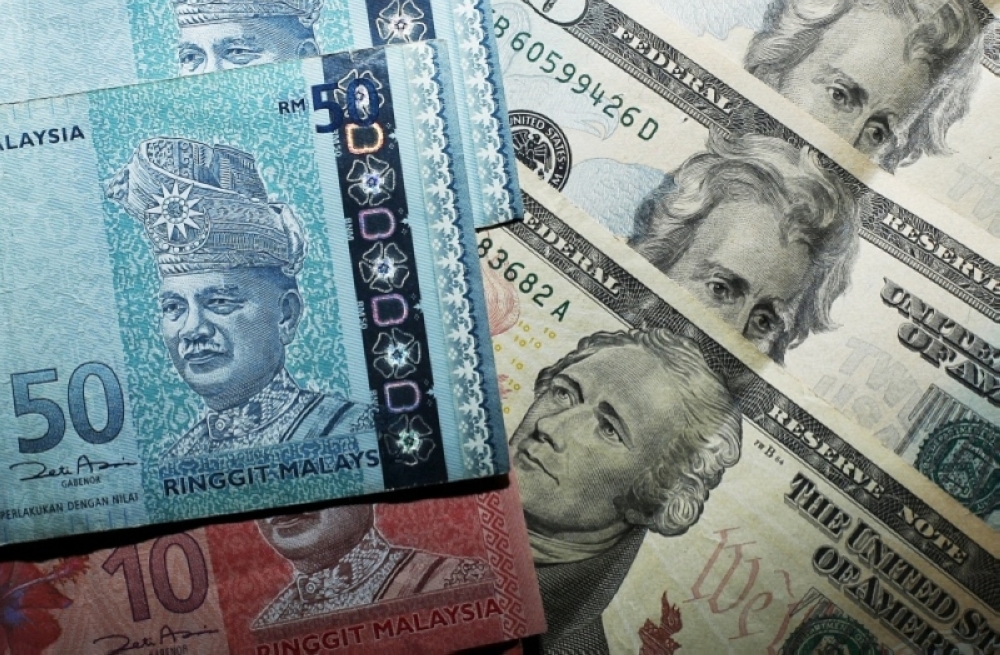
For decades, the global financial system has revolved around a single reality: the dominance of the US dollar and the infrastructure that supports it. International trade, cross-border payments, foreign reserves, and development finance have largely flowed through institutions and networks shaped by Western economic power. At the heart of this architecture sits SWIFT, the Belgium-based messaging system that facilitates trillions of dollars in international transactions every day.
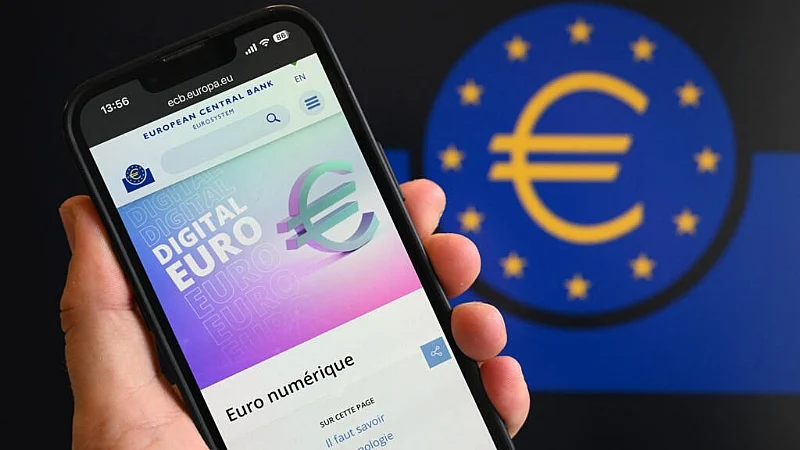
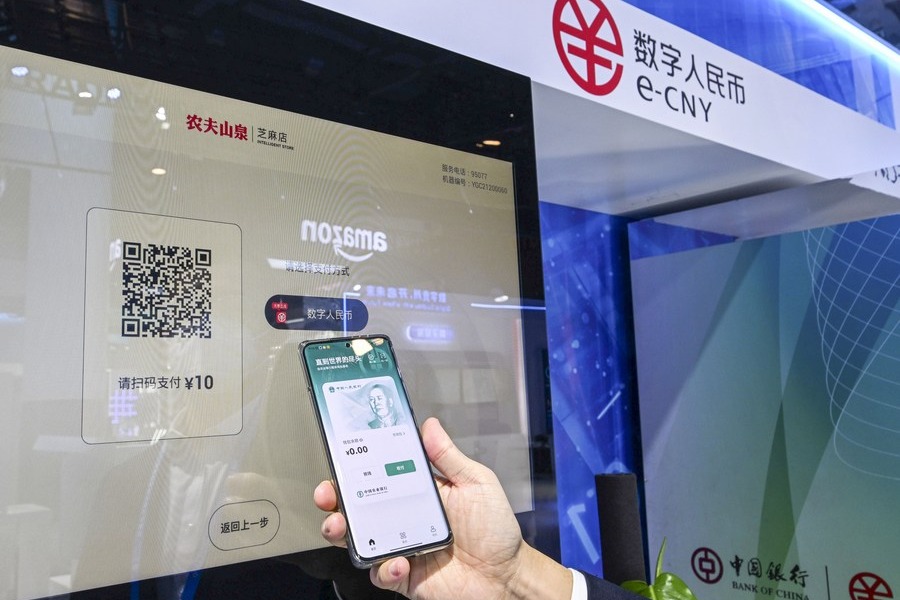
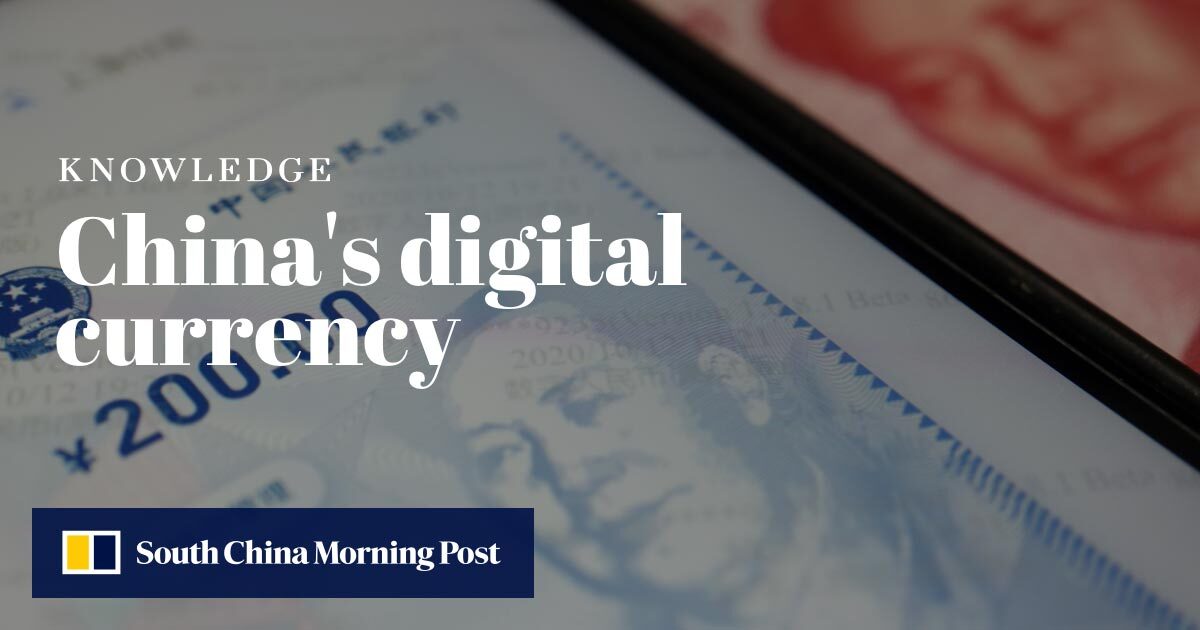
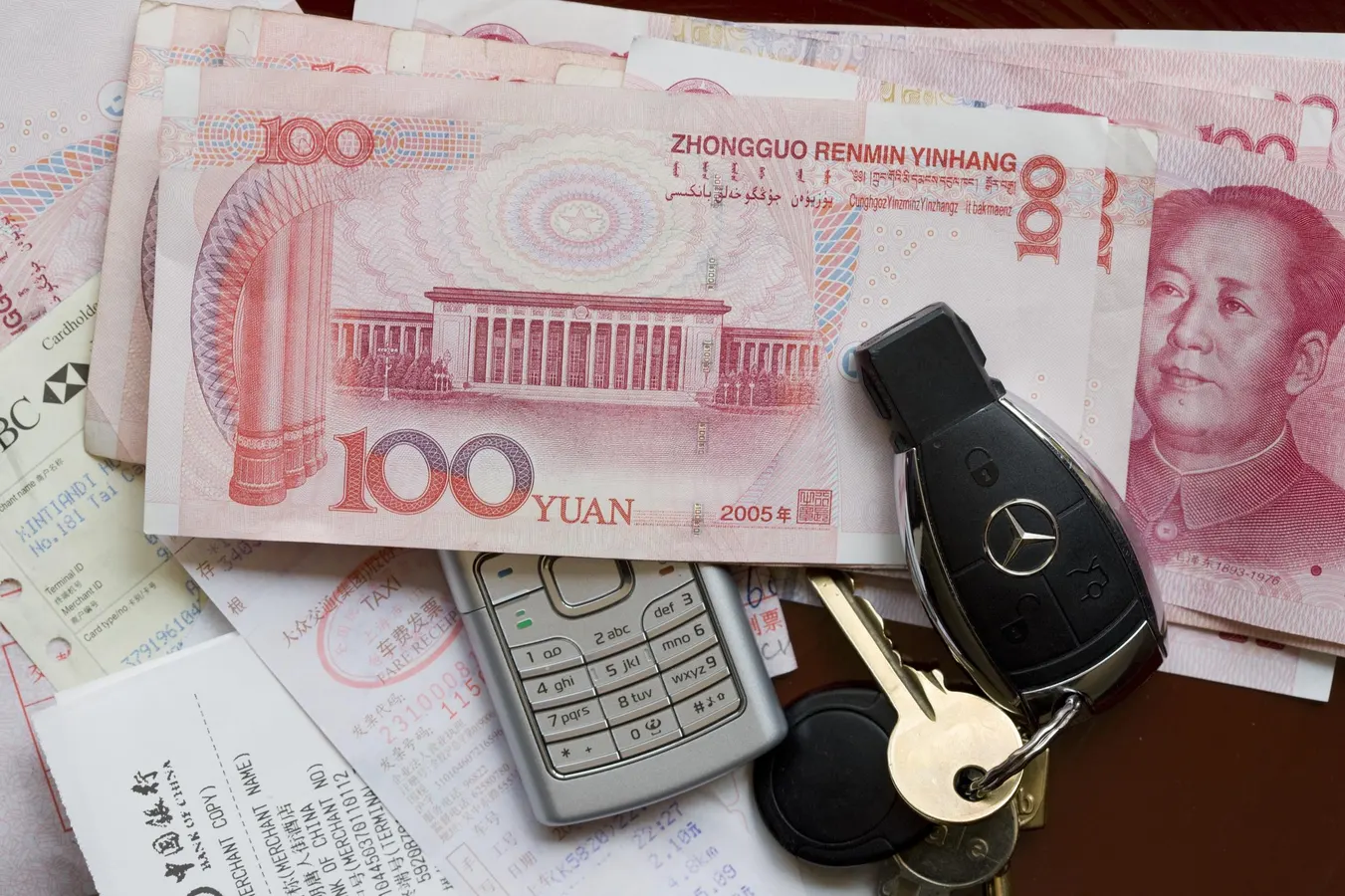
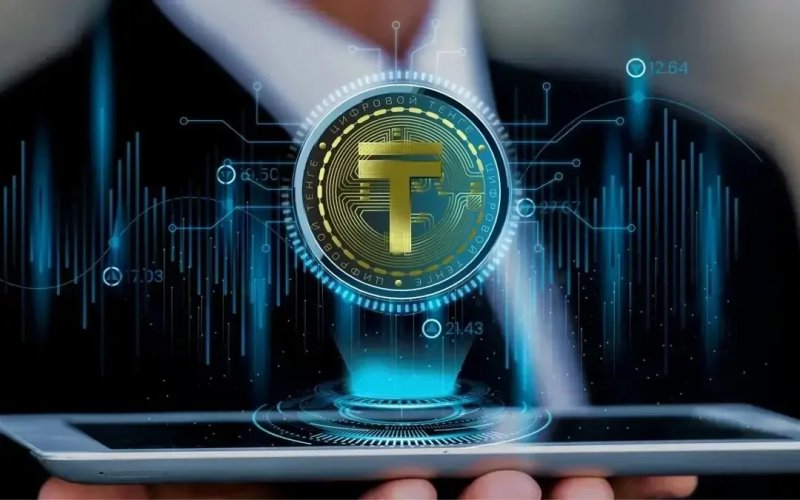
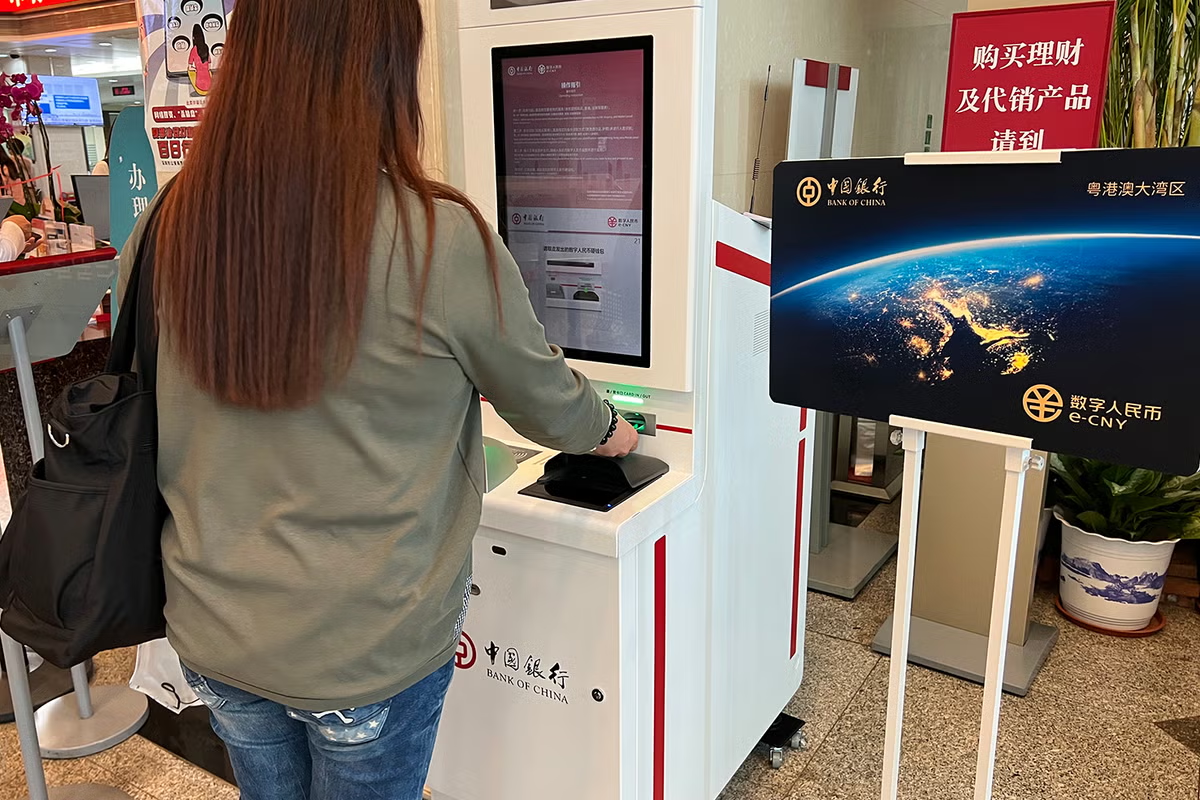
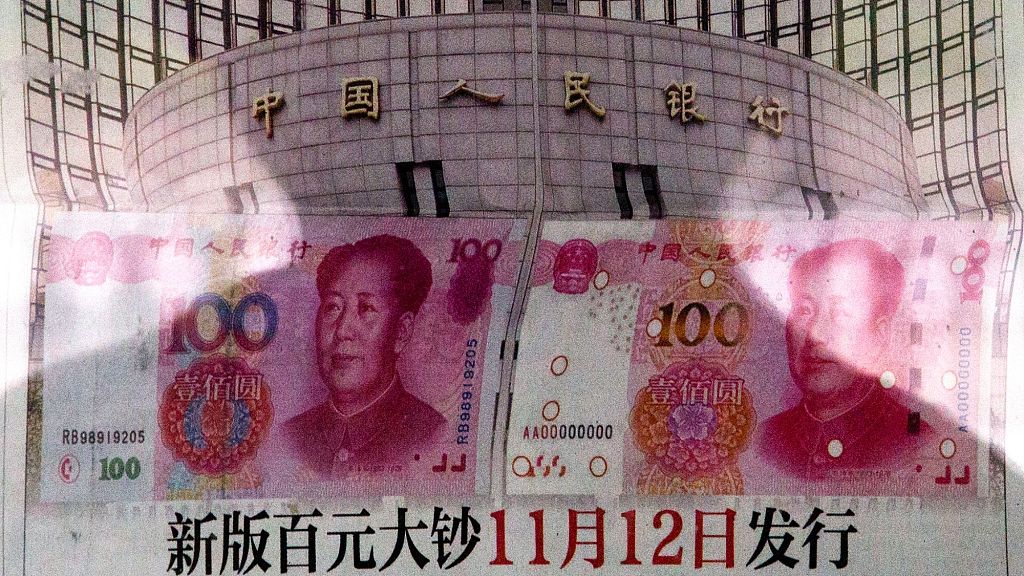
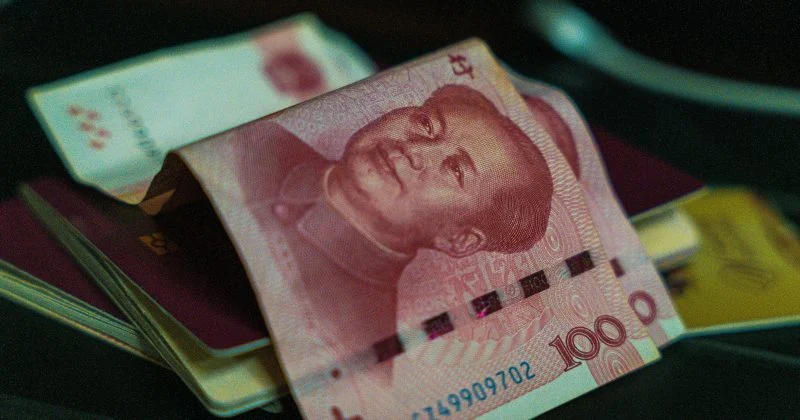
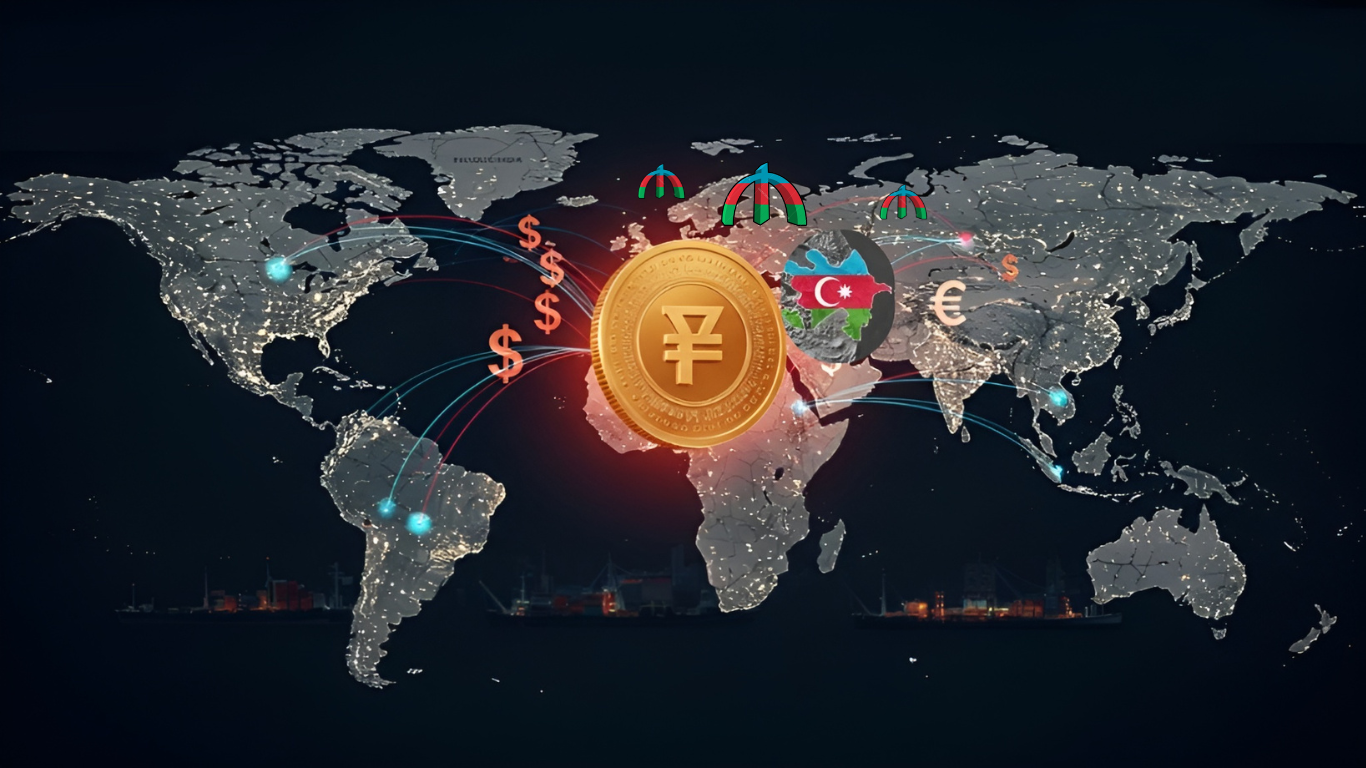
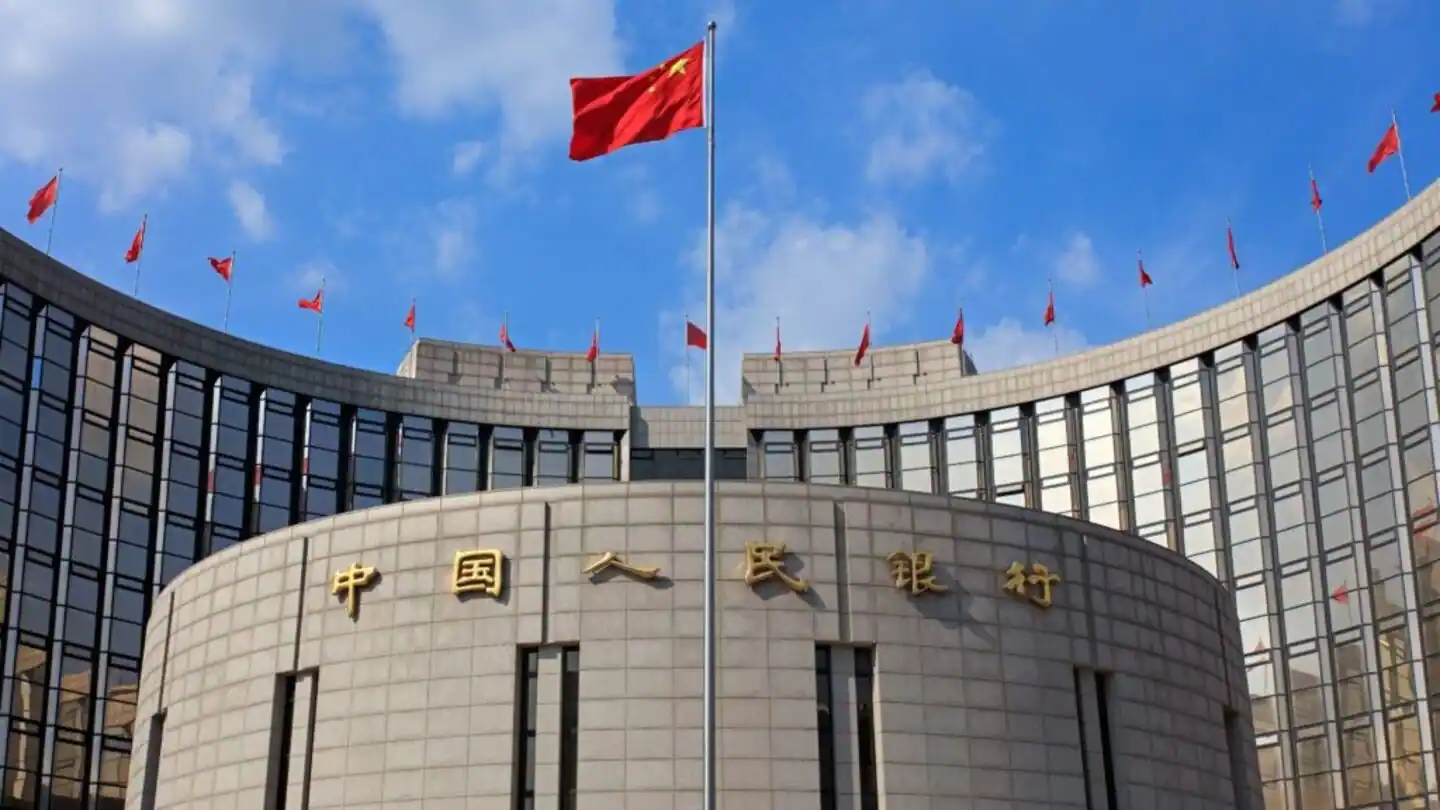
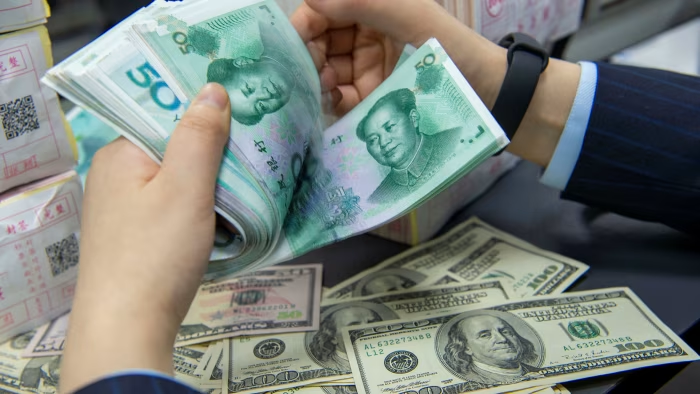
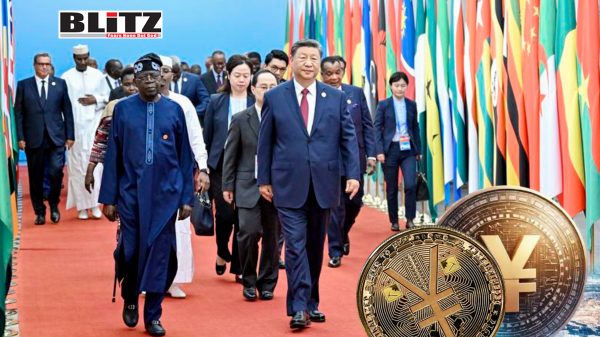
Today, however, a quiet but potentially transformative shift is taking place across Africa. As China expands its economic footprint on the continent, it is no longer focusing solely on railways, highways, ports, and industrial parks. Beijing is now exporting something equally significant: digital financial infrastructure. The introduction of China’s Digital RMB, also known as the digital yuan or e-CNY, could mark the beginning of a new chapter in Africa’s economic evolution-one that challenges the traditional dominance of Western-controlled financial networks.
The question is not whether the digital yuan will immediately replace SWIFT or dethrone the dollar. It will not. The more important question is whether Africa can leverage this emerging technology to gain greater financial autonomy, reduce transaction costs, and diversify its economic partnerships. The answer may determine the future balance of economic power on the continent.
China’s relationship with Africa has matured dramatically over the past two decades. What began as a trade and infrastructure partnership has evolved into a multidimensional economic alliance. Through the Belt and Road Initiative (BRI), Chinese companies and financial institutions have invested heavily in transportation corridors, energy projects, telecommunications networks, and industrial development.
The Beijing Action Plan 2025-2027 further reinforces this commitment by supporting dozens of infrastructure connectivity projects across Africa. These investments are not simply about moving goods from one location to another. They are also creating the foundations for a new digital economic ecosystem in which financial transactions can move as efficiently as physical products.
This is where the Digital RMB enters the picture.
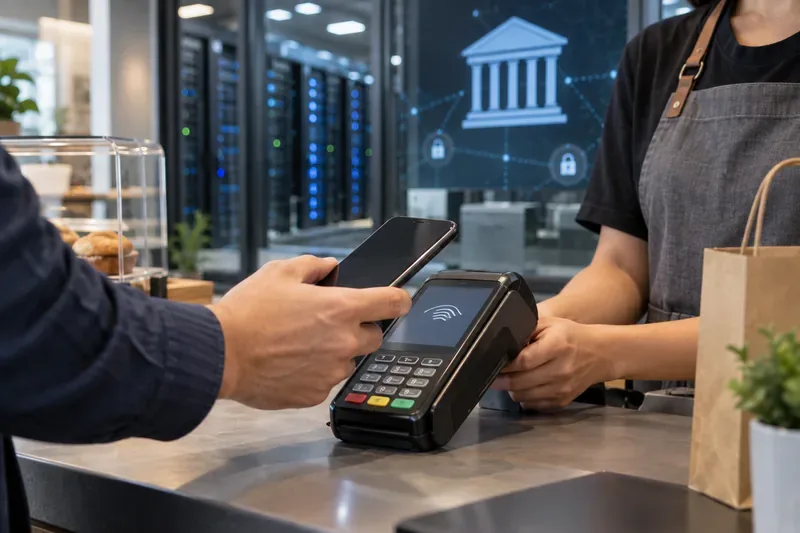
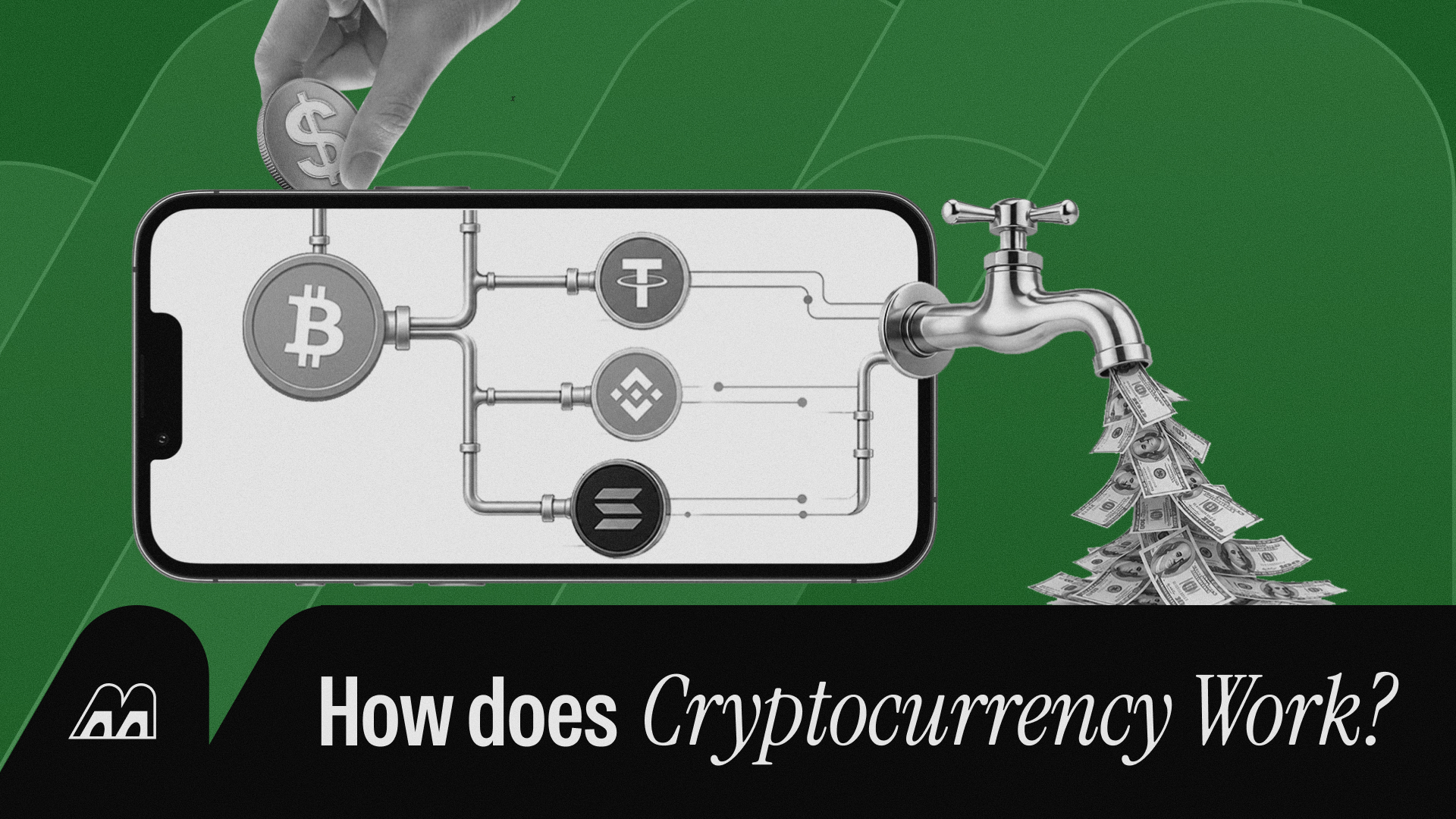
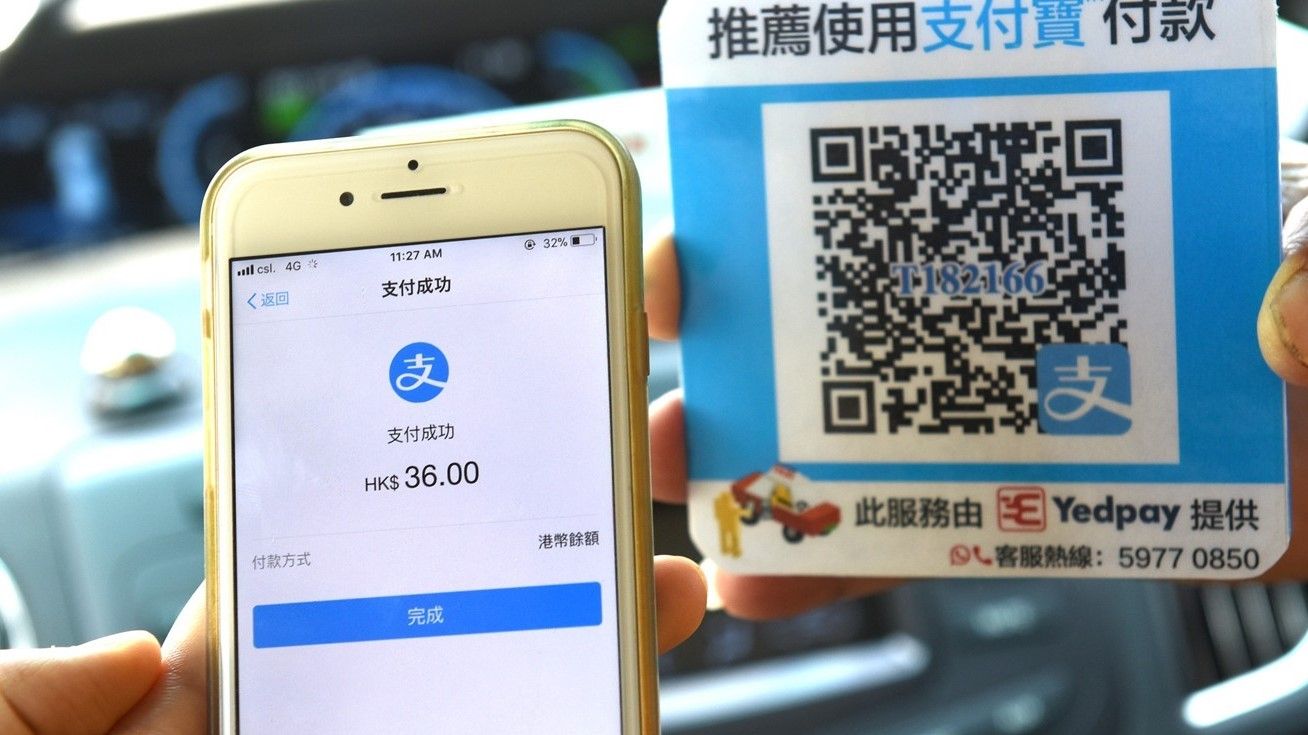
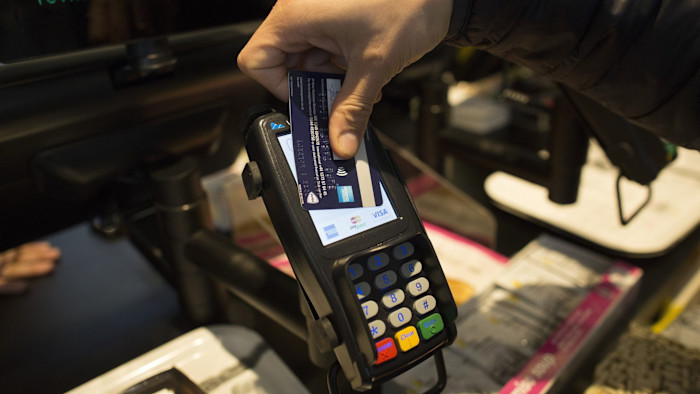
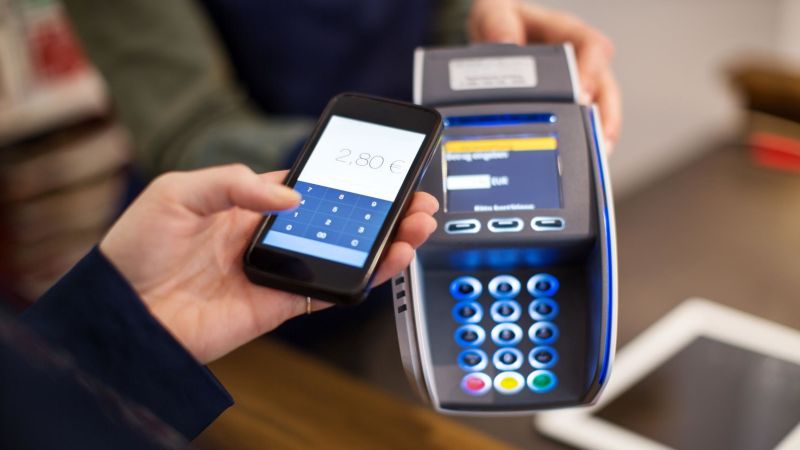
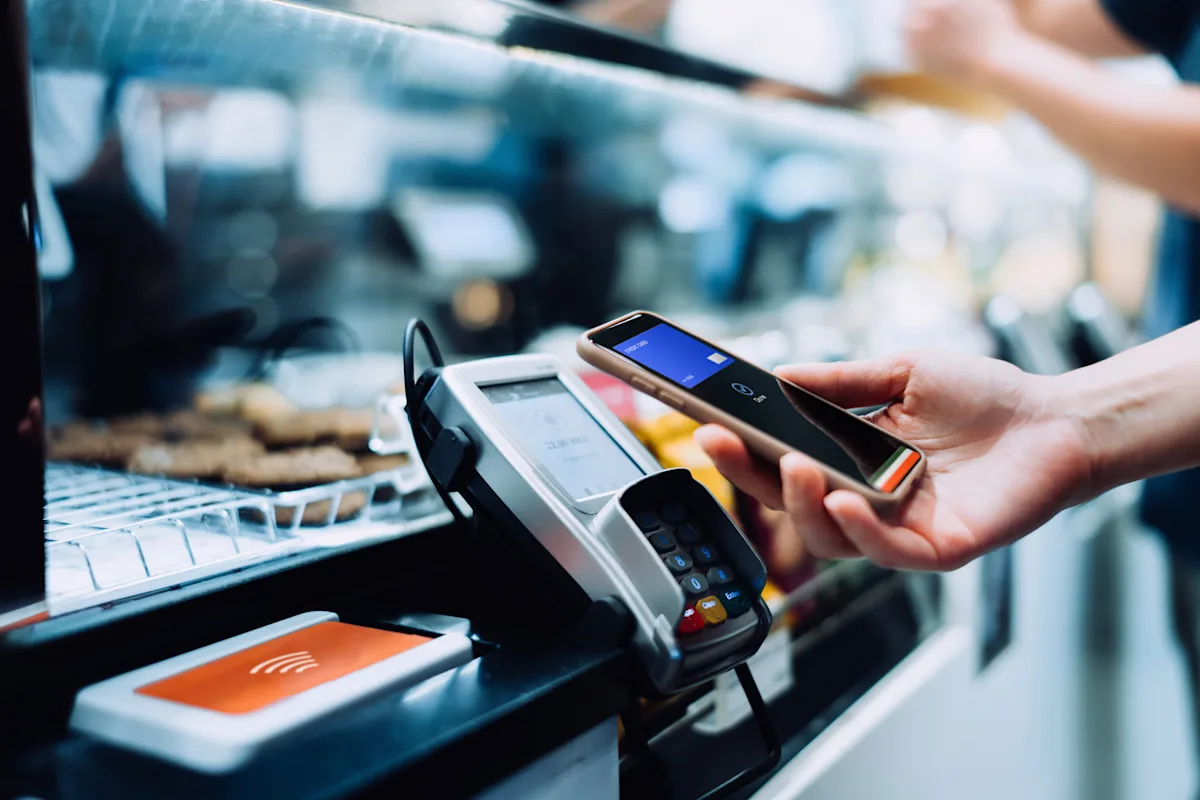
Unlike traditional international payments that often pass through multiple intermediary banks before reaching their destination, China’s digital currency platform enables direct settlement between participating entities. Transactions that once required several days can potentially be completed in seconds. Fees associated with intermediary institutions can be significantly reduced, creating a more efficient environment for businesses engaged in cross-border trade.
For African economies, where high transaction costs have long constrained economic integration, such improvements could be revolutionary.
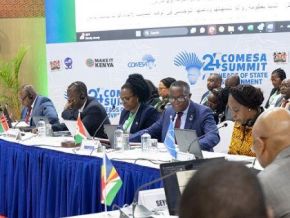
The African Continental Free Trade Area (AfCFTA) aims to create the world’s largest free trade zone by population, connecting more than a billion people across the continent. Yet one of the greatest barriers to achieving this vision remains the difficulty and expense of moving money across borders.
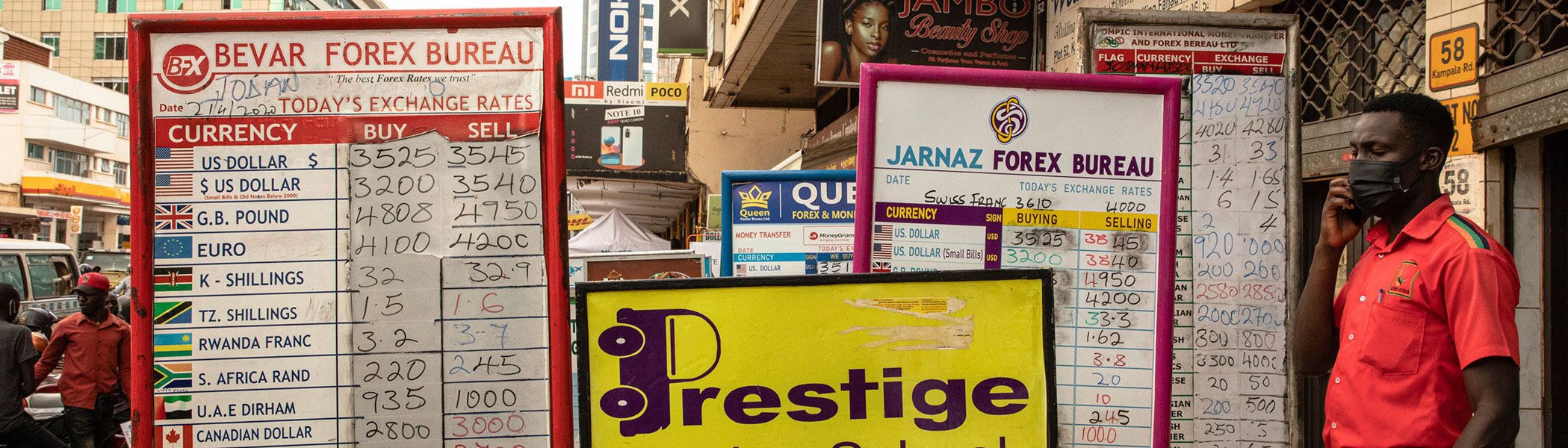
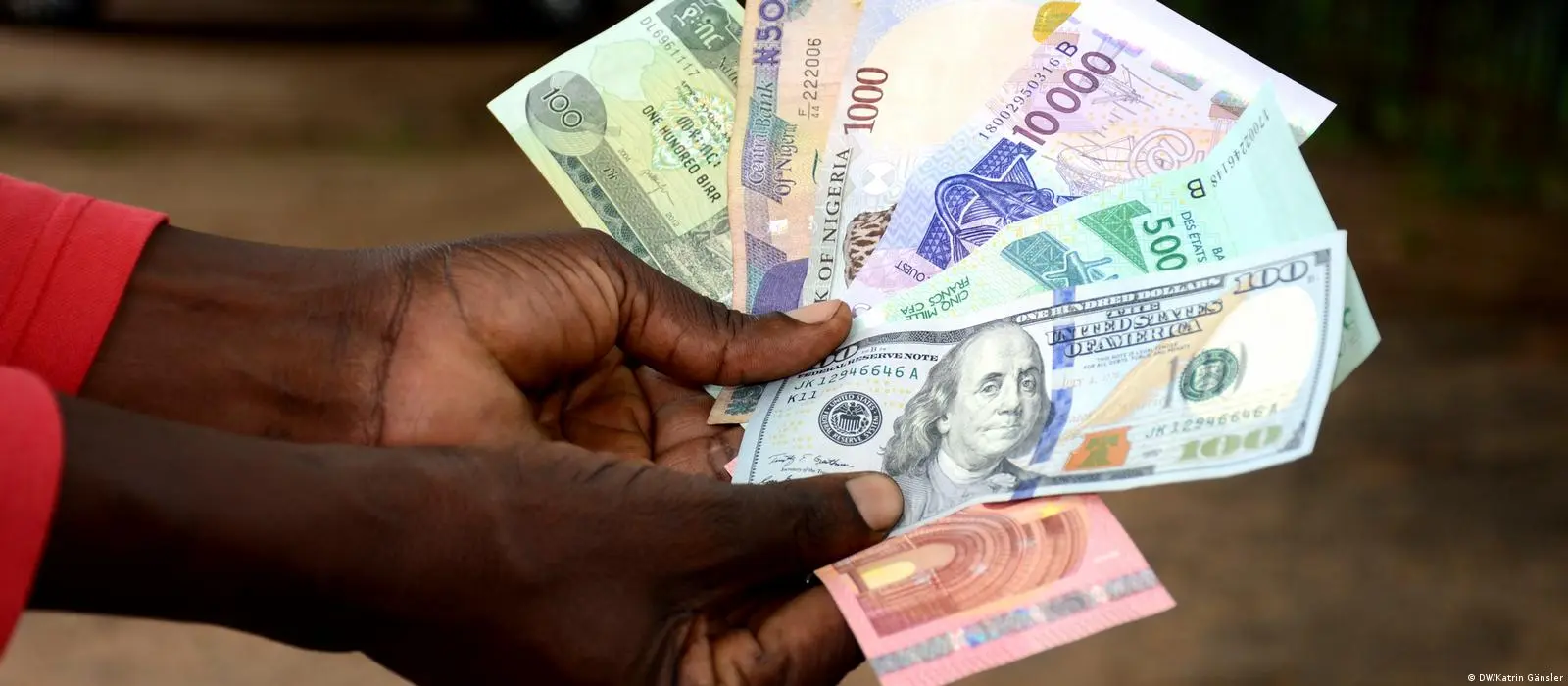
An entrepreneur in Kenya trading with a supplier in Uganda or a manufacturer in Ghana exporting goods to Rwanda often faces cumbersome payment processes, exchange rate complications, and significant banking fees. These obstacles discourage trade and undermine the efficiency of regional markets.
Digital payment systems have the potential to address many of these challenges. By enabling near-instant settlements and reducing transaction costs, the Digital RMB could support the broader goals of continental economic integration. Combined with regional initiatives such as the Pan-African Payment and Settlement System (PAPSS), it may help create a more interconnected African financial landscape.
The benefits extend beyond convenience. Faster payments improve liquidity, strengthen business confidence, and allow capital to circulate more efficiently throughout the economy. For small and medium-sized enterprises-the backbone of many African economies-these advantages can be especially meaningful.
The geopolitical implications are equally significant.
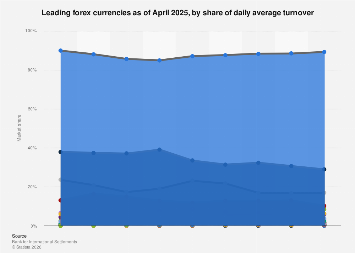
For years, many developing countries have expressed concern about the concentration of power within the global financial system. Economic sanctions, banking restrictions, and the growing use of financial tools as instruments of foreign policy have fueled debates about the risks of dependence on a single reserve currency.
The weaponization of economic measures has accelerated efforts by numerous countries to seek alternatives. Nations across Asia, Latin America, the Middle East, and Africa are increasingly exploring mechanisms that reduce reliance on the dollar for trade and investment.
China’s digital currency initiative arrives at a moment when many governments are already looking for options.
For African policymakers, diversification is not necessarily about choosing China over the United States or replacing one system with another. Rather, it is about expanding available choices. A financial ecosystem that includes multiple payment channels and reserve assets may provide greater resilience in an increasingly fragmented global economy.
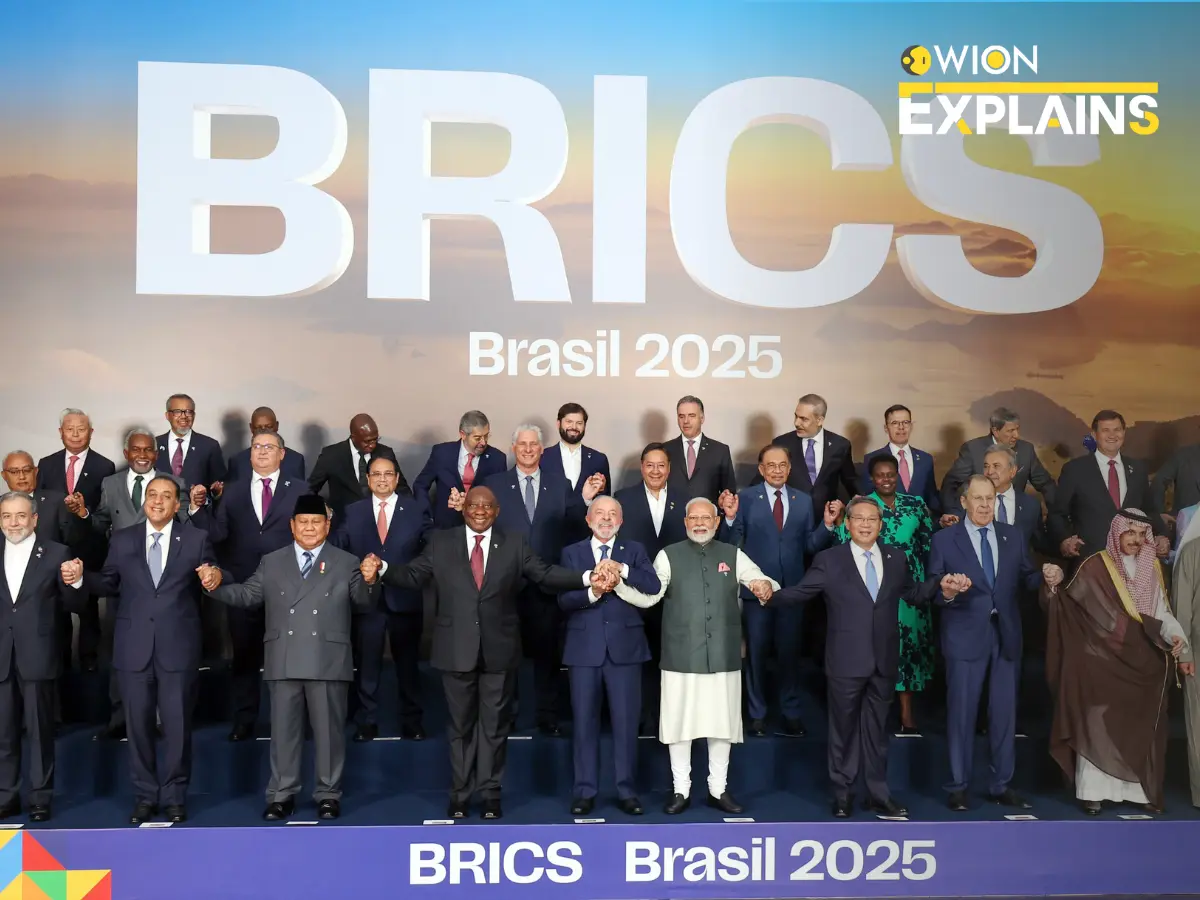
This trend reflects a broader shift toward multipolarity in international finance. Just as political power is becoming more dispersed globally, financial influence is also beginning to spread across multiple centers.
Yet enthusiasm for the Digital RMB should not obscure legitimate concerns.
Every payment system carries strategic implications. Just as critics have long argued that Western financial networks create dependencies, a future dominated by Chinese financial infrastructure could generate new forms of vulnerability.
Data governance represents one major concern. Digital currencies generate enormous amounts of transaction information. Questions surrounding who controls that data, how it is stored, and how it may be used remain critically important. African governments must ensure that their citizens’ financial information is protected through robust regulatory frameworks.
Another challenge involves technological dependence. If essential payment infrastructure becomes heavily reliant on external providers, countries may find themselves exposed to risks associated with geopolitical tensions, technical disruptions, or shifting policy priorities.
The history of development offers a clear lesson: dependency can emerge from any direction if local capacity is neglected.
Therefore, African nations should approach the Digital RMB neither with blind enthusiasm nor reflexive skepticism. Instead, they should engage strategically, seeking partnerships that strengthen domestic capabilities while preserving national sovereignty.
Regulatory harmonization will also be essential. Digital currencies operate across borders, making coordinated standards for cybersecurity, anti-money laundering compliance, consumer protection, and financial oversight increasingly important. Without proper safeguards, the rapid expansion of digital payment systems could introduce new risks alongside new opportunities.
The ultimate objective should not be replacing one dominant system with another. Africa’s goal should be building a diversified financial architecture capable of supporting sustainable growth and economic independence.
This is where policymakers must demonstrate vision.
The rise of the Digital RMB should be viewed as an opportunity to strengthen competition within the global payments ecosystem. Competition drives innovation, lowers costs, and expands options for users. A world in which businesses can choose among multiple secure and efficient payment platforms is likely to be healthier than one dominated by a single network.
For Africa, the stakes are particularly high. The continent is home to some of the world’s fastest-growing economies, youngest populations, and most dynamic digital adoption trends. Mobile money innovations have already demonstrated Africa’s ability to leapfrog traditional financial models. The next phase of this transformation may involve integrating digital currencies and next-generation payment systems into regional and global commerce.
Whether the Digital RMB becomes a dominant force or simply one important component of a broader financial ecosystem remains uncertain. What is clear is that the global payments landscape is changing.
SWIFT is unlikely to disappear anytime soon. The dollar will remain the world’s leading reserve currency for the foreseeable future. However, the emergence of credible alternatives signals that the era of unquestioned financial dominance may be gradually giving way to a more competitive and multipolar environment.
Africa stands at the center of this transition. If managed wisely, the continent can use new technologies and partnerships to expand trade, reduce costs, and strengthen economic sovereignty. If managed poorly, it risks exchanging one form of dependency for another.
The digital yuan is therefore not merely a new payment tool. It is a test of Africa’s ability to navigate a rapidly changing global financial order and shape its own economic future on its own terms.
Jennifer Hicks is a columnist and political commentator writing on a large range of topics.