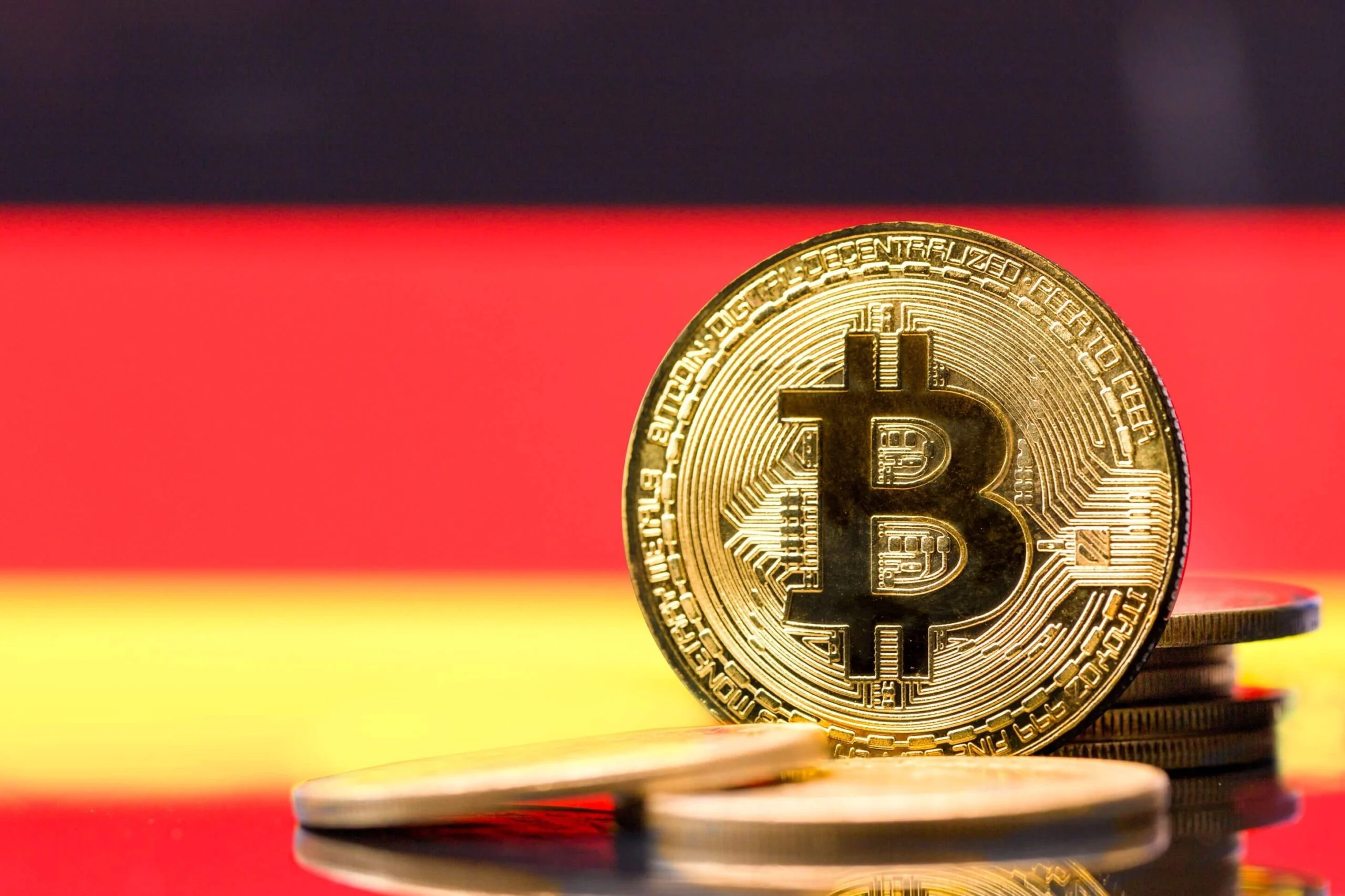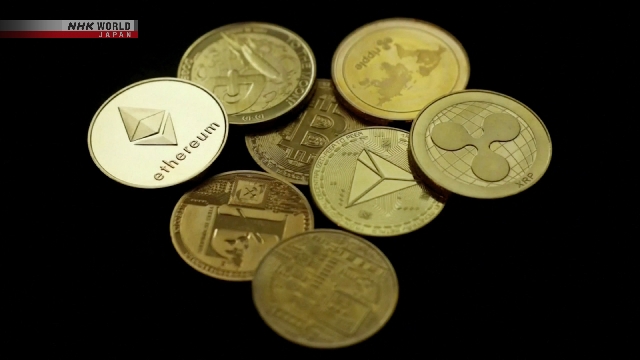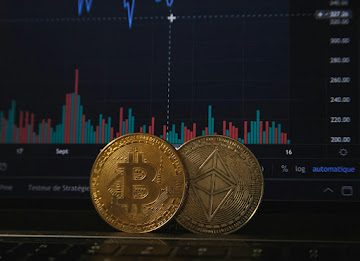
Greece is preparing to introduce a new tax framework for cryptocurrencies, with plans to impose a 15% tax on profits from digital asset transactions as part of a broader effort to regulate the growing market.
According to Reuters, the Greek Ministry of Finance is drafting legislation that would formally incorporate cryptocurrencies into the country’s tax code, ending years of regulatory uncertainty surrounding digital assets.
Under the proposed rules, investors would pay a 15% capital gains tax on profits earned from cryptocurrency transactions. The first €500 in annual gains would reportedly be exempt from taxation, providing relief for smaller investors and casual traders.
Government officials said the bill could be submitted to parliament in the coming months.
Bringing crypto into the tax system
The move is designed to address a longstanding regulatory gap. While cryptocurrency trading has become increasingly popular in Greece, the country has never established a comprehensive taxation framework for digital assets.
As a result, many investors have operated through international exchanges and platforms, making it difficult for authorities to accurately track profits and tax obligations.
Officials believe the new framework will not only generate additional tax revenue but also provide greater legal clarity for investors seeking to declare cryptocurrency-related income.
Mining exemption for individuals
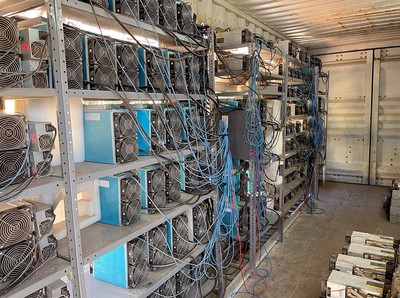
Under the proposed legislation, individual cryptocurrency mining activities would not be subject to the new tax regime.
However, mining operations conducted through companies or other legal entities would continue to be regulated under existing business tax laws.
Part of a wider European trend
Greece joins a growing number of European countries seeking to establish clearer rules for cryptocurrency taxation.
While the European Union has introduced regulations governing digital asset providers, tax treatment remains largely the responsibility of individual member states.
Tax rates across Europe vary significantly, with some jurisdictions offering favourable treatment for crypto investors, while others impose considerably higher tax burdens on digital asset gains.
At 15%, Greece’s proposed rate would place it somewhere in the middle of the European spectrum.
Key details still unknown
Despite the announcement, several important questions remain unanswered.
The draft legislation has yet to clarify how gains and losses will be calculated, whether investors will be able to offset losses against future profits, what documentation will be required, and how transactions on foreign exchanges will be monitored.
Another major issue is whether the new rules will apply only to future gains or whether existing cryptocurrency holdings could be affected when they are eventually sold.
For many investors, the success of the reform will depend less on the tax rate itself and more on the simplicity and transparency of the final rules.
If adopted, the legislation would mark Greece’s most significant step yet toward integrating cryptocurrencies into the country’s mainstream financial and tax system.
Source: Reuters
Stay connected via Google News
Follow us for the latest news updates