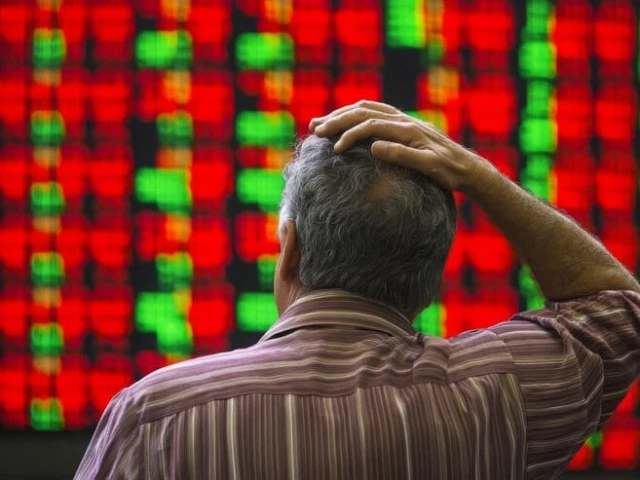
The UK economy unexpectedly failed to grow in January as the dominant services sector struggled, in a lacklustre start to the year even before the Middle East war sparked a global energy shock.
The zero growth registered in the month was below the 0.2 per cent expansion forecast by economists in a Reuters poll and December’s 0.1 per cent reading.
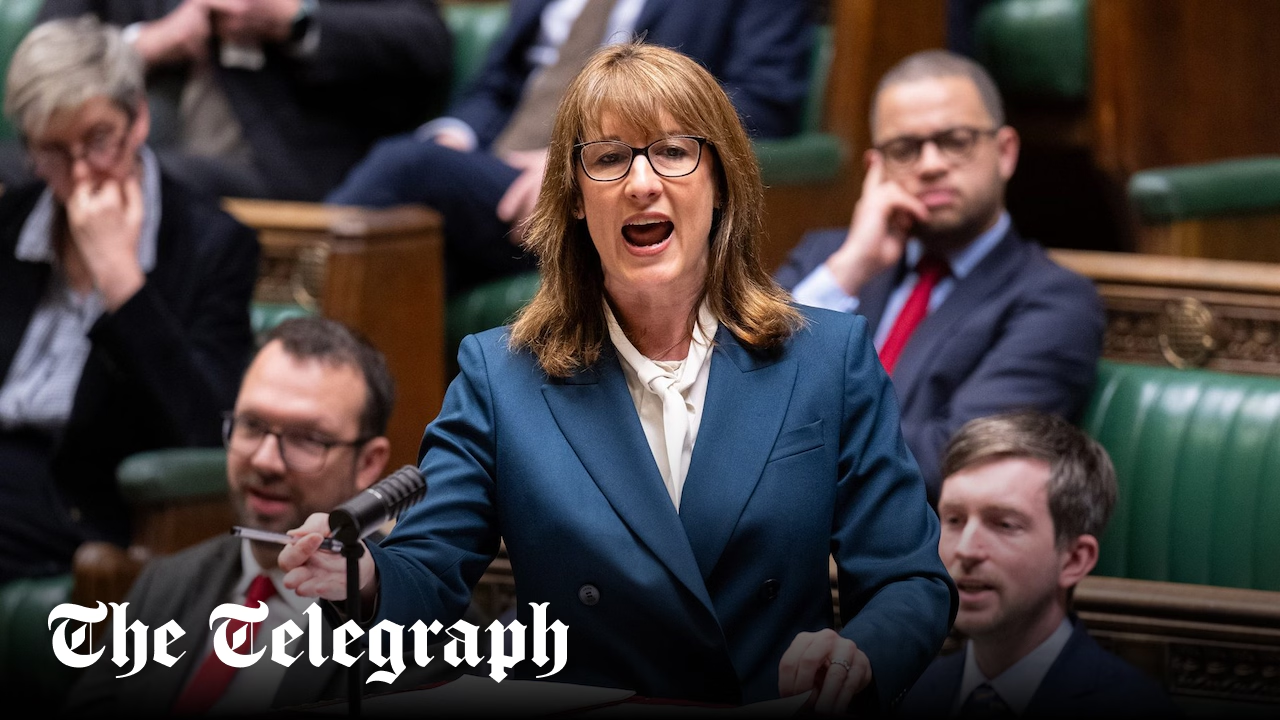
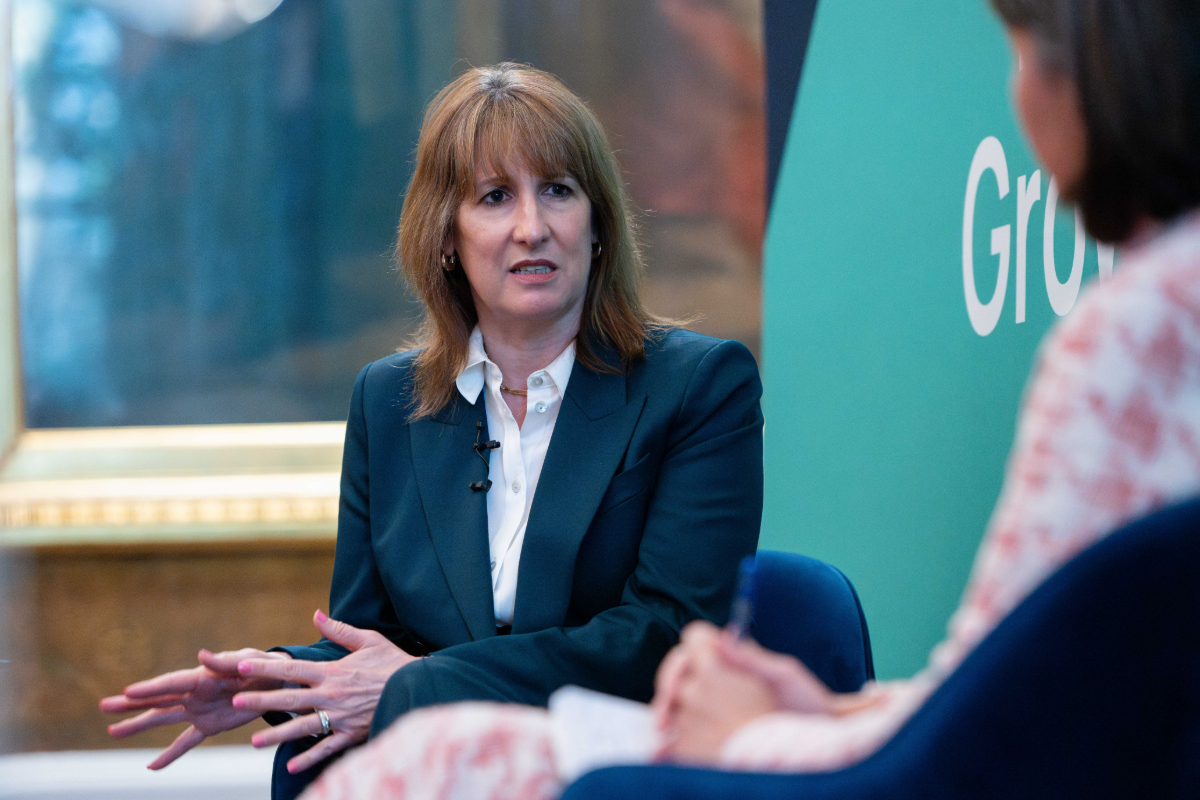
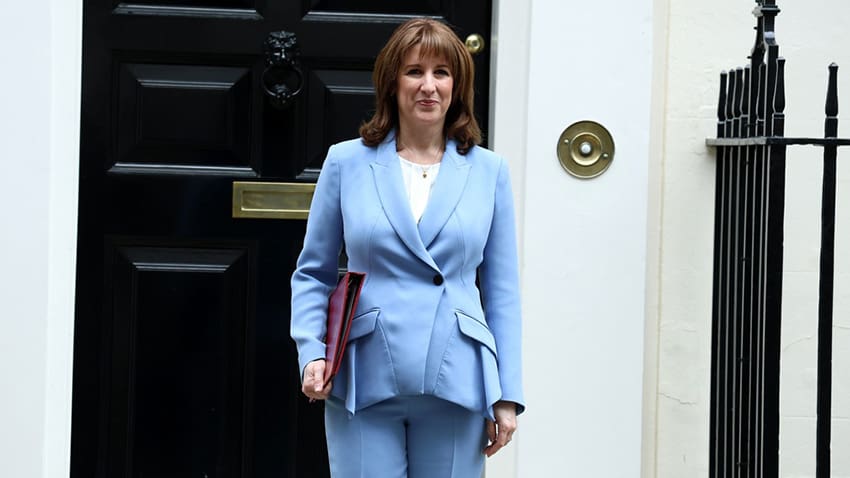
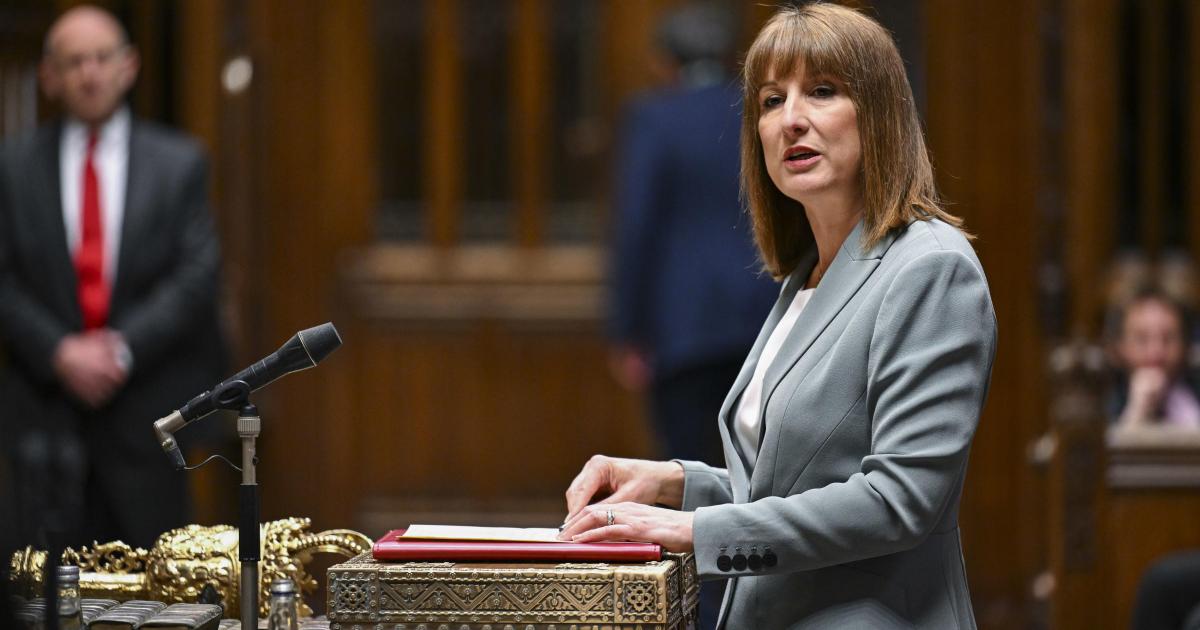
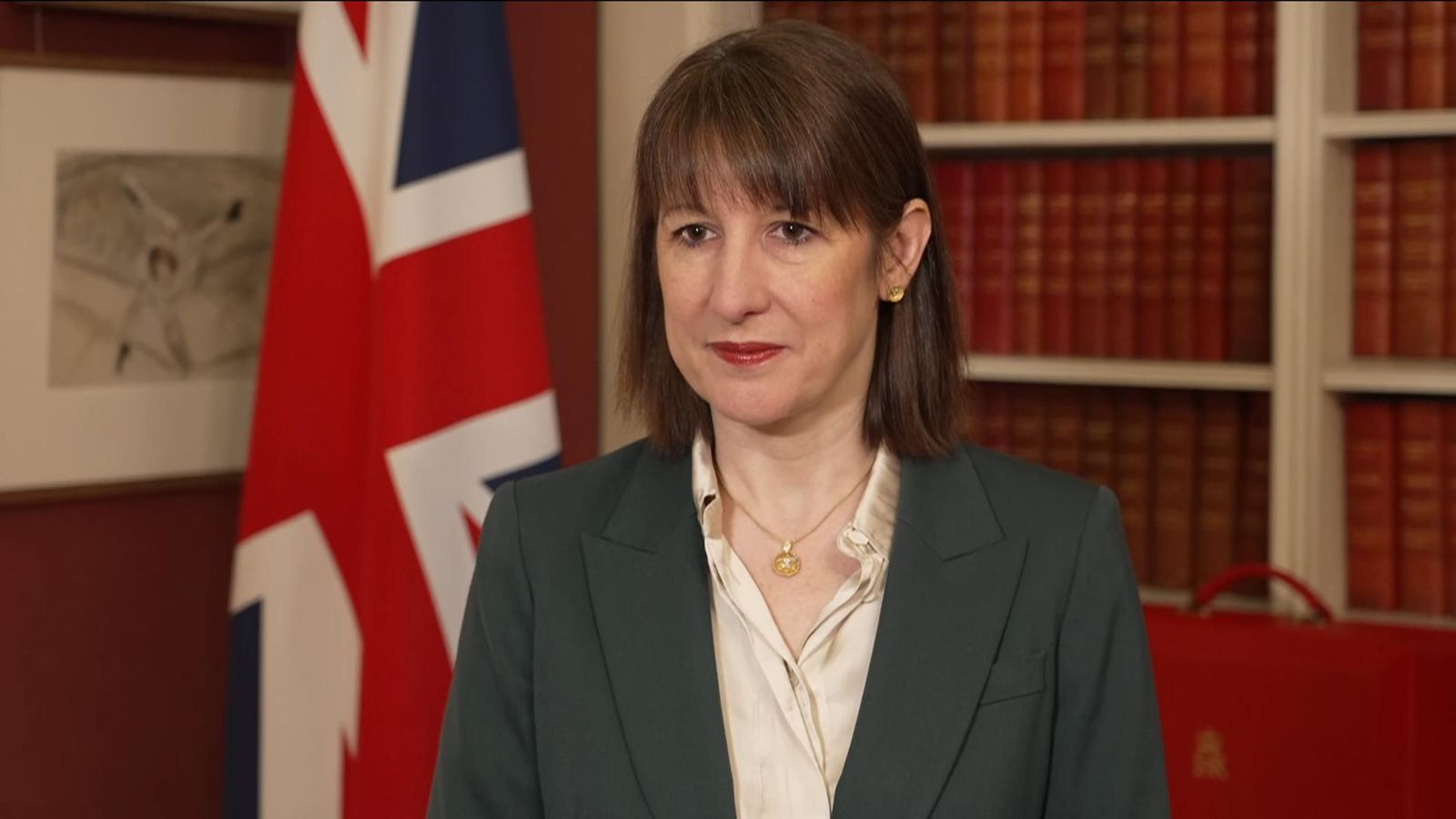
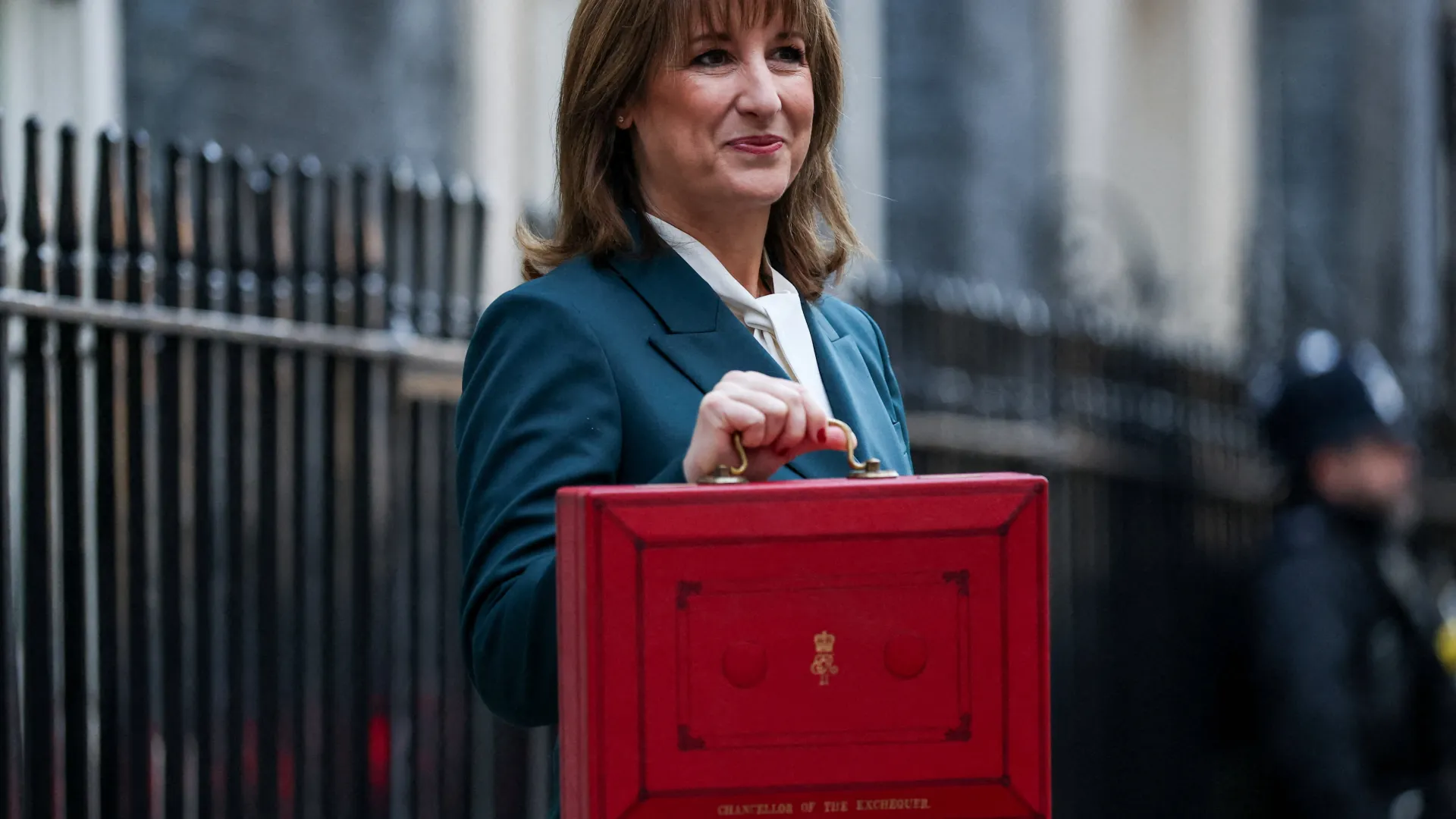
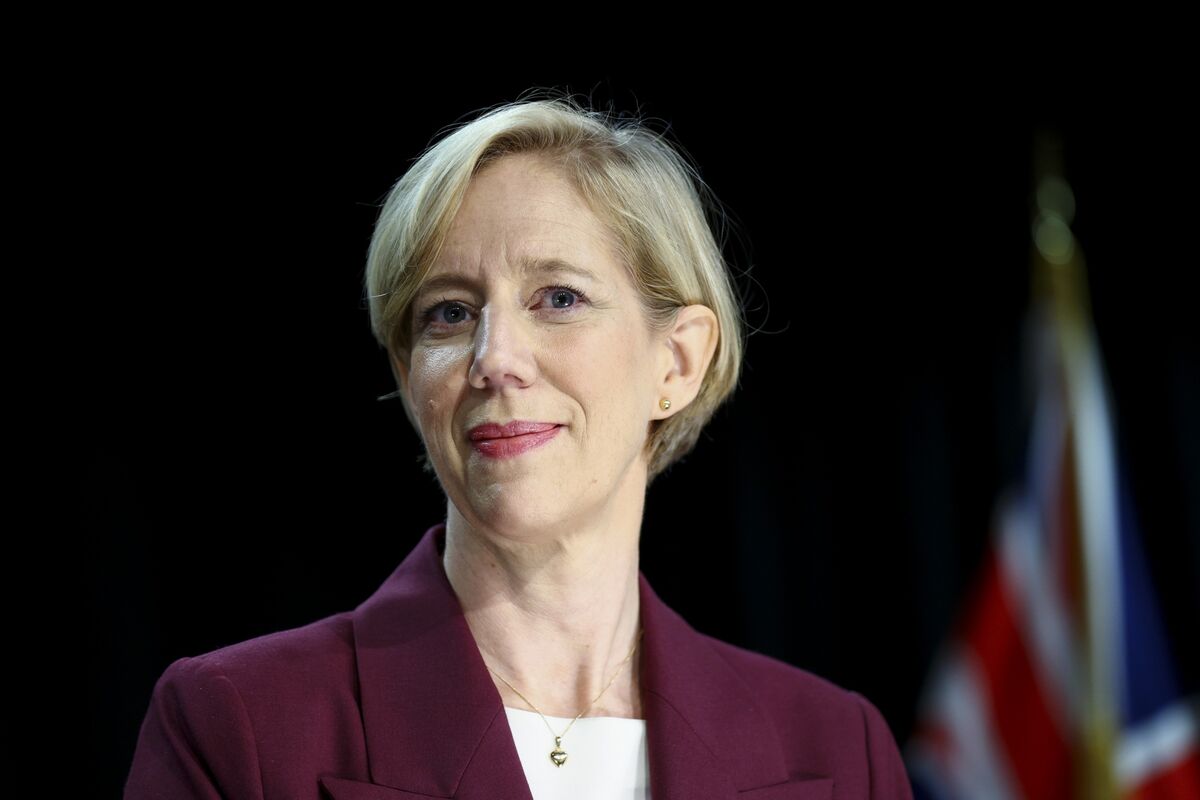
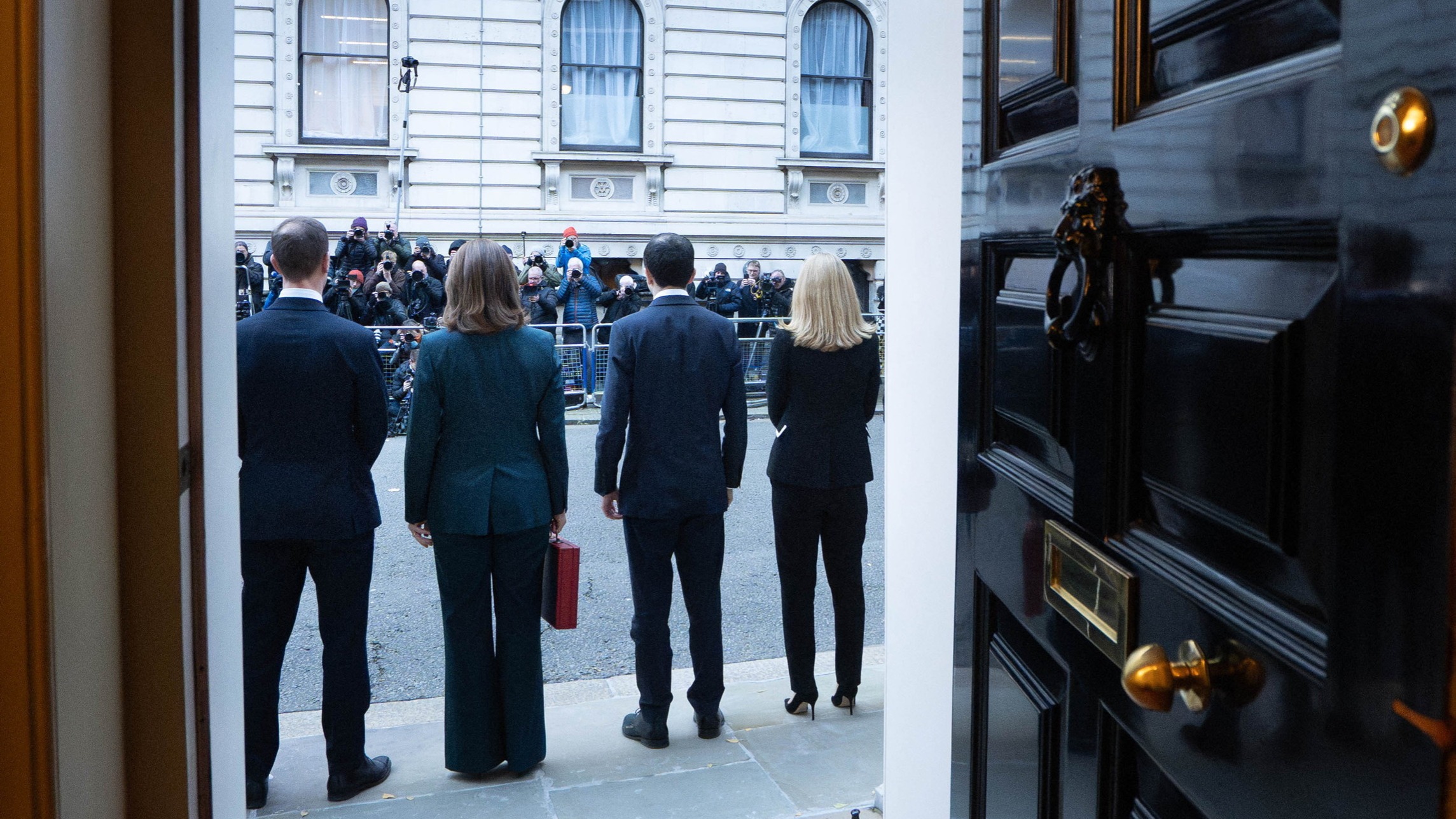
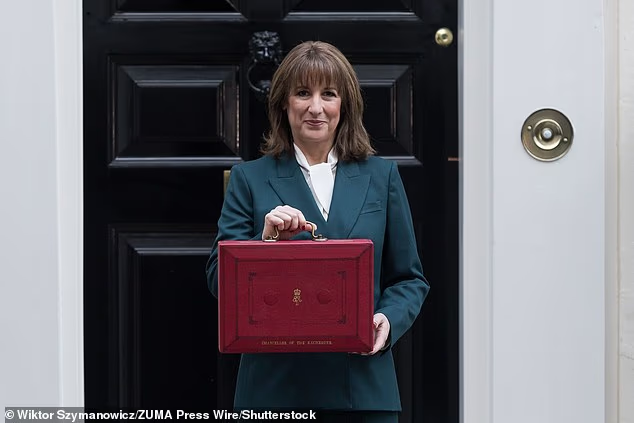
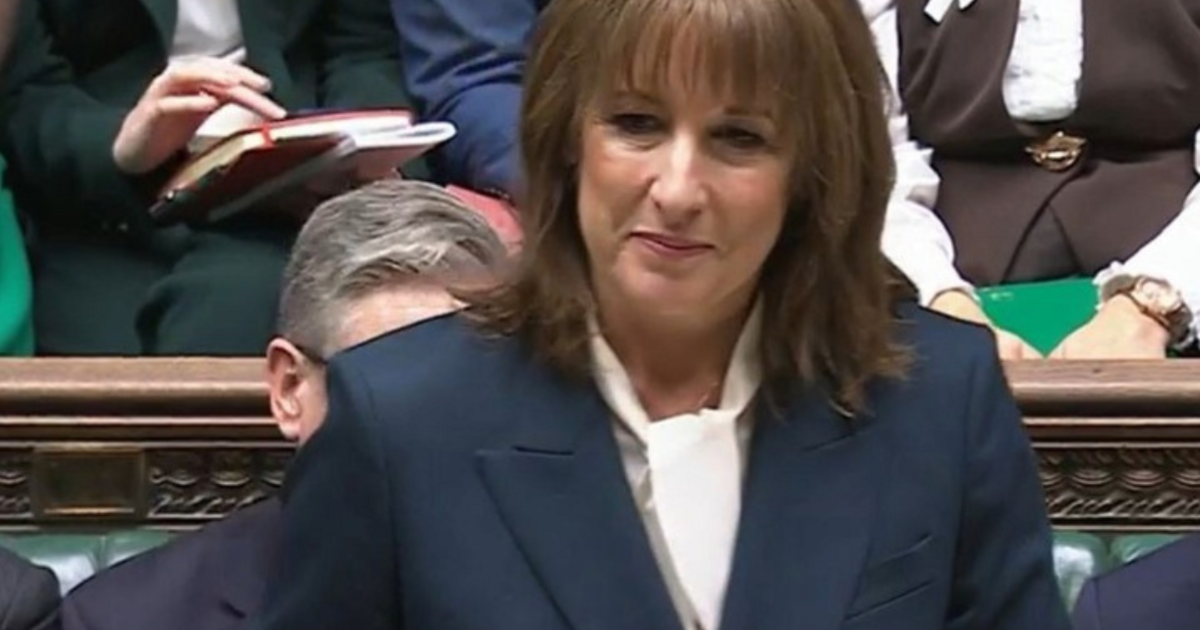
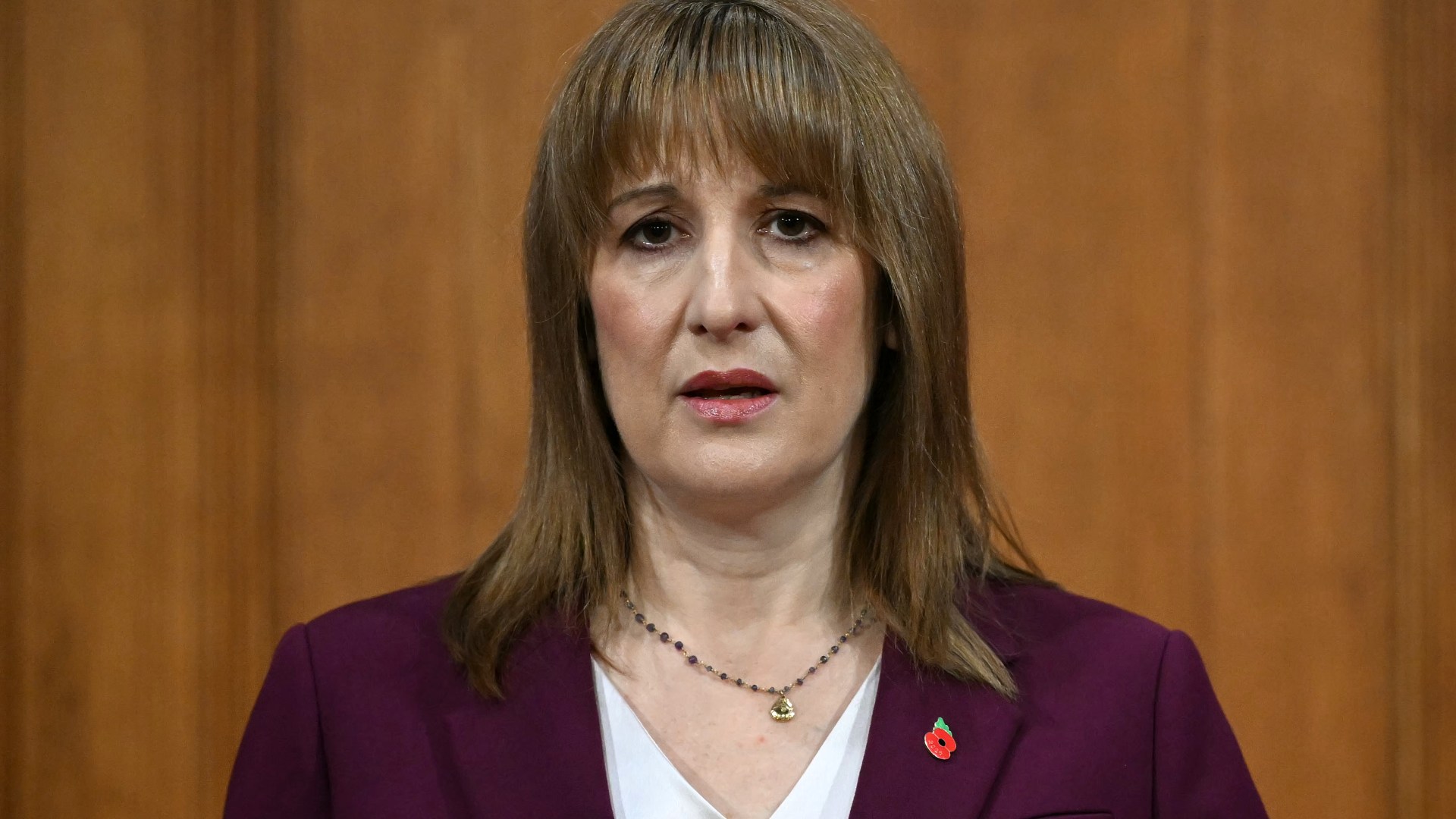
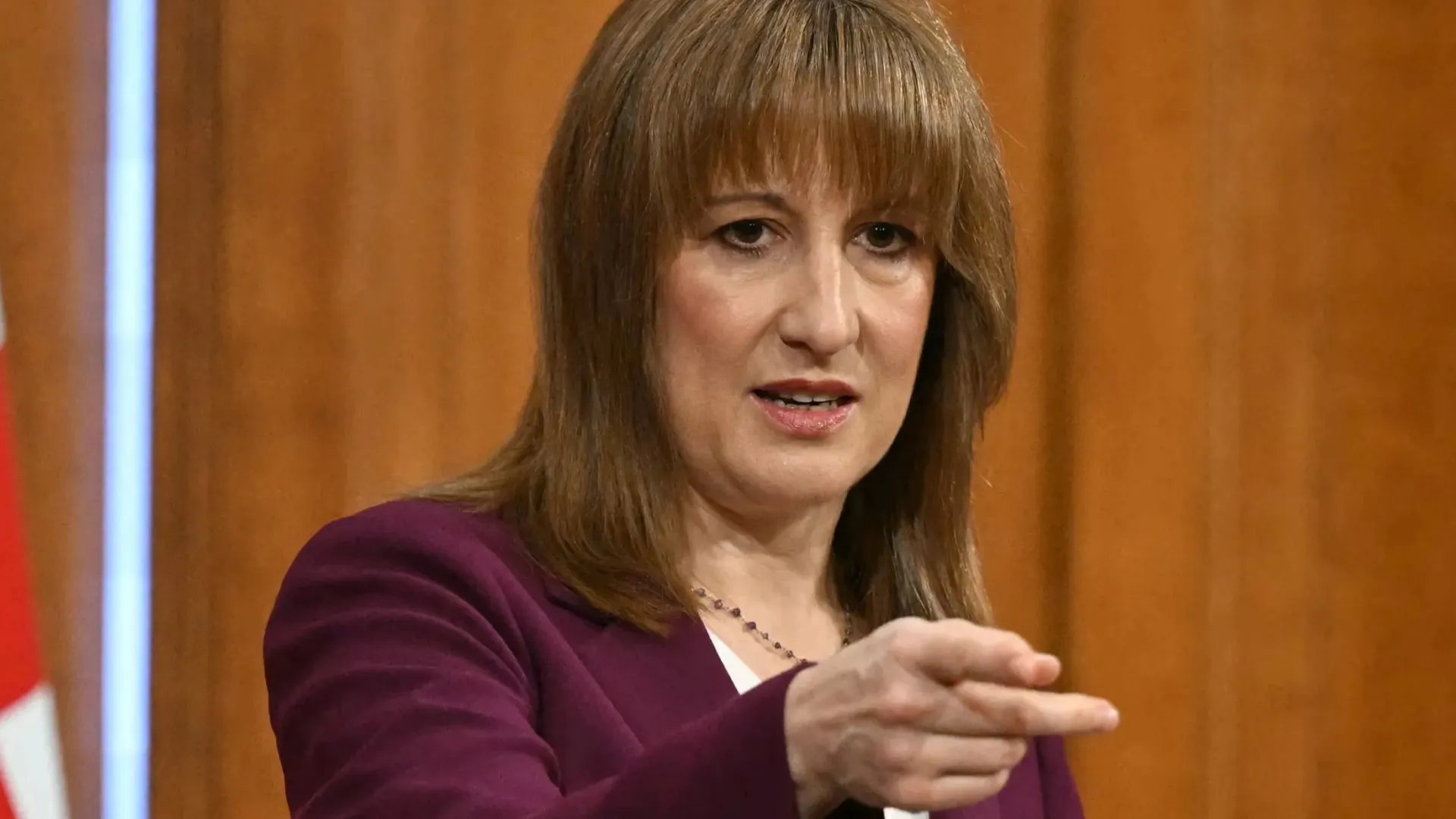
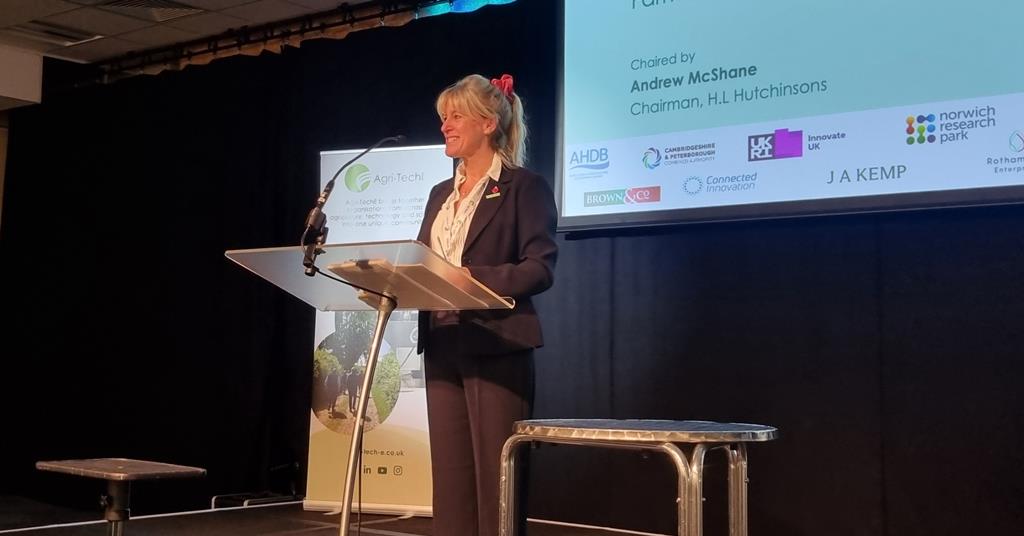
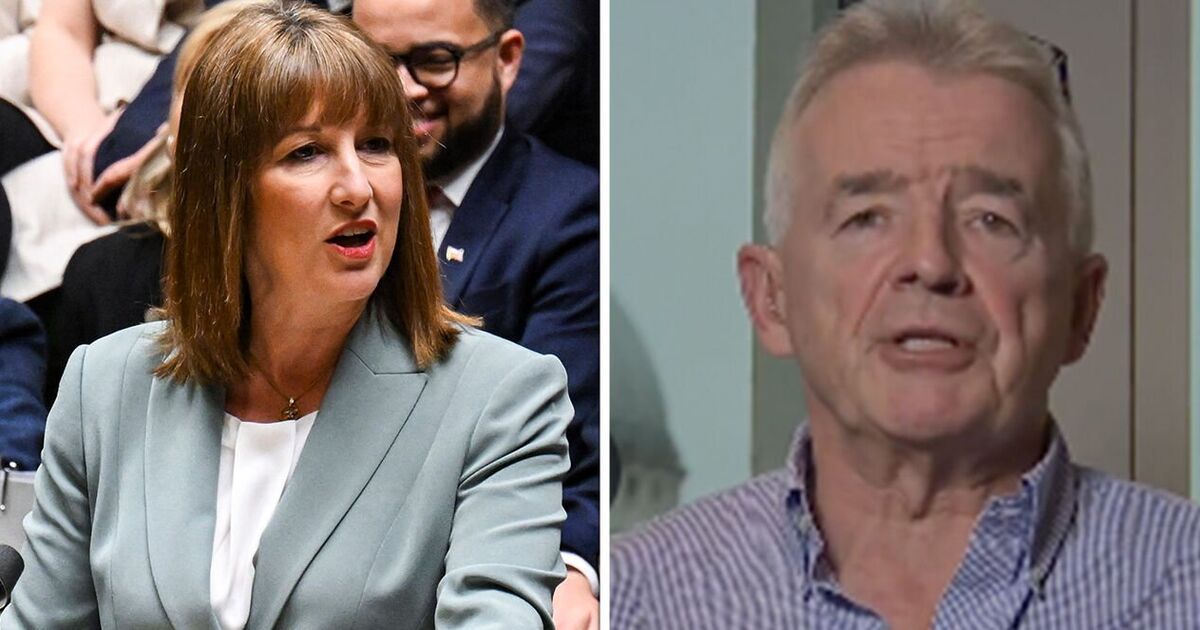
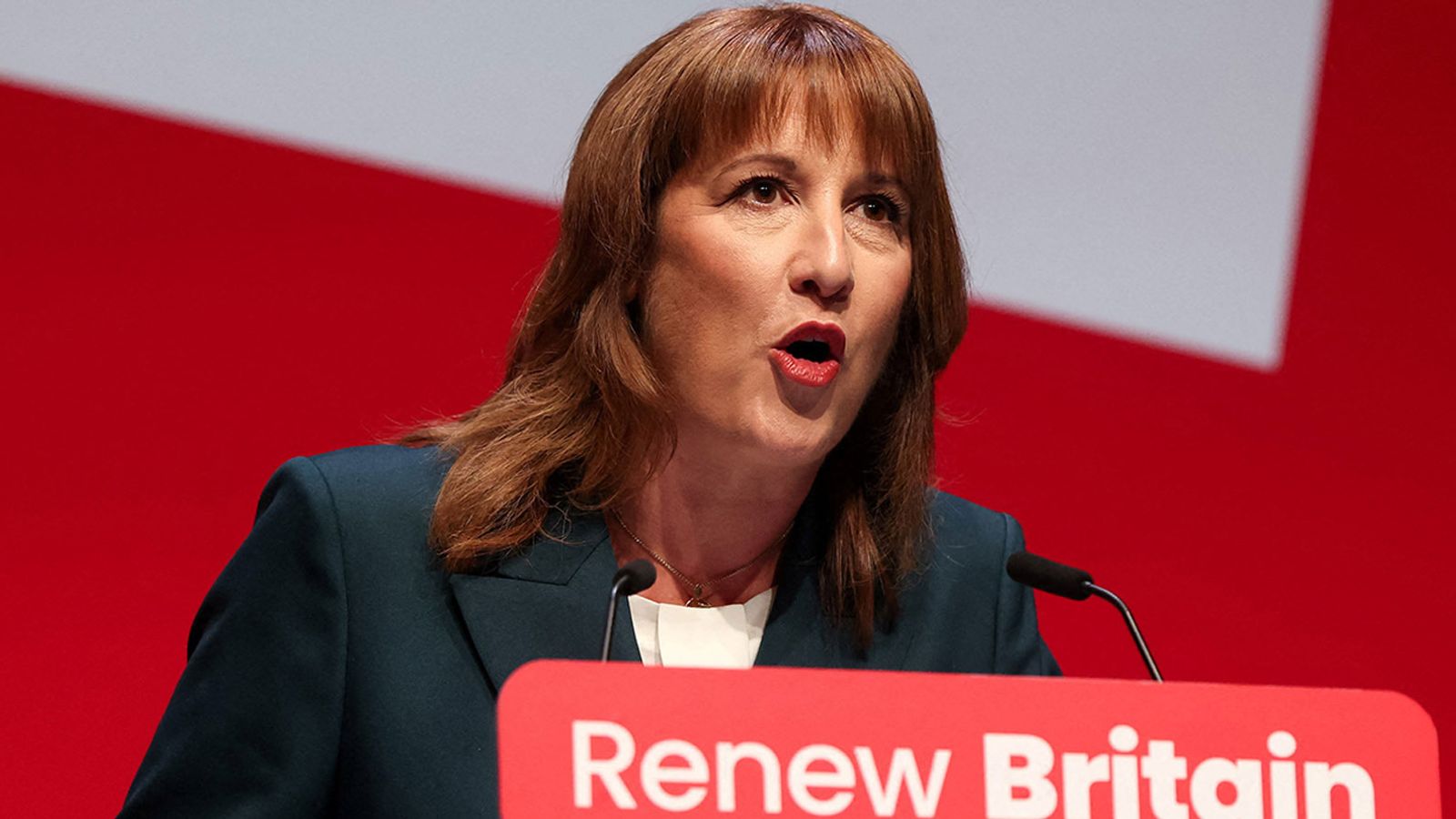
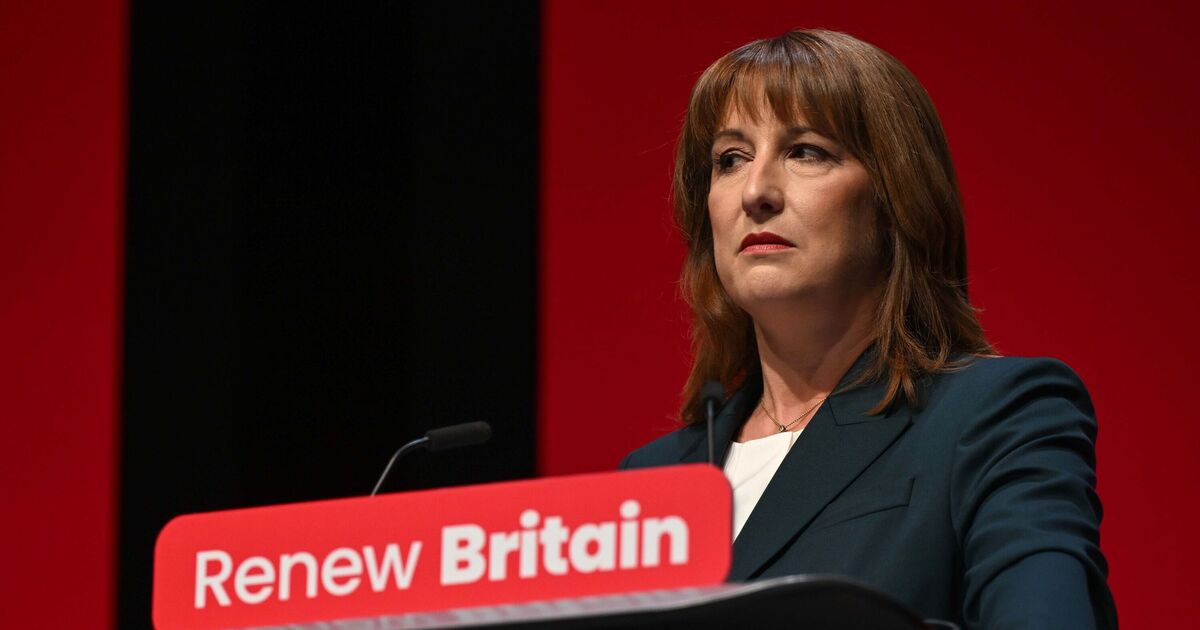
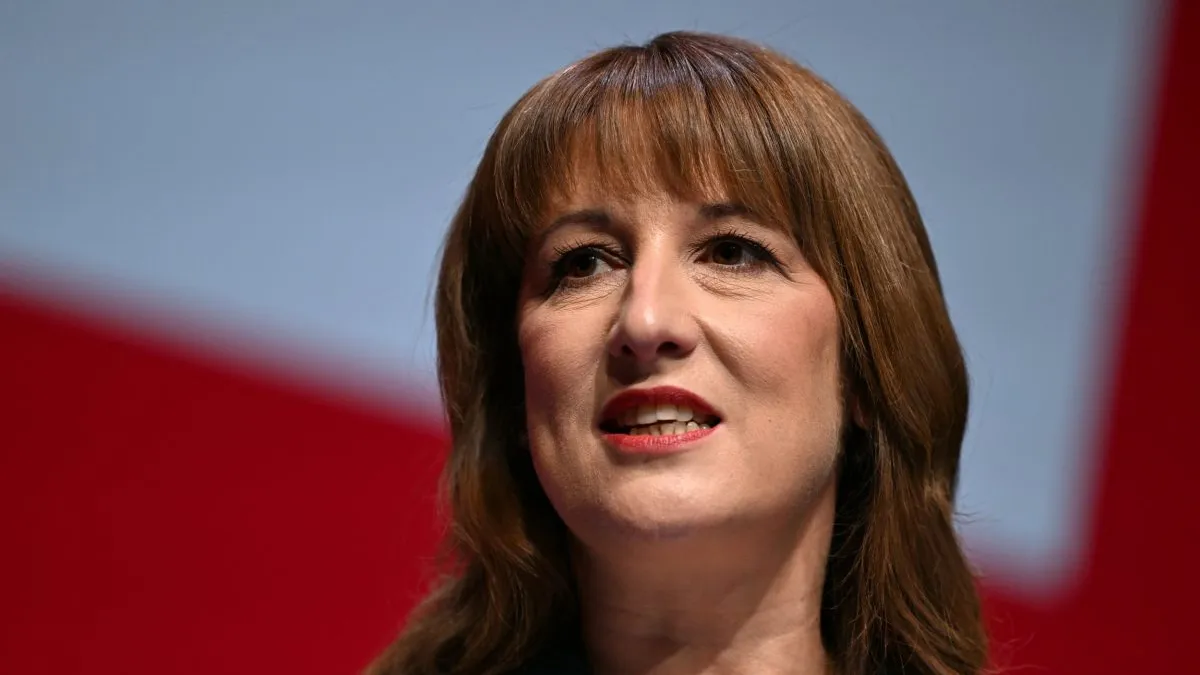
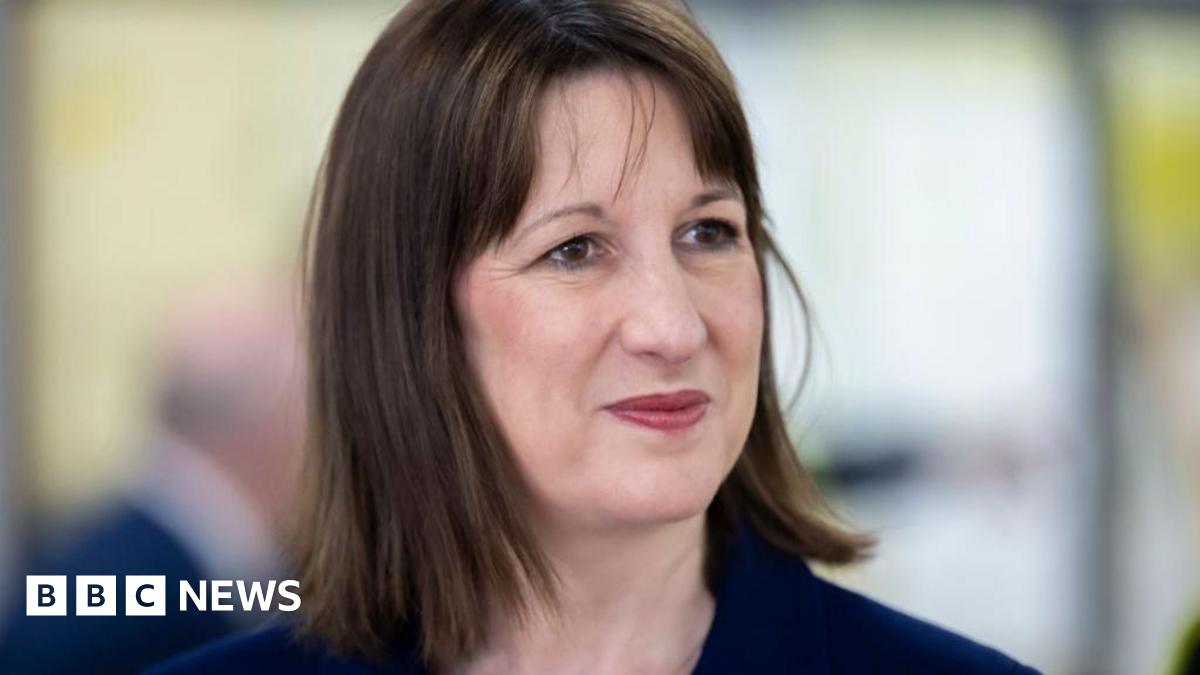
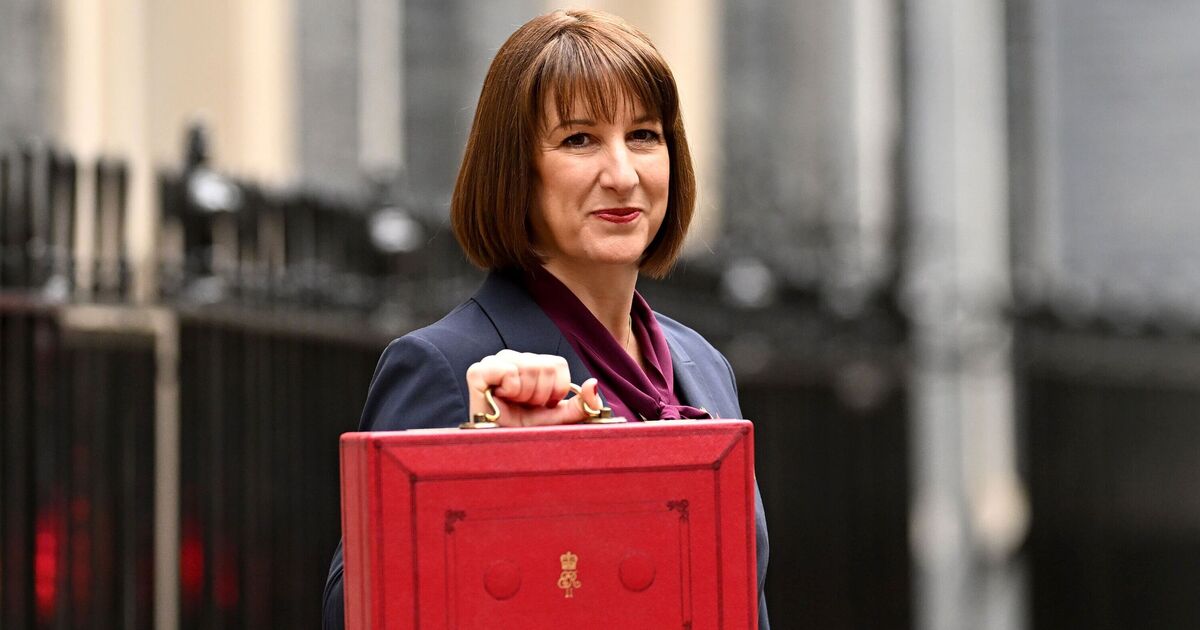
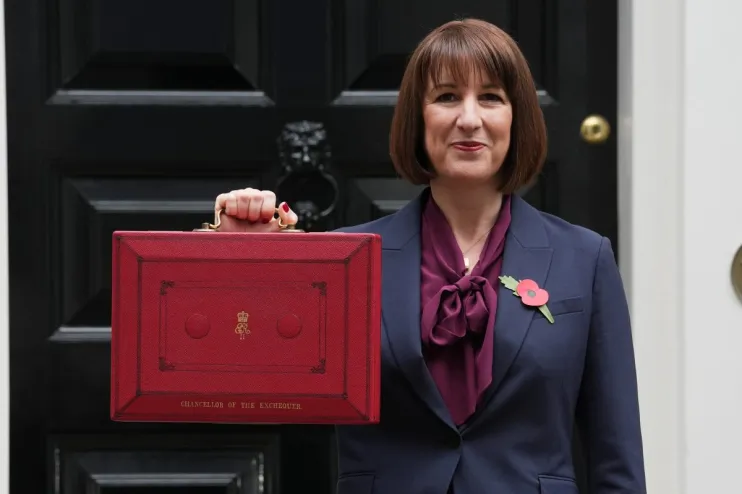
Friday’s figure underlines the hurdles facing chancellor Rachel Reeves as she attempts to revive an economy in which businesses and households are now contending with a surge in oil and gas prices.
Paul Dales, economist at the consultancy Capital Economics, said: “It is clear the economy was subdued even before the leap in energy prices triggered by the Middle East conflict.”
Depending on how long energy prices remain elevated, Dales expects the economy to grow between 0.1 per cent and 0.6 per cent this year compared with a previous forecast of 1 per cent.
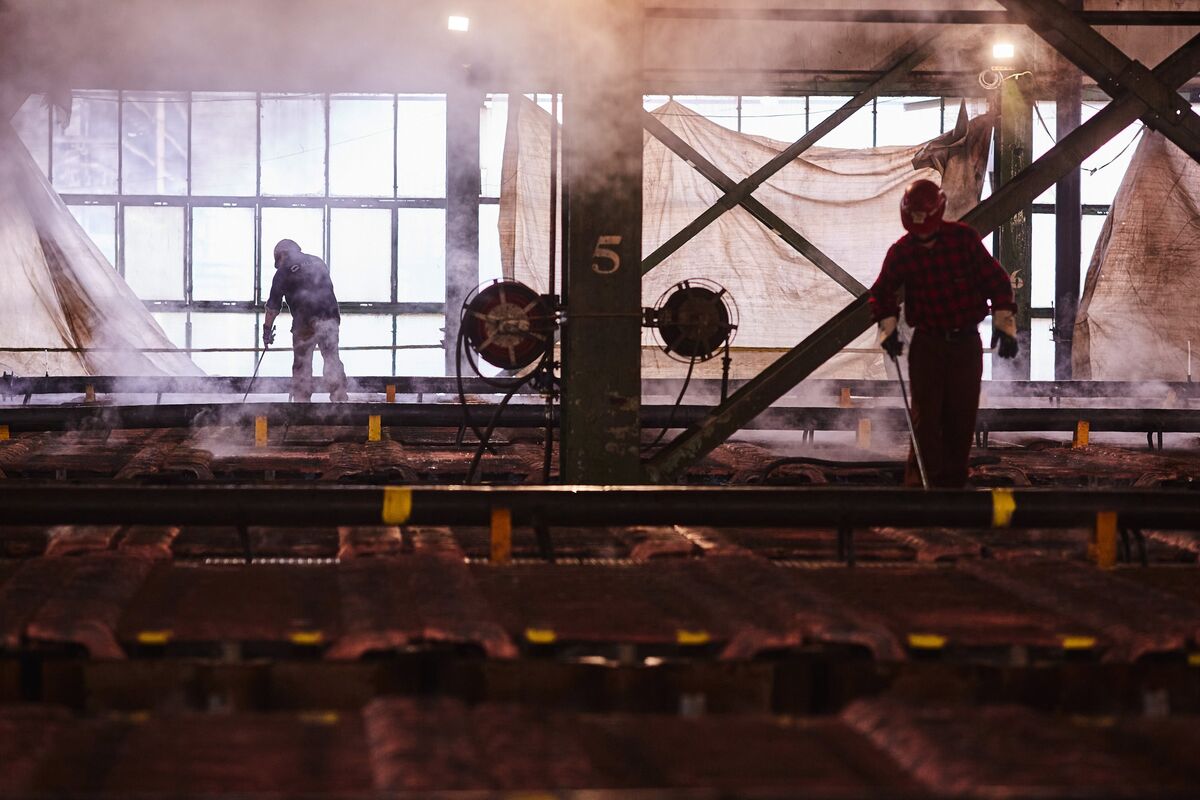
The services sector failed to grow in January, according to the data from the Office for National Statistics, while production contracted 0.1 per cent.
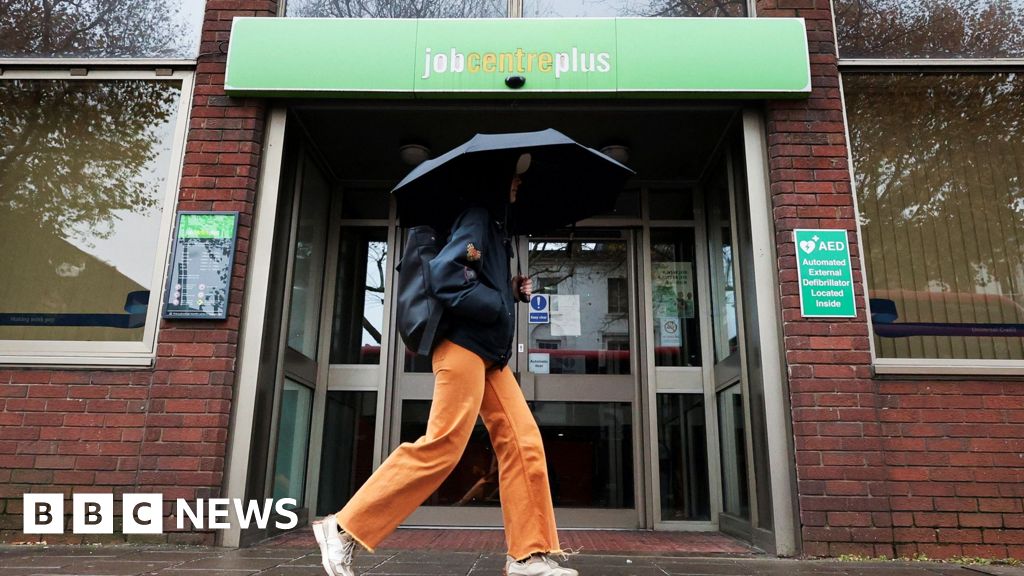
Weakness among recruiters and employment agencies meant the employment activities sector was the biggest drag on growth in January. Output in food and beverage services, which include pubs and restaurants, was also down in the month.
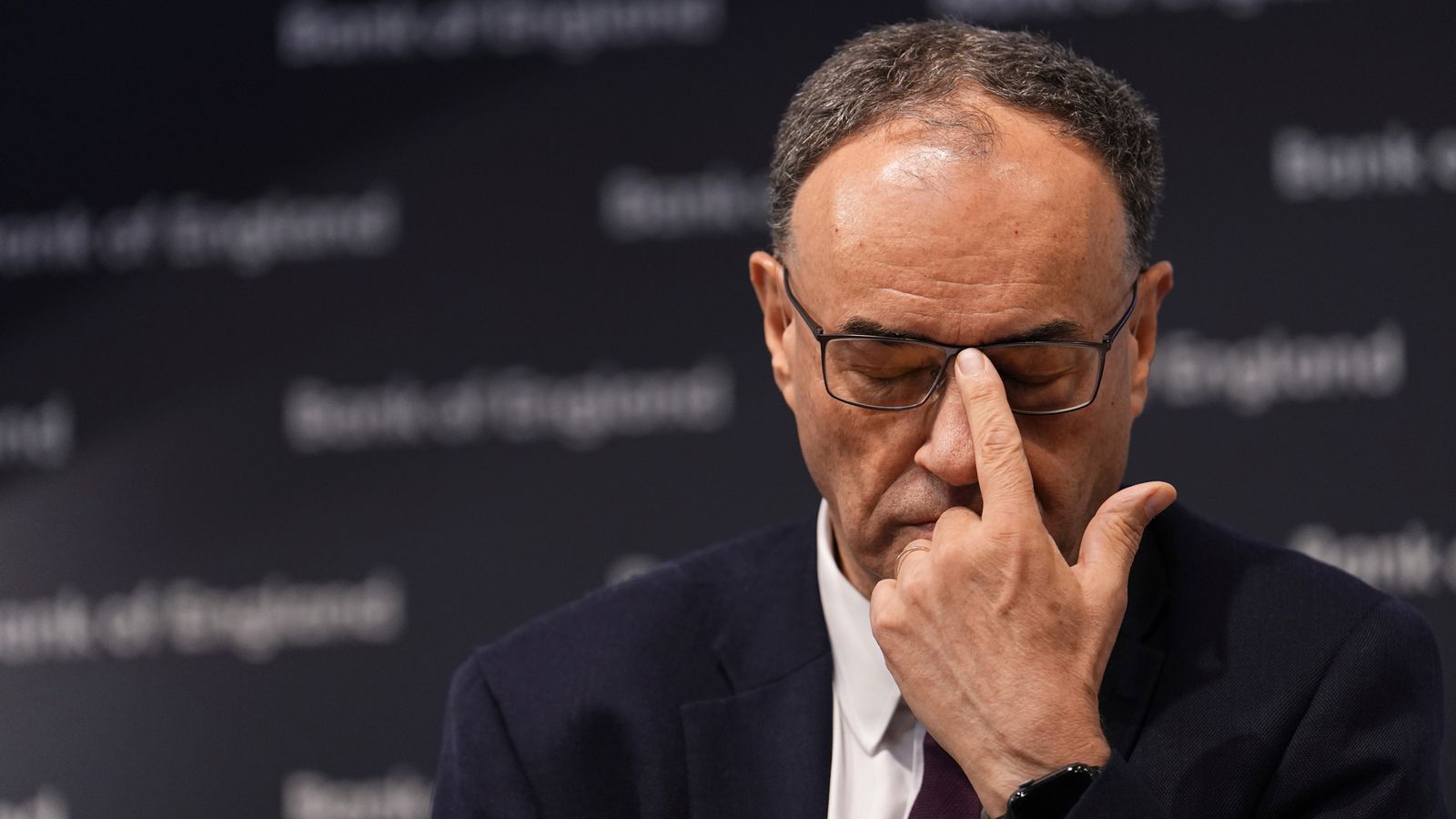
The data also complicates the challenge facing the Bank of England, which is expected to hold interest rates at 3.75 per cent when its Monetary Policy Committee meets next week.
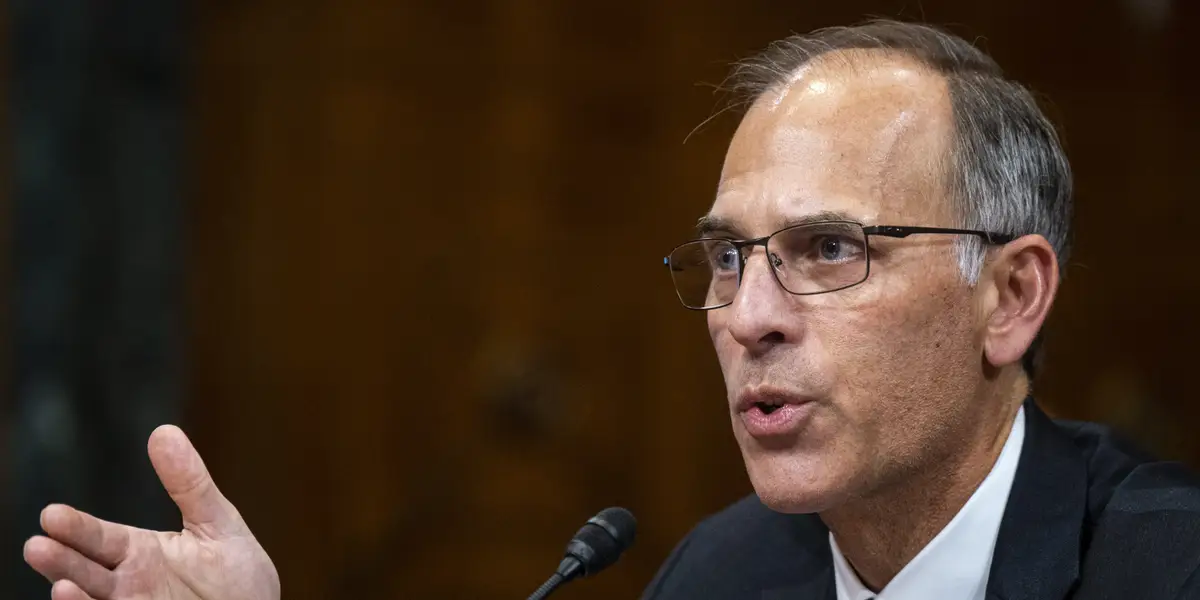
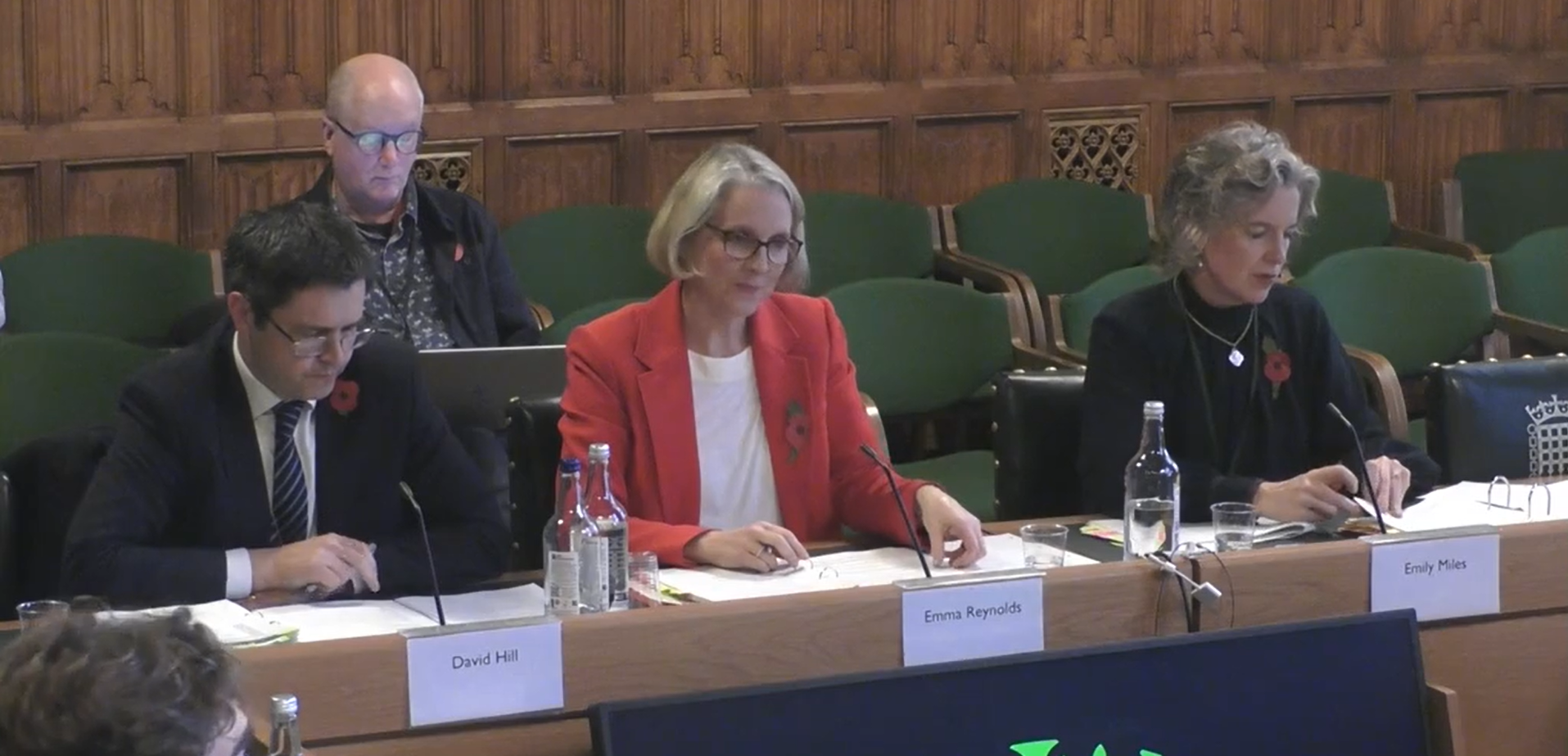
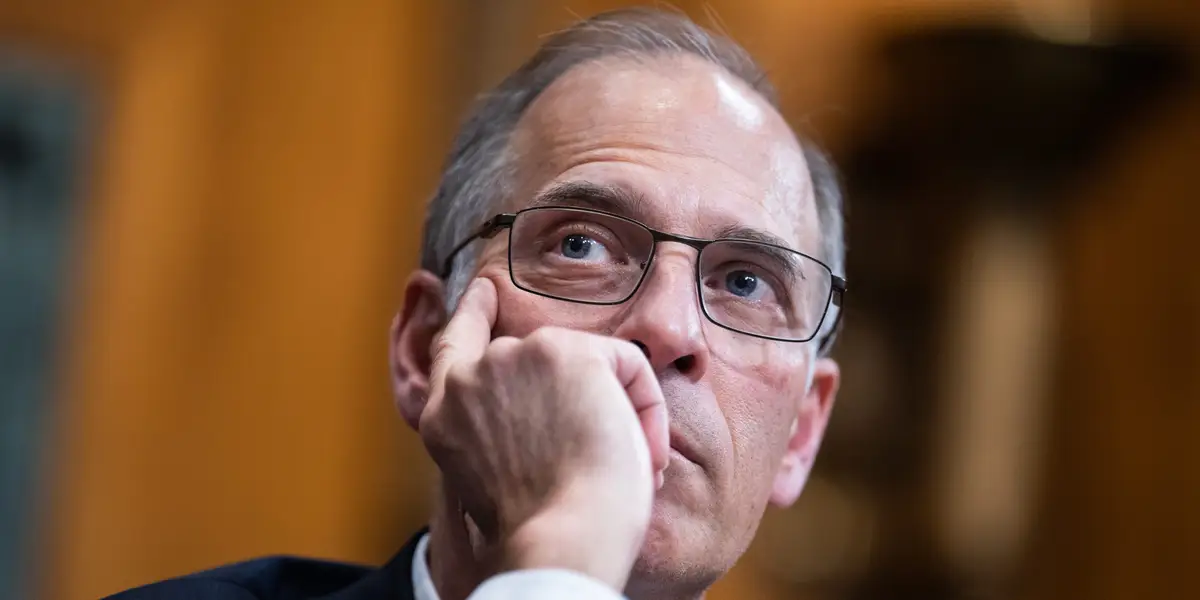
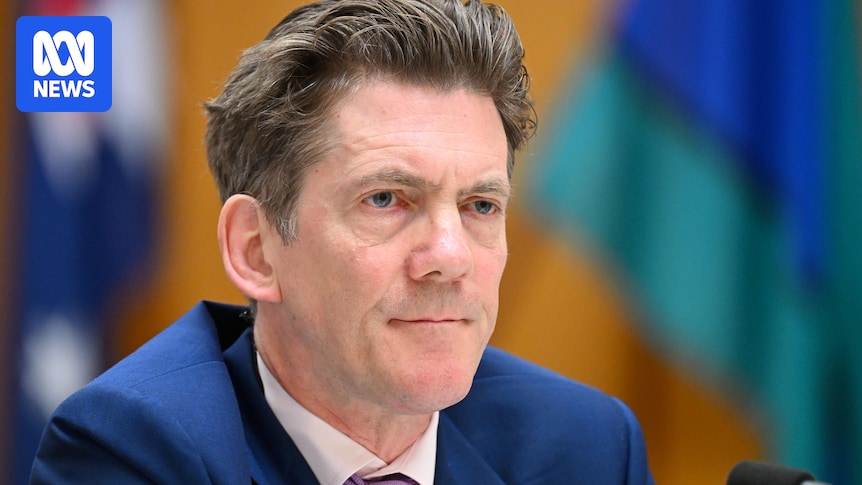
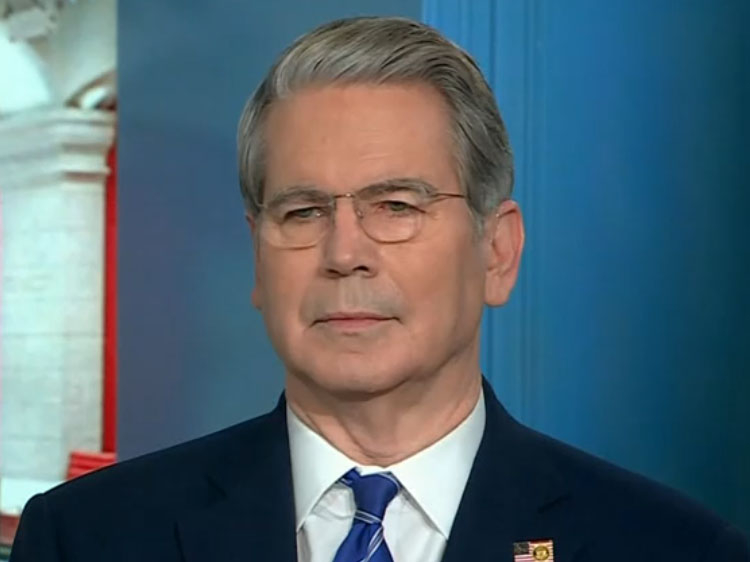
David Miles, the top economist at the Office for Budget Responsibility, the UK’s fiscal watchdog, this week warned that inflation could end the year at about 3 per cent, rather than easing, if energy prices remained at their current levels.
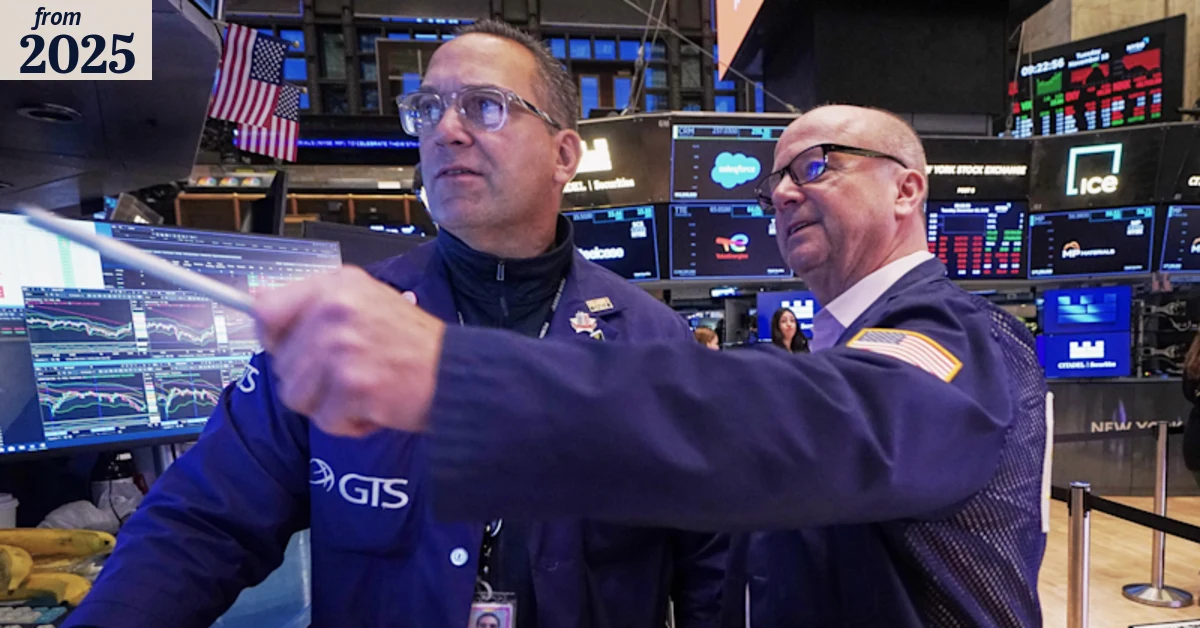
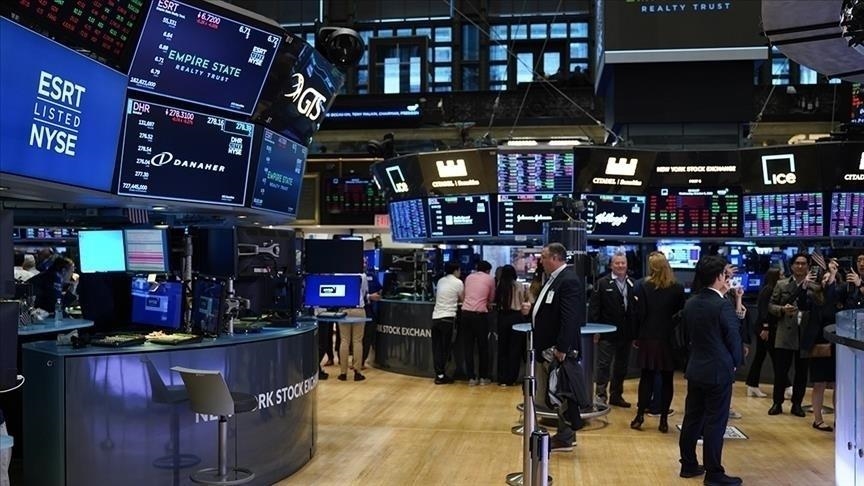
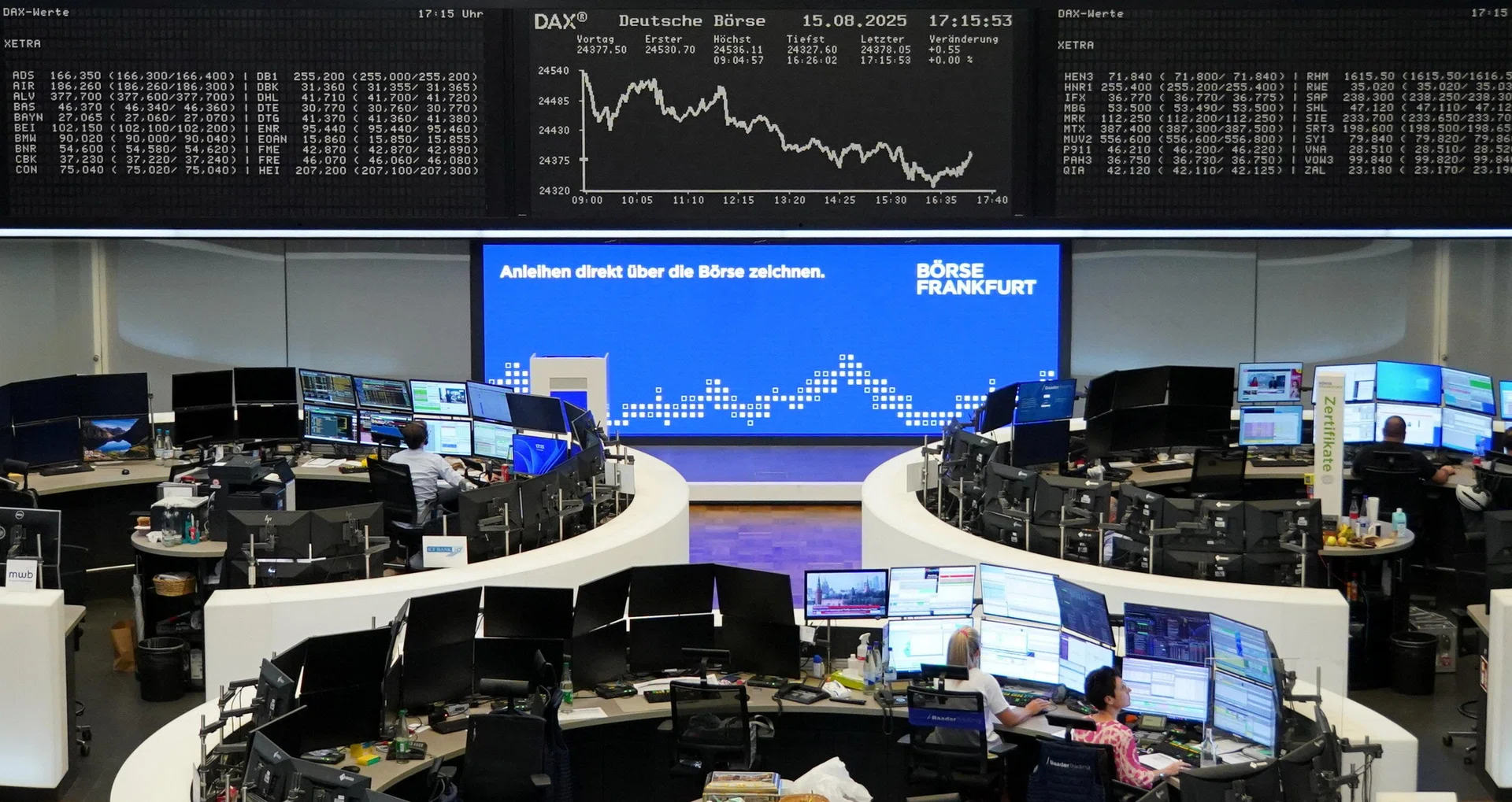
The prospect of higher inflation persisting for longer has prompted traders to scale back bets on interest rate cuts from the MPC, with markets now expecting the central bank to eventually have to raise borrowing costs.
Following January’s data, traders pushed back their expectations for when the MPC will lift interest rates by a quarter point from this year to 2027.
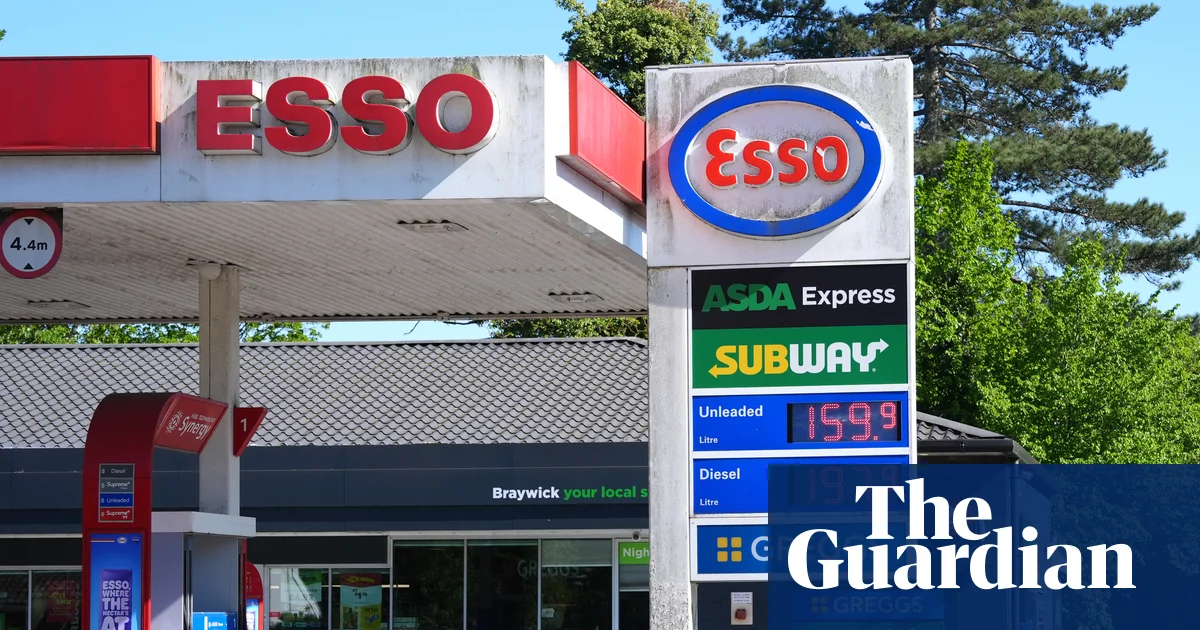
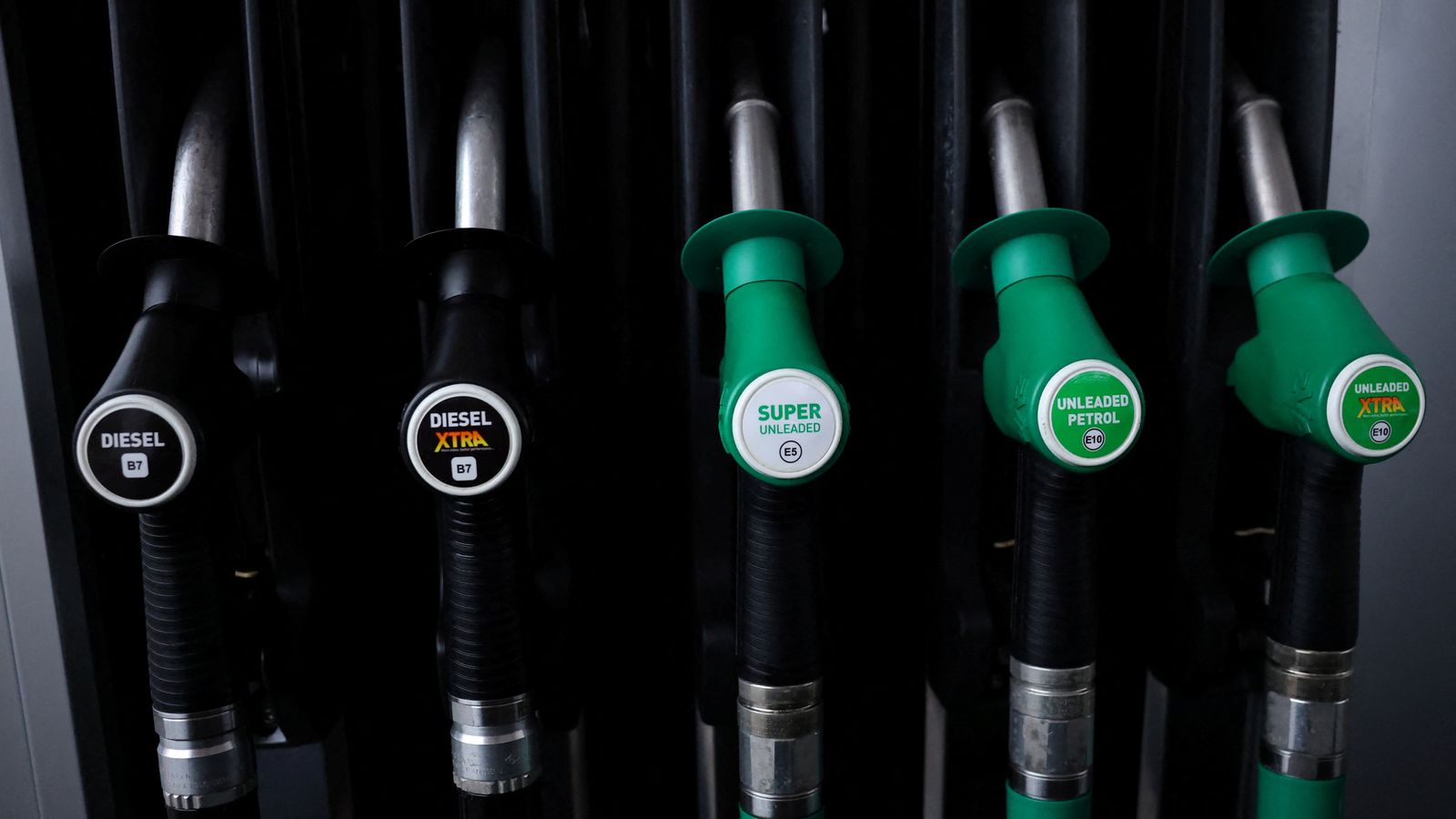
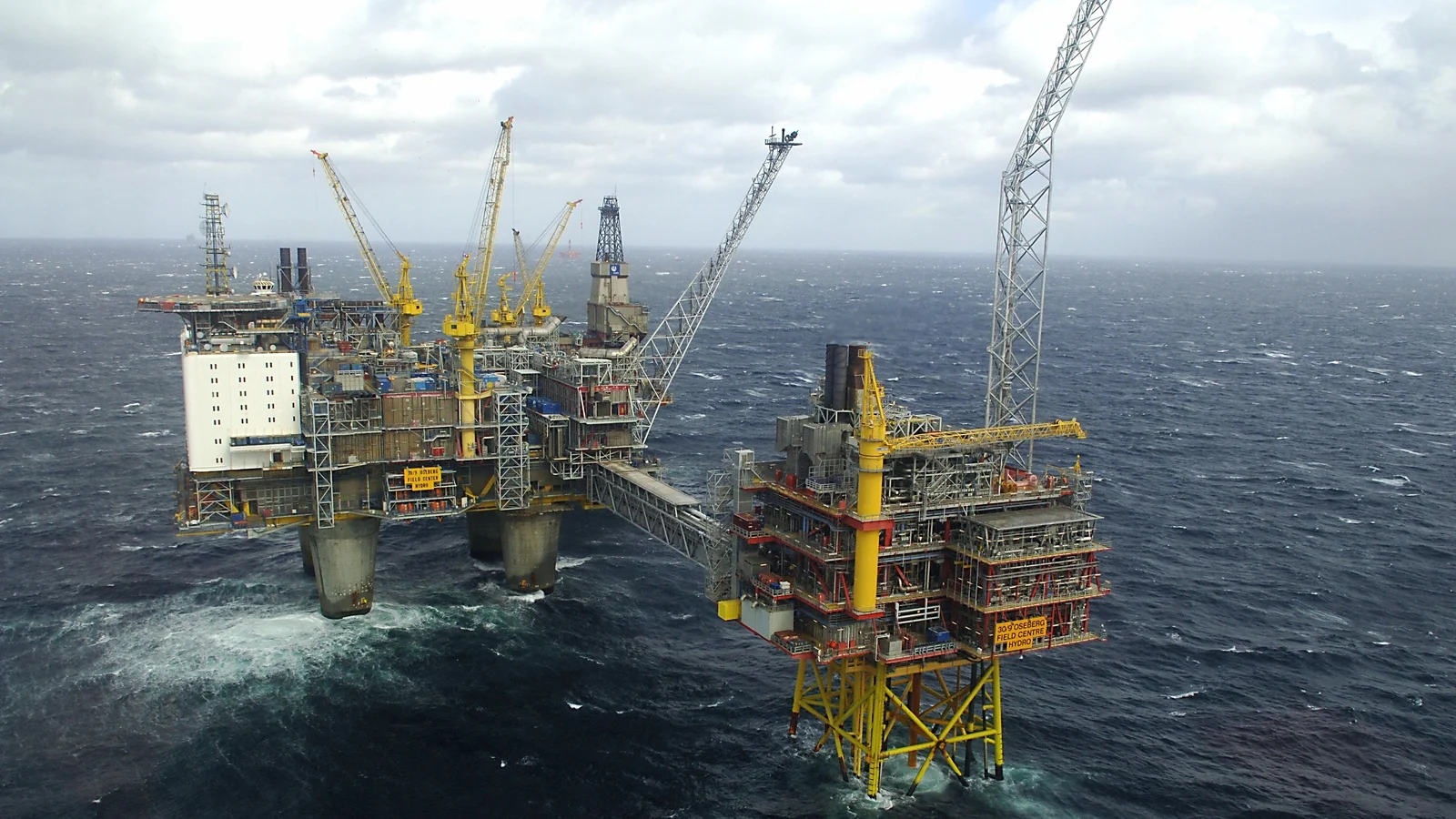
Higher energy prices are already feeding through to consumers, with petrol prices up and lenders raising mortgage rates.

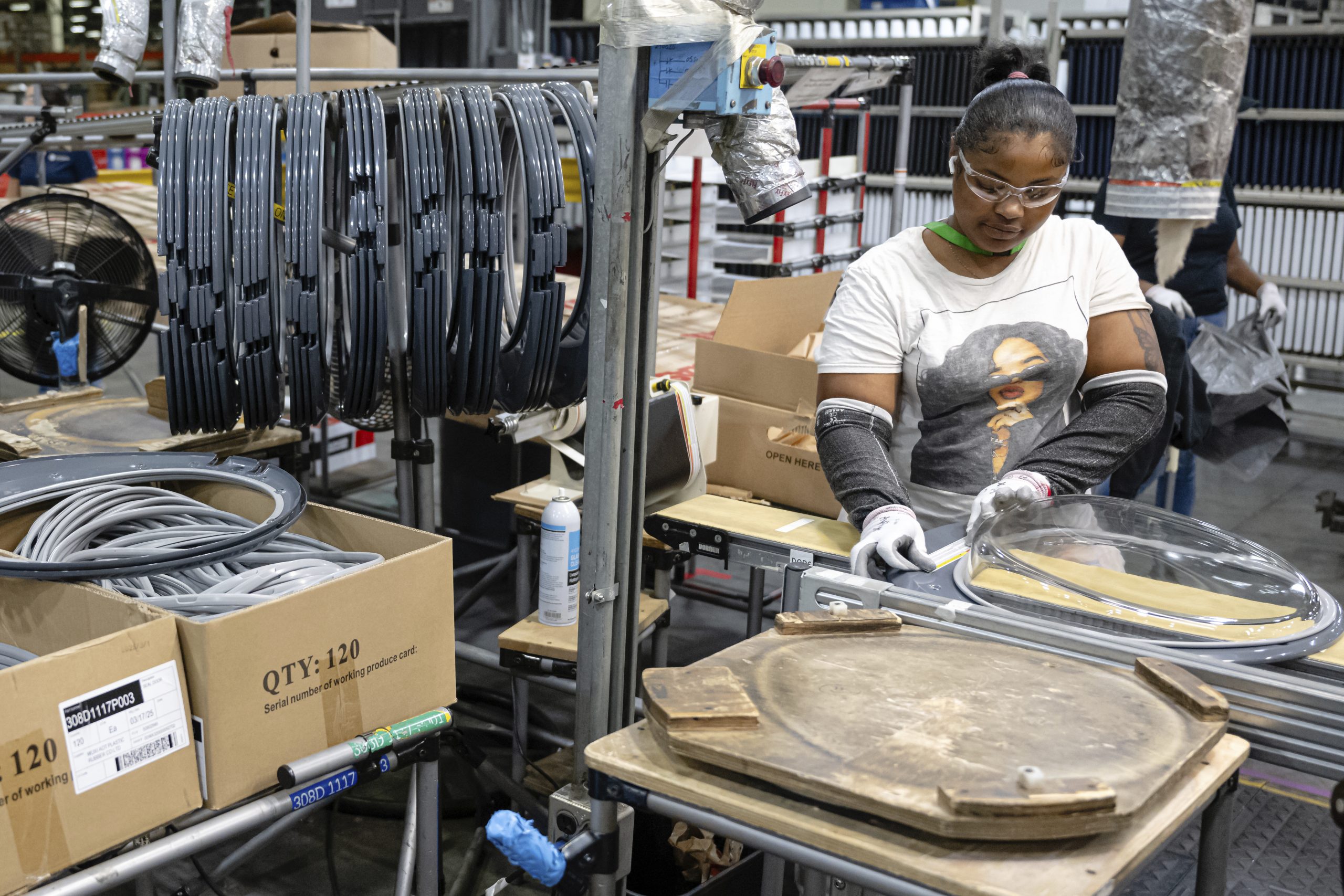
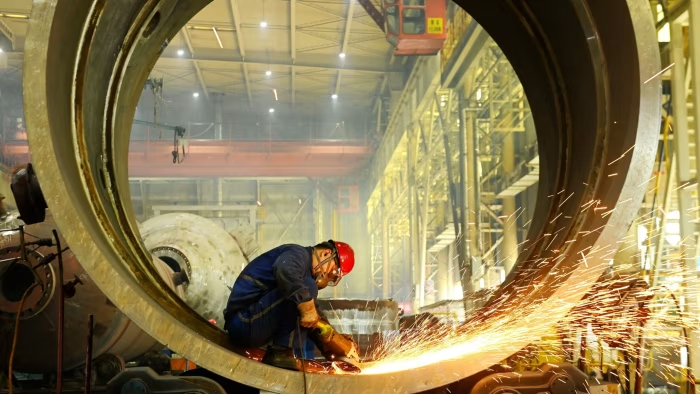
Friday’s figures showed that in the three months to January, a less volatile measure, the economy grew 0.2 per cent compared with the previous three months.
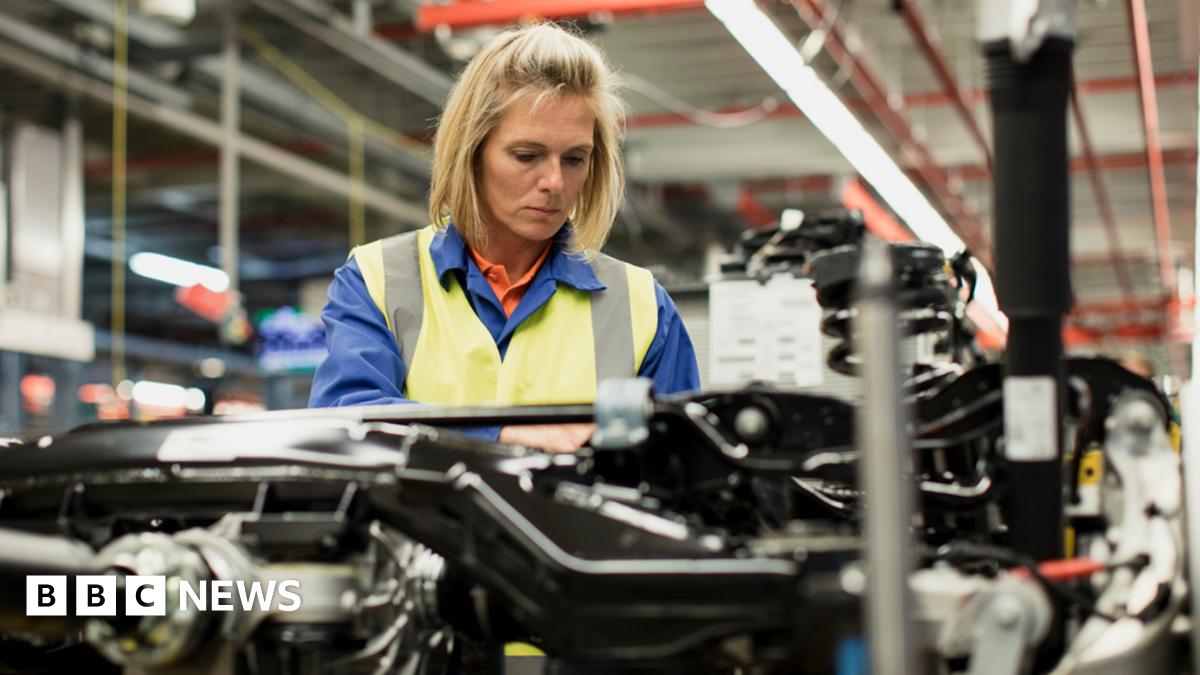
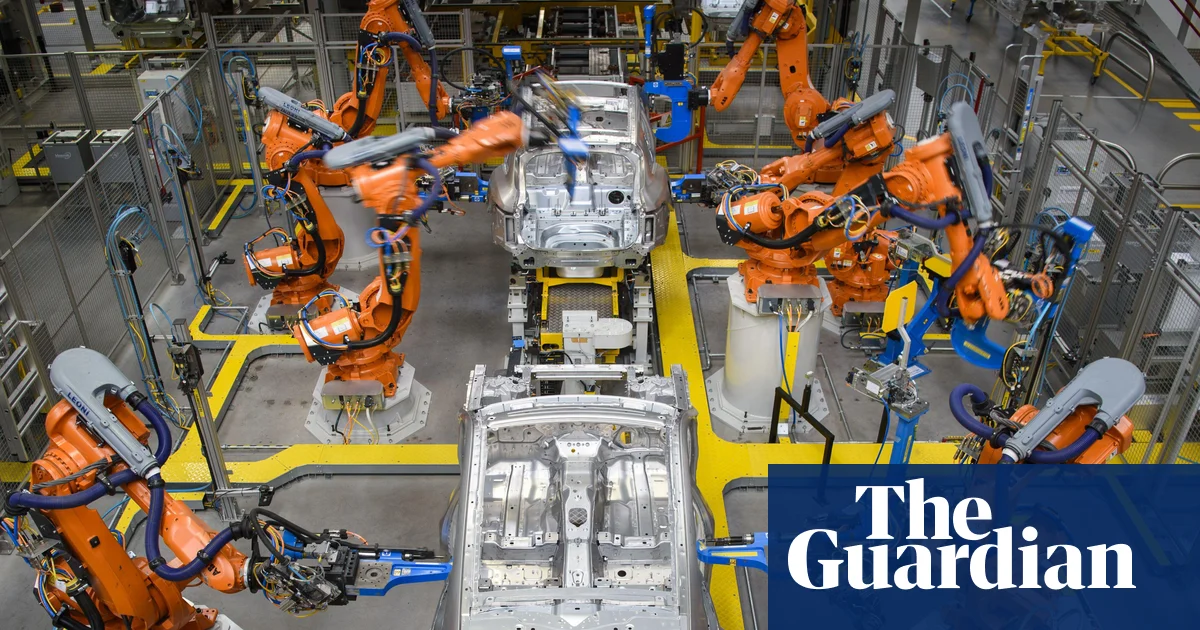
Liz McKeown, director of economic statistics at the ONS, said that while growth in the three months to January edged up, helped by a recovery in car manufacturing, “the overall picture remains subdued”.
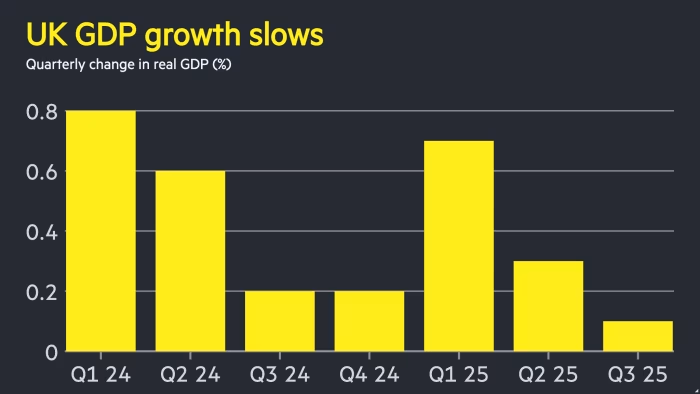
The economy expanded just 0.1 per cent in both the third and final quarters of last year, as companies and households contended with still high interest rates, the impact of the US trade war and uncertainty over possible tax rises in November’s Budget.
January’s data drew a muted reaction from investors, with the pound dipping 0.4 per cent against the dollar to trade close to $1.33.
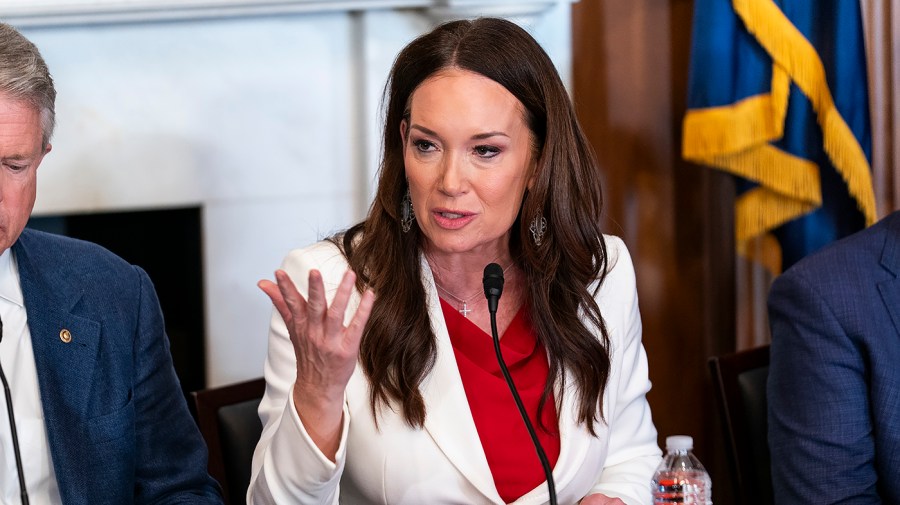
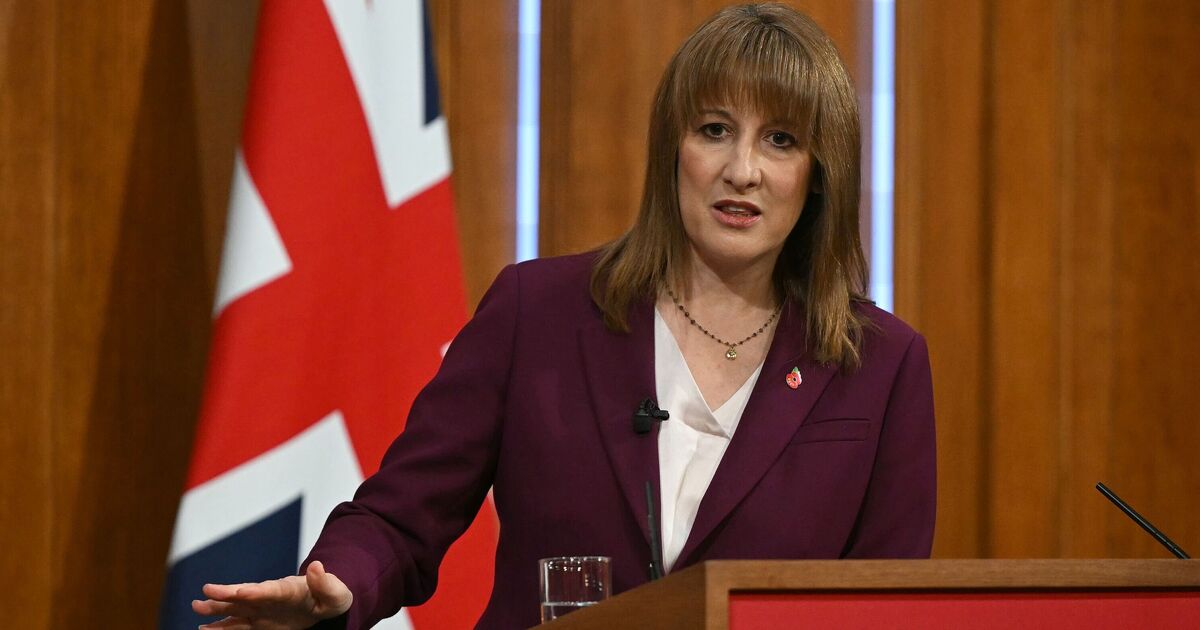
Responding to the figures, Reeves said: “Our economic plan is the right one, but I know there is more to do.”
She added that “in an uncertain world, we are building a stronger and more secure economy by cutting the cost of living, cutting national debt and creating the conditions for growth to make all parts of the country better off”.
Additional reporting by Emily Herbert