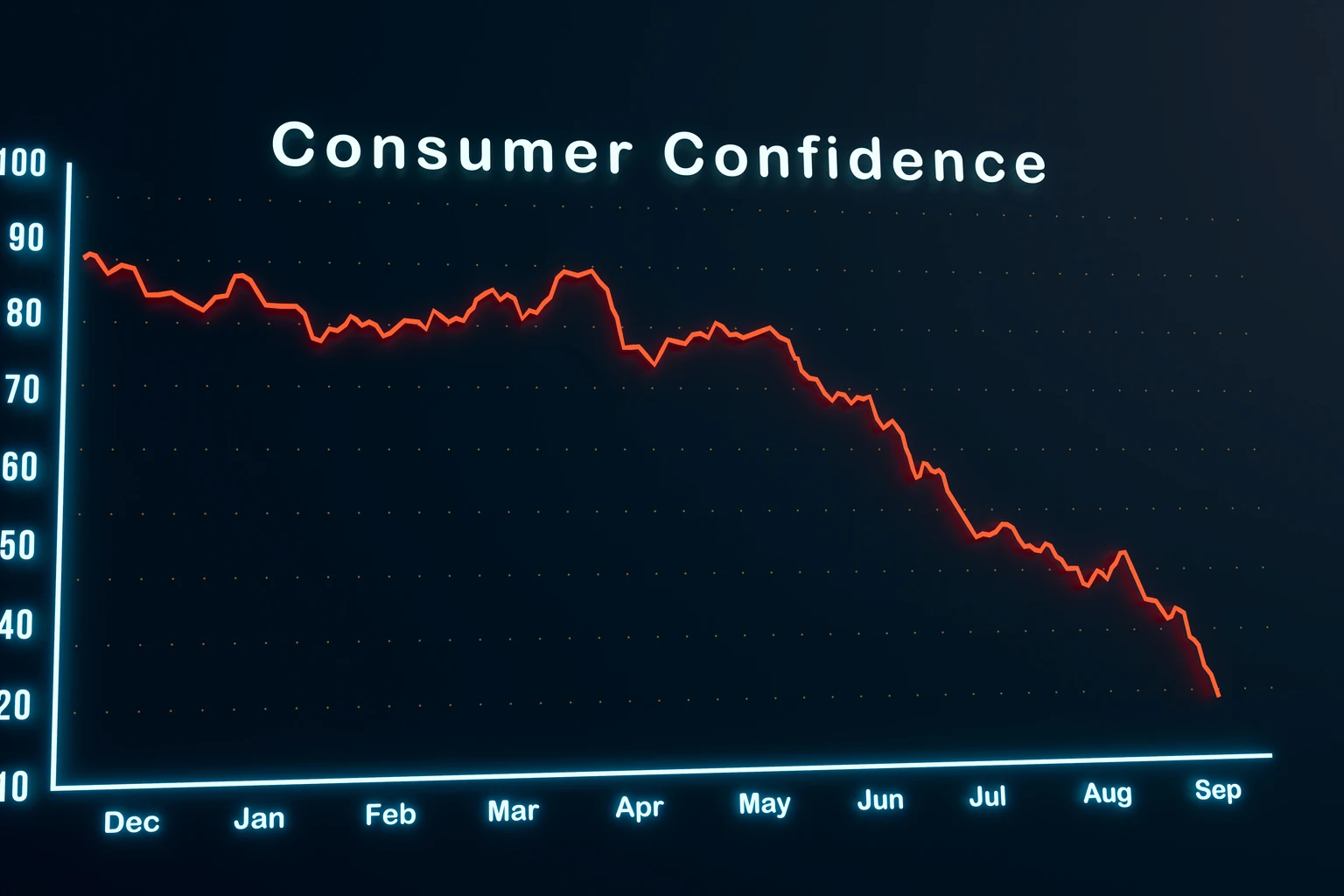
A newspaper article that recently appeared in the New York Times is attention grabbing.
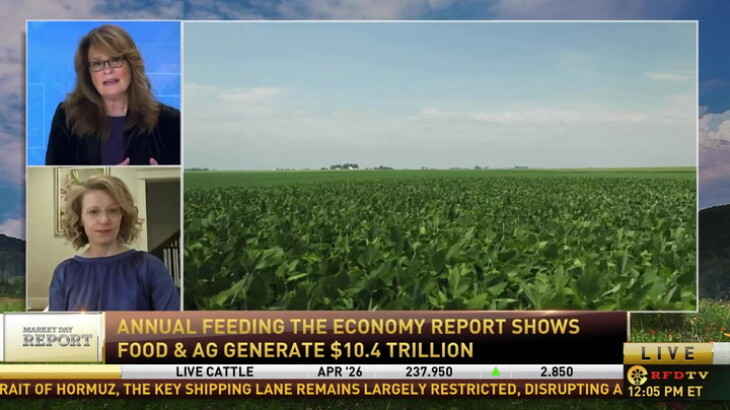
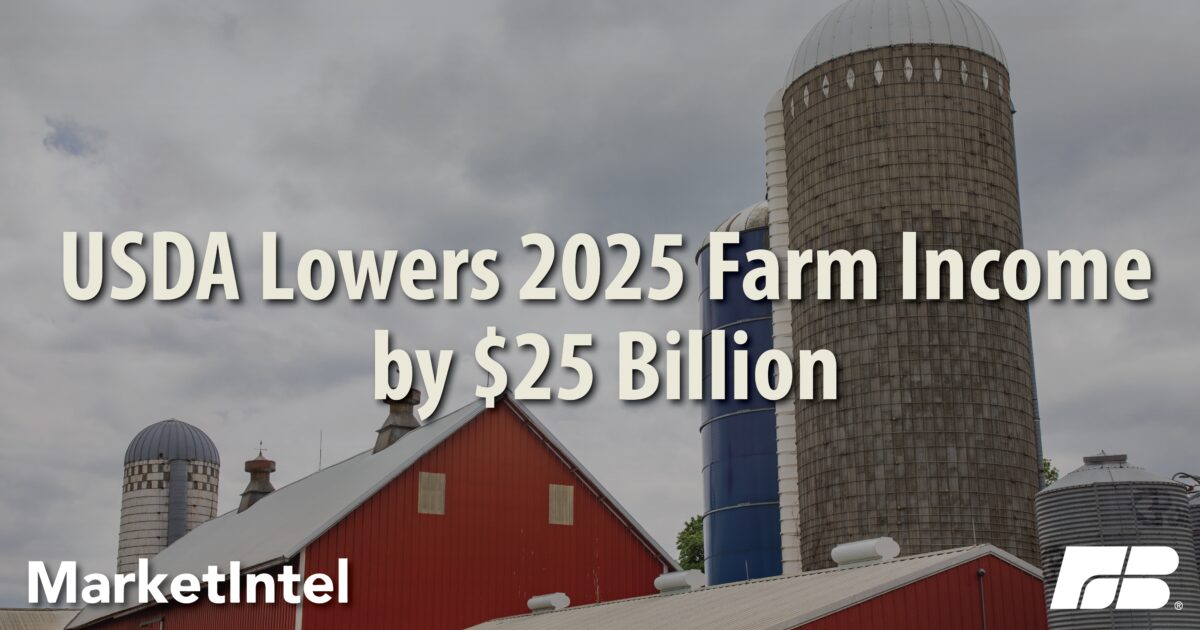
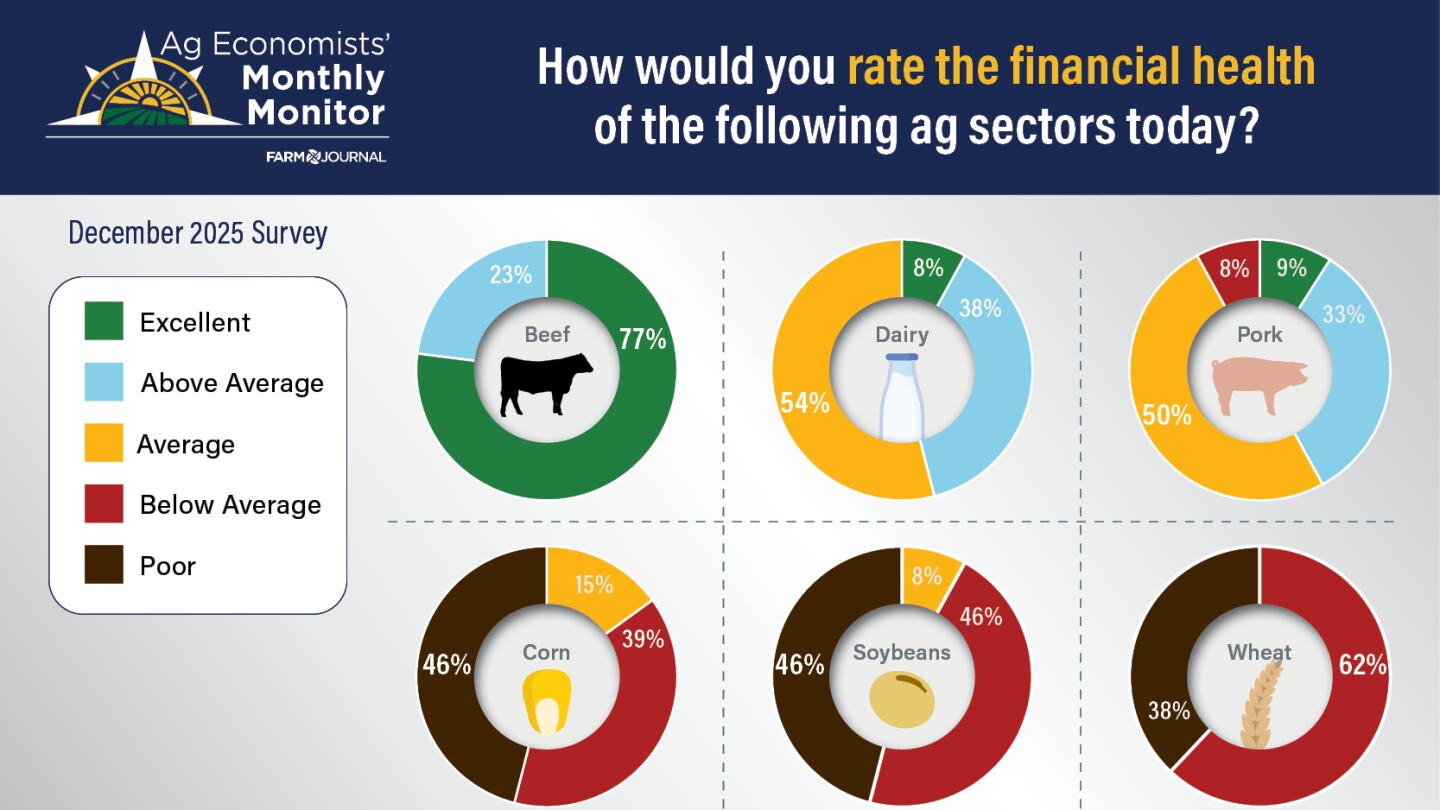
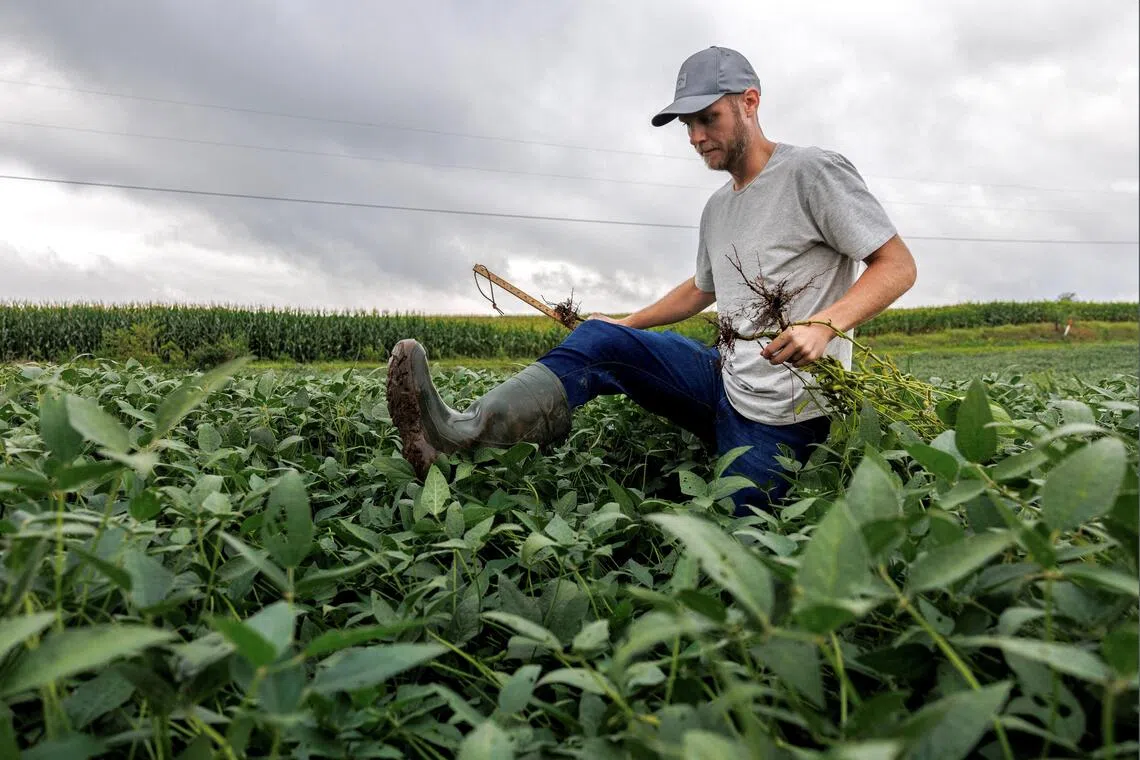
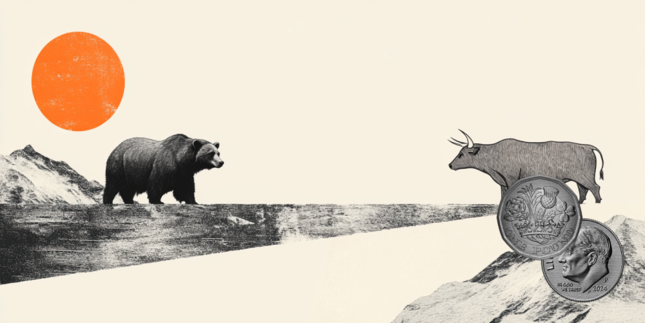
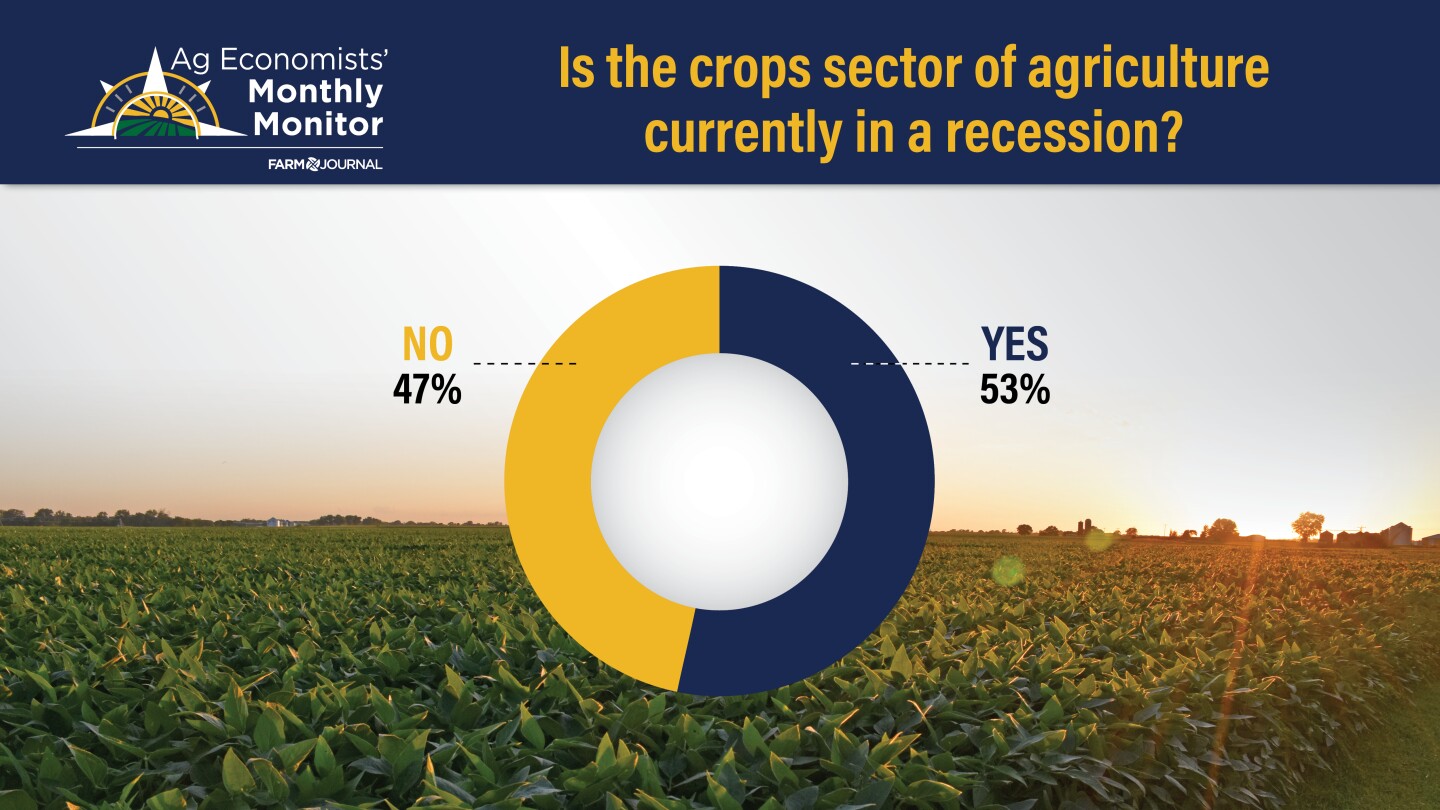
The Times, which lacks a reputation for paying much attention to agriculture, published a story quoting former corn and soybean association leaders and former U.S. Department of Agriculture employees about the state of the farm economy.
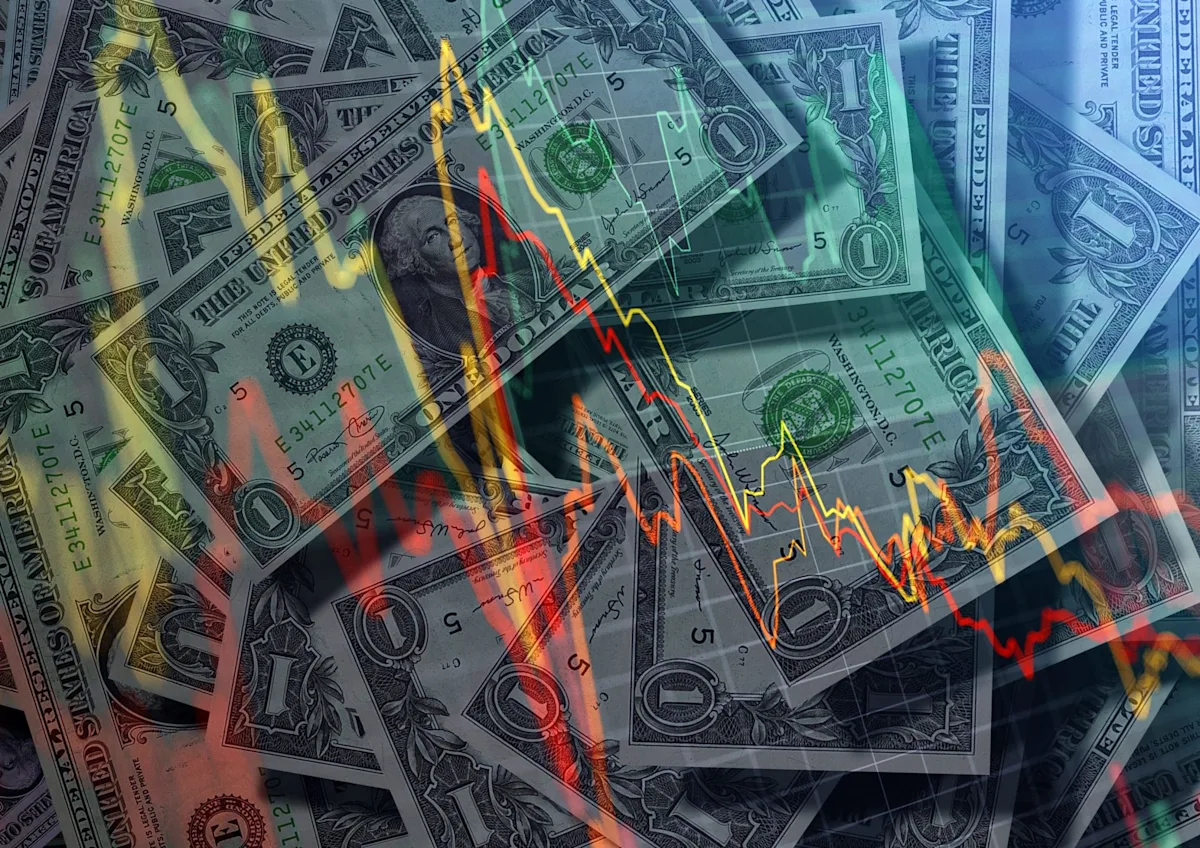
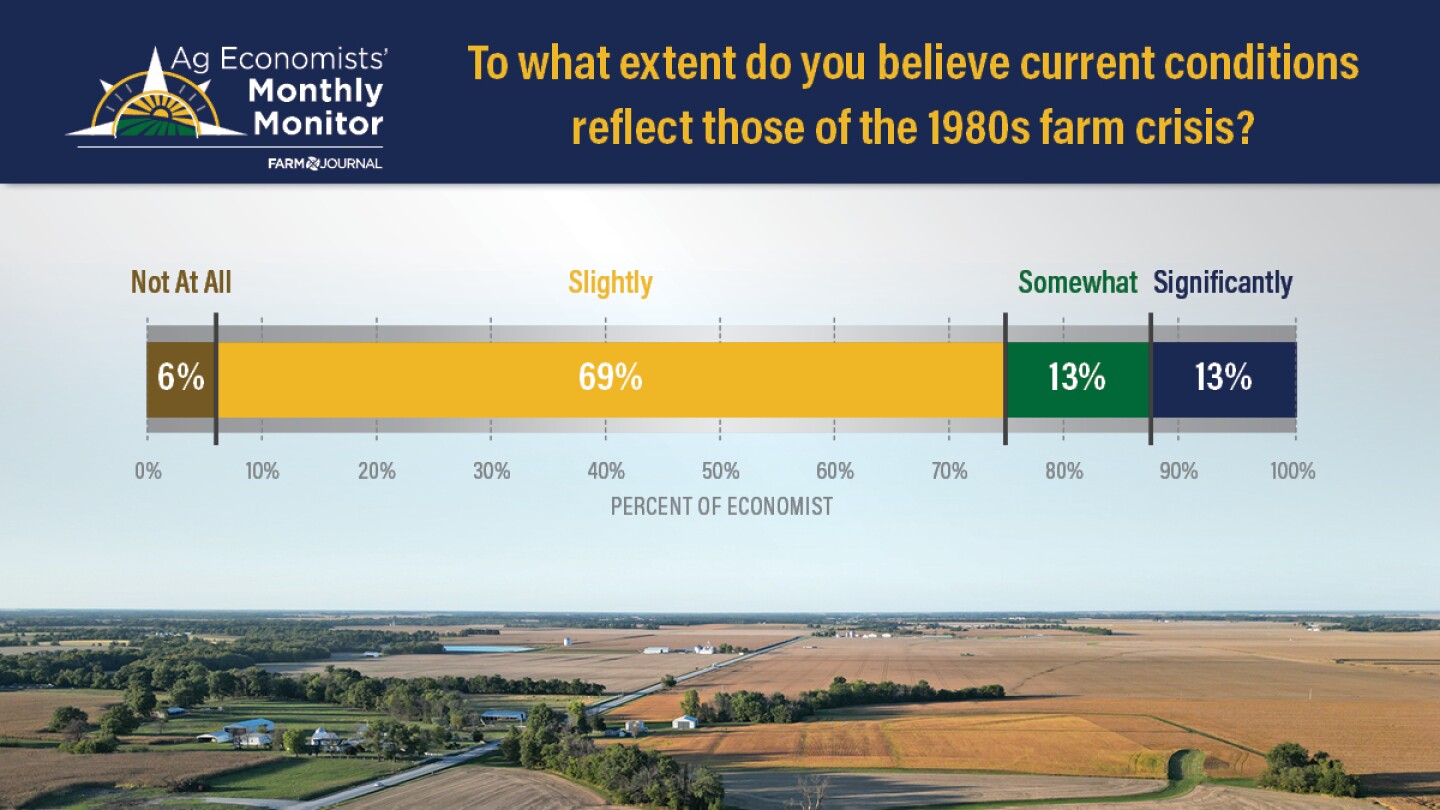
Their consensus was that conditions are right for an economic collapse. Experts — even those well-grounded in farming — can be wrong, but the comments were nothing less than troubling.
Farmers are skilled at surviving economic ups and downs, although the toll inflicted on them is often far too great. The wounds left by the
economic collapse of the 1980s
remain slow to heal. Too many farmers and small-town Main Street businesses did not survive in those times.
Plant with optimism even when pessimism is rabid, remains a truism. Mother, given that Dad was often upset while listening to noontime market reports, had much to do with bolstering his mood.
Their story is a familiar one. Operating loans were often hard to secure, and weather — be it too much rain or too little — was worrisome. The drought years of the 1930s tested their mettle.
Settlers crossed the Mississippi River with optimism that they would find fertile soil, and after finding it, sacrificed financially to build churches, many of which remain the soul of farming communities.
Mother was well-grounded in faith, which revealed itself when the opportunity arose for the pastor to visit on a mission to bless the land and the livestock.
Faith both in God and in themselves, which makes it possible to carry on. I fell short in that department in the depths of the 1980s. My brother had paid — with the agreement of a lender — top dollar for a farm. When hard times came, the mortgage was underwater, and he was drowning in debt, threatening his career.
I heard many similar stories over the telephone and during crisis meetings, but my brother’s struggle hit way too close to home. His lender, who used a handshake and a person’s word to finalize a deal, was in a tough spot. To save the farm, the land acquisition was given back to the lender.
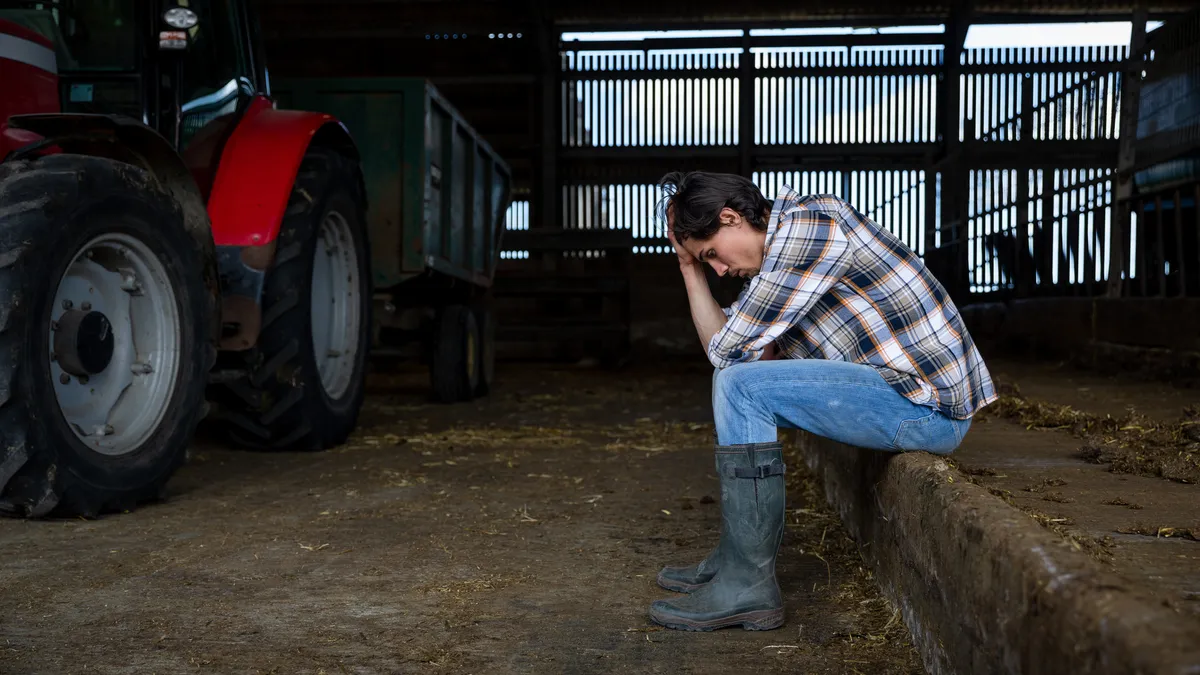
My brother wasn’t out of the financial woods just yet. He sought advice via the telephone from me. The solution offered included a state hotline for farmers in emotional crisis and he was given the name of a mediator who might help.
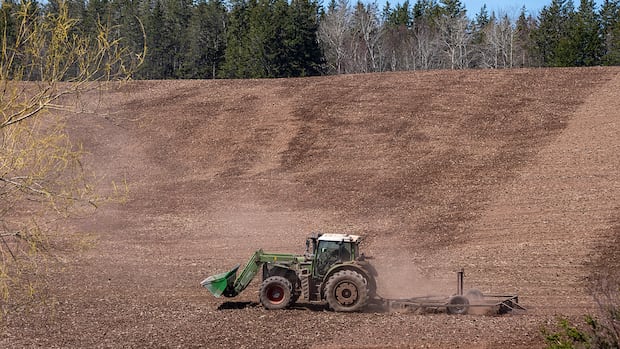
He lacked the financial wherewithal to purchase a battery for the tractor and Christmas gifts for his children.
Too many farmers were cast adrift, lost it all, and moved on. Others settled into an overwhelming bitterness.
The good that preachers, friends, and food pantries did was partially offset by charlatans and quack solutions.
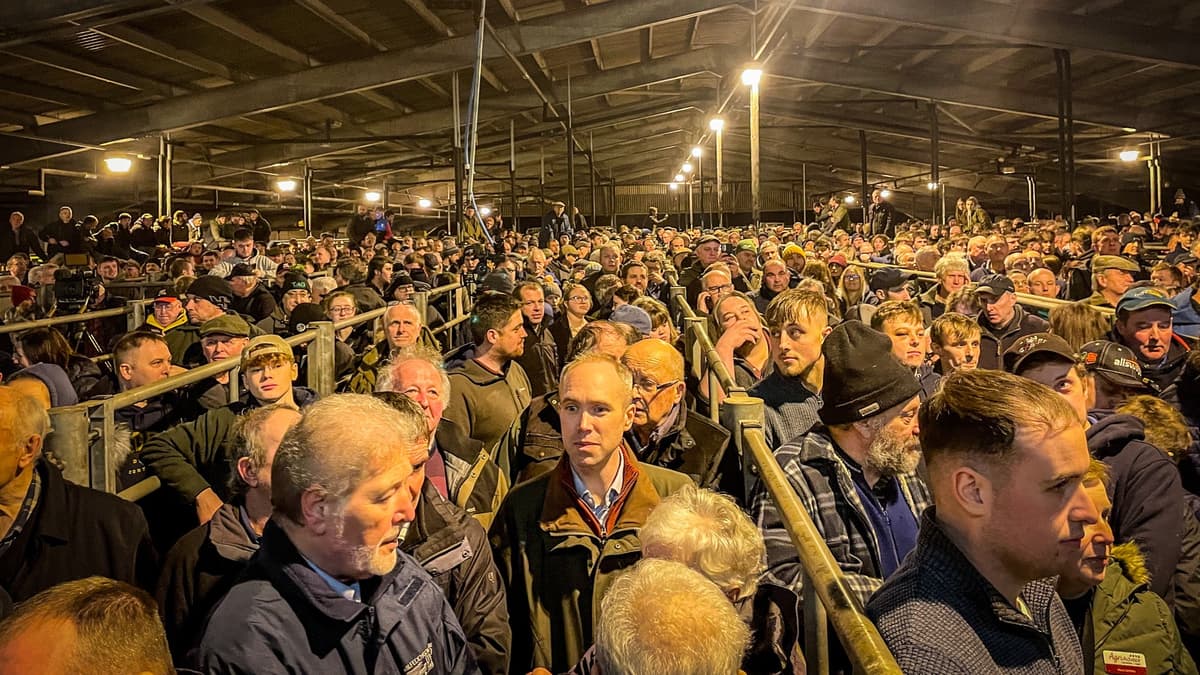
A long line of people stood in line to purchase the patents at a crowded meeting in a small southeastern Wisconsin town. He spoke with a silver tongue and the crowd responded.
I grew more nervous as the energy in the crowd built. There was good reason for doing so, because the speaker knew that the week before, I had authored an article that debunked his patent claim, quoting people who investigated his dealings.
Two who were in his inner circle walked close behind after the meeting ended, with one putting his hand on my shoulder in an aggressive manner. It was the first and only time that I felt threatened in that way.
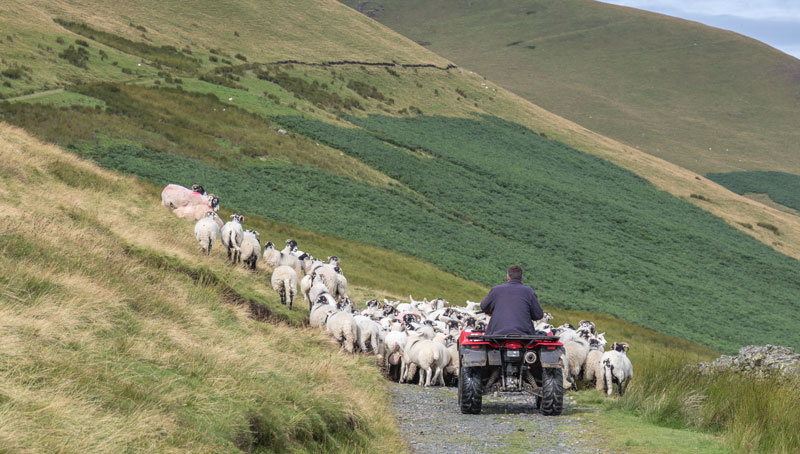
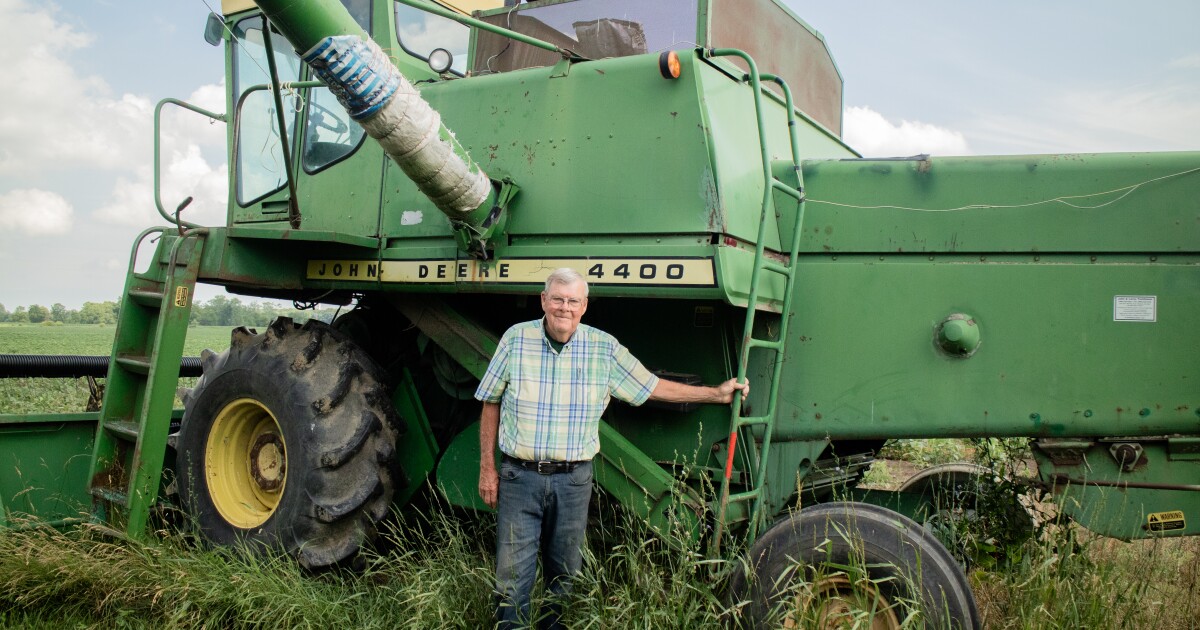
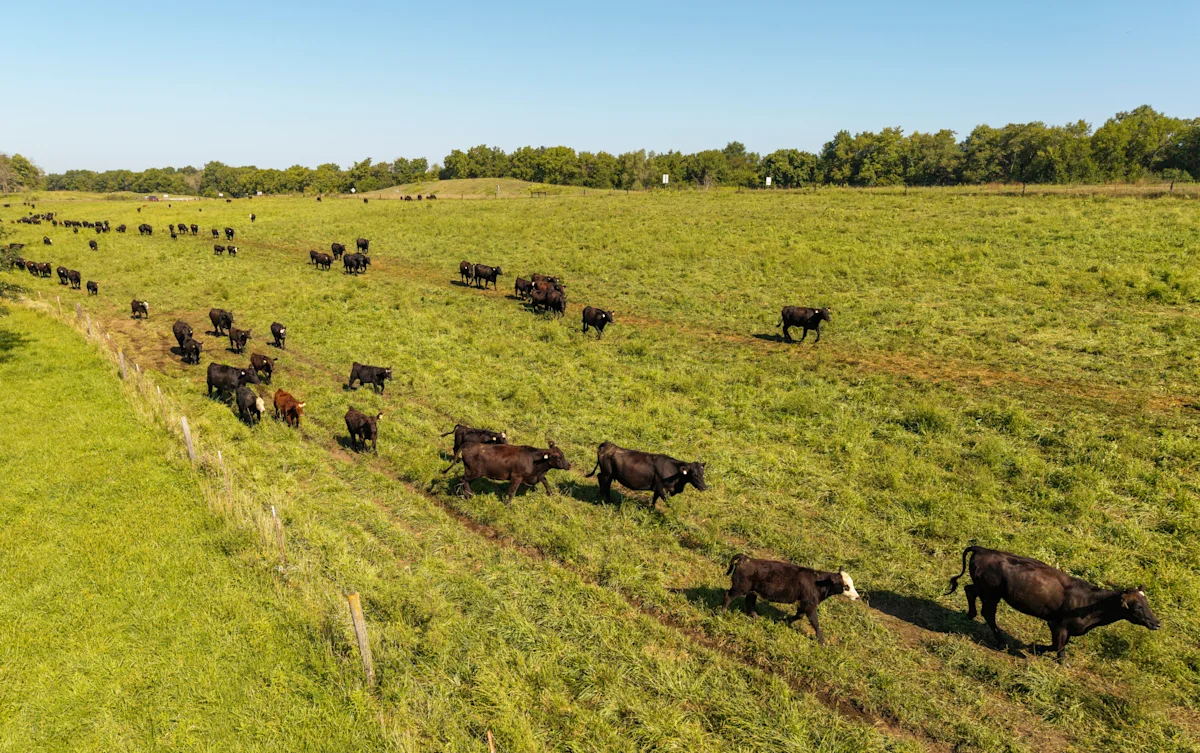
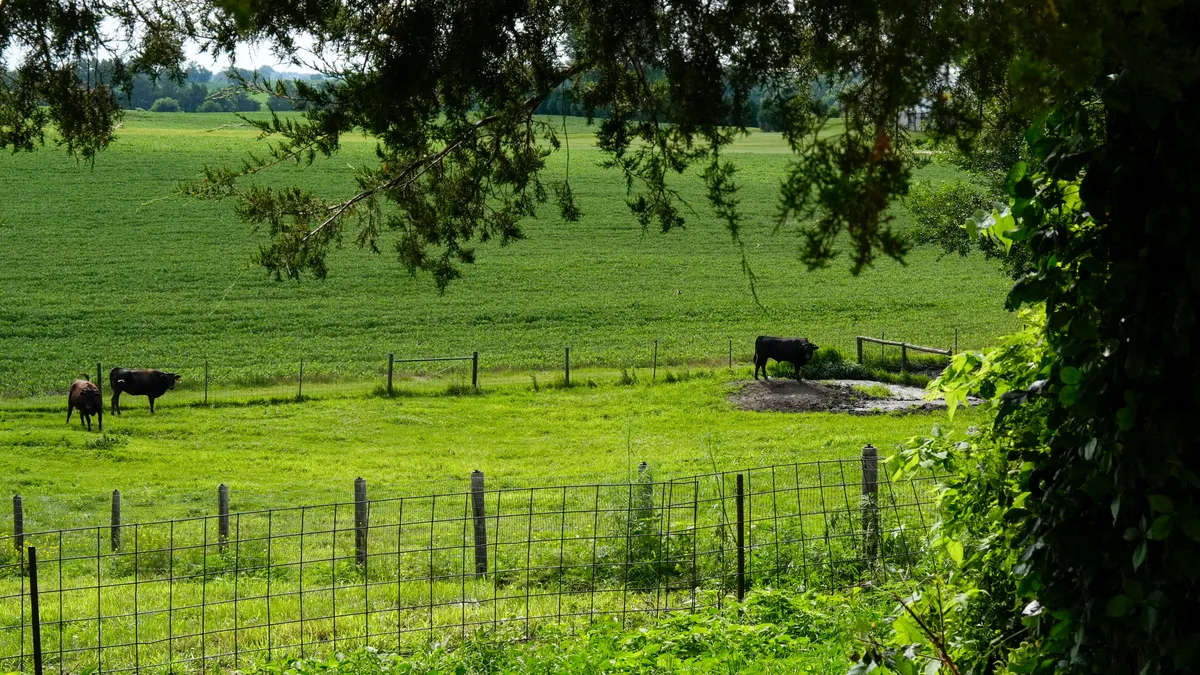
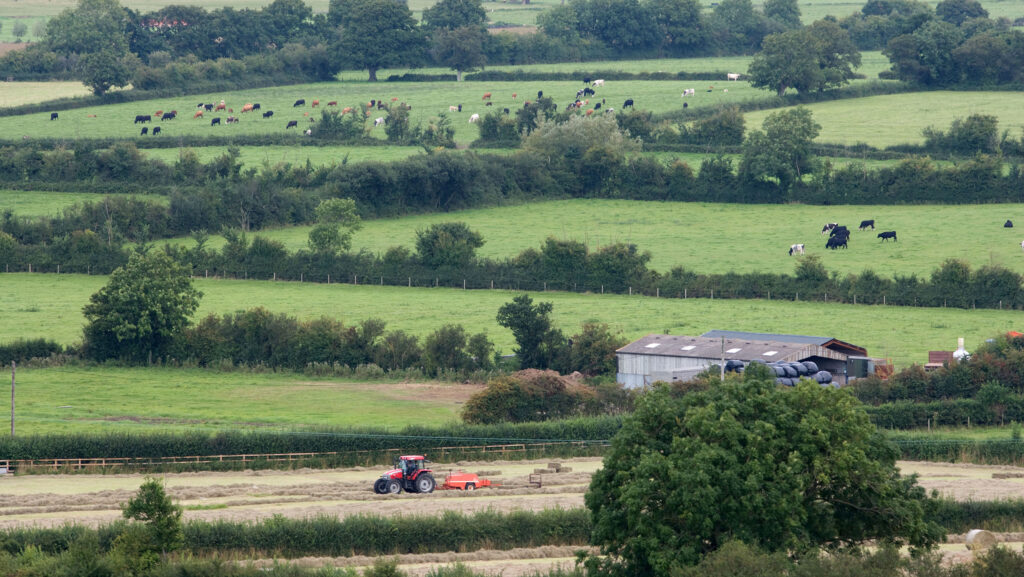
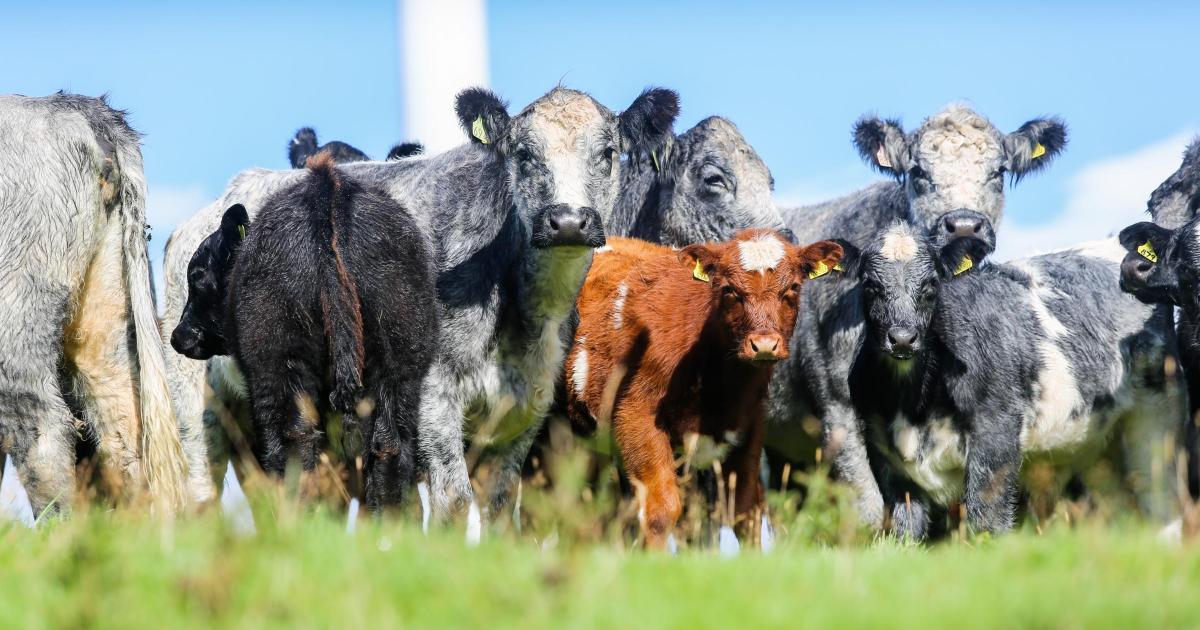
My brother, to his credit, rebounded, and he held on to his home farm. It was mortgage-free when he died while riding a four-wheeler on a gravel road. His son said he might have been looking at the cattle grazing in the pasture when he was hit by the car.
He loved his cattle and the land, and set a great example for his children.