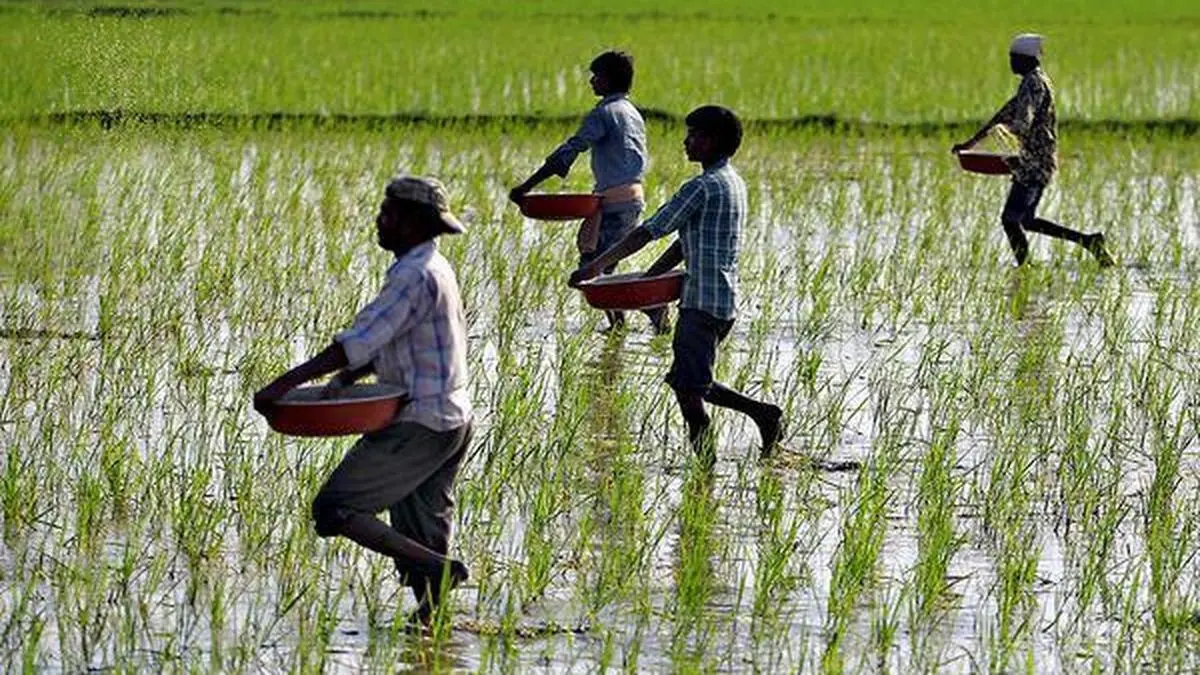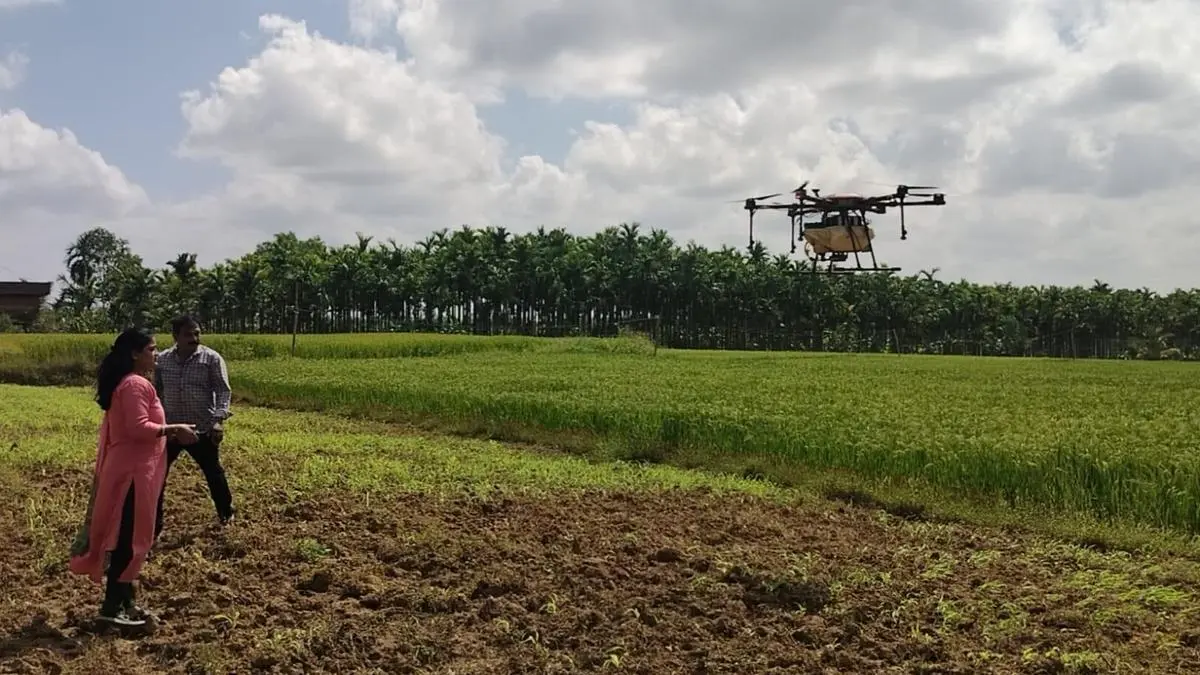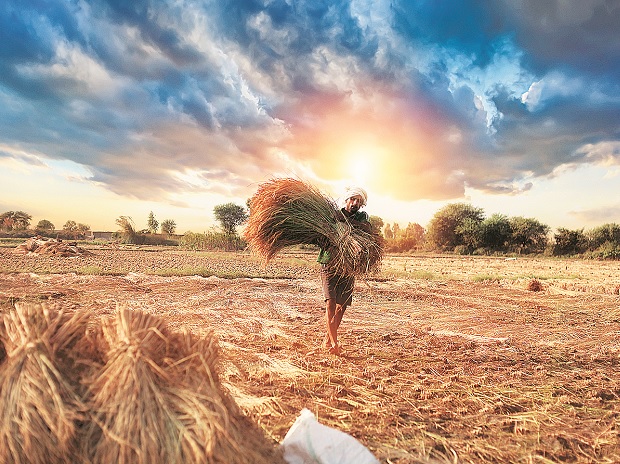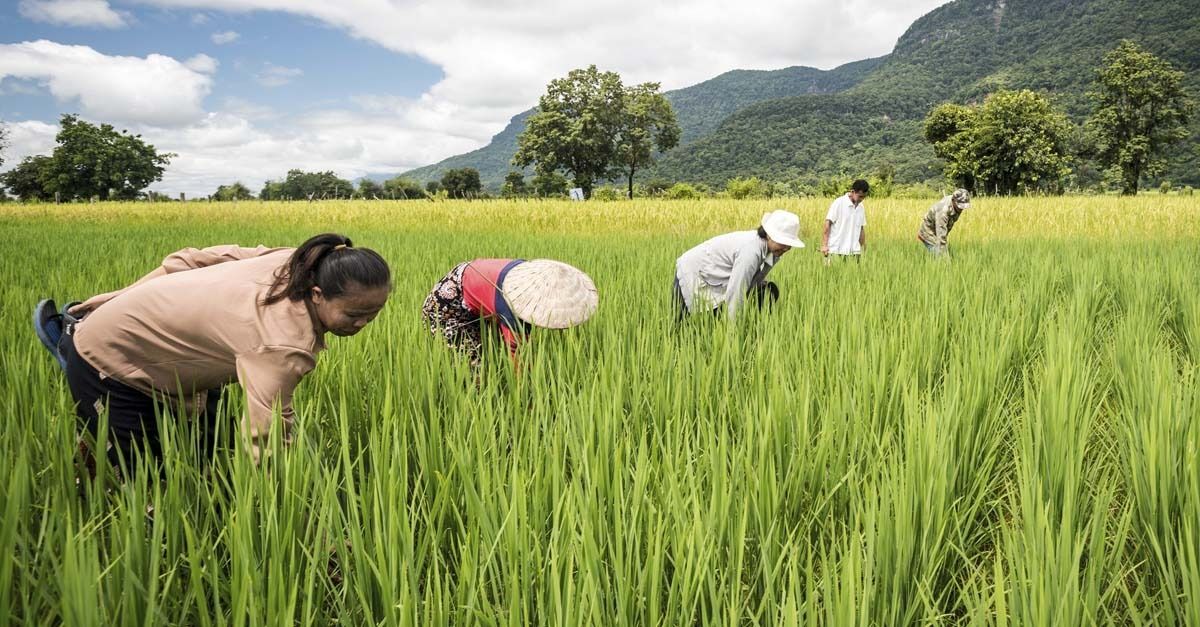
For decades, the narrative of Indian agriculture was written in the language of industrial chemistry and sheer volume. The Green Revolution of the 1960s was a race against the clock to produce more food for people by utilising many more high-yield hybrids, along with synthetic additions to food that would quickly eliminate hunger. Now, however, an entirely different revolution is occurring; rather than being conducted in laboratories, this one is taking place in the kitchens of many homes in India. A large number of households are rejecting polished and processed foods and choosing to buy organic grains and pulses. This movement is not just a passing trend; it is a movement motivated by good health, which is changing how traditional farmers produce crops on their farms.
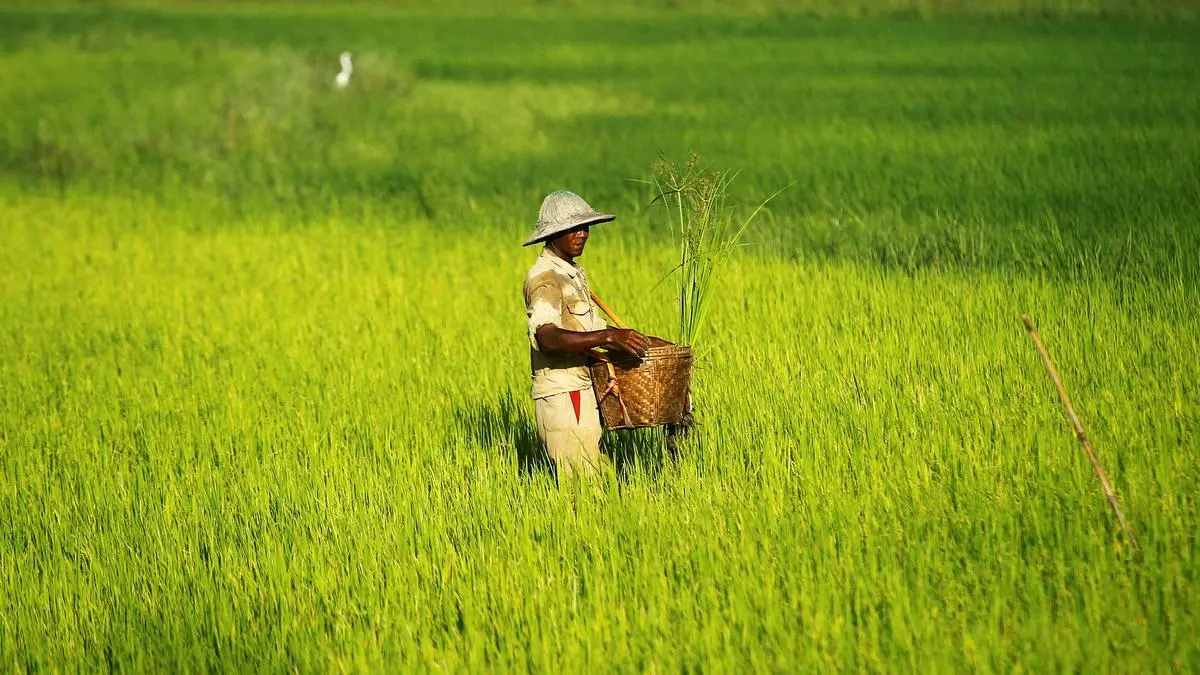
This movement is based on bringing back heritage crops that once made up the Indian landscape. Conventional agriculture limited the Indian diet to only two or three hybridised forms of produce, like wheat and rice, that could be grown for mass consumption. By reintroducing grains from earlier times, like Khapli wheat (Emmer) , red rice, and a wide variety of millets (i.e., ragi, Jowar, and bajra), we are recovering their historical significance as well as their nutritional value. Compared to conventional, chemically produced versions, organic heritage grains generally have lower glycemic index numbers and much higher essential mineral and antioxidant levels. Likewise, traditional pulses—which are a major protein source for most of the Indian population—are experiencing a similar revival, moving from the previously dominant chemical farming methods toward organically grown varieties such as moong, tur, and urad. The lack of chemical residue on these legumes provides consumers with both an enjoyable taste and peace of mind in knowing they are consuming “honest,” chemical-free food.
Agriculture as a functional healthcare extension
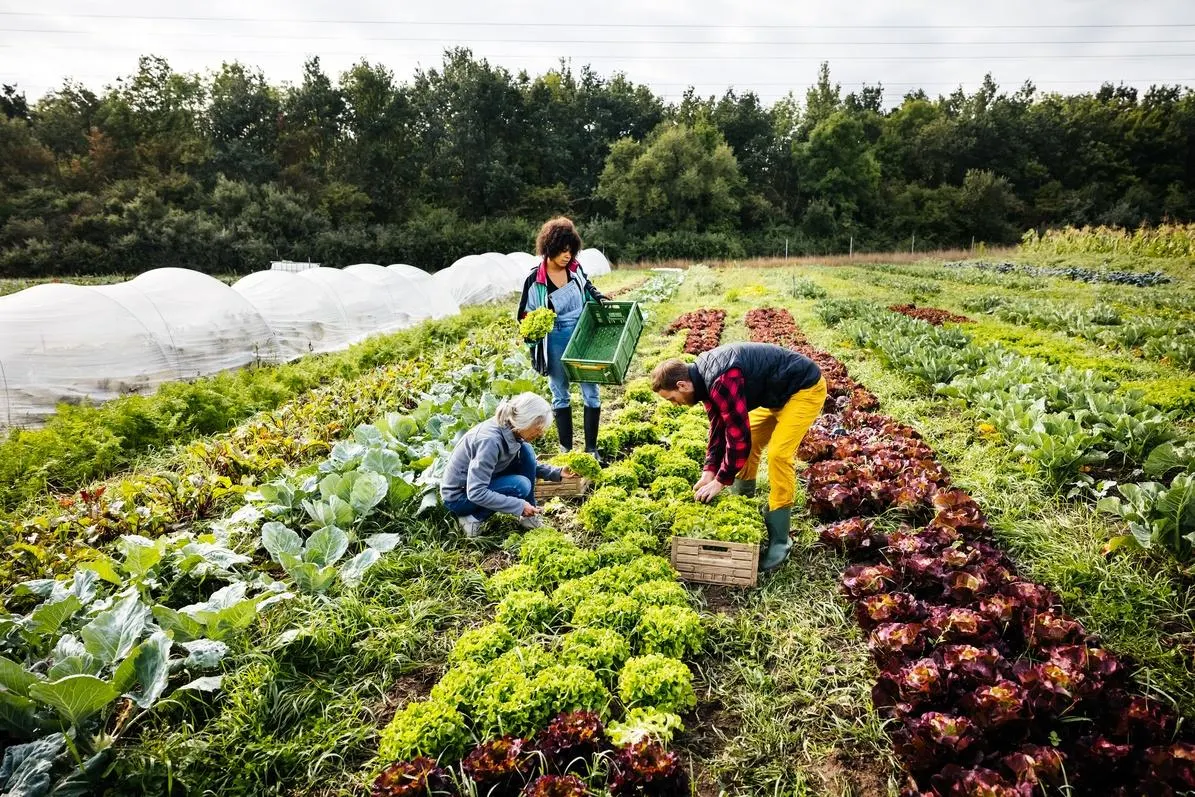
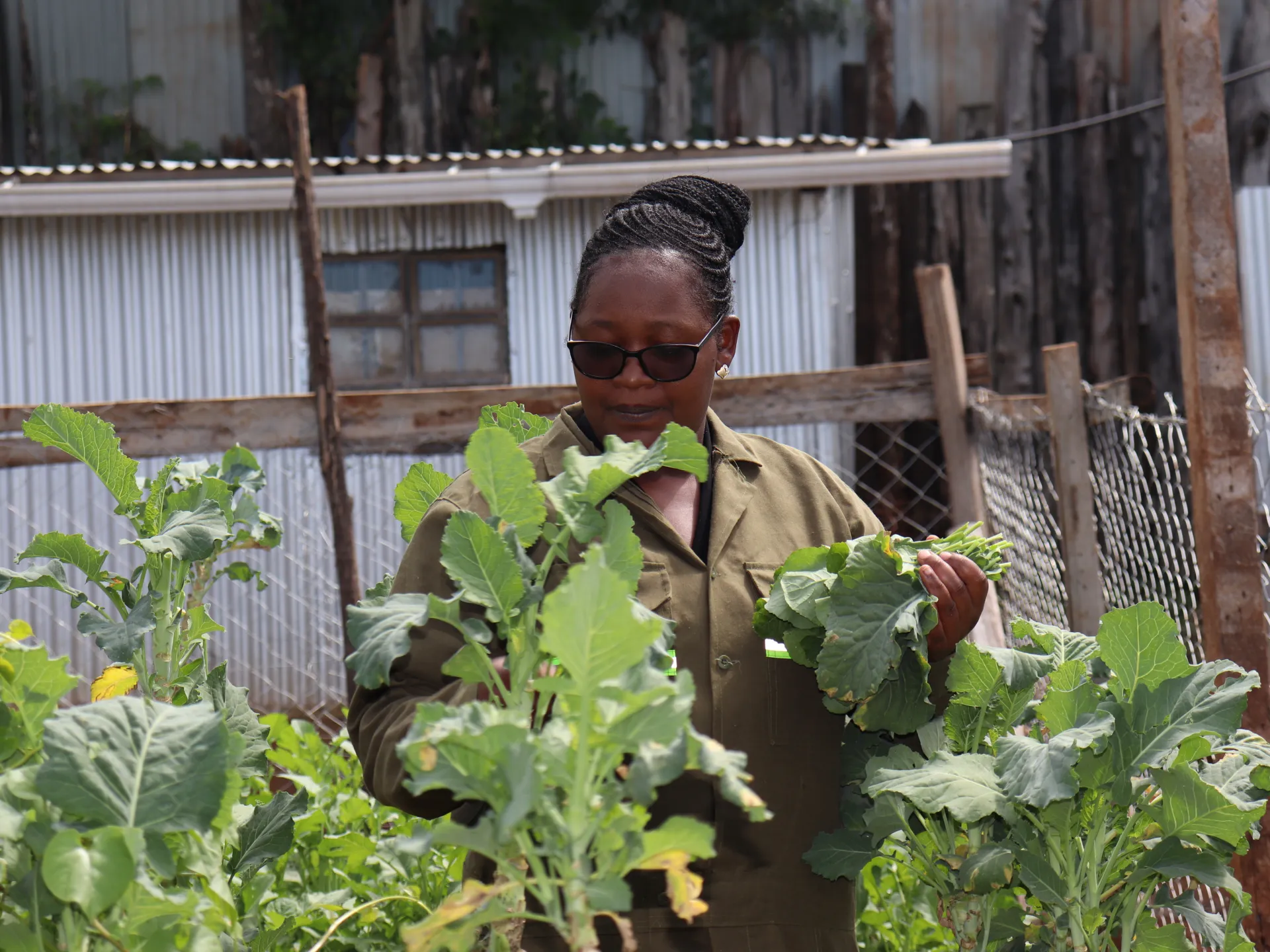
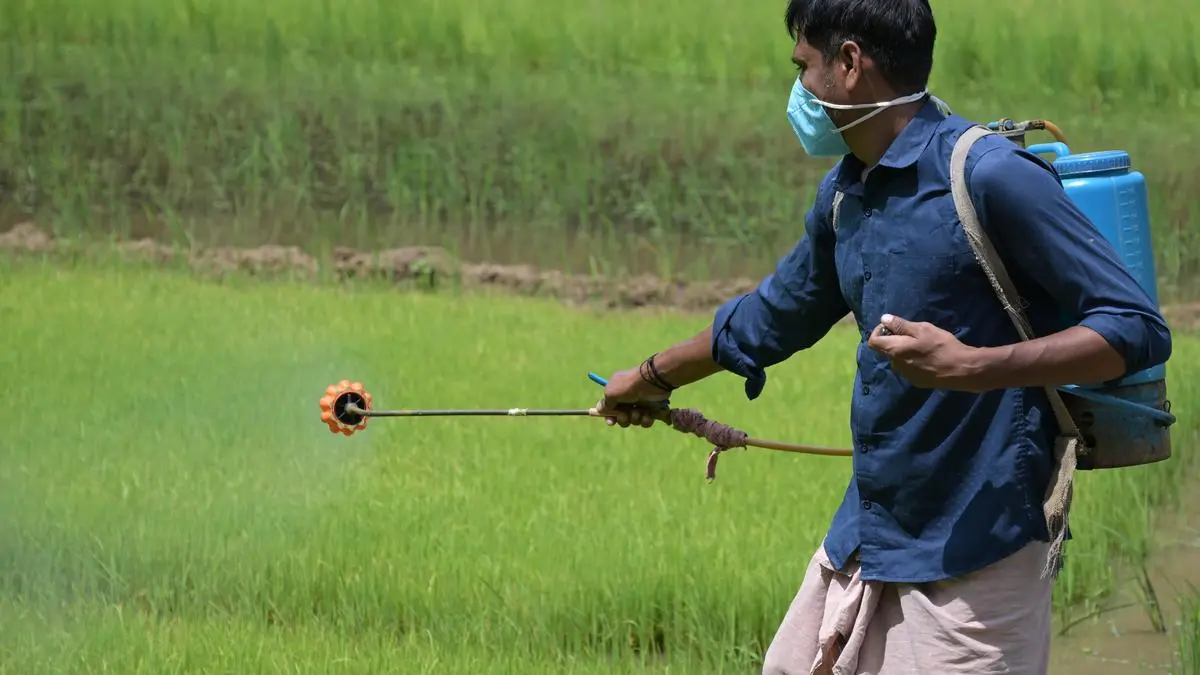
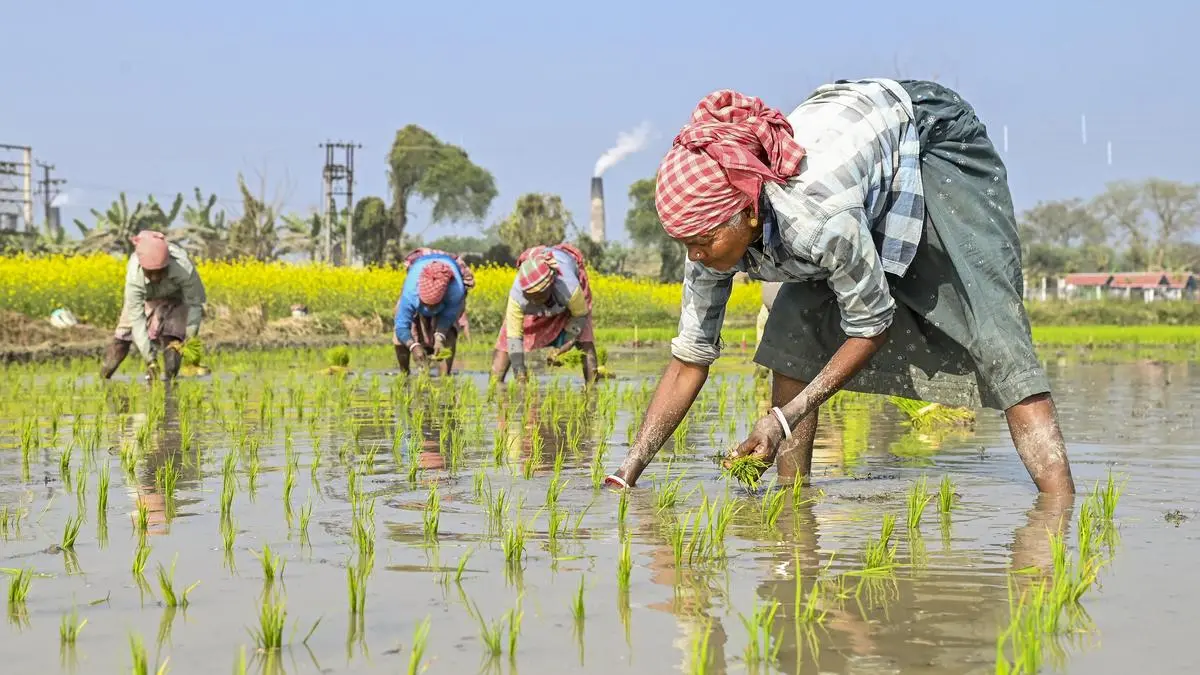
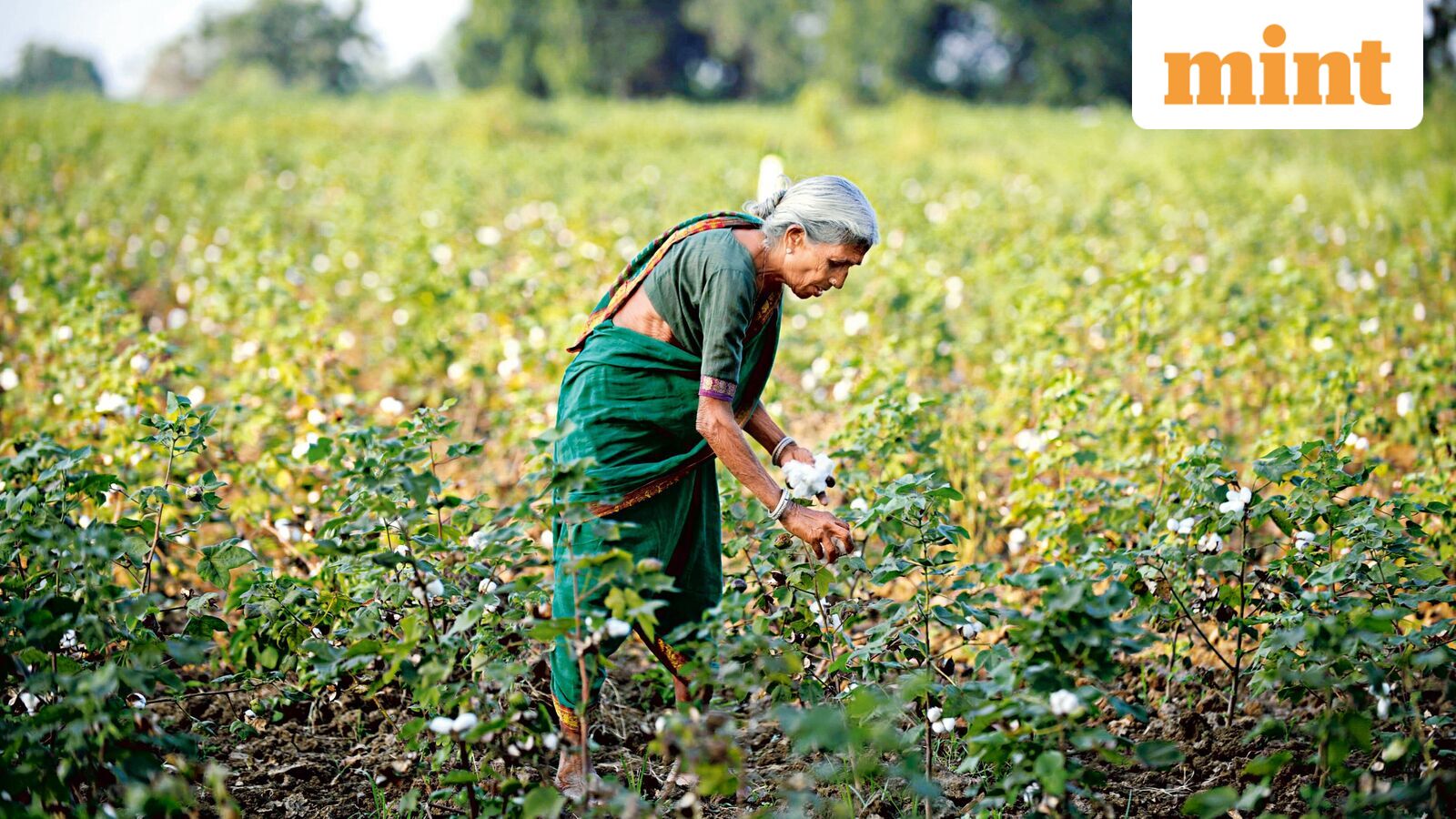
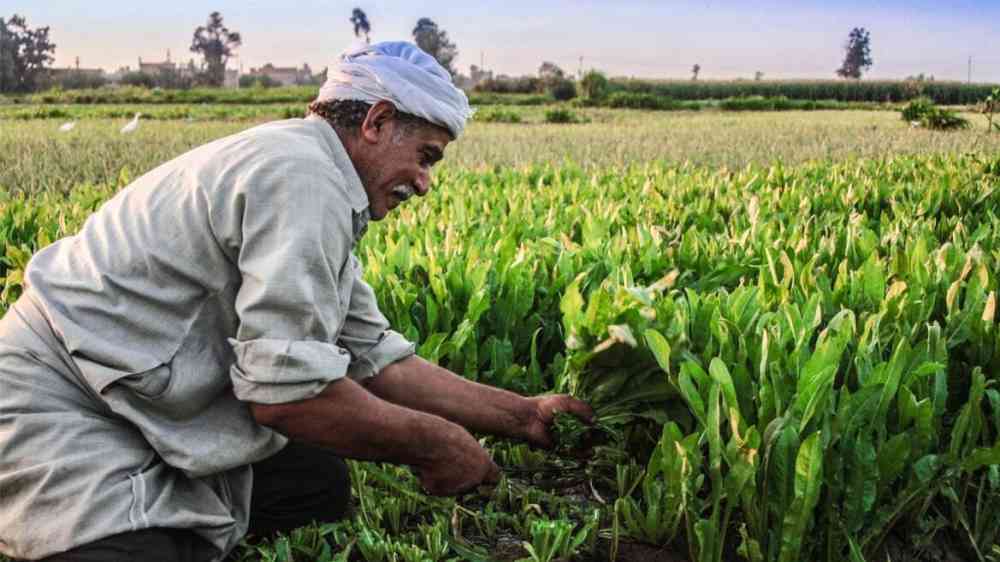
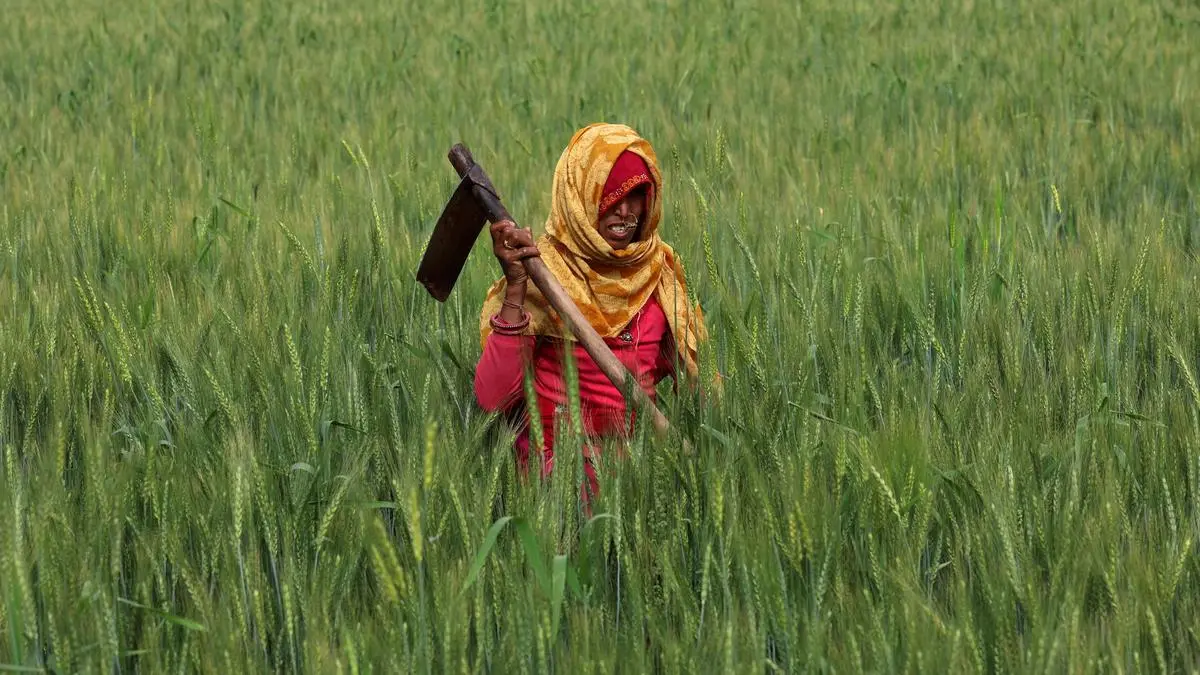
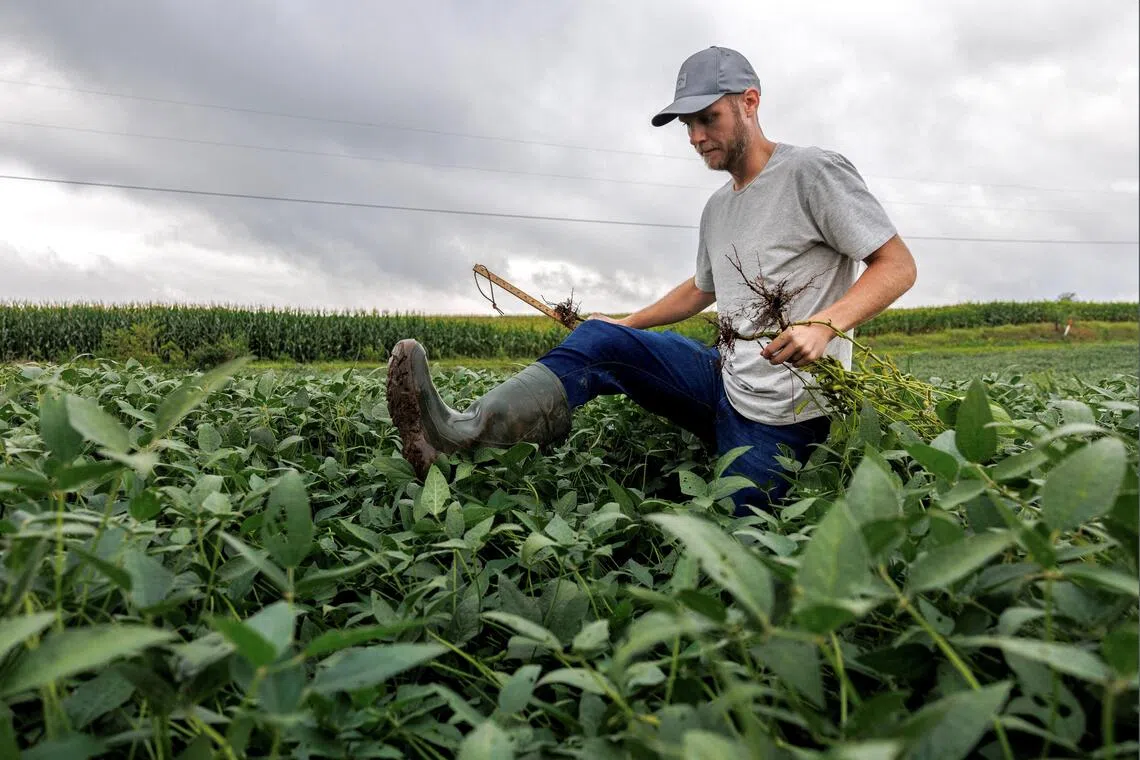
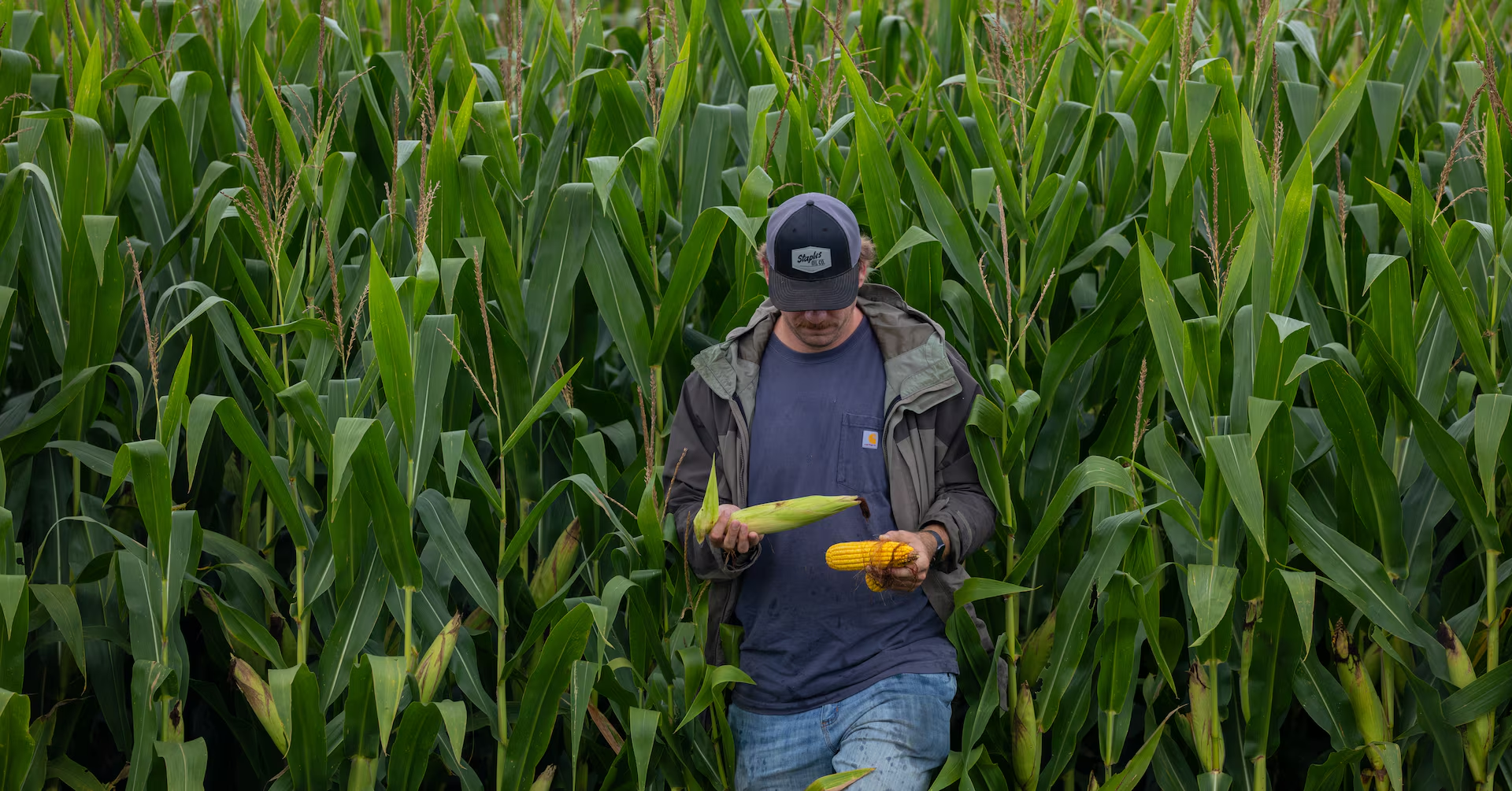
The identity of the Indian farmer is changing with the trend of organic farming. While farmers have typically been seen as producers of mass goods, organic farmers are now seen as significant contributors to public health. Consumers have awakened wellness and are no longer just consuming food; they are linking soil health to human health. The movement argues that by removing synthetic NPK (nitrogen, phosphate, and potassium) fertilizers from the equation, healthy soils produce nutrient-dense nutrition, which serves as a natural preventative against diseases that stem from an unhealthy lifestyle.
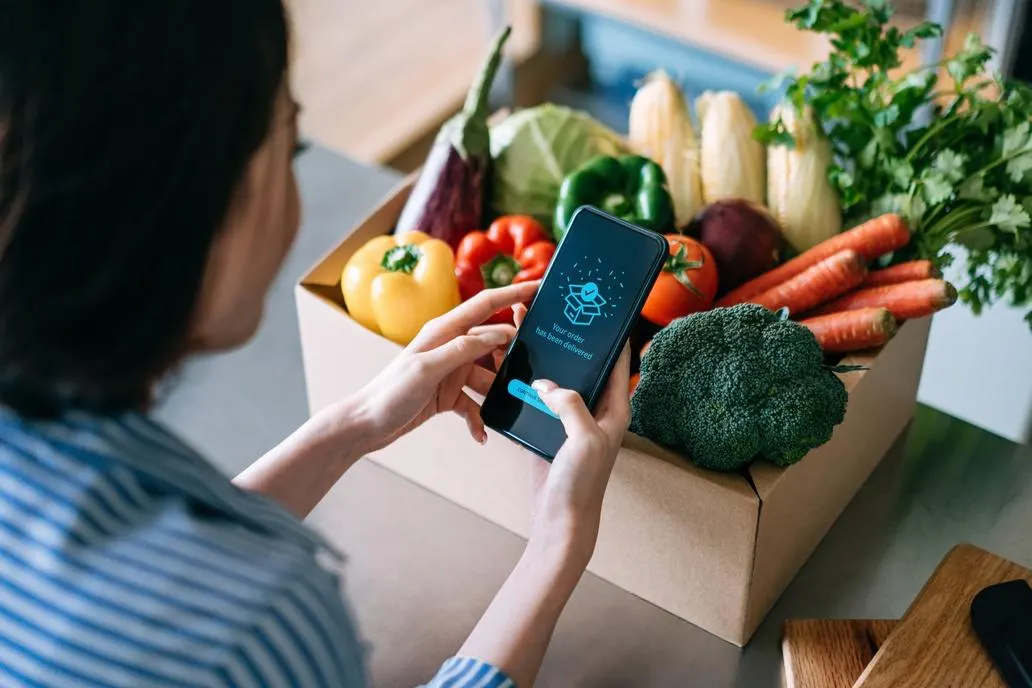
Additionally, the movement promotes transparency in the “Farm to Plate” process of food production and consumer purchasing. No longer will consumers accept the same polished grains; instead, they require an understanding of how their food was produced and processed. Furthermore, the demand for transparency has led to a decentralization of the food supply chain, where smaller, sustainable farm clusters are replacing larger, industrial-scale monoculture farms. Finally, this transparency in producing and consuming food creates a better “last mile” connection between urban consumers and rural producers, based on a shared goal of creating a chemical-free lifestyle.
Environmental resilience and the restoration of land
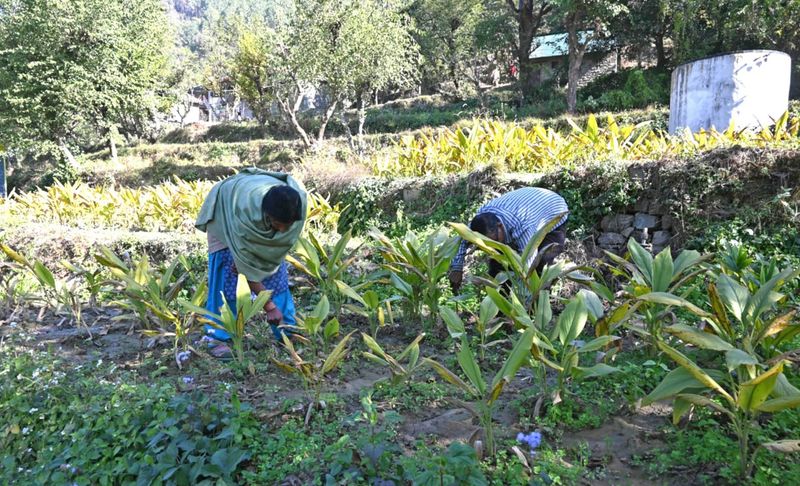
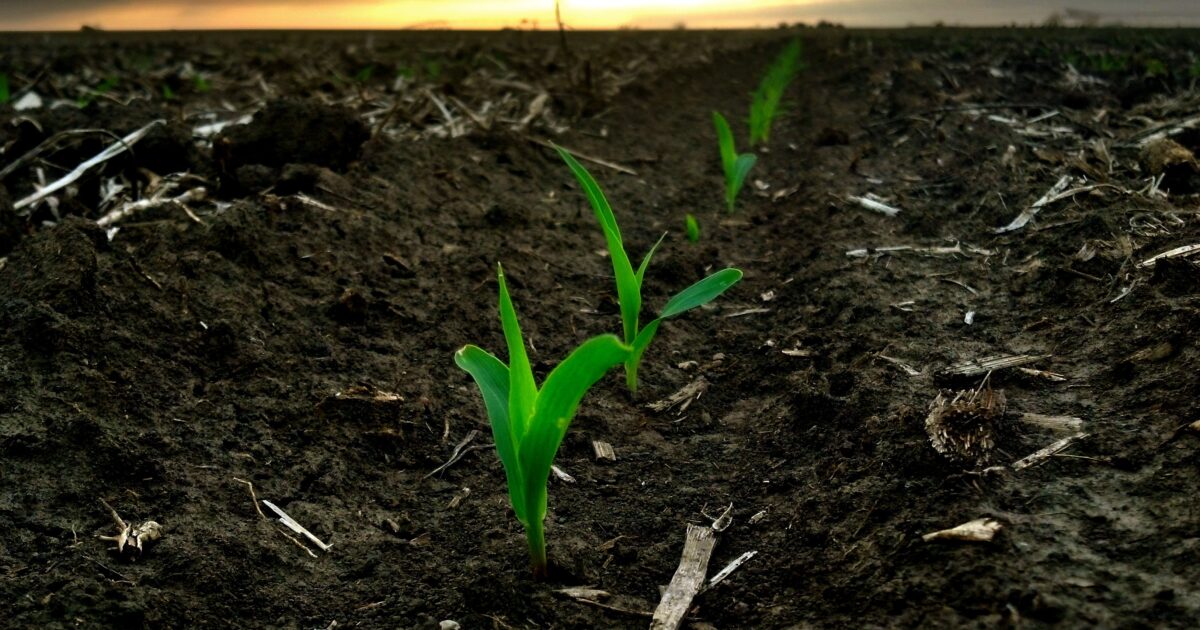
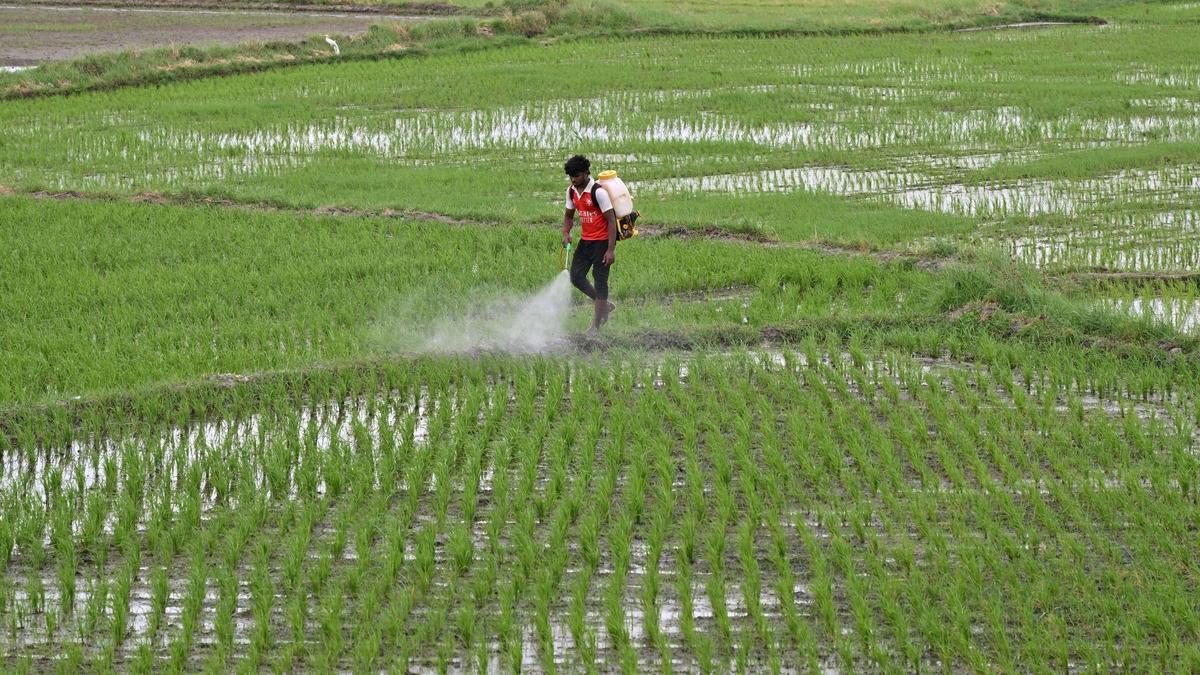
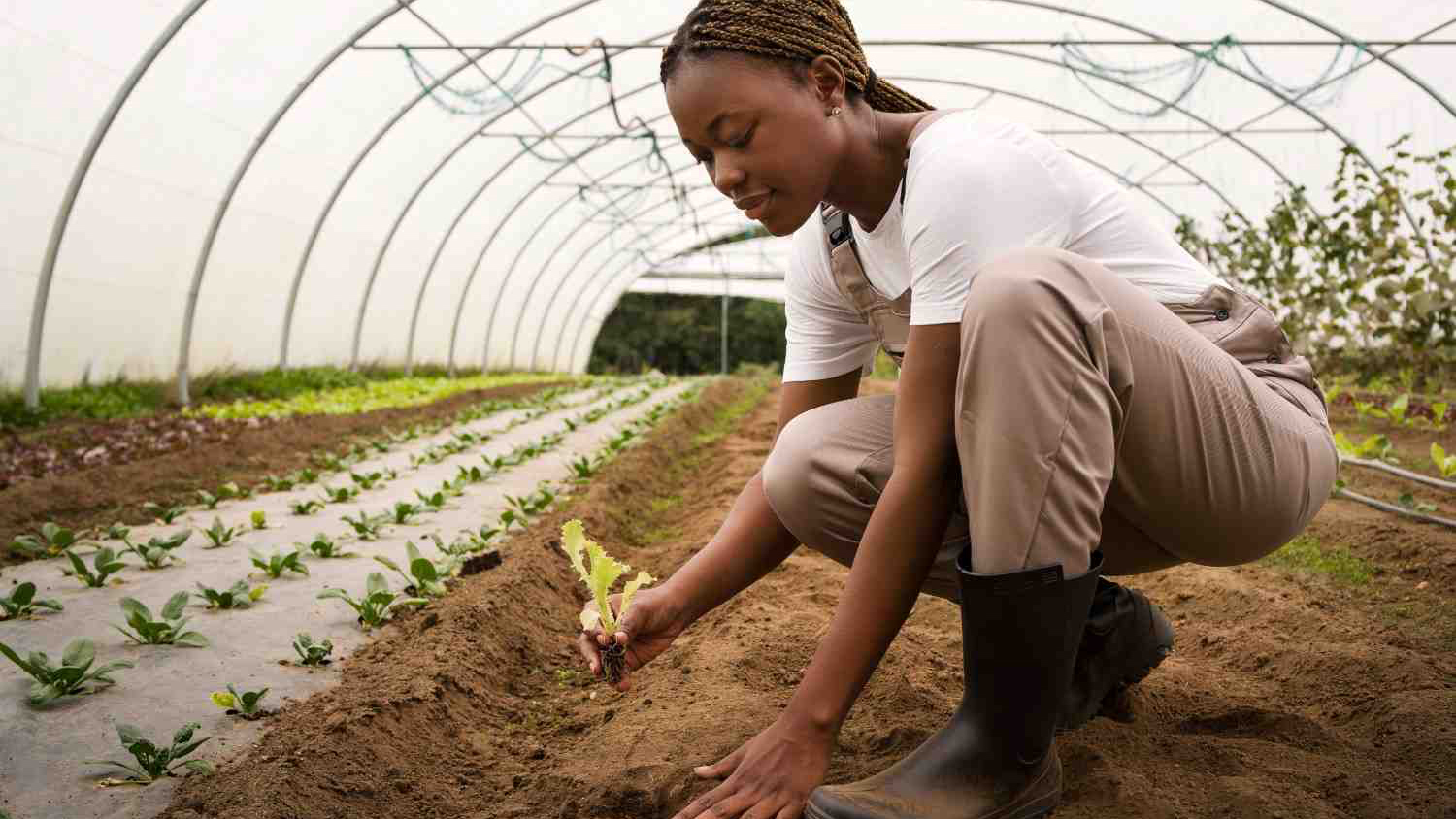
Switching to organic grains and pulses is not just a healthy decision for oneself and one’s family; it is also an imperative ecological action. Organic agriculture holds the promise of addressing numerous environmental challenges that our planet is presently encountering. Traditional organic agriculture can be used to rebuild the soil microbiome that has been damaged by years of conventional farming methods through the use of natural fertilizers, such as compost, and by adding microbial soil amendments. With this approach, we can sequester carbon in the soil to both heal the land and help it become better able to manage the changes happening with climate change. In addition, many organic grains (such as millets) and pulses (such as lentils) are naturally drought-tolerant and use much less water than most , making them well-suited to India’s diverse, often water-stressed climates. From an economic standpoint, while there is an initial increase in labour to begin farming organically, farmers will no longer need to rely on expensive non-organic seeds or chemicals—both of which put farmers deeply into debt. By providing organic products to the growing population of health-conscious consumers, farmers will be able to charge the price necessary to support high-quality agriculture and a dignified life.
A holistic transformation of the food system
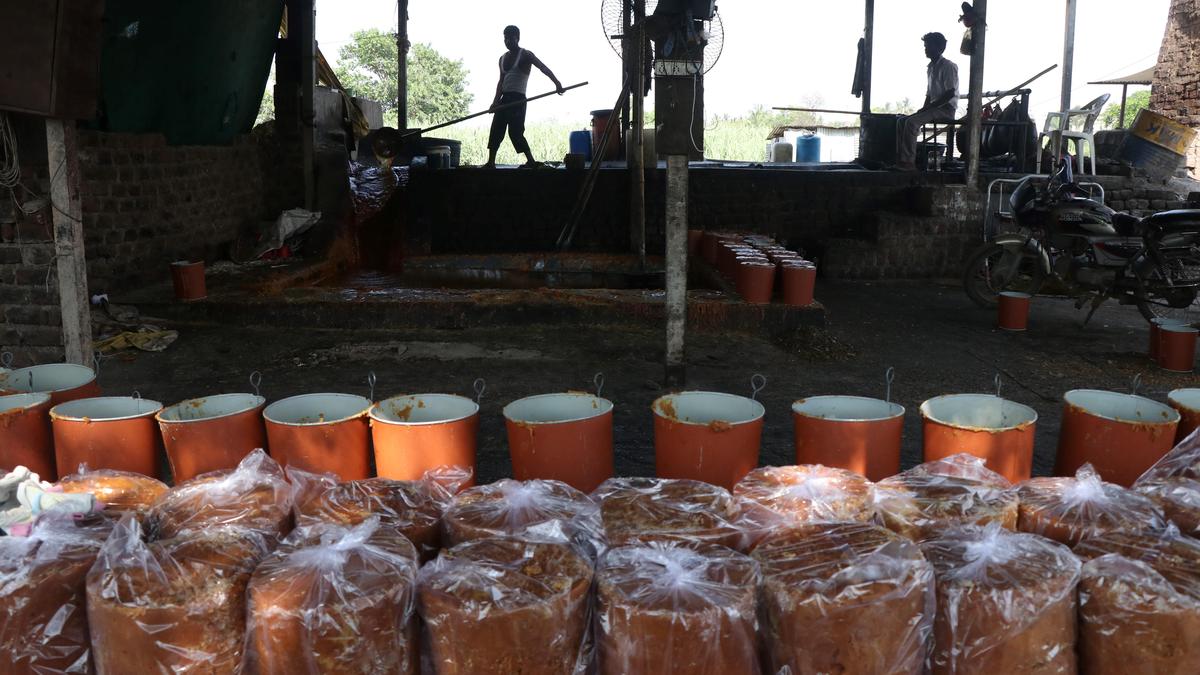
The impact of this movement extends beyond the field and into the processing stage. The rise of organic staples has revived traditional methods such as stone-grinding (chakki), wood-pressed oil extraction, and the Bilona method for preparing A2 gir cow ghee. Unlike high-speed industrial milling and refining processes that generate excessive heat and strip grains and oils of their natural bran, fiber, and essential nutrients, these slower, traditional techniques operate at controlled speeds to preserve the food’s natural oils, micronutrients, and enzymatic vitality. Ultimately, the rise of organic grains and pulses in Indian homes signals that the country is moving beyond a “fill the stomach” philosophy toward a “nourish the body” era. By choosing purity over polish, the Indian consumer is effectively encouraging a return to a more balanced, sustainable, and traditional agricultural system—one where the health of the land and the health of the people are treated as inseparable.
The author is MD, Bharat Vedica – A Patel Venture
Published on February 21, 2026