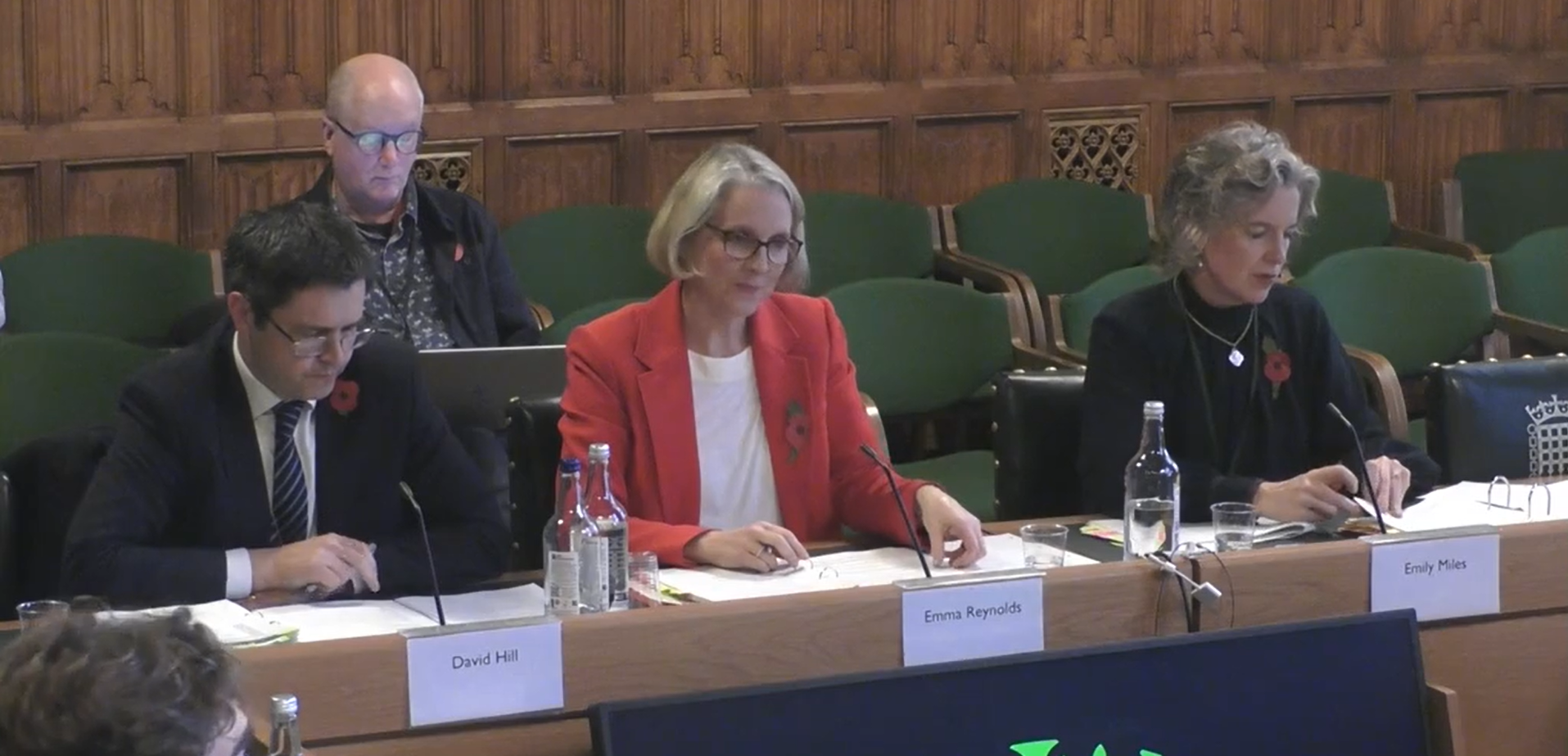
With the committee set to look again at the sector in the coming month, and the possible threat of a moratorium still looming, we looked at what the data tells us about the state of the salmon industry – from welfare and mortalities through to jobs and exports.
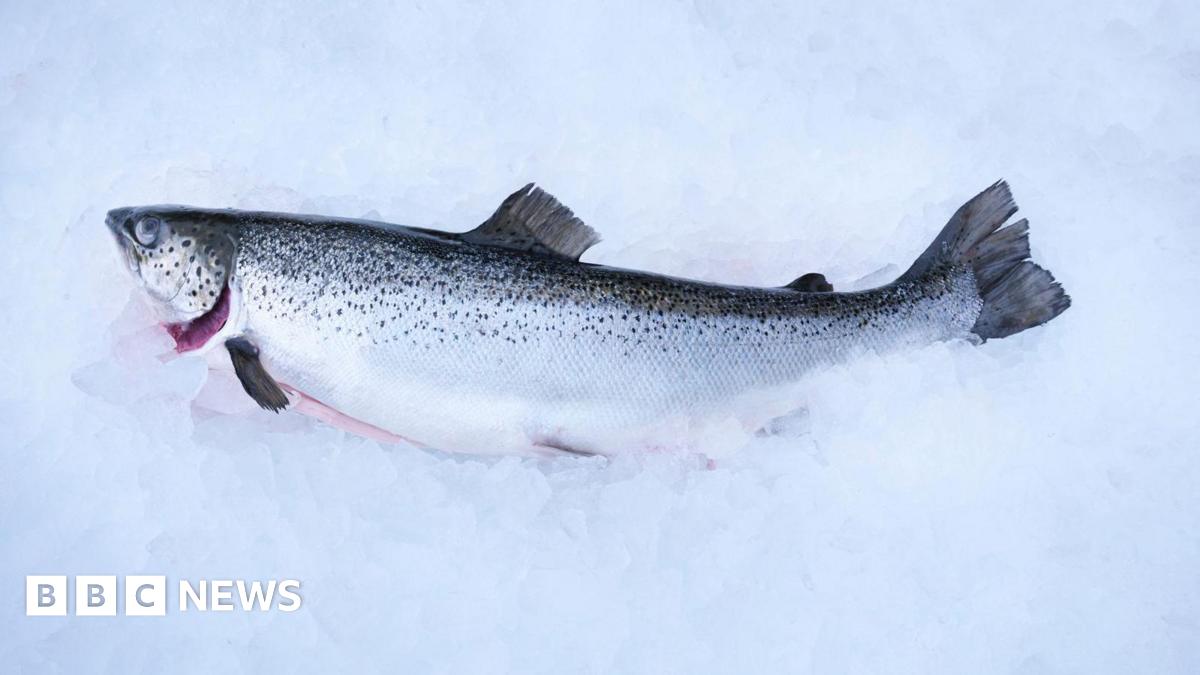
Salmon makes up 95 per cent of the aquaculture sector, and is the UK’s biggest food export. It is also an industry still expanding. There are 210 active salmon farms in Scotland, though many of those are fallow, or empty, at any one time, a rise of five on 2023.
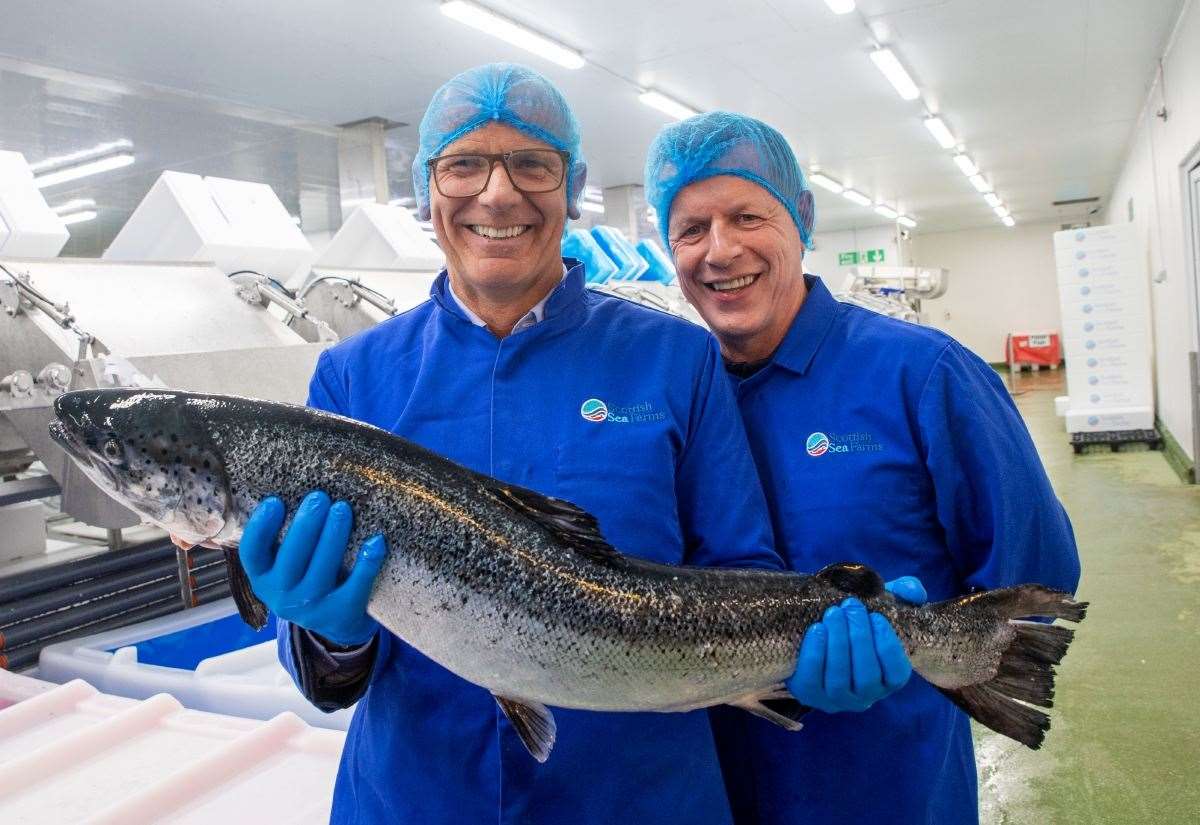
New salmon farms given planning permission have included the biggest UK salmon farm at Fish Holm, a 6,000 tonne salmon Scottish Sea Farms farm in Yell Sound, which was approved just this week.
The graphs tell a story of an industry broadly increasing in productivity, but more recently losing jobs, and still beset by high mortalities and sea lice issues.
Consumption
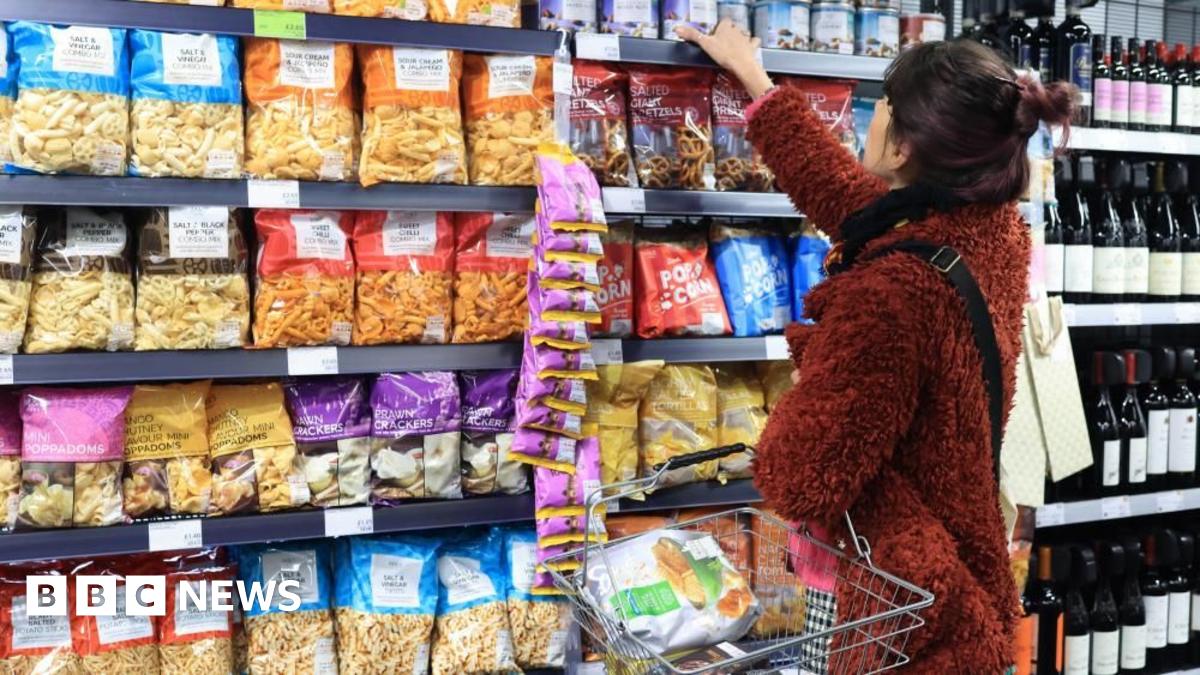
Scotland, and the rest of the UK, have a taste for salmon. Though there is a vocal campaigning movement against buying salmon, including the chefs backing Wildfish’s Off the Table campaign, it is being consumed in increasing quantities.
Sales jumped by 7.2% in the 12 months to August, accounting for almost a third of all fish sales in the UK – year-on-year growth almost double that recorded across the wider fish category. In 2024, around £1.5 billion of salmon was bought in the UK.
Exports
Scottish salmon is, year after year, the UK’s biggest food export, topping the bill yet again in 2025 with £828 million in sales, according to HMRC figures. France was the largest market, accounting for 42% of total export value, followed closely by the United States at 40%.
Mortalities
Some of the graphs in this article start with data from 2018, and show the changes in mortalities, sea lice and other data, since the Scottish Parliament’s REC committee produced its 65 recommendations, many of which are yet to be seen through.
There are two main sources of information on fish farm mortalities – one is the Fish Health Inspectorate, which records deaths in terms of numbers of fish on individual farms. The second is Salmon Scotland which gives its mortality rate in terms of percentage of number of fish on the farm.
In 2018, the committee considered the current levels of mortalities to be too high – but in 2025, according to Fish Health Inspectorate data, they were 218% higher. They were also higher than last year, 2024.
Midway through 2025, Salmon Scotland were declaring record-breaking survival on farms, with a 99.12% survival rate for the first half of the year, but a catastrophic October, with over half a million deaths on a single fish farm, and high losses on some others, turned it into another year of headline mortalities, far worse than 2018.
Sea lice
Often it is said that Scottish salmon farming has got on top of its sea lice problem, but activists still regularly produce new videos of fish covered in lice, and there are multiple examples of farms exceeding the threshold set in its code for good practice, of 0.5 lice per fish between February and June (when wild salmon are migrating) and 1 per fish the rest of the year.
Gill disease
Jellyfish and plankton often make the headlines, as they did when Loch Duart’s farm suffered. But in the backdrop of this is a story, which appears in the data, of increased gill health problems. Deaths due to gill health were 459% higher in 2025 compared to 2018.
Fish escapes
Escapes from salmon farms are a concern because they can damage already depleted wild salmon and sea trout populations, spread disease and parasites, and impact local ecosystems.
The biggest escape in 2025 was almost 75,000 from Mowi’s Gorsten salmon farm in Loch Linnhe following damage by Storm Amy.
Productivity
The main source for productivity data is the Scottish Fish Farm Production Survey, which has not yet published for this year, but includes data up to 2024.
Jobs in the industry
Over the long history of the industry, jobs have shown a rising pattern, but have dropped since 2019, according to figures in the Scottish Fish Farm Production Survey.
Fewer workers, and increased productivity means more productivity per worker. This is a metric that rose in the early decades of salmon farming, and remains high now.
What do the studies say about salmon farming’s economic contribution?
What does salmon farming contribute to the economy?
A report commissioned by Salmon Scotland and produced by BIGGAR Economics last year, said that the industry was “one of the most important rural economic engines and a vital anchor for jobs, investment, and supply chain businesses across Scotland”.
It delivered £1bn, it said, to the economy, and supported 11,000 jobs, despite its “accounting for a fraction of the Scottish marine environment”. Salmon farming jobs, it said, “pay an average of about £44,500, around 16% above Scotland’s typical salary, generating at least £37m in tax last year, with more through the supply chain”.
It also noted that “a significant portion of this production serves a thriving export market, making Scottish salmon the UK’s largest food export. In 2024, over 101,000 tonnes of whole, chilled, salmon, valued at £844m, were exported to customers worldwide”, with the EU the primary market.
Direct activities of the Scottish salmon farming sector in 2024, it said, generated £231.2m in GVA for the Scottish economy and directly employed 2,460 people.
But another report, commissioned by the Sustainable Inshore Fisheries Trust and Wildfish, presented a less rosy picture of the industry. ‘Assessing the Economic Impact of Salmon Farming in Skye & Lochalsh: An Exploratory Scoping Study’, by Dr Andrew Moxey and Dr Angela Tregear of the University of Edinburgh, focussed on a smaller area, using Skye and Lochalsh as a case study. It said “the industry overplays its economic benefits and downplays its costs”.
“Headline estimates,” it noted, “do not take account of displacement effects on other businesses e.g. additional costs, reduced revenues and more difficult recruitment.
“In Skye and Lochalsh, c.9% to 28% of reported salmon farm jobs may not be net additions to local employment due to such effects.
“Equally, centralised government systems mean that public revenue raised from the salmon sector is not ring-fenced back to communities hosting salmon farms, including those in Skye & Lochalsh.”