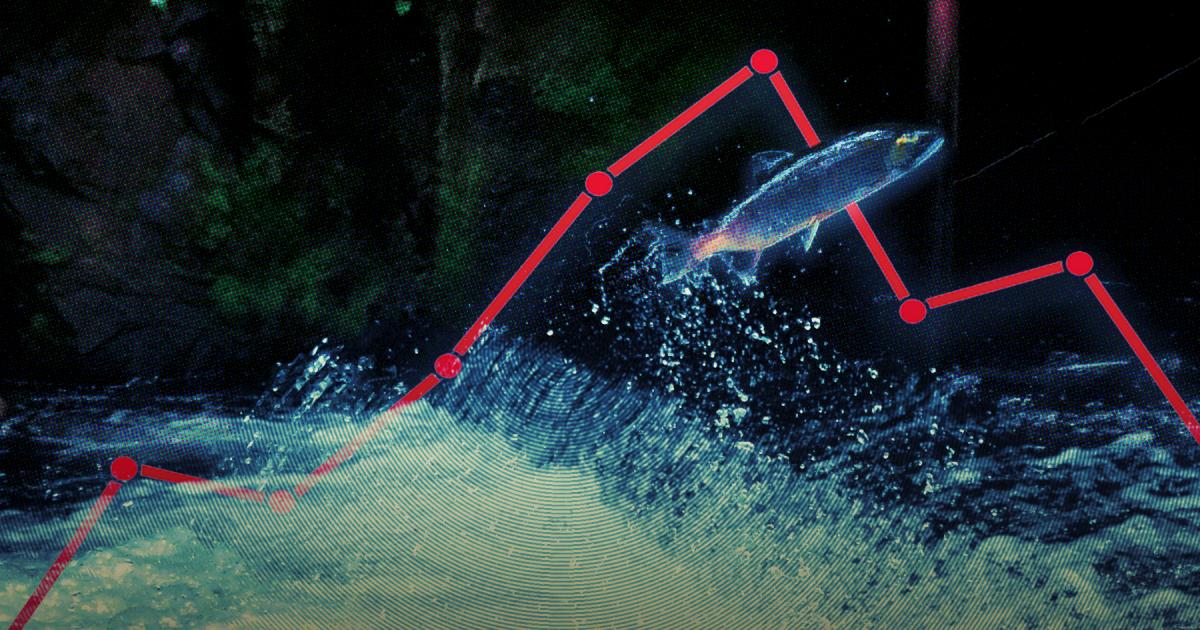
Furthermore, the decline in sea-trout in Scotland, England, and Wales since the mid-1960s is of a similar magnitude, whether one considers the west coast, east coast, or south coast of the UK. It is of the order of 84% in Scottish west coast waters where salmon-farming exists and also in east coast waters where salmon-farming does not exist (excepting two sites in the Moray Firth).
More recently, in the early 1990s fish-farmers have also noted changes in the freshwater and marine environment, some of which are not within the gift of man to change – eg, an increase of temperature of the Atlantic by 2(degrees)C, an increase in salinity on the west coast in the early 1990s.
John Macleod points correctly to the increased level of predation by seals – increasing by 10% per annum.
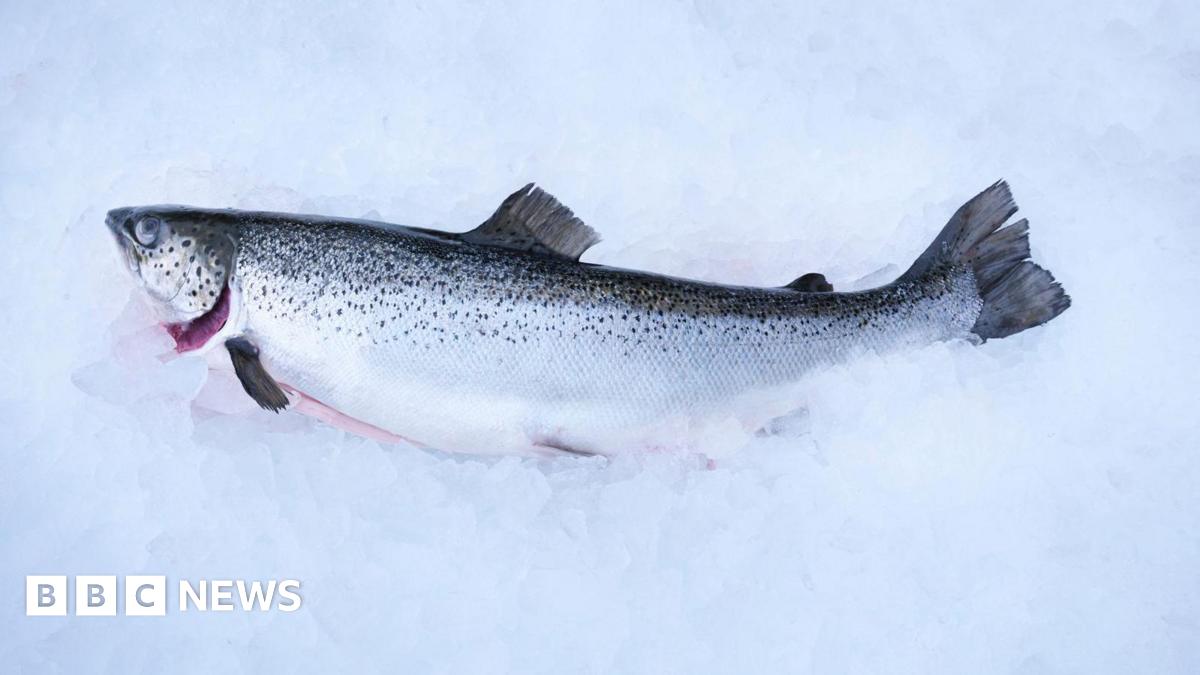
It is worth reiterating the husbandry practices employed by salmon farmers to control sea-lice. Sites are fallowed prior to clean smolts being placed in the sea-pens. Fish are regularly inspected for lice which have come in from the wild. If an adult female is observed, then a treatment would take place to prevent populations of lice expanding. Thus monitoring sea-lice is an essential discipline for salmon-farmers with its purpose to terminate sea-lice population build-up and to reduce infectivity from wild fish. John Macleod is right to question the allegations that farms are ”breeding-pools for lice”.
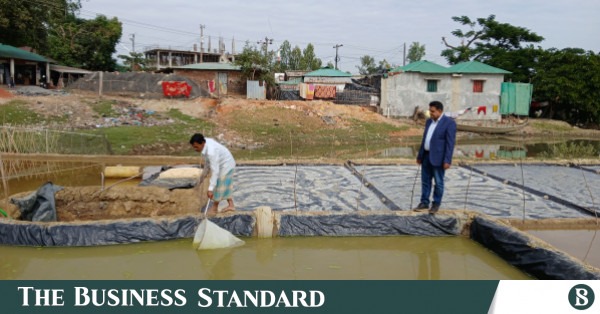
Fish-farm discharges are controlled by SEPA. Water quality is monitored as is the seabed around fish-farms with the precise aim to prevent pollution in sea-lochs. Salmon have been dubbed ”the canaries of the sea” and it is in every salmon-farmer’s interest to maintain the high water quality of the west coast.
In freshwater systems salmon-farmers have known about the need to avoid excess acidity in water and have buffered hatchery intakes. The admirable work done by the Galloway Fisheries Trust indicated some years ago that acidification affects brown trout eggs and fry adversely.
Other the last eight years there has been a noticeable change in rainfall patterns – with greater intensity in winter months coupled with droughts in summer which is not conducive to enhancing wild fish stocks.
However, this summer anglers have been reporting substantial catches of grilse and sea-trout, the wet summer providing good spate conditions for fish to run up rivers. We now need to go back and understand what happened in 1996-97 to have generated the recovery in the regenerations now being caught.
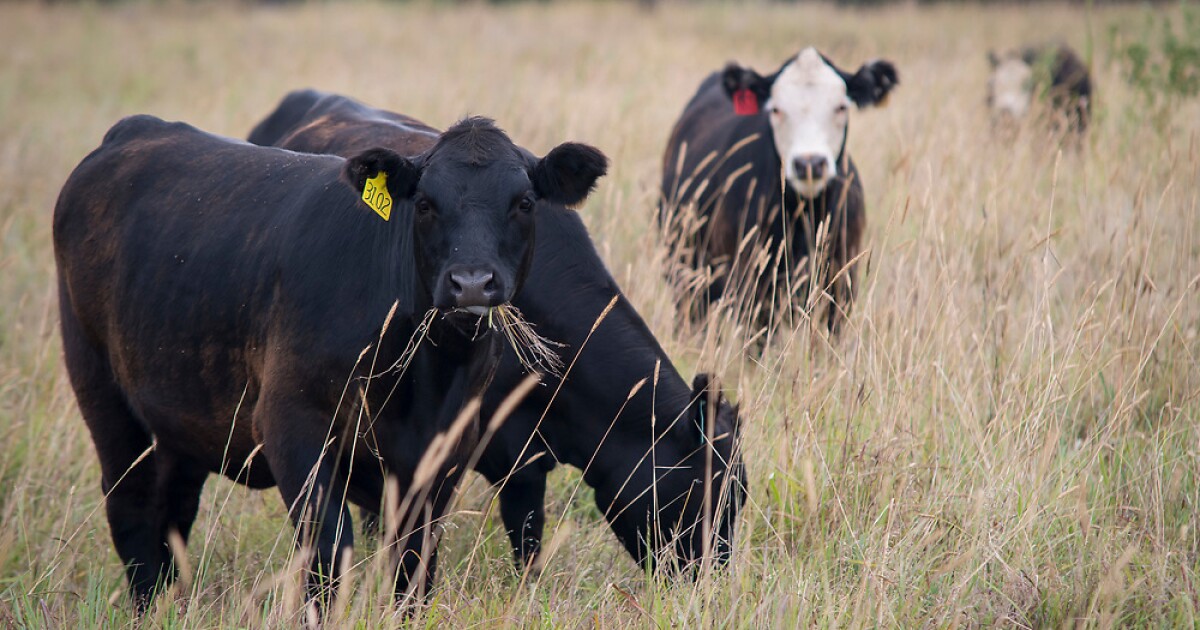
Sustainable salmon-fishing and salmon-farming both have their rightful places in the rural Scottish economy, hence the SSGA supports fully the west coast fisheries trusts whose work is beginning to bring better understanding to Highland and Island river systems. Sound practical measures based on scientific facts, such as preventing sheep and cattle from grazing river banks, the clearance of wind-blown timber in rivers, etc, are likely to restore good habitats for juvenile fish.
The multi-factorial aspects of natural or man-made effects on the salmon and sea-trout ecosystems are difficult to comprehend. The Scottish salmon-farming industry has some of the skills and talent to assist wild interests. We hope our offer of assistance will develop through a spirit of co-operation.
William J J Crowe,
Chief Executive,
Scottish Salmon Growers’
Association Ltd,
Drummond House,
Scott Street, Perth.
October 27.