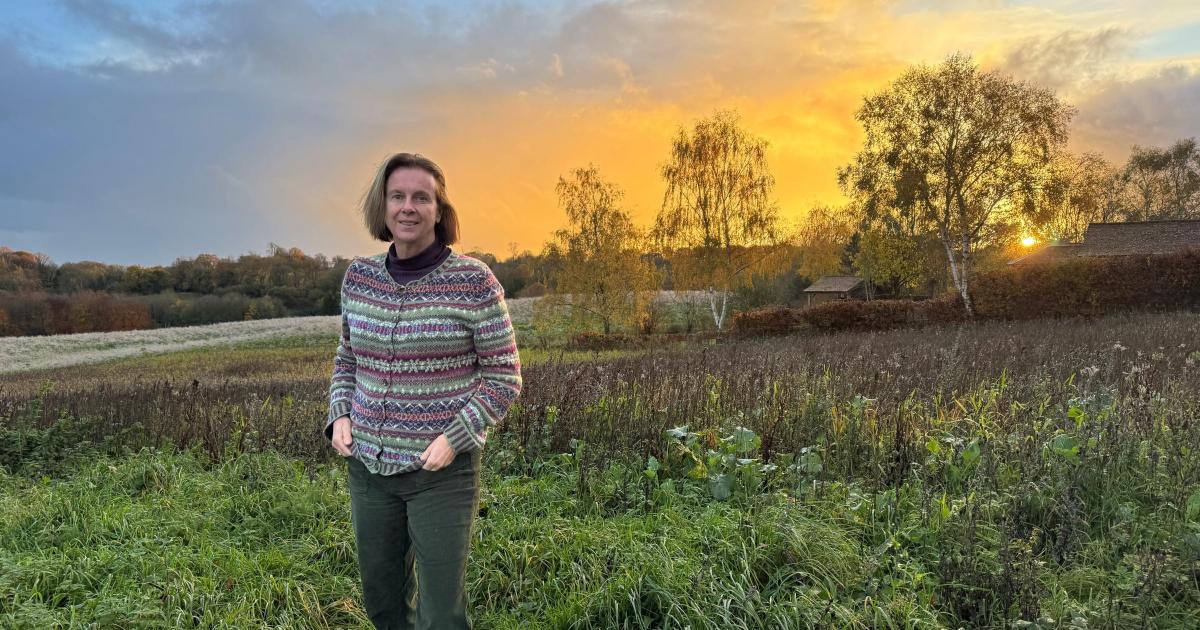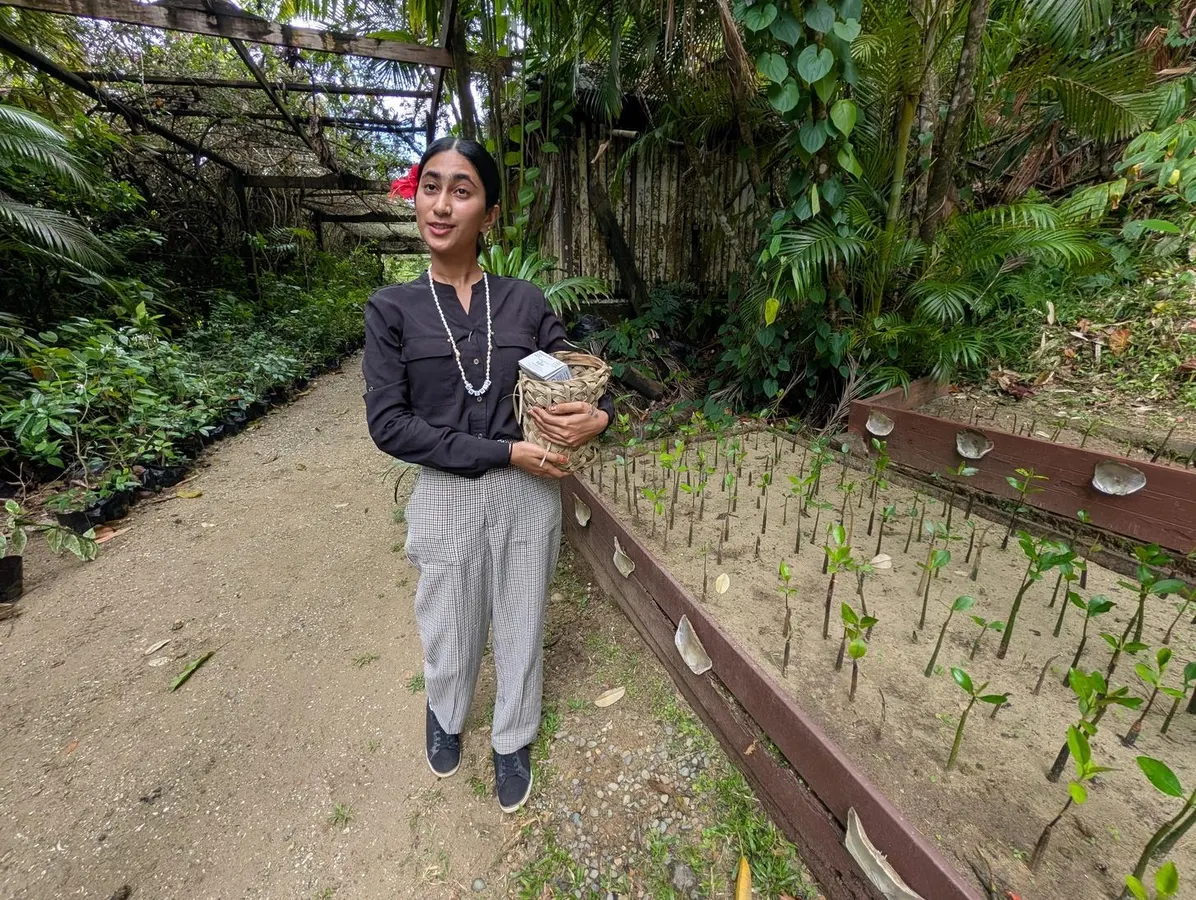
Andrea Singh, Nanuku Resorts’ sustainability ambassador, in her mangrove nursery.
Aren Elliott
The South Pacific is not behaving like a postcard. The tide pulls hard against the rough surf, but Andrea Singh isn’t moving.
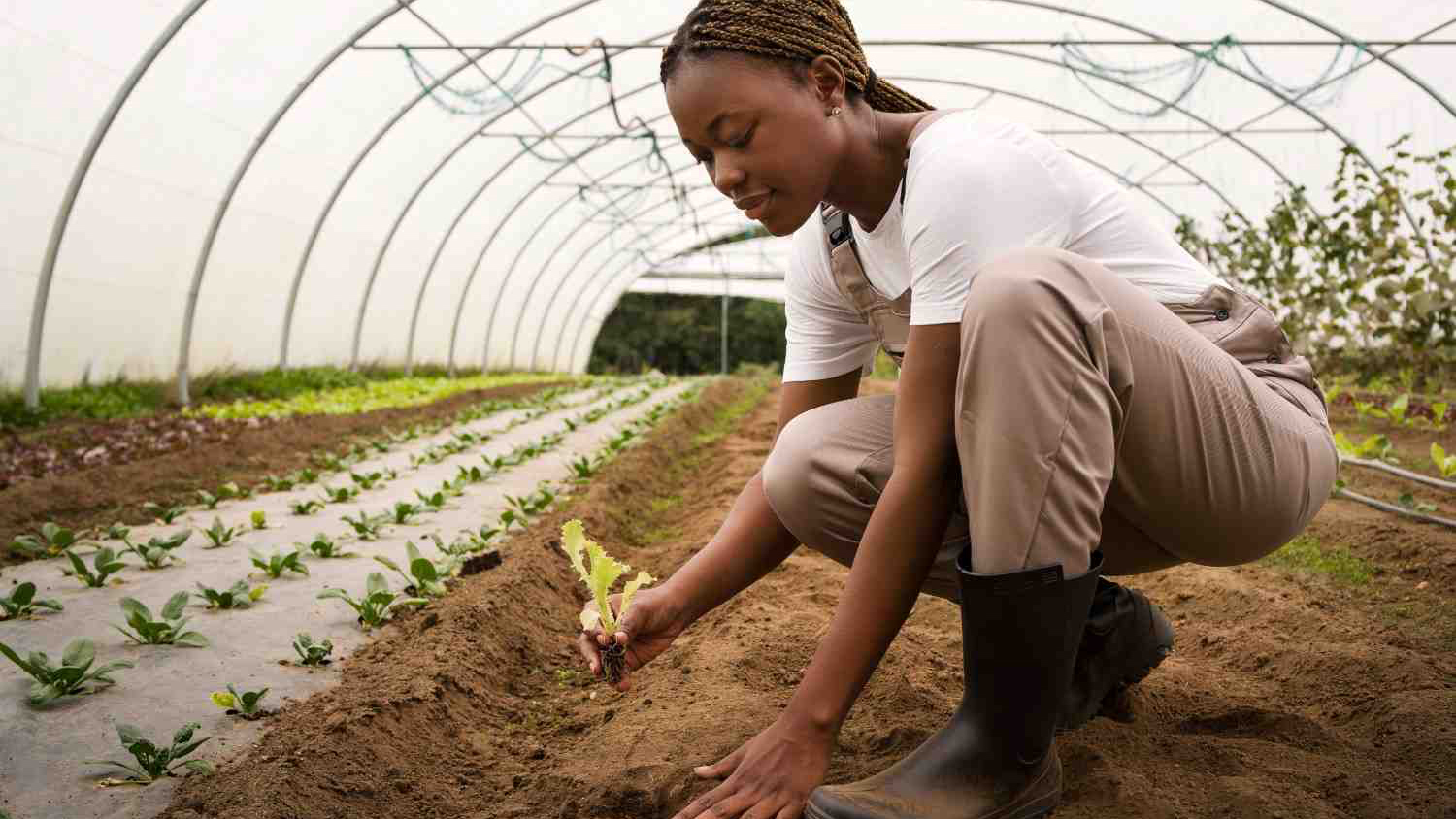
She stands ankle-deep in sand and churning water, scanning the shore. Singh is the resort’s sustainability ambassador, a title that implies brochures and PowerPoint presentations. But here, on the southern coast of Fiji’s main island, the job looks more like a botanical game of Whack-a-Mole.
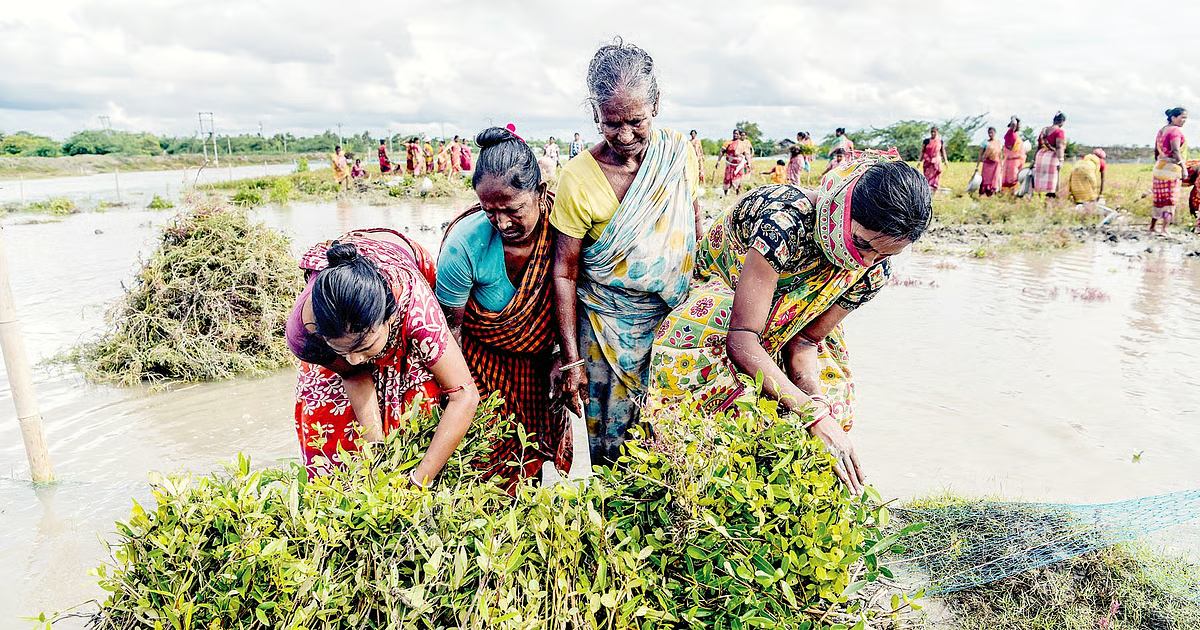
“My job is to find these floating orphans—red and black mangrove seedlings—and give them a home,” she says.
It’s urgent work. These plants are the island’s first line of defense against coastal erosion and climate change, she explains while digging a hole in the sand. They are also massive natural air filters, absorbing about 80 percent of carbon dioxide.
Singh and her team of volunteers have transplanted about 800 trees, nursing them in a sanctuary until they are strong enough to survive the open coast. She even has a favorite she named Nala, which she checks on with the anxiety of a new parent.
It is a slow, laborious process that can take up to 7 years. It can’t be rushed.
This patience is the defining characteristic of Nanuku Resort. While the typical luxury hotel operates on the logic of instant gratification, Nanuku runs on a different clock. Locals call it Fiji Time, a phrase often mistaken for island lethargy.
But here, on the edge of the Beqa Lagoon, that slowness has been repurposed into a rigorous sustainability strategy. Whether it’s waiting years for a mangrove to mature or the slow squeeze of coconut milk for curry, the resort is betting that the only way to save this paradise is to stop rushing through it.
Josh Cakautini, a guide and organic farmer at Nanuku Resort, shows off his vegetable garden.
Aren Elliott
Barefoot luxury in Fiji’s adventure capital
Even without its rigorous environmental mission, Nanuku commands attention in the crowded Fijian resort market. Built on a private estate in Pacific Harbour, the property feels less like a resort hotel and more like a series of secluded residences.
The roomy villas are designed to dissolve the barrier between guest and geography. Here, walls open entirely to the ocean, and private plunge pools act as quiet observation decks for the very coastline its resident environmentalists are working to protect.
The guest experience at Nanuku is curated to highlight the region’s specific character rather than generic tropical excess. While the resort sits in what’s called Fiji’s adventure capital—a hub for shark diving and white-water rafting—the on-site luxury is rooted in the earth. There are traditional greeting ceremonies featuring a Lali, a traditional wooden slit drum. There are kava ceremonies (more on that in a minute). And there is the farewell tradition, the singing of the traditional song “Isa Lei.”
All are designed to draw you closer to earth, to Fiji Time.
Chef Maduva Nacuva shows a guest how to cook prawns over an open fire.
Aren Elliott
A circular economy in the kitchen
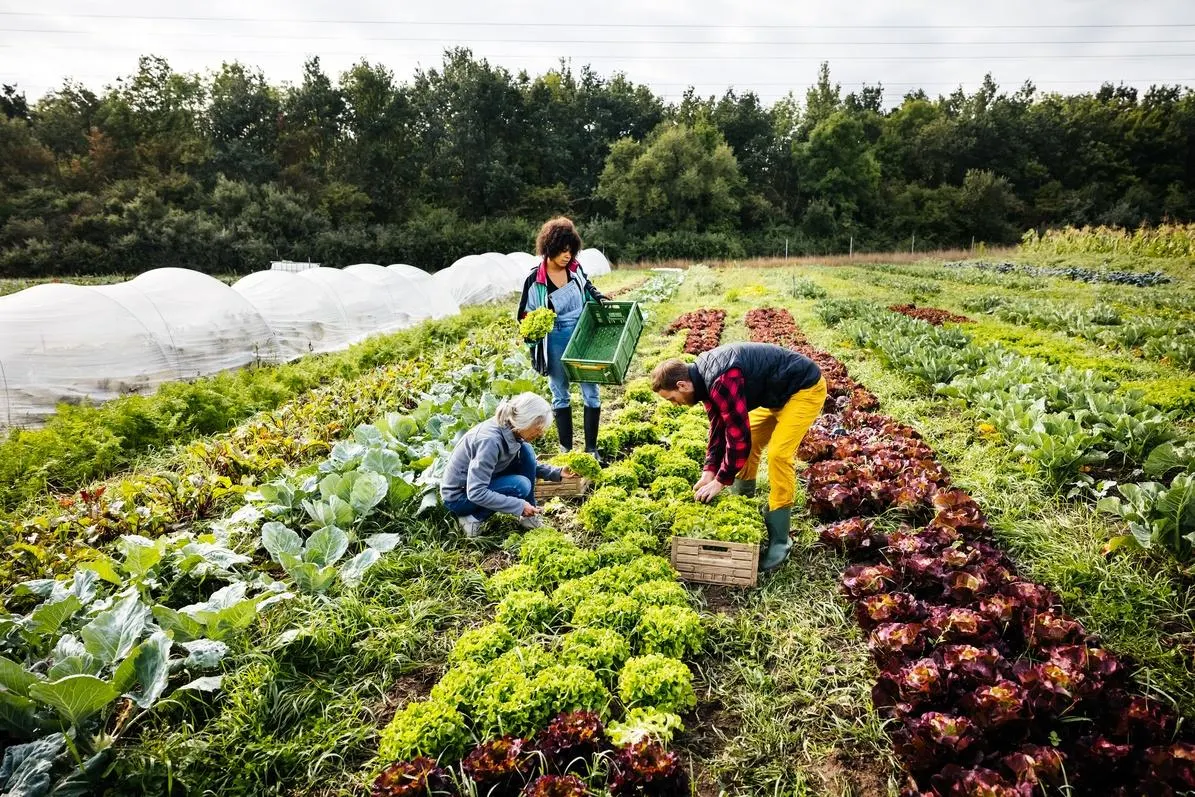
Josh Cakautini, who guides guests through the resort’s organic farm, points out that the property operates as a rigorous ecosystem. Kitchen byproducts like vegetable peelings get repurposed as organic fertilizer for the gardens or feed for livestock. Even empty wine and beer bottles find new life, crushed on-site into sand to be used for construction projects.
“Basically, nothing is wasted,” Cakautini says. “It’s going somewhere.”
That “somewhere” is a cycle that eventually yields the vibrant produce found in the resort’s kitchens.
In an open-air cooking station near the beach, Chef Maduva Nacuva demonstrates how these local resources translate into high-end dining. He prepares prawns and eggplant using a technique borrowed from the Fijian highlands: steaming the ingredients inside green bamboo stalks rather than metal pans.
The sauce is low-tech but high-flavor. Maduva offers a guest a ball of fibrous coconut husk filled with scraped white flesh. He demonstrates how to twist it, using the husk itself as a strainer to wring out rich, sweet milk directly onto the dish.
“The secret ingredient,” Maduva smiles, “is the coconut juice.”
It takes muscle—and time. But the result is a meal that tastes entirely of the place where it was made.
A traditional Fijian greeting ceremony at Nanuku Resort.
Aren Elliott
A ceremony that brings Fiji Time into focus
By the time night falls, your hands are tired from squeezing coconuts and digging holes for mangroves. You’re invited to sit on a pandanus mat for the final ritual of the day.
This is where the Fiji Time comes into clear focus. Josh Cakautini is there, mixing a large wooden bowl of kava—the muddy, peppery root drink that is the social lubricant of the South Pacific.
“It is the complete opposite of alcohol,” he explains. Instead of making you loud and forgetful, kava is designed to make you calm and present.
He scoops a coconut shell full of the liquid — a “high tide”-size serving, filled to the top. Kava renders your tongue numb. A heaviness settles into your limbs, pinning you pleasantly to the mat.
The conversation slows down. You aren’t talking about the news, or the stock market — topics the men dismiss as “things that are not important.” You’re just sitting.
“It’s about being present,” Cakautini says.
In a world that is heating up, where people like Singh have to fight the tide to save the shoreline, Fiji Time may be the best way forward.
You plant the mangrove. You wait 7 years. You drink the root. You stop worrying about the unimportant things.