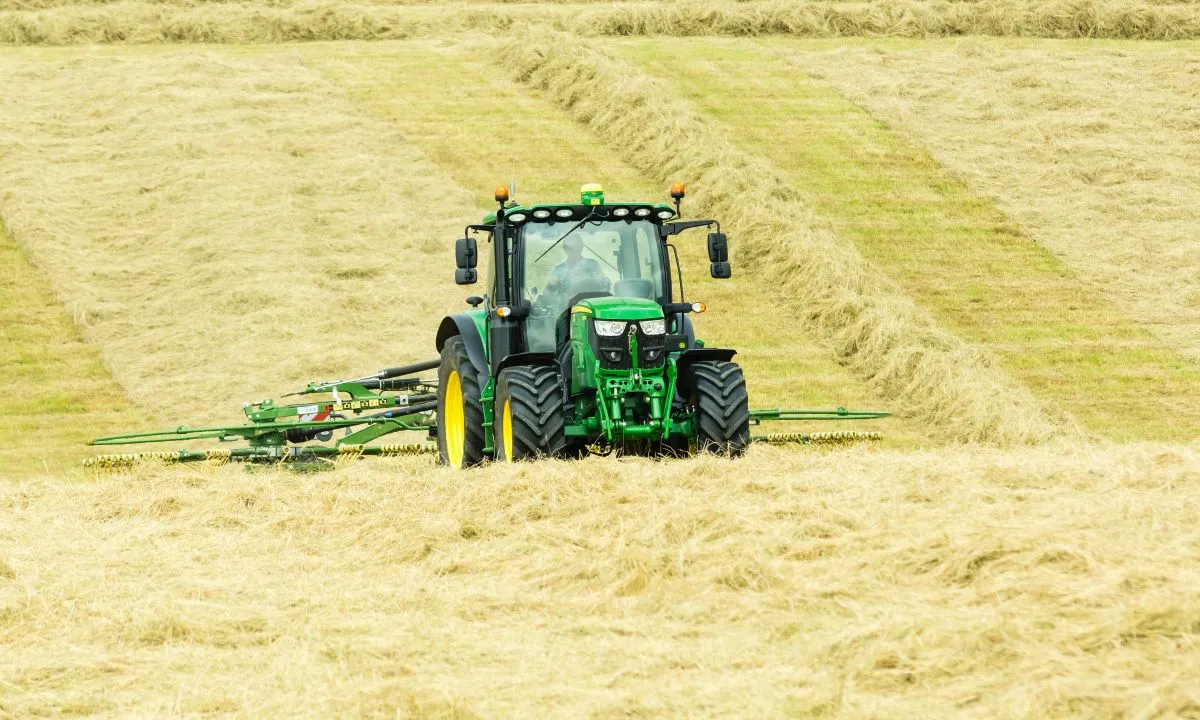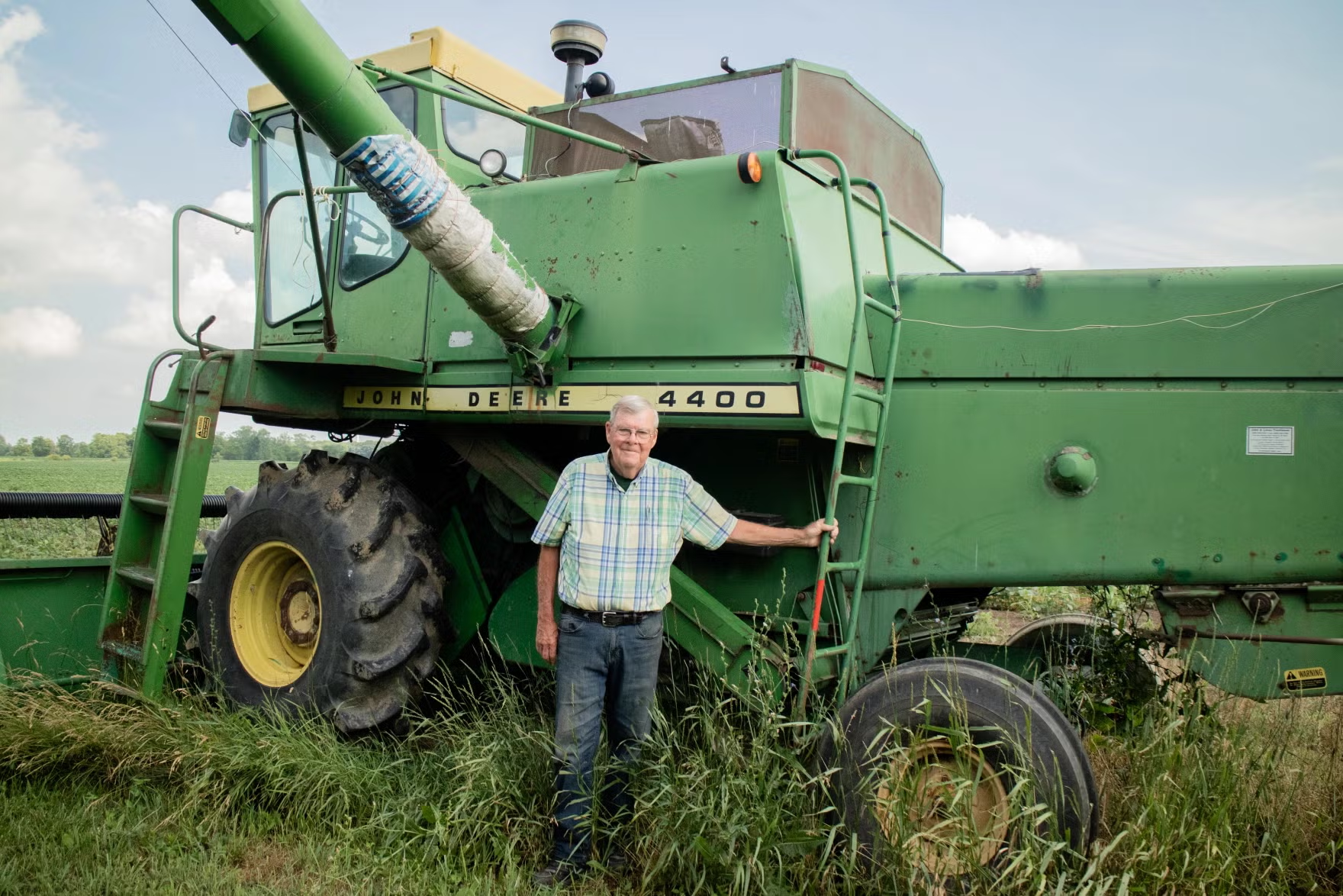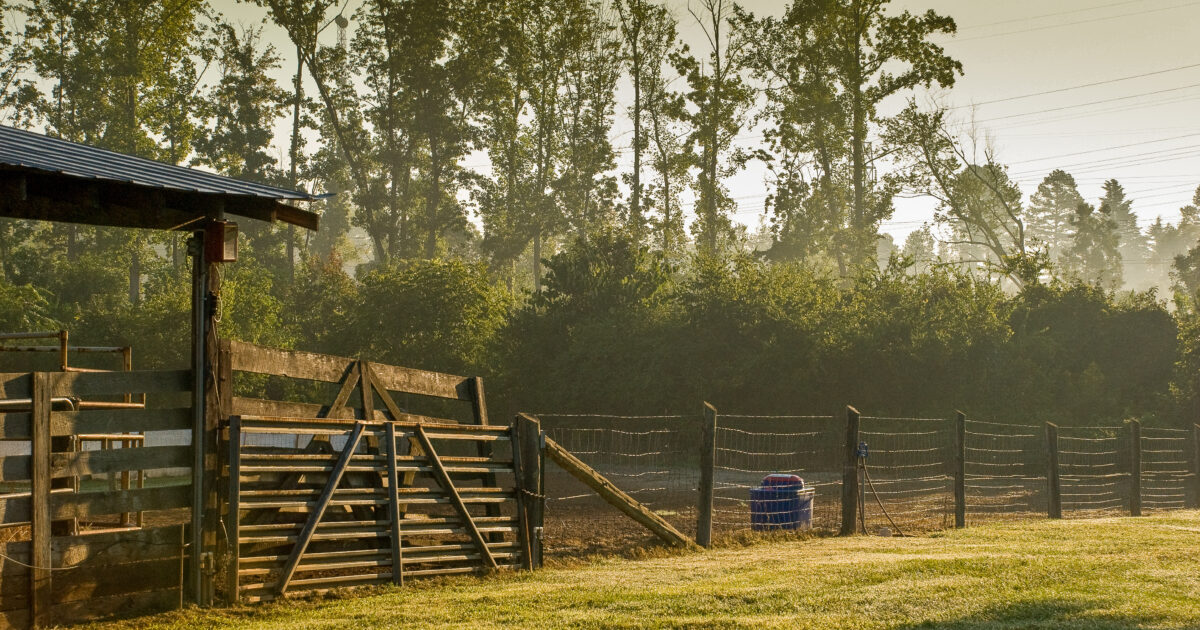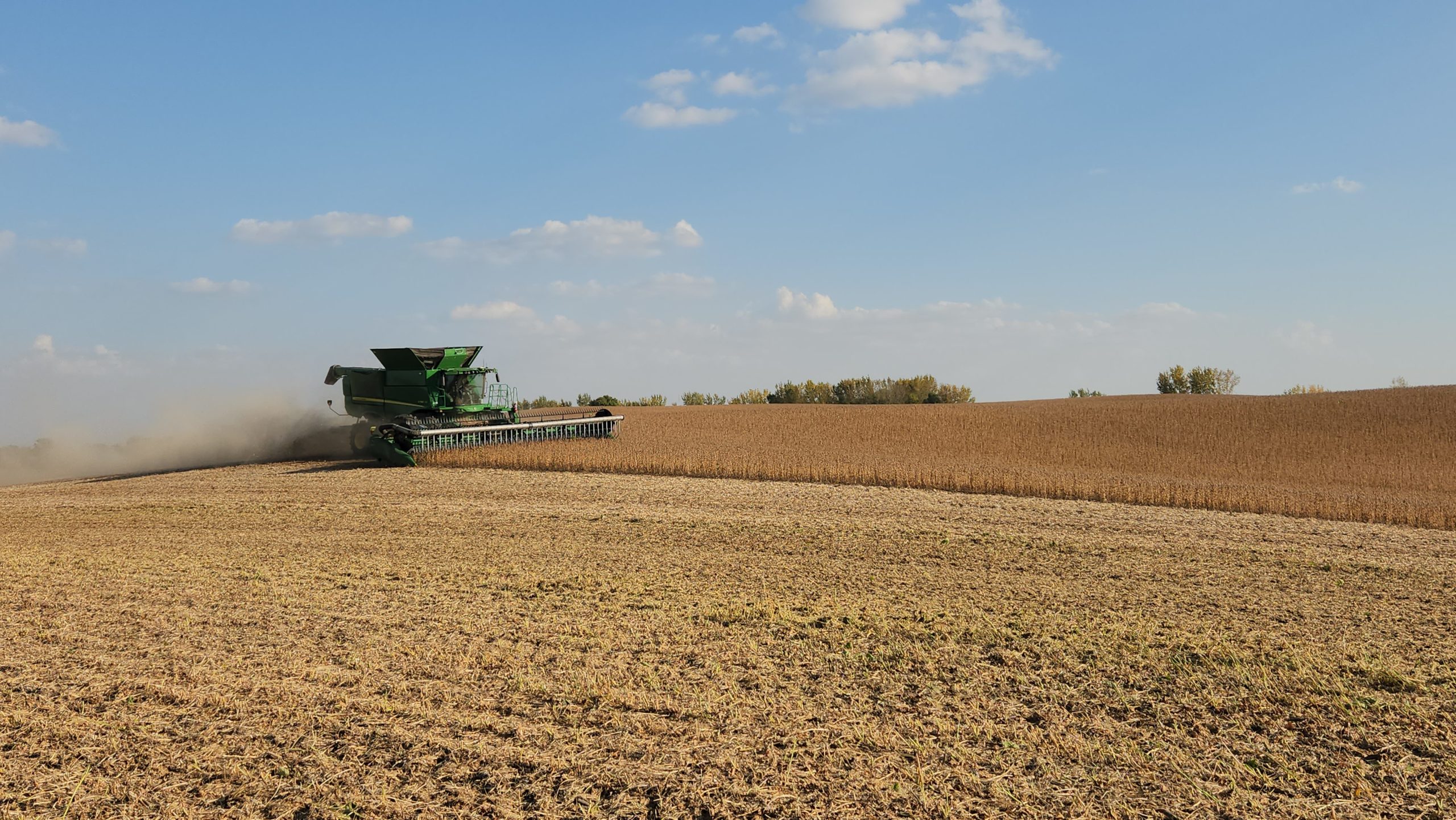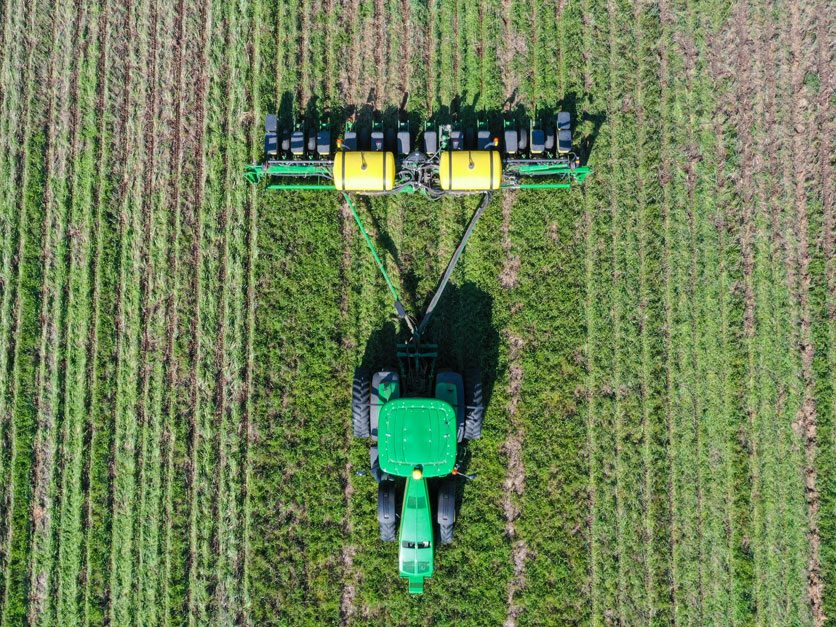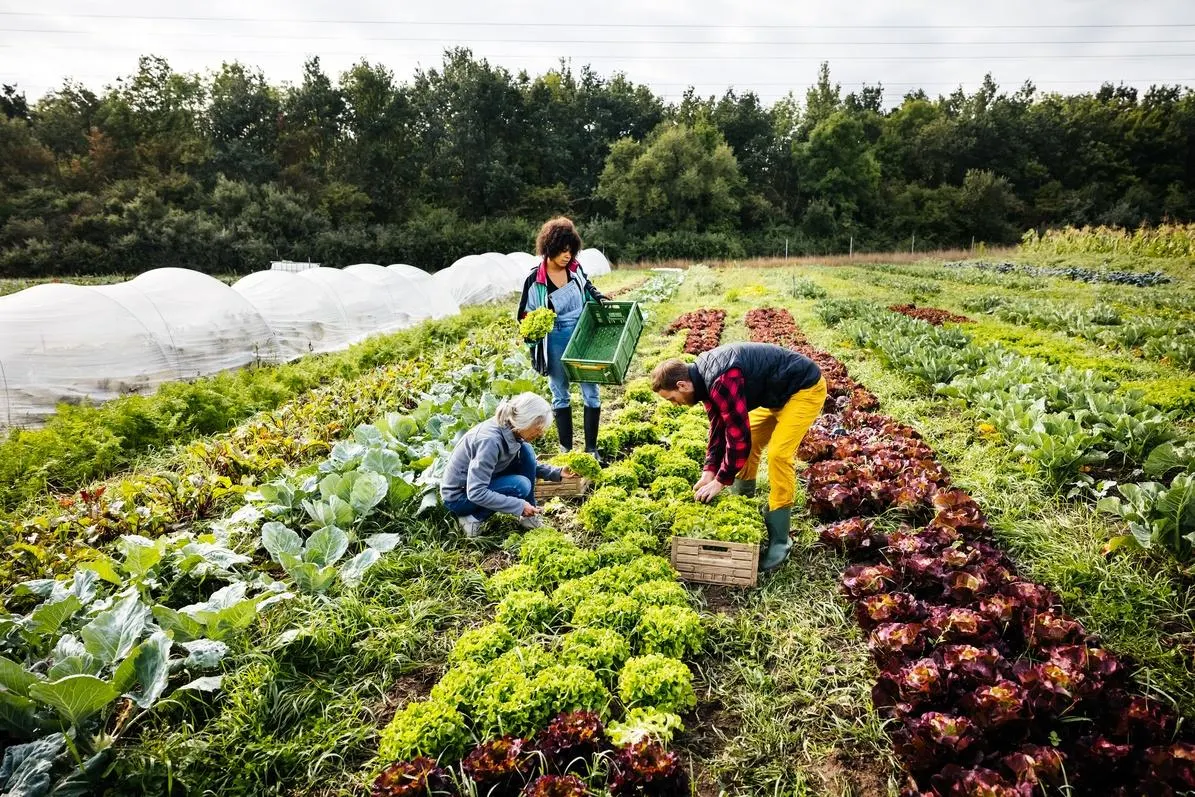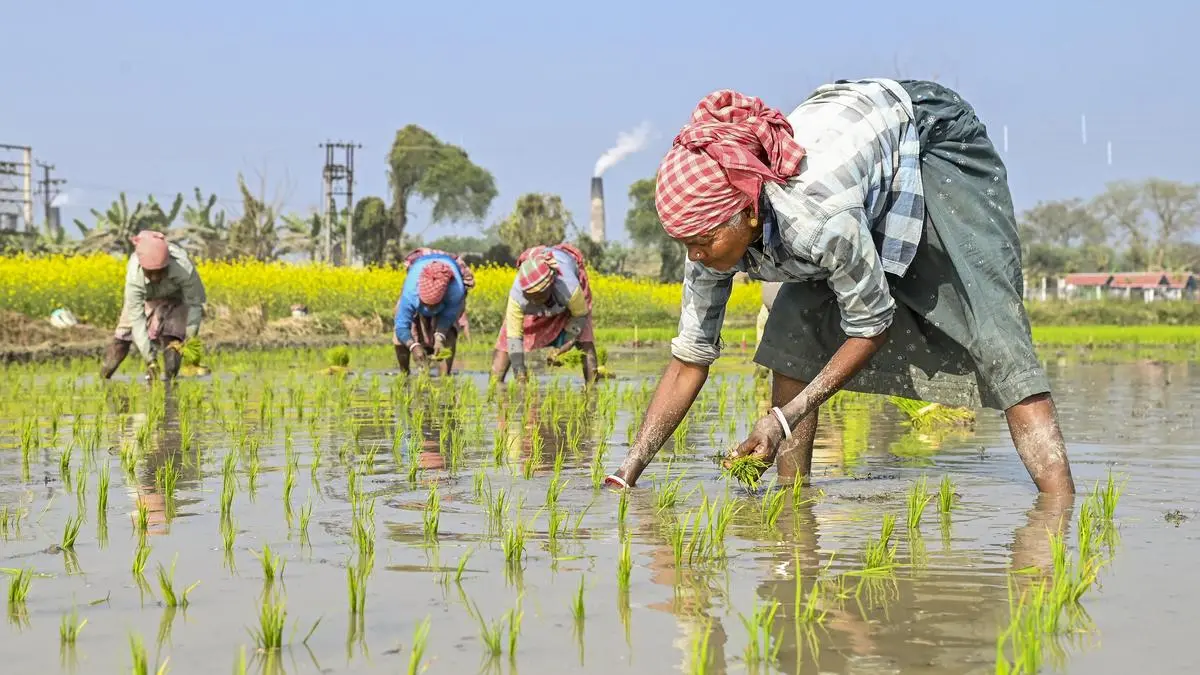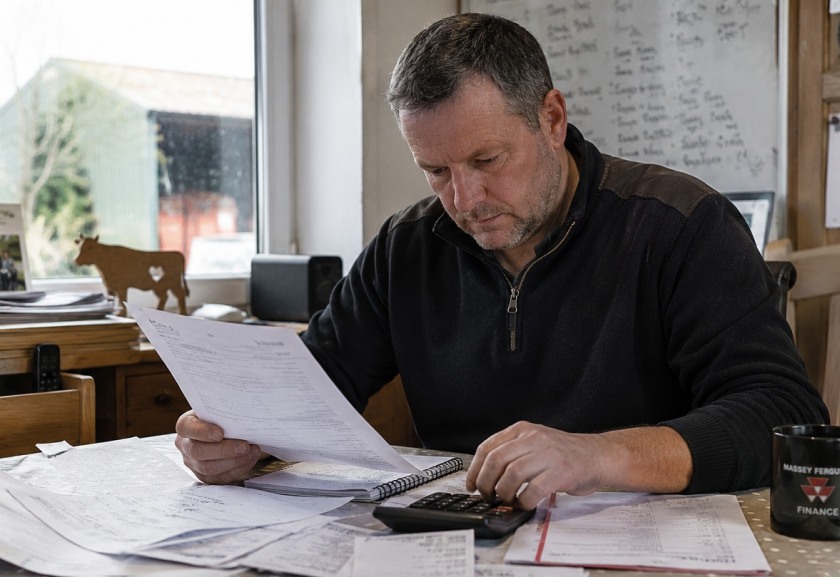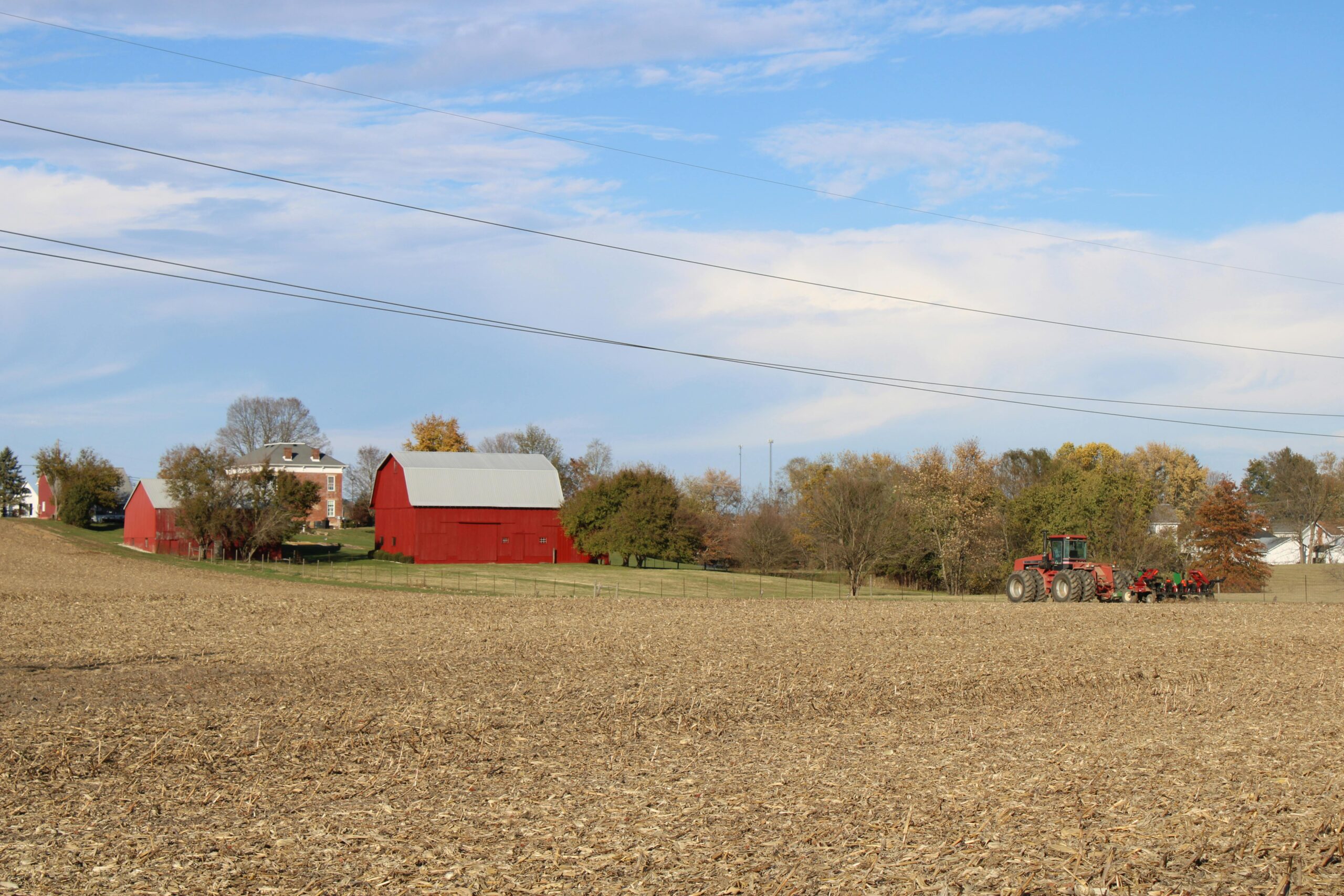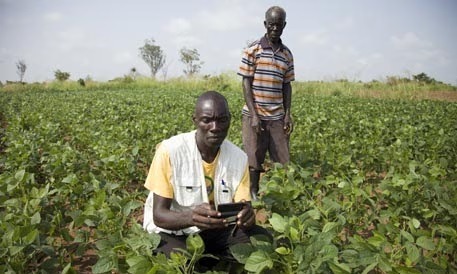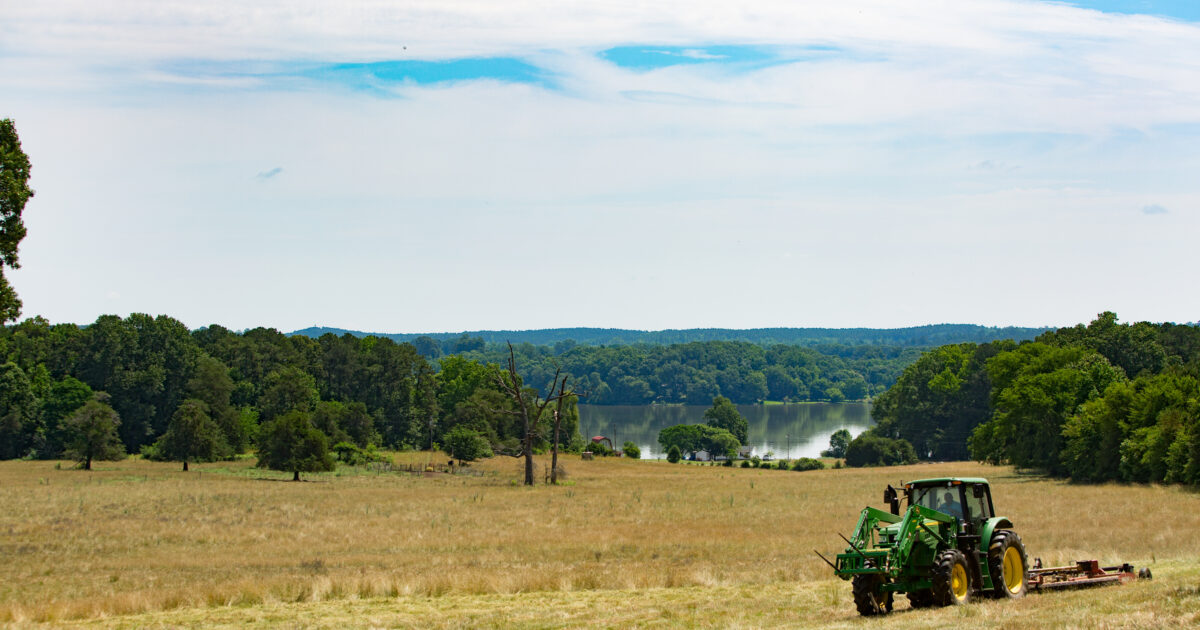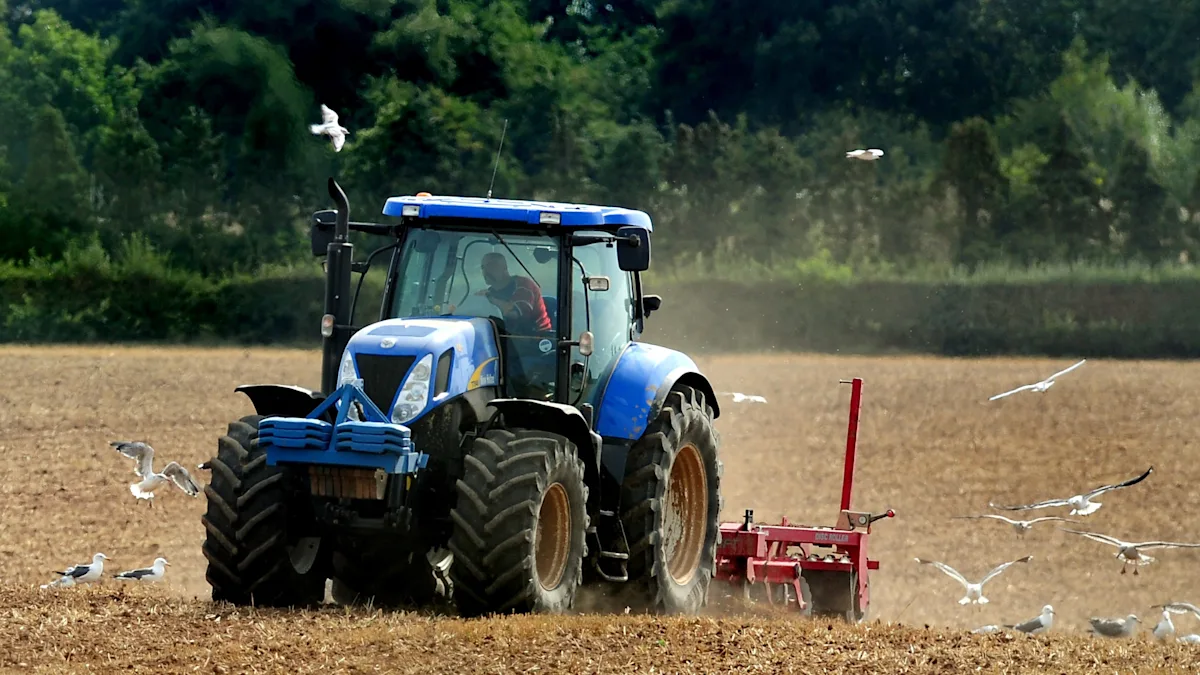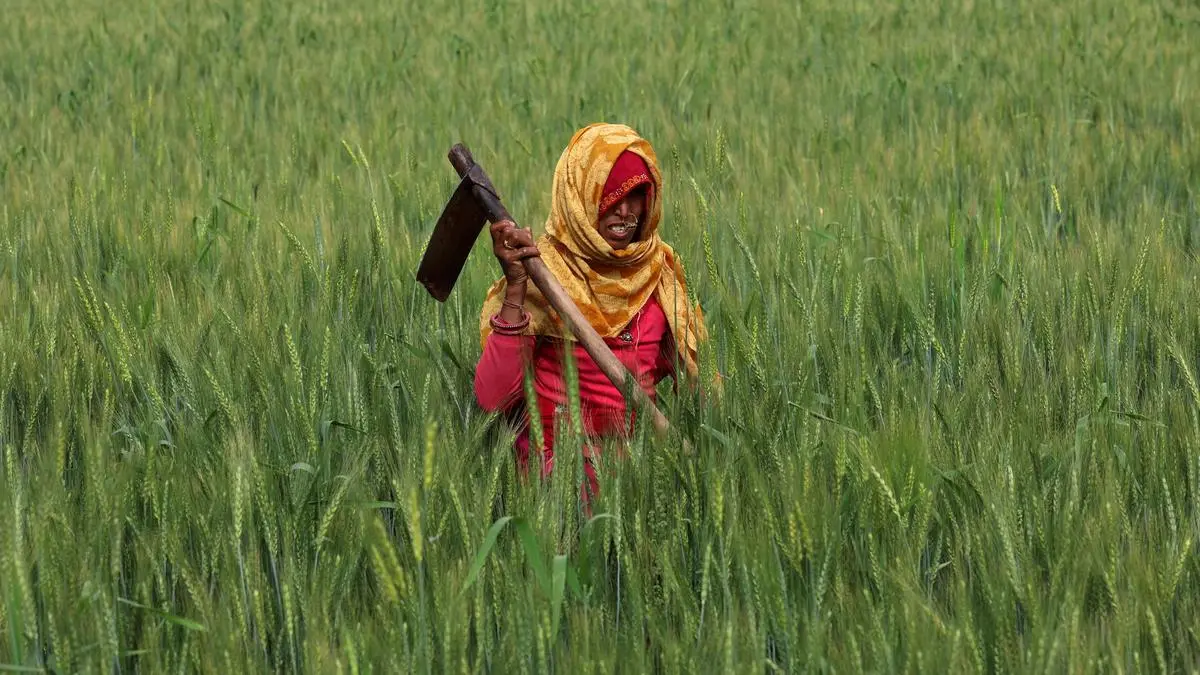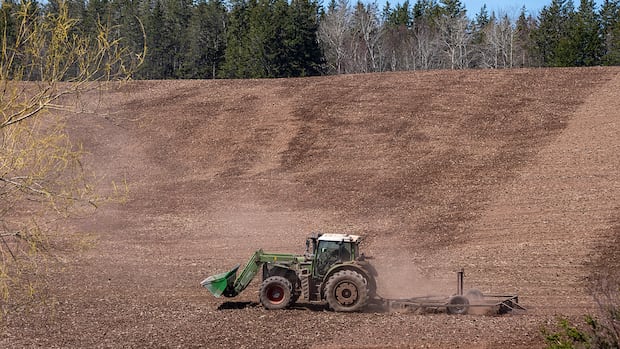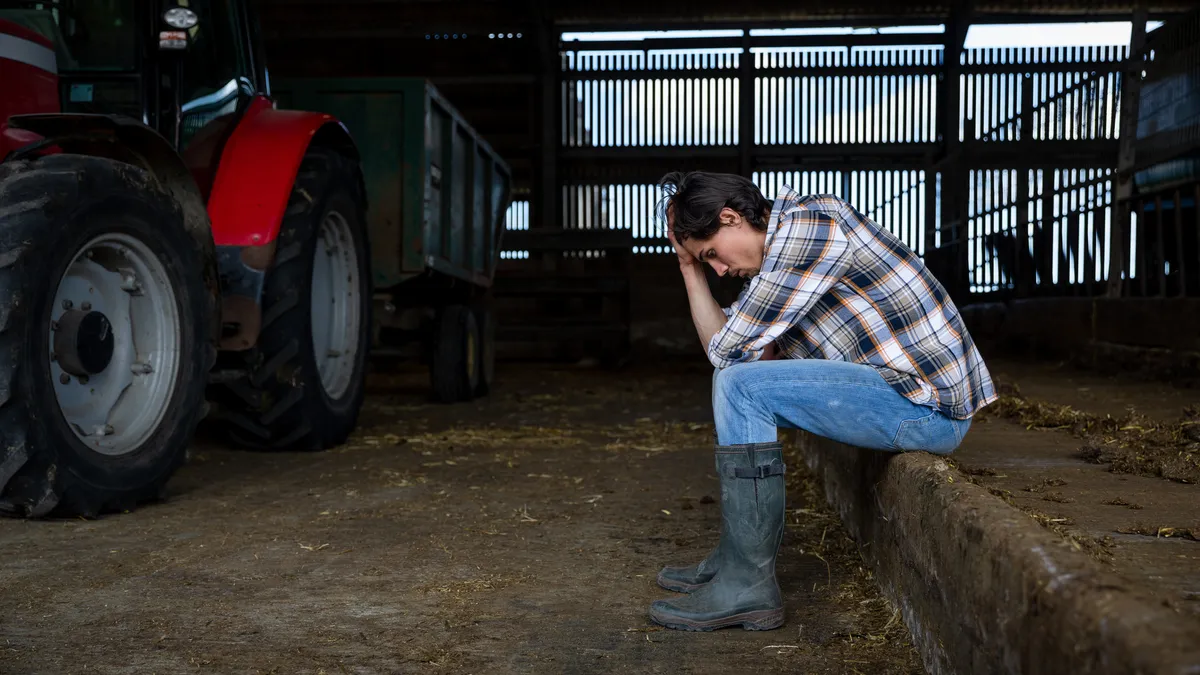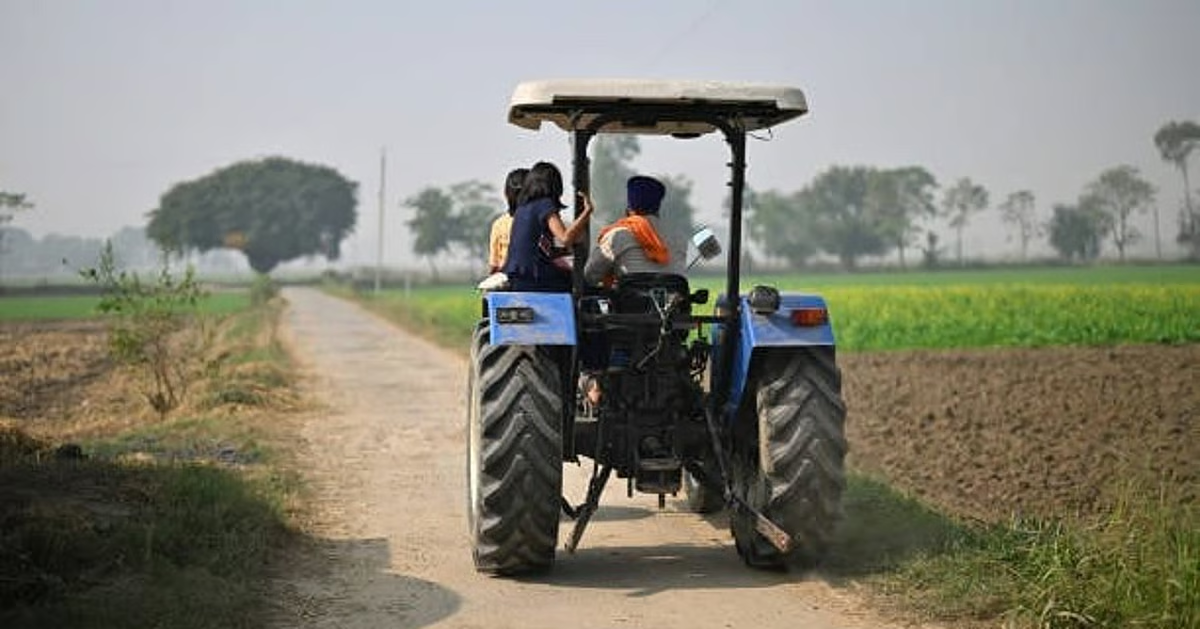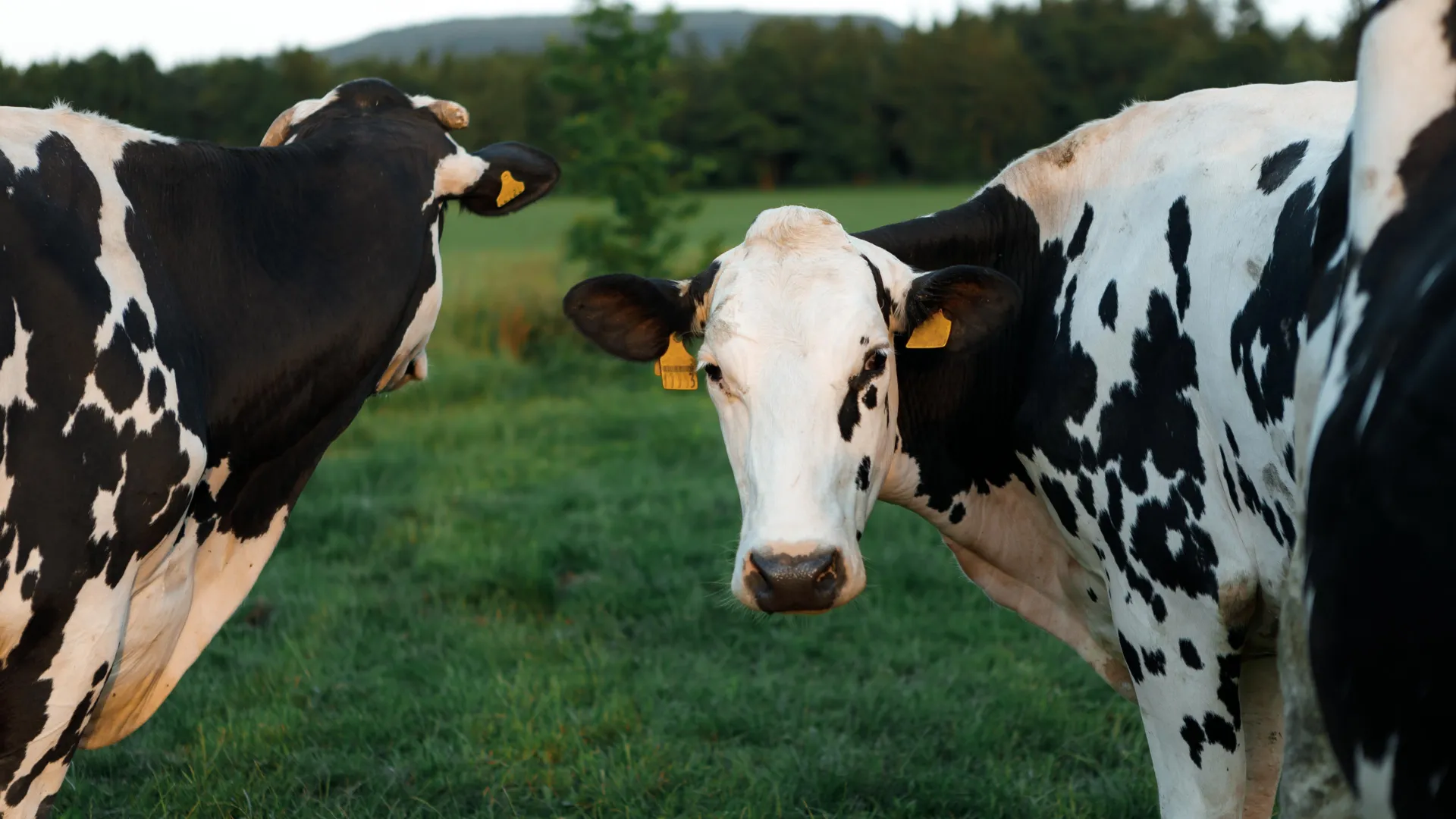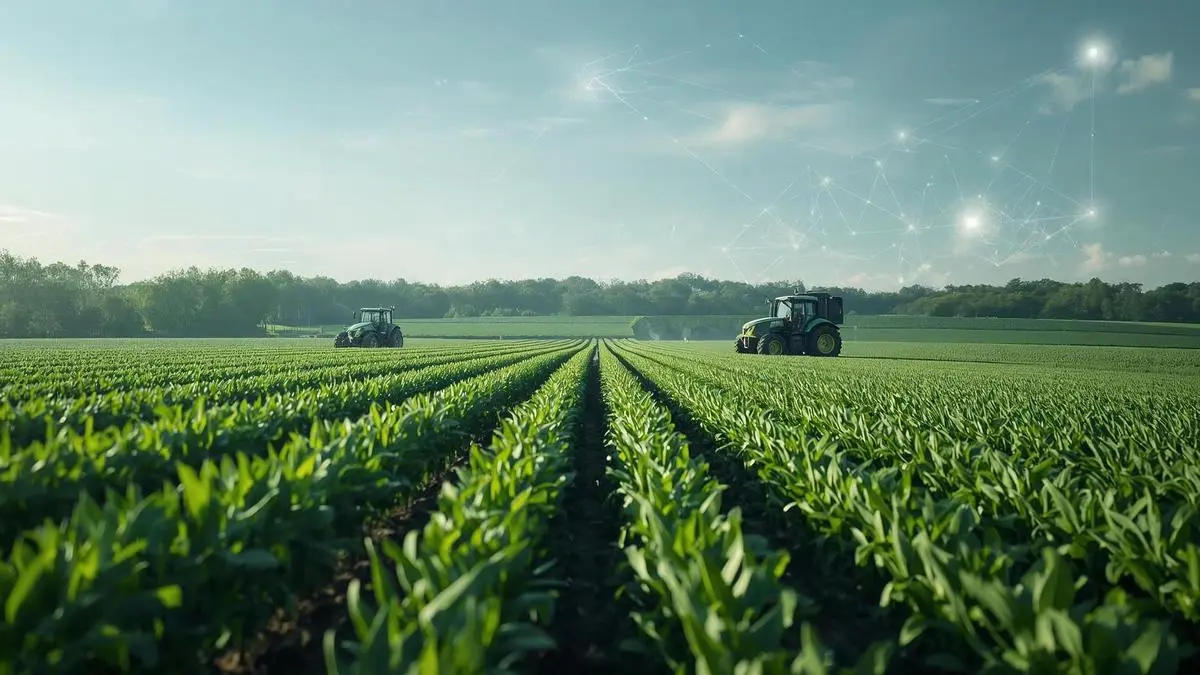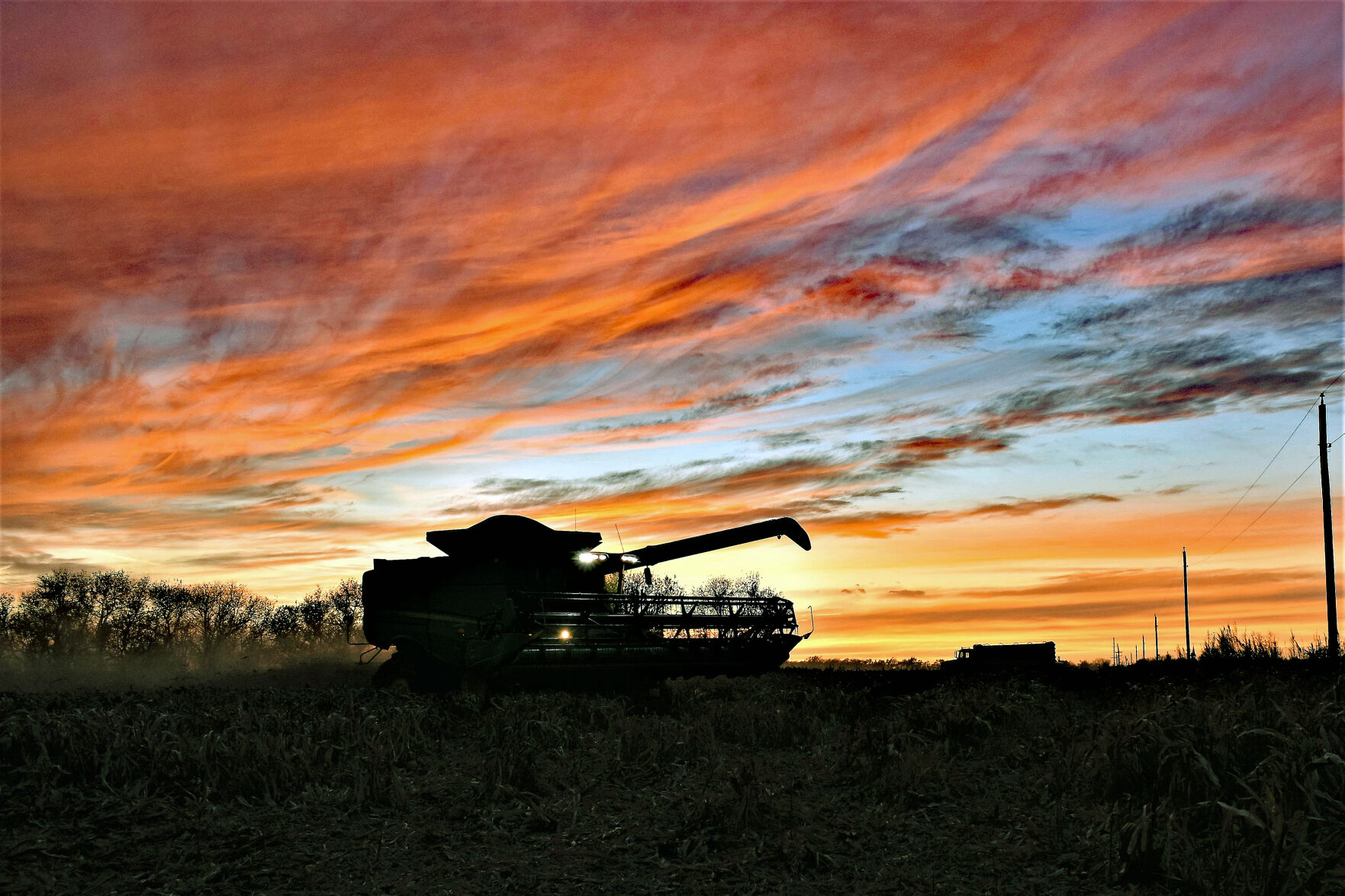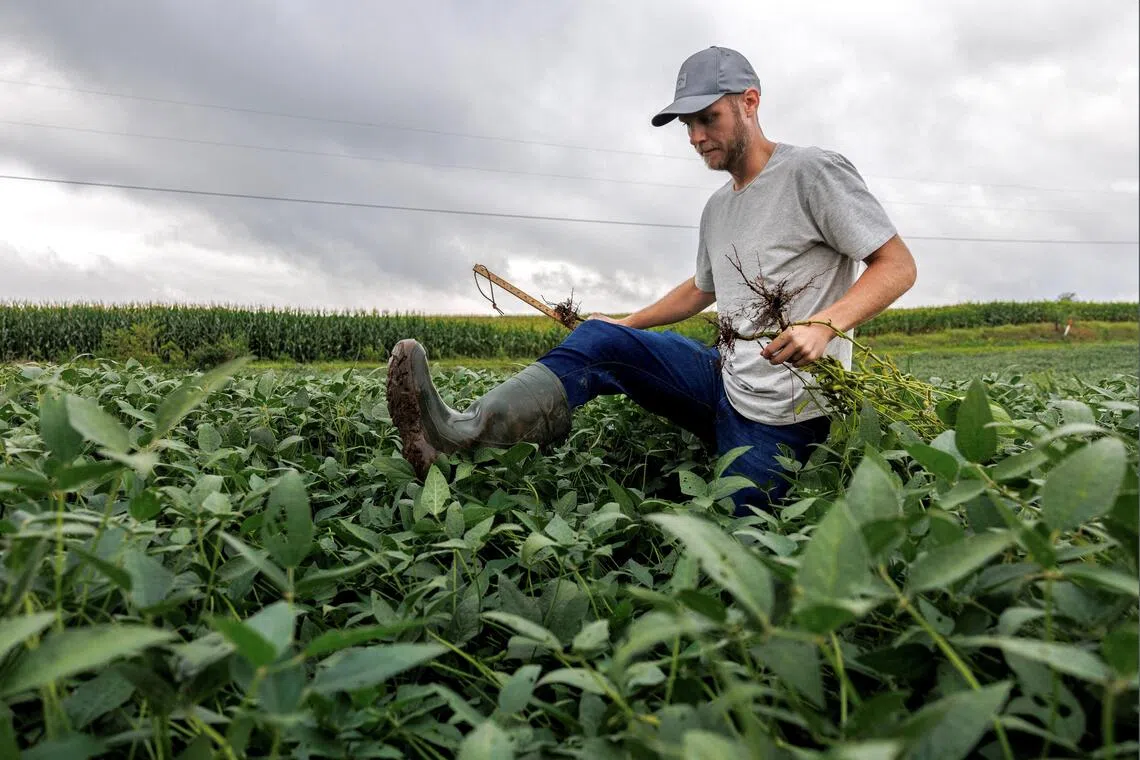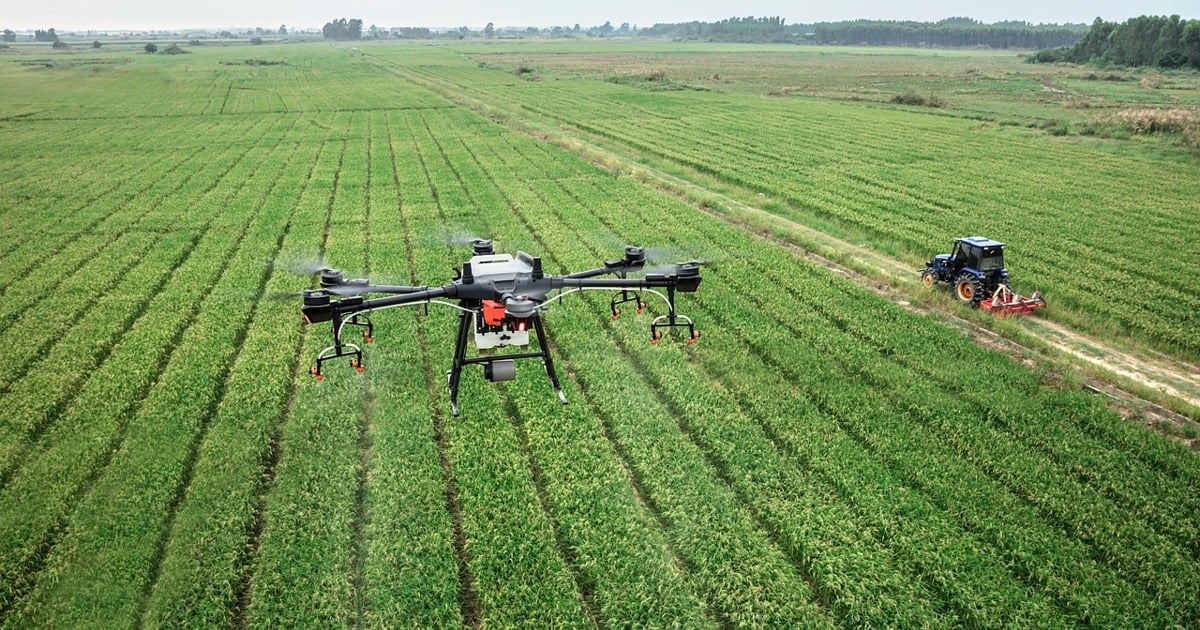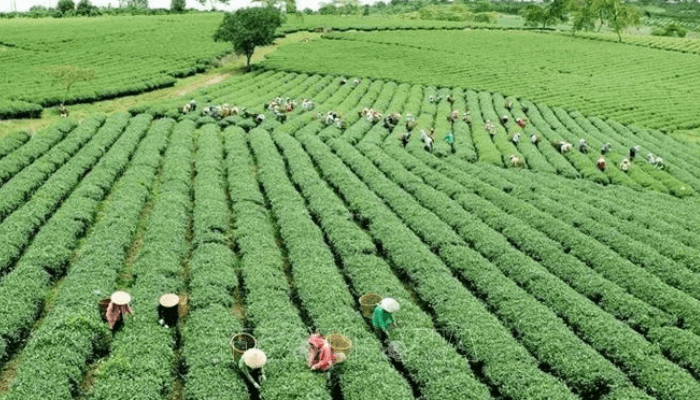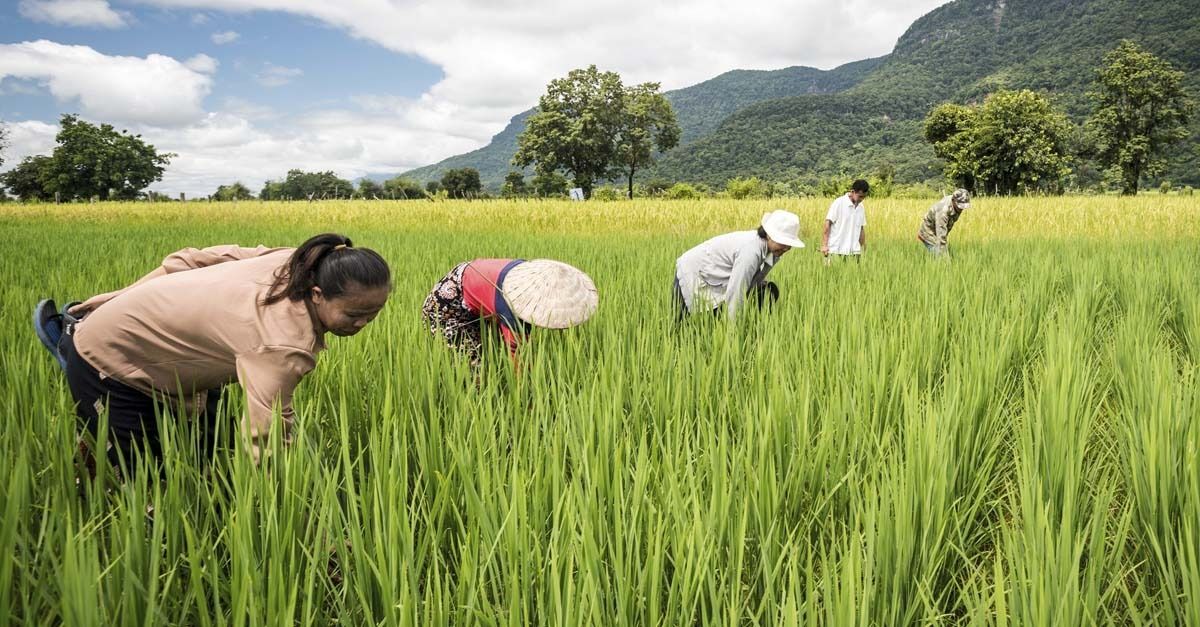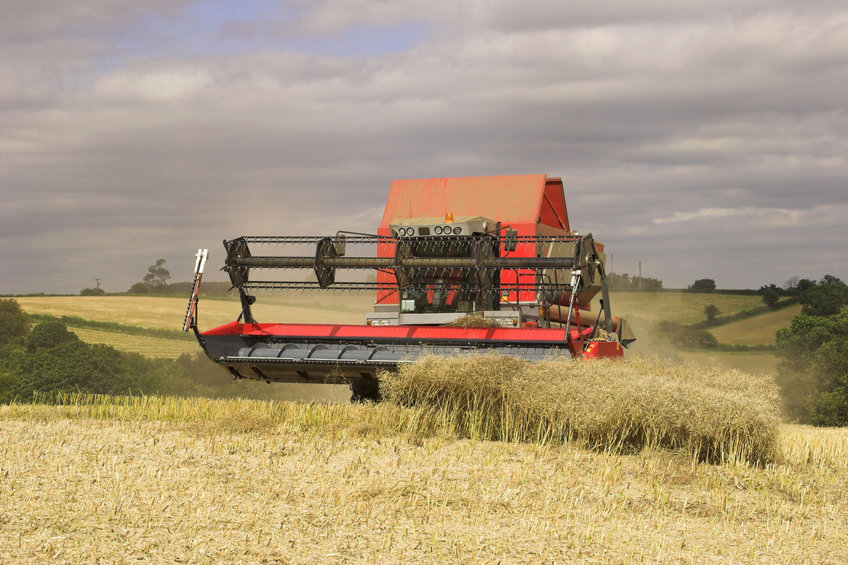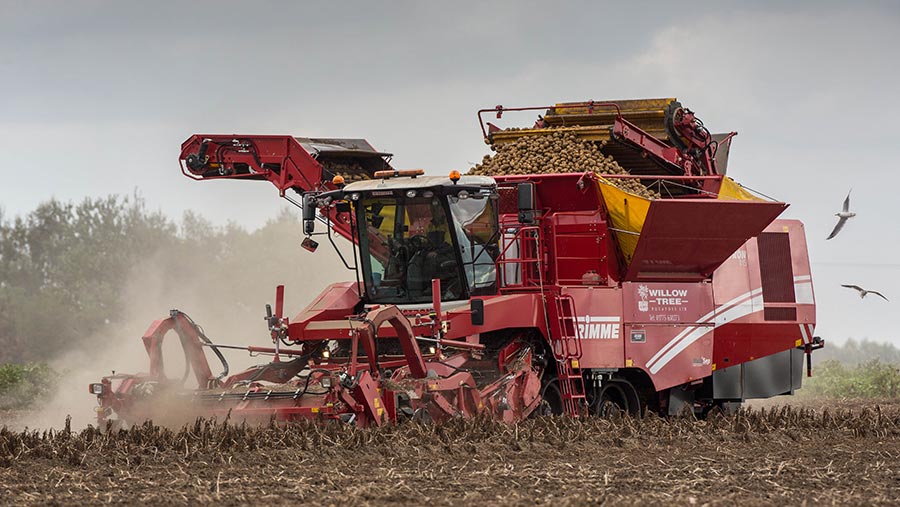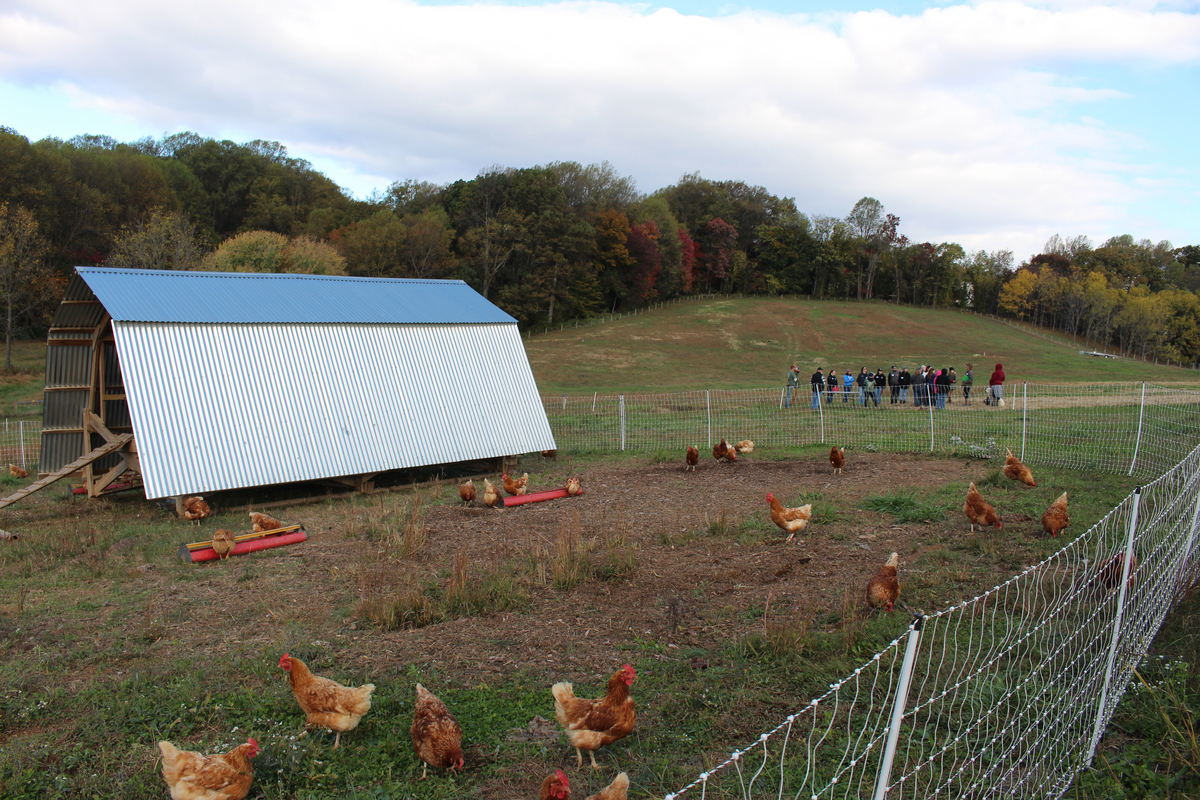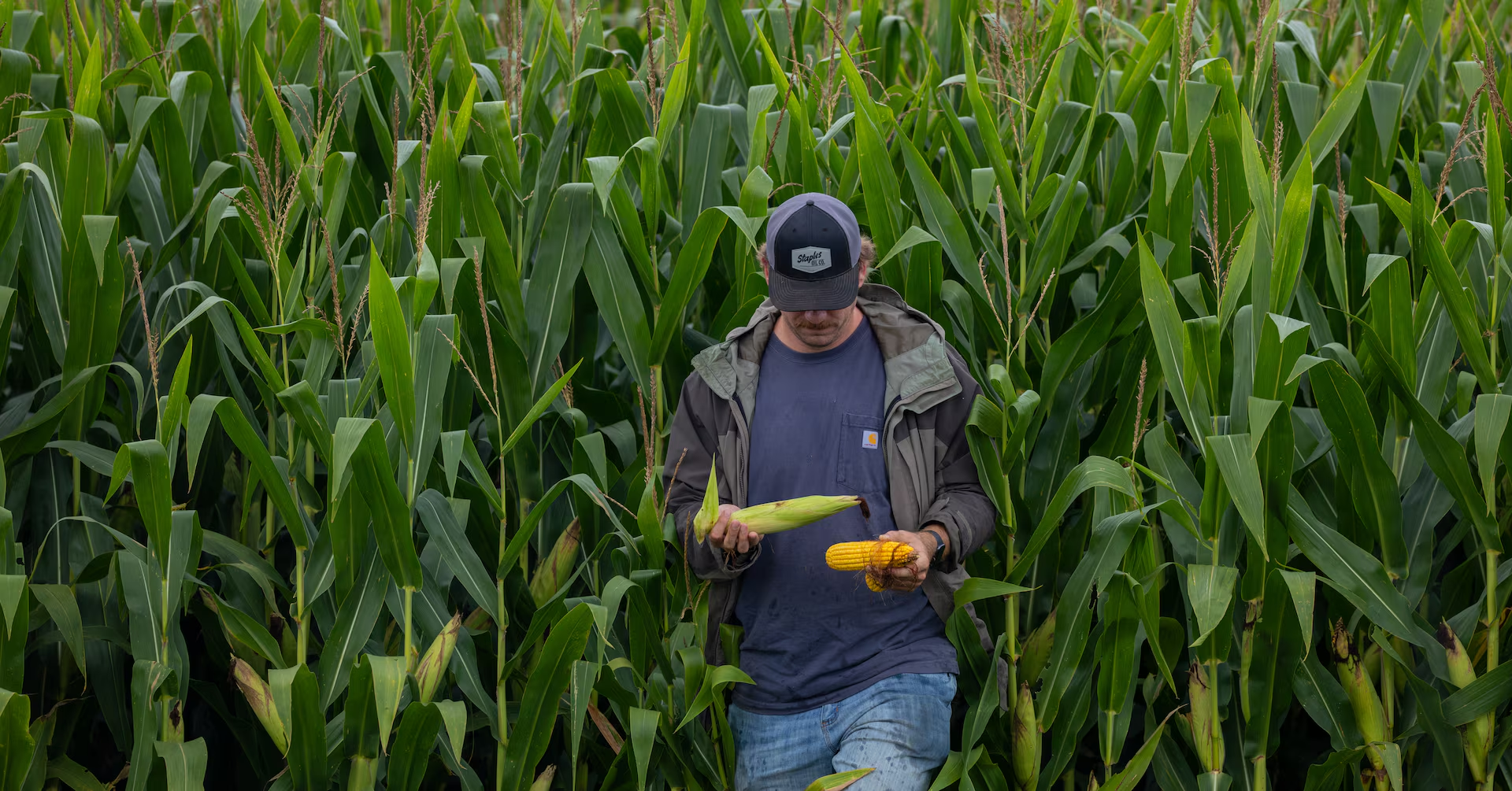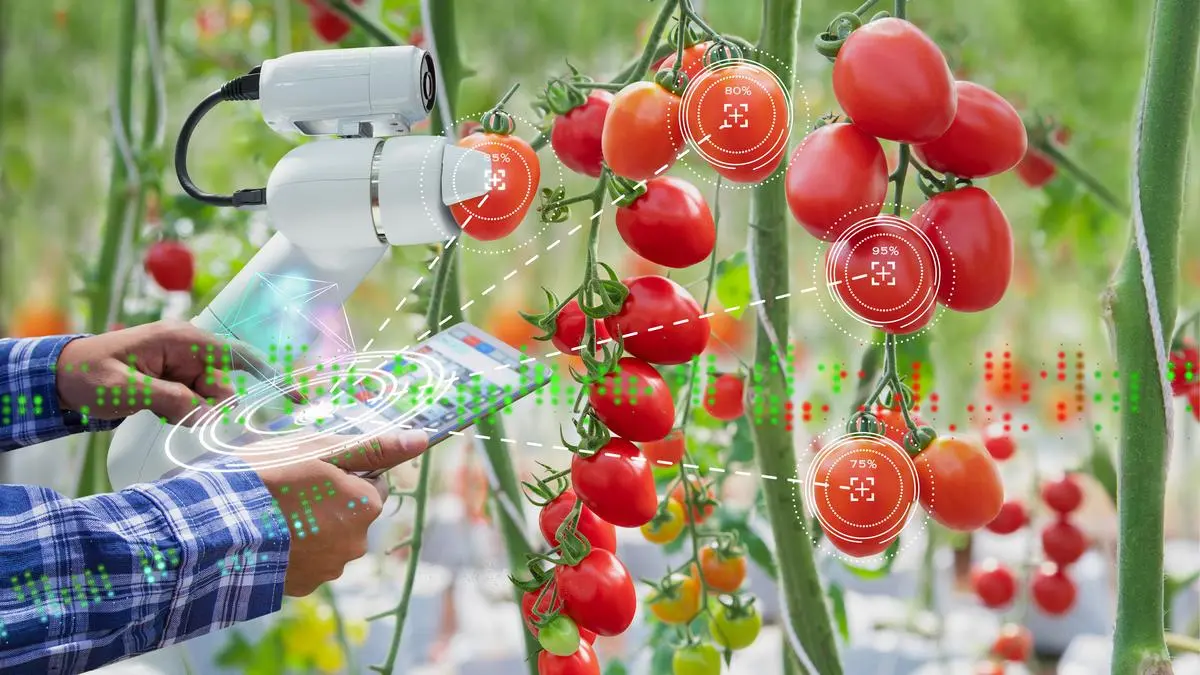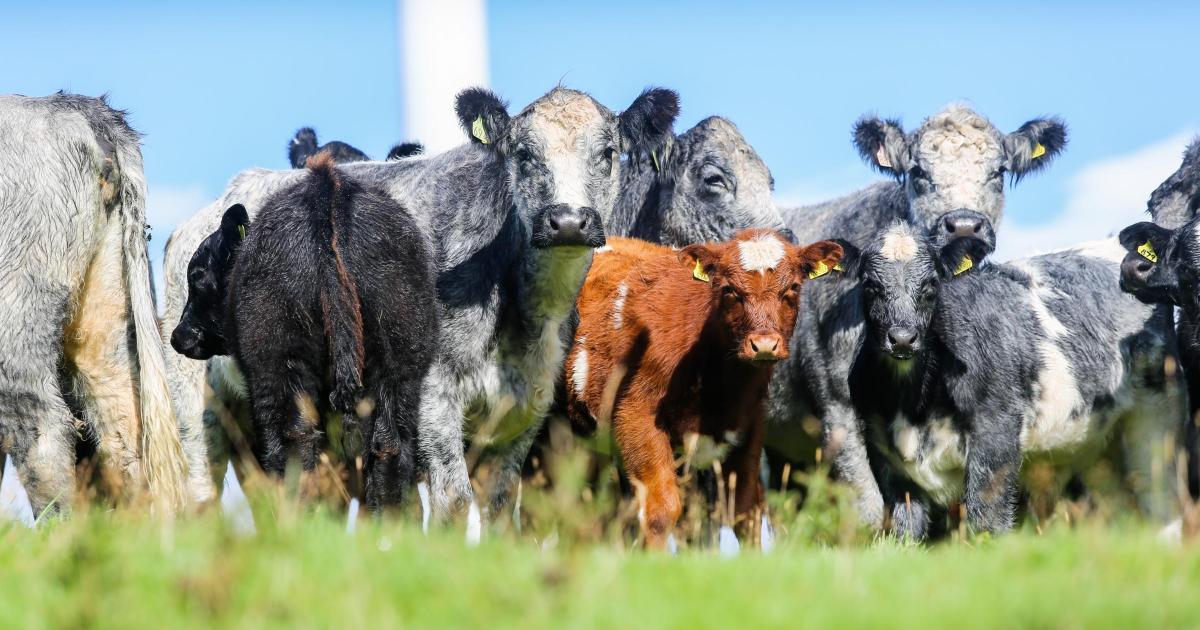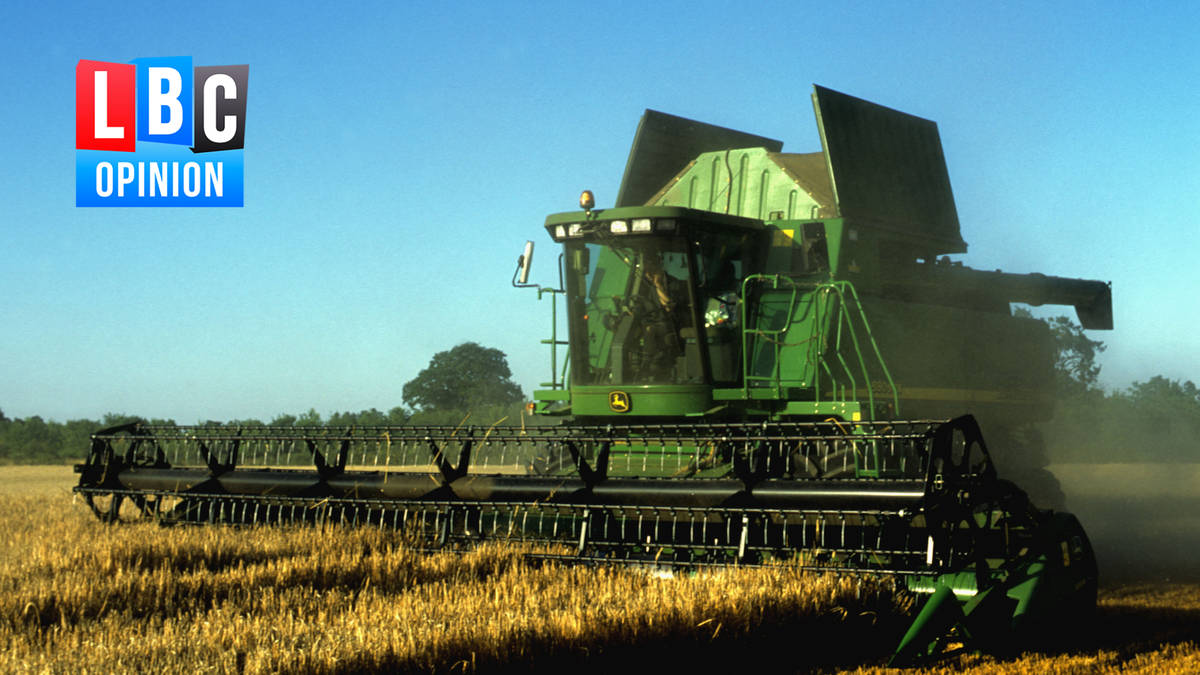
Managing a farm today is as much about navigating bureaucracy and cost pressures as it is about growing food or raising cattle. Rising input costs, volatile markets, shifting subsidy regimes and now tax reform have left many farmers even more unsure about what the future holds, and whether their livelihoods are sustainable.
Many farming decisions are generational: whether to invest in new equipment, commit to environmental land management schemes, or plan for succession.
Those choices depend on stable policy, not annual adjustments and delayed reviews. Predictability helps to drive profitability.
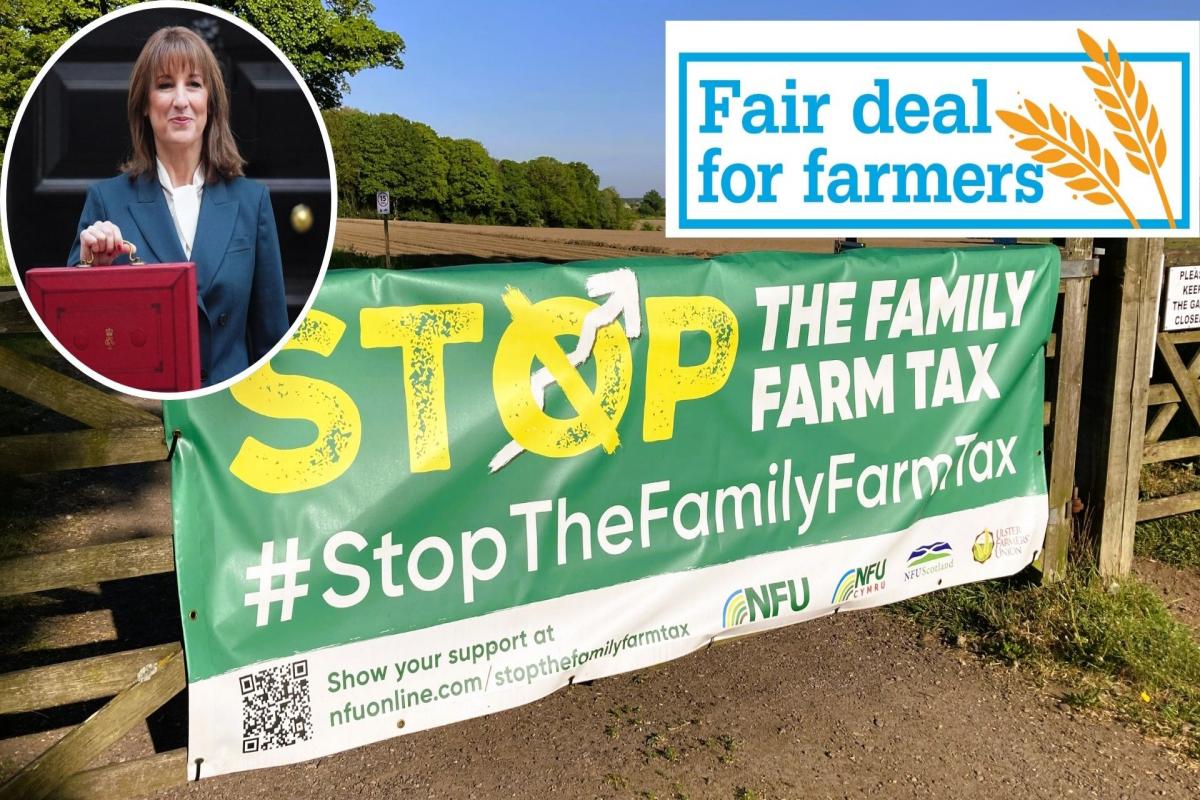
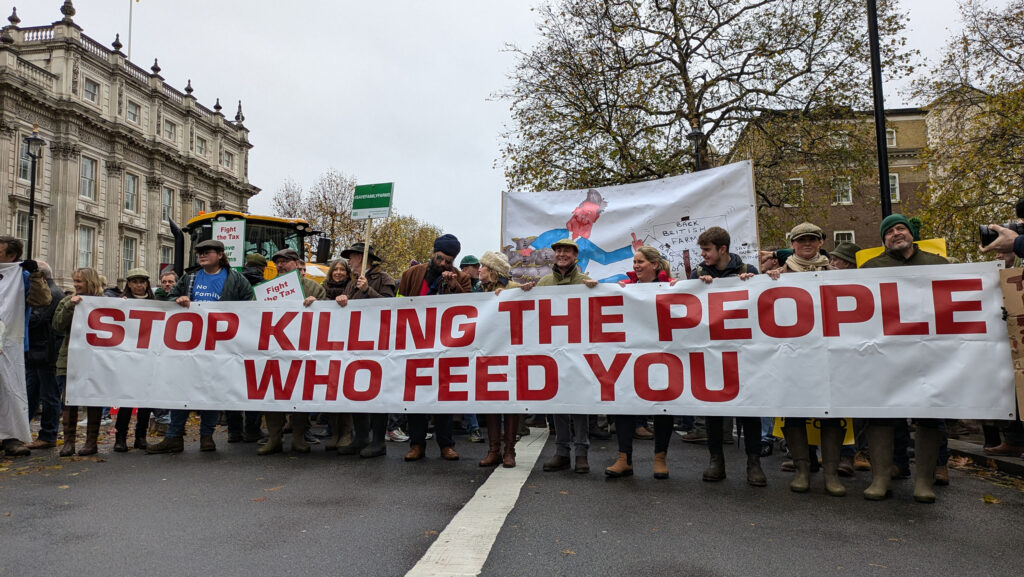
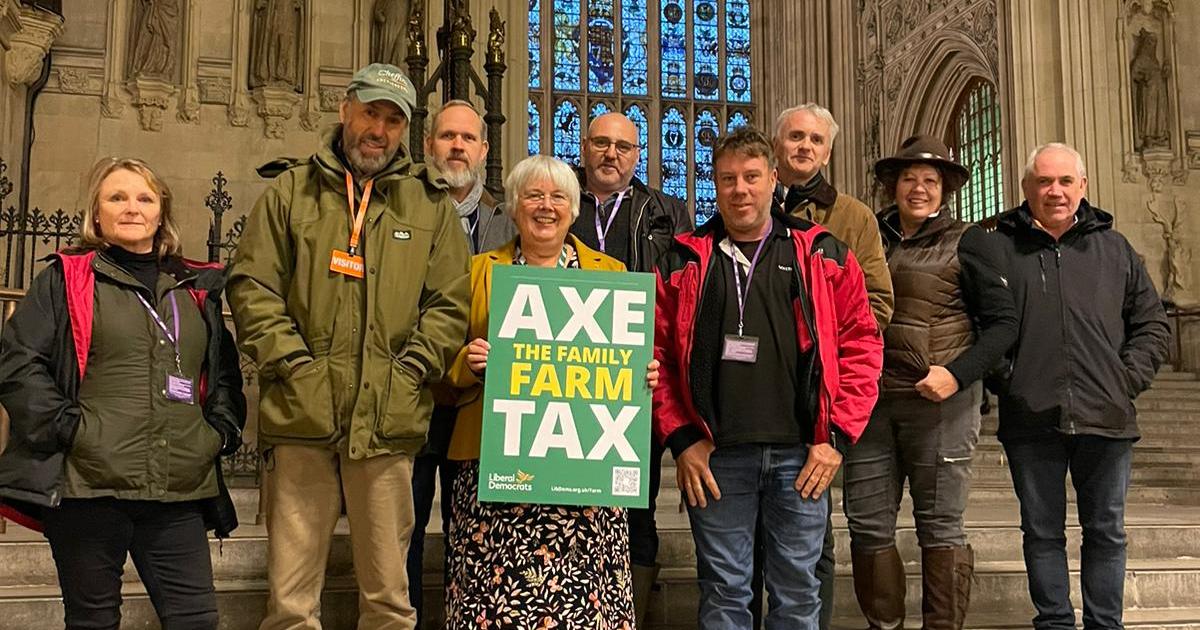
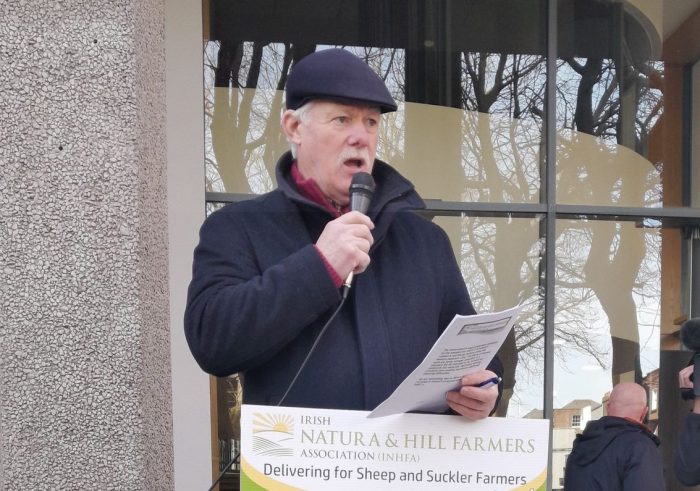
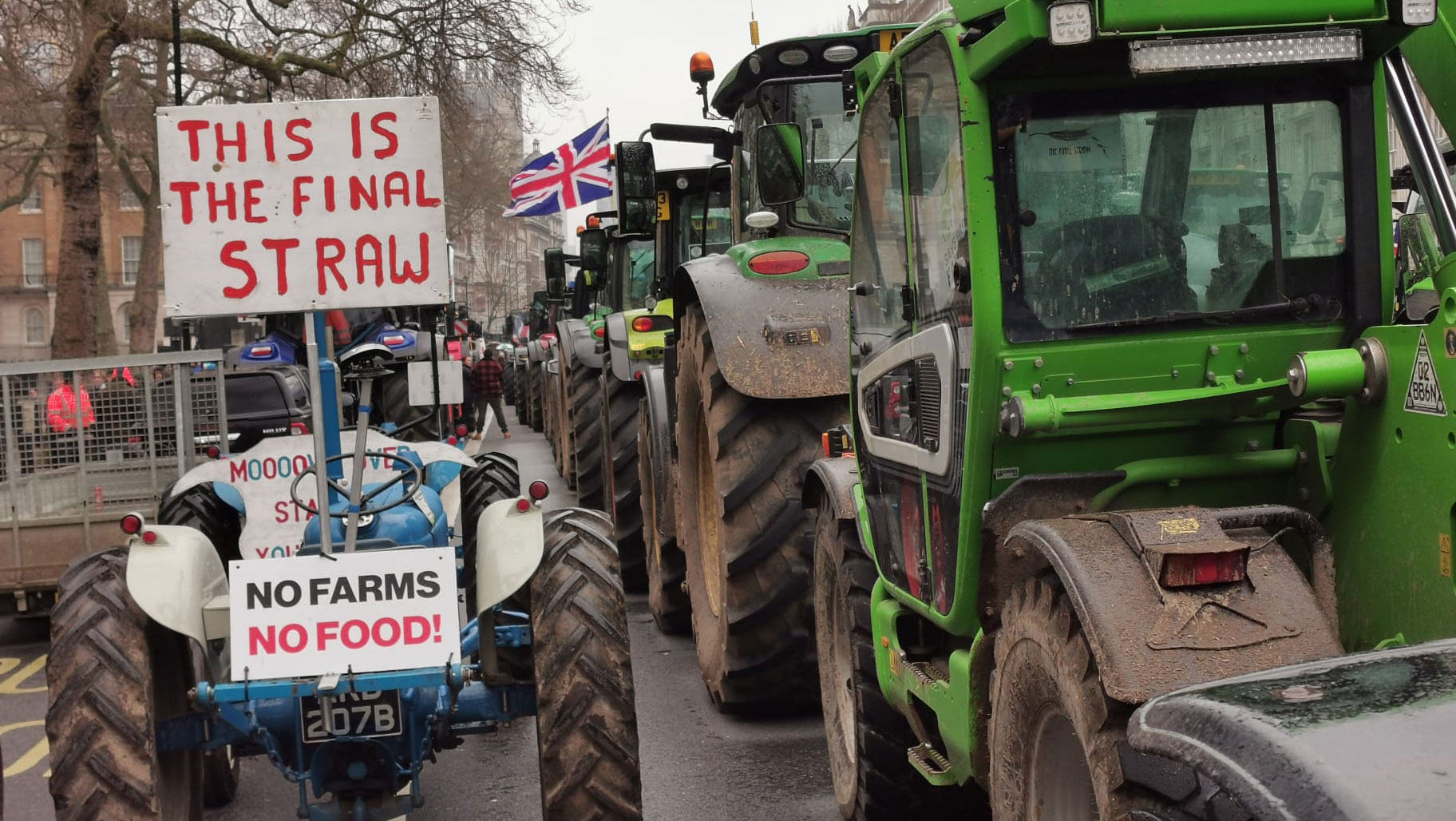
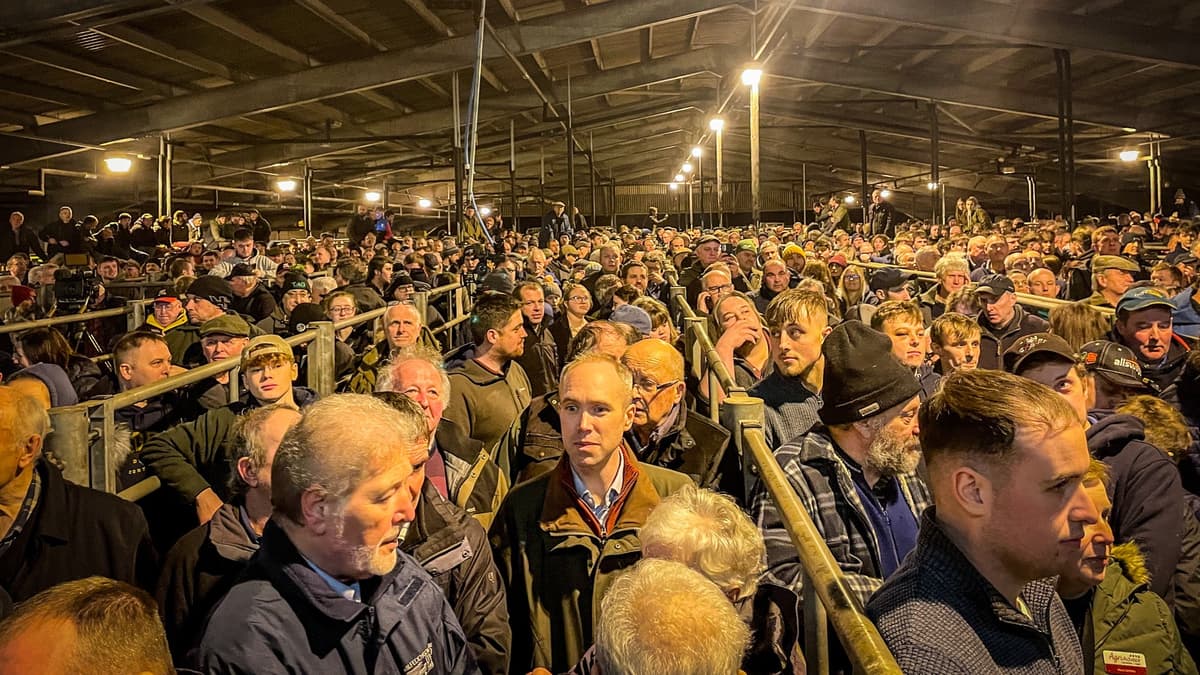
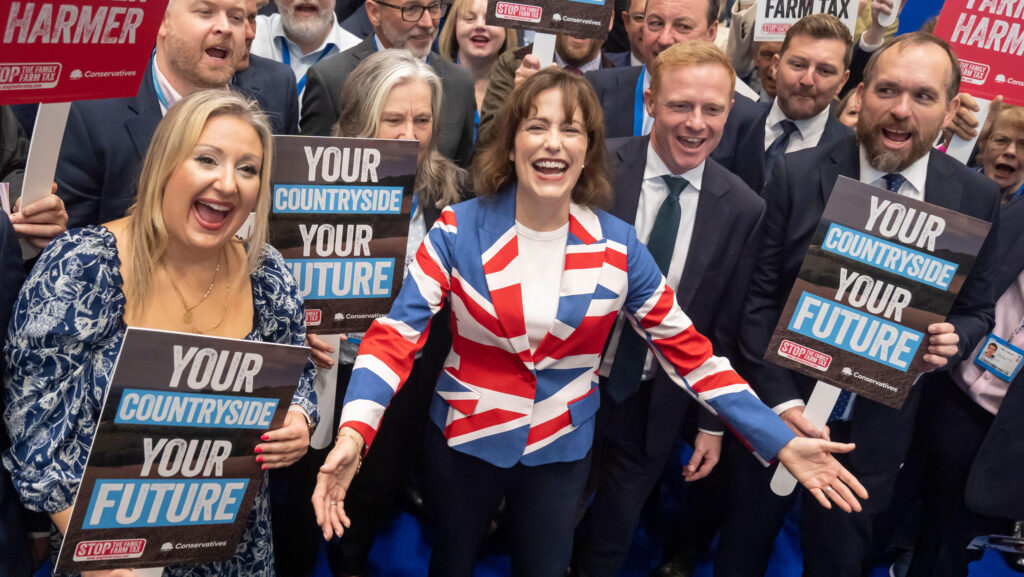
The hold-up to the Batters review, which was expected to assess the impact of the so-called “Family Farm Tax”, is a case in point. Withholding that analysis sends the wrong message to a sector already under immense pressure.
Constant policy shifts make that kind of forward planning almost impossible. The result is hesitation: investment decisions deferred, land left fallow, and younger generations questioning whether the family farm still offers a viable future.
From a tax perspective, agriculture and the farming community is being asked to shoulder too much complexity, for too little clarity. Proposed changes to the treatment of agricultural property and inheritance reliefs have created deep unease.
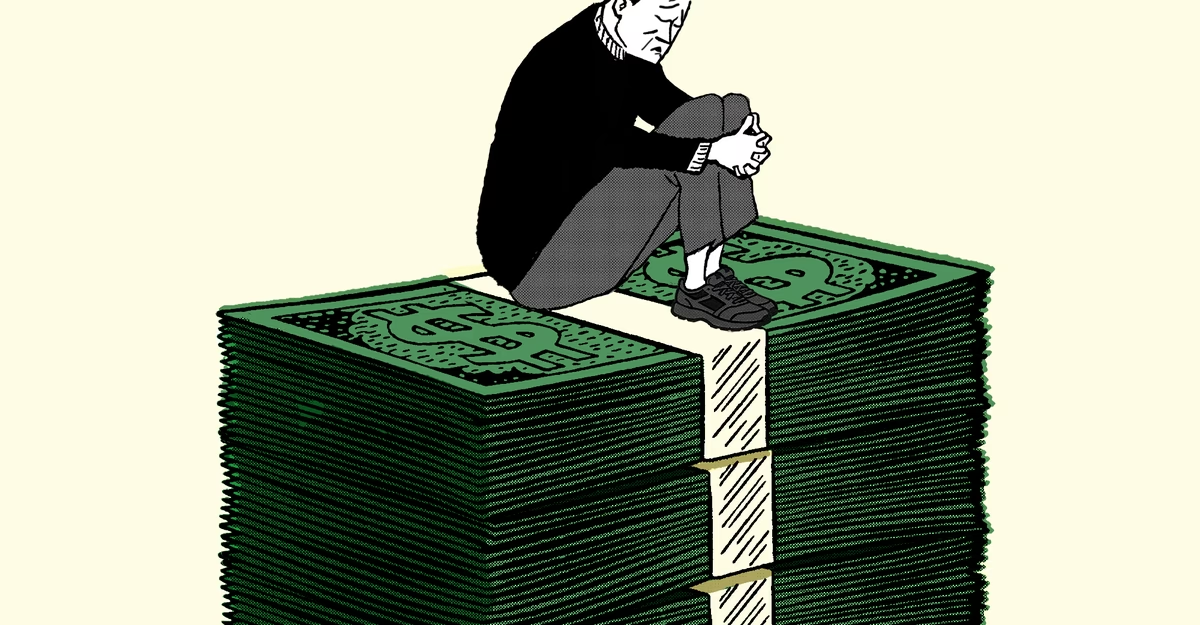
If those reliefs are tightened without transitional safeguards, many family farms will face liquidity pressures they simply can’t absorb. Farmland may be rich in value, but farmers are cash poor, so options narrow quickly: sell, borrow or break up. None of those outcomes supports long-term investment or support national food security.
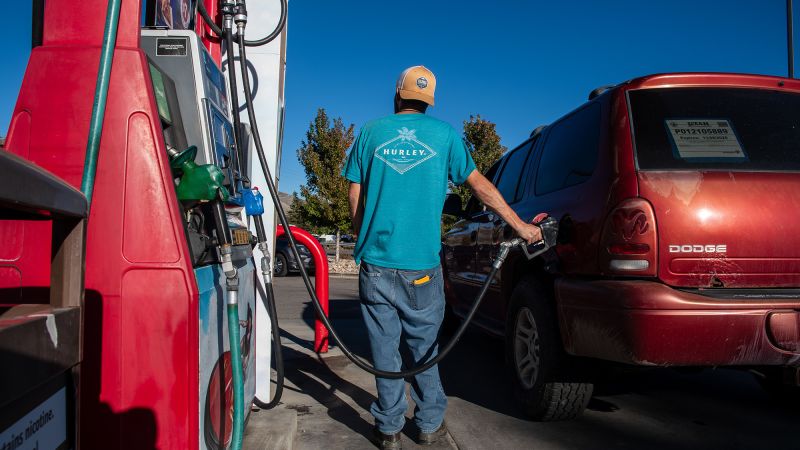
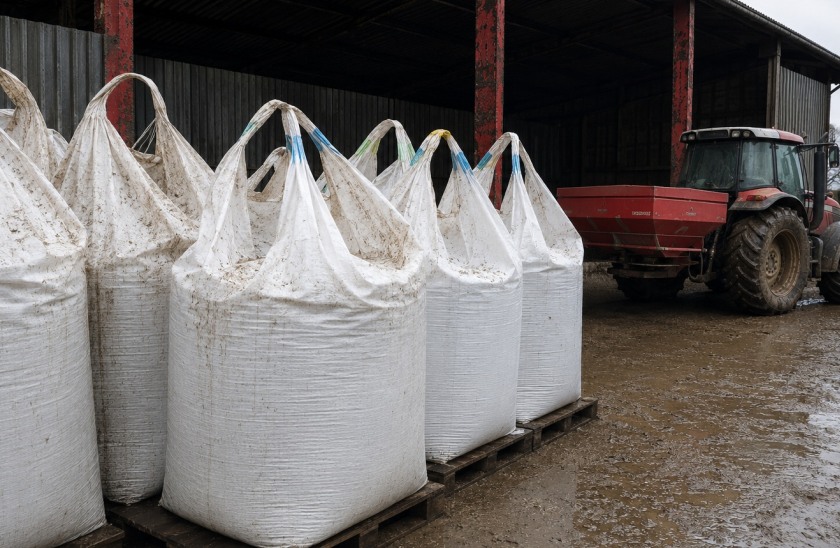
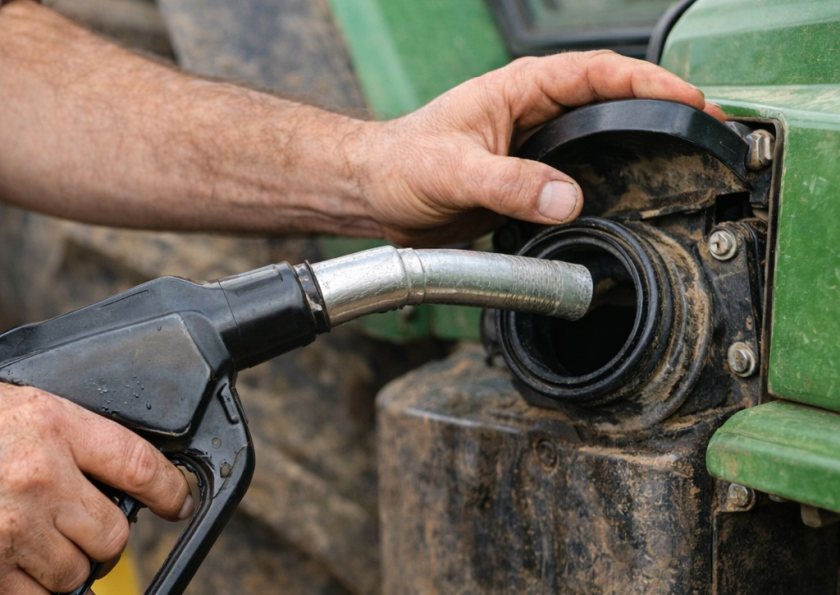
The government often talks about resilience and growth, but that must be backed by practical measures. Farmers are coping with higher fuel and fertiliser costs, the withdrawal of direct payments, and increased regulatory expectations. Yet capital allowances for agricultural investment remain limited, and incentives for sustainability, such as enhanced reliefs for energy efficiency or land restoration, are piecemeal.
The sector doesn’t need new subsidies. What it really needs is a joined-up tax framework that rewards productivity and environmental progress in equal measure.
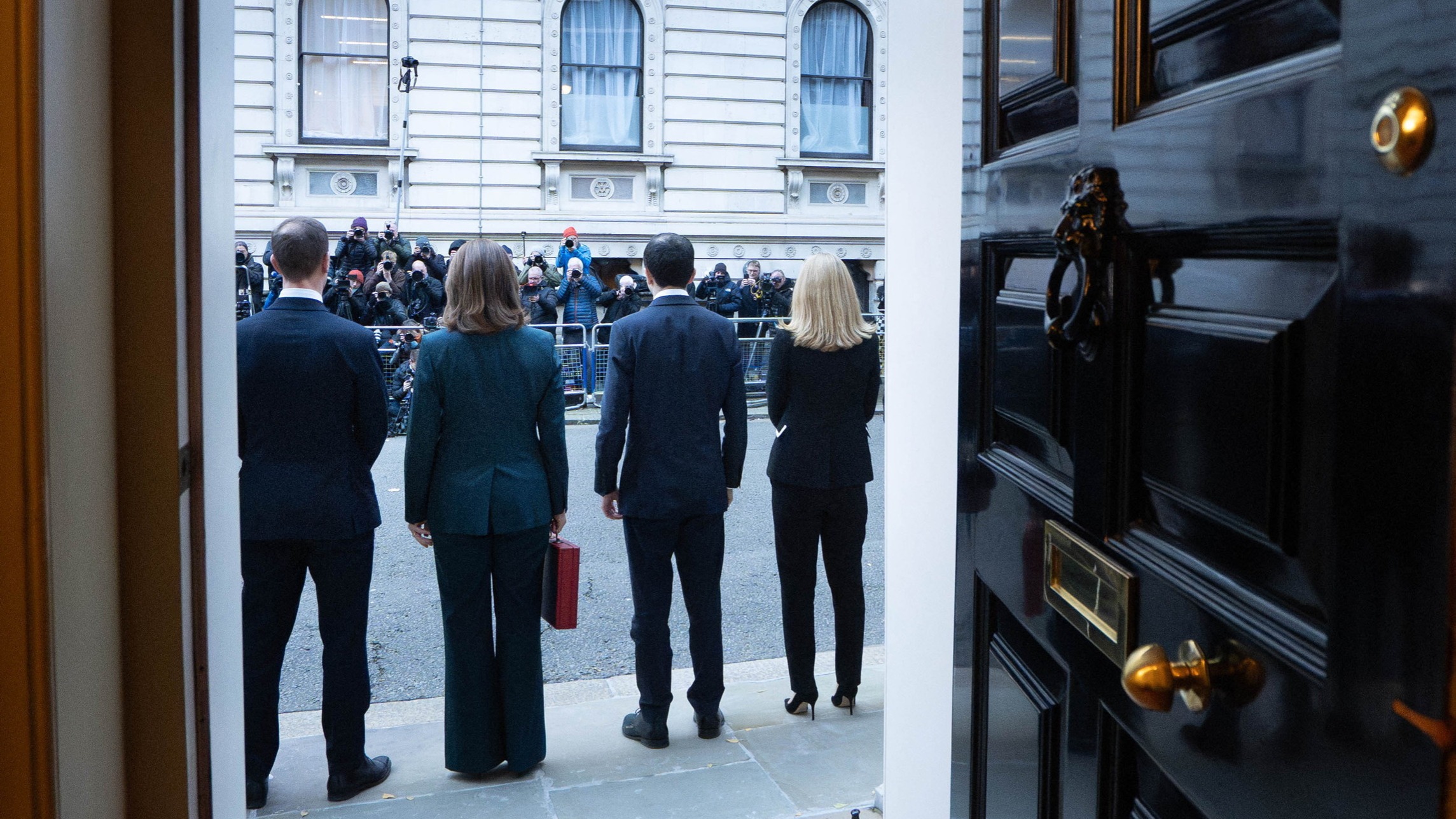
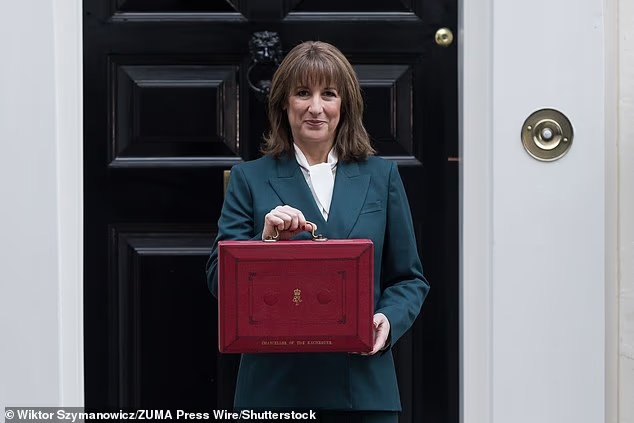
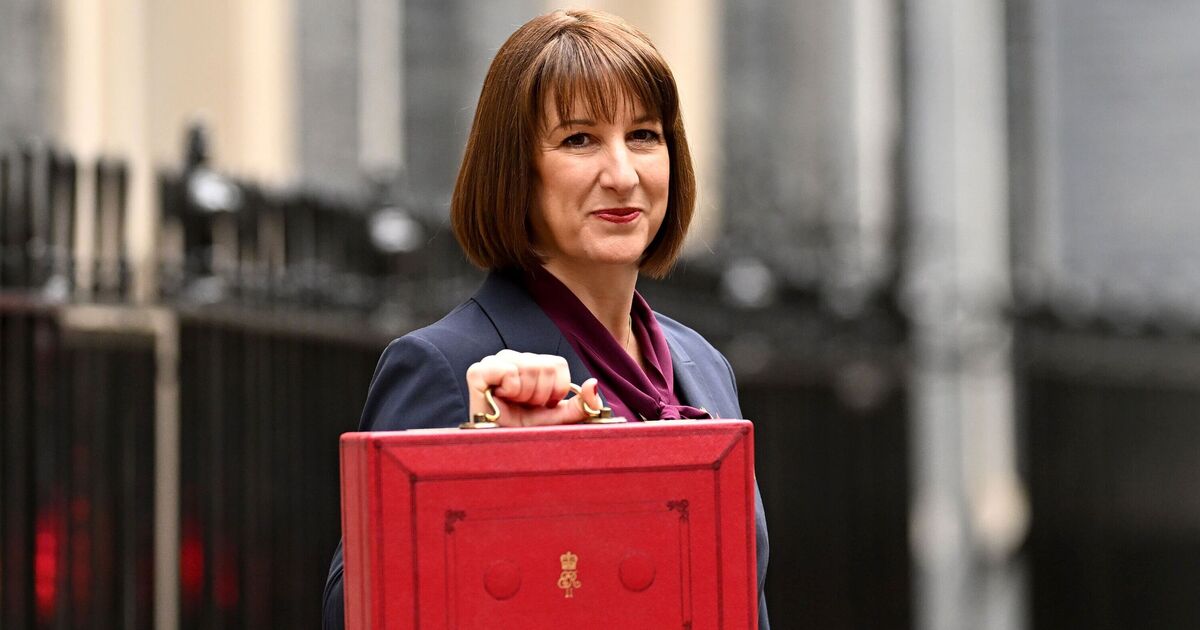
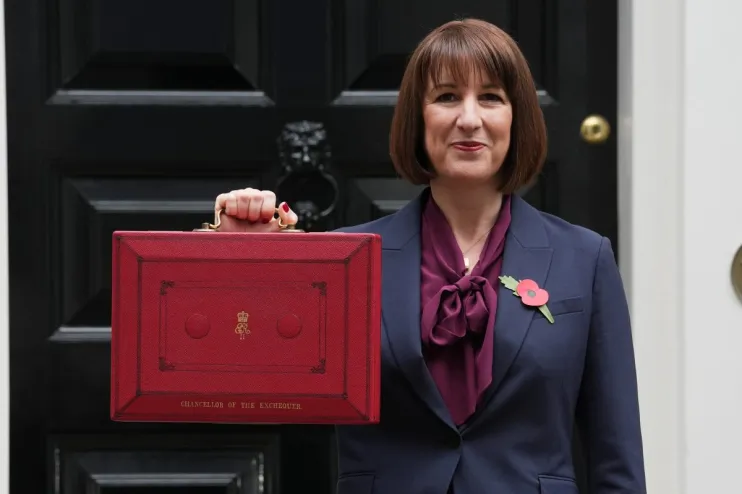
If this Budget is to put British farming on stable ground, it must offer more than reassurance. It must set out a credible long-term structure for how the sector is taxed and supported – one that recognises its strategic importance to the economy, to rural employment, and to national food security.
Stability is not an abstract concept here; it’s the difference between farmers investing for the next decade or hanging on for the next season.
_____________________________
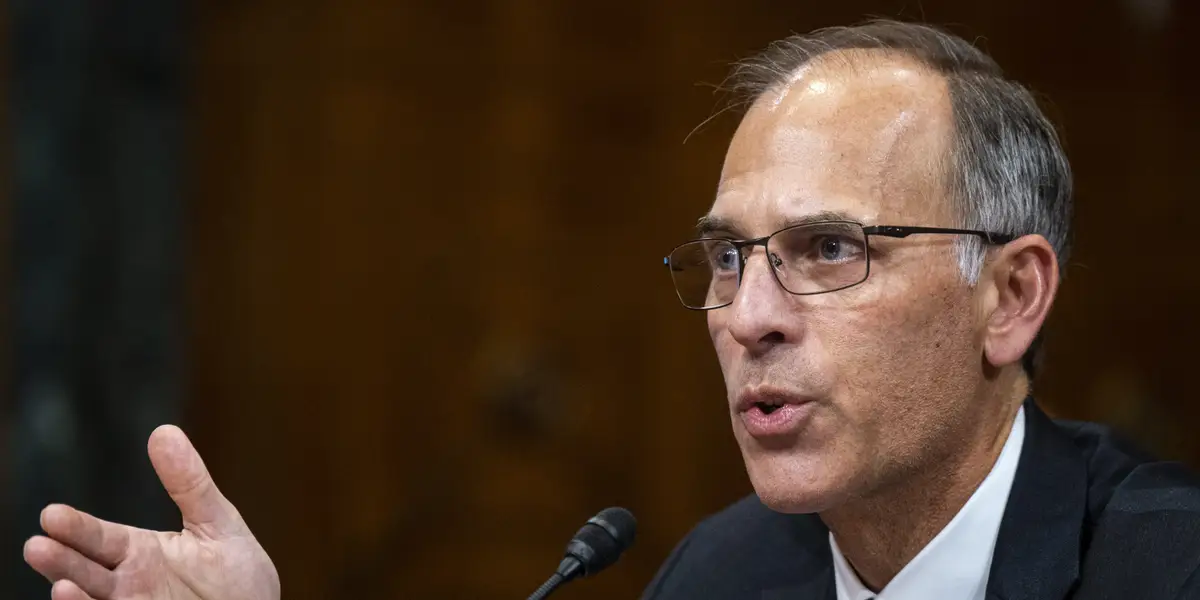
Marvin Rust is the Head of European Tax at Alvarez & Marsal
LBC Opinion provides a platform for diverse opinions on current affairs and matters of public interest.
The views expressed are those of the authors and do not necessarily reflect the official LBC position.
To contact us email opinion@lbc.co.uk