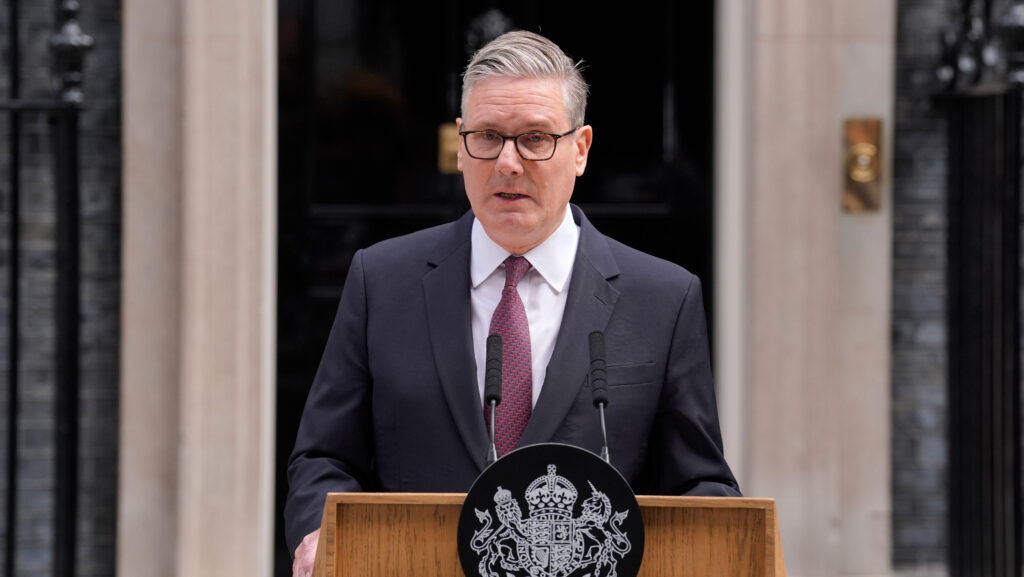
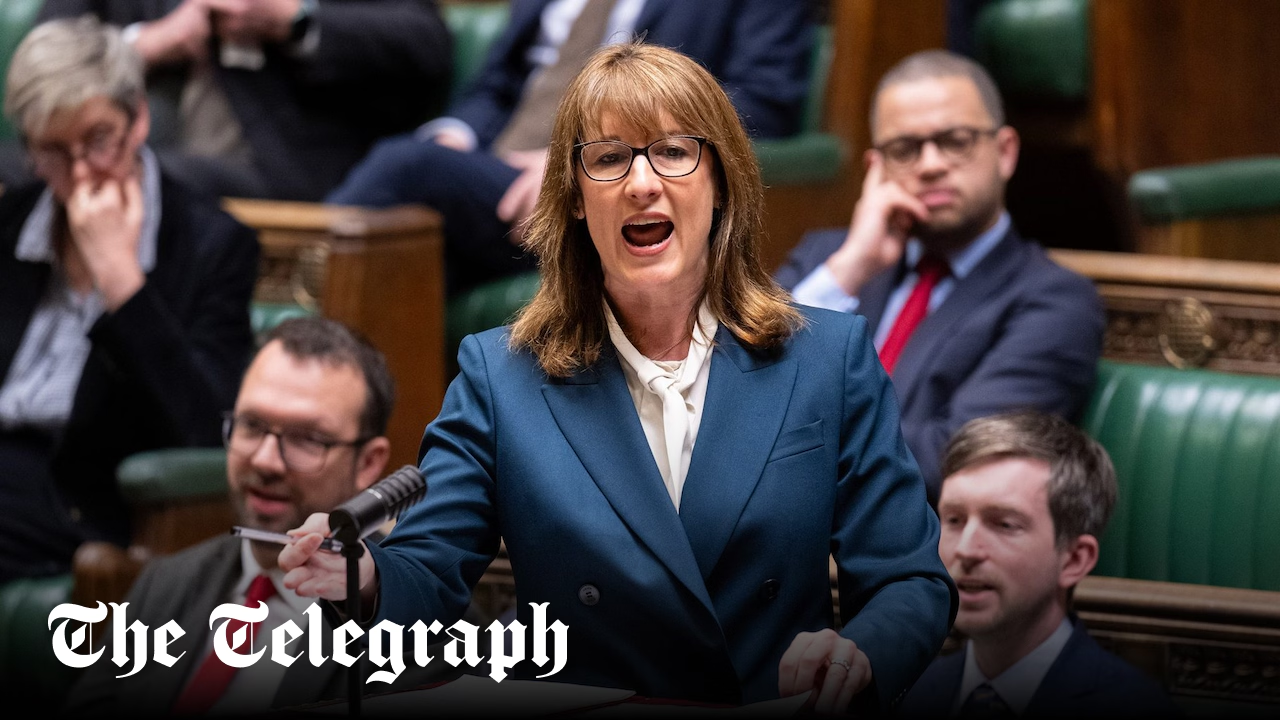
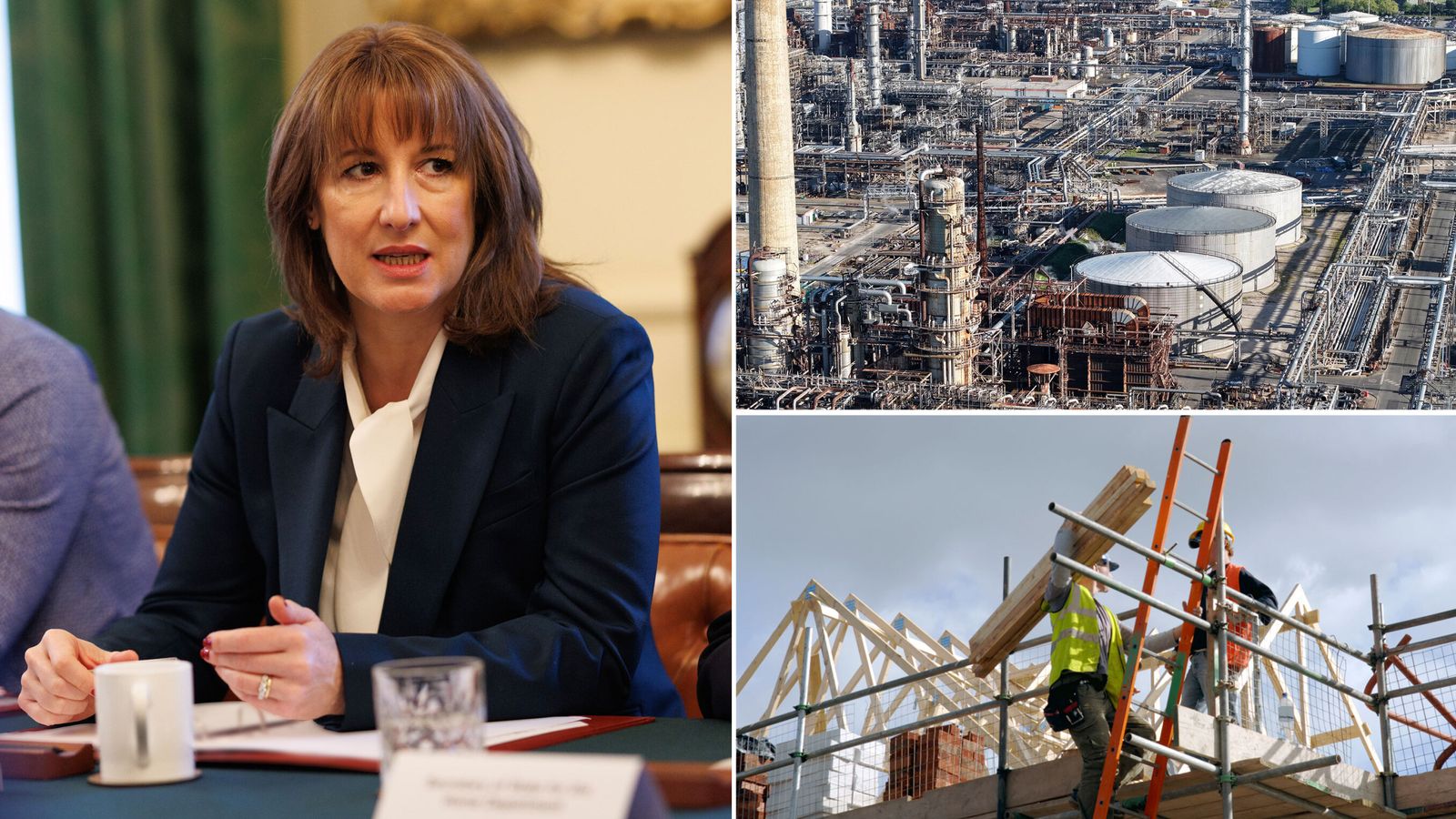
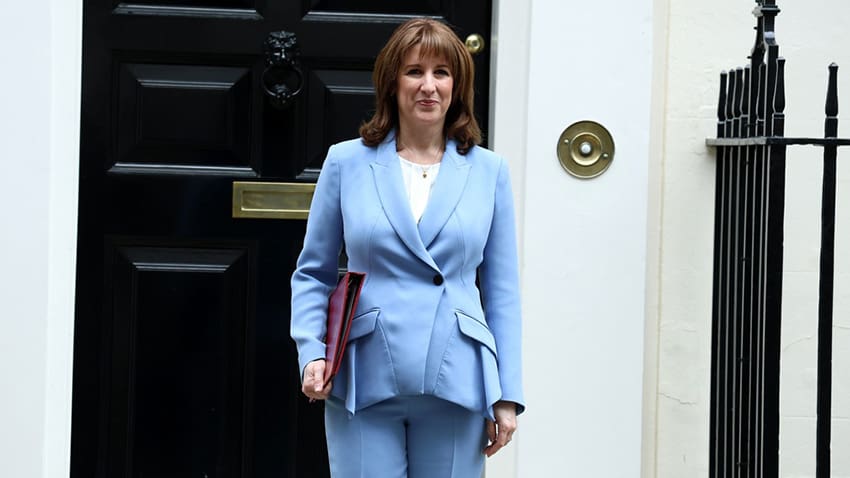
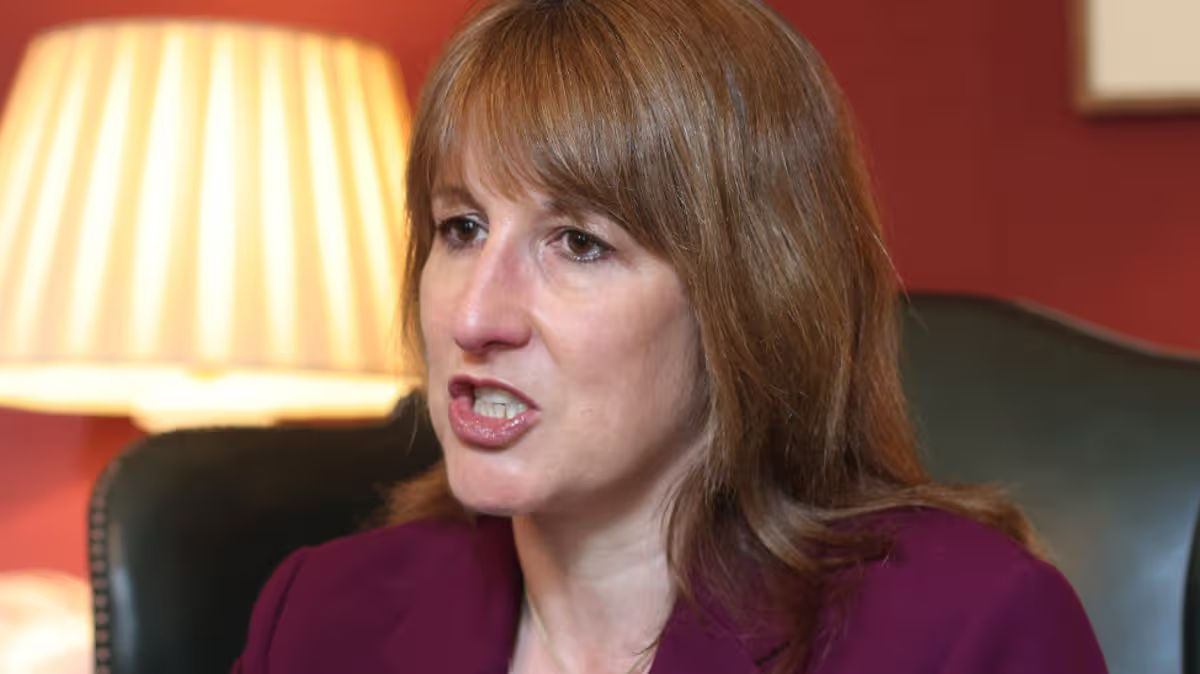
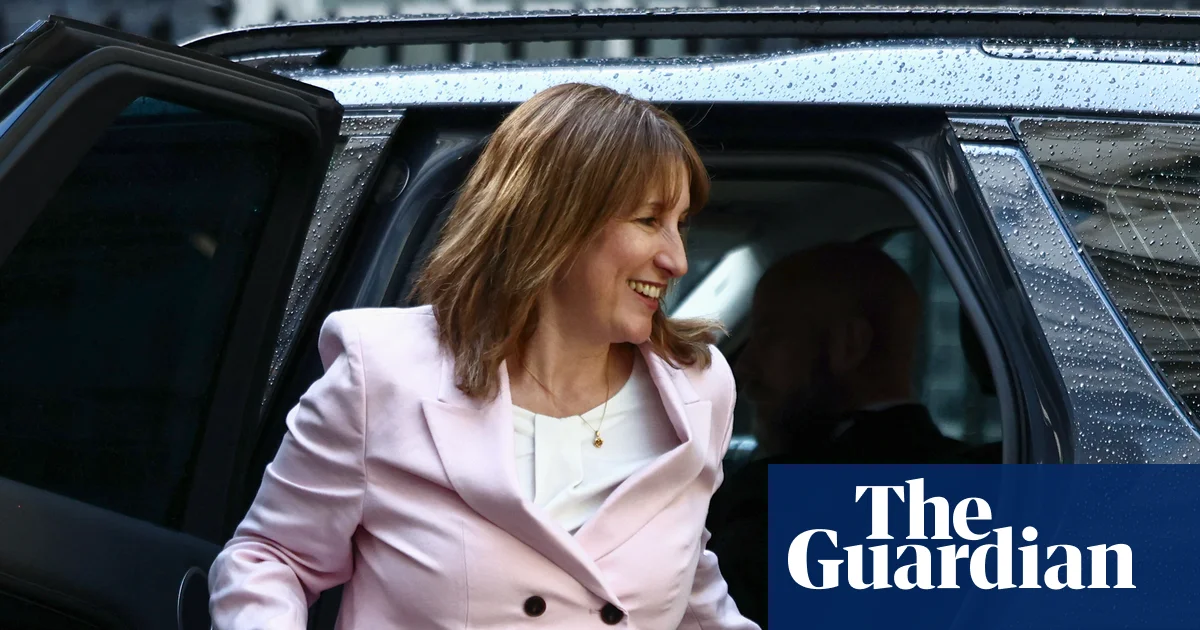
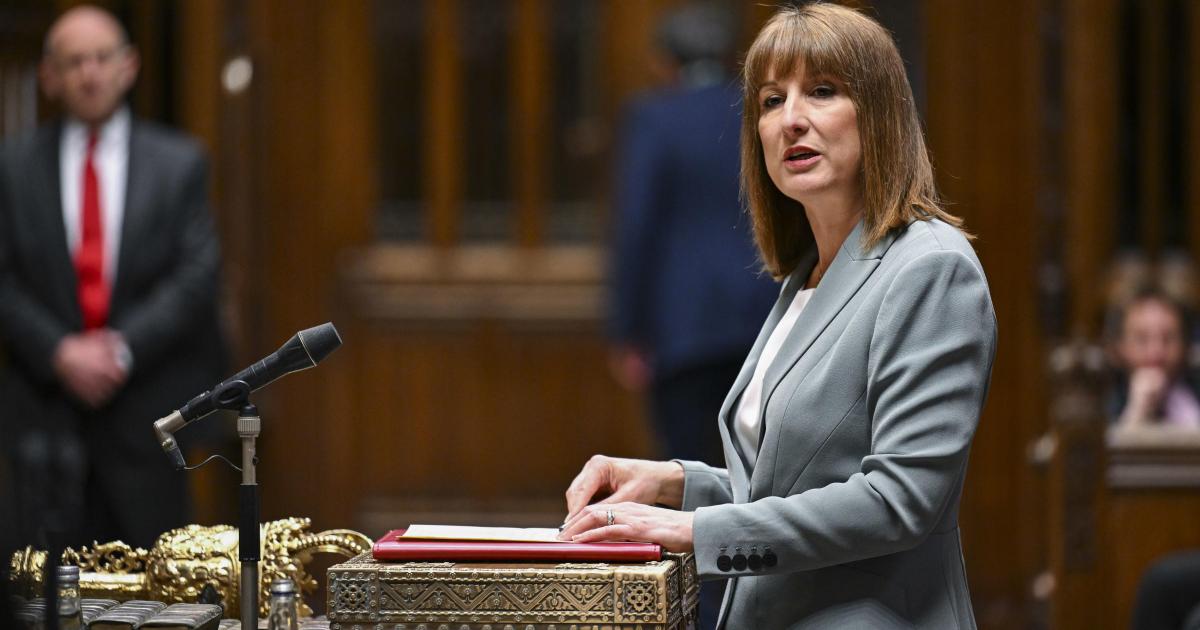
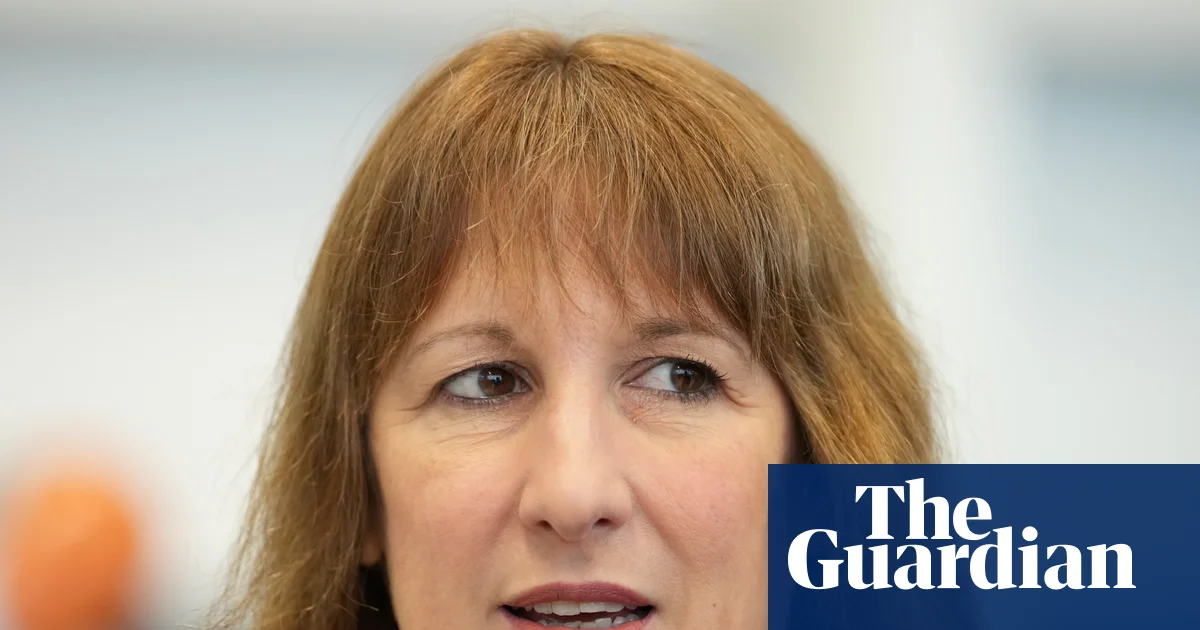
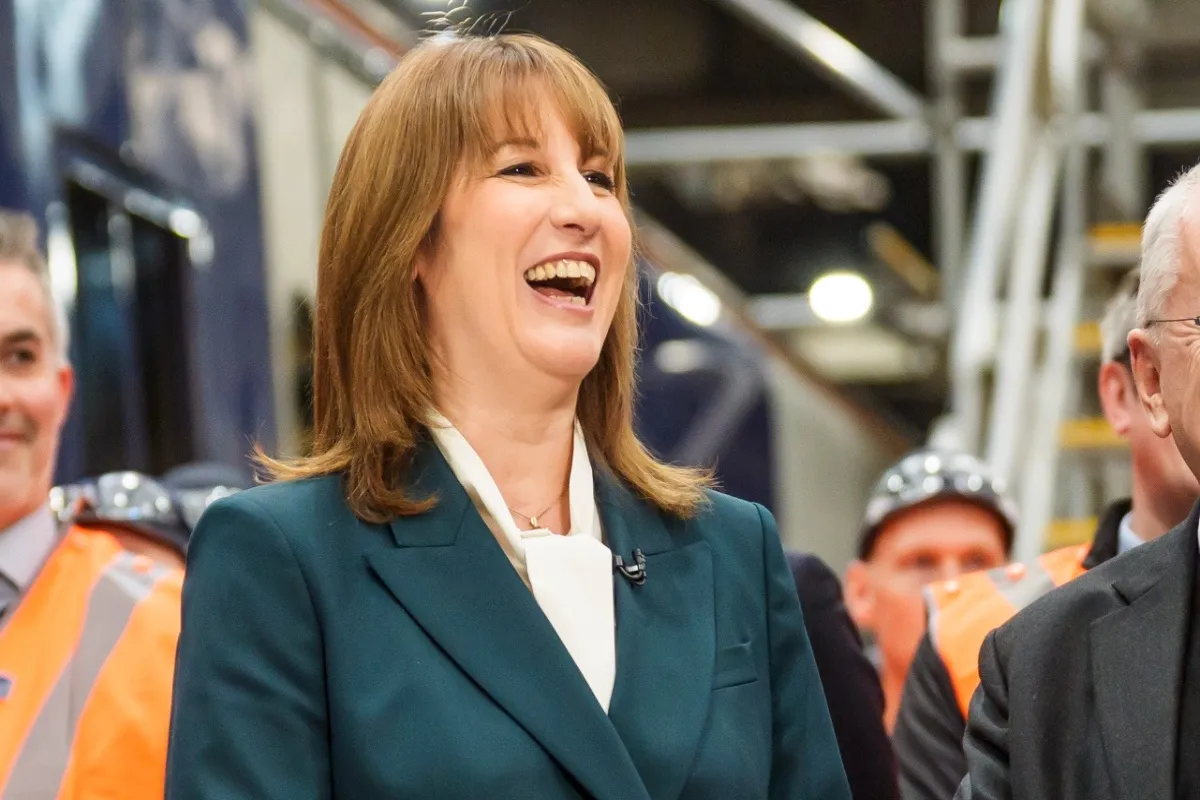
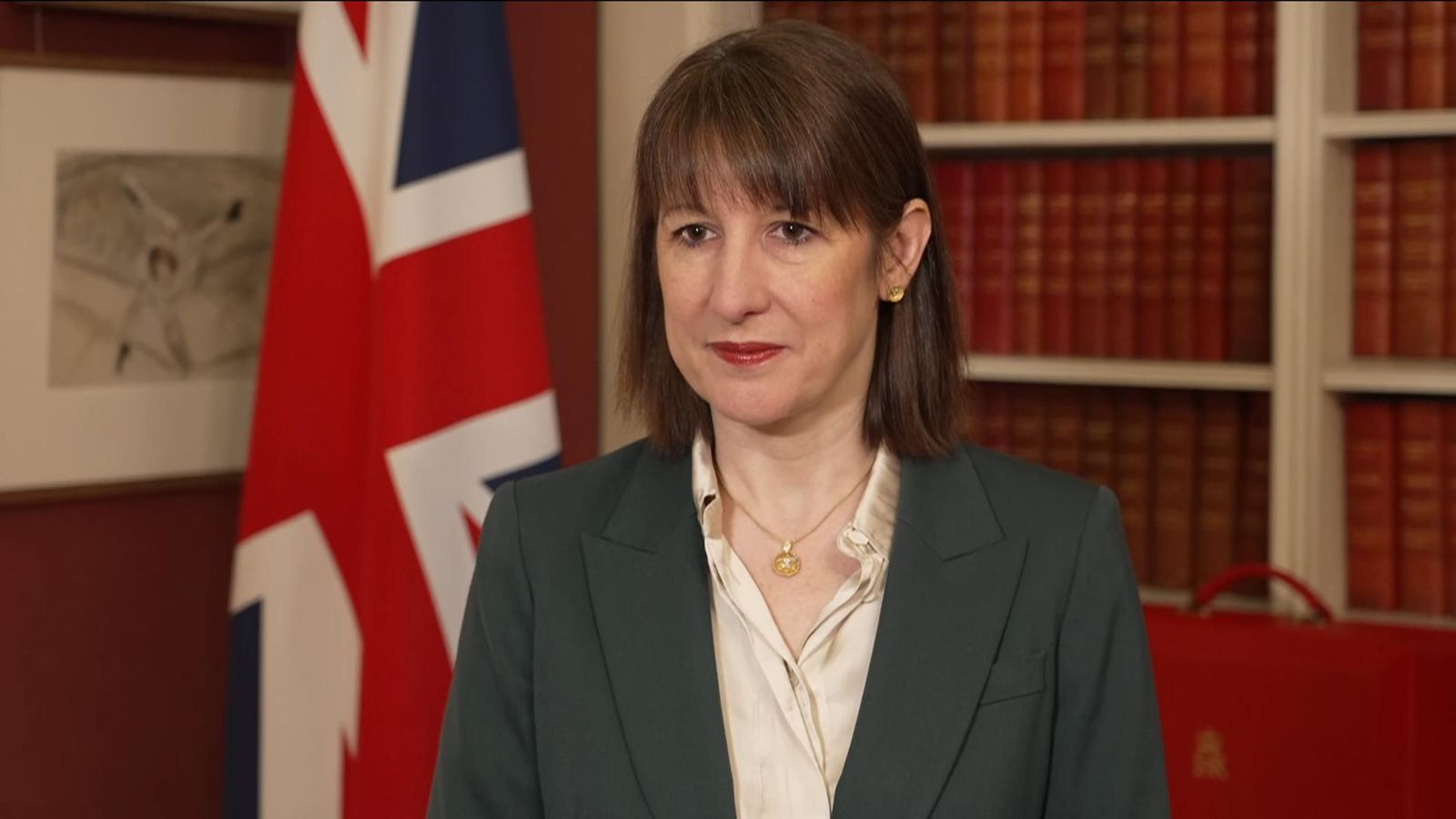
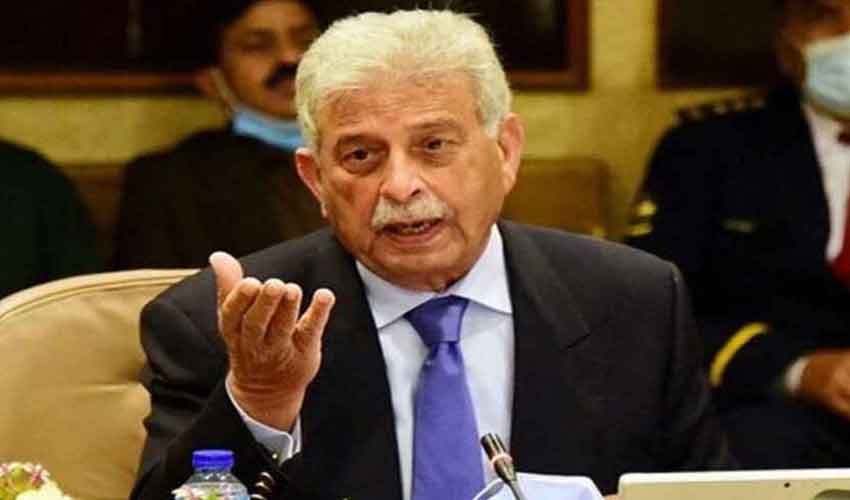
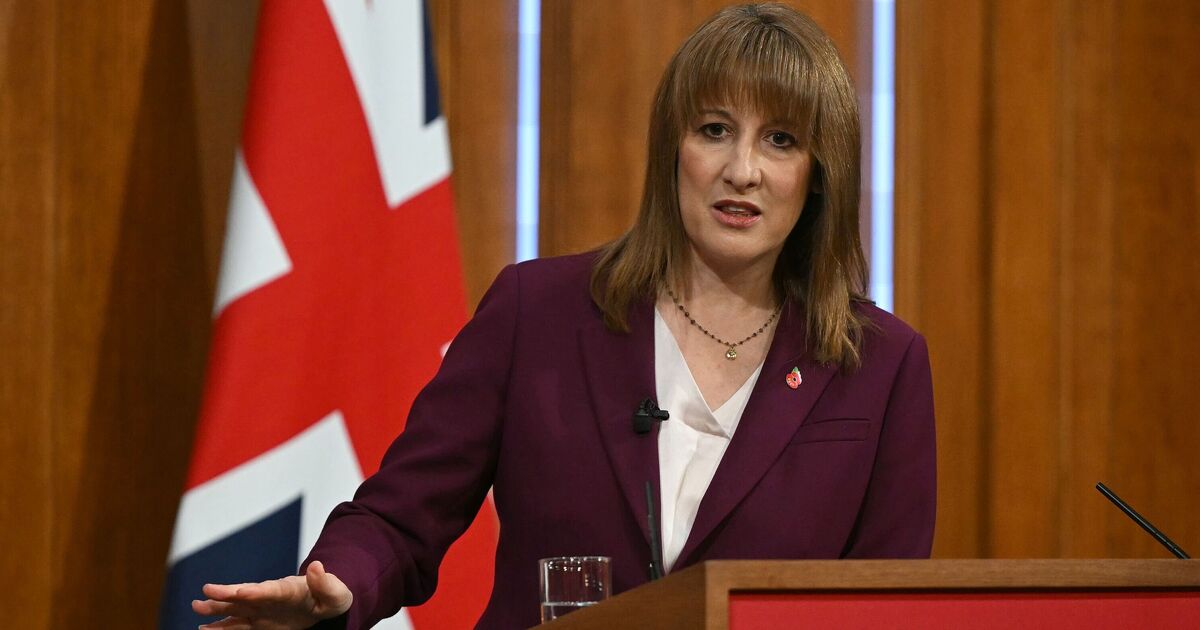
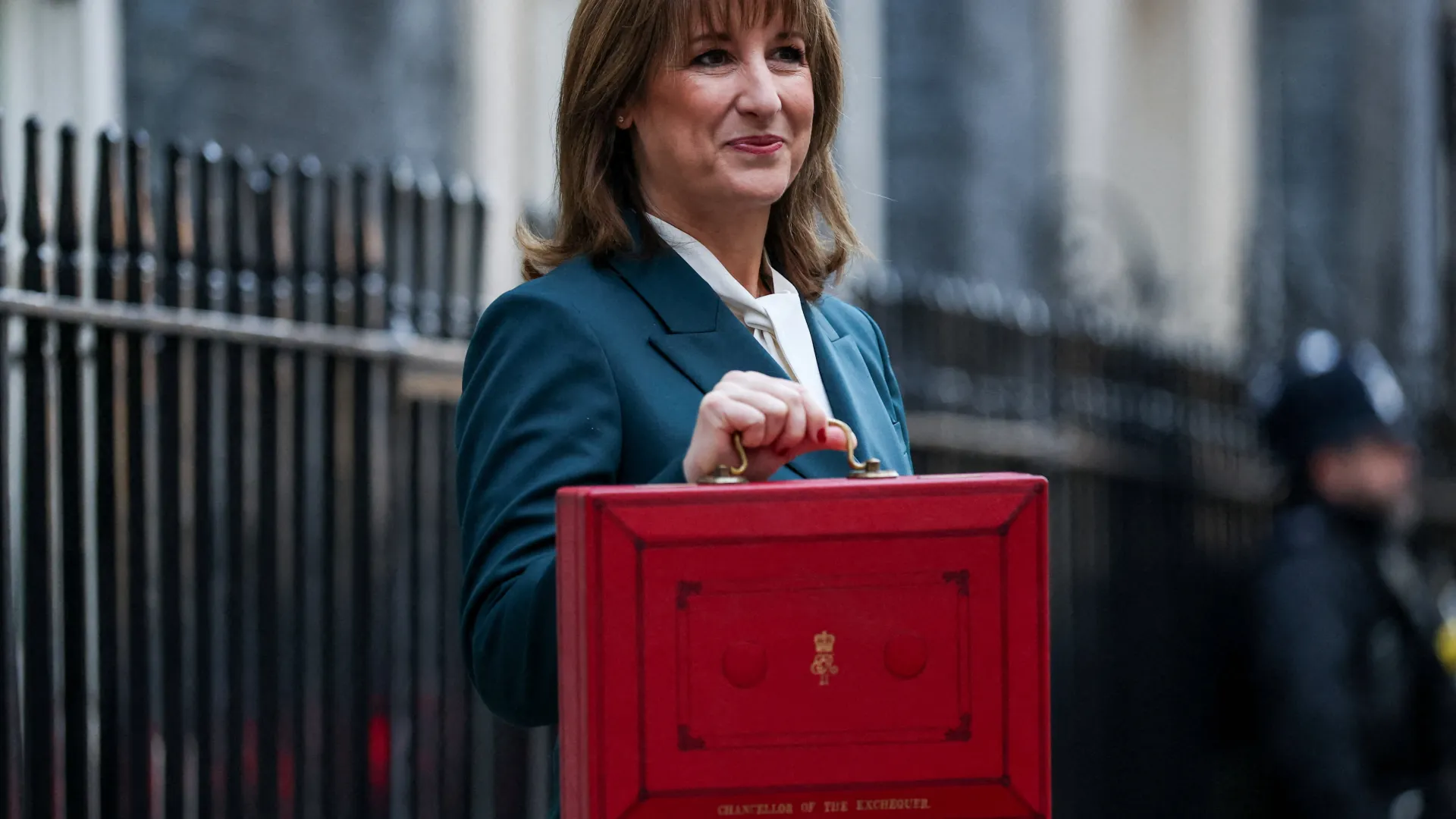
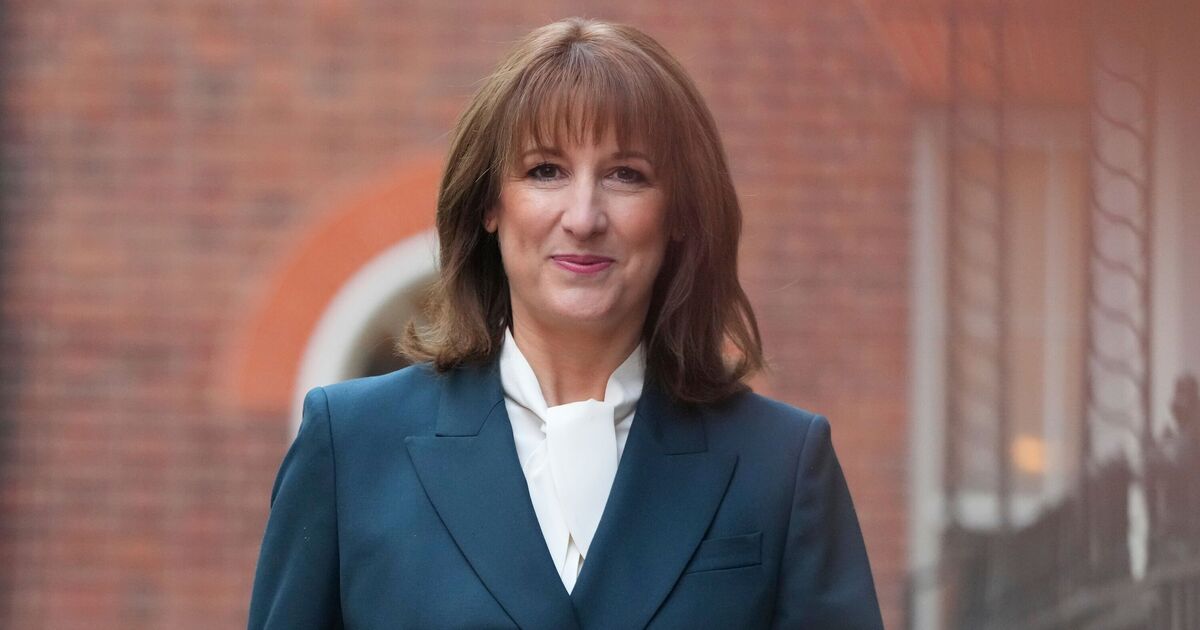
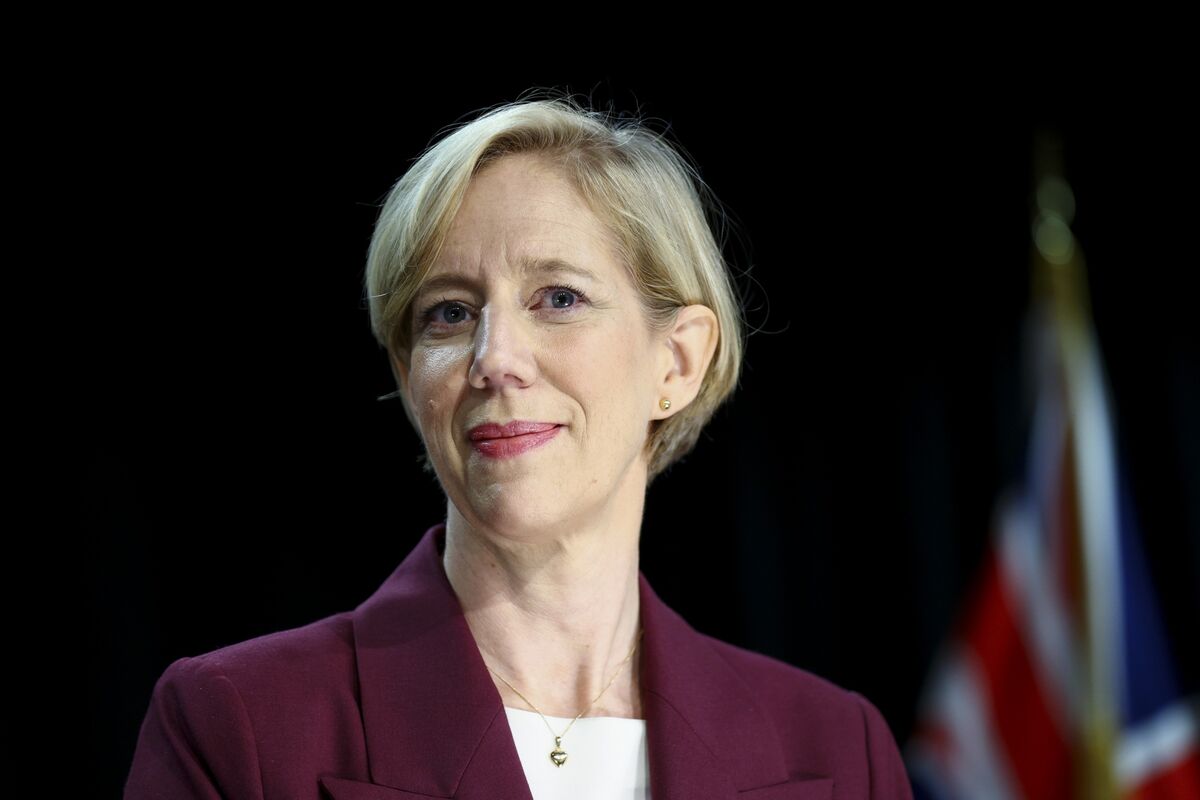
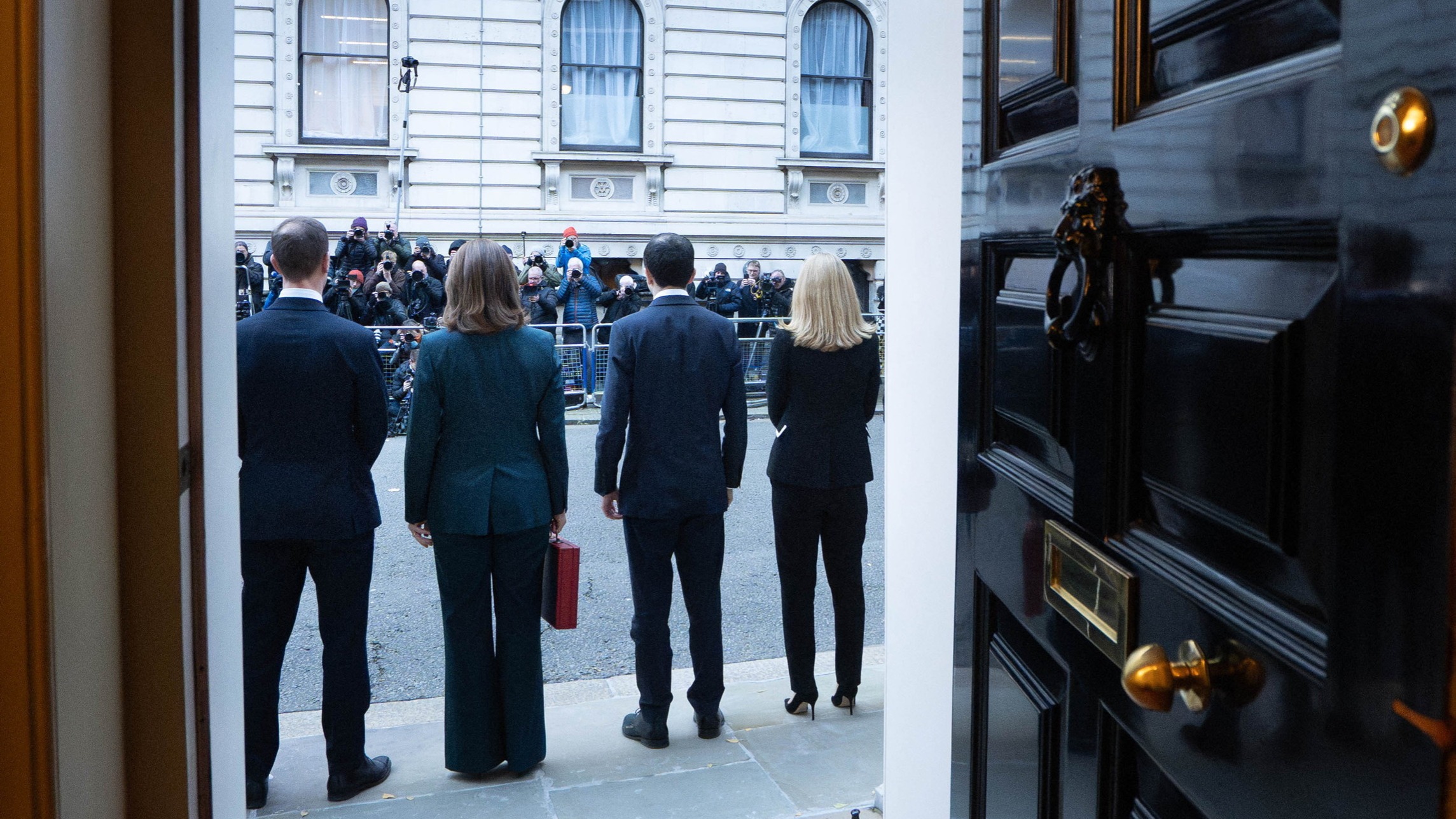
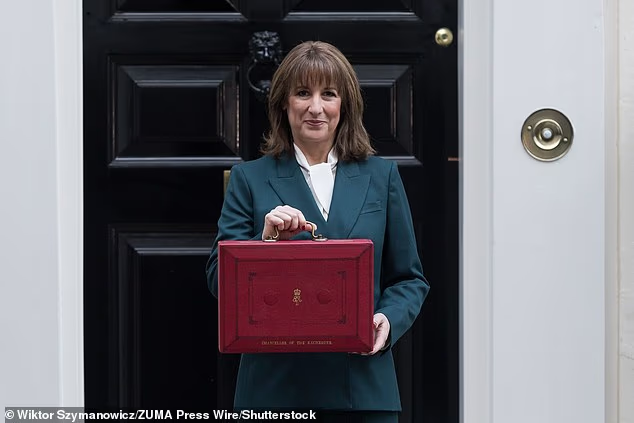
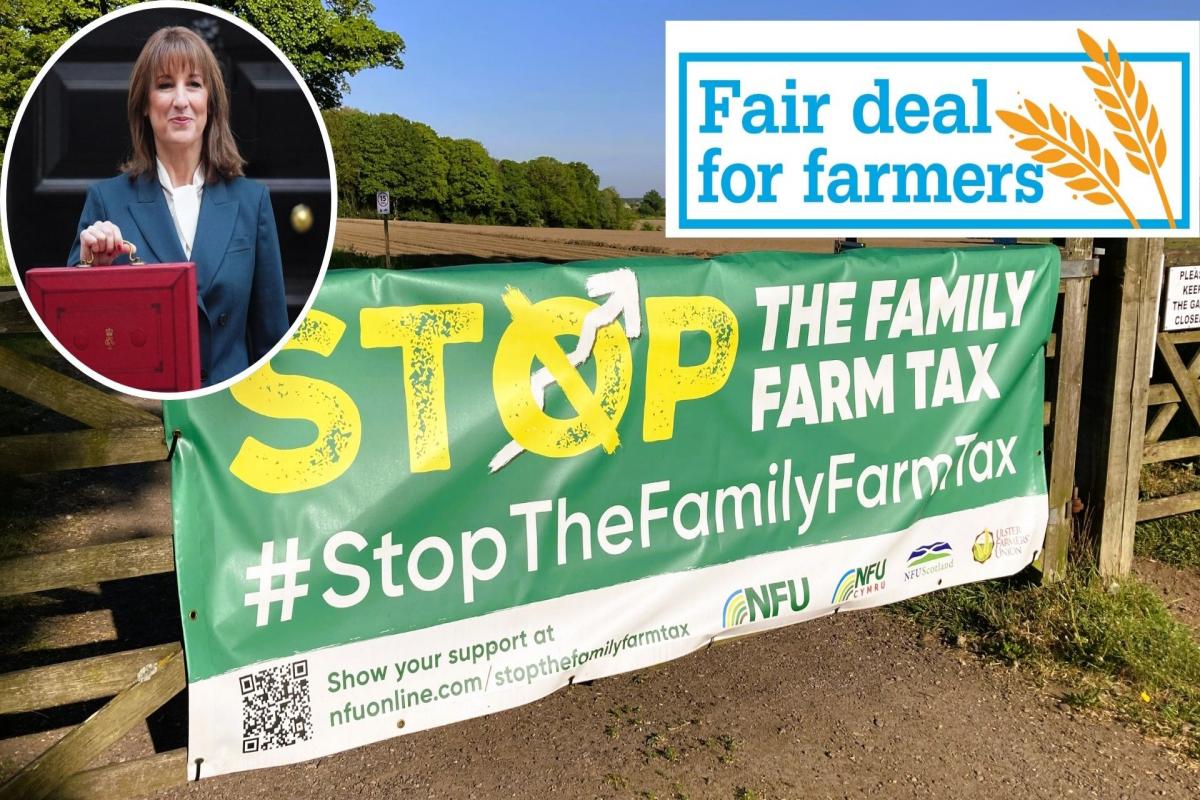
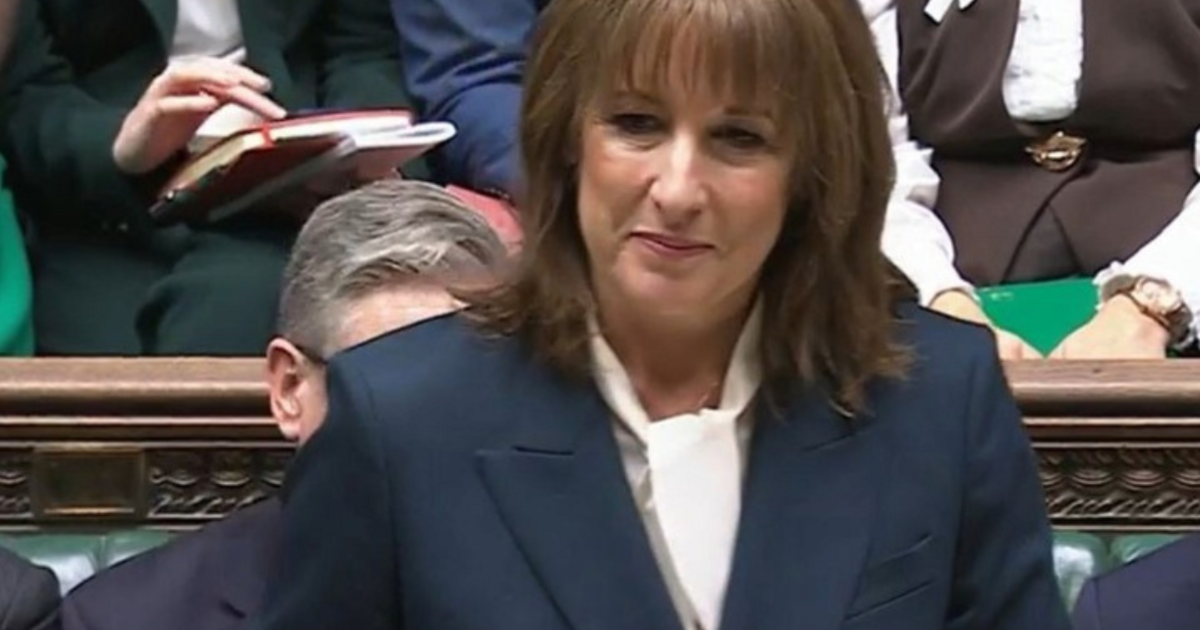
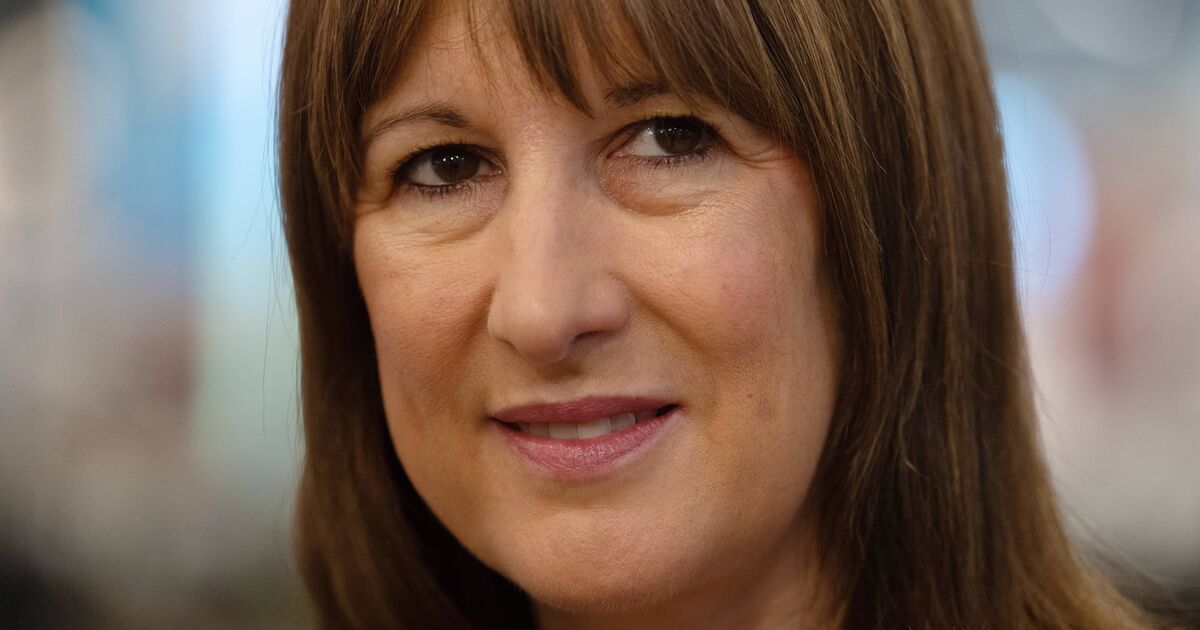
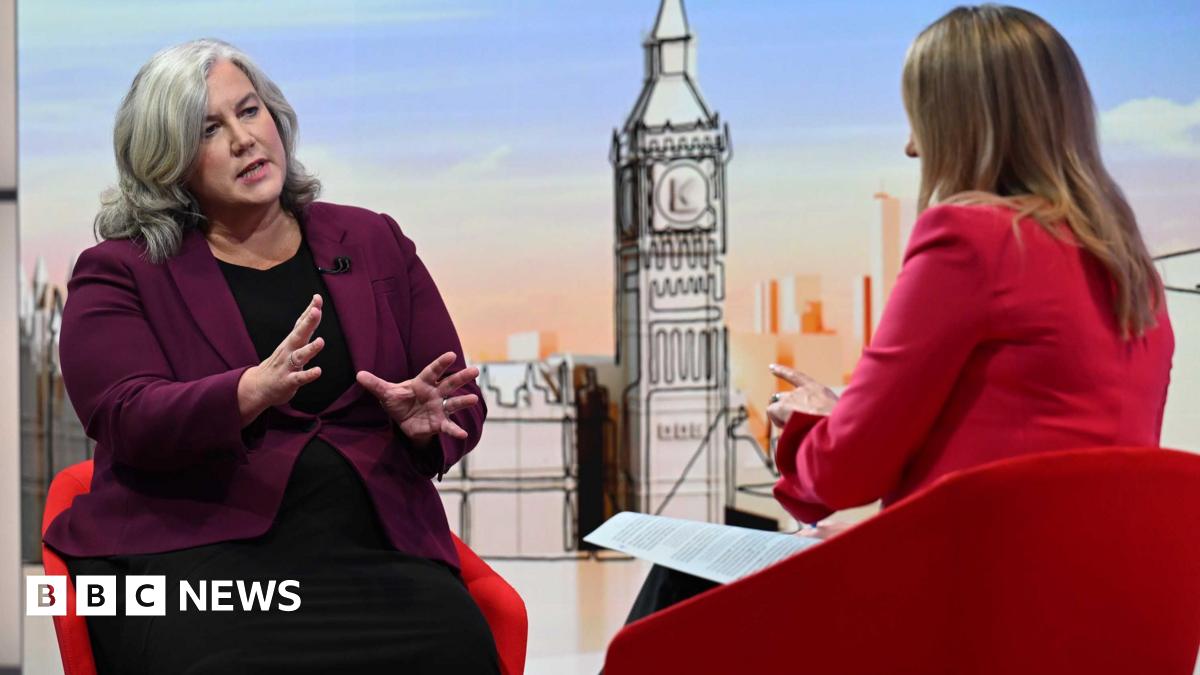
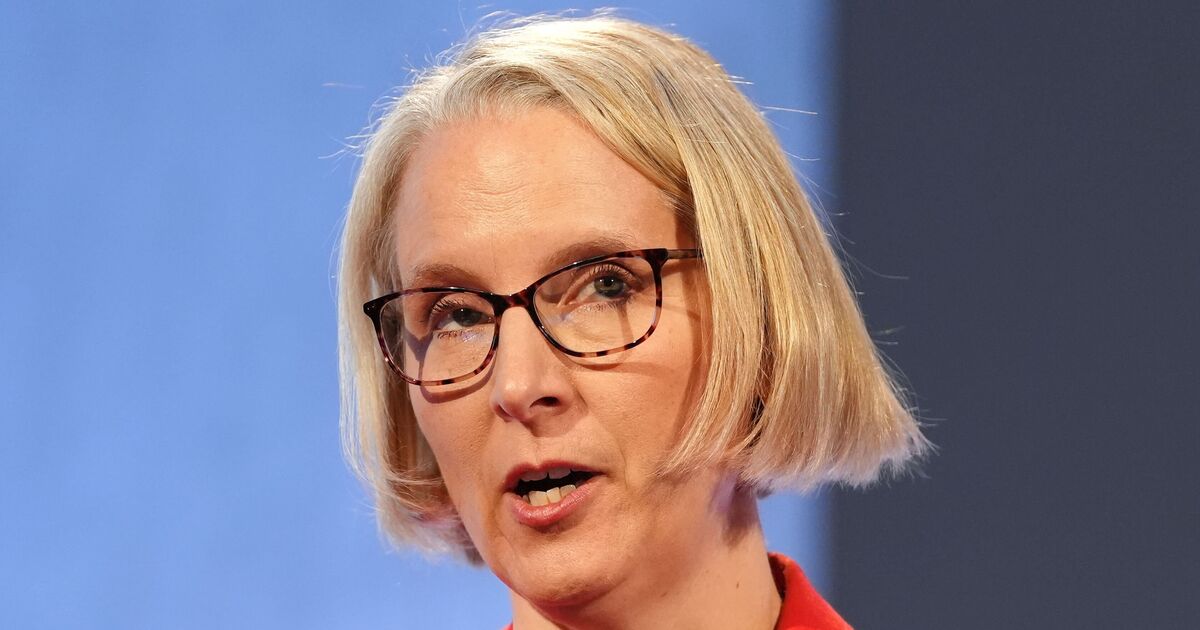
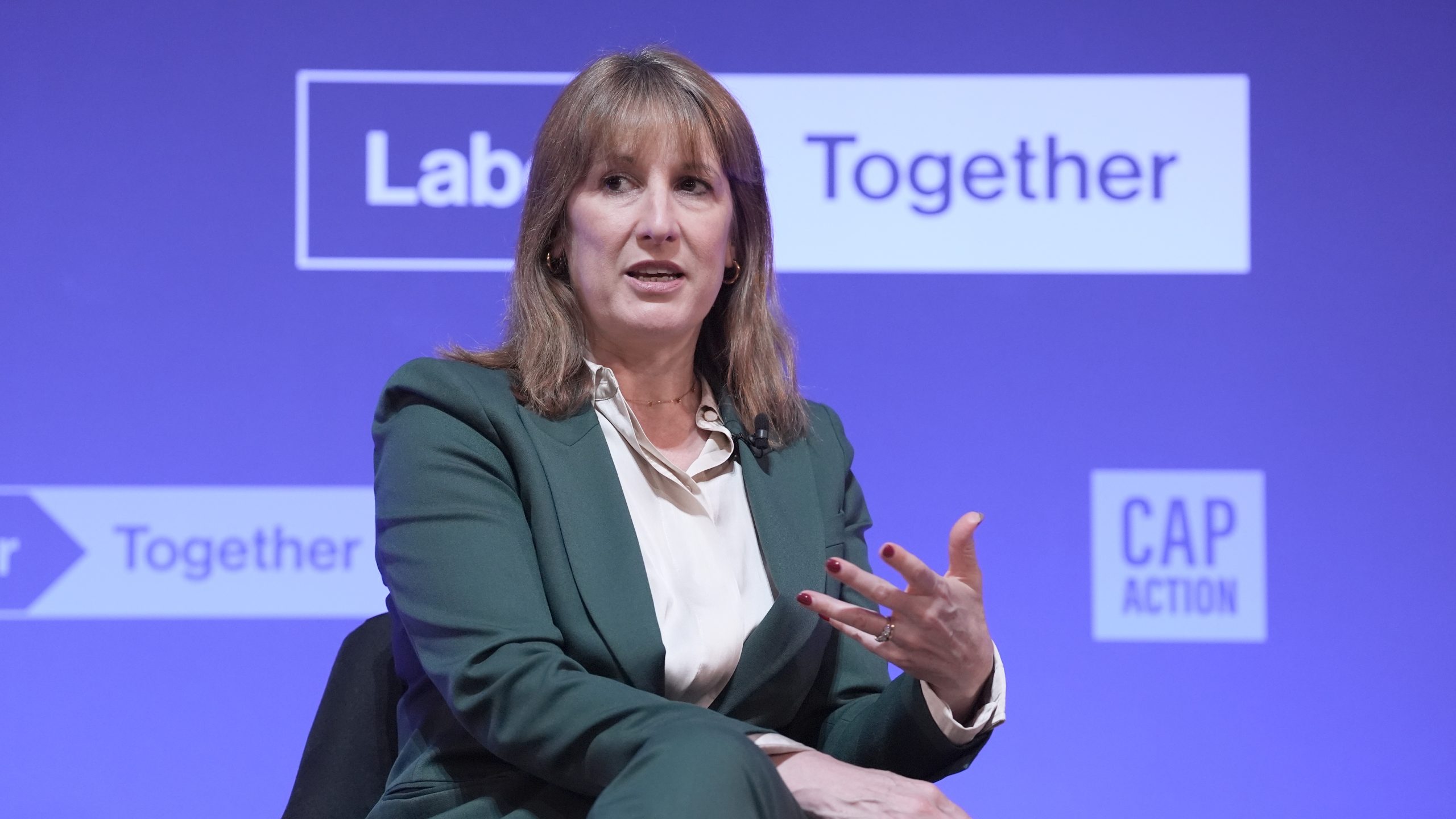
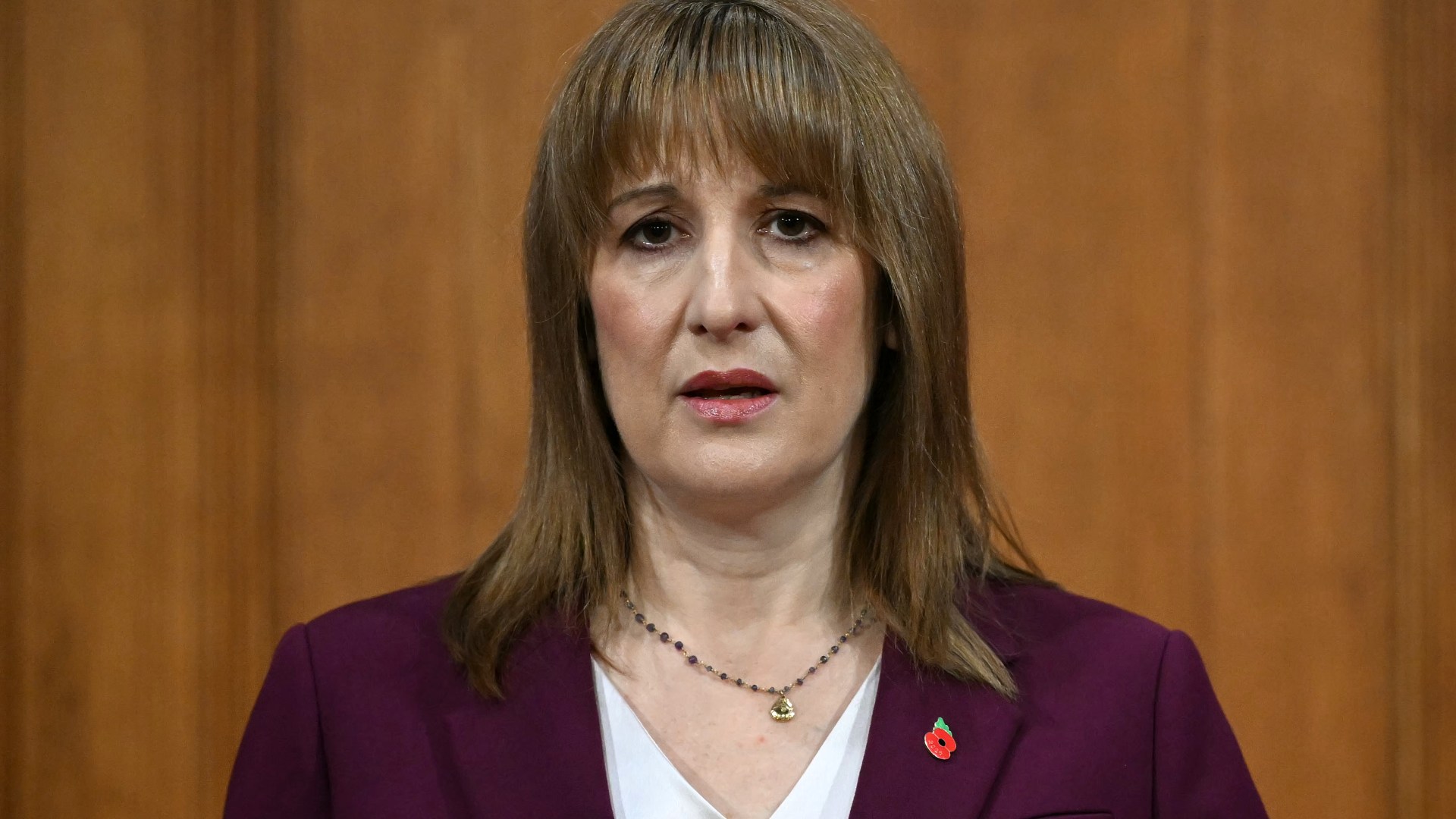
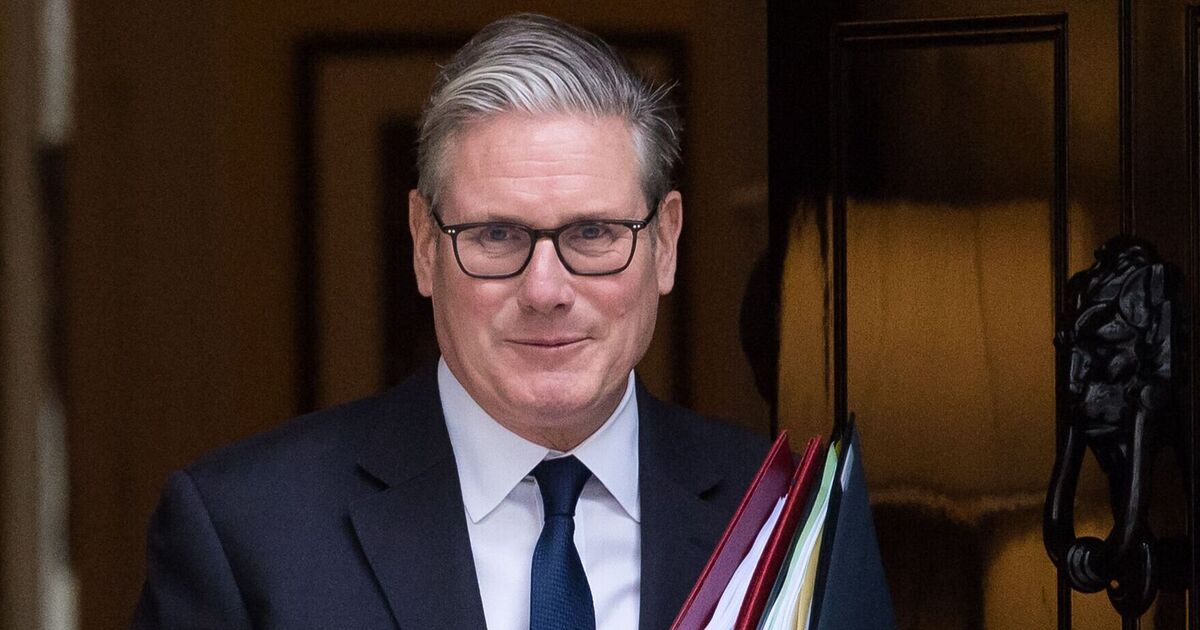
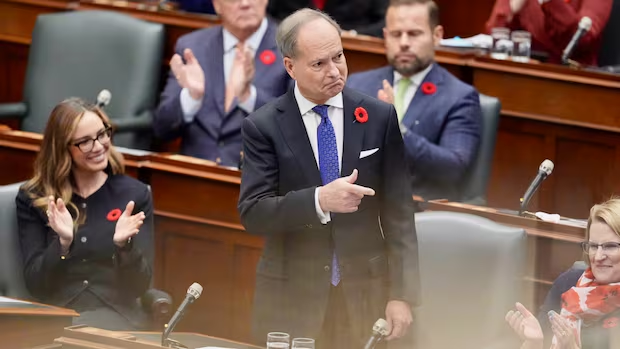
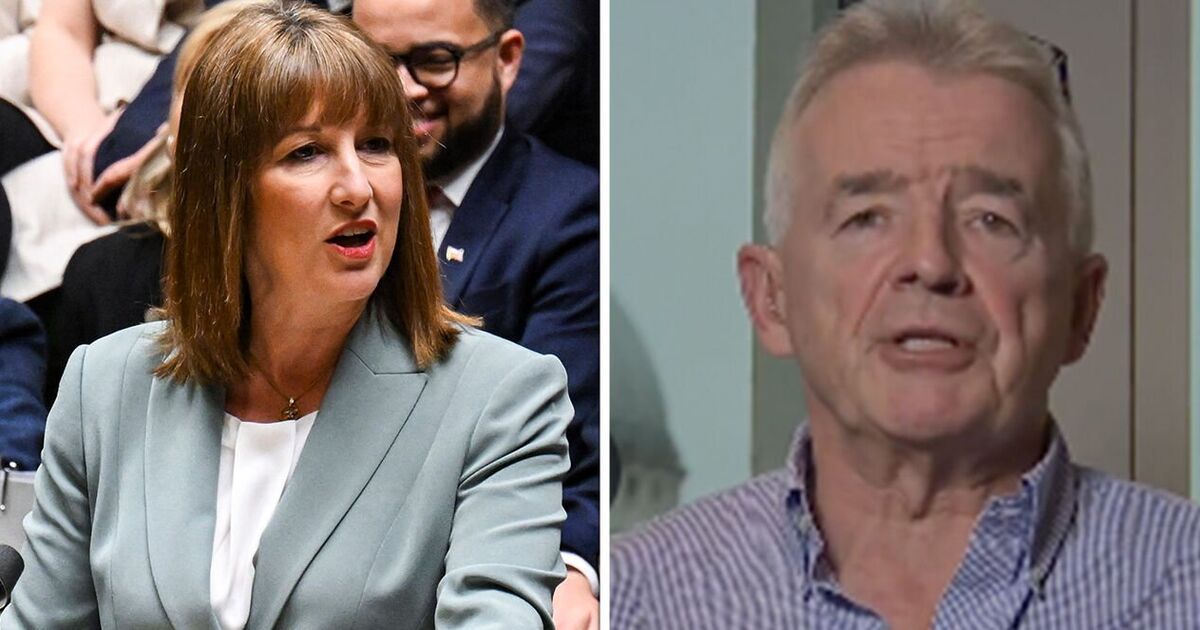
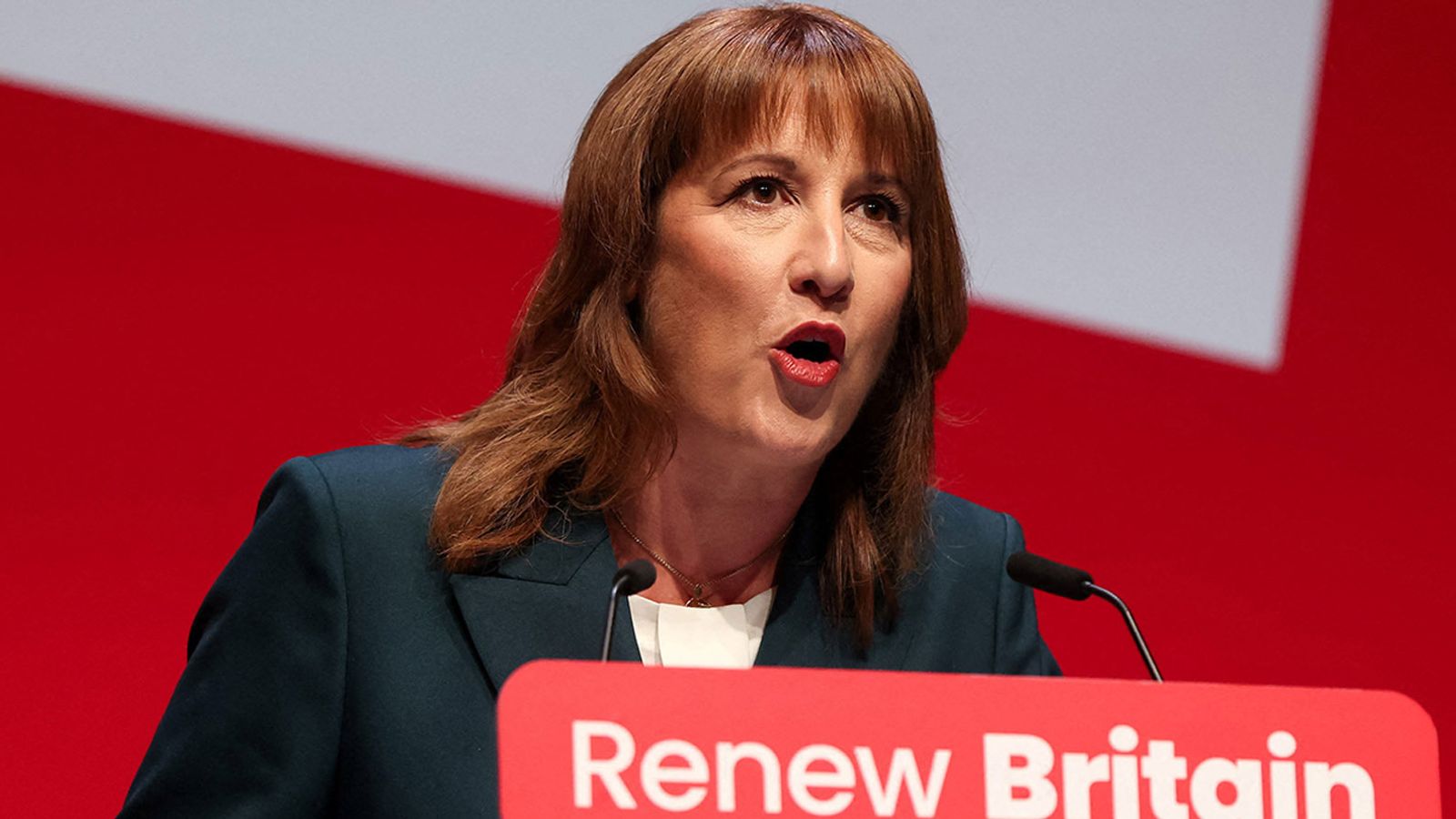
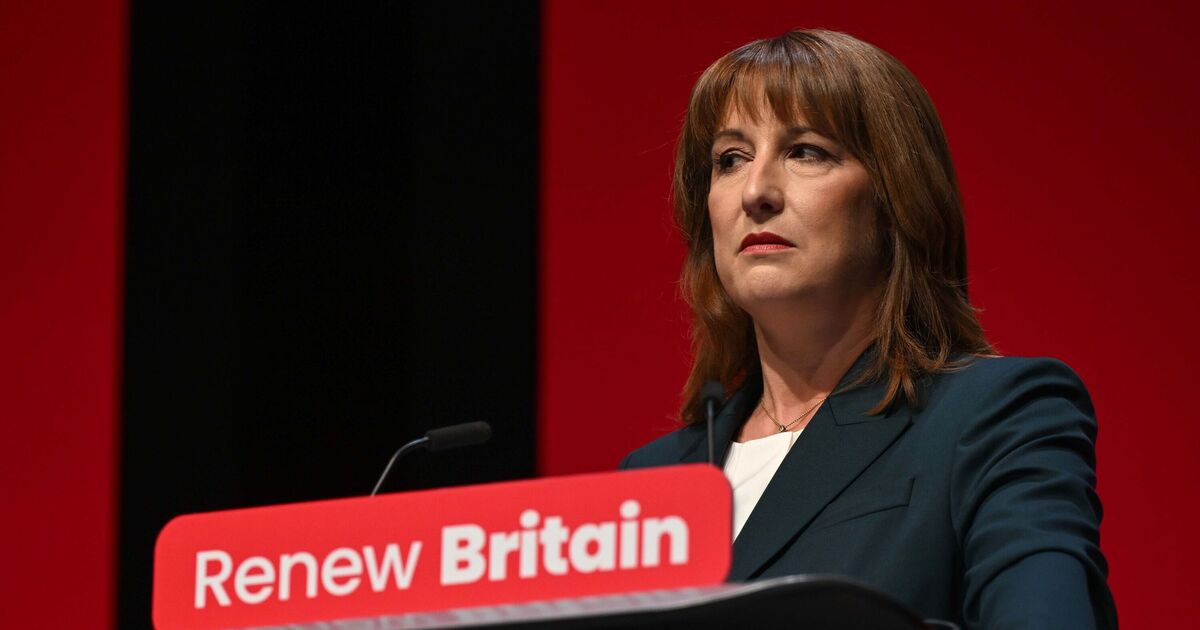
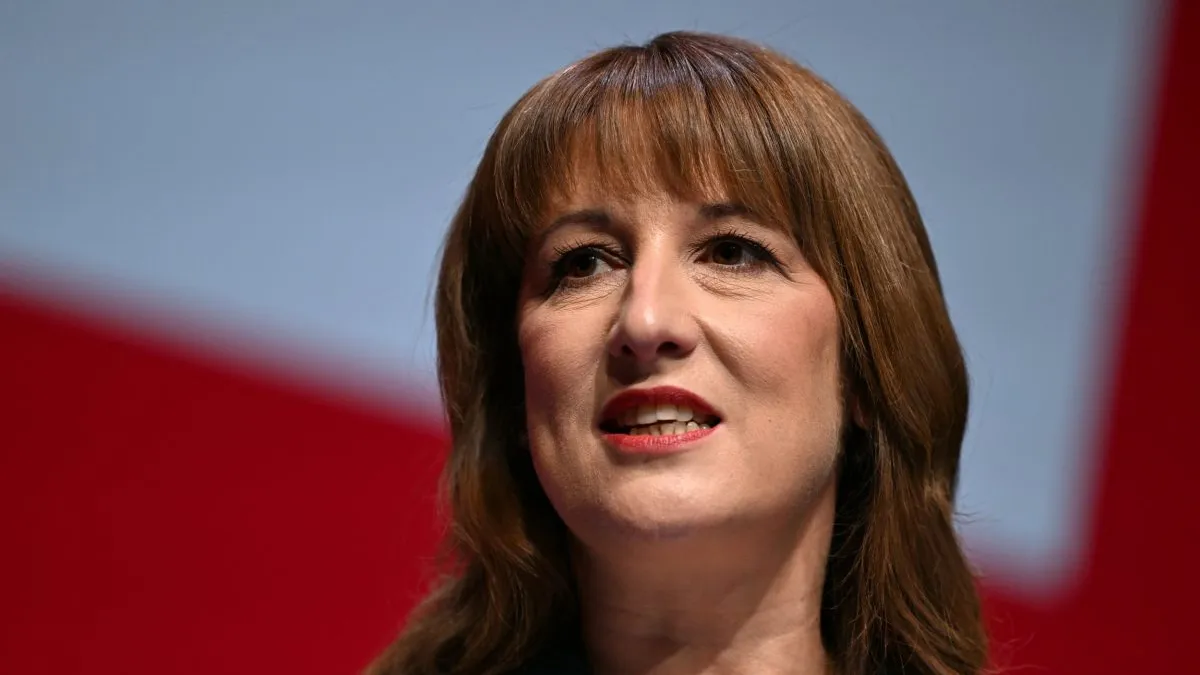
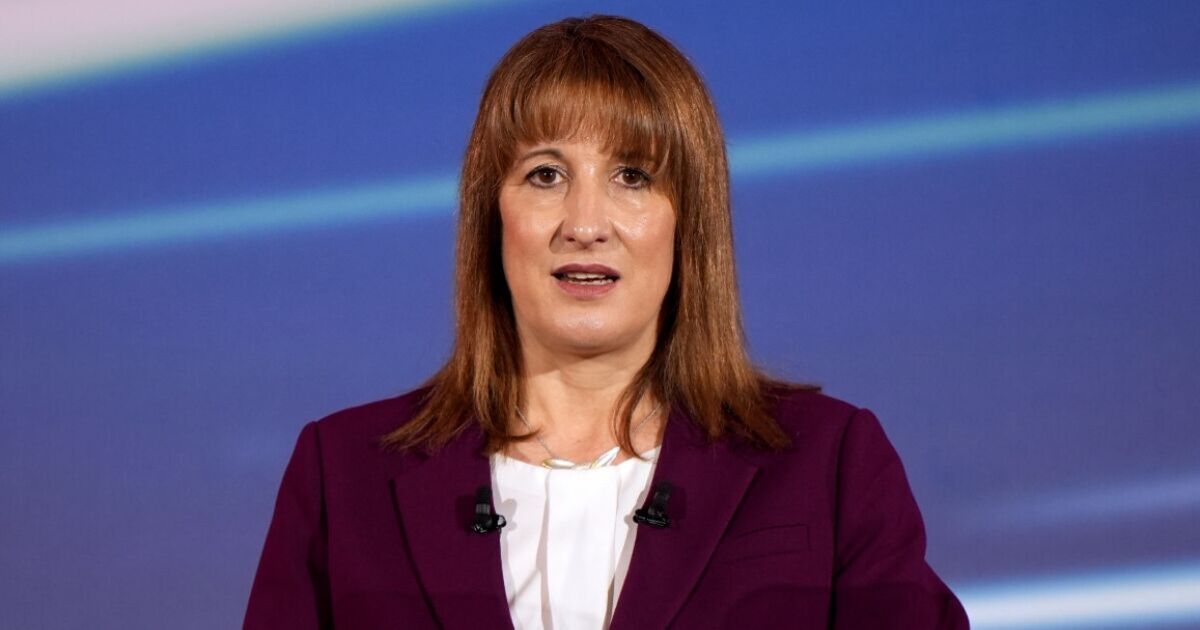
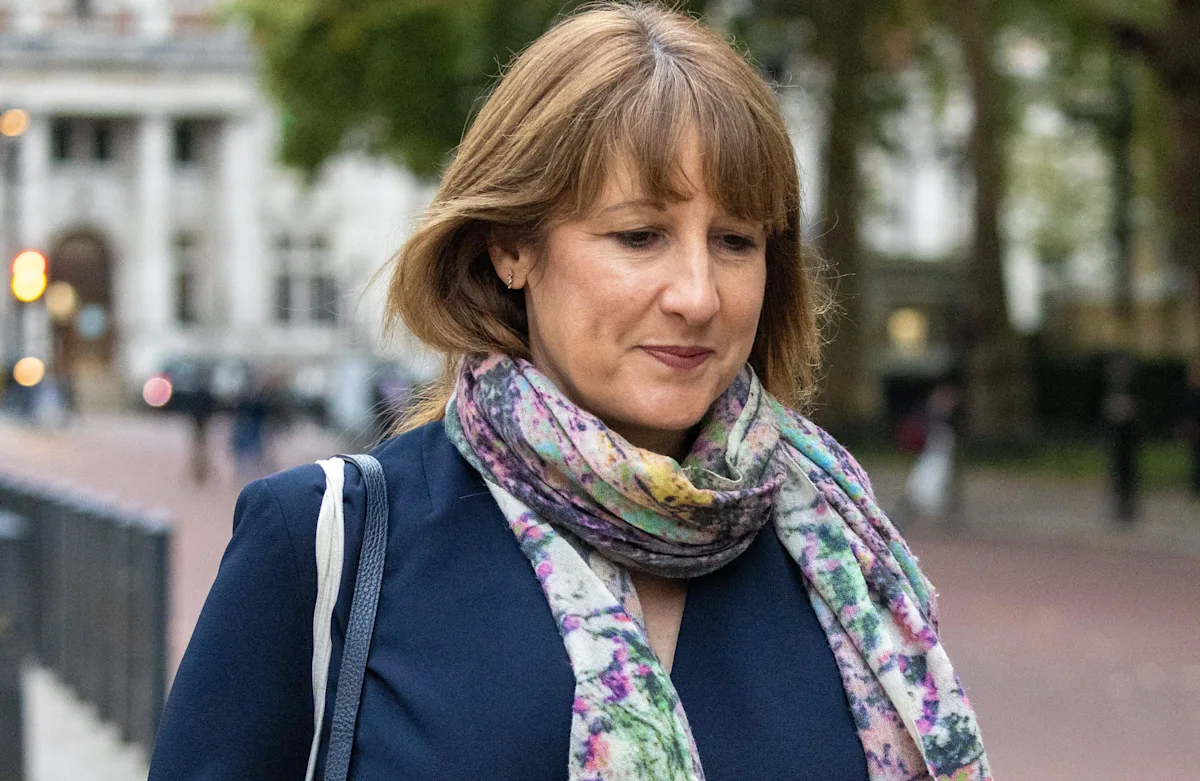
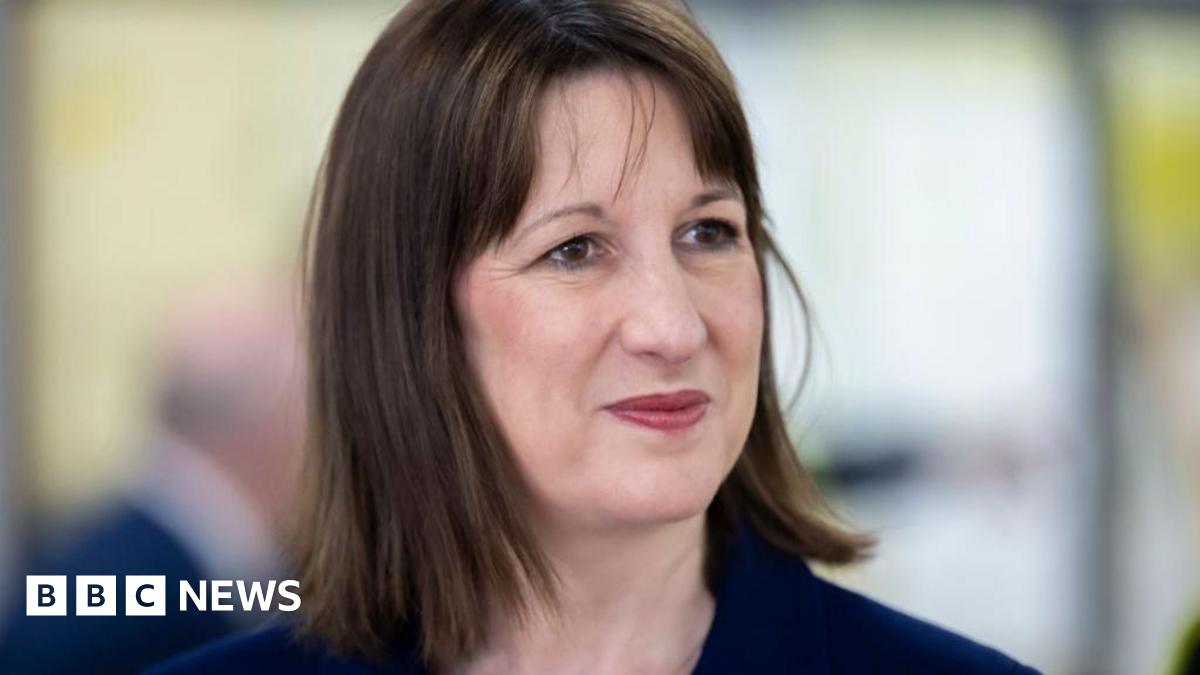
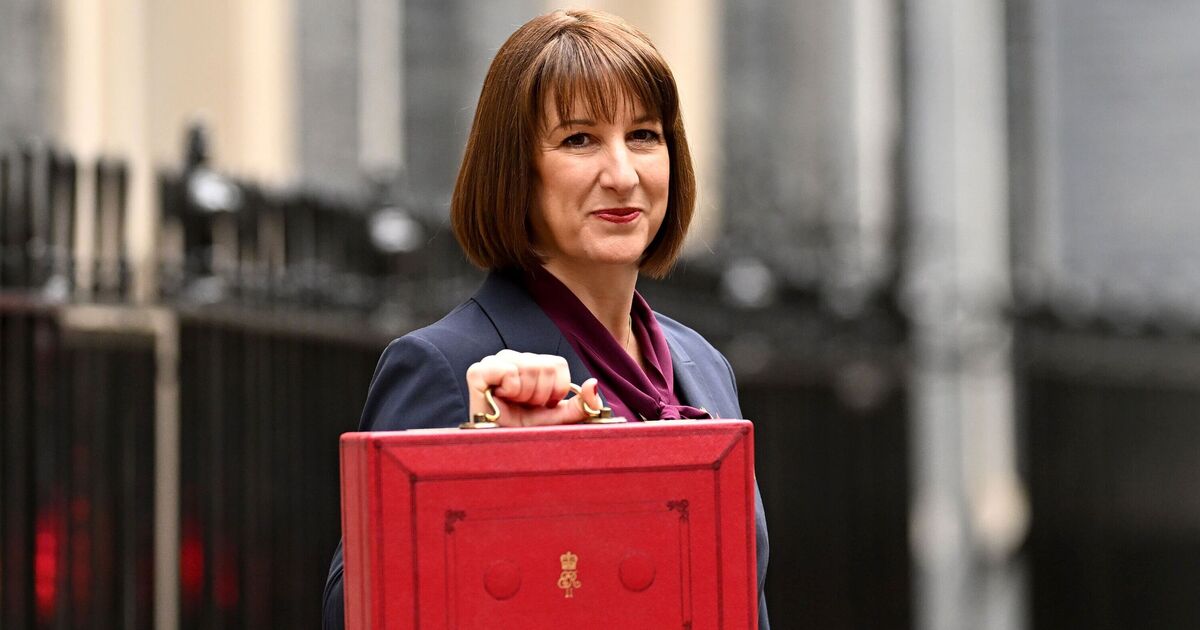
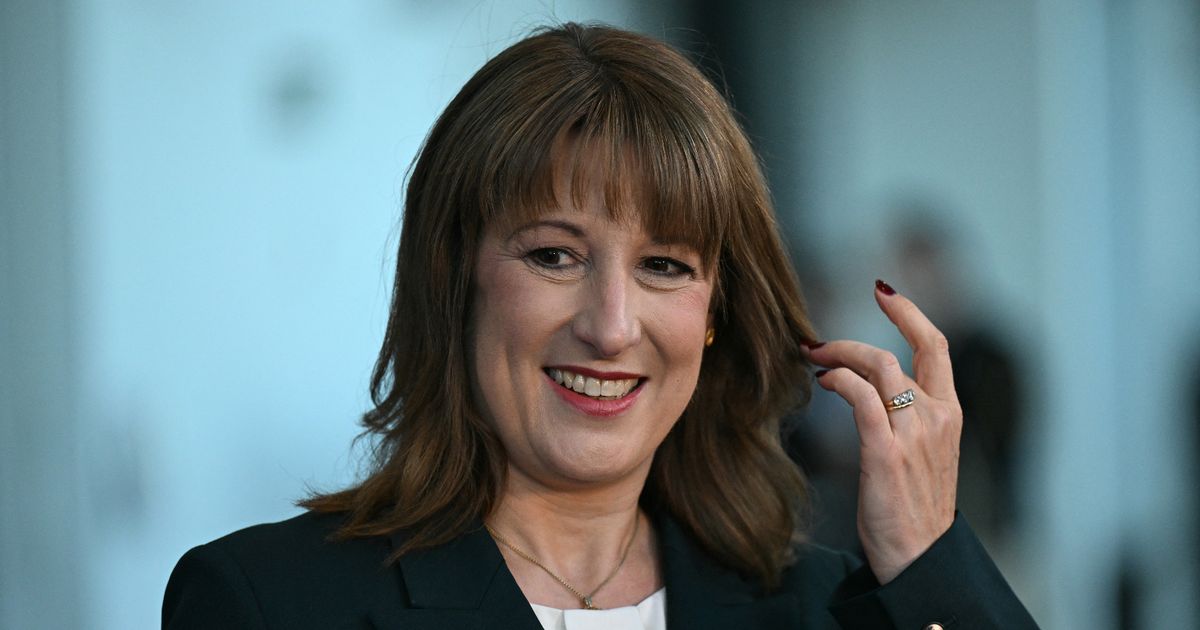
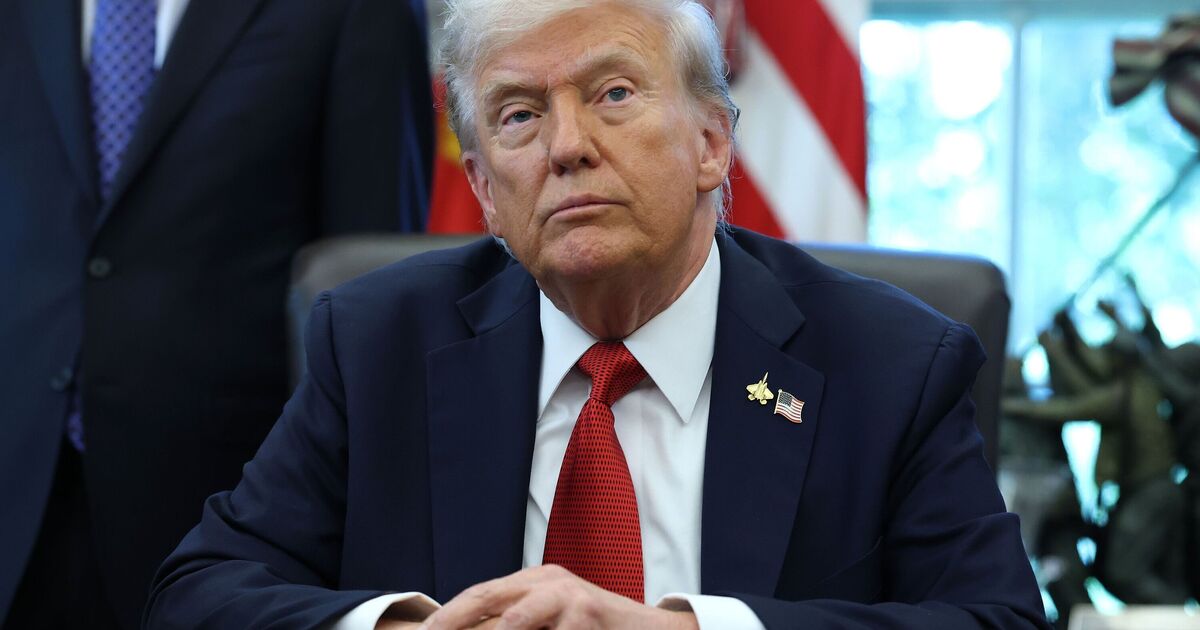
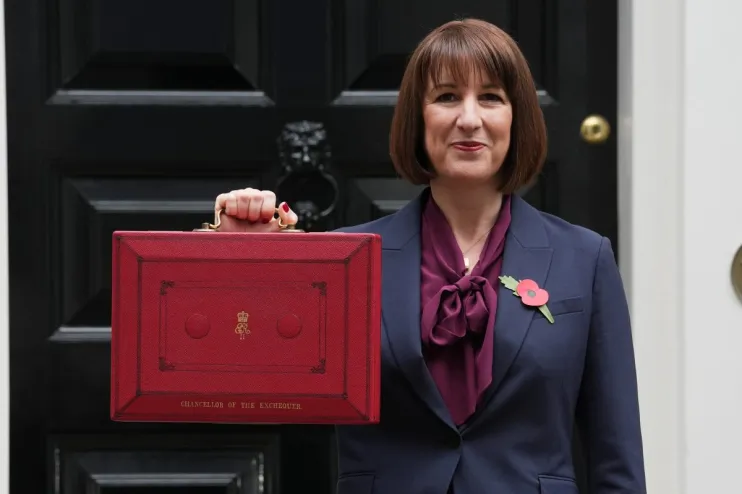
Rachel Reeves is set to deliver her second budget (Leon Neal/PA) (PA Wire)
The Chancellor is poised to unveil the government’s latest tax and spending policies next week, alongside her broader economic ambitions for the Labour administration.
This announcement comes as the state of the economy remains a critical concern, particularly following industry criticism regarding the impact of the government’s inaugural Budget last year.
Adding to the anticipation, the state’s official forecaster is set to release its crucial economic projections for the coming years, with concerns mounting over a potentially gloomy short-term outlook.
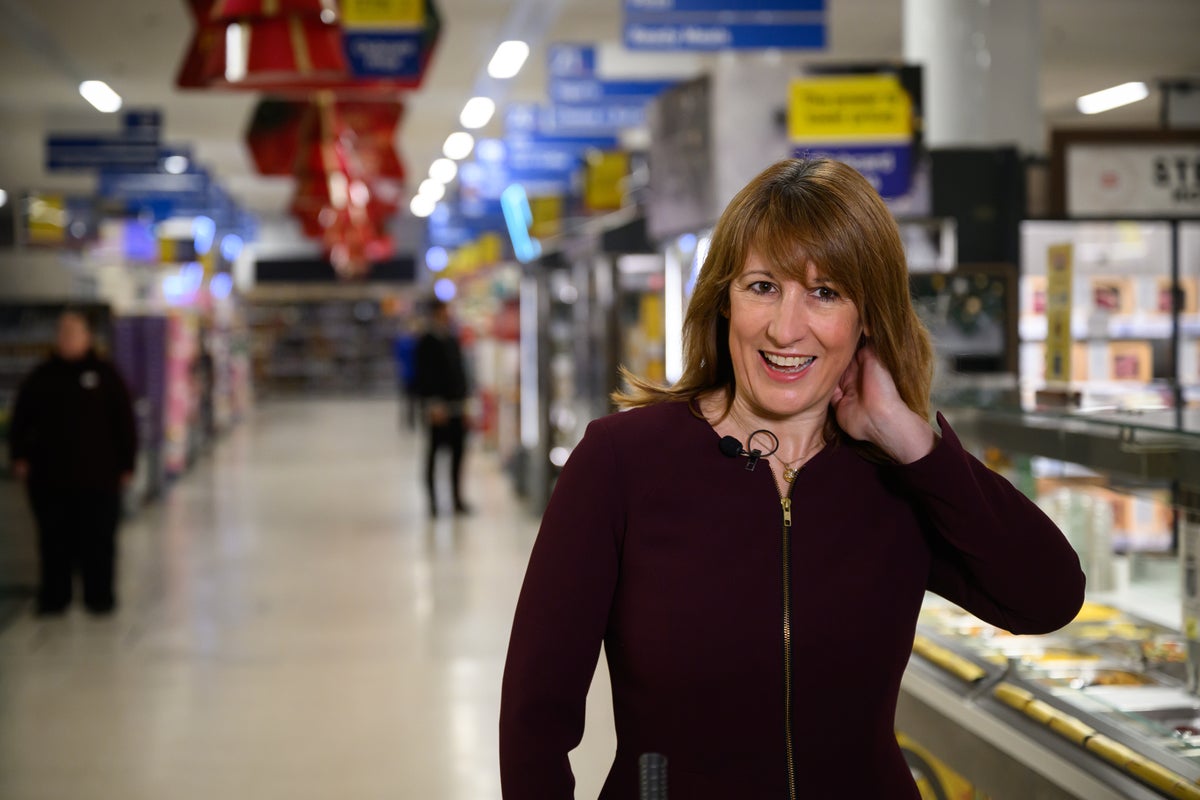
Rachel Reeves during a visit to a Tesco supermarket to speak to the media about October inflation statistics from the Office of National Statistics (Leon Neal/PA)
Here we look at the importance of this Budget for the economy:
What is the backdrop of the Budget?
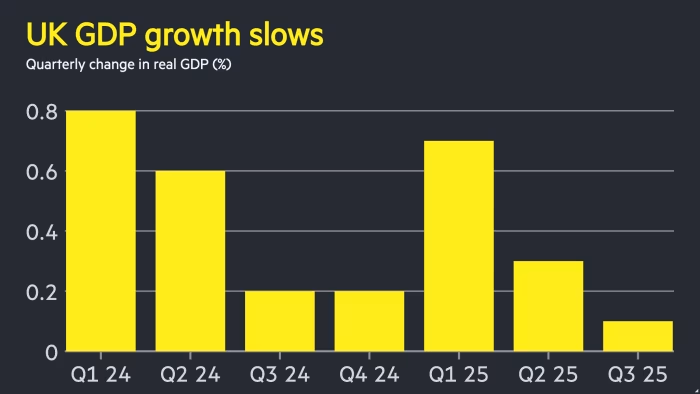
The UK economy started the year with positive growth, with GDP (gross domestic product) rising by around 0.7% over the first quarter of the year.
Nevertheless, this had been boosted by stronger trade ahead of expected tariffs and came amid an increasingly uncertain global economic backdrop.
This growth has steadily slowed down as the year progressed, with the Office for National Statistics (ONS) reporting growth of 0.3% in the second quarter and 0.1% in the third quarter of the year.
The dip has come amid declines in the production sector as well as slower growth in the services sector.
Meanwhile, inflation has been elevated over the past year, striking a peak of 3.8% in July, August and September.
It dipped slightly last month – although at a slower rate than expected – but also comes amid a backdrop of falling wage growth.
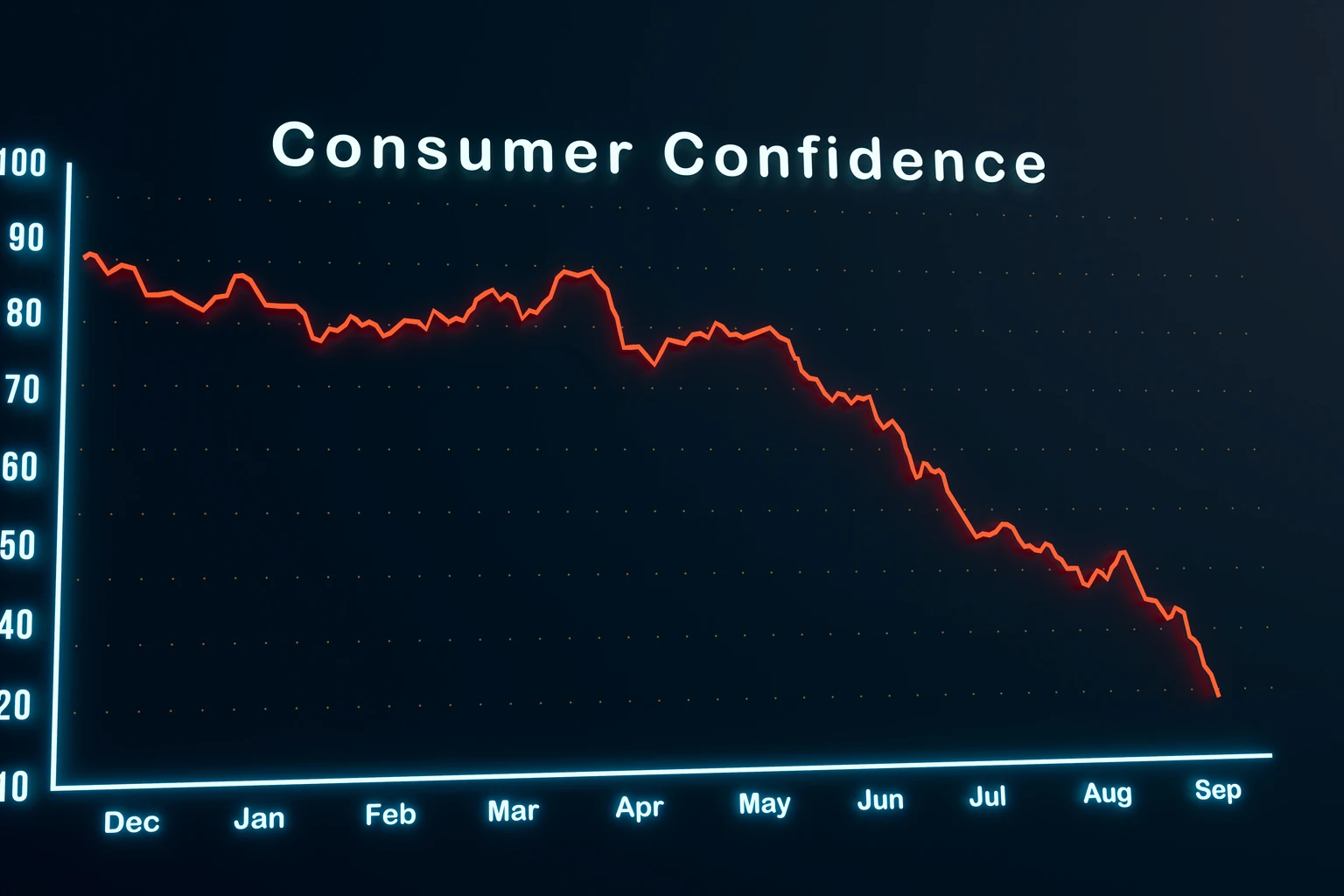
Consumer finances had been supported by stronger wages but real wage growth has slowed significantly in recent months because of pressure in the labour market.
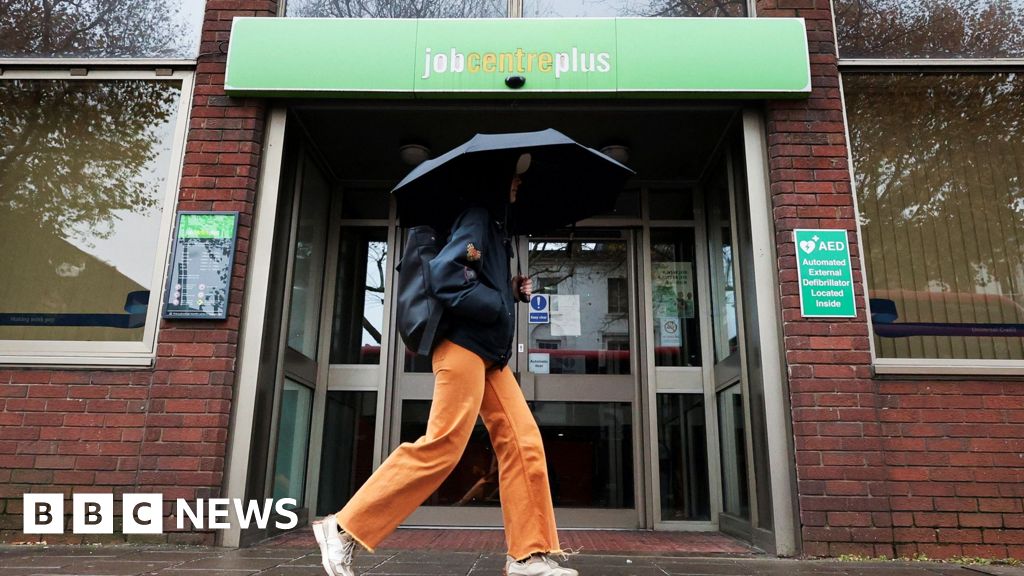
Unemployment has also lifted, striking a four-year-high of 5% in the three months to September.
Why is the last budget important?
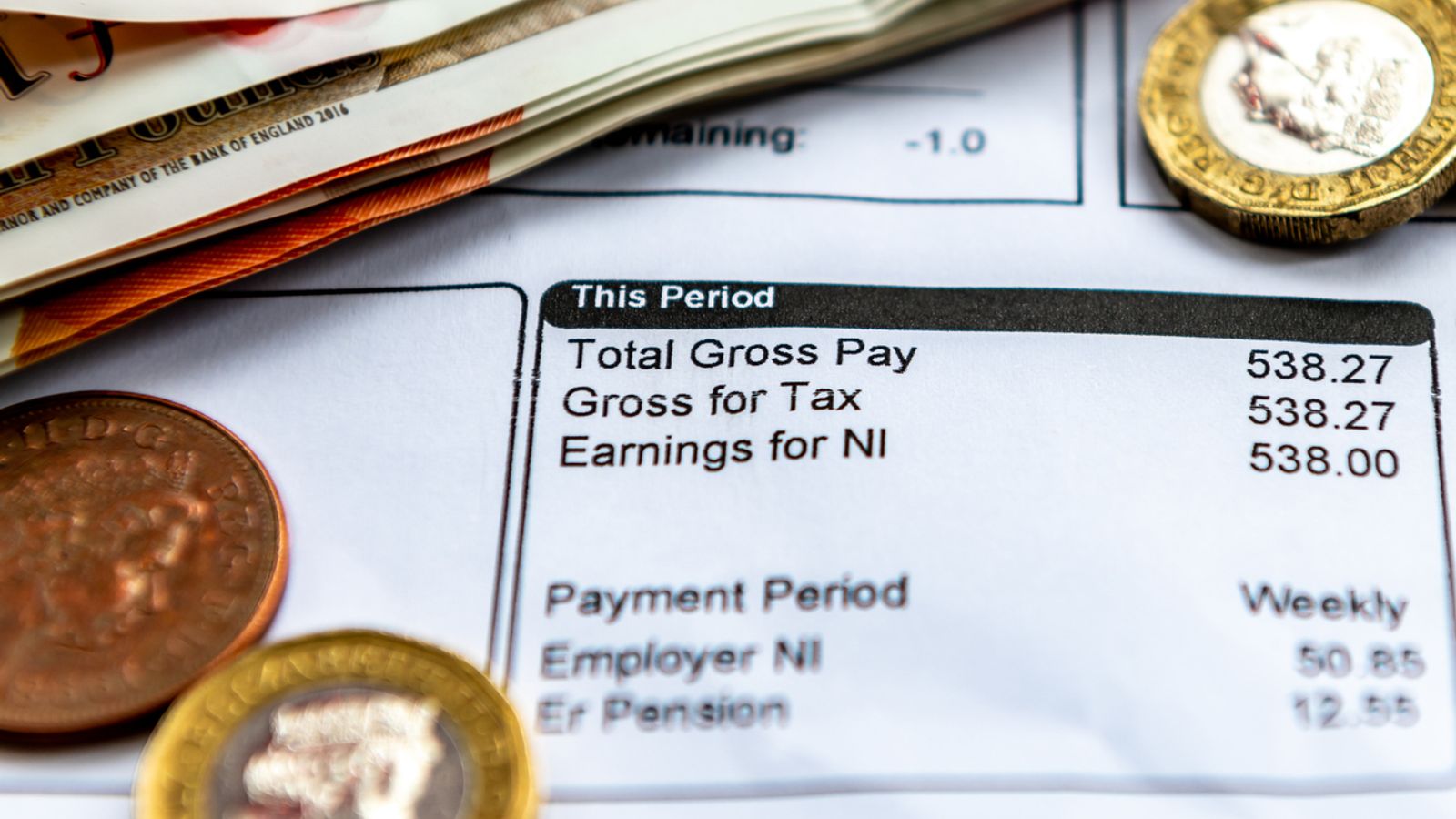
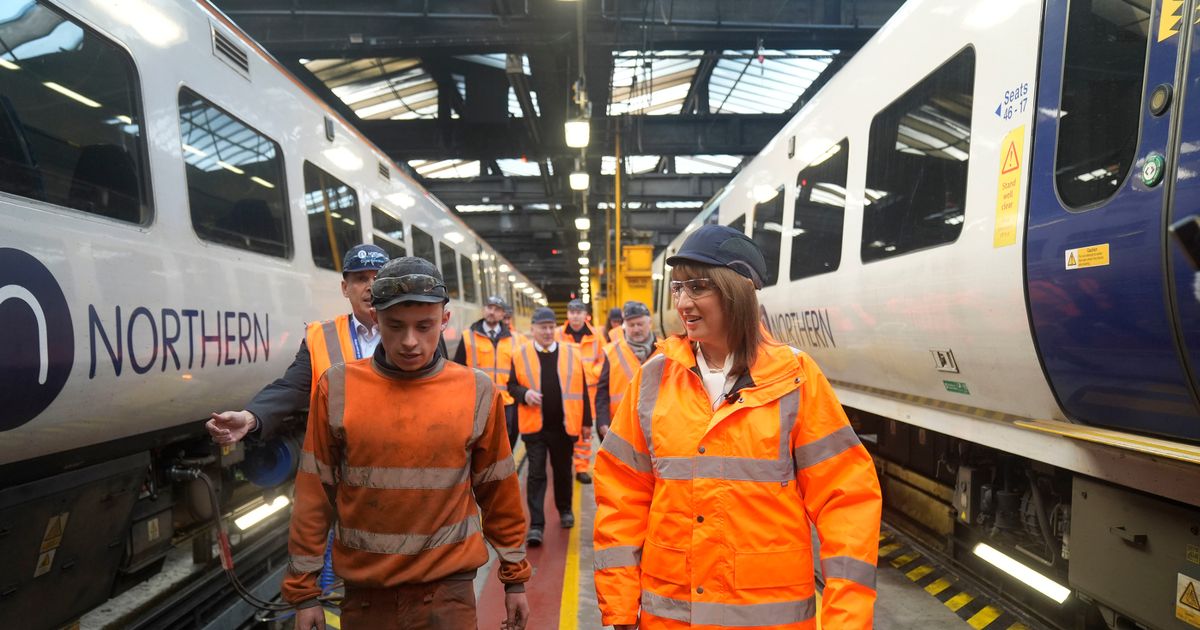
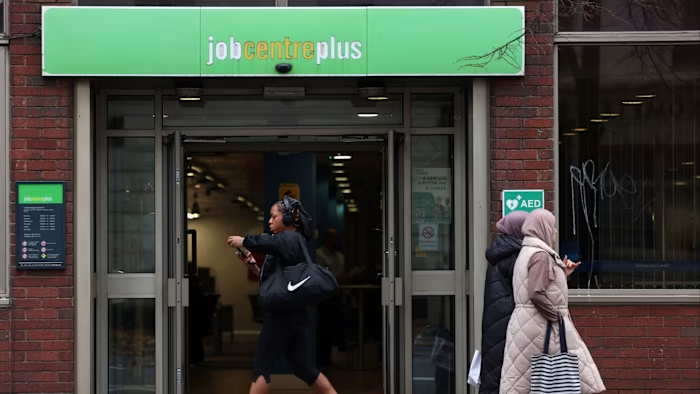
Weak hiring, slowing wage growth and price inflation have all been partly linked to policies which came into force following the Labour Government’s first budget last year.
The budget led to higher taxes and labour costs for many businesses when the policies came into force in April this year.
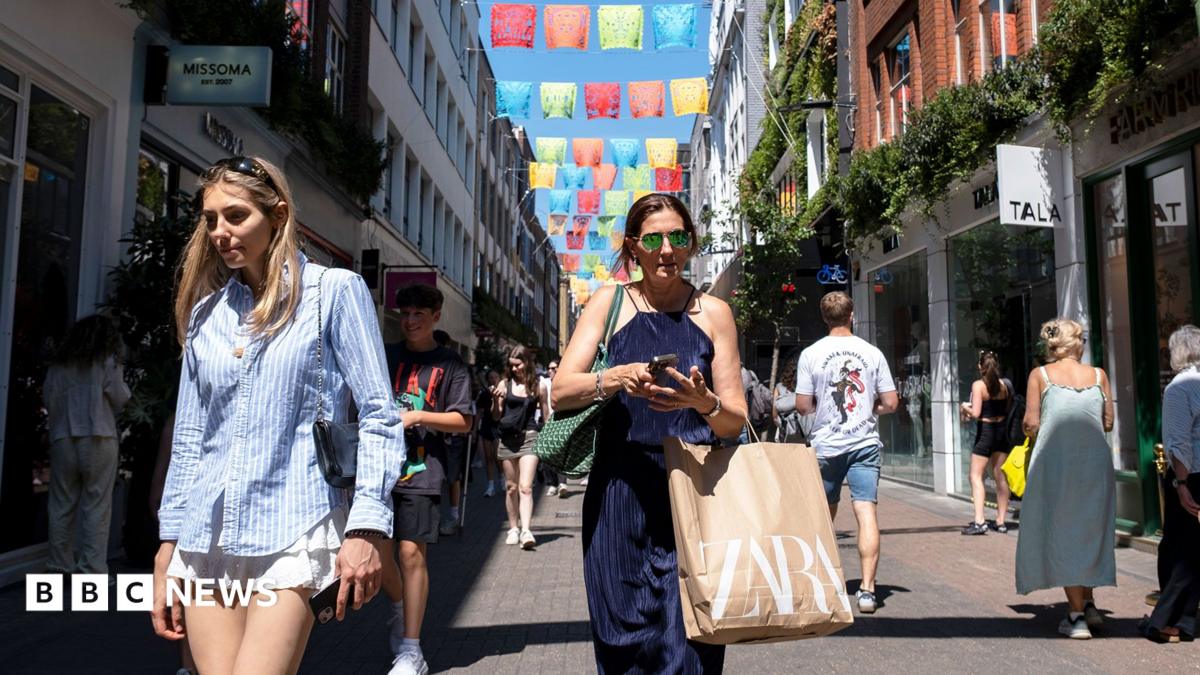
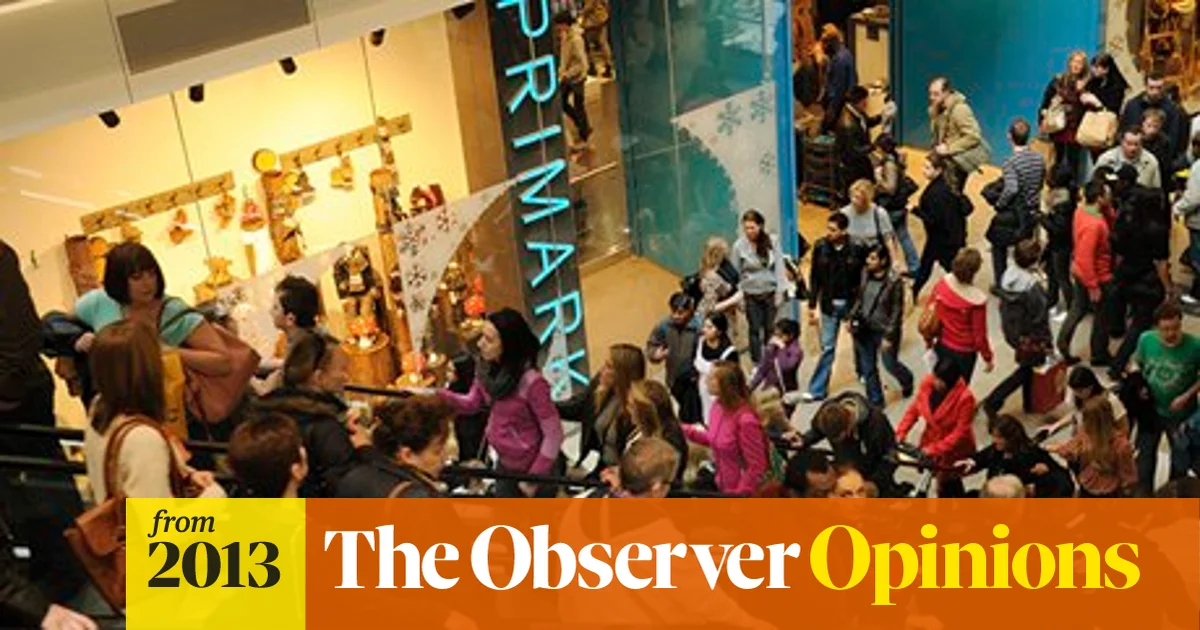
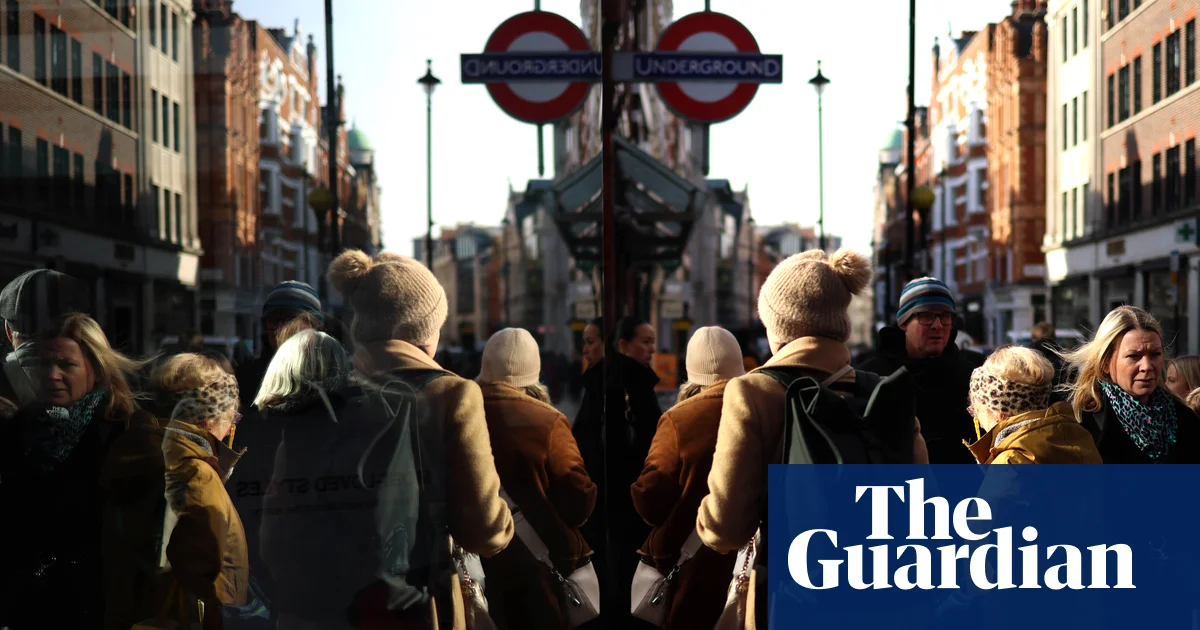
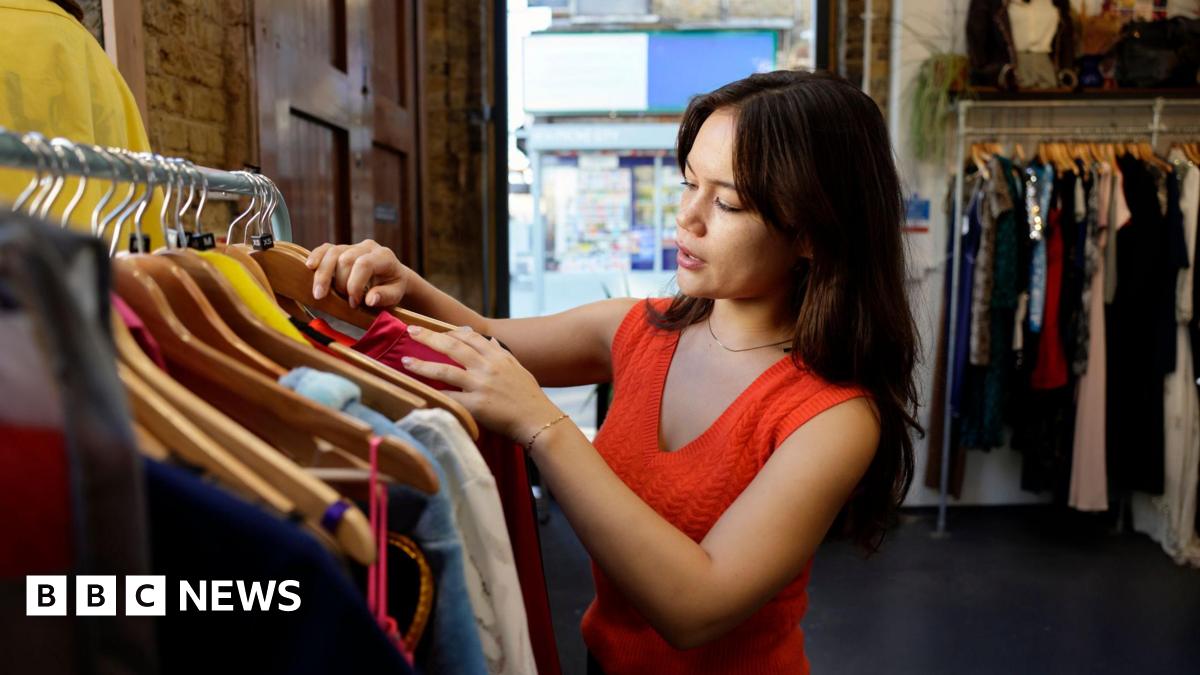
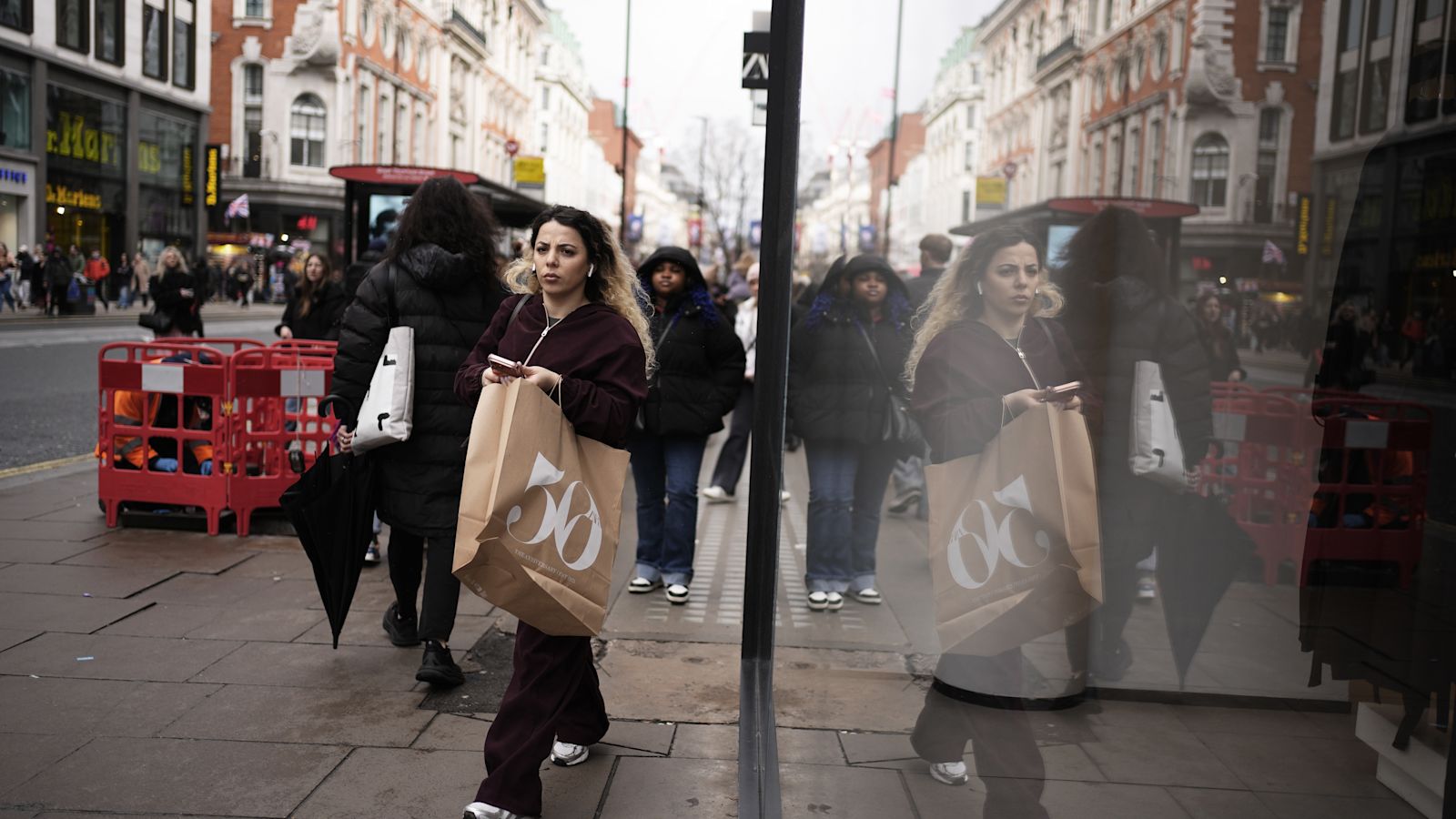
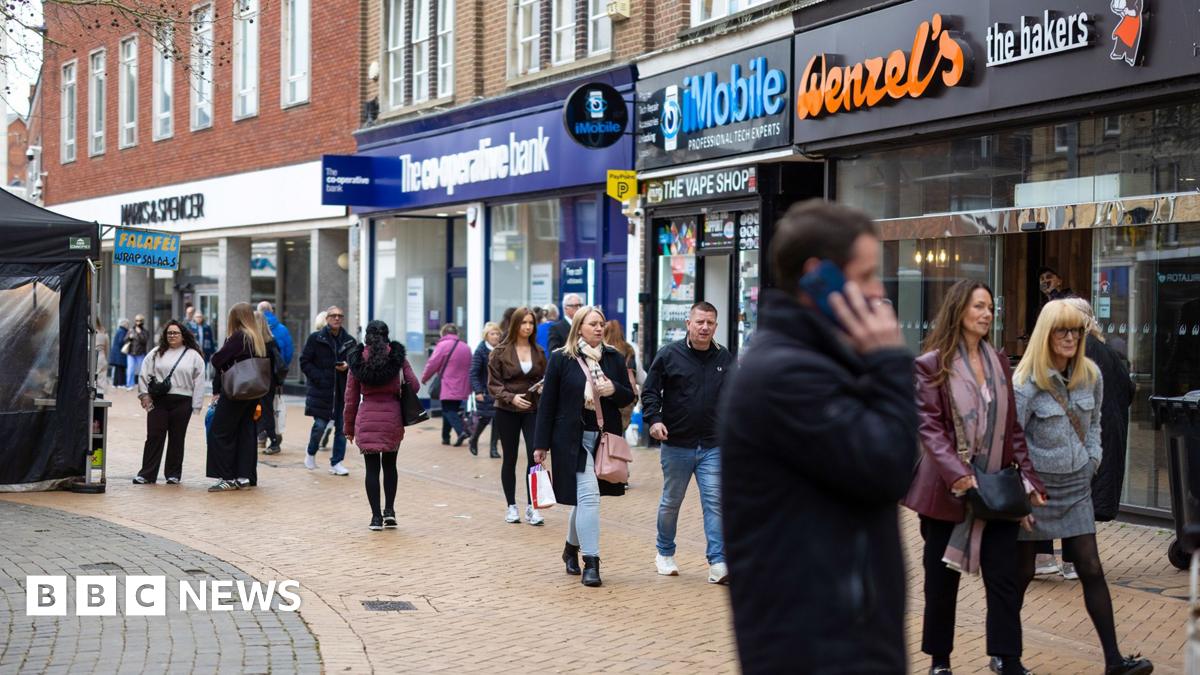
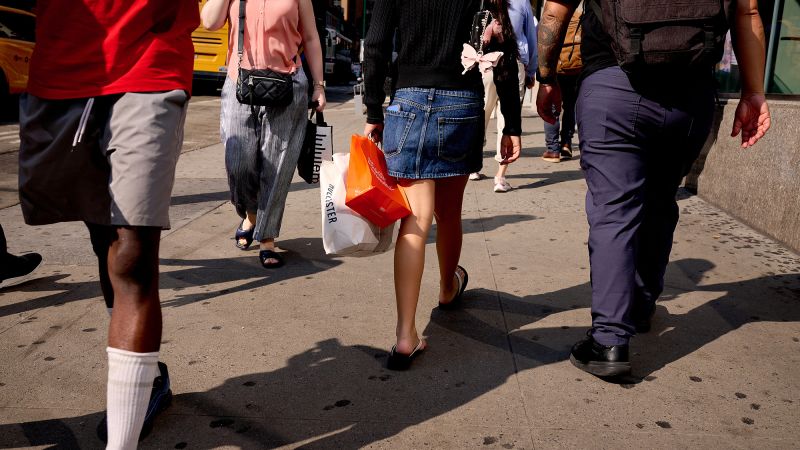
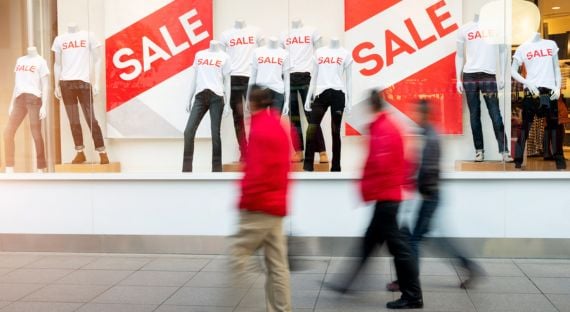
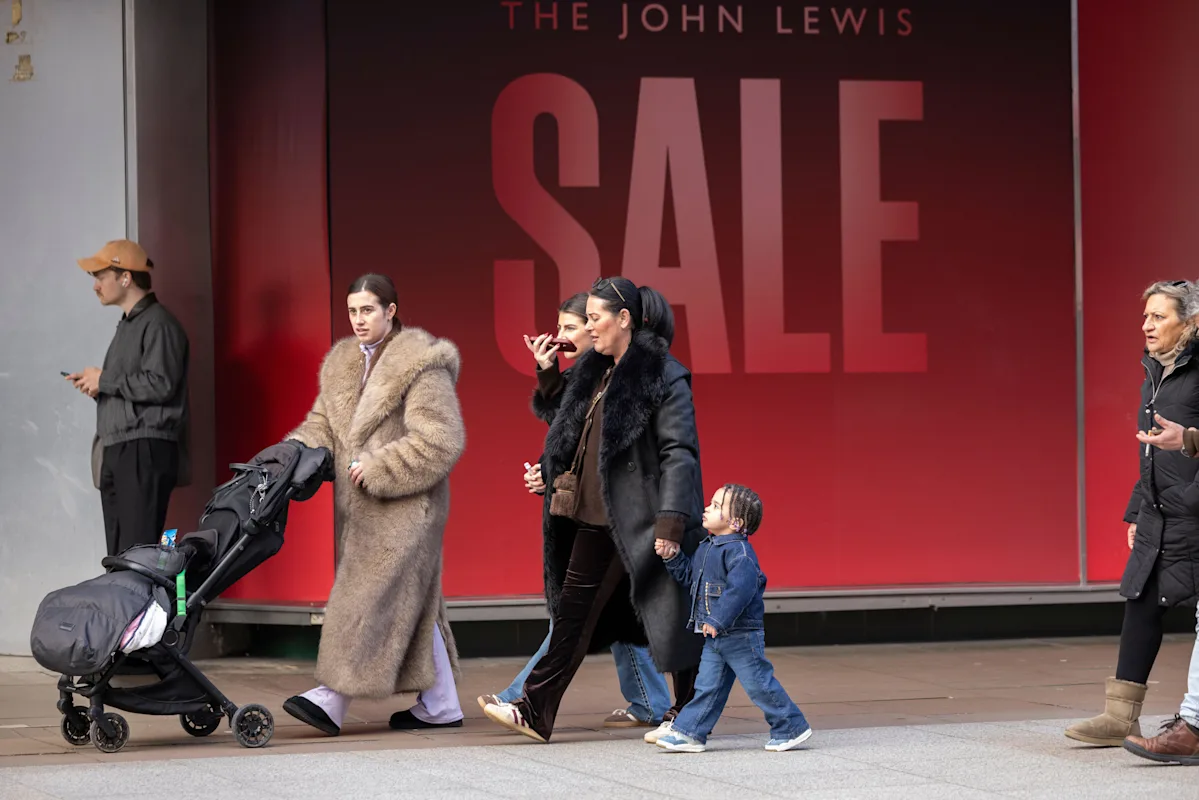
Christmas shoppers on Oxford Street, London (Lauren Hurley/PA)
Firms were affected by the increase in the national minimum wage, higher National Insurance Contributions (NICs), reduced business rates discounts and other taxes, such as a new packaging tax.
The Bank of England highlighted that the increase in NICs and the minimum wage partly contributed to higher food price inflation earlier this year as impacted firms passed some of this on to their customers.
What is the view of businesses ahead of the Budget?
Businesses and trade bodies have stressed that they came under pressure from the previous budget and have urged the Government to avoid hitting them with further increases.
Industry data has also shown that some business spending has been held back ahead of the Budget, with firms cautious about their financial position.
The latest monthly flash PMI economic data – which shows activity in the UK’s private sector – showed that activity was dented by cautious decision making from firms before the Budget.
What is the view of consumers?
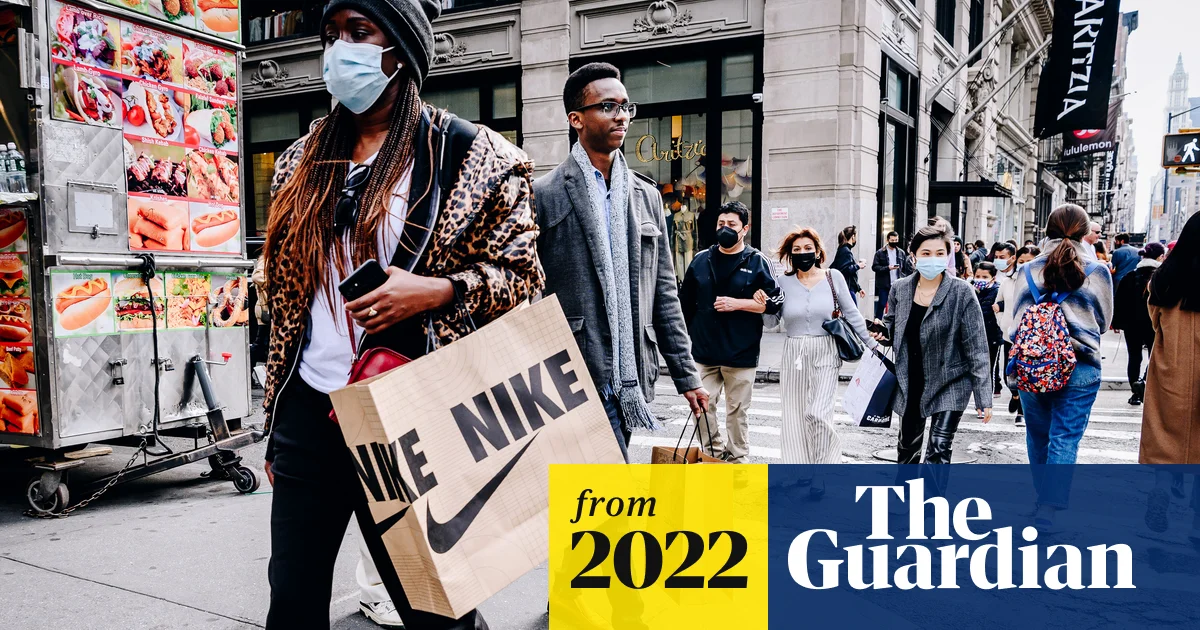
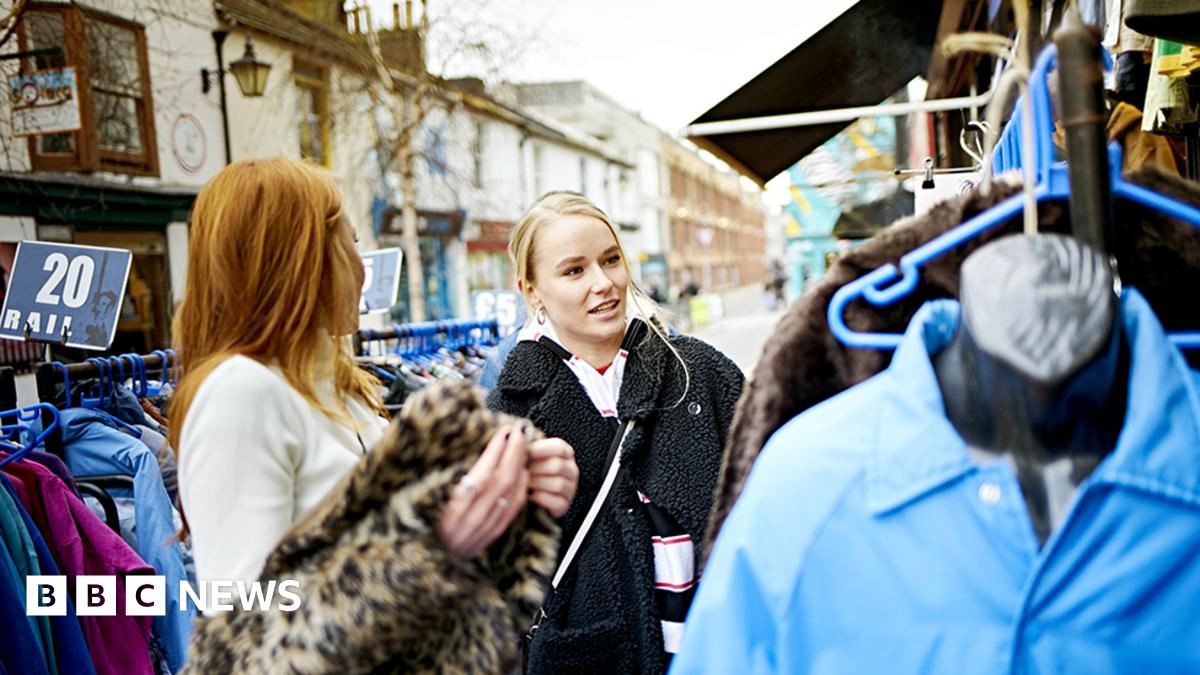
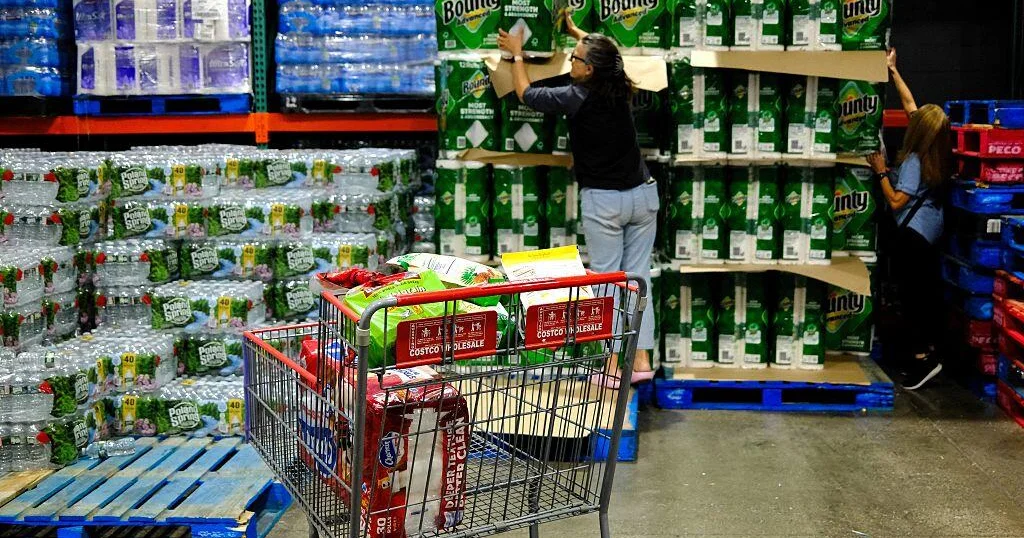
Consumer spending has also been broadly cautious in recent months, with Bank of England policymakers recently highlighting a focus on saving in favour of spending.
On Friday, the ONS said retail sales contracted in October for the first time in three months as shoppers also held off before the Budget.
Economists have cautioned that predicted rises in personal taxes at the Budget come mean that some consumers will reduce their spending plans rather than just delay them until nearer to Christmas.
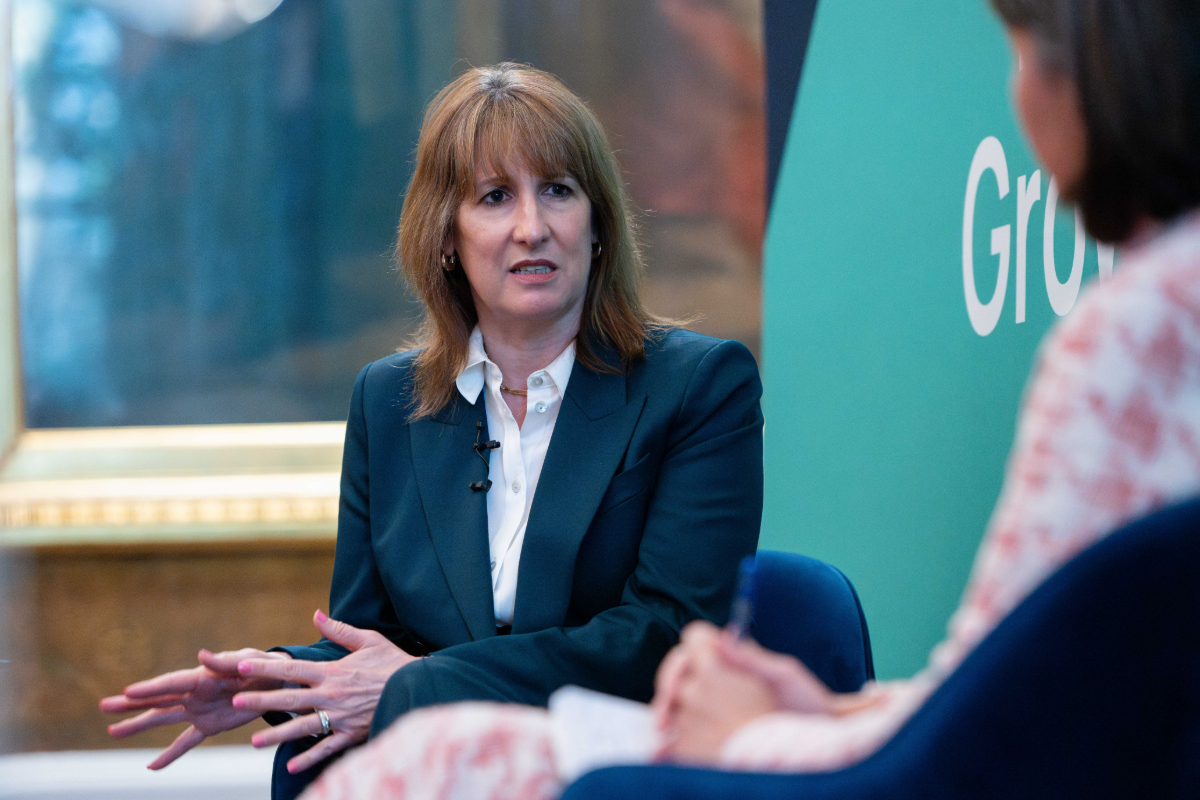
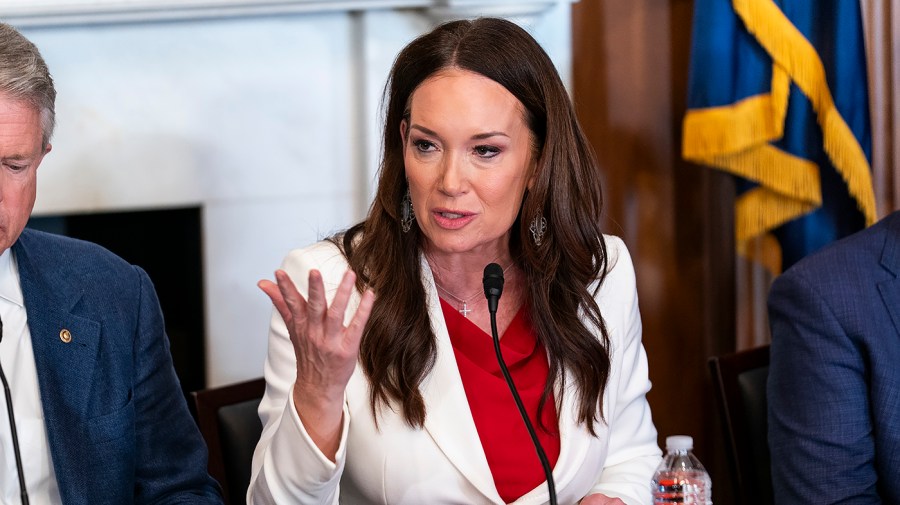
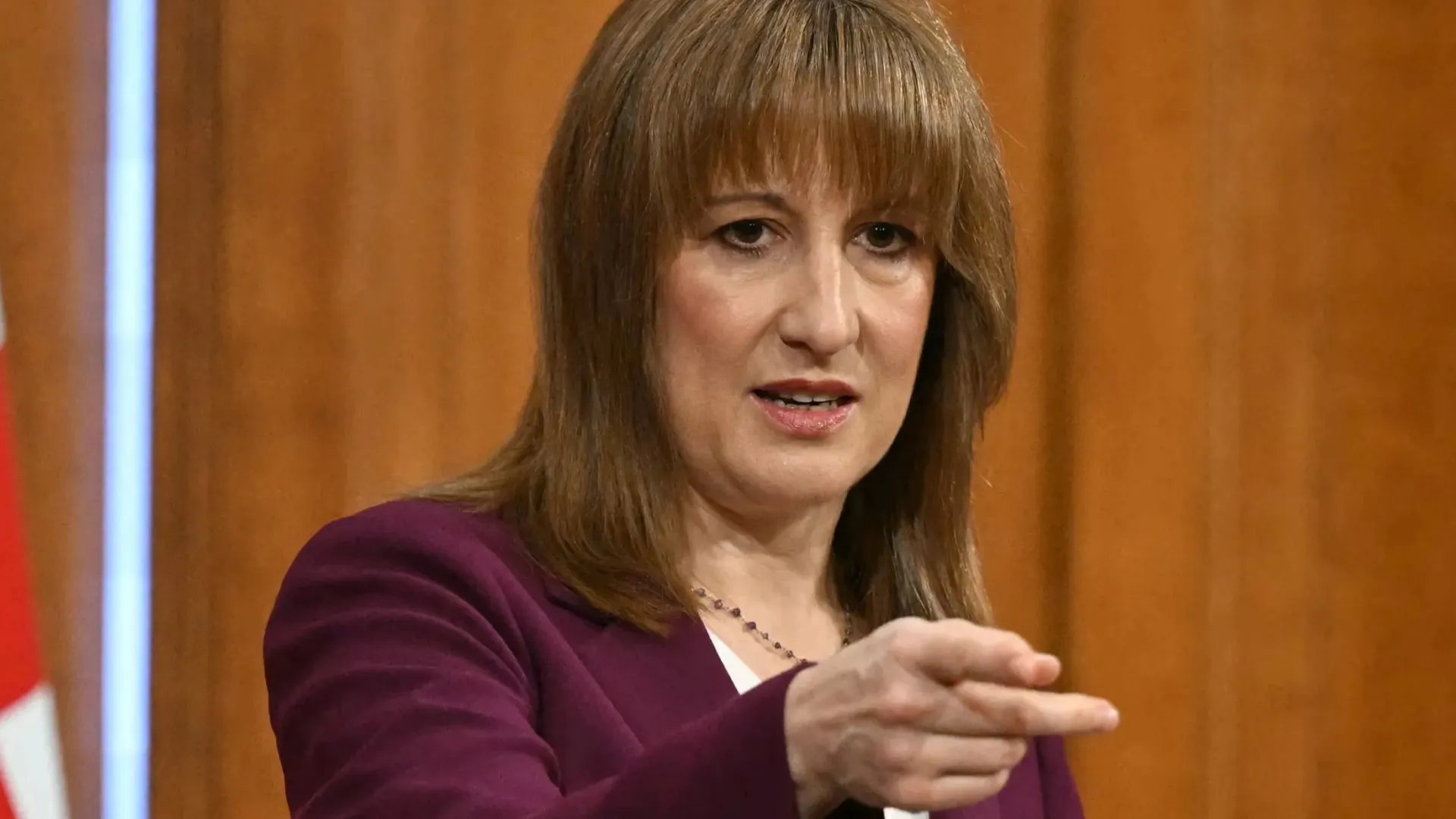
Chancellor of the Exchequer Rachel Reeves is set to deliver the Budget next week (Leon Neal/PA) (PA Wire)
Ruth Gregory at Capital Economics said: “The risk is that the fourth quarter isn’t a golden one for retailers and that higher taxes in the Budget restrain retail spending over the crucial festive period and going into next year.”
Why has there been focus on the Government’s ‘fiscal hole’ and what does this mean?
The so-called “fiscal hole” is the gap between the Government’s projected spending and its projected revenues, typically through taxes or borrowing.
This is particularly important for the Government as it seeks to meet the fiscal rule that it must balance spending and revenues over the next five years.
Economists have predicted that a significant “fiscal hole” has grown since the last spending review, with spending reductions lower than expected because of failures to pass welfare cuts, increased borrowing costs and expected readjustment to productivity forecasts.
Nevertheless, reports have suggested that original predictions of a roughly £30 billion fiscal hole have now been reduced, with the Financial Times indicating the OBR think this will be nearer to £20 billion.
Last week, reports indicated the Government would therefore not push forward with expected increases to income tax as they did not need to raise as much money in order to plug this black hole.
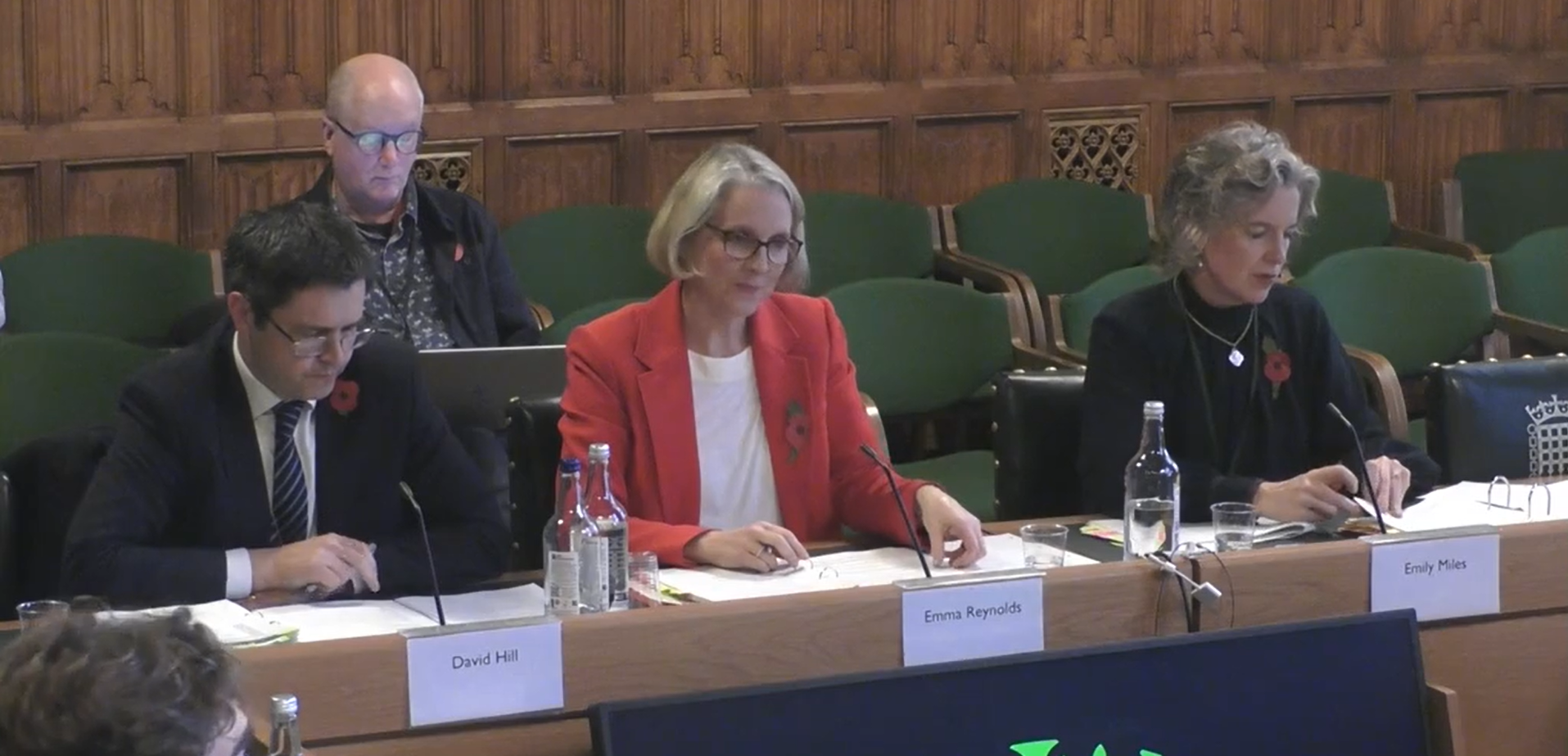
On Wednesday, the Office for Budget Responsibility will reveal how much money new spending reductions or tax increases will generate in order to address this.
It will also unveil its latest forecasts for key economic metrics such as economic growth, unemployment and inflation.
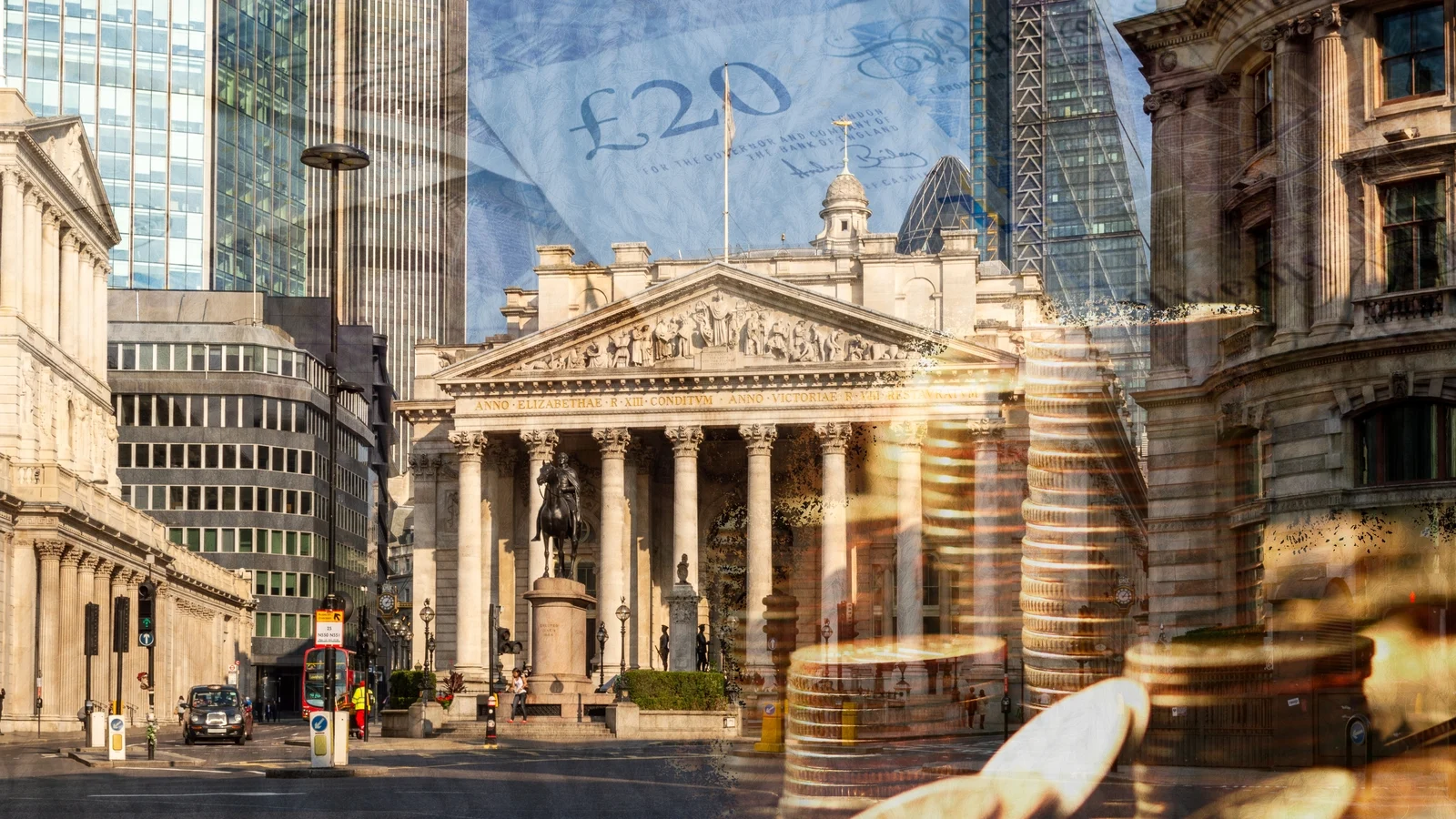
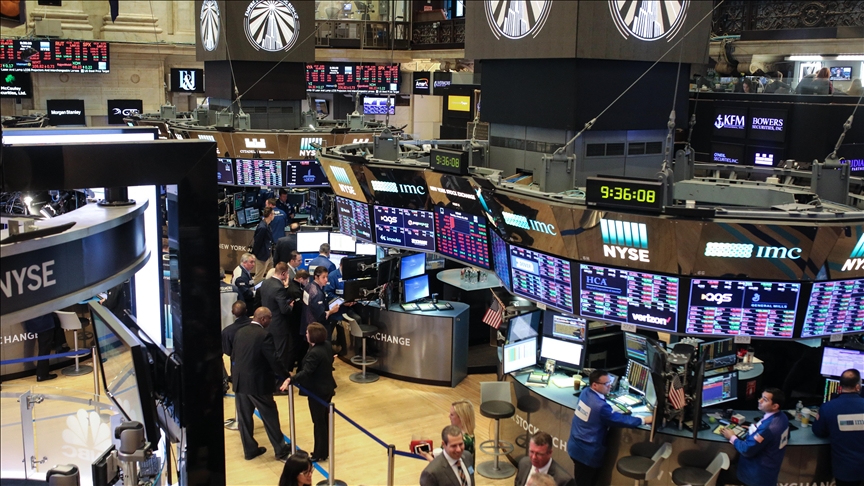
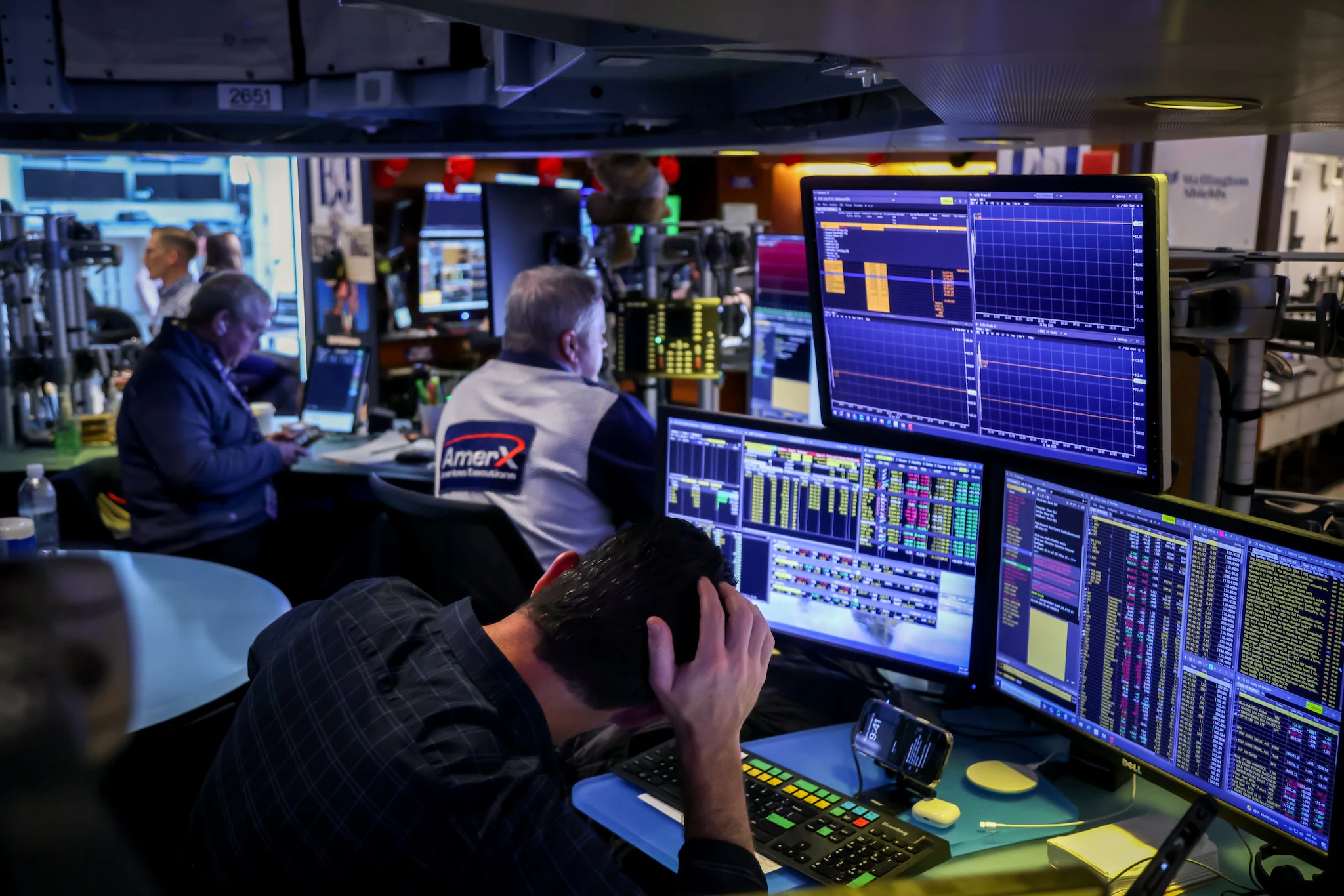
Will the Budget be important for the financial markets?
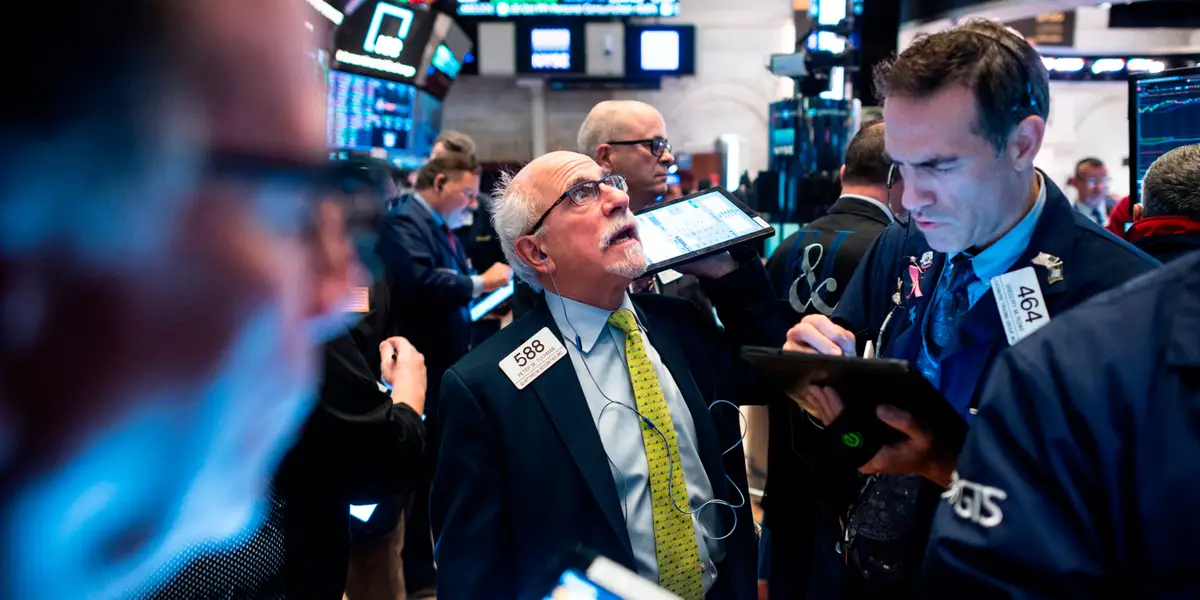
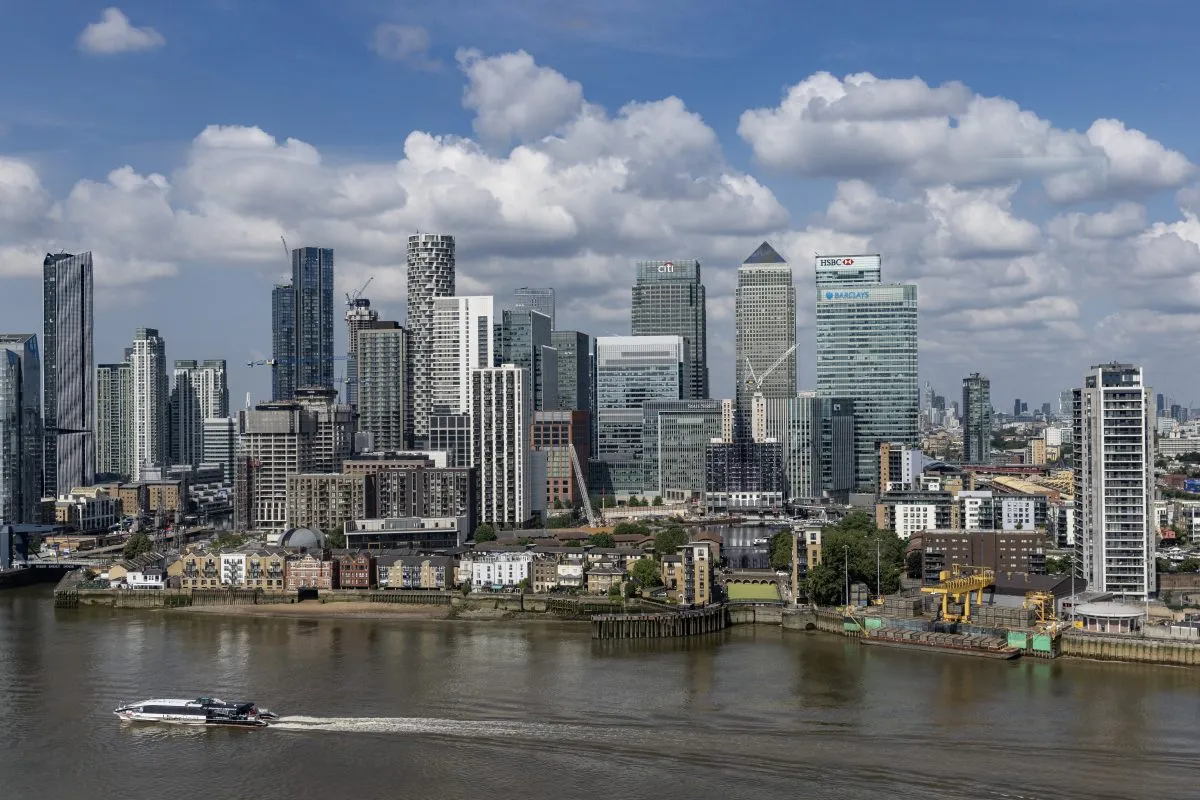
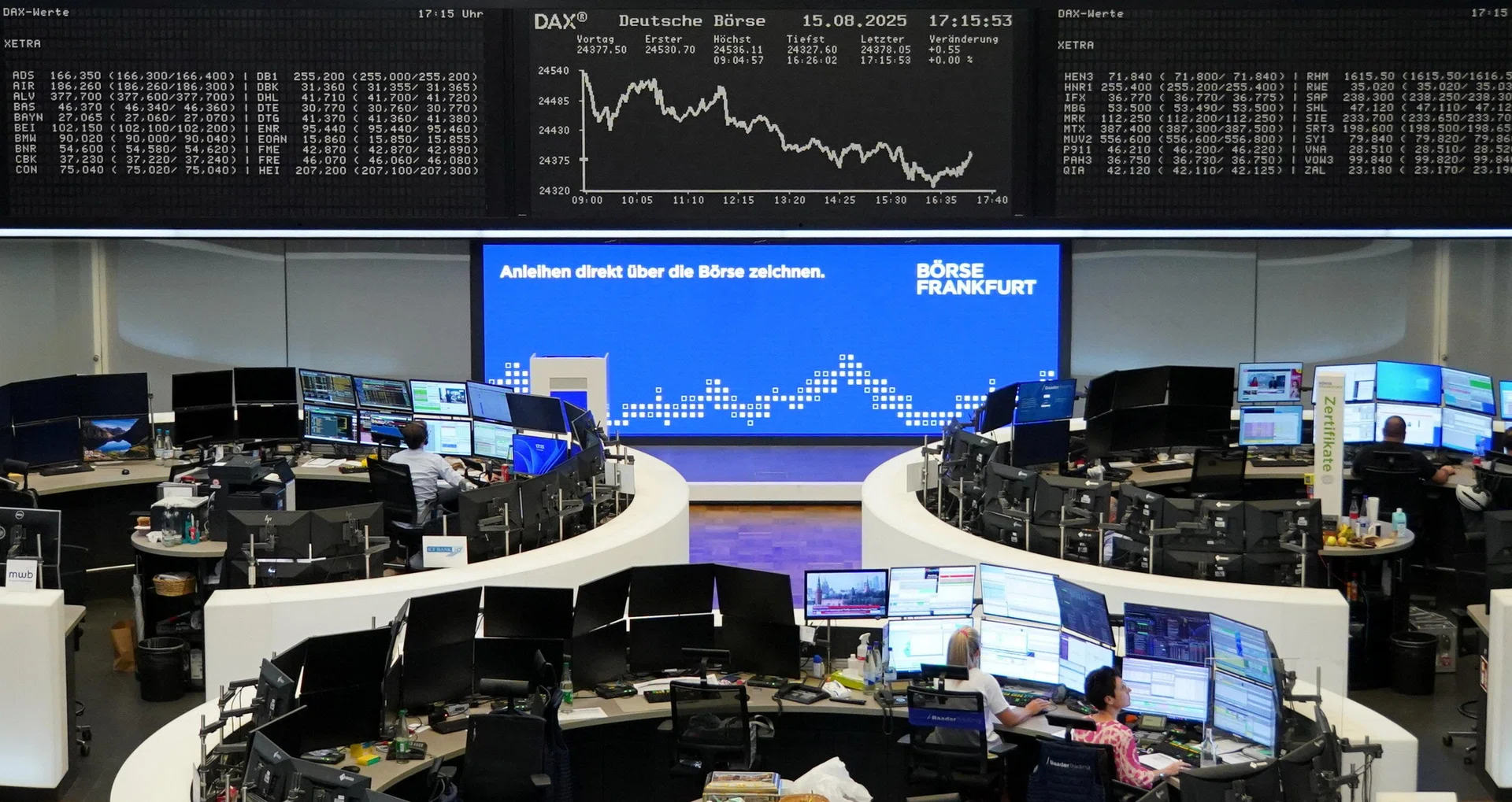
The Budget can impact trading in the financial markets, as has significant speculation about potential policy decisions.
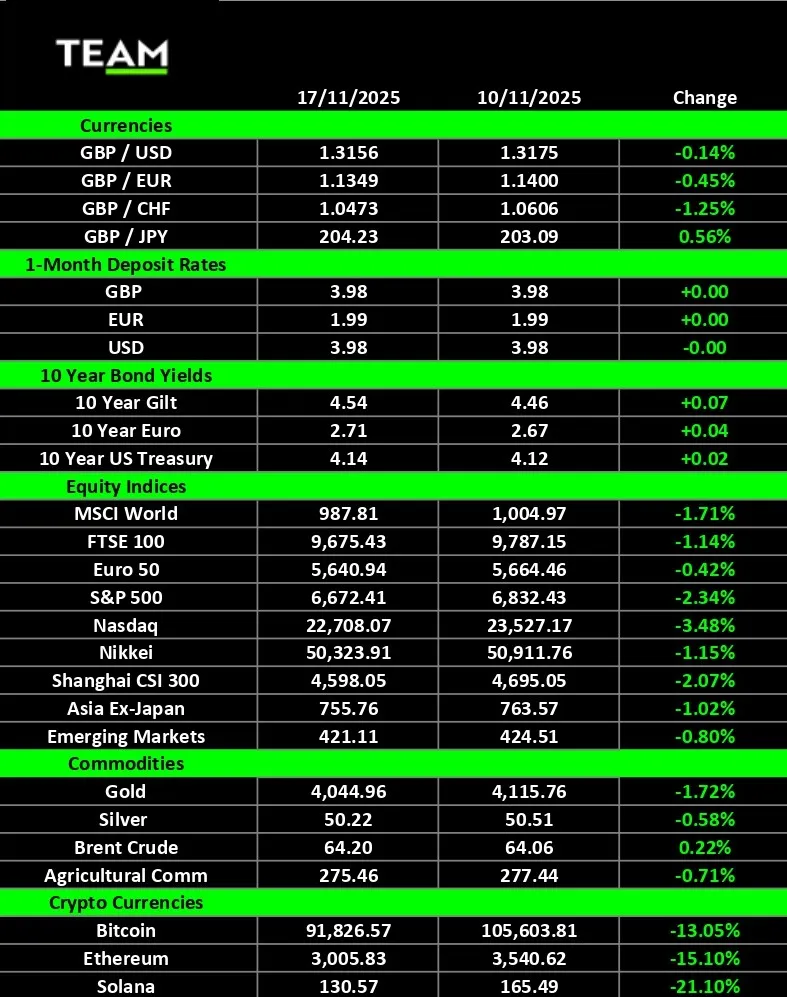
Typically, the value of the pound and the price of gilts – government bonds – are the most likely to be influenced by budget policy.
Gilt yields, which rise as prices fall, ticked higher earlier this week but are still significantly lower than earlier this year as borrowing costs have drifted lower amid lower interest rates.
Both the pound and gilt prices tend to reach positively to cautious spending commitments and limited tax changes, particularly if they believe tax policy is likely to hamper economic growth or wider investment.
The FTSE 100 and other domestic equity indexes do not tend to be directly impacted by changes in domestic policy, although they can be influenced by fluctuations in the pound.
Stocks in specific sectors which are targeted by policy could however move in value.
For example, listed gambling companies have seen speculation of increased levies on sports betting press down on their share value.