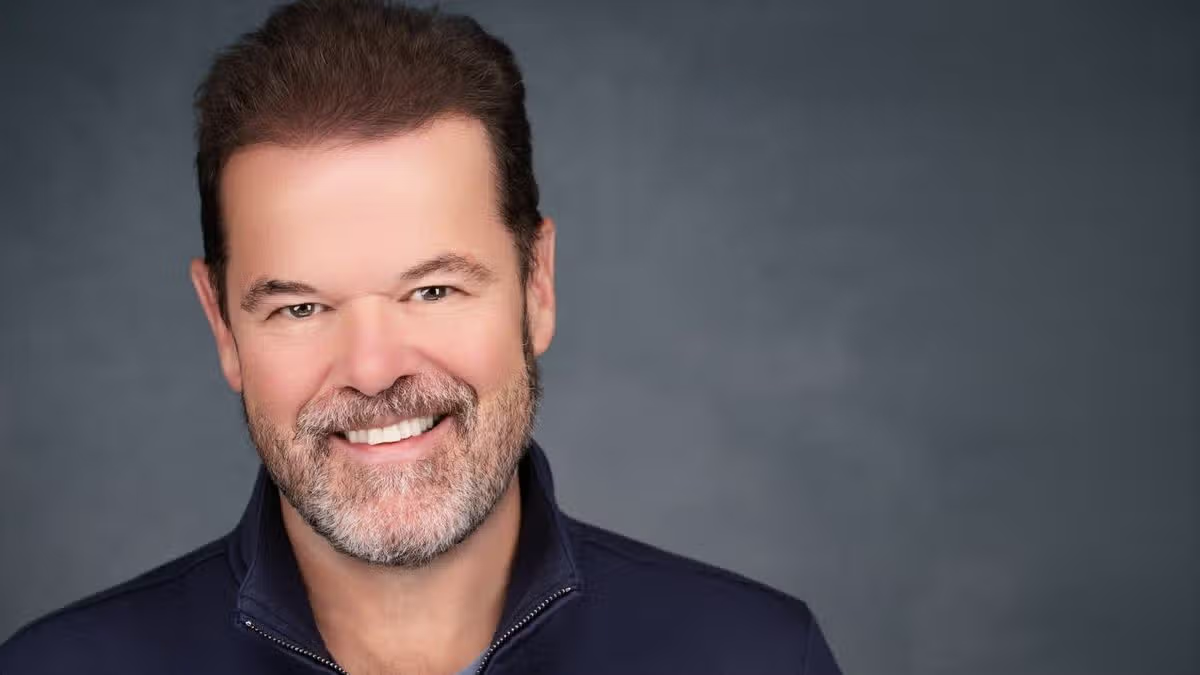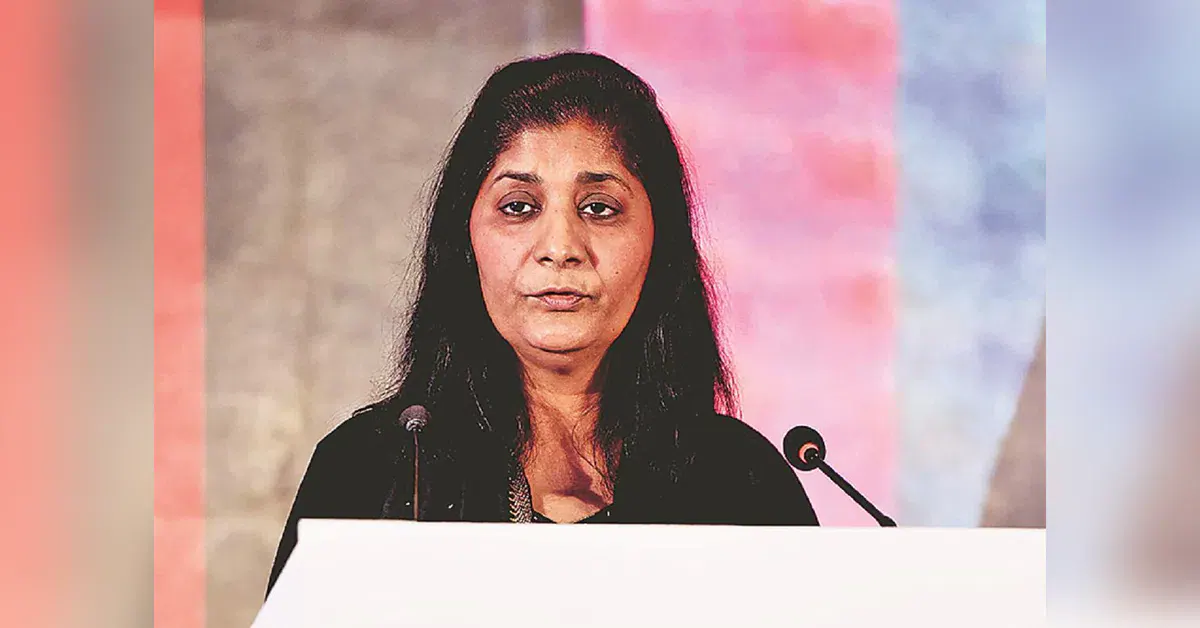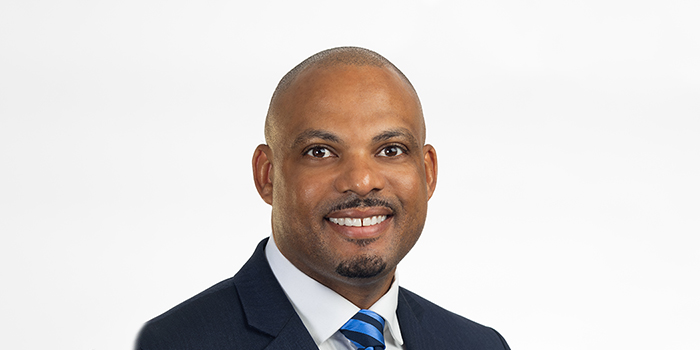
Aman Gupta, Managing Partner, Health Practice Asia Lead at SPAG FINN Partners, a leading global integrated marketing & communications agency

What happens when the influencers we follow stop influencing and start misleading? That’s the billion-dollar question haunting today’s creator economy. We live in an era where a single post can sway purchasing decisions for millions, yet consumer trust in influencer content is waning.
The influencer marketing market is experiencing rapid expansion. Valued at $31 billion in 2025, it is expected to surge to $121.8 billion by 2030, reflecting an impressive compound annual growth rate of 31.42% during this period. The Asia-Pacific region is the fastest-growing influencer market, with an expected 35% CAGR, driven by increasing digital adoption, high social media penetration and rising brand investments in influencer-led campaigns.
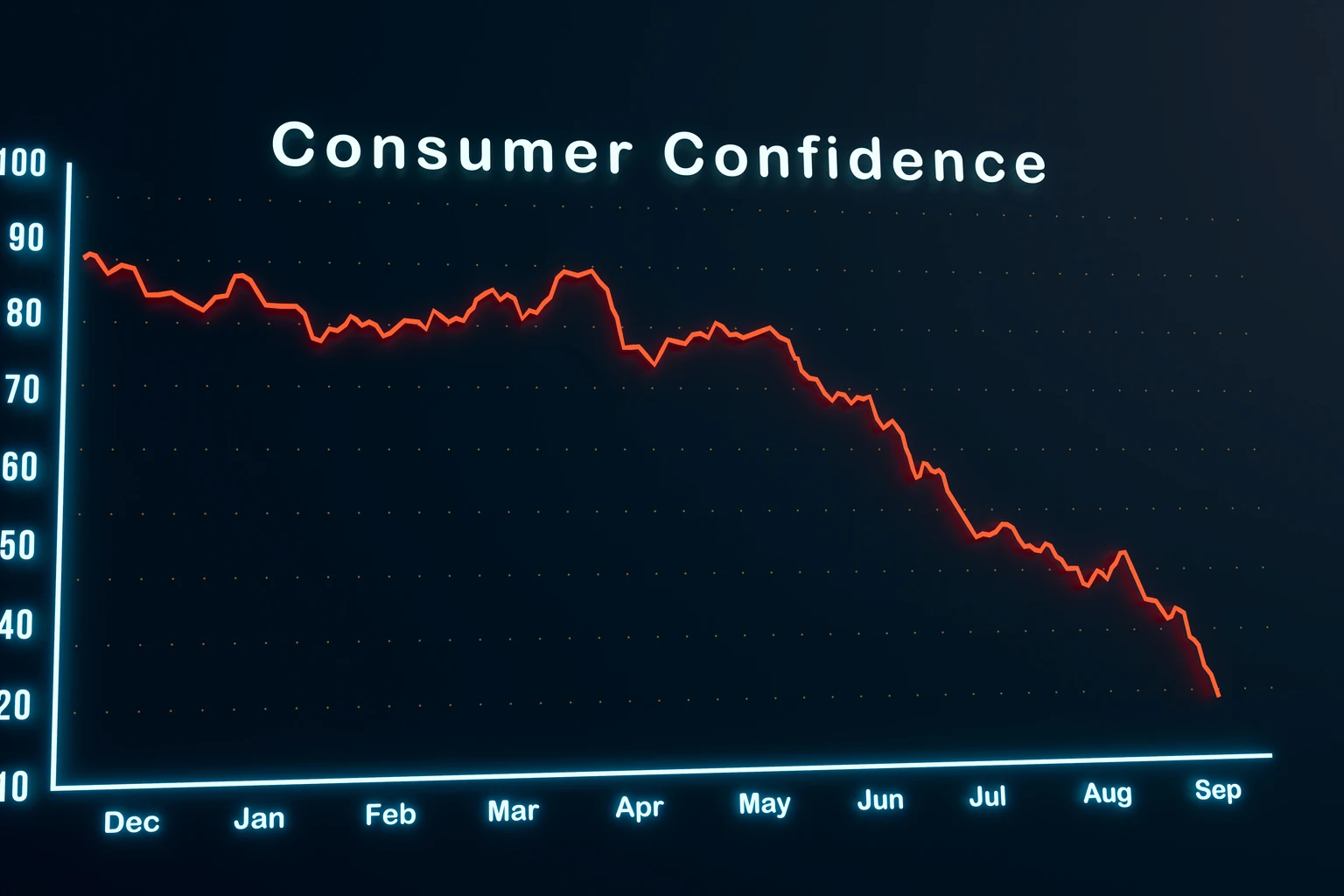
However, audiences are becoming more skeptical of the very voices driving this growth. The reason is a widening trust gap. From staged authenticity to undisclosed sponsorships, audiences increasingly sense when influence is manufactured rather than earned. This erosion of trust is not just bad for consumers; it’s catastrophic for brands that invest heavily in influencer campaigns, only to watch them backfire.
Why Trust Is The New Currency Of Influence
In the early days of influencer marketing, reach was the holy grail. Brands raced to secure collaborations with creators boasting millions of followers, often with little regard for audience alignment or authenticity. This resulted in campaigns that looked flashy on paper but yielded little real impact.
Today, consumers have grown savvier. They don’t just want to know what influencers recommend; they want to know why they should believe them. In other words, likes and views no longer cut it. Trust is the true currency of influence. Yet trust is also what’s most at risk in today’s crowded creator economy.
Consider these real-world missteps:
• Fyre Festival (2017): Marketed by models and celebrities as a music festival in a luxury paradise, it ended in chaos and lawsuits. The scandal revealed how influencer promotions can sell a dream that has no basis in reality.
• Kim Kardashian’s Crypto Asset Post (2021): When Kardashian promoted a crypto asset security to her followers, regulators fined her for failing to disclose that the post was paid. It led to public backlash and eroded trust in both Kardashian and the product.
These cases demonstrate that influence without credibility is just noise.
The three big reasons for the erosion of trust in influencer marketing are:
1. Vanity Metrics Over Value: Brands have long prioritized follower counts and engagement rates, assuming bigger numbers meant better ROI. But inflated numbers, fake followers and shallow likes don’t build trust; they mask the lack of it.
2. Compliance And Transparency Gaps: Many creators still fail to disclose paid partnerships, leaving audiences feeling duped. In regulated industries like health and finance, this is dangerous.
3. Mismatch Between Brands And Creators: The influencer who’s perfect for a fitness brand may be a disaster for fintech. Without audience overlap, cultural alignment or topical relevance, even authentic creators can come across as forced or inauthentic.
Closing The Gap From Virality To Value
If the trust gap is today’s biggest challenge, brands can close it by moving from virality to value—by building influencer strategies rooted in credibility, compliance and cultural resonance.
This is exactly why my team designed our FINNFluence approach. Built on strategic influence rooted in trust, intelligence and performance, it rejects the outdated obsession with vanity metrics. Instead, it shifts the narrative from reach to relevance, from likes to lasting impact, and from one-offs to measurable, brand-safe partnerships.
At its core is the S.C.O.R.E. Trust Model, a proprietary framework that evaluates influencers across five trust dimensions:
• Signal Quality: Is their content credible and consistent?
• Compliance And Authority: Do they follow regulations and have domain expertise?
• Overlap With Audience: Does their community align with your target market?
• Relevance Of Content: Is their subject matter authentic to your brand values?
• Engagement Depth: Do they spark genuine dialogue and influence?
By applying this trust-first lens, brands can safeguard themselves from reputational risks while ensuring campaigns resonate with the right audiences.
Realignment Through Compliance And Culture
But scoring systems alone won’t solve the trust gap. Brands must also rethink their approach in two critical areas:
1. Compliance As A Competitive Advantage
With bodies like the Federal Trade Commission and the Advertising Standards Council of India tightening guidelines, brands should embrace compliance as a brand safety imperative. Working only with influencers who disclose transparently, hold relevant credentials and respect regulations is smarter.
2. Cultural Context As A Core Strategy
Influence doesn’t happen in a vacuum. The same campaign that thrives in Mumbai may flop in Milan. By factoring in cultural nuances such as language, regional relevance and audience sentiment, brands can ensure authenticity, especially in diverse markets.
Influence That Performs
The creator economy is rapidly evolving, and the next phase will be driven by brands that treat trust as a core key performance indicator rather than an afterthought. This means investing in data-validated influencer discovery and using tools like trust scoring to identify credible creators beyond just their visibility. It also requires building creator ecosystems through long-term partnerships, which foster deeper authenticity and stronger audience loyalty. Most importantly, brands must ensure that they anchor campaigns in purpose. When influencers and brands share genuine values, audiences don’t just purchase products; they believe in the story being told.
The trust gap is real, but it’s also an opportunity. Brands that embrace trust-led influencer marketing can protect their reputations while unlocking influence that performs.
Forbes Agency Council is an invitation-only community for executives in successful public relations, media strategy, creative and advertising agencies. Do I qualify?