Spain is full of pride at being the world’s fastest-growing advanced economy for the second year running. But behind that hearty boom is a weakness that still weighs heavily: Spain’s riven politics.
For while the economy is expanding, there are signs it is not evolving fast enough to sustain the momentum. Toxic domestic politics keeps throwing obstacles in the way.
Polarisation is not unique to Spain, but its visceral brutality in the country stands out. Another problem is potentially more serious: a worrying lack of public policy debate.
In other major economies, knockabout politics can coexist with more grounded discussions on how to tackle pressing concerns about everything from education and housing to red tape and artificial intelligence.
In Spain, the political insults often eclipse the ideas.
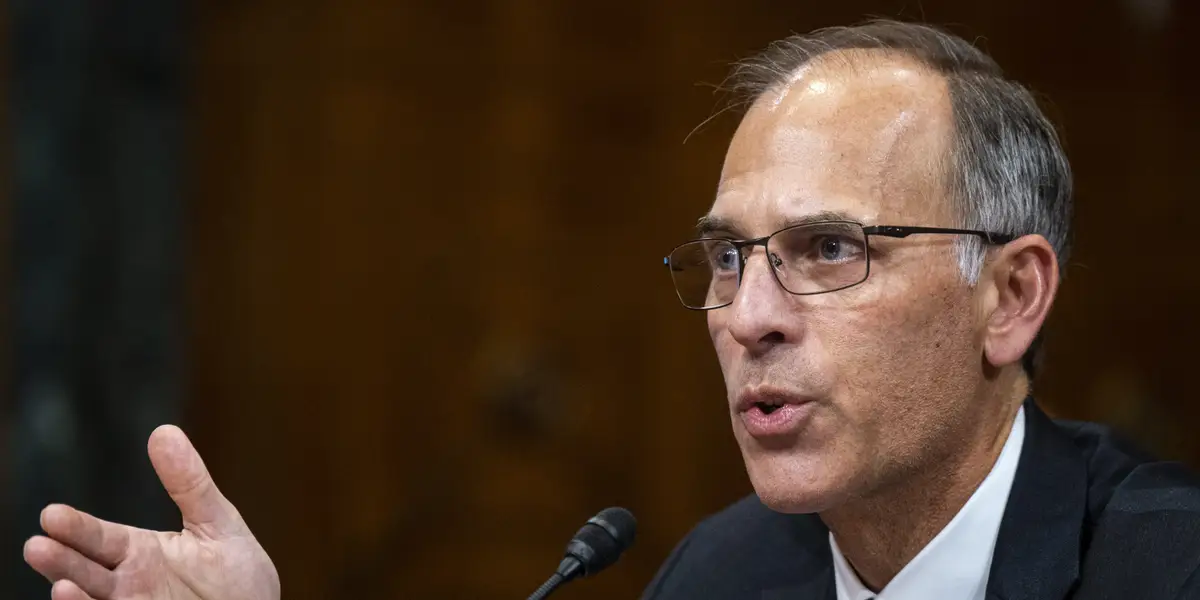
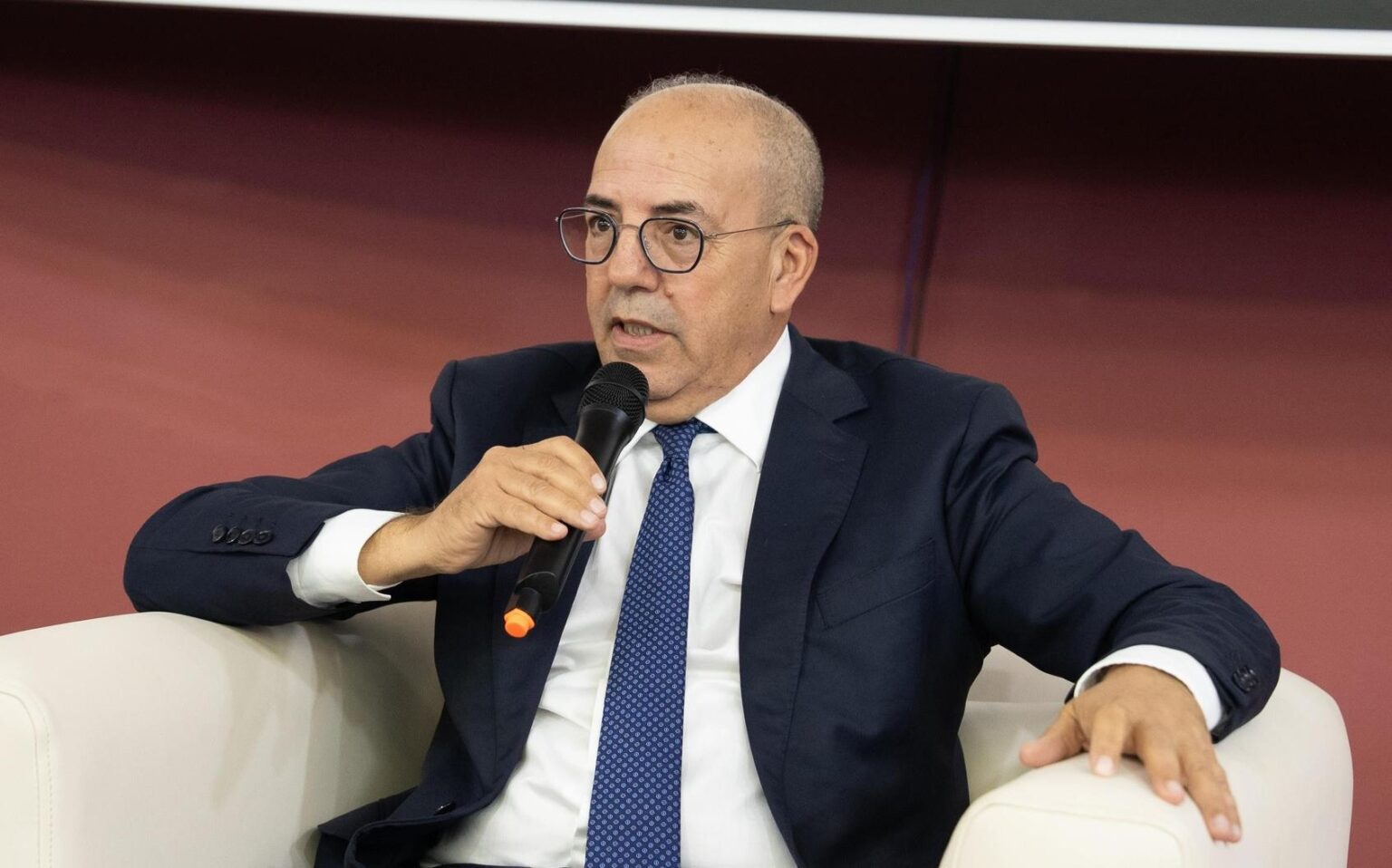
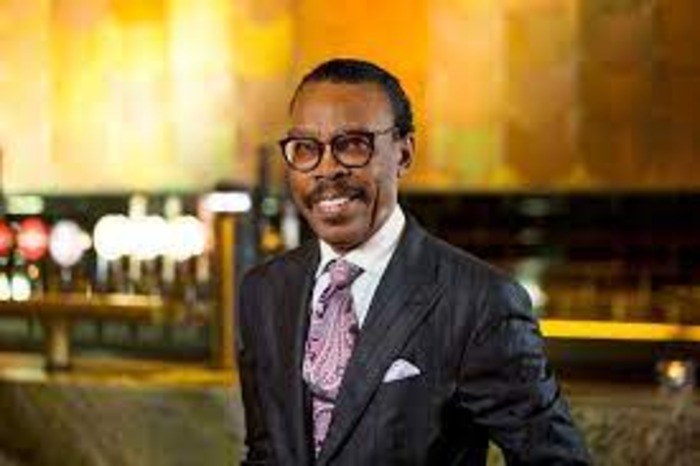
Miquel Roca, 85, one of the last two surviving writers of Spain’s 1978 constitution, blames both Prime Minister Pedro Sánchez’s ruling Socialists and the conservative People’s party (PP) for the intellectual desert.

“They are very comfortable being enemies,” he said. “When I have an enemy, I don’t need an argument.”
Policy vacuums and political polarisation are self-reinforcing. When a government lacks a parliamentary majority, as Sánchez does, policy debate can act as a bridge. It is the search for ideas that can attract cross-party votes and produce legislative reforms.
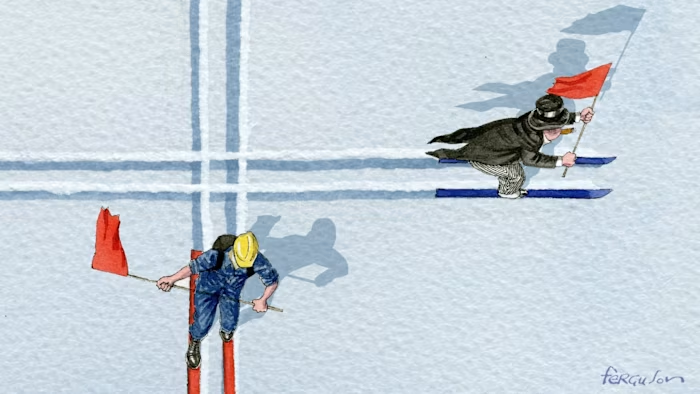
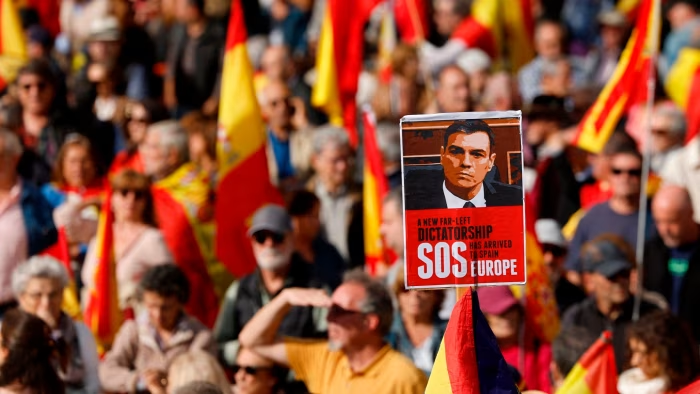
But with proposals rarely seen as anything but dogma, it becomes almost impossible to get Spanish politicians out of their dugouts. The country’s polarisation becomes more entrenched by the day.
Spain on Thursday will mark 50 years since the death of the dictator Francisco Franco, which paved the way for the country’s successful transition from isolated autocracy to prosperous EU democracy.

During that transition, Roca said, he and the other “fathers of the constitution” managed to temper the ideological confrontation between left and right. Now he laments that it has returned with a vengeance.
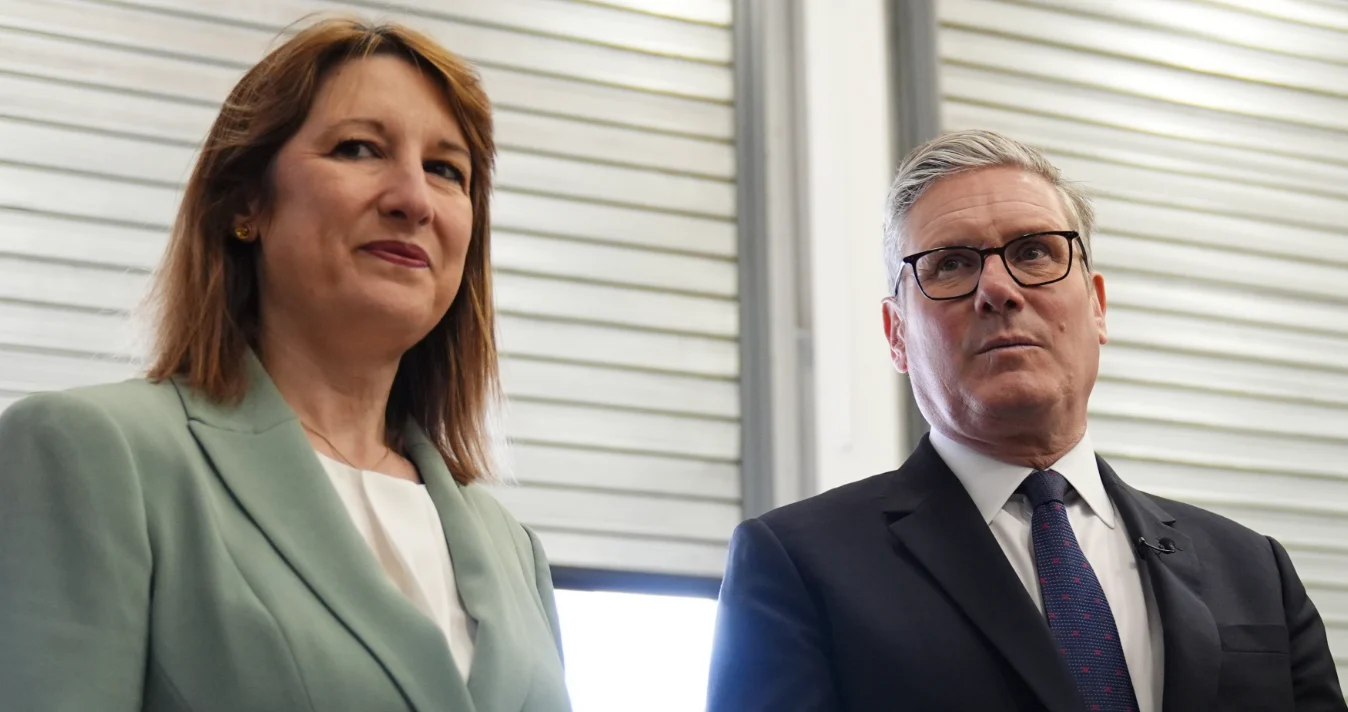
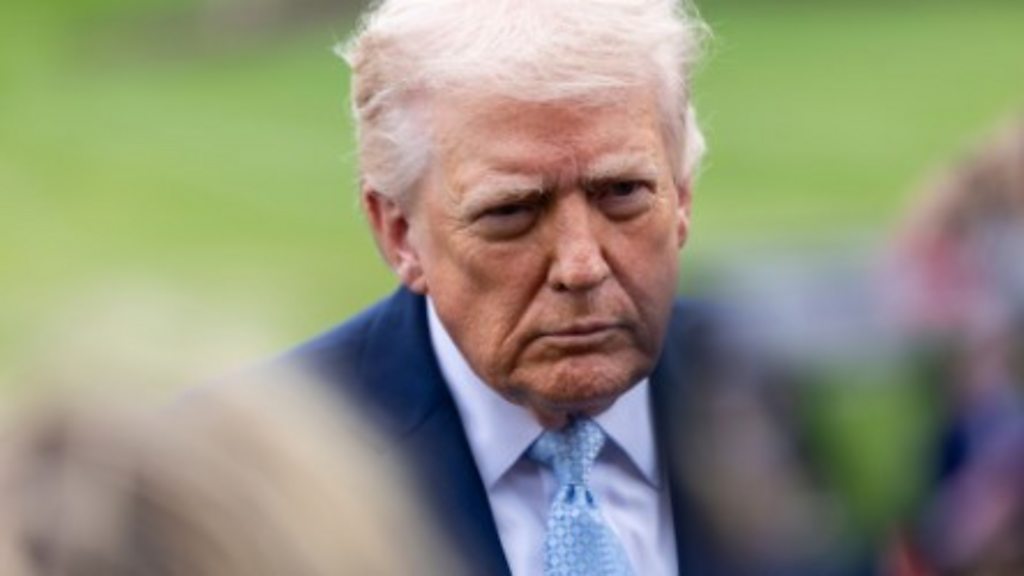
Sánchez has not been able to pass a budget since late 2022. PP leader Alberto Núñez Feijóo, who is losing votes to the rightwing populist Vox party, offers not an alternative plan for Spain but the simple message that everything would be better without Sánchez.
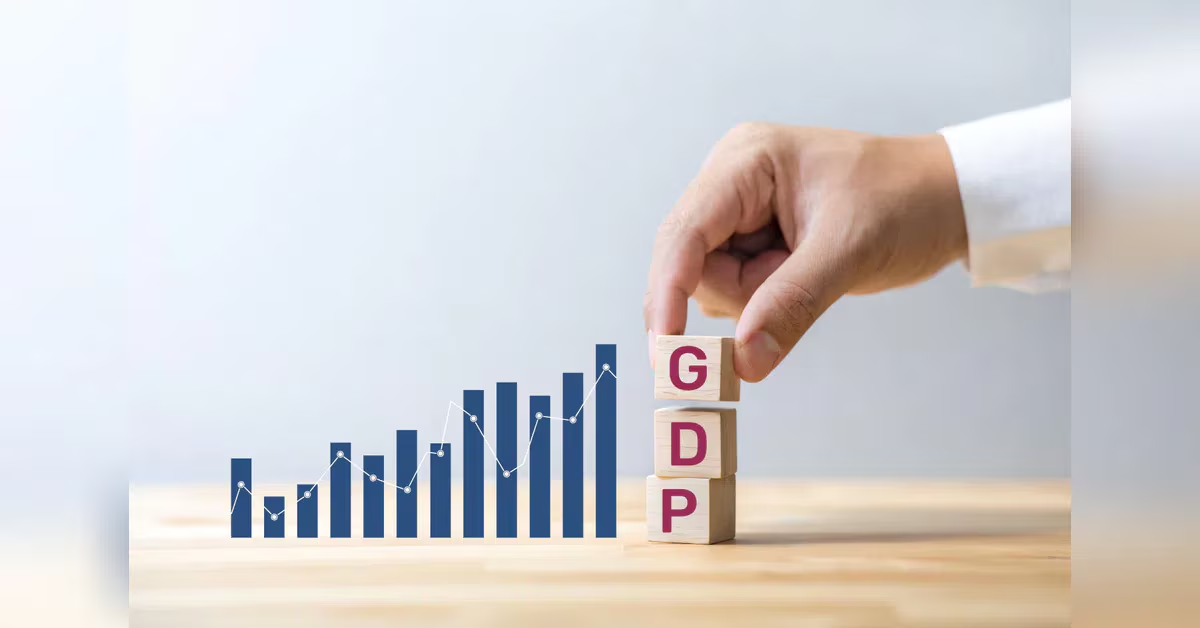
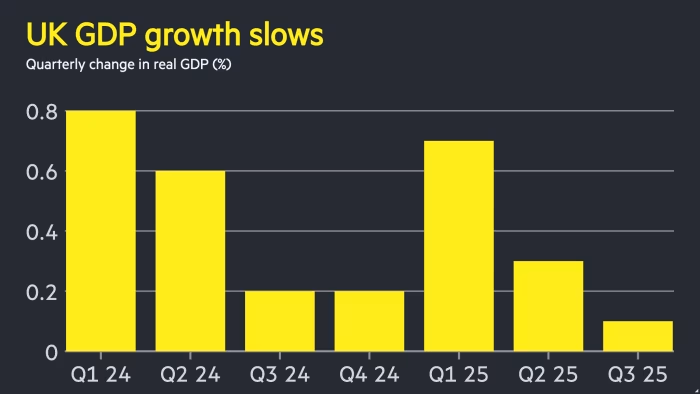
Despite the political gridlock, Spain’s economy is growing faster than its peers — by 3.5 per cent in 2024 and 2.9 per cent this year. That marks a remarkable turnaround from the dark days of the housing crash that began in 2008 and the Eurozone financial crisis.
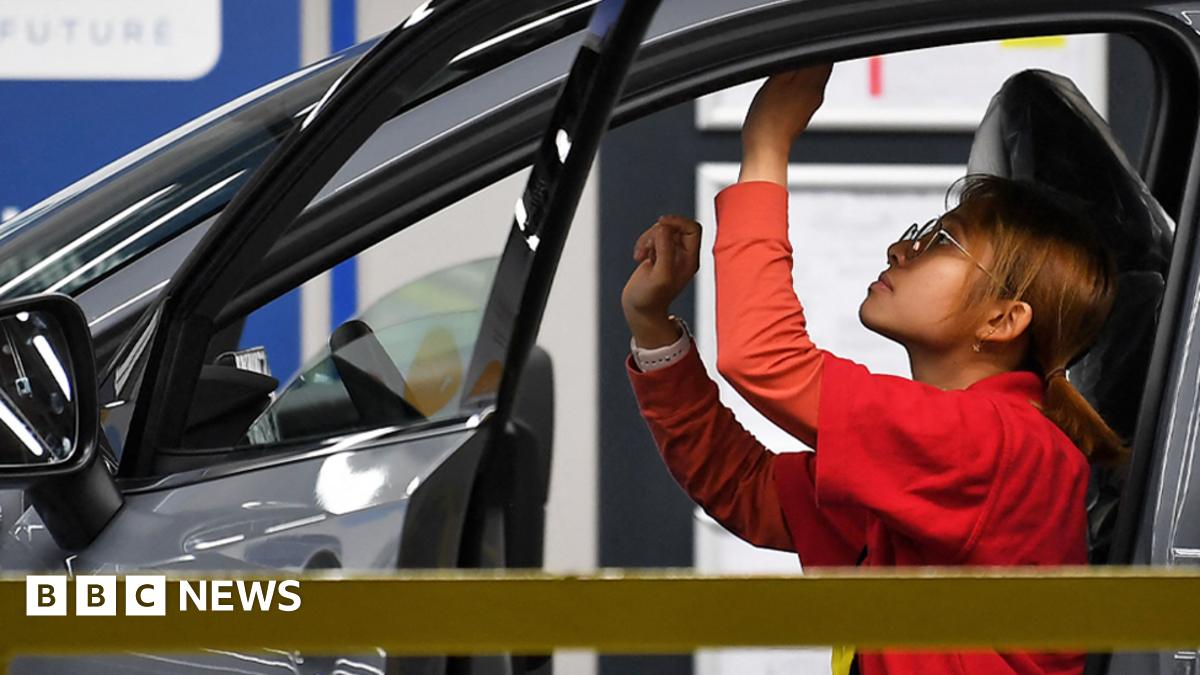
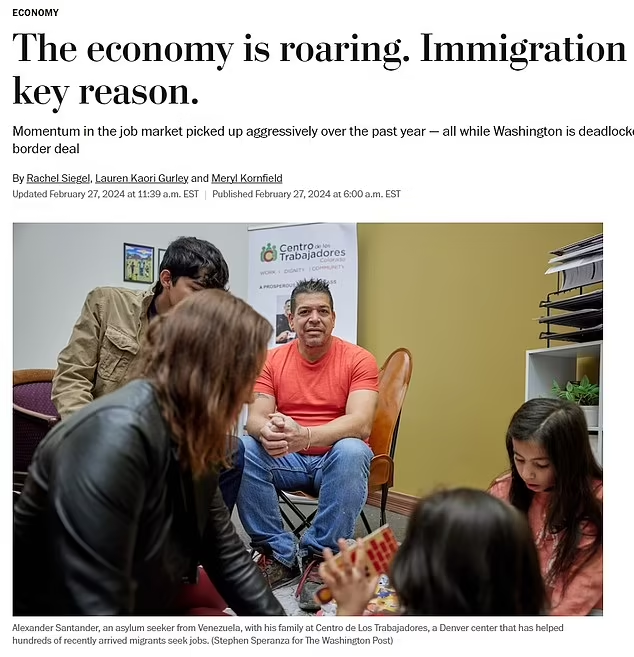
Much of the growth has been driven by an influx of immigrants who have taken low-skilled, labour-intensive jobs, but the economy has changed in some fundamental ways too.
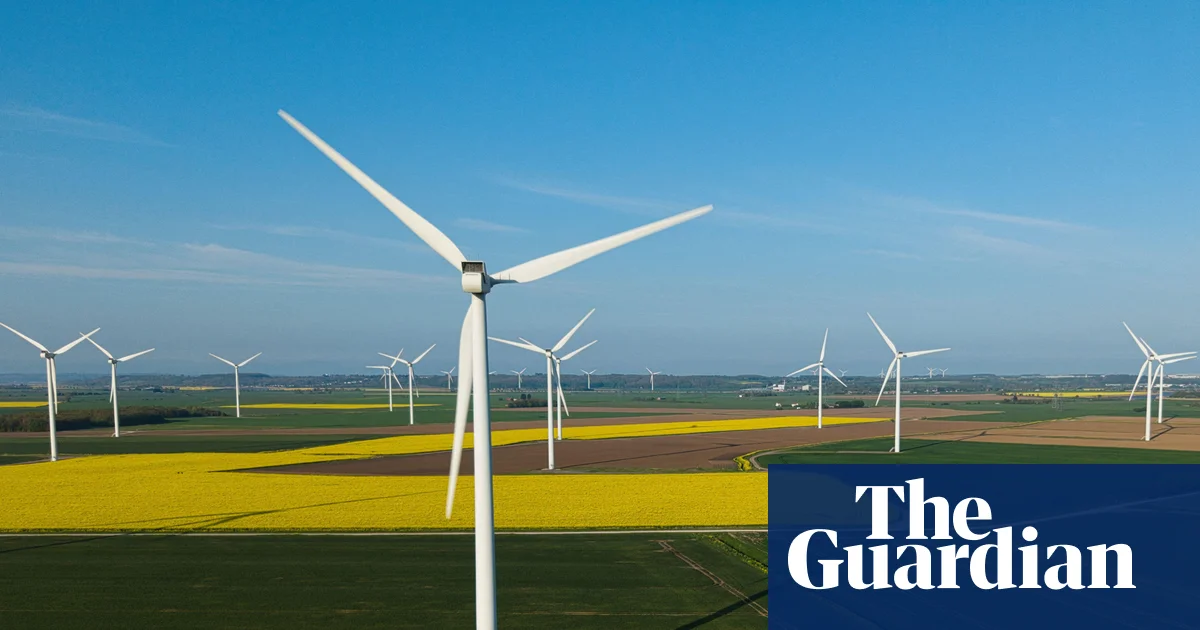
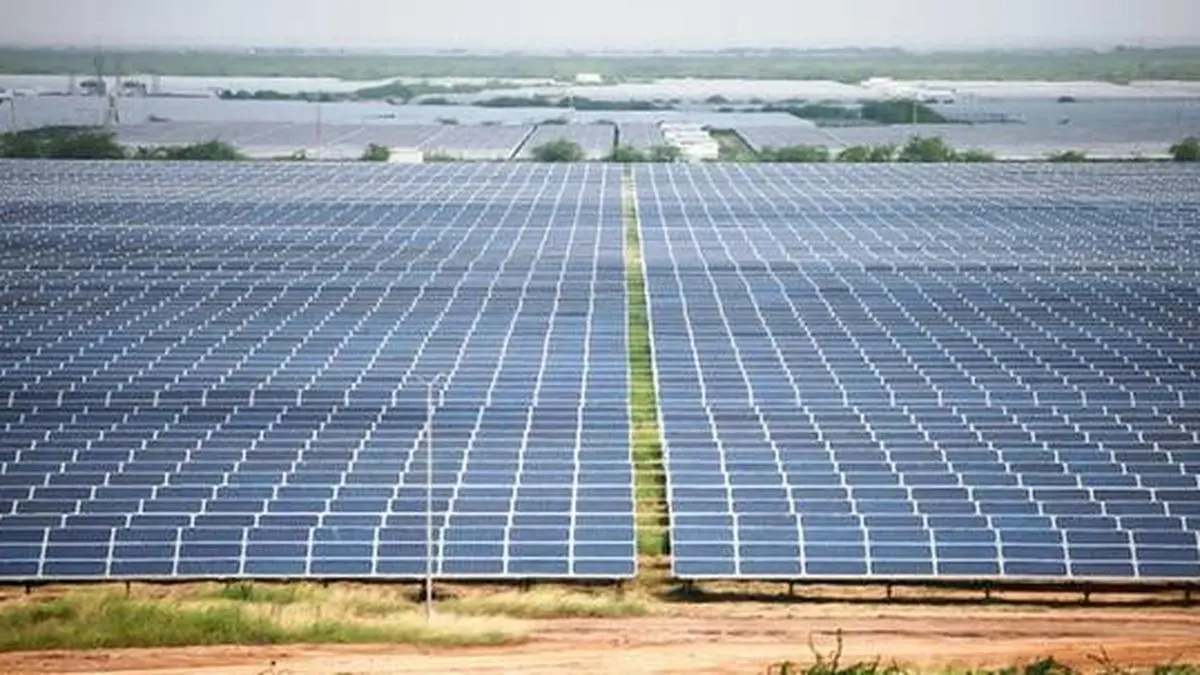
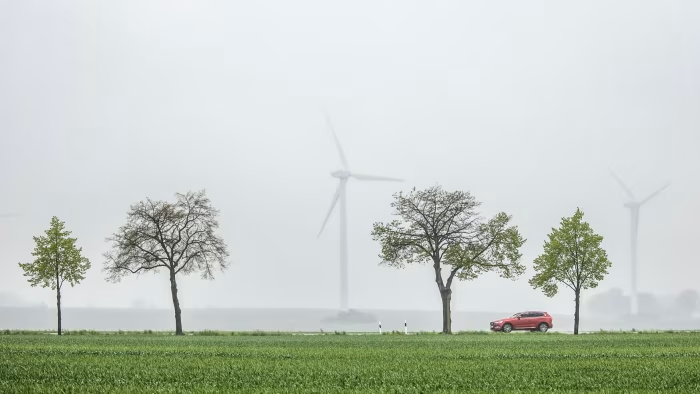
The rollout of wind and solar power, encouraged by the government, has slashed electricity prices and boosted competitiveness. Sánchez’s labour market reforms in 2022 put more temporary workers on permanent contracts, giving them more confidence to spend. Spain has also reduced its dependence on tourism by developing and exporting more financial and professional services, said Filippo Taddei, economist at Goldman Sachs.
But other structural hindrances have not been tackled — or even seriously debated by politicians.
Productivity has edged up a little in recent years but remains troublingly low, a problem attributable in part to weak business investment.
Education is another part of the productivity puzzle: Spain’s schools score poorly by European standards and its universities are, on the whole, not focused on turning students into workers the economy needs. Its unemployment rate of 10.5 per cent is the highest in the EU.
Bureaucracy still makes Spain a difficult place for entrepreneurs, despite some piecemeal reforms. And economists say government rigidity has prevented it from making the most of €71bn of EU grants and loans received so far from the post-pandemic NextGenerationEU programme.

“The intention was to stimulate the economy’s recovery and also transform it,” said Raymond Torres, director of macroeconomic analysis at Funcas, a savings bank foundation. “That transformative part is hard to find.”
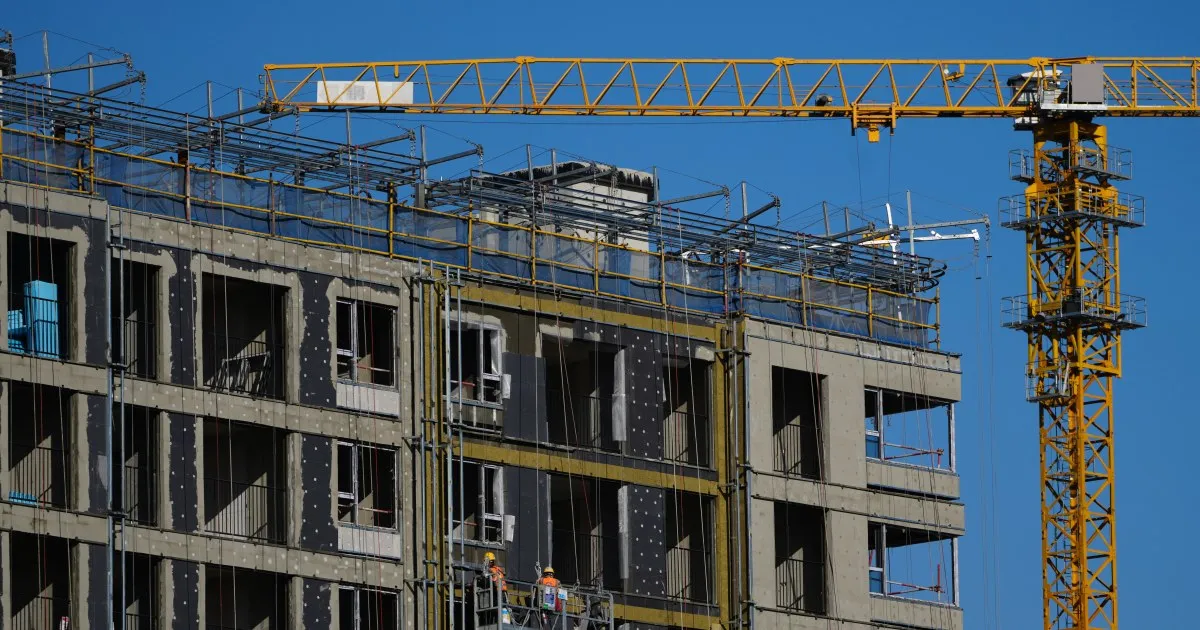
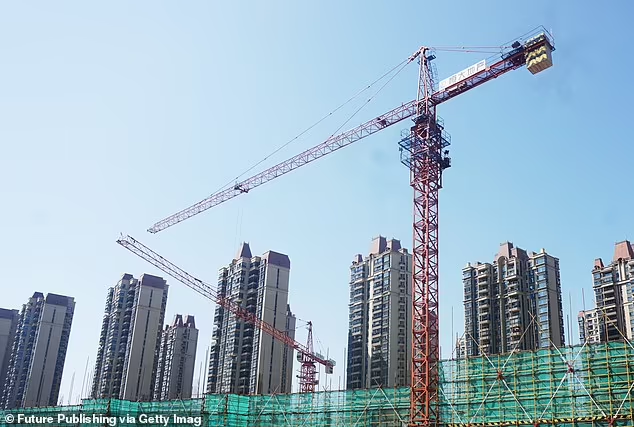
For young people, Spain’s most pressing issue is access to housing, as worsening shortages drive up prices for renting and buying at a rate far above wage growth.
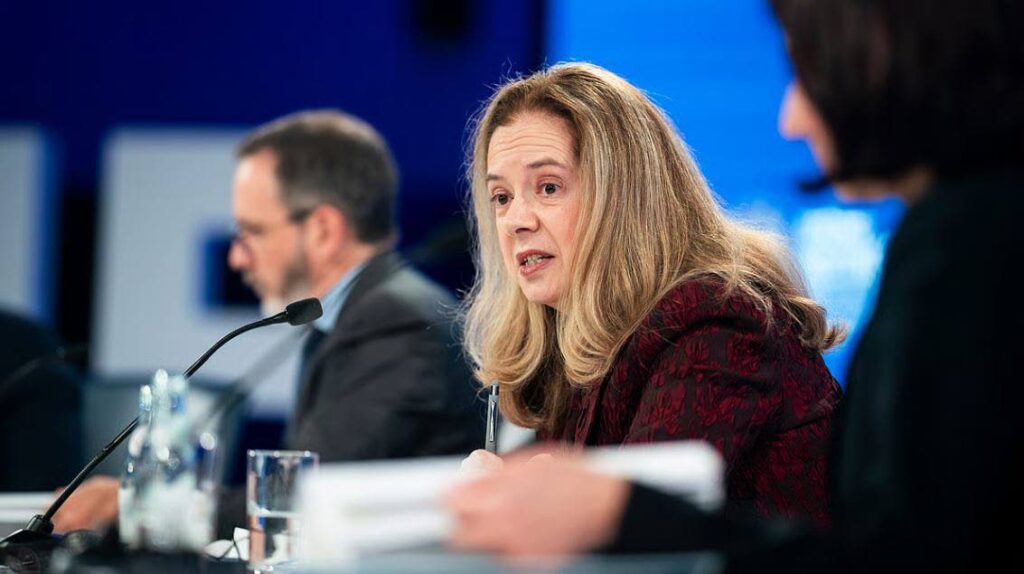
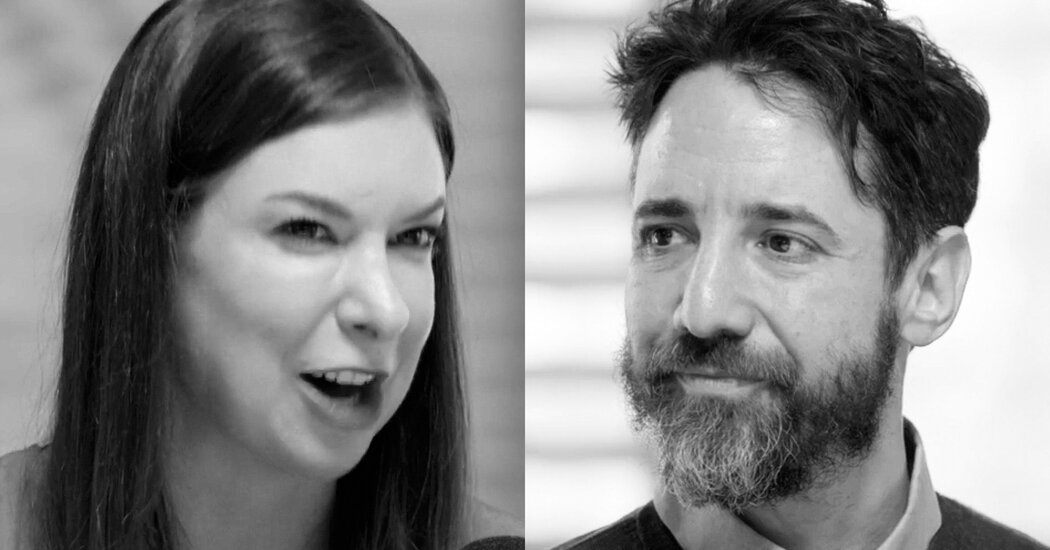
Miriam González Durántez, a trade lawyer drawing up plans for a new political party, said it was impossible to make headway on housing as long as the right opposed any role for the public sector and the left refused to see the private sector as part of the solution. “Take ideology out of the equation,” she pleaded.

Spain’s press does not help. Most newspapers function as unofficial organs of political parties, toeing the official line on the controversy of the day.
There is also a dearth of well-financed independent policy think-tanks because there is no tradition of wealthy people backing them. Zara billionaire Amancio Ortega, Spain’s richest man, is funding proton therapy to treat cancer, not reports on healthcare reform.
Toni Roldán, a former centrist lawmaker with the now-defunct Ciudadanos party, recalls that when Spain was emerging from the Eurozone crisis, there was parliamentary debate about ideas such as minimum income support and negative income tax.
Today, he said, identity politics and regional antagonisms drowned out any attempt to talk policy. “It’s like someone coming into the room with a megaphone.”