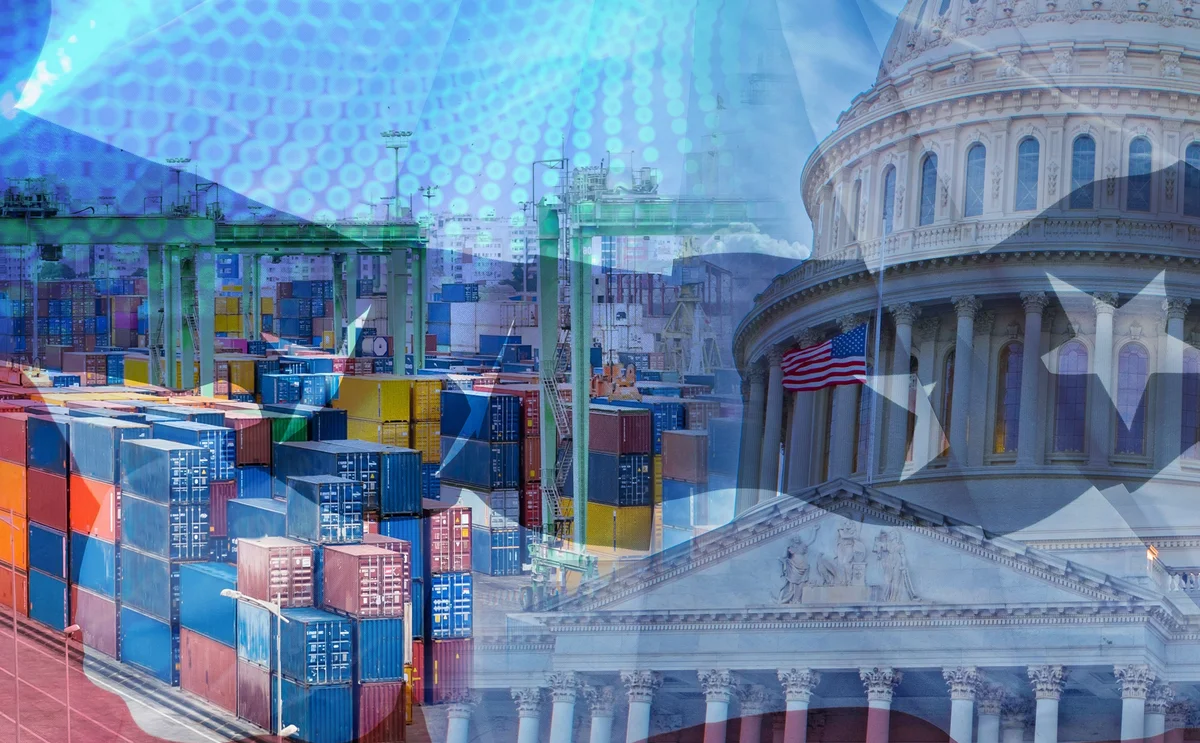

Seven months after trade war talk took over Canada’s news cycle, tariffs remain a primary concern for brokers and insurers dealing with commercial clients, sources tell CU.
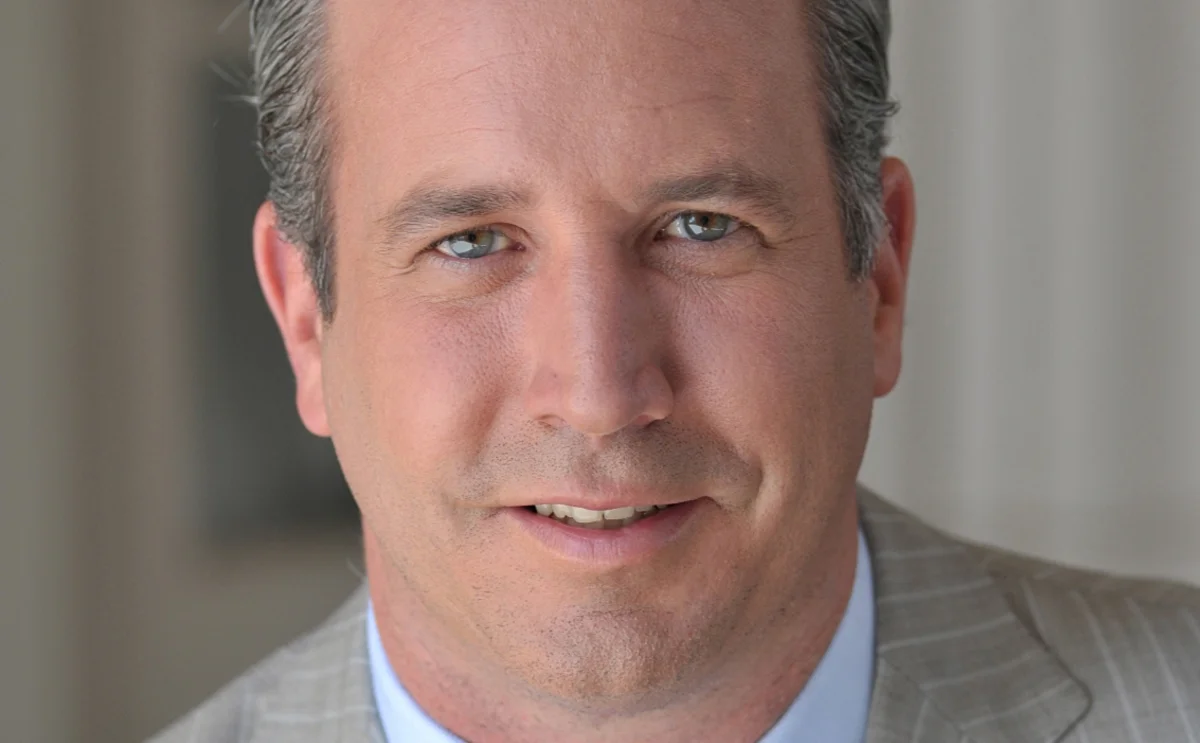
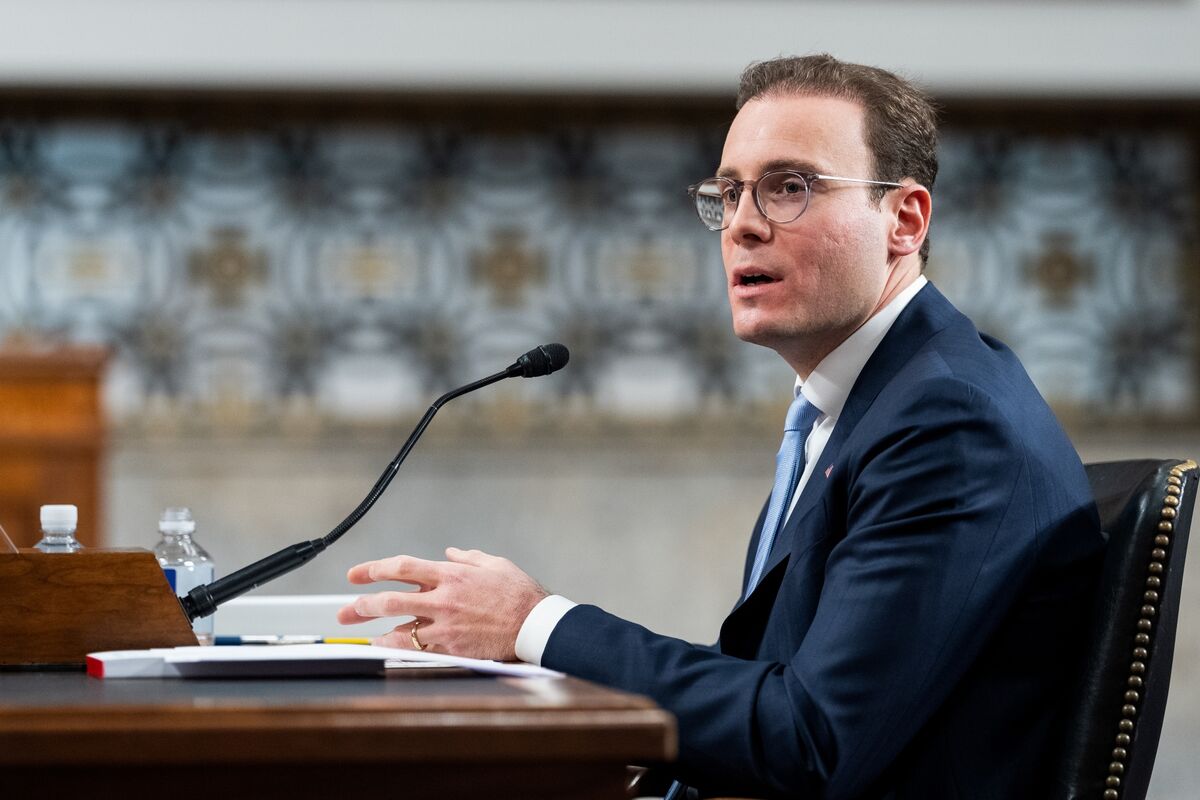
“The biggest issue…that’s directly related to U.S. business risks are tariffs,” says Oren Schemool, who heads professional lines at HDI Global SE – Canada. “[That has an] impact on the Canadian economy directly, as well as concern for insureds that are operating in the U.S. themselves.”
Many companies that are headquartered in Canada have operations worldwide. Schemool notes firms with global operations have to worry about how tariffs will impact the economies in the localities where they operate, and their ability to be able to absorb tariff-driven cost increases.
Related: Tariffs stretch rebuild times, but clients aren’t extending indemnity and BI coverages
“And the next aspect is…if they are going to anticipate a reduction in…worldwide revenues because of tariffs, how is that going to impact on their cost structure?” he asks. “How is that going to impact their risk factor?”
One possibility is that Canadian-based firms now operating in other countries may claw back and decide to reduce the percentage of revenues coming from outside Canada.
“They [could say], ‘instead of having 30% of our revenues outside of Canada, we’re going to decrease [that by] 10%, which means that now 80% of our revenues are going to come through Canada.’”
Related: How Canada’s tariff response spells growth for construction coverages
Another issue is whether those Canadian companies can actually shift their operations to produce 80% of their revenues using domestic sources. And whether that shift would result in a need to cut costs in Canada.
Schemool says he’s also seeing a trend whereby North American clients “are increasingly requesting [that] their suppliers – our insureds – purchase higher E&O limits to satisfy their contracts.
“I believe this stems from an increased sense of uncertainty and they want to risk manage this uncertainty through the use of insurance products,” he adds.
Related: Tariffs hit Canada’s GDP growth – can trade diversify fast enough?
A parallel trend, whereby Canadian firms are exploring options to divert trade away from the U.S. and seek new markets in Asia and Europe, means a shift in business locations could create a need to update coverages.
“As Canadian companies are increasingly conducting business outside [North America], I anticipate a higher demand for locally admitted policies in the various jurisdictions that will better respond to local laws and regulations,” Schemool tells CU.
The insurance industry stands at a pivotal crossroads. Discover how these changes have redefined insurance and risk management – and how carriers must evolve.

Source link