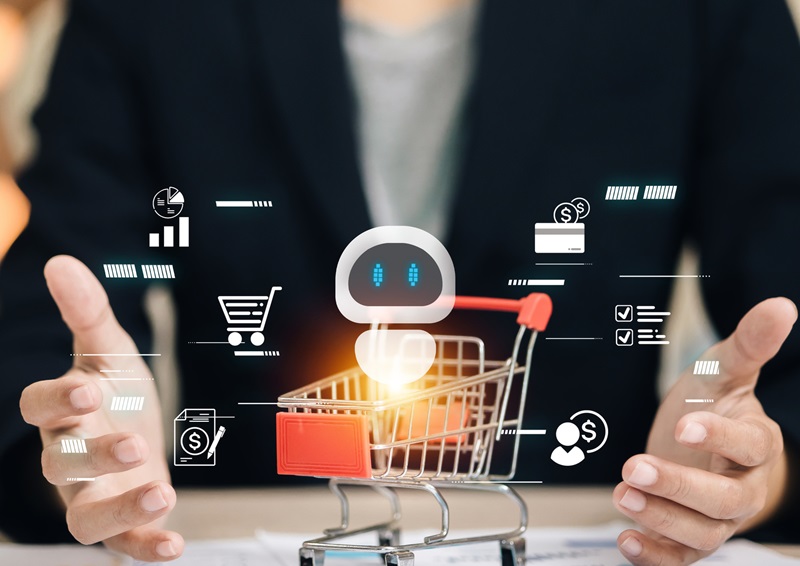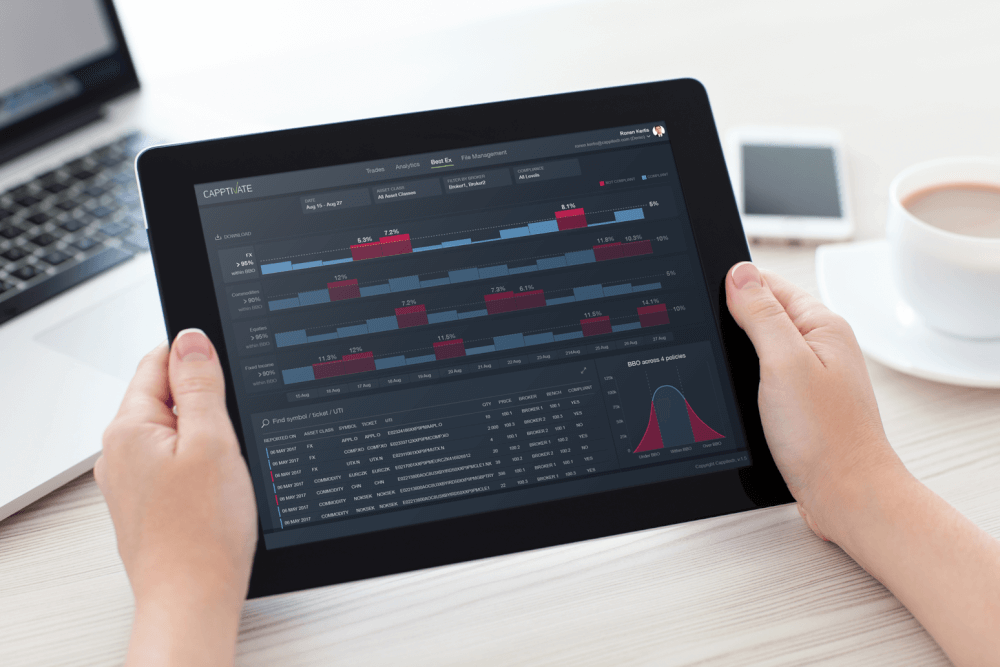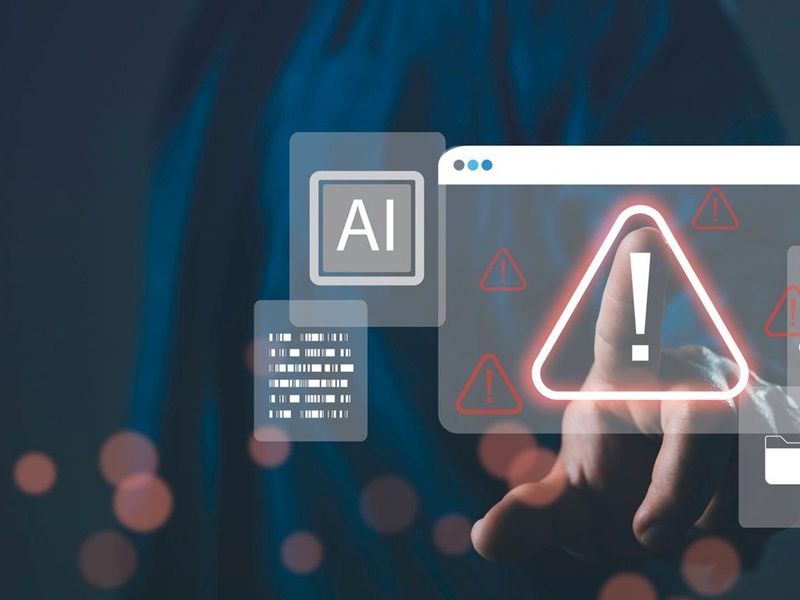
Both before and since President Donald Trump cemented the details of his sweeping import tariffs in August, U.S. businesses have scrambled to find ways to limit the considerable cost increases attributed to the duties. Those levies have jacked up prices on finished imported products and materials, prompting companies turn to businesses developing specialized artificial intelligence (AI) tools that permit importers to keep pace with complex and shifting rules and rates — and reduce their impact on bottom lines.
While the new tariffs generated extra costs and considerable uncertainty for most companies, they’re a growth driver for logistics and customs brokerage businesses. That’s particularly true for relatively young and innovative startups in the sector. They’re now fielding a surge of requests for help from existing and prospective customers not seen since a pandemic-era spike in demand. Increasingly, those and other enterprises are offering specialized AI solutions to analyze the shifting details effecting importing costs — and help clients navigate those and gain insights about their best choices for the future.
Flexport, a San Francisco freight forwarding startup and a 2022 Inc. Best in Business honoree, this week released a slate of AI tools that automate and analyze import data, and allow users to select the best options for their near and long term future. According to a recent Wall Street Journal report on the product launch, the new apps “help retailers and manufacturers comply with rapidly changing tariff policies,” and “analyze customs filings for errors and compliance risks, and that identify ways of reducing future duties.”
The growing selection of AI-powered tech tools focus on dealing with tariff costs and compliance is as diverse as they are powerful. They optimize the timing departures and arrivals of shipments to benefit from lower transport and duty rates, and identify new suppliers in countries that face lower customs duties. Some are so granular they can audit a customer’s machinery and other assets, and identify internal parts that can be replaced with compatible alternatives with lighter levies.
Chicago-based FourKites and New York-based Altana go even farther. Each of those startups create a digital twin of a customer’s supply chain, orders, inventory, and shipments en route. They then use that data to generate real-time risk analyses and recommendations for better and cheaper alternatives — both before and after tariffs are applied.
On the in-house side, Salesforce released a new AI agent earlier this year that client businesses can give to their own customs specialists. The automated tech allows those experts to keep track of and respond to the frequent changes to the tens of thousand import classifications and codes applicable to individual products. Those include raw supplies like steel and lumber, as well as goods assembled from a wide variety of tariff-affected materials.
Whether that AI tech focuses on specific areas of importing and tariffs, or provides a wider range of ways to assist importers, their objectives generally cover similar ground. That usually means optimizing procurement, automating product classification analysis, and ensuring compliance with U.S. Customs rules.
They also forecast a company’s developing demand for imports, then simulate freight rates for various dates to limit transport costs. Their automated preparation of customs forms using updated official rules decreases the risks of errors that can stick companies with higher duties, while speeding the clearance of shipments once they arrive.
Why should smaller businesses consider paying for AI tools to improve their supply chains and minimize the additional costs tariffs create? Because some companies risk spending even more if they don’t get that help.
According to a recent Reuters report, many legacy players in the roughly $5 billion U.S. customs brokerage industry are increasing the $4 to $7 fees they previously charged for every code number corresponding to imported products they declare for customers. The new hikes tend to add from $1 to $5 per code, with international logistic giants like UPS, FedEx, and DHL similarly increasing rates.
At the same time, all those businesses are also reinforcing their teams overseeing U.S. customs processing in response to higher demand, and updating their computer systems. Those investments are almost certain to be passed along to importing customers in the final bill they pay, further bloating the costs of tariffs.
Consequently, using AI to automate, oversee, and respond to frequently changing customs rules — and improve importers’ supply chain strategies in the process — may turn out to be the most productive and cost-effective choice for many businesses.
That same conclusion by a growing number of companies has allowed Flexports to already double its 2024 gross profit from customs brokerage this year, the Journal said. That’s expected to rise even higher in 2026.
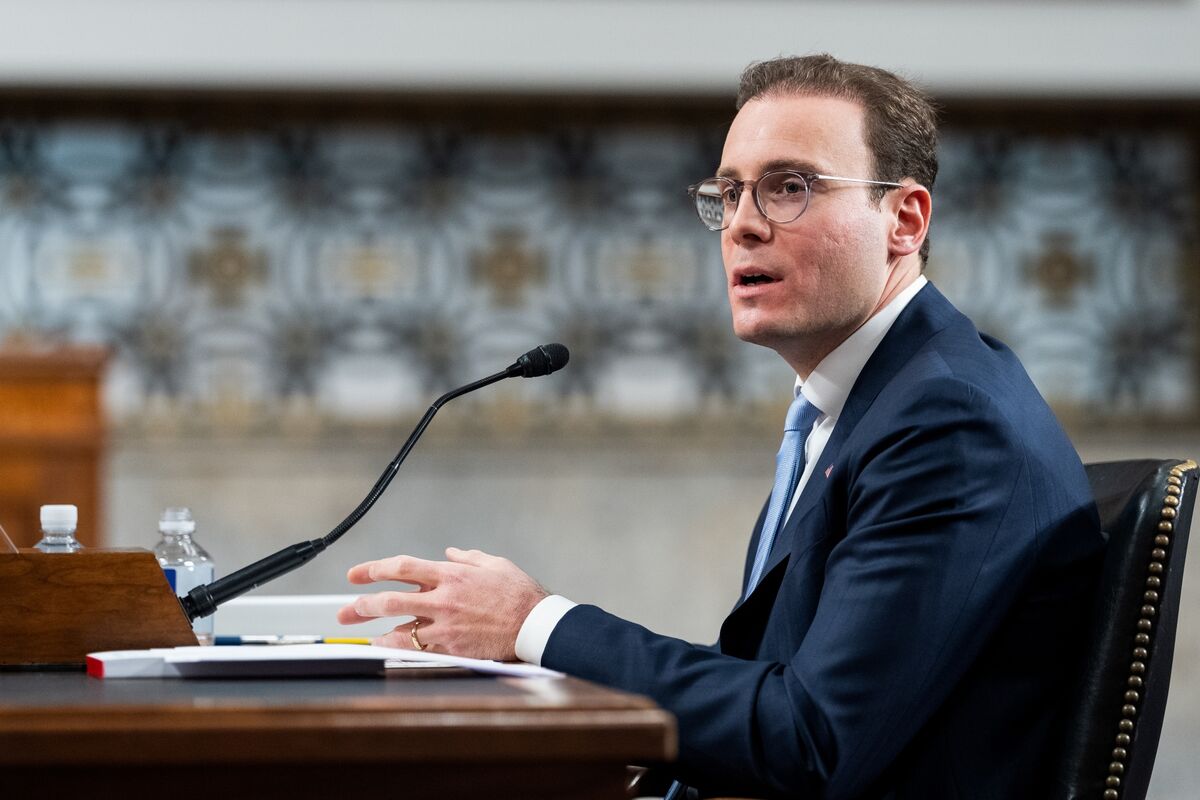
“It’s become very complicated to calculate tariffs… (and) we hear a lot about the need for good tools to calculate this stuff” Flexport founder and chief executive Ryan Petersen told the paper. “There’s a real big role for technology in this.”