Key Takeaways
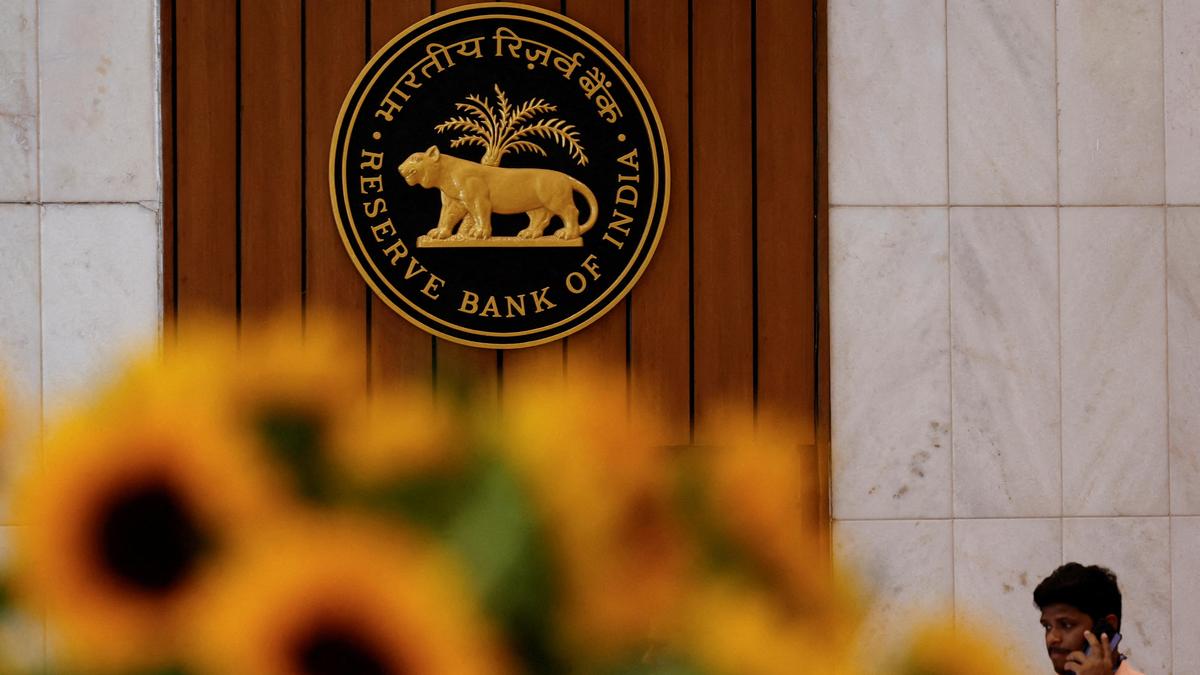
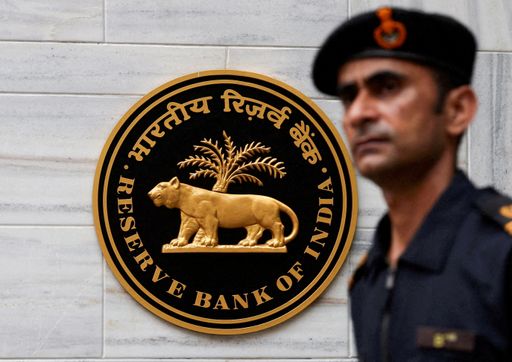
- Reserve Bank of India reinforces its stance to exclude cryptocurrencies from regulated financial systems.
- Tax enforcement agencies highlight how international crypto platforms undermine compliance measures.
- Digital stablecoins present new challenges to monetary sovereignty and tax transparency.
- India’s cryptocurrency sector continues operating without comprehensive regulatory framework.
- Authorities consider stricter oversight as reporting deficiencies expand.
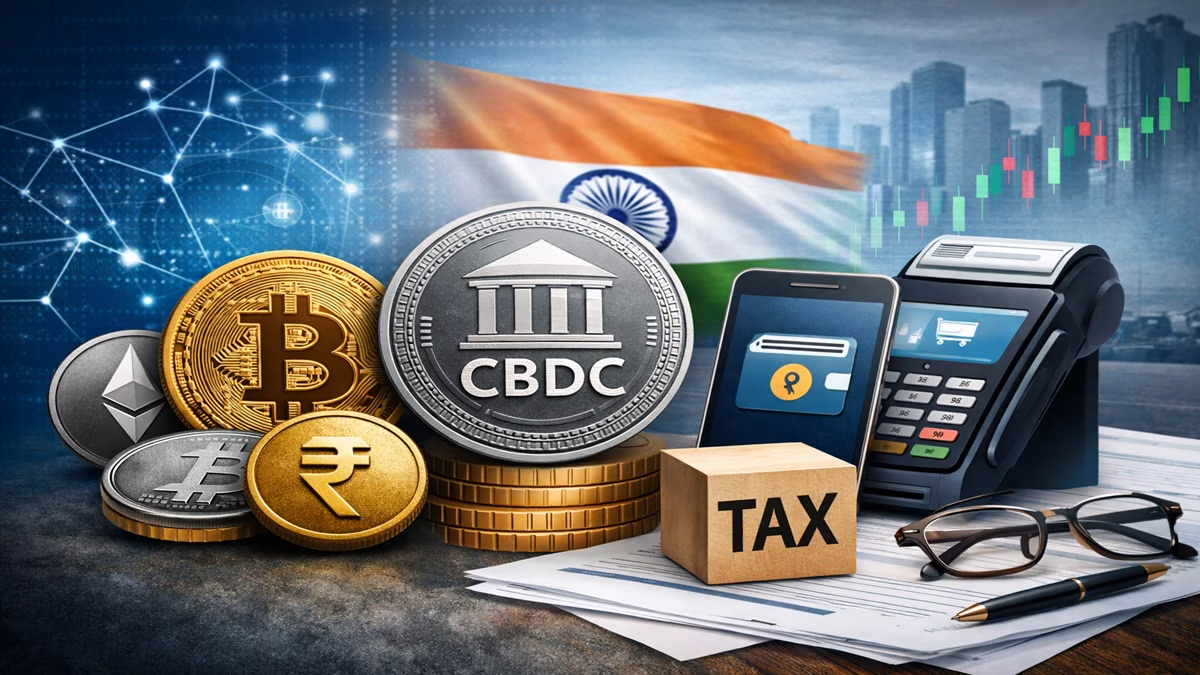
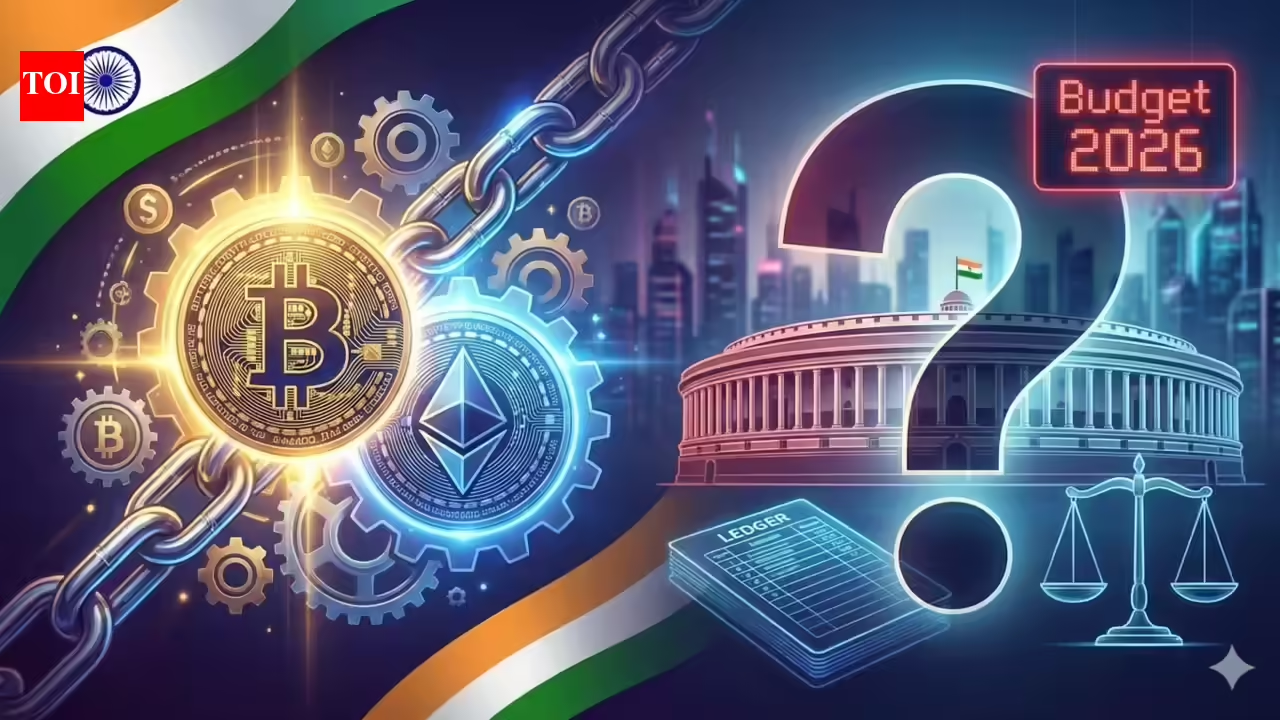
India’s cryptocurrency regulatory landscape has become increasingly contentious as the Reserve Bank intensifies prohibition efforts while tax enforcement agencies identify significant offshore trading vulnerabilities. The nation’s central banking authority seeks to isolate digital assets from mainstream finance, while revenue collection departments encounter substantial compliance obstacles. This tension now forms the core of India’s ongoing cryptocurrency policy impasse.
Central Bank Maintains Hard Line on Digital Assets
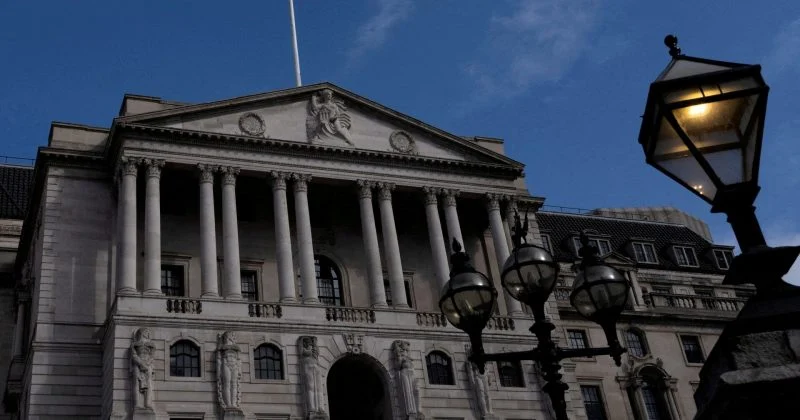
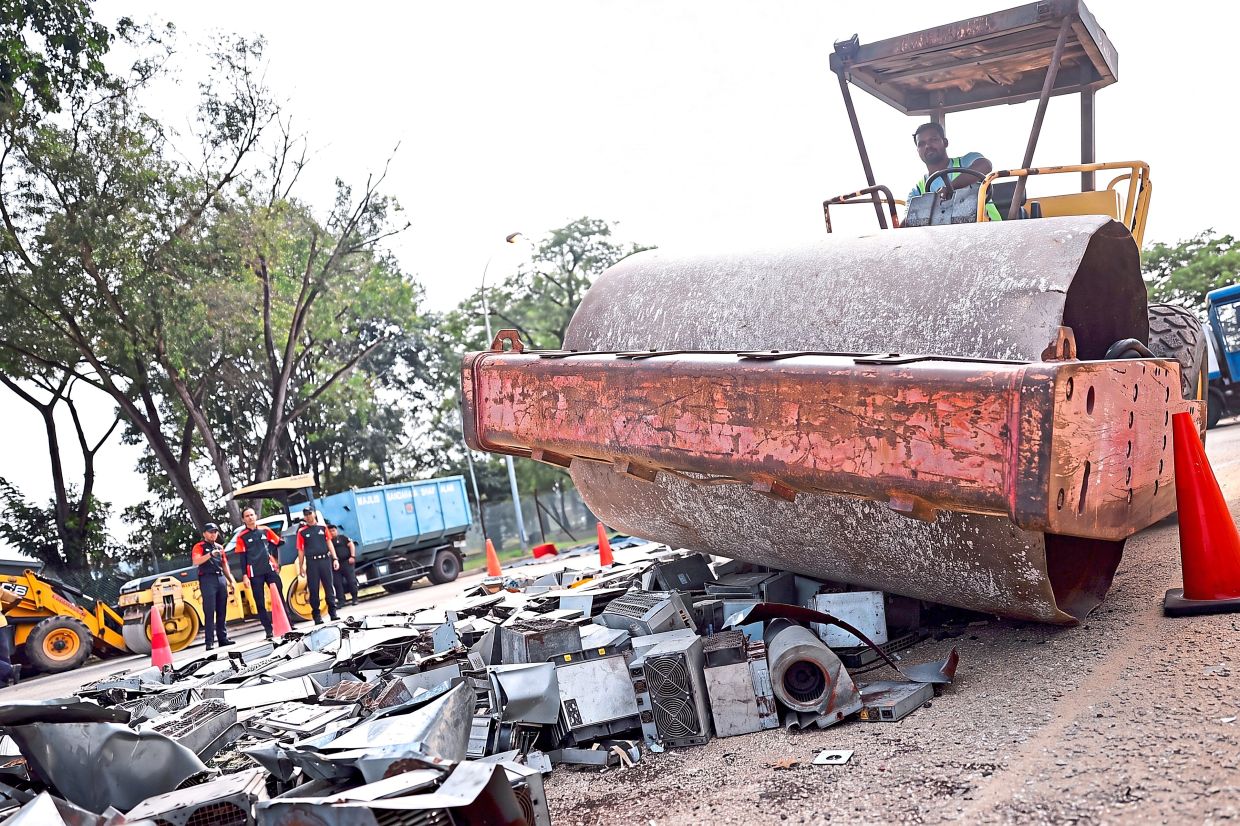
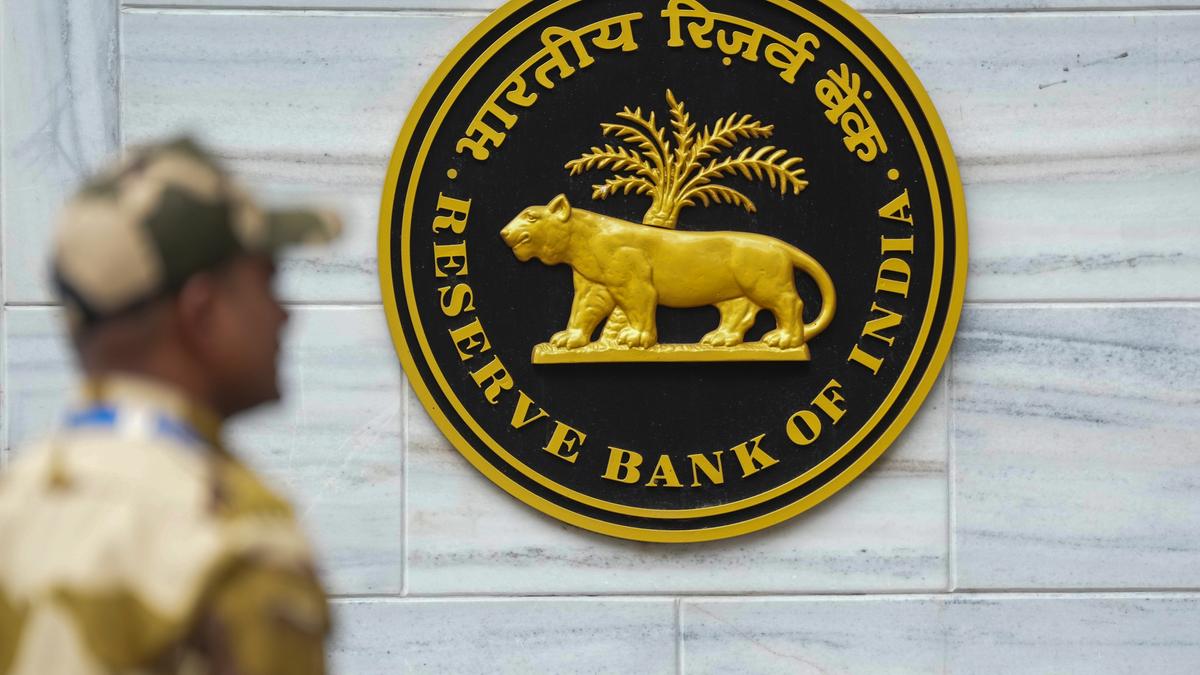
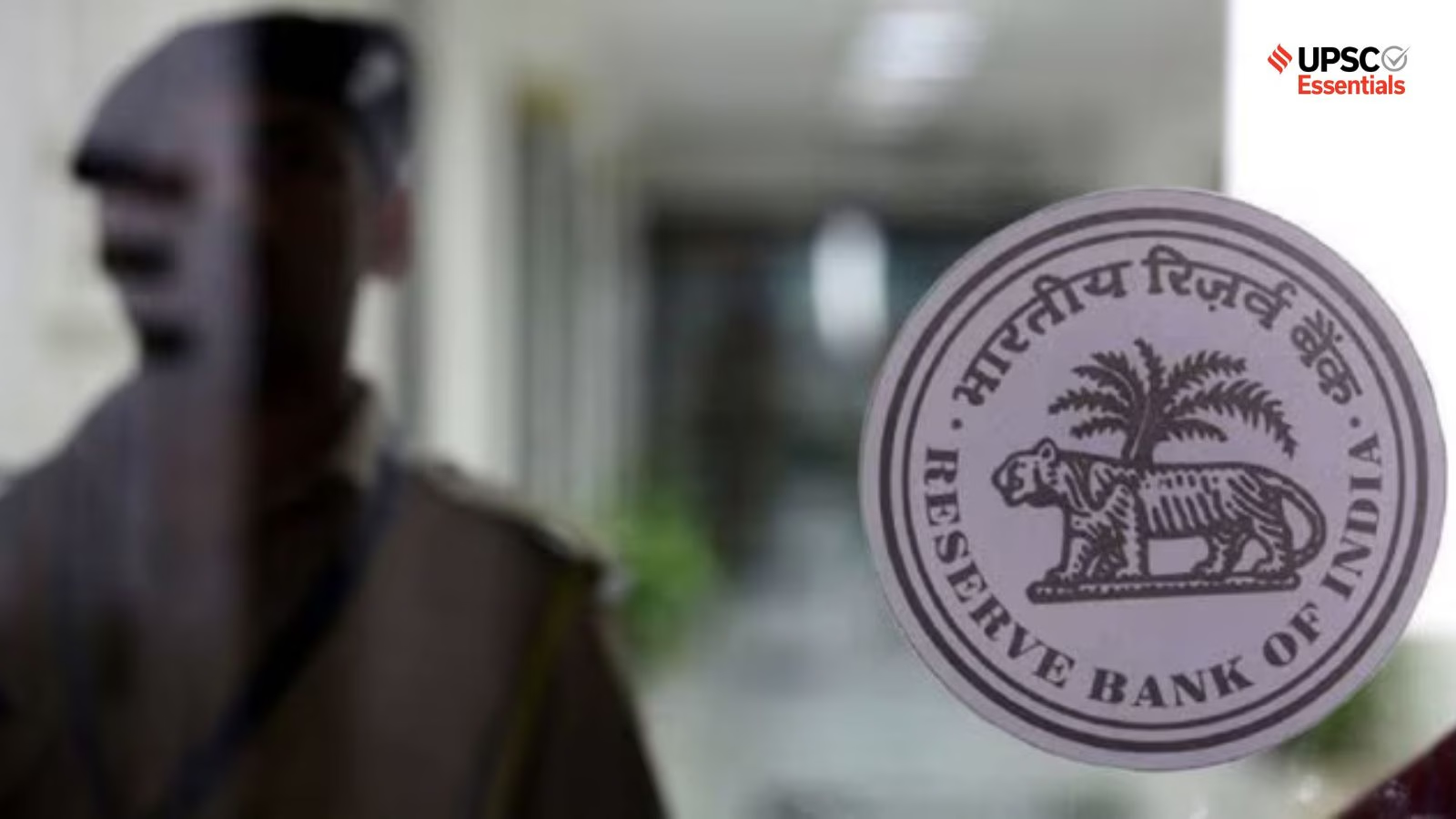
The Reserve Bank of India has reaffirmed its opposition to cryptocurrencies and privately developed stablecoins. Confidential records examined by Reuters reveal the institution advocates for policies favoring prohibition. Additionally, it seeks to prevent banking institutions and financial service providers from any cryptocurrency involvement.
The Reserve Bank contends this strategy would minimize systemic financial contamination threats. Its position emphasizes that licensed financial institutions should neither possess, exchange, nor facilitate private digital currency operations. The monetary authority aims to maintain cryptocurrency outside India’s established banking infrastructure.
The institution has also expressed apprehension regarding stablecoins. It maintains that tokens backed by foreign currencies could compromise monetary independence. Meanwhile, rupee-denominated stablecoins might impact currency issuance revenues and introduce systemic vulnerabilities.
Revenue Authorities Identify International Platform Challenges
India’s taxation authorities have cautioned that international trading platforms and non-custodial wallets compromise revenue collection efforts. Documentation examined by Reuters highlights substantial deficiencies in cryptocurrency transaction reporting. Less than 25% of 645,000 cryptocurrency holders disclosed transactions during the fiscal year concluding March 2023.
The revenue department indicates that foreign-based platforms complicate ownership verification processes. Furthermore, direct peer-to-peer rupee transactions can obscure taxable earnings. Consequently, governmental agencies encounter significant obstacles in collecting taxes from digital currency activities.
India presently imposes a 30% tax on cryptocurrency profits. Revenue officials suggest stablecoin adoption could further obscure taxable gains. This occurs because participants may circumvent fiat currency conversion before transferring resources.
Regulatory Vacuum Leaves Cryptocurrency in Limbo
India has not enacted comprehensive cryptocurrency legislation. The Supreme Court invalidated the Reserve Bank’s 2018 banking prohibitions in 2020. Subsequently, cryptocurrency operations have persisted without definitive national regulation.
A 2021 preliminary bill suggested prohibiting private cryptocurrencies. The administration never presented it to Parliament. A proposed policy document has also experienced continuous postponements.
India continues to represent a significant cryptocurrency marketplace. Reuters referenced tax department calculations indicating approximately 39 million Indian residents possessed roughly $2.1 billion in digital currencies by late May. The Ministry of Corporate Affairs is currently examining accounting protocols for virtual digital assets.