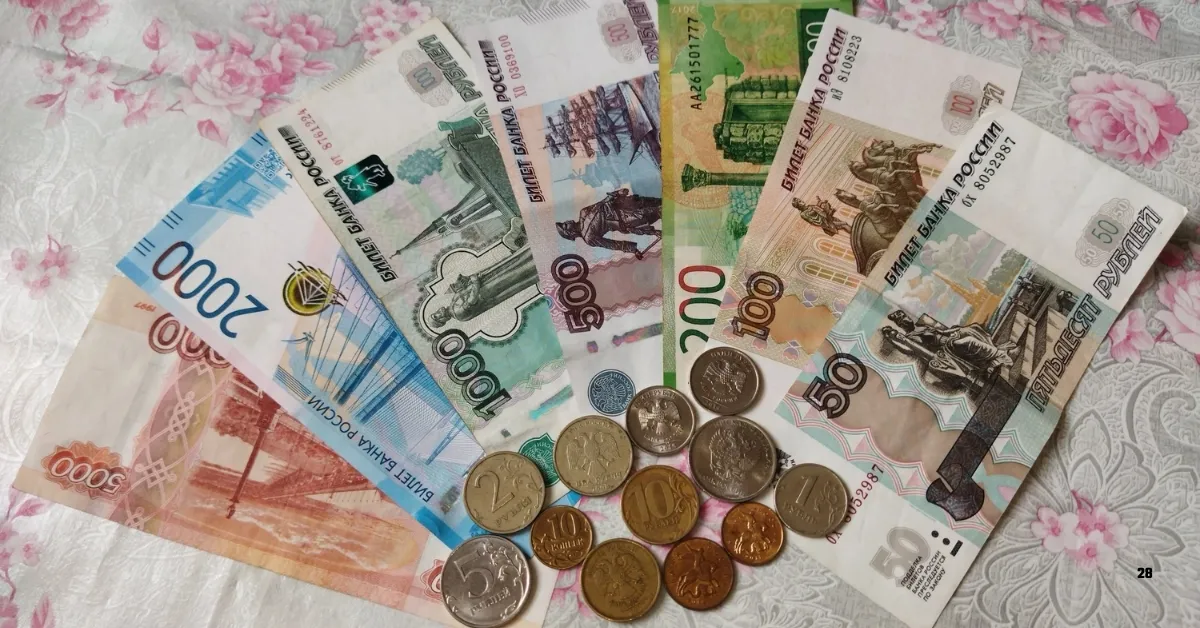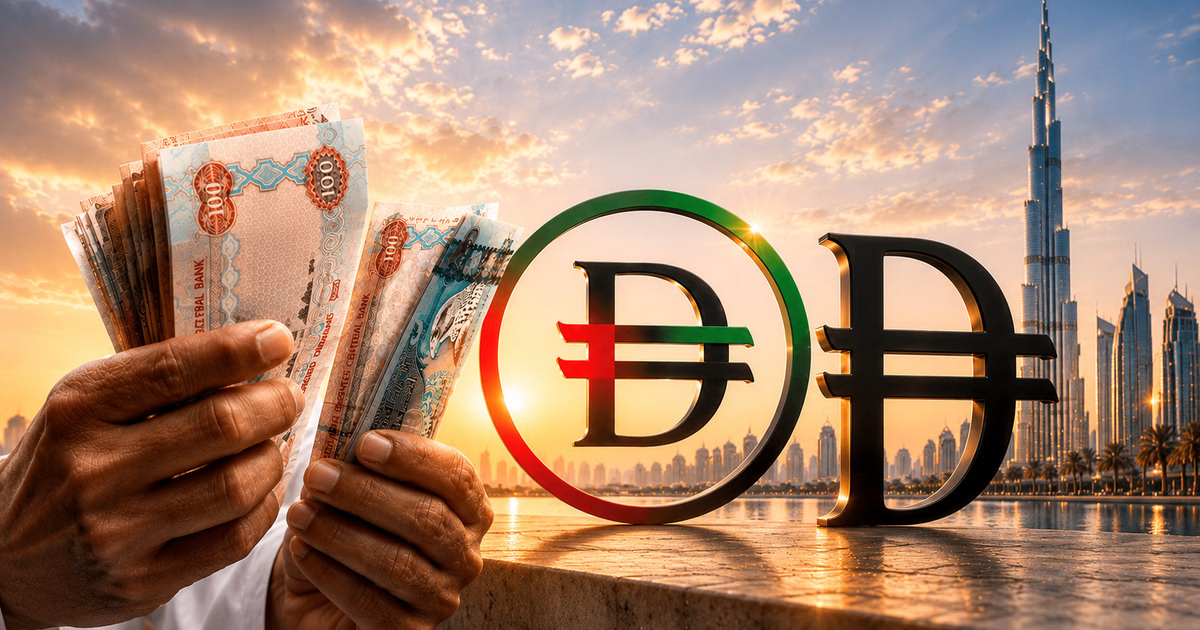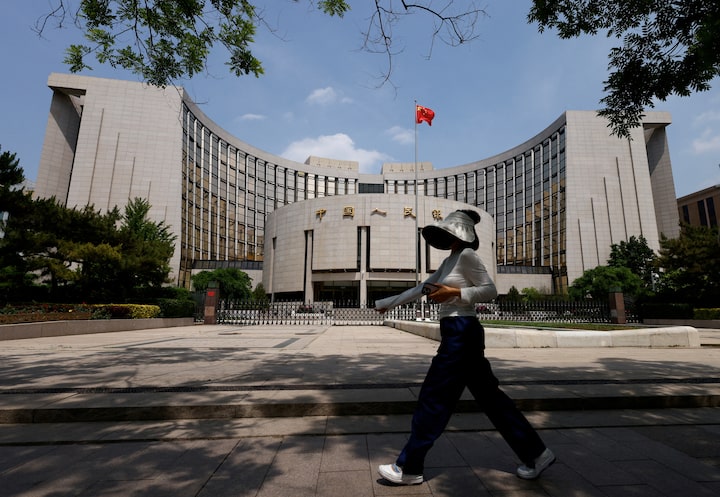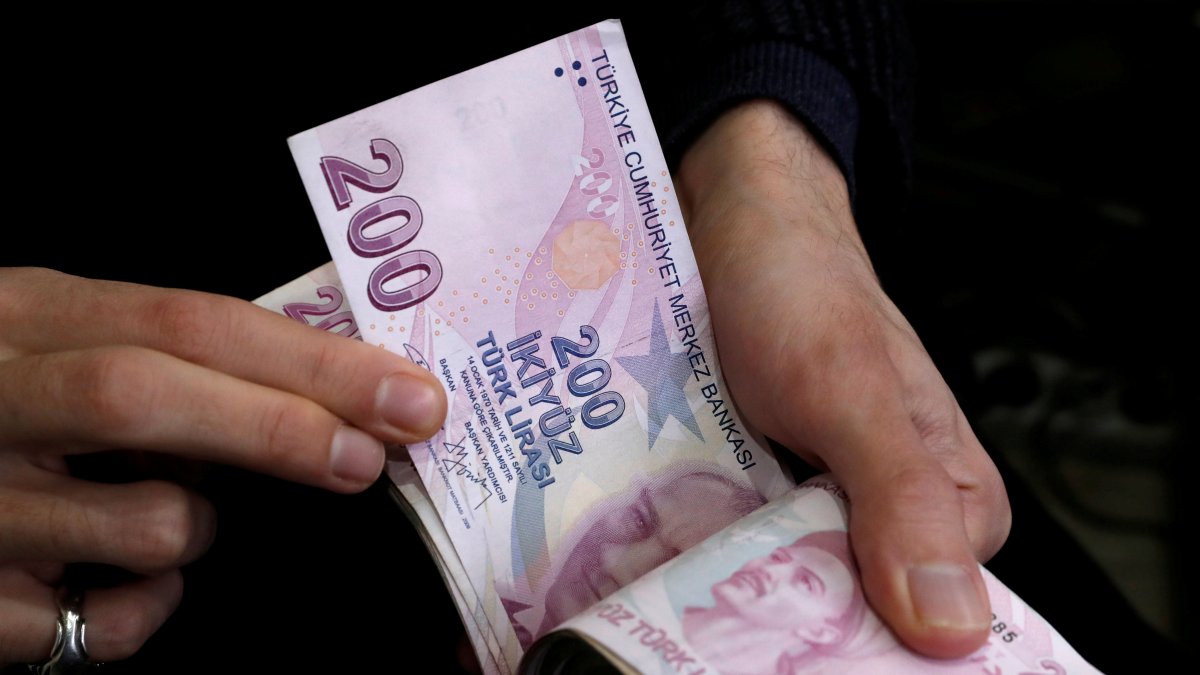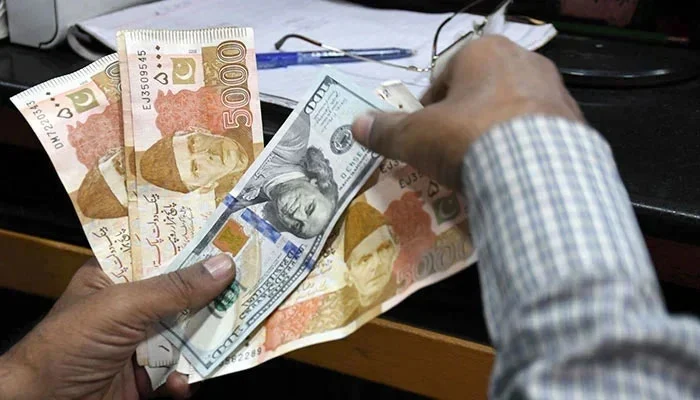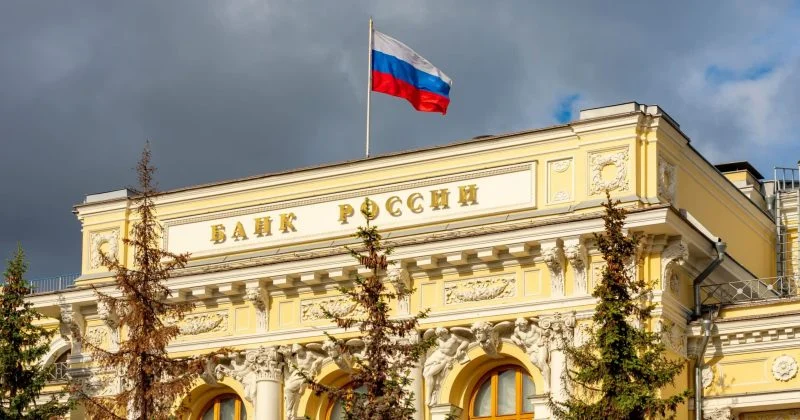
Russia’s central bank digital currency is about to go mainstream, at least domestically. Bank of Russia Governor Elvira Nabiullina confirmed that major banks and retailers are on track to begin accepting the digital ruble by September 1, 2026, marking the end of a multi-year development cycle that started back in October 2020.
Here’s the thing: Russia has been building this infrastructure while most of the Western world is still arguing about whether CBDCs are a good idea. The digital ruble is arriving whether the public wants it or not, and the public, it turns out, has been mostly indifferent.
What’s actually launching
The September 1 deadline isn’t optional for Russia’s largest financial institutions. Twelve systemically important banks are required to support digital ruble transactions by that date, creating the backbone for what the Bank of Russia is calling “widespread use.”
The digital ruble functions as a non-cash monetary means, essentially a third form of the ruble alongside physical cash and traditional bank deposits. Think of it like Venmo, except your money lives on the central bank’s ledger instead of a commercial bank’s, and the government can see every transaction.
President Putin signed the legislation establishing the legal framework for the digital ruble on July 24, 2023. Pilot testing kicked off even earlier, with initial trials beginning on January 19, 2022, and testing with real clients starting around April 1, 2023. So this isn’t exactly a rush job. Russia has been methodically building toward this moment for over four years.
The rollout also extends beyond banking. Major retailers are expected to accept digital ruble payments, creating a consumer-facing use case from day one. In English: you’ll be able to buy groceries with your CBDC wallet, not just move money between accounts.
The enthusiasm problem
There’s a notable gap between the government’s ambitions and the population’s excitement. Public interest in the digital ruble has been, to put it gently, underwhelming.
The Bank of Russia’s solution? Pay people to care. The central bank has implemented financial incentives for banks, rewarding them with 0.67 rubles, roughly $0.01, for each salary payment they process in digital rubles. There’s also a minimum payment of 10 rubles, about $0.13, for payroll distributions made through the digital ruble system.
Look, paying banks a penny per transaction to adopt your currency isn’t exactly a ringing endorsement of organic demand. But it does reveal how seriously Moscow is taking adoption targets. When a government starts bribing its own banking system to use a product, you know the rollout is more about strategic necessity than consumer appetite.
That strategic necessity has a name: sanctions. The digital ruble is explicitly designed to enhance Russia’s payment sovereignty and reduce reliance on Western financial infrastructure. Since 2022, Russia has been systematically cut off from SWIFT, Visa, Mastercard, and most of the plumbing that powers global payments. A state-controlled digital currency offers a way to rebuild some of that capability on domestic terms.
The sanctions wall
The European Union isn’t sitting this one out. As part of its 20th sanctions package, the EU banned transactions related to the digital ruble since May 24, 2026. The ban also covers ruble-linked tokens like RUBx, categorizing all of them within the broader framework of international sanctions against Russia.
This creates an interesting paradox. The digital ruble was partly conceived as a tool to circumvent Western financial restrictions, but the West has preemptively blocked it from being used in cross-border transactions with EU counterparties. It’s a bit like building a bridge and watching the other side blow up their end of the road.
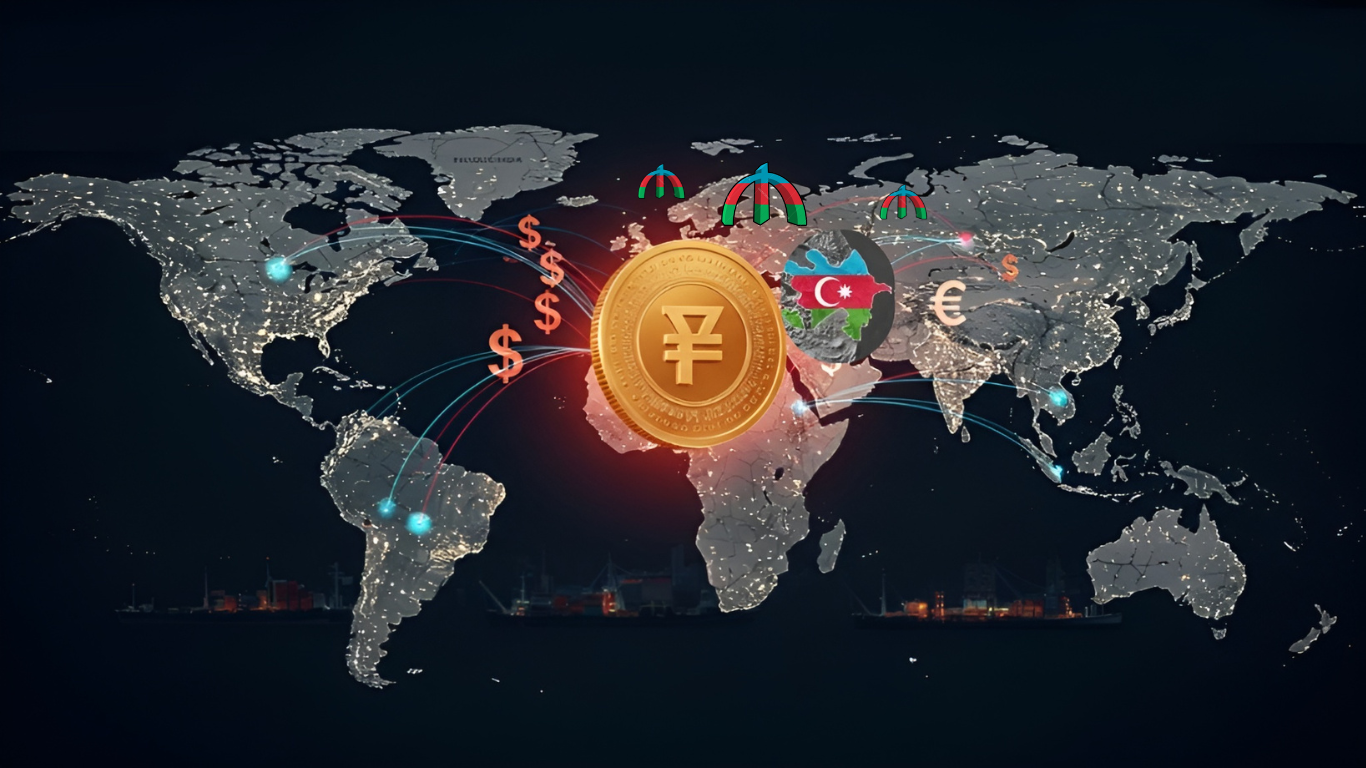
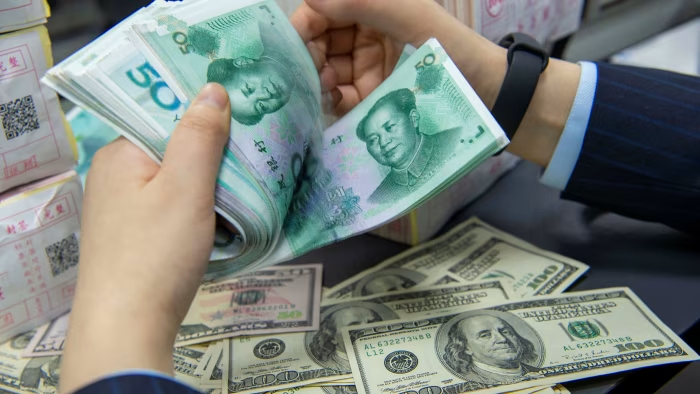
The cross-border play isn’t dead, though. Russia has been exploring integration with foreign digital currency partners, most notably China’s digital yuan. A CBDC-to-CBDC corridor between Russia and China would bypass Western payment rails entirely, creating a parallel financial ecosystem that sanctions can’t easily reach. Whether that materializes is another question, but the strategic logic is obvious.
What this means for crypto markets
The digital ruble’s domestic launch has real implications for how Russians interact with private crypto assets. Within the sanctioned economy, the digital ruble could become the preferred medium for everyday payments, potentially displacing some of the demand for USDT and Bitcoin that has grown since 2022.
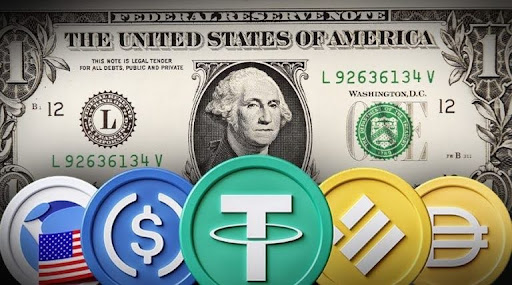
Russians have increasingly turned to stablecoins, particularly Tether’s USDT, as a workaround for cross-border payments since traditional channels were severed. A functioning domestic CBDC reduces the need for crypto in everyday transactions, things like paying rent or buying goods. But it does nothing to solve the cross-border problem, which is where stablecoins shine.
The likely outcome is a split ecosystem. Digital rubles for domestic commerce, USDT for moving value across borders. Bitcoin’s role as a store of value in a sanctions-hit economy probably remains intact, since the digital ruble doesn’t offer the same inflation hedge or censorship resistance properties that draw Russians to BTC in the first place.
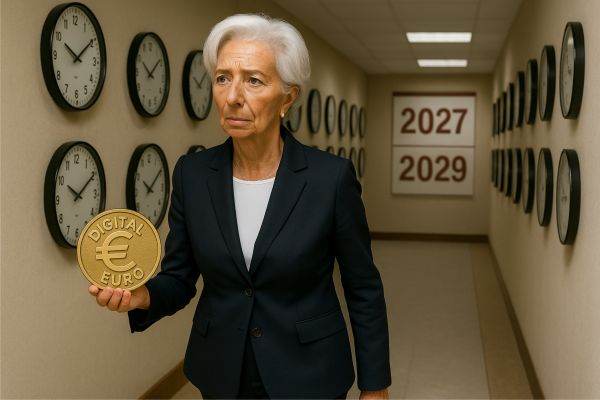
For the global CBDC race, Russia’s September launch puts it ahead of most major economies. The US has effectively shelved its digital dollar plans under the current administration. The EU’s digital euro is still in its preparation phase with no firm launch date. China’s digital yuan has been in extended pilot mode for years without achieving mass adoption.
Russia, ironically, may become one of the first major economies to deploy a CBDC at scale, driven not by innovation enthusiasm but by the sheer necessity of operating under the most comprehensive sanctions regime in modern history. Sometimes the best motivation is having no other choice.
Investors watching the CBDC space should pay attention to two things. First, whether the September deadline actually holds or gets quietly pushed back, a common pattern with government tech projects worldwide. Second, whether the Russia-China digital currency corridor gains traction, because that development would have far larger implications for the dollar’s dominance in global trade than any single country’s domestic CBDC rollout.