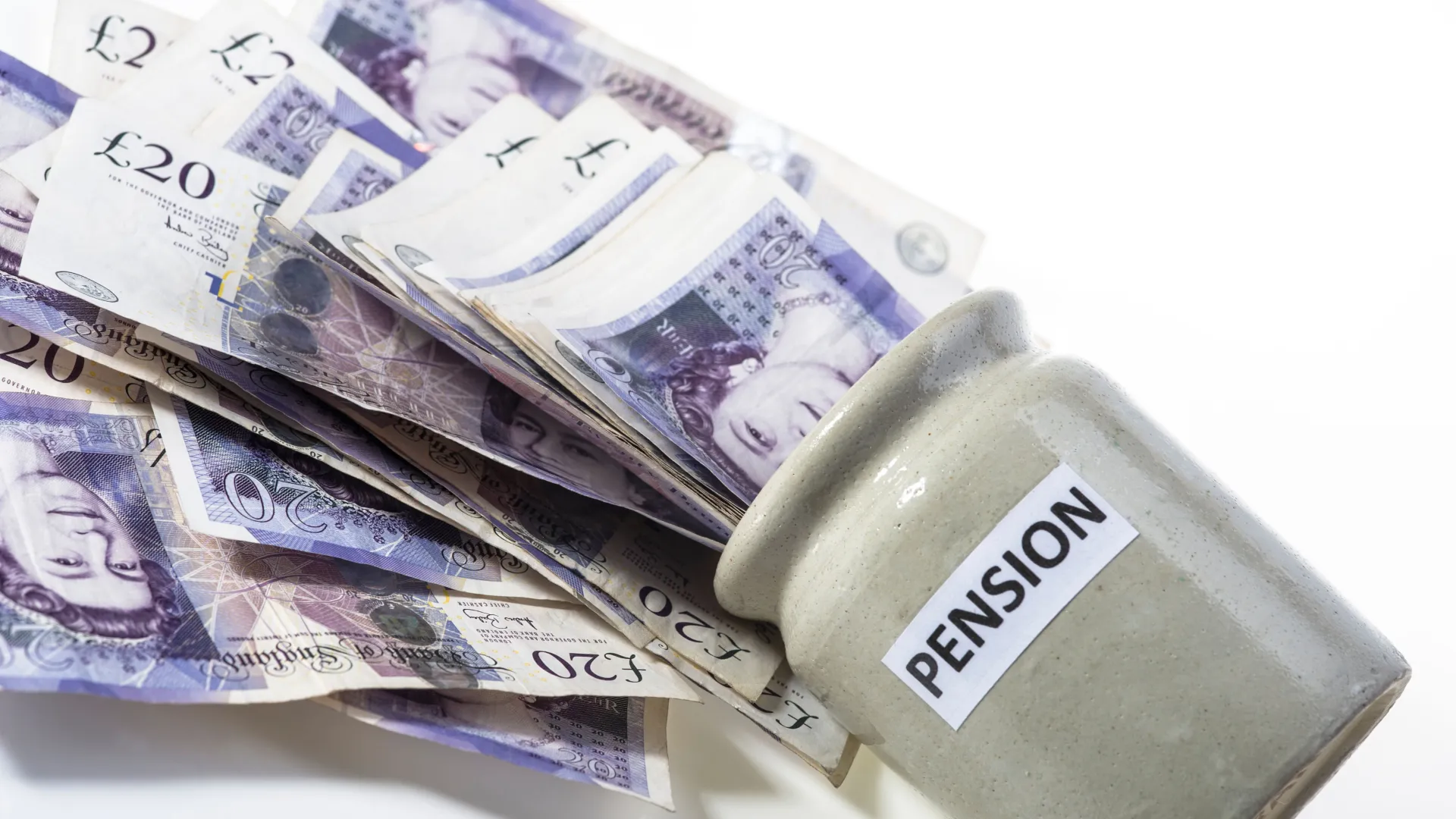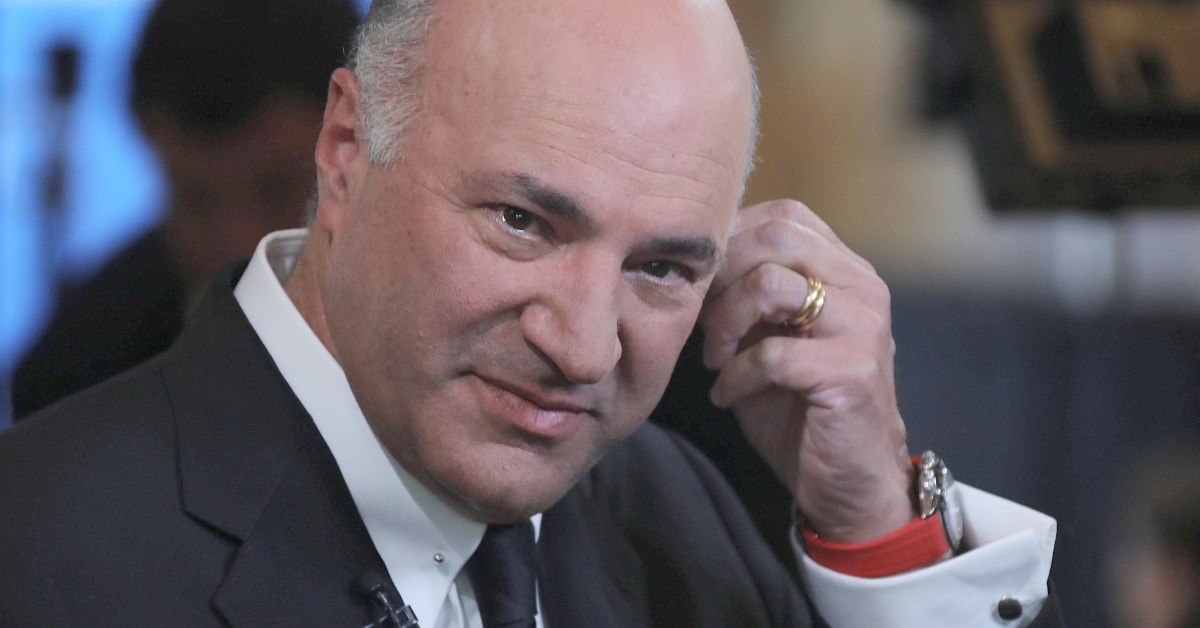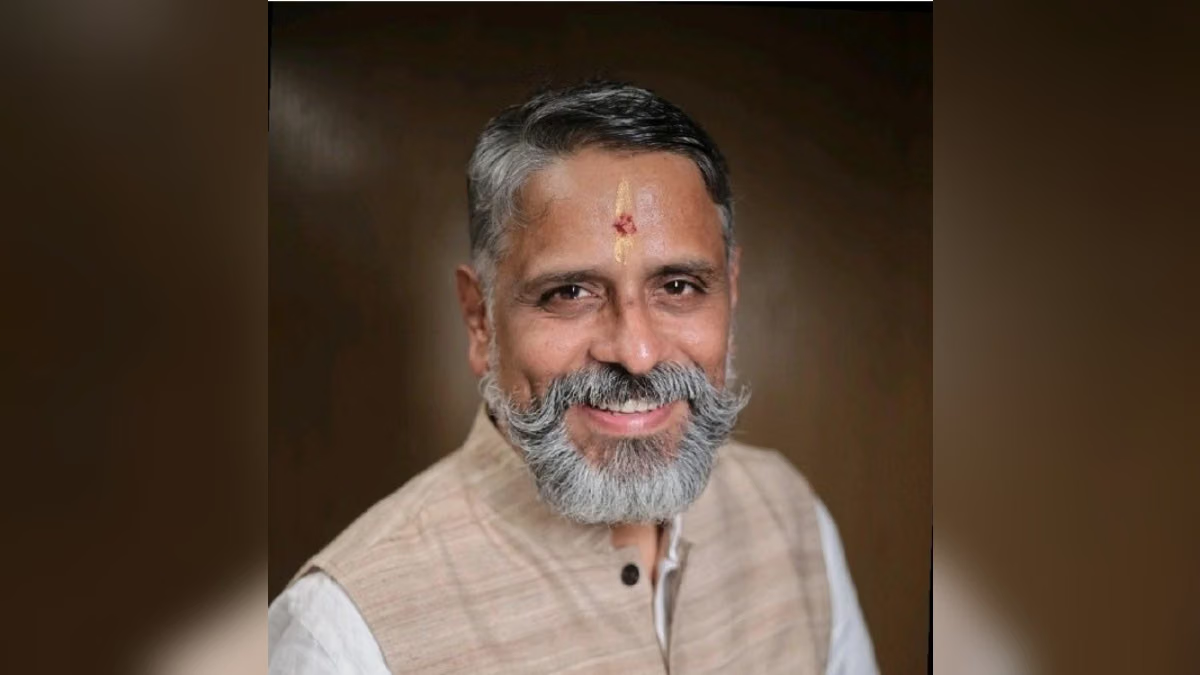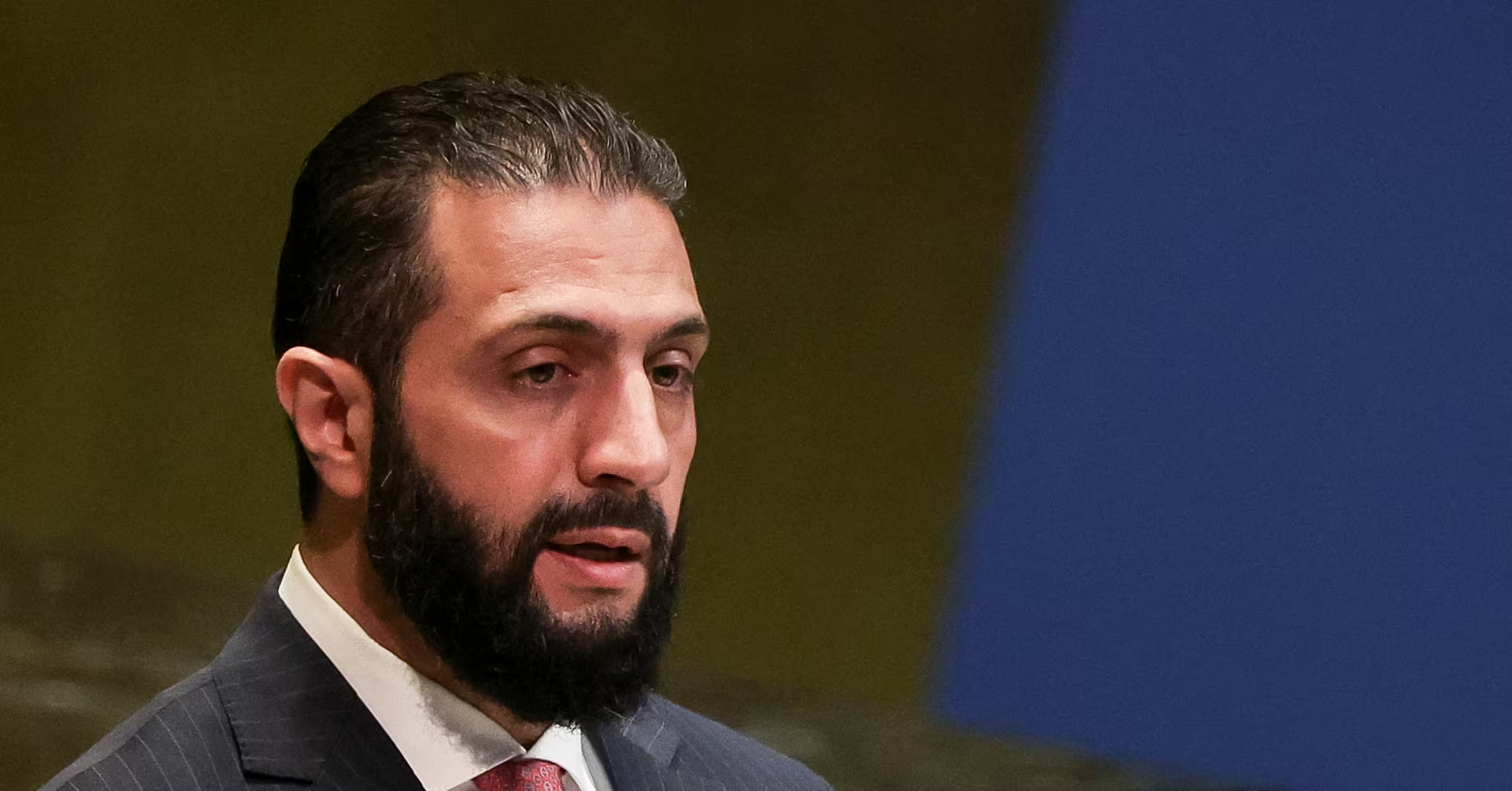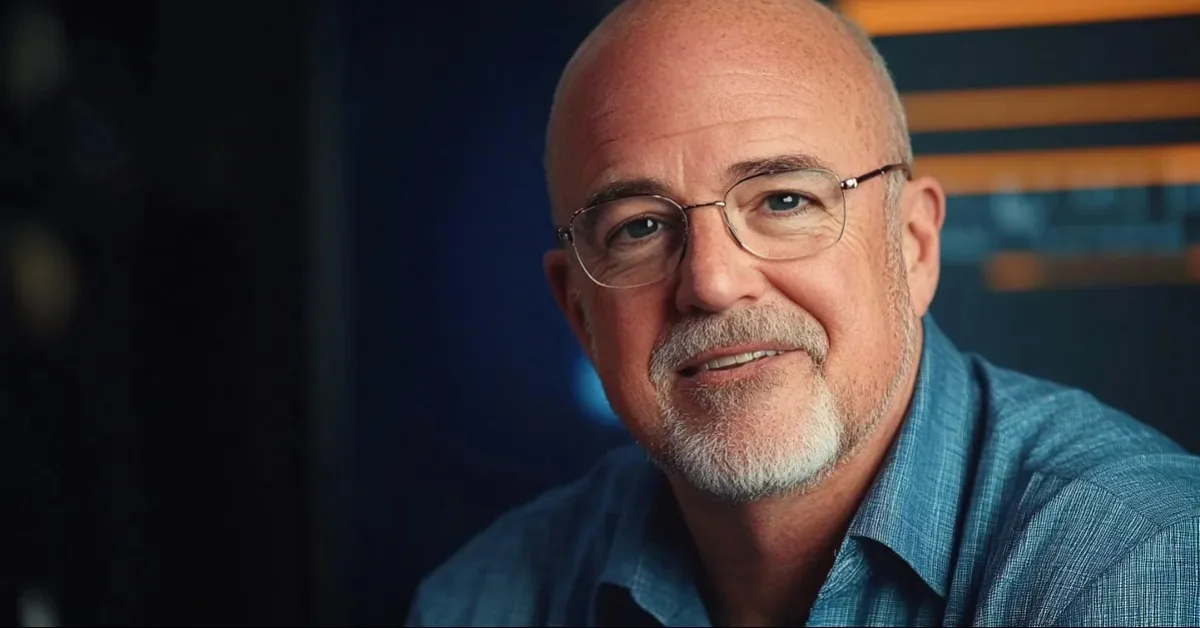
Many soon-to-be retirees look forward to relaxing a bit and living off a nestegg, but they rarely imagine still paying off debt into old age. But this isexactly what’s happening for many seniors today, and Dave Ramsey has words forthose still sending a chunk of their income to credit cards or mortgages.
His advice is non-negotiable: Don’t retire until you have zero debt, a fullyfunded nest egg, and a clear monthly budget. He frames this as part of his”don’t retire until you’re truly ready” mantra.
He’s strict on his advice, and it may be for a good reason. Learn why thismatters more on a fixed income and what to do if you’re hoping to retire early with no debt.
Find Out: 14 benefits seniors are entitled to but often forget to claim
What Ramsey says blocks a safe retirement
The financial guru views debt as the “single largest blocker” to building realwealth, as high-interest debt, in particular, can threaten financial stability.Every dollar going to debt payments is a dollar you can’t use for retirementinvesting or simply paying for everyday expenses (like fuel, health care costs,or home repairs).
Ramsey claims people hang onto debt like mortgages and car loans, assuming theywill wrap it up when they retire. However, the time to tackle it is before youretire, when you can still make more money and aren’t stuck on a fixed income.As interest on debt keeps growing, it’s doing the opposite of what investmentswould be doing if your dollar had ended up in those investments instead.
Who really has the cheapest auto insurance in your area? Check your zip code here.
Why debt on a fixed income can be dangerous
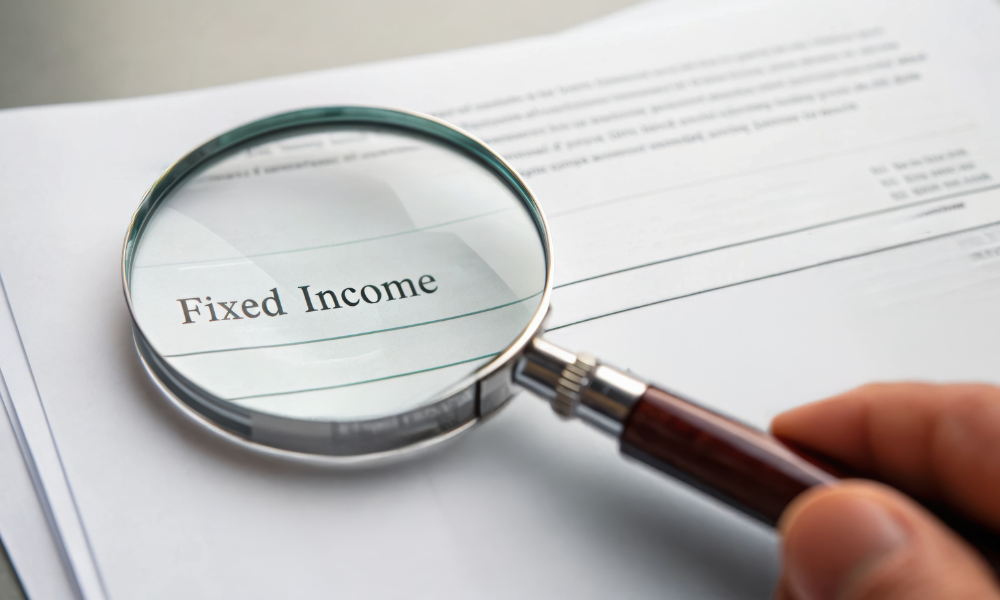
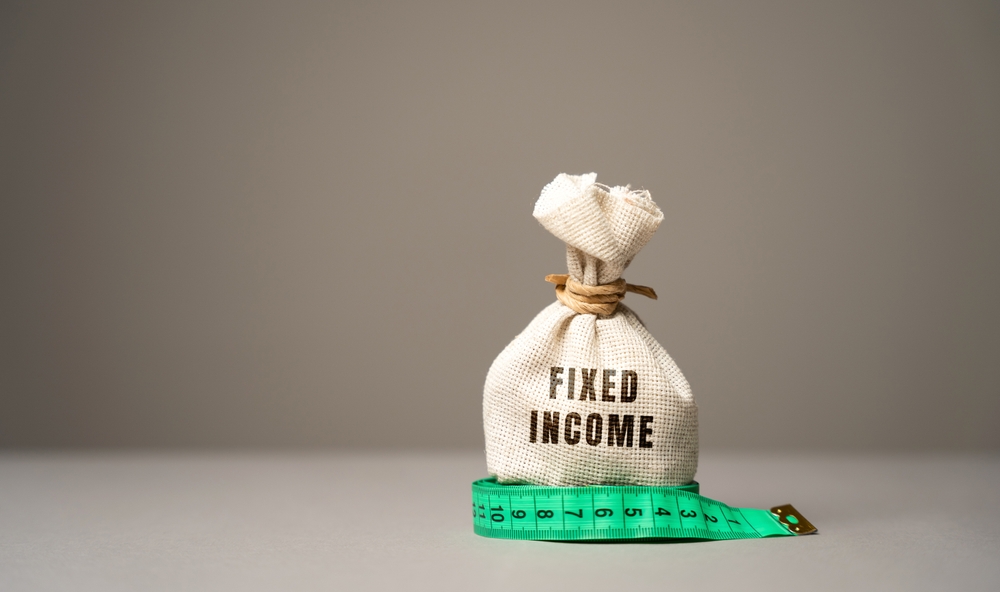
As if missed investment opportunities aren’t enough, the fixed income reality isthat it doesn’t easily go up to absorb new costs. If a vital monthlyprescription refill suddenly increases in price, a Social Security payment won’trise up to meet it.
Since Social Security only replaces about 40% of pre-retirement income anyway,most retirees are already leaning on savings and other income sources tosurvive. If too much of that limited income goes to pay debt, there’s much lessroom for day-to-day necessities, health care, and inflation.
Ramsey’s retirement readiness checklist
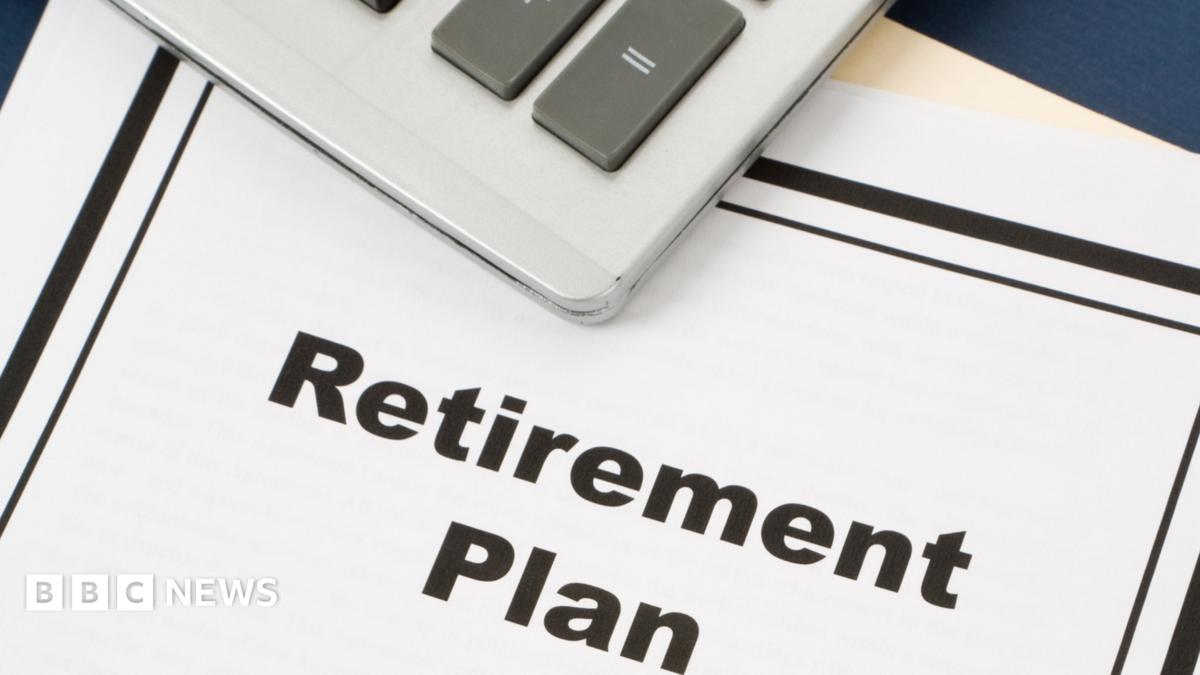
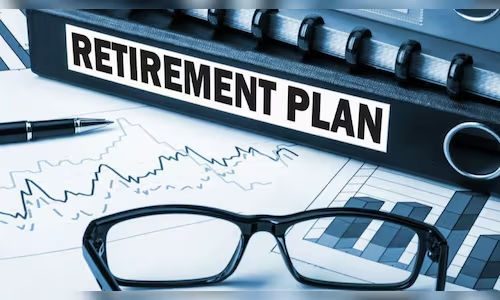
While it’s important to have no debt when moving into retirement, this is justone part of what Ramsey considers a trifecta of financial preparation. Beingready to retire also means having a fully funded nest egg and a clear, writtenmonthly budget.
Some retirees will only have one of these things, others a couple. But if youhaven’t yet checked off everything on this list, you now know where to start.
For further context, Ramsey considers “no debt” to mean owing nothing, includingcars, mortgages, student loans, or credit cards. His advice to avoid even alow-interest-rate mortgage runs counter to what many other advisors recommend;the intentionally conservative stance keeps cash flow as clean and predictableas possible.
Retire like the rich: 14 ways you could build wealth in your 50s.
Retired with debt? There’s hope
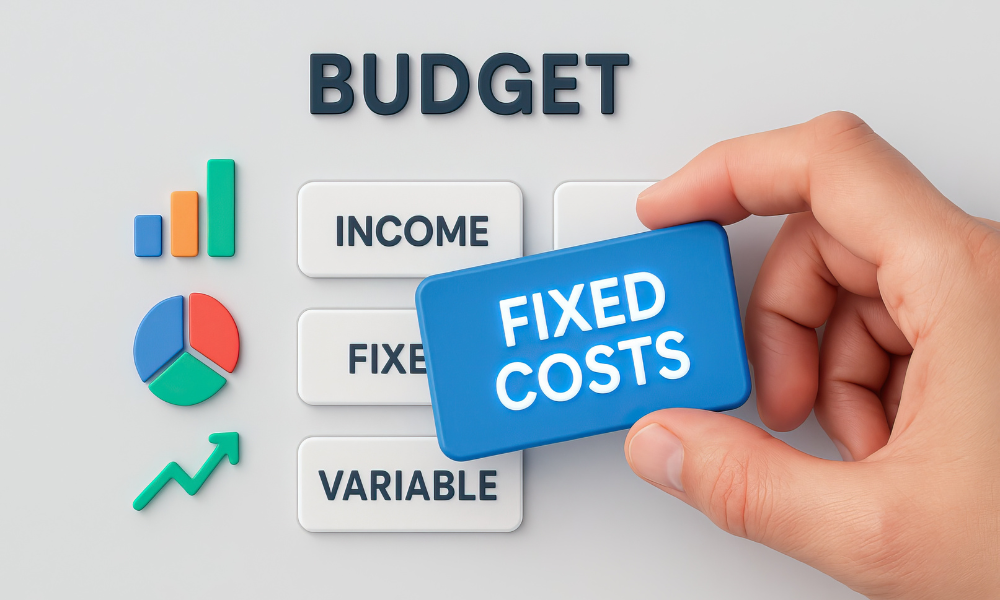
A bare-bones budget can help you escape debt and get back on track, even with afixed income. He recommends you:
-
List all fixed income sources (Social Security, pension, part-timework)
-
List all non-negotiable expenses (housing, utilities, food, carinsurance)
Many callers to his show think they can afford retirement until they see thenumbers. Laying everything out honestly puts it into perspective and helpsretirees see where they may be overspending, and where they can cut to get thatdebt number down. The budget then acts as a game plan and not a punishment or away to feel bad about past choices.
Begin with Baby Step 1
Ramsey recommends everyone, not just retirees, get on board with the Baby Stepsprogram, which starts with putting $1,000 aside for a starter emergency fund. Hesuggests this before aggressively paying off most debts.
For retirees, this still applies, as the small cushion can help with unexpectedexpenses, such as a health emergency or much-needed car repairs. This won’tcover the full 3-6 months suggested in a full emergency fund, but it’s a startthat can keep you from slipping further into debt from a small setback.
Use the debt snowball method
To tackle the debt in a motivating and systematic way, consider the debtsnowball approach. Ramsey’s approach asks you to:
-
List all debts from the smallest balance to the largest
-
Pay minimums on all but the smallest
-
Put all extra cash from the budget toward the smallest debt until it’sgone
-
Continue attacking all debts in this order until paid off
This isn’t the most money-saving approach toward paying debt, since it doesn’taddress the most expensive (high-interest) debt first. But paying off card bycard can be just the motivation some need to move ahead on what can seem like aninsurmountable amount of debt.
Since retirees may not have large amounts of cash to put toward debt, theprogress may feel slow. As each account is paid off, the wins can add up to makea real difference in a tight budget.
Save Money: Things to cut when living on retirement (many people ignore #11)
Bottom line
Ramsey’s non-negotiable makes sense from a financial perspective, and if youhave enough runway to pay off debt before you retire, you’ll likely enjoy a stress-free retirementwhen you get there.
For those who have entered the senior years without paying it all off, there’sstill hope. Following a budget, keeping a small emergency fund, and paying downdebt in a structured way will move the needle over time. Ultimately, you maydecide downsizing, moving, or consolidating debts puts you back on track muchfaster, so you can enjoy your later years without stress.
The key is to treat becoming debt‑free as non‑negotiable so your fixed incomecan finally support the retirement you’ve been working toward.
More from FinanceBuzz: