Institutional ownership represents a fundamental aspect of modern financial markets that significantly influences stock prices, trading volumes, and investment strategies. Understanding how these large entities operate and their impact on securities can help individual investors make more informed decisions about their portfolios.
What Is Institutional Ownership
Institutional ownership refers to the percentage of a company’s available stock held by large financial entities rather than individual retail investors. These institutions include mutual funds, pension funds, insurance companies, investment firms, private foundations, endowments, and other organizations that manage substantial capital on behalf of others.
The distinction between institutional and retail ownership is crucial for understanding market dynamics. While retail investors use their personal funds to buy and sell securities for themselves, institutional investors pool together capital from multiple sources and invest at significantly higher volumes. This pooled capital is often referred to as “smart money” due to the professional expertise and extensive resources behind these investment decisions.
Types of Institutional Investors
Several categories of institutional investors participate in financial markets, each with distinct characteristics and investment approaches:
- Mutual funds – Pool money from individual investors to purchase diversified portfolios of stocks and bonds
- Pension funds – Manage retirement savings for employees of corporations, government entities, and unions
- Insurance companies – Invest policyholder premiums to generate returns while maintaining reserves for claims
- Hedge funds – Employ sophisticated strategies to generate returns for wealthy individuals and institutions
- Banks – Invest deposits and capital in various securities as part of their asset management operations
- Endowment funds – Manage long-term investments for universities, foundations, and charitable organizations
Top Australian Brokers
Get Ahead of the Market
Smarter investing starts with better information. The Bull Premium gives you everything you need to grow your wealth and build your future. You will get:
- Early access to 18 Share Tips – delivered 3 days early
- A comprehensive weekly market outlook
- An exclusive complete investing course
Sign up today and get your first week free

Different types of institutional investors each bring unique investment approaches and requirements to the market
Each type of institutional investor brings different investment horizons, risk tolerances, and regulatory requirements that influence their trading behavior and stock selection criteria.
How Institutional Ownership Influences Stock Prices
The presence of institutional investors in a stock can significantly impact its price movement and market perception. These effects occur through several mechanisms that individual investors should understand.
Research-Driven Investment Decisions
Institutional investors typically employ teams of professional analysts who conduct extensive financial research before making investment decisions. This research includes detailed company analysis, industry studies, and economic forecasting that requires substantial financial resources. The thoroughness of this research process makes institutional investment decisions particularly influential in the eyes of other market participants.
When institutions purchase large blocks of stock, their decisions carry weight because they are perceived as being based on comprehensive analysis. This perception can attract additional investors and drive up stock prices as the market interprets institutional buying as a positive signal about the company’s prospects.
Market Impact of Institutional Trading
Due to their substantial capital resources, institutional investors can move markets through their trading activities. When institutions buy or sell large positions, the sheer volume of their transactions can create significant price movements. This market impact extends beyond individual stocks to influence broader market trends and sector performance.

Institutional trading activity can create significant price movements due to the large volumes involved
The collective behavior of institutional investors can amplify market movements. When multiple institutions react to the same news or market conditions, their coordinated buying or selling can trigger substantial price changes that affect all market participants.
Reputation and Influence Effects
The reputation of specific institutional investors can influence how other market participants view particular stocks. Well-regarded institutions with strong track records may attract followers who view their investment choices as validation of a stock’s potential. Conversely, institutions known for specific investment styles may signal particular characteristics about their holdings.
For example, if a respected long-term value investor takes a significant position in a stock, other investors may interpret this as a sign that the stock is undervalued and has strong long-term prospects. This interpretation can lead to increased demand and higher prices.
Benefits of Institutional Ownership
Stocks with significant institutional ownership often enjoy several advantages that can benefit all shareholders:
Enhanced Market Credibility
Companies with substantial institutional ownership typically receive greater attention from financial analysts and media outlets. This increased coverage can improve the company’s visibility and credibility in the marketplace, potentially attracting additional investors and business opportunities.
Improved Liquidity
Institutional ownership often correlates with higher trading volumes and improved liquidity. The presence of large, active investors can make it easier for other shareholders to buy or sell shares without significantly impacting the stock price.
Professional Oversight
Institutional investors often take active roles in corporate governance, using their voting power to influence management decisions and board composition. This oversight can help ensure that companies operate in the best interests of shareholders and maintain high standards of corporate governance.
Price Discovery Efficiency
The research and analysis conducted by institutional investors contribute to more efficient price discovery in the market. Their professional assessment of company value helps ensure that stock prices more accurately reflect underlying business fundamentals.
Potential Drawbacks and Risks
While institutional ownership offers many benefits, it also presents certain risks and challenges that investors should consider:
Concentration Risk
When institutions hold a large percentage of a company’s outstanding shares, it can create concentration risk. If these institutions decide to sell their positions simultaneously, the resulting selling pressure can cause dramatic price declines that affect all shareholders.
Reduced Retail Participation
High levels of institutional ownership can limit opportunities for retail investors to acquire significant positions in attractive stocks. This concentration may reduce the diversity of market participants and limit the influence of individual investors.
Herd Mentality Effects
Institutional investors may sometimes exhibit herd-like behavior, particularly during market stress or when reacting to significant news events. This collective behavior can amplify market volatility and create price movements that may not reflect underlying company fundamentals.
Peak Ownership Limitations
When institutional ownership reaches very high levels, it may limit future upside potential. If most available shares are already held by institutions, there may be fewer potential buyers to drive prices higher, potentially constraining the stock’s growth prospects.
Tracking Institutional Ownership
Individual investors can monitor institutional ownership through several publicly available resources and regulatory filings:
SEC Filing Requirements
Institutions managing more than $100 million in securities must file Form 13F with the Securities and Exchange Commission within 45 days of each quarter’s end. These filings provide detailed information about institutional holdings as of specific dates, allowing investors to track changes in ownership over time.
Additionally, institutions acquiring more than 5% ownership in a company must file Schedule 13D or 13G forms within specific timeframes. These filings provide information about significant ownership changes and the intentions of large shareholders.
Online Research Tools
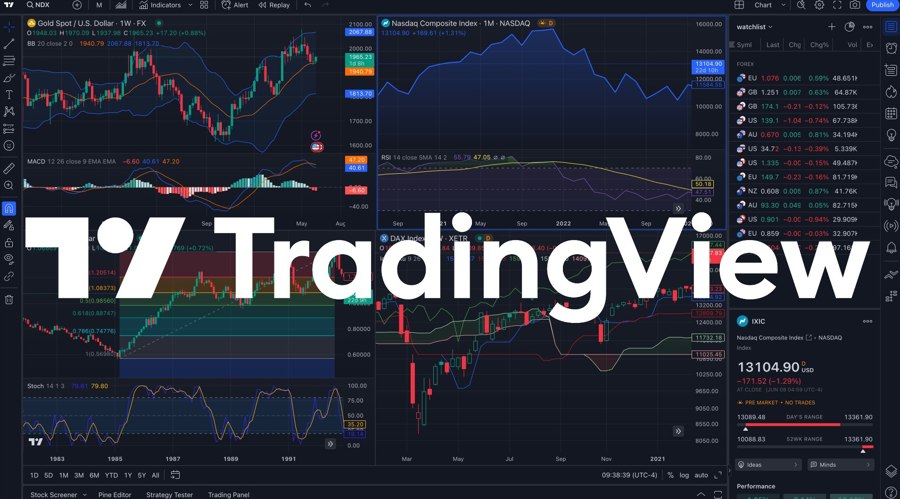
Various financial websites and databases provide access to institutional ownership data. The SEC’s EDGAR database offers free access to all required filings, while commercial services provide additional analysis and historical data.
Investors can use these resources to identify the largest institutional shareholders in companies of interest, track changes in ownership levels, and analyze trends in institutional investment patterns.
Investment Strategy Considerations
Understanding institutional ownership can inform various investment strategies, but investors should consider both the benefits and limitations of following institutional investment patterns:
Following Smart Money
Some investors prefer to invest in companies with high institutional ownership, viewing this as validation of the investment opportunity. This strategy assumes that professional investors’ extensive research and resources lead to better investment decisions.
Contrarian Approaches
Other investors seek opportunities in stocks with limited institutional ownership, believing they can identify undervalued opportunities before institutions discover them. This approach aims to benefit from potential price appreciation when institutions eventually recognize the investment opportunity.
Balanced Perspective
The most effective approach likely involves considering institutional ownership as one factor among many in investment decision-making. While institutional interest can provide valuable insights, it should not be the sole basis for investment decisions.
Successful investing requires comprehensive analysis of company fundamentals, market conditions, and individual investment objectives. Institutional ownership data can enhance this analysis but should not replace thorough due diligence and independent thinking.
Conclusion
Institutional ownership plays a crucial role in modern financial markets, influencing stock prices, trading volumes, and market dynamics. While the presence of professional investors can provide benefits such as enhanced credibility and improved liquidity, it also presents risks including concentration effects and potential volatility.
Individual investors can benefit from understanding institutional ownership patterns and incorporating this information into their investment analysis. However, successful investing requires a comprehensive approach that considers multiple factors beyond institutional interest alone. By maintaining a balanced perspective and conducting thorough research, investors can make more informed decisions that align with their individual goals and risk tolerance.
The key to navigating markets with significant institutional participation lies in understanding these dynamics while maintaining an independent investment approach based on solid fundamental analysis and clear investment objectives.