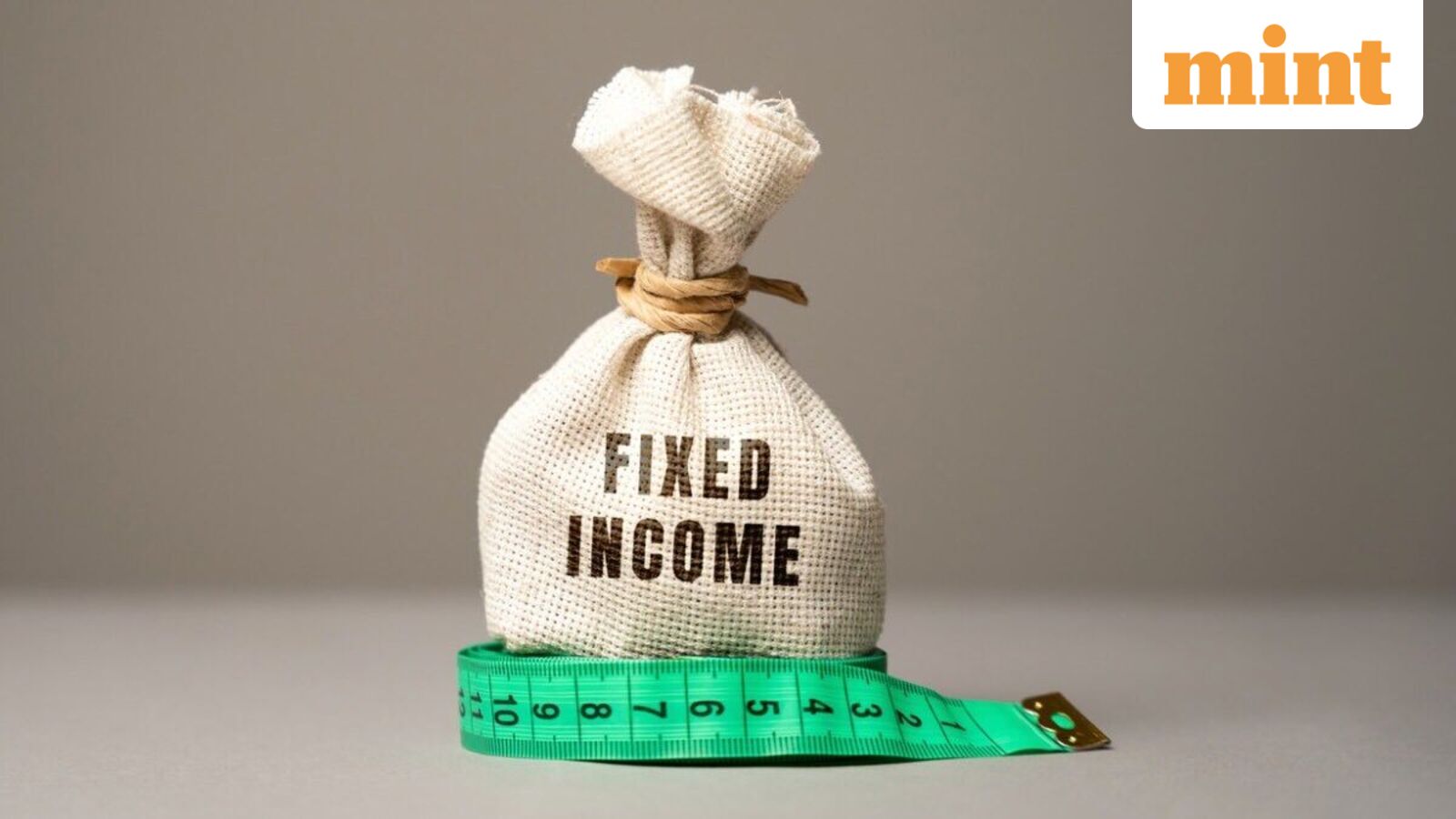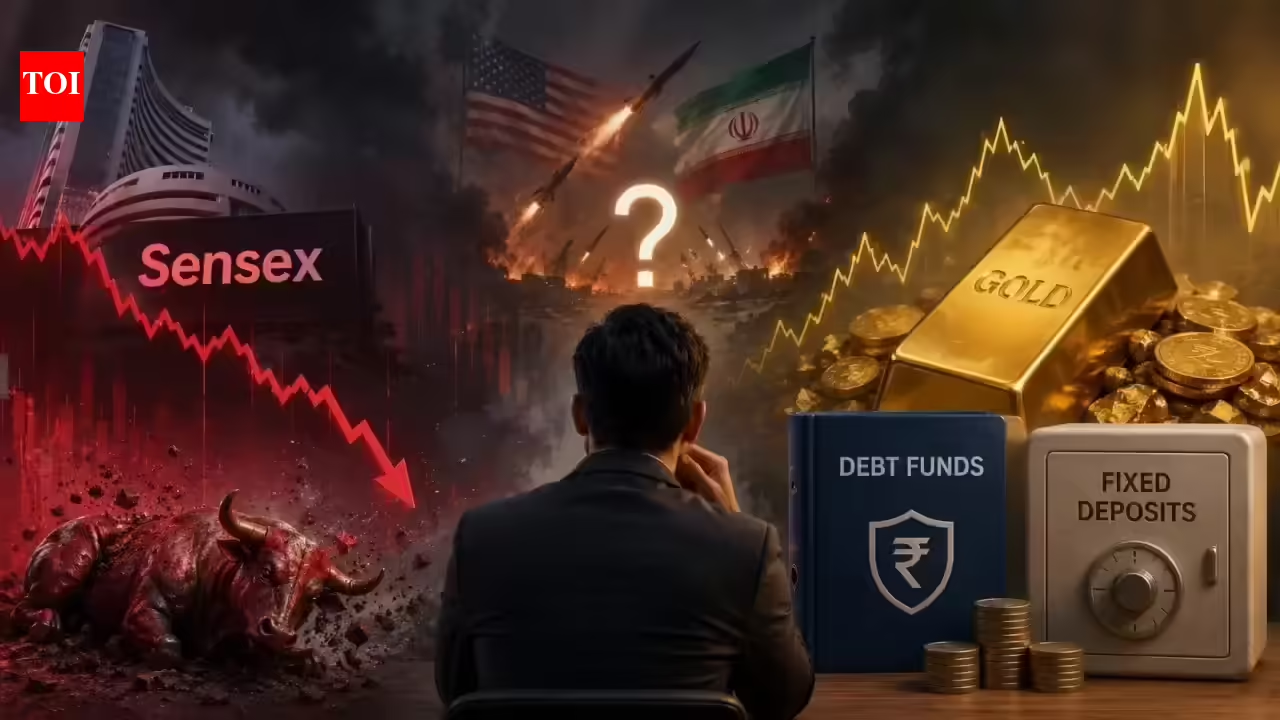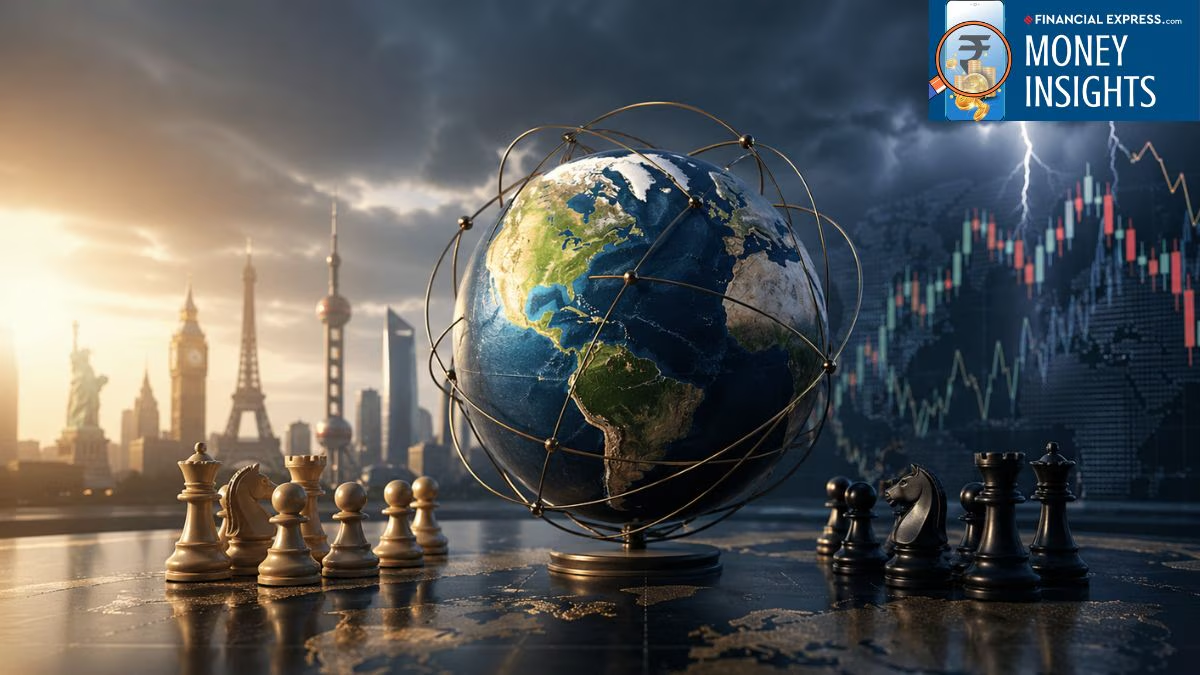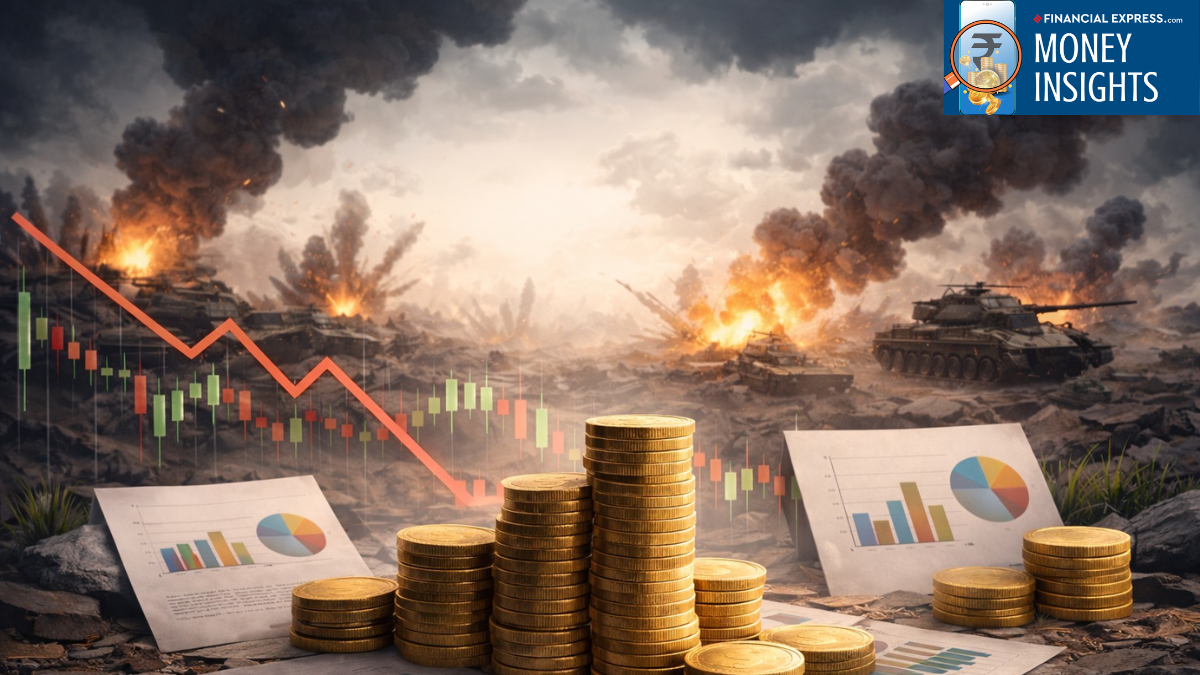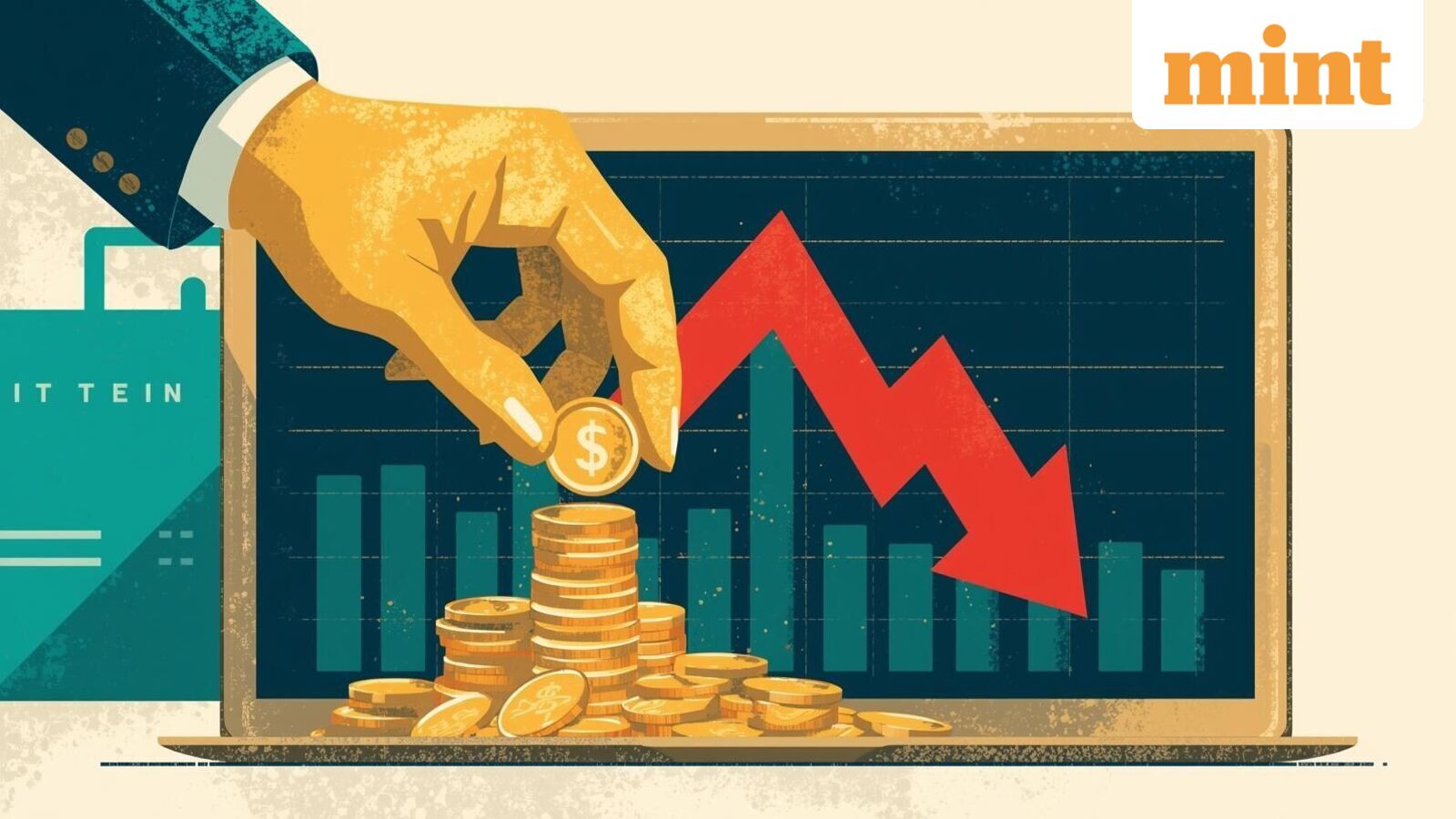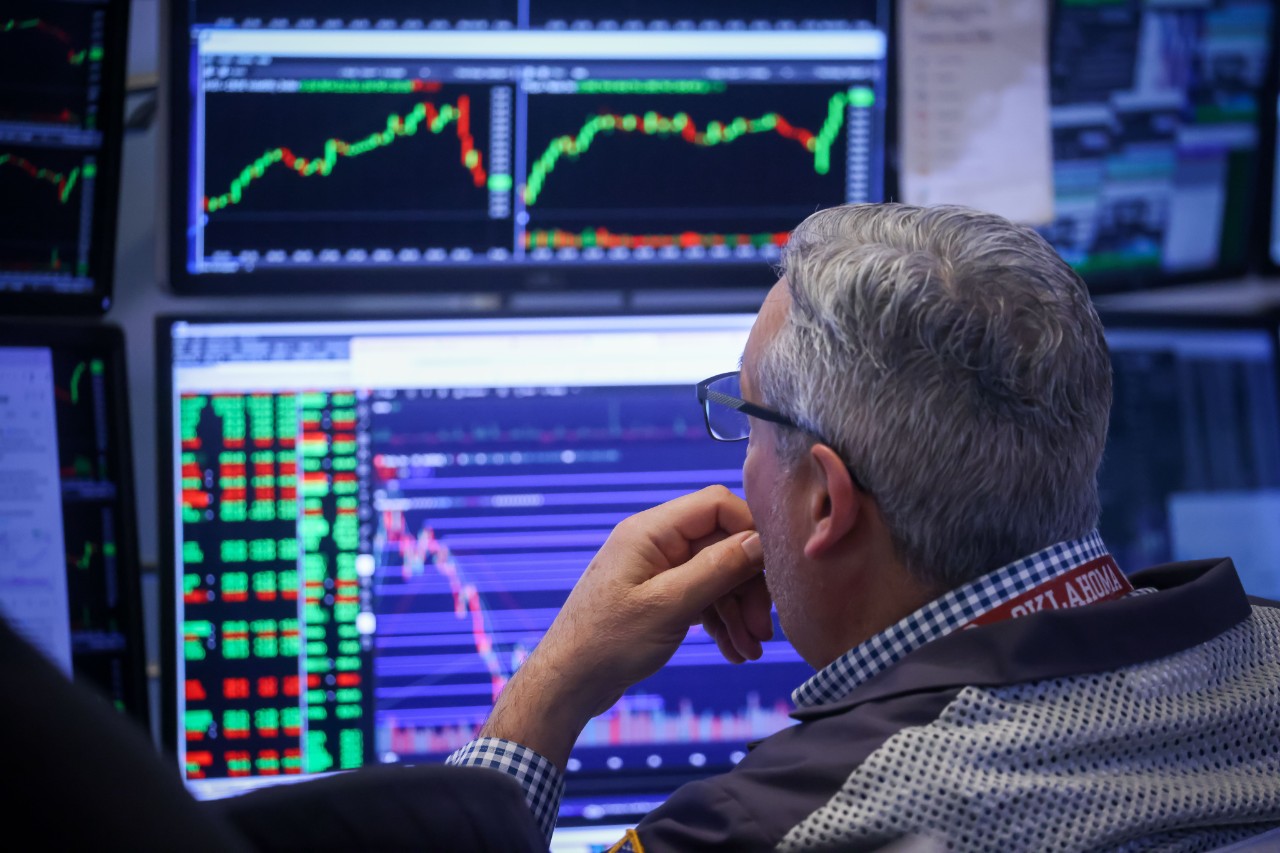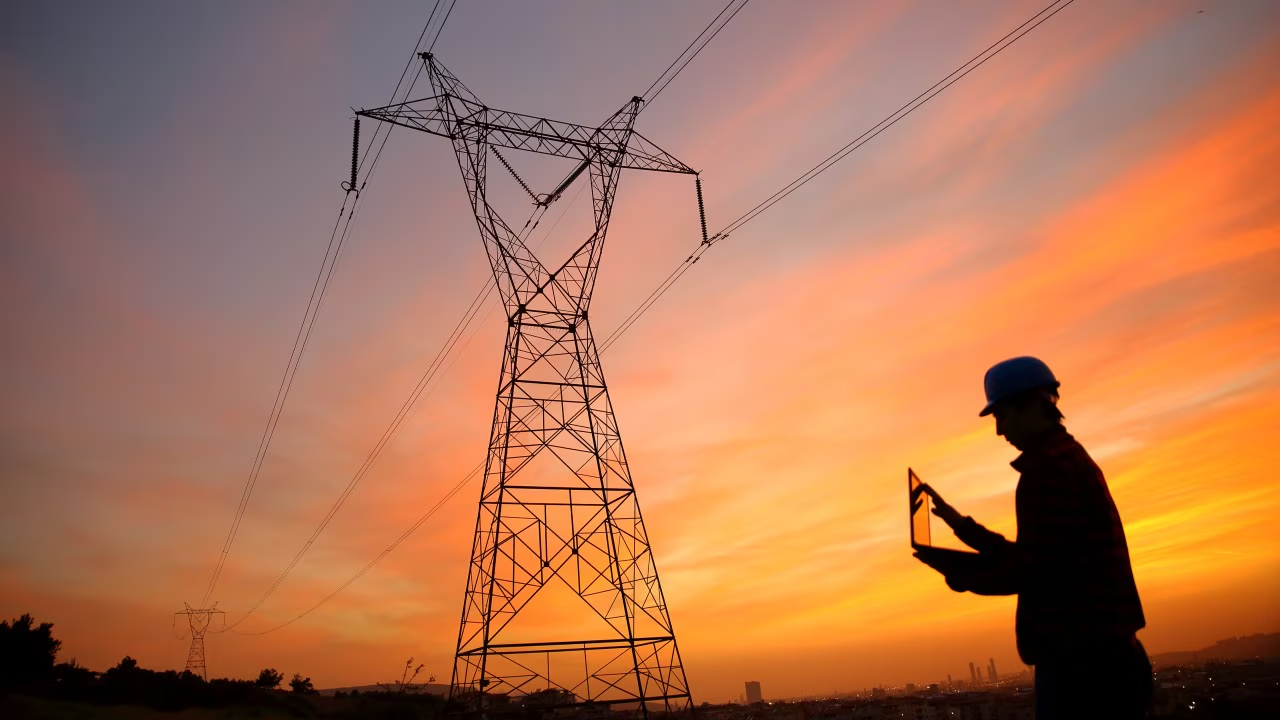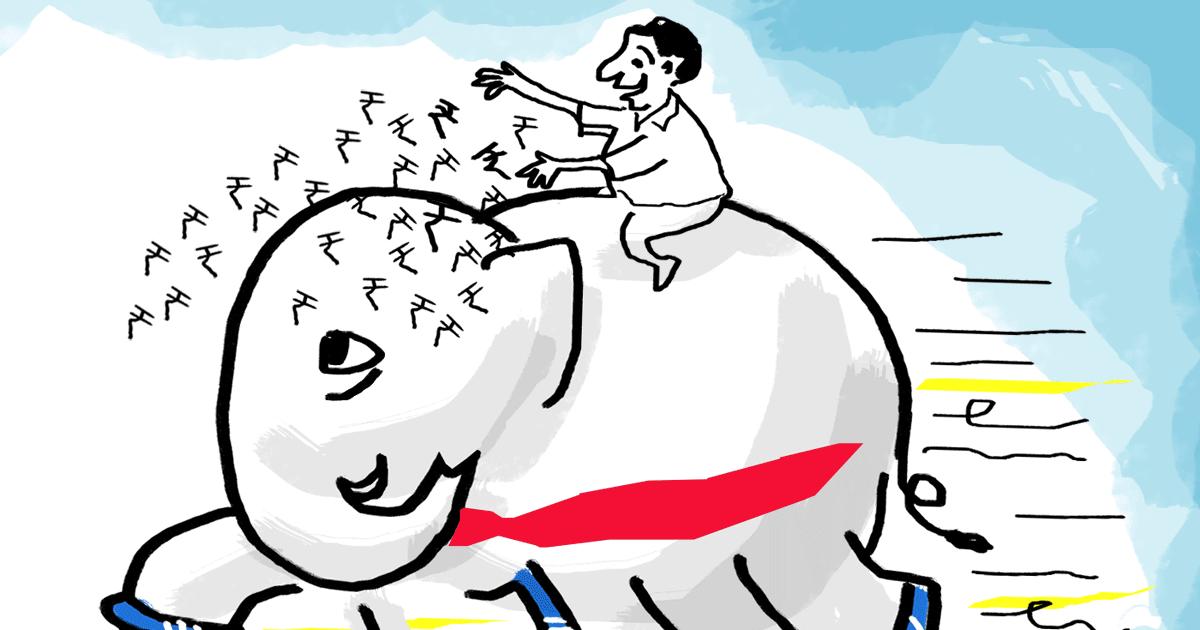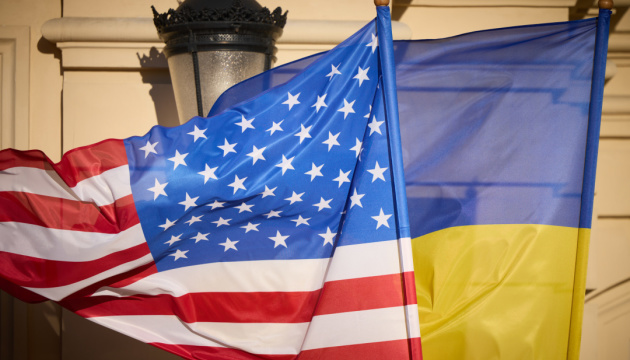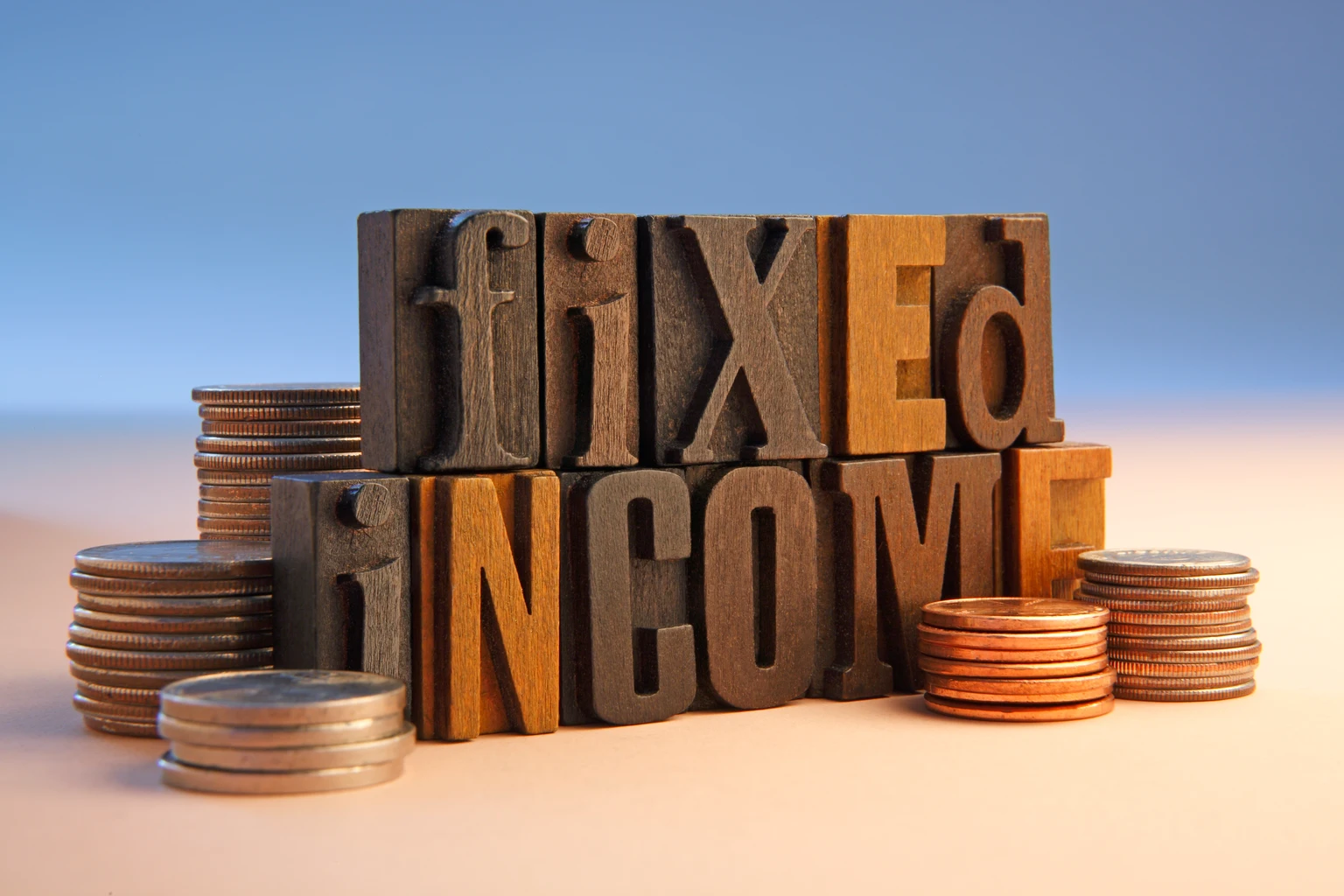
THE global investment landscape shifted fundamentally in late February 2026. What began as a series of targeted military exchanges between the US-Israel coalition and Iran has evolved into a systemic threat to global energy security. For fixed-income investors, the narrative has pivoted from a “flight to safety” to a more complex struggle against “oil-flation”.
Anatomy of a supply shock
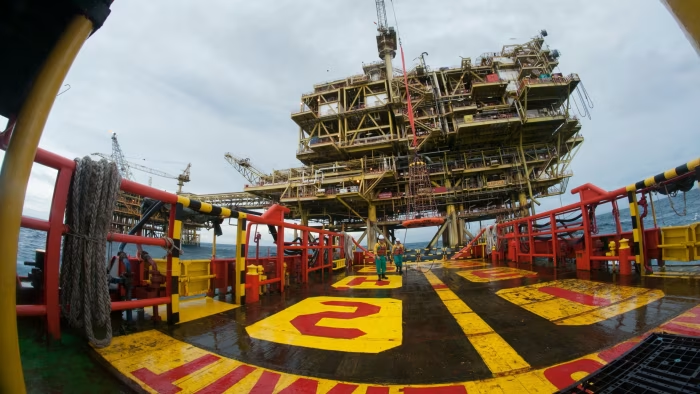
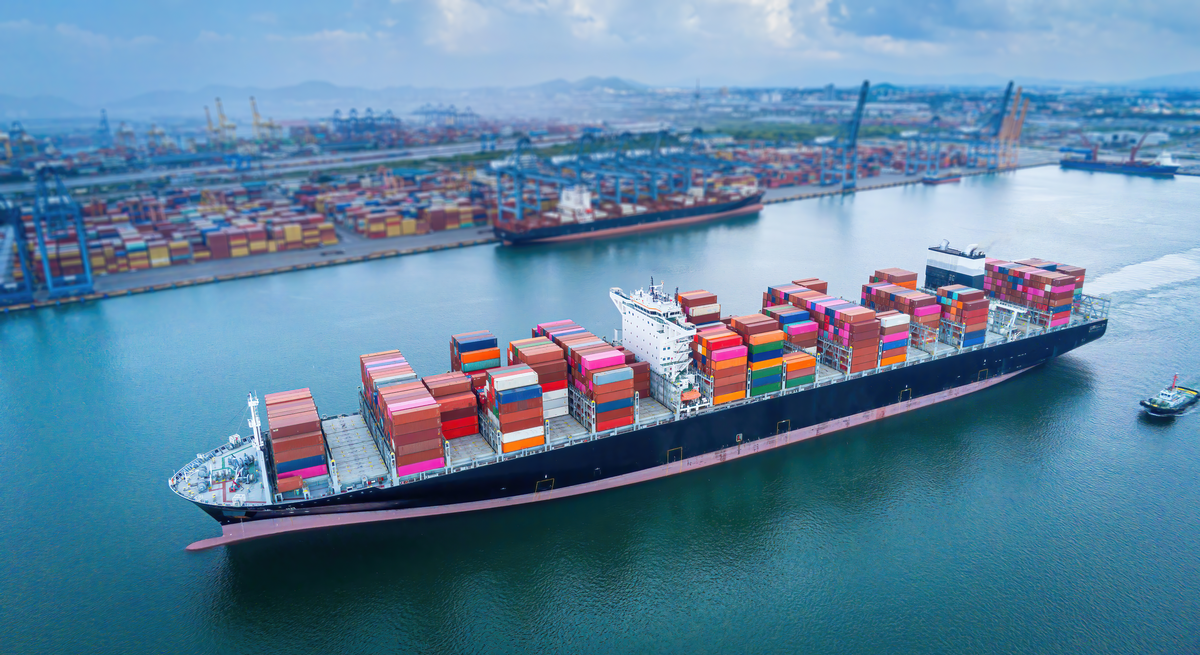
The conflict reached a critical point following strikes on Iran’s strategic assets. In retaliation, Iran announced the effective closure of the Strait of Hormuz – a narrow but vital maritime passage that carries roughly 20 per cent of the world’s seaborne crude oil and a significant portion of liquefied natural gas.
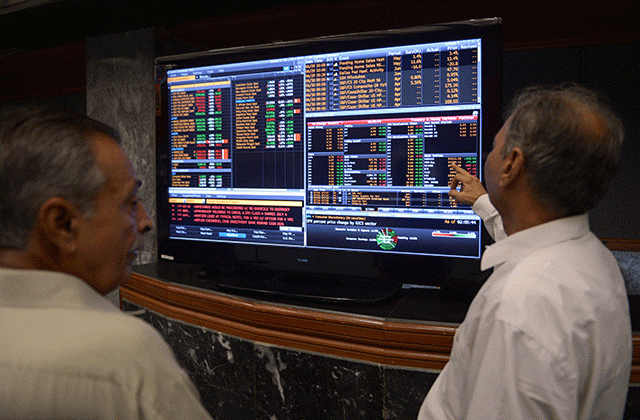
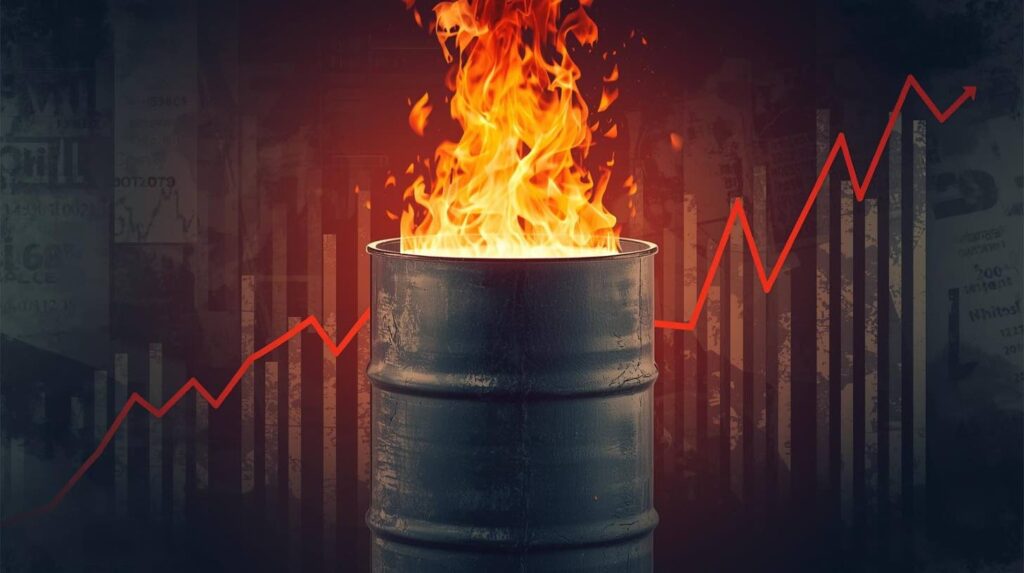
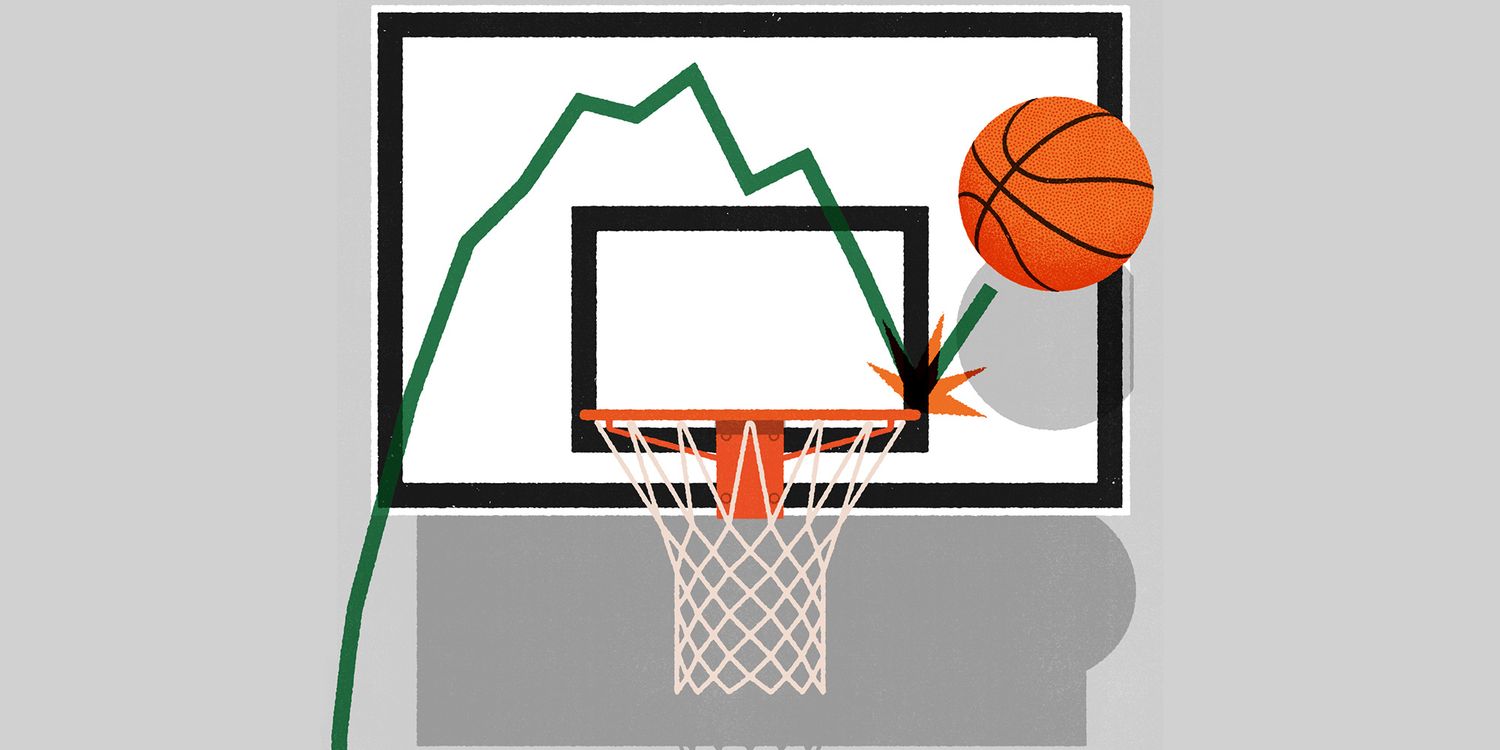
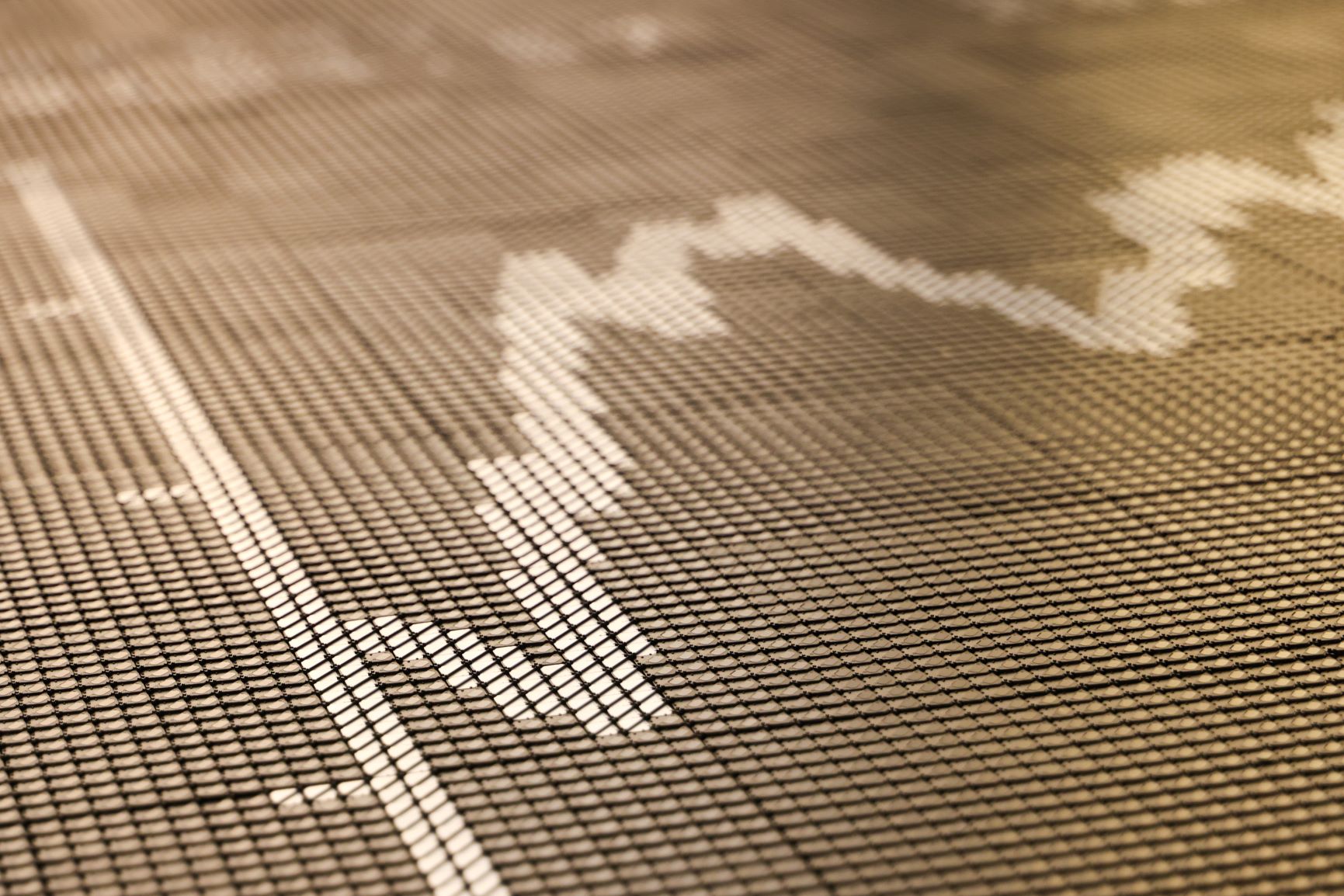
The market reaction was instantaneous. Oil prices surged and have remained elevated despite a record-breaking coordinated release of crude oil reserves from the International Energy Agency, a group of major oil-consuming nations. This highlights the market’s deep-seated anxiety over a prolonged blockade.
Decoding Asia newsletter: your guide to navigating Asia in a new global order. Sign up here to get Decoding Asia newsletter. Delivered to your inbox. Free.