
Trust is considered an essential part of any relationship in which one party is vulnerable to the actions of another. Insurtech is no different. And yet, the findings of the 2026 Benevolent Insurtech Trust Index reveal broker trust in insurtechs is not high.
When two out of three brokers believe vendor claims of time-savings, efficiency and ROI are overstated, there is a trust gap.
Consider the following findings in the inaugural Benevolent Insurtech Trust Index report, completed by 67 brokers from across Canada:
- 67% of brokers surveyed say insurtech promises of time savings, efficiency and ROI (return on investment) are overstated;
- 22% of respondents say vendors are honest about features, pricing and implementation during the sales process;
- 23% of respondents say vendors can be counted on to do what is right;
- 9% of respondents agree vendors have made sacrifices for them in the past.
Before going further, a couple of observations about the survey. First, the sample size means results are indicative but not generalizable. Second, attitudes towards various categories of insurtech were used in the findings, including Broker Management Systems (BMS), Quoting/Rating, email marketing, Policy Admin Systems (PAS), and AI solutions.
The survey suggests three areas in which trust is breaking down right now between brokers and insurtech vendors.
To the moon and back: Promises of efficiency, ROI
Perhaps the most challenging aspect of buying technology is validating vendors’ claims of ‘the better life’ post-purchase. Brokers, it appears, are less willing to accept claims of ROI at face value. They want proof.
As one broker told the survey, “Show me real concrete examples of where our brokerage will see ROI and provide me with contacts that we could follow up with.”
One possible cause of the ROI arms-race may be the fragmentation or specialization of insurtech. Every additional piece of tech puts pressure on vendors to help buyers justify the incremental spend. The problem isn’t necessarily the tech, but the expectation of outcomes.
“Insurtech continues to offer strong potential, but the promises around automation, time savings, and efficiency don’t translate into meaningful improvements for frontline brokers,” one broker said.
Also in the news: Do brokers or insurers own the customer relationship? A court may decide
Other brokers expressed stronger feelings about the extent to which promises are embellished.
In many cases, systems behave in line with their intended design and outcomes; yet still lead to allegations, disputes, or regulatory scrutiny.
“So yes, tech firms all overstate their ROI and what they can do for you because that’s how they get the sale,” said one broker in the survey.
Which leads to the second trust gap that exists: honesty during the sales process.
Why are your fingers crossed? Low trust in sales honesty
Only 22% of survey respondents agree vendors are honest about features, pricing and implementation during the sales process. “Tech vendors in the insurance space suffer from the over-promise and under-deliver syndrome,” said one broker.
Over-promise. Under-deliver. Overstated ROI to make a sale. Are these factually true?
It doesn’t really matter. Even if it’s demonstrably untrue, what matters is the gap between trusting and not trusting the sales pitches. Right now, the gap is wide.
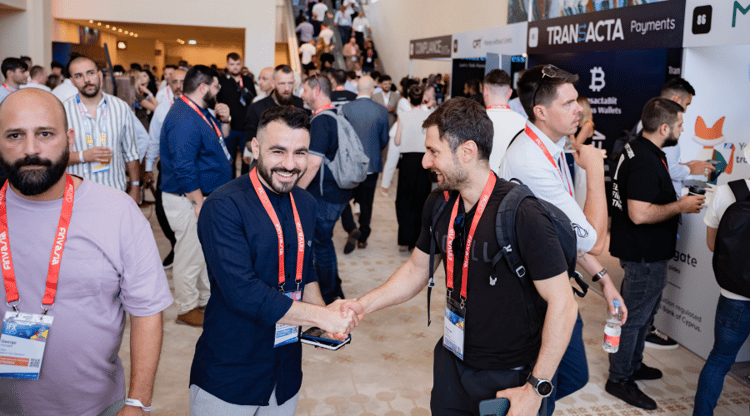
How does this show up? Buying hesitancy. Longer sales cycles. And the ‘dark social’ conversations, those casual yet vulnerable chats between brokers at conventions and industry events where true feelings are shared.
Me before thee: Vendors appear self-interested
Consider these two findings: 23% of respondents say vendors can be counted on to do what is right. And only 9% of respondents agree vendors have made sacrifices for them in the past.
Partnering relationships, those involving trust, are based on a willingness to be vulnerable to another party’s actions. Our survey findings suggest brokers are much less likely to allow themselves to be vulnerable to vendors. In fact, they expect vendors to act in a self-interested manner. This creates an environment in which information is less likely to be shared; and a vendor’s intent is less likely to be associated with the collaborative behaviour of a trustworthy partner.
How to increase trust
Transparency in pricing. Realistic implementation timelines. Honest product roadmap discussions. These topped the list of ways brokers suggested vendors improve trust.
“Trust grows with insurtech when [vendors] stop overselling roadmap features,” as one broker put it in the survey.
Of course, being upfront about time savings, workflow efficiencies and ROI would also go a long way to strengthening feelings of trust. Those who are customer-facing have the biggest opportunity to break or build trust.
The good thing is, trust can always be rebuilt, especially when goals are aligned. As one respondent stated: “Real insurtech success isn’t about disruption; it’s about reliability, partnership, and making brokers better at serving clients.”