For most of crypto’s history, income generation has been tied to participation rather than structure. Staking rewards, decentralised lending, and liquidity incentives have allowed investors to generate returns while remaining exposed to digital asset markets. These mechanisms helped define how income was understood in crypto.
Today, that conversation is beginning to expand.
As digital assets mature into a recognised investment class, investors are exploring new ways to approach income generation that borrow concepts from traditional finance. Rather than relying exclusively on variable reward systems, some market participants are beginning to examine structured approaches designed to provide clearer return expectations.
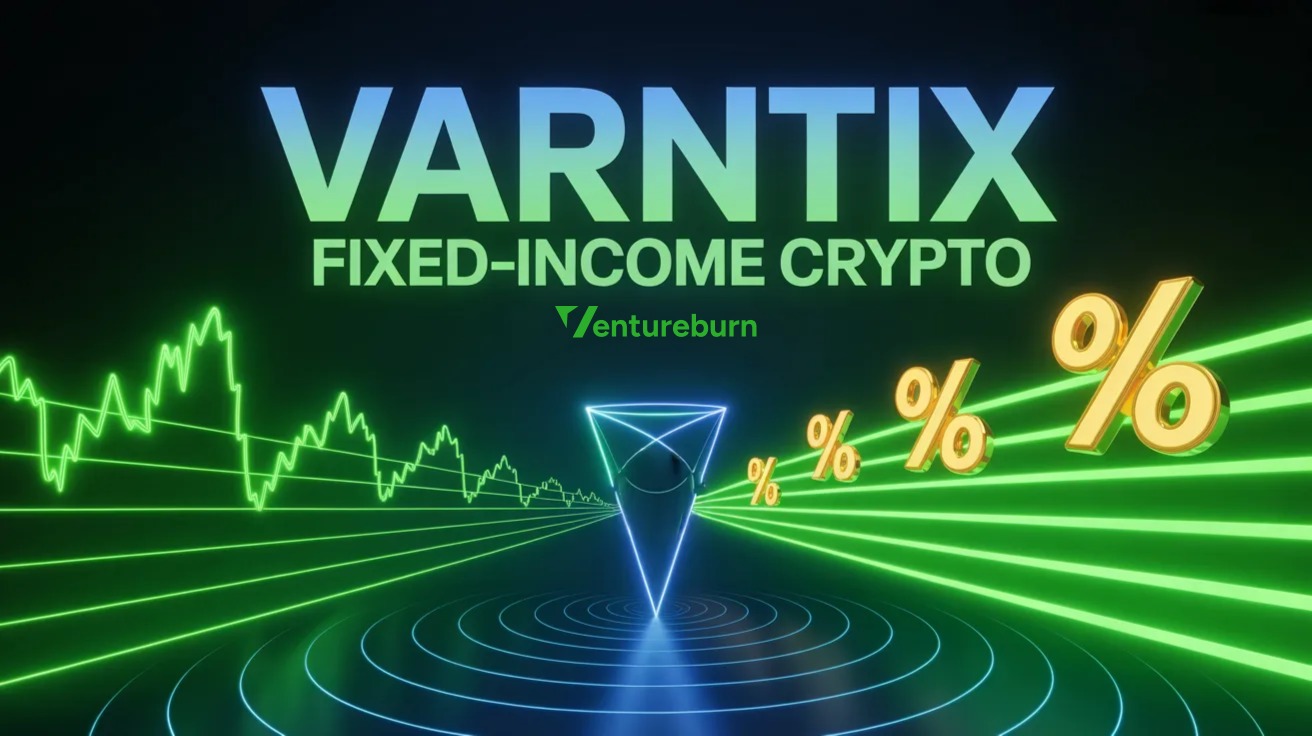
Varntix is entering this discussion with a digital asset treasury model focused on fixed-term income participation and on-chain execution.
The Growing Interest in Fixed-Income Crypto Strategies

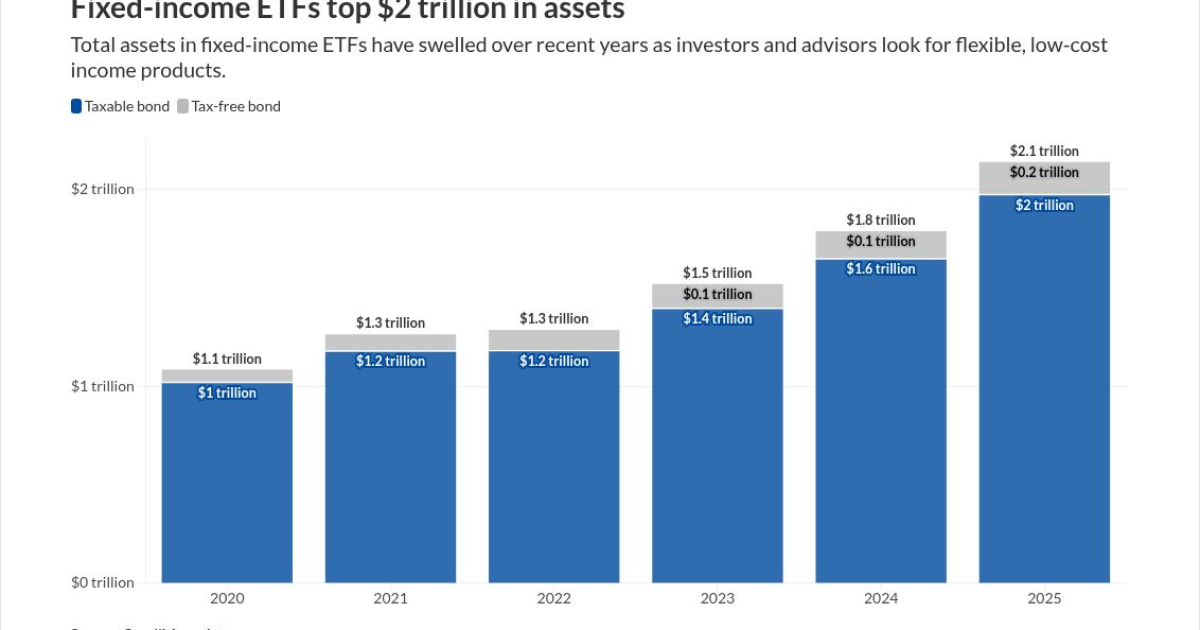
Income predictability has long been a cornerstone of traditional financial markets. Fixed-income instruments allow investors to commit capital for defined durations while understanding expected returns in advance. These structures have historically played a stabilising role in diversified portfolios.
Crypto markets developed differently. Income opportunities were typically tied to network participation or decentralised finance activity, where reward rates fluctuate with market demand. While these models remain central to blockchain ecosystems, they do not always provide visibility into future income.
This gap is encouraging exploration of alternative income strategies within digital asset markets. Investors are increasingly evaluating how crypto exposure can include defined-return components alongside growth-focused participation.
Digital Asset Treasuries Are Evolving
Digital Asset Treasuries (DATs) are becoming an important part of this evolution. Instead of functioning purely as crypto holding vehicles, treasury models are beginning to incorporate diversification, capital allocation strategies, and structured participation frameworks.
Early treasury strategies often concentrated exposure in a single cryptocurrency. While this approach simplified balance-sheet management, it also created direct sensitivity to market cycles affecting that asset. Newer treasury frameworks are exploring diversified crypto allocations designed to balance exposure across different networks.
Varntix’s model reflects this shift. The company is developing a digital asset treasury structure centred around fixed-term convertible notes executed on-chain, with income paid in stablecoins. The goal is to combine treasury diversification with predefined income schedules.
For readers interested in the broader development of these strategies, research examining fixed income in crypto explores how structured digital asset income frameworks are beginning to complement traditional staking and yield participation models.
Blockchain Infrastructure Is Enabling Structured Income Models
The expansion of structured income approaches in crypto is closely tied to improvements in blockchain infrastructure. Smart contracts allow financial instruments to operate with predefined rules governing payments, ownership tracking, and redemption processes.
This automation introduces transparency and efficiency into income-focused participation models. Investors can verify payment schedules and treasury activity directly on-chain, reducing reliance on manual reporting systems.
As blockchain technology continues to evolve, these capabilities are enabling financial structures that resemble traditional income instruments while maintaining the openness and programmability of digital asset markets.
Some digital asset treasury platforms, including Varntix, are exploring diversified allocation strategies designed to support fixed-term income instruments. Their development reflects a broader shift toward integrating structured financial concepts into crypto investing.
Final Thoughts
Crypto markets remain driven by innovation and growth, but participation models are becoming more diverse. Trading, decentralised finance, and treasury-based income strategies are increasingly being viewed as complementary components of digital asset portfolios.
The conversation around income in crypto is expanding beyond variable rewards toward frameworks that emphasise predictability and capital planning. As this evolution continues, structured treasury participation may become an increasingly important part of how investors approach digital asset exposure.
Varntix’s entry into the digital asset treasury space reflects how the market is beginning to explore new ways of combining blockchain infrastructure with established financial principles.
Varntix is a digital asset treasury company focused on structured crypto income and on-chain convertible notes. Learn more at varntix.com.