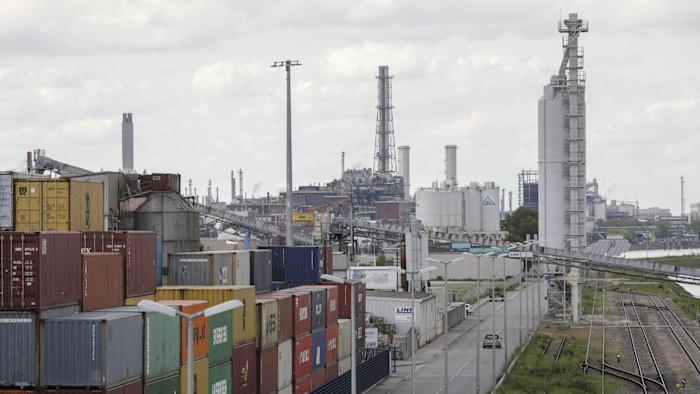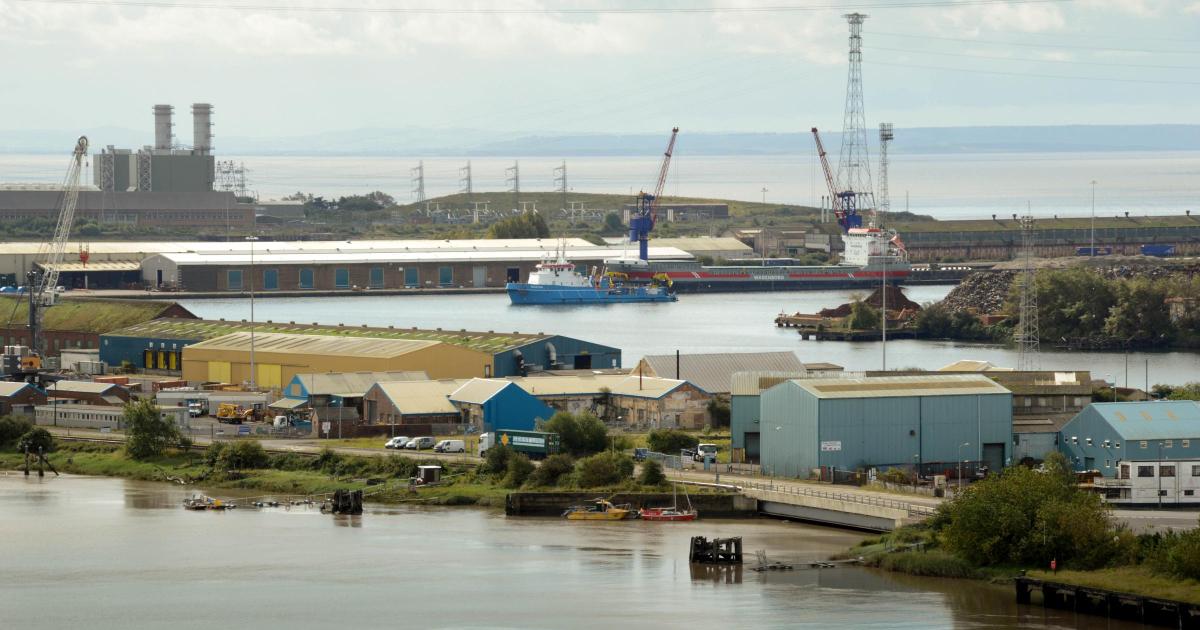
The British Ports Association has said the upcoming change will have “grave consequences” for investment.
The warning follows plans by the Treasury to remove a key exemption that supports the use of stabilisers in the safe disposal of contaminated sediment known as dredgings from ports, rivers and canals.
Richard Ballantyne, chief executive of the BPA, said: “This change to landfill tax, which was buried alongside the Budget, seriously undermines the Government’s growth plans.
“Major port and waterways projects are planned, but they will have to be delayed, scrapped or reviewed because of the additional financial burden.
“Ministers need to act fast and ditch this tax before it damages their plans for growth and building the renewable energy industry in port regions.”
The BPA, whose members own and operate more than 400 ports, terminals and facilities, estimates the change could add tens of millions of pounds to major projects, making them impossible to fund.
The association has written to Dan Tomlinson, Exchequer Secretary to the Treasury.
In the letter, Mr Ballantyne wrote: “Alongside our partners in the rivers, canals and waste management sectors, including renewable Energy from Waste and Biomass plants, we are writing to express our alarm at imminent changes to a landfill tax exemption that will have a minimal impact on the Exchequer but will have grave consequences for investment in several important ports…”
“The consequences of this decision will badly damage the Government’s commitment to boosting growth, economic stability and its mission-led focus on infrastructure. The problems include, but are not limited to, the collapse of major industrial and development projects, particularly in ports, rivers and canals… delaying net zero as green energy and industrial projects in port areas become unviable.”
The letter was backed by the Canal & River Trust, Forth Ports Group, Land & Water, Augean, Rothen Group, MVV Environmental, and Ebsford Environmental.
The BPA also warned that the move could result in “tens of thousands of jobs” being lost in the North-east.