Find top HFT trading software options for US advisors and RIAs in this quick comparison guide
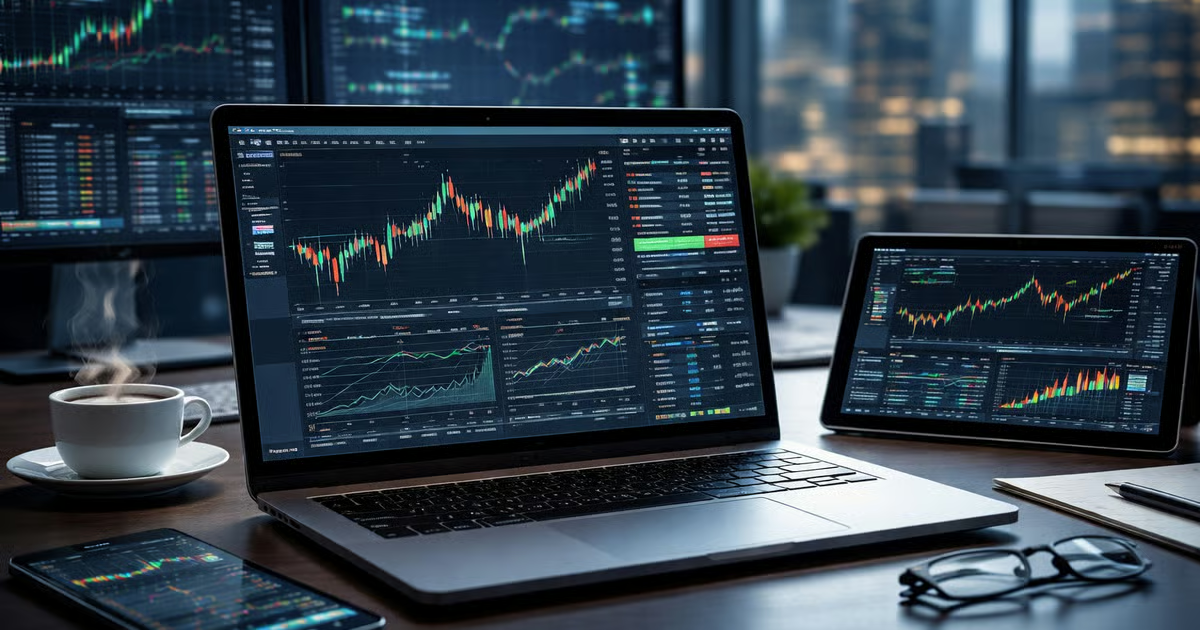
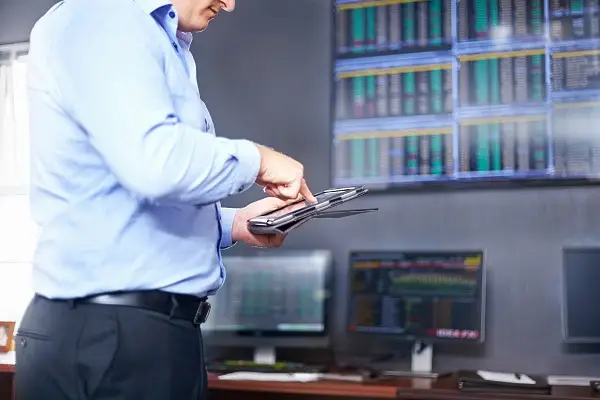
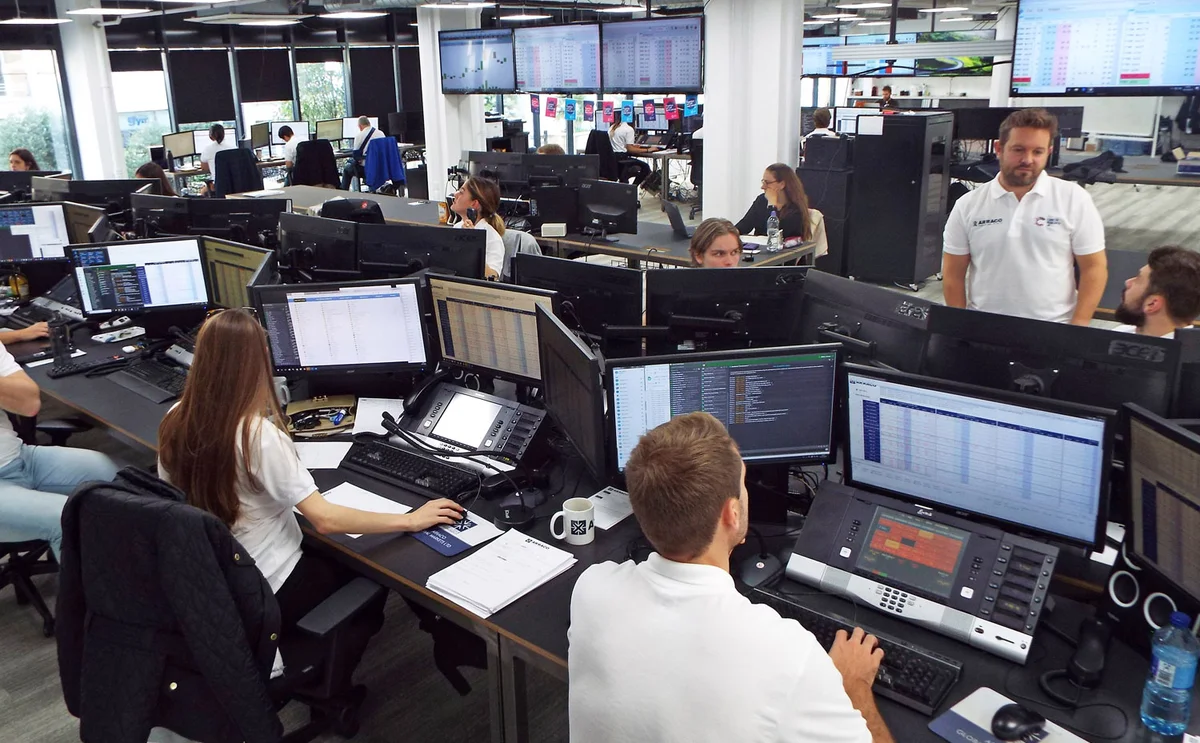
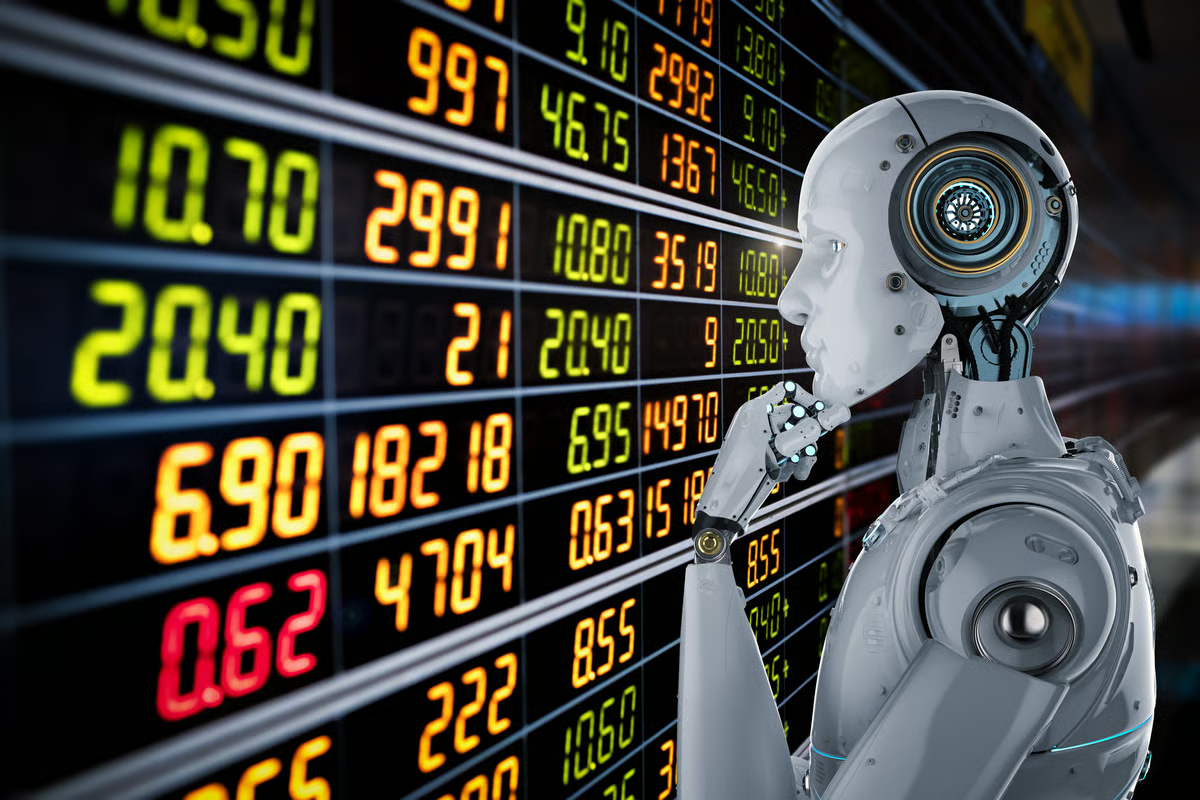
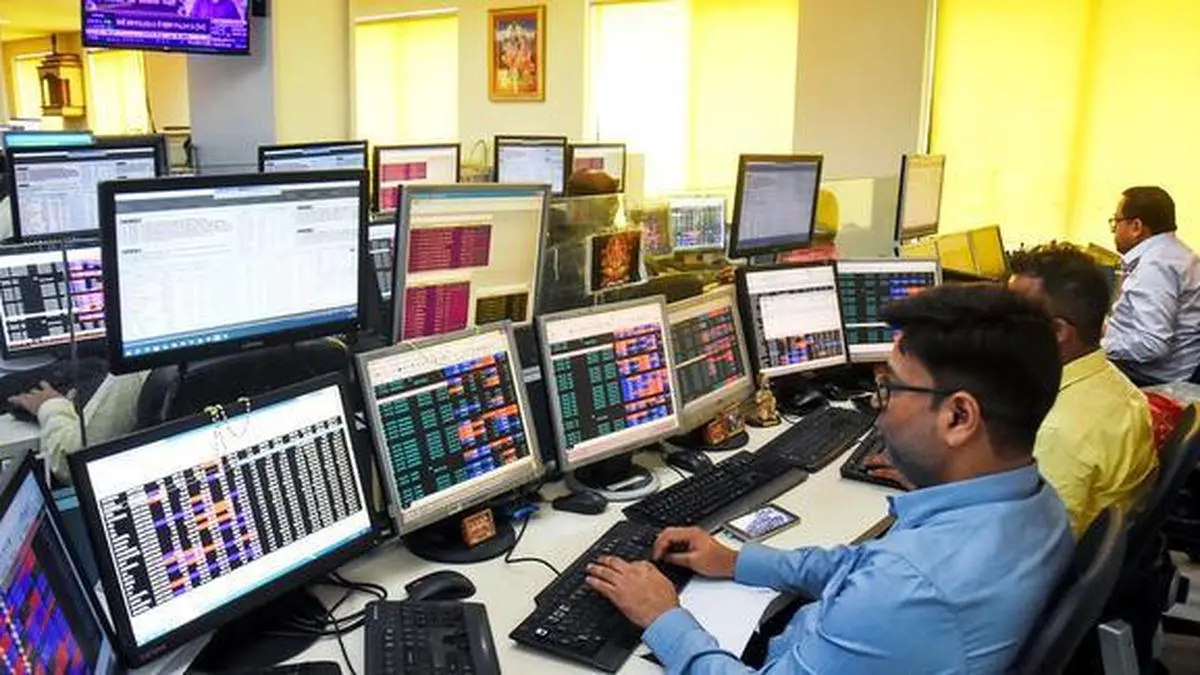
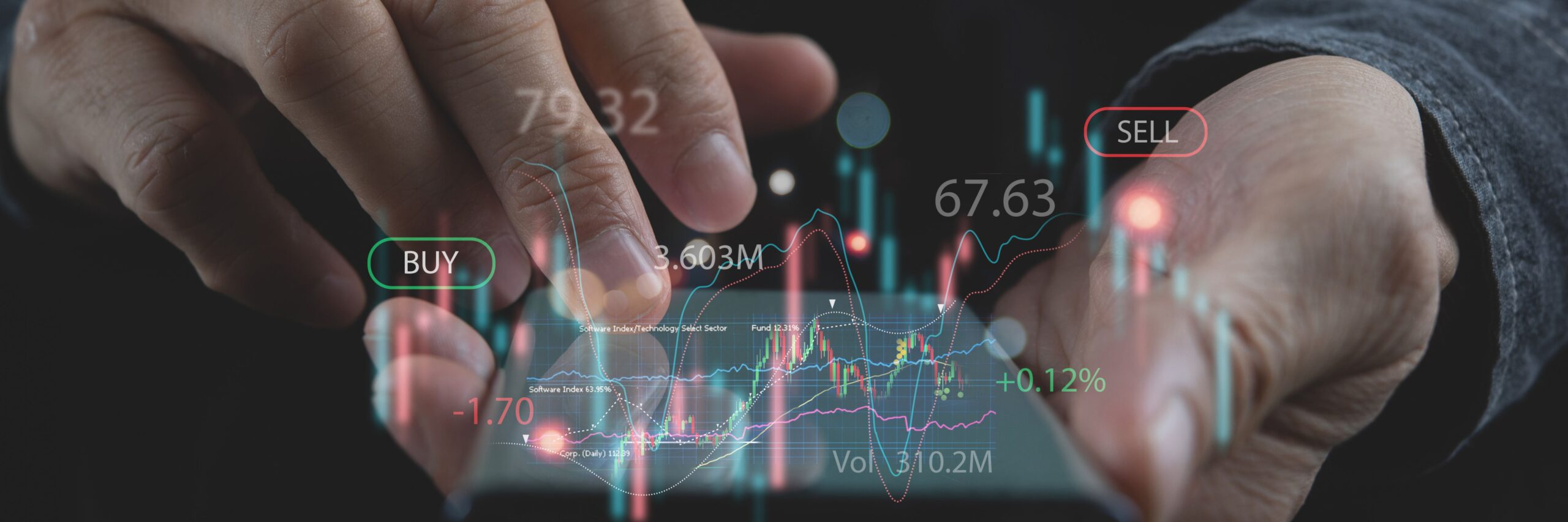
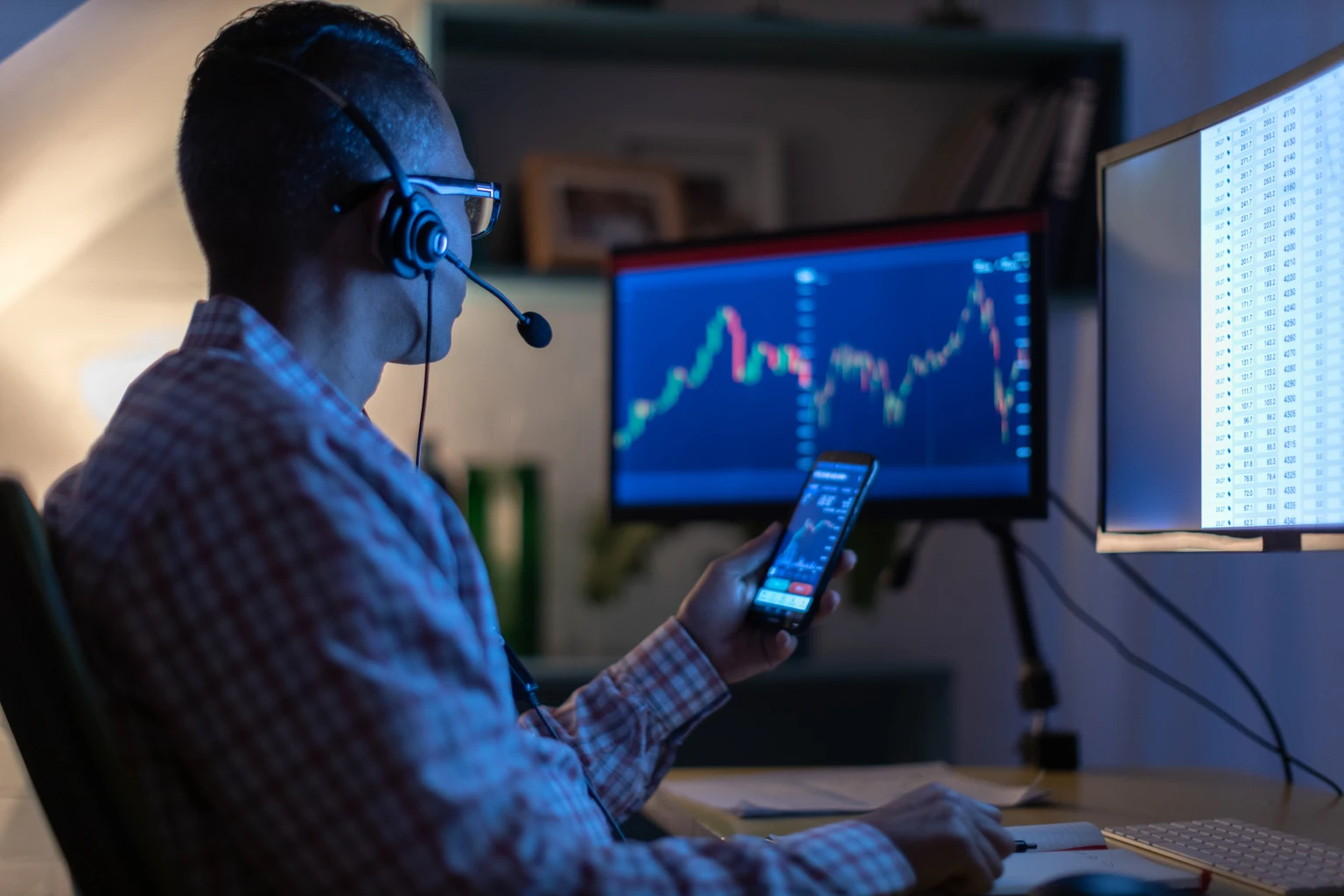
In today’s financial markets, speed greatly impacts success. Even a millisecond can separate profit from loss. This is where HFT trading software steps in. This software is built to execute thousands of transactions in milliseconds. However, it’s not just about trading faster; it’s also about leveraging automation and data analytics to anticipate and react before others even notice a price shift.
For financial advisors and RIAs, understanding how HFT trading software works is essential for staying competitive. The best high-frequency trading software gives companies access to the same high-speed execution capabilities once limited to global institutions. Let’s explore what HFT really means, how it works, and which platforms are best suited to operate at the speed of modern finance.
So, what is HFT software exactly? At its core, high-frequency trading is a form of algorithmic trading software that executes thousands of trades in milliseconds. It’s built on mathematical models and automated logic that analyze price movements, detect opportunities, and place orders far faster than human traders ever could.
These systems rely on enormous computing power, advanced coding, and quantitative trading tools capable of interpreting market data in real time. Over the years, HFT has evolved from early telegraph-based arbitrage to fully automated networks powered by AI and high-speed communication lines.
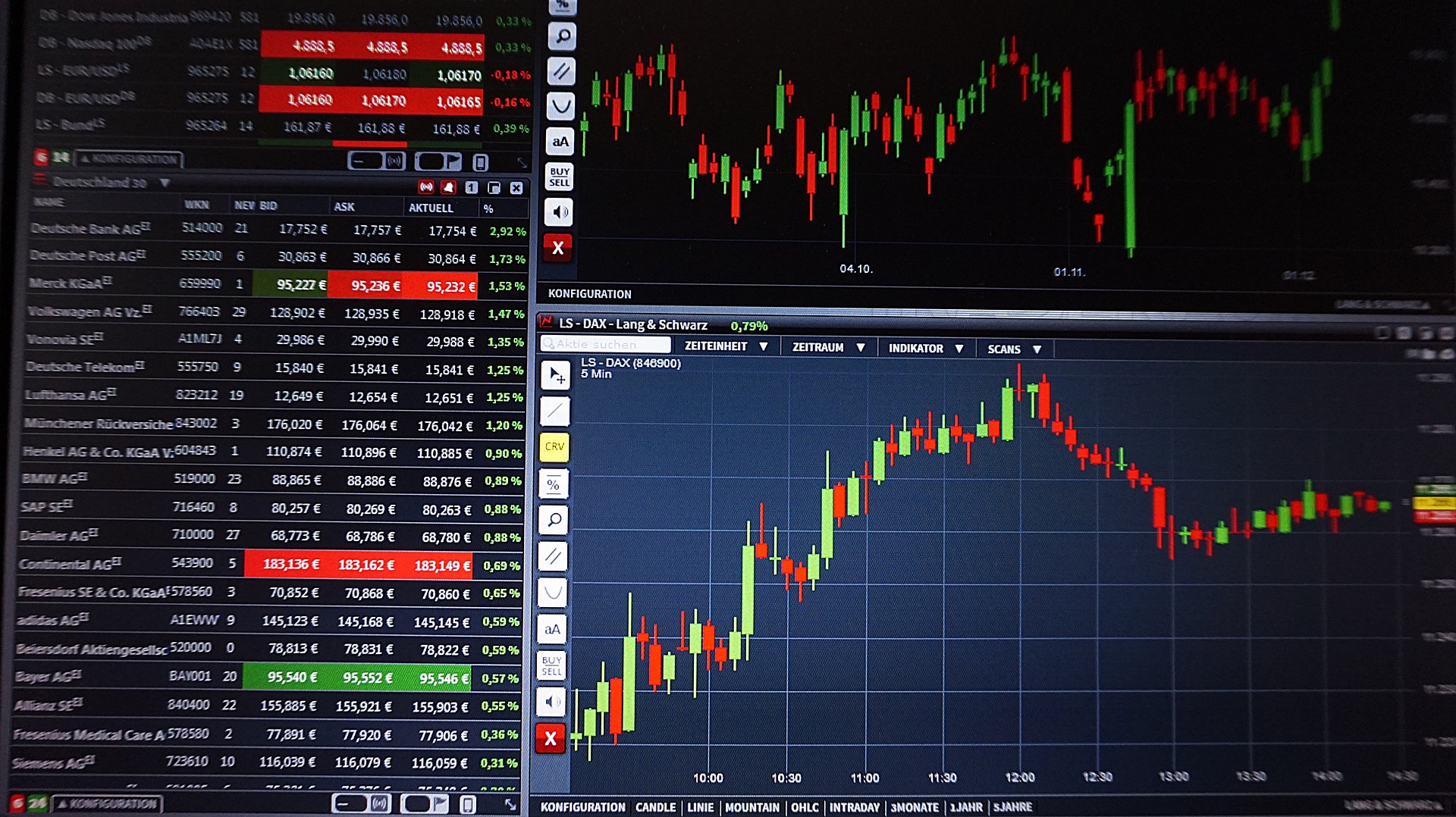
This form of low-latency trading thrives on minimizing trading system latency or the slight delay between when an order is sent and when it’s executed. Reducing this lag by even a microsecond can translate into major competitive advantages. To achieve that speed, HFT platforms use real-time data feeds, direct market access, and automated trading platforms connected directly to exchange servers.
This level of performance, however, comes at a cost. The price of HFT software runs into hundreds of thousands or even millions of dollars once you factor in hardware, co-location fees, and maintenance.
Find out where HFT trading software fits in your tech systems in this guide to building a strong advisor tech stack.
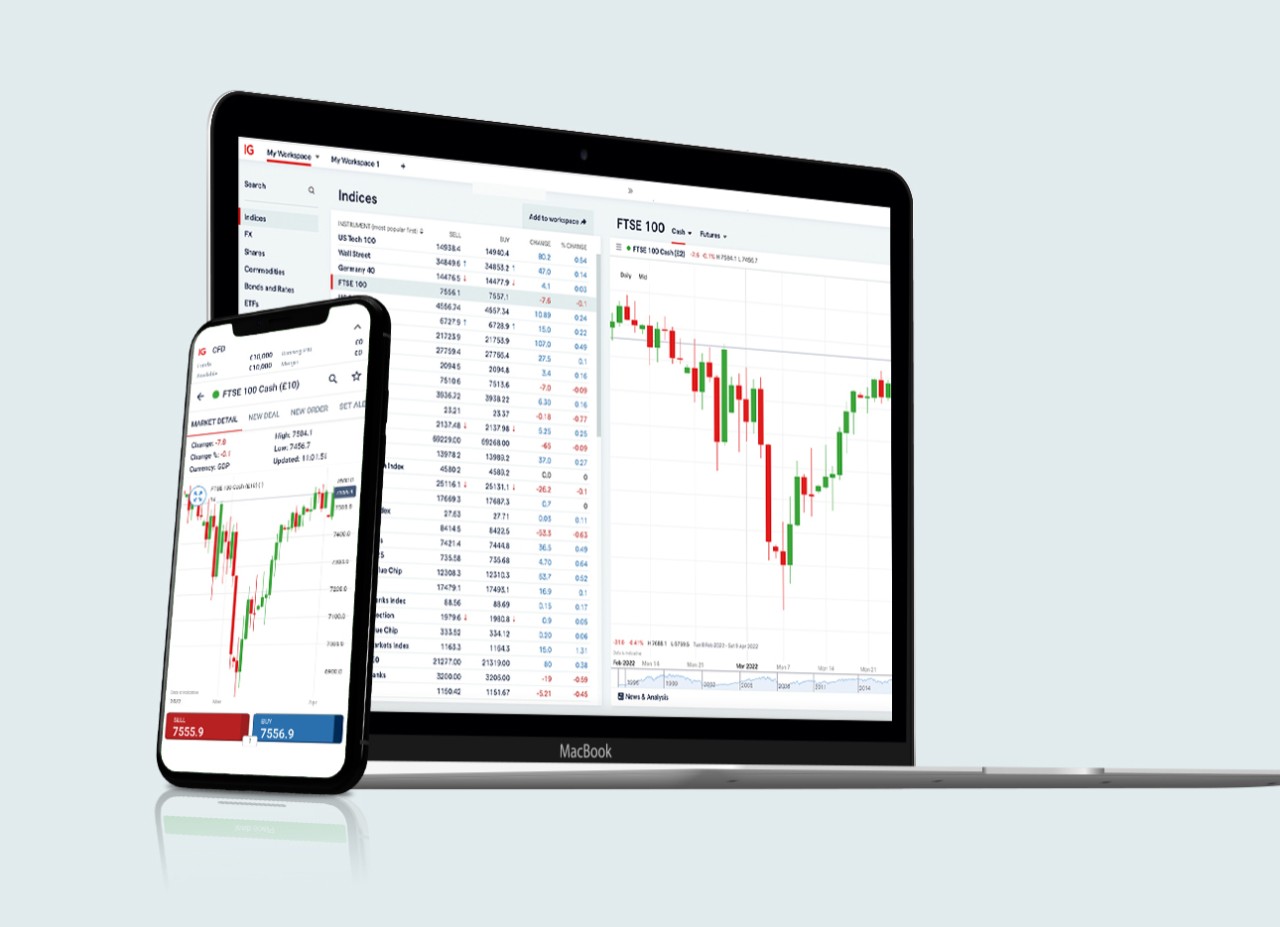
Finding the best high-frequency trading software depends on what you trade, how you execute, and the level of access your broker provides. Modern institutional trading software blends speed, accuracy, and automation through electronic trading platforms built for professionals. These platforms often include advanced execution management systems and API-based trading that let you automate complex strategies. For US advisors and RIAs, they offer the closest experience to institutional-grade trading without the need to build expensive infrastructure.
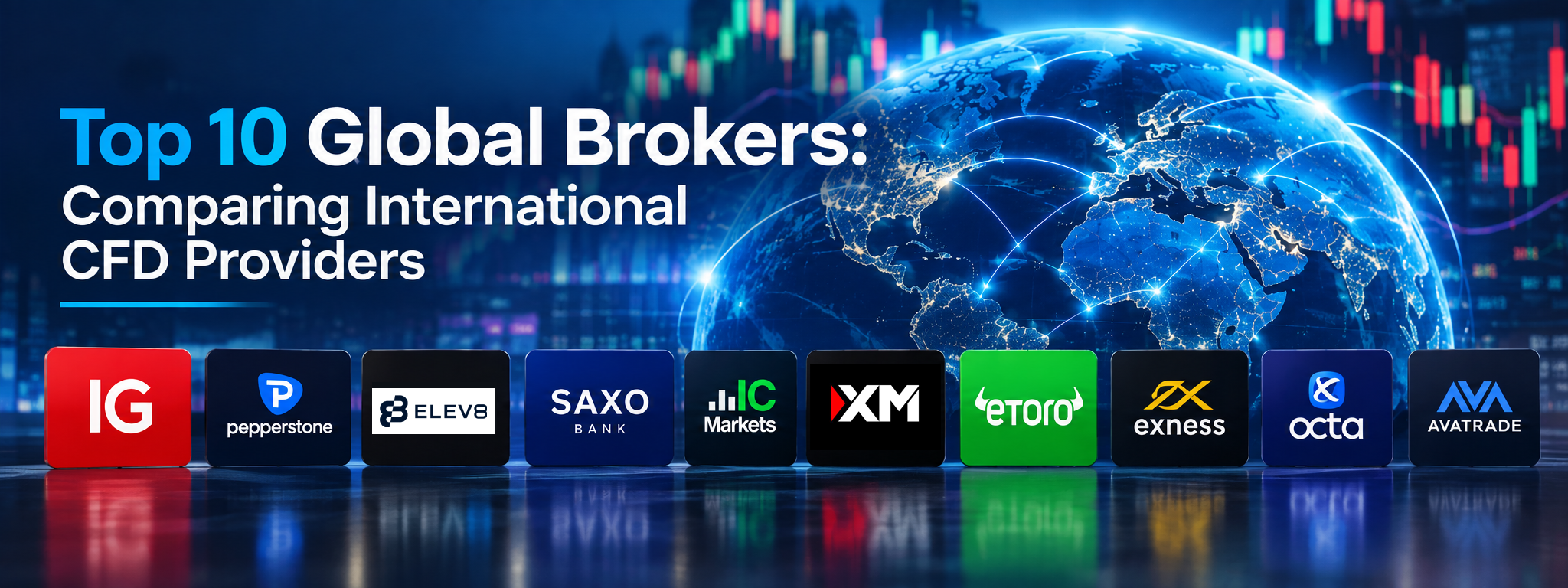
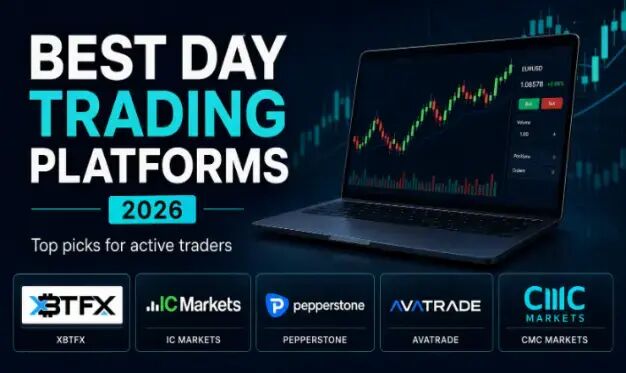
Below are some of the top HFT trading software providers on the market:
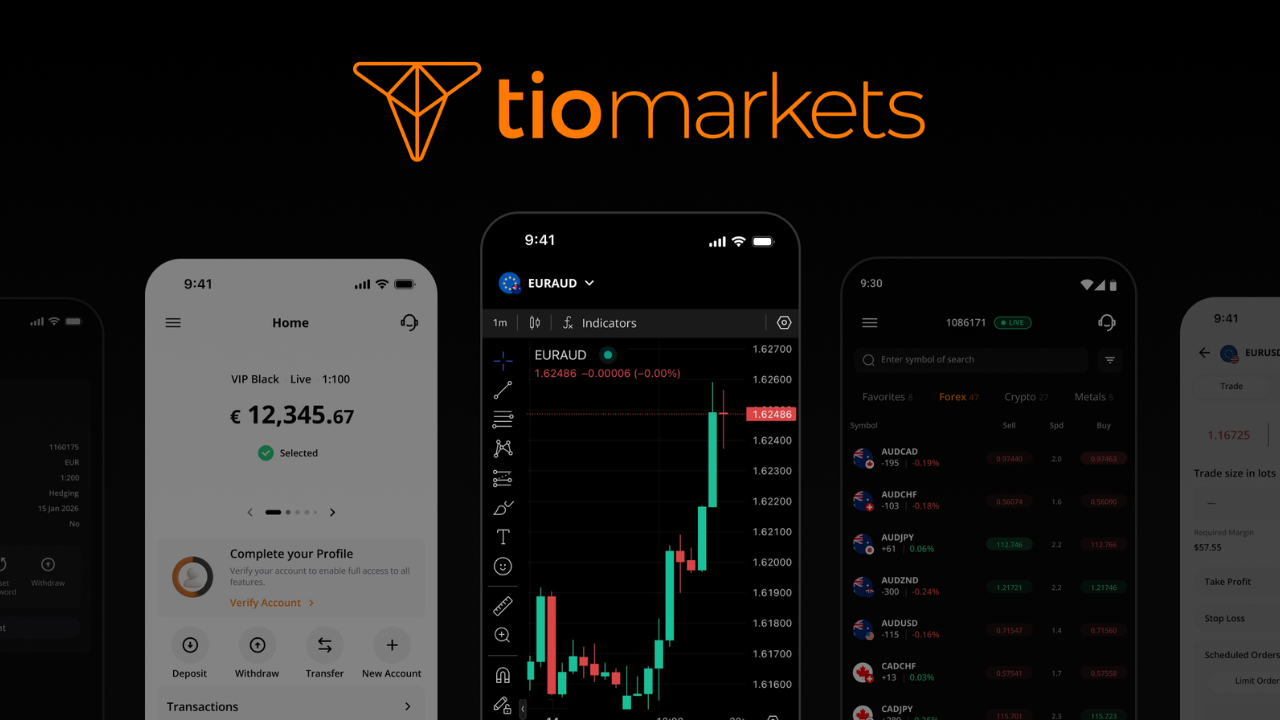
- IC Markets – Best overall for algorithmic traders
- Ideal for HFT strategies on MetaTrader 4/5 and cTrader
- Offers FIX API access, low-latency connections, and tight spreads
- Features a rebate program for high-volume traders
- Excellent for reducing latency and maximizing execution speed
- Pepperstone – Most flexible for automation
- Supports MetaTrader, cTrader, and TradingView platforms
- Known for strong algorithmic and copy trading tools
- Competitive pricing through its Razor accounts
- Offers active trader rebates and low average spreads
- FXCM – Best for developers and advanced tools
- Integrates multiple third-party platforms such as QuantConnect, MotiveWave, and StrategyQuant
- Provides open-source API access (REST, Java, ForexConnect)
- Includes detailed execution reports and developer support
- Excellent choice for building custom trading systems
- Tickmill – Best for competitive pricing
- Uses the MetaTrader platform suite
- Offers VIP and Pro accounts with ultra-low commissions
- Designed for professional traders seeking tight spreads
- Includes solid research and educational content
- FP Markets – Institutional-Level Spreads
- Provides access to over 10,000 instruments via MetaTrader
- Features direct market access and low-cost execution
- Great for advisors seeking wide market exposure
Other HFT trading software: FxPro, XM Group, and Eightcap are also strong choices.
- FxPro: Known for clean order execution and platform diversity (MetaTrader and cTrader)
- XM Group: Excellent education resources and copy trading options
- Eightcap: Offers crypto CFD access and third-party plug-ins like TradingView
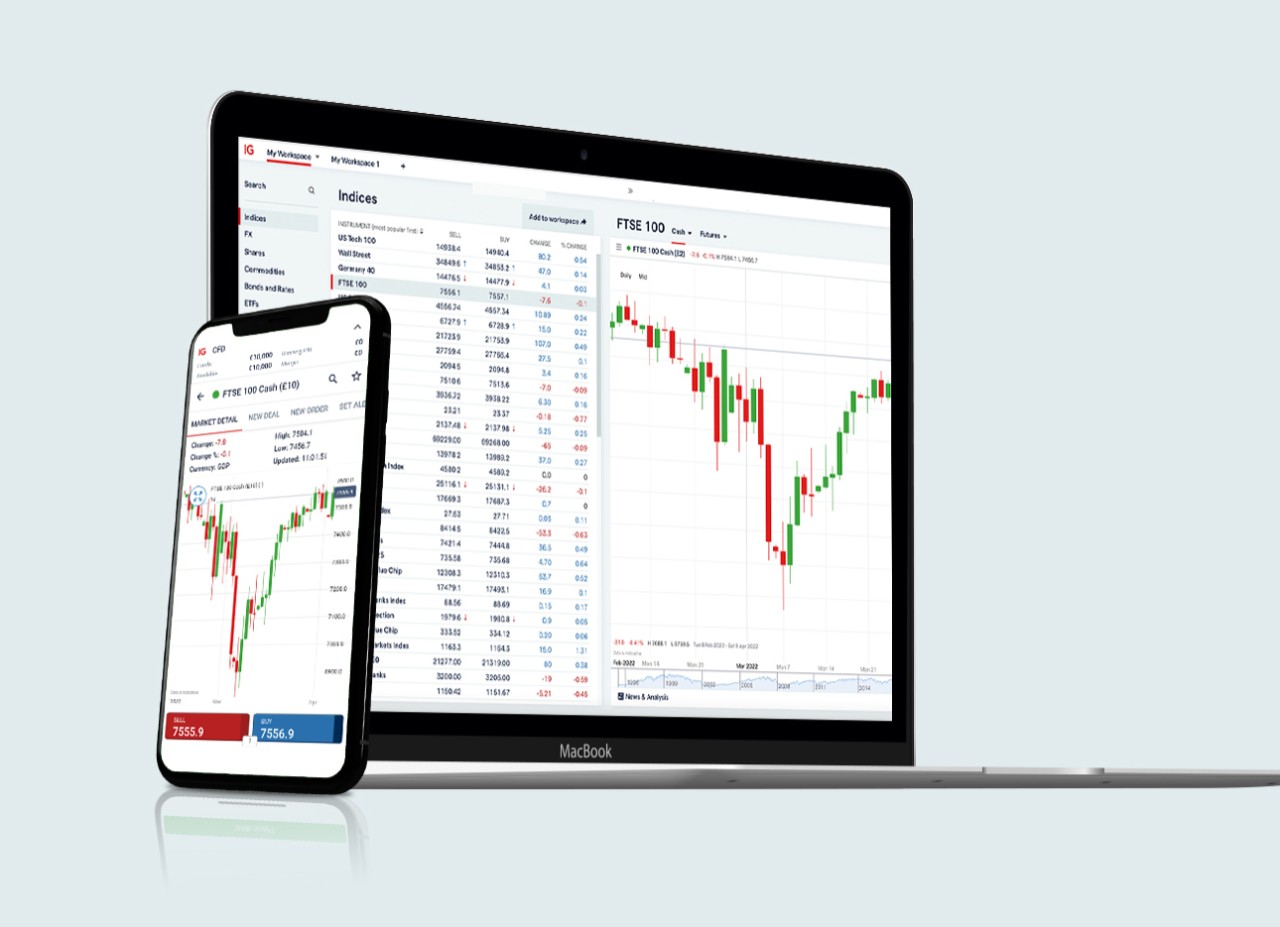
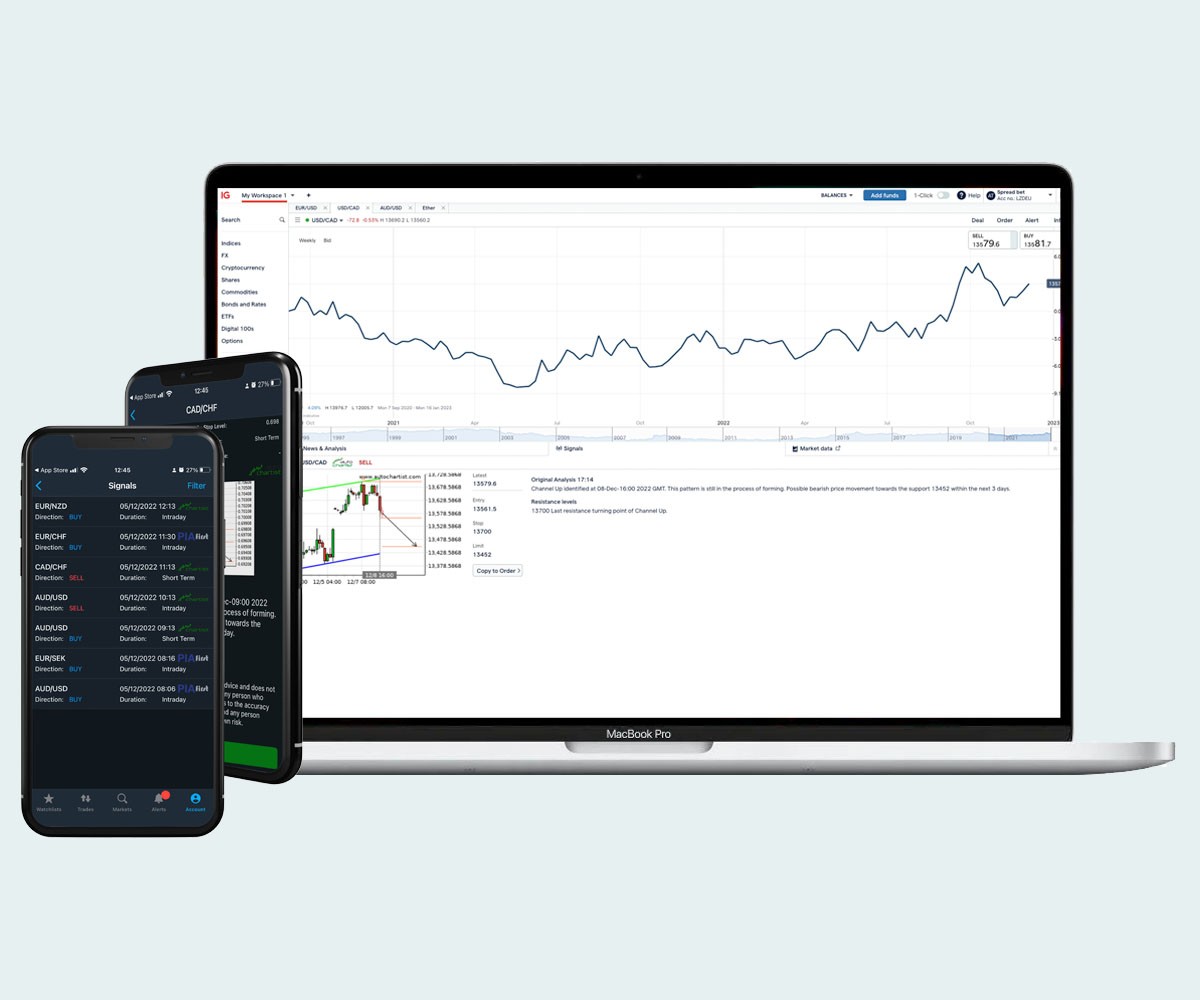
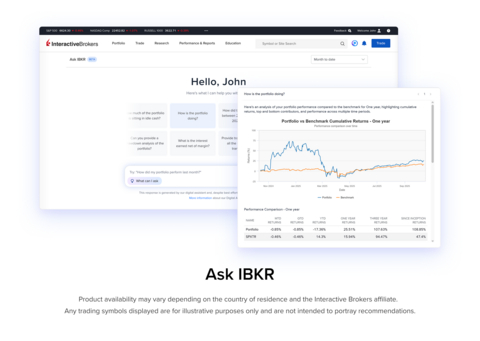
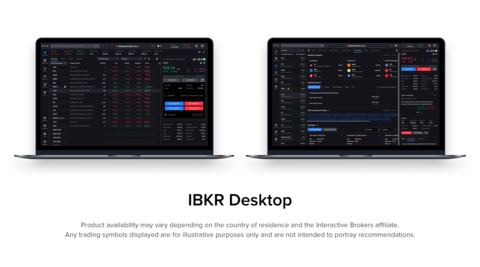
Interactive Brokers, Charles Schwab, IG, CMC Markets Connect, Saxo, and Capital.com are great options for advanced users, offering the following features:
- API connectivity for automated trading
- Direct market access (DMA) to global exchanges
- Infrastructure and pricing suitable for institutional or large advisory firms
The best platform depends on your trading goals. If speed and flexibility are your priority, IC Markets and Pepperstone stand out. For customization, FXCM and Tickmill excel. And if you’re managing portfolios that demand true institutional access, platforms like Interactive Brokers or Saxo are your best bet.
Visit and bookmark our AdvisorTech Resources section for easy access to the latest tech trends in the industry.
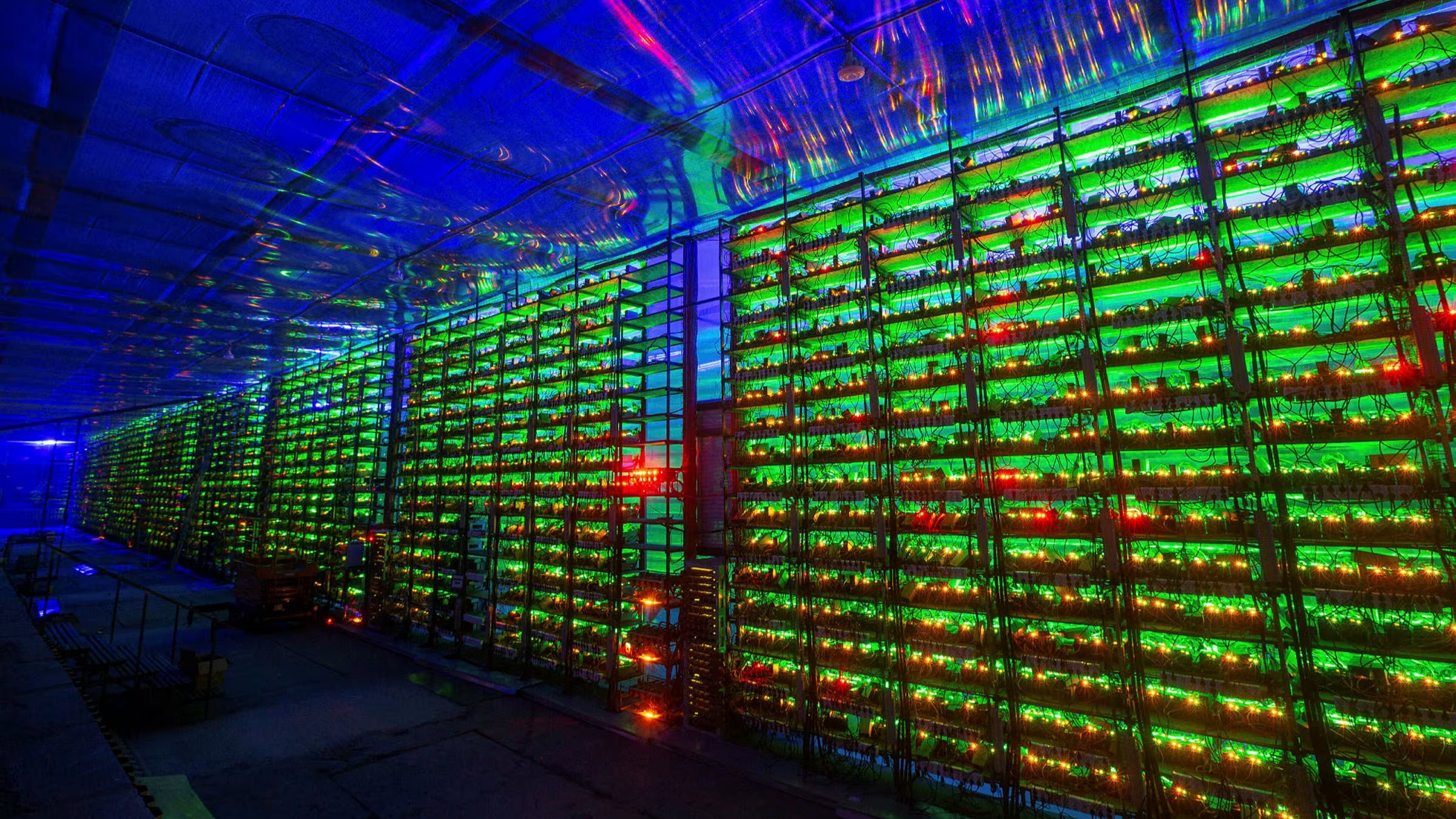
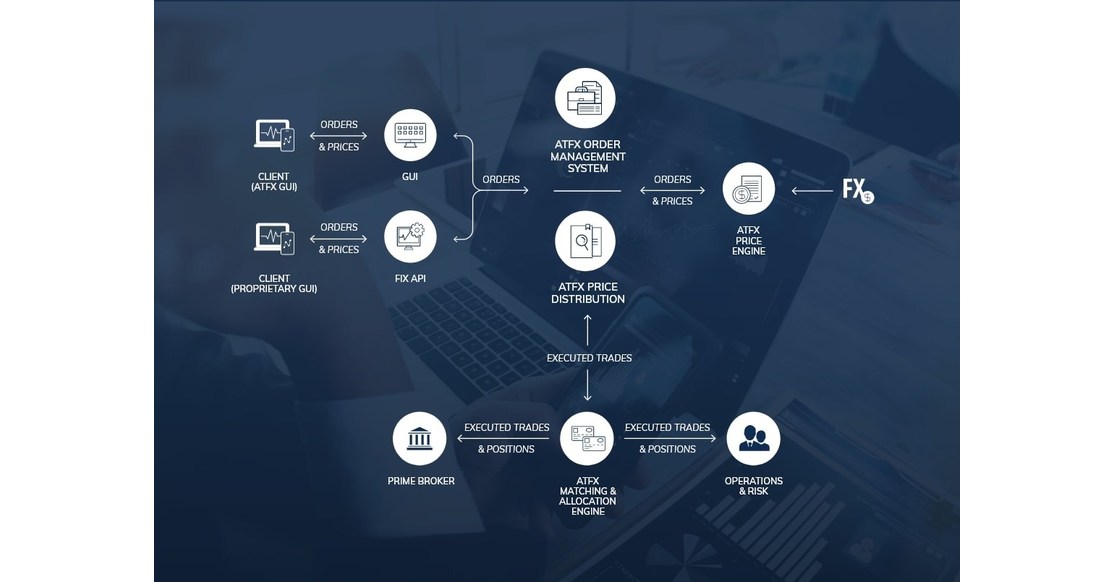
Every high-frequency strategy relies on trading infrastructure that makes speed possible. Here, computer algorithms take over the buying and selling process while analyzing market data and identifying opportunities. Based on this information, they execute orders within microseconds. Every command passes through a trading API and an execution management system, which ensures orders are sent to the market as fast as tech allows.
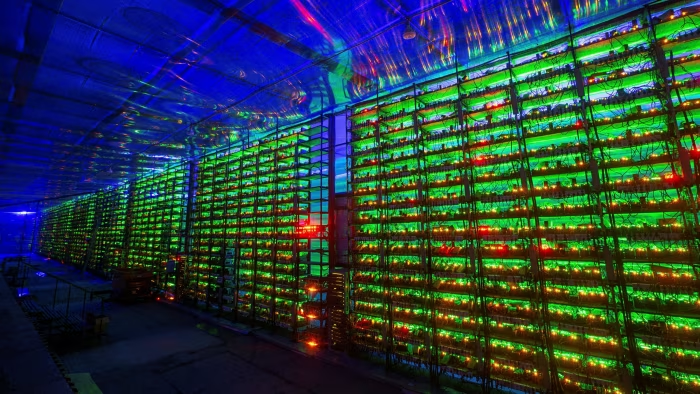
To achieve such speed, firms invest heavily in co-location services where they place their servers directly beside exchange data centers to shave off crucial milliseconds. Meanwhile, developers rely on backtesting software and quantitative trading tools to refine their algorithms before they go live. These tools simulate trades using historical data, helping traders measure efficiency and optimize every decision.
Here’s a short video detailing how HFT works:
Using HFT trading software offers advantages for financial advisors and RIAs who want to compete in fast-moving markets. The biggest strength lies in order execution speed or the ability to place and complete trades within microseconds. This efficiency reduces slippage and ensures better pricing for clients. Automated systems also remove emotional bias from trading decisions.
By using low latency setups and optimized market making algorithms, advisors can help improve liquidity, tighten bid-ask spreads, and contribute to a smoother overall trading environment. However, these benefits come with challenges as high-frequency strategies demand technical expertise and sophisticated infrastructure. The cost of maintaining high-speed systems can also be significant.
Financial advisors must also navigate strict regulatory oversight, ensuring all activities comply with SEC rules and ethical standards. Ultimately, success with HFT requires more than just speed but also discipline, transparency, and a commitment to responsible automation.
The short answer is no, not in the true institutional sense. True HFT trading software relies on automated trading platforms equipped with professional-grade servers and direct data feeds. Even the slightest internet delay would prevent a home setup from competing with institutional players operating in co-located data centers.
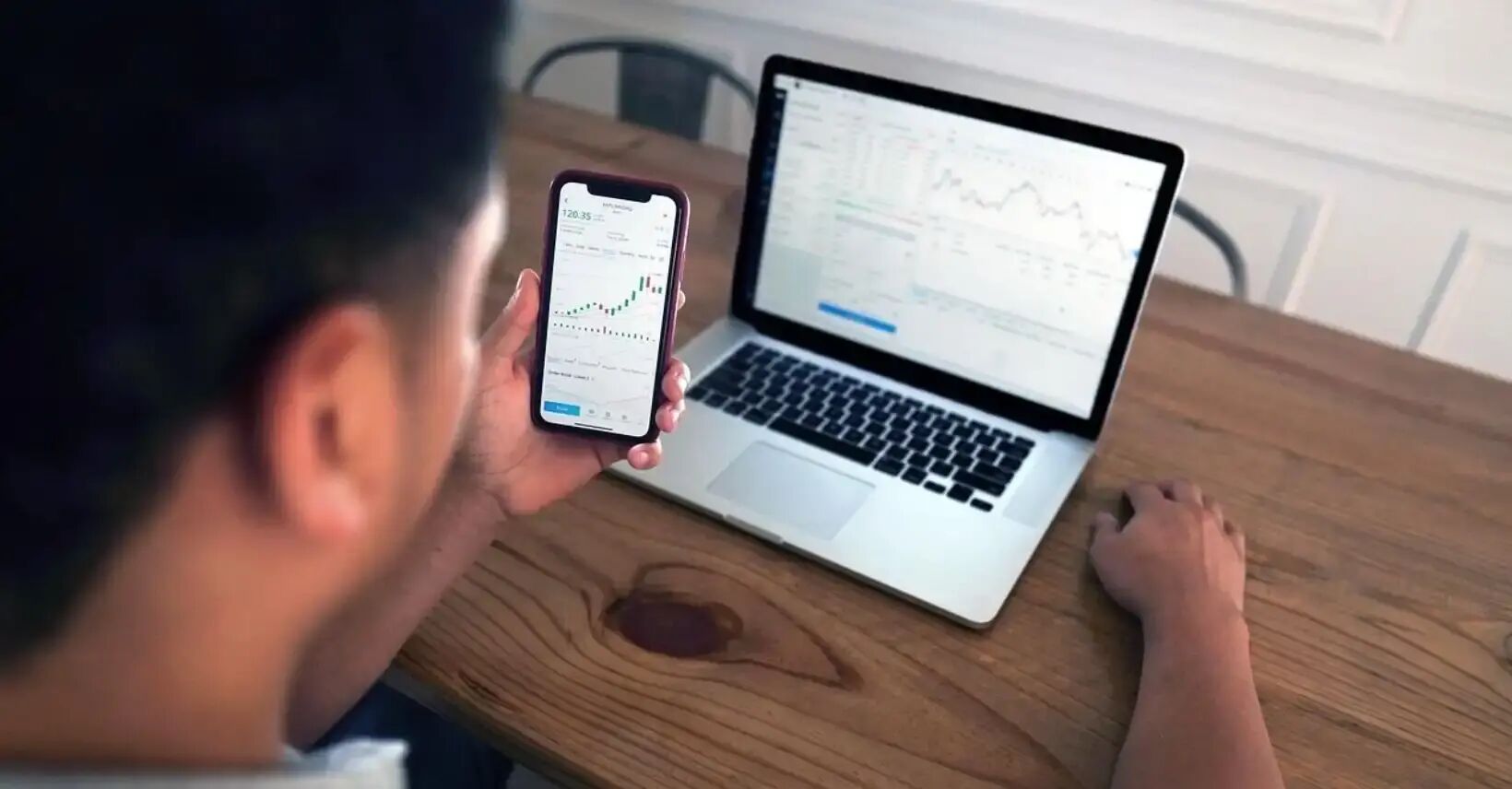
That said, advisors and retail traders can still use a version of HFT trading software using accessible tools. Platforms like Capitalise.ai let you design algorithmic trades using natural language commands. MetaTrader’s MQL5 community provides resources and prebuilt algorithms for testing automated strategies. At the very least, traders should consider adding this automation tool to their tech stack for future use.
No. High-frequency trading is legal in the United States, but it operates under strict oversight. The SEC regulates firms that trade at high speed, especially those acting as market makers or dealers. In fact, under a 2024 SEC rule, firms executing large, rapid transactions must register as dealers if their activity significantly influences price discovery or market liquidity.
There are also ethical concerns associated with HFT. The ethical debate centers on whether the technology gives an unfair edge to firms that can afford faster systems, leaving slower participants behind.
Ethical concerns also arise from practices linked to misuse of trading systems, such as front-running, spoofing, and quote stuffing. These tactics can manipulate prices or mislead other market participants. The infamous 2010 Flash Crash shows what can happen when automated trading spirals out of control, erasing trillions in market value within minutes before quickly recovering.
Here’s a simple explanation on what happened with the 2010 Flash Crash:
Not every firm can afford the cost or infrastructure that comes with the best HFT trading software. However, that doesn’t mean you’re out of options. Advisors and RIAs can still benefit from the principles behind HFT by adopting more accessible forms of automated trading platforms. These systems rely on trading strategy automation and quantitative trading tools to generate consistent results without the full-scale setups.
Here are practical HFT trading software alternatives that still offer automation and analytical power:
- Momentum trading
This strategy focuses on identifying and following price trends that last from a few minutes to several months. Algorithms track price direction and volume data, entering trades when momentum strengthens and exiting when it fades. It’s slower than HFT but remains highly efficient for advisors managing multiple client portfolios. - Automated news-based trading
These systems react to financial announcements, corporate earnings, or macroeconomic data in real time. By using algorithms that interpret news feeds, advisors can automate responses to events without manually monitoring every headline. - Social media sentiment analysis
Combining AI and predictive analytics, this strategy scans live social media and forum data to gauge investor mood. When combined into automated trading platforms, it helps advisors spot opportunities early by reading shifts in public sentiment before they hit the charts. - Firmware-integrated trading
For those comfortable with technology, firmware-based systems merge software with specialized hardware to cut latency. While not as fast as full HFT trading software, this approach improves execution speed and reliability without the cost of institutional-grade setups.
These alternatives bridge the gap between traditional trading and high-frequency systems, giving advisors and RIAs access to smarter, more efficient automation tools that fit their operational scale.
As tech evolves, HFT trading software remains a permanent fixture in modern finance. For US advisors and RIAs, understanding modern developments is essential. The best high-frequency trading software now combines algorithmic intelligence, real-time analytics, and compliance tools operating within legal limits.
Still, speed must serve a purpose beyond profit. As the HFT trading software price continues to reflect the cost of advanced infrastructure, the real value lies in responsible application. Advisors who embrace automation with transparency and ethical judgment will shape a smarter and fairer market.
Want to find out more about tech and investment? Subscribe to InvestmentNews and stay updated with the latest developments.