The Bank for International Settlements has released its 2025 Triennial Survey, and the numbers tell an interesting story not just about where forex is headed, but also what they might signal for digital assets. As blockchain-based markets mature and tokenized currencies inch closer to mainstream finance, the line between traditional FX and crypto trading is getting blurrier.
Daily trading volumes hit a new record. The major currency pairs lost nearly a fifth of their market share. And retail participation dropped to levels we haven’t seen in years.
If you trade forex, or even crypto, these trends matter because they affect everything from liquidity flows to how fiat and digital currencies interact on global markets. The data shows the market is evolving faster than many people realize, and understanding these shifts can help you trade smarter.
Record Trading Volumes
Here’s the headline number. Daily global forex turnover hit $9.6 trillion in April 2025, a massive 28% jump from the $7.5 trillion recorded back in 2022.
When you annualise that figure, forex markets are now processing $3.5 quadrillion per year. This growth rate doubled compared to the previous three-year period. Between 2019 and 2022, the market crawled forward by just 14%. But in the last three years? It exploded by 28%.
Justin Grossbard, co-founder of CompareForexBrokers, explains that “most retail traders still think the majors dominate everything, but the data tells a different story now. Volume is flooding into pairs that weren’t even on people’s radar five years ago, and if you’re not paying attention to where institutional money is actually going, you’re trading blind.”
The Majors Are Losing Ground
If you only trade EUR/USD and GBP/USD, you might want to expand your watchlist. The seven major currency pairs now account for just 66.3% of global turnover. To put it into perspective, three years ago, that figure was 85%.
That’s an 18.7 percentage point drop in market share. Nearly a fifth of the market has shifted away from the traditional majors in just three years.
Where’s the volume going? Straight to emerging markets, with USD/CNY leading the charge. The Chinese yuan pair grew from 6.6% to 8.1% of global turnover, making it the fourth most traded pair worldwide. It even leapfrogged some traditional majors.
Meanwhile, the British pound took the biggest hit among developed currencies. GBP/USD dropped to just 7.6% of trading volume, and the pound’s overall share fell to a record low of 10.2%. That’s the lowest it’s been in BIS survey history. Brexit’s impact on forex is showing up loud and clear in these numbers.
Retail Traders Are Vanishing
Here’s something that might sting if you’re part of the retail trading community. Retail activity plummeted from 6% of daily turnover in 2022 to just 2.5% in 2025, which in real numbers translates to a drop from $450 billion to $242 billion in daily volume.
The pandemic trading boom is officially over. Those lockdown traders who piled into forex? Most have moved on or blown their accounts. What’s left is a more professional, institutional market that’s harder to navigate for individual traders working from home.
Scroll to Continue
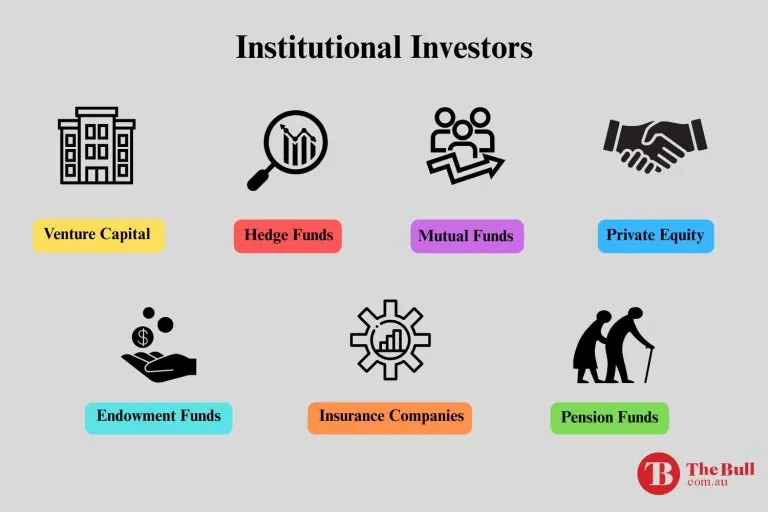
Other financial institutions now control 50% of daily turnover, up from 47% in 2022. These aren’t your small-time players either. We’re talking hedge funds, pension funds, and asset managers with deep pockets and sophisticated strategies.
Singapore and Asia Gaining Ground
London’s still the king of forex, handling 38% of global turnover. But Singapore’s making serious moves. The city-state grew its share to 11.8% from 9% in 2022, which is a 31% increase in just three years.
The Asian session is clearly gaining power relative to European and US markets. Hong Kong held steady at 7% despite all the political pressure. Japan slipped to 4%, which shows Tokyo’s declining role as an intermediary for Asian flows. If you’re ignoring Asian trading hours, you’re missing where the growth is happening.
You can see the complete breakdown of trading volumes by region and currency pair atCompareForexBrokers if you want to dig deeper into the numbers.
What This Means For Your Trading
This data affects your actual trades every day. When major pairs lose market share, liquidity gets fragmented across more instruments, which often means wider spreads during certain hours and more slippage on larger orders.
The rise of USD/CNY and other emerging pairs creates new opportunities, but also new risks. These pairs behave differently from EUR/USD, with different liquidity patterns and volatility profiles. You’ll need to adjust your strategies accordingly, or you’ll get burned.
With retail participation dropping, you’re increasingly trading against institutions with better technology and deeper research capabilities. That’s not impossible to navigate, but it requires more discipline and better risk management than it did a few years ago.
Platform Changes
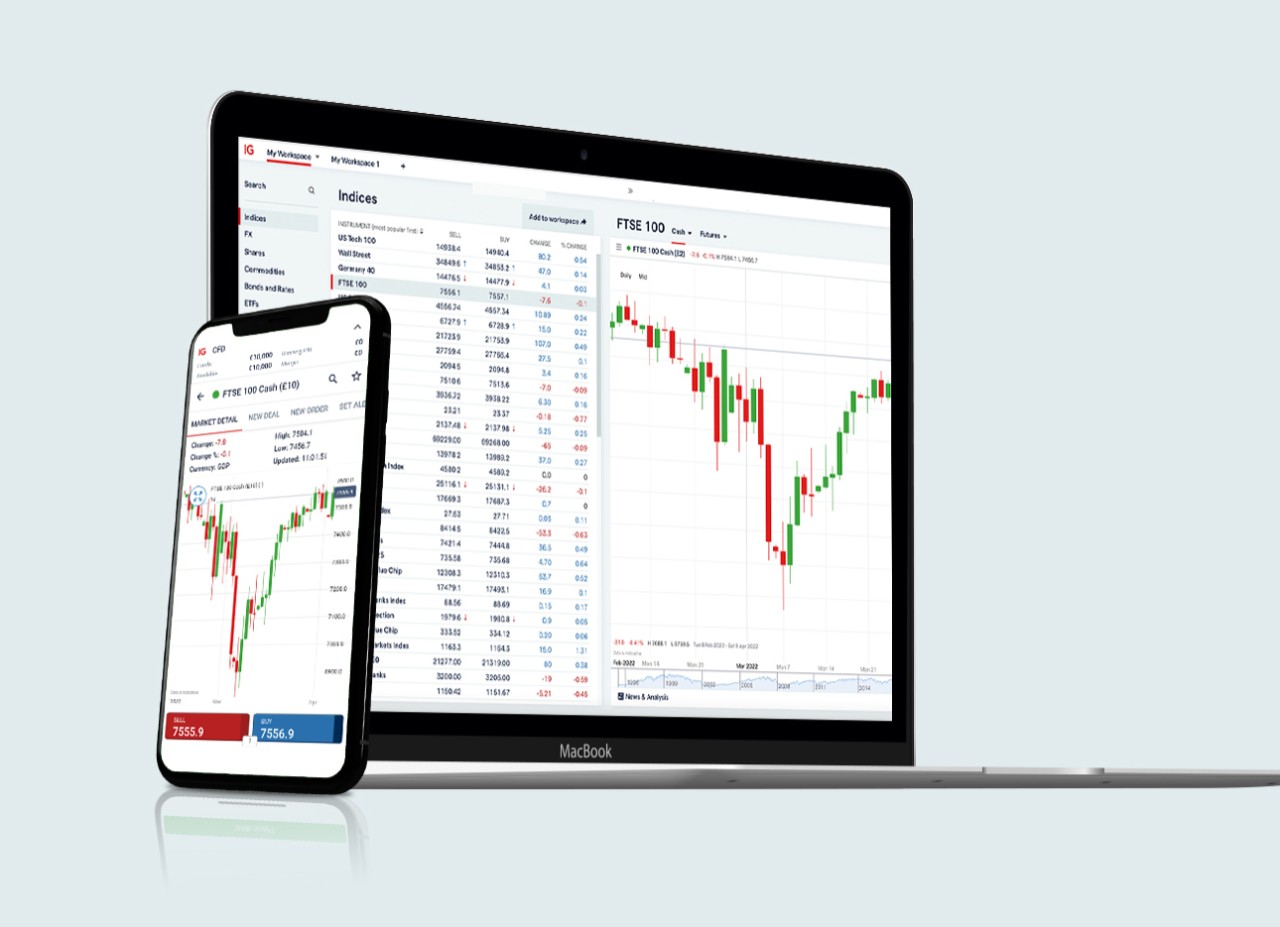
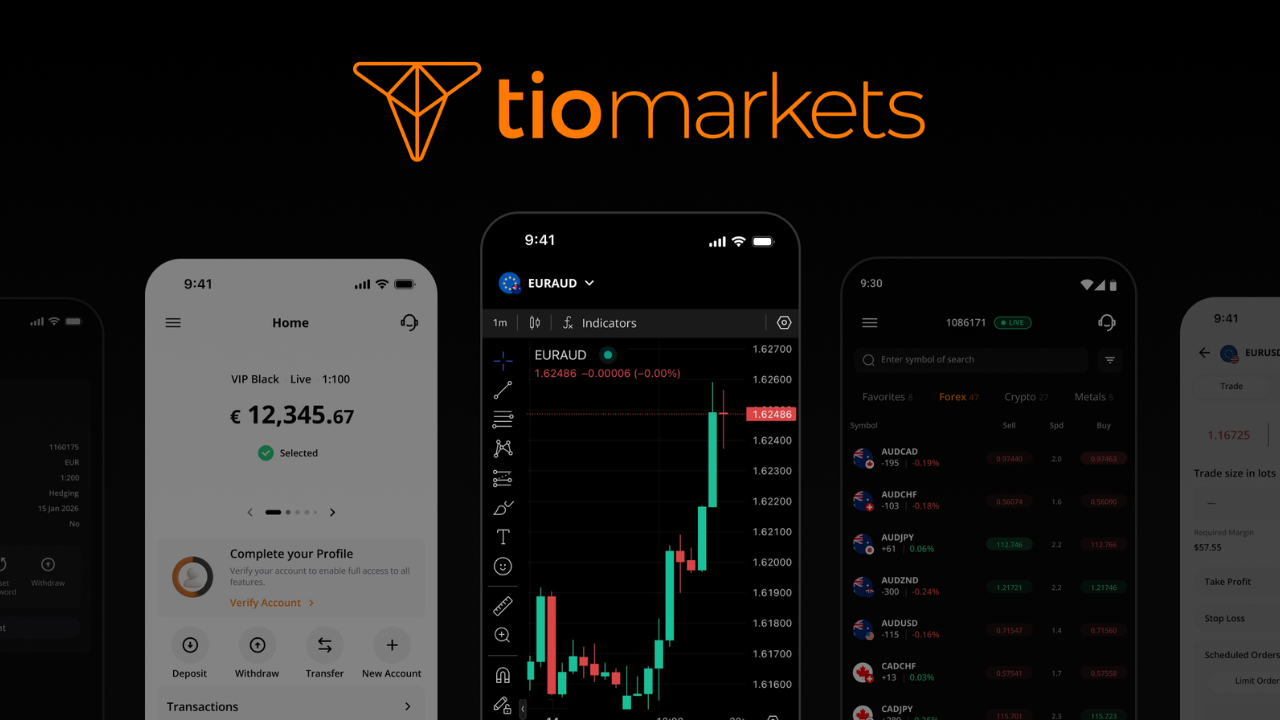
MetaTrader 5 overtook MT4 in 2025 for the first time ever, ending nearly two decades of MT4 dominance. Brokers are now pushing MT5 hard because it offers more timeframes, better multi-asset trading capabilities, and an economic calendar built directly into the platform. The strategy tester is also more powerful for anyone running automated systems.
If you’re still using MT4, you’re not alone in sticking with what you know. But the shift is real. MT5 handles more order types and works better across different markets beyond just forex. The learning curve isn’t steep once you actually sit down with it.
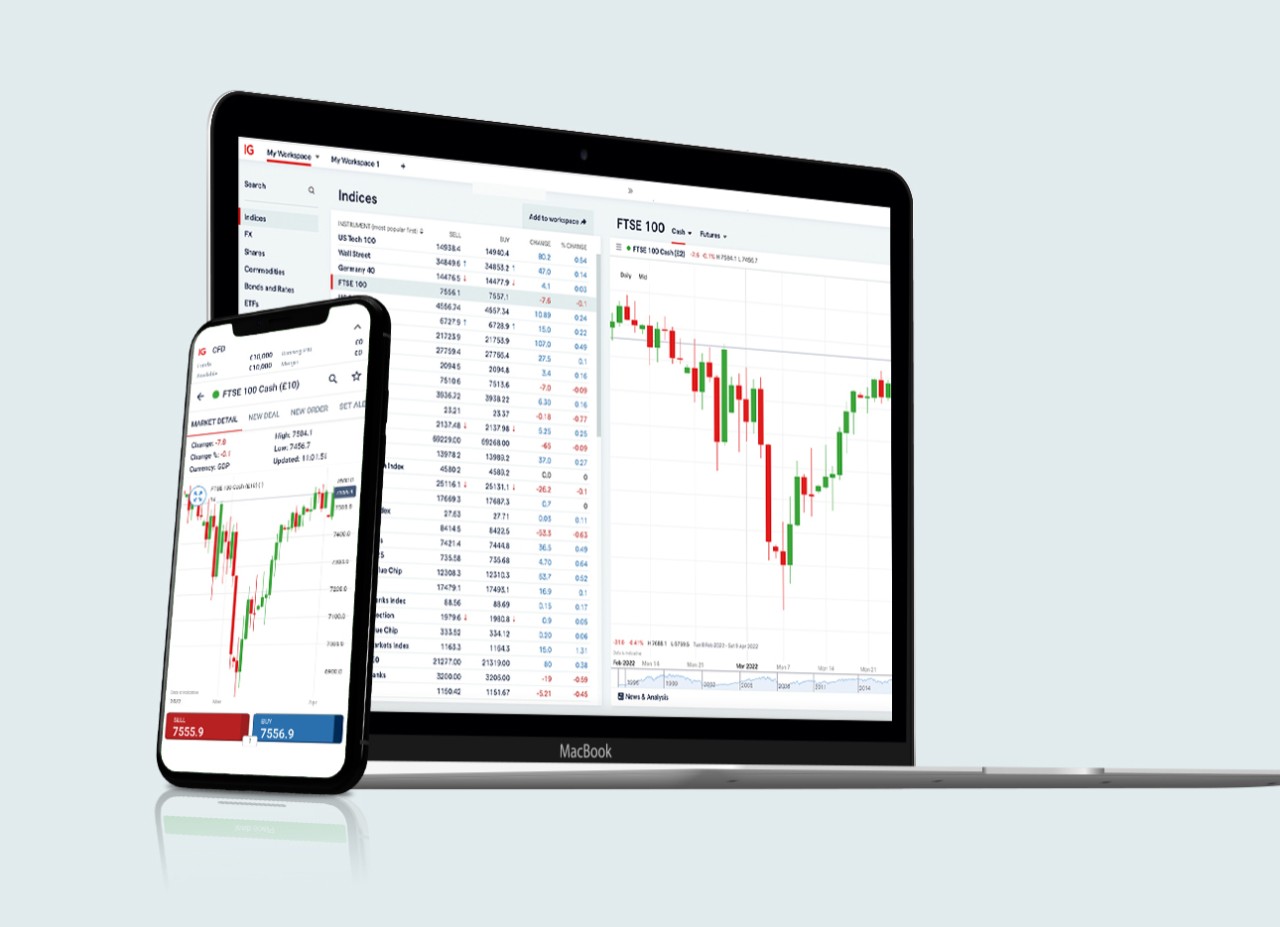
Mobile trading keeps growing, too. Around 55% of traders now prefer using mobile apps versus 45% who stick with desktop setups, which means markets react faster to news, and more volume happens outside traditional hours.
What’s Next For Traders
Forex markets are bigger than ever, but they’re also more complex and more competitive. The dominance of traditional majors is fading. Retail traders are getting squeezed out by better capitalised institutions. And geographic power is shifting eastward toward Asia.
The question isn’t whether these changes will affect your trading. They already are. The question is whether you’re adapting fast enough to keep up.
This industry announcement article is for informational and educational purposes only and does not constitute financial or investment advice.