With cash rates coming down in Canada and the U.S., and uncertainty creating dispersion across asset classes, advisors may be rethinking how to build resilient portfolios for their clients. One challenge is seeking enhanced yield from differentiated sources, without compromising quality.
In the U.S., BlackRock Inc.’s actively managed flexible income strategy has attracted over US$13-billion in assets over two years, underscoring strong investor demand in diversifying income sources.1 In Canada, the firm launched this strategy last year via iShares Flexible Monthly Income ETF (CAD-Hedged) (XFLX), which has steadily grown to $230-million in assets under management.2 The ETF presents a compelling income-focused solution through active management.
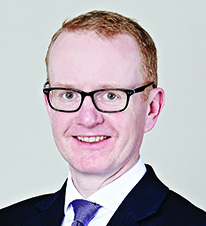
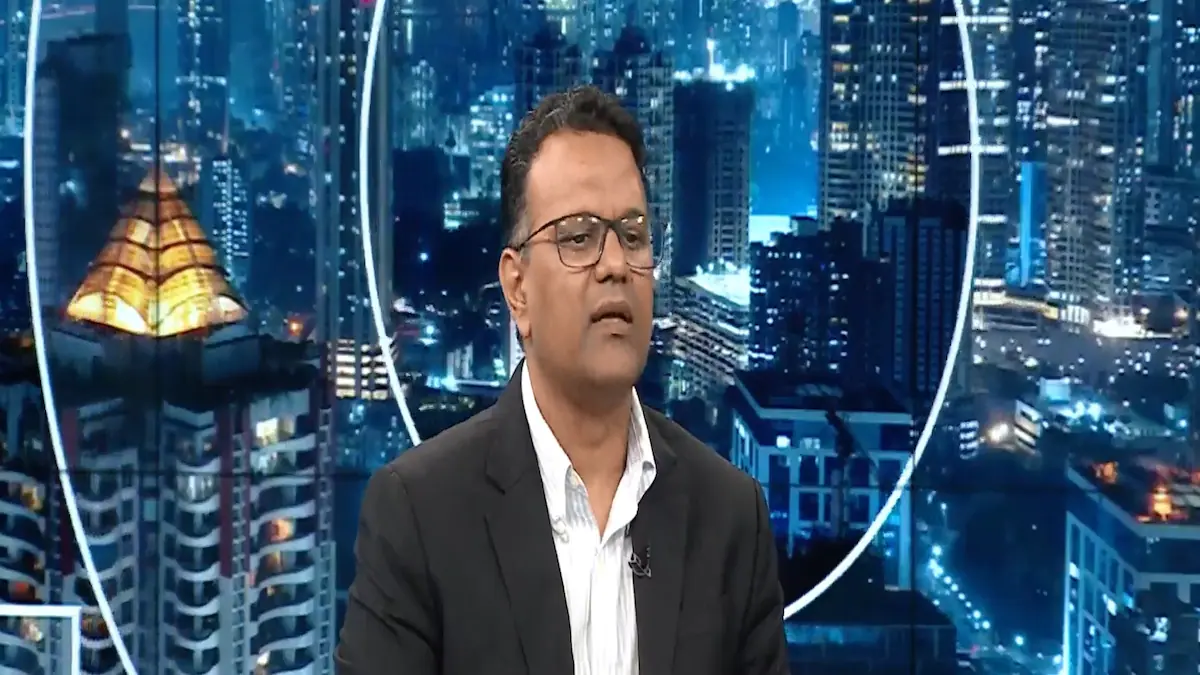
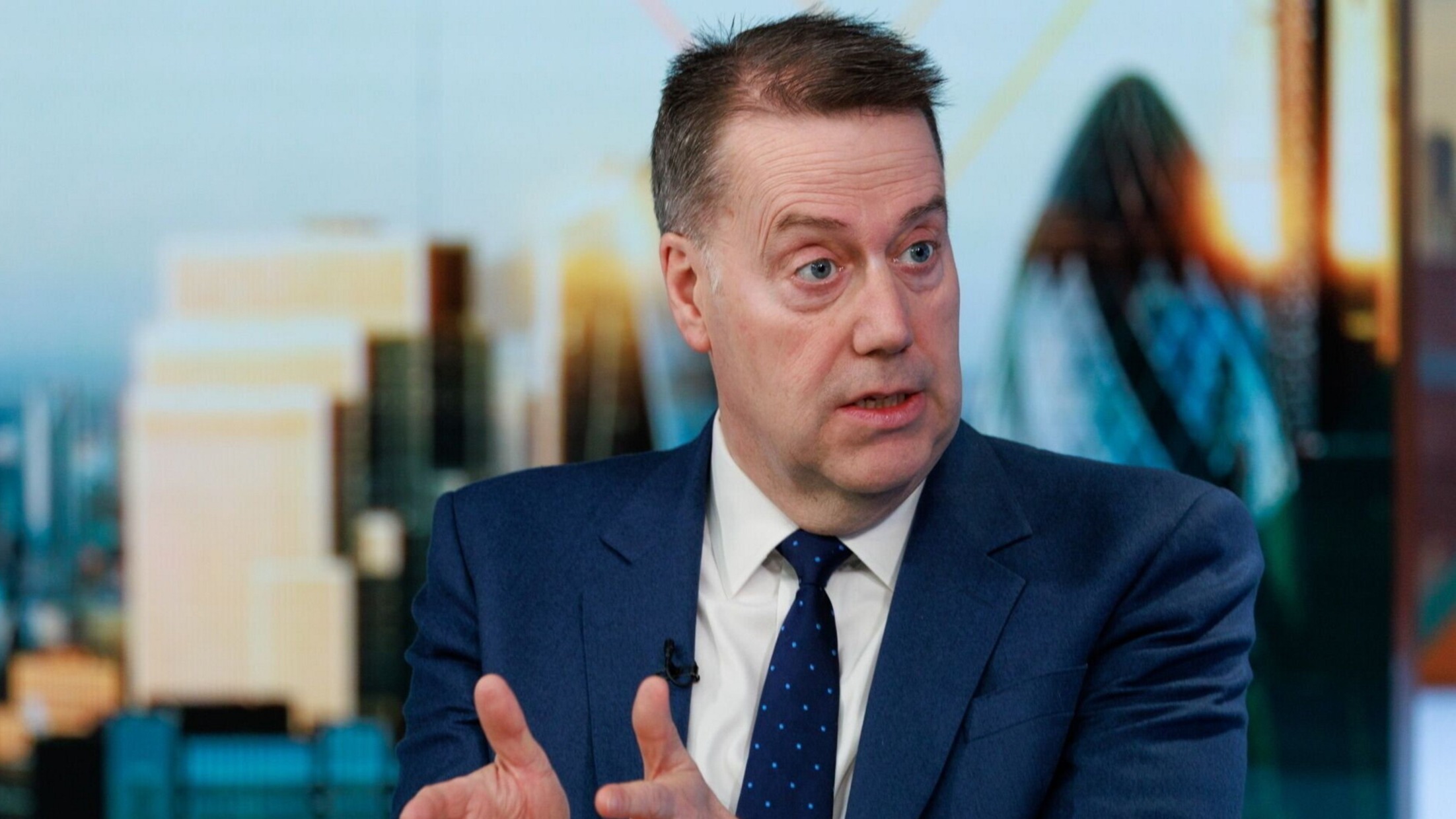
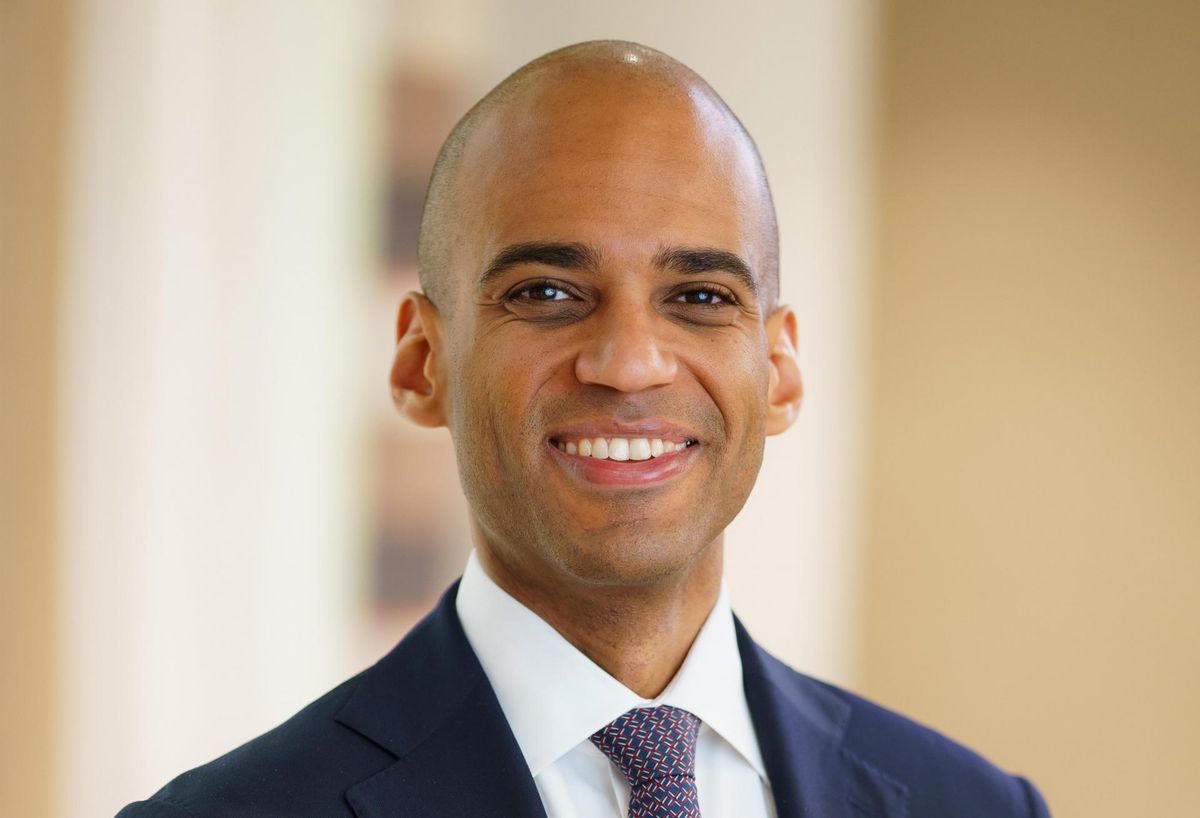
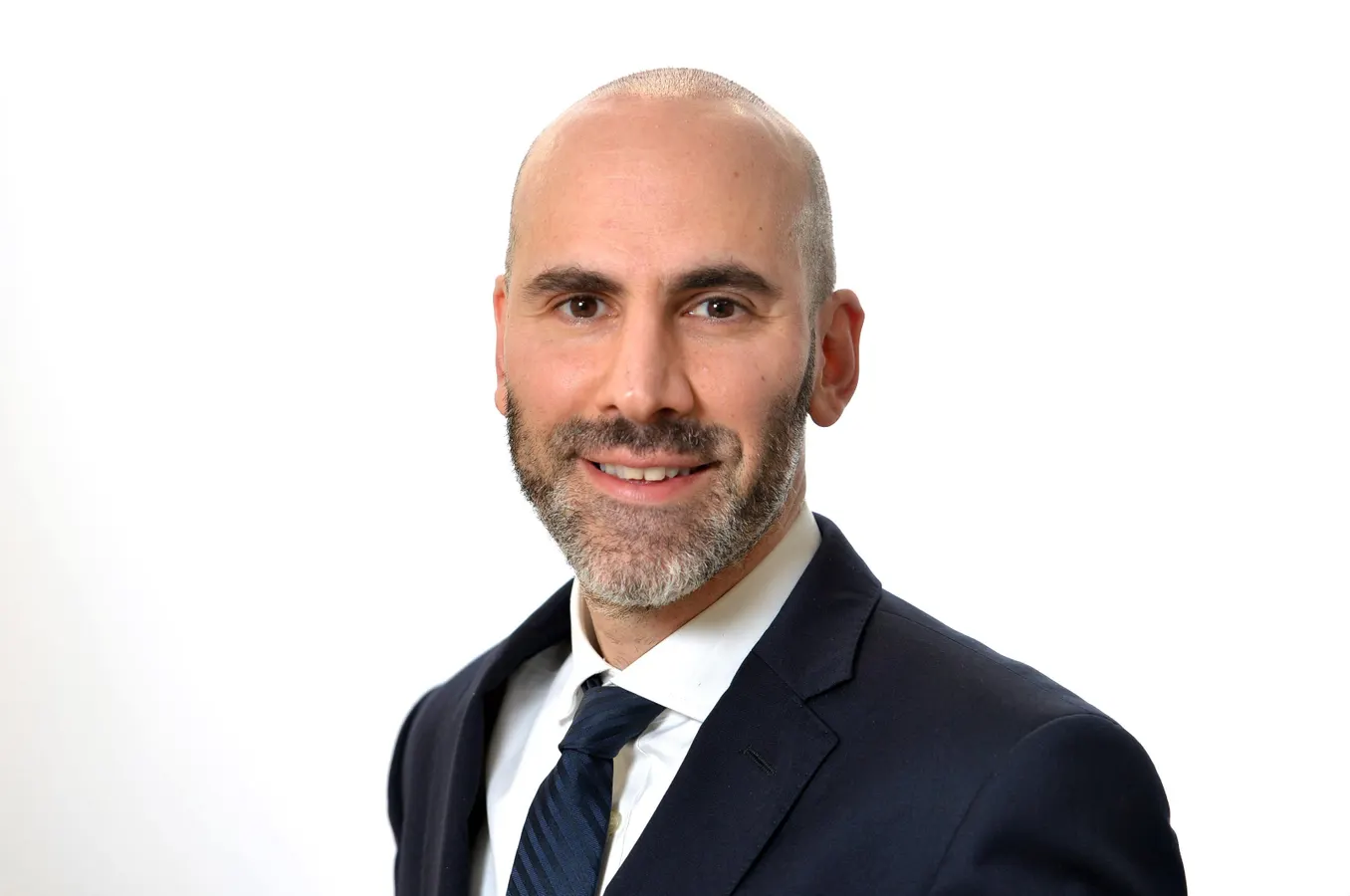
“The product could fit a rising need,” says Dylan Price, portfolio manager and director of global fixed income at BlackRock. “It was designed as a one-ticker solution to access hard-to-reach fixed income sectors, what we often refer to as ‘plus’ sectors, bringing diversification and yield opportunities that many Canadian investors may not have easy access to.
Why income matters more than ever?
The current environment is defined by policy shifts, macroeconomic uncertainty, and global divergence. Yet, amid the noise, one signal remains clear: income is a focus. Advisors who focus on consistent yield generation can be well-positioned to help clients navigate this environment.
XFLX is built for this moment, Mr. Price says. It taps into global fixed-income opportunities, including sectors that traditional fixed-income ETFs may miss. That has led to a yield of approximately 5.7 per cent – more than 200 basis points above the average Canadian bonds.3
“We’ve been very thoughtful with the aim of maximizing income, while keeping volatility and drawdowns low,” Mr. Price says.
Diversification that goes beyond borders
Unlike index-tracking ETFs that provide broad market exposures, Mr. Price says XFLX is actively managed in an effort to optimize risk-adjusted income.
The fund deliberately diversifies risk across “plus” income-producing sectors, such as high-yield bonds, European corporates, asset-backed securities, and collateralized debt obligations. It does so while maintaining a disciplined approach to credit quality. Currently, the fund maintains a weighted average credit rating that falls within the investment-grade category.4
XFLX’s underlying holdings are managed by BlackRock’s Global Fixed Income team, managed by Rick Rieder, CIO of Global Fixed Income and Morningstar’s 2023 Outstanding Portfolio Manager.5 The team of more than 200 analysts worldwide blends top-down regime identification with bottom-up security selection.
“That combination gives us confidence in the ETF’s ability to pursue a variety of sources of income across all market environments,” Mr. Price says.
He says the team uncovers opportunities, and mitigates risks, by giving investors access to hard-to-reach areas of the fixed-income market. Clients could benefit from potential attractive yields in regions and sectors that may be overlooked in Canadian portfolios. Moreover, this active approach means the portfolio is adjusted constantly to reflect changing market conditions, helping advisors adopt to an evolving market environment.
A complement to core bonds
Cost matters, especially when comparing active strategies. XFLX’s management expense ratio (MER) of 0.57 per cent is lower than the average MER of peer mutual funds and ETFs in Canada with similar mandates6. This makes it a cost-effective way to add quality, income-generating exposure to client portfolios.
“That really appeals to advisors seeking to implement this strategy to provide additional income alongside core fixed-income positions,” says Rachel Siu, head of Canadian Fixed Income at BlackRock Canada.
She notes that XFLX isn’t designed to replace core bond holdings; it’s built to complement them. By adding diversified exposure to “plus” sectors, advisors can help clients reduce concentration risk, potentially improve yield and build more resilient portfolios.
“This is a global product tapping into fixed income in places where there may be attractive yields compared to what most Canadian investors might not have access to, without necessarily needing to overextend on risk,” Ms. Siu says.
Advertising feature produced by Globe Content Studio with RBC iShares. The Globe’s editorial department was not involved.
1 As of September 30th, 2025
2 Currency non-hedged and USD-denominated units are also available.
3 XFLX’s yield-to-maturity is 5.7%. The average Canadian bonds are represented by the FTSE Canada Universe Bond Index (YTM: 3.4%) and the FTSE Canada Short Term Overall Bond Index (YTM: 2.8%). Source: BlackRock, as of September 30, 2025. One basis points is 0.01%.
4 XFLX’s credit rating is BBB+ as of September 29, 2025. Source: BlackRock. Credit rating refers to the index or portfolio’s weighted average credit quality ratings. The credit quality ratings on underlying securities are received from S&P, Moody’s and Fitch and converted to the equivalent S&P major rating category. This is provided by BlackRock and takes the median rating of the three agencies when all three agencies rate a security, the lower of the two ratings if only two agencies rate a security, and one rating if that is all that is provided. Unrated securities do not necessarily indicate low quality. Below investment-grade is represented by a rating of BB and below. Ratings and portfolio credit quality may change over time. Allocations are subject to change.
5 *Rick Rieder, BlackRock’s Chief Investment Officer of Global Fixed Income, was granted the 2023 Morningstar Award for Investing Excellence: Outstanding Portfolio Manager. https://newsroom.morningstar.com/newsroom/news-archive/press-release-details/2023/Winners-Announced-for-2023-U.S.-Morningstar-Awards-for-Investing-Excellence/default.aspx
6 Source: BlackRock and Morningstar. Data as of August 31, 2025. Peer funds are defined as funds in the Morningstar Multi-sector Bond and Alternative Credit categories. Management Expense Ratio (MER): As reported in the fund’s most recent Semi-Annual or Annual Management Report of Fund Performance. MER includes all management fees and GST/HST paid by the fund for the period, and includes the fund’s proportionate share of the MER, if any, of any underlying fund in which the fund has invested.
Disclaimer:
Investing involves risk, including possible loss of principal.
The RBC iShares alliance includes RBC ETFs managed by RBC Global Asset Management Inc. and iShares ETFs managed by BlackRock Asset Management Canada Limited (“”BlackRock Canada””).
Commissions, trailing commissions, management fees and expenses all may be associated with investing in exchange-traded funds (ETFs). Please read the relevant prospectus before investing. ETFs are not guaranteed, their values change frequently and past performance may not be repeated. Tax, investment and all other decisions should be made, as appropriate, only with guidance from a qualified professional.
® / TM Trademark(s) of Royal Bank of Canada. Used under licence. iSHARES is a registered trademark of BlackRock, Inc., or its affiliates. Used under licence. © 2025 BlackRock Asset Management Canada Limited and RBC Global Asset Management Inc. All rights reserved.