Against an unnerving backdrop of economic uncertainty and fraying geopolitical ties, markets have seen plenty of volatility over the past few years.
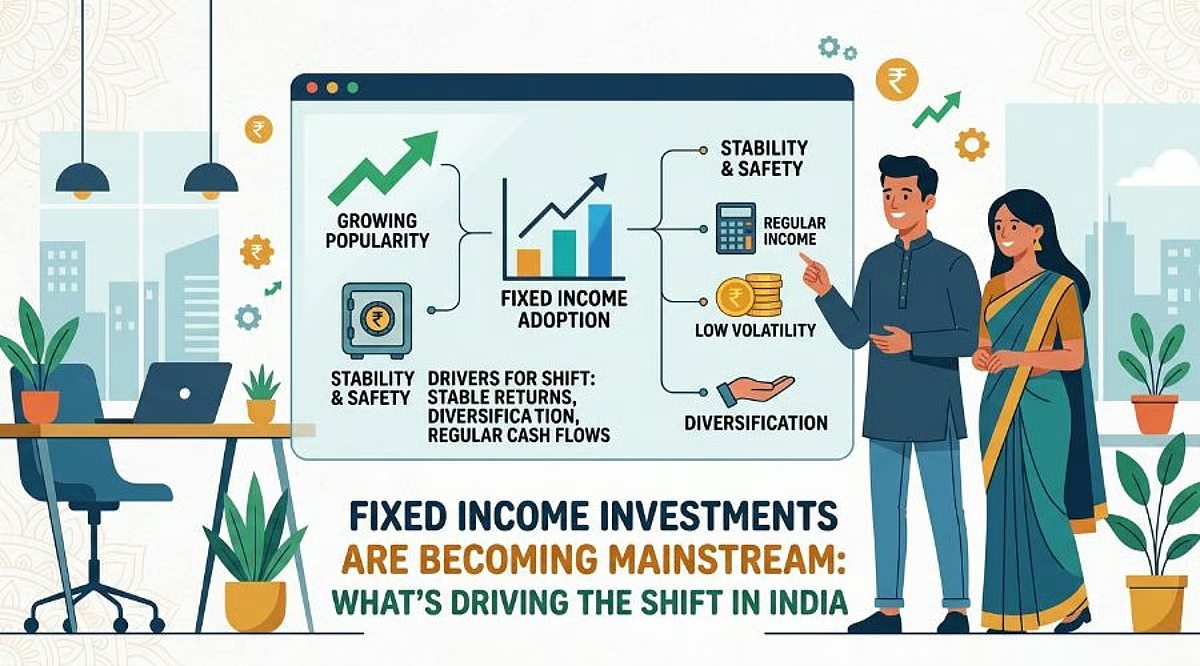
This may seem like an odd time for bold asset allocation calls, but current conditions present a compelling case for fixed income, even more so when compared to cash and equities.
In the world of bonds, yield is destiny: today’s bond yields are attractive, as the market’s yield over a decade is often highly correlated to the subsequent, realised return.
For Australian investors, yields on both domestic fixed income and global investment-grade bonds at large are more or less up at their highest levels since the global financial crisis.
This suggests that bond returns over the coming decade are likely to be head and shoulders above the 2010-22 period.
Following the 2022 bond market sell-off, many investors tend to be content with holding cash.
After all, in recent years, money market yields have rivalled long-term fixed income yields, with the benefit of price stability.
The problem is, the ‘safety’ of price stability can mask the uncertainty regarding long-term return potential.
So far in this cycle, the Reserve Bank of Australia has cut rates by 75 basis points since February this year.
While this cycle may be relatively mild, rate-cutting cycles since 1990 have generally been quite large, with an average approaching 350 basis points.
If past rate-cutting cycles are any guide, investors who stay in cash will be at risk of seeing their interest earnings fall over time, while those investing in bonds will have locked in an income stream at today’s attractive rates.
While equities have enjoyed a strong run, several metrics indicate that stocks are somewhat overvalued versus bonds.
For example, looking at the past few decades, the difference between the yield on Australian seven to 10-year government bonds and the earnings yield on the MSCI Australia index (the inverse of the price-to-earnings ratio) is currently at an above-median level.
Valuation is hardly a timing tool, granted.
But historically, a ‘bonds are cheap’ reading from this valuation metric (ie bond yield minus earnings yield above historic median) has presaged periods when the absolute and risk-adjusted returns on bonds have rivalled, and even exceeded, those of equities.
Another important consideration is the shock absorber potential of fixed income in a diversified portfolio.
Historically, how bonds perform in an equity drawdown depends on where we are in the rate cycle.
If the central bank is hiking rates, equities and bonds can decline in tandem, as was the case in 2022.
However, if central banks are on hold or cutting rates — as they are now — bonds tend to perform well during equity market corrections, typically outperforming both cash and stocks.
Within fixed income, global hedged allocations have typically delivered comparable outcomes to domestic fixed income over the long term, but with less volatility.
With the potential for adding value through active management, global fixed income portfolios have a much wider field of opportunity compared to narrow, single-country fixed income portfolios.
The global investment-grade universe offers compelling opportunities, with some of the highest spreads for the credit risk available in the high-rated collateralised loan obligation tranches.
Despite historically narrow spreads, corporate bonds should continue to do well, in particular those with intermediate maturities, given the phase of the credit cycle.
Emerging markets present select opportunities across the credit spectrum, especially in hard currency bonds.
Although spreads are narrow, the market’s credit quality has improved in recent years, and the average maturities have shortened — suggesting potential for heightened returns.
Similarly, European corporate bonds currently have wider credit spreads compared to US corporate bonds, presenting an opportunity in both high-grade and high-yield.
Finally, hedged investments in smaller countries with strong fundamentals, like Switzerland and New Zealand, offer attractive interest rate fundamentals.
Some emerging markets, such as Thailand, stand out due to their low economic growth and inflation, which can create a stable environment for bond investments.
While the investment outlook remains clouded by uncertainty, such times often create opportunities.
With cash rates potentially declining, the current configuration of economics and valuations argues against either carrying excessive cash balances or allowing equity allocations to passively swell to above strategic targets.
A solid case for fixed income has emerged at this point as a strategic asset class, offering the potential for a reasonable income stream with a buffer against downside volatility in equity markets.
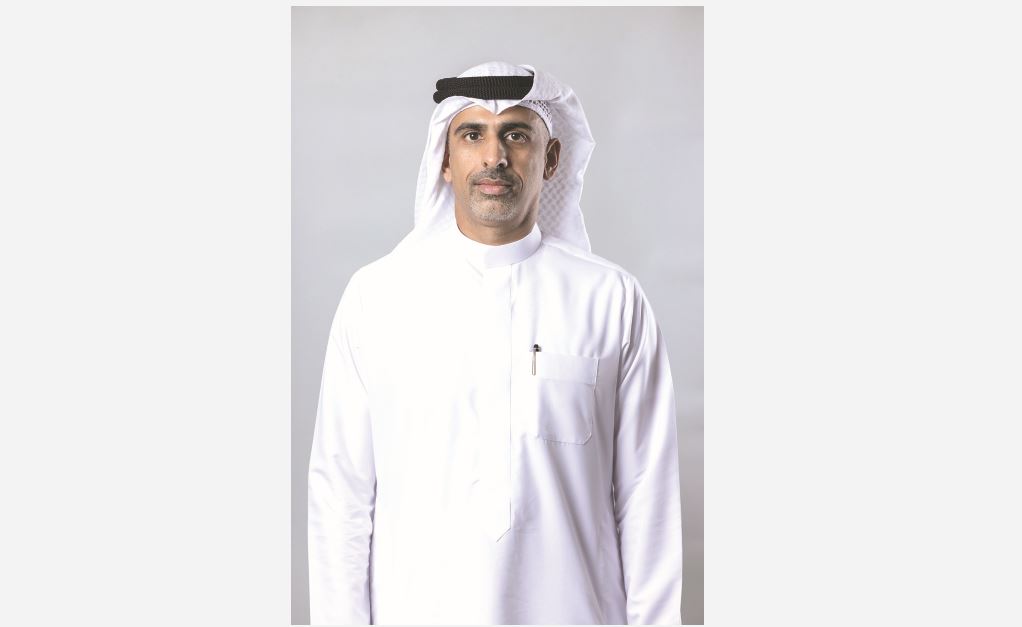
Robert Tipp is the chief investment strategist – fixed income and head of global bonds at PGIM