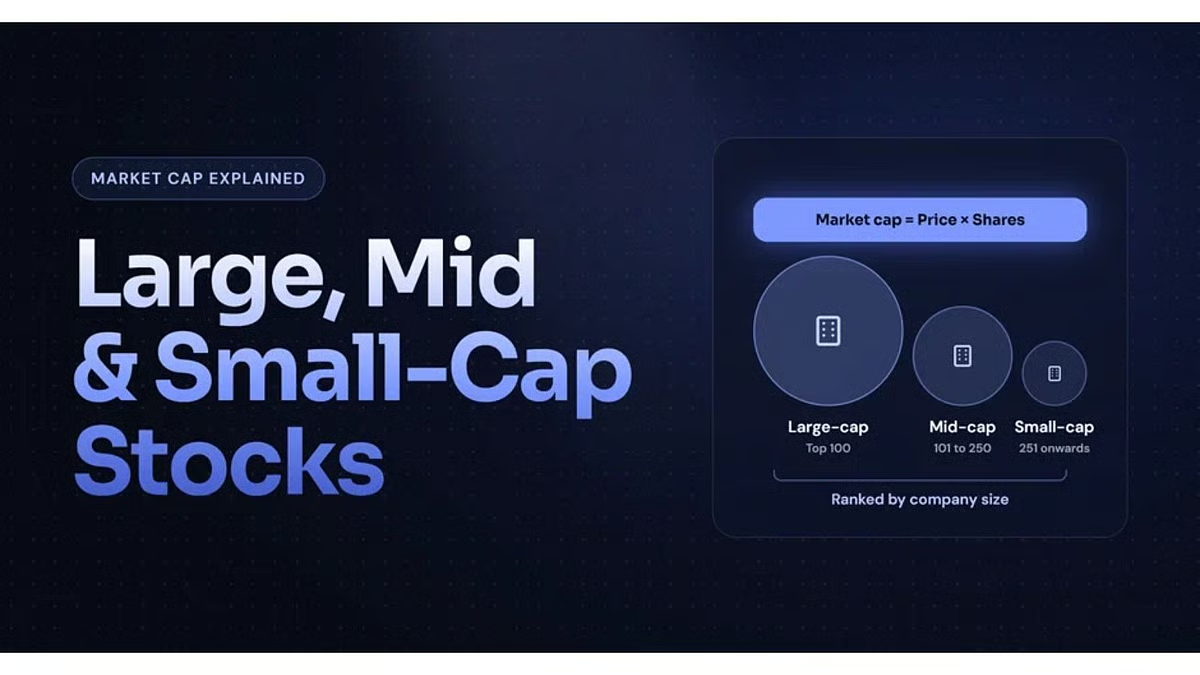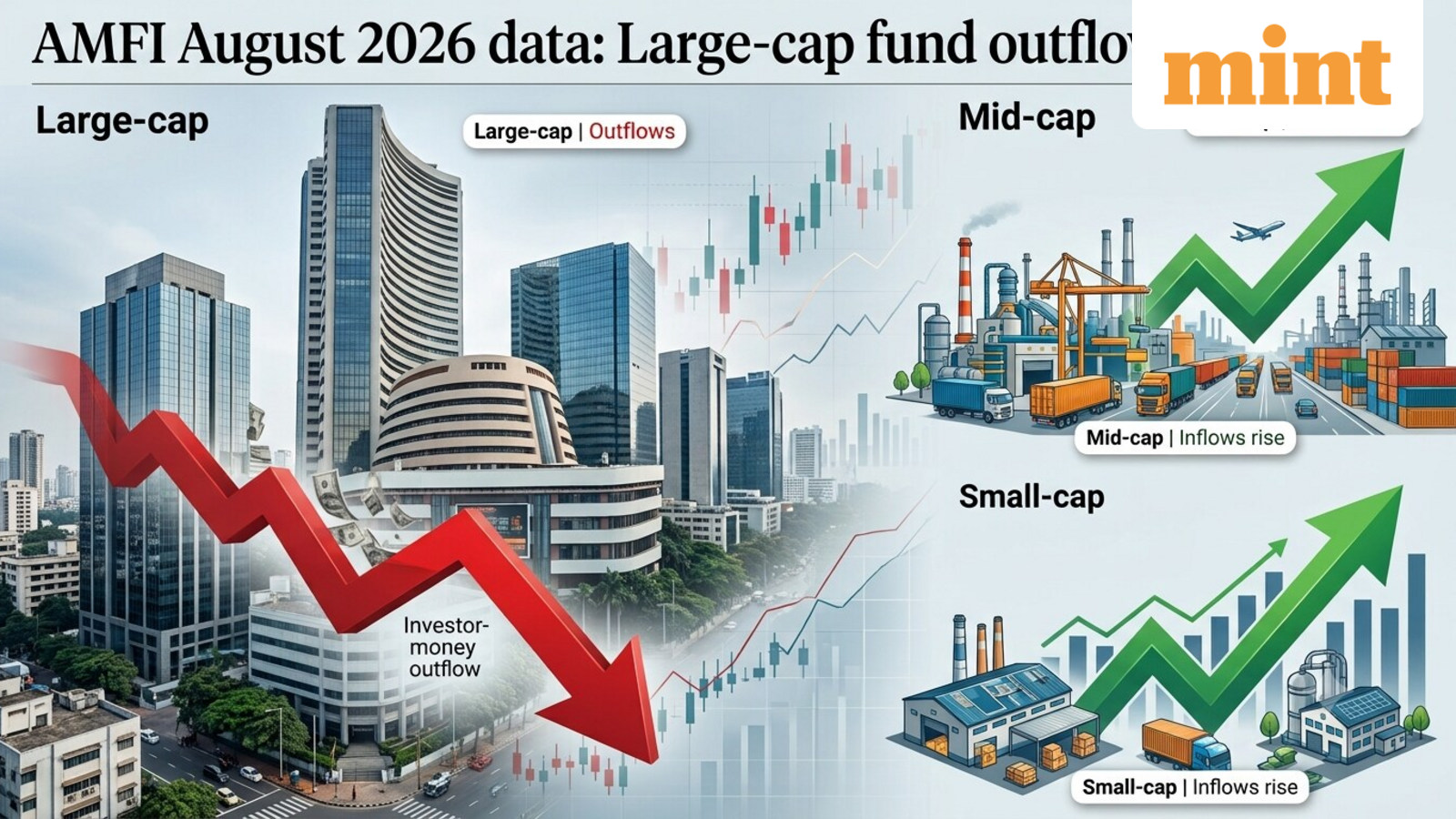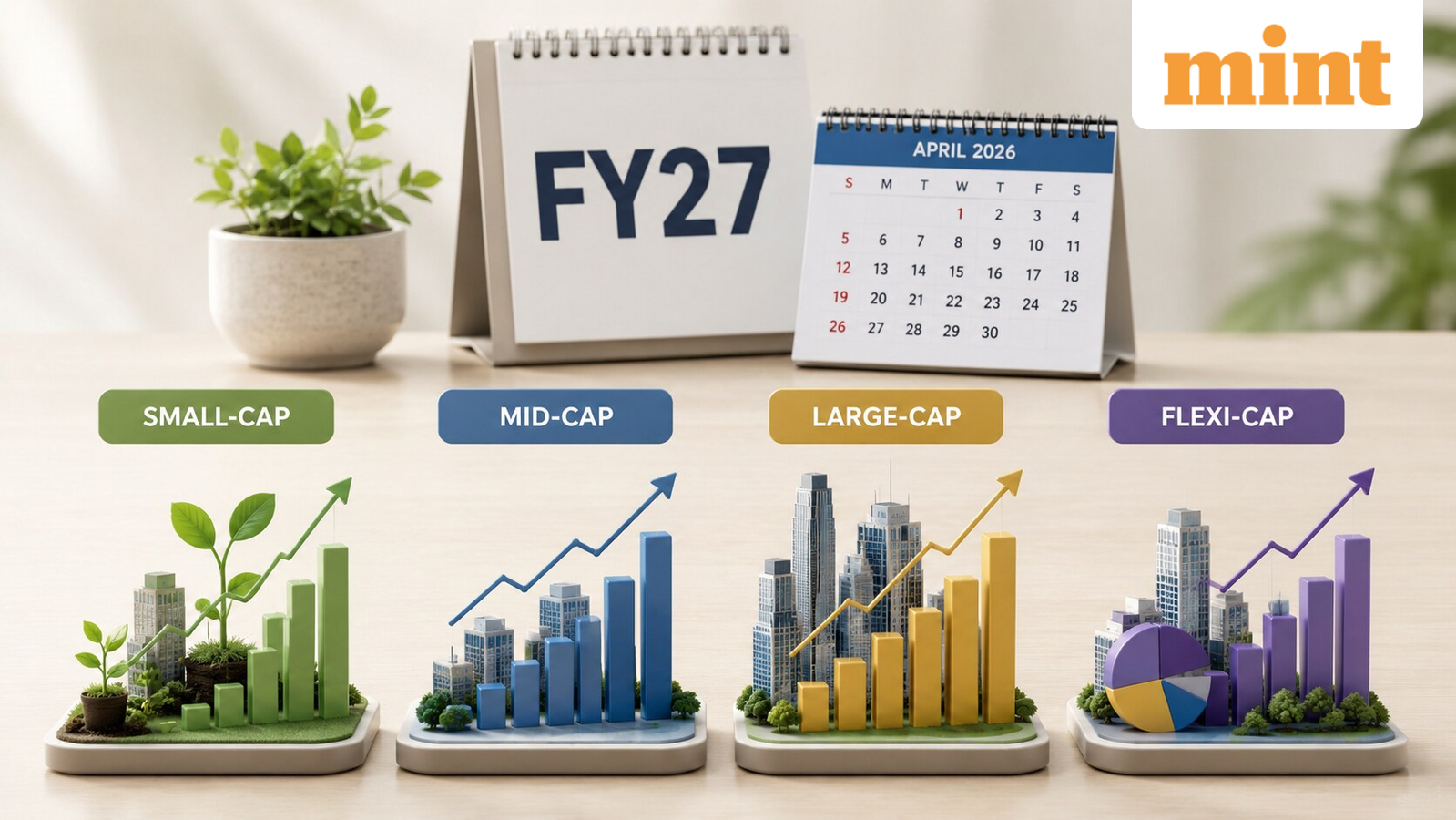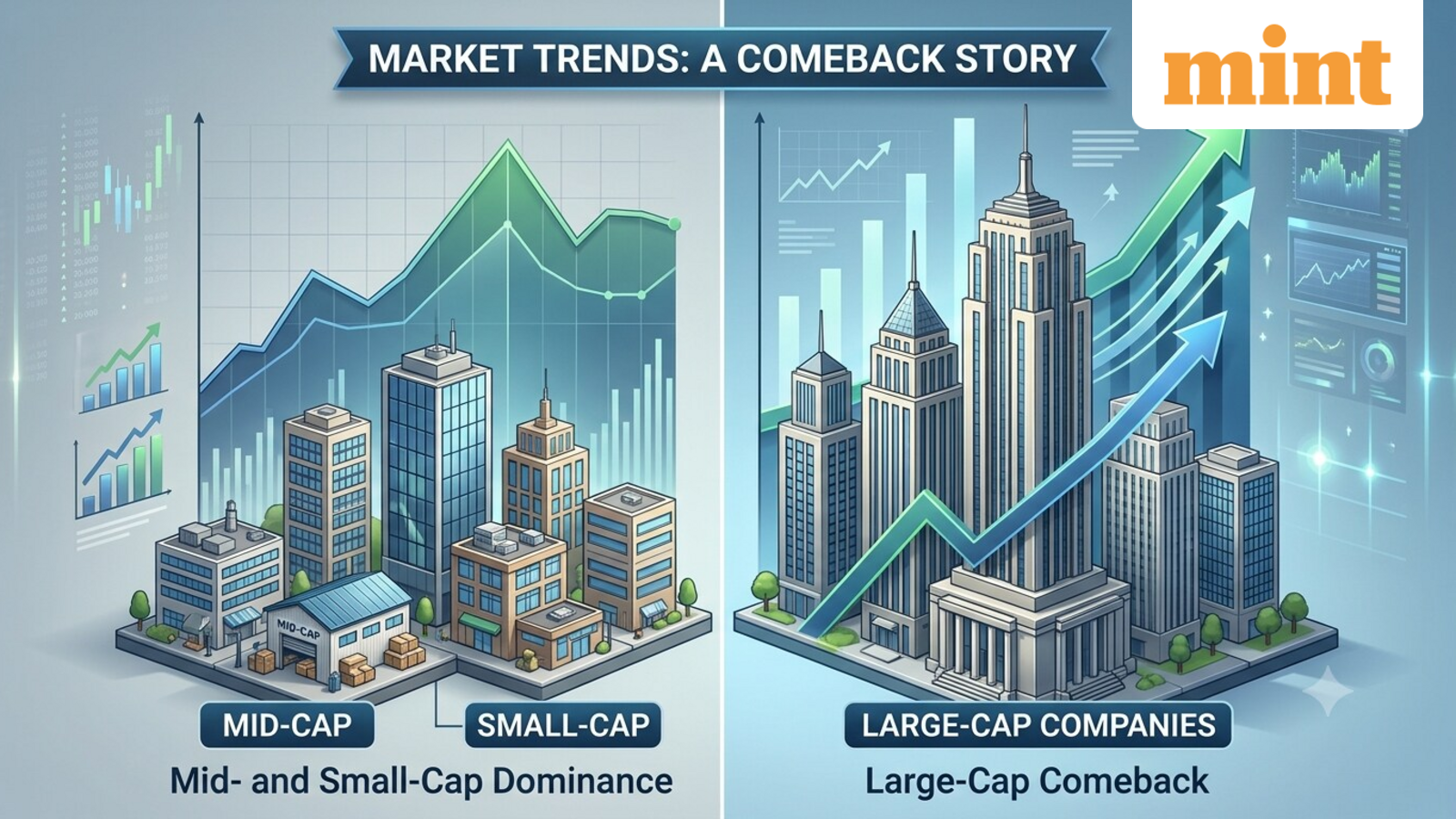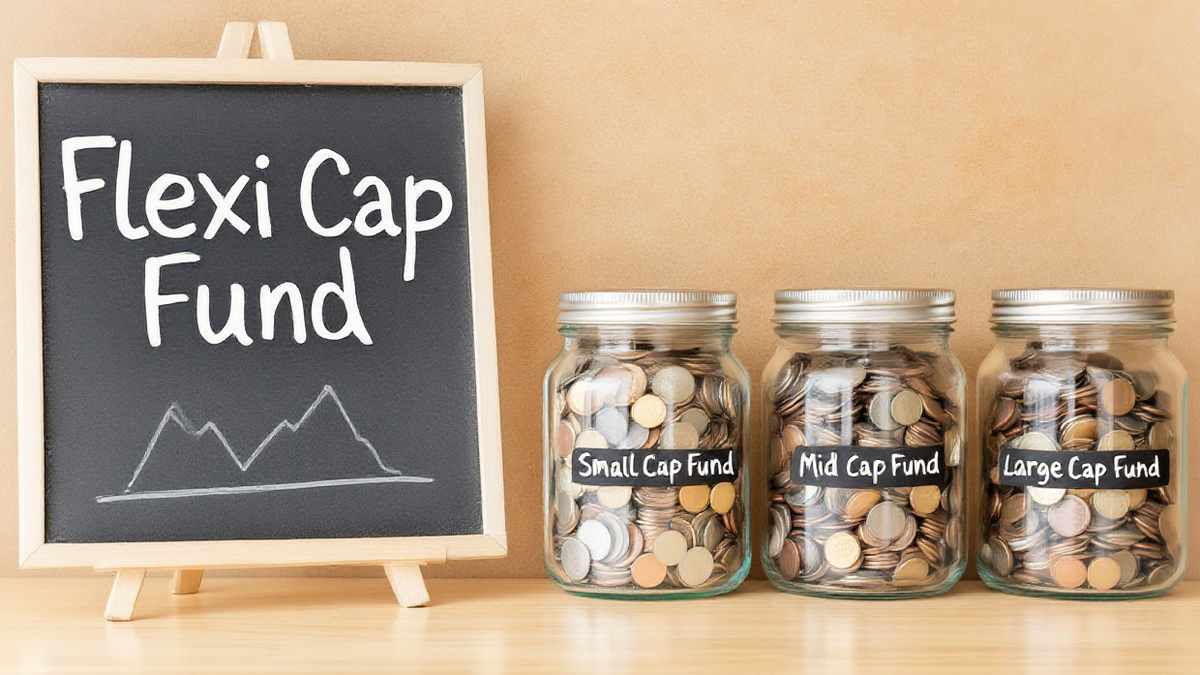

The large-cap cut-off in the semi-annual AMFI stock reclassification is set to increase marginally to ₹1.07 lakh crore against ₹1.05 lakh crore in December, according to Nuvama Alternative Research.
However, the threshold for mid-cap classification will fall to ₹32,800 crore against ₹34,800 crore logged last December.
The divergence in large-cap and mid and small-cap was largely due to the skewed market movement, with quality stocks finding favour after the recent fall in valuation.
Anil Agarwal-led Vedanta has split its business into four new companies and listed them on stock exchanges. Based on current valuation, Vedanta Aluminium (₹1,84,222 crore) will qualify as large cap, while Vedanta Power (₹16,091 crore), Vedanta Oil & Gas (₹13,765 crore) and Vedanta Iron & Steel (₹8,646 crore) will fall under Small Cap.
Potential new large-caps
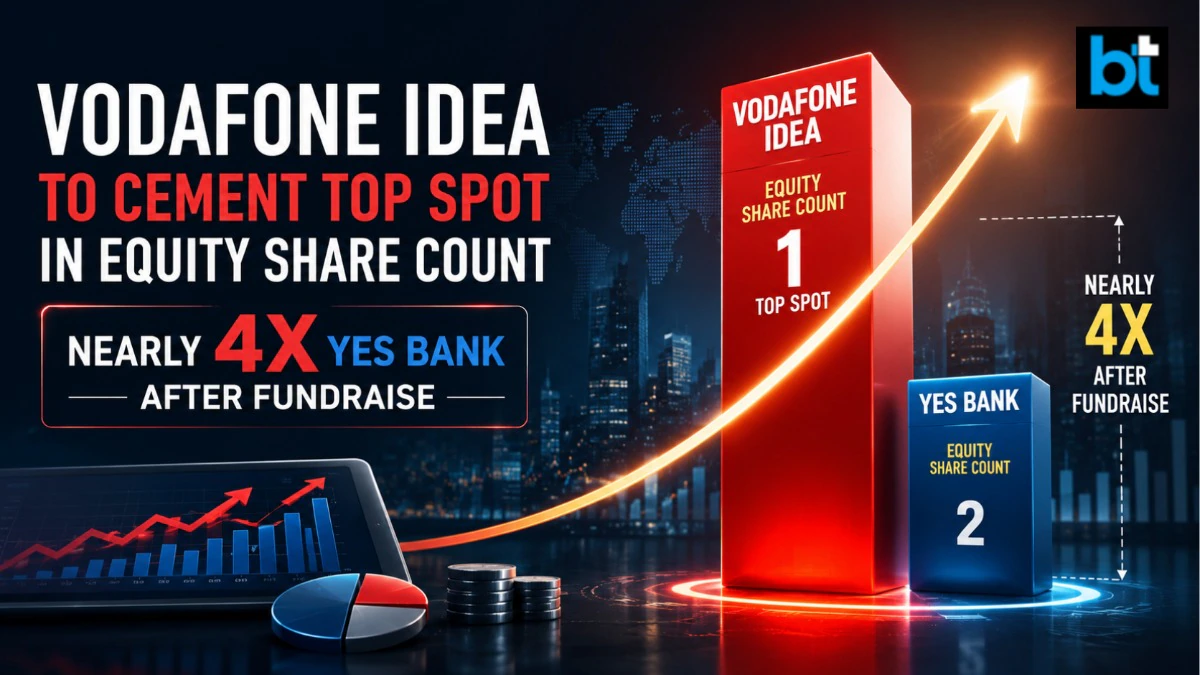
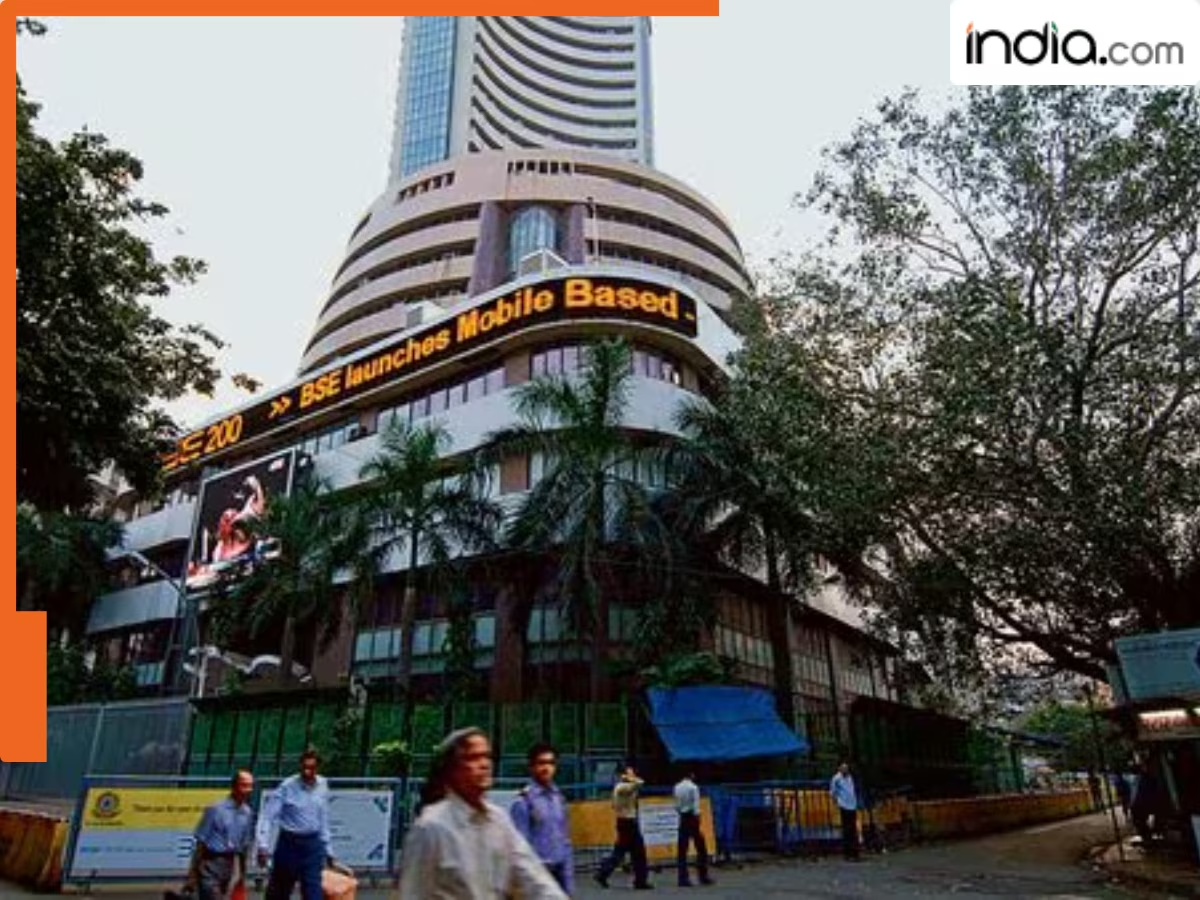
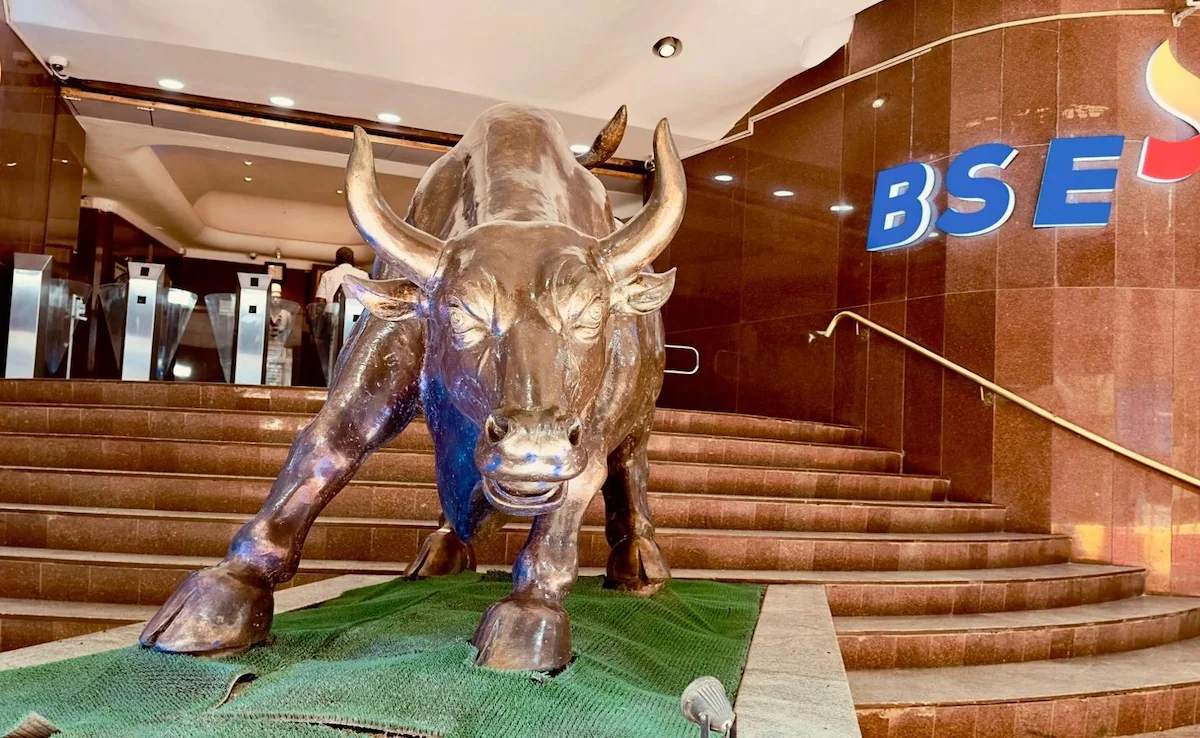
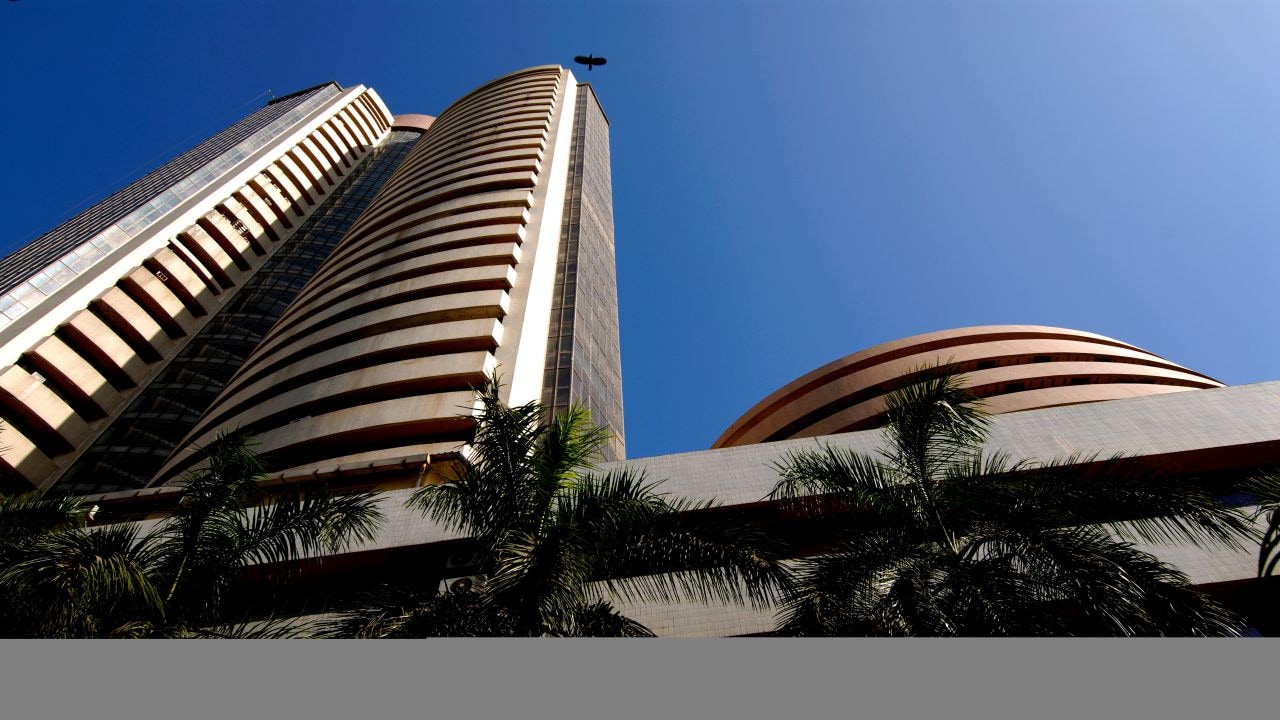
The potential large-cap entrants include BSE, Vodafone Idea, Hitachi Energy India, Jindal Steel, Indian Bank, Indus Towers, Billionbrains Garage Ventures, Bharat Heavy Electricals and Vedanta Aluminium.
Companies that will be downgraded from large-cap to mid-cap will be Lodha Developers, Indian Hotels Co, Mazagon Dock Shipbuilders, Max Healthcare Institute, LG Electronics India, Dr Reddy’s Laboratories, Siemens Energy India, Bosch and Hero Motocorp.
Mid-cap entrants
The potential mid-cap entrants include Hindustan Copper, NLC India, Aia Engineering, Ajanta Pharma, Aster DM Healthcare and Sona Blw Precision Forgings, while companies that will be downgraded from Mid Cap to Small Cap are Kaynes Technology India, SJVN, Cholamandalam Fin Holdings, Physicswallah, Global Health and Crisil.
New small-cap entrants include Bharat Coking Coal, Fractal Analytics, CMPDI, Clean Max Enviro, Shadowfax Tech, Amagi Media Labs, Sedemac Mechatronics, Powerica, Kwality Walls, Omnitech Engineering, Aye Finance, Sai Parenteral, PNGS Reva Diamond Jewellery, CMR Green Tech and Hexagon Nutrition.
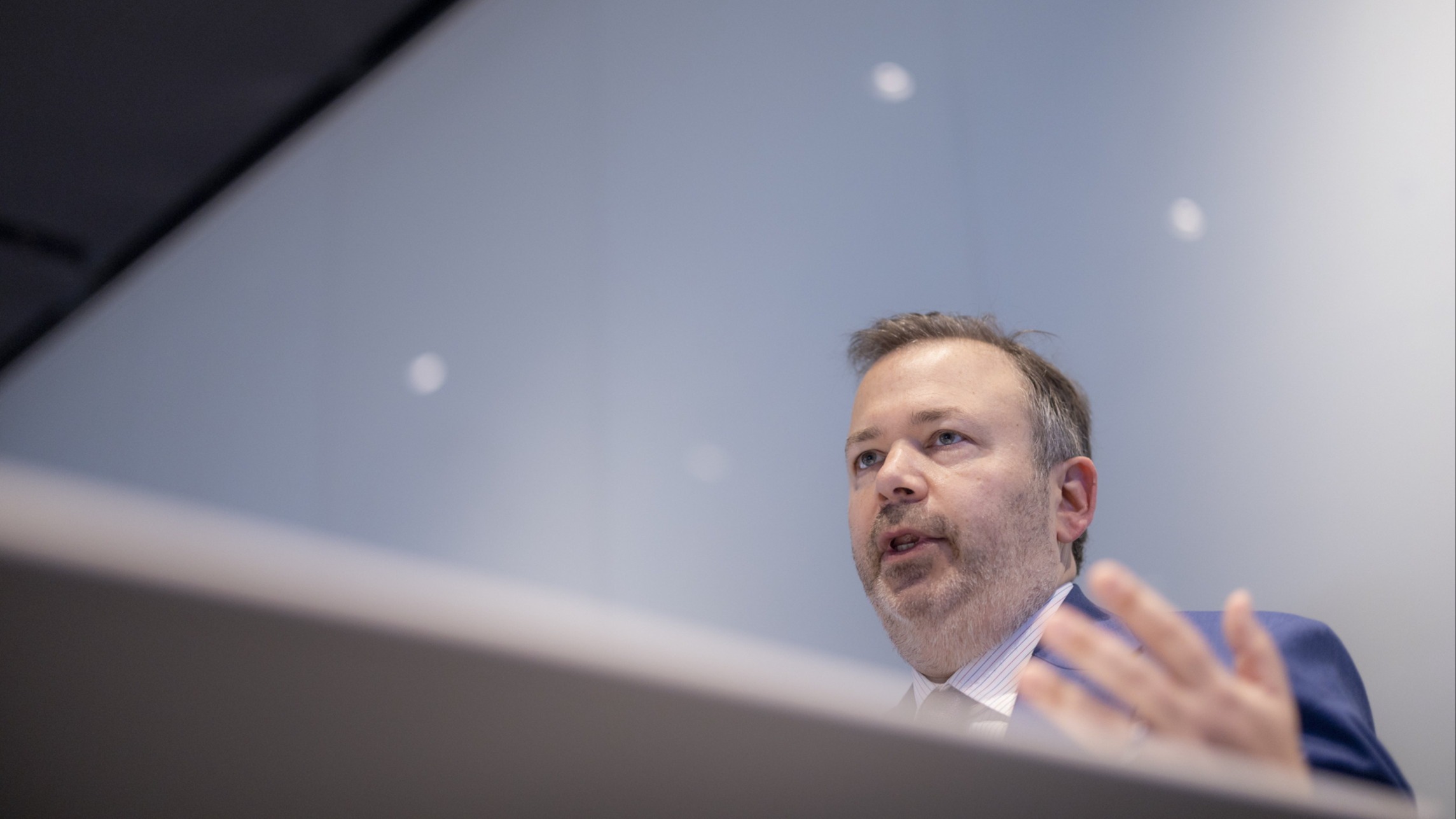
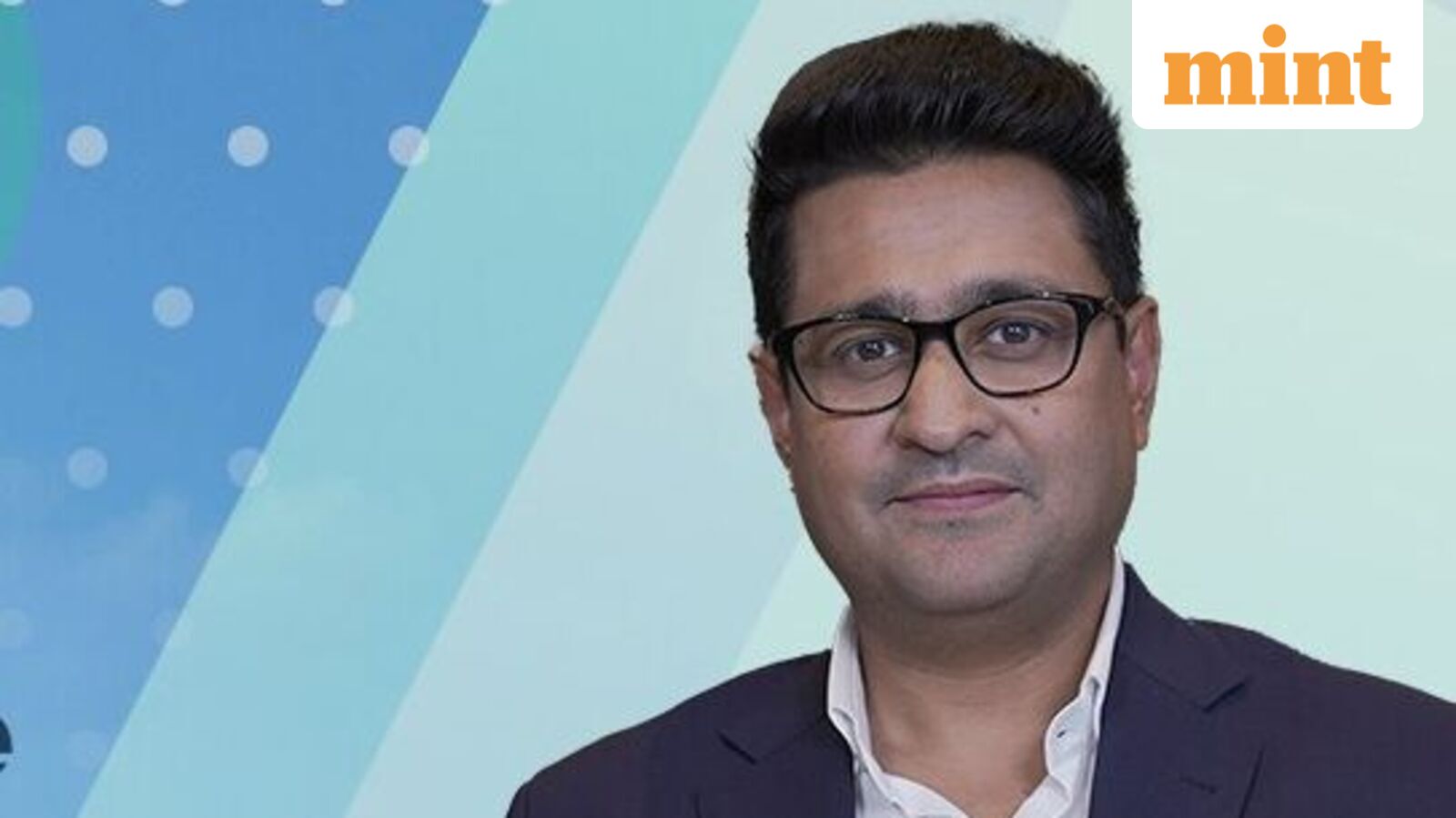
Sriram BKR, Senior Investment Strategist, Geojit Financial Services, said while the cut-off market cap of large- and mid-cap companies has moved differently, it would be interesting to see how their average and median market caps have been in this period to get a fair idea of the respective segments’ performance.
“It must also be noted the mid-cap index recorded its fresh all-time high in June,” he added.
Going by the Market cap Index ratios to the broader market (Nifty-500), as of May, largecaps are at a discount of 5.4 per cent, midcaps are at a premium of 16 per cent and smallcaps are at a premium of 8 per cent as compared to their five-year averages, said Sriram.
Nikunj Saraf, CEO, Choice Wealth, said the large-cap cutoff inching up reflects the resilience of the top 100 companies in absorbing FPI selling and maintaining market value.
Rising inflation, with the RBI’s own FY27 forecast now at 5.1 per cent and a Q3 peak of 5.9 per cent, compresses margins, particularly for mid and small-cap companies that have limited pricing power and higher input cost sensitivity, he added.
“The broad-brush exposure to mid and small-cap segments without earnings conviction is a risk that the current macro environment does not reward,” he added.
Published on June 22, 2026