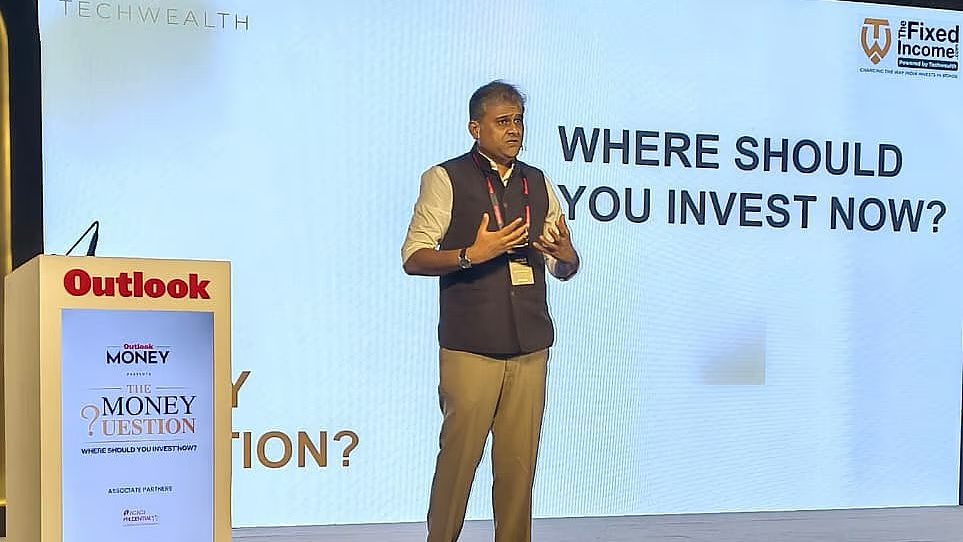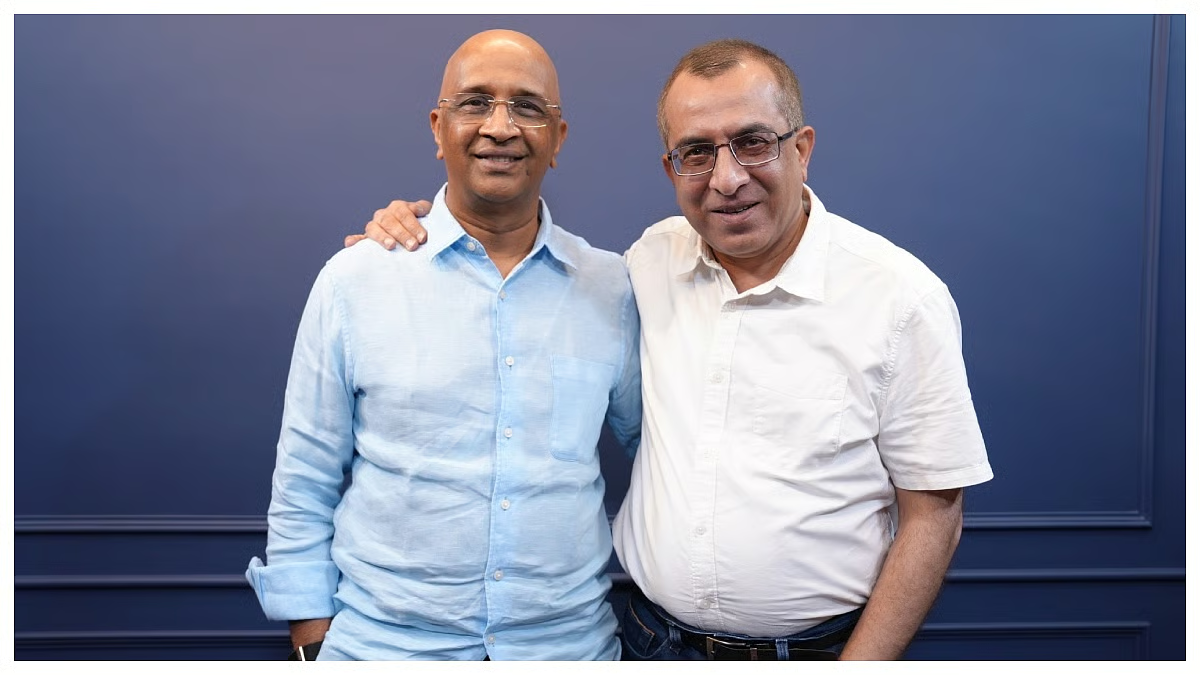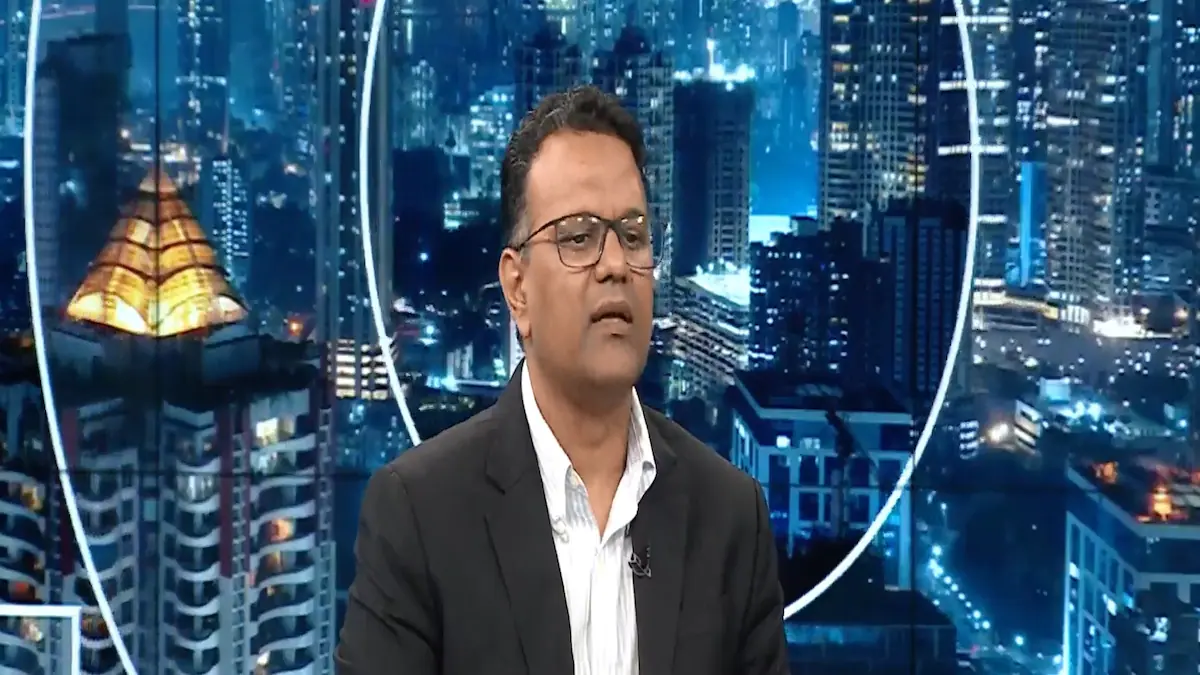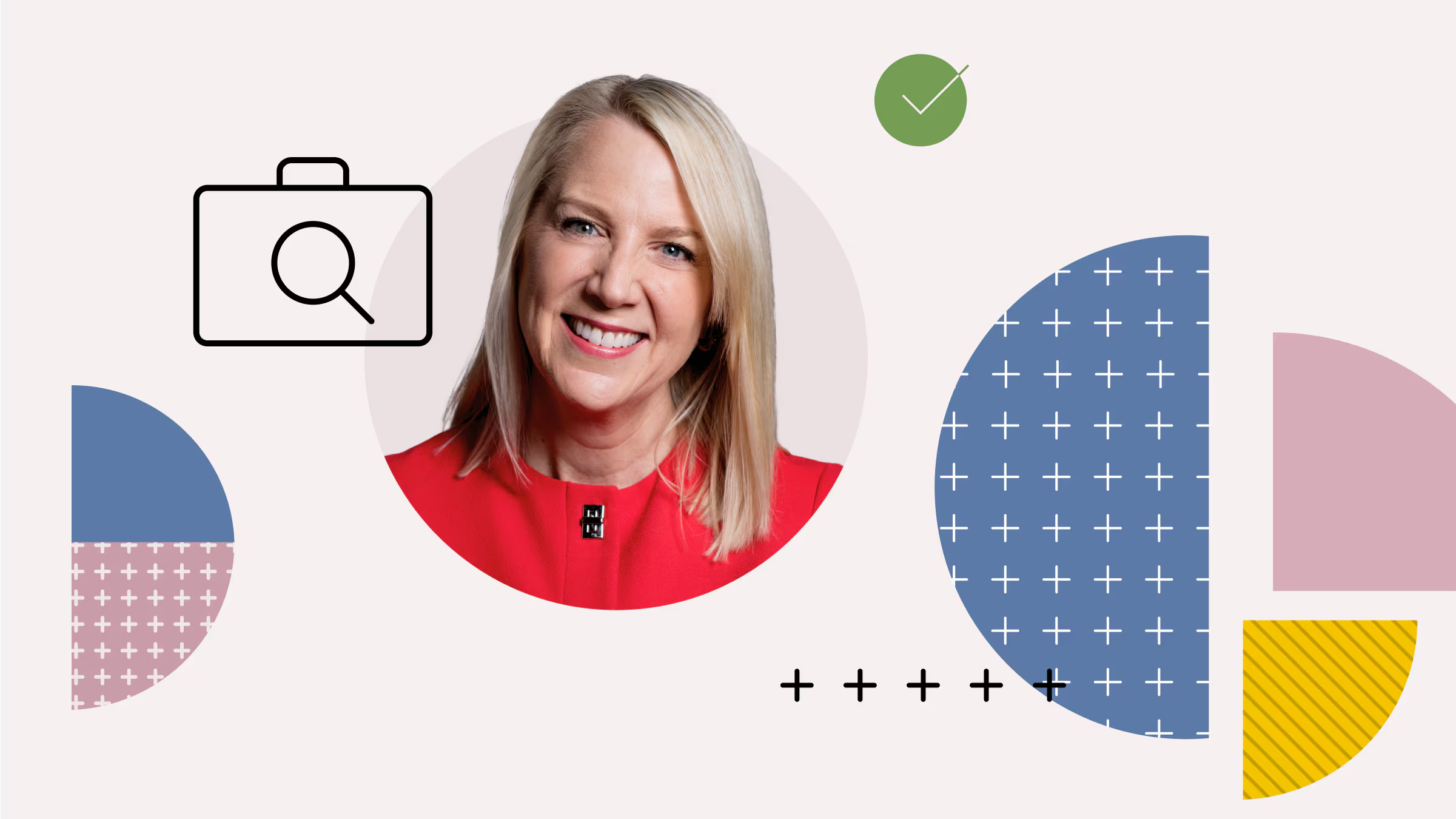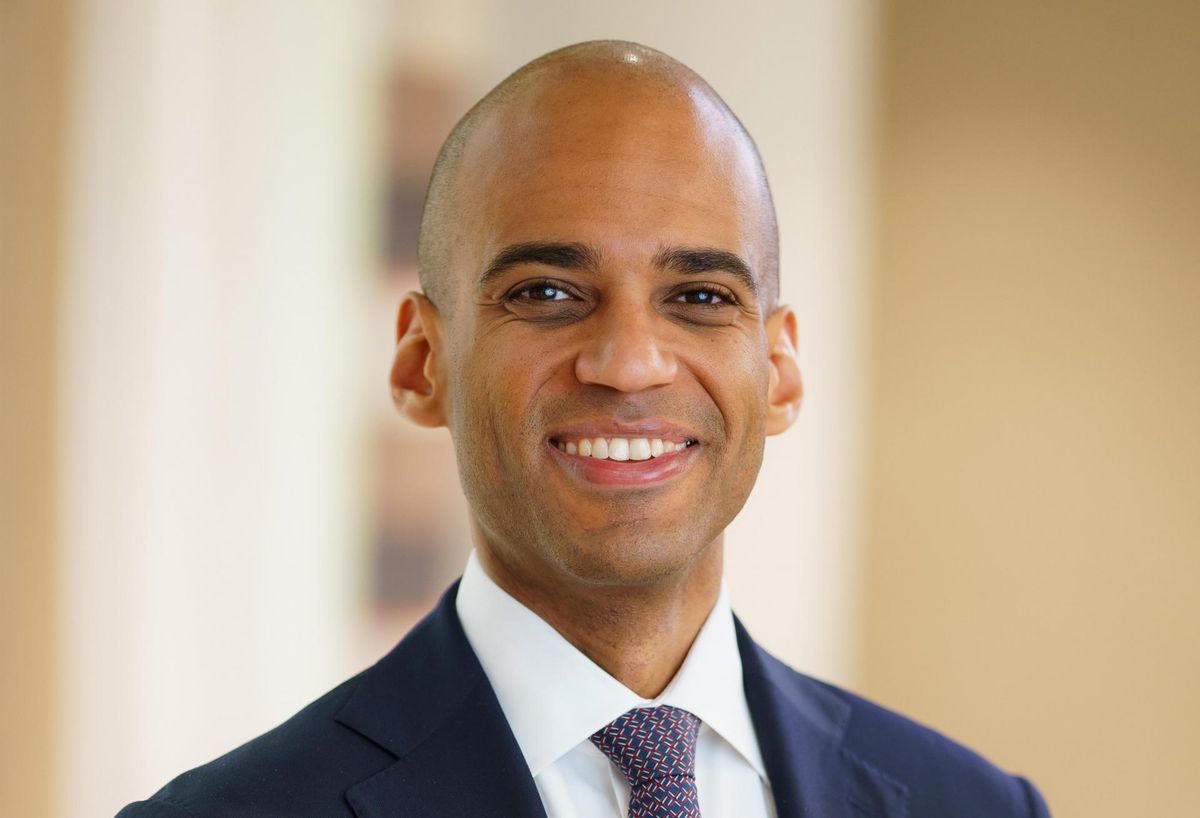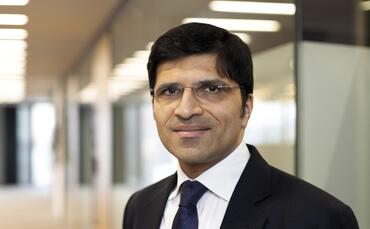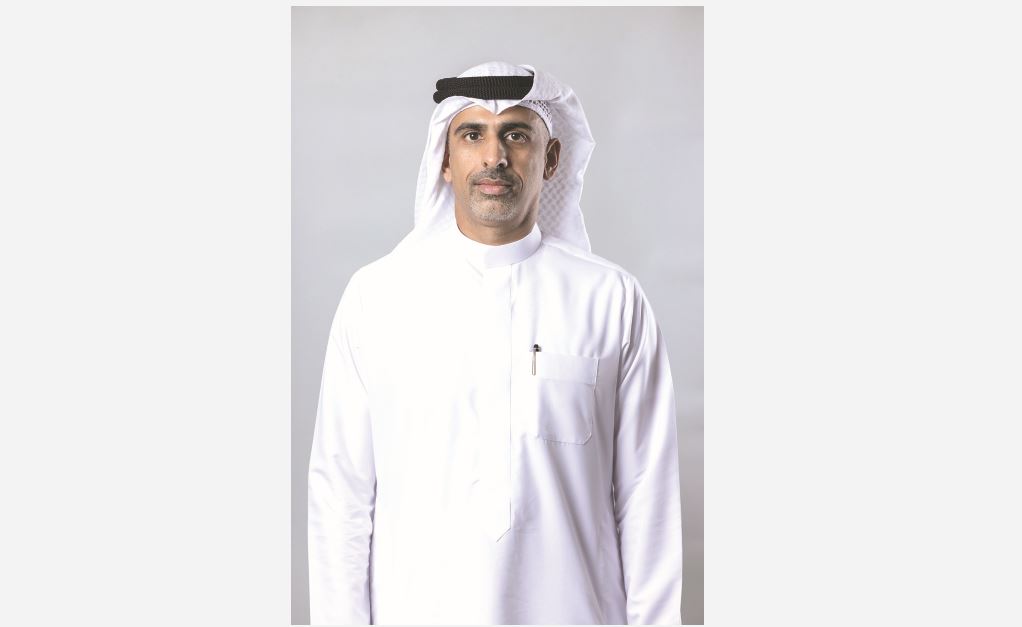
MissionSquare’s head of fixed income speaks with InvestmentNews.
With inflation proving more persistent than many expected and market volatility returning to the forefront, investors are rethinking how fixed income fits into portfolios.
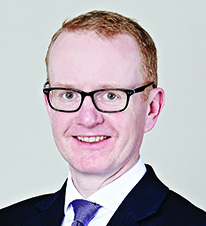
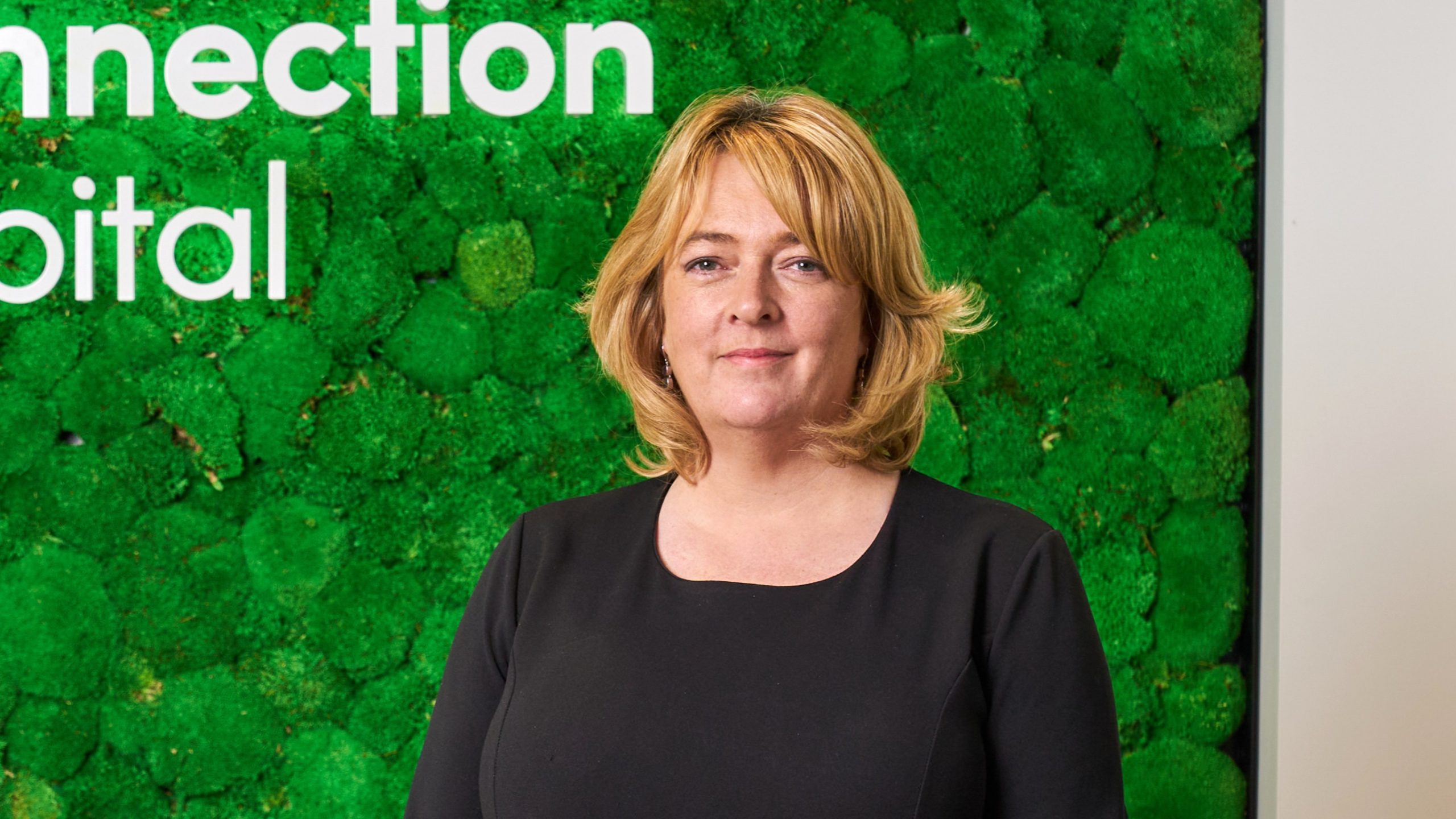
Speaking to InvestmentNews, Yulia Alekseeva, head of fixed income at MissionSquare, says the environment calls for resilience, income focus, and disciplined credit selection as the next phase of the cycle unfolds.
Asked how investors should be thinking about duration risk and bond allocations over the next 12–18 months, she notes that while inflation has moderated from its peak, uncertainty remains.
“Inflation has eased from its 2022–2023 highs, but the past few years underscore that the path back to central bank targets is unlikely to be smooth. Most forecasts still see inflation drifting toward the mid-2% range rather than returning cleanly to 2% anytime soon,” she says.
Alekseeva adds that geopolitical developments can quickly reintroduce inflation pressures, particularly through energy and supply channels, reinforcing the need for flexibility in fixed income portfolios.
“Ongoing geopolitical risks also highlight how quickly inflation pressures can reemerge, particularly through energy and supply channels for fixed income investors, which argues for a balanced duration stance. With yields still well above pre-pandemic levels, investors can earn attractive income, but portfolios should remain flexible given the risk of renewed rate volatility,” she says.
Portfolio resilience
Alekseeva believes the focus for retirement planning should not be on maximising duration but on improving portfolio resilience.
“From a retirement perspective, fixed income is again delivering both income and diversification, with an emphasis on blending intermediate duration exposure and income-oriented sectors that are less sensitive to large rate moves. In other words, it is not about maximizing duration — it is about maximizing resilience via earning income while managing rate volatility,” Alekseeva says.
Central banks are still navigating the tension between slowing growth and lingering price pressures, and Alekseeva expects policymakers to remain cautious.
“Central banks are navigating a delicate balancing act as growth has slowed but not collapsed, while inflation remains above target. This means policymakers must remain cautious about easing financial conditions too quickly,” she says.
While modest rate cuts may materialise over time, she argues that the structural backdrop has shifted.
“Most economists expect the Federal Reserve to gradually move toward a more neutral stance, with modest rate cuts possible over the next year if inflation continues to ease. However, this cycle looks very different from the post-financial crisis period. Higher fiscal deficits, geopolitical fragmentation, and heavy investment in energy and AI infrastructure suggest the neutral rate may remain structurally higher than in the past. Recent volatility in energy markets highlights the risk that inflation could resurface and complicate the path for further cuts. As a result, rates may trend lower over time, but a return to the ultralow environment of the 2010s appears unlikely,” Alekseeva says.
Income generation
Against that backdrop, she believes investors should prioritise income generation.
“For investors, that backdrop favors a focus on income and carry, rather than relying on falling rates alone to drive returns,” she adds.
In terms of sector opportunities, Alekseeva sees fixed income regaining competitiveness relative to equities.
“One of the most interesting features of today’s market, given the U.S. stock market’s year-to-date performance, is that fixed income is once again competitive with equities on an income basis. Higher starting yields are creating a strong carry environment, which has historically been an important driver of returns,” she says.
She highlights high-quality credit and securitised assets as particularly compelling areas.
“We see the most compelling opportunities in high quality credit and securitized sectors, which could offer attractive income supported by solid fundamentals. Investment grade credit has remained resilient amid steady growth and healthy balance sheets, though rising dispersion makes active selection increasingly important,” Alekseeva says.
By contrast, she cautions that some riskier segments of the market may offer limited upside.
“By contrast, many lower quality high yield segments appear fully valued at this stage of the cycle. Overall, the opportunity today is less about broad market beta and more about disciplined credit selection and income generation,” she says.
Stable value benefits
The shift to a higher-rate environment is also reshaping stable value portfolios, according to Alekseeva.
“Higher interest rates have improved the long-term outlook for stable value. The asset class is designed to benefit from rising reinvestment yields while maintaining low volatility for participants. As portfolios roll into higher-yielding securities as older, lower-yielding securities mature, crediting rates should gradually increase, enhancing income for retirement savers,” she says.
She adds that the diversification benefits of the asset class remain particularly relevant amid equity market turbulence.
“At the same time, stable value continues to provide important diversification benefits, particularly during periods of equity market volatility. In many ways, the environment today highlights the value of stable value as a core retirement solution focused on capital preservation and steady income,” Alekseeva says.
Looking at the broader macro backdrop, Alekseeva warns that markets may be overlooking several potential sources of volatility.
“One risk investors may be underestimating is inflation volatility driven by supply shocks. Recent energy market moves tied to the Iran conflict show how quickly geopolitical tensions can affect inflation expectations and rates,” she says.
Fiscal dynamics also remain an area of concern.
“Fiscal sustainability is another concern. Large deficits and increased Treasury issuance could pressure long term yields and term premiums,” she adds.
Liquidity risks, she notes, can emerge rapidly in stressed conditions.
“Finally, markets may be underestimating liquidity risk. Recent episodes have shown that liquidity can deteriorate quickly during periods of stress. For fixed income investors, managing these risks means emphasizing quality, diversification, and liquidity awareness,” Alekseeva says.
Diversified portfolios
With equity markets experiencing ongoing swings, Alekseeva believes investors are rediscovering fixed income’s traditional strategic role.
“The most important shift for investors is that fixed income has regained its traditional and strategically important dual role in investment portfolios: income generation and diversification. For much of the past decade, extremely low yields have limited the income potential of bonds. Today, however, higher starting yields can help improve the long-term return profile of fixed-income investments, allowing investors to generate income while maintaining relatively high-quality exposures,” she says.
She emphasises that this is particularly relevant for retirement portfolios.
“At the same time, bonds can once again provide diversification benefits when equity markets become volatile. For retirement portfolios in particular, fixed income plays an essential role in providing stable income streams, managing drawdowns, and stabilizing portfolio outcomes. This makes bonds a foundational component of diversified portfolios for investors seeking both income and risk management across market cycles,” Alekseeva says.
As markets look ahead to the next economic phase, Alekseeva says MissionSquare is focused on a set of early-cycle indicators.
“When assessing the economic outlook, we focus on a handful of earlycycle indicators at MissionSquare. Labor market trends — particularly job creation, wage growth, and unemployment claims — remain central,” she says.
She also highlights inflation persistence and credit conditions as key signals.
“We also monitor persistent inflation components, such as services and housing, as well as credit conditions, including lending standards and credit spreads. Financial market signals, especially liquidity conditions and Treasury market functioning, help gauge broader systemic risk,” Alekseeva says.
Taken together, these indicators currently point toward a gradual moderation rather than a sharp downturn.
“Taken together, these indicators currently point to gradual growth moderation rather than a sharp slowdown, consistent with a soft landing scenario,” she concludes.